

Exercise for Hypertension: A Prescription Update Integrating Existing Recommendations with Emerging Research
Open accessThe DOI matches its Crossref record; 103 of the 104 references it cites were found in a registry or an index, and 1 are not checked yet.
Abstract
Hypertension is the most common, costly, and preventable cardiovascular disease risk factor. Numerous professional organizations and committees recommend exercise as initial lifestyle therapy to prevent, treat, and control hypertension. Yet, these recommendations differ in the components of the Frequency, Intensity, Time, and Type (FITT) principle of exercise prescription (Ex Rx); the evidence upon which they are based is only of fair methodological quality; and the individual studies upon which they are based generally do not include people with hypertension, which are some of the limitations in this literature. The purposes of this review are to (1) overview the professional exercise recommendations for hypertension in terms of the FITT principle of Ex Rx; (2) discuss new and emerging research related to Ex Rx for hypertension; and (3) present an updated FITT Ex Rx for adults with hypertension that integrates the existing recommendations with this new and emerging research.
Overview
The claims and statistics of this paper haven’t been checked yet.
Free: it reads the open-access text and checks the first 5 claims that cite a source we can check. Create a free account to check every claim.
Integrity signals
Registry
Cites
Statistics
Figures
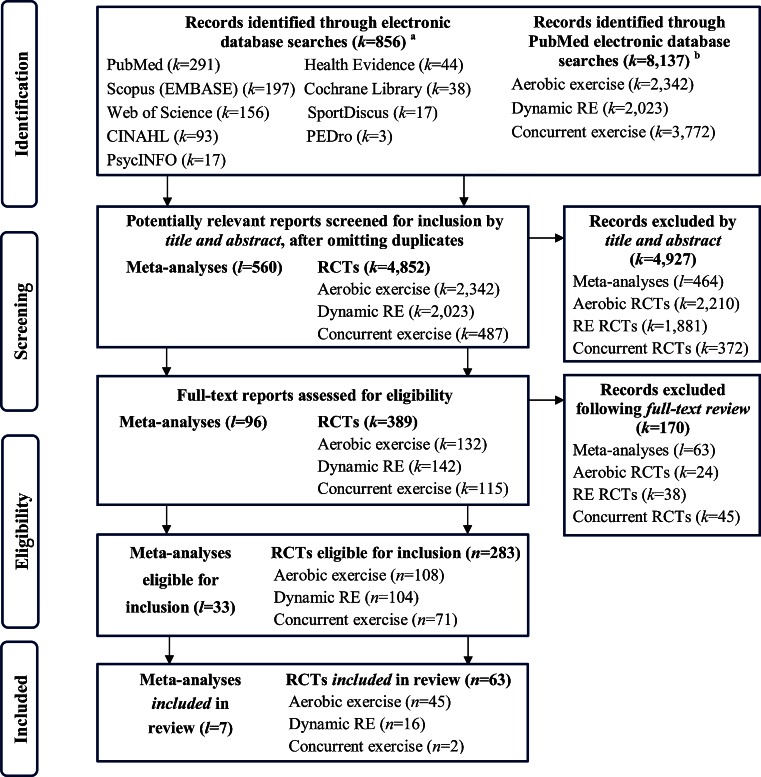
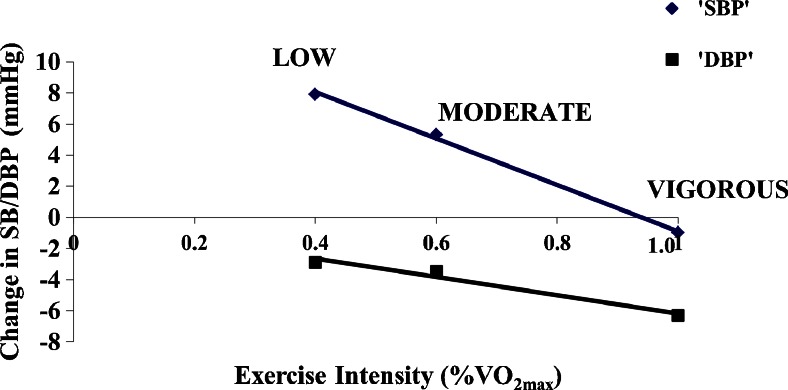
Verification
Claims the paper makes
The claims and statistics of this paper haven’t been checked yet.
Free: it reads the open-access text and checks the first 5 claims that cite a source we can check. Create a free account to check every claim.
Self-check
Percentages, sums and reported differences re-computed from the paper’s own numbers.
The self-check needs the paper’s full text.
Citations
Cites
Toprak, O., Kurt, H., Sarı, Y., Şarkış, C., Us, H., & Kırık, A. (2017) · Kidney and Blood Pressure Research · doi:10.1159/000468530 · Cited by 29,627
Chobanian, A. V., Bakris, G. L., Black, H. R., Cushman, W. C., Green, L. A., Izzo, J. L., Jones, D. W., Materson, B. J., Oparil, S., Wright, J. T., et al. (2003) · Hypertension · doi:10.1161/01.hyp.0000107251.49515.c2 · Cited by 13,271
Ahmed, A., Jorna, T., & Bhandari, S. (2016) · Nephron · doi:10.1159/000447068 · Cited by 11,717
The Physical Activity Guidelines for Americans
Piercy, K. L., Troiano, R. P., Ballard, R. M., Carlson, S. A., Fulton, J. E., Galuska, D. A., George, S. M., & Olson, R. D. (2018) · JAMA · doi:10.1001/jama.2018.14854 · Cited by 9,755
(1998) · PsycEXTRA Dataset · doi:10.1037/e565682010-001 · Cited by 9,472
(2014) · Medical Entomology and Zoology · Cited by 9,400
Self-citationGarber, C. E., Blissmer, B., Deschenes, M. R., Franklin, B. A., Lamonte, M. J., Lee, I.-M., Nieman, D. C., & Swain, D. P. (2011) · Medicine & Science in Sports & Exercise · doi:10.1249/mss.0b013e318213fefb · Cited by 9,319
James, P. A., Oparil, S., Carter, B. L., Cushman, W. C., Dennison-Himmelfarb, C., Handler, J., Lackland, D. T., LeFevre, M. L., MacKenzie, T. D., Ogedegbe, O., et al. (2014) · JAMA · doi:10.1001/jama.2013.284427 · Cited by 7,950
Heart Disease and Stroke Statistics—2015 Update: A Report From the American Heart Association
Mozaffarian, D., Benjamin, E. J., Go, A. S., Arnett, D. K., Blaha, M. J., Cushman, M., de Ferranti, S., Després, J.-P., Fullerton, H. J., Howard, V. J., et al. (2015) · Circulation · doi:10.1161/cir.0000000000000152 · Cited by 5,797 · cited 2×
“The FITT Ex Rx recommendations that follow are based upon the existing exercise recommendations for hypertension 87 Page 6 of 10 Curr Hypertens Rep (2015) 17: 87”
BackgroundMethodThe ALLHAT Officers and Coordinators for the ALLHAT Collaborative Research Group (2002) · JAMA: The Journal of the American Medical Association · doi:10.1001/jama.288.23.2981 · Cited by 5,664
Research works printed but not linked: 1
- Pescatello LS Coleman WB Tsongalis GJ Effects of exercise on hypertension: From cells to physiological systems Molecular and translational medicine 2015 Switzerland Springer International Publishing pp. 3 86
Cited by
Items 401–466 of 466
Silva, J. C. S., & Saad, K. R. (2023) · ID on line REVISTA DE PSICOLOGIA · doi:10.14295/idonline.v17i69.3895
Beneficial Effects of Exercise in Hypertensive Patients
Kasem, E. M., Garah, R. A., & Alrohaily, L. S. (2023) · Journal of Healthcare Sciences · doi:10.52533/johs.2023.30903
Neto, V. G. C., Monteiro, E. R., Gomes, D. V., Cocate, P. G., Neto, G. D. A. M., Miranda, H. L., de Oliveira, F., Silva, L. C., Da, S., & Palma, A. (2024) · Sport Sciences for Health · doi:10.1007/s11332-023-01160-x
“Regular practice of PA has a meaningful role on BP and HRV phenotypic expression [7, 8].”
Yelavarthy, P., Panjiyar, B. K., Yelavarthy, P., & Lankala, S. (2024) · Preprints.org · doi:10.20944/preprints202401.1521.v1 · Cited by 1
Encarnação, S., Rodrigues, S., Teixeira, J. E., Sampaio, T., Encarnação, R., Fernandes, H., & Monteiro, A. M. (2024) · Research Square · doi:10.21203/rs.3.rs-3887734/v1
(2024) · The Singapore Family Physician · doi:10.33591/sfp.49.9.u4
The role of physical training in the complex treatment of patients with arterial hypertension
Лукашенко, Л. В., & Лихасенко, І. В. (2024) · doi:10.30525/978-9934-26-401-6-5
Masoumi‐Ardakani, Y., Najafipour, H., Nasri, H., Shahouzehi, B., & Noohi, N. (2024) · Brazilian Archives of Biology and Technology · doi:10.1590/1678-4324-2024230361
“ET was performed under the supervision of a licensed physician, and BP was measured before and after training [30].”
Methodinfluence of physical activity on the arterial blood pressure of the elderly
Rančić, D., Ilić, T., & Stojanović, S. (2024) · Annales Kinesiologiae · doi:10.35469/ak.2023.389
Moradi, S., Mohebbi, H., & Jorbonian, A. (2024) · Research Square · doi:10.21203/rs.3.rs-4551837/v1
Dantas, I. V., Perrier-Melo, R. J., Costa, M. D. C., Brito, A. D. F., Gomes, J. L. D. B., & Vancea, D. M. M. (2024) · Journal of Bodywork and Movement Therapies · doi:10.1016/j.jbmt.2024.10.064 · Cited by 1
Tukakira, J., Ka, M. M., Gaye, N. D., Kyem, D., Jobe, M., Sattler, E. L. P., Gaye, B., & Gary‐Webb, T. L. (2024) · Research Square · doi:10.21203/rs.3.rs-5327527/v1
Silişteanu, S. C., VIZITIU, E. L., Filip, F., Totan, M., Antonescu, E., DUICA, L. C., Antonescu, O. R., Szakács, J., & Baitan, M. T. (2024) · Romanian Journal of Oral Rehabilitation · doi:10.62610/rjor.2024.2.16.34 · Cited by 1
“Cardiovascular diseases, particularly during menopause, are a leading cause of death in women [11] due to declining estrogen levels [12].”
Carpes, L. D. O., Jung, N. N., Domingues, L. B., Fuchs, S. C. P. C., Tanaka, H., & Ferrari, R. (2025) · Revista Brasileira de Atividade Física & Saúde · doi:10.12820/rbafs.29e0368 · Cited by 2
Haryono, I. R., & Prastowo, N. A. (2025) · The Journal of Sports Medicine and Physical Fitness · doi:10.23736/s0022-4707.25.16599-7
Shinde, V., & Naik, V. C. (2024) · Indian Journal of Physical Therapy and Research · doi:10.4103/ijptr.ijptr_4_25
Amer, S. B., Hayajneh, A., Almemeh, L., Jawarneh, B., Almefleh, S., Al-Ababneh, T., Hijazi, M., Al-Qudah, L., Al-Shorman, H., Al-Khateeb, H., et al. (2024) · medtigo Journal of Medicine · doi:10.63096/medtigo30622413
Breaking Barriers: New Research in Hypertension Treatment
Vana, G., Sathyavathi, N. P., Poojitha, V., & Charishma, I. (2025) · doi:10.38124/ijisrt/25mar486
Баннікова, Р. О., & Вороньков, О. (2024) · Спортивна медицина фізична терапія та ерготерапія · doi:10.32782/spmed.2024.2.172-177
Effect of Resistance Exercise on Ambulatory Blood Pressure: Systematic Review and Meta-Analysis
Braghieri, H. A., da Silva, G. O., Farah, B. Q., Parmenter, B. J., Kanegusuku, H., Ritti‐Dias, R. M., & Correia, M. D. A. (2025) · International Journal of Sports Medicine · doi:10.1055/a-2688-5151 · Cited by 2
DESING OF INDIVIDUALISED COMBINED TRAINING PROGRAMMES FOR ADULTS WITH HYPERTENSION
López-Ruiz, I., Lozano, F., Masiá, M. D., & González-Gálvez, N. (2025) · Cultura Ciencia y Deporte · doi:10.12800/ccd.v20i64.2368
Sukarno, R. T., Tambulana, A. N., Sari, A. R., Syafiie, S. H. N., Haryadi, D., Salsabila, H., Hidayatullah, I. N., & Amanda, N. (2025) · J-Dinamika Jurnal Pengabdian Masyarakat · doi:10.25047/j-dinamika.v10i2.6273
Anyakorah, P. E., Innocent, D. C., Chukwuemeka, P. S., Ezenwa, C. J., Nwaokoro, J. C., & Emina, V. A. (2026) · Sport Sciences for Health · doi:10.21203/rs.3.rs-7781986/v1
CAN EXERGAMES LOWER BLOOD PRESSURE AND ENHANCE CARDIOVASCULAR HEALTH? A SYSTEMATIC REVIEW
Nascimento, J. R., Perez, F. M. P., Bombarda, L. T., Santos, L. L. D., Bellei, E. A., Elsner, V. R., & Marchi, A. C. B. D. (2025) · Revista Multidisciplinar do Nordeste Mineiro · doi:10.61164/es1amh75
Bandeira, A. C. N., Sirydakis, M. E. D. M., Johann, E. B., Winter, G., Delevatti, R. S., & Gerage, A. M. (2025) · Revista Brasileira de Ciências do Esporte · doi:10.1590/rbce.47.e20240026
Kollet, D. P., Marenco, A. B., Bellé, N. L., Barbosa, E., Boll, L. F. C., Eibel, B., Waclawovsky, G., & Lehnen, A. M. (2021) · Figshare · doi:10.6084/m9.figshare.14432303
Waclawovsky, G., Boll, L. F. C., Neto, S. G., Irigoyen, M. C. C., & Lehnen, A. M. (2021) · Figshare · doi:10.6084/m9.figshare.15567565
Berastegi Razkin, I. (2018) · Communities in ADDI (University of the Basque Country)
Sanz López, V. (2024) · UVaDOC UVaDOC University of Valladolid Documentary Repository (University of Valladolid)
Actividad Física en personas con Enfermedades Cardiovasculares: revisión narrativa
Pérez Rivarés, B., & López‐Laval, I. (2021) · Zaguan (University of Zaragoza Repository)
Wells, M. (2020) · OhioLink ETD Center (Ohio Library and Information Network)
Laufenberg, J., Bratetic, M., Jacobson, K., Wabakken, K., TAKENAKA, C., Ostrander, K., & Zeigler, Z. (2026) · The Journal of Sports Medicine and Physical Fitness · doi:10.23736/s0022-4707.25.17322-2
Seoane, J. Y., & Santos, M. R. P. A. Q. (2025) · Educación Física y Ciencia · doi:10.24215/23142561e347
Enhanced post-exercise hypotension in female athletes with menstrual disorders
Nakamura, M., Saito, Y., Eguchi, K., & Hayashi, K. (2026) · JSAMS Plus · doi:10.1016/j.jsampl.2026.100137
“Post-exercise hypotension (PEH) – a consistent fall in arterial blood pressure (BP) following a single session of aerobic exercise [1] – is well described.”
InfluentialLotfi, N., Rakaa, O. B., Lourenço, C., & Madani, M. (2026) · Retos · doi:10.47197/retos.v78.118822
“Pescatello et al. (2015) confirm that PEH is more pronounced after intense efforts, and van de Walle et al. (2021) highlight a marked effect in interval-based exercises.”
Sakairi, M. (2025) · Institutional Repositories DataBase (IRDB)
Merhi, S. (2022) · theses.fr (ABES) · doi:10.70675/85735d4aza31az4761z9cfaz05b3181e278a · Cited by 1
Rama, R., Ramana, K., Jeslin, G. N., Chakravarthy, K. M., Priya, I. M., & Alagesan, J. (2026) · AIP conference proceedings · doi:10.1063/5.0312452
Nossupuwo, S. L., & Tamokou, J.-D.-D. (2026) · Japanese journal of gastroenterology. · doi:10.52338/jjogastro.2026.5448
Alyafei, A. A., Alhajri, S., AlBader, A. Q. B., & Alsayrafi, O. (2026) · Cureus · doi:10.7759/cureus.107875
“Although AT has traditionally been emphasized as first-line exercise therapy for hypertension, emerging evidence suggests that both AT and RT can achieve comparable reductions in BP in many patients [11,16,17].”
Evaluating the Impact of a One‐Year Exercise Program on Probable Sarcopenia in Older Adults
Marzetti, E., Álvarez‐Bustos, A., Aguiar, S. D. S., Gonçalves, I. D. O., Rodríguez-Sánchez, I., & Coelho‐Júnior, H. J. (2026) · Journal of Aging Research · doi:10.1155/jare/5534766
CRUZ, A. S. D., Rocha, K. D. M., & Ferreira, L. G. D. F. (2026) · Revista JRG de Estudos Acadêmicos · doi:10.55892/jrg.v9i20.3511
Mir, I. A., Humayra, S., John, A. T., Wan, C. H., & Toh, X. Y. (2026) · Scientific Reports · doi:10.1038/s41598-026-60452-7
“These adaptations preferentially improve large artery compliance and reduce peak ventricular ejection pressure, leading to more immediate and pronounced reductions in SBP 54,55 .”
Lina, G. E., Kong, D., Chen, M., Xu, S., Ma, C., Ling, W., & Liang, W. (2026) · Frontiers in Physiology · doi:10.3389/fphys.2026.1865794
Macrominerals Consumption, Physical Activity and The Incidence Of High Blood Pressure in Adults
Khalisyah, M. Q., Suryani, D., & Krisnasary, A. (2026) · International Journal of Medical Science and Clinical Research Studies · doi:10.47191/ijmscrs/v6-i7-07
Romic, R., Cerovečki, V., Kermc, I., Adžić, Z. O., Petriček, G., Hanževački, M., Buljan, N., Hrabač, P., Samardžić, J., Reiner, Z., et al. (2026) · Journal of Clinical Medicine · doi:10.3390/jcm15145376
Muttaqin, W. W., Sodikin, S., & Subroto, W. (2026) · Jurnal Ilmiah Ilmu Terapan Universitas Jambi|JIITUJ| · doi:10.22437/jiituj.v10i3.55161
Mwalungali, G., Chola, E., Hampango, P., Kampamba, M., Mweetwa, L. L., Mutati, C., Chisunka, C. G., Silwimba, A., & Hangoma, J. M. (2026) · Health Science Reports · doi:10.1002/hsr2.72946
Pemberdayaan Keluarga Sebagai Support System dalam Pencegahan Hipertensi
Pondaag, F. A., Katuuk, M. E., & Rumokoi, C. (2026) · Jurnal Lentera Sehat Indonesia · doi:10.57207/2wse9y62
“Bagian yang tidak kalah penting yaitu aktivitas fisik seperti senam ringan, jalan kaki, dan latihan pernapasan dapat membantu menurunkan tekanan darah pada pasien hipertensi (Pescatello et al., 2015).”
Potosí-Moya, V., Paredes-Gómez, R., Cifuentes, A. L., & López-Jaramillo, P. A. (2026) · Applied Sciences · doi:10.3390/app16168240
Pinto, D., Rato, N. D., Garcia, C., Teixeira, M., Marques, M. J., Amaral, T., Amaral, L., Abreu, R., Carneiro, C., Oliveira, A. P., et al. (2026) · Blood Pressure Monitoring · doi:10.1097/mbp.0000000000000820
Self-citationMiura, H., Nakamura, M., Murakami, A., Deguchi, J., & Tamura, Y. (2026) · Research Square · doi:10.21203/rs.3.rs-10735211/v1
Febriana, A., Herawati, H., Kausar, L. I. E., Karomah, G., Buana, K. E., Azizah, A. N., Badriah, S., Pratiwi, S. E., Rachmawati, S. D., & Hartanti, L. O. (2026) · SELAPARANG Jurnal Pengabdian Masyarakat Berkemajuan · doi:10.31764/jpmb.v10i3.39776
“Penelitian (Pescatello et al., 2015) juga menunjukkan bahwa latihan aerobik secara rutin dapat menurunkan tekanan darah hingga 5-7 mmHg pada pasien hipertensi.”
Wang, Y., Tan, Q., Zhong, J., Zhang, C., Wang, Y., Gao, W., & Li, M. (2026) · Frontiers in Physiology · doi:10.3389/fphys.2026.1904753
Liu, K., & Liang, X. (2026) · Acta Psychologica · doi:10.1016/j.actpsy.2026.107895
ภาวะสุขภาพของผู้ป่วยโรคความดันโลหิตสูงในการควบคุมระดับความดันโลหิต
Kottsombat, A., & Sahaimvibool, B. (2022) · Journal of Education-Health and Environmental Management
Tiparat, W., Promthong, K., & Musikachana, K. (2024) · Nursing Journal CMU
Zikri, L. N., & Gufron, A. (2026) · Journal of Applied Health Sciences · doi:10.70716/jahs.v2i1.186
Sukmawan, K. K. P., Istianah, I., Sutisna, M. I., & Pitono, A. J. (2026) · Journal of Innovative and Creativity (Joecy) · doi:10.31004/joecy.v6i1.9012
Li, X. (2026) · Clinical Interventions in Aging · doi:10.2147/cia.s641221
“94,95 Wearables may help track step count, heart-rate trends, sleep, sedentary time, and adherence, but they should support—not replace—clinical judgment.”
da Silva, M. C., & Medeiros, L. G. S. (2026) · South American Sciences · doi:10.63330/sasciencesv6n2-254
Mmusi, S. M., Bopape, M. A., & Mothiba, T. M. (2026) · Frontiers in Public Health · doi:10.3389/fpubh.2026.1937901
Khairunnisa, R., Solihat, S., & Kurnia, D. (2026) · Healthy Journal · doi:10.55222/2jrbkg47
Althunyan, A. K. (2026) · Frontiers in Sports and Active Living · doi:10.3389/fspor.2026.1951352
da Silva, J. C. P. L., da Silva, N. L., Borges, J. P., Cordeiro, R. G., da Rocha, J. S., Rangel, M. V., Brasil, I. A., & Farinatti, P. (2026) · Journal of Hypertension · doi:10.1097/hjh.0000000000004497
Metadata
- Authors
- Pescatello, L. S., MacDonald, H. V., Lamberti, L., & Johnson, B. T.
- Affiliations
- University of Connecticut (US)
- Corresponding author
- Pescatello, Linda S.
- Venue
- Current Hypertension Reports
- Published
- 2015-09-30
- Volume
- 17
- Issue
- 11
- Pages
- 87-87
- ISSN
- 1522-6417 (ISSN-L)
- 1534-3111
- PMC
- PMC4589552
- OpenAlex
- W2123334275
- Cited by
- 431
- References
- 104
- Citations by year
- 2026: 22 · 2025: 29 · 2024: 38 · 2023: 44 · 2022: 58 · 2021: 56 · 2020: 64 · 2019: 39 · 2018: 40 · 2017: 19 · 2016: 19
- FWCI
- 4.46
- Type
- journal article
- Language
- en
- Open access
- hybrid
- doi.org
- Locations
- Current Hypertension Reports (publishedVersion, cc-by)
- Europe PMC (PubMed Central) (publishedVersion, cc-by)
- PubMed Central (publishedVersion, cc-by)
- PubMed (publishedVersion)
- Topics
- Health Sciences › Medicine › Cardiology and Cardiovascular Medicine › Blood Pressure and Hypertension Studies
- Health Sciences › Medicine › Public Health, Environmental and Occupational Health › Physical Activity and Health
- Health Sciences › Medicine › Physiology (medical) › Cardiovascular and exercise physiology
- Keywords
- hypertension, exercise prescription, FITT principle, lifestyle therapy, professional recommendations, cardiovascular risk reduction
- MeSH terms
- Animals, Blood Pressure, Humans, Hypertension, Time Factors, Exercise, Disease Progression
About these checks
Registry, retraction, Cites and statistics results are computed, not judged, with one exception: a printed reference that no index lists is read once by a model before it counts as a citation error. Claims are extracted by a model and kept only when their quote appears verbatim in the text; each cited source is then checked, with a model’s help, for whether it says what the claim relies on. Those verdicts can be wrong — read the claim’s quote and the cited source before relying on one.
Statistics and arithmetic are recomputed, not judged.
Confidence bands are shown only for fields calibrated on our annotated test set. None is calibrated yet, so no band is shown.
What counts as a claim ›How we measure confidence ›How we check this ›
Are you an author, or do you see a problem with this page? Request a review
Data sources
Bibliographic data: Semantic Scholar, OpenAlex, Crossref.
Contains information from the Semantic Scholar Academic Graph Datasets, made available under the ODC Attribution License (ODC-BY 1.0).
Semantic Scholar’s data is described in: Kinney, R., et al. (2023). The Semantic Scholar Open Data Platform. arXiv:2301.10140.
