

Comparing the Effectiveness of Three Different Biorefinery Processes at Recovering Bioactive Products from Hemp (Cannabis sativa L.) Byproduct
Open accessThe DOI matches its Crossref record; 77 of the 77 references it cites were found in a registry or an index; 7 of the 60 sources its claims cite were checked for support.
Abstract
In this study, creating value from hemp byproducts was pursued with three different approaches: (i) chemical extraction followed by enzymatic digestion, (ii) liquid fermentation by strains of Lactobacillus spp., and (iii) solid-state fermentation by Pleurotus ostreatus. The resulting products exhibited a range of in vitro antioxidant and antihypertensive activity, depending on the proteases used for enzymatic digestion, the bacterial strain, and the length of time of the two fermentation processes. These byproducts could be exploited as functional ingredients in the food, pharmaceutical, and cosmetic industries; the suggested biorefinery processes thus represent potential solutions for the development of other protein-containing byproducts or wastes.
Overview
CoChat Summary
TL;DR
This paper compares three ways of biorefining hemp bran byproduct: alkaline extraction plus enzymatic hydrolysis, liquid fermentation with Lactobacillus spp., and solid-state fermentation with Pleurotus ostreatus. All three produced bioactive products, with pepsin hydrolysis giving the strongest ACE-inhibitory activity and the overall best protein solubilization.
Key findings
- The hemp bran byproduct (HPB) contained 20.63 ± 0.91% (w/w) protein in dry matter; the authors note this material is about 10% (w/w) of the seed and is normally discarded during processing.
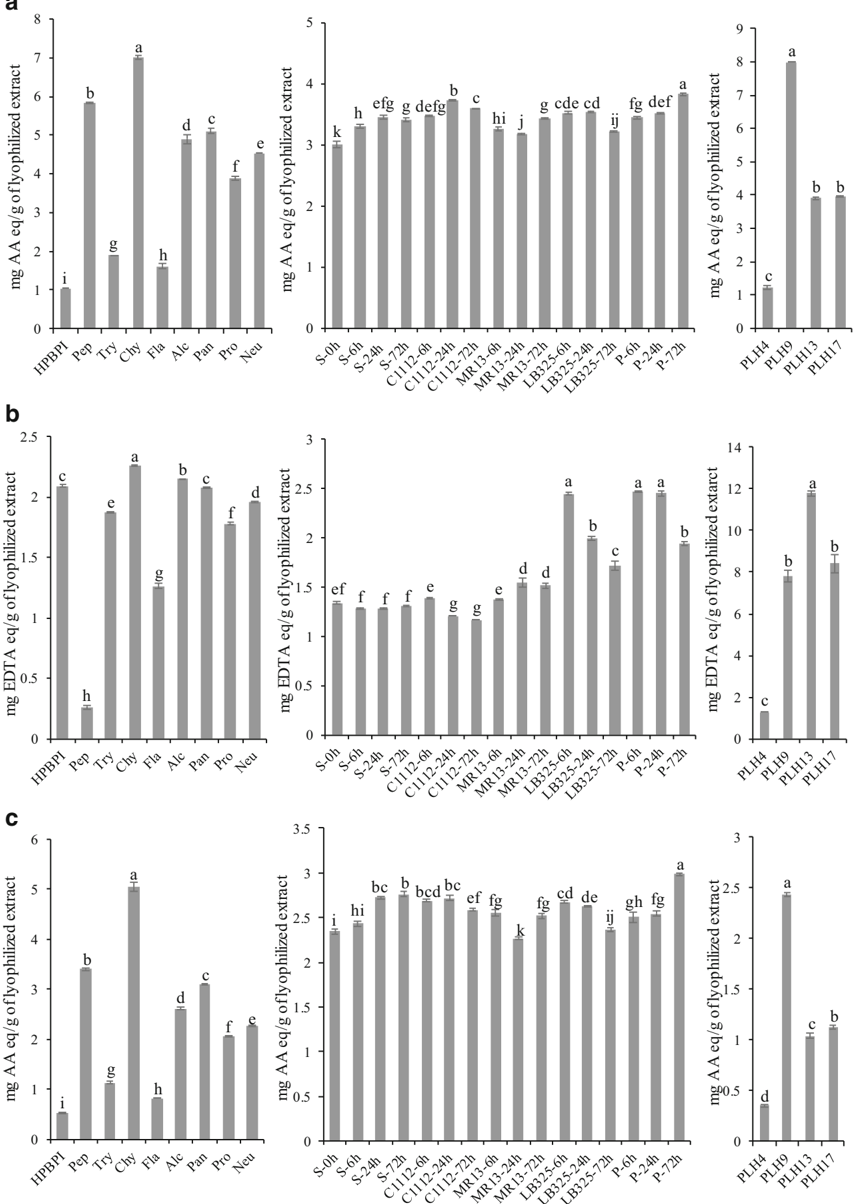
- Among extraction/biorefinery outputs, the pepsin hydrolysate was most effective for ACE inhibition: HPBPI had IC50 ≈ 4268 mg/L, which dropped to about 120 mg/L after pepsin treatment; Neutrase and Alcalase hydrolysates were also strong at 155.8 mg/L and 176.0 mg/L, respectively.
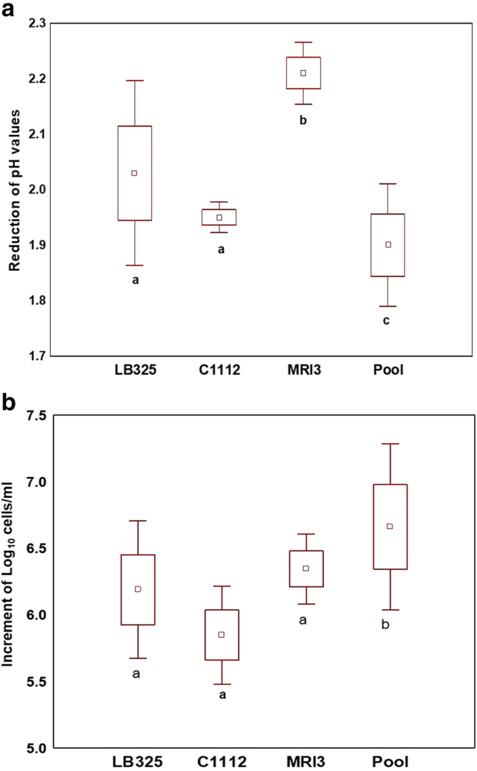
- In microbial fermentation, L. rhamnosus C1112 was the best acidifier (pH 4.12 ± 0.07 after 24 h in screening; 4.21 ± 0.02 at 48 h in process fermentation) and gave the best ACE-inhibitory values among Lactobacillus samples, reaching IC50 836.7 mg/L at 24 h and 719.5 mg/L at 72 h.
- In SSF with P. ostreatus, ACE inhibition improved over time from IC50 1160.0 mg/L at 4 days to 737.5 mg/L at 9 days, 877.2 mg/L at 13 days, and 601.1 mg/L at 17 days; the paper also reports the highest SSF enzyme activities at later time points, e.g. laccase 105.27 μmol/min at 17 days and xylanase 501.09 μmol/min at 17 days.
- Product yield varied by process: Lactobacillus fermentation gave the highest material yield, around 20 g/100 g HPB for several samples, versus 7 g/100 g HPB for chemical extraction and about 1.7 g/100 g HPB for SSF.
Methods
- The study compared three biorefinery processes on hemp bran byproduct: (1) alkaline protein extraction followed by enzymatic hydrolysis with 8 enzymes, (2) liquid fermentation with 10 Lactobacillus spp. strains in screening and selected strains in a second fermentation, and (3) SSF with Pleurotus ostreatus over 17 days.
- The substrate was hemp bran (HPB) from mechanically pressed hemp seeds; the study characterized protein solubility, SDS-PAGE protein patterns, ABTS/Fe2+-chelating/FRAP antioxidant activity, and ACE-inhibitory activity of the resulting products.
- Statistical analysis used one-way ANOVA with Duncan test and Tukey HSD with significance at P < 0.05.
Limitations
- The paper states that the antihypertensive activity in vivo has still to be verified; the reported ACE inhibition is based on in vitro assays.
- The authors note that mechanisms responsible for the antioxidant activities cannot be defined at this stage of research.
- Evident from the text: some parts of the results are presented only as summaries or figures/tables referenced in supplementary material, so not all numerical details of every comparison are fully visible in the main text.
Model-written summary. Check it against the paper before relying on it.
Integrity signals
Registry
Cites
Statistics
Figures
Verification
Claims the paper makes
7 Valid · 0 Not valid · 41 Not checked · 89 Own results and interpretations
The sources with a verdict support this claim; the rest weren’t checked yet, have no full text we could read, or their verdicts aren’t rated yet.
In the paper
“These values are in the range of previous results obtained on hemp seed protein hydrolysates.”
What the sources say
- Not checked — no full text of the sourcecites Girgih et al. 2011 matched to “Kinetics of Enzyme Inhibition and Antihypertensive Effects of Hemp Seed ( Cannabis sativa L.) Protein Hydrolysates” (2011) source
- Supportedcites Malomo et al. 2015 matched to “Structural and Antihypertensive Properties of Enzymatic Hemp Seed Protein Hydrolysates” (2015) source
Section 3.4 reports ACE-inhibitory IC50 values of 0.016–0.228 mg/mL for enzymatic hemp protein hydrolysates. This supports the citation as a source of previous results on such hydrolysates; the citing paper’s own values are not provided here for an independent comparison. (LLM, conf=0.89)
plain- Asserted: passes — The authors put it forward as true.
- Checkable: passes — It can be checked against evidence.
- Load-bearing: passes — The paper’s conclusions depend on it.
- Based: passes — The paper gives a reason why it holds.
- Rests on an assumption not shown here.
A result the paper reports from its own data — it cites no other source for it, so there is none to check. The quote shows it is in the paper.
In the paper
“The resulting products exhibited a range of in vitro antioxidant and antihypertensive activity, depending on the proteases used for enzymatic digestion, the bacterial strain, and the length of time of the two fermentation processes.”
plainstates an association- Asserted: passes — The authors put it forward as true.
- Checkable: passes — It can be checked against evidence.
- Load-bearing: passes — The paper’s conclusions depend on it.
- Based: passes — The paper gives a reason why it holds.
A result the paper reports from its own data — it cites no other source for it, so there is none to check. The quote shows it is in the paper.
In the paper
“pH results (Online Resource 2) showed that the two HPB suspensions were similarly subjected to significant acidification already after 6 h, especially when C1112 and 98b were used ( P < 0.05).”
plainstates an association- Asserted: passes — The authors put it forward as true.
- Checkable: passes — It can be checked against evidence.
- Load-bearing: unclear — It is unclear whether the paper’s conclusions depend on it.
- Based: passes — The paper gives a reason why it holds.
A result the paper reports from its own data — it cites no other source for it, so there is none to check. The quote shows it is in the paper.
In the paper
“The production of significant amylasic and xylanasic activities was observed after 9 days of fermentation evidencing the presence of starch as well as arabinoxylane in the hemp bran.”
plain- Asserted: passes — The authors put it forward as true.
- Checkable: passes — It can be checked against evidence.
- Load-bearing: unclear — It is unclear whether the paper’s conclusions depend on it.
- Based: passes — The paper gives a reason why it holds.
A result the paper reports from its own data — it cites no other source for it, so there is none to check. The quote shows it is in the paper.
In the paper
“The yield of products obtained by the three processes was variable, depending on the process and experimental conditions (Online Resource 3).”
plainstates an association- Asserted: passes — The authors put it forward as true.
- Checkable: passes — It can be checked against evidence.
- Load-bearing: unclear — It is unclear whether the paper’s conclusions depend on it.
- Based: passes — The paper gives a reason why it holds.
44 more claims
Create a free account to see all 137 claims and to verify the 16 references still open.
- Probably not a substantial claim. 56
- It may state two separate claims as one. 49
- The quote only partly states this claim. 1
Citations
Cites
Antioxidant activity applying an improved ABTS radical cation decolorization assay
Re, R., Pellegrini, N., Proteggente, A., Pannala, A., Yang, M., & Rice-Evans, C. (1999) · Free Radical Biology and Medicine · doi:10.1016/s0891-5849(98)00315-3 · Cited by 26,165
The Ferric Reducing Ability of Plasma (FRAP) as a Measure of “Antioxidant Power”: The FRAP Assay
Benzie, I. F. F., & Strain, J. J. (1996) · Analytical Biochemistry · doi:10.1006/abio.1996.0292 · Cited by 22,951 · cited 1×
“Among them are phenolic compounds and some other water-soluble compounds such as bioactive small peptides and oligosaccharides (Bhanja Dei and Kuhad 2014).”
BackgroundOfficial Methods of Analysis of AOAC International
Horwitz, W., & LATIMER, G. W. (2006) · Medical Entomology and Zoology · Cited by 11,183
Official Methods of Analysis of AOAC INTERNATIONAL
(2023) · Oxford University Press eBooks · doi:10.1093/9780197610145.001.0001 · Cited by 5,816
CRYSTALLINE SOYBEAN TRYPSIN INHIBITOR
Kunitz, M. (1947) · Journal of General Physiology · doi:10.1085/jgp.30.4.291 · Cited by 2,450 · cited 1×
“The protease activity was estimated by the method described by Kunitz (1947) with slight modification.”
MethodInterlaboratory testing of methods for assay of xylanase activity
Bailey, M. J., Biely, P., & Poutanen, K. (1992) · Journal of Biotechnology · doi:10.1016/0168-1656(92)90074-j · Cited by 2,449
Forage Cell Wall Structure and Digestibility
(1993) · ASA, CSSA, and SSSA Books · doi:10.2134/1993.foragecellwall · Cited by 1,212
CRYSTALLINE SOYBEAN TRYPSIN INHIBITOR
Kunitz, M. (1946) · Journal of General Physiology · doi:10.1085/jgp.29.3.149 · Cited by 700
Fungal biodegradation and enzymatic modification of lignin.
(2010) · Europe PMC (PubMed Central) · Cited by 524
A Review on Microbial Lipases Production
Treichel, H., de Oliveira, D., Mazutti, M. A., Di Luccio, M., & Oliveira, J. V. (2010) · Food and Bioprocess Technology · doi:10.1007/s11947-009-0202-2 · Cited by 508 · cited 1×
“Antioxidant properties have been previously reported for hemp seed protein hydrolysates obtained by enzymatic treatment of protein extracts (Tang et al. 2009; Girgih et al. 2013; Wang and Xiong 2019).”
BackgroundRecovery of Biomolecules from Food Wastes—A Review
Baiano, A. (2014) · Molecules · doi:10.3390/molecules190914821 · Cited by 504 · cited 1×
“Protein extraction from byproducts can be achieved using different techniques, like chemical extraction, liquid fermentation by microorganisms, and solid-state fermentation (SSF) by fungi (Baiano 2014).”
MethodInsights into Lignin Degradation and its Potential Industrial Applications
Abdel-Hamid, A. M., Solbiati, J. O., & Cann, I. K. O. (2013) · Advances in Applied Microbiology · doi:10.1016/b978-0-12-407679-2.00001-6 · Cited by 415
Torres-León, C., Ramírez-Guzman, N., Londoño-Hernandez, L., Martinez-Medina, G. A., Díaz-Herrera, R., Navarro-Macias, V., Alvarez-Pérez, O. B., Picazo, B., Villarreal-Vázquez, M., Ascacio-Valdes, J., et al. (2018) · Frontiers in Sustainable Food Systems · doi:10.3389/fsufs.2018.00052 · Cited by 383 · cited 1×
“For example, xylanase can be produced by SSF on coffee byproducts (Murthy and Naidu 2012), or lipase can be produced from wheat industry byproducts (Treichel et al. 2010).”
BackgroundMartínez-Alvarez, O., Chamorro, S., & Brenes, A. (2015) · Food Research International · doi:10.1016/j.foodres.2015.04.005 · Cited by 364 · cited 1×
“To date, protein hydrolysates with antioxidant, antihypertensive, anticancer, antimicrobial, hypocholesterolemic, immunostimulating, and other properties have been produced from a number of sources (Martínez-Alvarez et al. 2015; Rizzello et al. 2016).”
BackgroundProduction of Bioactive Peptides by Lactobacillus Species: From Gene to Application
Raveschot, C., Cudennec, B., Coutte, F., Flahaut, C., Fremont, M., Drider, D., & Dhulster, P. (2018) · Frontiers in Microbiology · doi:10.3389/fmicb.2018.02354 · Cited by 307
CASTILLO, M., MARTINORUE, S., MANZANILLA, E., BADIOLA, I., MARTIN, M., & GASA, J. (2006) · Veterinary Microbiology · doi:10.1016/j.vetmic.2005.11.055 · Cited by 288 · cited 1×
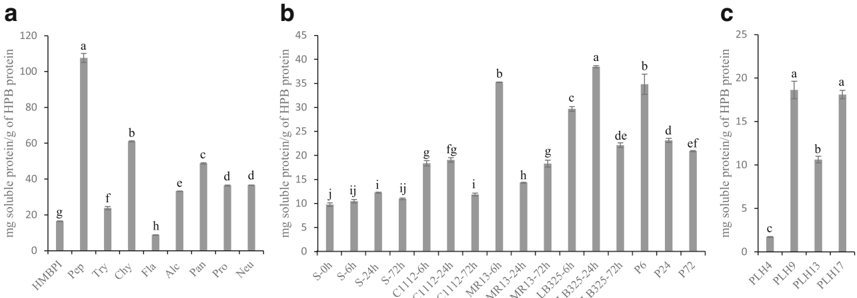
“Similarly, fermentation of sorghum, green gram, and their composite meal for 24 h increased the soluble protein from 5.1 to 6.2% while prolonged fermentation beyond 24 h did not cause any further increase in soluble proteins (Chavan et al. 1988).”
BackgroundInfluentialStructural and Functional Properties of Hemp Seed Protein Products
Malomo, S. A., He, R., & Aluko, R. E. (2014) · Journal of Food Science · doi:10.1111/1750-3841.12537 · Cited by 272
Rizzello, C. G., Tagliazucchi, D., Babini, E., Sefora Rutella, G., Taneyo Saa, D. L., & Gianotti, A. (2016) · Journal of Functional Foods · doi:10.1016/j.jff.2016.09.023 · Cited by 250
Self-citationTang, C.-H., Wang, X.-S., & Yang, X.-Q. (2009) · Food Chemistry · doi:10.1016/j.foodchem.2008.11.049 · Cited by 247 · cited 1×
“Besides, other compounds than enzymes can be produced with SSF by fungi, likely optically pure L-lactic acid that can be obtained from whey byproduct of dairy industry (Taskin et al. 2012; Wu et al. 2011).”
BackgroundProcessing, Nutrition, and Functionality of Hempseed Protein: A Review
Wang, Q., & Xiong, Y. L. (2019) · Comprehensive Reviews in Food Science and Food Safety · doi:10.1111/1541-4337.12450 · Cited by 229 · cited 1×
“For example, sauerkrauts are acidified by lactic acid bacteria from an initial pH around 6.8 down to pH values minor than 4 after 12 h (Wiander and Korhonen 2011), or similar results were obtained by Fonteles et al. (2012) that after 24 h of fermentation of cantaloupe juice with L. casei, NRRL…”
ResultInfluentialRheological properties of soy protein hydrolysates obtained from limited enzymatic hydrolysis
Lamsal, B. P., Jung, S., & Johnson, L. A. (2007) · LWT - Food Science and Technology · doi:10.1016/j.lwt.2006.08.021 · Cited by 204
Garcia-Amezquita, L. E., Tejada-Ortigoza, V., Serna-Saldivar, S. O., & Welti-Chanes, J. (2018) · Food and Bioprocess Technology · doi:10.1007/s11947-018-2117-2 · Cited by 194 · cited 1×
“In particular, a pepsin-pancreatin digest of hemp seed protein isolate produced hydrolysates with ACE-inhibitory activity and IC50 value of 670 mg/L (Girgih et al. 2011).”
BackgroundCharacterization of Byproducts Originating from Hemp Oil Processing
Pojić, M., Mišan, A., Sakač, M., Dapčević Hadnađev, T., Šarić, B., Milovanović, I., & Hadnađev, M. (2014) · Journal of Agricultural and Food Chemistry · doi:10.1021/jf5044426 · Cited by 181
Girgih, A. T., Udenigwe, C. C., Li, H., Adebiyi, A. P., & Aluko, R. E. (2011) · Journal of the American Oil Chemists' Society · doi:10.1007/s11746-011-1841-9 · Cited by 174
Willetts, A. (2018) · Microorganisms · doi:10.3390/microorganisms7010001 · Cited by 164
Gut Microbiota during Dietary Restrictions: New Insights in Non-Communicable Diseases
Rinninella, E., Cintoni, M., Raoul, P. C., Ianiro, G., Laterza, L., Lopetuso, L. R., Ponziani, F. R., Gasbarrini, A., & Mele, M. C. (2020) · Microorganisms · doi:10.3390/microorganisms8081140 · Cited by 158
Hafeez, Z., Cakir-Kiefer, C., Roux, E., Perrin, C., Miclo, L., & Dary-Mourot, A. (2014) · Food Research International · doi:10.1016/j.foodres.2014.06.002 · Cited by 157
Structural and Antihypertensive Properties of Enzymatic Hemp Seed Protein Hydrolysates
Malomo, S., Onuh, J., Girgih, A., & Aluko, R. (2015) · Nutrients · doi:10.3390/nu7095358 · Cited by 137
Jakubczyk, A., Karaś, M., Baraniak, B., & Pietrzak, M. (2013) · Food Chemistry · doi:10.1016/j.foodchem.2013.06.095 · Cited by 121
Babini, E., Tagliazucchi, D., Martini, S., Dei Più, L., & Gianotti, A. (2017) · Food Chemistry · doi:10.1016/j.foodchem.2017.01.143 · Cited by 117
Self-citationCHAVAN, U. D., CHAVAN, J. K., & KADAM, S. S. (1988) · Journal of Food Science · doi:10.1111/j.1365-2621.1988.tb09329.x · Cited by 116 · cited 1×
“Peroxidase activity appeared, then followed by laccase activity after 9 days which was a symptom of the fungal attack of lignin (Dashtban et al. 2010), since it is the more external structure of seed hull.”
BackgroundGirgih, A. T., Alashi, A., He, R., Malomo, S., & Aluko, R. E. (2014) · European Journal of Nutrition · doi:10.1007/s00394-013-0625-4 · Cited by 112
Starch Biosynthesis in the Developing Endosperms of Grasses and Cereals
Tetlow, I. J., & Emes, M. J. (2017) · Agronomy · doi:10.3390/agronomy7040081 · Cited by 112 · cited 1×
“Agro-food industrial chains generate a large number of byproducts and waste, with negative environmental, economic, and social impacts (Torres-León et al. 2018).”
BackgroundAntioxidant Activities of Rapeseed Protein Hydrolysates
Pan, M., Jiang, T. S., & Pan, J. L. (2011) · Food and Bioprocess Technology · doi:10.1007/s11947-009-0206-y · Cited by 109
A fluorescence-based protocol for quantifying angiotensin-converting enzyme activity
Sentandreu, M. Á., & Toldrá, F. (2006) · Nature Protocols · doi:10.1038/nprot.2006.349 · Cited by 105
Ajila, C. M., Gassara, F., Brar, S. K., Verma, M., Tyagi, R. D., & Valero, J. R. L. (2011) · Food and Bioprocess Technology · doi:10.1007/s11947-011-0582-y · Cited by 102 · cited 1×
“SSF by fungi of apple pomace can be used to improve the mobilization of phenolic compounds, obtaining a product with superior antioxidant activity (Ajila et al. 2012).”
BackgroundPrebiotic potential of hemp blended drinks fermented by probiotics
Nissen, L., di Carlo, E., & Gianotti, A. (2020) · Food Research International · doi:10.1016/j.foodres.2020.109029 · Cited by 102
Self-citationProduction of Cellulases through Solid State Fermentation Using Kinnow Pulp as a Major Substrate
Oberoi, H. S., Chavan, Y., Bansal, S., & Dhillon, G. S. (2008) · Food and Bioprocess Technology · doi:10.1007/s11947-008-0092-8 · Cited by 100
Espinosa-Páez, E., Alanis-Guzmán, M., Hernández-Luna, C., Báez-González, J., Amaya-Guerra, C., & Andrés-Grau, A. (2017) · Molecules · doi:10.3390/molecules22122275 · Cited by 100 · cited 1×
“In particular, Pleurotus ostreatus is able to produce specific enzymes through SSF processing of different solid agrofood wastes (Zilly et al. 2012; Fernández-Fueyo et al. 2014; Akpinar and Urek 2012).”
BackgroundGirgih, A. T., He, R., & Aluko, R. E. (2014) · Journal of Agricultural and Food Chemistry · doi:10.1021/jf5002606 · Cited by 97
Production and Application of Xylanase from Penicillium sp. Utilizing Coffee By-products
Murthy, P. S., & Naidu, M. M. (2012) · Food and Bioprocess Technology · doi:10.1007/s11947-010-0331-7 · Cited by 97
Fernández-Fueyo, E., Castanera, R., Ruiz-Dueñas, F. J., López-Lucendo, M. F., Ramírez, L., Pisabarro, A. G., & Martínez, A. T. (2014) · Fungal Genetics and Biology · doi:10.1016/j.fgb.2014.02.003 · Cited by 97 · cited 2×
“…bacteria from an initial pH around 6.8 down to pH values minor than 4 after 12 h (Wiander and Korhonen 2011), or similar results were obtained by Fonteles et al. (2012) that after 24 h of fermentation of cantaloupe juice with L. casei, NRRL B-442 reached pH lower than 3.5. qPCR reactions…”
BackgroundResultInfluentialGirgih, A. T., Udenigwe, C. C., & Aluko, R. E. (2013) · Plant Foods for Human Nutrition · doi:10.1007/s11130-013-0340-6 · Cited by 93
Laccase catalyzed-oxidative coupling of 3-methyl 2-benzothiazolinone hydrazone and methoxyphenols
Setti, L., Giuliani, S., Spinozzi, G., & Pifferi, P. G. (1999) · Enzyme and Microbial Technology · doi:10.1016/s0141-0229(99)00059-9 · Cited by 89
Self-citationGiuliani, S., Piana, C., Setti, L., Hochkoeppler, A., Pifferi, P. G., Williamson, G., & Faulds, C. B. (2001) · Biotechnology Letters · doi:10.1023/a:1005629127480 · Cited by 88
Self-citationMattia, C. D., Martuscelli, M., Sacchetti, G., Scheirlinck, I., Beheydt, B., Mastrocola, D., & Pittia, P. (2012) · Food and Bioprocess Technology · doi:10.1007/s11947-012-1028-x · Cited by 88 · cited 1×
“The effect of SSF by P. ostreatus was previously evaluated on kidney beans and oats, leading to an increase of soluble proteins of 13% and 6%, respectively (Espinosa-Paez et al. 2017).”
BackgroundOptimization of the Fermentation of Cantaloupe Juice by Lactobacillus casei NRRL B-442
Fonteles, T. V., Costa, M. G. M., de Jesus, A. L. T., & Rodrigues, S. (2012) · Food and Bioprocess Technology · doi:10.1007/s11947-011-0600-0 · Cited by 84
Cell Wall Polysaccharide Interactions and Degradability
Hatfield, R. D. (1993) · ASA, CSSA, and SSSA Books · doi:10.2134/1993.foragecellwall.c12 · Cited by 82 · cited 1×
“In these wall cell plants, the pectic chains surround the hemicellulose and cellulose network and the hydrolysis of these chains can make the fibers located below, more susceptible toward a further hydrolase action (Hatfield 1993).”
BackgroundBhanja Dey, T., & Kuhad, R. C. (2014) · Letters in Applied Microbiology · doi:10.1111/lam.12300 · Cited by 80 · cited 2×
“The first consisted in plating on selectiveMRS agar supplemented with 0.05 g/L L-cysteine serial dilutions (NaCl 0.9%, w/v) of the samples, then incubated for 24 h at 37 °C. Values were expressed as Log10 CFU/mL. Culture-independent quantifications were obtained by qPCR with the SYBR Green I chemistry applying genus-s…”
MethodInfluentialSynthesis of Lactose-Derived Nutraceuticals from Dairy Waste Whey—a Review
Nath, A., Verasztó, B., Basak, S., Koris, A., Kovács, Z., & Vatai, G. (2016) · Food and Bioprocess Technology · doi:10.1007/s11947-015-1572-2 · Cited by 71
Ralph, J., & Helm, R. F. (1993) · ASA, CSSA, and SSSA Books · doi:10.2134/1993.foragecellwall.c9 · Cited by 64 · cited 1×
“Arylesterase broke down the bounds between lignin and hemicellulose (Ralph and Helm 1993) in order to favor the next attack of the xylanasic activity and the release of reducing sugars.”
BackgroundZhai, F.-H., Wang, Q., & Han, J.-R. (2015) · Journal of Cereal Science · doi:10.1016/j.jcs.2015.07.010 · Cited by 61 · cited 4×
“In particular, Pleurotus ostreatus is able to produce specific enzymes through SSF processing of different solid agrofood wastes (Zilly et al. 2012; Fernández-Fueyo et al. 2014; Akpinar and Urek 2012).”
BackgroundInfluential(2014) · Cited by 60
Taşkın, M., Esim, N., & Örtücü, S. (2012) · Food and Bioproducts Processing · doi:10.1016/j.fbp.2012.05.003 · Cited by 58 · cited 1×
“Recently a technological study has compared different mechanical pretreatments to improve ultrasonic extraction of polyphenols from hemp seed cake (Teh et al. 2014), but no literature is found over biotechnological approaches.”
BackgroundZilly, A., dos Santos Bazanella, G. C., Helm, C. V., Araújo, C. A. V., de Souza, C. G. M., Bracht, A., & Peralta, R. M. (2012) · Food and Bioprocess Technology · doi:10.1007/s11947-011-0532-8 · Cited by 58 · cited 5×
“Our results about amylase and xylanase are better than what obtained by Zilly et al. (2012) after 14 days of P. ostreatus SSF on wheat bran, accounting for 67 and 500 U/L, respectively.”
BackgroundInfluentialBiological Pretreatment of Lignocellulosic Biomass for Enzymatic Saccharification
Narayanaswamy, N., Dheeran, P., Verma, S., & Kumar, S. (2013) · Green Energy and Technology · doi:10.1007/978-3-642-32735-3_1 · Cited by 57
Production of l-lactic acid by Rhizopus oryzae using semicontinuous fermentation in bioreactor
Wu, X., Jiang, S., Liu, M., Pan, L., Zheng, Z., & Luo, S. (2011) · Journal of Industrial Microbiology & Biotechnology · doi:10.1007/s10295-010-0804-8 · Cited by 47 · cited 1×
“Other authors, in the attempt to optimize the components of MRS to achieve massive growth of L. plantarum JNU 2116, reached Log10 9.15 CFU/g in aerobic conditions at 37 °C for 48 h (Yoo et al. 2018).”
InfluentialSaa, D. L. T., Nissen, L., & Gianotti, A. (2019) · Food Research International · doi:10.1016/j.foodres.2019.01.024 · Cited by 46 · cited 6×
“Reaction time was 2 h as the maximum hydrolytic activity is usually reached after 2-h incubation, as reported for a hemp protein isolate digested by six different proteases (Tang et al. 2009).”
BackgroundMethodInfluentialSelf-citationEnhanced antioxidant activity of okara through solid state fermentation of GRAS Fungi
SITANGGANG, A. B., SINAGA, W. S. L., WIE, F., FERNANDO, F., & KRUSONG, W. (2020) · Food Science and Technology · doi:10.1590/fst.37218 · Cited by 45
Nissen, L., Bordoni, A., & Gianotti, A. (2020) · Nutrients · doi:10.3390/nu12041050 · Cited by 44
Self-citationTeh, S., NIVEN, B. E., Bekhit, A. E. A., Carne, A., & Birch, E. J. (2014) · Food and Bioprocess Technology · doi:10.1007/s11947-014-1313-y · Cited by 41 · cited 1×
“Caffeoyl and feruloyl arylesterase activities were slightly produced remaining quite constant during all the period of the SSF even if the presence of caffeic and ferulic acid derivatives is common and in high quantity in monocotyledon spp. seed bran (Tetlow and Emes 2017; Peanparkdee et al. 2017).”
BackgroundPRODUCTION OF LIGNINOLYTIC ENZYMES BY SOLID-STATE FERMENTATION USING Pleurotus eryngii
Akpinar, M., & Urek, R. O. (2012) · Preparative Biochemistry and Biotechnology · doi:10.1080/10826068.2012.673528 · Cited by 39
Babini, E., Saa, D. L. T., Tassoni, A., Ferri, M., Kraft, A., Grän‐Heedfeld, J., Bretz, K., Roda, A., Michelini, E., Calabretta, M. M., et al. (2020) · Microorganisms · doi:10.3390/microorganisms8070986 · Cited by 35 · cited 1×
“Protein extraction from byproducts can be achieved using different techniques, like chemical extraction, liquid fermentation by microorganisms, and solid-state fermentation (SSF) by fungi (Baiano 2014).”
MethodSelf-citationIn vitro evaluation of “horchata” co-products as carbon source for probiotic bacteria growth
Sánchez‐Zapata, E. J., Fernández‐López, J., Pérez‐Álvarez, J. Á., Soares, J., Sousa, S. C., Gomes, A., & Pintado, M. (2012) · Food and Bioproducts Processing · doi:10.1016/j.fbp.2012.11.003 · Cited by 33
Nwamaioha, N. O., & Ibrahim, S. A. (2018) · Journal of Dairy Science · doi:10.3168/jds.2017-14155 · Cited by 30
Shift of Aromatic Profile in Probiotic Hemp Drink Formulations: A Metabolomic Approach
Nissen, L., Demircan, B., Saa, D. L. T., & Gianotti, A. (2019) · Microorganisms · doi:10.3390/microorganisms7110509 · Cited by 29
Self-citationSetti, L., Scali, S., Angeli, I. D., et al. (1998) · Enzyme and Microbial Technology · doi:10.1016/s0141-0229(97)00259-7 · Cited by 27 · cited 1×
“The peroxidase activity was determined following the method described by Setti et al. (1998).”
MethodSelf-citation(2018) · Europe PMC (PubMed Central) · doi:10.5851/kosfa.2018.38.2.240 · Cited by 26
Silveira, C. M. D., & Badiale-Furlong, E. (2009) · Brazilian Archives of Biology and Technology · doi:10.1590/s1516-89132009000600027 · Cited by 22 · cited 1×
“Rhizopus spp. significantly increased protein solubility after 48 h of fermentation, while the effect of A. oryzae fermentation was observed only after 72 h (Moreira da Silveira and Badiale-Furlong 2009).”
BackgroundPeanparkdee, M., Iwamoto, S., & Yamauchi, R. (2017) · Food and Bioprocess Technology · doi:10.1007/s11947-017-1945-9 · Cited by 21 · cited 2×
“The protein content of HPB was 20.63 ± 0.91% (w/w) in dry matter, much higher compared to the amount measured by Pojić et al. (2014) in an equivalent fraction of HPM (10.6 ± 0.91%, w/w, in dry matter).”
BackgroundMethodInfluentialSaa, D. T., Di Silvestro, R., Nissen, L., Dinelli, G., & Gianotti, A. (2018) · LWT · doi:10.1016/j.lwt.2017.10.046 · Cited by 19
Self-citationSubramaniam, S., Sabaratnam, V., Kuppusamy, U. R., & Tan, Y. S. (2014) · International Journal of Medicinal Mushrooms · doi:10.1615/intjmedmushr.v16.i3.60 · Cited by 17
Effects on the Enzymes Production from Different Mixes of Agro-Food Wastes
Masutti, D., Setti, L., Borgognone, A., Scardovi, F., & Vaccari, C. (2015) · Chemical engineering transactions · doi:10.3303/cet1543082 · Cited by 15 · cited 1×
“This substrate was inoculated with 8.5 g of P. ostreatus (commercial strain purchased from Azienda Agricola Funghi Mara, BO) grown on malt extract agar (Masutti et al. 2015).”
MethodInfluentialSelf-citationWIANDER, B., & KORHONEN, H. J. T. (2008) · Agricultural and Food Science · doi:10.2137/145960611797215682 · Cited by 13 · cited 1×
“Besides, other compounds than enzymes can be produced with SSF by fungi, likely optically pure L-lactic acid that can be obtained from whey byproduct of dairy industry (Taskin et al. 2012; Wu et al. 2011).”
BackgroundProduction of Enzymes from Rice Husks and Wheat Straw in Solid State Fermentation
(2012) · Chemical engineering transactions · doi:10.3303/cet1227023 · Cited by 13 · cited 1×
“As Masutti et al. (2012) showed that increasing SSF enzyme collection frequency brought to a greater production of enzymes, we decided to collect samples of enzymes produced with a frequency of 4 days of SSF and the total enzymatic activities were determined as concentration per mL of waste water…”
Self-citationNutritive and bioactive components in rice fermented with the edible mushroom Pleurotus eryngii
Bao, L., Li, Y., Wang, Q., Han, J., Yang, X., Li, H., Wang, S., Wen, H., Li, S., & Liu, H. (2013) · Mycology: An International Journal on Fungal Biology · doi:10.1080/21501203.2013.816386 · Cited by 12 · cited 1×
“The FRAP assay was performed following the method of Benzie and Strain (1996), based on the reduction of a ferric-tripyridyltriazine complex to its ferrous, colored form in the presence of antioxidants.”
MethodEnhanced antioxidant activity of okara through solid state fermentation of GRAS Fungi
Sitanggang, A. B., SINAGA, W. S. L., Felicia, W. I. E., FERNANDO, F., & Krusong, W. (2020) · Figshare · doi:10.6084/m9.figshare.11965947
Cited by
Samaei, S. P., Martini, S., Tagliazucchi, D., Gianotti, A., & Babini, E. (2021) · Journal of Agricultural and Food Chemistry · doi:10.1021/acs.jafc.1c01487 · Cited by 68
Self-citationKarabulut, G., Feng, H., & Yemiş, O. (2022) · Plant Foods for Human Nutrition · doi:10.1007/s11130-022-01017-7 · Cited by 60
“In recent years, enzymatic [6], chemical [7], and thermal [8] modification techniques have been applying to overcome these challenges of hemp seed protein.”
BackgroundKarabulut, G., Kahraman, O., Pandalaneni, K., Kapoor, R., & Feng, H. (2023) · International Journal of Biological Macromolecules · doi:10.1016/j.ijbiomac.2023.127240 · Cited by 51
Tsaousis, P. C., Sarafidou, M., Βeobide, A. S., Mathioudakis, G. N., Filippi, K., Bartzialis, D., Andrikopoulos, K. S., Giannoulis, K. D., DANALATOS, N. G., Koutinas, A., et al. (2025) · Biomass Conversion and Biorefinery · doi:10.1007/s13399-025-06858-1 · Cited by 42
“Hexane is mainly used due to its low cost, efficiency, and recyclability [28] A similar study utilised hexane as solvent for fats/lipids extraction on lignocellulosic biomass such as Cannabis [29].”
Recovery of Biomolecules from Agroindustry by Solid-Liquid Enzyme-Assisted Extraction: a Review
Becerra, E. H., López, E. D. J. P., & Sossa, J. W. Z. (2021) · Food Analytical Methods · doi:10.1007/s12161-021-01974-w · Cited by 34
Metadata
- Authors
- Setti, L., Samaei, S. P., Maggiore, I., Nissen, L., Gianotti, A., & Babini, E.
- Affiliations
- University of Bologna (IT)
- Corresponding author
- Nissen, Lorenzo
- ORCID
- Venue
- Food and Bioprocess Technology
- Published
- 2020-11-11
- Volume
- 13
- Issue
- 12
- Pages
- 2156-2171
- ISSN
- 1935-5130 (ISSN-L)
- 1935-5149
- OpenAlex
- W3099797333
- Cited by
- 20
- References
- 76
- Citations by year
- 2026: 2 · 2025: 6 · 2024: 2 · 2023: 3 · 2022: 4 · 2021: 3
- FWCI
- 0.81
- Type
- journal article
- Language
- en
- Open access
- hybrid
- doi.org
- Licence
- cc-by
- creativecommons.org/licenses/by/4.0 (tdm)
- creativecommons.org/licenses/by/4.0 (vor)
- Locations
- Food and Bioprocess Technology (publishedVersion, cc-by)
- Archivio istituzionale della ricerca (Alma Mater Studiorum Università di Bologna) (submittedVersion, cc-by)
- Funders
- Università di Bologna (AlmaIdea)
- Topics
- Life Sciences › Agricultural and Biological Sciences › Food Science › Protein Hydrolysis and Bioactive Peptides
- Life Sciences › Agricultural and Biological Sciences › Food Science › Food Nutrient Composition and Product Development
- Life Sciences › Agricultural and Biological Sciences › Food Science › Proteins in Food Systems
- Keywords
- Cannabis sativa, biorefinery, protein recovery, food waste valorization, enzymatic digestion, Lactobacillus fermentation, Pleurotus ostreatus, solid-state fermentation, liquid fermentation, antioxidant activity, antihypertensive effect, bioactive peptides, functional food ingredients
About these checks
Registry, retraction, Cites and statistics results are computed, not judged, with one exception: a printed reference that no index lists is read once by a model before it counts as a citation error. Claims are extracted by a model and kept only when their quote appears verbatim in the text; each cited source is then checked, with a model’s help, for whether it says what the claim relies on. Those verdicts can be wrong — read the claim’s quote and the cited source before relying on one.
The claim verdicts this report counts are experimental: their accuracy is not yet measured.
A language model drew the claims from the paper on 2026-10-10, under version 3 of the claim definition (model deepseek-v4.1-flash, prompt extract-v3).
A second model labelled each claim on 2026-10-10 (model jev-1.13-20260917, definition revision gold-guideline-v0.2).
Cited sources are checked with a language model’s help (gpt-6-sol).
Statistics and arithmetic are recomputed, not judged.
Confidence bands are shown only for fields calibrated on our annotated test set. None is calibrated yet, so no band is shown.
What counts as a claim ›How we measure confidence ›How we check this ›
Are you an author, or do you see a problem with this page? Request a review
Data sources
Bibliographic data: Semantic Scholar, OpenAlex, Crossref.
Contains information from the Semantic Scholar Academic Graph Datasets, made available under the ODC Attribution License (ODC-BY 1.0).
Semantic Scholar’s data is described in: Kinney, R., et al. (2023). The Semantic Scholar Open Data Platform. arXiv:2301.10140.
