

CD137L Inhibition Ameliorates Hippocampal Neuroinflammation and Behavioral Deficits in a Mouse Model of Sepsis-Associated Encephalopathy
Open accessThe DOI matches its Crossref record; 44 of the 44 references it cites were found in a registry or an index.
Abstract
Anxiety manifestations and cognitive dysfunction are common sequelae in patients with sepsis-associated encephalopathy (SAE). Microglia-mediated inflammatory signaling is involved in anxiety, depression, and cognitive dysfunction during acute infection with bacterial lipopolysaccharide (LPS). However, the molecular mechanisms underlying microglia activation and behavioral and cognitive deficits in sepsis have not been in fully elucidated. Based on previous research, we speculated that the CD137 receptor/ligand system modulates microglia function during sepsis to mediate classical neurological SAE symptoms. A murine model of SAE was established by injecting male C57BL/6 mice with LPS, and cultured mouse BV2 microglia were used for in vitro assays. RT-qPCR, immunofluorescence staining, flow cytometry, and ELISA were used to assess microglial activation and the expression of CD137L and inflammation-related cytokines in the mouse hippocampus and in cultured BV2 cells. In addition, behavioral tests were conducted in assess cognitive performance and behavioral distress. Immunofluorescence and RT-qPCR analyses showed that hippocampal expression of CD137L was upregulated in activated microglia following LPS treatment. Pre-treatment with the CD137L neutralizing antibody TKS-1 significantly reduced CD137L levels, attenuated the expression of M1 polarization markers in microglia, and inhibited the production of TNF-α, IL-1β, and IL-6 in both LPS-treated mice and BV2 cells. Conversely, stimulation of CD137L signaling by recombinant CD137-Fc fusion protein activated the synthesis and release of pro-inflammatory cytokines in cultures BV2 microglia. Importantly, open field, elevated plus maze, and Y-maze spontaneous alternation test results indicated that TKS-1 administration alleviated anxiety-like behavior and spatial memory decline in mice with LPS-induced SAE. These findings suggest that CD137L upregulation in activated microglia critically contributes to neuroinflammation, anxiety-like behavior, and cognitive dysfunction in the mouse model of LPS-induced sepsis. Therefore, therapeutic modulation of the CD137L/CD137 signaling pathway may represent an effective way to minimize brain damage and prevent cognitive and emotional deficits associated with SAE.
Overview
The claims and statistics of this paper haven’t been checked yet.
Free: it reads the open-access text and checks the first 5 claims that cite a source we can check. Create a free account to check every claim.
Integrity signals
Registry
Cites
Statistics
Figures
Verification
Claims the paper makes
The claims and statistics of this paper haven’t been checked yet.
Free: it reads the open-access text and checks the first 5 claims that cite a source we can check. Create a free account to check every claim.
Claims other papers make about this one
Each is checked against this paper’s own text: does it say what the citing paper says it does?
The cited source says what the claim attributes to it.
In the citing paper
“CD137L neutralizing antibody TKS-1 inhibits M1 polarization [21]”
From Research Advances in the Pathogenesis of Sepsis-Associated Encephalopathy (2026) · cites this paper as [21]
Self-check
Percentages, sums and reported differences re-computed from the paper’s own numbers.
The self-check needs the paper’s full text.
Citations
Cites
The third international consensus definitions for sepsis and septic shock (Sepsis-3).
Singer, M., Deutschman, C. S., Seymour, C. W., Shankar-Hari, M., Annane, D., Bauer, M., Bellomo, R., Bernard, G. R., Chiche, J.-D., Coopersmith, C. M., et al. (2016) · JAMA · doi:10.1001/jama.2016.0287 · Cited by 28,250 · cited 1×
“Sepsis, defined as life-threatening multiorgan dysfunction caused by a dysregulated host response infection, is a leading cause of death in intensive care units (Singer et al., 2016).”
BackgroundNeuroinflammation and M2 Microglia: The Good, the Bad, and the Inflamed
Cherry, J. D., Olschowka, J. A., & O’Banion, M. K. (2014) · Journal of Neuroinflammation · doi:10.1186/1742-2094-11-98 · Cited by 1,748 · cited 1×
“…cytokines such as IL-6, IL-1β, and TNF-α associated with tissue and nerve injury, whereas M2 microglia produce anti-inflammatory cytokines (IL-4, and IL-10), and wound-healing genes, including arginase-1 (Arg1), which promote tissue and nerve repair (Cherry et al., 2014; Jin & Yamashita, 2016).”
BackgroundTNF/TNFR FAMILY MEMBERS IN COSTIMULATION OF T CELL RESPONSES
Watts, T. H. (2005) · Annual Review of Immunology · doi:10.1146/annurev.immunol.23.021704.115839 · Cited by 1,353 · cited 1×
“CD137L (TNFSF9, 4-1BBL) is a transmembrane glycoprotein that belongs to the tumor necrosis factor (TNF) ligand family and plays an important role in regulating the adaptive immune response (Watts, 2005; Croft, 2009).”
BackgroundFleischmann-Struzek, C., Mellhammar, L., Rose, N., Cassini, A., Rudd, K. E., Schlattmann, P., Allegranzi, B., & Reinhart, K. (2020) · Intensive Care Medicine · doi:10.1007/s00134-020-06151-x · Cited by 982 · cited 1×
“A recent report indicates a pooled incidence of 189 hospital-treated adult sepsis cases per 100,000 person-years with an estimated mortality of 26.7% (Fleischmann-Struzek et al., 2020).”
BackgroundInfluentialThe role of TNF superfamily members in T-cell function and diseases
Croft, M. (2009) · Nature Reviews Immunology · doi:10.1038/nri2526 · Cited by 920 · cited 1×
“CD137L (TNFSF9, 4-1BBL) is a transmembrane glycoprotein that belongs to the tumor necrosis factor (TNF) ligand family and plays an important role in regulating the adaptive immune response (Watts, 2005; Croft, 2009).”
BackgroundHeterogeneity of Microglial Activation in the Innate Immune Response in the Brain
Colton, C. A. (2009) · Journal of Neuroimmune Pharmacology · doi:10.1007/s11481-009-9164-4 · Cited by 877 · cited 1×
“Microglia activation states can be classified into two major phenotypes, M1 and M2 (Colton, 2009; Han et al., 2018).”
BackgroundSepsis-associated encephalopathy
Gofton, T. E., & Young, G. B. (2012) · Nature Reviews Neurology · doi:10.1038/nrneurol.2012.183 · Cited by 821 · cited 1×
“The symptoms of SAE range from delirium to coma (Gofton & Young, 2012).”
BackgroundCiprofloxacin and levofloxacin attenuate microglia inflammatory response via TLR4/NF-kB pathway
Zusso, M., Lunardi, V., Franceschini, D., Pagetta, A., Lo, R., Stifani, S., Frigo, A. C., Giusti, P., & Moro, S. (2019) · Journal of Neuroinflammation · doi:10.1186/s12974-019-1538-9 · Cited by 534 · cited 1×
“Toll-like receptor (TLR4), which is expressed on the surface of microglia, is characteristically activated by LPS (Zusso et al., 2019).”
BackgroundHsiao, K. K., Borchelt, D. R., Olson, K., Johannsdottir, R., Kitt, C., Yunis, W., Xu, S., Eckman, C., Younkin, S., Price, D., et al. (1995) · Neuron · doi:10.1016/0896-6273(95)90107-8 · Cited by 523 · cited 1×
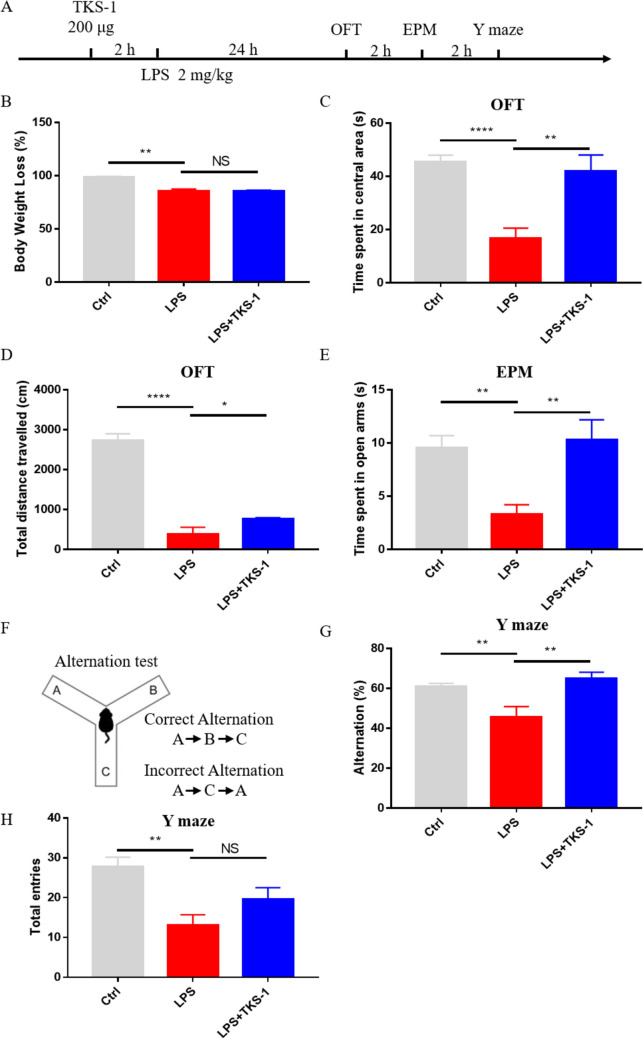
“The spontaneous alternation Y-maze test was used to assess spatial working memory in mice (Kim et al., 2014; Hsiao et al., 1995).”
MethodPersistent cognitive impairment, hippocampal atrophy and EEG changes in sepsis survivors
Semmler, A., Widmann, C. N., Okulla, T., Urbach, H., Kaiser, M., Widman, G., Mormann, F., Weide, J., Fliessbach, K., Hoeft, A., et al. (2013) · Journal of Neurology, Neurosurgery & Psychiatry · doi:10.1136/jnnp-2012-302883 · Cited by 363
Cao, P., Chen, C., Liu, A., Shan, Q., Zhu, X., Jia, C., Peng, X., Zhang, M., Farzinpour, Z., Zhou, W., et al. (2021) · Neuron · doi:10.1016/j.neuron.2021.06.012 · Cited by 344 · cited 1×
“In animal models of sepsis, microglia are typically activated by lipopolysaccharide (LPS) exposure and play a key role in mediating SAE-related behavioral changes (Osterhout et al., 2022; Cao et al., 2021).”
BackgroundSepsis-associated encephalopathy: A vicious cycle of immunosuppression
Ren, C., Yao, R.-Q., Zhang, H., Feng, Y.-W., & Yao, Y.-M. (2020) · Journal of Neuroinflammation · doi:10.1186/s12974-020-1701-3 · Cited by 259 · cited 1×
“Therefore, the balance between these contrasting microglial phenotypes is thought to play an essential role in the pathogenesis of SAE (Ren et al., 2020).”
BackgroundMicroglia activation in sepsis: a case-control study.
Lemstra, A. W., Woud, J. C. G. I., Hoozemans, J. J. M., van Haastert, E. S., Rozemüller, A. J. M., Eikelenboom, P., & van Gool, W. A. (2007) · Journal of Neuroinflammation · doi:10.1186/1742-2094-4-4 · Cited by 251
Microglia in central nervous system repair after injury
Jin, X., & Yamashita, T. (2016) · Journal of Biochemistry · doi:10.1093/jb/mvw009 · Cited by 191 · cited 1×
“…cytokines such as IL-6, IL-1β, and TNF-α associated with tissue and nerve injury, whereas M2 microglia produce anti-inflammatory cytokines (IL-4, and IL-10), and wound-healing genes, including arginase-1 (Arg1), which promote tissue and nerve repair (Cherry et al., 2014; Jin & Yamashita, 2016).”
BackgroundCerebral dysfunctions caused by sepsis during ageing
Manabe, T., & Heneka, M. T. (2022) · Nature Reviews Immunology · doi:10.1038/s41577-021-00643-7 · Cited by 191 · cited 1×
“Animal sepsis models (commonly established by LPS injection, cecal slurry injection, or cecal ligation and puncture (CLP)) show that systemic inflammation leads to acute brain dysfunction, also known as SAE (Li et al., 2022; Manabe & Heneka, 2022).”
BackgroundA preoptic neuronal population controls fever and appetite during sickness
Osterhout, J. A., Kapoor, V., Eichhorn, S. W., Vaughn, E., Moore, J. D., Liu, D., Lee, D., DeNardo, L. A., Luo, L., Zhuang, X., et al. (2022) · Nature · doi:10.1038/s41586-022-04793-z · Cited by 177 · cited 1×
“In animal models of sepsis, microglia are typically activated by lipopolysaccharide (LPS) exposure and play a key role in mediating SAE-related behavioral changes (Osterhout et al., 2022; Cao et al., 2021).”
BackgroundLipopolysaccharide-induced sepsis induces long-lasting affective changes in the mouse
Anderson, S. T., Commins, S., Moynagh, P. N., & Coogan, A. N. (2015) · Brain, Behavior, and Immunity · doi:10.1016/j.bbi.2014.07.007 · Cited by 168 · cited 1×
“Studies have shown that sepsis may lead to long-term neurobehavioral changes in both people and animal models (Semmler et al., 2013; Anderson et al., 2015).”
BackgroundNew emerging targets in cancer immunotherapy: CD137/4-1BB costimulatory axis
Etxeberría, I., Glez‐Vaz, J., Teijeira, Á., & Melero, I. (2019) · ESMO Open · doi:10.1136/esmoopen-2020-000733 · Cited by 168 · cited 1×
“CD137 signaling in T cells promotes survival, enhances proliferation and effector functions, and confers metabolic sufficiency (Etxeberria et al., 2020; Tu et al., 2012).”
BackgroundKang, Y. J., Kim, S. O., Shimada, S., Otsuka, M., Seit‐Nebi, A. S., Kwon, B. S., Watts, T. H., & Han, J. (2007) · Nature Immunology · doi:10.1038/ni1471 · Cited by 117
Schwalm, M. T., Pasquali, M., Miguel, S. P., dos Santos, J. P. A., Vuolo, F., Comim, C. M., Petronilho, F., Quevedo, J., Gelain, D. P., Moreira, J. C. F., et al. (2014) · Molecular Neurobiology · doi:10.1007/s12035-013-8526-3 · Cited by 92 · cited 1×
“Uncontrolled neuroinflammation is the main feature of SAE, and the main cause of abnormal brain function and neuronal death associated with this condition (Schwalm et al., 2014).”
BackgroundXin, Y., Tian, M., Deng, S., Li, J., Yang, M., Gao, J., Pei, X., Wang, Y., Tan, J., Zhao, F., et al. (2023) · Molecular Neurobiology · doi:10.1007/s12035-022-03148-z · Cited by 91 · cited 2×
“In sepsis, activated microglia eminently display an M1 phenotype that contributes to disrupting neuronal function and triggers neuronal damage by enhancing the production of inflammatory mediators (Xin et al., 2023).”
BackgroundSelf-citationCurrent Understanding of Long-Term Cognitive Impairment After Sepsis
Li, Y., Ji, M., & Yang, J. (2022) · Frontiers in Immunology · doi:10.3389/fimmu.2022.855006 · Cited by 82 · cited 1×
“Animal sepsis models (commonly established by LPS injection, cecal slurry injection, or cecal ligation and puncture (CLP)) show that systemic inflammation leads to acute brain dysfunction, also known as SAE (Li et al., 2022; Manabe & Heneka, 2022).”
BackgroundYan, C., Ma, Z., Ma, H., Li, Q., Zhai, Q., Jiang, T., Zhang, Z., & Wang, Q. (2020) · Molecular Neurobiology · doi:10.1007/s12035-020-01994-3 · Cited by 75 · cited 1×
“In turn, a recent study showed that cerebroventricular mitochondrial transplantation alleviated brain dysfunction and attenuated behavioral deficits in a mouse model of SAE by inducing microglial M2 polarization (Yan et al., 2020).”
BackgroundBrück, E., Schandl, A., Bottai, M., & Sackey, P. (2018) · Journal of Intensive Care · doi:10.1186/s40560-017-0272-6 · Cited by 74 · cited 1×
“Worryingly, most survivors of severe sepsis show cognitive impairment and psychological problems (Bruck et al., 2018; Calsavara et al., 2018).”
BackgroundFactors Associated With Short and Long Term Cognitive Changes in Patients With Sepsis
Calsavara, A. J. C., Costa, P. A., Junior, V. A. N., & Teixeira, A. L. (2018) · Scientific Reports · doi:10.1038/s41598-018-22754-3 · Cited by 74 · cited 1×
“Worryingly, most survivors of severe sepsis show cognitive impairment and psychological problems (Bruck et al., 2018; Calsavara et al., 2018).”
BackgroundStoll, A., Bruns, H., Fuchs, M., Völkl, S., Nimmerjahn, F., Kunz, M., Peipp, M., Mackensen, A., & Mougiakakos, D. (2021) · Leukemia · doi:10.1038/s41375-021-01287-1 · Cited by 69 · cited 1×
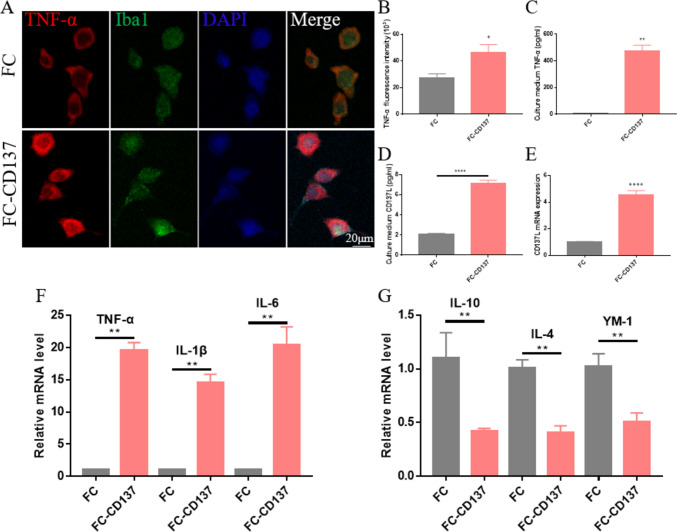
“Similar to our CNS findings, activation of CD137L signaling was shown to induce pro-inflammatory cytokine expression in peripheral macrophages in vitro and in vivo and promote macrophage apoptosis in vitro (Kim et al., 2011; Stoll et al., 2021; Xu et al., 2021; Wei et al., 2022).”
BackgroundCD137 ligand activated microglia induces oligodendrocyte apoptosis via reactive oxygen species
Yeo, Y. A., Martínez Gómez, J. M., Croxford, J. L., Gasser, S., Ling, E.-A., & Schwarz, H. (2012) · Journal of Neuroinflammation · doi:10.1186/1742-2094-9-173 · Cited by 63 · cited 3×
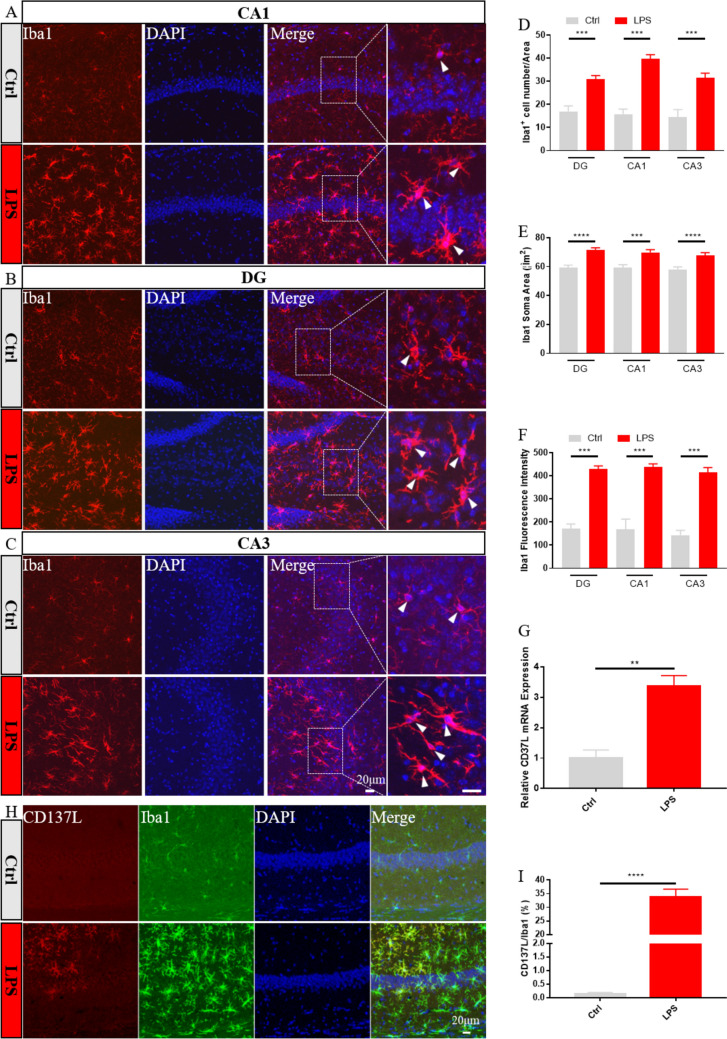
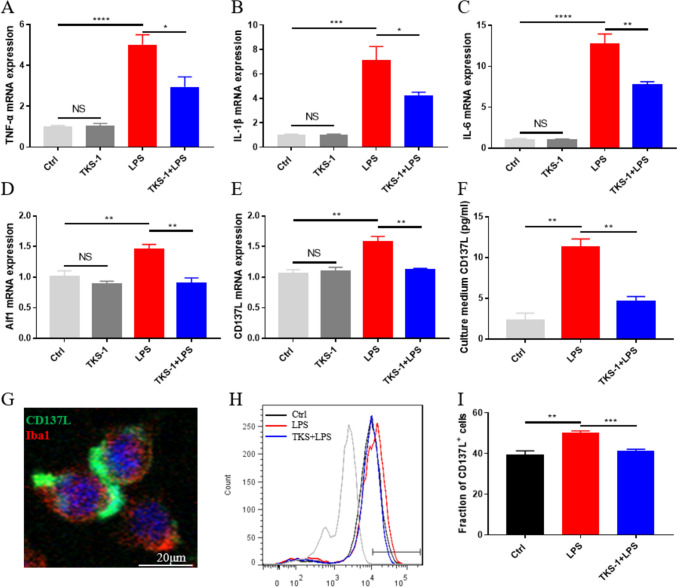
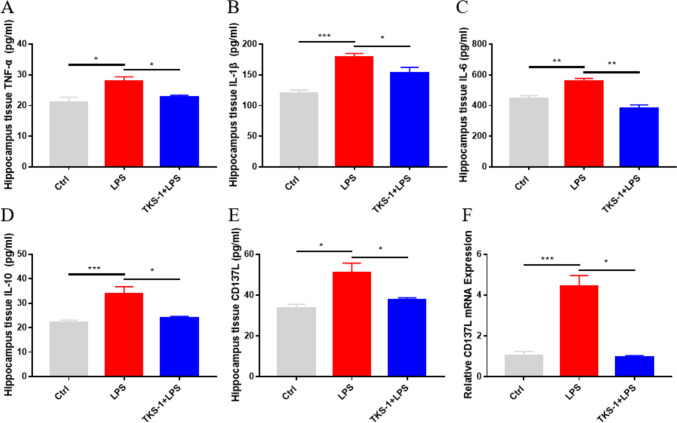
“CD137L acts as an acute pro-inflammatory mediator in the CNS. Similar to previous studies (Yeo et al., 2012), we showed that CD137L is significantly induced in the CNS after LPS injection.”
BackgroundMethodSepsis-associated encephalopathy
Helbing, D.-L., Böhm, L., & Witte, O. W. (2018) · Canadian Medical Association Journal · doi:10.1503/cmaj.180454 · Cited by 58 · cited 1×
“About 70% of patients with severe sepsis develop SAE, which increases mortality, prolongs hospitalization, and determines excessive consumption of medical resources (Helbing et al., 2018).”
BackgroundLi, Y., Yin, L., Fan, Z., Su, B., Chen, Y., Ma, Y., Zhong, Y., Hou, W., Fang, Z., & Zhang, X. (2020) · Frontiers in Pharmacology · doi:10.3389/fphar.2020.600421 · Cited by 56 · cited 2×
“M1 microglia was shown to contribute to SAE and sepsis-associated chronic pain (Li et al., 2020).”
BackgroundHan, Z., Zhao, H., Tao, Z., Wang, R., Fan, Z., Luo, Y., Luo, Y., & Ji, X. (2018) · Aging and Disease · doi:10.14336/ad.2017.0328 · Cited by 47 · cited 1×
“Microglia activation states can be classified into two major phenotypes, M1 and M2 (Colton, 2009; Han et al., 2018).”
BackgroundCD137L-DCs, Potent Immune-Stimulators—History, Characteristics, and Perspectives
Zeng, Q., Zhou, Y., & Schwarz, H. (2019) · Frontiers in Immunology · doi:10.3389/fimmu.2019.02216 · Cited by 37 · cited 1×
“It is expressed on antigen-presenting cells (APCs), and its expression levels increase upon APC activation (Zeng et al., 2019).”
BackgroundWong, H. Y., & Schwarz, H. (2020) · Journal of Autoimmunity · doi:10.1016/j.jaut.2020.102499 · Cited by 37 · cited 1×
“Blocking CD137L signaling reduces the release of neuroinflammatory mediators, and CD137L knockout mice are largely prevented from developing neurodegenerative disease (Wong & Schwarz, 2020; Mak et al., 2019; Ma et al., 2013).”
BackgroundTu, T. H., Kim, C.-S., Goto, T., Kawada, T., Kim, B.-S., & Yu, R. (2012) · Mediators of Inflammation · doi:10.1155/2012/972629 · Cited by 36 · cited 1×
“CD137 signaling in T cells promotes survival, enhances proliferation and effector functions, and confers metabolic sufficiency (Etxeberria et al., 2020; Tu et al., 2012).”
BackgroundMa, J., Bang, B., Lu, J., Eun, S.-Y., Otsuka, M., Croft, M., Tobias, P. S., Han, J., Takeuchi, O., Akira, S., et al. (2013) · Science Signaling · doi:10.1126/scisignal.2004431 · Cited by 36 · cited 1×
“Blocking CD137L signaling reduces the release of neuroinflammatory mediators, and CD137L knockout mice are largely prevented from developing neurodegenerative disease (Wong & Schwarz, 2020; Mak et al., 2019; Ma et al., 2013).”
BackgroundSzöllősi, D., Hegedűs, N., Veres, D. S., Futó, I., Horváth, I., Kovács, N., Martinecz, B., Dénes, Á., Seifert, D., Bergmann, R., et al. (2018) · Molecular Imaging and Biology · doi:10.1007/s11307-018-1201-3 · Cited by 33 · cited 1×
“Experiments in both humans and animals have found that microglia activation during SAE is also closely associated with emotional distress, anxiety, depression and cognitive impairment (Lemstra et al., 2007; Szollosi et al., 2018).”
BackgroundWei, H., Chen, L., Li, Q., Liang, X., Wang, K., Zhang, Y., Li, Y., Liu, Y., & Xu, G. (2022) · International Journal of Biological Sciences · doi:10.7150/ijbs.66781 · Cited by 24 · cited 1×
“Similar to our CNS findings, activation of CD137L signaling was shown to induce pro-inflammatory cytokine expression in peripheral macrophages in vitro and in vivo and promote macrophage apoptosis in vitro (Kim et al., 2011; Stoll et al., 2021; Xu et al., 2021; Wei et al., 2022).”
BackgroundSelf-citationProtective Effect of Arabinoxylan against Scopolamine-Induced Learning and Memory Impairment
Kim, C.-Y., Gil-Yong, L., Park, G. H., Lee, J., & Jang, J.-H. (2014) · Biomolecules & Therapeutics · doi:10.4062/biomolther.2014.063 · Cited by 19 · cited 2×
“The spontaneous alternation Y-maze test was used to assess spatial working memory in mice (Kim et al., 2014; Hsiao et al., 1995).”
MethodXu, Y., Zhang, Y., Xu, Y., Zang, G., Li, B., Xia, H., & Yuan, W. (2021) · The International Journal of Biochemistry & Cell Biology · doi:10.1016/j.biocel.2021.106003 · Cited by 19 · cited 1×
“Similar to our CNS findings, activation of CD137L signaling was shown to induce pro-inflammatory cytokine expression in peripheral macrophages in vitro and in vivo and promote macrophage apoptosis in vitro (Kim et al., 2011; Stoll et al., 2021; Xu et al., 2021; Wei et al., 2022).”
BackgroundBlockade of CD137 Signaling Counteracts Polymicrobial Sepsis Induced by Cecal Ligation and Puncture
Nguyen, Q.-T., Ju, S., Park, S.-M., Lee, S., Yagita∥, H., Lee, I. H., & Kim, B.-S. (2009) · Infection and Immunity · doi:10.1128/iai.00407-09 · Cited by 17 · cited 9×
“For cytoimmunofluorescence, BV2 cells were fixed with 4% PFA for 15 min at room temperature, washed with PBS, and subjected to the immunolabeling steps described above.”
MethodInfluentialKim, J. D., Lee, E. A., Quang, N. N., Cho, H. R., & Kwon, B. (2011) · Immune Network · doi:10.4110/in.2011.11.4.216 · Cited by 12 · cited 1×
“Similar to our CNS findings, activation of CD137L signaling was shown to induce pro-inflammatory cytokine expression in peripheral macrophages in vitro and in vivo and promote macrophage apoptosis in vitro (Kim et al., 2011; Stoll et al., 2021; Xu et al., 2021; Wei et al., 2022).”
BackgroundContribution of CD137L to Sensory Hypersensitivity in a Murine Model of Neuropathic Pain
Wakley, A. A., Leeming, R. C., Malon, J. T., Arabatzis, T. J., Koh, W. Y., & Cao, L. (2018) · eNeuro · doi:10.1523/eneuro.0218-18.2018 · Cited by 12 · cited 2×
“To validate the involvement of the CD13L/CD137 axis in the pro-inflammatory microglial response identified above, we treated BV2 cells with TKS-1, a CD137L neutralizing antibody that was shown to reduce the expression of CD137L both in vitro and in vivo (Mbanwi et al., 2017; Wakley et al., 2018).”
MethodResultMak, A., Dharmadhikari, B., Kow, N. Y., Thamboo, T. P., Tang, Q., Wong, L., Sajikumar, S., Wong, H. Y., & Schwarz, H. (2019) · Frontiers in Immunology · doi:10.3389/fimmu.2019.01411 · Cited by 12 · cited 1×
“Blocking CD137L signaling reduces the release of neuroinflammatory mediators, and CD137L knockout mice are largely prevented from developing neurodegenerative disease (Wong & Schwarz, 2020; Mak et al., 2019; Ma et al., 2013).”
BackgroundInvolvement of CD137 Ligand Signaling in Neural Stem Cell Death
Yun, C. H., Lee, H. M., Lee, S. C., Kim, B. S., Park, J. W., & Lee, B. J. (2013) · Molecules and Cells · doi:10.1007/s10059-013-0137-3 · Cited by 7 · cited 1×
“It has been reported that recombinant CD137-Fc fusion protein (FC-CD137) treat-ment induces the expression of CD137L in neural stem cells (Yun et al., 2013; Yeo et al., 2012).”
BackgroundMbanwi, A. N., Lin, G. H. Y., Wang, K. C., & Watts, T. H. (2017) · Journal of Immunological Methods · doi:10.1016/j.jim.2017.08.001 · Cited by 5 · cited 1×
“To validate the involvement of the CD13L/CD137 axis in the pro-inflammatory microglial response identified above, we treated BV2 cells with TKS-1, a CD137L neutralizing antibody that was shown to reduce the expression of CD137L both in vitro and in vivo (Mbanwi et al., 2017; Wakley et al., 2018).”
Method
Cited by
Pontifex, M. G., Connell, E., Gall, G. L., Láng, L., Pourtau, L., Gaudout, D., Angeloni, C., Zallocco, L., Ronci, M., Giusti, L., et al. (2024) · Gut Microbes · doi:10.1080/19490976.2024.2363011 · Cited by 27
“Higher doses e.g., 2 mg/kg − 5 mg/kg have been shown to drastically impact cognition across a wide variety of behavioral tests with only one dose necessary, 52–55 however this does not model chronic low-grade inflammation.”
BackgroundThe immunosuppressive mechanisms induced by sepsis and the corresponding treatment strategies
Gao, Q., Teng, Y., Zhu, L., Zhang, W., & Li, Z. (2025) · Frontiers in Immunology · doi:10.3389/fimmu.2025.1643194 · Cited by 27
Zhang, X., Huang, K., Wu, Z., Ding, R., Han, J., Zhang, Y., Lu, Y., Lu, Y., & Si, Y. (2025) · Pharmacology & Therapeutics · doi:10.1016/j.pharmthera.2025.108971 · Cited by 14
Barrier breakdown: lung-brain crosstalk in systemic inflammation
Villalba, N., Beard, R. S., & Yuan, S. Y. (2026) · Journal of Neuroinflammation · doi:10.1186/s12974-026-03807-1 · Cited by 8
Current knowledge and challenges of sepsis-associated encephalopathy
Shankar‐Hari, M., Benghanem, S., Bourhy, L., Cunningham, C. M., Ehler, J., Girard, T. D., Gofton, T. E., Hermann, B., Jiwaji, Z., Mazeraud, A., et al. (2026) · Intensive Care Medicine · doi:10.1007/s00134-026-08489-0 · Cited by 9
Metadata
- Authors
- Qiu, F., Liu, Y., Liu, Y., Zhao, Z., Zhou, L., Chen, P., Du, Y., Wang, Y., Sun, H., Zeng, C., Wang, X., Liu, Y., Pan, H., & Ke, C.
- Affiliations
- Guangdong Medical College (CN)
- Shenzhen University (CN)
- Chinese Academy of Sciences (CN)
- Corresponding author
- Liu, Yuqiang
- Pan, Haobo
- Ke, Changneng
- Venue
- NeuroMolecular Medicine
- Published
- 2023-10-05
- Volume
- 25
- Issue
- 4
- Pages
- 616-631
- ISSN
- 1535-1084 (ISSN-L)
- 1559-1174
- PMC
- PMC10721669
- OpenAlex
- W4387356795
- Semantic Scholar
- 23c300d8f8ea1759cc2a6594017ea59b8ec186cf
- Cited by
- 8
- References
- 44
- Citations by year
- 2026: 3 · 2025: 3 · 2024: 2
- FWCI
- 0.82
- Type
- journal article
- Language
- en
- Open access
- hybrid
- doi.org
- Licence
- cc-by
- creativecommons.org/licenses/by/4.0 (tdm)
- creativecommons.org/licenses/by/4.0 (vor)
- Locations
- NeuroMolecular Medicine (publishedVersion, cc-by)
- PubMed Central (publishedVersion, cc-by)
- PubMed (publishedVersion)
- Funders
- Science and Technology Planning Project of Shenzhen Municipality (JCYJ20220531092609020, JCYJ20190806164601647)
- Guangdong Basic and Applied Basic Research Foundation of China (2022A1515111152)
- The China Postdoctoral Science Foundation (2023M733657)
- National Natural Science Foundation of China (82001138)
- Topics
- Life Sciences › Neuroscience › Neurology › Neuroinflammation and Neurodegeneration Mechanisms
- Life Sciences › Neuroscience › Biological Psychiatry › Tryptophan and brain disorders
- Health Sciences › Medicine › Critical Care and Intensive Care Medicine › Sepsis Diagnosis and Treatment
- Keywords
- sepsis-associated encephalopathy, CD137L, microglial activation, hippocampal inflammation, lipopolysaccharide, anxiety-like behavior, cognitive impairment, spatial memory, M1 macrophage polarization, inflammatory cytokines, BV-2 cells, neuroprotection
- MeSH terms
- Neuroinflammatory Diseases, Animals, Antibodies, Monoclonal, Disease Models, Animal, Hippocampus, Humans, Lipopolysaccharides, Male, Mice, Inbred C57BL, Cytokines, Microglia, Sepsis, Mice, 4-1BB Ligand, Sepsis-Associated Encephalopathy
About these checks
Registry, retraction, Cites and statistics results are computed, not judged, with one exception: a printed reference that no index lists is read once by a model before it counts as a citation error. Claims are extracted by a model and kept only when their quote appears verbatim in the text; each cited source is then checked, with a model’s help, for whether it says what the claim relies on. Those verdicts can be wrong — read the claim’s quote and the cited source before relying on one.
Statistics and arithmetic are recomputed, not judged.
Confidence bands are shown only for fields calibrated on our annotated test set. None is calibrated yet, so no band is shown.
What counts as a claim ›How we measure confidence ›How we check this ›
Are you an author, or do you see a problem with this page? Request a review
Data sources
Bibliographic data: Semantic Scholar, OpenAlex, Crossref.
Contains information from the Semantic Scholar Academic Graph Datasets, made available under the ODC Attribution License (ODC-BY 1.0).
Semantic Scholar’s data is described in: Kinney, R., et al. (2023). The Semantic Scholar Open Data Platform. arXiv:2301.10140.
