

Method Development and Optimization of Liquid-Liquid Microextraction Based on the Decomposition of Deep Eutectic Solvent for the Determination of Chromium (VI) in Spinach: Assessment of the Greenness Profile Using Eco-scale, AGREE, and AGREEprep
Open accessThe DOI matches its Crossref record; 55 of the 55 references it cites were found in a registry or an index; 7 of the 32 sources its claims cite were checked for support.
Abstract
A simple, effective, and ligandless liquid-liquid microextraction (LLME) procedure based on the decomposition of hydrophobic deep eutectic solvents (HDES) was developed for the separation and pre-concentration of chromium (VI) ions in spinach leaves, before the determination by flame atomic absorption spectrophotometry. In the proposed study, the first stage involved the leaching of chromium (VI) from spinach leaves with 0.1 M Na 2 CO 3 , and in the second stage, chromium (VI) extract was preconcentrated with the LLME procedure using a DES prepared from the combination of DL-menthol and formic acid as a chelating agent and extraction solvent. The DES decomposed in an aqueous donor phase resulting in the dispersion of menthol and extraction of Cr (VI) ions. Under optimal experimental conditions, the limits of detection (LOD) and quantification (LOQ) were 0.63 and 2.1 µg L −1 , respectively. The relative standard deviation (RSD) was less than 7%, and the pre-concentration factor (PF) was found to be 31.25. The accuracy of the present methodology was tested by recovery experiments. The greenness of the developed method was assessed using three quantitative green metrics tools: Analytical Eco-scale, AGREE, and AGREEprep, with only Analytical Eco-scale qualifying the proposed method as green.
Overview
CoChat Summary
TL;DR
A ligandless liquid-liquid microextraction (LLME) method based on in situ decomposition of a hydrophobic deep eutectic solvent (DL-menthol:formic acid) was developed to separate and preconcentrate Cr(VI) from spinach leaves prior to flame atomic absorption spectrophotometry. The method gave LOD 0.63 µg L⁻¹, LOQ 2.1 µg L⁻¹, PF 31.25 and recoveries of 96.32–104%, but only the Analytical Eco-scale (score 72) judged it green, while AGREE (0.49) and AGREEprep (0.34) did not.
Key findings
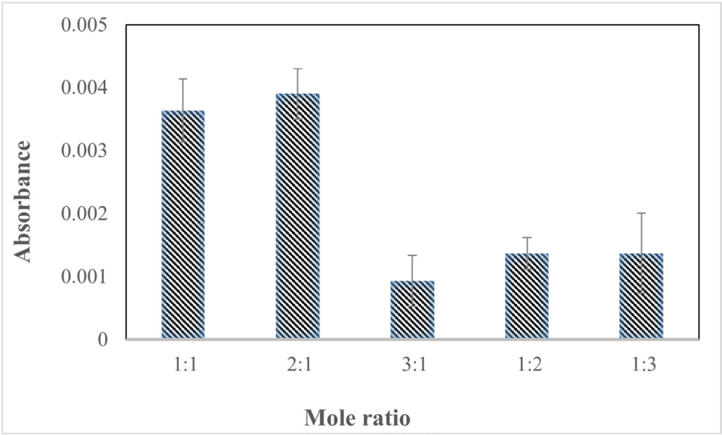
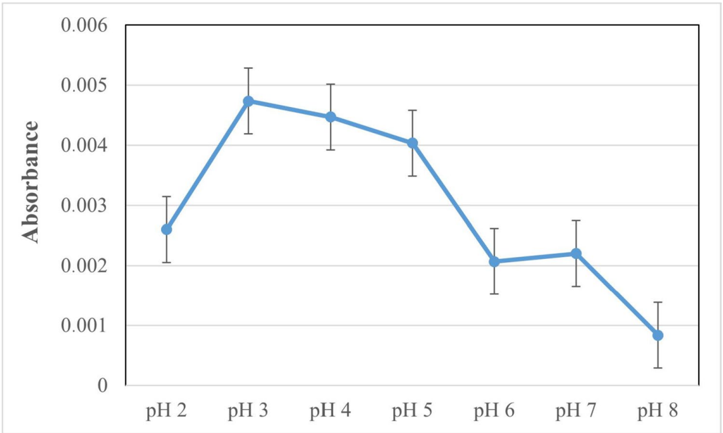
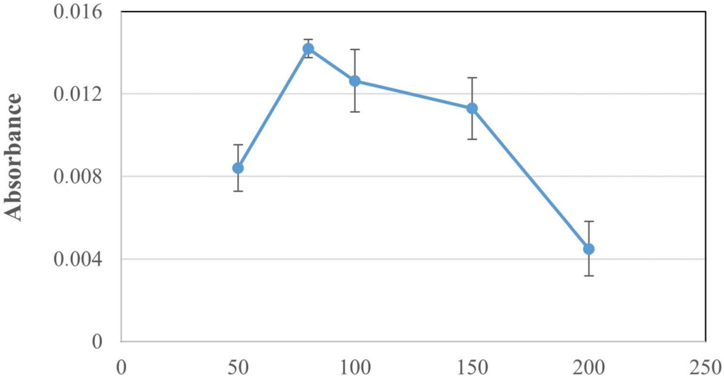
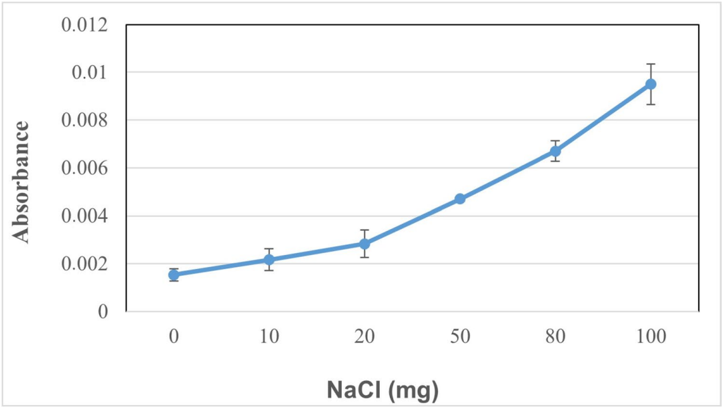
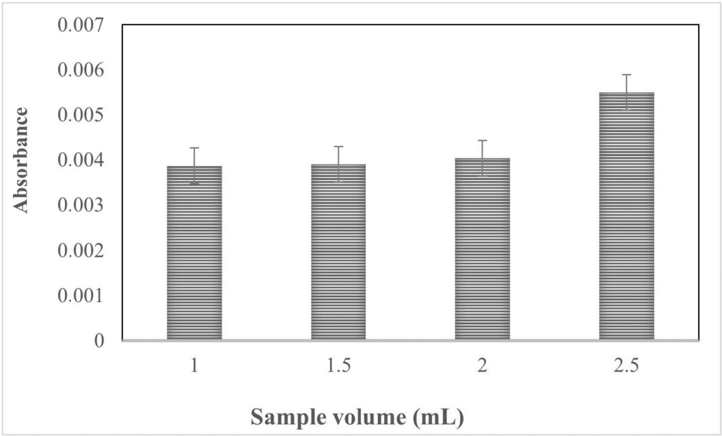
- Under optimized conditions (DES DL-menthol:formic acid 2:1, 80 µL DES, 2.5 mL sample at pH 3, 100 mg NaCl), LOD and LOQ were 0.63 and 2.1 µg L⁻¹, with a preconcentration factor of 31.25.
- Linearity was established over 15–250 µg L⁻¹ using a 5-point matrix-matched calibration curve (r² = 0.9996, r = 0.9999); ANOVA confirmed a significant absorbance–concentration relationship (F = 6344.496622 > Significance F = 0.00015758).
- Accuracy by recovery experiments at 25, 50 and 100 µg kg⁻¹ spiking gave 104%, 103% and 96.32% recovery; repeatability RSD was 5.3% and reproducibility RSD 6.7% (overall RSD < 7%).
- Greenness assessment: Analytical Eco-scale score 72 (acceptable green method), AGREE overall score 0.49 and AGREEprep score 0.34 — both below the ≥ 0.6 threshold cited for a method to be considered green.
Methods
- Design: method development and optimization of an LLME procedure in which a hydrophobic DES (DL-menthol as HBA with formic acid as HBD) decomposes in the aqueous donor phase, acting as dispersive agent, chelating agent and extraction solvent; parameters optimized one variable at a time (OVAT) in triplicate.
- Sample/data: spinach (swiss chard) purchased from local supermarkets in Nairobi, Kenya, oven-dried at 80 °C for 24 h and ground; Cr(VI) leached from 0.25 g dry sample with 25 mL of 0.1 M Na₂CO₃ by boiling 15 min, then 2.5 mL of extract used as donor phase; determination by Shimadzu AA6200 FAAS (357.9 nm).
- Analysis: linearity, precision, accuracy, LOD/LOQ, PF and recovery; ANOVA for linearity significance (p < 0.05) using Excel 2016; greenness scored with Analytical Eco-scale, AGREE and AGREEprep.
Limitations
- Stated by the paper: AGREE (0.49) and AGREEprep (0.34) did not qualify the method as green, with the authors noting the disagreement between metrics stems from their differing evaluation criteria; the PF was lower than that of other reported approaches; sample volume was not increased beyond 2.5 mL and NaCl not beyond 100 mg because the authors intended to use as little material as possible.
- Evident from the text: optimization relied on one-variable-at-a-time rather than a multivariate design; validation was performed on a single matrix (spinach) with spiked samples, and no native Cr(VI) concentrations in the spinach samples are reported; the AGREE/AGREEprep criteria flagged for improvement (in situ preparation, safer solvents/reagents, integration/automation, operator safety) remain unaddressed.
Model-written summary. Check it against the paper before relying on it.
Integrity signals
Registry
Cites
Statistics
Figures

Verification
Claims the paper makes
7 Valid · 0 Not valid · 14 Not checked · 49 Own results and interpretations
Every source the paper cites for this claim was checked and supports it.
In the paper
“This is because at lower pHs Cr(VI) is present as HcrO 4 -, which is the negatively charged form of Cr(VI) (Fenti et al. 2020)”
§ Method Development and Optimization of Liquid-Liquid Microextraction Based on the Decomposition of Deep Eutectic Solvent for the Determination of Chromium (VI) in Spinach: Assessment of the Greenness Profile Using Eco-scale, AGREE, and AGREEprep > Effect of Sample pH
What the sources say
- Supportedcites Fenti et al. 2020 matched to “Cr(VI) Sorption from Aqueous Solution: A Review” (2020) source
Section 2 states that HCrO₄⁻ is the most abundant Cr(VI) species at acidic pH and describes Cr(VI) oxyanions as negatively charged. The supplied excerpt does not specify a page number. (LLM, conf=0.94)
plainstates a cause- Asserted: passes — The authors put it forward as true.
- Checkable: passes — It can be checked against evidence.
- Load-bearing: passes — The paper’s conclusions depend on it.
- Based: passes — The paper gives a reason why it holds.
- Supported
The cited sources support only part of this claim — read each source’s verdict below.
In the paper
“To facilitate DES decomposition and leaching out into the water phase, a hydrophobic DES synthesized by the combination of a hydrophilic and a hydrophobic precursor is a requirement (Florindo et al. 2017, Nemati et al. 2021).”
§ Method Development and Optimization of Liquid-Liquid Microextraction Based on the Decomposition of Deep Eutectic Solvent for the Determination of Chromium (VI) in Spinach: Assessment of the Greenness Profile Using Eco-scale, AGREE, and AGREEprep > Effect of DES Composition
What the sources say
- Partly supportedcites Florindo et al. 2017 matched to “Development of hydrophobic deep eutectic solvents for extraction of pesticides from aqueous environments” (2017) sourceExperimental — accuracy not yet measured
Section 3.1 (page unavailable) reports that DESs made from one hydrophilic and one hydrophobic component partially break down in water, allowing a component to leach into the water phase. It also reports this behavior for DESs made from two hydrophilic components, so the mixed-precursor combination is not established as a requirement; the paper describes leaching as contamination, not a desired outcome. (LLM, conf=0.86)
- Not checked — no full text of the sourcecites Nemati et al. 2021 matched to “In-situ formation/decomposition of deep eutectic solvent during solidification of floating organic droplet-liquid-liquid microextraction method for the extraction of some antibiotics from honey prior to high performance liquid chromatography-tandem mass spectrometry” (2021) source
plainstates a cause- Asserted: passes — The authors put it forward as true.
- Checkable: passes — It can be checked against evidence.
- Load-bearing: passes — The paper’s conclusions depend on it.
- Based: passes — The paper gives a reason why it holds.
- Partly supported
Every source the paper cites for this claim was checked and supports it.
In the paper
“This could be attributed to the commercial formic acid's high water content (Díaz-Álvarez and Martín-Esteban 2022) which might have aided in the DES decomposition.”
§ Method Development and Optimization of Liquid-Liquid Microextraction Based on the Decomposition of Deep Eutectic Solvent for the Determination of Chromium (VI) in Spinach: Assessment of the Greenness Profile Using Eco-scale, AGREE, and AGREEprep > Effect of DES Composition
What the sources say
- Supportedcites Díaz-Álvarez and Martín-Esteban 2022 matched to “Preparation and further evaluation of l-menthol-based natural deep eutectic solvents as supported liquid membrane for the hollow fiber liquid-phase microextraction of sulfonamides from environmental waters” (2022) source
Section 3.3 says the two phases in the formic acid:L-menthol solvent were probably due to the high water content of the commercial formic acid. The citation is attached to that water-content premise; the suggestion that it aided decomposition is the citing authors’ own inference. (LLM, conf=0.91)
hedgedstates a possible cause- Asserted: passes — The authors put it forward as true.
- Checkable: passes — It can be checked against evidence.
- Load-bearing: passes — The paper’s conclusions depend on it.
- Based: passes — The paper gives a reason why it holds.
- Supported
A result the paper reports from its own data — it cites no other source for it, so there is none to check. The quote shows it is in the paper.
In the paper
“Under optimal experimental conditions, the limits of detection (LOD) and quantification (LOQ) were 0.63 and 2.1 µg L -1 , respectively.”
- Also stated in: § Analytical Performance of the PROPOSED METHOD · plain
“The LOD and LOQ obtained were 0.63 and 2.1 µg L -1 respectively.”
§ Method Development and Optimization of Liquid-Liquid Microextraction Based on the Decomposition of Deep Eutectic Solvent for the Determination of Chromium (VI) in Spinach: Assessment of the Greenness Profile Using Eco-scale, AGREE, and AGREEprep > Abstract
plain- Asserted: passes — The authors put it forward as true.
- Checkable: passes — It can be checked against evidence.
- Load-bearing: passes — The paper’s conclusions depend on it.
- Based: passes — The paper gives a reason why it holds.
- Also stated in: § Analytical Performance of the PROPOSED METHOD · plain
A result the paper reports from its own data — it cites no other source for it, so there is none to check. The quote shows it is in the paper.
In the paper
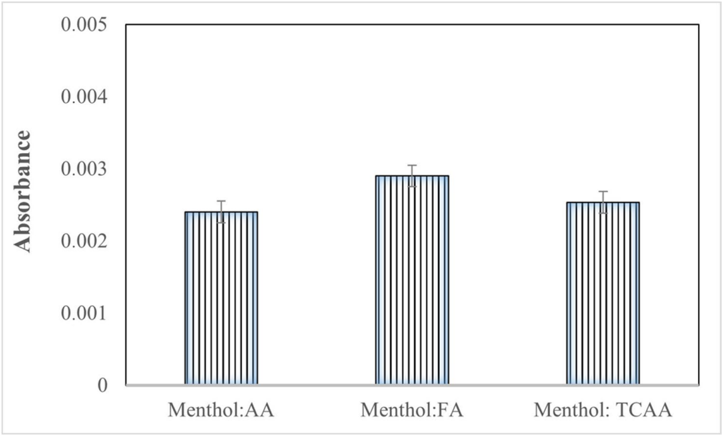
“Among the DESs synthesized, the absorbance signal increased in the following HBD order, formic acid > trichloroacetic acid > acetic acid (Fig. 1).”
§ Method Development and Optimization of Liquid-Liquid Microextraction Based on the Decomposition of Deep Eutectic Solvent for the Determination of Chromium (VI) in Spinach: Assessment of the Greenness Profile Using Eco-scale, AGREE, and AGREEprep > Effect of DES Composition
plainstates a cause- Asserted: passes — The authors put it forward as true.
- Checkable: passes — It can be checked against evidence.
- Load-bearing: passes — The paper’s conclusions depend on it.
- Based: passes — The paper gives a reason why it holds.
34 more claims
Create a free account to see all 70 claims and every source verdict.
- Probably not a substantial claim. 22
- It may state two separate claims as one. 14
- The quote only partly states this claim. 1
Self-check
Percentages, sums and reported differences re-computed from the paper’s own numbers.
Each contradiction between two passages listed here was confirmed by an independent check.
Rated minor: it would not touch a result — a value no result rests on, a p-value that stays on the same side of the significance level, or a conflict that is clerical, resolved elsewhere in the paper, or outside its own findings.
In the paper
§ Method Development and Optimization of Liquid-Liquid Microextraction Based on the Decomposition of Deep Eutectic Solvent for the Determination of Chromium (VI) in Spinach: Assessment of the Greenness Profile Using Eco-scale, AGREE, and AGREEprep > Analytical Performance of the PROPOSED METHOD
“The linearity was evaluated by using a 5-point matrixmatched calibration curve, and this was in the range of 15 to 250 µg L -1 .”
§ Method Development and Optimization of Liquid-Liquid Microextraction Based on the Decomposition of Deep Eutectic Solvent for the Determination of Chromium (VI) in Spinach: Assessment of the Greenness Profile Using Eco-scale, AGREE, and AGREEprep > Conclusions
“| Total | 3 | 0.00043697 | | | |”
Rated minor: it would not touch a result — a value no result rests on, a p-value that stays on the same side of the significance level, or a conflict that is clerical, resolved elsewhere in the paper, or outside its own findings.
In the paper
§ Method Development and Optimization of Liquid-Liquid Microextraction Based on the Decomposition of Deep Eutectic Solvent for the Determination of Chromium (VI) in Spinach: Assessment of the Greenness Profile Using Eco-scale, AGREE, and AGREEprep > Introduction
“a DES prepared by mixing DL-menthol as an HBD and formic acid as HBA”
§ Method Development and Optimization of Liquid-Liquid Microextraction Based on the Decomposition of Deep Eutectic Solvent for the Determination of Chromium (VI) in Spinach: Assessment of the Greenness Profile Using Eco-scale, AGREE, and AGREEprep > Preparation of DL-Menthol-Based DES
“DL menthol (as a common HBA) with different organic acids, namely formic acid, acetic acid, and trichloroacetic acid (as HBDs)”
Citations
Cites
Deep Eutectic Solvents (DESs) and Their Applications
Smith, E. L., Abbott, A. P., & Ryder, K. S. (2014) · Chemical Reviews · doi:10.1021/cr300162p · Cited by 7,378 · cited 1×
“They are prepared by heating two or more components that function as a hydrogen bond acceptor (HBA) and hydrogen bond donor (HBD) at a certain mole ratio through hydrogen bond interactions to form a eutectic mixture with a melting point lower than that of each component (Smith et al. 2014).”
Abbott, A. P., Capper, G., Davies, D. L., Rasheed, R. K., & Tambyrajah, V. (2003) · Chemical Communications · doi:10.1039/b210714g · Cited by 5,738 · cited 1×
“Deep eutectic solvents (DESs) are analogs of ILs and share some of the unique physicochemical properties with ILs, such as low volatility, nonflammability, and design-ability, and were first proposed by Abbott and coworkers (Abbott et al. 2003).”
Deep eutectic solvents: syntheses, properties and applications
Zhang, Q., De Oliveira Vigier, K., Royer, S., & Jérôme, F. (2012) · Chemical Society Reviews · doi:10.1039/c2cs35178a · Cited by 4,899 · cited 1×
“The ratio between HBA and HBD is one of the important factors as it influences the physicochemical properties and extraction ability of a DES (Zhang et al. 2012).”
AGREE—Analytical GREEnness Metric Approach and Software
Pena-Pereira, F., Wojnowski, W., & Tobiszewski, M. (2020) · Analytical Chemistry · doi:10.1021/acs.analchem.0c01887 · Cited by 3,983
Natural deep eutectic solvents as new potential media for green technology
Dai, Y., van Spronsen, J., Witkamp, G.-J., Verpoorte, R., & Choi, Y. H. (2013) · Analytica Chimica Acta · doi:10.1016/j.aca.2012.12.019 · Cited by 2,694 · cited 1×
“Ionic liquids are a group of organic salts with low melting points below 100 °C, negligible vapor pressure, low flammability, and designability (Dai et al. 2013).”
Analytical Eco-Scale for assessing the greenness of analytical procedures
Gałuszka, A., Migaszewski, Z. M., Konieczka, P., & Namieśnik, J. (2012) · TrAC Trends in Analytical Chemistry · doi:10.1016/j.trac.2012.03.013 · Cited by 2,474 · cited 1×
“To determine the final eco-scale score, penalty points are allocated to each parameter, and the total penalty points are subtracted from 100 (Gałuszka et al. 2012).”
Green analytical chemistry metrics: a review
Sajid, M., & Płotka-Wasylka, J. (2022) · Talanta · doi:10.1016/j.talanta.2021.123046 · Cited by 744 · cited 1×
“The details, which include the advantages and disadvantages of the proposed metrics tools, can be found elsewhere in the literature (Sajid et al. 2022).”
Menthol-based Eutectic Mixtures: Hydrophobic Low Viscosity Solvents
Ribeiro, B. D., Florindo, C., Iff, L. C., Coelho, M. A. Z., & Marrucho, I. M. (2015) · ACS Sustainable Chemistry & Engineering · doi:10.1021/acssuschemeng.5b00532 · Cited by 672 · cited 2×
“Nowadays, the trend in sample preparation methods has been focused on replacing environmentally unsustainable solvents with new solvents that comply with the concept of green chemistry such as ionic liquids (ILs) and deep eutectic solvents (DESs) (Ribeiro et al 2015).”
Florindo, C., Branco, L. C., & Marrucho, I. M. (2017) · Fluid Phase Equilibria · doi:10.1016/j.fluid.2017.04.002 · Cited by 457 · cited 1×
“To facilitate DES decomposition and leaching out into the water phase, a hydrophobic DES synthesized by the combination of a hydrophilic and a hydrophobic precursor is a requirement (Florindo et al. 2017, Nemati et al. 2021).”
Overview of acidic deep eutectic solvents on synthesis, properties and applications
Qin, H., Hu, X., Wang, J., Cheng, H., Chen, L., & Qi, Z. (2020) · Green Energy & Environment · doi:10.1016/j.gee.2019.03.002 · Cited by 448
A Tutorial on AGREEprep an Analytical Greenness Metric for Sample Preparation
Pena-Pereira, F., Tobiszewski, M., Wojnowski, W., & Psillakis, E. (2022) · Advances in Sample Preparation · doi:10.1016/j.sampre.2022.100025 · Cited by 347
Karimi, M., Dadfarnia, S., Shabani, A. M. H., Tamaddon, F., & Azadi, D. (2015) · Talanta · doi:10.1016/j.talanta.2015.07.021 · Cited by 182 · cited 1×
“Examples of the use of DES in LLME for the extraction of metal ions (Karimi et al. 2015, Pourmohammad et al. 2020, Shishov et al 2020a, b, Ragheb et al. 2021, Pinheiro et al 2021, Shamsipur et al. 2022) have been reported in the literature demonstrating that they are becoming more acceptable as…”
Zhu, S., Zhou, J., Jia, H., & Zhang, H. (2018) · Food Chemistry · doi:10.1016/j.foodchem.2017.09.141 · Cited by 166 · cited 1×
“…of the conventional liquid-liquid extraction method (LLE) and has attracted significant attention as a sample preparation technique because of its simplicity of operation, short extraction time, high preconcentration factors, and low analysis costs (Sajid and Alhoosani 2018, Zhu et al. 2018).”
Aigbe, U. O., & Osibote, O. A. (2020) · Journal of Environmental Chemical Engineering · doi:10.1016/j.jece.2020.104503 · Cited by 165 · cited 1×
“They are harmful to humans and the environment because of their toxicity and carcinogenicity (Aigbe and Osibote 2020).”
Sorouraddin, S. M., Farajzadeh, M. A., & Dastoori, H. (2020) · Talanta · doi:10.1016/j.talanta.2019.120485 · Cited by 157 · cited 1×
“The pH of the aqueous solution before extraction is an important parameter that affects the analyte-DES complex formation and the extraction of the analytes into especially for ionizable analytes such as Cr(VI) (Sorouraddin et al. 2020, Pourbakhshi 2021).”
Shirani, M., Habibollahi, S., & Akbari, A. (2019) · Food Chemistry · doi:10.1016/j.foodchem.2018.12.110 · Cited by 125 · cited 1×
“However, sample preparation is necessary to reduce the influence of the matrix effects as well as to preconcentrate the analytes of interest due to their low content in the sample (Shirani et al. 2019, Andruch et al. 2022).”
Shi, Y., Xiong, D., Zhao, Y., Li, T., Zhang, K., & Fan, J. (2020) · Chemosphere · doi:10.1016/j.chemosphere.2019.125082 · Cited by 118 · cited 1×
“Similar observations were reported by other researchers (Shi et al. 2020, Pourbakhshi et al. 2021).”
Hemmatkhah, P., Bidari, A., Jafarvand, S., Hosseini, M. R. M., & Assadi, Y. (2009) · Microchimica Acta · doi:10.1007/s00604-009-0167-x · Cited by 111
Shishov, A., Terno, P., Moskvin, L., & Bulatov, A. (2020) · Talanta · doi:10.1016/j.talanta.2019.120209 · Cited by 107 · cited 3×
“Examples of the use of DES in LLME for the extraction of metal ions (Karimi et al. 2015, Pourmohammad et al. 2020, Shishov et al 2020a, b, Ragheb et al. 2021, Pinheiro et al 2021, Shamsipur et al. 2022) have been reported in the literature demonstrating that they are becoming more acceptable as…”
Sajid, M., & Alhooshani, K. (2018) · TrAC Trends in Analytical Chemistry · doi:10.1016/j.trac.2018.08.016 · Cited by 98
In situ decomposition of deep eutectic solvent as a novel approach in liquid-liquid microextraction
Shishov, A., Chromá, R., Vakh, C., Kuchár, J., Simon, A., Andruch, V., & Bulatov, A. (2019) · Analytica Chimica Acta · doi:10.1016/j.aca.2019.03.038 · Cited by 97 · cited 4×
“The DES volume plays a very crucial role as it affects the preconcentration or dilution of the extracted analyte (Shishov et al. 2019).”
InfluentialAdsorption behaviour of Cr(VI) onto macro and micro-vesicular volcanic rocks from water
Alemayehu, E., Thiele‐Bruhn, S., & Lennartz, B. (2011) · Separation and Purification Technology · doi:10.1016/j.seppur.2011.01.020 · Cited by 95 · cited 1×
“Hexavalent chromium is a public concern because of its toxic effects on humans, animals, plants, and microorganisms (Alemayehu et al. 2011).”
Hydrophobic deep eutectic solvents for purification of water contaminated with Bisphenol-A
Florindo, C., Monteiro, N. V., Ribeiro, B. D., Branco, L. C., & Marrucho, I. M. (2020) · Journal of Molecular Liquids · doi:10.1016/j.molliq.2019.111841 · Cited by 93 · cited 1×
“They have several advantages over ILs and traditional organic solvents such as simplicity of preparation, nontoxic, biocompatibility and biodegradability, and low production cost (Florindo et al. 2020).”
Determination of chromium(VI) in black, green and herbal teas
Mandiwana, K. L., Panichev, N., & Panicheva, S. E. (2011) · Food Chemistry · doi:10.1016/j.foodchem.2011.05.124 · Cited by 84 · cited 1×
“The method has since been used for determination of Cr(VI) in soil and plants (Mandiwana et al. 2007), different teas (Mandiwana et al. 2011a, b), medicinal plants (Owolabi et al. 2016), and bread together with breakfast cereals (Mathebula et al. 2017).”
Cr(VI) Sorption from Aqueous Solution: A Review
Fenti, A., Chianese, S., Iovino, P., Musmarra, D., & Salvestrini, S. (2020) · Applied Sciences · doi:10.3390/app10186477 · Cited by 80 · cited 1×
“This is because at lower pHs Cr(VI) is present as HcrO 4− , which is the negatively charged form of Cr(VI) (Fenti et al. 2020), and it has also been shown that the DL-menthol molecule acquires a net positive charge as an HBA in the presence of organic acids as HBDs (Paul et al. 2023) thus resulting…”
Panichev, N., Mandiwana, K., Kataeva, M., & Siebert, S. (2005) · Spectrochimica Acta Part B: Atomic Spectroscopy · doi:10.1016/j.sab.2005.02.018 · Cited by 73 · cited 2×
“In 2005, Panichev and coworkers demonstrated that chromium (VI) compounds in plants can be leached using 0.1 M Na 2 CO 3 (Panichev et al. 2005).”
InfluentialOrtega-Zamora, C., González-Sálamo, J., Hernández-Sánchez, C., & Hernández-Borges, J. (2020) · ACS Sustainable Chemistry & Engineering · doi:10.1021/acssuschemeng.0c02603 · Cited by 73 · cited 1×
“Various eutectic mixtures incorporating menthol as HBA with different HBDs have already been reported in the literature as hydrophobic DES due to its low water solubility (Ribeiro et al. 2015, Fan et al. 2020, Ortega-Zamora et al. 2020, Yena and Row 2020).”
Nemati, M., Afshar Mogaddam, M. R., Farazajdeh, M. A., Tuzen, M., & Khandaghi, J. (2021) · Journal of Chromatography A · doi:10.1016/j.chroma.2021.462653 · Cited by 70 · cited 2×
“To facilitate DES decomposition and leaching out into the water phase, a hydrophobic DES synthesized by the combination of a hydrophilic and a hydrophobic precursor is a requirement (Florindo et al. 2017, Nemati et al. 2021).”
Shishov, A., Gerasimov, A., Nechaeva, D., Volodina, N., Bessonova, E., & Bulatov, A. (2020) · Microchemical Journal · doi:10.1016/j.microc.2020.104837 · Cited by 69 · cited 3×
“Examples of the use of DES in LLME for the extraction of metal ions (Karimi et al. 2015, Pourmohammad et al. 2020, Shishov et al 2020a, b, Ragheb et al. 2021, Pinheiro et al 2021, Shamsipur et al. 2022) have been reported in the literature demonstrating that they are becoming more acceptable as…”
Shishov, A., Volodina, N., Nechaeva, D., Gagarinova, S., & Bulatov, A. (2018) · RSC Advances · doi:10.1039/c8ra07300g · Cited by 63 · cited 3×
“In studies where the hydrophilic component of a DES was a salt for example, tetrabutylam-monium bromide (Shishov et al 2018, Shishov et al. 2019), the salt facilitated the salting out effect and promoted mass transfer between the two phases.”
Pinheiro, F. C., Aguirre, M. Á., Nóbrega, J. A., González-Gallardo, N., Ramón, D. J., & Canals, A. (2021) · Analytica Chimica Acta · doi:10.1016/j.aca.2021.339052 · Cited by 60 · cited 1×
“…the use of DES in LLME for the extraction of metal ions (Karimi et al. 2015, Pourmohammad et al. 2020, Shishov et al 2020a, b, Ragheb et al. 2021, Pinheiro et al 2021, Shamsipur et al. 2022) have been reported in the literature demonstrating that they are becoming more acceptable as green…”
Shishov, A., Volodina, N., Semenova, E., Navolotskaya, D., Ermakov, S., & Bulatov, A. (2022) · Food Chemistry · doi:10.1016/j.foodchem.2021.131456 · Cited by 60 · cited 1×
“…utilized for the preconcentrating of organic compounds in the liver (Shishov et al. 2020a, b), organic analytes in honey (Nemati et al. 2021), antifungal drugs in biological samples (Ezoddin et al. 2022), and metal ions in beverages and vegetable oil (Shishov et al. 2020a, b, Shishov et al. 2022).”
Chromium from tannery waste in poultry feed: A potential cradle to transport human food chain
Ahmed, S., Fatema-Tuj-Zohra, Khan, M. S. H., et al. (2017) · Sustainable Environment · doi:10.1080/23311843.2017.1312767 · Cited by 60 · cited 1×
“Chromium (VI) can easily enter groundwater and soil through natural and anthropogenic sources and poses a serious threat to the health of human beings via its entry into the food cycle (Ahmed et al. 2017).”
Ragheb, E., Shamsipur, M., Jalali, F., Sadeghi, M., Babajani, N., & Mafakheri, N. (2021) · Microchemical Journal · doi:10.1016/j.microc.2021.106209 · Cited by 58 · cited 1×
“Examples of the use of DES in LLME for the extraction of metal ions (Karimi et al. 2015, Pourmohammad et al. 2020, Shishov et al 2020a, b, Ragheb et al. 2021, Pinheiro et al 2021, Shamsipur et al. 2022) have been reported in the literature demonstrating that they are becoming more acceptable as…”
Effective extraction of harmine by menthol/anise alcohol-based natural deep eutectic solvents
Fan, Y., Wu, H., Cai, D., Yang, T., & Yang, L. (2020) · Separation and Purification Technology · doi:10.1016/j.seppur.2020.117211 · Cited by 57 · cited 1×
“Various eutectic mixtures incorporating menthol as HBA with different HBDs have already been reported in the literature as hydrophobic DES due to its low water solubility (Ribeiro et al. 2015, Fan et al. 2020, Ortega-Zamora et al. 2020, Yena and Row 2020).”
Speciation of chromium in bread and breakfast cereals
Mathebula, M. W., Mandiwana, K. L., & Panichev, N. (2016) · Food Chemistry · doi:10.1016/j.foodchem.2016.09.020 · Cited by 56 · cited 1×
“The method has since been used for determination of Cr(VI) in soil and plants (Mandiwana et al. 2007), different teas (Mandiwana et al. 2011a, b), medicinal plants (Owolabi et al. 2016), and bread together with breakfast cereals (Mathebula et al. 2017).”
Farajzadeh, M. A., Mohebbi, A., Mogaddam, M. R. A., Davaran, M., & Norouzi, M. (2018) · Food Analytical Methods · doi:10.1007/s12161-018-1238-6 · Cited by 56 · cited 1×
“The addition of salt has often been shown to reduce the solubility of the analytes in aqueous environments and promote mass transfer into the organic phase, which leads to an increase in the extraction efficiency of the target analytes (Farajzadeh et al. 2018).”
Séby, F., & Vacchina, V. (2017) · TrAC Trends in Analytical Chemistry · doi:10.1016/j.trac.2017.11.019 · Cited by 56 · cited 1×
“The chosen method’s experimental conditions should be able to quantitatively solubilize Cr(VI) while also avoiding the interconversions between Cr(VI) and Cr(III) (Seby and Vacchina 2018).”
Ferreira, S. S., Brito, T. A., Santana, A. P. R., Guimarães, T. G. S., Lamarca, R. S., Ferreira, K. C., Gomes, P. C. F. L., Oliveira, A., Amaral, C. D. B., & Gonzalez, M. H. (2022) · Talanta Open · doi:10.1016/j.talo.2022.100131 · Cited by 53 · cited 1×
“According to the literature, an AGREE score of at least 0.6 needs to be attained for the method to be considered green (Ferreira et al. 2022).”
InfluentialPaul, N., Harish, G., & Banerjee, T. (2023) · ACS Sustainable Chemistry & Engineering · doi:10.1021/acssuschemeng.2c06137 · Cited by 51 · cited 5×
“Various eutectic mixtures incorporating menthol as HBA with different HBDs have already been reported in the literature as hydrophobic DES due to its low water solubility (Ribeiro et al. 2015, Fan et al. 2020, Ortega-Zamora et al. 2020, Yena and Row 2020).”
InfluentialPourmohammad, M., Faraji, M., & Jafarinejad, S. (2020) · International Journal of Environmental Analytical Chemistry · doi:10.1080/03067319.2019.1650920 · Cited by 50 · cited 1×
“Examples of the use of DES in LLME for the extraction of metal ions (Karimi et al. 2015, Pourmohammad et al. 2020, Shishov et al 2020a, b, Ragheb et al. 2021, Pinheiro et al 2021, Shamsipur et al. 2022) have been reported in the literature demonstrating that they are becoming more acceptable as…”
Díaz-Álvarez, M., & Martín-Esteban, A. (2022) · Advances in Sample Preparation · doi:10.1016/j.sampre.2022.100047 · Cited by 43 · cited 1×
“This could be attributed to the commercial formic acid’s high water content (Díaz-Álvarez and Martín-Esteban 2022) which might have aided in the DES decomposition.”
Application of deep eutectic solvents in atomic absorption spectrometry
Andruch, V., Halko, R., Tuček, J., & Płotka‐Wasylka, J. (2021) · TrAC Trends in Analytical Chemistry · doi:10.1016/j.trac.2021.116510 · Cited by 42 · cited 1×
“However, sample preparation is necessary to reduce the influence of the matrix effects as well as to preconcentrate the analytes of interest due to their low content in the sample (Shirani et al. 2019, Andruch et al. 2022).”
Shamsipur, M., Mafakheri, N., & Babajani, N. (2022) · Food Analytical Methods · doi:10.1007/s12161-021-02222-x · Cited by 42 · cited 1×
“…in LLME for the extraction of metal ions (Karimi et al. 2015, Pourmohammad et al. 2020, Shishov et al 2020a, b, Ragheb et al. 2021, Pinheiro et al 2021, Shamsipur et al. 2022) have been reported in the literature demonstrating that they are becoming more acceptable as green alternative solvents.”
Goodarzi, L., Bayatloo, M. R., Chalavi, S., Nojavan, S., Rahmani, T., & Azimi, S. B. (2022) · Food Chemistry · doi:10.1016/j.foodchem.2021.131442 · Cited by 40 · cited 1×
“Atomic absorption spectrometry (AAS), whether with flame or electrothermal atomization, remains one of the most established and widely used techniques for the determination of Cr in various matrices (Zeeb et al. 2013, Nguyen et al. 2022, Goodarzi et al. 2022, Yan et al. 2023).”
The solubility of Cr(III) and Cr(VI) compounds in soil and their availability to plants
MANDIWANA, K., PANICHEV, N., KATAEVA, M., & SIEBERT, S. (2007) · Journal of Hazardous Materials · doi:10.1016/j.jhazmat.2007.01.049 · Cited by 39 · cited 1×
“The method has since been used for determination of Cr(VI) in soil and plants (Mandiwana et al. 2007), different teas (Mandiwana et al. 2011a, b), medicinal plants (Owolabi et al. 2016), and bread together with breakfast cereals (Mathebula et al. 2017).”
Zeeb, M., Ganjali, M. R., & Norouzi, P. (2013) · Food Analytical Methods · doi:10.1007/s12161-012-9557-5 · Cited by 38 · cited 1×
“Atomic absorption spectrometry (AAS), whether with flame or electrothermal atomization, remains one of the most established and widely used techniques for the determination of Cr in various matrices (Zeeb et al. 2013, Nguyen et al. 2022, Goodarzi et al. 2022, Yan et al. 2023).”
An, Y., & Row, K. H. (2021) · Analytical Letters · doi:10.1080/00032719.2020.1811716 · Cited by 38 · cited 1×
“Various eutectic mixtures incorporating menthol as HBA with different HBDs have already been reported in the literature as hydrophobic DES due to its low water solubility (Ribeiro et al. 2015, Fan et al. 2020, Ortega-Zamora et al. 2020, Yena and Row 2020).”
Sorouraddin, S. M., Farajzadeh, M. A., & Okhravi, T. (2019) · Separation Science and Technology · doi:10.1080/01496395.2019.1666874 · Cited by 34
He, S., Tang, W., & Row, K. H. (2021) · Analytical Letters · doi:10.1080/00032719.2021.1993237 · Cited by 20
Abkenar, S. D., Hosseini, M., Dahaghin, Z., et al. (2010) · Bulletin of the Korean Chemical Society · doi:10.5012/bkcs.2010.31.10.2813 · Cited by 18 · cited 1×
“The oxidation state of a metal determines its potential risk and benefits; therefore, an accurate determination of each species is of great importance (Abkenar et al. 2010).”
Speciation of Chromium and Vanadium in Medicinal Plants
Owolabi, I. A., Mandiwana, K. L., & Panichev, N. (2016) · South African Journal of Chemistry · doi:10.17159/0379-4350/2016/v69a8 · Cited by 17
Yan, J., Zhang, C., Wang, C., Lu, D., & Chen, S. (2022) · Food Chemistry · doi:10.1016/j.foodchem.2022.134276 · Cited by 16 · cited 1×
“Atomic absorption spectrometry (AAS), whether with flame or electrothermal atomization, remains one of the most established and widely used techniques for the determination of Cr in various matrices (Zeeb et al. 2013, Nguyen et al. 2022, Goodarzi et al. 2022, Yan et al. 2023).”
Ezoddin, M., Abdi, K., Behnamipour, S., & Javadi, M. H. S. (2022) · Journal of Separation Science · doi:10.1002/jssc.202100965 · Cited by 12 · cited 1×
“…utilized for the preconcentrating of organic compounds in the liver (Shishov et al. 2020a, b), organic analytes in honey (Nemati et al. 2021), antifungal drugs in biological samples (Ezoddin et al. 2022), and metal ions in beverages and vegetable oil (Shishov et al. 2020a, b, Shishov et al. 2022).”
Pourbakhshi, Y., Heidari, M., Yahaei, E., Ghiyasi, S., Ebrahimi-Najafabadi, H., & Bozorgzadeh, E. (2021) · Journal of Analytical Chemistry · doi:10.1134/s1061934821060083 · Cited by 10 · cited 3×
“Similar observations were reported by other researchers (Shi et al. 2020, Pourbakhshi et al. 2021).”
Research works printed but not linked: 2
- 23. Mandiwana KL, Panichev N, Panicheva S (2011) Determination of chromium (VI) in black, green and herbal teas. Food Chem 129(2011):1839-1843 · DOI
- 26. Nguyen C-H, Le-Thi A-D, Nguyen T-N, Le-Thi H-M, Nhon-Duc Le, Do M-H (2022) Chromium (VI) analysis in effluents using liquid liquid extraction coupled with flame atomic absorption spectrom- etry. Malays J Anal Sci 26(2):283-294
Cited by
Kaya, S. I., Ozcelikay, G., & Özkan, S. A. (2024) · Green Analytical Chemistry · doi:10.1016/j.greeac.2024.100159 · Cited by 74
Khan, W. A., Varanusupakul, P., Haq, H. U., Arain, M. B., Marchel, M., & Boczkaj, G. (2024) · Separation and Purification Technology · doi:10.1016/j.seppur.2024.130362 · Cited by 50
Tobbi, O., Hattab, Z., Boutefnouchet, H., et al. (2024) · Desalination and Water Treatment · doi:10.1016/j.dwt.2024.100783 · Cited by 24
Sengane, M. V., Sihlahla, M., Nomngongo, P. N., & Mketo, N. (2024) · Microchemical Journal · doi:10.1016/j.microc.2024.111984 · Cited by 27
Atomic spectrometry update – a review of advances in environmental analysis
Cairns, W. R. L., Butler, O. T., Cavoura, O., Davidson, C. M., Torró, J. L. T., & von der Au, M. (2024) · Journal of Analytical Atomic Spectrometry · doi:10.1039/d4ja90056a · Cited by 19
Metadata
- Authors
- Moema, D., Makwakwa, T., Nyambaka, H. N., Dube, S., & Nindi, M.
- Affiliations
- University of South Africa (ZA)
- Kenyatta University (KE)
- Corresponding author
- Moema, D.
- Venue
- Food Analytical Methods
- Published
- 2024-01-29
- Volume
- 17
- Issue
- 3
- Pages
- 464-474
- ISSN
- 1936-9751 (ISSN-L)
- 1936-976X
- OpenAlex
- W4391303045
- Semantic Scholar
- c6ba69e366aaf738d4d724c4f4857cf223531c6c
- Cited by
- 19
- References
- 52
- Citations by year
- 2026: 6 · 2025: 8 · 2024: 5
- FWCI
- 3.27
- Type
- journal article
- Language
- en
- Open access
- hybrid
- doi.org
- Licence
- cc-by
- creativecommons.org/licenses/by/4.0 (tdm)
- creativecommons.org/licenses/by/4.0 (vor)
- Locations
- Food Analytical Methods (publishedVersion, cc-by)
- Funders
- National Research Foundation (138250)
- University of South Africa
- Topics
- Physical Sciences › Chemistry › Analytical Chemistry › Analytical chemistry methods development
- Physical Sciences › Chemistry › Analytical Chemistry › Analytical Chemistry and Chromatography
- Physical Sciences › Chemistry › Physical and Theoretical Chemistry › Ionic liquids properties and applications
- Keywords
- liquid-liquid microextraction, deep eutectic solvents, hexavalent chromium, spinach, preconcentration, DL-menthol, formic acid, green analytical chemistry, Analytical Eco-Scale, AGREE, AGREEprep, food contamination, flame atomic absorption spectrometry
About these checks
Registry, retraction, Cites and statistics results are computed, not judged, with one exception: a printed reference that no index lists is read once by a model before it counts as a citation error. Claims are extracted by a model and kept only when their quote appears verbatim in the text; each cited source is then checked, with a model’s help, for whether it says what the claim relies on. Those verdicts can be wrong — read the claim’s quote and the cited source before relying on one.
The claim verdicts this report counts are experimental: their accuracy is not yet measured.
A language model drew the claims from the paper on 2026-09-29, under version 3 of the claim definition (model deepseek-v4.1-flash, prompt extract-v3).
A second model labelled each claim on 2026-09-29 (model jev-1.13-20260917, definition revision gold-guideline-v0.2).
Cited sources are checked with a language model’s help (gpt-6-sol).
Statistics and arithmetic are recomputed, not judged.
Confidence bands are shown only for fields calibrated on our annotated test set. None is calibrated yet, so no band is shown.
What counts as a claim ›How we measure confidence ›How we check this ›
Are you an author, or do you see a problem with this page? Request a review
Data sources
Bibliographic data: Semantic Scholar, OpenAlex, Crossref.
Contains information from the Semantic Scholar Academic Graph Datasets, made available under the ODC Attribution License (ODC-BY 1.0).
Semantic Scholar’s data is described in: Kinney, R., et al. (2023). The Semantic Scholar Open Data Platform. arXiv:2301.10140.
