

Effects of Insulin Plus Glucagon-Like Peptide-1 Receptor Agonists (GLP-1RAs) in Treating Type 1 Diabetes Mellitus: A Systematic Review and Meta-Analysis
Open accessThe DOI matches its Crossref record; 36 of the 38 references it cites were found in a registry or an index.
Abstract
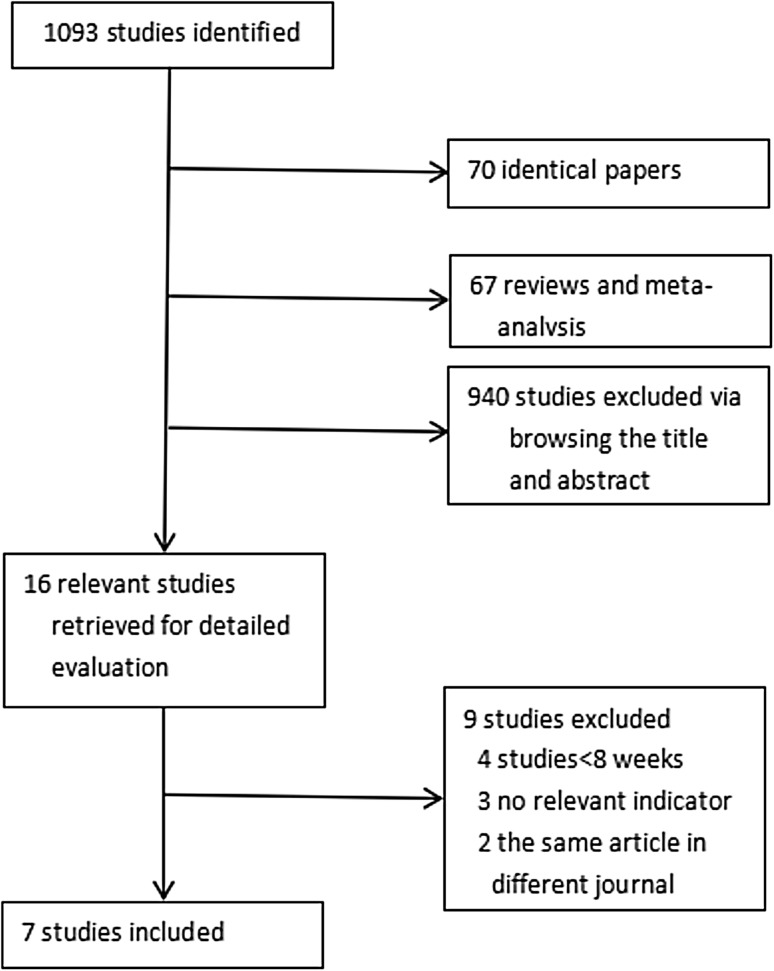
INTRODUCTION: Combination therapy with insulin and glucagon-like peptide-1 receptor agonists (GLP-1RAs) has already been proven an efficient treatment option for type 2 diabetes. This combination can effectively improve glycated hemoglobin levels, cause weight loss and reduce the dosage of insulin. In addition, it can also reduce the risk of hypoglycemia. Several randomized controlled trials have confirmed that this treatment may be just as effective for type 1 diabetes mellitus (T1DM) patients. The objective of this meta-analysis was to assess the effects and efficacy of the treatment on glycemic changes, weight loss and insulin dosage in type 1 diabetes mellitus patients. METHODS: We searched Embase, PubMed and Cochrane for randomized controlled trials (no time restrictions) that investigated combined insulin and GLP-1 treatment. The main endpoints were measurements of glycated hemoglobin and changes in the weight and the dosage of insulin. RESULTS: In total, 1093 were studies identified, and 7 studies were included in our meta-analysis. GLP-1 agonist and insulin combination therapy led to greater reductions in HbA1c levels [P = 0.03; mean difference -0.21; 95% confidence intervals (CI) (-0.40, 0.02)] and weight [P < 0.05; -3.53 (-4.86, 2.19)] compared to control treatments. The combination therapy did not significantly influence the daily weight-adjusted total insulin dose [P = 0.05; -0.11 (-0.23, 0)], but it did reduce the daily weight-adjusted bolus insulin dose [P = 0.001; -0.06 (-0.1, 0.02)]. CONCLUSION: Our meta-analysis supports the use of a combined therapeutic regimen of insulin and GLP-1RAs for treating patients with T1DM. Combination therapy with GLP-1 and insulin could achieve an ideal treatment effect on glycemic control, weight loss and bolus insulin dose in patients with T1DM.
Overview
The claims and statistics of this paper haven’t been checked yet.
Free: it reads the open-access text and checks the first 5 claims that cite a source we can check. Create a free account to check every claim.
Integrity signals
Registry
Cites
Statistics
Figures
Verification
Claims the paper makes
The claims and statistics of this paper haven’t been checked yet.
Free: it reads the open-access text and checks the first 5 claims that cite a source we can check. Create a free account to check every claim.
Claims other papers make about this one
Each is checked against this paper’s own text: does it say what the citing paper says it does?
The source backs part of the claim, not all of it — or backs it for a different population, condition or comparison.
In the citing paper
“In a meta-analysis by Wang and colleagues, a combination of GLP-1 RA and insulin therapy leads to a small but significantly more significant reduction in HbA1c than traditional treatment (−0.21 [−0.40 to −0.02]).34”
From GLP-1 single, dual, and triple receptor agonists for treating type 2 diabetes and obesity: a narrative review (2024) · cites this paper as [34]
Experimental — accuracy not yet measuredThe cited source says what the claim attributes to it.
In the citing paper
“Furthermore, differences in hypoglycemic events were not substantial or reduced in combination treatment, suggesting that combination treatment does not increase the risk of hypoglycemia.34”
From GLP-1 single, dual, and triple receptor agonists for treating type 2 diabetes and obesity: a narrative review (2024) · cites this paper as [34]
The cited source says what the claim attributes to it.
In the citing paper
“Still, several studies support their use in this population, with positive effects on glycemic control and a reduction in bolus insulin doses and weight.33,34”
From GLP-1 single, dual, and triple receptor agonists for treating type 2 diabetes and obesity: a narrative review (2024) · cites this paper as [34]
Self-check
Percentages, sums and reported differences re-computed from the paper’s own numbers.
The self-check needs the paper’s full text.
Citations
Cites
Preferred Reporting Items for Systematic Reviews and Meta-Analyses: the PRISMA statement
Moher, D., Liberati, A., Tetzlaff, J., Altman, D. G., & for the PRISMA Group (2009) · BMJ · doi:10.1136/bmj.b2535 · Cited by 83,823
Measuring inconsistency in meta-analyses
Higgins, J. P. T., Thompson, S. G., Deeks, J. J., & Altman, D. G. (2003) · BMJ · doi:10.1136/bmj.327.7414.557 · Cited by 63,139
Preferred reporting items for systematic reviews and meta-analyses: the PRISMA Statement.
(2009) · PubMed Central · Cited by 44,859
Quantifying heterogeneity in a meta‐analysis
Higgins, J. P. T., & Thompson, S. G. (2002) · Statistics in Medicine · doi:10.1002/sim.1186 · Cited by 36,763
(1993) · New England Journal of Medicine · doi:10.1056/nejm199309303291401 · Cited by 24,667
The Physiology of Glucagon-like Peptide 1
Holst, J. J. (2007) · Physiological Reviews · doi:10.1152/physrev.00034.2006 · Cited by 3,371
Gutniak, M., Ørkov, C., Holst, J. J., Ahrén, B., & Efendić, S. (1992) · New England Journal of Medicine · doi:10.1056/nejm199205143262003 · Cited by 868 · cited 1×
“[24] performed the glucose clamp test on T1DM patients with negative C-peptide and reported that infusion of GLP-1 could reduce elevated postprandial blood glucose levels, reduce glucagon levels and increase glucose utilization [25].”
MethodFarilla, L., Bulotta, A., Hirshberg, B., Li Calzi, S., Khoury, N., Noushmehr, H., Bertolotto, C., Di Mario, U., Harlan, D. M., & Perfetti, R. (2003) · Endocrinology · doi:10.1210/en.2003-0323 · Cited by 664 · cited 1×
“Previous studies have demonstrated that GLP-1RAs promote the synthesis and secretion of insulin, stimulate the neogenesis of b-cells, increase the replication of b-cells and reduce b-cell apoptosis [21, 22].”
BackgroundThe Influence of GLP-1 on Glucose-Stimulated Insulin Secretion
Kjems, L. L., Holst, J. J., Vølund, A., & Madsbad, S. (2003) · Diabetes · doi:10.2337/diabetes.52.2.380 · Cited by 582 · cited 1×
“In addition, GLP-1 does not induce insulin secretion at low levels of blood glucose; therefore, it can effectively reduce both glycated hemoglobin levels and the risk of hypoglycemia [4, 5].”
BackgroundPerfetti, R. (2000) · Endocrinology · doi:10.1210/en.141.12.4600 · Cited by 442
Research works printed but not linked: 1
- Hamamoto Y Mori K Honjo S One-year effects of liraglutide on pancreatic beta cell function and glycemic control in Japanese type 1 diabetes with residual insulin secretion Diabetologia 2012 55 S300
Cited by
9. Pharmacologic Approaches to Glycemic Treatment: Standards of Medical Care in Diabetes—2021
American Diabetes Association (2021) · Diabetes Care · doi:10.2337/dc21-s009 · Cited by 972
“2%) reductions in A1C compared with insulin alone in people with type 1 diabetes and also reduced body weight by;3 kg (31).”
Method9. Pharmacologic Approaches to Glycemic Treatment: Standards of Medical Care in Diabetes—2020
American Diabetes Association (2020) · Diabetes Care · doi:10.2337/dc20-s009 · Cited by 914
“2%) reductions in A1C compared with insulin alone in people with type 1 diabetes and also reduced body weight by ;3 kg (29).”
Method9. Pharmacologic Approaches to Glycemic Treatment: Standards of Medical Care in Diabetes—2019
American Diabetes Association (2019) · Diabetes Care · doi:10.2337/dc19-s009 · Cited by 739
Obesity in Type 1 Diabetes: Pathophysiology, Clinical Impact, and Mechanisms
Corbin, K. D., Driscoll, K. A., Pratley, R. E., Smith, S. R., Maahs, D. M., Mayer-Davis, E. J., & Advancing Care for Type 1 Diabetes and Obesity Network (ACT1ON) (2018) · Endocrine Reviews · doi:10.1210/er.2017-00191 · Cited by 262
Quattrin, T., Mastrandrea, L. D., & Walker, L. S. K. (2023) · The Lancet · doi:10.1016/s0140-6736(23)00223-4 · Cited by 244
Alfaris, N., Waldrop, S., Johnson, V., Boaventura, B., Kendrick, K., & Stanford, F. C. (2024) · EClinicalMedicine · doi:10.1016/j.eclinm.2024.102782 · Cited by 224
“34 More research is needed to evaluate the potential ben-e fi ts and possible adverse effects of using GLP-1 RA in individuals with T1DM.”
BackgroundInfluentialDiagnosis and treatment of type 1 diabetes at the dawn of the personalized medicine era
Akil, A. A.-S., Yassin, E., Al-Maraghi, A., Aliyev, E., Al-Malki, K., & Fakhro, K. A. (2021) · Journal of Translational Medicine · doi:10.1186/s12967-021-02778-6 · Cited by 168
“In addition, glucagon-like peptide-1 receptor agonists (GLP-RAs) combined with insulin can reduce the daily bolus insulin dose required and improve glucose control and weight loss [98].”
BackgroundCurrent and future therapies for type 1 diabetes
von Scholten, B. J., Kreiner, F. F., Gough, S. C. L., & von Herrath, M. (2021) · Diabetologia · doi:10.1007/s00125-021-05398-3 · Cited by 173
Multifactorial Basis and Therapeutic Strategies in Metabolism-Related Diseases
Guerra, J. V. D. S., Dias, M. M. G., Brilhante, A. J. V. C., Terra, M. F., García‐Arévalo, M., & Figueira, A. C. M. (2021) · Nutrients · doi:10.3390/nu13082830 · Cited by 113
Moon, J. S., Kang, S., Choi, J. H., Lee, K. A., Moon, J. H., Chon, S., Kim, D. J., Kim, H. J., Seo, J. A., Kim, M. K., et al. (2024) · Diabetes & Metabolism Journal · doi:10.4093/dmj.2024.0249 · Cited by 90
Park, J., Ntelis, S., Yunasan, E., Downton, K. D., Yip, T. C.-F., Munir, K. M., & Haq, N. (2023) · The Journal of Clinical Endocrinology & Metabolism · doi:10.1210/clinem/dgad471 · Cited by 69
Zamudio, F. V., Hidalgo‐Figueroa, S., Ortíz‐Andrade, R., Hernández‐Álvarez, A. J., & Campos, M. R. S. (2022) · Food Chemistry · doi:10.1016/j.foodchem.2022.133479 · Cited by 55
Dejgaard, T. F., von Scholten, B. J., Christiansen, E., Kreiner, F. F., Bardtrum, L., von Herrath, M., Mathieu, C., Madsbad, S., & ADJUNCT ONE and ADJUNCT TWO Investigators (2021) · Diabetes, Obesity and Metabolism · doi:10.1111/dom.14532 · Cited by 48
“As delineated above, it should be noted that several smaller trials have added to the evidence of the effects of liraglutide in people with type 1 diabetes.(11-19) The investigations have unanimously found no major safety concerns, including no increased risk of hypoglycaemia, and a meta-analysis has reported a lower…”
ResultPozzilli, P., Bosi, E., Cirkel, D., Harris, J., Leech, N., Tinahones, F. J., Vantyghem, M.-C., Vlasakakis, G., Ziegler, A.-G., & Janmohamed, S. (2020) · The Journal of Clinical Endocrinology & Metabolism · doi:10.1210/clinem/dgaa149 · Cited by 45
“liraglutide combined with insulin therapy found that GLP-1 RAs lowered HbA1c and weight, and reduced insulin dose (24).”
BackgroundThe role of GLP-1 receptor agonists in managing type 2 diabetes
Nachawi, N., Rao, P. P., & Makin, V. (2022) · Cleveland Clinic Journal of Medicine · doi:10.3949/ccjm.89a.21110 · Cited by 45
“…Safety of Lira-glutide as Adjunct Therapy to Insulin in the Treatment of Type 1 Diabetes), 55 the ADJUNCT TWO trial, 56 and a large meta-analysis 57 found reductions in hemoglobin A1c, body weight, and total daily dose of insulin, but also highlighted an increase in hyperglycemia with ketosis…”
BackgroundNutrition and Obesity in the Pathogenesis of Youth-Onset Type 1 Diabetes and Its Complications
March, C. A., BECKER, D. J., & Libman, I. M. (2021) · Frontiers in Endocrinology · doi:10.3389/fendo.2021.622901 · Cited by 53
Patoulias, D., Doumas, M. N., Kotsis, V., Stavropoulos, K., Imprialos, K. P., Zografou, I., Petidis, K., Bakatselos, S., & Karagiannis, A. I. (2020) · Current Diabetes Reviews · doi:10.2174/1573399815666190614141918 · Cited by 53
Klein, K. R., Freeman, J. L. R., Dunn, I. M., Dvergsten, C., Kirkman, M. S., Buse, J. B., Valcarce, C., Buse, J. B., Klein, K. R., Kirkman, M. S., et al. (2021) · Diabetes Care · doi:10.2337/dc20-2684 · Cited by 45
Kang, S., Kang, S. M., Choi, J. H., Ko, S., Koo, B. K., Kwon, H.-S., Kim, M. K., Kim, S. Y., Kim, S., Kim, Y., et al. (2025) · Diabetes & Metabolism Journal · doi:10.4093/dmj.2025.0469 · Cited by 85
Dipeptidyl Peptidase-4 Inhibitors: A Systematic Review of Structure-Activity Relationship Studies
Bayanati, M., Rabbani, M. I. M., Kabiri, S. S., Sadegh, B. M. M., Rezaee, E., & Tabatabai, S. A. (2024) · Iranian journal of pharmaceutical research · doi:10.5812/ijpr-151581 · Cited by 37
“Numerous studies have demonstrated that intravenously administered GLP-1 reduces the insulin requirement for meal intake in both types of diabetes mellitus (73-77).”
Metabolic Control in Type 1 Diabetes: Is Adjunctive Therapy the Way Forward?
Warnes, H., Helliwell, R., Pearson, S. M., & Ajjan, R. (2018) · Diabetes Therapy · doi:10.1007/s13300-018-0496-z · Cited by 27
Kim, Y. J., Hwang, S. D., & Lim, S. K. (2020) · Frontiers in Endocrinology · doi:10.3389/fendo.2020.00553 · Cited by 24
He, J., Yang, X., Liu, F., Li, D., Zheng, B., Abdullah, A. O., & Liu, Y. (2020) · Coatings · doi:10.3390/coatings10030258 · Cited by 19
Li, L., Ren, P., Lu, Q., Zhou, E., Yu, W., Huang, J., He, X., & Han, W. (2021) · Annals of Translational Medicine · doi:10.21037/atm-20-3275 · Cited by 19
“disease, and heart failure, glucagon-like peptide-1 receptor agonist or sodium-glucose cotransporter-2 inhibitor are considered as the best choice for a second agent (2,3).”
Overweight and Obesity in Adults with Type 1 Diabetes: A Growing Challenge
Majanović, S. K., Detel, D., Igrec, M., Bergoč, A., Rahelić, V., & Rahelić, D. (2024) · Diabetology · doi:10.3390/diabetology5030018 · Cited by 23
“To date, the largest randomized control trials investigating GLP-1RAs in T1D are the ADJUNCT ONE and ADJUNCT TWO trials, which have reported similar results with respect to significant weight loss [63,64].”
ResultComorbidities in Recent-Onset Adult Type 1 Diabetes: A Comparison of German Cohorts
Zaharia, O., Lanzinger, S., Rosenbauer, J., Karges, W., Müssig, K., Meyhöfer, S. M., Burkart, V., Hummel, M., Raddatz, D., Roden, M., et al. (2022) · Frontiers in Endocrinology · doi:10.3389/fendo.2022.760778 · Cited by 18
Xu, X., Chen, J., Li-dong, H., Liang, M., Wang, X., Feng, S., Shen, J., & Luan, X. (2017) · Life Sciences · doi:10.1016/j.lfs.2017.12.012 · Cited by 15
Adjuvant Pharmacotherapies to Insulin for the Treatment of Type 1 Diabetes
Tosur, M., REDONDO, M. J., & Lyons, S. K. (2018) · Current Diabetes Reports · doi:10.1007/s11892-018-1041-1 · Cited by 15
Edwards, K., Uruska, A. A., Duda‐Sobczak, A., Zozulińska‐Ziółkiewicz, D., & Lingvay, I. (2023) · Therapeutic Advances in Endocrinology and Metabolism · doi:10.1177/20420188231180987 · Cited by 15
S100A9 exerts insulin-independent antidiabetic and anti-inflammatory effects
Ursino, G., Lucibello, G., Teixeira, P. D. S., Höfler, A., Veyrat‐Durebex, C., Odouard, S., Visentin, F., Galgano, L., Somm, E., Vianna, C. R., et al. (2024) · Science Advances · doi:10.1126/sciadv.adj4686 · Cited by 16
“Also, while glucagon-like peptide 1 showed a beneficial effect on body weight and hyperglycemia, its use in T1DM is not approved ( 30 ).”
BackgroundCai, X., Lin, C., Yang, W., Nie, L., & Ji, L. (2021) · Diabetes & Metabolism Journal · doi:10.4093/dmj.2020.0171 · Cited by 12
“Several previously reported meta-analysis indicated that adding antidiabetes drugs could reduce HbA1c significantly but others did not show any improvement in HbA1c level [19-24].”
ResultGlycemic control of adult patients with type 1 diabetes mellitus in Arabian Gulf Countries; PREDICT
Hafidh, K., & Abdella, N. (2022) · BMC Endocrine Disorders · doi:10.1186/s12902-022-00946-3 · Cited by 11
“Moreover, the addition of a GLP1 receptor agonist to insulin caused small HbA1c improvements as well as weight loss compared to insulin alone in T1DM patients [23].”
BackgroundShah, V. N., Agesen, R. M., Bardtrum, L., Christiansen, E., SNAITH, J. R., & Greenfield, J. R. (2024) · Journal of Diabetes Science and Technology · doi:10.1177/19322968241305647 · Cited by 11
Kugathasan, L., Aronson, Y., Sridhar, V. S., Ni, H., Ouimet, J.-P., Limonte, C. P., Sarma, S., & Cherney, D. Z. I. (2025) · Expert Review of Clinical Immunology · doi:10.1080/1744666x.2025.2537446 · Cited by 9
“However, recent evidence suggests that the benefits of GLP-1RAs, including improved glycemic control, may help offset the impact of gastrointestinal events on adherence [150].”
InfluentialMultivariate Models of Blood Glucose Prediction in Type1 Diabetes: A Survey of the State-of-the-art
Kumar, S., Arora, S., & Kumar, P. (2022) · Current Pharmaceutical Biotechnology · doi:10.2174/1389201023666220603092433 · Cited by 13
Wójcicka, G., Pradiuch, A., Fornal, E., Stachniuk, A., Korolczuk, A., Marzec‐Kotarska, B., Nikolaichuk, H., Czechowska, G., Kozub-Pędrak, A., Trzpil, A., et al. (2023) · Biochemical Pharmacology · doi:10.1016/j.bcp.2023.115637 · Cited by 11
Tsushima, Y., Zhou, K., Bena, J., & Kashyap, S. R. (2022) · Endocrine Practice · doi:10.1016/j.eprac.2022.01.008 · Cited by 13
The effects of GLP-1 agonists on HbA1c and insulin dose among patients with type 1 diabetes
Alhowiti, A., & Mirghani, H. O. (2025) · Frontiers in Endocrinology · doi:10.3389/fendo.2025.1550938 · Cited by 10
Santos‐Pardo, I., Lagerqvist, B., Ritsinger, V., Witt, N., Norhammar, A., & Nyström, T. (2021) · International Journal of Cardiology · doi:10.1016/j.ijcard.2021.02.011 · Cited by 9
A Pair of Siblings With Wolfram Syndrome: A Review of the Literature and Treatment Options
Png, D., Yeoh, E. C. K., Tan, C., & Lim, S. C. (2023) · Journal of Investigative Medicine High Impact Case Reports · doi:10.1177/23247096221150631 · Cited by 9
Wang, W., Zhang, L., Pei, X., Pan, Q., & Guo, L. (2020) · Diabetes Obesity and Metabolism · doi:10.1111/dom.14092 · Cited by 7
“Previous clinical studies and meta-analyses have also determined and suggested that the use of an SGLT-2 as an inhibitor resulted in reductions in blood glucose, body weight and insulin dosage in patients with type 2 diabetes.(26,27) Further, a previous meta-analysis of SGLT-2 inhibitors used for the treatment of TD1…”
ResultSelf-citationSafety of GLP-1 receptor agonists in type 1 diabetes: a systematic review and meta-analysis.
Kateel, R., Parida, A., Chogtu, B., & Holla, S. N. (2026) · Diabetes Research and Clinical Practice · doi:10.1016/j.diabres.2026.113270 · Cited by 6
Joshi, N., Baloch, K. M., Rukh, S., Khan, A. M., Muskan, F., Kumari, V., Khan, H., Zeeshan, M., Azam, G., Khalid, S., et al. (2024) · Annals of Medicine and Surgery · doi:10.1097/ms9.0000000000002712 · Cited by 7
“No signi fi cant changes in C-peptide levels were reported in the above trials [108 – 110] .”
Rajab, A. M., Pearson, S. M., & Ajjan, R. (2025) · Diabetes Obesity and Metabolism · doi:10.1111/dom.16332 · Cited by 7
“115,116 – 119 Also, the reduction in exogenous insulin requirements by GLP-1RA may help to mitigate the risk of severe hypoglycaemic events, thereby improving overall treatment safety and patient quality of life.”
Manell, E., Puuvuori, E., Svensson, A. C., Velikyan, I., Hulsart‐Billström, G., Hedenqvist, P., Holst, J. J., Jensen‐Waern, M., & Eriksson, O. (2021) · BMJ Open Diabetes Research & Care · doi:10.1136/bmjdrc-2020-002083 · Cited by 11
Hundert Jahre – Insulin bleibt aktuell und notwendig
Landgraf, R., & Aberle, J. (2021) · Diabetologie und Stoffwechsel · doi:10.1055/a-1386-0011 · Cited by 8
“Die Anwendung von GLP-1-Rezeptoragonisten als Add-on zu Insulin ist eine weitere neue Option in der Therapie von Menschen mit einem Typ-1-Diabetes, insbesondere weil umfangreiche Studien bei Menschen mit Typ-2-Diabetes den Vorteil dieser Substanzklasse nachweisen konnten: Steigerung der endogenen Insulinsekretion, Inh…”
BackgroundKhaliq, A., Chughtai, M. F. J., Iqbal, J., Nawaz, H., Ahsan, S., Mehmood, T., Liaqat, A., Nadeem, M., Sameed, N., Saeed, K., et al. (2021) · Springer eBooks · doi:10.1007/978-3-030-76320-6_16 · Cited by 4
First-in-Class Oral Semaglutide: Overcoming Barriers of Incretinisation in the Indian Context
Rajput, R., Ghosh, S., Banerjee, S., Bansal, B., Chawla, M. S., Ahluwalia, A. I., Lathia, T. B., & Das, A. K. (2022) · Indian Journal of Endocrinology and Metabolism · doi:10.4103/ijem.ijem_217_22 · Cited by 4
Nazari, M., & Minasian, V. (2024) · Asian Journal of Sports Medicine · doi:10.5812/asjsm-147429 · Cited by 3
Forner, P. M., SNAITH, J. R., & Greenfield, J. R. (2023) · Internal Medicine Journal · doi:10.1111/imj.16312 · Cited by 6
Wang, Y., Xu, B., Zhu, L., Lou, K., Chen, Y., Zhao, X., Wang, Q., Xu, L., Guo, X., Ji, L., et al. (2017) · Clinical Drug Investigation · doi:10.1007/s40261-017-0569-1 · Cited by 3
Mirghani, H. O., Albishi, L. A., & Alblewi, S. M. (2026) · Frontiers in Endocrinology · doi:10.3389/fendo.2026.1758755 · Cited by 2
Chattopadhyay, A., Dey, C., & Mukherjee, S. (2025) · Springer eBooks · doi:10.1007/978-981-96-4379-0_1 · Cited by 4
Yamada, T., Mori, R., Hosoe, J., Shojima, N., Kamata, R., Ishinohachi, K., Yamauchi, T., Tanikawa, Y., & Kadowaki, T. (2018) · Cochrane Database of Systematic Reviews · doi:10.1002/14651858.cd013164 · Cited by 2
Cardiovascular Effects of Hypoglycemic Agents in Diabetes Mellitus
Pietraszek, A. (2020) · Current Drug Safety · doi:10.2174/1574886315666200902154736 · Cited by 2
Newer Drugs for Type 2 Diabetes: An Emerging Adjunctive Therapy to Insulin for Type 1 Diabetes?
Aeng, E. S. Y., Boucher, M., & Severn, M. (2016) · Cited by 2
SOBREPESO Y OBESIDAD EN ADULTOS CON DIABETES MELLITUS TIPO 1
Rodríguez, M., Cicchitti, A., Bertona, C., González, J., Carrasco, N., Barrera, L., David, R., Romero, L., Biliato, L., & Trinajstic, E. M. (2019) · Revista de la Sociedad Argentina de Diabetes · doi:10.47196/diab.v53i3.171 · Cited by 3
Latest Therapies for Type 1 Diabetes: Exsisting Setup and “Post-Insulin” StandpointsPreprint
Akil, A.-S. A.-S., Al-Maraghi, A., Yassin, E., Al-Malki, K., & Fakhro, K. A. (2020) · Preprints.org · doi:10.20944/preprints202010.0578.v1
Schandl, L., & Winkler, G. (2020) · Diabetologia Hungarica · doi:10.24121/dh.2020.19
The Double Whammy of Obesity and Diabetes on Female Reproductive Health
Thong, E. P., & Burden, C. (2020) · Seminars in Reproductive Medicine · doi:10.1055/s-0041-1723777 · Cited by 2
Adherence to Therapeutic Regimens in Diabetic Patients in Tertiary Care Hospitals
Mumtaz, A., Shah, M. I., Shaheen, G., Khan, Q. A., Ahmad, N., & Khan, A. M. (2022) · Pakistan Journal of Medical and Health Sciences · doi:10.53350/pjmhs221621033
Medically Supervised Weight Loss and Effects of Anti-Obesity Medications
Sheer, A. J., Donahoo, W. T., & Johnson-Mann, C. N. (2024) · Springer eBooks · doi:10.1007/978-3-031-72309-4_14
Shams, M. A., Minasian, V., Hashemipour, M., & Hovsepian, S. (2025) · Zahedan Journal of Research in Medical Sciences · doi:10.5812/zjrms-163541
Nazari, M., Minasian, V., & Hovsepian, S. (2025) · Journal of Research in Medical Sciences · doi:10.4103/jrms.jrms_582_24
“[11] Understanding the relationship between miR‑192 and serum GLP‑1 levels is necessary to underlying mechanisms contributing to β ‑cell dysfunction and managing this disease in children.”
Hafidh, K., & Abdella, N. (2022) · Figshare · doi:10.6084/m9.figshare.19101605
Torelogenic nanoparticles for beta cell antigen delivery in type-1 diabetes
Dubreil, C. (2018) · theses.fr (ABES) · doi:10.70675/a1e93e75ze22az4758z9493z0fab68188130
Ni, H., SNAITH, J. R., & Greenfield, J. R. (2026) · Endocrinology and Metabolism Clinics of North America · doi:10.1016/j.ecl.2026.04.001 · Cited by 1
DIABETES MELLITUS IN WOLFRAM SYNDROME 1: CHARACTERISTICS AND PERSPECTIVES IN TREATMENT
Darasz, D., Zając, D., Łobaziewicz, M., Powaga, P., Sęk, M., Wajs, A., Gródek, A., Kierner, J., Kolti, D. V., & Żurek, A. (2026) · International Journal of Innovative Technologies in Social Science · doi:10.31435/ijitss.2(50).2026.5533
Branine, N. (2026) · Cureus · doi:10.7759/cureus.115260
“Therapies associated with nausea, vomiting, delayed gastric emptying or appetite suppression may therefore increase vulnerability to ketosis when insulin doses are omitted [4,5].”
Lee, O., Son, Y., López-Gil, J. F., Rahmati, M., Kang, J., Lee, J.-S., & Yon, D. K. (2026) · Diabetes Obesity and Metabolism · doi:10.1111/dom.71325 · Cited by 1
Metadata
- Authors
- Wang, W., Liu, H., Xiao, S., Liu, S., Li, X., & Yu, P.
- Affiliations
- Tianjin Medical University (CN)
- Corresponding author
- Yu, Pei
- Venue
- Diabetes Therapy
- Published
- 2017-06-14
- Volume
- 8
- Issue
- 4
- Pages
- 727-738
- ISSN
- 1869-6953 (ISSN-L)
- 1869-6961
- PMC
- PMC5544618
- OpenAlex
- W2626839453
- Cited by
- 70
- References
- 38
- Citations by year
- 2026: 6 · 2025: 7 · 2024: 9 · 2023: 6 · 2022: 9 · 2021: 12 · 2020: 10 · 2019: 2 · 2018: 6 · 2017: 2
- FWCI
- 0.80
- Type
- journal article
- Language
- en
- Open access
- gold
- doi.org
- Licence
- cc-by-nc
- creativecommons.org/licenses/by/4.0 (tdm)
- Locations
- Diabetes Therapy (publishedVersion, cc-by-nc)
- PubMed Central (publishedVersion, cc-by-nc)
- PubMed (publishedVersion)
- Funders
- Tianjin Health Industry Key Research Projects (15KG101)
- Tianjin Science and Technology Support Project (13ZCDSY01300)
- Topics
- Health Sciences › Medicine › Endocrinology, Diabetes and Metabolism › Diabetes Treatment and Management
- Health Sciences › Medicine › Endocrinology, Diabetes and Metabolism › Diabetes Management and Research
- Life Sciences › Biochemistry, Genetics and Molecular Biology › Genetics › Diabetes and associated disorders
- Keywords
- type 1 diabetes, insulin, GLP-1 receptor agonists, combination therapy, glycemic control, HbA1c, weight loss, insulin dose reduction
About these checks
Registry, retraction, Cites and statistics results are computed, not judged, with one exception: a printed reference that no index lists is read once by a model before it counts as a citation error. Claims are extracted by a model and kept only when their quote appears verbatim in the text; each cited source is then checked, with a model’s help, for whether it says what the claim relies on. Those verdicts can be wrong — read the claim’s quote and the cited source before relying on one.
Statistics and arithmetic are recomputed, not judged.
Confidence bands are shown only for fields calibrated on our annotated test set. None is calibrated yet, so no band is shown.
What counts as a claim ›How we measure confidence ›How we check this ›
Are you an author, or do you see a problem with this page? Request a review
Data sources
Bibliographic data: Semantic Scholar, OpenAlex, Crossref.
Contains information from the Semantic Scholar Academic Graph Datasets, made available under the ODC Attribution License (ODC-BY 1.0).
Semantic Scholar’s data is described in: Kinney, R., et al. (2023). The Semantic Scholar Open Data Platform. arXiv:2301.10140.
