

The selective androgen receptor modulator GTx‐024 (enobosarm) improves lean body mass and physical function in healthy elderly men and postmenopausal women: results of a double‐blind, placebo‐controlled phase II trial
Open accessThe DOI matches its Crossref record; 41 of the 41 references it cites were found in a registry or an index.
Abstract
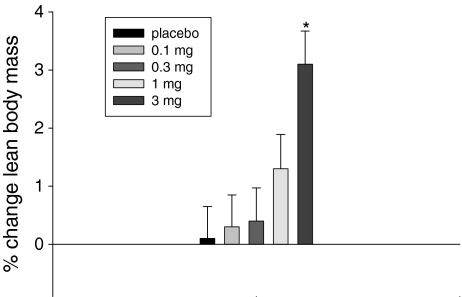
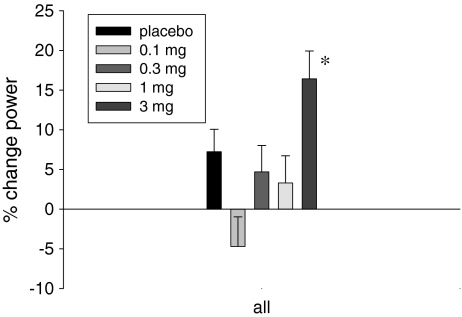
BACKGROUND: Cachexia, also known as muscle wasting, is a complex metabolic condition characterized by loss of skeletal muscle and a decline in physical function. Muscle wasting is associated with cancer, sarcopenia, chronic obstructive pulmonary disease, end-stage renal disease, and other chronic conditions and results in significant morbidity and mortality. GTx-024 (enobosarm) is a nonsteroidal selective androgen receptor modulator (SARM) that has tissue-selective anabolic effects in muscle and bone, while sparing other androgenic tissue related to hair growth in women and prostate effects in men. GTx-024 has demonstrated promising pharmacologic effects in preclinical studies and favorable safety and pharmacokinetic profiles in phase I investigation. METHODS: A 12-week double-blind, placebo-controlled phase II clinical trial was conducted to evaluate GTx-024 in 120 healthy elderly men (>60 years of age) and postmenopausal women. The primary endpoint was total lean body mass assessed by dual energy X-ray absorptiometry, and secondary endpoints included physical function, body weight, insulin resistance, and safety. RESULTS: GTx-024 treatment resulted in dose-dependent increases in total lean body mass that were statistically significant (P < 0.001, 3 mg vs. placebo) and clinically meaningful. There were also significant improvements in physical function (P = 0.013, 3 mg vs. placebo) and insulin resistance (P = 0.013, 3 mg vs. placebo). The incidence of adverse events was similar between treatment groups. CONCLUSION: GTx-024 showed a dose-dependent improvement in total lean body mass and physical function and was well tolerated. GTx-024 may be useful in the prevention and/or treatment of muscle wasting associated with cancer and other chronic diseases.
Overview
The claims and statistics of this paper haven’t been checked yet.
Free: it reads the open-access text and checks the first 5 claims that cite a source we can check. Create a free account to check every claim.
Integrity signals
Registry
Cites
Statistics
Figures
Verification
Claims the paper makes
The claims and statistics of this paper haven’t been checked yet.
Free: it reads the open-access text and checks the first 5 claims that cite a source we can check. Create a free account to check every claim.
Claims other papers make about this one
Each is checked against this paper’s own text: does it say what the citing paper says it does?
The source backs part of the claim, not all of it — or backs it for a different population, condition or comparison.
In the citing paper
“Early trials demonstrated a greater total lean mass of 1.3 kg (P < 0.001), better physical function as measured by reduced stair climb time (P = 0.013), a trend towards lower blood levels of glucose of 6.9 ± 2.5 mg/dl (P = 0.052) and lower insulin sensitivity (−27.5% versus 2.6%; P = 0.013) with 3 mg per day of GTx-024 (an orally bioavailable nonsteroidal SARM) than with placebo429.”
From Sarcopenic obesity in older adults: aetiology, epidemiology and treatment strategies (2018) · cites this paper as [429]
Experimental — accuracy not yet measuredThe source backs part of the claim, not all of it — or backs it for a different population, condition or comparison.
In the citing paper
“Enobosarm significantly increased lean mass compared with baseline (1.0 kg, 95% CI −4.8 to 11.5; P = 0.046) versus controls (0.02 kg, 95% CI −5.8 to 6.7; P = 0.88).”
From Sarcopenic obesity in older adults: aetiology, epidemiology and treatment strategies (2018) · cites this paper as [429]
Experimental — accuracy not yet measuredThe source backs part of the claim, not all of it — or backs it for a different population, condition or comparison.
In the citing paper
“Enobosarm, a non-steroidal SARM, successfully increased muscle mass and physical function in patients without cancer and in those with advanced lung, colorectal or breast cancer or lymphoma427–429.”
From Sarcopenic obesity in older adults: aetiology, epidemiology and treatment strategies (2018) · cites this paper as [429]
Experimental — accuracy not yet measuredThe cited source says what the claim attributes to it.
In the citing paper
“There is some evidence supporting enobosarm’s efficacy for lean mass preservation in elderly men and women [48].”
From New drugs for the treatment of obesity: do we need approaches to preserve muscle mass? (2025) · cites this paper as [48]
The cited source says what the claim attributes to it.
In the citing paper
“Selective androgen receptor modulators (SARMs), such as enobosarm (GTx-024), increase lean mass and may improve function, but phase III results have been mixed and no agent has regulatory approval for sarcopenia [71].”
From Muscle loss and GLP-1R agonists use (2025) · cites this paper as [71]
4 more claims about this paper
Create a free account to see every claim other papers make about this one.
Self-check
Percentages, sums and reported differences re-computed from the paper’s own numbers.
The self-check needs the paper’s full text.
Citations
Cites
Matthews, D. R., Hosker, J. P., Rudenski, A. S., Naylor, B. A., Treacher, D. F., & Turner, R. C. (1985) · Diabetologia · doi:10.1007/bf00280883 · Cited by 31,502
Lower-extremity function in persons over the age of 70 years as a predictor of subsequent disability
Guralnik, J. M., Ferrucci, L., Simonsick, E. M., Salive, M. E., & Wallace, R. B. (1995) · New England Journal of Medicine · doi:10.1056/nejm199503023320902 · Cited by 4,083
Epidemiology of Sarcopenia among the Elderly in New Mexico
Baumgartner, R. N., Koehler, K. M., Gallagher, D., Romero, L., Heymsfield, S. B., Ross, R. R., Garry, P. J., & Lindeman, R. D. (1998) · American Journal of Epidemiology · doi:10.1093/oxfordjournals.aje.a009520 · Cited by 4,004 · cited 1×
“estimates that 13–24% of persons under the age of 70 and up to 50% of individuals over the age of 80 suffer from significant muscle loss [8].”
BackgroundPrado, C. M., Lieffers, J. R., McCargar, L. J., Reiman, T., Sawyer, M. B., Martin, L., & Baracos, V. E. (2008) · The Lancet Oncology · doi:10.1016/s1470-2045(08)70153-0 · Cited by 3,238 · cited 1×
“Muscle wasting is associated with significant morbidity and mortality [11, 13, 14].”
BackgroundCLINICAL ASSESSMENT OF BODY HAIR GROWTH IN WOMEN
FERRIMAN, D., & GALLWEY, J. D. (1961) · The Journal of Clinical Endocrinology & Metabolism · doi:10.1210/jcem-21-11-1440 · Cited by 2,506
Prognostic effect of weight loss prior tochemotherapy in cancer patients
Dewys, W. D., Begg, C., Lavin, P. T., Band, P. R., Bennett, J. M., Bertino, J. R., Cohen, M. H., Douglass, H. O., Engstrom, P. F., Ezdinli, E. Z., et al. (1980) · The American Journal of Medicine · doi:10.1016/s0149-2918(05)80001-3 · Cited by 2,354
The effects of supraphysiologic doses of testosterone on muscle size and strength in normal men
Bhasin, S., Storer, T. W., Berman, N., Callegari, C., Clevenger, B., Phillips, J., Bunnell, T. J., Tricker, R., Shirazi, A., & Casaburi, R. (1996) · New England Journal of Medicine · doi:10.1056/nejm199607043350101 · Cited by 1,659 · cited 1×
“The reductions in SHBG in men and women (−61% and −80%, respectively, at the 3-mg dose) exceed those observed in men treated with a 600-mg intramuscular testosterone enanthate (−31%)[ 41 ].”
ResultAdverse Events Associated with Testosterone Administration
Basaria, S., Coviello, A. D., Travison, T. G., Storer, T. W., Farwell, W. R., Jette, A. M., Eder, R., Tennstedt, S., Ulloor, J., Zhang, A., et al. (2010) · New England Journal of Medicine · doi:10.1056/nejmoa1000485 · Cited by 1,494 · cited 1×
“Concerns related to increased risk or severity of benign prostatic hyperplasia or prostate cancer in men, virilization in women, and cardiovascular side effects in certain populations limit widespread use of testosterone and other anabolic steroids [19].”
BackgroundHughes, V. A., Frontera, W. R., Roubenoff, R., Evans, W. J., & Singh, M. A. F. (2002) · The American Journal of Clinical Nutrition · doi:10.1093/ajcn/76.2.473 · Cited by 804 · cited 1×
“Healthy adults lose approximately 1–2% of their skeletal muscle mass per year after the age of 50 [7].”
BackgroundSkeletal muscle loss: cachexia, sarcopenia, and inactivity
Evans, W. J. (2010) · The American Journal of Clinical Nutrition · doi:10.3945/ajcn.2010.28608a · Cited by 723
Research works printed but not linked: 1
- 10.1002/1097-0142(20010915)92:6 · doi:10.1002/1097-0142(20010915)92:6
Cited by
Items 101–200 of 466
The Therapeutic Intervention of Sex Steroid Hormones for Sarcopenia
Huang, L., & Wang, J. (2021) · Frontiers in Medicine · doi:10.3389/fmed.2021.739251 · Cited by 65
Ebner, N., Steinbeck, L., Doehner, W., Anker, S. D., & von Haehling, S. (2014) · Journal of Cachexia, Sarcopenia and Muscle · doi:10.1007/s13539-014-0136-z · Cited by 64
Mechanism and novel therapeutic approaches to wasting in chronic disease
Ebner, N., Springer, J., Kalantar‐Zadeh, K., Lainščak, M., Doehner, W., Anker, S. D., & von Haehling, S. (2013) · Maturitas · doi:10.1016/j.maturitas.2013.03.014 · Cited by 65
Vignali, J. D., Pak, K., Beverley, H. R., DeLuca, J. P., Downs, J. W., Kress, A. T., Sadowski, B. W., & Selig, D. J. (2023) · Journal of Xenobiotics · doi:10.3390/jox13020017 · Cited by 64
Medicinal Use of Testosterone and Related Steroids Revisited
Tauchen, J., Jurášek, M., Huml, L., & Rimpelová, S. (2021) · Molecules · doi:10.3390/molecules26041032 · Cited by 62
The Role of Muscle in Bone Repair: The Cells, Signals, and Tissue Responses to Injury
Shah, K. N., Majeed, Z., Jonason, J. H., & O’Keefe, R. J. (2013) · Current Osteoporosis Reports · doi:10.1007/s11914-013-0146-3 · Cited by 62
Muscle Wasting in Ageing and Chronic Illness
Ebner, N., Sliziuk, V., Scherbakov, N., & Sandek, A. (2015) · ESC Heart Failure · doi:10.1002/ehf2.12033 · Cited by 61
Benefits of Cardiac Rehabilitation: Mechanisms to Restore Function and Clinical Impact
Damluji, A. A., Tomczak, C. R., Hiser, S. L., O’Neill, D. E., Goyal, P., Pack, Q. R., Foulkes, S., Brown, T. M., Haykowsky, M. J., Needham, D. M., et al. (2025) · Circulation Research · doi:10.1161/circresaha.125.325705 · Cited by 61
Passey, S. L., Hansen, M. J., Bozinovski, S., McDonald, C. F., Holland, A. E., & Vlahos, R. (2016) · Pharmacology & Therapeutics · doi:10.1016/j.pharmthera.2016.06.013 · Cited by 61
Dubois, V., Simitsidellis, I., Laurent, M. R., Jardi, F., Saunders, P. T. K., Vanderschueren, D., & Claessens, F. (2015) · Endocrinology · doi:10.1210/en.2015-1479 · Cited by 60
Sun, M., Chang, C., Lu, C.-Y., Zhang, J., & Wu, S. (2022) · Nutrients · doi:10.3390/nu14091910 · Cited by 59
Implications of glucocorticoid therapy in idiopathic inflammatory myopathies
Hanaoka, B. Y., Peterson, C. A., Horbinski, C., & Crofford, L. J. (2012) · Nature Reviews Rheumatology · doi:10.1038/nrrheum.2012.85 · Cited by 57
Androgen receptor antagonism drives cytochrome P450 17A1 inhibitor efficacy in prostate cancer
Norris, J. D., Miner, S. J., Baker, J. G., Stagg, D. B., Wardell, S. E., Park, S. H., Alley, H. M., Baldi, R. M., Yllanes, A. P., Andreano, K. J., et al. (2017) · Journal of Clinical Investigation · doi:10.1172/jci87328 · Cited by 58
Detection of the selective androgen receptor modulator S‐4 (Andarine) in a doping control sample
Starcevic, B., Ahrens, B. D., & Butch, A. W. (2013) · Drug Testing and Analysis · doi:10.1002/dta.1466 · Cited by 55
Testosterone Replacement Therapy in Hypogonadal Men
Wang, C., & Swerdloff, R. S. (2022) · Endocrinology and Metabolism Clinics of North America · doi:10.1016/j.ecl.2021.11.005 · Cited by 54
Machek, S. B., Cardaci, T. D., Wilburn, D. T., & Willoughby, D. S. (2020) · Steroids · doi:10.1016/j.steroids.2020.108753 · Cited by 54
Palmieri, C., Linden, H. M., Birrell, S. N., Wheelwright, S. J., Lim, E., Schwartzberg, L. S., Dwyer, A. R., Hickey, T. E., Rugo, H. S., Cobb, P. W., et al. (2024) · The Lancet Oncology · doi:10.1016/s1470-2045(24)00004-4 · Cited by 54
Ding, S., Dai, Q., Huang, H., Xu, Y., & Zhong, C. (2018) · Advances in experimental medicine and biology · doi:10.1007/978-981-13-1435-3_1 · Cited by 55
Osteoporosis in older men: Recent advances in pathophysiology and treatment
Laurent, M. R., Gielen, E., Claessens, F., Boonen, S., & Vanderschueren, D. (2013) · Best Practice & Research Clinical Endocrinology & Metabolism · doi:10.1016/j.beem.2013.04.010 · Cited by 54
Hoffmann, D. B., Komrakova, M., Pflug, S., von Oertzen, M., Saul, D., Weiser, L., Walde, T. A., Waßmann, M., Schilling, A. F., Lehmann, W., et al. (2018) · Journal of Bone and Mineral Metabolism · doi:10.1007/s00774-018-0929-9 · Cited by 53
Frailty screening comes of age
Morley, J. E. (2014) · The journal of nutrition health & aging · doi:10.1007/s12603-014-0457-9 · Cited by 53
Heitman, K., Alexander, M. S., & Faul, C. (2024) · International Journal of Molecular Sciences · doi:10.3390/ijms25105117 · Cited by 51
The Current Landscape of Pharmacotherapies for Sarcopenia
Bahat, G., & Özkök, S. (2024) · Drugs & Aging · doi:10.1007/s40266-023-01093-7 · Cited by 48
Ponnusamy, S., Asemota, S., Schwartzberg, L. S., Guestini, F., McNamara, K. M., Pierobon, M., Font‐Tello, A., Qiu, X., Xie, Y., Rao, P. K., et al. (2019) · iScience · doi:10.1016/j.isci.2019.10.038 · Cited by 47
Development of Pharmacotherapies for the Treatment of Sarcopenia
Rooks, D., & Roubenoff, R. (2019) · The Journal of Frailty & Aging · doi:10.14283/jfa.2019.11 · Cited by 46
Setordzi, P., Chang, X., Liu, Z., Wu, Y., & Zuo, D. (2021) · European Journal of Pharmacology · doi:10.1016/j.ejphar.2021.173867 · Cited by 46
Pushing estrogen receptor around in breast cancer
Lim, E., Tarulli, G. A., Portman, N., Hickey, T. E., Tilley, W. D., & Palmieri, C. (2016) · Endocrine Related Cancer · doi:10.1530/erc-16-0427 · Cited by 44
Integrated Therapies for Osteoporosis and Sarcopenia: From Signaling Pathways to Clinical Trials
Girgis, C. M. (2015) · Calcified Tissue International · doi:10.1007/s00223-015-9956-x · Cited by 44
Multidisciplinary approach to sarcopenia: a narrative review
Park, W.-T., Shon, O., & Kim, G. B. (2023) · Journal of Yeungnam Medical Science · doi:10.12701/jyms.2023.00724 · Cited by 43
Ponnusamy, S., Sullivan, R. D., Thiyagarajan, T., Heather, T., Getzenberg, R. H., & Narayanan, R. (2016) · Journal of Cellular Biochemistry · doi:10.1002/jcb.25751 · Cited by 42
Current landscape of personalized clinical treatments for triple-negative breast cancer
Zhang, J., Xia, Y., Zhou, X., Yu, H., Tan, Y., Du, Y., Zhang, Q., & Wu, Y. (2022) · Frontiers in Pharmacology · doi:10.3389/fphar.2022.977660 · Cited by 42
David, K., Narinx, N., Antonio, L., Evenepoel, P., Claessens, F., Decallonne, B., & Vanderschueren, D. (2022) · Reviews in Endocrine and Metabolic Disorders · doi:10.1007/s11154-022-09738-5 · Cited by 40
Wen, J., Syed, B., Leapart, J., Shehabat, M., Ansari, U., Akhtar, M., Razick, D., & Pai, D. (2024) · Clinical Endocrinology · doi:10.1111/cen.15135 · Cited by 41
Muscle wasting: an overview of recent developments in basic research
Palus, S., von Haehling, S., & Springer, J. (2014) · Journal of Cachexia, Sarcopenia and Muscle · doi:10.1007/s13539-014-0157-7 · Cited by 41
Choi, S. M., & Lee, B. (2015) · Expert Opinion on Drug Safety · doi:10.1517/14740338.2015.1094052 · Cited by 41
Androgen therapy in women, beyond libido
Davis, S. R. (2013) · Climacteric · doi:10.3109/13697137.2013.801736 · Cited by 41
Steroid receptor/coactivator binding inhibitors: An update
Skowron, K. J., Booker, K., Cheng, C., Creed, S. M., David, B. P., Lazzara, P. R., Lian, A., Siddiqui, Z., Speltz, T. E., & Moore, T. W. (2019) · Molecular and Cellular Endocrinology · doi:10.1016/j.mce.2019.110471 · Cited by 41
Dioh, W., Tourette, C., Del Signore, S., Daudigny, L., Dupont, P., Balducci, C., Dilda, P. J., Lafont, R., & Veillet, S. (2023) · Journal of Cachexia, Sarcopenia and Muscle · doi:10.1002/jcsm.13195 · Cited by 40
Ostarine and Ligandrol Improve Muscle Tissue in an Ovariectomized Rat Model
Roch, P. J., Henkies, D., Carstens, J. C., Krischek, C., Lehmann, W., Komrakova, M., & Sehmisch, S. (2020) · Frontiers in Endocrinology · doi:10.3389/fendo.2020.556581 · Cited by 40
Nyquist, M. D., Ang, L. S., Corella, A. N., Coleman, I. M., Meers, M. P., Christiani, A. J., Pierce, C., Janssens, D. H., Meade, H. E., Bose, A., et al. (2021) · Journal of Clinical Investigation · doi:10.1172/jci146777 · Cited by 40
Self-citationSarcopenia in chronic kidney disease: from bench to bedside
Kim, D. W., & Song, S. H. (2023) · The Korean Journal of Internal Medicine · doi:10.3904/kjim.2022.338 · Cited by 40
Androgens regulate scarless repair of the endometrial “wound” in a mouse model of menstruation
Cousins, F. L., Kirkwood, P. M., Murray, A. A., Collins, F., Gibson, D. A., & Saunders, P. T. K. (2016) · The FASEB Journal · doi:10.1096/fj.201600078r · Cited by 39
“Selective AR modulators have already passed the necessarychecks forhumantrials,havebeen tested inwomenfor muscle loss associated with cancer (57), and have been shown to improvebonedensity and reduceosteoporosis in both men and women (58).”
BackgroundSheng, J. A., Tan, S. M. L., Hale, T. M., & Handa, R. J. (2021) · Androgens Clinical Research and Therapeutics · doi:10.1089/andro.2021.0021 · Cited by 39
Saeed, A., Vaught, G. M., Gavardinas, K., Matthews, D., Green, J. E., Losada, P. G., Bullock, H. A., Calvert, N. A., Patel, N. J., Sweetana, S. A., et al. (2016) · Journal of Medicinal Chemistry · doi:10.1021/acs.jmedchem.5b01168 · Cited by 39
Saeteaw, M., Sanguanboonyaphong, P., Yoodee, J., Craft, K., Sawangjit, R., Ngamphaiboon, N., Shantavasinkul, P. C., Subongkot, S., & Chaiyakunapruk, N. (2020) · BMJ Supportive & Palliative Care · doi:10.1136/bmjspcare-2020-002601 · Cited by 39
Selective androgen receptor modulators as improved androgen therapy for advanced breast cancer
Coss, C. C., Jones, A. J., & Dalton, J. T. (2014) · Steroids · doi:10.1016/j.steroids.2014.06.010 · Cited by 39
Self-citationCurrent Nutritional and Pharmacological Approaches for Attenuating Sarcopenia
Sakuma, K., Hamada, K., Yamaguchi, A., & Aoi, W. (2023) · Cells · doi:10.3390/cells12192422 · Cited by 39
Optimizing Ligand Efficiency of Selective Androgen Receptor Modulators (SARMs)
Handlon, A. L., Schaller, L. T., Leesnitzer, L. M., Merrihew, R. V., Poole, C., Ulrich, J. C., Wilson, J. W., Cadilla, R., & Turnbull, P. (2015) · ACS Medicinal Chemistry Letters · doi:10.1021/acsmedchemlett.5b00377 · Cited by 38
Emerging Treatment Options For Cancer-Associated Cachexia: A Literature Review
Naito, T. (2019) · Therapeutics and Clinical Risk Management · doi:10.2147/tcrm.s196802 · Cited by 38
Fogelman, D. R., Morris, J. S., Xiao, L., Hassan, M., Vadhan‐Raj, S., Overman, M. J., Javle, S., Shroff, R. T., Varadhachary, G. R., Wolff, R. A., et al. (2017) · Supportive Care in Cancer · doi:10.1007/s00520-016-3553-z · Cited by 38
Sarcopenia is associated with autologous transplant-related outcomes in patients with lymphoma
Caram, M. E. V., Bellile, E. L., Englesbe, M. J., Terjimanian, M. N., Wang, S. C., Griggs, J. J., & Couriel, D. R. (2015) · Leukemia & lymphoma/Leukemia and lymphoma · doi:10.3109/10428194.2015.1014359 · Cited by 37
Drug-Induced Liver Injury From Enobosarm (Ostarine), a Selective Androgen Receptor Modulator
Bedi, H. K., Hammond, C., Sanders, D., Yang, H.-M., & Yoshida, E. M. (2021) · ACG Case Reports Journal · doi:10.14309/crj.0000000000000518 · Cited by 37
Bhasin, S., Krishnan, V., Storer, T. W., Steiner, M., & Dobs, A. S. (2023) · The Journals of Gerontology: Series A · doi:10.1093/gerona/glad027 · Cited by 36
Self-citationTreatment of hypogonadism: Current and future therapies
Thirumalai, A., Berkseth, K. E., & Amory, J. K. (2017) · F1000Research · doi:10.12688/f1000research.10102.1 · Cited by 36
Argilés, J. M. A. (2016) · Clinical Nutrition · doi:10.1016/j.clnu.2016.05.010 · Cited by 35
Leciejewska, N., Jędrejko, K., Renaud, V. M. G., Manríquez-Núñez, J., Muszyńska, B., & Pokrywka, A. (2023) · European Journal of Clinical Pharmacology · doi:10.1007/s00228-023-03592-3 · Cited by 35
New drugs for the treatment of obesity: do we need approaches to preserve muscle mass?
Ryan, D. H. (2025) · Reviews in Endocrine and Metabolic Disorders · doi:10.1007/s11154-025-09967-4 · Cited by 34
Liva, S. G., Tseng, Y., Dauki, A. M., Sovic, M. G., Vu, T. T., Henderson, S. E., Kuo, Y., Benedict, J., Zhang, X., Remaily, B., et al. (2020) · EMBO Molecular Medicine · doi:10.15252/emmm.201809910 · Cited by 34
Mediators and clinical treatment for cancer cachexia: a systematic review
Cao, Z., Scott, A. M., Hoogenraad, N. J., & Osellame, L. D. (2021) · JCSM Rapid Communications · doi:10.1002/rco2.30 · Cited by 34
The long and winding road for selective androgen receptor modulators
Dalton, J. T. (2017) · British Journal of Clinical Pharmacology · doi:10.1111/bcp.13345 · Cited by 34
Self-citationShankaran, M., Shearer, T. W., Stimpson, S. A., Turner, S. M., King, C., Wong, P.-Y. A., Shen, Y., Turnbull, P. S., Kramer, F., Clifton, L., et al. (2016) · American Journal of Physiology-Endocrinology and Metabolism · doi:10.1152/ajpendo.00257.2015 · Cited by 33
MECHANISMS OF ENDOCRINE DISEASE: Sarcopenia in endocrine and non-endocrine disorders
Borba, V. Z. C., Costa, T. M. D. R. L., Moreira, C. A., & Boguszewski, C. L. (2019) · European Journal of Endocrinology · doi:10.1530/eje-18-0937 · Cited by 33
Selective Androgen Receptor Modulators: An Emerging Liver Toxin
Mohideen, H., Hussain, H., Dahiya, D. S., & Wehbe, H. (2023) · Journal of Clinical and Translational Hepatology · doi:10.14218/jcth.2022.00207 · Cited by 33
Jayaraman, A., Christensen, A., Moser, V. A., Vest, R. S., Miller, C. P., Hattersley, G., & Pike, C. J. (2014) · Endocrinology · doi:10.1210/en.2013-1725 · Cited by 33
Mechanisms of Testosterone's Anabolic Effects on Muscle and Function: Controversies and New Insights
Bhasin, S., Wang, C., Chandra, M. R. G., Gagliano‐Jucá, T., & Jasuja, R. (2025) · Endocrine Reviews · doi:10.1210/endrev/bnaf041 · Cited by 32
Van-Duyne, G., Blair, I. A., Sprenger, C. C. T., Moiseenkova‐Bell, V. Y., Plymate, S. R., & Penning, T. M. (2023) · Vitamins and hormones · doi:10.1016/bs.vh.2023.01.001 · Cited by 32
Cancer cachexia: molecular mechanism and pharmacological management
Li, Y., Jin, H., Chen, Y., Huang, T., Mi, Y., & Zou, Z. (2021) · Biochemical Journal · doi:10.1042/bcj20201009 · Cited by 32
Ullrich, T., Sasmal, S., Boorgu, V., Pasagadi, S., Cheera, S., Rajagopalan, S., Bhumireddy, A., Shashikumar, D., Chelur, S., Belliappa, C., et al. (2014) · Journal of Medicinal Chemistry · doi:10.1021/jm5009049 · Cited by 32
Roles of the Androgen – Androgen Receptor System in Vascular Angiogenesis
Yoshida, S., Ikeda, Y., & Aihara, K. (2015) · Journal of Atherosclerosis and Thrombosis · doi:10.5551/jat.31047 · Cited by 32
Muscle loss and GLP-1R agonists use
Rossi, G., Bucciarelli, L., Mananguite, C.-L., Giovarelli, M., & Fiorina, P. (2025) · Acta Diabetologica · doi:10.1007/s00592-025-02611-2 · Cited by 31
“A larger randomized study Tailors diet and exercise GLP-1RAs: glucagon-like peptide-1 receptor agonists, BCAA: branched chain amino acids, mTOR: mammalian target of rapamycin, DXA: dual-energy X-ray absorptiometry, BIA: bioimpedance analysis has regulatory approval for sarcopenia [71].”
A Selective Androgen Receptor Modulator (OPK-88004) in Prostate Cancer Survivors: A Randomized Trial
Pencina, K. M., Burnett, A. L. “., Storer, T. W., Guo, W., Li, Z., Kibel, A. S., Huang, G. T.-W., Blouin, M., Berry, D. L., Basaria, S. S., et al. (2021) · The Journal of Clinical Endocrinology & Metabolism · doi:10.1210/clinem/dgab361 · Cited by 31
Unlocking the wasting enigma: Highlights from the 8th Cachexia Conference
Ebner, N., & von Haehling, S. (2016) · Journal of Cachexia Sarcopenia and Muscle · doi:10.1002/jcsm.12106 · Cited by 31
Muscle wasting: An overview of recent developments in basic research
Palus, S., von Haehling, S., & Springer, J. (2014) · International Journal of Cardiology · doi:10.1016/j.ijcard.2014.08.086 · Cited by 31
Papadopoulos, E., Irving, B. A., Brown, J. C., Heymsfield, S. B., Sattar, S., Alibhai, S. M. H., Williams, G. R., & Dunne, R. F. (2025) · Drugs & Aging · doi:10.1007/s40266-025-01252-y · Cited by 31
Coss, C. C., Jones, A. J., & Dalton, J. T. (2016) · Investigational New Drugs · doi:10.1007/s10637-016-0353-8 · Cited by 31
Self-citationNyquist, M. D., Ang, L. S., Corella, A. N., Coleman, I. M., Meers, M. P., Christiani, A. J., Pierce, C., Janssens, D. H., Meade, H. E., Bose, A., et al. (2021) · Journal of Clinical Investigation · doi:10.1172/jci151719 · Cited by 31
Self-citationGupta, S., Dhillon, R. S., & Hasni, S. (2018) · Rheumatic Disease Clinics of North America · doi:10.1016/j.rdc.2018.03.001 · Cited by 31
Bhattacharya, I., Tarabar, S., Liang, Y., Pradhan, V., Owens, J., & Oemar, B. (2016) · Clinical Therapeutics · doi:10.1016/j.clinthera.2016.03.025 · Cited by 30
“Ecchymosis 0 0 0 0 0 0 1 (0) 0 0 0 0 0 0 0 0 2 (0) Total preferred term events 1 (1) 1 (1) 0 0 0 0 2 (1) 2 (2) 2 (2) 2 (1) 0 1 (1) 1 (1) 5 (5) 1 (1) 8 (5)”
Anker, M. S., von Haehling, S., Springer, J., Banach, M., & Anker, S. D. (2013) · International Journal of Cardiology · doi:10.1016/j.ijcard.2012.10.018 · Cited by 30
Ishida, J., Saitoh, M., Doehner, W., von Haehling, S., Anker, M. S., Anker, S. D., & Springer, J. (2017) · International Journal of Cardiology · doi:10.1016/j.ijcard.2017.03.154 · Cited by 30
The Selective Androgen Receptor Modulator Ostarine Improves Bone Healing in Ovariectomized Rats
Komrakova, M., Furtwängler, J., Hoffmann, D. B., Lehmann, W., Schilling, A. F., & Sehmisch, S. (2019) · Calcified Tissue International · doi:10.1007/s00223-019-00613-1 · Cited by 30
A pas de deux of osteoporosis and sarcopenia: osteosarcopenia
Laskou, F., Patel, H. P., Cooper, C. C., & Dennison, E. M. (2021) · Climacteric · doi:10.1080/13697137.2021.1951204 · Cited by 30
Anker, M. S., von Haehling, S., Springer, J., Banach, M., & Anker, S. D. (2013) · Archives of Medical Science · doi:10.5114/aoms.2013.33356 · Cited by 29
Blanqué, R., Lepescheux, L., Auberval, M., Minet, D., Merciris, D., Cottereaux, C., Clément-Lacroix, P., Delerive, P., & Namour, F. (2014) · BMC Musculoskeletal Disorders · doi:10.1186/1471-2474-15-291 · Cited by 28
Cancer-Associated Cachexia: Bridging Clinical Findings with Mechanistic Insights in Human Studies
Koh, K., Scott, R., Feliciano, E. M. C., Janowitz, T., Goncalves, M. D., White, E., Laird, B. J. A., Haase, K., & Jamal‐Hanjani, M. (2025) · Cancer Discovery · doi:10.1158/2159-8290.cd-25-0293 · Cited by 28
Sarcopenia and bone health: new acquisitions for a firm liaison
Tarantino, U., Greggi, C., Visconti, V. V., Cariati, I., Bonanni, R., Gasperini, B., Nardone, I., Gasbarra, E., & Iundusi, R. (2022) · Therapeutic Advances in Musculoskeletal Disease · doi:10.1177/1759720x221138354 · Cited by 29
Emerging medication for the treatment of male hypogonadism
Aydoğdu, A., & Swerdloff, R. S. (2016) · Expert Opinion on Emerging Drugs · doi:10.1080/14728214.2016.1226799 · Cited by 27
The Role of the Androgen Receptor Signaling in Breast Malignancies
CHRISTOPOULOS, P. F., Vlachogiannis, N. I., Vogkou, C. T., & Koutsilieris, M. (2017) · Anticancer Research · doi:10.21873/anticanres.12109 · Cited by 27
Sarcopenia as the Mobility Phenotype of Aging: Clinical Implications
Ji, S., Jung, H., Baek, J. Y., Jang, I., & Lee, E. (2024) · Journal of Bone Metabolism · doi:10.11005/jbm.2024.31.1.1 · Cited by 27
Selective androgen receptor modulators for the treatment of late onset male hypogonadism
Dalton, J. T., Coss, C. C., Jones, A., Hancock, M., & Steiner, M. (2014) · Asian Journal of Andrology · doi:10.4103/1008-682x.122339 · Cited by 26
Self-citationRecent developments in the treatment of cachexia: highlights from the 6th Cachexia Conference
Ebner, N., Werner, C. G., Doehner, W., Anker, S. D., & von Haehling, S. (2012) · Journal of Cachexia Sarcopenia and Muscle · doi:10.1007/s13539-012-0061-y · Cited by 26
Selective androgen receptor modulators (SARMs) have specific impacts on the mouse uterus
Simitsidellis, I., Esnal-Zuffiaure, A., Kelepouri, O., O’Flaherty, E. A. A., Gibson, D. A., & Saunders, P. T. K. (2019) · Journal of Endocrinology · doi:10.1530/joe-19-0153 · Cited by 26
Prokopidis, K., Moriarty, F., Bahat, G., McLean, J., Church, D. D., & Patel, H. P. (2025) · Journal of Cachexia Sarcopenia and Muscle · doi:10.1002/jcsm.13799 · Cited by 25
Loncar, G., Springer, J., Anker, M. S., Doehner, W., & Lainščak, M. (2015) · International Journal of Cardiology · doi:10.1016/j.ijcard.2015.10.115 · Cited by 25
Beucher, L., Dervilly, G., Cesbron, N., Penot, M., Gicquiau, A., Monteau, F., & Bizec, B. L. (2016) · Drug Testing and Analysis · doi:10.1002/dta.1951 · Cited by 25
Hansson, A., Knych, H. K. D., Stanley, S. D., Thevis, M., Bondesson, U., & Hedeland, M. (2016) · Rapid Communications in Mass Spectrometry · doi:10.1002/rcm.7512 · Cited by 25
Gagliano‐Jucá, T., Li, Z., Pencina, K. M., Traustadóttir, T., Travison, T. G., Woodhouse, L. J., Basaria, S. S., Tsitouras, P. D., Harman, S. M., Bhasin, S., et al. (2019) · The Journals of Gerontology Series A · doi:10.1093/gerona/glz167 · Cited by 24
Head and Neck Cancer and Sarcopenia: An Integrative Clinical and Functional Review
Endo, K., Ichinose, M., Kobayashi, E., Ueno, T., Hirai, N., Nakanishi, Y., Kondo, S., & Yoshizaki, T. (2024) · Cancers · doi:10.3390/cancers16203460 · Cited by 24
Morimoto, M., Yamaoka, M., & Hara, T. (2020) · Pharmacology Research & Perspectives · doi:10.1002/prp2.563 · Cited by 24
González-Luis, A., Llinares-Arvelo, V., Martínez‐Alberto, C. E., Hernández-Carballo, C., Fernández, C. M., Navarro‐González, J. F., & Donate‐Correa, J. (2025) · European Journal of Endocrinology · doi:10.1093/ejendo/lvaf223 · Cited by 23
Metadata
- Authors
- Dalton, J. T., Barnette, K. G., Bohl, C. E., Hancock, M. L., Rodriguez, D., Dodson, S. T., Morton, R. A., & Steiner, M. S.
- Affiliations
- GTx (United States) (US)
- Corresponding author
- Dalton, James T.
- Venue
- Journal of Cachexia, Sarcopenia and Muscle
- Publisher
- Wiley
- Published
- 2011-08-02
- Volume
- 2
- Issue
- 3
- Pages
- 153-161
- ISSN
- 2190-5991 (ISSN-L)
- 2190-6009
- PMC
- PMC3177038
- OpenAlex
- W2020213864
- Cited by
- 403
- References
- 41
- Citations by year
- 2026: 29 · 2025: 33 · 2024: 24 · 2023: 28 · 2022: 29 · 2021: 30 · 2020: 30 · 2019: 27 · 2018: 30 · 2017: 29 · 2016: 29 · 2015: 18 · 2014: 32 · 2013: 19 · 2012: 11
- FWCI
- 14.14
- Type
- journal article
- Language
- en
- Open access
- gold
- doi.org
- Licence
- cc-by-nc
- creativecommons.org/licenses/by-nc/4.0/ (vor)
- doi.wiley.com/10.1002/tdm_license_1.1 (tdm)
- Locations
- Journal of Cachexia Sarcopenia and Muscle (publishedVersion, cc-by-nc)
- Europe PMC (PubMed Central) (publishedVersion, cc-by-nc)
- PubMed Central (publishedVersion, cc-by-nc)
- PubMed (publishedVersion)
- Topics
- Health Sciences › Medicine › Physiology (medical) › Nutrition and Health in Aging
- Health Sciences › Medicine › Endocrinology, Diabetes and Metabolism › Hormonal and reproductive studies
- Life Sciences › Biochemistry, Genetics and Molecular Biology › Molecular Biology › Muscle Physiology and Disorders
- Keywords
- enobosarm, selective androgen receptor modulators, lean body mass, muscle atrophy, cachexia, physical function, insulin resistance, older men, postmenopausal women, dose-dependent effects, drug safety
About these checks
Registry, retraction, Cites and statistics results are computed, not judged, with one exception: a printed reference that no index lists is read once by a model before it counts as a citation error. Claims are extracted by a model and kept only when their quote appears verbatim in the text; each cited source is then checked, with a model’s help, for whether it says what the claim relies on. Those verdicts can be wrong — read the claim’s quote and the cited source before relying on one.
Statistics and arithmetic are recomputed, not judged.
Confidence bands are shown only for fields calibrated on our annotated test set. None is calibrated yet, so no band is shown.
What counts as a claim ›How we measure confidence ›How we check this ›
Are you an author, or do you see a problem with this page? Request a review
Data sources
Bibliographic data: Semantic Scholar, OpenAlex, Crossref.
Contains information from the Semantic Scholar Academic Graph Datasets, made available under the ODC Attribution License (ODC-BY 1.0).
Semantic Scholar’s data is described in: Kinney, R., et al. (2023). The Semantic Scholar Open Data Platform. arXiv:2301.10140.
