

The selective androgen receptor modulator GTx‐024 (enobosarm) improves lean body mass and physical function in healthy elderly men and postmenopausal women: results of a double‐blind, placebo‐controlled phase II trial
Open accessThe DOI matches its Crossref record; 41 of the 41 references it cites were found in a registry or an index.
Abstract
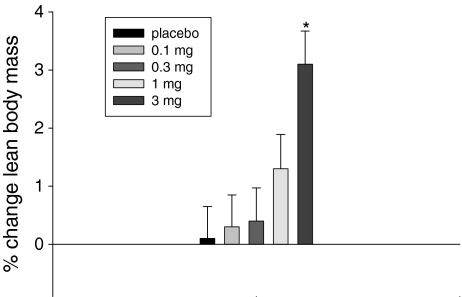
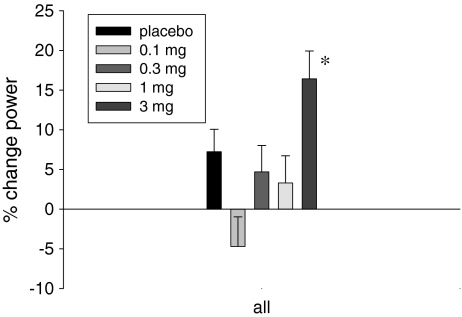
BACKGROUND: Cachexia, also known as muscle wasting, is a complex metabolic condition characterized by loss of skeletal muscle and a decline in physical function. Muscle wasting is associated with cancer, sarcopenia, chronic obstructive pulmonary disease, end-stage renal disease, and other chronic conditions and results in significant morbidity and mortality. GTx-024 (enobosarm) is a nonsteroidal selective androgen receptor modulator (SARM) that has tissue-selective anabolic effects in muscle and bone, while sparing other androgenic tissue related to hair growth in women and prostate effects in men. GTx-024 has demonstrated promising pharmacologic effects in preclinical studies and favorable safety and pharmacokinetic profiles in phase I investigation. METHODS: A 12-week double-blind, placebo-controlled phase II clinical trial was conducted to evaluate GTx-024 in 120 healthy elderly men (>60 years of age) and postmenopausal women. The primary endpoint was total lean body mass assessed by dual energy X-ray absorptiometry, and secondary endpoints included physical function, body weight, insulin resistance, and safety. RESULTS: GTx-024 treatment resulted in dose-dependent increases in total lean body mass that were statistically significant (P < 0.001, 3 mg vs. placebo) and clinically meaningful. There were also significant improvements in physical function (P = 0.013, 3 mg vs. placebo) and insulin resistance (P = 0.013, 3 mg vs. placebo). The incidence of adverse events was similar between treatment groups. CONCLUSION: GTx-024 showed a dose-dependent improvement in total lean body mass and physical function and was well tolerated. GTx-024 may be useful in the prevention and/or treatment of muscle wasting associated with cancer and other chronic diseases.
Overview
The claims and statistics of this paper haven’t been checked yet.
Free: it reads the open-access text and checks the first 5 claims that cite a source we can check. Create a free account to check every claim.
Integrity signals
Registry
Cites
Statistics
Figures
Verification
Claims the paper makes
The claims and statistics of this paper haven’t been checked yet.
Free: it reads the open-access text and checks the first 5 claims that cite a source we can check. Create a free account to check every claim.
Claims other papers make about this one
Each is checked against this paper’s own text: does it say what the citing paper says it does?
The source backs part of the claim, not all of it — or backs it for a different population, condition or comparison.
In the citing paper
“Early trials demonstrated a greater total lean mass of 1.3 kg (P < 0.001), better physical function as measured by reduced stair climb time (P = 0.013), a trend towards lower blood levels of glucose of 6.9 ± 2.5 mg/dl (P = 0.052) and lower insulin sensitivity (−27.5% versus 2.6%; P = 0.013) with 3 mg per day of GTx-024 (an orally bioavailable nonsteroidal SARM) than with placebo429.”
From Sarcopenic obesity in older adults: aetiology, epidemiology and treatment strategies (2018) · cites this paper as [429]
Experimental — accuracy not yet measuredThe source backs part of the claim, not all of it — or backs it for a different population, condition or comparison.
In the citing paper
“Enobosarm significantly increased lean mass compared with baseline (1.0 kg, 95% CI −4.8 to 11.5; P = 0.046) versus controls (0.02 kg, 95% CI −5.8 to 6.7; P = 0.88).”
From Sarcopenic obesity in older adults: aetiology, epidemiology and treatment strategies (2018) · cites this paper as [429]
Experimental — accuracy not yet measuredThe source backs part of the claim, not all of it — or backs it for a different population, condition or comparison.
In the citing paper
“Enobosarm, a non-steroidal SARM, successfully increased muscle mass and physical function in patients without cancer and in those with advanced lung, colorectal or breast cancer or lymphoma427–429.”
From Sarcopenic obesity in older adults: aetiology, epidemiology and treatment strategies (2018) · cites this paper as [429]
Experimental — accuracy not yet measuredThe cited source says what the claim attributes to it.
In the citing paper
“There is some evidence supporting enobosarm’s efficacy for lean mass preservation in elderly men and women [48].”
From New drugs for the treatment of obesity: do we need approaches to preserve muscle mass? (2025) · cites this paper as [48]
The cited source says what the claim attributes to it.
In the citing paper
“Selective androgen receptor modulators (SARMs), such as enobosarm (GTx-024), increase lean mass and may improve function, but phase III results have been mixed and no agent has regulatory approval for sarcopenia [71].”
From Muscle loss and GLP-1R agonists use (2025) · cites this paper as [71]
4 more claims about this paper
Create a free account to see every claim other papers make about this one.
Self-check
Percentages, sums and reported differences re-computed from the paper’s own numbers.
The self-check needs the paper’s full text.
Citations
Cites
Matthews, D. R., Hosker, J. P., Rudenski, A. S., Naylor, B. A., Treacher, D. F., & Turner, R. C. (1985) · Diabetologia · doi:10.1007/bf00280883 · Cited by 31,502
Lower-extremity function in persons over the age of 70 years as a predictor of subsequent disability
Guralnik, J. M., Ferrucci, L., Simonsick, E. M., Salive, M. E., & Wallace, R. B. (1995) · New England Journal of Medicine · doi:10.1056/nejm199503023320902 · Cited by 4,083
Epidemiology of Sarcopenia among the Elderly in New Mexico
Baumgartner, R. N., Koehler, K. M., Gallagher, D., Romero, L., Heymsfield, S. B., Ross, R. R., Garry, P. J., & Lindeman, R. D. (1998) · American Journal of Epidemiology · doi:10.1093/oxfordjournals.aje.a009520 · Cited by 4,004 · cited 1×
“estimates that 13–24% of persons under the age of 70 and up to 50% of individuals over the age of 80 suffer from significant muscle loss [8].”
BackgroundPrado, C. M., Lieffers, J. R., McCargar, L. J., Reiman, T., Sawyer, M. B., Martin, L., & Baracos, V. E. (2008) · The Lancet Oncology · doi:10.1016/s1470-2045(08)70153-0 · Cited by 3,238 · cited 1×
“Muscle wasting is associated with significant morbidity and mortality [11, 13, 14].”
BackgroundCLINICAL ASSESSMENT OF BODY HAIR GROWTH IN WOMEN
FERRIMAN, D., & GALLWEY, J. D. (1961) · The Journal of Clinical Endocrinology & Metabolism · doi:10.1210/jcem-21-11-1440 · Cited by 2,506
Prognostic effect of weight loss prior tochemotherapy in cancer patients
Dewys, W. D., Begg, C., Lavin, P. T., Band, P. R., Bennett, J. M., Bertino, J. R., Cohen, M. H., Douglass, H. O., Engstrom, P. F., Ezdinli, E. Z., et al. (1980) · The American Journal of Medicine · doi:10.1016/s0149-2918(05)80001-3 · Cited by 2,354
The effects of supraphysiologic doses of testosterone on muscle size and strength in normal men
Bhasin, S., Storer, T. W., Berman, N., Callegari, C., Clevenger, B., Phillips, J., Bunnell, T. J., Tricker, R., Shirazi, A., & Casaburi, R. (1996) · New England Journal of Medicine · doi:10.1056/nejm199607043350101 · Cited by 1,659 · cited 1×
“The reductions in SHBG in men and women (−61% and −80%, respectively, at the 3-mg dose) exceed those observed in men treated with a 600-mg intramuscular testosterone enanthate (−31%)[ 41 ].”
ResultAdverse Events Associated with Testosterone Administration
Basaria, S., Coviello, A. D., Travison, T. G., Storer, T. W., Farwell, W. R., Jette, A. M., Eder, R., Tennstedt, S., Ulloor, J., Zhang, A., et al. (2010) · New England Journal of Medicine · doi:10.1056/nejmoa1000485 · Cited by 1,494 · cited 1×
“Concerns related to increased risk or severity of benign prostatic hyperplasia or prostate cancer in men, virilization in women, and cardiovascular side effects in certain populations limit widespread use of testosterone and other anabolic steroids [19].”
BackgroundHughes, V. A., Frontera, W. R., Roubenoff, R., Evans, W. J., & Singh, M. A. F. (2002) · The American Journal of Clinical Nutrition · doi:10.1093/ajcn/76.2.473 · Cited by 804 · cited 1×
“Healthy adults lose approximately 1–2% of their skeletal muscle mass per year after the age of 50 [7].”
BackgroundSkeletal muscle loss: cachexia, sarcopenia, and inactivity
Evans, W. J. (2010) · The American Journal of Clinical Nutrition · doi:10.3945/ajcn.2010.28608a · Cited by 723
Research works printed but not linked: 1
- 10.1002/1097-0142(20010915)92:6 · doi:10.1002/1097-0142(20010915)92:6
Cited by
Cruz-Jentoft, A. J., & Sayer, A. A. (2019) · The Lancet · doi:10.1016/s0140-6736(19)31138-9 · Cited by 3,905
Sarcopenic obesity in older adults: aetiology, epidemiology and treatment strategies
Batsis, J. A., & Villareal, D. T. (2018) · Nature Reviews Endocrinology · doi:10.1038/s41574-018-0062-9 · Cited by 1,382
Dent, E., Morley, J. E., Cruz-Jentoft, A. J., Arai, H., Kritchevsky, S. B., Guralnik, J., Bauer, J. M., Pahor, M., Clark, B. C., Cesari, M., et al. (2018) · The Journal of nutrition, health and aging · doi:10.1007/s12603-018-1139-9 · Cited by 1,130
Maltais, F., Decramer, M., Casaburi, R., Barreiro, E., Burelle, Y., Debigaré, R., Dekhuijzen, P. N. R., Franssen, F., Gayan-Ramirez, G., Gea, J., et al. (2014) · American Journal of Respiratory and Critical Care Medicine · doi:10.1164/rccm.201402-0373st · Cited by 1,090
Self-citationMuscle wasting in disease: molecular mechanisms and promising therapies
Cohen, S., Nathan, J. A., & Goldberg, A. L. (2015) · Nature Reviews Drug Discovery · doi:10.1038/nrd4467 · Cited by 1,089
Understanding the mechanisms and treatment options in cancer cachexia
Fearon, K., Arends, J., & Baracos, V. (2013) · Nature Reviews Clinical Oncology · doi:10.1038/nrclinonc.2012.209 · Cited by 940
Estrogens and androgens in skeletal physiology and pathophysiology
Almeida, M., Laurent, M. R., Dubois, V., Claessens, F., O'Brien, C. A., Bouillon, R., Vanderschueren, D., & Manolagas, S. C. (2017) · Physiological Reviews · doi:10.1152/physrev.00033.2015 · Cited by 860
Sarcopenia and Cardiovascular Diseases
Damluji, A. A., Alfaraidhy, M., AlHajri, N., Rohant, N. N., Kumar, M., Al Malouf, C., Bahrainy, S., Ji Kwak, M., Batchelor, W. B., Forman, D. E., et al. (2023) · Circulation · doi:10.1161/circulationaha.123.064071 · Cited by 645
Morley, J. E., Anker, S. D., & von Haehling, S. (2014) · Journal of Cachexia, Sarcopenia and Muscle · doi:10.1007/s13539-014-0161-y · Cited by 608
Insulin resistance and sarcopenia: mechanistic links between common co-morbidities
Cleasby, M. E., Jamieson, P. M., & Atherton, P. J. (2016) · Journal of Endocrinology · doi:10.1530/joe-15-0533 · Cited by 596
Sarcopenia and type 2 diabetes mellitus: a bidirectional relationship
Mesinovic, J., Zengin, A., De Courten, B., Ebeling, P. R., & Scott, D. (2019) · Diabetes, Metabolic Syndrome and Obesity: Targets and Therapy · doi:10.2147/dmso.s186600 · Cited by 553
Sarcopenia, Cachexia and Aging: Diagnosis, Mechanisms and Therapeutic Options - A Mini-Review
Ali, S., & Garcia, J. M. (2014) · Gerontology · doi:10.1159/000356760 · Cited by 462
Skeletal muscle atrophy: From mechanisms to treatments
Yin, L., Li, N., Jia, W., Wang, N., Liang, M., Yang, X., & Du, G. (2021) · Pharmacological Research · doi:10.1016/j.phrs.2021.105807 · Cited by 396
Dobs, A. S., Boccia, R. V., Croot, C. C., Gabrail, N. Y., Dalton, J. T., Hancock, M. L., Johnston, M. A., & Steiner, M. S. (2013) · The Lancet Oncology · doi:10.1016/s1470-2045(13)70055-x · Cited by 391
Self-citationTournadre, A., Vial, G., Capel, F., Soubrier, M., & Boirie, Y. (2019) · Joint Bone Spine · doi:10.1016/j.jbspin.2018.08.001 · Cited by 375
Molecular and cellular mechanisms of skeletal muscle atrophy: an update
Fanzani, A., Conraads, V. M., Penna, F., & Martinet, W. (2012) · Journal of Cachexia, Sarcopenia and Muscle · doi:10.1007/s13539-012-0074-6 · Cited by 370
Sex Steroid Actions in Male Bone
Vanderschueren, D., Laurent, M. R., Claessens, F., Gielen, E., Lagerquist, M. K., Vandenput, L., Börjesson, A. E., & Ohlsson, C. (2014) · Endocrine Reviews · doi:10.1210/er.2014-1024 · Cited by 327
Metabolic Syndrome and Sarcopenia
Nishikawa, H., Asai, A., Fukunishi, S., Nishiguchi, S., & Higuchi, K. (2021) · Nutrients · doi:10.3390/nu13103519 · Cited by 321
Cancer cachexia: molecular mechanisms and treatment strategies
Setiawan, T., Sari, I. N., Wijaya, Y. T., Julianto, N. M., Muhammad, J. A., Lee, H., Chae, J. H., & Kwon, H. Y. (2023) · Journal of Hematology & Oncology · doi:10.1186/s13045-023-01454-0 · Cited by 315
Jaitovich, A., & Barreiro, E. (2018) · American Journal of Respiratory and Critical Care Medicine · doi:10.1164/rccm.201710-2140ci · Cited by 303
Sarcopenia: assessment of disease burden and strategies to improve outcomes
Liguori, I., Russo, G., Aran, L., Bulli, G., Curcio, F., Della-Morte, D., Gargiulo, G., Testa, G., Cacciatore, F., Bonaduce, D., et al. (2018) · Clinical Interventions in Aging · doi:10.2147/cia.s149232 · Cited by 300
Epidemiology of sarcopenia and insight into possible therapeutic targets
Dennison, E. M., Sayer, A. A., & Cooper, C. (2017) · Nature Reviews Rheumatology · doi:10.1038/nrrheum.2017.60 · Cited by 294
Cancer Cachexia: Definition, Staging, and Emerging Treatments
Ni, J., & Zhang, L. (2020) · Cancer Management and Research · doi:10.2147/cmar.s261585 · Cited by 290
A review of sarcopenia: Enhancing awareness of an increasingly prevalent disease
Marty, E., Liu, Y., Samuel, A., Or, O., & Lane, J. (2017) · Bone · doi:10.1016/j.bone.2017.09.008 · Cited by 288
Buvat, J., Maggi, M., Guay, A., & Torres, L. O. (2013) · The Journal of Sexual Medicine · doi:10.1111/j.1743-6109.2012.02783.x · Cited by 283
Frailty, Sarcopenia and Diabetes
Morley, J. E., Malmstrom, T. K., Rodriguez-Mañas, L., & Sinclair, A. J. (2014) · Journal of the American Medical Directors Association · doi:10.1016/j.jamda.2014.10.001 · Cited by 277
Clinical relevance of sarcopenia in chronic kidney disease
Moorthi, R. N., & Avin, K. G. (2017) · Current Opinion in Nephrology and Hypertension · doi:10.1097/mnh.0000000000000318 · Cited by 269
Development of selective androgen receptor modulators (SARMs)
Narayanan, R., Coss, C. C., & Dalton, J. T. (2018) · Molecular and Cellular Endocrinology · doi:10.1016/j.mce.2017.06.013 · Cited by 251
“Enobosarm has been or is being evaluated in several phase II and phase III clinical trials for multiple indications uch as cancer cachexia, sarcopenia, breast cancer, and stress urinary incontinence (53-55).”
Self-citationPharmacologic Options for the Treatment of Sarcopenia
Morley, J. E. (2016) · Calcified Tissue International · doi:10.1007/s00223-015-0022-5 · Cited by 225
“In a 12-week study, enobosarm increased total lean mass and stair climb [128].”
BackgroundSex Differences in Muscle Wasting
Anderson, L. J., Liu, H., & Garcia, J. M. (2017) · Advances in Experimental Medicine and Biology · doi:10.1007/978-3-319-70178-3_9 · Cited by 219
Cancer cachexia: Diagnosis, assessment, and treatment
Sadeghi, M., Keshavarz-Fathi, M., Baracos, V., Arends, J., Mahmoudi, M., & Rezaei, N. (2018) · Critical Reviews in Oncology/Hematology · doi:10.1016/j.critrevonc.2018.05.006 · Cited by 212
Dubois, V., Laurent, M., Boonen, S., Vanderschueren, D., & Claessens, F. (2012) · Cellular and Molecular Life Sciences · doi:10.1007/s00018-011-0883-3 · Cited by 197
Current and investigational medications for the treatment of sarcopenia
Rolland, Y., Dray, C., Vellas, B., & Barreto, P. D. S. (2023) · Metabolism · doi:10.1016/j.metabol.2023.155597 · Cited by 195
Skeletal muscle homeostasis and plasticity in youth and ageing: impact of nutrition and exercise
Brook, M. S., Wilkinson, D. J., Phillips, B. E., Perez‐Schindler, J., Philp, A., Smith, K., & Atherton, P. J. (2016) · Acta Physiologica · doi:10.1111/apha.12532 · Cited by 191
“2013)] may hold some promise, subject to effect size and quantitatively beneficial changes in skeletal muscle function occurring alongside those in mass (Dalton et al. 2011).”
BackgroundInfluentialJohns, N., Stephens, N. A., & Fearon, K. C. H. (2013) · The International Journal of Biochemistry & Cell Biology · doi:10.1016/j.biocel.2013.05.032 · Cited by 183
Angulo, J., El Assar, M., & Rodríguez-Mañas, L. (2016) · Molecular Aspects of Medicine · doi:10.1016/j.mam.2016.06.001 · Cited by 182
Landi, F., Calvani, R., Tosato, M., Martone, A. M., Fusco, D., Sisto, A., Ortolani, E., Savera, G., Salini, S., & Marzetti, E. (2016) · Journal of the American Medical Directors Association · doi:10.1016/j.jamda.2016.10.007 · Cited by 180
Crawford, J., Prado, C. M. M., Johnston, M. A., Gralla, R. J., Taylor, R. P., Hancock, M. L., & Dalton, J. T. (2016) · Current Oncology Reports · doi:10.1007/s11912-016-0522-0 · Cited by 178
Self-citationFrailty in elderly diabetes patients
Yanase, T., Yanagita, I., Muta, K., & Nawata, H. (2018) · Endocrine Journal · doi:10.1507/endocrj.ej17-0390 · Cited by 177
Sarcopenia as a Predictor of Complications and Survival Following Radical Cystectomy
Smith, A. B., Deal, A. M., Yu, H., Boyd, B., Matthews, J., Wallen, E. M., Pruthi, R. S., Woods, M. E., Muss, H., & Nielsen, M. E. (2014) · Journal of Urology · doi:10.1016/j.juro.2013.12.047 · Cited by 175
Selective Androgen Receptor Modulators: Current Knowledge and Clinical Applications
Solomon, Z. J., Mirabal, J. R., Mazur, D. J., Kohn, T. P., Lipshultz, L. I., & Pastuszak, A. W. (2019) · Sexual Medicine Reviews · doi:10.1016/j.sxmr.2018.09.006 · Cited by 174
Skeletal muscle atrophy: Potential therapeutic agents and their mechanisms of action
Dutt, V., Gupta, S., Dabur, R., Injeti, E., & Mittal, A. (2015) · Pharmacological Research · doi:10.1016/j.phrs.2015.05.010 · Cited by 174
From sarcopenia to frailty: a road less traveled
Morley, J. E., von Haehling, S., Anker, S. D., & Vellas, B. (2014) · Journal of Cachexia, Sarcopenia and Muscle · doi:10.1007/s13539-014-0132-3 · Cited by 173
Kwak, J. Y., & Kwon, K.-S. (2019) · Annals of Geriatric Medicine and Research · doi:10.4235/agmr.19.0028 · Cited by 171
Mechanisms Underlying Metabolic Syndrome-Related Sarcopenia and Possible Therapeutic Measures
Rubio-Ruiz, M. E., Guarner-Lans, V., Pérez-Torres, I., & Soto, M. E. (2019) · International Journal of Molecular Sciences · doi:10.3390/ijms20030647 · Cited by 165
Frailty and sarcopenia in elderly
Morley, J. E. (2016) · Wiener klinische Wochenschrift · doi:10.1007/s00508-016-1087-5 · Cited by 162
Chen, H., Huang, X., Dong, M., Wen, S., Zhou, L., & Yuan, X. (2023) · Diabetes, Metabolic Syndrome and Obesity · doi:10.2147/dmso.s410834 · Cited by 159
Basaria, S., Collins, L., Dillon, E. L., Orwoll, K., Storer, T. W., Miciek, R., Ulloor, J., Zhang, A., Eder, R., Zientek, H., et al. (2013) · The Journals of Gerontology: Series A · doi:10.1093/gerona/gls078 · Cited by 150
How Sex Hormones Promote Skeletal Muscle Regeneration
Velders, M., & Diel, P. R. (2013) · Sports Medicine · doi:10.1007/s40279-013-0081-6 · Cited by 149
Frailty, Sarcopenia, and Hormones
Morley, J. E., & Malmstrom, T. K. (2013) · Endocrinology and Metabolism Clinics of North America · doi:10.1016/j.ecl.2013.02.006 · Cited by 146
Moore, A. Z., Caturegli, G., Metter, E. J., Makrogiannis, S., Resnick, S. M., Harris, T. B., & Ferrucci, L. (2014) · Journal of the American Geriatrics Society · doi:10.1111/jgs.12653 · Cited by 144
Advani, S., Advani, P. G., VonVille, H. M., & Jafri, S. H. R. (2018) · BMC Cancer · doi:10.1186/s12885-018-5080-4 · Cited by 143
Loncar, G., Springer, J., Anker, M. S., Doehner, W., & Lainščak, M. (2016) · Journal of Cachexia Sarcopenia and Muscle · doi:10.1002/jcsm.12118 · Cited by 140
MECHANISMS IN ENDOCRINOLOGY: Estradiol as a male hormone
Russell, N., & Grossmann, M. (2019) · European Journal of Endocrinology · doi:10.1530/eje-18-1000 · Cited by 138
Siddiqui, J. A., Pothuraju, R., Jain, M., Batra, S. K., & Nasser, M. W. (2020) · Biochimica et Biophysica Acta (BBA) - Reviews on Cancer · doi:10.1016/j.bbcan.2020.188359 · Cited by 135
Selective androgen receptor modulators: the future of androgen therapy?
Christiansen, A. R., Lipshultz, L. I., Hotaling, J. M., & Pastuszak, A. W. (2020) · Translational Andrology and Urology · doi:10.21037/tau.2019.11.02 · Cited by 128
Aging of the endocrine system and its potential impact on sarcopenia
Vitale, G., Cesari, M., & Mari, D. (2016) · European Journal of Internal Medicine · doi:10.1016/j.ejim.2016.07.017 · Cited by 125
Cancer cachexia: multilevel metabolic dysfunction
Díaz, M. B., Rohm, M., & Herzig, S. (2024) · Nature Metabolism · doi:10.1038/s42255-024-01167-9 · Cited by 122
Alcoholic Myopathy: Pathophysiologic Mechanisms and Clinical Implications
Simon, L., Jolley, S. E., & Molina, P. E. (2017) · Alcohol research · doi:10.35946/arcr.v38.2.05 · Cited by 119
ARe we there yet? Understanding androgen receptor signaling in breast cancer
Michmerhuizen, A. R., Spratt, D. E., Pierce, L. J., & Speers, C. W. (2020) · npj Breast Cancer · doi:10.1038/s41523-020-00190-9 · Cited by 118
Mesinovic, J., Fyfe, J. J., Talevski, J., Wheeler, M. J., Leung, G. K. W., George, E. S., Hunegnaw, M. T., Glavas, C., Jansons, P., Daly, R. M., et al. (2023) · Diabetes & Metabolism Journal · doi:10.4093/dmj.2023.0112 · Cited by 114
Handelsman, D. J. (2021) · Endocrine Reviews · doi:10.1210/endrev/bnab001 · Cited by 113
Therapies for Musculoskeletal Disease: Can we Treat Two Birds with One Stone?
Girgis, C. M., Mokbel, N., & DiGirolamo, D. J. (2014) · Current Osteoporosis Reports · doi:10.1007/s11914-014-0204-5 · Cited by 110
Understanding of sarcopenia: from definition to therapeutic strategies
Kim, J. W., Kim, R., Choi, H., Lee, S., & Bae, G. (2021) · Archives of Pharmacal Research · doi:10.1007/s12272-021-01349-z · Cited by 109
Mitochondrial function is impaired in the skeletal muscle of pre-frail elderly
Andreux, P. A., van Diemen, M. P. J., Heezen, M. R., Auwerx, J., Rinsch, C., Groeneveld, G. J., & Singh, A. (2018) · Scientific Reports · doi:10.1038/s41598-018-26944-x · Cited by 106
Fuggle, N., Shaw, S., Dennison, E., & Cooper, C. (2017) · Best Practice & Research Clinical Rheumatology · doi:10.1016/j.berh.2017.11.007 · Cited by 101
Treatment of cachexia: An overview of recent developments
von Haehling, S., & Anker, S. D. (2014) · International Journal of Cardiology · doi:10.1016/j.ijcard.2014.10.026 · Cited by 99
Importance of Lean Body Mass in the Oncologic Patient
Tsai, S. (2012) · Nutrition in Clinical Practice · doi:10.1177/0884533612457949 · Cited by 94
Emerging medication for the treatment of male hypogonadism
Corona, G., Rastrelli, G., Vignozzi, L., & Maggi, M. (2012) · Expert Opinion on Emerging Drugs · doi:10.1517/14728214.2012.683411 · Cited by 93
“0 mg) resulted in significant improvement in total lean body mass [107].”
BackgroundAbdulai, R. M., Jensen, T. J., Patel, N. R., Polkey, M. I., Jansson, P., Celli, B. R., & Rennard, S. I. (2018) · American Journal of Respiratory and Critical Care Medicine · doi:10.1164/rccm.201703-0615ci · Cited by 91
The role of sex steroid hormones in the pathophysiology and treatment of sarcopenia
Kim, Y. J., Tamadon, A., Park, H. T., Kim, H., & Ku, S. (2016) · Osteoporosis and Sarcopenia · doi:10.1016/j.afos.2016.06.002 · Cited by 90
Nuclear Receptors in Bone Physiology and Diseases
Imai, Y., Youn, M.-Y., Inoue, K., Takada, I., Kouzmenko, A., & Kato, S. (2013) · Physiological Reviews · doi:10.1152/physrev.00008.2012 · Cited by 88
Current pharmacotherapies for sarcopenia
Hardee, J. P., & Lynch, G. S. (2019) · Expert Opinion on Pharmacotherapy · doi:10.1080/14656566.2019.1622093 · Cited by 84
Bauer, J. M., Cruz-Jentoft, A. J., Fielding, R. A., Kanis, J. A., Reginster, J.-Y., Bruyère, O., Cesari, M., Chapurlat, R., Al-Daghri, N., Dennison, E., et al. (2019) · Calcified Tissue International · doi:10.1007/s00223-019-00561-w · Cited by 83
Advances in research on pharmacotherapy of sarcopenia
Feike, Y., Liu, Z., & Chen, W. (2021) · Aging Medicine · doi:10.1002/agm2.12168 · Cited by 82
Enobosarm (GTx-024, S-22): A Potential Treatment for Cachexia
Srinath, R., & Dobs, A. S. (2014) · Future Oncology · doi:10.2217/fon.13.273 · Cited by 82
Sarcopenia: An Endocrine Disorder?
McKee, A. M., Morley, J. E., Matsumoto, A. M., & Vinik, A. I. (2017) · Endocrine Practice · doi:10.4158/ep171795.ra · Cited by 81
Treatment of cachexia: an overview of recent developments
von Haehling, S., & Anker, S. D. (2014) · Journal of the American Medical Directors Association · doi:10.1016/j.jamda.2014.09.007 · Cited by 79
Sarcopenia and Androgens: A Link between Pathology and Treatment
Basualto-Alarcón, C., Varela, D., Duran, J., Maass, R., & Estrada, M. (2014) · Frontiers in Endocrinology · doi:10.3389/fendo.2014.00217 · Cited by 79
Sarcopenia in gastric cancer: when the loss costs too much
Ongaro, E., Buoro, V., Cinausero, M., Caccialanza, R., Turri, A., Fanotto, V., Basile, D., Vitale, M. G., Ermacora, P., Cardellino, G. G., et al. (2017) · Gastric Cancer · doi:10.1007/s10120-017-0722-9 · Cited by 79
Drug‐Induced Liver Injury by Selective Androgenic Receptor Modulators
Flores, J. E., Chitturi, S., & Walker, S. (2020) · Hepatology Communications · doi:10.1002/hep4.1456 · Cited by 79
Narayanan, R., Ahn, S., Cheney, M. D., Yepuru, M., Miller, D. D., Steiner, M. S., & Dalton, J. T. (2014) · PLoS ONE · doi:10.1371/journal.pone.0103202 · Cited by 78
Self-citationAndrogen effects on skeletal muscle: implications for the development and management of frailty
Wu, F., & O’Connell, M. D. L. (2014) · Asian Journal of Andrology · doi:10.4103/1008-682x.122581 · Cited by 77
Androgens, oestrogens and endometrium: a fine balance between perfection and pathology
Gibson, D. A., Simitsidellis, I., Collins, F., & Saunders, P. T. K. (2020) · Journal of Endocrinology · doi:10.1530/joe-20-0106 · Cited by 76
Androgen Receptor: A Complex Therapeutic Target for Breast Cancer
Narayanan, R., & Dalton, J. T. (2016) · Cancers · doi:10.3390/cancers8120108 · Cited by 76
Self-citationEmerging therapeutic targets in metastatic progression: A focus on breast cancer
Li, Z., & Kang, Y. (2016) · Pharmacology & Therapeutics · doi:10.1016/j.pharmthera.2016.03.003 · Cited by 76
Contribution of muscle satellite cells to sarcopenia
Huo, F., Liu, Q., & Liu, H. (2022) · Frontiers in Physiology · doi:10.3389/fphys.2022.892749 · Cited by 74
“The Embosarm Phase II study in 120 healthy older adults showed both lean body mass gain and dose-dependent improvement in stair climbing (Dalton et al., 2011).”
MethodCancer Cachexia Syndrome: Pathogenesis, Diagnosis, and New Therapeutic Options
Mondello, P., Mian, M., Aloisi, C., Famà, F., Mondello, S., & Pitini, V. V. (2014) · Nutrition and Cancer · doi:10.1080/01635581.2015.976318 · Cited by 77
Muscle and bone effects of androgen deprivation therapy: current and emerging therapies
Cheung, A. S., Zajac, J. D., & Grossmann, M. (2014) · Endocrine Related Cancer · doi:10.1530/erc-14-0172 · Cited by 73
Are we closer to having drugs to treat muscle wasting disease?
Morley, J. E., von Haehling, S., & Anker, S. D. (2014) · Journal of Cachexia, Sarcopenia and Muscle · doi:10.1007/s13539-014-0149-7 · Cited by 72
Chapter 4 Treatment of sarcopenia
Arai, H., Wakabayashi, H., Yoshimura, Y., Yamada, M., Kim, H., & Harada, A. (2018) · Geriatrics & Gerontology International · doi:10.1111/ggi.13322 · Cited by 72
Lok, C. (2015) · Nature · doi:10.1038/528182a · Cited by 71
Endometrial Intracrinology: Oestrogens, Androgens and Endometrial Disorders
Gibson, D. A., Simitsidellis, I., Collins, F., & Saunders, P. T. K. (2018) · International Journal of Molecular Sciences · doi:10.3390/ijms19103276 · Cited by 70
“The pharmaceutical industries have developed a number of selective androgen receptor modulators to target AR in muscle as a therapy for age-related or cancer-related loss of muscle function [91,92].”
BackgroundYu, I.-C., Lin, H.-Y., Sparks, J. D., Yeh, S., & Chang, C. (2014) · Diabetes · doi:10.2337/db13-1505 · Cited by 70
GSK2881078, a SARM, Produces Dose-Dependent Increases in Lean Mass in Healthy Older Men and Women
Neil, D., Clark, R. V., Magee, M., Billiard, J., Chan, A., Xue, Z., & Russell, A. (2018) · The Journal of Clinical Endocrinology & Metabolism · doi:10.1210/jc.2017-02644 · Cited by 68
Fonseca, G. W. P. D., Dworatzek, E., Ebner, N., & Von Haehling, S. (2020) · Expert Opinion on Investigational Drugs · doi:10.1080/13543784.2020.1777275 · Cited by 68
Clark, R. V., Walker, A. C., Andrews, S. M., Turnbull, P., Wald, J. A., & Magee, M. H. (2017) · British Journal of Clinical Pharmacology · doi:10.1111/bcp.13316 · Cited by 67
Garber, K. (2016) · Nature Biotechnology · doi:10.1038/nbt.3557 · Cited by 66
Control of food intake and muscle wasting in cachexia
Amitani, M. S., Asakawa, A., Amitani, H., & Inui, A. (2013) · The International Journal of Biochemistry & Cell Biology · doi:10.1016/j.biocel.2013.07.016 · Cited by 66
Fat Wasting Is Damaging: Role of Adipose Tissue in Cancer-Associated Cachexia
Sun, X., Feng, X., Wu, X., Lu, Y., Chen, K., & Ye, Y. (2020) · Frontiers in Cell and Developmental Biology · doi:10.3389/fcell.2020.00033 · Cited by 67
Metadata
- Authors
- Dalton, J. T., Barnette, K. G., Bohl, C. E., Hancock, M. L., Rodriguez, D., Dodson, S. T., Morton, R. A., & Steiner, M. S.
- Affiliations
- GTx (United States) (US)
- Corresponding author
- Dalton, James T.
- Venue
- Journal of Cachexia, Sarcopenia and Muscle
- Publisher
- Wiley
- Published
- 2011-08-02
- Volume
- 2
- Issue
- 3
- Pages
- 153-161
- ISSN
- 2190-5991 (ISSN-L)
- 2190-6009
- PMC
- PMC3177038
- OpenAlex
- W2020213864
- Cited by
- 403
- References
- 41
- Citations by year
- 2026: 29 · 2025: 33 · 2024: 24 · 2023: 28 · 2022: 29 · 2021: 30 · 2020: 30 · 2019: 27 · 2018: 30 · 2017: 29 · 2016: 29 · 2015: 18 · 2014: 32 · 2013: 19 · 2012: 11
- FWCI
- 14.14
- Type
- journal article
- Language
- en
- Open access
- gold
- doi.org
- Licence
- cc-by-nc
- creativecommons.org/licenses/by-nc/4.0/ (vor)
- doi.wiley.com/10.1002/tdm_license_1.1 (tdm)
- Locations
- Journal of Cachexia Sarcopenia and Muscle (publishedVersion, cc-by-nc)
- Europe PMC (PubMed Central) (publishedVersion, cc-by-nc)
- PubMed Central (publishedVersion, cc-by-nc)
- PubMed (publishedVersion)
- Topics
- Health Sciences › Medicine › Physiology (medical) › Nutrition and Health in Aging
- Health Sciences › Medicine › Endocrinology, Diabetes and Metabolism › Hormonal and reproductive studies
- Life Sciences › Biochemistry, Genetics and Molecular Biology › Molecular Biology › Muscle Physiology and Disorders
- Keywords
- enobosarm, selective androgen receptor modulators, lean body mass, muscle atrophy, cachexia, physical function, insulin resistance, older men, postmenopausal women, dose-dependent effects, drug safety
About these checks
Registry, retraction, Cites and statistics results are computed, not judged, with one exception: a printed reference that no index lists is read once by a model before it counts as a citation error. Claims are extracted by a model and kept only when their quote appears verbatim in the text; each cited source is then checked, with a model’s help, for whether it says what the claim relies on. Those verdicts can be wrong — read the claim’s quote and the cited source before relying on one.
Statistics and arithmetic are recomputed, not judged.
Confidence bands are shown only for fields calibrated on our annotated test set. None is calibrated yet, so no band is shown.
What counts as a claim ›How we measure confidence ›How we check this ›
Are you an author, or do you see a problem with this page? Request a review
Data sources
Bibliographic data: Semantic Scholar, OpenAlex, Crossref.
Contains information from the Semantic Scholar Academic Graph Datasets, made available under the ODC Attribution License (ODC-BY 1.0).
Semantic Scholar’s data is described in: Kinney, R., et al. (2023). The Semantic Scholar Open Data Platform. arXiv:2301.10140.
