

Dairy Consumption and Cardiometabolic Diseases: Systematic Review and Updated Meta-Analyses of Prospective Cohort Studies
Open accessThe DOI matches its Crossref record; 90 of the 90 references it cites were found in a registry or an index.
Abstract
Purpose of Review: Dairy products contain both beneficial and harmful nutrients in relation to cardiometabolic diseases. Here, we provide the latest scientific evidence regarding the relationship between dairy products and cardiometabolic diseases by reviewing the literature and updating meta-analyses of observational studies. Recent Findings: We updated our previous meta-analyses of cohort studies on type 2 diabetes, coronary heart disease (CHD), and stroke with nine studies and confirmed previous results. Total dairy and low-fat dairy (per 200 g/d) were inversely associated with a 3–4% lower risk of diabetes. Yogurt was non-linearly inversely associated with diabetes (RR = 0.86, 95% CI: 0.83–0.90 at 80 g/d). Total dairy and milk were not associated with CHD (RR~1.0). An increment of 200 g of daily milk intake was associated with an 8% lower risk of stroke. Summary: The latest scientific evidence confirmed neutral or beneficial associations between dairy products and risk of cardiometabolic diseases.
Overview
The claims and statistics of this paper haven’t been checked yet.
Free: it reads the open-access text and checks the first 5 claims that cite a source we can check. Create a free account to check every claim.
Integrity signals
Registry
Cites
Statistics
Figures
Verification
Claims the paper makes
The claims and statistics of this paper haven’t been checked yet.
Free: it reads the open-access text and checks the first 5 claims that cite a source we can check. Create a free account to check every claim.
Claims other papers make about this one
Each is checked against this paper’s own text: does it say what the citing paper says it does?
The cited source says what the claim attributes to it.
In the citing paper
“Previous studies demonstrated contradictory findings in terms of the correlation between dairy products’ consumption and obesity [77], type 2 diabetes [78], or cardiovascular disease development [79].”
From A Clinical Outcome of the Anti-PD-1 Therapy of Melanoma in Polish Patients Is Mediated by Population-Specific Gut Microbiome Composition (2022) · cites this paper as [79]
Self-check
Percentages, sums and reported differences re-computed from the paper’s own numbers.
The self-check needs the paper’s full text.
Citations
Cites
Quantifying heterogeneity in a meta‐analysis
Higgins, J. P. T., & Thompson, S. G. (2002) · Statistics in Medicine · doi:10.1002/sim.1186 · Cited by 36,763
Lim, S. S., Vos, T., Flaxman, A. D., Danaei, G., Shibuya, K., Adair-Rohani, H., AlMazroa, M. A., Amann, M., Anderson, H. R., Andrews, K. G., et al. (2012) · The Lancet · doi:10.1016/s0140-6736(12)61766-8 · Cited by 11,805
Gakidou, E., Afshin, A., Abajobir, A. A., Abate, K. H., Abbafati, C., Abbas, K. M., Abd-Allah, F., Abdulle, A. M., Abera, S. F., Aboyans, V., et al. (2017) · The Lancet · doi:10.1016/s0140-6736(17)32366-8 · Cited by 2,406
Methods for Trend Estimation from Summarized Dose-Response Data, with Applications to Meta-Analysis
Greenland, S., & Longnecker, M. P. (1992) · American Journal of Epidemiology · doi:10.1093/oxfordjournals.aje.a116237 · Cited by 2,353
The Role of Vitamin D and Calcium in Type 2 Diabetes. A Systematic Review and Meta-Analysis
Pittas, A. G., Lau, J., Hu, F. B., & Dawson-Hughes, B. (2007) · The Journal of Clinical Endocrinology & Metabolism · doi:10.1210/jc.2007-0298 · Cited by 2,001
Probiotics and their fermented food products are beneficial for health
Parvez, S., Malik, K. A., Ah Kang, S., & Kim, H.-Y. (2006) · Journal of Applied Microbiology · doi:10.1111/j.1365-2672.2006.02963.x · Cited by 1,435
McGuire, S. (2011) · Advances in Nutrition · doi:10.3945/an.111.000430 · Cited by 1,028
Jakobsen, M. U., O’Reilly, E. J., Heitmann, B. L., Pereira, M. A., Bälter, K., Fraser, G. E., Goldbourt, U., Hallmans, G., Knekt, P., Liu, S., et al. (2009) · The American Journal of Clinical Nutrition · doi:10.3945/ajcn.2008.27124 · Cited by 1,026
(2014) · The Lancet Diabetes & Endocrinology · doi:10.1016/s2213-8587(14)70102-0 · Cited by 800
Schwingshackl, L., Hoffmann, G., Lampousi, A.-M., Knüppel, S., Iqbal, K., Schwedhelm, C., Bechthold, A., Schlesinger, S., & Boeing, H. (2017) · European Journal of Epidemiology · doi:10.1007/s10654-017-0246-y · Cited by 799
Research works printed but not linked: 2
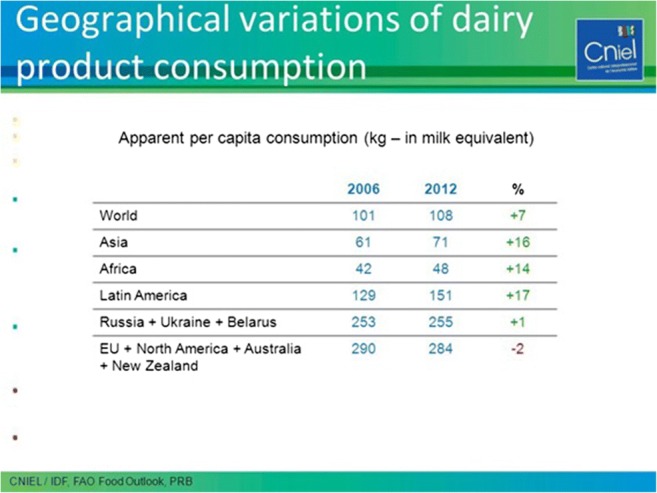
- Centre National Interprofessionnel de l'Economie Laitière (CNIEL)/ International Dairy Federation (IDF), Food and Agriculture Organization (FAO) Food Outlook, PRB. Per capita milk consumption from 2006 to 2012. Annual National Workshop for Dairy Economists and Policy Analysts presented in Boston in May 2013.
- Brink L Postma-Smeets A Stafleu A Wolvers D Richtlijnen Schijf van Vijf, Voedingscentrum 2016 Voedingscentrum Den Haag
Cited by
Changes in Plasma Free Fatty Acids Associated with Type-2 Diabetes
I. S. Sobczak, A., A. Blindauer, C., & J. Stewart, A. (2019) · Nutrients · doi:10.3390/nu11092022 · Cited by 304
Melse-Boonstra, A. (2020) · Frontiers in Nutrition · doi:10.3389/fnut.2020.00101 · Cited by 209
Skytte, M. J., Samkani, A., Petersen, A. D., Thomsen, M. N., Astrup, A., Chabanova, E., Frystyk, J., Holst, J. J., Thomsen, H. S., Madsbad, S., et al. (2019) · Diabetologia · doi:10.1007/s00125-019-4956-4 · Cited by 158
Global Review of Dairy Recommendations in Food-Based Dietary Guidelines
Comerford, K. B., Miller, G. D., Boileau, A. C., Masiello Schuette, S. N., Giddens, J. C., & Brown, K. A. (2021) · Frontiers in Nutrition · doi:10.3389/fnut.2021.671999 · Cited by 158
Dairy bioactive proteins and peptides: a narrative review
Auestad, N., & Layman, D. K. (2021) · Nutrition Reviews · doi:10.1093/nutrit/nuab097 · Cited by 153
Magkos, F., Tetens, I., Bügel, S. G., Felby, C., Schacht, S. R., Hill, J. O., Ravussin, E., & Astrup, A. (2020) · Advances in Nutrition · doi:10.1093/advances/nmz090 · Cited by 119
Feng, Y., Zhao, Y., Liu, J., Huang, Z., Yang, X., Qin, P., Chen, C., Luo, X., Li, Y., Wu, Y., et al. (2022) · Advances in Nutrition · doi:10.1093/advances/nmac096 · Cited by 149
Givens, D. I. (2020) · Journal of Dairy Science · doi:10.3168/jds.2020-18296 · Cited by 143
Miller, V., Micha, R., Choi, E., Karageorgou, D., Webb, P., & Mozaffarian, D. (2022) · JAMA Network Open · doi:10.1001/jamanetworkopen.2021.46705 · Cited by 103
Roy, C. I. L., Kurilshikov, A., Leeming, E. R., Visconti, A., Bowyer, R. C. E., Menni, C., Falchi, M., Koutníková, H., Veiga, P., Zhernakova, A., et al. (2022) · BMC Microbiology · doi:10.1186/s12866-021-02364-2 · Cited by 116
Chen, Z., Ahmed, M., Ha, V., Jefferson, K., Malik, V., Ribeiro, P. A. B., Zuchinali, P., & Drouin‐Chartier, J. (2021) · Advances in Nutrition · doi:10.1093/advances/nmab118 · Cited by 105
Daniel, N., Nachbar, R. T., Tran, T. T. T., Ouellette, A., Varin, T. V., Cotillard, A., Quinquis, L., Gagné, A., St‐Pierre, P., Trottier, J., et al. (2022) · Nature Communications · doi:10.1038/s41467-022-29005-0 · Cited by 100
Jakobsen, M. U., Trolle, E., Outzen, M. H., Mejborn, H., Grønberg, M. G., Lyndgaard, C. B., Stockmarr, A., Venø, S. K., & Bysted, A. (2021) · Scientific Reports · doi:10.1038/s41598-020-79708-x · Cited by 91
Drouin‐Chartier, J., Li, Y., Korat, A. V. A., Ding, M., Lamarche, B., Manson, J. E., Rimm, E. B., Willett, W. C., & Hu, F. B. (2019) · American Journal of Clinical Nutrition · doi:10.1093/ajcn/nqz180 · Cited by 94
“The most recent meta-analysis of prospective cohort studies reported that total dairy product intakes and low-fat dairy product intakes are modestly inversely associated with T2D risk, whereas high-fat dairy consumption appears to be neutral vis-à-vis the risk of T2D (11).”
BackgroundConsumption of Dairy Foods and Cardiovascular Disease: A Systematic Review
Giosuè, A., Calabrese, I., Vitale, M., Riccardi, G., & Vaccaro, O. (2022) · Nutrients · doi:10.3390/nu14040831 · Cited by 95
Potential Cardiometabolic Health Benefits of Full-Fat Dairy: The Evidence Base
Hirahatake, K. M., Astrup, A. V., Hill, J. O., Slavin, J. L., Allison, D. B., & Maki, K. C. (2019) · Advances in Nutrition · doi:10.1093/advances/nmz132 · Cited by 79
“Substantial observed and unexplained heterogeneity was reported in a number of analyses (22) and dairy itself is a heterogeneous exposure that includes multiple products with unique food matrices.”
BackgroundInfluentialGuo, J., Givens, D. I., Astrup, A., Bakker, S. J. L., Goossens, G. H., Kratz, M., Marette, A., Pijl, H., & Soedamah‐Muthu, S. S. (2019) · Advances in Nutrition · doi:10.1093/advances/nmz050 · Cited by 69
“The study by Soedamah-Muthu and de Goede (42) updated the meta-analysis of Gijsbers et al. (32) by adding the 2 new studies (38, 40) and found a similar result: that of a nonlinear inverse significant association of yogurt consumption with T2D risk (RR: 0.86; 95% CI: 0.83, 0.90; I2 = 69%, at 80 g/d compared with 0 g/d…”
BackgroundResultInfluentialSelf-citationDietary saturated fat and heart disease: a narrative review
Heileson, J. L. (2019) · Nutrition Reviews · doi:10.1093/nutrit/nuz091 · Cited by 81
Yan, R., Chan, C. B., & Louie, J. C. Y. (2022) · American Journal of Clinical Nutrition · doi:10.1093/ajcn/nqac084 · Cited by 73
“It is worth noting that in the latter study, the investigators added different amounts of fructose and HFCS to low-fat milk, which on its own has been shown to benefit cardiometabolic health (132), thus potentially confounding the results.”
BackgroundWürtz, A. M. L., Jakobsen, M. U., Bertoia, M. L., Hou, T., Schmidt, E. B., Willett, W. C., Overvad, K., Sun, Q., Manson, J. E., Hu, F. B., et al. (2020) · American Journal of Clinical Nutrition · doi:10.1093/ajcn/nqaa284 · Cited by 70
“Whether low-fat or high-fat dairy products are more beneficial is unclear (40), and we therefore split into 2 groups according to fat content.”
BackgroundDairy matrix: is the whole greater than the sum of the parts?
Weaver, C. M. (2021) · Nutrition Reviews · doi:10.1093/nutrit/nuab081 · Cited by 59
“A meta-analysis of observational studies found total and low-fat dairy consumption at 200 g/day was associated with a 3%–4% lower risk of diabetes.(36) Yogurt consumption had the most striking inverse association with diabetes, with up to 15% lower risk.”
BackgroundSteur, M., Johnson, L., Sharp, S. J., Imamura, F., Sluijs, I., Key, T. J., Wood, A., Chowdhury, R., Guevara, M., Jakobsen, M. U., et al. (2021) · Journal of the American Heart Association · doi:10.1161/jaha.120.019814 · Cited by 63
Optimum nutritional strategies for cardiovascular disease prevention and rehabilitation (BACPR)
Butler, T., Kerley, C. P., Altieri, N., Alvarez, J., Green, J., Hinchliffe, J., Stanford, D., & Paterson, K. (2020) · Heart · doi:10.1136/heartjnl-2019-315499 · Cited by 92
Saturated fats, dairy foods and cardiovascular health: No longer a curious paradox?
Givens, D. I. (2022) · Nutrition Bulletin · doi:10.1111/nbu.12585 · Cited by 62
Guo, N., Zhu, Y., Tian, D., Zhao, Y., Zhang, C., Mu, C., Han, C., Zhu, R., & Liu, X. (2022) · BMC Medicine · doi:10.1186/s12916-022-02381-6 · Cited by 61
“98) [101] were associated with decreased incidence of stroke in meta-analyses comparing high versus low intake or Exposure total grains (Chen 2016) [14] whole grains (Bechthold 2019) [19] refined grains (Wu 2015) [20] whole grain bread (Aune 2016) [15] whole grain breakfast cereals (Aune 2016) [15] rice (Aune 2016) [1…”
Cow's Milk and Dairy Consumption: Is There Now Consensus for Cardiometabolic Health?
Poppitt, S. D. (2020) · Frontiers in Nutrition · doi:10.3389/fnut.2020.574725 · Cited by 55
Cardiometabolic health benefits of dairy-milk polar lipids
Bruno, R. S., Pokala, A., Torres‐Gonzalez, M., & Blesso, C. N. (2021) · Nutrition Reviews · doi:10.1093/nutrit/nuab085 · Cited by 50
“97).(58) In a large, multicountry cohort study of > 136 000 individuals, greater intake of dairy food (> 2 servings/d and regardless of fat content) compared with diets devoid of any dairy foods were associated with a lower risk of cardiovascularassociated death (RR1⁄4 0.”
Mechanisms of gut microbiota-immune-host interaction on glucose regulation in type 2 diabetes
Zhou, Y.-D., Liang, F.-X., Tian, H.-R., Luo, D., Wang, Y., & Yang, S. (2023) · Frontiers in Microbiology · doi:10.3389/fmicb.2023.1121695 · Cited by 58
Lamarche, B., Astrup, A. V., Eckel, R. H., Feeney, E. L., Givens, D. I., Krauss, R. M., Legrand, P., Micha, R., Michalski, M., Soedamah‐Muthu, S. S., et al. (2025) · American Journal of Clinical Nutrition · doi:10.1016/j.ajcnut.2025.03.009 · Cited by 51
“Indeed, the fat content of a low-fat cheese, which may vary from 5% to 25%, is much higher than the fat content of a low-fat milk, which typically ranges from 0% to 1% [30,32].”
Self-citationAlarcón, P., Domínguez-Salas, P., Fèvre, E. M., & Rushton, J. (2021) · Frontiers in Sustainable Food Systems · doi:10.3389/fsufs.2021.642635 · Cited by 60
Companys, J., Pedret, A., Valls, R. M., Solà, R., & Pascual, V. (2020) · Critical Reviews in Food Science and Nutrition · doi:10.1080/10408398.2020.1768045 · Cited by 47
The effects of whey proteins, their peptides and amino acids on vascular function
Price, D., Jackson, K. G., Lovegrove, J. A., & Givens, D. I. (2022) · Nutrition Bulletin · doi:10.1111/nbu.12543 · Cited by 47
Dairy Consumption and Metabolic Health
Timon, C., O’Connor, A., Bhargava, N., Gibney, E. R., & Feeney, E. L. (2020) · Nutrients · doi:10.3390/nu12103040 · Cited by 51
“In light of a reported shift in recent dairy consumption [43], where instances of decreased dairy consumption may be potentially explained by an increase in dairy free alternatives due to the perceived impact of dairy on health [17], it is important to consider some of the recent evidence at both a total dairy level a…”
BackgroundProduction, Composition and Nutritional Properties of Organic Milk: A Critical Review
Linehan, K., Patangia, D. V., Ross, R. P., & Stanton, C. (2024) · Foods · doi:10.3390/foods13040550 · Cited by 63
Rumbold, P. L. S., McCullogh, N., Boldon, R., Haskell‐Ramsay, C. F., James, L. J., Stevenson, E., & Green, B. (2021) · Nutrition Research Reviews · doi:10.1017/s095442242100007x · Cited by 47
“consumption is associatedwith a reduced risk of cardiovascular disease(30), metabolic syndrome(28,31) and obesity(32–34).”
BackgroundDairy Foods and Dairy Fats: New Perspectives on Pathways Implicated in Cardiometabolic Health
Hirahatake, K. M., Bruno, R. S., Bolling, B. W., Blesso, C. N., Alexander, L. M., & Adams, S. H. (2019) · Advances in Nutrition · doi:10.1093/advances/nmz105 · Cited by 43
Eenennaam, A. L. V., & Werth, S. J. (2021) · animal · doi:10.1016/j.animal.2021.100360 · Cited by 48
Pietrzak, B., Tomela, K., Olejnik-Schmidt, A., Galus, Ł., Mackiewicz, J., Kaczmarek, M., Mackiewicz, A., & Schmidt, M. (2022) · Cancers · doi:10.3390/cancers14215369 · Cited by 36
“Previous studies demonstrated contradictory findings in terms of the correlation between dairy products’ consumption and obesity [77], type 2 diabetes [78], or cardiovascular disease development [79].”
ResultSchmidt, K. A., Cromer, G., Burhans, M. S., Kuzma, J. N., Hagman, D. K., Fernando, I., Murray, M., Utzschneider, K. M., Holte, S., Kraft, J., et al. (2020) · American Journal of Clinical Nutrition · doi:10.1093/ajcn/nqaa301 · Cited by 52
“Dairy is a food group that is inversely associated with T2D (4–10).”
BackgroundInfluentialTotal Fermented Dairy Food Intake Is Inversely Associated with Cardiovascular Disease Risk in Women
Buziau, A. M., Soedamah‐Muthu, S. S., Geleijnse, J. M., & Mishra, G. D. (2019) · Journal of Nutrition · doi:10.1093/jn/nxz128 · Cited by 38
“As for T2DM risk, recent meta-analyses including prospective cohort studies found a nonlinear inverse association for yogurt intake and incident T2DM (6, 7).”
ResultSelf-citationLiang, T., Xie, X., Zhang, J., Ding, Y., & Wu, Q. (2021) · LWT · doi:10.1016/j.lwt.2021.111209 · Cited by 36
Sellem, L., Flourakis, M., Jackson, K. G., Joris, P. J., Lumley, J. A., Lohner, S., Mensink, R. P., Soedamah‐Muthu, S. S., & Lovegrove, J. A. (2021) · Advances in Nutrition · doi:10.1093/advances/nmab143 · Cited by 45
Self-citationJeong, J., Kim, H., Lee, D., Kim, K., & Kim, Y. H. (2022) · Nutrients · doi:10.3390/nu14204362 · Cited by 43
Johansson, I., Esberg, A., Nilsson, L. M., Jansson, J., Wennberg, P., & Winkvist, A. (2019) · Nutrients · doi:10.3390/nu11020284 · Cited by 37
“The risk of developing T2D, MI and stroke has been evaluated in several recent meta-analyses [10,11,16], including the recent PURE study [8].”
BackgroundSumi, K., Tagawa, R., Yamazaki, K., Nakayama, K., Ichimura, T., Sanbongi, C., & Nakazato, K. (2023) · Nutrients · doi:10.3390/nu15204366 · Cited by 43
Dairy intake and type 2 diabetes risk factors: A narrative review
Mitri, J., Yusof, B. N. M., Maryniuk, M. D., Schrager, C., Hamdy, O., & Salsberg, V. (2019) · Diabetes & Metabolic Syndrome Clinical Research & Reviews · doi:10.1016/j.dsx.2019.07.064 · Cited by 34
From the past to the future: Fermented milks and their health effects against human diseases
Zhang, T., Geng, S., Cheng, T., Mao, K., Chitrakar, B., Gao, J., & Sang, Y. (2023) · Food Frontiers · doi:10.1002/fft2.304 · Cited by 38
Whole milk dairy foods and cardiometabolic health: dairy fat and beyond
Pokala, A., Kraft, J., Taormina, V. M., Michalski, M., Vors, C., Torres‐Gonzalez, M., & Bruno, R. S. (2024) · Nutrition Research · doi:10.1016/j.nutres.2024.03.010 · Cited by 37
Tognon, G., Rothenberg, E. M., Petrolo, M., Sundh, V., & Lissner, L. (2017) · European Journal of Nutrition · doi:10.1007/s00394-017-1556-2 · Cited by 28
Díez‐Fernández, A., Álvarez‐Bueno, C., Martínez‐Vizcaíno, V., Sotos‐Prieto, M., Recio-Rodriguez, J. I., & Cavero‐Redondo, I. (2019) · Nutrients · doi:10.3390/nu11040741 · Cited by 29
“Increasingly, evidence from longitudinal studies consistently supports a negative association between dairy product intake Nutrients 2019, 11, 741; doi:10.3390/nu11040741 www.mdpi.com/journal/nutrients Nutrients 2019, 11, 741 2 of 14 and the risk of CVD, which is in accordance with observational studies that report a…”
BackgroundInfluentialEckl, M. R., Brouwer-Brolsma, E. M., & Küpers, L. K. (2021) · Nutrients · doi:10.3390/nu13020582 · Cited by 30
“Although no clear consensus has been reached, recent research has also reported a neutral association between total dairy consumption and CVD and an inverse association with type 2 diabetes mellitus [70,71].”
BackgroundPoli, A., Catapano, A. L., Corsini, A., Manzato, E., Werba, J. P., Catena, G., Cetin, I., Cicero, A. F. G., Cignarella, A., Colivicchi, F., et al. (2022) · Nutrition Metabolism and Cardiovascular Diseases · doi:10.1016/j.numecd.2022.10.001 · Cited by 30
“reduction of dietary saturated fatty acids, especially if derived from dairy foods [75].”
BackgroundWood, J. D., Giromini, C., & Givens, D. I. (2024) · Frontiers in Animal Science · doi:10.3389/fanim.2024.1332694 · Cited by 39
Cruijsen, E., Cejudo, M. G. J., Küpers, L. K., Busstra, M. C., & Geleijnse, J. M. (2021) · American Journal of Clinical Nutrition · doi:10.1093/ajcn/nqab026 · Cited by 28
“Dairy is a heterogeneous food group of milkbased products differing in terms of consistency, fat content, and micronutrients (13, 14).”
BackgroundSlurink, I. A. L., Chen, L., Magliano, D. J., Kupper, N. H. M., Smeets, T., & Soedamah‐Muthu, S. S. (2023) · Journal of Nutrition · doi:10.1016/j.tjnut.2023.03.032 · Cited by 32
Self-citationSlurink, I. A. L., den Braver, N. R., Rutters, F., Kupper, N. H. M., Smeets, T., Elders, P. J. M., Beulens, J. W. J., & Soedamah‐Muthu, S. S. (2021) · European Journal of Nutrition · doi:10.1007/s00394-021-02626-9 · Cited by 26
“Confounder models were constructed based on literature [25] and on distributions of baseline characteristics across quartiles.”
MethodSelf-citationDaniel (2020) · doi:10.1093/jn/nxaa217 · Cited by 23
“In the current study, we evaluated the effect of a 50% replacement of nondairy protein (NDP) with protein from either fermented [i.e. fermented milk (FMP) and Greek-style yogurt (YP) protein] or nonfermented [i.e. milk protein (MP)] dairy protein, on the modulation of gut microbiota composition and cardiometabolic ris…”
BackgroundInfluentialRole of breakfast and its quality in the health of children and adolescents in Spain
Villares, J. M. M., Aznar, L. A. M., Carou, M. C. V., López-Sobaler, A. M., & Varela‐Moreiras, G. (2021) · Nutrición Hospitalaria · doi:10.20960/nh.03398 · Cited by 50
“A pesar de que las evidencias en niños/adolescentes son limitadas, varios metaanálisis y estudios prospectivos a gran escala concluyen que el consumo adulto de lácteos (independientemente de su contenido en grasa) y de alimentos de origen vegetal (especialmente los más saludables, como frutas, verduras, cereales integ…”
BackgroundMahdavifar, B., Hosseinzadeh, M., Salehi‐Abargouei, A., Mirzaei, M., & Vafa, M. (2021) · Nutritional Neuroscience · doi:10.1080/1028415x.2021.1969065 · Cited by 24
“healthy diet for a long time by several guidelines of Western as well as Asian countries [12,13].”
BackgroundBayram, H. M., & OZTURKCAN, A. (2024) · British Food Journal · doi:10.1108/bfj-02-2024-0158 · Cited by 22
Role of dietary and nutritional interventions in ceramide-associated diseases
Wang, S., Jin, Z., Wu, B., Morris, A. J., & Deng, P. (2024) · Journal of Lipid Research · doi:10.1016/j.jlr.2024.100726 · Cited by 27
Kvist, K., Laursen, A. S. D., Overvad, K., & Jakobsen, M. U. (2019) · Journal of Nutrition · doi:10.1093/jn/nxz337 · Cited by 21
If You Don’t Eat Meat… You’ll Die. A Mixed-Method Survey of Health-Professionals’ Beliefs
McHugh, P., Smith, M., Wright, N., Bush, S., & Pullon, S. (2019) · Nutrients · doi:10.3390/nu11123028 · Cited by 27
“Conversely, research has also shown diets high in dairy consumption to be associated with either neutral or slightly decreased risks for type II diabetes [29] and coronary heart disease [30], and decreased risk for colon cancer [31].”
BackgroundBrouwer, I. A. (2020) · Nutrition Bulletin · doi:10.1111/nbu.12449 · Cited by 26
Nicholl, A., Deering, K., Evelegh, K., Lyons‐Wall, P., Lawrence, D. M., Mori, T. A., Kratz, M., & O’Sullivan, T. A. (2021) · American Journal of Clinical Nutrition · doi:10.1093/ajcn/nqab288 · Cited by 24
Milk and dairy products – a scoping review for Nordic Nutrition Recommendations 2023
Holven, K. B., & Sonestedt, E. (2024) · Food & Nutrition Research · doi:10.29219/fnr.v68.10486 · Cited by 32
Slurink, I. A. L., Voortman, T., Ochoa‐Rosales, C., Ahmadizar, F., Kavousi, M., Kupper, N. H. M., Smeets, T., & Soedamah‐Muthu, S. S. (2022) · Nutrients · doi:10.3390/nu14030415 · Cited by 22
“Confounders were chosen based on previous research [32,34,35].”
MethodSelf-citationDairy foods and cardiometabolic diseases: an update and a reassessment of the impact of SFA
Givens, D. I. (2023) · Proceedings of The Nutrition Society · doi:10.1017/s0029665123000083 · Cited by 23
Dairy consumption and cardiometabolic risk: advocating change on change analyses
Slurink, I. A. L., & Soedamah‐Muthu, S. S. (2020) · American Journal of Clinical Nutrition · doi:10.1093/ajcn/nqaa058 · Cited by 18
Self-citationSellem, L., Jackson, K. G., Paper, L., Givens, I. D., & Lovegrove, J. A. (2022) · British Journal Of Nutrition · doi:10.1017/s0007114522000289 · Cited by 19
Bermejo‐Pareja, F., Ciudad-Cabañas, M. J., Velasco, S. L., Tapias-Merino, E., Hernández‐Gallego, J., Hernández‐Cabria, M., Collado-Yurrita, L., & López‐Arrieta, J. (2020) · Nutrition Reviews · doi:10.1093/nutrit/nuaa045 · Cited by 19
Vien, S., Fard, S., Khoury, D. T. D. E., Luhovyy, B. L., Fabek, H., & Anderson, G. H. (2021) · Journal of Nutrition · doi:10.1093/jn/nxab122 · Cited by 21
Dairy Product Consumption and Metabolic Diseases in the Di@bet.es Study
Lago-Sampedro, A. M., García‐Escobar, E., Rubio‐Martín, E., Pascual-Aguirre, N., Valdés, S., Soriguer, F., Goday, A., Calle‐Pascual, A. L., Castell, C., Torre, E. L. M., et al. (2019) · Nutrients · doi:10.3390/nu11020262 · Cited by 16
“Consistent with the results from the European population of the Soedamh-Muthu meta-analysis, in our study, dairy product consumption was not associated with the presence of T2DM.”
BackgroundResultInfluentialWitard, O. C., Bath, S. C., Dineva, M., Sellem, L., Mulet-Cabero, A.-I., Dongen, L. H. V., Zheng, J.-S., Valenzuela, C., & Smeuninx, B. (2022) · Frontiers in Nutrition · doi:10.3389/fnut.2022.800559 · Cited by 15
Banjarnahor, R. L., Arjmand, E. J., Onni, A. T., Thomassen, L. M., Perillo, M., Balakrishna, R., Sletten, I. S. K., Lorenzini, A., Plastina, P., & Fadnes, L. T. (2025) · Journal of Nutrition · doi:10.1016/j.tjnut.2025.03.021 · Cited by 26
“For most food groups, the combined data included more than half a million participants and > 30,000 cases [32,62,63,65,66,68].”
Sellem, L., Srour, B., Jackson, K. G., Herçberg, S., Galan, P., Kesse‐Guyot, E., Julia, C., Fezeu, L., Deschasaux, M., Lovegrove, J. A., et al. (2021) · British Journal Of Nutrition · doi:10.1017/s0007114521001422 · Cited by 18
“This supports the existing epidemiological evidence on the topic, especially from meta-analyses of prospective studies which consistently reported null or weak inverse associations between the consumption of total dairy and CVD risk(10,11,35).”
Guo, J., Givens, D. I., & Heitmann, B. L. (2022) · PLoS ONE · doi:10.1371/journal.pone.0271168 · Cited by 14
“However, no RCTs with dairy products as the main intervention and sufficiently long follow-up for cardiovascular endpoints have been conducted [3] and likely may never be conducted.”
BackgroundMethodSlurink, I. A. L., Corpeleijn, E., Bakker, S. J. L., Jongerling, J., Kupper, N. H. M., Smeets, T., & Soedamah‐Muthu, S. S. (2023) · American Journal of Clinical Nutrition · doi:10.1016/j.ajcnut.2023.10.002 · Cited by 17
Self-citationDu, A., Zhao, F., Liu, Y., Xu, L., Chen, K., Sun, D., & Han, B. (2022) · Frontiers in Genetics · doi:10.3389/fgene.2022.1002706 · Cited by 17
Dairy foods, dairy fat, diabetes, and death: what can be learned from 3 large new investigations?
Mozaffarian, D. (2019) · American Journal of Clinical Nutrition · doi:10.1093/ajcn/nqz250 · Cited by 14
Kraemer, M. V. D. S., Fernandes, A. C., Ares, G., Chaddad, M. C. C., Pettigrew, S., Scapin, T., Uggioni, P. L., Bernardo, G. L., & Proença, R. P. D. C. (2024) · Journal of Food Composition and Analysis · doi:10.1016/j.jfca.2024.106473 · Cited by 17
Lu, Y., Sugawara, Y., Matsuyama, S., Fukao, A., & Tsuji, I. (2021) · European Journal of Nutrition · doi:10.1007/s00394-021-02734-6 · Cited by 14
“Previous studies have suggested that associations between dairy intake and multiple health outcomes, including diabetes mellitus [2], cardiovascular diseases (CVD) [3], breast cancer [4, 5], and colorectal cancer [5, 6], are null or weak inverse.”
BackgroundIbsen, D. B., Overvad, K., Laursen, A. S. D., Halkjær, J., Tjønneland, A. M., Kilpeläinen, T. O., Parner, E. T., & Jakobsen, M. U. (2021) · European Journal of Nutrition · doi:10.1007/s00394-021-02524-0 · Cited by 14
Milk and Fermented Milk Consumption and Risk of Stroke: Longitudinal Study
Olsson, E., Larsson, S. C., Höijer, J., Kilander, L., & Byberg, L. (2022) · Nutrients · doi:10.3390/nu14051070 · Cited by 12
“, whether the population have in general a low or a high consumption of milk [1,4,5], which may entail different reference categories [6].”
BackgroundGiosuè, A., Calabrese, I., Riccardi, G., Vaccaro, O., & Vitale, M. (2022) · Diabetes Research and Clinical Practice · doi:10.1016/j.diabres.2022.110071 · Cited by 14
Sharifan, P., Roustaee, R., Shafiee, M., Longworth, Z. L., Keshavarz, P., Davies, I. G., Webb, R. J., Mazidi, M., & Vatanparast, H. (2025) · Nutrients · doi:10.3390/nu17172723 · Cited by 25
Tanno, K., Yonekura, Y., Okuda, N., Kuribayashi, T., Yabe, E., Tsubota‐Utsugi, M., Omama, S., Onoda, T., Ohsawa, M., Ogasawara, K., et al. (2021) · Nutrients · doi:10.3390/nu13113781 · Cited by 11
“A recent meta-analysis showed a significant inverse association between milk consumption and the risk of stroke [15,16], while others have shown a null association [17].”
BackgroundCheese: mere indulgence or part of a healthy diet?
Eugénio, A. T., Ramos, R., Barreto, I. R., Carriço, R., Marcos, J., Camelo, A., Santo, C. E., & Brandão, I. (2025) · Frontiers in Nutrition · doi:10.3389/fnut.2025.1649432 · Cited by 11
“However, an increasing body of scientific evidence has been showing that there may not be a strong correlation between cheese consumption and disease (10–12).”
Greenhouse gas emissions in the food system: Current and alternative dietary scenarios
Bayram, H. M., & OZTURKCAN, A. (2022) · Mediterranean Journal of Nutrition and Metabolism · doi:10.3233/mnm-220006 · Cited by 11
“Dairy products are rich in various nutrients such as potassium, phosphorus, different vitamins such as B 2 , B 12 , and D, thus they reduce the risk of fracture, cardiometabolic diseases, obesity, diabetes, etc. [74, 75].”
Givens, D. I. (2024) · animal · doi:10.1016/j.animal.2024.101263 · Cited by 14
Dairy consumption and risk of prediabetes and type 2 diabetes in the Fenland study
Slurink, I. A. L., Kupper, N. H. M., Smeets, T., & Soedamah‐Muthu, S. S. (2024) · Clinical Nutrition · doi:10.1016/j.clnu.2024.09.026 · Cited by 10
Self-citationLampousi, A., Carlsson, S., Löfvenborg, J. E., Cabrera-Castro, N., Chirlaque, M., Fagherazzi, G., Franks, P. W., Hampe, C. S., Jakszyn, P. G., Koulman, A., et al. (2023) · Diabetologia · doi:10.1007/s00125-023-05948-x · Cited by 12
“In line with these findings, intake of dairy products (the main contributor to OCFA concentrations [7]), particularly fermented products such as yoghurt, is linked to a reduced risk of type 2 diabetes [8].”
BackgroundImproving precision in estimating diet–disease relationships with metabolomics
Mente, A., Britz‐McKibbin, P., & Yusuf, S. (2022) · European Heart Journal · doi:10.1093/eurheartj/ehac616 · Cited by 8
Yogurt and health: a focus on its matrix
Tremblay, A., Drouin‐Chartier, J., Marette, A., & Drapeau, V. (2025) · Critical Reviews in Food Science and Nutrition · doi:10.1080/10408398.2025.2524472 · Cited by 11
“This relationship has been explored in several prospective cohorts and meta-analyzed multiple times over the past 15 years (Aune et al. 2013; Chen et al. 2014; Companys et al. 2020; Feng et al. 2022; Gao et al. 2013; Gijsbers et al. 2016; Soedamah-Muthu and de Goede 2018; Tong et al. 2011).”
Cejudo, M. G. J., Ochoa‐Rosales, C., Ahmadizar, F., Kavousi, M., Geleijnse, J. M., & Voortman, T. (2023) · European Journal of Nutrition · doi:10.1007/s00394-023-03209-6 · Cited by 10
Assaf-Balut, C., de la Torre, N. G., Bordiú, E., del Valle, L., Valerio, J., Jiménez, I., Durán, A., Fuentes, M. E., Herraiz, M. A., Izquierdo, N., et al. (2020) · BMJ Open Diabetes Research & Care · doi:10.1136/bmjdrc-2019-001145 · Cited by 10
“15 Furthermore, no studies in humans have found better health outcomes in persons consuming fat-free/low-fat dairy products as compared with those consuming full-fat dairy foods.”
Vissers, L. E. T., Sluijs, I., Burgess, S., Forouhi, N. G., Freisling, H., Imamura, F., Nilsson, T. K., Renström, F., Weiderpass, E., Aleksandrova, K., et al. (2021) · British Journal Of Nutrition · doi:10.1017/s0007114521004244 · Cited by 8
“The assumptions in an MR study are as follows: (1) the genetic variant is associated with the determinant of interest, (2) the genetic variant is not associated with known or unknown confounders of the determinant–outcome relationship and (3) there is no pathway from the genetic variant to disease that does not includ…”
InfluentialPatel, N., Dinesh, S., & Sharma, S. (2023) · Current Diabetes Reviews · doi:10.2174/0115733998266653231005072450 · Cited by 9
Dairy consumption and cardiometabolic diseases: Evidence from prospective studies
Soedamah‐Muthu, S. S., & Guo, J. (2020) · Elsevier eBooks · doi:10.1016/b978-0-12-815603-2.00001-2 · Cited by 9
Self-citationMedina, M., Cureau, F. V., Schaan, B. D., Leotti, V. B., Rosa, P. B. Z., Pereira, M. A., & Drehmer, M. (2023) · British Journal Of Nutrition · doi:10.1017/s0007114523001356 · Cited by 7
“Although the inverse association between dairy products consumption and T2DM risk has been widely documented (23 – 25) , the role of specific types of dairy products (e.g. fat composition and fermentation) remains unclear.”
BackgroundResult
Metadata
- Authors
- Soedamah-Muthu, S. S., & de Goede, J.
- Venue
- Current Nutrition Reports
- Published
- 2018-11-08
- Volume
- 7
- Issue
- 4
- Pages
- 171-182
- ISSN
- 2161-3311 (ISSN-L)
- PMC
- PMC6244750
- OpenAlex
- W2900366048
- Cited by
- 162
- References
- 90
- Citations by year
- 2026: 6 · 2025: 15 · 2024: 20 · 2023: 16 · 2022: 31 · 2021: 28 · 2020: 25 · 2019: 20
- FWCI
- 3.31
- Type
- journal article
- Language
- en
- Open access
- hybrid
- doi.org
- Licence
- cc-by
- creativecommons.org/licenses/by/4.0 (tdm)
- creativecommons.org/licenses/by/4.0 (vor)
- Locations
- Current Nutrition Reports (publishedVersion, cc-by)
- Europe PMC (PubMed Central) (publishedVersion, other-oa)
- PubMed Central (publishedVersion, cc-by)
- Research portal (Tilburg University) (publishedVersion, other-oa)
- PubMed (publishedVersion)
- Socio-Environmental Systems Modeling (acceptedVersion, cc-by)
- CentAUR (University of Reading) (submittedVersion)
- Data Archiving and Networked Services (DANS) (submittedVersion, other-oa)
- Data Archiving and Networked Services (DANS) (submittedVersion, cc-by)
- Funders
- Tilburg University
- Topics
- Health Sciences › Medicine › Public Health, Environmental and Occupational Health › Nutritional Studies and Diet
- Life Sciences › Agricultural and Biological Sciences › Food Science › Probiotics and Fermented Foods
- Health Sciences › Nursing › Nutrition and Dietetics › Fatty Acid Research and Health
- Keywords
- dairy products, cardiometabolic disease, type 2 diabetes, coronary artery disease, stroke, low-fat dairy, yogurt, milk consumption, dairy consumption
- MeSH terms
- Coronary Disease, Dairy Products, Diabetes Mellitus, Type 2, Humans, Nutritive Value, Prospective Studies, Risk Factors, Risk Assessment, Stroke, Recommended Dietary Allowances, Observational Studies as Topic, Protective Factors
About these checks
Registry, retraction, Cites and statistics results are computed, not judged, with one exception: a printed reference that no index lists is read once by a model before it counts as a citation error. Claims are extracted by a model and kept only when their quote appears verbatim in the text; each cited source is then checked, with a model’s help, for whether it says what the claim relies on. Those verdicts can be wrong — read the claim’s quote and the cited source before relying on one.
Statistics and arithmetic are recomputed, not judged.
Confidence bands are shown only for fields calibrated on our annotated test set. None is calibrated yet, so no band is shown.
What counts as a claim ›How we measure confidence ›How we check this ›
Are you an author, or do you see a problem with this page? Request a review
Data sources
Bibliographic data: Semantic Scholar, OpenAlex, Crossref.
Contains information from the Semantic Scholar Academic Graph Datasets, made available under the ODC Attribution License (ODC-BY 1.0).
Semantic Scholar’s data is described in: Kinney, R., et al. (2023). The Semantic Scholar Open Data Platform. arXiv:2301.10140.
