

Subcutaneous Administration of Biotherapeutics: An Overview of Current Challenges and Opportunities
Open accessThe DOI matches its Crossref record; 90 of the 91 references it cites were found in a registry or an index; 18 of the 167 sources its claims cite were checked for support.
Abstract
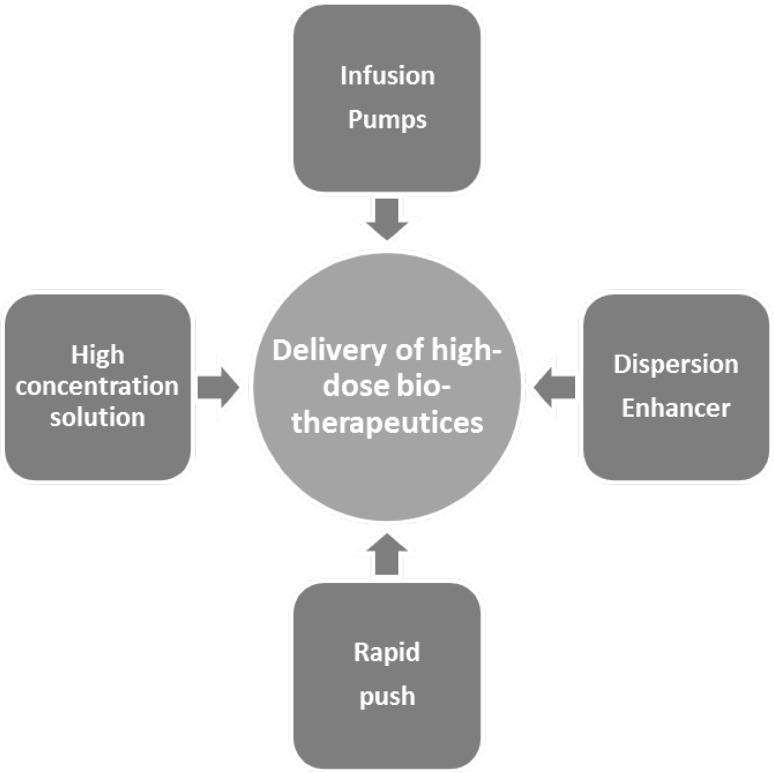
Subcutaneous delivery of biotherapeutics has become a valuable alternative to intravenous administration across many disease areas. Although the pharmacokinetic profiles of subcutaneous and intravenous formulations differ, subcutaneous administration has proven effective, safe, well-tolerated, generally preferred by patients and healthcare providers and to result in reduced drug delivery-related healthcare costs and resource use. The aim of this article is to discuss the differences between subcutaneous and intravenous dosing from both health-economic and scientific perspectives. The article covers different indications, treatment settings, administration volumes, and injection devices. We focus on biotherapeutics in rheumatoid arthritis (RA), immunoglobulin-replacement therapy in primary immunodeficiency (PI), beta interferons in multiple sclerosis (MS), and monoclonal antibodies (mAbs) in oncology. While most subcutaneous biotherapeutics in RA, PI, and MS are self-administered at home, mAbs for oncology are still only approved for administration in a healthcare setting. Beside concerns around the safety of biotherapeutics in oncology, a key challenge for self-administration in this area is that doses and dosing volumes can be comparatively large; however, this difficulty has recently been overcome to some extent by the development of high-concentration solutions, the use of infusion pumps, and the coadministration of the dispersion enhancer hyaluronidase. Furthermore, given the increasing number of biotherapeutics being considered for combination therapy and the high dosing complexity associated with these, especially when administered intravenously, subcutaneous delivery of fixed-dose combinations might be an alternative that will diminish these burdens on healthcare systems.
Overview
CoChat Summary
TL;DR
Subcutaneous (SC) administration of biotherapeutics is an established, generally safe and effective alternative to intravenous (IV) dosing in rheumatoid arthritis, primary immunodeficiency, multiple sclerosis, and increasingly oncology, with strong patient/healthcare-provider preference and reduced delivery-related costs and resource use. Key remaining challenges include high-volume/high-dose SC delivery, pharmacokinetic differences from IV dosing, immunogenicity/antidrug-antibody questions, and the fact that oncology SC mAbs are still not approved for home or self-administration.
Key findings
- SC dosing was preferred over IV in key preference studies: in PrefHer, 415/467 patients (88.9%; 95% CI 85.7–91.6; p < 0.0001) preferred SC trastuzumab, and among 235 healthcare professionals, 181 (77.0%; 95% CI 71.1–82.2) were more satisfied with SC administration. In PrefMab, 79–81% of patients preferred SC rituximab at cycle 6 and 77–84% at cycle 8.
- SC administration reduced administration time and costs: HannaH reported SC trastuzumab injection duration generally 1–5 min (average 3.3 min) versus 30–90 min for IV; PrefHer time-and-motion assessment found SC saved a mean 55 min (range 40–81; p < 0.0001) of patient chair time and a mean 17 min (range 5–28; p < 0.0001) of active HCP time per session. A UK substudy estimated total savings of £111.81 per patient episode (95% CI 100.44–123.56; p < 0.001), or approximately £2012.00 per patient over 18 cycles; a Belgian study estimated €212.93 saved per administration or €3832.74 per treatment cycle.
- For high-volume SC biologics, hyaluronidase, high-concentration formulations, and infusion pumps facilitate delivery: hyaluronidase-facilitated SC immunoglobulin improved bioavailability by approximately 20% versus SC immunoglobulin alone (AUC ratio 120.4%; 90% CI 115.5–125.5), and SC rituximab reduced infusion time from at least 90 min IV to 6–8 min.
- Fixed SC dosing is supported by population pharmacokinetic modeling: across 12 mAbs, fixed versus body-size-based dosing gave similar average AUC variability (42.4% vs 44.2%) and Cmax variability (30.1% vs 30.3%); in HannaH and Sabrina, SC trastuzumab and rituximab achieved noninferior Ctrough and efficacy versus IV.
Methods
- Design: narrative overview/review comparing SC and IV biotherapeutic administration across rheumatoid arthritis, primary immunodeficiency, multiple sclerosis, and oncology; no new primary data are reported.
- Data/sample: synthesis of published clinical, health-economic, and nonclinical literature, including pivotal trials (HannaH, PrefHer, Sabrina, PrefMab, MabCute), a systematic review/meta-analysis of IVIG versus SCIG, cost-minimization and time-and-motion studies, and regulatory/label information.
- Main analysis: qualitative narrative synthesis of pharmacokinetics, safety, immunogenicity, patient/HCP preference, and health-economic outcomes; no systematic search strategy or formal meta-analysis is described.
Limitations
- Stated in the paper: data on infusion-related reactions are still limited, and head-to-head clinical studies with different mAbs are required; clinical data on hyaluronidase’s impact on bioavailability are limited; understanding of how anatomic injection sites affect SC absorption remains limited; future trials are needed to assess whether immunostimulatory therapeutic proteins can be given SC without significant antidrug-antibody formation affecting pharmacokinetics, efficacy, or safety.
- Evident from the text: as a narrative review, it does not report a systematic search, inclusion criteria, or formal risk-of-bias assessment; many cited economic/time-and-motion findings come from noninterventional, observational, single-country, or small studies (e.g., UK substudy with 24 patient episodes, Belgian study with 130 episodes, Japanese cost study with 24 patients), which limits generalizability.
Model-written summary. Check it against the paper before relying on it.
Integrity signals
Registry
Cites
Statistics
Figures
Verification
Claims the paper makes
13 Valid · 8 Not valid · 106 Not checked · 54 Own results and interpretations
Some cited sources support this claim and some don’t — read each source’s verdict below.
In the paper
“Significant cost savings were also seen in various other countries [7, 8, 44–47].”
§ Subcutaneous Administration of Biotherapeutics: An Overview of Current Challenges and Opportunities > The Health-Economic Impact of High-Volume Subcutaneous Biotherapeutic Administration
What the sources say
- Supportedcites [7] De Cock E, Pan YI, Tao S, Baidin P. Time savings with trastuzumab subcutaneous (SC) injection verse trastuzumab intravenous (IV) infusion: a time and motion study in 3 russian centers. Value Health. 2014;17:A653. source
The PCN221 Results report a monetary value for healthcare-professional and chair time saved when switching from IV to subcutaneous trastuzumab in three Russian centres. Its Conclusions describe substantial reductions in associated costs. This source supports Russia as one example among the countries covered by the citing sentence's multiple references. (LLM, conf=0.88)
- Disputedcites [8] De Cock E, Kritikou P, Sandoval M, Tao S, Wiesner C, Carella AM, et al. Time savings with rituximab subcutaneous injection versus rituximab intravenous infusion: a time and motion study in eight countries. PLoS One. 2016;11:e0157957. sourceExperimental — accuracy not yet measured
The Discussion says calculating total administration cost per patient was outside the study’s remit. It estimates illustrative opportunity-cost savings, but cautions that time and chair savings would become true cost savings only if staffing or chair capacity were reduced—an outcome it calls unrealistic in the short term. It therefore does not report significant cost savings observed across countries. (LLM, conf=0.85)
Checked by a reasoning model — may be wrong.
- Not checked yetcites [44] Andrade S, Santos A. Hospital resources consumption associated with trastuzumab treatment in breast cancer in portugal. Value Health. 2013;16:A418. source
- Not checked yetcites [45] Lieutenant V, Toulza E, Pommier M. Lortal-Canguilhem B [Is Herceptin(®) (trastuzumab) by subcutaneous a mini revolution? Pharmaco-economic study]. Bull Cancer. 2015;102:270–6. source
- Not checked yetcites [46] Mylonas C, Kourlaba G, Fountzilas G, Skroumpelos A, Maniadakis N. Cost-minimization analysis of trastuzumab intravenous versus trastuzumab subcutaneous for the treatment of patients with HER2+ early breast cancer and metastatic breast cancer in Greece. Value Health. 2014;17:A640–1. source
- Not checked yetcites [47] De Cock E, Semiglazov V, Lopez Vivanco G, Verma S, Pivot X, Gligorov J et al. Time savings with trastuzumab subcutaneous vs intravenous administration: a time and motion study. St. Gallen 2013, Abstr. P209
plain- Asserted: passes — The authors put it forward as true.
- Checkable: passes — It can be checked against evidence.
- Load-bearing: unclear — It is unclear whether the paper’s conclusions depend on it.
- Based: passes — The paper gives a reason why it holds.
- Supported
The cited sources support only part of this claim — read each source’s verdict below.
In the paper
“Moreover, infusion pumps can complement these efforts by helping overcome the back pressure generated by subcutaneous tissue during injection [19].”
§ Subcutaneous Administration of Biotherapeutics: An Overview of Current Challenges and Opportunities > Introduction
What the sources say
- Partly supportedcites [19] Wasserman RL. Recombinant human hyaluronidase-facilitated subcutaneous immunoglobulin infusion in primary immunodeficiency diseases. Immunotherapy. 2017;9:1035–50. sourceExperimental — accuracy not yet measured
The Phase I/II study section reports that subcutaneous IgG was administered with an infusion pump and that infusion rates depended on pump capacity. The Recombinant human hyaluronidase section describes tissue barriers to infusion and reports reduced inline pressure with hyaluronidase. Neither section says that the pump itself helps overcome back pressure generated by subcutaneous tissue. (LLM, conf=0.82)
plainstates a cause- Asserted: passes — The authors put it forward as true.
- Checkable: passes — It can be checked against evidence.
- Load-bearing: unclear — It is unclear whether the paper’s conclusions depend on it.
- Based: passes — The paper gives a reason why it holds.
- Partly supported
The cited sources support only part of this claim — read each source’s verdict below.
In the paper
“Furthermore, population pharmacokinetic (PopPK) modeling using data from clinical trials of various biotherapeutics has confirmed that fixed dosing of mAbs could be feasible for the majority of molecules assessed, without impairing the safety and efficacy of the treatment [20–23].”
§ Subcutaneous Administration of Biotherapeutics: An Overview of Current Challenges and Opportunities > Introduction
What the sources say
- Not checked yetcites [20] Wang DD, Zhang S, Zhao H, Men AY, Parivar K. Fixed dosing versus body size-based dosing of monoclonal antibodies in adult clinical trials. J Clin Pharmacol. 2009;49:1012–24. source
- Not checked yetcites [21] Davies A, Merli F, Mihaljevic B, Siritanaratkul N, Solal-Celigny P, Barrett M, et al. Pharmacokinetics and safety of subcutaneous rituximab in follicular lymphoma (SABRINA): stage 1 analysis of a randomised phase 3 study. Lancet Oncol. 2014;15:343–52. source
- Partly supportedcites [22] Hourcade-Potelleret F, Lemenuel-Diot A, McIntyre C, Brewster M, Lum B, Bittner B. Use of a population pharmacokinetic approach for the clinical development of a fixed-dose subcutaneous formulation of trastuzumab. CPT Pharmacomet Syst Pharmacol. 2014;3:e87. sourceExperimental — accuracy not yet measured
Split into 2 atoms — 1 confirmed, 1 partially supported, 0 disputed, 0 misattributed, 0 unverifiable. Expand the claim to see per-atom verdicts.
- Partly supportedcites [23] Hendrikx J, Haanen J, Voest EE, Schellens JHM, Huitema ADR, Beijnen JH. Fixed dosing of monoclonal antibodies in oncology. Oncologist. 2017;22:1212–21. sourceExperimental — accuracy not yet measured
Split into 2 atoms — 1 confirmed, 1 partially supported, 0 disputed, 0 misattributed, 0 unverifiable. Expand the claim to see per-atom verdicts.
hedged- Asserted: passes — The authors put it forward as true.
- Checkable: passes — It can be checked against evidence.
- Load-bearing: passes — The paper’s conclusions depend on it.
- Based: passes — The paper gives a reason why it holds.
The cited sources support only part of this claim — read each source’s verdict below.
In the paper
“Moreover, the active HCP time, defined as time actively dedicated by any staff member to prespecified tasks, was reduced by a mean 17 min (range 5–28; p < 0.0001) [41].”
§ Subcutaneous Administration of Biotherapeutics: An Overview of Current Challenges and Opportunities > The Health-Economic Impact of High-Volume Subcutaneous Biotherapeutic Administration
What the sources say
- Partly supportedcites [41] De Cock E, Pivot X, Hauser N, Verma S, Kritikou P, Millar D, et al. A time and motion study of subcutaneous versus intravenous trastuzumab in patients with HER2-positive early breast cancer. Cancer Med. 2016;5:389–97. sourceExperimental — accuracy not yet measured
The Results (Active HCP time; Table 4, page not provided) give 31.8 minutes for IV and 14.8 minutes for subcutaneous handheld-syringe dosing—a 17-minute reduction—and a cross-country range of 5.1–28.0 minutes. The 17-minute figure applies to the handheld syringe, not both subcutaneous methods; the Results do not give the stated P < 0.0001 for active HCP time. (LLM, conf=0.86)
plainstates a cause- Asserted: passes — The authors put it forward as true.
- Checkable: passes — It can be checked against evidence.
- Load-bearing: passes — The paper’s conclusions depend on it.
- Based: passes — The paper gives a reason why it holds.
- Partly supported
Every source the paper cites for this claim was checked and supports it.
In the paper
“In a recent study in patients with PI, rHuPH20-facilitated immunoglobulin (IGHy) administered subcutaneously was largely preferred over SCIG without pre-injection of hyaluronidase.”
§ Subcutaneous Administration of Biotherapeutics: An Overview of Current Challenges and Opportunities > The Complexities and Improvements for Subcutaneous Administration of High-Volume Biologics
What the sources say
- Supportedcites [66] Wasserman RL, Melamed I, Stein MR, Engl W, Sharkhawy M, Leibl H, et al. Long-term tolerability, safety, and efficacy of recombinant human hyaluronidase-facilitated subcutaneous infusion of human immunoglobulin for primary immunodeficiency. J Clin Immunol. 2016;36:571–82. source
The Results (Treatment Preference) report that 48 of 69 subjects preferred IGHy, compared with 4 who preferred regular subcutaneous treatment. Among subjects previously treated subcutaneously, 21 of 28 preferred IGHy. The Methods (Treatment) identify IGHy as subcutaneous immunoglobulin administered with rHuPH20. (LLM, conf=0.92)
plainn = 69- Asserted: passes — The authors put it forward as true.
- Checkable: passes — It can be checked against evidence.
- Load-bearing: unclear — It is unclear whether the paper’s conclusions depend on it.
- Based: passes — The paper gives a reason why it holds.
- Supported
122 more claims · 6 with their cited sources checked
Create a free account to see all 181 claims and to verify the 149 references still open.
- It may state two separate claims as one. 39
- Probably not a substantial claim. 16
Claims other papers make about this one
Each is checked against this paper’s own text: does it say what the citing paper says it does?
The source backs part of the claim, not all of it — or backs it for a different population, condition or comparison.
In the citing paper
“The findings of this SLR are consistent with other published SLRs that have reported on the time, resource, and cost savings associated with SC administration versus IV, for both oncology and non-oncology biologics [123–125].”
From A systematic review of time and resource use costs of subcutaneous versus intravenous administration of oncology biologics in a hospital setting (2023) · cites this paper as [125]
Experimental — accuracy not yet measured
Self-check
Percentages, sums and reported differences re-computed from the paper’s own numbers.
Each contradiction between two passages listed here was confirmed by an independent check.
Rated minor: it would not touch a result — a value no result rests on, a p-value that stays on the same side of the significance level, or a conflict that is clerical, resolved elsewhere in the paper, or outside its own findings.
In the paper
“In the HannaH study, 8.1% of patients (30/296) treated with intravenous trastuzumab and 15.9% of patients (47/295) receiving subcutaneous trastuzumab developed antibodies against trastuzumab [65].”
§ Subcutaneous Administration of Biotherapeutics: An Overview of Current Challenges and Opportunities > Pharmacokinetic Differences Between Intravenous and Subcutaneous Administration and Potential Impact on Safety and Efficacy > Impact of Subcutaneous Administration of Biotherapeutics on Antidrug Antibodies
Reported 8.1 · recomputed 10.135135
Rated minor: it would not touch a result — a value no result rests on, a p-value that stays on the same side of the significance level, or a conflict that is clerical, resolved elsewhere in the paper, or outside its own findings.
In the paper
§ Subcutaneous Administration of Biotherapeutics: An Overview of Current Challenges and Opportunities > Recent Advances in Subcutaneous Biotherapeutic Administration
“Given the low injection volume of 0.5–1 ml, all these treatments can be self-administered using a prefilled syringe, an injection pen, or an autoinjector (Table 2).”
§ Subcutaneous Administration of Biotherapeutics: An Overview of Current Challenges and Opportunities > Recent Advances in Subcutaneous Biotherapeutic Administration
“| Interferon beta-1a | Rebif (EMD Serono/Pfizer) | Three times per week | 0.2–0.5 ml | Prefilled syringe, prefilled pen/autoinjector, electronic injection system |”
Citations
Cites
Vogel, C. L., Cobleigh, M. A., Tripathy, D., Gutheil, J. C., Harris, L. N., Fehrenbacher, L., Slamon, D. J., Murphy, M., Novotny, W. F., Burchmore, M., et al. (2002) · Journal of Clinical Oncology · doi:10.1200/jco.2002.20.3.719 · Cited by 1,860
BRUTON, O. C. (1952) · Pediatrics · doi:10.1542/peds.9.6.722 · Cited by 1,492
Daratumumab, Lenalidomide, and Dexamethasone for Multiple Myeloma.
Dimopoulos, M. A., Oriol, A., Nahi, H., San-Miguel, J., Bahlis, N. J., Usmani, S. Z., Rabin, N., Orlowski, R. Z., Komarnicki, M., Suzuki, K., et al. (2016) · New England Journal of Medicine · doi:10.1056/nejmoa1607751 · Cited by 1,445
Human autoimmune diseases: a comprehensive update
Wang, L., Wang, F., & Gershwin, M. E. (2015) · Journal of Internal Medicine · doi:10.1111/joim.12395 · Cited by 1,168
Update on the use of immunoglobulin in human disease: A review of evidence
Perez, E. E., Orange, J. S., Bonilla, F., Chinen, J., Chinn, I. K., Dorsey, M., El-Gamal, Y., Harville, T. O., Hossny, E., Mazer, B., et al. (2017) · Journal of Allergy and Clinical Immunology · doi:10.1016/j.jaci.2016.09.023 · Cited by 666
One year in review 2020: pathogenesis of rheumatoid arthritis
Giannini, D., Antonucci, M., Petrelli, F., Bilia, S., Alunno, A., & Puxeddu, I. (2020) · Clinical and Experimental Rheumatology · doi:10.55563/clinexprheumatol/3uj1ng · Cited by 588
Lundin, J., Kimby, E., Björkholm, M., Broliden, P.-A., Celsing, F., Hjalmar, V., Möllgård, L., Rebello, P., Hale, G., Waldmann, H., et al. (2002) · Blood · doi:10.1182/blood-2002-01-0159 · Cited by 497
Management and Preparedness for Infusion and Hypersensitivity Reactions
Lenz, H.-J. (2007) · The Oncologist · doi:10.1634/theoncologist.12-5-601 · Cited by 479
Usmani, S. Z., Weiss, B. M., Plesner, T., Bahlis, N. J., Belch, A., Lonial, S., Lokhorst, H. M., Voorhees, P. M., Richardson, P. G., Chari, A., et al. (2016) · Blood · doi:10.1182/blood-2016-03-705210 · Cited by 407
Supersaxo, A., Hein, W. R., & Steffen, H. (1990) · Pharmaceutical Research · doi:10.1023/a:1015880819328 · Cited by 386
Research works printed but not linked: 1
- De Cock E, Pan I, Sandoval M, Millar D, Knoop A. Healthcare professionals’ perceptions of the impact on clinical management of switching from the intravenous to the subcutaneous formulation of trastuzumab. In: European breast cancer conference 2014, Glasgow, Abstr. 42
Cited by
Items 101–200 of 487
Luo, P., Deng, S., Ye, H., Yu, X., Deng, Q., Zhang, Y., Jiang, L., Li, J., Yu, Y., & Han, W. (2020) · Biomedicine & Pharmacotherapy · doi:10.1016/j.biopha.2020.110232 · Cited by 27
Feig, V. R., Zhang, S., Patel, A., Santos, B., Kang, Z., Wasan, S. K., Beloqui, A., & Traverso, G. (2024) · EClinicalMedicine · doi:10.1016/j.eclinm.2024.102850 · Cited by 26
Bedke, J., Black, P. C., Szabados, B. E., Guerrero‐Ramos, F., Shariat, S. F., Xylinas, E. N., Brinkmann, J., Blake-Haskins, J. A., Cesari, R., & Palou, J. (2023) · Urologic Oncology Seminars and Original Investigations · doi:10.1016/j.urolonc.2023.10.004 · Cited by 26
Gallo, M. L., Vanni, D., Esposito, S., Alaimo, N., Orvieto, F., Rulli, F., Missineo, A., Caretti, F., Bonelli, F., Veneziano, M., et al. (2022) · Journal of Pharmaceutical and Biomedical Analysis · doi:10.1016/j.jpba.2021.114566 · Cited by 26
Stevenson, J., Poker, R., Schoss, J., Campbell, M., Everitt, C., Holly, B., Stones, N., Pettis, R. J., & Sánchez-Félix, M. (2024) · Advanced Drug Delivery Reviews · doi:10.1016/j.addr.2024.115322 · Cited by 26
Anti-IL5 therapies for chronic obstructive pulmonary disease
Donovan, T., Crossingham, I. R., Milan, S. J., Wang, R., & Goodley, P. (2019) · Cochrane Database of Systematic Reviews · doi:10.1002/14651858.cd013432 · Cited by 26
Stolzke, T., Krieg, F., Peng, T., Zhang, H., Häusler, O., & Brandenbusch, C. (2022) · Molecules · doi:10.3390/molecules27165094 · Cited by 26
Monoclonal Antibodies: The Greatest Resource to Treat Multiple Myeloma
Luca, F. D., Allegra, A., Chio, C. D., Previti, S., Zappalà, M., & Ettari, R. (2023) · International Journal of Molecular Sciences · doi:10.3390/ijms24043136 · Cited by 25
Model‐Based Dose Selection of Subcutaneous Nivolumab in Patients with Advanced Solid Tumors
Zhao, Y., Sanghavi, K., Roy, A., Murthy, B., Bello, A., Aras, U., & Vezina, H. E. (2024) · Clinical Pharmacology & Therapeutics · doi:10.1002/cpt.3148 · Cited by 25
A poro-viscoelastic model for the subcutaneous injection of monoclonal antibodies
Leng, Y., Ardekani, A. M., & Gómez, H. (2021) · Journal of the Mechanics and Physics of Solids · doi:10.1016/j.jmps.2021.104537 · Cited by 25
Shi, G. H., Connor, R., Collins, D. S., & Kang, D. W. (2021) · AAPS PharmSciTech · doi:10.1208/s12249-020-01880-0 · Cited by 25
Anti-TNFα in inflammatory bowel disease: from originators to biosimilars
Zeng, Z., Lin, H., Jiang, M., Yuan, J., Li, X., Jia, Y., Yang, L., & Zhang, H. (2024) · Frontiers in Pharmacology · doi:10.3389/fphar.2024.1424606 · Cited by 26
Torres-Terán, I., Venczel, M., Stieler, T., Parisi, L., Kloss, A. A., & Klein, S. (2023) · International Journal of Pharmaceutics · doi:10.1016/j.ijpharm.2023.122906 · Cited by 25
Therapeutic peptides and proteins: Status and developments in drug delivery
Hornsby, B. D., Lee, C. H., Steele, C. A., Tuekpe, J. K. K., & Lim, C. S. (2026) · Journal of Controlled Release · doi:10.1016/j.jconrel.2026.114895 · Cited by 25
Injection site reactions of biologics and mitigation strategies
Zhi, L., Liu, D., & Shameem, M. (2025) · AAPS Open · doi:10.1186/s41120-025-00108-4 · Cited by 24
Hebbi, V., Roy, S., Rathore, A. S., & Shukla, A. (2019) · Separation and Purification Technology · doi:10.1016/j.seppur.2019.116392 · Cited by 24
Mixed-dimensional multi-scale poroelastic modeling of adipose tissue for subcutaneous injection
Leng, Y., Wang, H., de Lucio, M., & Gómez, H. (2022) · Biomechanics and Modeling in Mechanobiology · doi:10.1007/s10237-022-01622-0 · Cited by 24
Kalejaye, L. A., Chu, J., Wu, I.-E., Amofah, B., Lee, A., Hutchinson, M. R., Chakiath, C., Dippel, A. B., Kaplan, G., Damschroder, M. M., et al. (2025) · mAbs · doi:10.1080/19420862.2025.2483944 · Cited by 24
Kang, D. W., Bittner, B., Sugarman, B. J., Zepeda, M. L., & Printz, M. A. (2021) · PLoS ONE · doi:10.1371/journal.pone.0254765 · Cited by 24
Self-citationLong, M. D., Allegretti, J. R., Danese, S., Germinaro, M., Baker, T., Alvarez, Y., Kavalam, M., Han, C., Jörgens, S., Jiang, L., et al. (2026) · The Lancet. Gastroenterology & hepatology · doi:10.1016/s2468-1253(25)00322-x · Cited by 24
Sunstrom, N., & Sunstrum, F. N. (2025) · Biomedical Materials & Devices · doi:10.1007/s44174-025-00479-y · Cited by 23
Clinical Evaluation of an Investigational 5 mL Wearable Injector in Healthy Human Subjects
Woodley, W. D., Wen, Y., Morel, D. R., Lainesse, A., Pettis, R. J., & Bolick, N. G. (2021) · Clinical and Translational Science · doi:10.1111/cts.12946 · Cited by 22
Richter, W. F., Grimm, H.-P., Gouy, M.-H., Søgaard, S., Kreuzer, C., Wessels, U., Draganov, D. I., Muenzer, C., & Hoche, T. (2020) · The AAPS Journal · doi:10.1208/s12248-020-00446-z · Cited by 22
Self-citationDubbelboer, I. R., & Sjögren, E. (2022) · International Journal of Pharmaceutics · doi:10.1016/j.ijpharm.2022.121808 · Cited by 22
Using Cluster Theory to Calculate the Experimental Structure Factors of Antibody Solutions
Skar‐Gislinge, N., Camerin, F., Stradner, A., Zaccarelli, E., & Schurtenberger, P. (2023) · Molecular Pharmaceutics · doi:10.1021/acs.molpharmaceut.3c00191 · Cited by 22
Ribaldone, D. G., Parisio, L., Variola, A., Bossa, F., Castiglione, F., Marzo, M., Piazza, N., Aratari, A., Savarino, E. V., Bodini, G., et al. (2023) · Digestive and Liver Disease · doi:10.1016/j.dld.2023.07.011 · Cited by 22
George, S., Bourlon, M. T., Overman, M. J., Dixon, M., Shelley, K., Markus, K. J., Kewley, R. M., Pope, S. I., & Albiges, L. K. (2025) · Cancer Treatment Reviews · doi:10.1016/j.ctrv.2025.102974 · Cited by 21
Cook, G., Ashcroft, J., Fernandez, M., Henshaw, S., Khalaf, Z., Pratt, G., Tailor, A., & Rabin, N. K. (2023) · Frontiers in Oncology · doi:10.3389/fonc.2023.1063144 · Cited by 21
Dang, X., Shih, H., Sharma, R., Angwin-Kaerner, D. T., Lin, K., Kapur, S., Thyagarajapuram, N. R., Shi, G. H., & Collins, D. S. (2024) · Pharmaceutical Research · doi:10.1007/s11095-024-03683-5 · Cited by 21
Enabling faster subcutaneous delivery of larger volume, high viscosity fluids
Rini, C. J., Roberts, B. C., Vaidyanathan, A., Li, A., Klug, R., Sherman, D. B., & Pettis, R. J. (2022) · Expert Opinion on Drug Delivery · doi:10.1080/17425247.2022.2116425 · Cited by 21
Sustained release of a human PD-L1 single-domain antibody using peptide-based hydrogels
Heremans, J., Awad, R. M., Bridoux, J., Ertveldt, T., Caveliers, V., Madder, A., Hoogenboom, R., Devoogdt, N., Ballet, S., Hernot, S., et al. (2024) · European Journal of Pharmaceutics and Biopharmaceutics · doi:10.1016/j.ejpb.2024.114183 · Cited by 21
Jons, C. K., Prossnitz, A. N., Eckman, N., Dong, C., Utz, A., & Appel, E. A. (2025) · Science Translational Medicine · doi:10.1126/scitranslmed.adv6427 · Cited by 21
Klich, J. H., Kasse, C. M., Mann, J. L., Huang, Y., d’Aquino, A. I., Grosskopf, A. K., Baillet, J., Fuller, G. G., & Appel, E. A. (2022) · Advanced Therapeutics · doi:10.1002/adtp.202200102 · Cited by 21
Taghizadeh, B., Jaafari, M. R., & Zarghami, N. (2022) · Frontiers in Endocrinology · doi:10.3389/fendo.2022.963336 · Cited by 20
An industry perspective on hyaluronidase co-formulated biopharmaceutics
Guo, J., Weng, J., Zhou, F., & Gu, X. (2025) · Journal of Controlled Release · doi:10.1016/j.jconrel.2025.02.069 · Cited by 20
Formative Study on the Wearability and Usability of a Large-Volume Patch Injector
Lange, J., Schneider, A., Jordi, C., Lau, M., & Disher, T. C. (2021) · Medical Devices Evidence and Research · doi:10.2147/mder.s337670 · Cited by 20
Prašnikar, M., Proj, M., Žiberna, M. B., Lebar, B., Knez, B., Kržišnik, N., Roškar, R., Gobec, S., Grabnar, I., Žula, A., et al. (2024) · International Journal of Pharmaceutics · doi:10.1016/j.ijpharm.2024.124055 · Cited by 20
Dubbelboer, I. R., & Sjögren, E. (2022) · European Journal of Pharmaceutical Sciences · doi:10.1016/j.ejps.2022.106181 · Cited by 20
Leading Edge: Intratumor Delivery of Monoclonal Antibodies for the Treatment of Solid Tumors
Blanco, E., Chocarro, L., Fernández, L., Bocanegra, A., Arasanz, H., Echaide, M., Garnica, M., Piñeiro‐Hermida, S., Kochan, G. T., & Escors, D. (2023) · International Journal of Molecular Sciences · doi:10.3390/ijms24032676 · Cited by 19
Klamroth, R., Feistritzer, C., Friedrich, U., Lentz, S. R., Reichwald, K., Zak, M., & Chowdary, P. (2019) · Journal of Thrombosis and Haemostasis · doi:10.1111/jth.14660 · Cited by 19
The medicinal chemistry evolution of antibody–drug conjugates
Hobson, A. D. (2024) · RSC Medicinal Chemistry · doi:10.1039/d3md00674c · Cited by 19
Modeling the subcutaneous pharmacokinetics of antibodies co‐administered with rHuPH20
Nolan, R. P., & Printz, M. A. (2024) · Clinical and Translational Science · doi:10.1111/cts.13788 · Cited by 19
Multidimensional Protein Solubility Optimization with an Ultrahigh-Throughput Microfluidic Platform
Erkamp, N. A., Oeller, M., Šneideris, T., Ausserwöger, H., Levin, A., Welsh, T. J., Qi, R., Qian, D., Lorenzen, N., Zhu, H., et al. (2023) · Analytical Chemistry · doi:10.1021/acs.analchem.2c05495 · Cited by 20
Sarvepalli, S., & Kandagatla, H. P. (2024) · European Polymer Journal · doi:10.1016/j.eurpolymj.2024.113610 · Cited by 19
Xu, A. Y., Clark, N., Pollastrini, J., Espinoza, M., Kim, H.-J., Kanapuram, S. R., Kerwin, B. A., Treuheit, M. J., Krueger, S., McAuley, A., et al. (2022) · Antibodies · doi:10.3390/antib11020024 · Cited by 19
Versatility of LNPs across different administration routes for targeted RNA delivery
Jallow, M. B., Huang, K., & Qiu, M. (2025) · Journal of Materials Chemistry B · doi:10.1039/d5tb00575b · Cited by 19
Wang, H., Hu, T., Leng, Y., de Lucio, M., & Gómez, H. (2023) · Drug Delivery · doi:10.1080/10717544.2022.2163003 · Cited by 18
A Candidate Therapeutic Monoclonal Antibody Inhibits Both HRSV and HMPV Replication in Mice
Fausther‐Bovendo, H., Hamelin, M., Carbonneau, J., Venable, M.-C., Checkmahomed, L., Lavoie, P., Ouellet, M.-È., Boivin, G., D’Aoust, M., & Kobinger, G. (2022) · Biomedicines · doi:10.3390/biomedicines10102516 · Cited by 18
Alonso, A., Bernabé, Á. G. A., Ríos, N. B., Gil, M. F. H., Sesmero, J. M. M., Lallana, V. M., Ramió‐Torrentà, L., Rodríguez-Antigüedad, A., Maldonado, L. G., Junco, I. T., et al. (2023) · PharmacoEconomics - Open · doi:10.1007/s41669-023-00394-2 · Cited by 18
Self-administration of omalizumab: why not? A literature review and expert opinion
Menzella, F., Ferrari, E., Ferrucci, S. M., Lombardi, E., Alfano, S., Bonavita, O., Morini, P., Rizzi, A., & Matucci, A. (2021) · Expert Opinion on Biological Therapy · doi:10.1080/14712598.2021.1882990 · Cited by 18
Sharma, V. K., Misra, B., McManus, K. T., Avula, S., Nellaiappan, K., Caskey, M. F., Horowitz, J. A., Nussenzweig, M. C., Seaman, M. S., Javeri, I., et al. (2020) · Antibodies · doi:10.3390/antib9030036 · Cited by 18
Alshamrani, M. A., AlHarbi, A., Alkhudair, N. A., AlNajjar, F. H., Khan, M. A., Obaid, A. B., Khardaly, A. M., Bajnaid, E., Samarkandi, H. H., AlAzmi, A., et al. (2020) · Journal of Oncology Pharmacy Practice · doi:10.1177/1078155220935564 · Cited by 17
Imaging of large volume subcutaneous deposition using MRI: exploratory clinical study results
Pettis, R. J., Woodley, W. D., Ossege, K. C., Blum, A., Bolick, N. G., & Rini, C. J. (2023) · Drug Delivery and Translational Research · doi:10.1007/s13346-023-01318-7 · Cited by 17
Deng, C., Jin, Q., Wu, Y., Li, H., Yi, L., Chen, Y., Gao, T., Wang, W., Wang, J., Lv, Q., et al. (2021) · Drug Delivery · doi:10.1080/10717544.2021.1968978 · Cited by 17
Immunogenicity-unwanted immune responses to biological drugs – can we predict them?
Matucci, A., Nencini, F., Vivarelli, E., Bormioli, S., Maggi, E., & Vultaggio, A. (2020) · Expert Review of Clinical Pharmacology · doi:10.1080/17512433.2020.1772053 · Cited by 17
Biopharmaceutical nanoclusters: Towards the self-delivery of protein and peptide therapeutics
Danielsen, M., Hempel, C., Andresen, T. L., & Urquhart, A. J. (2022) · Journal of Controlled Release · doi:10.1016/j.jconrel.2022.04.050 · Cited by 16
Hauer, A. C., Sultan, M. I., Darma, A., Altamimi, E. M., Serban, D. E., Assa, A., Franco, C. P. S., de Ridder, L., Wilson, D. C., Afzal, N. A., et al. (2025) · Journal of Pediatric Gastroenterology and Nutrition · doi:10.1002/jpn3.70121 · Cited by 16
Kim, E. S., & Kang, B. (2023) · World Journal of Gastroenterology · doi:10.3748/wjg.v29.i18.2784 · Cited by 16
Gan, R., Ni, E., Li, G., & Chen, W. (2025) · MedComm – Biomaterials and Applications · doi:10.1002/mba2.70022 · Cited by 16
Subcutaneous liposomal delivery improves monoclonal antibody pharmacokinetics in vivo
Karimi, M., Aslanabadi, A., Atkinson, B., Hojabri, M., Munawwar, A., Zareidoodeji, R., Ray, K., Habibzadeh, P., Karakoç, H. N., DeVico, A. L., et al. (2025) · Acta Biomaterialia · doi:10.1016/j.actbio.2025.02.035 · Cited by 16
Ngema, L. M., Adeyemi, S. A., Marimuthu, T., Ubanako, P. N., Ngwa, W. F., & Choonara, Y. E. (2023) · ACS Applied Bio Materials · doi:10.1021/acsabm.3c00224 · Cited by 16
Lageat, C., Combedazou, A., Ramus, C., Guerrero, K., Frolet, C., & Glezer, S. (2021) · Expert Opinion on Drug Delivery · doi:10.1080/17425247.2021.1954906 · Cited by 16
Novel strategies in systemic and local administration of therapeutic monoclonal antibodies
Prašnikar, M., Žiberna, M. B., Matjaž, M. G., & Grabnar, P. A. (2024) · International Journal of Pharmaceutics · doi:10.1016/j.ijpharm.2024.124877 · Cited by 16
In-situ biophysical characterization of high-concentration protein formulations using w NMR
Song, J., Taraban, M. B., Yu, Y. B., Lu, L., Biswas, P. G., Xu, W., Xi, H., Bhambhani, A., Hu, G., & Su, Y. (2024) · mAbs · doi:10.1080/19420862.2024.2304624 · Cited by 16
Kobayashi, T., Ito, H., Ashida, T., Yokoyama, T., Nagahori, M., Inaba, T., Shikamura, M., Yamaguchi, T., Hori, T., Pinton, P., et al. (2020) · Intestinal Research · doi:10.5217/ir.2020.00026 · Cited by 16
Zeng, Q., Gong, Y., Jiao, W., Xu, J., Chen, X., Xu, R., Liu, Y., Liang, X., Li, G., Liu, J., et al. (2025) · Science Advances · doi:10.1126/sciadv.adv8734 · Cited by 15
Fibronectin-targeted FUD and PEGylated FUD peptides for fibrotic diseases
Lee, H. J., Tomasini-Johansson, B. R., Gupta, N., & Kwon, G. S. (2023) · Journal of Controlled Release · doi:10.1016/j.jconrel.2023.06.008 · Cited by 15
Rafiei, R., Williams, C., Jiang, J., Aungst, T. D., Durrer, M., Tran, D., & Howald, R. (2021) · JMIR mhealth and uhealth · doi:10.2196/25406 · Cited by 15
Pareek, A., Bhatt, B., Parmar, V., Alasiri, G. A., Alsaidan, O. A., Kapoor, D. U., & Prajapati, B. G. (2025) · International Journal of Pharmaceutics · doi:10.1016/j.ijpharm.2025.125899 · Cited by 15
Pu, Z., Wei, Y., Sun, Y., Wang, Y., & Zhu, S. (2022) · International Journal of Nanomedicine · doi:10.2147/ijn.s384592 · Cited by 15
Kang, D. W., Connor, R., Nekoroski, T., Bitsura, J. A. M., Kindig, S. K., Knowles, S. P., & LaBarre, M. J. (2025) · Drug Delivery and Translational Research · doi:10.1007/s13346-025-01883-z · Cited by 15
Falck, D., Lechmann, M., Momčilović, A., Thomann, M., Koeleman, C. A. M., Jany, C., Malik, S., Wuhrer, M., & Reusch, D. (2022) · mAbs · doi:10.1080/19420862.2022.2145929 · Cited by 15
Hakimi, Z., Wilson, K., McAughey, E., Pochopień, M., Wojciechowski, P., Toumi, M., Knight, C., Sarda, S. P., Patel, N. J., Wiseman, C., et al. (2022) · Journal of Comparative Effectiveness Research · doi:10.2217/cer-2022-0076 · Cited by 15
Subcutaneous injections: A cross-sectional study of knowledge and practice preferences of nurses
Fidan, Ö., Zeyrek, A. Ş., & Arslan, S. (2023) · Contemporary Nurse · doi:10.1080/10376178.2023.2209207 · Cited by 14
Pradelli, L., Massaia, M., Todisco, E., Gherlinzoni, F., Furlan, A., Latargia, M. L., Grande, E., Tripoli, E., Occhipinti, F., Comello, F., et al. (2023) · Cancer Medicine · doi:10.1002/cam4.6699 · Cited by 14
Emerging drug delivery systems with traditional routes – A roadmap to chronic inflammatory diseases
Min, K., Sahu, A., Jeon, S. H., & Tae, G. (2023) · Advanced Drug Delivery Reviews · doi:10.1016/j.addr.2023.115119 · Cited by 14
Yang, X., Li, J., Chen, S., Xiao, L., Cao, D., Wu, X., Li, H., Ni, G., Wang, T., Chen, G., et al. (2022) · Evidence-based Complementary and Alternative Medicine · doi:10.1155/2022/9869293 · Cited by 14
Connor, R., Clift, R., & Kang, D. W. (2023) · Drug Delivery · doi:10.1080/10717544.2023.2252999 · Cited by 14
Connor, R., Taverna, D. M., Thrall, K. D., LaBarre, M. J., & Kang, D. W. (2020) · Journal of Pharmacological and Toxicological Methods · doi:10.1016/j.vascn.2020.106936 · Cited by 14
Allmendinger, A. (2021) · Pharmaceutical Research · doi:10.1007/s11095-021-03037-5 · Cited by 14
Subcutaneous drug delivery devices—Enablers of a flexible care setting
Bittner, B., & Schmidt, J. (2020) · Elsevier eBooks · doi:10.1016/b978-0-12-819838-4.00021-3 · Cited by 14
Self-citationNo two classes of biosimilars: Urgent advice to the US Congress and the FDA
Niazi, S. K. (2022) · Journal of Clinical Pharmacy and Therapeutics · doi:10.1111/jcpt.13743 · Cited by 14
Prašnikar, M., Žiberna, M. B., Kržišnik, N., Roškar, R., Grabnar, I., Žula, A., & Grabnar, P. A. (2025) · International Journal of Pharmaceutics · doi:10.1016/j.ijpharm.2025.125451 · Cited by 14
Use of dexmedetomidine repeated subcutaneous administration for balanced anaesthesia in horses
Rabbogliatti, V., Amari, M., Brioschi, F. A., Cesare, F. D., Zani, D. D., Zani, D. D., Giancamillo, M. D., Cagnardi, P., & Ravasio, G. (2022) · BMC Veterinary Research · doi:10.1186/s12917-022-03350-0 · Cited by 14
van der Leeuw, M. S., Messelink, M. A., Tekstra, J., Medina, O. A. G., van Laar, J. M., Haitjema, S., Lafeber, F. P. J. G., Dieren, J. V.-V., van der Goes, M. C., den Broeder, A. A., et al. (2022) · Arthritis Research & Therapy · doi:10.1186/s13075-022-02751-8 · Cited by 14
A framework to optimize spring-driven autoinjectors
Zhong, X., Bilionis, I., & Ardekani, A. M. (2022) · International Journal of Pharmaceutics · doi:10.1016/j.ijpharm.2022.121588 · Cited by 13
Understanding patient preferences for handheld autoinjectors versus wearable large-volume injectors
Schneider, A., Kolrep, H., Horn, H.-P., Jordi, C., Gierig, S., & Lange, J. (2022) · Expert Opinion on Drug Delivery · doi:10.1080/17425247.2022.2162037 · Cited by 13
Advancements in Drug Delivery Systems for the Treatment of Sarcopenia: An Updated Overview
Najm, A., Moldoveanu, E.-T., Niculescu, A.-G., Grumezescu, A. M., Beuran, M., & Gașpar, B. S. (2024) · International Journal of Molecular Sciences · doi:10.3390/ijms251910766 · Cited by 13
Homšek, A., Spasić, J., Nikolić, N., Stanojković, T., Jovanović, M., Miljković, B., & Vučićević, K. M. (2022) · Journal of Oncology Pharmacy Practice · doi:10.1177/10781552221137702 · Cited by 13
Advances and challenges in immunosuppressive antibody drug conjugates
Yaseen, A. A., & Tumey, L. N. (2025) · European Journal of Medicinal Chemistry · doi:10.1016/j.ejmech.2025.117576 · Cited by 13
Drug Formulation Impact on Prefilled Syringe Functionality and Autoinjector Performance
Fang, L., Shi, G. H., Richard, C. A., Dong, X., Thomas, J. C., Victor, M. C., Wang, T., Shinkle, S., & Zhao, C. (2020) · PDA Journal of Pharmaceutical Science and Technology · doi:10.5731/pdajpst.2020.011627 · Cited by 13
Desai, M. G., Kundu, A., Hageman, M. J., Lou, H., Tenjarla, S. N., Sun, C. C., Zhang, F., & Rahman, O. (2025) · The AAPS Journal · doi:10.1208/s12248-025-01132-8 · Cited by 13
Bruin, G. J. M., Nolan, R. P., Amendola, S., Doucet, D., Gebrekidan, S., Novkovic, T., Picci, M., Raut, A., Rini, C. J., Skutnik, P., et al. (2025) · Journal of Controlled Release · doi:10.1016/j.jconrel.2025.114156 · Cited by 13
Self-citationNewsome, S. D., Krzystanek, E., Selmaj, K. W., Dufek, M., Goldstick, L., Pozzilli, C., Figueiredo, C., Townsend, B., Kletzl, H., Bortolami, O., et al. (2025) · Neurology · doi:10.1212/wnl.0000000000213574 · Cited by 13
Extrapolation: Experience gained from original biologics
Rojas, L. F., & de Mora, F. (2021) · Drug Discovery Today · doi:10.1016/j.drudis.2021.05.006 · Cited by 13
Desai, M. G., Faiman, B. M., Gorski, L. A., Miles, A., Sterlin, V., & Curry, N. (2025) · Drug Delivery · doi:10.1080/10717544.2025.2484278 · Cited by 13
Recombinant VWF fragments improve bioavailability of subcutaneous factor VIII in hemophilia A mice
Vollack, N., Oleshko, O., Werwitzke, S., Solecka-Witulska, B., Kannicht, C., & Tiede, A. (2020) · Blood · doi:10.1182/blood.2020006468 · Cited by 13
Lenzen, P. S., Dingfelder, F., Müller, M., & Arosio, P. (2024) · Analytical Chemistry · doi:10.1021/acs.analchem.4c02099 · Cited by 13
Wozniewski, M., Besheer, A., Huwyler, J., Mahler, H., Levet, V., & Sediq, A. S. (2023) · Journal of Pharmaceutical Sciences · doi:10.1016/j.xphs.2023.09.010 · Cited by 13
A Comprehensive Analysis of Biopharmaceutical Products Listed in the FDA’s Purple Book
Chen, F., Zhong, H., Chan, G., & Ouyang, D. (2024) · AAPS PharmSciTech · doi:10.1208/s12249-024-02802-0 · Cited by 12
Metadata
- Authors
- Bittner, B., Richter, W., & Schmidt, J.
- Affiliations
- F. Hoffmann-La Roche AG (CH)
- Corresponding author
- Bittner, Beate
- Venue
- BioDrugs
- Published
- 2018-07-24
- Volume
- 32
- Issue
- 5
- Pages
- 425-440
- ISSN
- 1172-7039 (ISSN-L)
- 1173-8804
- 1179-190X
- PMC
- PMC6182494
- OpenAlex
- W2883052264
- Semantic Scholar
- 6770d27395b27e927f9adf3c04546036b19213aa
- Cited by
- 447
- References
- 91
- Citations by year
- 2026: 68 · 2025: 71 · 2024: 68 · 2023: 68 · 2022: 63 · 2021: 51 · 2020: 39 · 2019: 17 · 2018: 1
- FWCI
- 2.76
- Type
- journal article
- Language
- en
- Open access
- hybrid
- doi.org
- Licence
- cc-by-nc
- creativecommons.org/licenses/by-nc/4.0 (tdm)
- Locations
- BioDrugs (publishedVersion, cc-by-nc)
- Europe PMC (PubMed Central) (publishedVersion, cc-by-nc)
- PubMed Central (publishedVersion, cc-by-nc)
- PubMed (publishedVersion)
- Topics
- Life Sciences › Immunology and Microbiology › Immunology › Biosimilars and Bioanalytical Methods
- Health Sciences › Medicine › Emergency Medicine › Intramuscular injections and effects
- Life Sciences › Immunology and Microbiology › Immunology › Monoclonal and Polyclonal Antibodies Research
- Keywords
- subcutaneous administration, biologic therapy, intravenous administration, pharmacokinetics, rheumatoid arthritis, primary immunodeficiency, immunoglobulin replacement therapy, multiple sclerosis, interferon-beta, monoclonal antibodies, self-administration, injection device, hyaluronidase, high-concentration solutions, infusion pumps, fixed-dose combination, health economics, health care costs
- MeSH terms
- Trastuzumab, Antibodies, Monoclonal, Arthritis, Rheumatoid, Biological Availability, Biological Products, Humans, Immunologic Deficiency Syndromes, Injections, Subcutaneous, Multiple Sclerosis, Neoplasms, Administration, Intravenous
About these checks
Registry, retraction, Cites and statistics results are computed, not judged, with one exception: a printed reference that no index lists is read once by a model before it counts as a citation error. Claims are extracted by a model and kept only when their quote appears verbatim in the text; each cited source is then checked, with a model’s help, for whether it says what the claim relies on. Those verdicts can be wrong — read the claim’s quote and the cited source before relying on one.
The claim verdicts this report counts are experimental: their accuracy is not yet measured.
A language model drew the claims from the paper on 2026-10-06, under version 3 of the claim definition (model deepseek-v4.1-flash, prompt extract-v3).
A second model labelled each claim on 2026-10-06 (model jev-1.13-20260917, definition revision gold-guideline-v0.2).
Cited sources are checked with a language model’s help (gpt-6-sol).
Statistics and arithmetic are recomputed, not judged.
Confidence bands are shown only for fields calibrated on our annotated test set. None is calibrated yet, so no band is shown.
What counts as a claim ›How we measure confidence ›How we check this ›
Are you an author, or do you see a problem with this page? Request a review
Data sources
Bibliographic data: Semantic Scholar, OpenAlex, Crossref.
Contains information from the Semantic Scholar Academic Graph Datasets, made available under the ODC Attribution License (ODC-BY 1.0).
Semantic Scholar’s data is described in: Kinney, R., et al. (2023). The Semantic Scholar Open Data Platform. arXiv:2301.10140.
