

The Effect of Exercise Training on Blood Lipids: A Systematic Review and Meta-analysis
Open accessThe DOI matches its Crossref record; 41 of the 45 references it cites were found in a registry or an index; 21 of the 40 sources its claims cite were checked for support.
Abstract
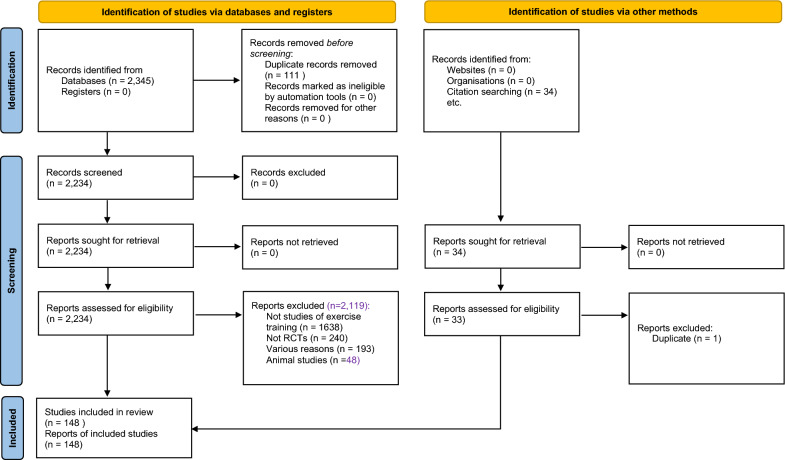
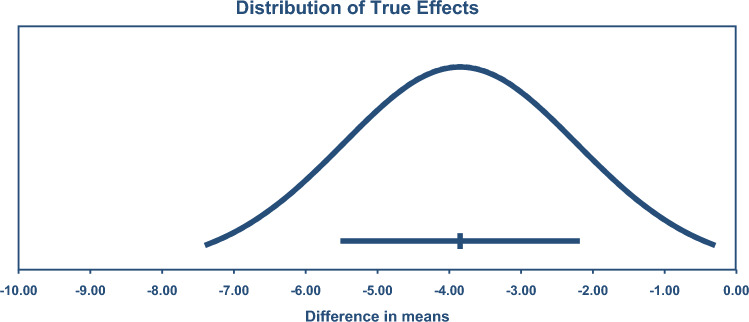
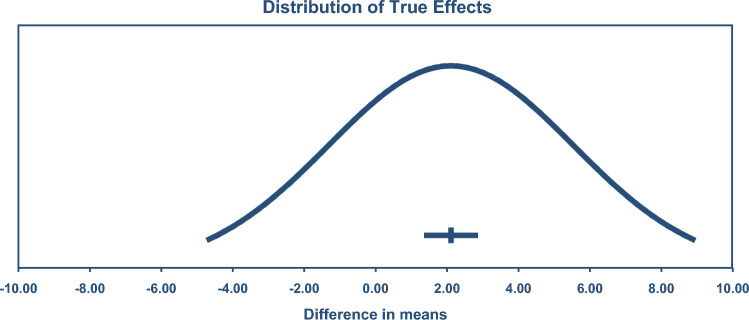
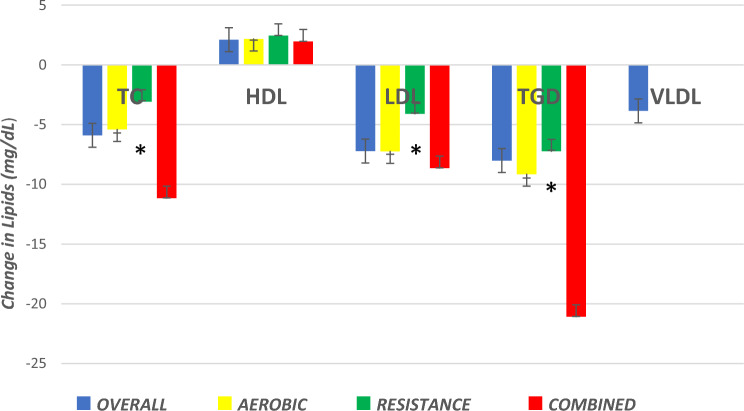
BACKGROUND: Dyslipidemia is a primary risk factor for cardiovascular disease (CVD). Exercise training (EXTr) improves some lipid markers but not others; the literature is dated and analyses may be underpowered. OBJECTIVES: To clarify which lipid markers are altered with ExTr and establish if information size had yet reached futility. METHODS: We conducted a systematic review/meta-analysis, with meta-regression, to establish expected effect size in lipid profile with aerobic (AT), resistance (RT) and combined (CT = AT + RT) ExTr. We conducted trial sequence analysis (TSA) to control for type I and II error and establish if information size had reached futility. RESULTS: We included 148 relevant randomized controlled trials (RCTs) of ExTr, with 227 intervention groups, total 8673 participants; exercise 5273, sedentary control 3400. Total cholesterol (TC) MD - 5.90 mg/dL (95% confidence interval (CI) - 8.14, - 3.65), high-density lipoprotein cholesterol (HDL) 2.11 (95% CI 1.43, 2.79), low-density lipoprotein cholesterol (LDL) - 7.22 (95% CI - 9.08, - 5.35), triglycerides - 8.01 (95% CI - 10.45, - 5.58) and very low-density lipoprotein cholesterol (VLDL) - 3.85 (95% CI - 5.49, - 2.22) all showed significant but modest 3.5-11.7%, improvements following ExTr. TSA indicated all analyses exceeded minimum information size to reach futility. CT was optimal for dyslipidemia management. Meta-regression showed every extra weekly aerobic session reduced TC - 7.68 mg/dL and for every extra week of training by - 0.5 mg/dL. Each minute of session time produced an additional 2.11 mg/dL HDL increase. CONCLUSION: TSA analysis revealed sufficient data exist to confirm ExTr will improve all five lipid outcomes. CT is optimal for lipid management. The modest effect observed may moderate dyslipidemia medication for primary prevention. Prediction intervals suggest TC, HDL, LDL and TGD are only improved in one-quarter of studies.
Overview
CoChat Summary
TL;DR
This systematic review/meta-analysis of 148 RCTs found exercise training produces modest but statistically significant improvements in total cholesterol, HDL, LDL, triglycerides, and VLDL, with combined aerobic and resistance training optimal. Trial sequential analysis indicated sufficient information size to declare futility for all five lipid outcomes.
Key findings
- In 148 RCTs (227 intervention groups; 8673 participants: 5273 exercise, 3400 control), exercise training changed total cholesterol by –5.90 mg/dL (95% CI –8.14, –3.65), HDL by 2.11 mg/dL (95% CI 1.43, 2.79), LDL by –7.22 mg/dL (95% CI –9.08, –5.35), triglycerides by –8.01 mg/dL (95% CI –10.45, –5.58), and VLDL by –3.85 mg/dL (95% CI –5.49, –2.22); weighted improvements ranged from 3.48% for HDL to 11.68% for VLDL.
- TSA indicated all analyses exceeded minimum information size to reach futility; combined training was optimal for dyslipidemia management. Aerobic training significantly reduced TC, LDL, triglycerides, and VLDL and raised HDL; combined training produced significant reductions in TC, LDL, triglycerides, and VLDL and increased HDL; resistance training only improved HDL.
- Meta-regression showed each extra weekly aerobic session reduced TC by –7.68 mg/dL, each extra week of training reduced TC by –0.5 mg/dL, and each minute of session time produced an additional 2.11 mg/dL HDL increase. Each yearly increase in participant age raised LDL by 0.25 mg/dL, and each additional study participant raised LDL by 0.83 mg/dL.
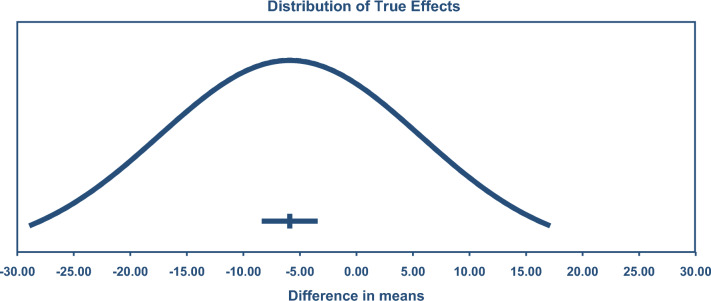
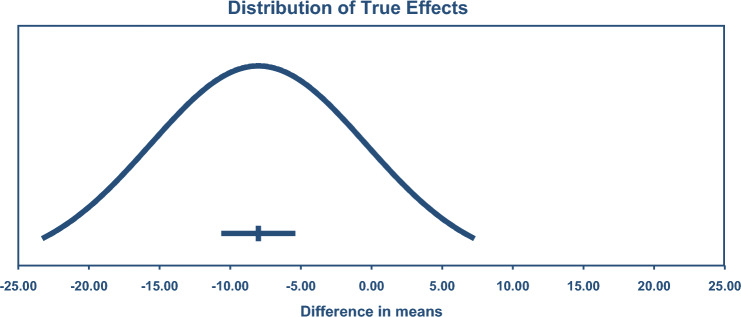
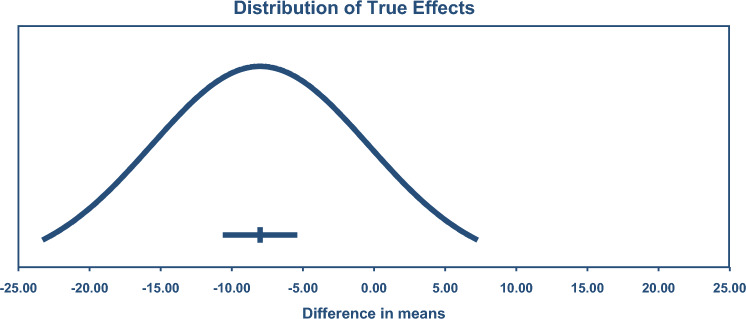
- Prediction intervals indicated only VLDL remained significant; the proportions of studies showing no beneficial effect were 37.1% for TC, 34.2% for HDL, 27.9% for LDL, and 23.5% for triglycerides, while 100% of VLDL studies showed a beneficial effect.
Methods
- Systematic review/meta-analysis with meta-regression and trial sequential analysis; protocol registered with the Open Science Framework. Searched PubMed, Web of Science, and Cochrane Library of Controlled Trials up to 30 September 2023; included RCTs in adult humans of aerobic, resistance, or combined training for at least 3 weeks reporting TC, HDL, LDL, triglycerides, or VLDL; excluded participants with known cardiovascular disease, cancer, spinal cord injury, HIV, and pregnant women.
- Random-effects DerSimonian-Laird inverse-variance meta-analysis using mean differences, 95% CIs, and 95% prediction intervals; TSA with O’Brien-Fleming and Law of Iterated Logarithm methods to control type I/II error and estimate information size; TESTEX quality assessment, ROB 2.0, Egger’s test, leave-one-out analysis, and meta-regression for significant outcomes with more than ten studies.
Limitations
- Stated: the initial protocol did not include TSA; 116 of 148 studies (78%) had TESTEX scores <10; poor-quality studies trended toward larger TC and triglyceride changes; exercise parameters varied and session time/intensity often increased during studies; risk of bias was relatively high; heterogeneity was very high (>75%) for most analyses; only four studies had >100 participants in both exercise and control groups, and TSA ignored smaller studies; medication data were incomplete/skewed (91 of 148 studies provided no medication information), preventing conclusions about concurrent lipid-lowering medication.
- Evident from the text: prediction intervals included the null for TC, HDL, LDL, and triglycerides, and high heterogeneity plus risk of bias limit certainty; visual inspection suggested some publication bias for TC and LDL, though Egger tests were not significant.
Model-written summary. Check it against the paper before relying on it.
Integrity signals
Registry
Cites
Statistics
Figures
Verification
Claims the paper makes
17 Valid · 1 Not valid · 12 Not checked · 101 Own results and interpretations
Every source the paper cites for this claim was checked and supports it.
In the paper
“Dyslipidemia (DS) presents in different forms (see Table 1) and is a primary risk factor for cardiovascular disease (CVD) [1].”
§ The Effect of Exercise Training on Blood Lipids: A Systematic Review and Meta-analysis > Introduction
What the sources say
- Supportedcites [1] Lin HQ, Wu JY, Chen ML, Chen FQ, Liao YJ, Wu YT, et al. Prevalence of dyslipidemia and prediction of 10-year CVD risk among older adults living in southeast coastal regions in China: a cross-sectional study. Clin Interv Aging. 2019;14:1119–29. 31354254 PMC6590841 source
The Introduction identifies dyslipidemia as a CVD-related risk factor and describes its forms as major risk factors for atherosclerosis leading to CVD. This supports the citing sentence’s paraphrase. (LLM, conf=0.93)
plainstates a cause- Asserted: passes — The authors put it forward as true.
- Checkable: passes — It can be checked against evidence.
- Load-bearing: passes — The paper’s conclusions depend on it.
- Based: passes — The paper gives a reason why it holds.
- Supported
The cited sources that could be checked couldn’t confirm or dispute this claim.
In the paper
“Evidence suggests that atherosclerotic plaques are unlikely to further develop if LDL is at or below 70 mg/dL or 1.8 mmol/L [43].”
§ The Effect of Exercise Training on Blood Lipids: A Systematic Review and Meta-analysis > Discussion > Cardiovascular Risk Reduction from Exercise and Lipid-Lowering Medication
What the sources say
- Could not verifycites [43] Silverman MG, Ference BA, Im K, Wiviott SD, Giugliano RP, Grundy SM, et al. Association between lowering LDL-C and cardiovascular risk reduction among different therapeutic interventions: a systematic review and meta-analysis. JAMA. 2016;316(12):1289–97. 27673306 sourceExperimental — accuracy not yet measured
The Results report an association between lower achieved LDL-C and fewer major coronary events, not whether atherosclerotic plaques stop developing. Searches for plaque progression and a 70 mg/dL (1.8 mmol/L) threshold found no passage in our copy establishing the claimed cutoff. (LLM, conf=0.76)
hedgedstates a possible cause- Asserted: passes — The authors put it forward as true.
- Checkable: passes — It can be checked against evidence.
- Load-bearing: unclear — It is unclear whether the paper’s conclusions depend on it.
- Based: passes — The paper gives a reason why it holds.
- Could not verify
The cited sources support only part of this claim — read each source’s verdict below.
In the paper
“Every 38.5 mg/dL or 1 mmol/L reduction in LDL is associated with a reduction in the risk of cardiovascular events by 21–25% [42].”
§ The Effect of Exercise Training on Blood Lipids: A Systematic Review and Meta-analysis > Discussion > Cardiovascular Risk Reduction from Exercise and Lipid-Lowering Medication
What the sources say
- Partly supportedcites [42] Mach F, Baigent C, Catapano AL, Koskinas KC, Casula M, Badimon L, et al. 2019 ESC/EAS Guidelines for the management of dyslipidaemias: lipid modification to reduce cardiovascular risk. Eur Heart J. 2020;41(1):111–88. 31504418 sourceExperimental — accuracy not yet measured
Section 8.1.3.1 reports a 22% reduction in major vascular events per 1 mmol/L reduction in LDL-C, within the claimed range. However, Figure 3 gives a general estimate of 20% for cardiovascular events, and the cited passages do not establish the full 21–25% range. (LLM, conf=0.86)
plainstates an association- Asserted: passes — The authors put it forward as true.
- Checkable: passes — It can be checked against evidence.
- Load-bearing: passes — The paper’s conclusions depend on it.
- Based: passes — The paper gives a reason why it holds.
- Partly supported
The cited sources support only part of this claim — read each source’s verdict below.
In the paper
“Our findings and those of some others contradict this [9, 13].”
§ The Effect of Exercise Training on Blood Lipids: A Systematic Review and Meta-analysis > Discussion > High-Density Lipoprotein Cholesterol (HDL)
What the sources say
- Not checked — no full text of the sourcecites [9] Kodama S, Tanaka S, Saito K, Shu M, Sone Y, Onitake F, et al. Effect of aerobic exercise training on serum levels of high-density lipoprotein cholesterol: a meta-analysis. Arch Intern Med. 2007;167(10):999–1008. 17533202 source
- Partly supportedcites [13] Wang Y, Xu D. Effects of aerobic exercise on lipids and lipoproteins. Lipids Health Dis. 2017;16(1):132. 28679436 PMC5498979 sourceExperimental — accuracy not yet measured
The “Aerobic exercise and HDL-C” section reports that aerobic exercise can increase HDL-C. However, neither that section nor “Related influencing factors of aerobic exercise on lipids” establishes that HDL improves below 900 kcal or 120 minutes per week, so the cited review does not substantiate the claimed contradiction of that threshold. (LLM, conf=0.78)
plain- Asserted: passes — The authors put it forward as true.
- Checkable: passes — It can be checked against evidence.
- Load-bearing: passes — The paper’s conclusions depend on it.
- Based: passes — The paper gives a reason why it holds.
The cited sources support only part of this claim — read each source’s verdict below.
In the paper
“Work has shown that, in people who are overweight, attenuation of exercise training-induced changes in lipids may occur [9], while exercise with diet-induced weight loss has been shown to improve the lipid profile [38].”
§ The Effect of Exercise Training on Blood Lipids: A Systematic Review and Meta-analysis > Discussion > Mechanism by Which Different Types of Exercise Effect Serum Lipid Change
What the sources say
- Partly supportedcites [38] Smart NA, King N, McFarlane JR, Graham PL, Dieberg G. Effect of exercise training on liver function in adults who are overweight or exhibit fatty liver disease: a systematic review and meta-analysis. Br J Sports Med. 2018;52(13):834–43. 27317790 PMC6029644 sourceExperimental — accuracy not yet measured
The Results (Total cholesterol; page unavailable) report reductions in some intervention groups and a significant pooled reduction for exercise-only studies. They do not establish that exercise combined with diet-induced weight loss improves the broader lipid profile; the Discussion also says the effects of diet and exercise are difficult to separate. (LLM, conf=0.80)
plainstates a cause- Asserted: passes — The authors put it forward as true.
- Checkable: passes — It can be checked against evidence.
- Load-bearing: unclear — It is unclear whether the paper’s conclusions depend on it.
- Based: passes — The paper gives a reason why it holds.
- Partly supported
55 more claims
Create a free account to see all 131 claims and to verify the 1 reference still open.
- It may state two separate claims as one. 49
- Probably not a substantial claim. 34
- The quote only partly states this claim. 2
Self-check
Percentages, sums and reported differences re-computed from the paper’s own numbers.
Each contradiction between two passages listed here was confirmed by an independent check.
Rated major: it would touch a result — a value a result rests on, reported and recomputed p-values on opposite sides of the significance level, two passages that conflict with no sign which is right, or a cited work retracted before this paper was published.
In the paper
§ The Effect of Exercise Training on Blood Lipids: A Systematic Review and Meta-analysis > Abstract > Conclusion
“Prediction intervals suggest TC, HDL, LDL and TGD are only improved in one-quarter of studies.”
§ The Effect of Exercise Training on Blood Lipids: A Systematic Review and Meta-analysis > Results > Leave-One-Out Meta-analysis
“ExTr does not appear to exert benefit in 37.1% of TC, 34.2% of HDL, 27.9% of LDL, and 23.5% of TGD studies.”
Rated minor: it would not touch a result — a value no result rests on, a p-value that stays on the same side of the significance level, or a conflict that is clerical, resolved elsewhere in the paper, or outside its own findings.
In the paper
“Each yearly increase in participant age produced a 0.25 mg/dL or 0.27 mmol/L LDL increase”
§ The Effect of Exercise Training on Blood Lipids: A Systematic Review and Meta-analysis > Results > Leave-One-Out Meta-analysis
Reported 0.27 · recomputed 0.006494
Rated minor: it would not touch a result — a value no result rests on, a p-value that stays on the same side of the significance level, or a conflict that is clerical, resolved elsewhere in the paper, or outside its own findings.
In the paper
“for each additional study participant an increase of 0.30 mg/dL or 0.078 mmol/L was observed”
§ The Effect of Exercise Training on Blood Lipids: A Systematic Review and Meta-analysis > Results > Leave-One-Out Meta-analysis
Reported 0.078 · recomputed 0.007792
Rated minor: it would not touch a result — a value no result rests on, a p-value that stays on the same side of the significance level, or a conflict that is clerical, resolved elsewhere in the paper, or outside its own findings.
In the paper
“The mean number of exercise and control participants was 23 and 15, respectively, total 38 per study.”
§ The Effect of Exercise Training on Blood Lipids: A Systematic Review and Meta-analysis > Results > Characteristics of Included Studies
Reported 38 · recomputed 58.601351
Rated minor: it would not touch a result — a value no result rests on, a p-value that stays on the same side of the significance level, or a conflict that is clerical, resolved elsewhere in the paper, or outside its own findings.
In the paper
§ The Effect of Exercise Training on Blood Lipids: A Systematic Review and Meta-analysis > Results > Overall Pooled Analysis of 95% Confidence Intervals and Prediction Intervals
“The true effect size in 95% of all comparable populations falls in the interval – 29.72 to 19.92 mg/dL”
§ The Effect of Exercise Training on Blood Lipids: A Systematic Review and Meta-analysis > Results > Law of Integrated Logarithm (LIL) Analyses
“TC 95% PI – 28.72 to 16.92”
Citations
Cites
Measuring inconsistency in meta-analyses
Higgins, J. P. T., Thompson, S. G., Deeks, J. J., & Altman, D. G. (2003) · BMJ · doi:10.1136/bmj.327.7414.557 · Cited by 63,139
Bias in meta-analysis detected by a simple, graphical test
Egger, M., Smith, G. D., Schneider, M., & Minder, C. (1997) · BMJ · doi:10.1136/bmj.315.7109.629 · Cited by 56,722 · cited 1×
“Publication bias, and also possible small study effects, were evaluated by visual inspection of the funnel plot for all outcomes with Egger's regression test, with 10% statistical significance [29].”
RoB 2: a revised tool for assessing risk of bias in randomised trials
Sterne, J. A. C., Savović, J., Page, M. J., Elbers, R. G., Blencowe, N. S., Boutron, I., Cates, C. J., Cheng, H.-Y., Corbett, M. S., Eldridge, S. M., et al. (2019) · BMJ · doi:10.1136/bmj.l4898 · Cited by 34,787 · cited 1×
“The revised risk of bias (ROB) 2.0 tool for independent and crossover studies was used to assess ROB [28].”
InfluentialWan, X., Wang, W., Liu, J., & Tong, T. (2014) · BMC Medical Research Methodology · doi:10.1186/1471-2288-14-135 · Cited by 11,735 · cited 1×
“Where change in SD was not provided we imputed this using established methods [21].”
Mach, F., Baigent, C., Catapano, A. L., Koskinas, K. C., Casula, M., Badimon, L., Chapman, M. J., De Backer, G. G., Delgado, V., Ference, B. A., et al. (2020) · European Heart Journal · doi:10.1093/eurheartj/ehz455 · Cited by 8,961
Cumpston, M., Li, T., Page, M. J., Chandler, J., Welch, V. A., Higgins, J. P., & Thomas, J. (2019) · Cochrane Database of Systematic Reviews · doi:10.1002/14651858.ed000142 · Cited by 7,218
Grundy, S. M., Stone, N. J., Bailey, A. L., Beam, C., Birtcher, K. K., Blumenthal, R. S., Braun, L. T., de Ferranti, S., Faiella-Tommasino, J., Forman, D. E., et al. (2019) · Circulation · doi:10.1161/cir.0000000000000625 · Cited by 6,185
Mach, F., Baigent, C., Catapano, A. L., Koskinas, K. C., Casula, M., Badimon, L., Chapman, M. J., De Backer, G. G., Delgado, V., Ference, B. A., et al. (2019) · Atherosclerosis · doi:10.1016/j.atherosclerosis.2019.08.014 · Cited by 4,854
Nissen, S. E., Nicholls, S. J., Sipahi, I., Libby, P., Raichlen, J. S., Ballantyne, C. M., Davignon, J., Erbel, R., Fruchart, J. C., Tardif, J.-C., et al. (2006) · JAMA · doi:10.1001/jama.295.13.jpc60002 · Cited by 2,047
Effects of the amount and intensity of exercise on plasma lipoproteins
Kraus, W. E., Houmard, J. A., Duscha, B. D., Knetzger, K. J., Wharton, M. B., McCartney, J. S., Bales, C. W., Henes, S., Samsa, G. P., Otvos, J. D., et al. (2002) · New England Journal of Medicine · doi:10.1056/nejmoa020194 · Cited by 1,554 · cited 3×
“Previous work has shown CT [15] with the aerobic component conducted at vigorous [9] or high intensity [5] to be optimal.”
Research works printed but not linked: 3
- Durstine JL, Grandjean PW, Davis PG, Ferguson MA, Alderson NL, DuBose KD. Blood lipid and lipoprotein adaptations to exercise: a quantitative analysis. Sports medicine (Auckland, NZ. 2001;31(15):1033–62. 11735685 · DOI · Paper page
- Borenstein M. Meta-Analysis Prediction Intervals 2023 [cited 2023 Nov 27]. https://www.meta-analysis-workshops.com/pages/predictionintervals.php. Accessed 1 Aug 2024.
- WHO Guidelines on Physical Activity and Sedentary Behaviour. WHO Guidelines Approved by the Guidelines Review Committee. Geneva; 2020.
Cited by
2026 ACC/AHA/AACVPR/ABC/ACPM/ADA/AGS/APhA/ASPC/NLA/PCNA Guideline on the Management of Dyslipidemia
Blumenthal, R. S., Morris, P. B., Gaudino, M., Johnson, H. M., Anderson, T. S., Bittner, V. A., Blankstein, R., Brewer, L. C., Cho, L., de Ferranti, S. D., et al. (2026) · JACC · doi:10.1016/j.jacc.2025.11.016 · Cited by 304
Writing Committee Members, Blumenthal, R. S., Morris, P. B., Gaudino, M., Johnson, H. M., Anderson, T. S., Bittner, V. A., Blankstein, R., Brewer, L. C., Cho, L., et al. (2026) · Circulation · doi:10.1161/cir.0000000000001423 · Cited by 122
Al-Mhanna, S. B., Franklin, B. A., Jakicic, J. M., Stamatakis, E., Pescatello, L. S., Riebe, D. A., Thompson, W. R., Skinner, J. S., Colberg, S. R., Alkhamees, N. H., et al. (2025) · British Journal of Sports Medicine · doi:10.1136/bjsports-2024-108947 · Cited by 88
“24 25 87 It has been demonstrated that resistance training is at least as effective as aerobic training in promoting beneficial changes in the blood lipid profile.”
Epidemiology and Cardiovascular Benefits of Physical Activity and Exercise
Mi, M., Perry, A., Krishnan, V., & Nayor, M. G. (2025) · Circulation Research · doi:10.1161/circresaha.125.325526 · Cited by 71
Al-Mhanna, S. B., Franklin, B. A., Tarnopolsky, M. A., Hawley, J. A., Jakicic, J. M., Stamatakis, E., Little, J. P., Pescatello, L. S., Riebe, D. A., Thompson, W. R., et al. (2025) · Diabetology & Metabolic Syndrome · doi:10.1186/s13098-025-01974-4 · Cited by 36
Guo, L., & Wang, C. (2025) · Frontiers in Public Health · doi:10.3389/fpubh.2025.1470947 · Cited by 26
Chitosan-Based Nanoparticles Targeted Delivery System: In Treatment Approach for Dyslipidemia
Herdiana, Y., Levita, J., & Jiranusornkul, S. (2025) · International Journal of Nanomedicine · doi:10.2147/ijn.s517492 · Cited by 17
“68,69 Research demonstrates that consistent physical activity can significantly reduce triglyceride concentration, lower total cholesterol, decrease low-density lipoprotein (LDL) cholesterol, and increase HDL cholesterol levels.”
Fodor, L., Belčić, V., Korbar, A. O., Ćurković, S., Vujičić, B., Gulin, T., Muslim, J., Gulin, M., Grgurević, M., & Ćuti, E. Ć. (2024) · Journal of Clinical Medicine · doi:10.3390/jcm13247717 · Cited by 12
Hei, Y., & Xie, Y. (2025) · BMC Cardiovascular Disorders · doi:10.1186/s12872-025-04666-z · Cited by 17
“A meta-analysis of 148 randomized controlled trials found that exercise significantly improves TC, TG, HDL, and LDL levels [46].”
Cominacini, M., Braggio, M., Dorelli, G., Olivato, N., Lamberti, V., Valenti, M. T., & Carbonare, L. D. (2025) · Nutrients · doi:10.3390/nu17050872 · Cited by 11
“A recent meta-analysis reported a − 7.22 mg/dL LDL reduction with exercise training [13], though it excluded patients with CV diseases and found moderate-to-high heterogeneity among studies.”
InfluentialRole of immunity and inflammation in sarcopenic obesity
Ma, Y. F., Li, X., Lin, X., Zhang, K., & Leng, J. (2025) · The Journal of Nutritional Biochemistry · doi:10.1016/j.jnutbio.2025.110077 · Cited by 8
Banach, M., Toth, P. P., Ahn, H., Bielecka-Dabrowa, A. M., Cicero, A. F. G., Covic, A. C., Dalakoti, M., Escobar, C., Fogacci, F., Gaiță, D. I., et al. (2025) · Progress in Cardiovascular Diseases · doi:10.1016/j.pcad.2025.11.003 · Cited by 14
2026 ESC Guidelines on cardiac rehabilitation
Bäck, M., Wilhelm, M., Marcin, T., Machado, F. V. C., Sandberg, A., Buccheri, S., Conde, A. C., Czapla, M., Rosa, S. D., Gibson, I., et al. (2026) · European Heart Journal · doi:10.1093/eurheartj/ehag099 · Cited by 44
Smart, N. A., Wood, G., Pearson, M. J., Dieberg, G., van der Touw, T., & Kostner, K. (2025) · Journal of science and medicine in sport · doi:10.1016/j.jsams.2025.11.004 · Cited by 8
Self-citationChen, C., Yu, C., & Li, S. (2025) · iScience · doi:10.1016/j.isci.2025.114361 · Cited by 7
The Significant Role of Physical Activity and Exercise in Health and Metabolic Diseases
Dimitriadis, G., Chryssanthopοulos, C., Philippou, Α., & Koutsilieris, M. (2025) · Physiologia · doi:10.3390/physiologia5040057 · Cited by 12
“These authors [128] emphasize that the energy expenditure for each type of exercise in T2D is a key factor in altering not only lipid levels but also insulin sensitivity and glycemic control.”
InfluentialKalanin, P. M., & Uher, I. (2026) · Healthcare · doi:10.3390/healthcare14111522 · Cited by 4
“A robust body of evidence shows that regular PA is associated with more favorable lipid profiles, including lower LDL cholesterol concentrations, as well as better functional capacity and physical performance [6–8].”
Nakayama, A., Iwata, T., Sakuma, H., Kashino, K., & Tomoike, H. (2024) · Journal of Clinical Medicine · doi:10.3390/jcm14010021 · Cited by 4
“HDL cholesterol is often reported to increase with aerobic exercise [33,34], suggest‑ ing that a lower resting HR may result in higher HDL cholesterol [35].”
Effect of Exercise Training on Apolipoproteins: Meta-analysis and Trial Sequence Analysis
Downes, D., Goodman, S. P. J., der Touw, T. V., Ahmed, K., Neto, M. G., Wolden, M., & Smart, N. A. (2025) · International Journal of Sports Medicine · doi:10.1055/a-2580-0722 · Cited by 4
Self-citation(2025) · The Nurse Practitioner · doi:10.1097/01.npr.0000000000000315 · Cited by 3
Miras‐Moreno, S., Torres‐Martos, Á., Ruiz, J. R., Carter, J. L., de Carvalho, C. A., Aguilera, C. M., Piernas, C., & Martínez‐Téllez, B. (2026) · Circulation Genomic and Precision Medicine · doi:10.1161/circgen.125.005736 · Cited by 3
Zhou, P., Hu, Z., Kim, T.-S., Kim, Y., Leng, Z., & Choi, M. (2025) · Life · doi:10.3390/life15091401 · Cited by 6
“These findings are in line with prior meta-analyses indicating that moderate-intensity aerobic exercise, when undertaken without concurrent dietary intervention or substantial changes in body composition, exerts limited influence on LDL-C concentrations [44].”
Kalanin, P. M. (2026) · Journal of Functional Morphology and Kinesiology · doi:10.3390/jfmk11030254 · Cited by 2
“A substantial body of evidence demonstrates that higher PA levels are associated with more favorable lipid profiles, lower cardiovascular risk, and better functional performance across diverse populations [3–5].”
Sonchan, W., Sonchan, S., Noppakal, P., & Longrak, R. (2025) · Pedagogy of Physical Culture and Sports · doi:10.15561/26649837.2025.0103 · Cited by 4
“While aerobic exercise is generally associated with improved lipid metabolism [31], our results demonstrated no significant differences post-intervention.”
Knoblauch, K. K. B., Losnack, L. F., Zacarias, G. C., Satyro, G. G., Villar, R., & Zago, A. S. (2025) · Healthcare · doi:10.3390/healthcare13060667 · Cited by 2
“Participants with a better TS (Table 1) exhibited more favorable biochemical profiles, including lower LDL cholesterol and triglycerides, higher HDL cholesterol levels, and lower systolic blood pressure values, reinforcing the role of exercise in promoting metabolic health [41].”
Ko, J.-M., & Park, S. (2024) · Physical Activity and Nutrition · doi:10.20463/pan.2024.0031 · Cited by 1
Alyafei, A. A., Hussein, A. M., Amdouni, S., Abdulla, S. T. A., Alkiswani, S. M., & Rbabah, H. O. M. (2025) · Cureus · doi:10.7759/cureus.83580 · Cited by 3
“However, while aerobic exercise demonstrates improvements in HDL and TGs, its effect on total cholesterol is less substantial, as noted in some reviews, necessitating additional interventions for broader lipid management, as concluded by Smart et al. [8].”
Luque, E. M., Carlini, V. P., Guantay, P., Machuca, D. A., Torres, P., Ramírez, N. D., Cantarelli, V. I., Ponzio, M., Castrogiovanni, D. C., Perelló, M., et al. (2025) · Molecular and Cellular Endocrinology · doi:10.1016/j.mce.2025.112608 · Cited by 1
Al-Duhoun, A. H., Atout, M. M. W., Alsaleh, E., Hjazeen, A. A., & El‐Banna, M. M. (2025) · Healthcare · doi:10.3390/healthcare13162034 · Cited by 1
“It is highly recommended that patients diagnosed with hyperlipidemia incorporate some form of moderate-intensity physical activity into their daily routine as part of their overall treatment plan [4].”
Nagy, E. N., Mostafa, M. S., Elsheimy, H. A., Mogahed, H. G. H., & Elsayed, M. M. (2025) · Journal of Evidence-Based Integrative Medicine · doi:10.1177/2515690x251372718 · Cited by 1
“32 These fi ndings contrast with previous research by Sawyer et al ,33 Smith-Ryan et al ,34 and Batacan et al 35 that found no signi fi cant changes in lipid pro fi les following HIIT in obese people.”
Physical activity: a safe step toward better quality of life in narcolepsy
Tuka, V., & Šonka, K. (2025) · SLEEP · doi:10.1093/sleep/zsaf293 · Cited by 2
“From the cardiometabolic perspective, it is essential to note that exercise alone is not so powerful in influencing the lipid spectrum,except for triglycerides,with a modest clinical outcome [10].”
Niu, Y., Radzimiński, Ł., Qian, G., Szwarc, A., & Ossowski, Z. M. (2025) · Scientific Reports · doi:10.1038/s41598-025-25909-1 · Cited by 2
“Exercise training produces beneficial changes in lipid profiles, with CT yielding the most favorable effects 65 .”
Cardiac Metabolomic Alterations in Diabetes: Interplay with Lipoprotein Lipase—A Systematic Review
Gu, J., Han, X., Chen, X., Lü, A., & Cheung, K. C.-P. (2025) · International Journal of Molecular Sciences · doi:10.3390/ijms262311501 · Cited by 1
“Interestingly, overexpression of VEGF-B growth factor is known to regulate LPL activity-enhanced LPL activity in cardiac tissue and improve insulin sensitivity, suggesting that LPL may act as a mediator of the beneficial effects of VEGF-B on the heart [28].”
InfluentialYusni, Y., Yusuf, H., Murzalina, C., & Mahmudati, N. (2026) · International Journal of Food Science · doi:10.1155/ijfo/8436448 · Cited by 2
Anagnostou, A., Larumbe‐Zabala, E., Fiore, J., Roberts, J., & Naclerio, F. (2026) · European Journal of Nutrition · doi:10.1007/s00394-025-03862-z · Cited by 4
“For instance, regular physical activity is effective in managing dyslipidaemia and may serve as a primary prevention strategy, potentially reducing the need for pharmacological intervention [20].”
Intensity-dependent lipidomic dynamic regulation following acute swimming exercise
Qian, J., Wu, B., Ren, Z., Tang, C., Fan, Z., Zhang, Y., & Shi, L. (2026) · Scientific Reports · doi:10.1038/s41598-026-39013-5 · Cited by 2
Luo, W., Wang, Y., He, S., Zhao, S., Zhou, Y., & Ai, L. (2026) · Frontiers in Immunology · doi:10.3389/fimmu.2026.1757925 · Cited by 1
“…to limited clinical intervention ef fi cacy, research on exercise interventions and their underlying mechanisms has become a frontier topic of mutual interest in both sports ’ science and healthcare, holding signi fi cant importance for early prevention and management of metabolic diseases (32 – 34).”
Kounoue, N., Ochiai, S., Yazawa, M., Sofue, T., Fujii, N., Saitoh, M., Narita, I., Yamagata, K., Hoshino, J., & Oguchi, H. (2026) · Clinical and Experimental Nephrology · doi:10.1007/s10157-026-02836-7 · Cited by 1
Maćków, M., Sek, G., Godyla-Jabłoński, M., Raczkowska, E., Zawadzki, M., & Neubauer, K. (2026) · Journal of Clinical Medicine · doi:10.3390/jcm15082942 · Cited by 2
Zhou, T., Su, S., Yuan, C., Jiang, D., Qiu, Y., Xiao, J., Lu, X., Gu, D., & Liu, F. (2026) · Medicine Plus · doi:10.1016/j.medp.2026.100137 · Cited by 2
Peng, Z., Peng, L., Sun, W., Liu, X., Zhou, M., Chen, M., Ren, J., Chen, A., & Guo, C. (2026) · Frontiers in Physiology · doi:10.3389/fphys.2026.1805547 · Cited by 3
“Overall, improvements in HDL-C appear to depend on long-term accumulation (Smart et al., 2025), and Exercise Snacks alone may therefore be insuf fi cient to produce signi fi cant effects on this outcome.”
Katsumata, T., Shimizu, K., Suzuki, N., Miura, T., Miyagi, M., Miura, H., Xinze, W., Park, U., Yamamoto, K., & Ebihara, S. (2026) · Frontiers in Physiology · doi:10.3389/fphys.2026.1769921 · Cited by 1
Kalanin, P. M. (2026) · Life · doi:10.3390/life16071107 · Cited by 1
“The present findings are broadly consistent with existing evidence demonstrating associations between PA and lipid profiles across BMI categories [1,3,17,18].”
de Roos, B. M., Monpellier, V. M., Hansen, D., Eijsvogels, T. M. H., Thijssen, D. H. J., & Karregat, J. H. M. (2026) · Netherlands Heart Journal · doi:10.1007/s12471-026-02076-0 · Cited by 1
Thanh, H. L., Thị, P. N., & Tuấn, A. L. (2025) · Tạp chí Y học Việt Nam · doi:10.51298/vmj.v549i1.13578
Diabetologists’ Knowledge and Prescription of Physical Activity in Southeast Europe
Martinac, K., Ljubić, S., Rahelić, D., Matić, T., Perković, T., & Sović, S. (2025) · Medicina · doi:10.3390/medicina61071244
“…only does it significantly influence the development of chronic complications of diabetes [14–16], but it also exerts a beneficial effect on other components of the metabolic syndrome, such as blood pressure, lipid profile and body weight, and significantly reduces cardiovascular risk [11,17–21].”
Kumari, A., Kumari, R., Khalid, M., et al. (2025) · International Journal of Cardiology Cardiovascular Risk and Prevention · doi:10.1016/j.ijcrp.2025.200520
Paris, H. L. R., Ganey, A. E., Goll, A. F., Kroeze, A. W., Thomas, T. M., Webster, F. E., & Pennell, A. (2025) · Journal of Applied Physiology · doi:10.1152/japplphysiol.00844.2025
Sousa, J. C. E., Roriz, A. K. C., Ramos, L. B., Lôbo, G. B. D. S., & Nóbrega, A. C. (2025) · Revista Brasileira de Geriatria e Gerontologia · doi:10.1590/1981-22562025028.250092.pt
Sousa, J. C. E., Roriz, A. K. C., Ramos, L. B., Lôbo, G. B. D. S., & Nóbrega, A. C. (2025) · Revista Brasileira de Geriatria e Gerontologia · doi:10.1590/1981-22562025028.250092.en
Siebers, M., Bizjak, D. A., & Grau, M. (2025) · Advances in clinical chemistry · doi:10.1016/bs.acc.2025.11.003
Dewi, S., Hardiany, N. S., Yustisia, I., & Purnomo, E. (2026) · Journal of Multidisciplinary Applied Natural Science · doi:10.47352/jmans.2774-3047.343
Sarmiento-Andrade, Y., Ordóñez, M. A. O., Sisalima, J. P., Suárez, R., Cabrera, R. S. A., Bautista-Valarezo, E., & Badanta, B. (2026) · Journal of Clinical Medicine · doi:10.3390/jcm15020628 · Cited by 1
“Work-place programs with medical guidance, regular contact, and motivational support also significantly improve CVR markers [8,40].”
Hernández-Valencia, S. E., Altamirano, L. M., León-Ballesteros, S., Salas-Romero, R., Andrea, P.-P., Alejandro, C.-M. S., Jonatan, M.-G., Varela, J. P., & Valadez, E. A. R. (2026) · medRxiv · doi:10.64898/2026.01.13.26343358
Soto, D. A. S., Pérez, D. I. V., Almeida, N., Miarka, B., Oyarzo, A. I. A., Marins, J. C. B., Sillero‐Quintana, M., Queiroz, A. C. C., & Brito, C. J. (2026) · Journal of Thermal Biology · doi:10.1016/j.jtherbio.2026.104392
Poteryaeva, O. N., & Усынин, И. Ф. (2025) · Human Physiology · doi:10.1134/s036211972570077x
“Aerobic exercises lasting more than 30 min lead to a statistically significant increase in HDL cholesterol compared to shorter sessions [19].”
Guadagni, A. J., Paton, C. M., & Cooper, J. A. (2026) · Journal of Nutrition · doi:10.1016/j.tjnut.2026.101396
“Exercise interventions typically lower LDL cholesterol by ~7.2 mg/dL and TC by ~5.9 mg/dL [45], whereas bile acid sequestrants typically reduce LDL cholesterol by ~22.7 mg/dL and TC by ~19. mg/dL [46], placing the pecan-induced changes in a range similar to lifestyle interventions and somewhat less…”
InfluentialKim, T. G., & Kang, H. J. (2026) · The Asian Journal of Kinesiology · doi:10.15758/ajk.2026.28.1.73
de Lima, M. P., Miyabara, R. A., Khalaf, L. F., Bagady, S. S., Raddawi, S. F., Júnior, J. A. S., Baltatu, O. C., & Campos, L. A. (2026) · Frontiers in Aging · doi:10.3389/fragi.2026.1728121
Zhou, S., Li, J., Wang, T., Zheng, H., Weng, X., Yin, M., Yuan, L., & Yang, Y. (2026) · doi:10.2196/preprints.93610
Zhou, S., & Zhang, Z. (2026) · Frontiers in Sports and Active Living · doi:10.3389/fspor.2026.1736747
“Furthermore, a recent systematic review and meta-analysis focusing on exercise training for cardiovascular health demonstrated the metabolic benefits of exercise interventions in detail (15).”
Zhang, Y., Xu, C., & Zuo, Q. (2026) · Science & Sports · doi:10.1016/j.scispo.2026.01.006
Jiao, M., Yan, H., Zhang, B., Zhao, X., Li, J., & Harun, M. T. (2026) · Frontiers in Nutrition · doi:10.3389/fnut.2026.1772836 · Cited by 1
“Mechanistically, improvements in atherosclerosis-related lipids with EX + IF may reflect both negative energy balance and fasting-induced metabolic switching: fasting lowers insulin and increases glucagon and catecholamines, shifting substrate use from glucose oxidation toward fatty-acid oxidation and ketogenesis, the…”
InfluentialSalazar-Monge, H., Valdez-Velázquez, L. L., Gaitán-Hinojosa, M. A., Apango-Figueroa, E., Barajas-Saucedo, C. E., Flores-Moreno, P. J., & Vázquez-Vuelvas, O. F. (2026) · The Journal of Sports Medicine and Physical Fitness · doi:10.23736/s0022-4707.26.17553-7
Yoo, H., Yim, Y., Kim, J. H., et al. (2026) · Medicine · doi:10.1097/md.0000000000048127
“[22,23] This sub-group focus enables more targeted insights into inequities in preventive cardiovascular care.”
Uyar, H., Vardar‐Yağlı, N., Sağlam, M., Çalık, E., Uyaroğlu, O. A., Özdede, M., & Tanrıöver, M. D. (2026) · Medicine · doi:10.1097/md.0000000000048311
“[43] Although improvements in glucose metabolism were statistically significant, lipid parameters did not demonstrate consistent between-group differences.”
Aizava, P. V. S., Painelli, V. D. S., Silva, L. D. P., Orlandi, E. B., Pavanello, A., Cosialls, A. M. H., Barbão, K. E. G., Valdés-Badilla, P. A., & Branco, B. H. M. (2026) · BMC Women s Health · doi:10.1186/s12905-026-04465-4
“A recent large meta-analysis demonstrated that RT in isolation generally produces smaller and less consistent reductions in LDL-c than combined or aerobic modalities [33].”
Coronary Artery Disease in Masters Athletes: A Systematic Review
Gill, S., Singh, K., Malliaropoulos, N., & Kouidi, E. (2026) · Sports Medicine · doi:10.1007/s40279-026-02429-0 · Cited by 2
“Exercise modality itself may also play a role, with combined aerobic and resistance training shown to be more effective than endurance training alone in optimising lipid parameters [82].”
You, Z., Li, Q., Pu, Y., Hou, H., He, S., Yu, Z., Xue, C., Li, Y., & Wen, C. (2026) · Frontiers in Nutrition · doi:10.3389/fnut.2026.1788894 · Cited by 2
Mingyang, W., Dongkai, L., Yiqi, S., Kong, H., & Fang, W. (2026) · Frontiers in Psychology · doi:10.3389/fpsyg.2026.1852169
Shen, X., Wang, S., Ge, R., & Wei, M. (2026) · Frontiers in Physiology · doi:10.3389/fphys.2026.1842740
Phee, A. A. T., Foo, R., Guivarch, C., Liu, P., Gneezy, R., Shanmugan, S., Zhang, C., Shen, J., Wong, W. C. W., Cheung, K. W., et al. (2026) · Diabetes Care · doi:10.2337/dc26-0057 · Cited by 2
Dantsi, F., Kypraiou, A., Kouvelas, N., Manou, V., Milosis, D. C., Loupos, D., & Petridou, A. (2026) · Sports · doi:10.3390/sports14060246
“The increase in total cholesterol following training cessation is physiologically plausible, as regular aerobic and combined exercise reduces total cholesterol, according to a recent systematic review and meta-analysis [36].”
Ілащук, Т. О., Mykytiuk, O. P., Okipniak, I., & Бобкович, К. О. (2026) · Актуальні проблеми сучасної медицини Вісник Української медичної стоматологічної академії · doi:10.31718/2077-1096.26.2.371
Exercise as a Method to Manage Blood Lipoproteins
Sorace, P., Berry, R., LaFontaine, T., & Batrakoulis, A. (2026) · ACSMʼs Health & Fitness Journal · doi:10.1249/fit.0000000000001169
Lv, P., Feng, S., & Xing, S. (2026) · PeerJ · doi:10.7717/peerj.21418
Coronary Artery Disease in Male Athletes—Is Sport Healthy in the Long Run?
Kampka, Z., & Wybraniec, M. T. (2026) · Journal of Clinical Medicine · doi:10.3390/jcm15145329
“Why resistance training significantly affects only the HDL level is still a subject of research [32].”
Mannozzi, J. T., Ravn, M., Bhat, S. Y., & Bryson, T. D. (2026) · Cells · doi:10.3390/cells15141254
“The type of exercise is important, as a meta-analysis by Smart et al. [18] recently showed that when the types of exercise were set as covariates in the analysis, aerobic training significantly reduced total cholesterol, LDL, triglycerides, and very-low-density lipoprotein (VLDL) cholesterol.”
Wang, T., Zhang, Y., Zhang, L., Hongjuan, L., Zhao, C., Li, J. N., & Meng, F. (2026) · Maturitas · doi:10.1016/j.maturitas.2026.109054
Li, Y. W., Ma, G., Xu, J., Wu, Y., Li, Q. C., Cao, X., Zhao, Z., Gao, J., Gao, L., Yan, L., et al. (2026) · Environmental Pollution · doi:10.1016/j.envpol.2026.128782
Kalanin, P. M. (2026) · Sports · doi:10.3390/sports14070307
“Considerable evidence links greater habitual PA with more favorable lipid profiles, lower cardiovascular risk, and better functional capacity [3–5]; routine PA assessment in primary care may therefore give clinicians practical insight into both cardiometabolic and functional status across varied…”
Sadykov, B., Ibrayeva, A., Ismoldayev, Y., Едигеевич, Ш. М., Saliev, T. M., Sadykova, A., Tanabayeva, S., & Fakhradiyev, I. R. (2026) · International Journal of Environmental Research and Public Health · doi:10.3390/ijerph23070934
“This may reflect the fact that these indicators are influenced by a broad clinical and behavioral context, including adiposity, diet, physical activity, treatment, and comorbid conditions [29,30].”
HDL Functionality, CETP Inhibitors, and Exercise Training: Where are We?
Braga, P. G. S., & Braga, P. G. S. (2026) · Arquivos Brasileiros de Cardiologia · doi:10.36660/abc.20260145i
“11,12 Although quantitatively limited compared with pharmacological approaches, this increase is strongly influenced by exercise dose, intensity, and duration, with higher volumes and vigorous-intensity aerobic exercise yielding more pronounced effects, including reduced body weight and…”
Lan, C., Lei, B., Li, J., Huang, W., Yang, K., & Gou, B. (2026) · Metabolites · doi:10.3390/metabo16070514
Funcionalidade da HDL, Inibidores de CETP e Treinamento Físico: Onde Estamos?
Braga, P. G. S., & Braga, P. G. S. (2026) · Arquivos Brasileiros de Cardiologia · doi:10.36660/abc.20260145
Zhou, S., Li, J., Weng, X., Zheng, H., Weng, X., Yin, M., Yuan, L., & Yang, Y. (2026) · JMIR Serious Games · doi:10.2196/93610
“Evidence from pediatric exercise studies also suggests that lipid improvements are more likely when exercise provides sufficient duration, frequency, and aerobic stimulus, rather than when physical activity exposure is brief or weakly structured [65].”
Exercise triggers integrated lipid, sphingolipid and purine metabolic alterations in midlife women
Almuraikhy, S., Sellami, M., Naja, K., Anwardeen, N. R., Al‐Sulaiti, H., Elhag, H. E. E. A., & Elrayess, M. A. (2026) · Frontiers in Physiology · doi:10.3389/fphys.2026.1871948
“…of dynamic remodelling of cholesteryl-ester fatty-acid composition rather than as clearly bene fi cial or harmful in this relatively healthy, exercising cohort, especially in the absence of complementary data on 20:4-containing CE and desaturase ratios (Madan and Sawhney, 2024; Smart et al., 2025).”
Lin, P., Xu, G., & Li, X. (2026) · Frontiers in Physiology · doi:10.3389/fphys.2026.1833719
“Diet, weight change, lipid-lowering medication, fasting status, and laboratory methods may in fl uence HDL-C estimates and may differ by age (Smart et al., 2025).”
Aomori, M., & Maeda, H. (2026) · HIV Medicine · doi:10.1111/hiv.70298
Chong, P. L., Yong, A. M. L., Musa, S., Mulok, M. A., Salleh, N. M., Azmi, I., Tey, J., Lee, Y., Jaafar, W., & Yung, C. K. (2026) · doi:10.2196/preprints.108620
2026 ESC Guidelines on cardiac rehabilitation
Bäck, M., Wilhelm, M., Marcin, T., Machado, F. V. C., Sandberg, A., Buccheri, S., Conde, A. C., Czapla, M., Rosa, S. D., Gibson, I., et al. (2026) · European Journal of Preventive Cardiology · doi:10.1093/eurjpc/zwag417 · Cited by 4
Costa, J. G., Mariano, I. M., Cunha, A. C. R., Silva, J. C., Gonçalves, L. F., Rodrigues, M. D. L., Tavares, J. B., Carrijo, V. H. V., Amaral, A. L., & Puga, G. M. (2026) · International Journal of Environmental Research and Public Health · doi:10.3390/ijerph23091120
Hajian, M., Rajabi, S., Razavianzadeh, N., & Ziaolhagh, S. J. (2026) · Jundishapur Journal of Natural Pharmaceutical Products · doi:10.5812/jjnpp-170890
Bagheri, R., Ghobadi, H., Kargarfard, M., & Suzuki, K. (2026) · European Journal of Nutrition · doi:10.1007/s00394-026-04096-3
Zeng, J., Wang, H., & Shi, F. (2026) · Metabolites · doi:10.3390/metabo16090683
“Smart et al. found significant triglyceride reductions after aerobic and combined training but not resistance training [8], closely matching our AE, CE, and RT pattern.”
InfluentialHormati, A. H., Nasab, N. Y., Asadi, A., & Harran, O. H. (2026) · Asian Journal of Sports Medicine · doi:10.5812/asjsm-165137
Garay, A. H., Inerarity, A. V., Rodríguez, R. L. P., Doncel, M. P. M., Quiroga, L., Molina, E. J. S., Vásquez, M. G., Sanchez, J., & Martinez, J. (2026) · World Journal of Public Health · doi:10.11648/j.wjph.20261103.24
Exercise, Atherosclerosis, and Cardiovascular Outcomes: Evidence and Challenges
Dehesh, M., Hosseini, R., Ali, R., Kaur, J., & Villines, T. C. (2026) · Journal of Cardiovascular Development and Disease · doi:10.3390/jcdd13100479
Rotundu, A., Roca, M., Maștaleru, A., Oancea, A., Popescu, G., Costache, A. D., Chirica, C., Stamate, T.-C., Grosu, C., Mitu, F., et al. (2026) · Life · doi:10.3390/life16101611
Yilihemujiang, Y., Wang, C., Hou, L., & Hu, F. (2026) · Childhood Obesity · doi:10.1177/21532176261492106
Metadata
- Authors
- Smart, N. A., Downes, D., van der Touw, T., Hada, S., Dieberg, G., Pearson, M. J., Wolden, M., King, N., & Goodman, S. P. J.
- Affiliations
- University of New England (AU)
- Kathmandu University (NP)
- University of Plymouth (GB)
- Corresponding author
- Smart, Neil A.
- ORCID
- Venue
- Sports Medicine
- Published
- 2024-09-27
- Volume
- 55
- Issue
- 1
- Pages
- 67-78
- ISSN
- 0112-1642 (ISSN-L)
- 1179-2035
- PMC
- PMC11787149
- OpenAlex
- W4402925921
- Cited by
- 126
- References
- 45
- Citations by year
- 2026: 89 · 2025: 34 · 2024: 3
- FWCI
- 6.33
- Type
- journal article
- Language
- en
- Open access
- hybrid
- doi.org
- Licence
- cc-by
- creativecommons.org/licenses/by/4.0 (tdm)
- creativecommons.org/licenses/by/4.0 (vor)
- Locations
- Sports Medicine (publishedVersion, cc-by)
- PubMed Central (publishedVersion, cc-by)
- PubMed (publishedVersion)
- RUNE (Research UNE) (submittedVersion, cc-by)
- PEARL (University of Plymouth) (submittedVersion, cc-by)
- Funders
- University of New England
- Topics
- Health Sciences › Medicine › Physiology (medical) › Cardiovascular and exercise physiology
- Health Sciences › Medicine › Public Health, Environmental and Occupational Health › Physical Activity and Health
- Health Sciences › Medicine › Cardiology and Cardiovascular Medicine › Lipoproteins and Cardiovascular Health
- Keywords
- exercise training, serum lipids, dyslipidemia, aerobic exercise, resistance training, concurrent training, total cholesterol, HDL cholesterol, LDL cholesterol, triglycerides, VLDL cholesterol, cardiovascular risk, effect size
- MeSH terms
- Humans, Lipids, Cholesterol, HDL, Triglycerides, Biomarkers, Exercise, Randomized Controlled Trials as Topic, Dyslipidemias, Resistance Training
About these checks
Registry, retraction, Cites and statistics results are computed, not judged, with one exception: a printed reference that no index lists is read once by a model before it counts as a citation error. Claims are extracted by a model and kept only when their quote appears verbatim in the text; each cited source is then checked, with a model’s help, for whether it says what the claim relies on. Those verdicts can be wrong — read the claim’s quote and the cited source before relying on one.
The claim verdicts this report counts are experimental: their accuracy is not yet measured.
A language model drew the claims from the paper on 2026-10-10, under version 3 of the claim definition (model deepseek-v4.1-flash, prompt extract-v3).
A second model labelled each claim on 2026-10-10 (model jev-1.13-20260917, definition revision gold-guideline-v0.2).
Cited sources are checked with a language model’s help (gpt-6-sol).
Statistics and arithmetic are recomputed, not judged.
Confidence bands are shown only for fields calibrated on our annotated test set. None is calibrated yet, so no band is shown.
What counts as a claim ›How we measure confidence ›How we check this ›
Are you an author, or do you see a problem with this page? Request a review
Data sources
Bibliographic data: Semantic Scholar, OpenAlex, Crossref.
Contains information from the Semantic Scholar Academic Graph Datasets, made available under the ODC Attribution License (ODC-BY 1.0).
Semantic Scholar’s data is described in: Kinney, R., et al. (2023). The Semantic Scholar Open Data Platform. arXiv:2301.10140.
