

The Effect of Exercise Training on Blood Lipids: A Systematic Review and Meta-analysis
Open accessThe DOI matches its Crossref record; 41 of the 45 references it cites were found in a registry or an index; 21 of the 40 sources its claims cite were checked for support.
Abstract
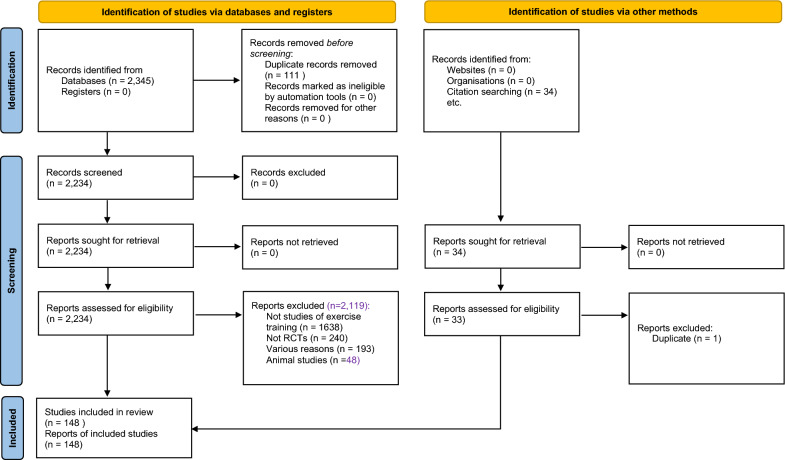
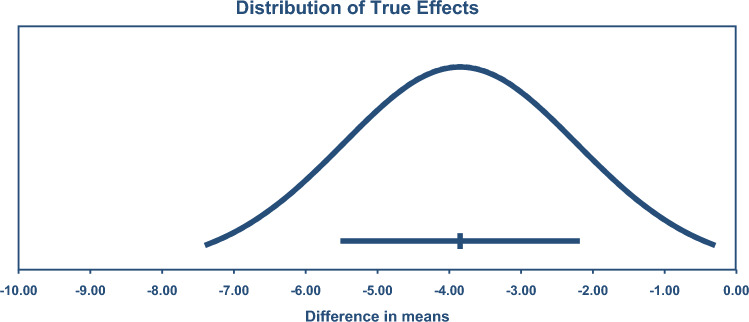
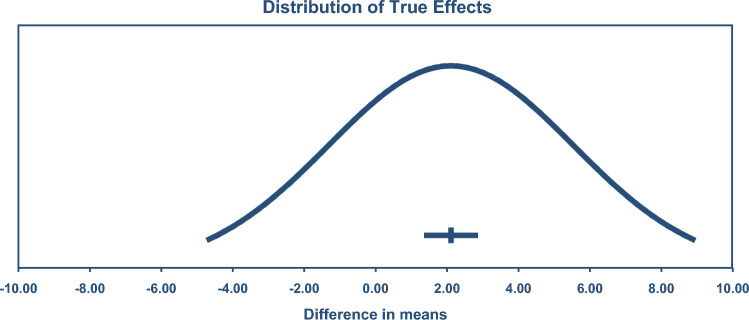
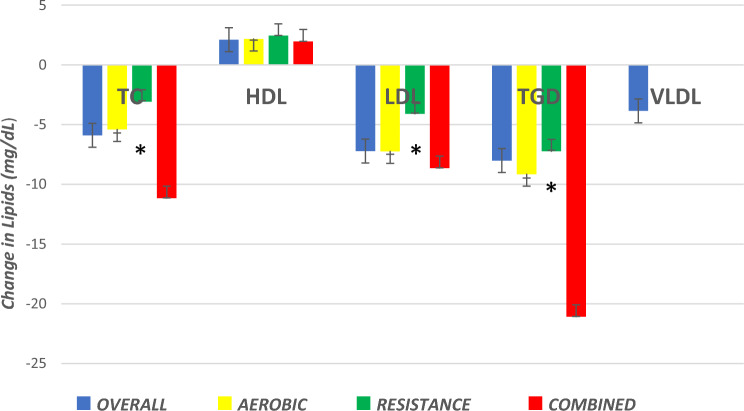
BACKGROUND: Dyslipidemia is a primary risk factor for cardiovascular disease (CVD). Exercise training (EXTr) improves some lipid markers but not others; the literature is dated and analyses may be underpowered. OBJECTIVES: To clarify which lipid markers are altered with ExTr and establish if information size had yet reached futility. METHODS: We conducted a systematic review/meta-analysis, with meta-regression, to establish expected effect size in lipid profile with aerobic (AT), resistance (RT) and combined (CT = AT + RT) ExTr. We conducted trial sequence analysis (TSA) to control for type I and II error and establish if information size had reached futility. RESULTS: We included 148 relevant randomized controlled trials (RCTs) of ExTr, with 227 intervention groups, total 8673 participants; exercise 5273, sedentary control 3400. Total cholesterol (TC) MD - 5.90 mg/dL (95% confidence interval (CI) - 8.14, - 3.65), high-density lipoprotein cholesterol (HDL) 2.11 (95% CI 1.43, 2.79), low-density lipoprotein cholesterol (LDL) - 7.22 (95% CI - 9.08, - 5.35), triglycerides - 8.01 (95% CI - 10.45, - 5.58) and very low-density lipoprotein cholesterol (VLDL) - 3.85 (95% CI - 5.49, - 2.22) all showed significant but modest 3.5-11.7%, improvements following ExTr. TSA indicated all analyses exceeded minimum information size to reach futility. CT was optimal for dyslipidemia management. Meta-regression showed every extra weekly aerobic session reduced TC - 7.68 mg/dL and for every extra week of training by - 0.5 mg/dL. Each minute of session time produced an additional 2.11 mg/dL HDL increase. CONCLUSION: TSA analysis revealed sufficient data exist to confirm ExTr will improve all five lipid outcomes. CT is optimal for lipid management. The modest effect observed may moderate dyslipidemia medication for primary prevention. Prediction intervals suggest TC, HDL, LDL and TGD are only improved in one-quarter of studies.
Overview
CoChat Summary
TL;DR
This systematic review/meta-analysis of 148 RCTs found exercise training produces modest but statistically significant improvements in total cholesterol, HDL, LDL, triglycerides, and VLDL, with combined aerobic and resistance training optimal. Trial sequential analysis indicated sufficient information size to declare futility for all five lipid outcomes.
Key findings
- In 148 RCTs (227 intervention groups; 8673 participants: 5273 exercise, 3400 control), exercise training changed total cholesterol by –5.90 mg/dL (95% CI –8.14, –3.65), HDL by 2.11 mg/dL (95% CI 1.43, 2.79), LDL by –7.22 mg/dL (95% CI –9.08, –5.35), triglycerides by –8.01 mg/dL (95% CI –10.45, –5.58), and VLDL by –3.85 mg/dL (95% CI –5.49, –2.22); weighted improvements ranged from 3.48% for HDL to 11.68% for VLDL.
- TSA indicated all analyses exceeded minimum information size to reach futility; combined training was optimal for dyslipidemia management. Aerobic training significantly reduced TC, LDL, triglycerides, and VLDL and raised HDL; combined training produced significant reductions in TC, LDL, triglycerides, and VLDL and increased HDL; resistance training only improved HDL.
- Meta-regression showed each extra weekly aerobic session reduced TC by –7.68 mg/dL, each extra week of training reduced TC by –0.5 mg/dL, and each minute of session time produced an additional 2.11 mg/dL HDL increase. Each yearly increase in participant age raised LDL by 0.25 mg/dL, and each additional study participant raised LDL by 0.83 mg/dL.
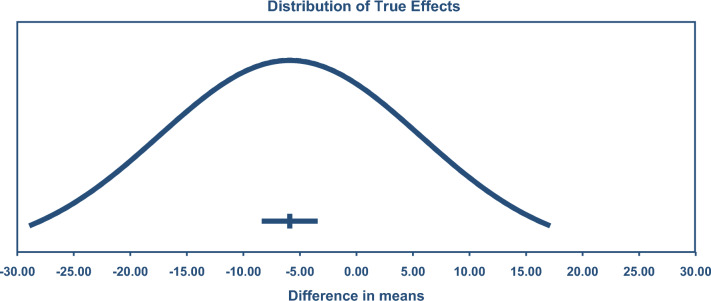
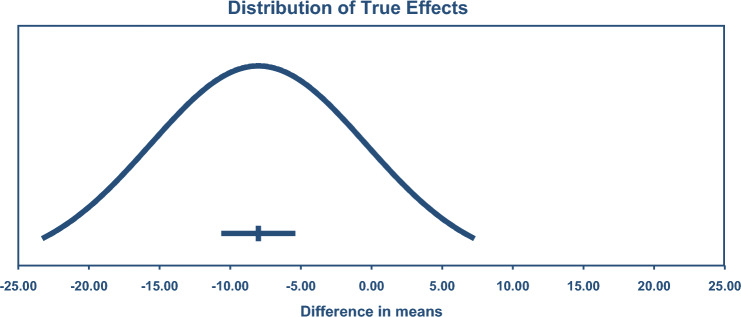
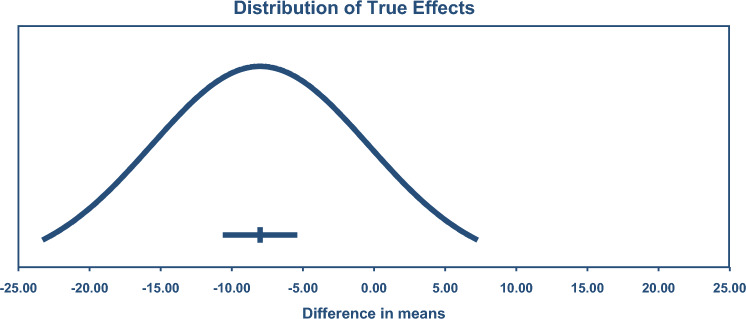
- Prediction intervals indicated only VLDL remained significant; the proportions of studies showing no beneficial effect were 37.1% for TC, 34.2% for HDL, 27.9% for LDL, and 23.5% for triglycerides, while 100% of VLDL studies showed a beneficial effect.
Methods
- Systematic review/meta-analysis with meta-regression and trial sequential analysis; protocol registered with the Open Science Framework. Searched PubMed, Web of Science, and Cochrane Library of Controlled Trials up to 30 September 2023; included RCTs in adult humans of aerobic, resistance, or combined training for at least 3 weeks reporting TC, HDL, LDL, triglycerides, or VLDL; excluded participants with known cardiovascular disease, cancer, spinal cord injury, HIV, and pregnant women.
- Random-effects DerSimonian-Laird inverse-variance meta-analysis using mean differences, 95% CIs, and 95% prediction intervals; TSA with O’Brien-Fleming and Law of Iterated Logarithm methods to control type I/II error and estimate information size; TESTEX quality assessment, ROB 2.0, Egger’s test, leave-one-out analysis, and meta-regression for significant outcomes with more than ten studies.
Limitations
- Stated: the initial protocol did not include TSA; 116 of 148 studies (78%) had TESTEX scores <10; poor-quality studies trended toward larger TC and triglyceride changes; exercise parameters varied and session time/intensity often increased during studies; risk of bias was relatively high; heterogeneity was very high (>75%) for most analyses; only four studies had >100 participants in both exercise and control groups, and TSA ignored smaller studies; medication data were incomplete/skewed (91 of 148 studies provided no medication information), preventing conclusions about concurrent lipid-lowering medication.
- Evident from the text: prediction intervals included the null for TC, HDL, LDL, and triglycerides, and high heterogeneity plus risk of bias limit certainty; visual inspection suggested some publication bias for TC and LDL, though Egger tests were not significant.
Model-written summary. Check it against the paper before relying on it.
Integrity signals
Registry
Cites
Statistics
Figures
Verification
Claims the paper makes
17 Valid · 1 Not valid · 12 Not checked · 101 Own results and interpretations
Every source the paper cites for this claim was checked and supports it.
In the paper
“Dyslipidemia (DS) presents in different forms (see Table 1) and is a primary risk factor for cardiovascular disease (CVD) [1].”
§ The Effect of Exercise Training on Blood Lipids: A Systematic Review and Meta-analysis > Introduction
What the sources say
- Supportedcites [1] Lin HQ, Wu JY, Chen ML, Chen FQ, Liao YJ, Wu YT, et al. Prevalence of dyslipidemia and prediction of 10-year CVD risk among older adults living in southeast coastal regions in China: a cross-sectional study. Clin Interv Aging. 2019;14:1119–29. 31354254 PMC6590841 source
The Introduction identifies dyslipidemia as a CVD-related risk factor and describes its forms as major risk factors for atherosclerosis leading to CVD. This supports the citing sentence’s paraphrase. (LLM, conf=0.93)
plainstates a cause- Asserted: passes — The authors put it forward as true.
- Checkable: passes — It can be checked against evidence.
- Load-bearing: passes — The paper’s conclusions depend on it.
- Based: passes — The paper gives a reason why it holds.
- Supported
The cited sources that could be checked couldn’t confirm or dispute this claim.
In the paper
“Evidence suggests that atherosclerotic plaques are unlikely to further develop if LDL is at or below 70 mg/dL or 1.8 mmol/L [43].”
§ The Effect of Exercise Training on Blood Lipids: A Systematic Review and Meta-analysis > Discussion > Cardiovascular Risk Reduction from Exercise and Lipid-Lowering Medication
What the sources say
- Could not verifycites [43] Silverman MG, Ference BA, Im K, Wiviott SD, Giugliano RP, Grundy SM, et al. Association between lowering LDL-C and cardiovascular risk reduction among different therapeutic interventions: a systematic review and meta-analysis. JAMA. 2016;316(12):1289–97. 27673306 sourceExperimental — accuracy not yet measured
The Results report an association between lower achieved LDL-C and fewer major coronary events, not whether atherosclerotic plaques stop developing. Searches for plaque progression and a 70 mg/dL (1.8 mmol/L) threshold found no passage in our copy establishing the claimed cutoff. (LLM, conf=0.76)
hedgedstates a possible cause- Asserted: passes — The authors put it forward as true.
- Checkable: passes — It can be checked against evidence.
- Load-bearing: unclear — It is unclear whether the paper’s conclusions depend on it.
- Based: passes — The paper gives a reason why it holds.
- Could not verify
The cited sources support only part of this claim — read each source’s verdict below.
In the paper
“Every 38.5 mg/dL or 1 mmol/L reduction in LDL is associated with a reduction in the risk of cardiovascular events by 21–25% [42].”
§ The Effect of Exercise Training on Blood Lipids: A Systematic Review and Meta-analysis > Discussion > Cardiovascular Risk Reduction from Exercise and Lipid-Lowering Medication
What the sources say
- Partly supportedcites [42] Mach F, Baigent C, Catapano AL, Koskinas KC, Casula M, Badimon L, et al. 2019 ESC/EAS Guidelines for the management of dyslipidaemias: lipid modification to reduce cardiovascular risk. Eur Heart J. 2020;41(1):111–88. 31504418 sourceExperimental — accuracy not yet measured
Section 8.1.3.1 reports a 22% reduction in major vascular events per 1 mmol/L reduction in LDL-C, within the claimed range. However, Figure 3 gives a general estimate of 20% for cardiovascular events, and the cited passages do not establish the full 21–25% range. (LLM, conf=0.86)
plainstates an association- Asserted: passes — The authors put it forward as true.
- Checkable: passes — It can be checked against evidence.
- Load-bearing: passes — The paper’s conclusions depend on it.
- Based: passes — The paper gives a reason why it holds.
- Partly supported
The cited sources support only part of this claim — read each source’s verdict below.
In the paper
“Our findings and those of some others contradict this [9, 13].”
§ The Effect of Exercise Training on Blood Lipids: A Systematic Review and Meta-analysis > Discussion > High-Density Lipoprotein Cholesterol (HDL)
What the sources say
- Not checked — no full text of the sourcecites [9] Kodama S, Tanaka S, Saito K, Shu M, Sone Y, Onitake F, et al. Effect of aerobic exercise training on serum levels of high-density lipoprotein cholesterol: a meta-analysis. Arch Intern Med. 2007;167(10):999–1008. 17533202 source
- Partly supportedcites [13] Wang Y, Xu D. Effects of aerobic exercise on lipids and lipoproteins. Lipids Health Dis. 2017;16(1):132. 28679436 PMC5498979 sourceExperimental — accuracy not yet measured
The “Aerobic exercise and HDL-C” section reports that aerobic exercise can increase HDL-C. However, neither that section nor “Related influencing factors of aerobic exercise on lipids” establishes that HDL improves below 900 kcal or 120 minutes per week, so the cited review does not substantiate the claimed contradiction of that threshold. (LLM, conf=0.78)
plain- Asserted: passes — The authors put it forward as true.
- Checkable: passes — It can be checked against evidence.
- Load-bearing: passes — The paper’s conclusions depend on it.
- Based: passes — The paper gives a reason why it holds.
The cited sources support only part of this claim — read each source’s verdict below.
In the paper
“Work has shown that, in people who are overweight, attenuation of exercise training-induced changes in lipids may occur [9], while exercise with diet-induced weight loss has been shown to improve the lipid profile [38].”
§ The Effect of Exercise Training on Blood Lipids: A Systematic Review and Meta-analysis > Discussion > Mechanism by Which Different Types of Exercise Effect Serum Lipid Change
What the sources say
- Partly supportedcites [38] Smart NA, King N, McFarlane JR, Graham PL, Dieberg G. Effect of exercise training on liver function in adults who are overweight or exhibit fatty liver disease: a systematic review and meta-analysis. Br J Sports Med. 2018;52(13):834–43. 27317790 PMC6029644 sourceExperimental — accuracy not yet measured
The Results (Total cholesterol; page unavailable) report reductions in some intervention groups and a significant pooled reduction for exercise-only studies. They do not establish that exercise combined with diet-induced weight loss improves the broader lipid profile; the Discussion also says the effects of diet and exercise are difficult to separate. (LLM, conf=0.80)
plainstates a cause- Asserted: passes — The authors put it forward as true.
- Checkable: passes — It can be checked against evidence.
- Load-bearing: unclear — It is unclear whether the paper’s conclusions depend on it.
- Based: passes — The paper gives a reason why it holds.
- Partly supported
55 more claims
Create a free account to see all 131 claims and to verify the 1 reference still open.
- It may state two separate claims as one. 49
- Probably not a substantial claim. 34
- The quote only partly states this claim. 2
Self-check
Percentages, sums and reported differences re-computed from the paper’s own numbers.
Each contradiction between two passages listed here was confirmed by an independent check.
Rated major: it would touch a result — a value a result rests on, reported and recomputed p-values on opposite sides of the significance level, two passages that conflict with no sign which is right, or a cited work retracted before this paper was published.
In the paper
§ The Effect of Exercise Training on Blood Lipids: A Systematic Review and Meta-analysis > Abstract > Conclusion
“Prediction intervals suggest TC, HDL, LDL and TGD are only improved in one-quarter of studies.”
§ The Effect of Exercise Training on Blood Lipids: A Systematic Review and Meta-analysis > Results > Leave-One-Out Meta-analysis
“ExTr does not appear to exert benefit in 37.1% of TC, 34.2% of HDL, 27.9% of LDL, and 23.5% of TGD studies.”
Rated minor: it would not touch a result — a value no result rests on, a p-value that stays on the same side of the significance level, or a conflict that is clerical, resolved elsewhere in the paper, or outside its own findings.
In the paper
“Each yearly increase in participant age produced a 0.25 mg/dL or 0.27 mmol/L LDL increase”
§ The Effect of Exercise Training on Blood Lipids: A Systematic Review and Meta-analysis > Results > Leave-One-Out Meta-analysis
Reported 0.27 · recomputed 0.006494
Rated minor: it would not touch a result — a value no result rests on, a p-value that stays on the same side of the significance level, or a conflict that is clerical, resolved elsewhere in the paper, or outside its own findings.
In the paper
“for each additional study participant an increase of 0.30 mg/dL or 0.078 mmol/L was observed”
§ The Effect of Exercise Training on Blood Lipids: A Systematic Review and Meta-analysis > Results > Leave-One-Out Meta-analysis
Reported 0.078 · recomputed 0.007792
Rated minor: it would not touch a result — a value no result rests on, a p-value that stays on the same side of the significance level, or a conflict that is clerical, resolved elsewhere in the paper, or outside its own findings.
In the paper
“The mean number of exercise and control participants was 23 and 15, respectively, total 38 per study.”
§ The Effect of Exercise Training on Blood Lipids: A Systematic Review and Meta-analysis > Results > Characteristics of Included Studies
Reported 38 · recomputed 58.601351
Rated minor: it would not touch a result — a value no result rests on, a p-value that stays on the same side of the significance level, or a conflict that is clerical, resolved elsewhere in the paper, or outside its own findings.
In the paper
§ The Effect of Exercise Training on Blood Lipids: A Systematic Review and Meta-analysis > Results > Overall Pooled Analysis of 95% Confidence Intervals and Prediction Intervals
“The true effect size in 95% of all comparable populations falls in the interval – 29.72 to 19.92 mg/dL”
§ The Effect of Exercise Training on Blood Lipids: A Systematic Review and Meta-analysis > Results > Law of Integrated Logarithm (LIL) Analyses
“TC 95% PI – 28.72 to 16.92”
Citations
Cites
Measuring inconsistency in meta-analyses
Higgins, J. P. T., Thompson, S. G., Deeks, J. J., & Altman, D. G. (2003) · BMJ · doi:10.1136/bmj.327.7414.557 · Cited by 63,139
Bias in meta-analysis detected by a simple, graphical test
Egger, M., Smith, G. D., Schneider, M., & Minder, C. (1997) · BMJ · doi:10.1136/bmj.315.7109.629 · Cited by 56,722 · cited 1×
“Publication bias, and also possible small study effects, were evaluated by visual inspection of the funnel plot for all outcomes with Egger's regression test, with 10% statistical significance [29].”
RoB 2: a revised tool for assessing risk of bias in randomised trials
Sterne, J. A. C., Savović, J., Page, M. J., Elbers, R. G., Blencowe, N. S., Boutron, I., Cates, C. J., Cheng, H.-Y., Corbett, M. S., Eldridge, S. M., et al. (2019) · BMJ · doi:10.1136/bmj.l4898 · Cited by 34,787 · cited 1×
“The revised risk of bias (ROB) 2.0 tool for independent and crossover studies was used to assess ROB [28].”
InfluentialWan, X., Wang, W., Liu, J., & Tong, T. (2014) · BMC Medical Research Methodology · doi:10.1186/1471-2288-14-135 · Cited by 11,735 · cited 1×
“Where change in SD was not provided we imputed this using established methods [21].”
Mach, F., Baigent, C., Catapano, A. L., Koskinas, K. C., Casula, M., Badimon, L., Chapman, M. J., De Backer, G. G., Delgado, V., Ference, B. A., et al. (2020) · European Heart Journal · doi:10.1093/eurheartj/ehz455 · Cited by 8,961
Cumpston, M., Li, T., Page, M. J., Chandler, J., Welch, V. A., Higgins, J. P., & Thomas, J. (2019) · Cochrane Database of Systematic Reviews · doi:10.1002/14651858.ed000142 · Cited by 7,218
Grundy, S. M., Stone, N. J., Bailey, A. L., Beam, C., Birtcher, K. K., Blumenthal, R. S., Braun, L. T., de Ferranti, S., Faiella-Tommasino, J., Forman, D. E., et al. (2019) · Circulation · doi:10.1161/cir.0000000000000625 · Cited by 6,185
Mach, F., Baigent, C., Catapano, A. L., Koskinas, K. C., Casula, M., Badimon, L., Chapman, M. J., De Backer, G. G., Delgado, V., Ference, B. A., et al. (2019) · Atherosclerosis · doi:10.1016/j.atherosclerosis.2019.08.014 · Cited by 4,854
Nissen, S. E., Nicholls, S. J., Sipahi, I., Libby, P., Raichlen, J. S., Ballantyne, C. M., Davignon, J., Erbel, R., Fruchart, J. C., Tardif, J.-C., et al. (2006) · JAMA · doi:10.1001/jama.295.13.jpc60002 · Cited by 2,047
Effects of the amount and intensity of exercise on plasma lipoproteins
Kraus, W. E., Houmard, J. A., Duscha, B. D., Knetzger, K. J., Wharton, M. B., McCartney, J. S., Bales, C. W., Henes, S., Samsa, G. P., Otvos, J. D., et al. (2002) · New England Journal of Medicine · doi:10.1056/nejmoa020194 · Cited by 1,554 · cited 3×
“Previous work has shown CT [15] with the aerobic component conducted at vigorous [9] or high intensity [5] to be optimal.”
Silverman, M. G., Ference, B. A., Im, K., Wiviott, S. D., Giugliano, R. P., Grundy, S. M., Braunwald, E., & Sabatine, M. S. (2016) · JAMA · doi:10.1001/jama.2016.13985 · Cited by 1,483
Grundy, S. M., Stone, N. J., Bailey, A. L., Beam, C., Birtcher, K. K., Blumenthal, R. S., Braun, L. T., de Ferranti, S., Faiella-Tommasino, J., Forman, D. E., et al. (2019) · Circulation · doi:10.1161/cir.0000000000000624 · Cited by 907
Mann, S., Beedie, C., & Jimenez, A. (2014) · Sports Medicine · doi:10.1007/s40279-013-0110-5 · Cited by 801 · cited 1×
“Mann et al. [12] identified exercise mode, intensity and total energy expenditure influences lipid profile, noting the limited comparisons of AT, RT and combined (AT + RT) modalities.”
Church, T. S., Earnest, C. P., Skinner, J. S., & Blair, S. N. (2007) · JAMA · doi:10.1001/jama.297.19.2081 · Cited by 756 · cited 1×
“Other work [7, 8] suggested 900 kcal, or 120 min, of weekly energy expenditure may modestly raise HDL and lower TGD. Kodama et al. [9] confirmed favourable HDL changes from exercise training were modest and more pronounced with a body mass index below 28 kg. m −2 and baseline TC below 220 mg/dL.…”
Blood Lipid and Lipoprotein Adaptations to Exercise: A Quantitative Analysis
Durstine, J. L., Grandjean, P. W., Davis, P. G., Ferguson, M. A., Alderson, N. L., & DuBose, K. D. (2001) · Sports Medicine · doi:10.2165/00007256-200131150-00002 · Cited by 588 · cited 3×
“AT and CT produced significant TC reductions similar to those previously reported [14].”
Smart, N. A., Waldron, M., Ismail, H., Giallauria, F., Vigorito, C., Cornelissen, V., & Dieberg, G. (2015) · International Journal of Evidence-Based Healthcare · doi:10.1097/xeb.0000000000000020 · Cited by 499 · cited 2×
“The validated Tool for the assEssment of Study qualiTy and reporting in EXercise (TESTEX) [26] was used to assess the methodological quality of the included studies.”
Self-citationEffects of aerobic exercise on lipids and lipoproteins
Wang, Y., & Xu, D. (2017) · Lipids in Health and Disease · doi:10.1186/s12944-017-0515-5 · Cited by 436 · cited 5×
“The specific physiological mechanisms of change may involve increased activity of lipoprotein lipase (LPL) responsible for hydrolysis of chylomicrons, VLDL and TG [13].”
InfluentialPartlett, C., & Riley, R. D. (2017) · Statistics in Medicine · doi:10.1002/sim.7140 · Cited by 240 · cited 1×
“We supplemented 95% confidence intervals (95% CIs) with 95% prediction intervals (95% PIs) so we could assess the distribution of effect sizes across all studies [23].”
Tambalis, K., Panagiotakos, D. B., Kavouras, S. A., & Sidossis, L. S. (2009) · Angiology · doi:10.1177/0003319708324927 · Cited by 224 · cited 3×
“Previous work has shown CT [15] with the aerobic component conducted at vigorous [9] or high intensity [5] to be optimal.”
Tiukinhoy, S., & Rochester, C. L. (2006) · Journal of Cardiopulmonary Rehabilitation · doi:10.1097/00008483-200607000-00009 · Cited by 148
Smart, N. A., King, N., McFarlane, J. R., Graham, P. L., & Dieberg, G. (2018) · British Journal of Sports Medicine · doi:10.1136/bjsports-2016-096197 · Cited by 140 · cited 1×
“Work has shown that, in people who are overweight, attenuation of exercise training-induced changes in lipids may occur [9], while exercise with diet-induced weight loss has been shown to improve the lipid profile [38].”
Self-citationMORO, T., TINSLEY, G., PACELLI, F. Q., MARCOLIN, G., BIANCO, A., & PAOLI, A. (2021) · Medicine & Science in Sports & Exercise · doi:10.1249/mss.0000000000002738 · Cited by 134 · cited 1×
“Beneficial effects of RT in older men but not older women have been reported [39].”
Detecting and adjusting for small‐study effects in meta‐analysis
Rücker, G., Carpenter, J. R., & Schwarzer, G. (2011) · Biometrical Journal · doi:10.1002/bimj.201000151 · Cited by 132 · cited 1×
“Previous summary work on liver enzymes and inter-hepatic fat, in people with non-alcoholic fatty liver disease, has shown that an aggregate exercise program energy expenditure of around 10,000 kcal is required to elicit improvement [37], and this may take several weeks to achieve.”
Cholesterol: The Good, the Bad, and the Ugly - Therapeutic Targets for the Treatment of Dyslipidemia
Elshourbagy, N. A., Meyers, H. V., & Abdel‐Meguid, S. S. (2013) · Medical Principles and Practice · doi:10.1159/000356856 · Cited by 87 · cited 1×
“Historically DS management guidelines cited thresholds for lipid sub-fractions [2].”
HIIT is not superior to MICT in altering blood lipids: a systematic review and meta-analysis
Wood, G., Murrell, A., van der Touw, T., & Smart, N. (2019) · BMJ Open Sport & Exercise Medicine · doi:10.1136/bmjsem-2019-000647 · Cited by 85 · cited 1×
“The shift of focus away from exercise volume is perhaps partially explained by the increasing number of published studies that have focused on training at vigorous or high intensities [33], acknowledging intensity is a function of exercise volume.”
Self-citation(2011) · PubMed · Cited by 78
Joseph, L. J. O., Davey, S. L., Evans, W. J., & Campbell, W. W. (1999) · Metabolism · doi:10.1016/s0026-0495(99)90162-2 · Cited by 74 · cited 1×
“Previous work reported significant PCSK9 reductions accompanied by lower LDL levels after 3 months of regular exercise training [40].”
Kelley, G. A., & Kelley, K. S. (2009) · Preventive Medicine · doi:10.1016/j.ypmed.2009.09.018 · Cited by 72 · cited 1×
“…HDL changes from exercise training were modest and more pronounced with a body mass index below 28 kg. m −2 and baseline TC below 220 mg/dL. Kelley and Kelly’s 2009 work urged caution in using resistance training (RT) to manage DS, due to efficacy concerns identified by prediction intervals [10].”
The Impact of Exercise Training on Blood Lipids in Older Adults
Boardley, D., Fahlman, M., Topp, R., Morgan, A. L., & McNevin, N. (2007) · The American Journal of Geriatric Cardiology · doi:10.1111/j.1076-7460.2007.05353.x · Cited by 72 · cited 2×
“Despite some studies showing beneficial effects of exercise on LDL [8], results are conflicting.”
Kelley, G. A., Kelley, K. S., Roberts, S., & Haskell, W. (2011) · BMC Medicine · doi:10.1186/1741-7015-9-74 · Cited by 62 · cited 1×
“Other work noted the paucity of good quality trials [11].”
Sigal, R. J., Kenny, G. P., Boulé, N. G., Wells, G. A., Prud'homme, D., Fortier, M., Reid, R. D., Tulloch, H., Coyle, D., Phillips, P., et al. (2007) · Annals of Internal Medicine · doi:10.7326/0003-4819-147-6-200709180-00005 · Cited by 48
Stairs instead of elevators at the workplace decreases PCSK 9 levels in a healthy population
Kamani, C. H., Gencer, B., Montecucco, F., Courvoisier, D., Vuilleumier, N., Meyer, P., & Mach, F. (2015) · European Journal of Clinical Investigation · doi:10.1111/eci.12480 · Cited by 46 · cited 1×
“European [41] and USA [3]”
Increased Resting Energy Expenditure after 40 Minutes of Aerobic But Not Resistance Exercise
Hunter, G. R., Byrne, N. M., Gower, B. A., Sirikul, B., & Hills, A. P. (2006) · Obesity · doi:10.1038/oby.2006.236 · Cited by 46 · cited 2×
“In general, if duration is standardized, AT consumes relatively more calories than RT [30], even when considering the post-exercise effects of these two exercise modes [31].”
Wood, G., Taylor, E., Ng, V., Murrell, A., Patil, A., van der Touw, T., Sigal, R., Wolden, M., & Smart, N. (2022) · British Journal of Sports Medicine · doi:10.1136/bjsports-2021-103999 · Cited by 45 · cited 2×
“Previous works were not systematic [14] or included non-randomized trials [13, 15]; limited pooled data analyses have been previously published [16, 17].”
Self-citationLin, H.-Q., Wu, J.-Y., Chen, M.-L., Chen, F.-Q., Liao, Y.-J., Wu, Y.-T., & Guo, Z.-J. (2019) · Clinical Interventions in Aging · doi:10.2147/cia.s207665 · Cited by 44
Drenowatz, C., Grieve, G. L., & DeMello, M. M. (2015) · SpringerPlus · doi:10.1186/s40064-015-1594-2 · Cited by 38 · cited 1×
“In general, if duration is standardized, AT consumes relatively more calories than RT [30], even when considering the post-exercise effects of these two exercise modes [31].”
Igarashi, Y., Akazawa, N., & Maeda, S. (2019) · Journal of Atherosclerosis and Thrombosis · doi:10.5551/jat.45864 · Cited by 38 · cited 1×
“Igarishi et al. [18] conducted a pooled analysis, reporting AT exhibits the largest participant numbers to date, but even this work has insufficient data to meet statistical futility.”
Wood, G., Taylor, E., Ng, V., Murrell, A., Patil, A., van der Touw, T., Wolden, M., Andronicos, N., & Smart, N. A. (2023) · Sports Medicine · doi:10.1007/s40279-023-01817-0 · Cited by 31 · cited 1×
“Previous works were not systematic [14] or included non-randomized trials [13, 15]; limited pooled data analyses have been previously published [16, 17].”
Self-citationBarkas, F., Milionis, H. J., Kostapanos, M. S., Mikhailidis, D. P., Elisaf, M., & Liberopoulos, E. N. (2014) · Current Medical Research and Opinion · doi:10.1185/03007995.2014.982751 · Cited by 29 · cited 1×
“Current guidelines offer flexible treatment thresholds for co-morbid conditions such as diabetes mellitus and the treatment goal, for example primary prevention [3, 4].”
Kodama, S. (2007) · Archives of Internal Medicine · doi:10.1001/archinte.167.10.999 · Cited by 5 · cited 5×
“…existed that exercise program volume rather than the frequency or intensity was of primary importance for lowering TC and HDL. Kodama et al. [9] suggested that a weekly expenditure of 900 kcal or 120 min, presumably at moderate intensity, is the energy volume threshold for physical activity…”
Influential(2022) · Journal of Men's Health · doi:10.31083/j.jomh1808171 · Cited by 3 · cited 2×
“With respect to RT, the mechanism by which HDL is raised is not well understood, but may be a similar or shared mechanism with AT [35].”
Research works printed but not linked: 3
- Durstine JL, Grandjean PW, Davis PG, Ferguson MA, Alderson NL, DuBose KD. Blood lipid and lipoprotein adaptations to exercise: a quantitative analysis. Sports medicine (Auckland, NZ. 2001;31(15):1033–62. 11735685 · DOI · Paper page
- Borenstein M. Meta-Analysis Prediction Intervals 2023 [cited 2023 Nov 27]. https://www.meta-analysis-workshops.com/pages/predictionintervals.php. Accessed 1 Aug 2024.
- WHO Guidelines on Physical Activity and Sedentary Behaviour. WHO Guidelines Approved by the Guidelines Review Committee. Geneva; 2020.
Cited by
2026 ACC/AHA/AACVPR/ABC/ACPM/ADA/AGS/APhA/ASPC/NLA/PCNA Guideline on the Management of Dyslipidemia
Blumenthal, R. S., Morris, P. B., Gaudino, M., Johnson, H. M., Anderson, T. S., Bittner, V. A., Blankstein, R., Brewer, L. C., Cho, L., de Ferranti, S. D., et al. (2026) · JACC · doi:10.1016/j.jacc.2025.11.016 · Cited by 304
Writing Committee Members, Blumenthal, R. S., Morris, P. B., Gaudino, M., Johnson, H. M., Anderson, T. S., Bittner, V. A., Blankstein, R., Brewer, L. C., Cho, L., et al. (2026) · Circulation · doi:10.1161/cir.0000000000001423 · Cited by 122
Al-Mhanna, S. B., Franklin, B. A., Jakicic, J. M., Stamatakis, E., Pescatello, L. S., Riebe, D. A., Thompson, W. R., Skinner, J. S., Colberg, S. R., Alkhamees, N. H., et al. (2025) · British Journal of Sports Medicine · doi:10.1136/bjsports-2024-108947 · Cited by 88
“24 25 87 It has been demonstrated that resistance training is at least as effective as aerobic training in promoting beneficial changes in the blood lipid profile.”
Epidemiology and Cardiovascular Benefits of Physical Activity and Exercise
Mi, M., Perry, A., Krishnan, V., & Nayor, M. G. (2025) · Circulation Research · doi:10.1161/circresaha.125.325526 · Cited by 70
Al-Mhanna, S. B., Franklin, B. A., Tarnopolsky, M. A., Hawley, J. A., Jakicic, J. M., Stamatakis, E., Little, J. P., Pescatello, L. S., Riebe, D. A., Thompson, W. R., et al. (2025) · Diabetology & Metabolic Syndrome · doi:10.1186/s13098-025-01974-4 · Cited by 36
Metadata
- Authors
- Smart, N. A., Downes, D., van der Touw, T., Hada, S., Dieberg, G., Pearson, M. J., Wolden, M., King, N., & Goodman, S. P. J.
- Affiliations
- University of New England (AU)
- Kathmandu University (NP)
- University of Plymouth (GB)
- Corresponding author
- Smart, Neil A.
- ORCID
- Venue
- Sports Medicine
- Published
- 2024-09-27
- Volume
- 55
- Issue
- 1
- Pages
- 67-78
- ISSN
- 0112-1642 (ISSN-L)
- 1179-2035
- PMC
- PMC11787149
- OpenAlex
- W4402925921
- Cited by
- 126
- References
- 45
- Citations by year
- 2026: 89 · 2025: 34 · 2024: 3
- FWCI
- 6.33
- Type
- journal article
- Language
- en
- Open access
- hybrid
- doi.org
- Licence
- cc-by
- creativecommons.org/licenses/by/4.0 (tdm)
- creativecommons.org/licenses/by/4.0 (vor)
- Locations
- Sports Medicine (publishedVersion, cc-by)
- PubMed Central (publishedVersion, cc-by)
- PubMed (publishedVersion)
- RUNE (Research UNE) (submittedVersion, cc-by)
- PEARL (University of Plymouth) (submittedVersion, cc-by)
- Funders
- University of New England
- Topics
- Health Sciences › Medicine › Physiology (medical) › Cardiovascular and exercise physiology
- Health Sciences › Medicine › Public Health, Environmental and Occupational Health › Physical Activity and Health
- Health Sciences › Medicine › Cardiology and Cardiovascular Medicine › Lipoproteins and Cardiovascular Health
- Keywords
- exercise training, serum lipids, dyslipidemia, aerobic exercise, resistance training, concurrent training, total cholesterol, HDL cholesterol, LDL cholesterol, triglycerides, VLDL cholesterol, cardiovascular risk, effect size
- MeSH terms
- Humans, Lipids, Cholesterol, HDL, Triglycerides, Biomarkers, Exercise, Randomized Controlled Trials as Topic, Dyslipidemias, Resistance Training
About these checks
Registry, retraction, Cites and statistics results are computed, not judged, with one exception: a printed reference that no index lists is read once by a model before it counts as a citation error. Claims are extracted by a model and kept only when their quote appears verbatim in the text; each cited source is then checked, with a model’s help, for whether it says what the claim relies on. Those verdicts can be wrong — read the claim’s quote and the cited source before relying on one.
The claim verdicts this report counts are experimental: their accuracy is not yet measured.
A language model drew the claims from the paper on 2026-10-10, under version 3 of the claim definition (model deepseek-v4.1-flash, prompt extract-v3).
A second model labelled each claim on 2026-10-10 (model jev-1.13-20260917, definition revision gold-guideline-v0.2).
Cited sources are checked with a language model’s help (gpt-6-sol).
Statistics and arithmetic are recomputed, not judged.
Confidence bands are shown only for fields calibrated on our annotated test set. None is calibrated yet, so no band is shown.
What counts as a claim ›How we measure confidence ›How we check this ›
Are you an author, or do you see a problem with this page? Request a review
Data sources
Bibliographic data: Semantic Scholar, OpenAlex, Crossref.
Contains information from the Semantic Scholar Academic Graph Datasets, made available under the ODC Attribution License (ODC-BY 1.0).
Semantic Scholar’s data is described in: Kinney, R., et al. (2023). The Semantic Scholar Open Data Platform. arXiv:2301.10140.
