

Cognitive and Affective Empathy Relate Differentially to Emotion Regulation
Open accessThe DOI matches its Crossref record; 127 of the 127 references it cites were found in a registry or an index.
Abstract
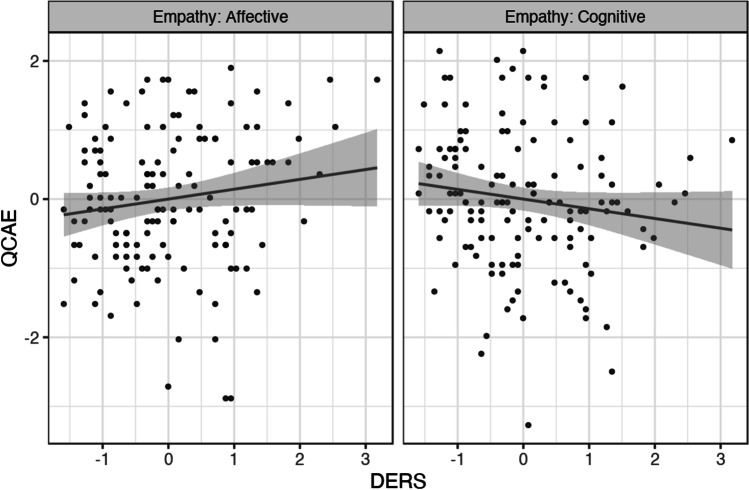
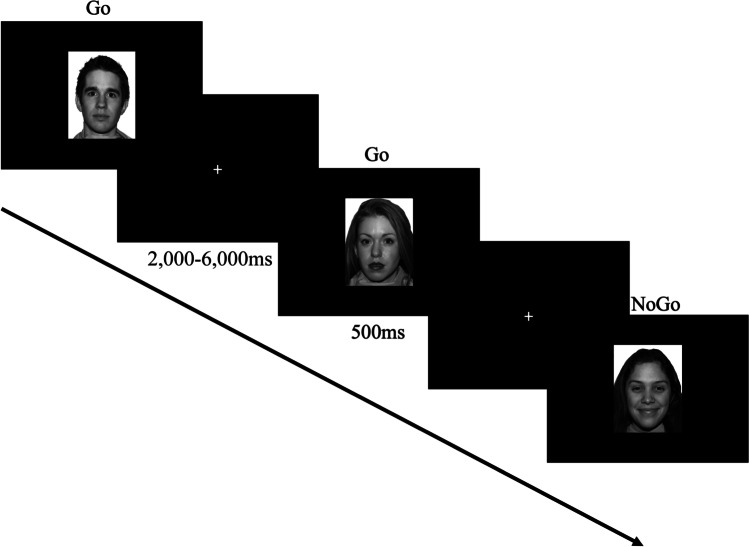
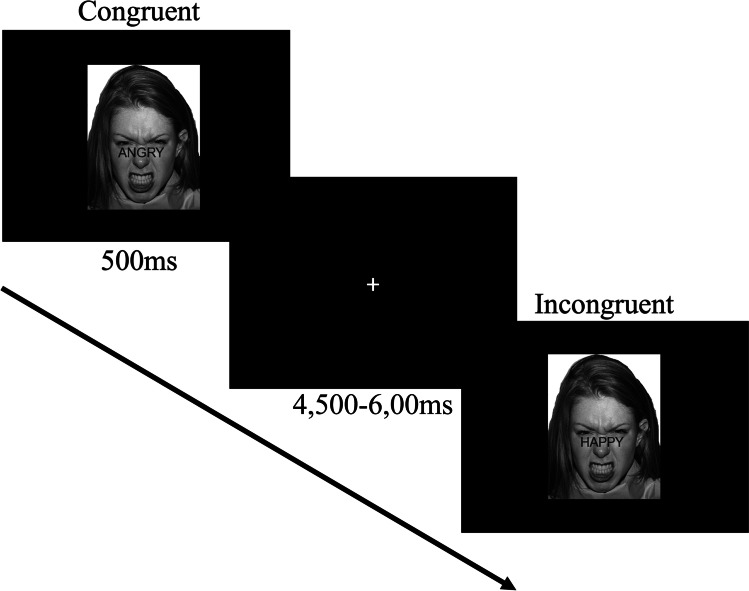
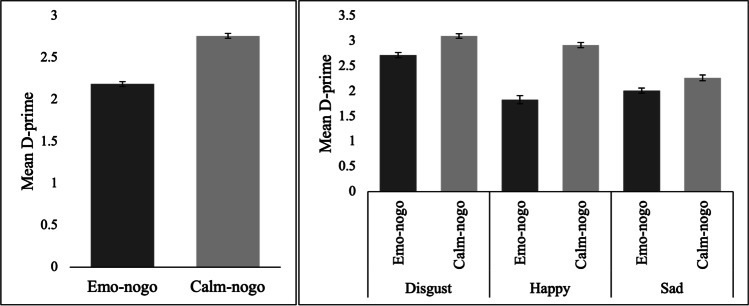
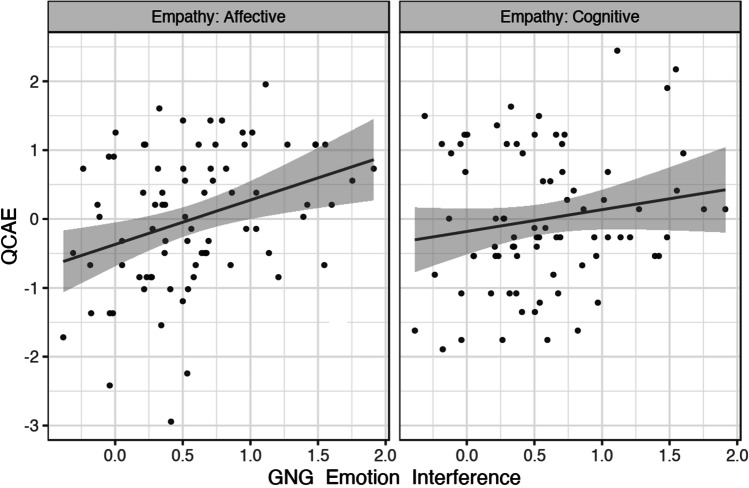
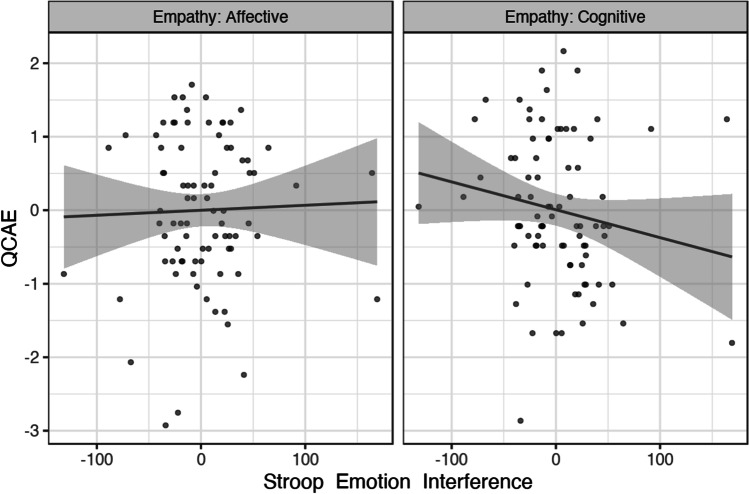
The constructs of empathy (i.e., understanding and/or sharing another’s emotion) and emotion regulation (i.e., the processes by which one manages emotions) have largely been studied in relative isolation of one another. To better understand the interrelationships between their various component processes, this manuscript reports two studies that examined the relationship between empathy and emotion regulation using a combination of self-report and task measures. In study 1 (N = 137), trait cognitive empathy and affective empathy were found to share divergent relationships with self-reported emotion dysregulation. Trait emotion dysregulation was negatively related to cognitive empathy but did not show a significant relationship with affective empathy. In the second study (N = 92), the magnitude of emotion interference effects (i.e., the extent to which inhibitory control was impacted by emotional relative to neutral stimuli) in variants of a Go/NoGo and Stroop task were used as proxy measures of implicit emotion regulation abilities. Trait cognitive and affective empathy were differentially related to both task metrics. Higher affective empathy was associated with increased emotional interference in the Emotional Go/NoGo task; no such relationship was observed for trait cognitive empathy. In the Emotional Stroop task, higher cognitive empathy was associated with reduced emotional interference; no such relationship was observed for affective empathy. Together, these studies demonstrate that greater cognitive empathy was broadly associated with improved emotion regulation abilities, while greater affective empathy was typically associated with increased difficulties with emotion regulation. These findings point to the need for assessing the different components of empathy in psychopathological conditions marked by difficulties in emotion regulation.
Overview
The claims and statistics of this paper haven’t been checked yet.
Free: it reads the open-access text and checks the first 5 claims that cite a source we can check. Create a free account to check every claim.
Integrity signals
Registry
Cites
Statistics
Figures
Verification
Claims the paper makes
The claims and statistics of this paper haven’t been checked yet.
Free: it reads the open-access text and checks the first 5 claims that cite a source we can check. Create a free account to check every claim.
Claims other papers make about this one
Each is checked against this paper’s own text: does it say what the citing paper says it does?
The source backs part of the claim, not all of it — or backs it for a different population, condition or comparison.
In the citing paper
“In contrast, cognitive empathy, which integrates understanding with practical guidance, has been found to be more effective in reducing anxiety and improving psychological outcomes [20,21].”
From Styles of Delivering News About a Child's Cancer and Parents' PTSD Symptoms (2025) · cites this paper as [21]
Experimental — accuracy not yet measured
Self-check
Percentages, sums and reported differences re-computed from the paper’s own numbers.
The self-check needs the paper’s full text.
Citations
Cites
Faul, F., Erdfelder, E., Lang, A.-G., & Buchner, A. (2007) · Behavior Research Methods · doi:10.3758/bf03193146 · Cited by 65,971
Studies of interference in serial verbal reactions
Stroop, J. R. (1935) · Journal of Experimental Psychology · doi:10.1037/h0054651 · Cited by 18,622
Miyake, A., Friedman, N. P., Emerson, M. J., Witzki, A. H., Howerter, A., & Wager, T. D. (2000) · Cognitive Psychology · doi:10.1006/cogp.1999.0734 · Cited by 15,798
Gross, J. J., & John, O. P. (2003) · Journal of Personality and Social Psychology · doi:10.1037/0022-3514.85.2.348 · Cited by 11,929 · cited 1×
“This study was conducted as part of a larger project and included an additional questionnaire measure of emotion regulation (the ERQ; Gross & John, 2003), the data from which are not reported here.”
MethodMeasuring individual differences in empathy: Evidence for a multidimensional approach.
Davis, M. H. (1983) · Journal of Personality and Social Psychology · doi:10.1037/0022-3514.44.1.113 · Cited by 10,272
Gratz, K. L., & Roemer, L. (2004) · Journal of Psychopathology and Behavioral Assessment · doi:10.1023/b:joba.0000007455.08539.94 · Cited by 8,942 · cited 2×
“…individuals with greater empathy show a heightened awareness and understanding of their own emotional experiences (Frith & Frith, 2003; Happé & Frith, 1996; Hobson, 2010; Rieffe & Camodeca, 2016), which is a key competency supporting adaptive emotion regulation (Gratz & Roemer, 2004; Gross, 2015).”
BackgroundEmotion regulation: current status and future prospects
Gross, J. J. (2015) · Psychological Inquiry · doi:10.1080/1047840x.2014.940781 · Cited by 5,229
Emotion regulation: affective, cognitive, and social consequences.
Gross, J. J. (2002) · Psychophysiology · doi:10.1017/s0048577201393198 · Cited by 4,890
Baron-Cohen, S., & Wheelwright, S. (2004) · Journal of Autism and Developmental Disorders · doi:10.1023/b:jadd.0000022607.19833.00 · Cited by 4,093
Measurement and Control of Response Bias
Paulhus, D. L. (1991) · Measures of Personality and Social Psychological Attitudes · doi:10.1016/b978-0-12-590241-0.50006-x · Cited by 3,598
Cited by
Items 101–136 of 136
Compton, S. A. H., & Mitchell, D. G. V. (2026) · BMC Psychology · doi:10.1186/s40359-026-04072-w
Ojo, M. K. (2026) · Journal of Psychology and Neuroscience · doi:10.47485/2693-2490.1149
Double-Edged Sword: The Role of Empathy in Excessive Use of Short-Video Applications
Ge, J., Chen, I., Luo, W., Li, Y., & Fu, C. (2026) · International Journal of Human-Computer Interaction · doi:10.1080/10447318.2026.2630092
Zhang, Y., Bu, M., & Liu, H. (2026) · Frontiers in Psychology · doi:10.3389/fpsyg.2026.1784102 · Cited by 3
Deng, Y., Han, X., & Zhou, H. (2026) · Research Square · doi:10.21203/rs.3.rs-9194600/v1
The Well-Being of Early Childhood Teachers in Indonesia: Promoting Empathy to Mitigate Burnout
Rizkyanti, C. A., & Mufiedatussalam, S. (2026) · Springer international handbooks of education · doi:10.1007/978-981-95-2423-5_1 · Cited by 1
Groyecka-Bernard, A., Gajda, A., Jędryczka, W., Jankowska, D. M., Karwowski, M., Lebuda, I., Pytlińska, A., Zielińska, A., Jędrusiak, J., Bubiłek, P., et al. (2026) · Thinking Skills and Creativity · doi:10.1016/j.tsc.2026.102233
Regulating moral emotions and bullying roles among Chilean and Cuban adolescentsPreprint
Gallo, L. A., Silva, C. B., Malti, T., Speidel, R., Escobar, A. V., & Varela, J. J. (2026) · Research Square · doi:10.21203/rs.3.rs-9372684/v1
Lim, J. H., & Min, Y. (2026) · International Journal of Adolescence and Youth · doi:10.1080/02673843.2026.2673458
Li, S. ‐., Shen, W.-C., Chen, Y.-N., Lai, Y.-C., & Wang, J. (2026) · Educational Gerontology · doi:10.1080/03601277.2026.2682513
How Verbal Intelligence Predicts Emotional Stability: The Moderating Role of Empathy
Stoyanova, S., & Mavrodiev, S. L. (2026) · Journal of Intelligence · doi:10.3390/jintelligence14060096 · Cited by 1
Vaassen, C. E., Broek, T. A. V. D., Aaldering, H., & Beersma, B. (2026) · Computers in Human Behavior Reports · doi:10.1016/j.chbr.2026.101062
Personality, empathy, and students' attitudes toward wheelchair users
Vilchynskaya, L., Szpakow, A., Modzelewski, R., Sokołowska, D., Bánovčinová, Ľ., Kendrová, L. D., Babečka, J., Juříková, J., Pokorná, A., Loginovich, Y., et al. (2026) · Kontakt · doi:10.32725/kont.2026.038
Sun, R., Eng, N., Meng, J., & Sanchez, K. R. (2026) · Public Relations Review · doi:10.1016/j.pubrev.2026.102731
Counter-Empathy Scale: Adapting and developing psychometric properties in Northeast India
Jelly, W., Mukherjee, S., & Panwar, N. (2026) · Acta Psychologica · doi:10.1016/j.actpsy.2026.107359
Bangxin, H. U., Zhang, Y., & Zhang, H. (2026) · System · doi:10.1016/j.system.2026.104106
Emotion Regulation and Empathy in Child Abuse Potential: Gender Differences in Parents
Miragoli, S., Milani, L., & Camisasca, E. (2026) · Journal of Interpersonal Violence · doi:10.1177/08862605261462158
James, T., Knight, B., & Griffin, H. (2026) · Journal of Adult and Continuing Education · doi:10.1177/14779714261470610
Beyond the panels: Malaysian medical students’ perspectives on empathy through Kid Gloves
Idris, F., Kassim, P. S. J., Hod, R., & Nasharuddin, N. A. (2026) · Journal of Graphic Novels & Comics · doi:10.1080/21504857.2026.2706657
Yan, Z., Huang, L., Zeng, X., & Yang, X. (2026) · Early Years Journal of International Research and Development · doi:10.1080/09575146.2026.2710602
Cadet, F. T., & Sainfort, F. (2026) · Springer eBooks · doi:10.1007/978-981-97-2085-9_8
Liu, X., Wang, S., & Xiao, X. (2026) · Frontiers in Psychology · doi:10.3389/fpsyg.2026.1852855
Cognitive Load as a Hidden Cost of Empathy: Tradeoffs in Using VR for Inclusive Design
Xiong, D., Ma, Z., Ling, H., Wu, X., Fan, M., & Zhang, X. (2026) · International Journal of Human-Computer Interaction · doi:10.1080/10447318.2026.2730903
Severi, I., Garofalo, C., Delvecchio, E., Buratta, L., & Mazzeschi, C. (2026) · Journal of Psychopathology and Behavioral Assessment · doi:10.1007/s10862-026-10311-6
Sardlishvili, K., & Martskvishvili, K. (2026) · Imagination Cognition and Personality · doi:10.1177/02762366261480011 · Cited by 1
Valadmomen, P., Alavi, S. Z., & Nouredinvand, M. H. M. (2026) · Journal of Health Reports and Technology · doi:10.5812/jhrt-171583
Chang, L. (2026) · Frontiers in Psychology · doi:10.3389/fpsyg.2026.1865031
Empathy and Violence Tendency: The Mediating Roles of Emotional Intelligence and Masculine Behaviour
Solmaz, U., KOÇAK, O., Akar, C., & YILDIZ, B. N. (2026) · Journal of Interpersonal Violence · doi:10.1177/08862605261476692
Designing Emotionally Resonant Services
Mastrogiacomi, F. (2026) · Springer eBooks · doi:10.1007/978-3-032-35370-2_4
Tepa Selira and Empathy in School Counselors’ Attitudes: An Indigenous Counseling Study in Surabaya
Sari, D. P., Naqiyah, N., Winingsih, E., & Ghozali, M. A. (2026) · Al Musyrif Jurnal Bimbingan dan Konseling Islam · doi:10.38073/almusyrif.v9i2.5736
Sun, X., Cheng, Y., Zhao, L., Huang, Z., Guo, X., & Xi, W. (2026) · International Journal of Human-Computer Studies · doi:10.1016/j.ijhcs.2026.103947
Sizer, E., Çıray, R. O., Halaç, E., Balca, Y., Saatçioğlu, H., & Buğur, İ. S. (2026) · Behavioral Sciences · doi:10.3390/bs16101847
Charoenpitaya, B., & Jaroenkajornkij, N. (2026) · Canadian Journal of Art Therapy · doi:10.1080/26907240.2026.2738467
Hudson, D. M., & Heales, C. J. (2026) · Journal of medical imaging and radiation sciences · doi:10.1016/j.jmir.2026.102613
Conceptual framework for emotion control integrating empathy, emotional regulation, and flexibility
Barbara, L. R., Antoine, D. C., Marion, T., & RAMDANI, C. (2026) · Frontiers in Psychology · doi:10.3389/fpsyg.2026.1753106
Reduced cognitive empathy and differences in EEG activity in low-achieving adolescents
Hernández-González, S., Gómez‐Climent, M. Á., Clemente-Soriano, A., Robles, J. L. A., Caurín-Alonso, C., & Solbes, J. (2026) · PLoS ONE · doi:10.1371/journal.pone.0361520
Metadata
- Authors
- Thompson, N. M., van Reekum, C. M., & Chakrabarti, B.
- Affiliations
- University of Reading (GB)
- Corresponding author
- Chakrabarti, Bhismadev
- Venue
- Affective Science
- Published
- 2021-11-15
- Volume
- 3
- Issue
- 1
- Pages
- 118-134
- ISSN
- 2662-2041 (ISSN-L)
- 2662-205X
- PMC
- PMC8989800
- OpenAlex
- W3161877732
- Semantic Scholar
- 16c405e60190e2a03987c56b15e19b75e8d6b1e3
- Cited by
- 136
- References
- 118
- Citations by year
- 2026: 50 · 2025: 33 · 2024: 32 · 2023: 15 · 2022: 4 · 2021: 1
- FWCI
- 12.74
- Type
- journal article
- Language
- en
- Open access
- hybrid
- doi.org
- Licence
- cc-by
- creativecommons.org/licenses/by/4.0 (tdm)
- creativecommons.org/licenses/by/4.0 (vor)
- Locations
- Affective Science (publishedVersion, cc-by)
- PubMed Central (publishedVersion, cc-by)
- PubMed (publishedVersion)
- CentAUR (University of Reading) (submittedVersion, cc-by)
- PsyArXiv (OSF Preprints) (submittedVersion)
- PsyArXiv (OSF Preprints) (submittedVersion, cc-by)
- Funders
- Medical Research Council (MR/J003980/1, MR/P023894/1)
- leverhulme trust (PLP-2015-329)
- Topics
- Social Sciences › Psychology › Social Psychology › Emotions and Moral Behavior
- Life Sciences › Neuroscience › Cognitive Neuroscience › Neural and Behavioral Psychology Studies
- Social Sciences › Psychology › Experimental and Cognitive Psychology › Anxiety, Depression, Psychometrics, Treatment, Cognitive Processes
- Keywords
- cognitive empathy, affective empathy, emotion regulation, emotional dysregulation, implicit emotion regulation, emotional interference, inhibitory control, go/no-go task, Stroop task, trait empathy
About these checks
Registry, retraction, Cites and statistics results are computed, not judged, with one exception: a printed reference that no index lists is read once by a model before it counts as a citation error. Claims are extracted by a model and kept only when their quote appears verbatim in the text; each cited source is then checked, with a model’s help, for whether it says what the claim relies on. Those verdicts can be wrong — read the claim’s quote and the cited source before relying on one.
Statistics and arithmetic are recomputed, not judged.
Confidence bands are shown only for fields calibrated on our annotated test set. None is calibrated yet, so no band is shown.
What counts as a claim ›How we measure confidence ›How we check this ›
Are you an author, or do you see a problem with this page? Request a review
Data sources
Bibliographic data: Semantic Scholar, OpenAlex, Crossref.
Contains information from the Semantic Scholar Academic Graph Datasets, made available under the ODC Attribution License (ODC-BY 1.0).
Semantic Scholar’s data is described in: Kinney, R., et al. (2023). The Semantic Scholar Open Data Platform. arXiv:2301.10140.
