

The response of aquatic ecosystems to the interactive effects of stratospheric ozone depletion, UV radiation, and climate change
Open accessThe DOI matches its Crossref record; 284 of the 285 references it cites were found in a registry or an index.
Abstract
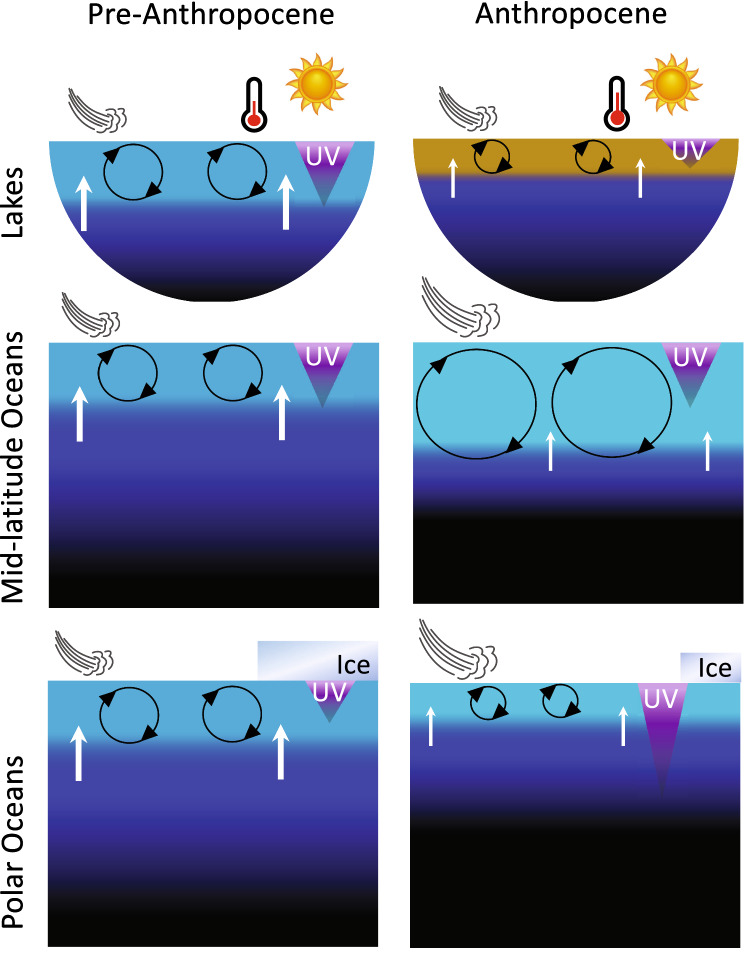
Variations in stratospheric ozone and changes in the aquatic environment by climate change and human activity are modifying the exposure of aquatic ecosystems to UV radiation. These shifts in exposure have consequences for the distributions of species, biogeochemical cycles, and services provided by aquatic ecosystems. This Quadrennial Assessment presents the latest knowledge on the multi-faceted interactions between the effects of UV irradiation and climate change, and other anthropogenic activities, and how these conditions are changing aquatic ecosystems. Climate change results in variations in the depth of mixing, the thickness of ice cover, the duration of ice-free conditions and inputs of dissolved organic matter, all of which can either increase or decrease exposure to UV radiation. Anthropogenic activities release oil, UV filters in sunscreens, and microplastics into the aquatic environment that are then modified by UV radiation, frequently amplifying adverse effects on aquatic organisms and their environments. The impacts of these changes in combination with factors such as warming and ocean acidification are considered for aquatic micro-organisms, macroalgae, plants, and animals (floating, swimming, and attached). Minimising the disruptive consequences of these effects on critical services provided by the world’s rivers, lakes and oceans (freshwater supply, recreation, transport, and food security) will not only require continued adherence to the Montreal Protocol but also a wider inclusion of solar UV radiation and its effects in studies and/or models of aquatic ecosystems under conditions of the future global climate. Graphical abstract
Overview
The claims and statistics of this paper haven’t been checked yet.
Free: it reads the open-access text and checks the first 5 claims that cite a source we can check. Create a free account to check every claim.
Integrity signals
Registry
Cites
Statistics
Figures
Verification
Claims the paper makes
The claims and statistics of this paper haven’t been checked yet.
Free: it reads the open-access text and checks the first 5 claims that cite a source we can check. Create a free account to check every claim.
Claims other papers make about this one
Each is checked against this paper’s own text: does it say what the citing paper says it does?
The source backs part of the claim, not all of it — or backs it for a different population, condition or comparison.
In the citing paper
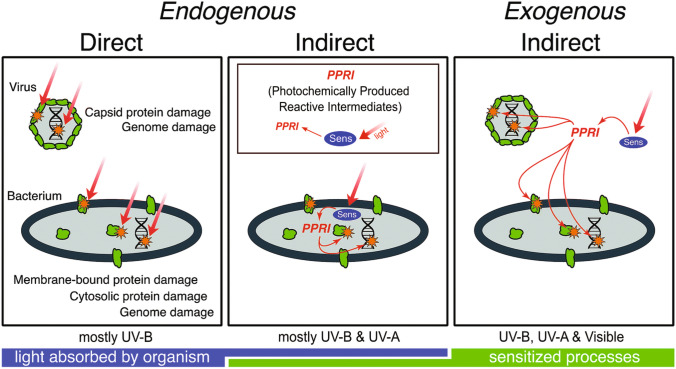
“During indirect photolysis, transformation involves reactive intermediates such as the hydroxyl (•OH) and carbonate (CO3•−) radicals, singlet oxygen (1O2), and excited triplet states (3CDOM*) that are photochemically generated by nitrate, nitrite, and chromophoric dissolved organic matter (CDOM) [217, 236].”
From Environmental consequences of interacting effects of changes in stratospheric ozone, ultraviolet radiation, and climate: UNEP Environmental Effects Assessment Panel, Update 2024 (2025) · cites this paper as [217]
Experimental — accuracy not yet measuredThe cited source says what the claim attributes to it.
In the citing paper
“Exposure to excess UV-B radiation can be detrimental, with some of the most significant negative effects being DNA damage and mortality [217].”
The cited source says what the claim attributes to it.
In the citing paper
“The extent of ice cover, thickness, and depth of circulation are changing due to global warming, resulting in different exposures of phytoplankton to UV-B radiation [217].”
The cited source says what the claim attributes to it.
In the citing paper
“Climate change and alterations in stratospheric ozone modify exposure to UV-B radiation in natural waters, affecting ice cover, the depth penetration of UV-B radiation, the mixing depth of plankton, and the temperature-dependent repair of UV-induced DNA damage.”
The cited source says what the claim attributes to it.
In the citing paper
“There is consensus that exposing both invertebrates and vertebrates to UV-B radiation has many negative effects [217, 220].”
Self-check
Percentages, sums and reported differences re-computed from the paper’s own numbers.
The self-check needs the paper’s full text.
Citations
Cites
Items 201–285 of 285
McCauley, M., Banaszak, A. T., & Goulet, T. L. (2018) · Coral Reefs · doi:10.1007/s00338-018-1716-8 · Cited by 28 · cited 1×
“Some coral reef-dwelling organisms, such as the Caribbean octocorals Pseudoplexaura crucis and Eunicea tourneforti [233] and the Indo-Pacific scleractinian4 coral Acropora muricata [228] have proven to be resistant to the effects of UV irradiation alone or in combination with thermal stress [233].”
BackgroundSelf-citationCourtial, L., Planas-Bielsa, V., Houlbrèque, F., & Ferrier‐Pagès, C. (2018) · PLoS ONE · doi:10.1371/journal.pone.0205261 · Cited by 27 · cited 2×
“damicornis by thermal stress was the same whether or not it was exposed to UV radiation [235].”
BackgroundMatthes, L. C., Mundy, C. J., Lambert‐Girard, S., Babin, M., Vérin, G., & Ehn, J. K. (2020) · Frontiers in Marine Science · doi:10.3389/fmars.2020.00183 · Cited by 27 · cited 2×
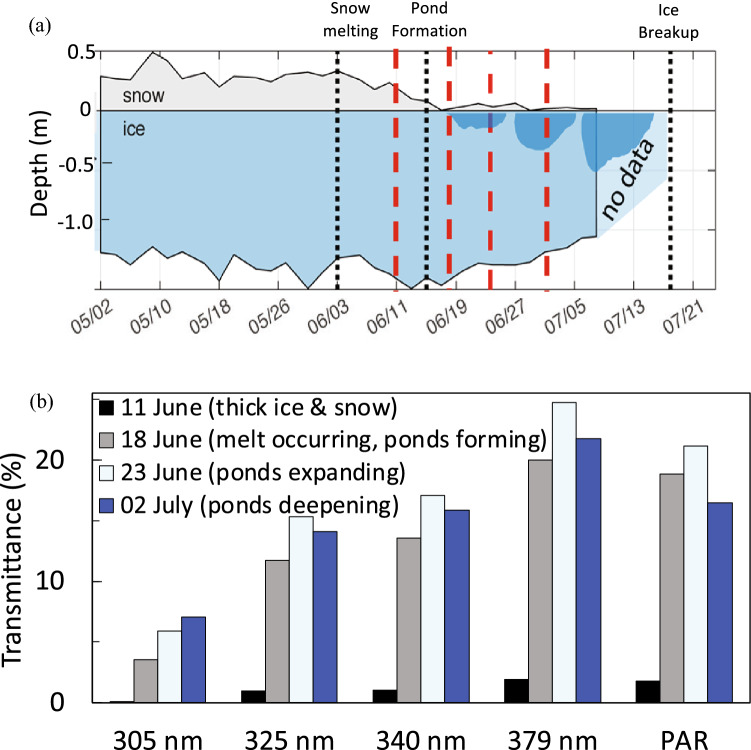
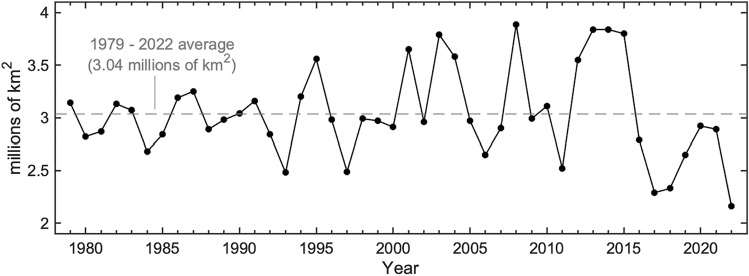
“For example, in Baffin Bay on 2 July the transmittance of UV-B radiation through the ice was twice as high (11–14%) in areas with ponded ice compared to those without ponds [44] (Fig.”
BackgroundBehavioural responses to co‐occurring threats of predation and ultraviolet radiation in Daphnia
Ekvall, M. T., Sha, Y., Palmér, T., Bianco, G., Bäckman, J., Åström, K., & Hansson, L. (2020) · Freshwater Biology · doi:10.1111/fwb.13516 · Cited by 27
Reproductive plasticity of Hawaiian Montipora corals following thermal stress
Henley, E. M., Quinn, M., Bouwmeester, J., Daly, J., Zuchowicz, N., Lager, C. V. A., Bailey, D. W., & Hagedorn, M. (2021) · Scientific Reports · doi:10.1038/s41598-021-91030-8 · Cited by 27 · cited 1×
“The impact of combined thermal and UV radiation stress on tropical corals can be species-specific and depend on whether photoprotective MAAs are produced by the symbiotic algae and are lost during bleaching, or are produced by the host and retained even after bleaching [237].”
BackgroundDoes Photomineralization of Dissolved Organics Matter in Temperate Rivers?
Maavara, T., Logozzo, L. A., Stubbins, A., Aho, K. S., Brinkerhoff, C., Hosen, J. D., & Raymond, P. A. (2021) · Journal of Geophysical Research Biogeosciences · doi:10.1029/2021jg006402 · Cited by 27 · cited 1×
“Outside of the Arctic, photomineralisation typically explains < 15% of total organic carbon loss from aquatic ecosystems, namely 9–12% in Scandinavian lakes [105, 106], 3–5% in rivers [107], and 0.”
BackgroundLi, X.-L., Zhou, Y.-Y., Liu, G.-L., Lei, H.-J., & Zhu, D.-W. (2017) · Science of the Total Environment · doi:10.1016/j.scitotenv.2017.04.039 · Cited by 26 · cited 1×
“This process is particularly prevalent in shallow eutrophic lakes, where sediments have high phosphorous loads, are resuspended frequently, and are thus susceptible to photochemical processing [142, 143].”
BackgroundCaputo, L., Huovinen, P. S., Sommaruga, R., & Gómez, I. (2018) · Hydrobiologia · doi:10.1007/s10750-018-3520-4 · Cited by 26 · cited 1×
“More recently, zooplankton predators such as the phantom midge larvae Chaoborus, and the freshwater jellyfish (Craspedacusta sowerbii) have been shown to be sensitive to UV radiation and mainly invade habitats with low UV transparency [273, 274].”
BackgroundMazoyer, F., Laurion, I., & Rautio, M. (2022) · Biogeosciences · doi:10.5194/bg-19-3959-2022 · Cited by 26
The impact of solar ultraviolet radiation on fish: Immunomodulation and photoprotective strategies
Lawrence, K. P., Young, A. R., Diffey, B. L., & Norval, M. (2019) · Fish and Fisheries · doi:10.1111/faf.12420 · Cited by 25 · cited 3×
“Additional sub-lethal and lethal effects have been demonstrated in response to exposure to both UV-B and UV-A radiation and in different life stages of many fish species [275, 276].”
BackgroundGagné, K. R., Ewers, S. C., Murphy, C. J., Daanen, R. P., Anthony, K. W., & Guerard, J. J. (2020) · Environmental Science Processes & Impacts · doi:10.1039/d0em00097c · Cited by 25 · cited 1×
“DOM released from thawed permafrost soils impacts surface water composition and is susceptible to photodegradation by solar UV radiation ([104] also see Sect.”
BackgroundAmador-Castro, F., Rodriguez-Martinez, V., & Carrillo-Nieves, D. (2020) · Science of The Total Environment · doi:10.1016/j.scitotenv.2020.141576 · Cited by 25 · cited 1×
“Among the various compounds, there is a particular interest in mycosporine-glycine [180], palythine [181], palythene [182], shinorine [183], porphyra-334 [184], and scytonemin as UV filters for sunscreen [185], skin care [186], and cosmetic formulations [187, 188] due to their availability, stability, and antioxidant…”
BackgroundDiel vertical migration of copepods and its environmental drivers in subtropical Bahamian blue holes
Sha, Y., Zhang, H., Lee, M., Björnerås, C., Škerlep, M., Gollnisch, R., Herzog, S. D., Ugge, G. E., Vinterstare, J., Hu, N., et al. (2020) · Aquatic Ecology · doi:10.1007/s10452-020-09807-4 · Cited by 24 · cited 1×
“Evidence from these environments suggests that zooplankton rely less on vertical migration and more on other defences such as accumulation of photoprotective substances to avoid damage due to exposure to UV radiation [269].”
BackgroundZhang, Y., Li, K., Zhou, Q., Chen, L., Yang, X., & Zhang, H. (2021) · Environmental Science and Pollution Research · doi:10.1007/s11356-021-12705-3 · Cited by 24 · cited 1×
“Nutrient limitation not only reduces productivity but also hampers the repair of cellular damage, which will generally increase the severity of UV-induced damage [63, 64].”
BackgroundLapierre, J., Collins, S. M., Oliver, S. K., Stanley, E. H., & Wagner, T. (2021) · Ecosphere · doi:10.1002/ecs2.3415 · Cited by 24 · cited 1×
“These lakes were concentrated in the Adirondack mountains, an area that is recovering from acid deposition after the installation of acidification pollution controls [7].”
BackgroundSilverman, A. I., Tay, N., & Machairas, N. P. (2018) · Water Research · doi:10.1016/j.watres.2018.12.015 · Cited by 23 · cited 1×
“coliphage inactivation [82], phytoplankton photosynthesis [71], Daphnia mortality [244], and others described in Sect.”
BackgroundBrasseur, L., Demeyer, M., Decroo, C., Caulier, G., Flammang, P., Gerbaux, P., & Eeckhaut, I. (2018) · Royal Society Open Science · doi:10.1098/rsos.171213 · Cited by 22 · cited 1×
“1 3 a UV-protective compound that is the most abundant pigment in sea urchins associated with coral reef environments [242].”
BackgroundCatalano, R., Labille, J., Gaglio, D., Alijagic, A., Napodano, E., Slomberg, D., Campos, A., & Pinsino, A. (2020) · Nanomaterials · doi:10.3390/nano10112102 · Cited by 22 · cited 1×
“Supporting this claim, researchers reported no significant harmful effects of TiO2 on sea urchin pluteus-stage embryo growth and immune-cell viability in adults [166].”
BackgroundLi, K., & Zheng, F. (2021) · Deep Sea Research Part II Topical Studies in Oceanography · doi:10.1016/j.dsr2.2021.104999 · Cited by 22 · cited 1×
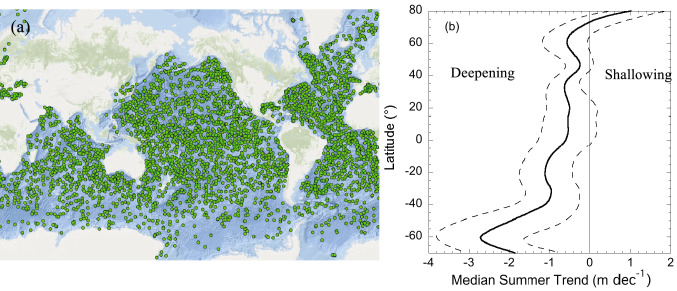
“Shallowing in some parts of the equatorial region has been attributed to higher precipitation and freshening of the surface layer [28].”
BackgroundXu, Z., Gao, G., Tu, B., Qiao, H., Ge, H., & Wu, H. (2019) · Hydrobiologia · doi:10.1007/s10750-019-3896-9 · Cited by 21 · cited 2×
“Moreover, UV irradiation enhanced the accumulation of the toxin, microcystin [203].”
BackgroundMycosporine-Like Amino Acids (MAAs) in Zooplankton
Hylander, S. (2020) · Marine Drugs · doi:10.3390/md18020072 · Cited by 21 · cited 1×
“While zooplankton and higher organisms cannot synthesise these substances, they can take them up in their diet or from associated microorganisms and incorporate them into outer tissue cells where they protect the organisms from damage by UV radiation [174, 214].”
BackgroundSelf-citationBlanckaert, A. C. A., Marangoni, L. F. D. B., Rottier, C., Grover, R., & Ferrier‐Pagès, C. (2021) · Marine Pollution Bulletin · doi:10.1016/j.marpolbul.2021.112257 · Cited by 21
Overview of the molecular defense systems used by sea urchin embryos to cope with UV radiation
Bonaventura, R., & Matranga, V. (2016) · Marine Environmental Research · doi:10.1016/j.marenvres.2016.05.019 · Cited by 20 · cited 4×
“Examples of the latter are the expression of genes for heat shock proteins and signalling kinases [239].”
BackgroundInfluentialEffect of UV radiation on the expulsion of Symbiodinium from the coral Pocillopora damicornis
Zhou, J., Huang, H., Beardall, J., & Gao, K. (2016) · Journal of Photochemistry and Photobiology B Biology · doi:10.1016/j.jphotobiol.2016.11.003 · Cited by 20 · cited 3×
“For symbionts in another Indo-Pacific species, the cauliflower coral (Pocillopora damicornis), chronic exposure to solar radiation including UV-B radiation reduced photosynthetic efficiency and pigment concentrations of the symbionts [230].”
BackgroundInfluentialPescheck, F. (2018) · Photochemical & Photobiological Sciences · doi:10.1039/c8pp00432c · Cited by 20 · cited 1×
“rely on screening pigments, whereas others such as Ulva intestinalis lack such pigments and instead photo repair UV-B-induced DNA damage [225].”
BackgroundRogalski, M. A., & Duffy, M. A. (2020) · Evolution · doi:10.1111/evo.13940 · Cited by 20 · cited 1×
“reduced spore production), treated parasites from high-transparency lakes were more successful at infecting hosts than parasites from lakes with lower UV transparency [93].”
BackgroundThe Montreal Protocol and the fate of environmental plastic debris
Jansen, M. A. K., Barnes, P. W., Bornman, J. F., Rose, K. C., Madronich, S., White, C. C., Zepp, R. G., & Andrady, A. L. (2023) · Photochemical & Photobiological Sciences · doi:10.1007/s43630-023-00372-x · Cited by 20
Self-citationCubillos, V. M., Ramírez-Kuschel, E., Cruces, E., Montory, J. A., Segura, C. J., & Mardones, D. (2018) · Ecological Indicators · doi:10.1016/j.ecolind.2018.01.015 · Cited by 19
Monitoring of Solar Irradiance in the High Andes
Häder, D., & Cabrol, N. A. (2020) · Photochemistry and Photobiology · doi:10.1111/php.13276 · Cited by 19 · cited 1×
“mountain lakes), ice loss is likely to increase exposure to UV radiation even more since the higher position of the sun in the sky and (generally) lower attenuation by atmospheric aerosols results in higher incident UV radiation [56].”
BackgroundSelf-citationDurán, C., Medina‐Sánchez, J. M., & Carrillo, P. (2020) · Scientific Reports · doi:10.1038/s41598-019-57269-y · Cited by 18 · cited 1×
“For example, exposure to solar UV radiation under present-day conditions inhibited both phytoplankton and bacterial production in an oligotrophic (low nutrient content), high-mountain lake in southern Spain with low watershed inputs of CDOM [76].”
BackgroundPolo, L. K., & Chow, F. (2020) · Scientia Marina · doi:10.3989/scimar.04982.22a · Cited by 18 · cited 1×
“For example, carotenoids perform this function in brown macroalgae [223].”
BackgroundNielsen, K. M., Alloy, M. M., Damare, L. M., Palmer, I., Forth, H. P., Morris, J. M., Stoeckel, J. A., & Roberts, A. P. (2020) · Environmental Science & Technology · doi:10.1021/acs.est.0c00215 · Cited by 18 · cited 2×
“Overall, these findings of interactive effects of UV radiation and oil spill components indicate the need for a more routine inclusion of UV radiation treatments in oil toxicity studies so that identified hazard thresholds are environmentally relevant [195].”
BackgroundXu, J., Zhang, X., Fu, Q., Gao, G., & Gao, K. (2017) · Aquaculture · doi:10.1016/j.aquaculture.2017.10.035 · Cited by 17
Zepp, R. G., Cyterski, M., Wong, K., Georgacopoulos, O., Acrey, B., Whelan, G., Parmar, R., & Molina, M. (2018) · Environmental Science & Technology · doi:10.1021/acs.est.8b02191 · Cited by 17 · cited 2×
“1 3 of attenuation of solar radiation on the photoinactivation of pathogen indicators in various swim areas of the Great Lakes (United States) were assessed using models that integrate BWFs and UV attenuation coefficients to estimate depth dependence and thus UV attenuation effects on inactivation rates [79].”
BackgroundMethodSelf-citationDissolved organic matter protects mosquito larvae from damaging solar UV radiation
Berry, N. L., Overholt, E. P., Fisher, T. J., & Williamson, C. E. (2020) · PLOS ONE · doi:10.1371/journal.pone.0240261 · Cited by 17
Self-citationEffects of ultraviolet radiation to Solea senegalensis during early development
Araújo, M. J., Quintaneiro, C., Soares, A. M. V. M., & Monteiro, M. S. (2020) · The Science of The Total Environment · doi:10.1016/j.scitotenv.2020.142899 · Cited by 17 · cited 16×
“The embryos sank down to greater depths when exposed to UV-A radiation and recovered a surface position when released from UV-stress [278, 279].”
BackgroundInfluentialPhoto-ammonification in surface water samples: Mechanism and influencing factors
Yang, Y., Sun, P., Padhye, L. P., & Zhang, R. (2020) · The Science of The Total Environment · doi:10.1016/j.scitotenv.2020.143547 · Cited by 17
Schmitz, C., Ramlov, F., de Lucena, L. A. F., Uarrota, V., Batista, M., Sissini, M., Oliveira, I., Briani, B., Martins, C., Nunes, J. M. D. C., et al. (2018) · Journal of Photochemistry and Photobiology. B: Biology · doi:10.1016/j.jphotobiol.2017.10.029 · Cited by 16
Low-latitude zooplankton pigmentation plasticity in response to multiple threats
Lee, M. A., Zhang, H., Sha, Y., Hegg, A., Ugge, G. E., Vinterstare, J., Škerlep, M., Pärssinen, V., Herzog, S. D., Björnerås, C., et al. (2019) · Royal Society Open Science · doi:10.1098/rsos.190321 · Cited by 15
Adaptive specialization and constraint in morphological defences of planktonic larvae
Bashevkin, S. M., Christy, J. H., & Morgan, S. G. (2019) · Functional Ecology · doi:10.1111/1365-2435.13464 · Cited by 15 · cited 2×
“These effects have been previously documented in all types of major zooplankton taxa [249–251], and in recent years include reports on less studied taxa such as ciliates and crab larvae [245, 252, 253].”
BackgroundDiverging responses to threats across generations in zooplankton
Sha, Y., Tesson, S. V. M., & Hansson, L. (2020) · Ecology · doi:10.1002/ecy.3145 · Cited by 15 · cited 1×
“Furthermore, Daphnia was able to diminish the negative effects of long-term, multi-generational exposure to UV radiation by progressively altering pigmentation, lifehistory and probably other types of defences [261].”
BackgroundUV sensitivity of planktonic net community production in ocean surface waters
Regaudie‐de‐Gioux, A., Agustı́, S., & Duarte, C. M. (2014) · Journal of Geophysical Research Biogeosciences · doi:10.1002/2013jg002566 · Cited by 14 · cited 1×
“These results complement previous measurements in productive waters such as those near Antarctica, where exposure to UV-B radiation also shifted the community towards heterotrophy, while there was little effect on NCP in low productivity, open ocean waters [98].”
ResultEmbryonic buoyancy control as a mechanism of ultraviolet radiation avoidance
Pasparakis, C., Wang, Y., Stieglitz, J. D., Benetti, D. D., & Grosell, M. (2018) · The Science of The Total Environment · doi:10.1016/j.scitotenv.2018.10.093 · Cited by 14 · cited 2×
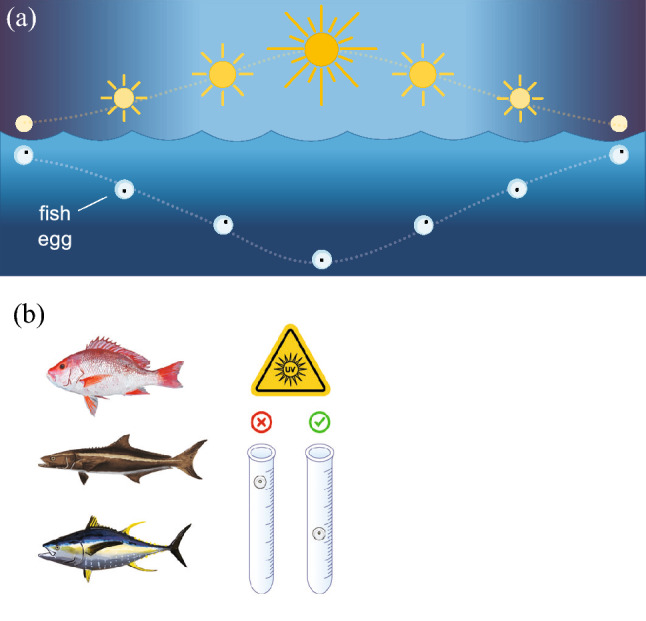
“On the right, a schematic of the experiment with eggs in tubes either protected from (x) or exposed to (✓) UV-A radiation (Figure redrawn from [278, 279])”
BackgroundMethodLight exposure decreases infectivity of the Daphnia parasite Pasteuria ramosa
Overholt, E. P., Duffy, M. A., Meeks, M. P., Leach, T. H., & Williamson, C. E. (2019) · Journal of Plankton Research · doi:10.1093/plankt/fbz070 · Cited by 14
Self-citationFitt, W. K., & Hofmann, D. K. (2020) · Oceans · doi:10.3390/oceans1040013 · Cited by 14
SDG14 – Life Below Water: Towards Sustainable Management of Our Oceans
Pandey, U. C., Nayak, S. R., Roka, K., & Jain, T. K. (2021) · Emerald Group Publishing Limited eBooks · doi:10.1108/9781800717091 · Cited by 13
Gao, K., & Häder, D. (2020) · Springer eBooks · doi:10.1007/978-981-15-3110-1_7 · Cited by 12 · cited 1×
“In turn, increasing CO2 in water decreases the pH and results in ocean acidification [68].”
BackgroundSelf-citationColoured dissolved organic matter dynamics in the Great Barrier Reef
Lønborg, C., McKinna, L. I. W., Slivkoff, M., & Carreira, C. (2021) · Continental Shelf Research · doi:10.1016/j.csr.2021.104395 · Cited by 12 · cited 4×
“CDOM is typically low in the waters of the Great Barrier Reef but average UV absorbance (at 350 nm) more than doubles during the wet season [18].”
BackgroundInfluentialSánchez-Suárez, J., Villamil, L., Coy-Barrera, E. D., & Díaz, L. E. (2021) · Marine Drugs · doi:10.3390/md19120674 · Cited by 12
Jiang, X., Zhang, Y., Hutchins, D. A., & Gao, K. (2021) · Journal of Photochemistry and Photobiology B Biology · doi:10.1016/j.jphotobiol.2021.112368 · Cited by 12 · cited 1×
“Nutrient limitation not only reduces productivity but also hampers the repair of cellular damage, which will generally increase the severity of UV-induced damage [63, 64].”
BackgroundLinkages between COVID-19, solar UV radiation, and the Montreal Protocol
Bernhard, G. H., Madronich, S., Lucas, R. M., Byrne, S. N., Schikowski, T., & Neale, R. E. (2023) · Photochemical & Photobiological Sciences · doi:10.1007/s43630-023-00373-w · Cited by 12
Laspoumaderes, C., Navarro, M. B., Souza, M. S., Modenutti, B. E., & Balseiro, E. (2019) · International Review of Hydrobiology · doi:10.1002/iroh.201801960 · Cited by 11 · cited 1×
“UV radiation can also cause sub-lethal effects, such as reduced feeding rates, reduced growth and morphological changes in many organisms [247, 248].”
BackgroundBeecraft, L., Watson, S. B., & SMITH, R. E. H. (2019) · Aquatic Ecology · doi:10.1007/s10452-019-09694-4 · Cited by 11 · cited 1×
“A study of freshwater algae found that chlorophyte algae were the least sensitive, diatoms had intermediate sensitivity, and cyanobacteria were the most sensitive [199].”
BackgroundLocal adaptation to UV radiation in zooplankton: a behavioral and physiological approach
Fernández, C. E., Campero, M., Bianco, G., Ekvall, M. T., Rejas, D., Uvo, C. B., & Hansson, L. (2020) · Ecosphere · doi:10.1002/ecs2.3081 · Cited by 11 · cited 2×
“For example, Daphnia isolated from a high-UV environment displayed intense UV-avoidance and induced photoprotective pigmentation compared to individuals of the same species coming from a low-UV environment [260].”
BackgroundEffect of chronic UVR exposure on zooplankton molting and growth
Wolinski, L., Souza, M. S., Modenutti, B. E., & Balseiro, E. (2020) · Environmental Pollution · doi:10.1016/j.envpol.2020.115448 · Cited by 11 · cited 2×
“UV radiation can also cause sub-lethal effects, such as reduced feeding rates, reduced growth and morphological changes in many organisms [247, 248].”
BackgroundKoehler, B., Powers, L. C., Cory, R. M., Einarsdóttir, K., Gu, Y., Tranvik, L. J., Vähätalo, A. V., Ward, C. P., & Miller, W. L. (2022) · Limnology and Oceanography Methods · doi:10.1002/lom3.10489 · Cited by 11 · cited 1×
“The use of different protocols for sample handling, data collection, and data analyses also contributes to this variability [117].”
BackgroundSong, G., & Xie, H. (2017) · Marine Chemistry · doi:10.1016/j.marchem.2017.02.002 · Cited by 10 · cited 1×
“CO production from the photodegradation of DOM and particulate organic matter in the Arctic Ocean is also not yet included in CO estimates, and its contribution is expected to increase due to climate change [122, 123].”
BackgroundWu, Y., Zhang, M., Li, Z., Xu, J., & Beardall, J. (2020) · Photochemistry and Photobiology · doi:10.1111/php.13268 · Cited by 10 · cited 1×
“Considering the inhibitory effect of UV-B radiation on growth at temperatures normally experienced by these species (16 °C), warming to 20 °C moderated the inhibition in one species but intensified it in another [58].”
BackgroundLorenzo, M. R., Neale, P. J., Sobrino, C., León, P., Vázquez, V., Bresnan, E., & Segovia, M. (2019) · Journal of Phycology · doi:10.1111/jpy.12885 · Cited by 9
Self-citationBashevkin, S. M., Christy, J. H., & Morgan, S. G. (2020) · Oecologia · doi:10.1007/s00442-020-04648-2 · Cited by 9 · cited 2×
“These effects have been previously documented in all types of major zooplankton taxa [249–251], and in recent years include reports on less studied taxa such as ciliates and crab larvae [245, 252, 253].”
BackgroundGarcía-Corral, L. S., Duarte, C. M., & Agustı́, S. (2020) · Marine Ecology Progress Series · doi:10.3354/meps13456 · Cited by 9 · cited 1×
“In a productive area that is typically net autotrophic, incubations in containers transmitting UV-B radiation had a 33% lower daily NCP, on average, compared to NCP incubations that excluded UV-B radiation [97].”
BackgroundUltraviolet avoidance by embryonic buoyancy control in three species of marine fish
Pasparakis, C., Wang, Y., Heuer, R. M., Zhang, W., Stieglitz, J. D., McGuigan, C. J., Benetti, D. D., Scholey, V. P., Margulies, D., & Grosell, M. (2021) · The Science of The Total Environment · doi:10.1016/j.scitotenv.2021.150542 · Cited by 9 · cited 2×
“On the right, a schematic of the experiment with eggs in tubes either protected from (x) or exposed to (✓) UV-A radiation (Figure redrawn from [278, 279])”
BackgroundMethodDevelopment of broad spectrum mycosporine loaded sunscreen formulation from Ulva fasciata delile
Bhatia, S., Sardana, S., Sharma, A., Vargas-De-La-Cruz, C. B., Chaugule, B., & Khodaie, L. (2019) · Biomedicine · doi:10.1051/bmdcn/2019090317 · Cited by 8 · cited 1×
“Among the various compounds, there is a particular interest in mycosporine-glycine [180], palythine [181], palythene [182], shinorine [183], porphyra-334 [184], and scytonemin as UV filters for sunscreen [185], skin care [186], and cosmetic formulations [187, 188] due to their availability, stability, and antioxidant…”
BackgroundEffectiveness of Photoprotective Strategies in Three Mixotrophic Planktonic Ciliate Species
Sonntag, B., & Sommaruga, R. (2020) · Diversity · doi:10.3390/d12060252 · Cited by 8 · cited 2×
“Recent work has shown that this function is also applicable to the mortality of a freshwater ciliate (Pelagodileptus trachelioides) due to UV irradiation [245, 246].”
BackgroundUV radiation affects antipredatory defense traits in Daphnia pulex
Eshun‐Wilson, F., Wolf, R. L., Andersen, T., Hessen, D. O., & Sperfeld, E. (2020) · Ecology and Evolution · doi:10.1002/ece3.6999 · Cited by 8 · cited 10×
“A type of action spectrum describing the variation in zooplankton mortality due to exposure to different wavelengths of UV radiation, the biological weighting function, has been previously defined for Daphnia [244].”
BackgroundInfluentialBhatia, S., Al‐Harrasi, A., Behl, T., Anwer, M. K., Ahmed, M. M., Mittal, V., Kaushik, D. K., Chigurupati, S., Kabir, M. T., Sharma, P. B., et al. (2021) · Environmental Science and Pollution Research · doi:10.1007/s11356-021-16704-2 · Cited by 8 · cited 1×
“Among the various compounds, there is a particular interest in mycosporine-glycine [180], palythine [181], palythene [182], shinorine [183], porphyra-334 [184], and scytonemin as UV filters for sunscreen [185], skin care [186], and cosmetic formulations [187, 188] due to their availability, stability, and antioxidant…”
BackgroundOvermans, S., Duarte, C. M., Sobrino, C., Iuculano, F., Álvarez–Salgado, X. A., & Agustí, S. (2022) · Journal of Geophysical Research Oceans · doi:10.1029/2021jc017654 · Cited by 8 · cited 1×
“Algal-derived CDOM and pigments are the main controls of UV transparency in the open ocean [4].”
BackgroundUV-A induced delayed development in the larvae of coral Seriatopora caliendrum
Zhou, J., Fan, T., Beardall, J., & Gao, K. (2017) · Journal of Photochemistry and Photobiology B Biology · doi:10.1016/j.jphotobiol.2017.01.007 · Cited by 7 · cited 2×
“No effect in coral host reduced pigment concentration in symbiont Seriatopora caliendrum [229]”
Backgroundvan de Water, J. A. J. M., Courtial, L., Houlbrèque, F., Jacquet, S., & Ferrier‐Pagès, C. (2018) · Frontiers in Marine Science · doi:10.3389/fmars.2018.00275 · Cited by 7 · cited 4×
“muricata [228] may provide protection against the damaging effects of UV radiation as they do for other corals ([234], more details in Sect.”
BackgroundInfluentialNeale, P. J., & Smyth, R. L. (2018) · CRC Press eBooks · doi:10.1201/9780429436130-6 · Cited by 7 · cited 2×
“These combined data sets also showed either no trend or a net decrease (~ 5% per decade) in average exposure to UV radiation in the mixed layer at these sites [24].”
BackgroundSelf-citationFitness cost from fluctuating ultraviolet radiation inDaphnia magna
Stábile, F., Brönmark, C., Hansson, L., & Lee, M. A. (2021) · Biology Letters · doi:10.1098/rsbl.2021.0261 · Cited by 7 · cited 1×
“Furthermore, a variable exposure to UV radiation (combined UV-A and UV-B) mimicking the natural situation with cloudiness led to lower fitness in Daphnia compared to a constant exposure [255].”
BackgroundThe influence of predator community composition on photoprotective traits of copepods
Oester, R., Greenway, R., Moosmann, M., Sommaruga, R., Tartarotti, B., Brodersen, J., & Matthews, B. (2022) · Ecology and Evolution · doi:10.1002/ece3.8862 · Cited by 7 · cited 1×
“Recent studies extend this knowledge, demonstrating the importance of the composition of the fish community with a negative association between photoprotective compounds and the density of visual predators such as sticklebacks [270].”
BackgroundMiao, H., Beardall, J., & Gao, K. (2018) · Photochemistry and Photobiology · doi:10.1111/php.12928 · Cited by 6 · cited 1×
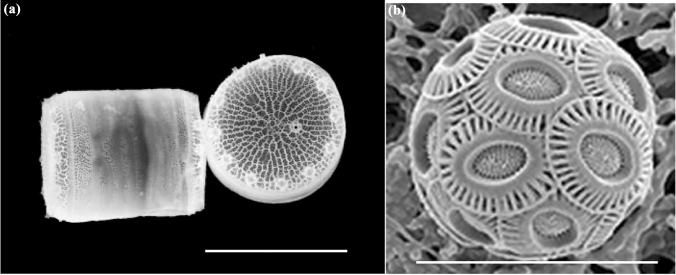
“6b) attenuate the effects of UV radiation [72], the loss of calcification in coccoliths of E.”
BackgroundMelanin and antipredatory defenses in Daphnia dadayana under UVR exposure
Wolinski, L., Modenutti, B. E., & Balseiro, E. (2020) · International Review of Hydrobiology · doi:10.1002/iroh.201902033 · Cited by 6
Dur, G., Won, E., Han, J., Lee, J., & Souissi, S. (2020) · Ecological Modelling · doi:10.1016/j.ecolmodel.2020.109379 · Cited by 6 · cited 2×
“[262], as long as those models use realistic biological weighting functions (see Sect.”
BackgroundVizzo, J. I., Cabrerizo, M. J., Villafañe, V. E., & Helbling, E. W. (2021) · Springer eBooks · doi:10.1007/978-3-030-75602-4_7 · Cited by 6 · cited 2×
“In addition, productivity in coastal ecosystems is augmented by high nutrient input from terrestrial runoff and higher temperatures [17].”
BackgroundDaphnia magna trade‐off safety from UV radiation for food
Lee, M., & Hansson, L. (2021) · Ecology and Evolution · doi:10.1002/ece3.8399 · Cited by 6 · cited 1×
“On the other hand, zooplankton reduced UV-avoidance to access food, showing that feeding opportunities are favoured in the trade-off with avoiding the damaging effects of UV radiation [264].”
BackgroundMa, K., Powers, L. C., Seppälä, J., Norkko, J., & Brandes, J. A. (2022) · Photochemistry and Photobiology · doi:10.1111/php.13597 · Cited by 6 · cited 1×
“, [74]), which leaves open the question of how representative the results of some multi-stressor experiments are with respect to natural conditions that include exposure to UV radiation—such as the finding that ocean acidification encourages the growth of toxic microalgae [75].”
BackgroundChen, J., Wang, H., Yang, A. Q., R., R., & Guan, W. (2017) · New Zealand Journal of Marine and Freshwater Research · doi:10.1080/00288330.2017.1331454 · Cited by 5
Marcoval, M. A., Pan, J., Díaz, A. C., & Fenucci, J. L. (2021) · Marine Environmental Research · doi:10.1016/j.marenvres.2021.105433 · Cited by 5
Hénard, C., Saraiva, M., Ściślak, M. E., Ruba, T., McLaggan, D., Noguera, P. A., & van West, P. (2022) · Fungal Biology Reviews · doi:10.1016/j.fbr.2022.02.002 · Cited by 4 · cited 2×
“For example, ulcerative dermal necrosis is a disease found in Atlantic salmon [95].”
BackgroundImpact of Dissolved Organic Matter Photodegradation on Carbon and Nitrogen Cycling in Freshwaters
Bowen, J. C. (2021) · Deep Blue (University of Michigan) · doi:10.7302/3033 · Cited by 4
Valiñas, M. S., Villafañe, V. E., & Helbling, E. W. (2018) · CRC Press eBooks · doi:10.1201/9780429436130-7 · Cited by 2 · cited 1×
“Organisms in coastal ecosystems are usually more sensitive to solar UV radiation than open ocean species [59, 60], but are better protected due to the lower transparency of coastal waters (Sect.”
Backgroundاستخراج و شناسایی ترکیبات جاذب فرابنفش در توتیای دریایی گونه Echinometra mathaei
کوکبی, م., زادی, م. ی., ابراهیمی, ص. ن., & زارعی, م. (2020) · doi:10.22124/japb.2020.14293.1346 · Cited by 1
Ossola, R. (2021) · Repository for Publications and Research Data (ETH Zurich) · doi:10.3929/ethz-b-000482128 · Cited by 1 · cited 2×
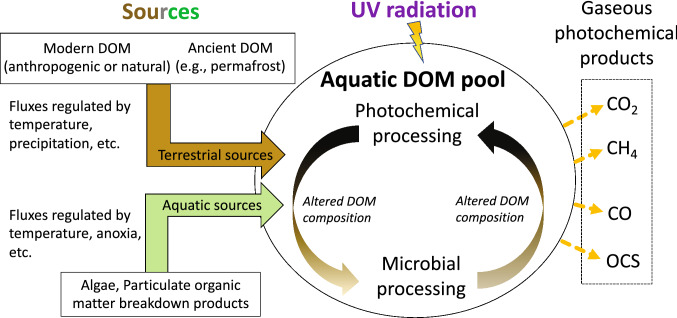
“DOM photoproducts include trace gases such as carbon dioxide (CO2), carbon monoxide (CO), and methane (CH4), among others, nutrients such as ammonia and phosphate, low-molecular-weight compounds, and partially photo-oxidised DOM [99].”
BackgroundSelf-citation
Cited by
The effects of exposure to solar radiation on human health
Neale, R. E., Lucas, R. M., Byrne, S. N., Hollestein, L., Rhodes, L. E., Yazar, S., Young, A. R., Berwick, M., Ireland, R. A., & Olsen, C. M. (2023) · Photochemical & Photobiological Sciences · doi:10.1007/s43630-023-00375-8 · Cited by 162
“1 3 on terrestrial [3] and aquatic [4] ecosystems, and materials [5].”
BackgroundStratospheric ozone, UV radiation, and climate interactions
Bernhard, G. H., Bais, A. F., Aucamp, P. J., Klekociuk, A. R., Liley, J. B., & McKenzie, R. L. (2023) · Photochemical & Photobiological Sciences · doi:10.1007/s43630-023-00371-y · Cited by 138
“This assessment sets the stage for subsequent assessments in this series that address the consequences of the interconnected effects of stratospheric ozone depletion, UV radiation, and climate change on human health [1] (including the COVID19 pandemic [2]), terrestrial [3] and aquatic [4] ecosystems, the carbon cycle…”
BackgroundNanostructured transparent solutions for UV-shielding: Recent developments and future challenges
Silva, M. R. F., Alves, M. F. R. P., Cunha, J. P. G. Q., Costa, J. L., Silva, C. A., Fernandes, M. H. V., Vilarinho, P. M., & Ferreira, P. (2023) · Materials Today Physics · doi:10.1016/j.mtphys.2023.101131 · Cited by 157
Barnes, P. W., Robson, T. M., Zepp, R. G., Bornman, J. F., Jansen, M. A. K., Ossola, R., Wang, Q.-W., Robinson, S. A., Foereid, B., Klekociuk, A. R., et al. (2023) · Photochemical & Photobiological Sciences · doi:10.1007/s43630-023-00376-7 · Cited by 113
“Most studies of photodegradation of organic matter in terrestrial ecosystems have focussed on effects on carbon but, as demonstrated in aquatic ecosystems [111], UV radiation can also affect the storage and cycling of other elements, such as nitrogen and phosphorous.”
BackgroundInfluentialSelf-citationJansen, M. A. K., Andrady, A. L., Bornman, J. F., Aucamp, P. J., Bais, A. F., Banaszak, A. T., Barnes, P. W., Bernhard, G. H., Bruckman, L. S., Busquets, R., et al. (2024) · Photochemical & Photobiological Sciences · doi:10.1007/s43630-024-00552-3 · Cited by 83
Self-citation
Metadata
- Authors
- Neale, P. J., Williamson, C. E., Banaszak, A. T., Häder, D.-P., Hylander, S., Ossola, R., Rose, K. C., Wängberg, S.-Å., & Zepp, R.
- Affiliations
- Smithsonian Environmental Research Center (US)
- Miami University (US)
- Universidad Nacional Autónoma de México (MX)
- Friedrich-Alexander-Universität Erlangen-Nürnberg (DE)
- Linnaeus University (SE)
- Colorado State University (US)
- Rensselaer Polytechnic Institute (US)
- University of Gothenburg (SE)
- Environmental Protection Agency (US)
- Corresponding author
- Neale, P. J.
- Hylander, S.
- ORCID
- Venue
- Photochemical & Photobiological Sciences
- Published
- 2023-05-02
- Volume
- 22
- Issue
- 5
- Pages
- 1093-1127
- ISSN
- 1474-905X (ISSN-L)
- 1474-9092
- PMC
- PMC10153058
- OpenAlex
- W4367669372
- Semantic Scholar
- afa2d23348700f0f137a358d354f249bc106943b
- Cited by
- 79
- References
- 284
- Citations by year
- 2026: 17 · 2025: 24 · 2024: 26 · 2023: 12
- FWCI
- 6.81
- Type
- journal article
- Language
- en
- Open access
- hybrid
- doi.org
- Licence
- cc-by
- creativecommons.org/licenses/by/4.0 (tdm)
- creativecommons.org/licenses/by/4.0 (vor)
- Locations
- Photochemical & Photobiological Sciences (publishedVersion, cc-by)
- PubMed Central (publishedVersion, cc-by)
- PubMed (publishedVersion)
- DiVA (Linnaeus University) (submittedVersion, cc-by)
- Funders
- Linnaeus University
- Topics
- Physical Sciences › Environmental Science › Environmental Chemistry › Aquatic Ecosystems and Phytoplankton Dynamics
- Physical Sciences › Environmental Science › Health, Toxicology and Mutagenesis › Environmental Toxicology and Ecotoxicology
- Physical Sciences › Earth and Planetary Sciences › Oceanography › Marine Plankton and Biogeochemistry
- Keywords
- stratospheric ozone depletion, ultraviolet radiation, climate change, aquatic ecosystems, UV filters, microplastics, ocean acidification, ice cover, dissolved organic matter, anthropogenic pollution, species distribution, ecosystem services, Montreal Protocol, freshwater ecosystems, marine ecosystems
- MeSH terms
- Animals, Humans, Hydrogen-Ion Concentration, Ozone, Plastics, Seawater, Ultraviolet Rays, Ecosystem, Climate Change, Stratospheric Ozone, Ozone Depletion
About these checks
Registry, retraction, Cites and statistics results are computed, not judged, with one exception: a printed reference that no index lists is read once by a model before it counts as a citation error. Claims are extracted by a model and kept only when their quote appears verbatim in the text; each cited source is then checked, with a model’s help, for whether it says what the claim relies on. Those verdicts can be wrong — read the claim’s quote and the cited source before relying on one.
Statistics and arithmetic are recomputed, not judged.
Confidence bands are shown only for fields calibrated on our annotated test set. None is calibrated yet, so no band is shown.
What counts as a claim ›How we measure confidence ›How we check this ›
Are you an author, or do you see a problem with this page? Request a review
Data sources
Bibliographic data: Semantic Scholar, OpenAlex, Crossref.
Contains information from the Semantic Scholar Academic Graph Datasets, made available under the ODC Attribution License (ODC-BY 1.0).
Semantic Scholar’s data is described in: Kinney, R., et al. (2023). The Semantic Scholar Open Data Platform. arXiv:2301.10140.
