

The response of aquatic ecosystems to the interactive effects of stratospheric ozone depletion, UV radiation, and climate change
Open accessThe DOI matches its Crossref record; 284 of the 285 references it cites were found in a registry or an index.
Abstract
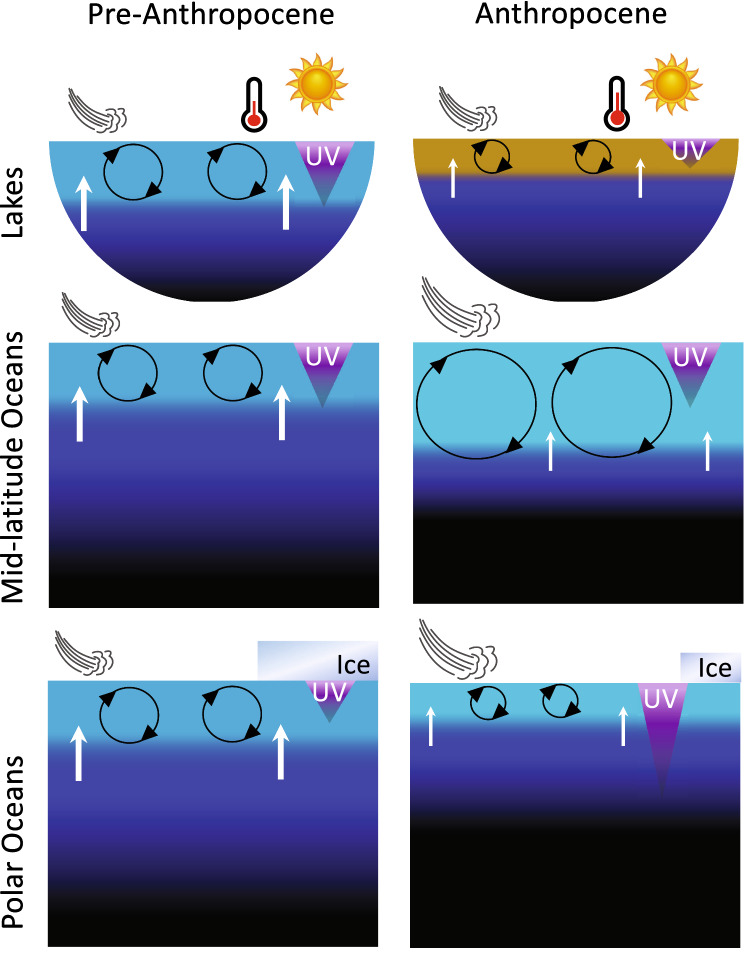
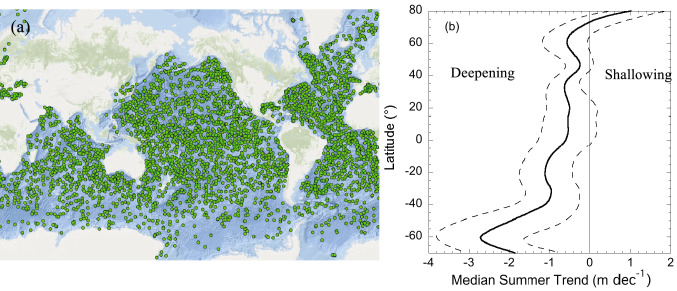
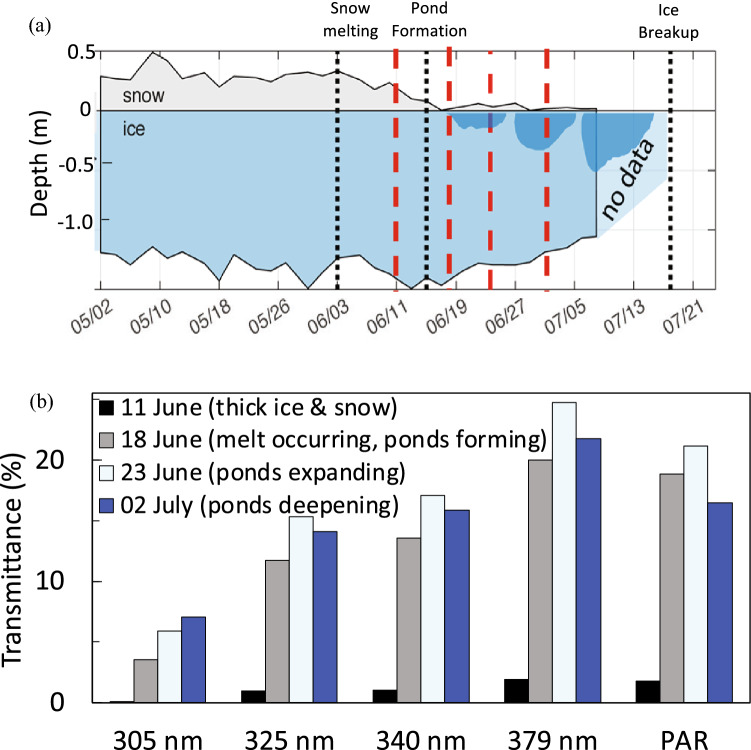
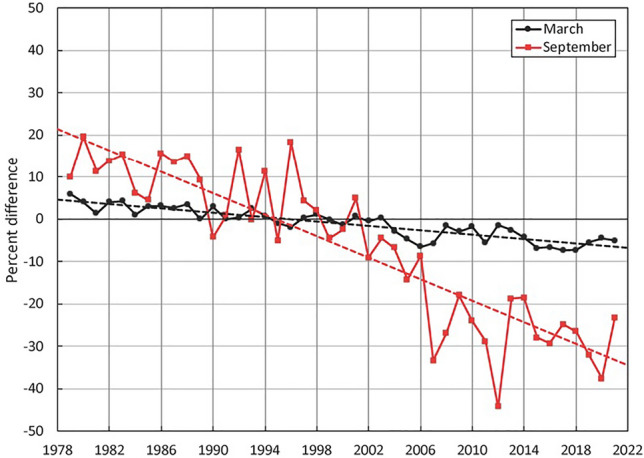
Variations in stratospheric ozone and changes in the aquatic environment by climate change and human activity are modifying the exposure of aquatic ecosystems to UV radiation. These shifts in exposure have consequences for the distributions of species, biogeochemical cycles, and services provided by aquatic ecosystems. This Quadrennial Assessment presents the latest knowledge on the multi-faceted interactions between the effects of UV irradiation and climate change, and other anthropogenic activities, and how these conditions are changing aquatic ecosystems. Climate change results in variations in the depth of mixing, the thickness of ice cover, the duration of ice-free conditions and inputs of dissolved organic matter, all of which can either increase or decrease exposure to UV radiation. Anthropogenic activities release oil, UV filters in sunscreens, and microplastics into the aquatic environment that are then modified by UV radiation, frequently amplifying adverse effects on aquatic organisms and their environments. The impacts of these changes in combination with factors such as warming and ocean acidification are considered for aquatic micro-organisms, macroalgae, plants, and animals (floating, swimming, and attached). Minimising the disruptive consequences of these effects on critical services provided by the world’s rivers, lakes and oceans (freshwater supply, recreation, transport, and food security) will not only require continued adherence to the Montreal Protocol but also a wider inclusion of solar UV radiation and its effects in studies and/or models of aquatic ecosystems under conditions of the future global climate. Graphical abstract
Overview
The claims and statistics of this paper haven’t been checked yet.
Free: it reads the open-access text and checks the first 5 claims that cite a source we can check. Create a free account to check every claim.
Integrity signals
Registry
Cites
Statistics
Figures
Verification
Claims the paper makes
The claims and statistics of this paper haven’t been checked yet.
Free: it reads the open-access text and checks the first 5 claims that cite a source we can check. Create a free account to check every claim.
Claims other papers make about this one
Each is checked against this paper’s own text: does it say what the citing paper says it does?
The source backs part of the claim, not all of it — or backs it for a different population, condition or comparison.
In the citing paper
“During indirect photolysis, transformation involves reactive intermediates such as the hydroxyl (•OH) and carbonate (CO3•−) radicals, singlet oxygen (1O2), and excited triplet states (3CDOM*) that are photochemically generated by nitrate, nitrite, and chromophoric dissolved organic matter (CDOM) [217, 236].”
From Environmental consequences of interacting effects of changes in stratospheric ozone, ultraviolet radiation, and climate: UNEP Environmental Effects Assessment Panel, Update 2024 (2025) · cites this paper as [217]
Experimental — accuracy not yet measuredThe cited source says what the claim attributes to it.
In the citing paper
“Exposure to excess UV-B radiation can be detrimental, with some of the most significant negative effects being DNA damage and mortality [217].”
The cited source says what the claim attributes to it.
In the citing paper
“The extent of ice cover, thickness, and depth of circulation are changing due to global warming, resulting in different exposures of phytoplankton to UV-B radiation [217].”
The cited source says what the claim attributes to it.
In the citing paper
“Climate change and alterations in stratospheric ozone modify exposure to UV-B radiation in natural waters, affecting ice cover, the depth penetration of UV-B radiation, the mixing depth of plankton, and the temperature-dependent repair of UV-induced DNA damage.”
The cited source says what the claim attributes to it.
In the citing paper
“There is consensus that exposing both invertebrates and vertebrates to UV-B radiation has many negative effects [217, 220].”
Self-check
Percentages, sums and reported differences re-computed from the paper’s own numbers.
The self-check needs the paper’s full text.
Citations
Cites
The representative concentration pathways: an overview
van Vuuren, D. P., Edmonds, J., Kainuma, M., Riahi, K., Thomson, A., Hibbard, K., Hurtt, G. C., Kram, T., Krey, V., Lamarque, J.-F., et al. (2011) · Climatic Change · doi:10.1007/s10584-011-0148-z · Cited by 7,741 · cited 1×
“5 for emission of greenhouse gases (see [39]), models predict that the average duration of stratification will increase by 13, 22, and 33 days, respectively, by the end of the century [37].”
BackgroundClimate change, coral bleaching and the future of the world's coral reefs
Hoegh-Guldberg, O. (1999) · Marine and Freshwater Research · doi:10.1071/mf99078 · Cited by 3,878 · cited 1×
“Increased sea surface temperatures by 1 to 2 °C can cause coral bleaching [227].”
BackgroundThe Global Methane Budget 2000–2017
Saunois, M., Stavert, A. R., Poulter, B., Bousquet, P., Canadell, J. G., Jackson, R. B., Raymond, P. A., Dlugokencky, E. J., Houweling, S., Patra, P. K., et al. (2019) · doi:10.5194/essd-2019-128 · Cited by 2,760 · cited 1×
“Global CH4 emissions are 576 TgCH4 yr−1 [124], while photochemical production from the ocean surface is 121 GgCH4 yr−1 (Gg = 109 g) [125], yielding 0.”
BackgroundThe Global Methane Budget 2000–2017
Saunois, M., Stavert, A. R., Poulter, B., Bousquet, P., Canadell, J. G., Jackson, R. B., Raymond, P. A., Dlugokencky, E. J., Houweling, S., Patra, P. K., et al. (2020) · Earth System Science Data · doi:10.5194/essd-12-1561-2020 · Cited by 2,711
Dissolved organic carbon trends resulting from changes in atmospheric deposition chemistry
Monteith, D. T., Stoddard, J. L., Evans, C. D., de Wit, H. A., Forsius, M., Høgåsen, T., Wilander, A., Skjelkvåle, B. L., Jeffries, D. S., Vuorenmaa, J., et al. (2007) · Nature · doi:10.1038/nature06316 · Cited by 1,778 · cited 1×
“The consequent increases in soil pH cause greater dissolution of soil-bound organic matter [8].”
BackgroundMedema, G., Heijnen, L., Elsinga, G., Italiaander, R., & Brouwer, A. (2020) · Environmental Science & Technology Letters · doi:10.1021/acs.estlett.0c00357 · Cited by 1,747
Hugelius, G., Strauss, J., Zubrzycki, S., Harden, J. W., Schuur, E. A. G., Ping, C.-L., Schirrmeister, L., Grosse, G., Michaelson, G. J., Koven, C. D., et al. (2014) · Biogeosciences · doi:10.5194/bg-11-6573-2014 · Cited by 1,731 · cited 1×
“1 3 about 1300 petagrams C (PgC = 1015 g C), which is about twice as large as the carbon reservoir in the atmosphere [102] (also see Barnes et al.”
BackgroundGlobal lake responses to climate change
Woolway, R. I., Kraemer, B. M., Lenters, J. D., Merchant, C. J., O’Reilly, C. M., & Sharma, S. (2020) · Nature Reviews Earth & Environment · doi:10.1038/s43017-020-0067-5 · Cited by 1,538 · cited 1×
“2 Lakes Like ice cover in the oceans, high-latitude lakes have also exhibited rapid and substantial declines in ice cover [52].”
BackgroundPermafrost and the global carbon budget
Zimov, S. A., Schuur, E. A. G., & Chapin, F. S. (2006) · Science · doi:10.1126/science.1128908 · Cited by 1,034
Response of ocean ecosystems to climate warming
Sarmiento, J. L., Slater, R., Barber, R., Bopp, L., Doney, S. C., Hirst, A. C., Kleypas, J., Matear, R., Mikolajewicz, U., Monfray, P., et al. (2004) · Global Biogeochemical Cycles · doi:10.1029/2003gb002134 · Cited by 908 · cited 9×
“In clear lakes like Crater Lake (United States), these shallower MLDs can cause substantially more exposure to UV radiation and consequent damage to organisms [31].”
BackgroundInfluential
Cited by
The effects of exposure to solar radiation on human health
Neale, R. E., Lucas, R. M., Byrne, S. N., Hollestein, L., Rhodes, L. E., Yazar, S., Young, A. R., Berwick, M., Ireland, R. A., & Olsen, C. M. (2023) · Photochemical & Photobiological Sciences · doi:10.1007/s43630-023-00375-8 · Cited by 162
“1 3 on terrestrial [3] and aquatic [4] ecosystems, and materials [5].”
BackgroundStratospheric ozone, UV radiation, and climate interactions
Bernhard, G. H., Bais, A. F., Aucamp, P. J., Klekociuk, A. R., Liley, J. B., & McKenzie, R. L. (2023) · Photochemical & Photobiological Sciences · doi:10.1007/s43630-023-00371-y · Cited by 138
“This assessment sets the stage for subsequent assessments in this series that address the consequences of the interconnected effects of stratospheric ozone depletion, UV radiation, and climate change on human health [1] (including the COVID19 pandemic [2]), terrestrial [3] and aquatic [4] ecosystems, the carbon cycle…”
BackgroundNanostructured transparent solutions for UV-shielding: Recent developments and future challenges
Silva, M. R. F., Alves, M. F. R. P., Cunha, J. P. G. Q., Costa, J. L., Silva, C. A., Fernandes, M. H. V., Vilarinho, P. M., & Ferreira, P. (2023) · Materials Today Physics · doi:10.1016/j.mtphys.2023.101131 · Cited by 157
Barnes, P. W., Robson, T. M., Zepp, R. G., Bornman, J. F., Jansen, M. A. K., Ossola, R., Wang, Q.-W., Robinson, S. A., Foereid, B., Klekociuk, A. R., et al. (2023) · Photochemical & Photobiological Sciences · doi:10.1007/s43630-023-00376-7 · Cited by 113
“Most studies of photodegradation of organic matter in terrestrial ecosystems have focussed on effects on carbon but, as demonstrated in aquatic ecosystems [111], UV radiation can also affect the storage and cycling of other elements, such as nitrogen and phosphorous.”
BackgroundInfluentialSelf-citationJansen, M. A. K., Andrady, A. L., Bornman, J. F., Aucamp, P. J., Bais, A. F., Banaszak, A. T., Barnes, P. W., Bernhard, G. H., Bruckman, L. S., Busquets, R., et al. (2024) · Photochemical & Photobiological Sciences · doi:10.1007/s43630-024-00552-3 · Cited by 83
Self-citationThe role of nitrogen management in achieving global sustainable development goals
Zhang, C., Gu, B., Xia, L., Lam, S. K., Zhou, Y., & Chen, D. (2023) · Resources Conservation and Recycling · doi:10.1016/j.resconrec.2023.107304 · Cited by 74
Black Sea Eutrophication Comparative Analysis of Intensity between Coastal and Offshore Waters
Lazăr, L., Vlas, O., Pantea, E., Boicenco, L., Marin, O. A., Abaza, V., Filimon, A., & Bișinicu, E. (2024) · Sustainability · doi:10.3390/su16125146 · Cited by 58
Collins, L. G., Gage, R., Sinclair, C., & Lindsay, D. (2024) · Applied Health Economics and Health Policy · doi:10.1007/s40258-024-00892-2 · Cited by 10
Neale, P. J., Hylander, S., Banaszak, A. T., Häder, D.-P., Rose, K. C., Vione, D., Wängberg, S.-Å., Jansen, M. A. K., Busquets, R., Andersen, M. P. S., et al. (2025) · Photochemical & Photobiological Sciences · doi:10.1007/s43630-025-00687-x · Cited by 32
“Exposure to excess UV-B radiation can be detrimental, with some of the most significant negative effects being DNA damage and mortality [217].”
InfluentialSelf-citationZhang, Z., Tan, R., Xiong, Z., Feng, Y., & Chen, L. (2025) · Frontiers in Pharmacology · doi:10.3389/fphar.2025.1562845 · Cited by 46
Lorenz, S., Heinzl, F., Bauer, S., Janßen, M., Bock, V. D., Mangold, A., Scholz-Kreisel, P., & Weiskopf, D. (2024) · Photochemical & Photobiological Sciences · doi:10.1007/s43630-024-00658-8 · Cited by 24
Abiotic and biotic factors affecting the immune system of aquatic species: A review
Kari, Z. A. (2025) · Comparative Immunology Reports · doi:10.1016/j.cirep.2025.200230 · Cited by 39
“High UV exposure in aquatic animals causes oxidative stress, DNA damage, and compromised immune responses essential to combat pathogens and environmental stressors [322 – 324].”
The Montreal Protocol and the fate of environmental plastic debris
Jansen, M. A. K., Barnes, P. W., Bornman, J. F., Rose, K. C., Madronich, S., White, C. C., Zepp, R. G., & Andrady, A. L. (2023) · Photochemical & Photobiological Sciences · doi:10.1007/s43630-023-00372-x · Cited by 20
“For example, increased stress-fields in aquatic environments cause fragmentation, changes in relative humidity alter photodegradation rates, sedimentation rates affect biodegradation, and increased rainfall patterns that control runoff have an effect on plastic dispersal, vertical mixing and transparency of aquatic ec…”
BackgroundSelf-citationExtended ozone depletion and reduced snow and ice cover—Consequences for Antarctic biota
Robinson, S. A., Revell, L. E., Mackenzie, R., & Ossola, R. (2024) · Global Change Biology · doi:10.1111/gcb.17283 · Cited by 18
“Increasing levels of UV radiation are known to impact the behavior and survival of primary producers, with cascading effects to organisms higher up in the food chain (Durif et al., 2015 ; Neale, Williamson, et al., 2023 ).”
BackgroundInfluentialSelf-citationPlant tolerance mechanisms to DNA-damaging UV stress
Asik, E., Kashif, S. Z., & Oztas, O. (2025) · Journal of Experimental Botany · doi:10.1093/jxb/eraf272 · Cited by 20
Nielsen, K. M., Schlenk, D., Esbaugh, A. J., & Mondon, J. A. (2024) · Environmental Science & Technology Letters · doi:10.1021/acs.estlett.4c00228 · Cited by 18
Madronich, S., Bernhard, G. H., Neale, P. J., Heikkilä, A., Andersen, M. P. S., Andrady, A. L., Aucamp, P. J., Bais, A. F., Banaszak, A. T., Barnes, P. J., et al. (2024) · Photochemical & Photobiological Sciences · doi:10.1007/s43630-024-00577-8 · Cited by 15
Self-citationParete, G., Bruno, M. F., Calabrese, P., Carlucci, R., Chiarulli, M., D’Onghia, G., Fiore, A., Fratino, U., Longo, C., Longo, F., et al. (2024) · Frontiers in Climate · doi:10.3389/fclim.2024.1378253 · Cited by 14
Linkages between COVID-19, solar UV radiation, and the Montreal Protocol
Bernhard, G. H., Madronich, S., Lucas, R. M., Byrne, S. N., Schikowski, T., & Neale, R. E. (2023) · Photochemical & Photobiological Sciences · doi:10.1007/s43630-023-00373-w · Cited by 12
Ping, X., Zhou, Y., Wang, X., Dong, H., Yan, M., Xiao, X., & Ling, Z. (2024) · Materials Today Communications · doi:10.1016/j.mtcomm.2024.110042 · Cited by 12
Zhang, C., Gao, N., Na, X., Li, K., Pu, M., Sun, H., Song, Y., Peng, T., Fei, P., Li, J., et al. (2025) · Soil Biology and Biochemistry · doi:10.1016/j.soilbio.2025.109767 · Cited by 12
Kordrostami, M., Sanjarian, F., Shahbazi, S., & Ghasemi-Soloklui, A. A. (2024) · Environmental Science and Pollution Research · doi:10.1007/s11356-024-33269-y · Cited by 14
“Beyond a certain level of radiation exposure, the detrimental effects on the plant’s physiological processes and overall health might outweigh the protective benefits, leading to a decline in anthocyanin production (Neale et al. 2023).”
Innovative protein sources from freshwater and marine environments - A comprehensive review
Lima, N. P., Maciel, G. M., Pinheiro, D. F., Ribeiro, I. S., Lima, N. F., Liviz, C. D. A. M., Pedro, A. C., & Haminiuk, C. W. I. (2025) · Measurement Food · doi:10.1016/j.meafoo.2025.100215 · Cited by 14
The convergent genomic dynamism for aquatic adaptation in vascular plants
Chen, L., Wang, J., Cao, Y., Chen, H., Yuan, T., Zhang, W., Morales‐Briones, D. F., Zhao, S., Tan, N., Huang, C., et al. (2025) · Current Biology · doi:10.1016/j.cub.2025.11.026 · Cited by 10
Cains, M. G., Desrousseaux, A. O. S., Boxall, A. B. A., Molander, S., Molina‐Navarro, E., Sussams, J., Critto, A., Stahl, R. G., & Rother, H. (2023) · Integrated Environmental Assessment and Management · doi:10.1002/ieam.4872 · Cited by 10
“…dry and hot periods, which are predicted to increase under climate change (IPCC, 2021, 2023), may result in increased emissions and ecotoxicity of chemicals used in personal care products, such as chemical sunscreens interacting with higher ‐ salinity water (Diffey, 2003; Neale et al., 2023).”
BackgroundSource and Distribution of Arsenic in Soil and Water Ecosystem
Zohra, F. T., Afsin, A., Mamun, A. A., Rahaman, M. A., & Rahman, M. (2024) · Emerging contaminants and associated treatment technologies · doi:10.1007/978-3-031-52614-5_2 · Cited by 16
Castilho, B. M., Simões, L. D. C., Soares, M. D. S., Carneiro, D. N. M., & Gomes, M. P. (2025) · Journal of Hazardous Materials · doi:10.1016/j.jhazmat.2025.139366 · Cited by 8
Williams, S. T., Heyworth, S. M., Kano, Y., Roberts, N. W., Carter, H. F., & Cheney, K. L. (2025) · Marine Biology · doi:10.1007/s00227-025-04595-7 · Cited by 7
“…temperatures and ultraviolet (UV) radiation is one of the leading causes of mortality in shallow-water (< 1 m) taxa, especially when combined with other stressors (Przeslawski et al. 2008; Dahms and Lee 2010; Caramujo et al. 2012; Alves and Agustí 2020; Nordborg et al. 2020; Neale et al. 2023 ).”
Prediction of the shift of the distribution of Pinus brutia Ten. Under future climate model
Arslan, E. S., Örücü, Ö. K., Gülcü, S., Dirlik, S., & Hoşgör, E. (2025) · New Forests · doi:10.1007/s11056-025-10092-y · Cited by 7
“However, most of these ecological changes may only become visible in the decades and centuries following climate change (Chiarenza et al. 2023; Neale et al. 2023).”
InfluentialInsight into the dynamics of dissolved organic matter components under latitude change perturbation
Jia, L., Yang, Q., & Cui, H. (2023) · Ecotoxicology and Environmental Safety · doi:10.1016/j.ecoenv.2023.115734 · Cited by 7
Kaya, S., Erdoğan, D. E., Sancar, A., Adebalı, O., & Oztas, O. (2024) · Scientific Reports · doi:10.1038/s41598-024-53472-8 · Cited by 7
Orford, J. T., Tan, H., Martin, J. M., Wong, B. B. M., & Alton, L. A. (2024) · Environmental Toxicology and Chemistry · doi:10.1002/etc.5895 · Cited by 7
“…and surface water circulation, and shifts in the geographic distributions and phenology of species that are occurring as a result of human land ‐ use practices (e.g., defor-estation) and climate change (explained in detail by Barnes et al., 2023; Downie et al., 2023; Neale et al., 2023).”
BackgroundSustainable and efficient oil-water separation using bio tin oxide-based superhydrophobic membrane
Beagan, A. M., Lin, J., Lu, Y., & Mohamed, M. E. (2024) · Frontiers in Water · doi:10.3389/frwa.2024.1390739 · Cited by 6
Monte Carlo Evaluation of Uncertainties of UV Spectra Measured With Brewer Spectroradiometers
Hernández, C. G., Vilaplana, J. M., & Serrano, A. (2023) · Journal of Geophysical Research Atmospheres · doi:10.1029/2023jd039500 · Cited by 5
“In fact, Bernhard and Seckmeyer (1999) found that even if the lowest possible uncertainty was assumed, around 2% for wavelengths below 320 nm, a double-monochromator spectroradiometer was unable to detect the change in erythemal UV due to a 1% change in ozone.”
BackgroundКизилдениз, Т., & Bozkurt, F. (2024) · Karadeniz Fen Bilimleri Dergisi · doi:10.31466/kfbd.1400642 · Cited by 5
Carbon capturing composite membranes comprising Cu‐MOF and PIM ‐1
Tahir, Z., Alomar, M. A., Sarfraz, M., Waheed, A., & Ayub, H. M. U. (2024) · Journal of Applied Polymer Science · doi:10.1002/app.55709 · Cited by 4
Exposure to Ultraviolet Radiation Induces Escape Hatching of Cisco (Coregonus artedi) Embryos
Berry, N. L., Bunnell, D. B., Overholt, E. P., Schumacher, J. A., Almeda, A. Z., Schoenebeck, C. W., Jacobson, P. C., Dey, K., Smith, J. B., Tucker, A., et al. (2025) · Freshwater Biology · doi:10.1111/fwb.70031 · Cited by 3
Self-citationBerry, N. L., Bunnell, D. B., Fisher, T. J., Overholt, E. P., Mette, E. M., Howell, T., & Williamson, C. E. (2025) · Canadian Journal of Fisheries and Aquatic Sciences · doi:10.1139/cjfas-2024-0407 · Cited by 3
Self-citationKondrateva, E. S., Николаевич, Г. А., Rzhechitskiy, Y., Saranchina, A., Diagileva, A., Drozdova, P. B., Vereshchagina, K., Shatilina, Z. M., Sokolova, I. M., & Timofeyev, M. A. (2024) · Biology · doi:10.3390/biology13121004 · Cited by 3
Alharthy, S. A., Uguru, H., Akwenuke, M. O., Essaghah, A. E. A., Akpomedaye, O., Sami, R., Kadi, R. H., Baakdah, M. M., Zarah, R. K., Hamdi, H., et al. (2025) · Polish Journal of Environmental Studies · doi:10.15244/pjoes/195777 · Cited by 3
“This emission contains significant amounts of CO ₂ , CH ₄ , and VOCs, which can degrade atmospheric ozone levels, ultimately causing a reduction in the stratospheric ozone (O 3 ) stratum [33].”
Spatio-Temporal Dynamics of the Lanalhue Lake Basin in South-Central Chile
Rodríguez‐López, L., Fuentes-Aguilera, P., Alvarez, L. B., Martínez-Retureta, R., Llacer, I. D., Bourrel, L., Frappart, F., & Urrutia, R. (2025) · Water · doi:10.3390/w17081114 · Cited by 3
Hylander, S., Nhaca, J., Timba, I., Hauber, M. M., Conway, D. V. P., & Bandeira, S. (2025) · Ecology and Evolution · doi:10.1002/ece3.71701 · Cited by 3
Self-citationEffect of Heating Emissions on the Fractal Size Distribution of Atmospheric Particle Concentrations
Norbu, N., Sheng, X., Liu, Q., Han, H., & Zhang, X. (2024) · Atmosphere · doi:10.3390/atmos15010095 · Cited by 3
Impact of Commercial Activities on the Marine World
Ojha, S., & Hapani, U. (2025) · Springer oceanography · doi:10.1007/978-3-031-82403-6_11 · Cited by 4
Glaciers and Permafrost: Function and Conservation
Qi, T., Degen, A. A., & Shang, Z. (2024) · CABI eBooks · doi:10.1079/9781800622579.0018 · Cited by 2
Investigating Marine Radiation: Sources, Classification, and Impacts on Ecosystems and Human Health
Kurre, D., Akhtar, S. A., & Samantaray, S. (2025) · Springer oceanography · doi:10.1007/978-3-031-82403-6_2 · Cited by 6
Song, X. U. E., Chen, J., Xin, J., Liang, S., Wang, H., Li, X., Liu, L., Tang, L., Zang, Y., & Tang, X. (2025) · Ecotoxicology and Environmental Safety · doi:10.1016/j.ecoenv.2025.119117 · Cited by 2
BELKACEMI, H., Bouderbala, I. Y., Aitbara, A., Herbadji, A., & DJEGHDJEGH, R. (2026) · Surfaces and Interfaces · doi:10.1016/j.surfin.2026.109843 · Cited by 4
He, Z., Zhang, X., Fan, S., Chen, R., Sun, J., Ma, F., Zhao, P., Liu, J., Zhang, H., & Liu, C. (2024) · Hydrobiologia · doi:10.1007/s10750-024-05693-1 · Cited by 2
“This difference in the growth of the two weed species can be attributed to the availability of space, sunlight, and nutrients, as observed in plants with similar life forms (Neale et al., 2023).”
Sidiq, M. J., Ciji, A., Siva, C., Chadha, N. K., Sawant, P. B., Pandey, P. K., & Akhtar, M. S. (2024) · Environmental Science and Pollution Research · doi:10.1007/s11356-024-35627-2 · Cited by 3
Signorelli, D. C., Agudelo, Á. J. P., Ferreira, G. M. D., Mageste, A. B., Thomasi, S. S., Ferreira, G. A., & Ferreira, G. M. D. (2025) · Journal of Surfactants and Detergents · doi:10.1002/jsde.12836 · Cited by 2
“Prolonged exposure to UV-R contributes to the degradation of various materials (Andrady et al., 2015), alters species distributions, disrupts bio-geochemical cycles, and impairs the services provided by aquatic ecosystems (Neale et al., 2023).”
CPD photolyase evolution supports amphibian UV-sensitivity hypothesis
Londero, J. E. L., Feltrin, R. D. S., Segatto, A. L. A., & Schuch, A. P. (2025) · DNA repair · doi:10.1016/j.dnarep.2025.103900 · Cited by 2
Olofsson, M., Wängberg, S., Engelsen, A., & Wulff, A. (2025) · Journal of Sea Research · doi:10.1016/j.seares.2025.102608 · Cited by 1
Self-citationBu, A., Niu, H., Kang, S., & Shukla, T. (2026) · CATENA · doi:10.1016/j.catena.2026.110093 · Cited by 1
Spatial distribution and population density of submerged aquatic vegetation in Shatt Al-Arab River
Al-Abbawy, D. A. H., & Al-Zaidi, S. A. (2023) · GSC Biological and Pharmaceutical Sciences · doi:10.30574/gscbps.2023.25.2.0431 · Cited by 1
The influence of electromagnetic radiation on the body of the honey bee
Kovalska, L., Gryciv, I., Kovalskyi, Y., & Zhmur, A. J. (2024) · Scientific Messenger of LNU of Veterinary Medicine and Biotechnologies · doi:10.32718/nvlvet-a10025 · Cited by 1
“Через атмосферу Землі прохо - дять випромінювання Сонця : інфрачервоного ( тепло - вого ), оптичного ( світлового ), мала частина вкрай високочастотного ( КВЧ ) діапазону , надвисокочастот - ного ( НВЧ ) і радіодіапазону (Barnes et al., 2023; Neale et al., 2023).”
Climate Change, Ultraviolet Radiation and Sensitive Ocular Diseases in High Altitude Population
Aparicio-Effen, M., Sasamoto, M. M., Ivar, A. P., James, +. A. E., Pablo, A. M., Ximena, H. L., & Karen, A. T. (2024) · Climate change management · doi:10.1007/978-3-031-72740-5_6 · Cited by 1
Predicting Ozone Depletion using BIn2O3 With RH based Solid Conductometric Sensor
Ahilan, A., Rajakumar, S., Raja, K., & Sivasankari, B. (2024) · Global NEST Journal · doi:10.30955/gnj.005457
Modelización matemática de la radiación solar ultravioleta
García-Rodríguez, S. (2023) · Repositorio Institucional de la Universidad de Burgos (University of Burgos) · doi:10.36443/10259/9094
Responses of Different Morphological Cells of Phaeocystis globosa to UV-B Radiation
Wei, W., Li, J., Lan, C., & Lai, J. (2024) · Journal of Marine Science and Engineering · doi:10.3390/jmse12091619
Differential responses of the pollen tube cell wall of Italian olive cultivars to UV-B radiation
GENÇ, A. Ç., Faleri, C., Parri, S., Cantini, C., Romi, M., & Cai, G. (2024) · Plant Stress · doi:10.1016/j.stress.2024.100734
Hylander, S., Sylvander, P., Gonçalves, R. J., Tartarotti, B., Roach, T., Fridolfsson, E., Kiørboe, T., & Snoeijs, P. (2025) · PLoS ONE · doi:10.1371/journal.pone.0328379
“Here specifically, we have shown that exposure to UVR, which is an environmental stressor causing oxidative stress [9,32,34,51,52], reduces levels of the carotenoid astaxanthin in a pelagic copepod, suggesting that astaxanthin is consumed for photoprotection.”
Self-citationEissler, Y., Yanez-Montalvo, A., Celis‐Plá, P. S. M., Cornejo, M., Trabal, A., Dorador, C., Piccini, C., Falcón, L. I., Romero, C., Aguilar‐Muñoz, P., et al. (2025) · Microorganisms · doi:10.3390/microorganisms13091990
“…each daily cycle, photoautotrophs must cope with natural irradiance fluctuation, including light stress at hours of high solar radiation directly inhibiting their metabolism due to saturation of the light centers of the reaction [2] or indirectly due to altered water physicochemical properties [3].”
Hrida, A., Bouafia, M., Taher, M., Fathi, A. E., & Etebaai, I. (2025) · Ocean Dynamics · doi:10.1007/s10236-025-01729-9
Jansen, M., Andrady, A. L., Bornman, J. F., Aucamp, P. J., Μπάης, Α., Banaszak, A., Barnes, P., Bernhard, G., Bruckman, L., Busquets, R., et al. (2023) · Research Online (University of Wollongong)
Self-citationPost-transcriptional guardians against ultraviolet: miR-330-3p pomade for skin protection
Aydeğer, C., Aykora, D., Eroğlu, Ş., Makav, M., YAVUZ, B., & Eroğlu, H. A. (2026) · Archives of Dermatological Research · doi:10.1007/s00403-026-04526-6
“On the other hand, developing technology affects the ozone layer and makes it thinner so that more UV-B radiation can be reached than previously reported [ 11 , 12 ].”
Karentz, D., Marchi, M., & Bastianoni, S. (2026) · Elsevier eBooks · doi:10.1016/b978-0-443-21964-1.00062-8
Pita, F. M., Quiroz, J. C. F., Hammerle, F. J., Ganzera, M., Ballık, B., Reátegui, O., & Karsten, U. (2026) · Journal of Applied Phycology · doi:10.1007/s10811-026-03818-8 · Cited by 2
Zeni, E. C., de Melo, M. S., Jaramillo, M. L., Stoco, P. H., & Nazari, E. M. (2026) · Comparative Biochemistry and Physiology Part A Molecular & Integrative Physiology · doi:10.1016/j.cbpa.2026.111999
Role of photooxidation on the abiotic transformation of microplastics
de Sousa, M. C. M. (2024) · Portuguese National Funding Agency for Science, Research and Technology (RCAAP Project by FCT)
Radiation-Resistant Microbes: Pioneers for Life Beyond Earth
Coleine, C., & Cordero, R. J. B. (2026) · Current Microbiology · doi:10.1007/s00284-026-04945-8
“Claudia Coleine 1 · Radames JB Cordero 2 variability, reduced cloud cover, and the loss of snow and ice that normally provide UV shielding [15, 67].”
Lozano, I. L., Alados, I., & Foyo-Moreno, I. (2026) · Physics and Chemistry of the Earth Parts A/B/C · doi:10.1016/j.pce.2026.104518
Rowan, N. J., Jansen, M. A. K., & Klimek, P. (2026) · Resources Environment and Sustainability · doi:10.1016/j.resenv.2026.100354
Dari, J., Flammini, A., Rahi, A., Morbidelli, R., Manciola, P., Leopardi, F., & Saltalippi, C. (2026) · Journal of Hydrology Regional Studies · doi:10.1016/j.ejrh.2026.103661
Aquatic plant genetic diversity, adaptation mechanisms, and evolutionary processes
Magalhães, T. L.-D., Tippery, N. P., Li, Z., & Aguiar, F. C. (2026) · Aquatic Botany · doi:10.1016/j.aquabot.2026.104043
Kondrateva, E. S., Николаевич, Г. А., Rzhechitskiy, Y., Shatilina, Z. M., & Timofeyev, M. A. (2026) · Inland Water Biology · doi:10.1134/s1995082926600304
“Ultraviolet radiation comprises electromagnetic wavelengths ranging from 100 to 400 nm (Dahms and Lee, 2010) and is conventionally divided into UV-A (315–400 nm), UV-B (280–315 nm), and UV-C (100–280 nm) types (Neale et al., 2023).”
Pandey, D., Tiwari, S., Gupta, A., Pandey, P., & Singh, S. P. (2026) · Physiology and Molecular Biology of Plants · doi:10.1007/s12298-026-01797-1
Zhang, J., Cai, H., Hu, S., Xie, W., Zhao, W., Gu, W., Zhu, J., & Li, Z. (2026) · Frontiers in Marine Science · doi:10.3389/fmars.2026.1877562
Ackerly, K. L., Roark, K. J., Walsh, G., Lu, K., Liu, Z., Hunnie, B., Bryshun, L. T., Brinkmann, M., Esbaugh, A. J., & Nielsen, K. M. (2026) · Environmental Science & Technology · doi:10.1021/acs.est.6c07279
Singh, P., & Choudhary, K. K. (2026) · Journal of Food Measurement & Characterization · doi:10.1007/s11694-026-04998-0
Kırıcı, M. (2026) · Diversity · doi:10.3390/d18100594
Wongsnansilp, T., Khamcharoen, M., Pongpadung, P., Dejtisakdi, W., & O‐Thong, S. (2026) · Applied Microbiology · doi:10.3390/applmicrobiol6110135
Metadata
- Authors
- Neale, P. J., Williamson, C. E., Banaszak, A. T., Häder, D.-P., Hylander, S., Ossola, R., Rose, K. C., Wängberg, S.-Å., & Zepp, R.
- Affiliations
- Smithsonian Environmental Research Center (US)
- Miami University (US)
- Universidad Nacional Autónoma de México (MX)
- Friedrich-Alexander-Universität Erlangen-Nürnberg (DE)
- Linnaeus University (SE)
- Colorado State University (US)
- Rensselaer Polytechnic Institute (US)
- University of Gothenburg (SE)
- Environmental Protection Agency (US)
- Corresponding author
- Neale, P. J.
- Hylander, S.
- ORCID
- Venue
- Photochemical & Photobiological Sciences
- Published
- 2023-05-02
- Volume
- 22
- Issue
- 5
- Pages
- 1093-1127
- ISSN
- 1474-905X (ISSN-L)
- 1474-9092
- PMC
- PMC10153058
- OpenAlex
- W4367669372
- Semantic Scholar
- afa2d23348700f0f137a358d354f249bc106943b
- Cited by
- 79
- References
- 284
- Citations by year
- 2026: 17 · 2025: 24 · 2024: 26 · 2023: 12
- FWCI
- 6.81
- Type
- journal article
- Language
- en
- Open access
- hybrid
- doi.org
- Licence
- cc-by
- creativecommons.org/licenses/by/4.0 (tdm)
- creativecommons.org/licenses/by/4.0 (vor)
- Locations
- Photochemical & Photobiological Sciences (publishedVersion, cc-by)
- PubMed Central (publishedVersion, cc-by)
- PubMed (publishedVersion)
- DiVA (Linnaeus University) (submittedVersion, cc-by)
- Funders
- Linnaeus University
- Topics
- Physical Sciences › Environmental Science › Environmental Chemistry › Aquatic Ecosystems and Phytoplankton Dynamics
- Physical Sciences › Environmental Science › Health, Toxicology and Mutagenesis › Environmental Toxicology and Ecotoxicology
- Physical Sciences › Earth and Planetary Sciences › Oceanography › Marine Plankton and Biogeochemistry
- Keywords
- stratospheric ozone depletion, ultraviolet radiation, climate change, aquatic ecosystems, UV filters, microplastics, ocean acidification, ice cover, dissolved organic matter, anthropogenic pollution, species distribution, ecosystem services, Montreal Protocol, freshwater ecosystems, marine ecosystems
- MeSH terms
- Animals, Humans, Hydrogen-Ion Concentration, Ozone, Plastics, Seawater, Ultraviolet Rays, Ecosystem, Climate Change, Stratospheric Ozone, Ozone Depletion
About these checks
Registry, retraction, Cites and statistics results are computed, not judged, with one exception: a printed reference that no index lists is read once by a model before it counts as a citation error. Claims are extracted by a model and kept only when their quote appears verbatim in the text; each cited source is then checked, with a model’s help, for whether it says what the claim relies on. Those verdicts can be wrong — read the claim’s quote and the cited source before relying on one.
Statistics and arithmetic are recomputed, not judged.
Confidence bands are shown only for fields calibrated on our annotated test set. None is calibrated yet, so no band is shown.
What counts as a claim ›How we measure confidence ›How we check this ›
Are you an author, or do you see a problem with this page? Request a review
Data sources
Bibliographic data: Semantic Scholar, OpenAlex, Crossref.
Contains information from the Semantic Scholar Academic Graph Datasets, made available under the ODC Attribution License (ODC-BY 1.0).
Semantic Scholar’s data is described in: Kinney, R., et al. (2023). The Semantic Scholar Open Data Platform. arXiv:2301.10140.
