

The DOI matches its Crossref record; 5 of the 5 references it cites were found in a registry or an index.
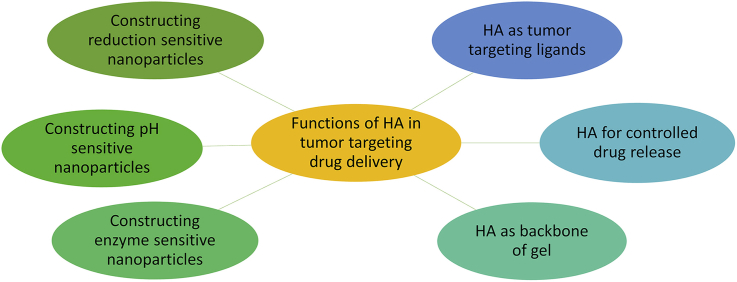
Development and application of hyaluronic acid in tumor targeting drug delivery
Overview
The claims and statistics of this paper haven’t been checked yet.
Run the check — free, no account needed. It reads the open-access text and checks the sources it cites.
Integrity signals
Registry
Cites
Statistics
Figures
Verification
Claims the paper makes
The claims and statistics of this paper haven’t been checked yet.
Run the check — free, no account needed. It reads the open-access text and checks the sources it cites.
Claims other papers make about this one
Each is checked against this paper’s own text: does it say what the citing paper says it does?
In the citing paper
“It has been experimentally shown its ability to be as a tumor-targeting moiety through virtue of its high affinity for the cell surface receptors CD44 and RHAMM which, in a cancer stage-specific manner, overexpressed in colorectal carcinoma.179–181”
From Current Advances in Chitosan Nanoparticles Based Oral Drug Delivery for Colorectal Cancer Treatment (2022) · cites this paper as [180]
Self-check
Percentages, sums and reported differences re-computed from the paper’s own numbers.
The self-check needs the paper’s full text.
Citations
Cites
Liu, R., Xiao, W., Hu, C., Xie, R., & Gao, H. (2018) · Journal of Controlled Release · doi:10.1016/j.jconrel.2018.04.005 · Cited by 250 · cited 2×
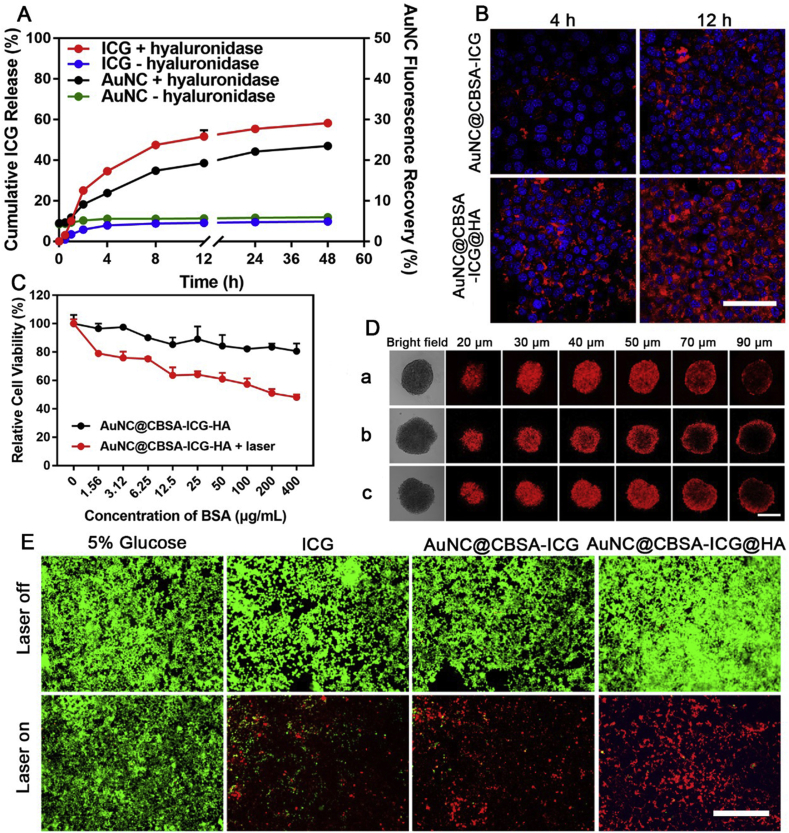
“For example, Liu et al.21 directly mixed HA with cationic gold nanocluster (AuNC) to form nanoparticles, and doxorubicin (DOX) could be loaded into the nanoparticles simply by the electrostatic adsorption.”
BackgroundLv, Y., Xu, C., Zhao, X., Lin, C., Yang, X., Xin, X., Zhang, L., Qin, C., Han, X., Yang, L., et al. (2018) · ACS Nano · doi:10.1021/acsnano.7b08051 · Cited by 235
Emerging Roles for Hyaluronidase in Cancer Metastasis and Therapy
(2014) · Advances in Cancer Research · doi:10.1016/b978-0-12-800092-2.00001-0 · Cited by 204
Xiao, W., Ruan, S., Yu, W., Wang, R., Hu, C., Liu, R., & Gao, H. (2017) · Molecular Pharmaceutics · doi:10.1021/acs.molpharmaceut.7b00475 · Cited by 84
Self-citationXia, J., Du, Y., Huang, L., Chaurasiya, B., Tu, J., Webster, T. J., & Sun, C. (2018) · Nanomedicine: Nanotechnology, Biology and Medicine · doi:10.1016/j.nano.2017.12.017 · Cited by 63
Research works printed but not linked: 106
- Jain, 1988, Mechanisms of heterogeneous distribution of monoclonal antibodies and other macromolecules in tumors: significance of elevated interstitial pressure, Cancer Res, 48, 7022
- Fang, 2011, The EPR effect: unique features of tumor blood vessels for drug delivery, factors involved, and limitations and augmentation of the effect, Adv Drug Deliv Rev, 63, 136, 10.1016/j.addr.2010.04.009 · DOI
- Gao, 2016, Progress and perspectives on targeting nanoparticles for brain drug delivery, Acta Pharm Sin B, 6, 268, 10.1016/j.apsb.2016.05.013 · DOI
- Sun, 2017, Rational design of cancer nanomedicine: nanoproperty integration and synchronization, Adv Mater, 29, 1606628, 10.1002/adma.201606628 · DOI
- Fan, 2017, Nanotechnology for multimodal synergistic cancer therapy, Chem Rev, 117, 13566, 10.1021/acs.chemrev.7b00258 · DOI
- Shi, 2017, Cancer nanomedicine: progress, challenges and opportunities, Nat Rev Canc, 17, 20, 10.1038/nrc.2016.108 · DOI · Paper page
- Weissig, 2014, Nanopharmaceuticals (part 1): products on the market, Int J Nanomed, 9, 4357, 10.2147/IJN.S46900 · DOI
- Weissig, 2015, Nanopharmaceuticals (part 2): products in the pipeline, Int J Nanomed, 10, 1245, 10.2147/IJN.S65526 · DOI
- Wickens, 2017, Recent advances in hyaluronic acid-decorated nanocarriers for targeted cancer therapy, Drug Discov Today, 22, 665, 10.1016/j.drudis.2016.12.009 · DOI
- Schaefer, 2010, Proteoglycans: from structural compounds to signaling molecules, Cell Tissue Res, 339, 237, 10.1007/s00441-009-0821-y · DOI
- Underhill, 1992, CD44: the hyaluronan receptor, J Cell Sci, 103, 293, 10.1242/jcs.103.2.293 · DOI
- Swierczewska, 2016, Polysaccharide-based nanoparticles for theranostic nanomedicine, Adv Drug Deliv Rev, 99, 70, 10.1016/j.addr.2015.11.015 · DOI
- Kim, 2017, Hyaluronate and its derivatives for customized biomedical applications, Biomaterials, 123, 155, 10.1016/j.biomaterials.2017.01.029 · DOI
- Dosio, 2016, Hyaluronic acid for anticancer drug and nucleic acid delivery, Adv Drug Deliv Rev, 97, 204, 10.1016/j.addr.2015.11.011 · DOI
- Seok, 2018, CD44 targeting biocompatible and biodegradable hyaluronic acid cross-linked zein nanogels for curcumin delivery to cancer cells: in vitro and in vivo evaluation, J Control Release, 280, 20, 10.1016/j.jconrel.2018.04.050 · DOI
- Mine, 2003, Hepatocyte growth factor enhances adhesion of breast cancer cells to endothelial cells in vitro through up-regulation of CD44, Exp Cell Res, 288, 189, 10.1016/S0014-4827(03)00184-8 · DOI
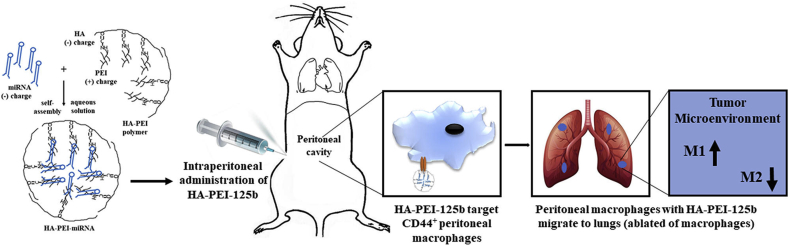
- Parayath, 2018, Repolarization of Tumor-associated macrophages in a genetically engineered nonsmall cell lung cancer model by intraperitoneal administration of hyaluronic acid-based nanoparticles encapsulating microRNA-125b, Nano Lett, 18, 3571, 10.1021/acs.nanolett.8b00689 · DOI
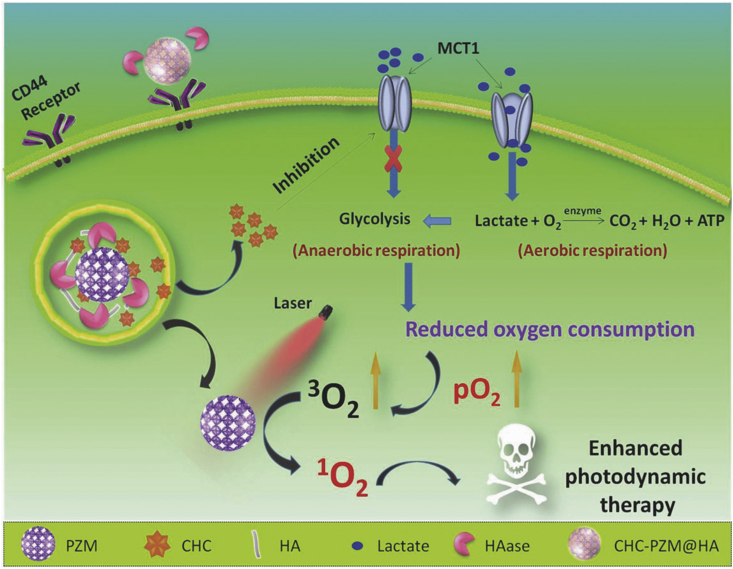
- Chen, 2018, Interfering with lactate-fueled respiration for enhanced photodynamic tumor therapy by a porphyrinic MOF nanoplatform, Adv Funct Mater, 28, 1803498, 10.1002/adfm.201803498 · DOI
- Gotov, 2018, Docetaxel-loaded hyaluronic acid–cathepsin B-cleavable-peptide-gold nanoparticles for the treatment of cancer, Mol Pharm, 15, 4668, 10.1021/acs.molpharmaceut.8b00640 · DOI
- Zhang, 2016, A hyaluronidase-responsive nanoparticle-based drug delivery system for targeting colon cancer cells, Cancer Res, 76, 7208, 10.1158/0008-5472.CAN-16-1681 · DOI
- Zhang, 2014, Activatable hyaluronic acid nanoparticle as a theranostic agent for optical/photoacoustic image-guided photothermal therapy, ACS Nano, 8, 12250, 10.1021/nn506130t · DOI
- Miyazaki, 2018, Hyaluronic acid-based pH-sensitive polymer-modified liposomes for cell-specific intracellular drug delivery systems, Bioconjug Chem, 29, 44, 10.1021/acs.bioconjchem.7b00551 · DOI
- Yin, 2017, Redox sensitive hyaluronic acid-decorated graphene oxide for photothermally controlled tumor-cytoplasm-selective rapid drug delivery, Adv Funct Mater, 27, 1604620, 10.1002/adfm.201604620 · DOI
- Ren, 2018, Degradation-regulatable architectured implantable macroporous scaffold for the spatiotemporal modulation of immunosuppressive microenvironment and enhanced combination cancer immunotherapy, Adv Funct Mater, 28, 1804490, 10.1002/adfm.201804490 · DOI
- Suh, 2004, Soft lithographic patterning of hyaluronic acid on hydrophilic substrates using molding and printing, Adv Mater, 16, 584, 10.1002/adma.200306180 · DOI
- Gao, 2014, The interaction of nanoparticles with plasma proteins and the consequent influence on nanoparticles behavior, Expert Opin Drug Deliv, 11, 409, 10.1517/17425247.2014.877442 · DOI
- Nel, 2009, Understanding biophysicochemical interactions at the nano-bio interface, Nat Mater, 8, 543, 10.1038/nmat2442 · DOI · Paper page
- Xiao, 2018, Influence of ligands property and particle size of gold nanoparticles on the protein adsorption and corresponding targeting ability, Int J Pharm, 538, 105, 10.1016/j.ijpharm.2018.01.011 · DOI
- Zhang, 2018, Ligand size and conformation affect the behavior of nanoparticles coated with in vitro and in vivo protein corona, ACS Appl Mater Interfaces, 10, 9094, 10.1021/acsami.7b16096 · DOI
- Aggarwal, 2009, Nanoparticle interaction with plasma proteins as it relates to particle biodistribution, biocompatibility and therapeutic efficacy, Adv Drug Deliv Rev, 61, 428, 10.1016/j.addr.2009.03.009 · DOI · Paper page
- Kolate, 2014, PEG—a versatile conjugating ligand for drugs and drug delivery systems, J Control Release, 192C, 67, 10.1016/j.jconrel.2014.06.046 · DOI
- Almalik, 2017, Hyaluronic acid coated chitosan nanoparticles reduced the immunogenicity of the formed protein corona, Sci Rep, 7, 10542, 10.1038/s41598-017-10836-7 · DOI
- Stern, 2006, Hyaluronidases: their genomics, structures, and mechanisms of action, Chem Rev, 106, 818, 10.1021/cr050247k · DOI
- Itano, 2008, Altered hyaluronan biosynthesis in cancer progression, Semin Canc Biol, 18, 268, 10.1016/j.semcancer.2008.03.006 · DOI
- Misra, 2011, Hyaluronan–CD44 interactions as potential targets for cancer therapy, FEBS J, 278, 1429, 10.1111/j.1742-4658.2011.08071.x · DOI · Paper page
- Wu, 2015, A novel role of low molecular weight hyaluronan in breast cancer metastasis, FASEB J, 29, 1290, 10.1096/fj.14-259978 · DOI
- Gunthert, 1991, A new variant of glycoprotein CD44 confers metastatic potential to rat carcinoma cells, Cell, 65, 13, 10.1016/0092-8674(91)90403-L · DOI
- Zoller, 2011, CD44: can a cancer-initiating cell profit from an abundantly expressed molecule?. llular matrix receptor functions affect tumor susceptibility and progres, Nat Rev Canc, 11, 254, 10.1038/nrc3023 · DOI
- Jaggupilli, 2012, Significance of CD44 and CD24 as cancer stem cell markers: an enduring ambiguity, Clin Dev Immunol, 2012, 708036, 10.1155/2012/708036 · DOI
- Su, 2011, Identification of cancer stem-like CD44+ cells in human nasopharyngeal carcinoma cell line, Arch Med Res, 42, 15, 10.1016/j.arcmed.2011.01.007 · DOI
- Leung, 2010, Non-small cell lung cancer cells expressing CD44 are enriched for stem cell-like properties, PLoS One, 5, e14062, 10.1371/journal.pone.0014062 · DOI
- Okada, 2010, MicroRNAs in immune regulation—opportunities for cancer immunotherapy, Int J Biochem Cell Biol, 42, 1256, 10.1016/j.biocel.2010.02.002 · DOI
- He, 2018, A multi-functional macrophage and tumor targeting gene delivery system for the regulation of macrophage polarity and reversal of cancer immunoresistance, Nanoscale, 10, 15578, 10.1039/C8NR05294H · DOI
- Telmer, 2011, How does a protein with dual mitotic spindle and extracellular matrix receptor functions affect tumor susceptibility and progression?., Commun Integr Biol, 4, 182, 10.4161/cib.4.2.14270 · DOI
- Gust, 2009, RHAMM (CD168) is overexpressed at the protein level and may constitute an immunogenic antigen in advanced prostate cancer disease, Neoplasia, 11, 956, 10.1593/neo.09694 · DOI
- Shigeishi, 2009, Overexpression of the receptor for hyaluronan-mediated motility, correlates with expression of microtubule-associated protein in human oral squamous cell carcinomas, Int J Oncol, 34, 1565, 10.3892/ijo_00000286 · DOI
- Pandey, 2014, J Biol Chem, 289, 21807, 10.1074/jbc.M114.565846 · DOI
- Pandey, 2013, The hyaluronan receptor for endocytosis (HARE) activates NF-kappaB-mediated gene expression in response to 40–400-kDa, but not smaller or larger, hyaluronans, J Biol Chem, 288, 14068, 10.1074/jbc.M112.442889 · DOI
- Girish, 2007, The magic glue hyaluronan and its eraser hyaluronidase: a biological overview, Life Sci, 80, 1921, 10.1016/j.lfs.2007.02.037 · DOI
- Bertrand, 1997, Increased hyaluronidase levels in breast tumor metastases, Int J Cancer, 73, 327, 10.1002/(SICI)1097-0215(19971104)73:3<327::AID-IJC4>3.0.CO;2-1 · DOI
- Lokeshwar, 2001, Stromal and epithelial expression of tumor markers hyaluronic acid and HYAL1 hyaluronidase in prostate cancer, J Biol Chem, 276, 11922, 10.1074/jbc.M008432200 · DOI
- Delpech, 2002, Hyaluronidase is more elevated in human brain metastases than in primary brain tumours, Anticancer Res, 22, 2423
- Tan, 2011, HYAL1 overexpression is correlated with the malignant behavior of human breast cancer, Int J Cancer, 128, 1303, 10.1002/ijc.25460 · DOI
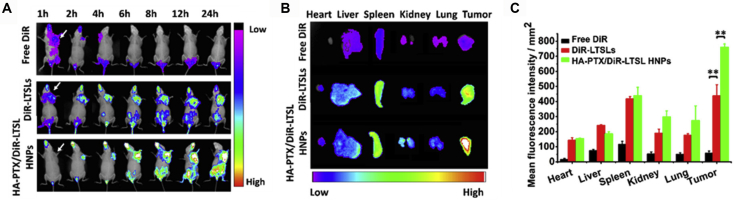
- De Stefano, 2011, Hyaluronic acid–paclitaxel: effects of intraperitoneal administration against CD44+ human ovarian cancer xenografts, Cancer Chemother Pharmacol, 68, 107, 10.1007/s00280-010-1462-2 · DOI
- Banzato, 2009, Biodistribution imaging of a paclitaxel–hyaluronan bioconjugate, Nucl Med Biol, 36, 525, 10.1016/j.nucmedbio.2009.02.005 · DOI
- Vogus, 2017, A hyaluronic acid conjugate engineered to synergistically and sequentially deliver gemcitabine and doxorubicin to treat triple negative breast cancer, J Control Release, 267, 191, 10.1016/j.jconrel.2017.08.016 · DOI
- Zhang, 2018, A versatile prodrug strategy to in situ encapsulate drugs in MOF nanocarriers: a case of cytarabine-IR820 prodrug encapsulated ZIF-8 toward chemo-photothermal therapy, Adv Funct Mater, 28, 1802830, 10.1002/adfm.201802830 · DOI
- Wang, 2018, Combination-responsive MoO3-x-hybridized hyaluronic acid hollow nanospheres for cancer phototheranostics, ACS Appl Mater Interfaces, 10, 42088, 10.1021/acsami.8b15818 · DOI
- Wang, 2017, A triple-synergistic strategy for combinational photo/radiotherapy and multi-modality imaging based on hyaluronic acid-hybridized polyaniline-coated WS2 nanodots, Nanoscale, 9, 5551, 10.1039/C6NR09219E · DOI
- Shen, 2015, Coating solid lipid nanoparticles with hyaluronic acid enhances antitumor activity against melanoma stem-like cells, Theranostics, 5, 755, 10.7150/thno.10804 · DOI
- Marengo, 2019, Pancreatic cancer stem cell proliferation is strongly inhibited by diethyldithiocarbamate–copper complex loaded into hyaluronic acid decorated liposomes, Biochim Biophys Acta Gen Subj, 1863, 61, 10.1016/j.bbagen.2018.09.018 · DOI
- An, 2017, Regulation of multidrug resistance by microRNAs in anti-cancer therapy, Acta Pharm Sin B, 7, 38, 10.1016/j.apsb.2016.09.002 · DOI
- Gaio, 2018, Co-delivery of docetaxel and disulfonate tetraphenyl chlorin in one nanoparticle produces strong synergism between chemo- and photodynamic therapy in drug-sensitive and -resistant cancer cells, Mol Pharm, 15, 4599, 10.1021/acs.molpharmaceut.8b00597 · DOI
- Dintaman, 1999, Inhibition of P-glycoprotein by d-alpha-tocopheryl polyethylene glycol 1000 succinate (TPGS), Pharm Res (N Y), 16, 1550, 10.1023/A:1015000503629 · DOI
- Zhang, 2018, CD44-targeted facile enzymatic activatable chitosan nanoparticles for efficient antitumor therapy and reversal of multidrug resistance, Biomacromolecules, 19, 883, 10.1021/acs.biomac.7b01676 · DOI
- Li, 2019, Redox-responsive hyaluronic acid nanogels for hyperthermia-assisted chemotherapy to overcome multidrug resistance, Carbohydr Polym, 203, 378, 10.1016/j.carbpol.2018.09.076 · DOI
- Perez-Escuredo, 2016, Monocarboxylate transporters in the brain and in cancer, Biochim Biophys Acta, 1863, 2481, 10.1016/j.bbamcr.2016.03.013 · DOI
- Sonveaux, 2008, Targeting lactate-fueled respiration selectively kills hypoxic tumor cells in mice, J Clin Investig, 118, 3930
- Chen, 2014, A multi-synergistic platform for sequential irradiation-activated high-performance apoptotic cancer therapy, Adv Funct Mater, 24, 522, 10.1002/adfm.201301951 · DOI
- He, 2018, Effective and selective anti-cancer protein delivery via all-functions-in-one nanocarriers coupled with visible light-responsive, reversible protein engineering, Adv Funct Mater, 28, 1706710, 10.1002/adfm.201706710 · DOI
- Cun, 2016, A dual strategy to improve the penetration and treatment of breast cancer by combining shrinking nanoparticles with collagen depletion by losartan, Acta Biomater, 31, 186, 10.1016/j.actbio.2015.12.002 · DOI
- Decuzzi, 2010, Size and shape effects in the biodistribution of intravascularly injected particles, J Control Release, 141, 320, 10.1016/j.jconrel.2009.10.014 · DOI
- Tang, 2014, Investigating the optimal size of anticancer nanomedicine, Proc Natl Acad Sci U S A, 111, 15344, 10.1073/pnas.1411499111 · DOI
- Kibria, 2013, The effect of liposomal size on the targeted delivery of doxorubicin to integrin alphavbeta3-expressing tumor endothelial cells, Biomaterials, 34, 5617, 10.1016/j.biomaterials.2013.03.094 · DOI
- Hickey, 2015, Control of polymeric nanoparticle size to improve therapeutic delivery, J Control Release, 219, 536, 10.1016/j.jconrel.2015.10.006 · DOI
- Ruan, 2016, Increased gold nanoparticle retention in brain tumors by in situ enzyme-induced aggregation, ACS Nano, 10, 10086, 10.1021/acsnano.6b05070 · DOI
- Shen, 2017, Spatial targeting of tumor-associated macrophages and tumor cells with a pH-sensitive cluster nanocarrier for cancer chemoimmunotherapy, Nano Lett, 17, 3822, 10.1021/acs.nanolett.7b01193 · DOI
- Wei, 2018, High-efficient clearable nanoparticles for multi-modal imaging and image-guided cancer therapy, Adv Funct Mater, 28, 1704634, 10.1002/adfm.201704634 · DOI
- Ruan, 2015, Matrix metalloproteinase-sensitive size-shrinkable nanoparticles for deep tumor penetration and pH triggered doxorubicin release, Biomaterials, 60, 100, 10.1016/j.biomaterials.2015.05.006 · DOI
- Li, 2016, Hyaluronic acid ion-pairing nanoparticles for targeted tumor therapy, J Control Release, 225, 170, 10.1016/j.jconrel.2016.01.049 · DOI
- Cadete, 2016, Targeting cancer with hyaluronic acid-based nanocarriers: recent advances and translational perspectives, Nanomedicine, 11, 2341, 10.2217/nnm-2016-0117 · DOI
- Liu, 2019, Theranostic nanoparticles with tumor-specific enzyme-triggered size reduction and drug release to perform photothermal therapy for breast cancer treatment, Acta Pharm Sin B, 9, 410, 10.1016/j.apsb.2018.09.001 · DOI
- Qin, 2018, The application of nitric oxide delivery in nanoparticle-based tumor targeting drug delivery and treatment, Asian J Pharm Sci, 14, 66
- Hu, 2018, Enzyme-triggered size shrink and laser-enhanced NO release nanoparticles for deep tumor penetration and combination therapy, Biomaterials, 168, 64, 10.1016/j.biomaterials.2018.03.046 · DOI
- Hu, 2018, Coadministration of iRGD with multistage responsive nanoparticles enhanced tumor targeting and penetration abilities for breast cancer therapy, ACS Appl Mater Interfaces, 10, 22571, 10.1021/acsami.8b04847 · DOI
- Cun, 2015, A novel strategy through combining iRGD peptide with tumor-microenvironment-responsive and multistage nanoparticles for deep tumor penetration, ACS Appl Mater Interfaces, 7, 27458, 10.1021/acsami.5b09391 · DOI
- Ruan, 2017, Ligand-mediated and enzyme-directed precise targeting and retention for the enhanced treatment of glioblastoma, ACS Appl Mater Interfaces, 9, 20348, 10.1021/acsami.7b02303 · DOI
- Ruan, 2015, Matrix metalloproteinase triggered size-shrinkable gelatin–gold fabricated nanoparticles for tumor microenvironment sensitive penetration and diagnosis of glioma, Nanoscale, 7, 9487, 10.1039/C5NR01408E · DOI
- Han, 2017, MMP-2-sensitive HA end-conjugated poly(amidoamine) dendrimers via click reaction to enhance drug penetration into solid tumor, ACS Appl Mater Interfaces, 9, 42459, 10.1021/acsami.7b10098 · DOI
- Han, 2016, Gold-nanoclustered hyaluronan nano-assemblies for photothermally maneuvered photodynamic tumor ablation, ACS Nano, 10, 10858, 10.1021/acsnano.6b05113 · DOI
- Ruan, 2015, Tumor microenvironment sensitive doxorubicin delivery and release to glioma using angiopep-2 decorated gold nanoparticles, Biomaterials, 37, 425, 10.1016/j.biomaterials.2014.10.007 · DOI
- Lee, 2008, Recent progress in tumor pH targeting nanotechnology, J Control Release, 132, 164, 10.1016/j.jconrel.2008.05.003 · DOI
- Ding, 2018, PH-sensitive coiled-coil peptide-cross-linked hyaluronic acid nanogels: synthesis and targeted intracellular protein delivery to CD44 positive cancer cells, Biomacromolecules, 19, 555, 10.1021/acs.biomac.7b01664 · DOI
- Du, 2018, Reduction-sensitive mixed micelles for selective intracellular drug delivery to tumor cells and reversal of multidrug resistance, Int J Pharm, 550, 1, 10.1016/j.ijpharm.2018.08.019 · DOI
- Cai, 2017, Reduction- and pH-sensitive hyaluronan nanoparticles for delivery of iridium (III) anticancer drugs, Biomacromolecules, 18, 2102, 10.1021/acs.biomac.7b00445 · DOI
- Debele, 2018, PH- and GSH-sensitive hyaluronic acid–MP conjugate micelles for intracellular delivery of doxorubicin to colon cancer cells and cancer stem cells, Biomacromolecules, 19, 3725, 10.1021/acs.biomac.8b00856 · DOI
- Song, 2018, Paclitaxel-loaded redox-sensitive nanoparticles based on hyaluronic acid–vitamin E succinate conjugates for improved lung cancer treatment, Int J Nanomed, 13, 1585, 10.2147/IJN.S155383 · DOI
- Tian, 2018, Tween 80-modified hyaluronic acid-ss-curcumin micelles for targeting glioma: synthesis, characterization and their in vitro evaluation, Int J Biol Macromol, 120, 2579, 10.1016/j.ijbiomac.2018.09.034 · DOI
- Zhou, 2017, Bioreducible cross-linked hyaluronic acid/calcium phosphate hybrid nanoparticles for specific delivery of siRNA in melanoma tumor therapy, ACS Appl Mater Interfaces, 9, 14576, 10.1021/acsami.6b15347 · DOI
- Gu, 2018, Hyaluronic acid shell and disulfide-crosslinked core micelles for in vivo targeted delivery of bortezomib for the treatment of multiple myeloma, Acta Biomater, 80, 288, 10.1016/j.actbio.2018.09.022 · DOI
- Yin, 2018, Free adriamycin-loaded pH/reduction dual-responsive hyaluronic acid–adriamycin prodrug micelles for efficient cancer therapy, ACS Appl Mater Interfaces, 10, 35693, 10.1021/acsami.8b09342 · DOI
- Lin, 2017, pH and redox dual stimulate-responsive nanocarriers based on hyaluronic acid coated mesoporous silica for targeted drug delivery, Mater Sci Eng C Mater Biol Appl, 81, 478, 10.1016/j.msec.2017.08.036 · DOI
- Burdick, 2011, Hyaluronic acid hydrogels for biomedical applications, Adv Mater, 23, H41, 10.1002/adma.201003963 · DOI
- Yang, 2015, Hyaluronic acid nanogels with enzyme-sensitive cross-linking group for drug delivery, J Control Release, 205, 206, 10.1016/j.jconrel.2015.02.008 · DOI
- Verbeke, 2015, Injectable, pore-forming hydrogels for in vivo enrichment of immature dendritic cells, Adv Healthc Mater, 4, 2677, 10.1002/adhm.201500618 · DOI
- Xiao, 2018, The impact of protein corona on the behavior and targeting capability of nanoparticle-based delivery system, Int J Pharm, 552, 328, 10.1016/j.ijpharm.2018.10.011 · DOI
Cited by
Sorted by citations
3D printing to innovate biopolymer materials for demanding applications: A review
Li, N., Qiao, D., Zhao, S., Lin, Q., Zhang, B., & Xie, F. (2021) · Materials Today Chemistry · doi:10.1016/j.mtchem.2021.100459 · Cited by 142
Current Advances in Chitosan Nanoparticles Based Oral Drug Delivery for Colorectal Cancer Treatment
Choukaife, H., Seyam, S., Alallam, B., Doolaanea, A. A., & Alfatama, M. (2022) · International Journal of Nanomedicine · doi:10.2147/ijn.s375229 · Cited by 127
Liposome-based anchoring and core-encapsulation for combinatorial cancer therapy
Xiao, Q., Li, X., Liu, C., Yang, Y., Hou, Y., Wang, Y., Su, M., & He, W. (2022) · Chinese Chemical Letters · doi:10.1016/j.cclet.2022.01.083 · Cited by 38
A review on Stimuli-pH responsive liposomal formulation in cancer therapy
Jayapriya, P., Pardhi, E., Vasave, R., Guru, S. K., Madan, J., & Mehra, N. K. (2023) · Journal of Drug Delivery Science and Technology · doi:10.1016/j.jddst.2023.105172 · Cited by 24
Metadata
- Authors
- Luo, Z., Dai, Y., & Gao, H.
- Venue
- Acta Pharmaceutica Sinica B
- Publisher
- Elsevier BV
- Published
- 2019-11
- Volume
- 9
- Issue
- 6
- Pages
- 1099-1112
- ISSN
- 2211-3835
- PMC
- PMC6900560
- Cited by
- 379
- References
- 5
- Language
- en
- Licence
- Funders
- National Natural Science Foundation of China (31571016, 81872806)
- China Academy of Space Technology (2017QNRC001)
About these checks
Registry, retraction, Cites and statistics results are computed, not judged, with one exception: a printed reference that no index lists is read once by a model before it counts as a citation error. Claims are extracted by a model and kept only when their quote appears verbatim in the text; each cited source is then checked, with a model’s help, for whether it says what the claim relies on. Those verdicts can be wrong — read the claim’s quote and the cited source before relying on one.
Statistics and arithmetic are recomputed, not judged.
Confidence bands are shown only for fields calibrated on our annotated test set. None is calibrated yet, so no band is shown.
What counts as a claim ›How we measure confidence ›How we check this ›
Are you an author, or do you see a problem with this page? Request a review
