

The DOI matches its Crossref record.
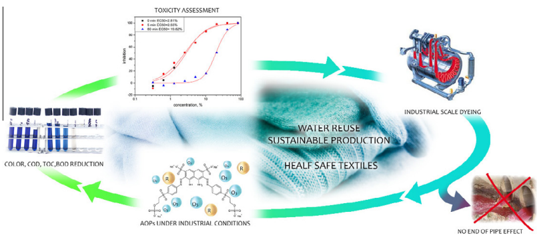
Comparison between Industrial and Simulated Textile Wastewater Treatment by AOPs—Biodegradability, Toxicity and Cost Assessment
Overview
The claims and statistics of this paper haven’t been checked yet.
Run the check — free, no account needed. It reads the open-access text and checks the sources it cites.
Integrity signals
Registry
Cites
Statistics
Figures
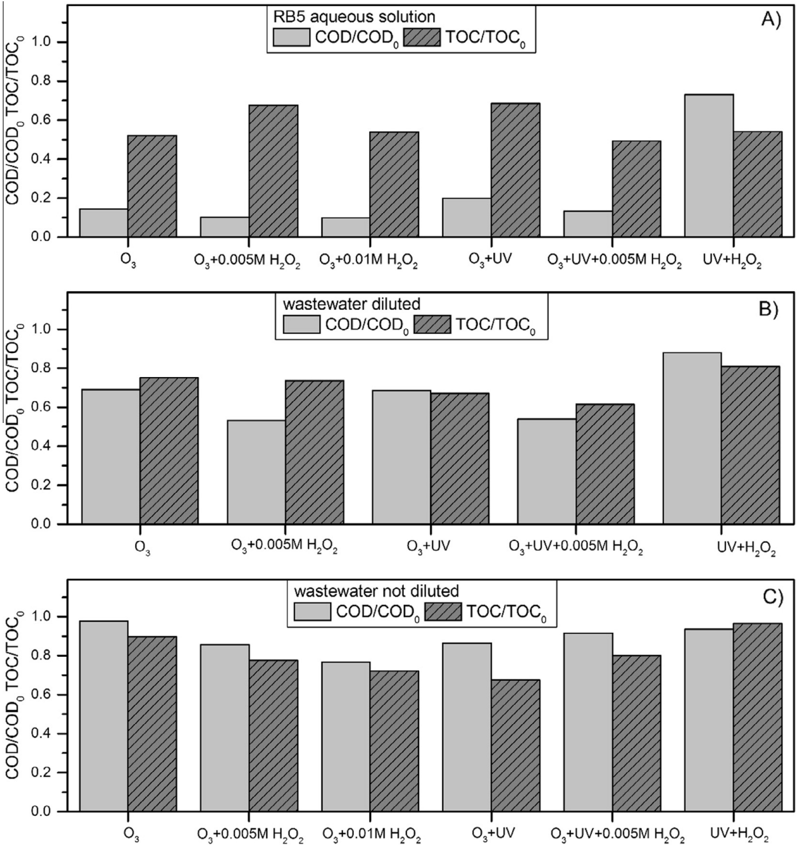
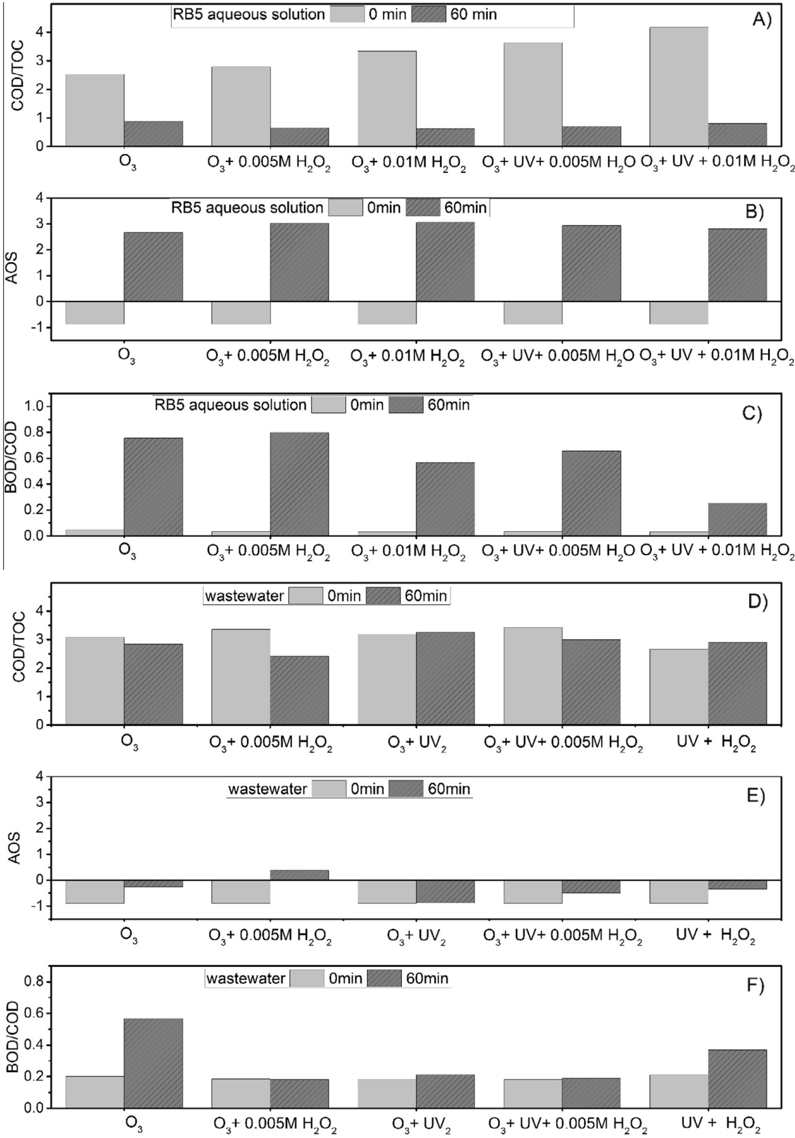
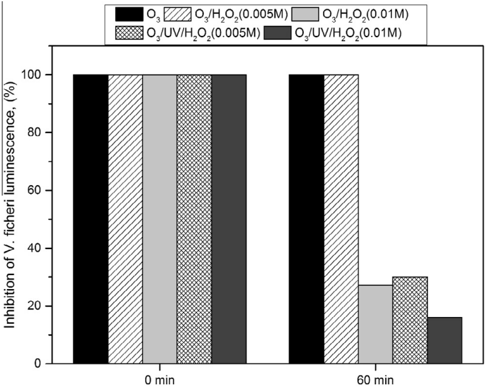
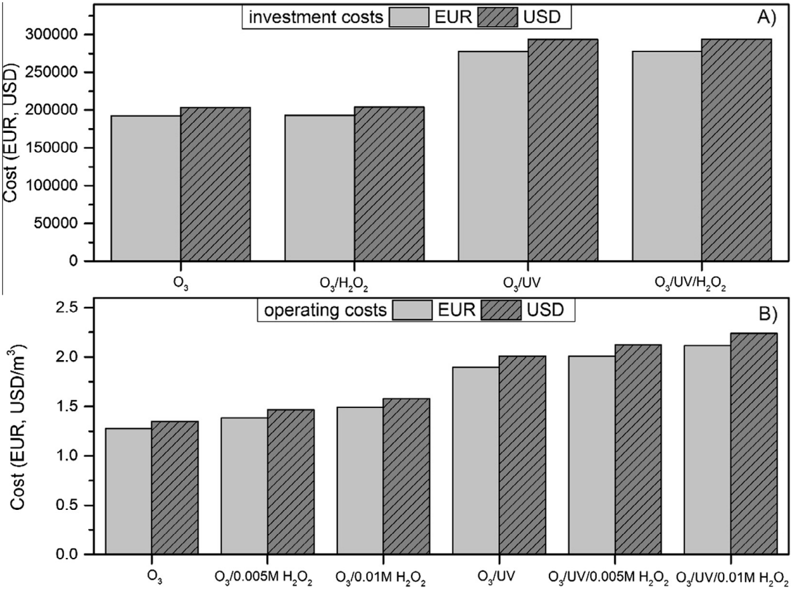
Verification
Claims the paper makes
The claims and statistics of this paper haven’t been checked yet.
Run the check — free, no account needed. It reads the open-access text and checks the sources it cites.
Claims other papers make about this one
Each is checked against this paper’s own text: does it say what the citing paper says it does?
The cited source says what the claim attributes to it.
In the citing paper
“The use of auxiliary agents in the dye and their impact on dye degradation, as well as the influence of different salts on the process of ozonation, were investigated through the application of the AOP [250].”
From Recent Advances in the Remediation of Textile-Dye-Containing Wastewater: Prioritizing Human Health and Sustainable Wastewater Treatment (2024) · cites this paper as [250]
Self-check
Percentages, sums and reported differences re-computed from the paper’s own numbers.
The self-check needs the paper’s full text.
Citations
Cites
No references could be resolved yet.
Research works printed but not linked: 32
- Kallia, 2000, Environmental profile of textile wet processing in Finland, J. Clean. Prod., 8, 143, 10.1016/S0959-6526(99)00313-3 · DOI
- Ghaly, 2015, Production, characterization and treatment of textile effluents: a critical review, J. Chem. Eng. Process Technol., 5
- Dulov, 2011, Combined physicochemical treatment of textile and mixed industrial wastewater, Ozone Sci. Eng., 33, 285, 10.1080/01919512.2011.583136 · DOI
- Allegre, 2006, Treatment and reuse of reactive dyeing effluents, J. Membr. Sci., 269, 15, 10.1016/j.memsci.2005.06.014 · DOI
- Paździor, 2009, Integration of nanofiltration and biological degradation of textile wastewater containing azo dye, Chemosphere, 75, 250, 10.1016/j.chemosphere.2008.12.016 · DOI
- Somensi, 2010, Use of ozone in a pilot-scale plant for textile wastewater pre-treatment: physico-chemical efficiency, degradation by-products identification and environmental toxicity of treated wastewater, J. Hazard. Mater., 175, 235, 10.1016/j.jhazmat.2009.09.154 · DOI · Paper page
- Glaze, 1987, The chemistry of water treatment processes involving ozone, hydrogen peroxide and ultraviolet radiation, Ozone Sci. Eng., 9, 335, 10.1080/01919518708552148 · DOI
- Chen, 2009, Application of ozone on the decolorization of reactive dyes – Orange-13 and Blue-19, Desalination, 249, 1238, 10.1016/j.desal.2008.10.032 · DOI
- Hsing, 2007, The decolorization and mineralization of acid orange 6 azo dye in aqueous solution by advanced oxidation processes: a comparative study, J. Hazard. Mater., 141, 8, 10.1016/j.jhazmat.2006.05.122 · DOI
- Oguz, 2007, Comparison among O3, PAC adsorption, O3/HCO3−, O3/H2O2 and O3/PAC processes for the removal of Bomaplex Red CR-L dye from aqueous solution, Dyes Pigm., 74, 329, 10.1016/j.dyepig.2006.02.011 · DOI
- Zhang, 2004, Effects of dye additives on the ozonation process and oxidation by-products: a comparative study using hydrolyzed C.I. reactive Red 120, Dyes Pigm., 60, 1, 10.1016/S0143-7208(03)00111-6 · DOI
- Wang, 2003, Ozonation of an azo dye C.I. Remazol Black 5 and toxicological assessment of its oxidation products, Chemosphere, 52, 1225, 10.1016/S0045-6535(03)00331-X · DOI
- Ledakowicz, 2001, Biodegradation, decolourisation and detoxification of textile wastewater enhanced by advanced oxidation processes, J. Biotechnol., 89, 175, 10.1016/S0168-1656(01)00296-6 · DOI
- Muthukumar, 2005, Statistical analysis of the effect of aromatic, azo and sulphonic acid groups on decolouration of acid dye effluents using advanced oxidation processes, Dyes Pigm., 65, 151, 10.1016/j.dyepig.2004.07.012 · DOI
- Muthukumar, 2004, Studies on the effect of inorganic salts on decolouration of acid dye effluents by ozonation, Dyes Pigm., 62, 221, 10.1016/j.dyepig.2003.11.002 · DOI
- Colindres, 2010, Removal of Reactive Black 5 from aqueous solution by ozone for water reuse in textile dyeing processes, Desalination, 258, 154, 10.1016/j.desal.2010.03.021 · DOI
- Bamperng, 2010, Ozonation of dye wastewater by membrane contactor using PVDF and PTFE membranes, Sep. Purif. Technol., 72, 186, 10.1016/j.seppur.2010.02.006 · DOI
- Bilińska, 2015, Application of advanced oxidation technologies for decolorization and mineralization of textile wastewaters, J. Adv. Oxid. Technol., 18, 185
- Konsowa, 2010, Decolorization of industrial wastewater by ozonation followed by adsorption on activated carbon, J. Hazard. Mater., 176, 181, 10.1016/j.jhazmat.2009.11.010 · DOI
- Arslan, 1999, Advanced oxidation of synthetic dyehouse effluent by O3, H2O2/O3 and H2O2/UV processes, Environ. Technol., 20, 921, 10.1080/09593332008616887 · DOI
- Arslan Alaton, 2002, Advanced oxidation of a reactive dyebath effluent: comparison of O3, H2O2/UV-C and TiO2/UV-A processes, Water Res., 36, 1143, 10.1016/S0043-1354(01)00335-9 · DOI
- Senthilkumar, 2007, Studies on the possibility of recycling reactive dye bath effluent after decolouration using ozone, Dyes Pigm., 72, 251, 10.1016/j.dyepig.2005.08.019 · DOI
- Eremektar, 2007, Investigation of the relation between COD fractions and the toxicity in a textile finishing industry wastewater: effect of preozonation, Desalination, 211, 314, 10.1016/j.desal.2006.02.096 · DOI
- Ciardelli, 2001, The treatment and reuse of wastewater in the textile industry by means of ozonation and electroflocculation, Water Res., 35, 567, 10.1016/S0043-1354(00)00286-4 · DOI · Paper page
- Baban, 2003, Ozonation of high strength segregated effluents from a woollen textile dyeing and finishing plant, Dyes Pigm., 58, 93, 10.1016/S0143-7208(03)00047-0 · DOI
- Ledakowicz, 1999, Optimisation of oxidants dose for combined chemical and biological treatment of textile wastewater, Water Res., 33, 2511, 10.1016/S0043-1354(98)00494-1 · DOI
- Chung, 2011, Application of advanced oxidation processes to remove refractory compounds from dye wastewater, Desalin. Water Treat., 25, 233, 10.5004/dwt.2011.1935 · DOI
- Azbar, 2004, Comparison of various advanced oxidation processes and chemical treatment methods for COD and color removal from a polyester and acetate fiber dyeing effluent, Chemosphere, 55, 35, 10.1016/j.chemosphere.2003.10.046 · DOI · Paper page
- Staehelln, 1982, Decomposition of ozone in water: rate of initiation by hydroxide ions and hydrogen peroxide, Environ. Sci. Technol., 16, 676, 10.1021/es00104a009 · DOI · Paper page
- Reyes, 2006, Degradation and inactivation of tetracycline by TiO2 photocatalysis, J. Photochem. Photobiol. A, 184, 141, 10.1016/j.jphotochem.2006.04.007 · DOI
- Gottlieb, 2003, The toxicity of textile reactive azo dyes after hydrolysis and decolourisation, J. Biotechnol., 101, 49, 10.1016/S0168-1656(02)00302-4 · DOI
- Venkatesh, 2015, Impact of ozonation on decolorization and mineralization of azo dyes: biodegradability enhancement, by-products formation, required energy and cost, Ozone Sci. Eng., 37, 420, 10.1080/01919512.2015.1027810 · DOI
Cited by
Sorted by citations
Periyasamy, A. P. (2024) · Sustainability · doi:10.3390/su16020495 · Cited by 652
Biological treatment of model dyes and textile wastewaters
Paz, A., Carballo, J., Pérez, M. J., & Domínguez, J. M. (2017) · Chemosphere · doi:10.1016/j.chemosphere.2017.04.046 · Cited by 327
Algal Toxicity Induced by Effluents from Textile-Dyeing Wastewater Treatment Plants
Cai, H., Liang, J., Ning, X.-A., Lai, X., & Li, Y. (2020) · Journal of Environmental Sciences · doi:10.1016/j.jes.2020.01.004 · Cited by 80
Metadata
- Authors
- Bilińska, L., Gmurek, M., & Ledakowicz, S.
- Venue
- Chemical Engineering Journal
- Publisher
- Elsevier BV
- Published
- 2016-12
- Volume
- 306
- Pages
- 550-559
- ISSN
- 1385-8947
- Cited by
- 296
- References
- 0
- Language
- en
- Licence
- Funders
- National Center for Research and Development (PBS2/A9/22/2013)
- Textile Company Biliński, Konstantynów Łódzki, Poland
- Foundation for Polish Science
About these checks
Registry, retraction, Cites and statistics results are computed, not judged, with one exception: a printed reference that no index lists is read once by a model before it counts as a citation error. Claims are extracted by a model and kept only when their quote appears verbatim in the text; each cited source is then checked, with a model’s help, for whether it says what the claim relies on. Those verdicts can be wrong — read the claim’s quote and the cited source before relying on one.
Statistics and arithmetic are recomputed, not judged.
Confidence bands are shown only for fields calibrated on our annotated test set. None is calibrated yet, so no band is shown.
What counts as a claim ›How we measure confidence ›How we check this ›
Are you an author, or do you see a problem with this page? Request a review
