

The DOI matches its Crossref record; 47 of the 48 references it cites were found in a registry or an index.
Dissecting the multifaceted impact of statin use on fatty liver disease: a multidimensional study
Open accessAbstract
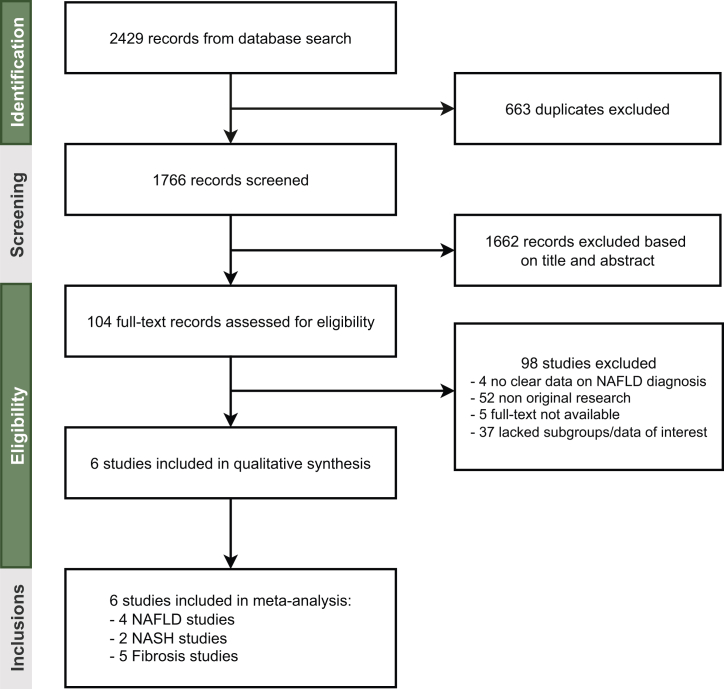
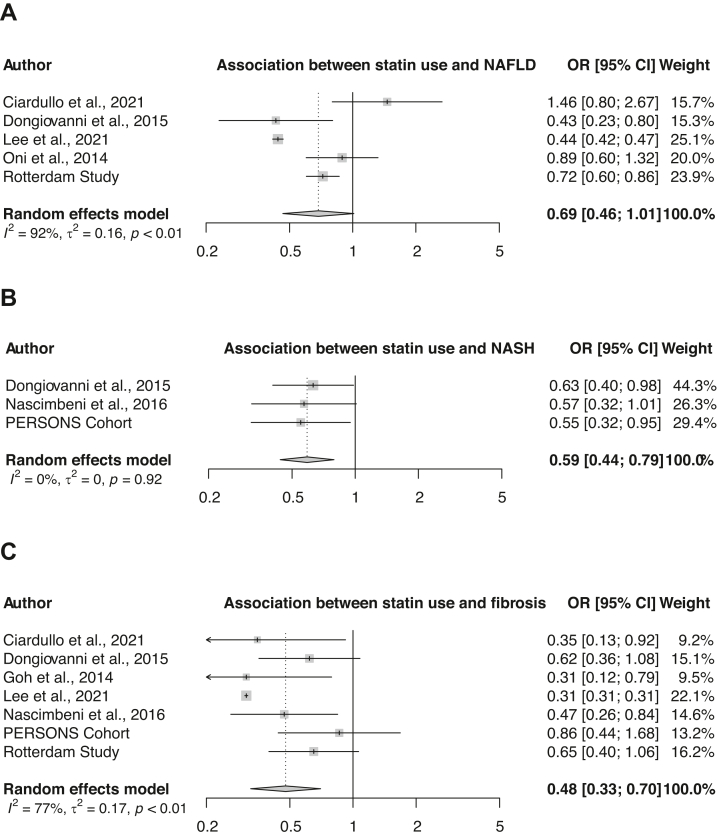
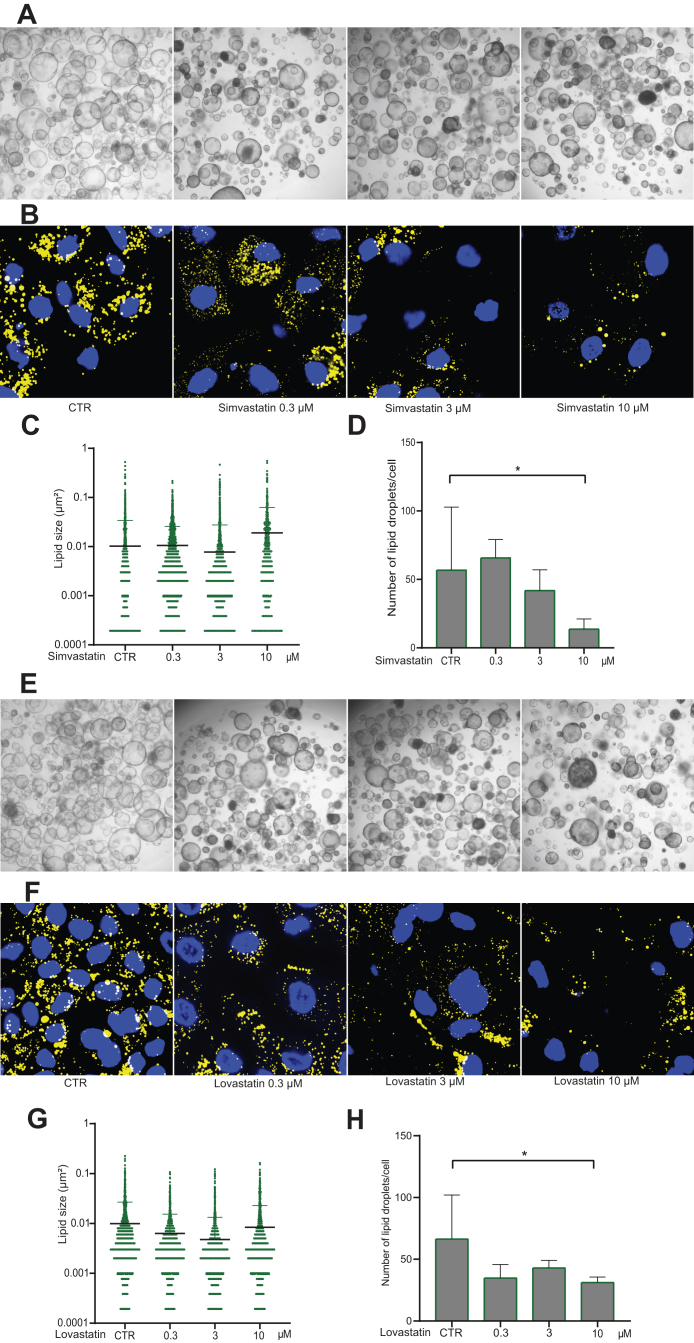
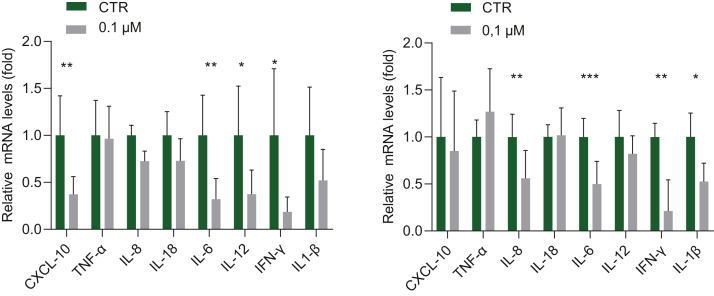
BACKGROUND: Statin use could benefit patients with non-alcoholic fatty liver disease (NAFLD), but the evidence is segmented and inconclusive. This multidimensional study comprehensively investigated the potential benefits and mechanism-of-action of statins in NAFLD. METHODS: A cross-sectional investigation was performed within the Rotterdam Study (general population; n = 4.576) and the PERSONS cohort (biopsy-proven NAFLD patients; n = 569). Exclusion criteria were secondary causes for steatosis and insufficient data on alcohol, dyslipidemia or statin use. Associations of statin use with NAFLD (among entire general population), fibrosis and NASH (among NAFLD individuals and patients) were quantified. These results were pooled with available literature in meta-analysis. Last, we assessed statins' anti-lipid and anti-inflammatory effects in 3D cultured human liver organoids and THP-1 macrophages, respectively. FINDINGS: Statin use was inversely associated with NAFLD in the Rotterdam study compared to participants with untreated dyslipidemia. In the PERSONS cohort, statin use was inversely associated with NASH, but not with fibrosis. The meta-analysis included 7 studies and indicated a not significant inverse association for statin use with NAFLD (pooled-Odds Ratio: 0.69, 95% Confidence Interval: 0.46-1.01) and significant inverse associations with NASH (pooled-OR: 0.59, 95% CI: 0.44-0.79) and fibrosis (pooled-OR: 0.48, 95% CI: 0.33-0.70). In vitro, statins significantly reduced lipid droplet accumulation in human liver organoids and downregulated expression of pro-inflammatory cytokines in macrophages. INTERPRETATION: Pooled results demonstrated that statin use was associated with a lower prevalence of NASH and fibrosis and might prevent NAFLD. This may be partially attributed to the anti-lipid and anti-inflammatory characteristics of statins. Given their under-prescription, adequate prescription of statins may limit the disease burden of NAFLD. FUNDING: ZonMw, KWF, NWO, SLO, DGXII, RIDE, National and regional government, Erasmus MC and Erasmus University.
Overview
The claims and statistics of this paper haven’t been checked yet.
Run the check — free, no account needed. It reads the open-access text and checks the sources it cites.
Integrity signals
Registry
Cites
Statistics
Figures
Verification
Claims the paper makes
The claims and statistics of this paper haven’t been checked yet.
Run the check — free, no account needed. It reads the open-access text and checks the sources it cites.
Claims other papers make about this one
Each is checked against this paper’s own text: does it say what the citing paper says it does?
The source backs part of the claim, not all of it — or backs it for a different population, condition or comparison.
In the citing paper
“Casecontrol studies have shown that statin intake is associated with a reduced risk of MASLD, MASH and liver fi brosis, 393 as well as a reduction in the risk of hepatic decompensation, mortality and HCC in individuals with cirrhosis.”
From EASL-EASD-EASO Clinical Practice Guidelines on the management of metabolic dysfunction-associated steatotic liver disease (MASLD). (2024) · cites this paper as [393]
Experimental — accuracy not yet measured
Self-check
Percentages, sums and reported differences re-computed from the paper’s own numbers.
The self-check needs the paper’s full text.
Citations
Cites
Design and validation of a histological scoring system for nonalcoholic fatty liver disease†
Kleiner, D. E., Brunt, E. M., Van Natta, M., Behling, C., Contos, M. J., Cummings, O. W., Ferrell, L. D., Liu, Y., Torbenson, M. S., Unalp‐Arida, A., et al. (2005) · Hepatology · doi:10.1002/hep.20701 · Cited by 10,791
Younossi, Z. M., Koenig, A. B., Abdelatif, D., Fazel, Y., Henry, L., & Wymer, M. (2016) · Hepatology · doi:10.1002/hep.28431 · Cited by 10,781
Arnett, D. K., Blumenthal, R. S., Albert, M. A., Buroker, A. B., Goldberger, Z. D., Hahn, E. J., Himmelfarb, C. D., Khera, A., Lloyd-Jones, D., McEvoy, J. W., et al. (2019) · Circulation · doi:10.1161/cir.0000000000000678 · Cited by 4,536
Nonalcoholic Steatohepatitis: A Proposal for Grading and Staging The Histological Lesions
Brunt, E. M., Janney, C. G., Di Bisceglie, A. M., Neuschwander-Tetri, B. A., & Bacon, B. R. (1999) · American Journal of Gastroenterology · doi:10.1111/j.1572-0241.1999.01377.x · Cited by 3,907
MAFLD: a consensus-driven proposed nomenclature for metabolic associated fatty liver disease
Eslam, M., Sanyal, A. J., George, J., Sanyal, A., Neuschwander-Tetri, B., Tiribelli, C., Kleiner, D. E., Brunt, E., Bugianesi, E., Yki-Järvinen, H., et al. (2020) · Gastroenterology · doi:10.1053/j.gastro.2019.11.312 · Cited by 3,286
Singh, S., Allen, A. M., Wang, Z., Prokop, L. J., Murad, M. H., & Loomba, R. (2015) · Clinical Gastroenterology and Hepatology · doi:10.1016/j.cgh.2014.04.014 · Cited by 1,748
The role of macrophages in nonalcoholic fatty liver disease and nonalcoholic steatohepatitis
Kazankov, K., Jørgensen, S. M. D., Thomsen, K. L., Møller, H. J., Vilstrup, H., George, J., Schuppan, D., & Grønbæk, H. (2019) · Nature Reviews Gastroenterology & Hepatology · doi:10.1038/s41575-018-0082-x · Cited by 941
Athyros, V. G., Tziomalos, K., Gossios, T. D., Griva, T., Anagnostis, P., Kargiotis, K., Pagourelias, E. D., Theocharidou, E., Karagiannis, A., & Mikhailidis, D. P. (2010) · The Lancet · doi:10.1016/s0140-6736(10)61272-x · Cited by 685
Lorenzo, C., Williams, K., Hunt, K. J., & Haffner, S. M. (2006) · Diabetes Care · doi:10.2337/dc06-1414 · Cited by 669
Determination of reliability criteria for liver stiffness evaluation by transient elastography
Boursier, J., Zarski, J.-P., de Ledinghen, V., Rousselet, M.-C., Sturm, N., Lebail, B., Fouchard-Hubert, I., Gallois, Y., Oberti, F., Bertrais, S., et al. (2013) · Hepatology · doi:10.1002/hep.25993 · Cited by 662
Cited by
Sorted by citations
Tacke, F., Horn, P., Wai-Sun Wong, V., Ratziu, V., Bugianesi, E., Francque, S., Zelber-Sagi, S., Valenti, L., Roden, M., Schick, F., et al. (2024) · Journal of Hepatology · doi:10.1016/j.jhep.2024.04.031 · Cited by 2,210
(2024) · Obesity Facts · doi:10.1159/000539371 · Cited by 545
Eslam, M., Fan, J., Yu, M., Wong, V. W., Cua, I. H., Liu, C., Tanwandee, T., Gani, R. A., Seto, W., Alam, S., et al. (2025) · Hepatology International · doi:10.1007/s12072-024-10774-3 · Cited by 200
“[234] Statins have shown potential benefits on liver function tests in patients with MAFLD [235, 236], but their efficacy on steatosis or fibrosis is uncertain.”
Mellemkjær, A., Kjær, M. B., Haldrup, D., Grønbæk, H., & Thomsen, K. L. (2023) · European Journal of Internal Medicine · doi:10.1016/j.ejim.2023.11.012 · Cited by 110
Zhou, X., Kim, S. U., Yip, T. C., Petta, S., Nakajima, A., Tsochatzis, E. A., Boursier, J., Bugianesi, E., Hagström, H., Chan, W., et al. (2024) · Gut · doi:10.1136/gutjnl-2024-333074 · Cited by 94
Fan, J., Xu, X., Yang, R.-X., Nan, Y., Wei, L., Jia, J., Zhuang, H., Shi, J., Li, X., Cm, S., et al. (2024) · Journal of Clinical and Translational Hepatology · doi:10.14218/jcth.2024.00311 · Cited by 92
“1,6,7,12,14 128 Recent results from a cohort study following 7,988 patients with MAFLD for a median of 4.6 years indicate that statin use is associated with a lower long-term risk of all-cause mortality, liver-related events, and fibrosis progression.”
InfluentialSteatotic Liver Disease: Pathophysiology and Emerging Pharmacotherapies
Kokkorakis, M., Muzurović, E. M., Volčanšek, Š., Chakhtoura, M., Hill, M. A., Mikhailidis, D. P., & Mantzoros, C. S. (2024) · Pharmacological Reviews · doi:10.1124/pharmrev.123.001087 · Cited by 79
MAFLD as part of systemic metabolic dysregulation
Zhao, J., Liu, L., Cao, Y., Gao, X., Targher, G., Byrne, C. D., Sun, D., & Zheng, M. (2024) · Hepatology International · doi:10.1007/s12072-024-10660-y · Cited by 62
“Statin usage has been reported to be associated with a lower prevalence of MASH and fibrosis and may decrease liver enzymes and beneficially affect liver histology in patients with MAFLD [28, 29].”
Motta, B. M., Masarone, M., Torre, P., & Persico, M. (2023) · Cancers · doi:10.3390/cancers15225458 · Cited by 61
“Statins, HMG-CoA reductase inhibitors, are the major lipid-lowering drugs prescribed; they act by reducing the endogenous production of cholesterol with partial resolution of the liver histology, but also by their anti-inflammatory, anti-proliferative, and anti-angiogenic effects [93].”
BackgroundDu, K., Umbaugh, D. S., Wang, L., Jun, J. H., Dutta, R. K., Oh, S., Ren, N., Zhang, Q., Ko, D. C., Ferreira, A., et al. (2025) · Nature Communications · doi:10.1038/s41467-025-57616-w · Cited by 61
“SHGS enrichment scores also were somewhat reduced in a different cohort of patients undergoing statin treatment, which has demonstrated bene fi cial effects on MASLD histology 44 (Fig.”
Autophagy and hepatic lipid metabolism: mechanistic insight and therapeutic potential for MASLD
Raza, S., Rajak, S., Yen, P. M., & Sinha, R. A. (2024) · npj Metabolic Health and Disease · doi:10.1038/s44324-024-00022-5 · Cited by 56
“Notably, a recent cross-sectional investigation was performed within the Rotterdam Study and the PERSONS cohort showed that, indeed, statin use was associated with a lower prevalence of MASH and fi brosis and might prevent MASLD in humans 89 . iv.”
BackgroundDua, A., KUMARI, R. R., Singh, M., Kumar, R., Pradeep, S., Ojesina, A. I., & Kumar, R. (2025) · Frontiers in Medicine · doi:10.3389/fmed.2025.1618275 · Cited by 53
Sohn, W., Lee, Y., Kim, S. S., Kim, J. H., Jin, Y., Kim, G., Sung, P. S., Yoo, J., Chang, Y. W., Lee, E. J., et al. (2025) · Clinical and Molecular Hepatology · doi:10.3350/cmh.2025.0045 · Cited by 53
Zisis, M., Chondrogianni, M. E., Ανδρουτσάκος, Θ., Rantos, I., Oikonomou, E. K., Chatzigeorgiou, A., & Kassi, E. N. (2025) · Biomolecules · doi:10.3390/biom15030324 · Cited by 43
“Moreover, in a retrospective, chart review-based study, 8 of 11 patients with a radiologic diagnosis of MASLD treated with PCSK9i for any reason reached complete radiological resolution of MASLD with a statistically significant reduction in serum ALT levels [241].”
Anti-fibrotic effects of statin drugs: A review of evidence and mechanisms
Dolivo, D., Reed, C. R., Gargiulo, K. A., Rodrigues, A. E., Galiano, R. D., Mustoe, T. A., & Hong, S. J. (2023) · Biochemical Pharmacology · doi:10.1016/j.bcp.2023.115644 · Cited by 39
Key takeaways from the updated multidisciplinary European MASLD guidelines
Horn, P., & Tacke, F. (2025) · eGastroenterology · doi:10.1136/egastro-2025-100196 · Cited by 40
“42 Based on the positive results of the phase III MAESTRO-NASH study, 43 the Food and Drug Administration (FDA) has granted accelerated approval for the thyroid hormone receptor β -agonist resmetirom for the treatment of non-cirrhotic MASH with significant fibrosis ( ≥ F2) in the USA.”
Arvanitakis, K., Koufakis, T., Cholongitas, Ε., Francque, S., & Germanidis, G. S. (2025) · Pharmacology & Therapeutics · doi:10.1016/j.pharmthera.2025.108811 · Cited by 32
Çebi, M., & Yilmaz, Y. N. (2024) · Frontiers in Immunology · doi:10.3389/fimmu.2024.1445634 · Cited by 29
“In addition, clinical studies associate statin use with decreased risk of advanced liver fi brosis and NASH (146, 147).”
BackgroundHFpEF and MASLD: converging mechanisms and clinical implications
Capone, F., Häseli, S. P., Liu, L., Strocchi, S., Langenberg, C., Lusis, A. J., Pietzner, M., Muoio, D. M., Rider, O. J., Raman, B., et al. (2026) · Nature Reviews Cardiology · doi:10.1038/s41569-026-01257-z · Cited by 35
“Data suggest that treatment with pemafibrate, a selective PPARα modulator, was associated with lower rates of MASLD diagnoses compared with placebo 421 , whereas statins were linked to lower prevalence of MASH and MASLD in pooled analyses 422 .”
Present and Future Perspectives in the Treatment of Liver Fibrosis
Cerrito, L., Galasso, L., Iaccarino, J., Pizzi, A., Termite, F., Esposto, G., Borriello, R., Ainora, M. E., Gasbarrini, A., & Zocco, M. A. (2025) · Pharmaceuticals · doi:10.3390/ph18091321 · Cited by 29
“Some researchers also investigated in small groups of patients the role of statins in the reduction in liver fibrosis in patients with MASLD and in the lowering of the risk of HCC, with significant results [220,221], but larger clinical trials are needed to confirm this relevant evidence.”
Statin use and liver-related prognosis among patients with MASLD
Yun, B., Park, H., Lee, J., Kim, B. K., & Yoon, J. (2024) · JHEP Reports · doi:10.1016/j.jhepr.2024.101313 · Cited by 23
“…for their anti-in fl ammatory and anti fi brotic properties, which may help in mitigating the progression of liver fi brosis in patients with MASLD; 14 however, the use of statins in individuals with chronic liver diseases remains limited, primarily because of concerns about potential…”
Allen, A. M., Charlton, M., Cusi, K. J., Harrison, S. A., Kowdley, K. V., Noureddin, M., & Shubrook, J. H. (2024) · Postgraduate Medicine · doi:10.1080/00325481.2024.2325332 · Cited by 25
“Currently 40%–50% of individuals in whom treatment is indicated do not receive statin therapy due to concerns over hepatotoxicity [84,85].”
BackgroundRole of MASLD in CVD: A review of emerging treatment options
Mollace, R., Longo, S., Nardin, M., Tavernese, A., Musolino, V., Cardamone, A., & Federici, M. (2024) · Diabetes Research and Clinical Practice · doi:10.1016/j.diabres.2024.111891 · Cited by 25
Statins and non-alcoholic fatty liver disease: A concise review
Pereira, E. N. G. D. S., Franco, R. L. C., dos Santos, R. D. C., & Daliry, A. (2025) · Biomedicine & Pharmacotherapy · doi:10.1016/j.biopha.2024.117805 · Cited by 21
Zargar, A. H., Bhansali, A. K., Majumder, A., Maheshwari, A., Bhattacharyya, A., Dasgupta, A., Saboo, B., Sethi, B. K., Sanyal, D., Seshadri, K., et al. (2025) · Diabetes Obesity and Metabolism · doi:10.1111/dom.16496 · Cited by 25
The Basics of Metabolic Dysfunction–Associated Steatotic Liver Disease for Cardiologists
Khan, M. S., Javaid, S. S., Dinani, A. M., Wegermann, K., Pandey, A., Bhatt, A. S., Muthiah, M. D., Spall, H. G. C. V., Zannad, F. M., Butler, J., et al. (2025) · Journal of the American College of Cardiology · doi:10.1016/j.jacc.2025.08.100 · Cited by 22
Protective effects of statins on the incidence of NAFLD –related decompensated cirrhosis in T2DM
Wu, S., Chen, W., Chiang, M., Lo, H., Wu, M., Lee, M., & Soong, R. (2023) · Liver International · doi:10.1111/liv.15656 · Cited by 21
Metabolic-associated fatty liver disease and sarcopenia: A double whammy
Viswanath, A., Fouda, S., Fernandez, C. J., & Pappachan, J. M. (2024) · World Journal of Hepatology · doi:10.4254/wjh.v16.i2.152 · Cited by 21
Lee, J., Kim, J., Kim, J. O., & Kwon, Y. (2023) · Journal of Translational Medicine · doi:10.1186/s12967-023-04291-4 · Cited by 16
“non-alcoholic steatohepatitis and fibrosis through lowering both serum LDL and non-HDL cholesterol [34].”
BackgroundLiver metabolism in human MASLD: A review of recent advancements using human tissue metabolomics
Flam, E. L., Haas, J. T., & Staels, B. (2024) · Atherosclerosis · doi:10.1016/j.atherosclerosis.2024.119054 · Cited by 16
Targeting Metabolism: Innovative Therapies for MASLD Unveiled
Wang, W., Gao, X., Niu, W., Yin, J., & He, K. (2025) · International Journal of Molecular Sciences · doi:10.3390/ijms26094077 · Cited by 14
Balancing cholesterol metabolism in the liver and gut: perspectives in health and disease
Yamauchi, Y., Sharpe, L. J., & Brown, A. J. (2026) · Nature Reviews Gastroenterology & Hepatology · doi:10.1038/s41575-025-01168-3 · Cited by 15
Raggi, P., Milić, J., Manicardi, M., Cinque, F., Swain, M. G., Sebastiani, G., & Guaraldi, G. (2024) · Atherosclerosis · doi:10.1016/j.atherosclerosis.2024.117523 · Cited by 14
Katsuyama, H., Hakoshima, M., Kaji, E., Mino, M., Kakazu, E., Iida, S., Adachi, H., Kanto, T., & Yanai, H. (2024) · Biomedicines · doi:10.3390/biomedicines12051001 · Cited by 13
“Moreover, it was suggested that semaglutide reduces hepatic fat content and has a preventative role against the progression of MASLD.”
BackgroundIs There a Diagnostic Miracle on the Horizon? Emerging Biomarkers in MASLD
Iwaszko-Sochal, K., Kasztelan‐Szczerbińska, B., & Cichoż‐Lach, H. (2025) · Journal of Clinical Medicine · doi:10.3390/jcm14176148 · Cited by 13
“They include glucagon-like peptide 1 (GLP-1) agonists [27], statins [33], and sodium-glucose cotransporter inhibitors (SGLT2 inhibitors) [34,35].”
Bernhard, J., Galli, L., Speidl, W. S., & Krychtiuk, K. A. (2025) · Current Cardiology Reports · doi:10.1007/s11886-024-02185-5 · Cited by 18
“Not only are statins safe in patients with liver disease, observational studies also suggest positive results regarding liver related endpoints, and data from a meta-analysis point to lower risk of fibrosis and MASH in patients treated with statins [58].”
Applicability of Statins in Metabolic Dysfunction-Associated Steatotic Liver Disease (MASLD)
Prasoppokakorn, T. (2025) · Livers · doi:10.3390/livers5010004 · Cited by 11
“The researchers suggest that adequate prescription of statins could help reduce the disease burden of NAFLD [44].”
Santos, H. O., & Penha-Silva, N. (2025) · Nutrition · doi:10.1016/j.nut.2024.112617 · Cited by 11
Targeting THR-β for MASLD Treatment: Current Progression and Emerging Prospects
Li, J., Chen, R., Zhang, J., He, J., Wang, Y., & Li, Y. (2026) · Journal of Medicinal Chemistry · doi:10.1021/acs.jmedchem.5c03114 · Cited by 11
Atorvastatin on Treatment of Nonalcoholic Fatty Liver Disease Patients
Eslami, Z., Aghili, S. S., & Ghafi, A. G. (2024) · Chonnam Medical Journal · doi:10.4068/cmj.2024.60.1.13 · Cited by 10
“14 Large clinical trials investigating the association be-tween statin use and NAFLD are scarce, leading to contra-dictory results.”
BackgroundCheng, Q., Sun, J., Zhong, H., Wang, Z., Liu, C., Zhou, S., & Deng, J. (2024) · Frontiers in Pharmacology · doi:10.3389/fphar.2024.1393333 · Cited by 15
Choudhury, A. K., Rajaram, R. B., & Sarin, S. K. (2024) · Hepatology International · doi:10.1007/s12072-024-10711-4 · Cited by 10
“While sufficient data report that usage of statin reduces progression of liver fibrosis [87, 88], LRE including decompensation [89–92] and mortality [89, 92, 93] among MAFLD patients, the safety of statins in end-stage liver disease is a contentious”
Liu, J., Yang, F., Gao, B., Yang, L., Cao, Y., & Zhou, Y. (2025) · Archives of Pharmacal Research · doi:10.1007/s12272-025-01574-w · Cited by 11
“A meta-analysis further demonstrates inverse associations between statin use and both MASH (OR 0.59) and significant fibrosis (OR 0.48) (Lee et al. 2021; Ayada et al. 2023).”
InfluentialAssociation between the NHHR and hepatic steatosis and liver fibrosis: a population-based study
Yang, X., Yan, H., Guo, R., & Chen, Y. (2025) · Scientific Reports · doi:10.1038/s41598-025-90818-2 · Cited by 8
“It has also been found that non-HDL-C better reflects pro-atherosclerotic lipoproteins containing apolipoprotein B compared to VLDL, MDI, and LDL 39 , and a multidimensional study demonstrated that lowering non-HDL-C and LDL reduces the prevalence of non-alcoholic steatohepatitis and fibrosis 40 .”
Le, P., Tatar, M., Rothberg, M. B., Wilson, L., Allende, D. S., Diehl, A. M., Loomba, R. S., Chalasani, N., Neuschwander‐Tetri, B. A., Kowdley, K. V., et al. (2025) · The American Journal of Gastroenterology · doi:10.14309/ajg.0000000000003455 · Cited by 8
Sun, T., Lv, H., Shao, H., Zhang, X., Wang, A., Zhang, W., Liu, F., & Ling, P. (2025) · Marine Drugs · doi:10.3390/md23060228 · Cited by 8
“…glucose regulation or lipid oxidation to ameliorate disease symptoms but fail to address the intricate crosstalk between metabolic dysfunction and oxidative damage, which are often accompanied by poor specificity and significant side effects that greatly restrict their clinical application [9–11].”
Kim, J., BAJAJ, H. S., Ramji, A. S., Bémeur, C., & Sebastiani, G. (2025) · Canadian Journal of Diabetes · doi:10.1016/j.jcjd.2025.04.003 · Cited by 11
Bradshaw, D., Abramowicz, I., Bremner, S. A., Verma, S., Gilleece, Y. C., Kirk, S., Nelson, M. R., Housman, R., Miras, H., Orkin, C. M., et al. (2023) · PLoS ONE · doi:10.1371/journal.pone.0288598 · Cited by 8
“Additional stratification may be required according to co-medications with proven or possible activity against NAFLD, such as tesamorelin, vitamin E or statins [9, 10, 45].”
BackgroundManagement of Cardiovascular Risk in the Non‑alcoholic Fatty Liver Disease Setting
Luque-Linero, P., & Castilla‐Guerra, L. (2024) · European Cardiology Review · doi:10.15420/ecr.2023.19 · Cited by 12
“64 This may be partially attributed to the anti-lipid and anti-inflammatory characteristics of statins.”
BackgroundWang, S., Lu, K., Lin, L., Li, G., Han, Y., Lin, Z., Chu, Q., Wu, K., Liu, P., Zhou, G., et al. (2024) · PLoS ONE · doi:10.1371/journal.pone.0314961 · Cited by 7
“Targeting shared lipid metabolism factors, clinicians often choose lipid-lowering medications to reduce blood lipid levels, stabilize plaques, inhibit liver fibrosis, and improve NAFLD and AS [13, 14].”
Role of cholesterol homeostasis in MASH-driven hepatocellular carcinoma: not just a neutral fat
Ribas, V. (2024) · Exploration of Digestive Diseases · doi:10.37349/edd.2024.00048 · Cited by 8
Yoo, J., Jeon, J., Baik, M., & Kim, J. (2024) · Journal of Epidemiology and Global Health · doi:10.1007/s44197-024-00205-9 · Cited by 6
“Owing to the anti-lipid and anti-inflammatory characteristics of statins, statin therapy may prevent progression to nonal-coholic steatohepatitis and fibrosis among patients with NAFLD [36].”
BackgroundStatin‐associated regulation of hepatic PNPLA3 in patients without known liver disease
Osman, A., Shavva, V. S., Tarnawski, L., Dai, W., Borg, F., Olofsson, V. V., Liu, T., Saliba‐Gustafsson, P., Simini, C., Pedrelli, M., et al. (2024) · Journal of Internal Medicine · doi:10.1111/joim.20032 · Cited by 6
“The findings on statin treatment in MASLD are yet inconclusive [13].”
Resmetirom directly inhibits lipid accumulation in human liver-derived organoids
Li, J., Ayada, I., & Pan, Q. (2025) · Journal of Hepatology · doi:10.1016/j.jhep.2025.03.022 · Cited by 6
Current and experimental pharmacotherapy for the management of non-alcoholic fatty liver disease
Katsarou, A., Tsioulos, G., Kassi, E. N., & Chatzigeorgiou, A. (2024) · HORMONES · doi:10.1007/s42000-024-00588-1 · Cited by 8
“…acid-treated simvastatin and lovastatin was shown to inhibit the expres - sion of genes implicated in inflammation, fat metabolism, steatosis, and mitochondrial function, indicating that their beneficial effect may be attributed to their anti-inflamma - tory and anti-lipid properties [ 59 ].”
InfluentialStatins in Chronic Liver Disease: Review of the Literature and Future Role
Pham, N., & Benhammou, J. N. (2024) · Seminars in Liver Disease · doi:10.1055/a-2319-0694 · Cited by 5
Misceo, D., Mocciaro, G., D’Amore, S., & Vacca, M. (2024) · Nutrition & Metabolism · doi:10.1186/s12986-024-00871-3 · Cited by 6
Zambuzzi, W. F., Ferreira, M. R., Wang, Z., & Peppelenbosch, M. P. (2025) · Biology · doi:10.3390/biology14060669 · Cited by 13
“This suggests that even moderate temporal abstinence from caloric intake may reduce lipid droplet size [41], an effect beneficial in individuals with metabolic dysfunction-associated fatty liver disease (MAFLD/NAFLD) [42,43].”
Feng, B., Li, F., Lan, Y., Wang, X., Chen, S., Yang, C., Yin, M., Cui, F., Wang, G., Zhou, D., et al. (2024) · The Journal of Clinical Endocrinology & Metabolism · doi:10.1210/clinem/dgae546 · Cited by 4
Williams, D. M., Ali, J., Cragg, J., Ch’ng, C. L., Williams, N. W., Stephens, J. W., & Min, T. (2024) · Cureus · doi:10.7759/cureus.75993 · Cited by 4
Efficacy and Safety of Statins in MASLD and Other Chronic Liver Diseases
Commins, I., Clayton‐Chubb, D., Janko, N., Majeed, A., Kemp, W. W., & Roberts, S. K. (2026) · Medical Sciences · doi:10.3390/medsci14010084 · Cited by 4
“Although statins have been shown to have an association with a reduction in hepatic steatosis, people without dyslipidaemia (and not on a statin therapy) seem to have the lowest risk of MASLD, indicating that statins do not entirely ameliorate the risk for MASLD [18].”
InfluentialBrouwer, W. P., Vonghia, L., Thiele, M. S., Schattenberg, J. M., Anastasiou, F., Beckmann, S., Bugianesi, E., Castéra, L., Caussy, C., Cordie, A., et al. (2026) · JHEP Reports · doi:10.1016/j.jhepr.2026.101798 · Cited by 6
“153,308,313,314 Anti-obesity drugs There is currently no robust evidence supporting the use of anti-obesity pharmacotherapy for the treatment of MASH in individuals who have progressed to cirrhosis.”
Resmetirom: An Update on Therapy for Metabolic Dysfunction-Associated Steatohepatitis (MASH)
van Kleef, L. A., Michel, M. S., Alkhouri, N., Brouwer, W. P., & Schattenberg, J. M. (2026) · Drug Design Development and Therapy · doi:10.2147/dddt.s559331 · Cited by 4
MASLD and the cardiovascular-kidney-liver-metabolic syndrome
Angelidi, A. M., Boutari, C., Kokkorakis, M., Stefanakis, K., Mikhailidis, D. P., Jacob, G., & Mantzoros, C. S. (2026) · Endocrine Reviews · doi:10.1210/endrev/bnag023 · Cited by 6
Impact of statins in the liver: A bane or a boon?
Zacharia, G. S., Jacob, A., Karichery, M., & Sasidharan, A. (2024) · Canadian Liver Journal · doi:10.3138/canlivj-2023-0028 · Cited by 5
Theel, W. B., de Jong, V., Cabezas, M. C., Grobbee, D. E., Jukema, J. W., & Trompet, S. (2024) · European Journal of Clinical Investigation · doi:10.1111/eci.14368 · Cited by 5
de Jong, V., Theel, W. B., Cabezas, M. C., Grobbee, D. E., Jukema, J. W., & Trompet, S. (2025) · JHEP Reports · doi:10.1016/j.jhepr.2025.101337 · Cited by 4
“19,20 Although statins are considered safe in patients with MASLD, 42 older patients with liver fi brosis might be at a slightly increased risk of liver toxicity.”
Hu, W., Chen, Y., Tan, W., Wang, Y., Huang, D., & Yuan, H. (2025) · Natural Product Communications · doi:10.1177/1934578x241302020 · Cited by 4
“14,28 Andrographolide, an active ingredient extracted from Andrographis paniculate , has shown anti-in fl ammation and anti-fi brosis effects on the lungs 18 and exerts potential mitigative effects on NAFLD.”
Extrahepatic manifestation of metabolic dysfunction-associated steatotic liver disease
Shenoy, A., Ahmed, A., & Kim, D. (2025) · Metabolism and Target Organ Damage · doi:10.20517/mtod.2025.73 · Cited by 4
Cav3.2 deletion attenuates nonalcoholic fatty liver disease in mice
Li, X., Hu, C., Luo, S., Dai, F., Li, C., Zhou, W., Wang, J., Chen, H., Wang, Z., Long, T., et al. (2024) · Gene · doi:10.1016/j.gene.2024.148812 · Cited by 4
Drzewicka, K., Głuchowska, K. M., Mlącki, M., Hofman, B., Tuszyńska, I., Ryan, T. A. J., Piwowar, K., Wilczyński, B., Dymkowska, D., Grzybowski, M. M., et al. (2025) · Frontiers in Immunology · doi:10.3389/fimmu.2025.1544973 · Cited by 3
“Statins used in the clinic (60, 61) block cholesterol biosynthesis and restore homeostatic lipid metabolism and mitochondrial bioenergetics (61, 62).”
Kim, S. G., Kang, J. H., Park, S. J., Yu, J., Jeong, S., Park, S., Ko, A., & Park, S. M. (2026) · Cancer Prevention Research · doi:10.1158/1940-6207.capr-25-0287 · Cited by 3
Polpichai, N., Saowapa, S., Jaroenlapnopparat, A., Sierra, L., Danpanichkul, P., Fangsaard, P., Wattanachayakul, P., & Kaewdech, A. (2024) · Livers · doi:10.3390/livers4040046 · Cited by 3
“…to mitigate the risk of liver-related complications, likely through mechanisms involving reductions in hepatic in fl ammation, oxidative stress, and stellate cell activation [36]. through mechanisms involving reductions in hepatic inflammation, oxidative stress, and stellate cell activation [36].”
InfluentialJamialahmadi, T., Reiner, Ž., Riahi, M. M., Emami, S. A., Tayarani‐Najaran, Z., Salehabadi, S., Kesharwani, P., Al‐Rasadi, K., & Sahebkar, A. (2023) · Current Medicinal Chemistry · doi:10.2174/0929867331666230918114451 · Cited by 3
Interaction of high lipogenic states with titanium on osteogenesis
Pinto, T. S., van der Eerden, B. C. J., Schreuders‐Koedam, M., van de Peppel, J., Ayada, I., Pan, Q., Verstegen, M. M. A., van der Laan, L. J. W., Fuhler, G. M., Zambuzzi, W. F., et al. (2024) · Bone · doi:10.1016/j.bone.2024.117242 · Cited by 3
Wu, W., Wu, D., Cao, C., Zhou, R., Ding, S.-H., Ying, Y., Sun, D., & Hu, H. (2025) · Frontiers in Medicine · doi:10.3389/fmed.2025.1618576 · Cited by 4
“A significant interaction was observed for BMI ( P for interaction < 0.05), with the strongest association found in participants with normal BMI (18.5–24 kg/m 2 ). fibrogenesis, potentially interrupting the pathophysiological mechanisms linking elevated LCI to NAFLD development (43, 44).”
InfluentialQin, Y., Chhetri, P. D., Theusch, E., Lim, G., Teker, S. S., Kuang, Y.-L., Raftar, S. K. A., Mehraban, M. H., Munoz-Howell, A., Saxena, V., et al. (2025) · Stem Cells Translational Medicine · doi:10.1093/stcltm/szaf066 · Cited by 2
Alhawiti, N. M. (2026) · Frontiers in Medicine · doi:10.3389/fmed.2026.1728096 · Cited by 3
“Their use has been associated with improvements in liver enzymes, hepatic histology, and inflammatory cytokine profiles in MASH patients (146, 147).”
Cattazzo, F., Cinque, F., di Maria, V., Vicardi, M., Mantovani, A., Zoncapè, M., Natola, L. A., Sacerdoti, D., Lombardi, R., & Dalbeni, A. (2026) · Digestive and Liver Disease · doi:10.1016/j.dld.2026.05.010 · Cited by 2
Jarvis, H., Brennan, P., Casanovas, T., Casler, K., Desai, M., Evans, P. H., Dillon, J. F., Grattagliano, I., Hallsworth, K., Hebditch, V., et al. (2026) · The Lancet. Gastroenterology & hepatology · doi:10.1016/s2468-1253(26)00015-4 · Cited by 3
Shen, H., Wang, C.-H., Yang, C.-W., Lin, Y., Yeh, H., Perng, D., Yang, Y.-Y., & Hou, M. (2024) · Medicine · doi:10.1097/md.0000000000038530 · Cited by 2
Reducing complications of metabolic dysfunction–associated steatotic liver disease
Wada, N., Iwaki, M., Kobayashi, T., Nakajima, A., & Yoneda, M. (2025) · Expert Review of Gastroenterology & Hepatology · doi:10.1080/17474124.2025.2502549 · Cited by 1
“Case-control studies have shown that statin use is associated with a reduced risk of MASLD, MASH, and liver fibrosis in patients with cirrhosis [97], and with a reduced risk of liver failure, mortality, and HCC development [98].”
Wang, J., Ding, D., Shao, X., Ma, L., Xu, J., Melehani, J. H., Boyette, L. B., Watkins, T. R., Jia, C., Malkov, V. A., et al. (2025) · Diabetes Obesity and Metabolism · doi:10.1111/dom.16443 · Cited by 1
“10,11 Genetic factors are known to play an important role in disease pathogenesis across the spectrum of metabolic dysfunction-associated steatotic liver disease (MASLD).”
Diagnose und Therapie der MASLD
Horn, P., & Tacke, F. (2025) · Die Innere Medizin · doi:10.1007/s00108-025-01896-3 · Cited by 1
Demidova, T. Y., Расуловна, Б. А., & Омариевна, У. Ф. (2025) · FOCUS Endocrinology · doi:10.62751/2713-0177-2025-6-2-09 · Cited by 1
Cardoso, C. R. L., Villela‐Nogueira, C. A., Salles, G. F., & Leite, N. C. (2025) · Nutrition Metabolism and Cardiovascular Diseases · doi:10.1016/j.numecd.2025.104478 · Cited by 1
Metabolic Liver Disease Beyond the Liver
Gastaldelli, A., Tacke, F., & Holleboom, A. G. (2026) · Clinics in Liver Disease · doi:10.1016/j.cld.2025.12.003 · Cited by 1
Jiménez-González, C., Iruzubieta, P., Alonso‐Peña, M., Cayon, L., & Crespo, J. (2026) · Frontiers in Pharmacology · doi:10.3389/fphar.2026.1884657 · Cited by 1
“Statins are associated with reductions in ALT and AST in MASLD cohorts, without signal of significant hepatotoxicity in 12-month follow-ups, including the recent Malaysian cohort of 104 patients (Yun et al., 2025; Ayada et al., 2023; Wong et al., 2025).”
Autophagy in MASLD : A Metabolic and Precision Medicine Perspective
Cazzaniga, A., Frigo, S., Cherubini, A., Rrapaj, E., & Valenti, L. V. C. (2026) · Liver International · doi:10.1111/liv.70816 · Cited by 1
Lau, K. C.-H., Wong, V. W., Kong, A. P. S., Wong, G. L., Lai, J. C., Chu, C. W., & Yip, T. C. (2026) · Journal of Gastroenterology and Hepatology · doi:10.1111/jgh.70656 · Cited by 1
“Previous studies also showed that statin use was associated with a lower prevalence of steatohepatitis, might prevent hepatic steatosis [26], and reduce cardiovascular risk in patients with hepatic steatosis [27].”
Dyslipidaemia and hepatic steatosis: mechanisms and implications for lipid-lowering therapy
Averna, M., Hussain, M. M., & Norata, G. D. (2026) · Nature Reviews Cardiology · doi:10.1038/s41569-026-01336-1 · Cited by 1
Praxisorientierte Strategien für Screening, Diagnostik und Therapie der NAFLD
Kreimeyer, H., Manka, P. P., & Canbay, A. E. (2023) · Gastro-News · doi:10.1007/s15036-023-3265-4 · Cited by 1
“Statine In Beobachtungsstudien ist die Einnahme von Statinen mit einer niedrigeren Prävalenz von NASH und Fibrose assoziiert, sie könnten bei Dyslipdämie präventiv für eine NAFLD wirken [36, 37].”
BackgroundRole of liver sinusoidal endothelial cells in the diagnosis and treatment of liver diseases
Fernández‐Iglesias, A., & Gracia‐Sancho, J. (2024) · Elsevier eBooks · doi:10.1016/b978-0-323-95262-0.00023-1 · Cited by 1
Zhang, Y., & Xu, C. (2024) · Journal of Biosciences and Medicines · doi:10.4236/jbm.2024.1211015 · Cited by 1
Medications for Weight Loss and MASLD
Im, G. Y., Asgharpour, A., Aby, E. S., Stine, J. G., Mellinger, J. L., Luther, J., Izzy, M. J., Haque, L., Lee, B. T., Cotter, T. G., et al. (2025) · Journal of Clinical Gastroenterology · doi:10.1097/mcg.0000000000002147 · Cited by 1
Drzewicka, K., Głuchowska, K., Mlącki, M., Hofman, B., Tuszyńska, I., Ryan, T., Piwowar, K., Wilczyński, B., Dymkowska, D., Dymek, B., et al. (2024) · SSRN Electronic Journal · doi:10.2139/ssrn.4905908
Metabolische Dysfunktion-assoziierte steatotische Lebererkrankung (MASLD)
Manka, P. P., Kreimeyer, H., & Canbay, A. E. (2024) · Gastroenterologie up2date · doi:10.1055/a-2123-0462
Drzewicka, K., Głuchowska, K., Mlącki, M., Hofman, B., Tuszyńska, I., Ryan, T., Piwowar, K., Wilczyński, B., Dymkowska, D., Dymek, B., et al. (2024) · bioRxiv (Cold Spring Harbor Laboratory) · doi:10.1101/2024.10.27.620490
Zheng, A., Song, S., Xu, Q., & Liu, T. (2025) · Natural Product Communications · doi:10.1177/1934578x241306938
“7 8-11 Currently, in addition to lifestyle interventions, the main treatment for MAFLD is symptomatic therapy, including statins and GIPR/GLP1R, 12,13 so it is crucial to explore new therapeutic agents.”
Cholesterol-Responsive Interaction of NFE2L1-INSIG1 Controls VLDL Secretion and MASH PathogenesisPreprint
Deng, S., Freed, J., Lee, G. Y., Askin, G., Cao, Z., Cakici, Ö., Yuan, B., Hui, S. T., Inouye, K., Graupera, I., et al. (2025) · bioRxiv (Cold Spring Harbor Laboratory) · doi:10.1101/2025.06.09.657856
Metadata
- Authors
- Ayada, I., van Kleef, L. A., Zhang, H., Liu, K., Li, P., Abozaid, Y. J., Lavrijsen, M., Janssen, H. L. A., van der Laan, L. J. W., Ghanbari, M., Peppelenbosch, M. P., Zheng, M.-H., de Knegt, R. J., & Pan, Q.
- Affiliations
- Erasmus MC (NL)
- First Affiliated Hospital of Wenzhou Medical University (CN)
- University of Toronto (CA)
- Wenzhou Medical University (CN)
- Corresponding author
- Zheng, Ming-Hua
- Pan, Qiuwei
- ORCID
- Venue
- EBioMedicine
- Publisher
- Elsevier BV
- Published
- 2023-01
- Volume
- 87
- Pages
- 104392
- ISSN
- 2352-3964 (ISSN-L)
- PMC
- PMC9758527
- OpenAlex
- W4310847620
- Cited by
- 117
- References
- 48
- Citations by year
- 2026: 26 · 2025: 40 · 2024: 43 · 2023: 8
- FWCI
- 3.62
- Type
- journal article
- Language
- en
- Open access
- gold
- doi.org
- Licence
- Locations
- EBioMedicine (publishedVersion, cc-by)
- PubMed Central (publishedVersion, cc-by)
- PubMed (publishedVersion)
- EUR Research Repository (Erasmus University Rotterdam) (publishedVersion, cc-by)
- EUR Research Repository (Erasmus University Rotterdam) (submittedVersion, other-oa)
- DOAJ (DOAJ: Directory of Open Access Journals) (submittedVersion, cc-by-sa)
- Funders
- Ministerie van Onderwijs, Cultuur en Wetenschap
- Nederlandse Organisatie voor Wetenschappelijk Onderzoek (91719300, 10140)
- ZonMw
- European Commission
- Ministerie van Volksgezondheid, Welzijn en Sport
- KWF Kankerbestrijding
- Erasmus Medisch Centrum
- Topics
- Health Sciences › Medicine › Hepatology › Liver Disease Diagnosis and Treatment
- Health Sciences › Medicine › Cardiology and Cardiovascular Medicine › Lipoproteins and Cardiovascular Health
- Life Sciences › Biochemistry, Genetics and Molecular Biology › Cancer Research › Cancer, Lipids, and Metabolism
- Keywords
- statins, non-alcoholic fatty liver disease, nonalcoholic steatohepatitis, liver fibrosis, dyslipidemia, anti-inflammatory activity, lipid droplet accumulation, liver organoids, macrophages, inflammatory cytokines, statin prescribing
- MeSH terms
- Cross-Sectional Studies, Fibrosis, Humans, Liver, Hydroxymethylglutaryl-CoA Reductase Inhibitors, Dyslipidemias, Non-alcoholic Fatty Liver Disease
About these checks
Registry, retraction, Cites and statistics results are computed, not judged, with one exception: a printed reference that no index lists is read once by a model before it counts as a citation error. Claims are extracted by a model and kept only when their quote appears verbatim in the text; each cited source is then checked, with a model’s help, for whether it says what the claim relies on. Those verdicts can be wrong — read the claim’s quote and the cited source before relying on one.
Statistics and arithmetic are recomputed, not judged.
Confidence bands are shown only for fields calibrated on our annotated test set. None is calibrated yet, so no band is shown.
What counts as a claim ›How we measure confidence ›How we check this ›
Are you an author, or do you see a problem with this page? Request a review
