

The DOI matches its Crossref record; 2 of the 2 references it cites were found in a registry or an index.
Efficient adsorption of crystal violet by different temperature pyrolyzed biochar-based sodium alginate microspheres: A green solution for food industry dye removal
Overview
The claims and statistics of this paper haven’t been checked yet.
Run the check — free, no account needed. It reads the open-access text and checks the sources it cites.
Integrity signals
Registry
Cites
Statistics
Figures
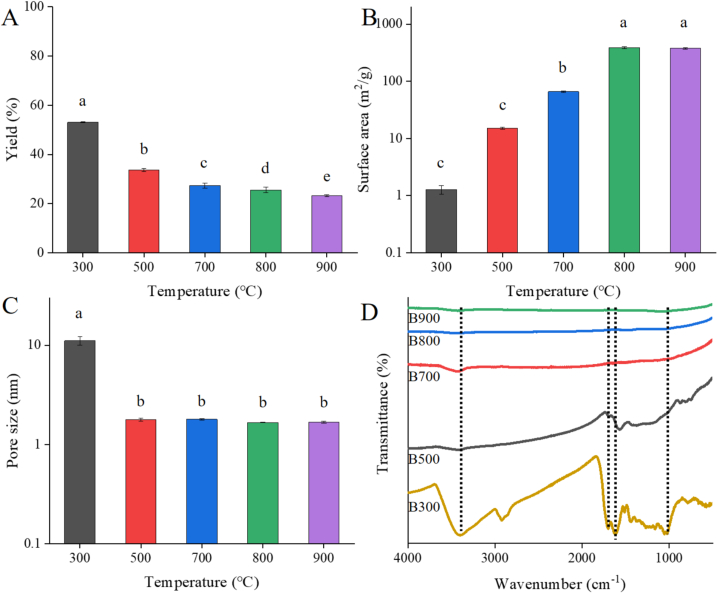
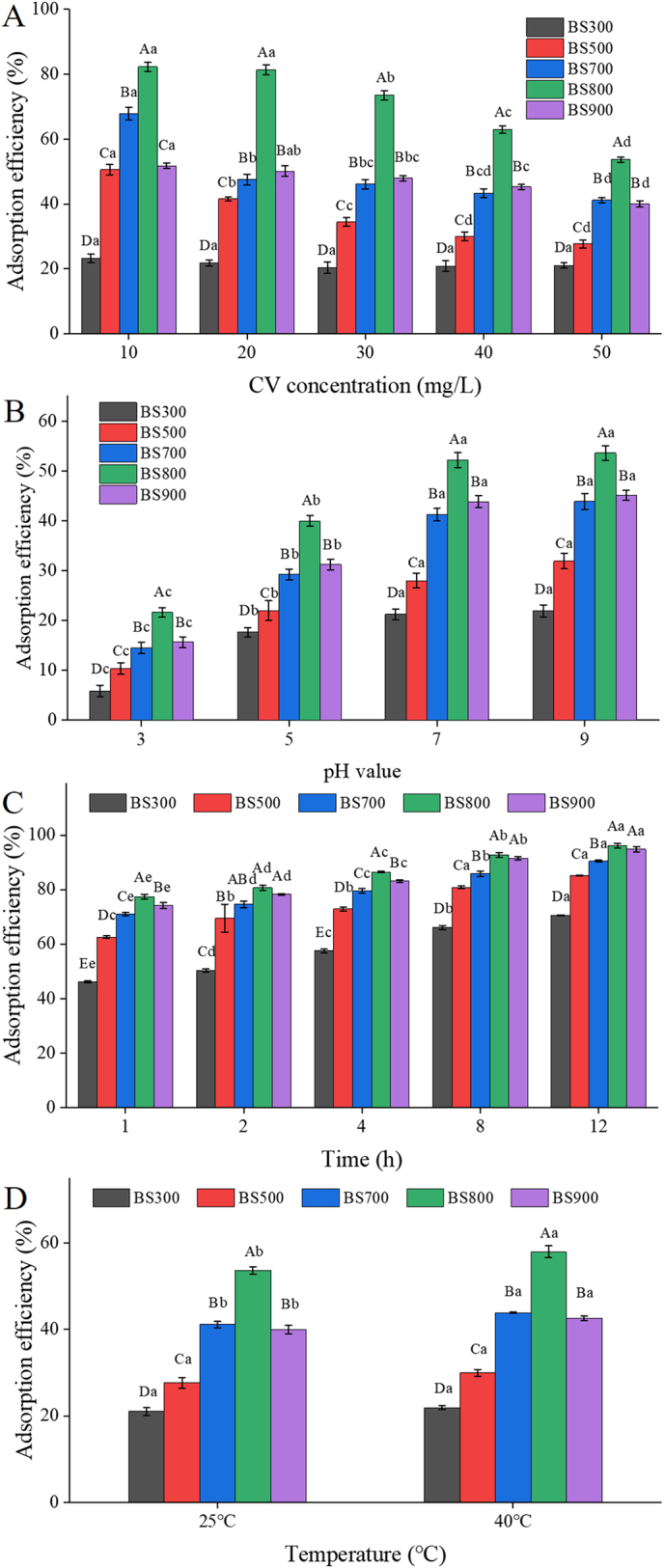
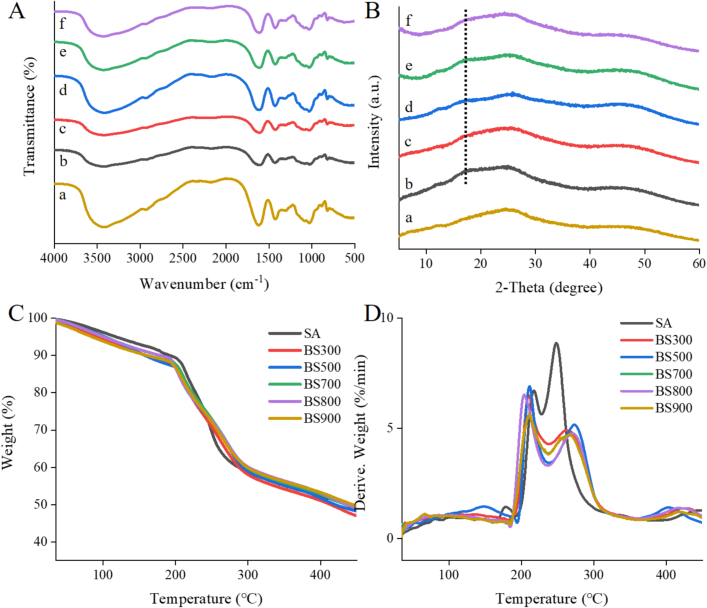
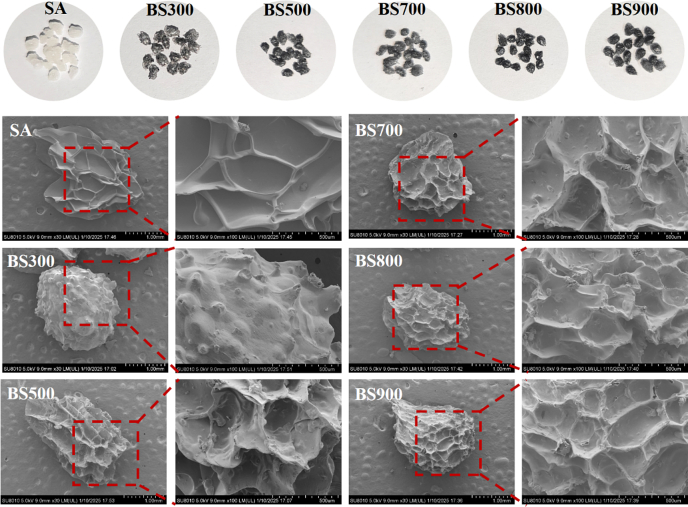
Verification
Claims the paper makes
The claims and statistics of this paper haven’t been checked yet.
Run the check — free, no account needed. It reads the open-access text and checks the sources it cites.
Claims other papers make about this one
Each is checked against this paper’s own text: does it say what the citing paper says it does?
The cited source doesn’t support the claim as written.
In the citing paper
“Tang et al. reported that increasing pyrolysis temperature from 200 °C to 600 °C increases specific surface area but decreases oxygen-containing functional groups; at temperatures above 700 °C surface area may continue to increase but many functional groups are lost, reducing adsorption of crystal violet [14].”
From Biomass-Derived Biochar for The Removal of Textile Dyes from Aqueous Solutions: A Review (2026) · cites this paper as [14]
Checked by a reasoning model — may be wrong.
Experimental — accuracy not yet measuredThe cited source doesn’t support the claim as written.
In the citing paper
“The same study showed that pH influences adsorption: crystal violet removal increased up to pH 6-7 but decreased at highly alkaline or acidic conditions [14].”
From Biomass-Derived Biochar for The Removal of Textile Dyes from Aqueous Solutions: A Review (2026) · cites this paper as [14]
Checked by a reasoning model — may be wrong.
Experimental — accuracy not yet measured
Self-check
Percentages, sums and reported differences re-computed from the paper’s own numbers.
The self-check needs the paper’s full text.
Citations
Cites
Biochar physicochemical properties: pyrolysis temperature and feedstock kind effects
Tomczyk, A., Sokołowska, Z., & Boguta, P. (2020) · Reviews in Environmental Science and Bio/Technology · doi:10.1007/s11157-020-09523-3 · Cited by 2,948 · cited 1×
“This enhancement was attributed to the increased electrostatic interactions between the negatively charged sites on the surface of the BS microspheres and the CV molecules at higher pH levels (Tomczyk et al., 2020).”
Rafiq, M. K., Bachmann, R. T., Rafiq, M. T., Shang, Z., Joseph, S., & Long, R. (2016) · PLOS ONE · doi:10.1371/journal.pone.0156894 · Cited by 376
Research works printed but not linked: 36
- Abdelwahab, 2022, Lead adsorption and antibacterial activity using modified magnetic biochar/sodium alginate nanocomposite, International Journal of Biological Macromolecules, 206, 730, 10.1016/j.ijbiomac.2022.03.053 · DOI
- Agrafioti, 2014, Arsenic and chromium removal from water using biochars derived from rice husk, organic solid wastes and sewage sludge, Journal of Environmental Management, 133, 309, 10.1016/j.jenvman.2013.12.007 · DOI
- Al-Tohamy, 2022, A critical review on the treatment of dye-containing wastewater: Ecotoxicological and health concerns of textile dyes and possible remediation approaches for environmental safety, Ecotoxicology and Environmental Safety, 231, 10.1016/j.ecoenv.2021.113160 · DOI · Paper page
- Amin, 2019, Comparative study for adsorption of methylene blue dye on biochar derived from orange peel and banana biomass in aqueous solutions, Environmental Monitoring and Assessment, 191, 1, 10.1007/s10661-019-7915-0 · DOI
- Armynah, 2018, Analysis of chemical and physical properties of biochar from rice husk biomass, Journal of Physics: Conference Series, 979
- Chen, 2009, Sorption of naphthalene and 1-naphthol by biochars of orange peels with different pyrolytic temperatures, Chemosphere, 76, 127, 10.1016/j.chemosphere.2009.02.004 · DOI · Paper page
- Ding, 2014, Pyrolytic temperatures impact lead sorption mechanisms by bagasse biochars, Chemosphere, 105, 68, 10.1016/j.chemosphere.2013.12.042 · DOI · Paper page
- Djelad, 2019, Alginate-whey an effective and green adsorbent for crystal violet removal: Kinetic, thermodynamic and mechanism studies, International Journal of Biological Macromolecules, 139, 944, 10.1016/j.ijbiomac.2019.08.068 · DOI
- Fan, 2025, Magnetic coconut shell biochar/sodium alginate composite aerogel beads for efficient removal of methylene blue from wastewater: Synthesis, characterization, and mechanism, International Journal of Biological Macromolecules, 284, 10.1016/j.ijbiomac.2024.137945 · DOI
- Foroutan, 2021, Adsorption of crystal violet dye using activated carbon of lemon wood and activated carbon/Fe3O4 magnetic nanocomposite from aqueous solutions: A kinetic, equilibrium and thermodynamic study, Molecules, 26, 2241, 10.3390/molecules26082241 · DOI
- Garg, 2008, Removal of nickel (II) from aqueous solution by adsorption on agricultural waste biomass using a response surface methodological approach, Bioresource Technology, 99, 1325, 10.1016/j.biortech.2007.02.011 · DOI
- Guerrero-Coronilla, 2015, Kinetic, isotherm and thermodynamic studies of amaranth dye biosorption from aqueous solution onto water hyacinth leaves, Journal of Environmental Management, 152, 99, 10.1016/j.jenvman.2015.01.026 · DOI · Paper page
- Hung, 2017, Characterization of biochar prepared from biogas digestate, Waste Management, 66, 53, 10.1016/j.wasman.2017.04.034 · DOI
- Kim, 2011, Surface functionality and carbon structures in lignocellulosic-derived biochars produced by fast pyrolysis, Energy & Fuels, 25, 4693, 10.1021/ef200915s · DOI · Paper page
- Kloss, 2012, Characterization of slow pyrolysis biochars: Effects of feedstocks and pyrolysis temperature on biochar properties, Journal of Environmental Quality, 41, 990, 10.2134/jeq2011.0070 · DOI · Paper page
- Li, 2012, Gelator-polysaccharide hybrid hydrogel for selective and controllable dye release, Journal of Colloid and Interface Science, 387, 115, 10.1016/j.jcis.2012.07.059 · DOI
- Mahato, 2023, Exploring the promising potential of fallen bamboo leaves (Bambusa bambos) for efficient removal of crystal violet from wastewater, International Journal of Phytoremediation, 25, 1042, 10.1080/15226514.2022.2125498 · DOI
- Mani, 2016, Exposure to crystal violet, its toxic, genotoxic and carcinogenic effects on environment and its degradation and detoxification for environmental safety, Reviews of Environmental Contamination and Toxicology, 237, 71
- Mohamed, 2018, Coupled adsorption-photocatalytic degradation of crystal violet under sunlight using chemically synthesized grafted sodium alginate/ZnO/graphene oxide composite, International Journal of Biological Macromolecules, 108, 1185, 10.1016/j.ijbiomac.2017.11.028 · DOI
- Ohemeng-Boahen, 2019, Preparation and characterization of alginate-kelp biochar composite hydrogel bead for dye removal, Environmental Science and Pollution Research, 26, 33030, 10.1007/s11356-019-06421-2 · DOI
- Okeola, 2012, Comparison of sorption capacity and surface area of activated carbon prepared from Jatropha curcas fruit pericarp and seed coat, Bulletin of the Chemical Society of Ethiopia, 26, 171, 10.4314/bcse.v26i2.2 · DOI
- Sanjarani, 2024, Exploration of supramolecular solvent-based microextraction for crystal violet detecting in water samples, Heliyon, 10, 10.1016/j.heliyon.2024.e38884 · DOI
- Shi, 2022, A review on selective dye adsorption by different mechanisms, Journal of Environmental Chemical Engineering, 10, 10.1016/j.jece.2022.108639 · DOI
- Sorrenti, 2016, Biochar physico-chemical properties as affected by environmental exposure, Science of the Total Environment, 563, 237, 10.1016/j.scitotenv.2016.03.245 · DOI
- Stockwell, 1986, In vitro evaluation of alginate gel systems as sustained release drug delivery systems, Journal of Controlled Release, 3, 167, 10.1016/0168-3659(86)90077-5 · DOI
- Su, 2024, KOH-activated biochar and chitosan composites for efficient adsorption of industrial dye pollutants, Chemical Engineering Journal, 486, 10.1016/j.cej.2024.150387 · DOI
- Tang, 2024, Extraction of insoluble soybean fiber by alternating ultrasonic/alkali and its improved superior physicochemical and functional properties, International Journal of Biological Macromolecules, 263, 10.1016/j.ijbiomac.2024.130505 · DOI
- Tang, 2021, Comparison of cellulose nanocrystals from pineapple residues and its preliminary application for Pickering emulsions, Nanotechnology, 32, 10.1088/1361-6528/ac21f1 · DOI
- Tang, 2024, Structure regulation of oxidized soybean cellulose nanocrystals/poly-acrylamide hydrogel and its application potential in wound dressing, International Journal of Biological Macromolecules, 281, 10.1016/j.ijbiomac.2024.136541 · DOI
- Tian, 2024, Efficient removal of hexavalent chromium from wastewater using a novel sodium alginate-biochar composite adsorbent, Journal of Water Process Engineering, 64, 10.1016/j.jwpe.2024.105655 · DOI
- Uyen, 2020, Fabrication of alginate microspheres for drug delivery: A review, International Journal of Biological Macromolecules, 153, 1035, 10.1016/j.ijbiomac.2019.10.233 · DOI
- Wu, 2021, A novel modified method for the efficient removal of Pb and cd from wastewater by biochar: Enhanced the ion exchange and precipitation capacity, Science of the Total Environment, 754, 10.1016/j.scitotenv.2020.142150 · DOI
- Yuan, 2011, The forms of alkalis in the biochar produced from crop residues at different temperatures, Bioresource Technology, 102, 3488, 10.1016/j.biortech.2010.11.018 · DOI · Paper page
- Yuan, 2009, Analysis of malachite green and crystal violet in fish with bilinear model, Food Chemistry, 113, 1377, 10.1016/j.foodchem.2008.08.091 · DOI
- Zama, 2017, The role of biochar properties in influencing the sorption and desorption of Pb (II), cd (II) and as (III) in aqueous solution, Journal of Cleaner Production, 148, 127, 10.1016/j.jclepro.2017.01.125 · DOI
- Zhao, 2014, Microwave-assisted synthesis of silver nanoparticles using sodium alginate and their antibacterial activity, Colloids and Surfaces A: Physicochemical and Engineering Aspects, 444, 180, 10.1016/j.colsurfa.2013.12.008 · DOI
Cited by
Sorted by citations
Biomass-Derived Biochar for The Removal of Textile Dyes from Aqueous Solutions: A Review
Srijayathi, I., Boddupally, M., Qaiyum, M. A., & Ramesh, G. V. (2026) · EPJ Web of Conferences · doi:10.1051/epjconf/202635602007
Metadata
- Authors
- Tang, L., Liu, C., Liu, X., Zhang, L., Fan, B., Wang, B., & Wang, F.
- Venue
- Food Chemistry: X
- Publisher
- Elsevier BV
- Published
- 2025-02
- Volume
- 26
- Pages
- 102311
- ISSN
- 2590-1575
- PMC
- PMC11910070
- Cited by
- 32
- References
- 2
- Language
- en
- Licence
- Funders
- Beijing University of Agriculture (QNKJ202101, QJKC2022012)
- Key Technology Research and Development Program of Shandong (2024SFGC0401)
About these checks
Registry, retraction, Cites and statistics results are computed, not judged, with one exception: a printed reference that no index lists is read once by a model before it counts as a citation error. Claims are extracted by a model and kept only when their quote appears verbatim in the text; each cited source is then checked, with a model’s help, for whether it says what the claim relies on. Those verdicts can be wrong — read the claim’s quote and the cited source before relying on one.
Statistics and arithmetic are recomputed, not judged.
Confidence bands are shown only for fields calibrated on our annotated test set. None is calibrated yet, so no band is shown.
What counts as a claim ›How we measure confidence ›How we check this ›
Are you an author, or do you see a problem with this page? Request a review
