

The EASL–Lancet Liver Commission: protecting the next generation of Europeans against liver disease complications and premature mortality
Open accessThe DOI matches its Crossref record; 374 of the 377 references it cites were found in a registry or an index, and 1 are not checked yet.
Abstract
Liver diseases have become a major health threat across Europe, and the face of European hepatology is changing due to the cure of viral hepatitis C and the control of chronic viral hepatitis B, the increasingly widespread unhealthy use of alcohol, the epidemic of obesity, and undiagnosed or untreated liver disease in migrant populations.Consequently, Europe is facing a looming syndemic, in which socioeconomic and health inequities combine to adversely affect liver disease prevalence, outcomes, and opportunities to receive care.In addition, the COVID-19 pandemic has magnified pre-existing challenges to uniform implementation of policies and equity of access to care in Europe, arising from national borders and the cultural and historical heterogeneity of European societies.In following up on work from the Lancet Commission on liver disease in the UK and epidemiological studies led by the European Association for the Study of the Liver (EASL), our multidisciplinary Commission, comprising a wide range of public health, medical, and nursing specialty groups, along with patient representatives, set out to provide a snapshot of the European landscape on liver diseases and to propose a framework for the principal actions required to improve liver health in Europe.We believe that a joint European process of thinking, and construction of uniform policies and action, implementation, and evaluation can serve as a powerful mechanism to improve liver care in Europe and set the way for similar changes globally.On the basis of these data, we present ten actionable recommendations, half of which are oriented towards health-care providers and half of which focus primarily on health policy.A fundamental shift must occur, in which health promotion, prevention, proactive casefinding, early identification of progressive liver fibrosis, and early treatment of liver diseases replace the current emphasis on the management of end-stage liver disease complications.A considerable focus should be put on underserved and marginalised communities, including early diagnosis and management in children, and we provide proposals on how to better target disadvantaged communities through health promotion, prevention, and care using multilevel interventions acting on current barriers.Underlying this transformative shift is the need to enhance awareness of the preventable and treatable nature of many liver diseases.Therapeutic nihilism, which is prevalent in current clinical practice across a range of medical specialities as well as in many patients themselves, has to end.We wish to challenge medical specialty protectionism and invite a broad range of stakeholders, including primary care physicians, nurses, patients, peers, and members of relevant communities, along with medical specialists trained in obesity, diabetes, liver disease, oncology, cardiovascular disease, public health, addictions, infectious diseases, and more, to engage in integrated person-centred liver patient care across classical medical specialty boundaries.This shift includes a revision in how we converse about liver disease and speak with our patients, and a reappraisal of disease-related medical nomenclature conducted to increase awareness and reduce the social stigmatisation associated with liver disease.Reimbursement mechanisms and insurance systems must be harmonised to account for patient-centric, multimorbidity models of care across a range of medical specialties, and the World Health Assembly resolution to improve the transparency and fairness of market prices for medicines throughout Europe should be reinforced.Finally, we outline how Europe can move forward with implementation of effective policy action on taxation, food reformulation, and product labelling, advertising, and availability, similar to that implemented for tobacco, to reduce consumption of alcohol, ultraprocessed foods, and foods with added sugar, especially among young people.We should utilise the window of opportunity created by the COVID-19 pandemic to overcome fragmentation and the variability of health prevention policies and research across Europe.We argue that the liver is a window to the 21st-century health of the European population.Through our proposed syndemic approach to liver disease and social and health inequities in Europe, the liver will serve as a sentinel for improving the overall health of European populations.
Overview
The claims and statistics of this paper haven’t been checked yet.
Free: it reads the open-access text and checks the first 5 claims that cite a source we can check. Create a free account to check every claim.
Integrity signals
Registry
Cites
Statistics
Figures
Verification
Claims the paper makes
The claims and statistics of this paper haven’t been checked yet.
Free: it reads the open-access text and checks the first 5 claims that cite a source we can check. Create a free account to check every claim.
Claims other papers make about this one
Each is checked against this paper’s own text: does it say what the citing paper says it does?
In the citing paper
“The greatest unmet needs reside with PSC, which poses a significant disease burden both for the affected individuals and the healthcare sector.465”
From EASL Clinical Practice Guidelines on sclerosing cholangitis (2022) · cites this paper as [465]
Self-check
Percentages, sums and reported differences re-computed from the paper’s own numbers.
The self-check needs the paper’s full text.
Citations
Cites
Sung, H., Ferlay, J., Siegel, R. L., Laversanne, M., Soerjomataram, I., Jemal, A., & Bray, F. (2021) · CA: A Cancer Journal for Clinicians · doi:10.3322/caac.21660 · Cited by 108,699
Vos, T., Lim, S. S., Abbafati, C., Abbas, K. M., Abbasi, M., Abbasifard, M., Abbasi-Kangevari, M., Abbastabar, H., Abd-Allah, F., Abdelalim, A., et al. (2020) · The Lancet · doi:10.1016/s0140-6736(20)30925-9 · Cited by 19,358
EASL Clinical Practice Guidelines: Management of hepatocellular carcinoma
Galle, P. R., Forner, A., Llovet, J. M., Mazzaferro, V., Piscaglia, F., Raoul, J.-L., Schirmacher, P., & Vilgrain, V. (2018) · Journal of Hepatology · doi:10.1016/j.jhep.2018.03.019 · Cited by 11,406
Self-citationFood in the Anthropocene: the EAT–Lancet Commission on healthy diets from sustainable food systems
Willett, W., Rockström, J., Loken, B., Springmann, M., Lang, T., Vermeulen, S., Garnett, T., Tilman, D., DeClerck, F., Wood, A., et al. (2019) · The Lancet · doi:10.1016/s0140-6736(18)31788-4 · Cited by 10,880
Younossi, Z. M., Koenig, A. B., Abdelatif, D., Fazel, Y., Henry, L., & Wymer, M. (2016) · Hepatology · doi:10.1002/hep.28431 · Cited by 10,781
Health effects of overweight and obesity in 195 countries over 25 years
Collaborators, T. G. 2. O. (2017) · New England Journal of Medicine · doi:10.1056/nejmoa1614362 · Cited by 7,918
Forner, A., Reig, M., & Bruix, J. (2018) · The Lancet · doi:10.1016/s0140-6736(18)30010-2 · Cited by 5,531
EASL 2017 Clinical Practice Guidelines on the management of hepatitis B virus infection
Lampertico, P., Agarwal, K., Berg, T., Buti, M., Janssen, H. L. A., Papatheodoridis, G., Zoulim, F., & Tacke, F. (2017) · Journal of Hepatology · doi:10.1016/j.jhep.2017.03.021 · Cited by 5,391
Self-citationEASL–EASD–EASO Clinical Practice Guidelines for the management of non-alcoholic fatty liver disease
(2016) · Journal of Hepatology · doi:10.1016/j.jhep.2015.11.004 · Cited by 4,836
Eslam, M., Newsome, P. N., Sarin, S. K., Anstee, Q. M., Targher, G., Romero-Gomez, M., Zelber-Sagi, S., Wai-Sun Wong, V., Dufour, J.-F., Schattenberg, J. M., et al. (2020) · Journal of Hepatology · doi:10.1016/j.jhep.2020.03.039 · Cited by 4,472
Self-citation
Research works printed but not linked: 9
- Sze, 2020, Ethnicity and clinical outcomes in COVID-19: a systematic review and meta-analysis, EClinicalMedicine, 29
- Marmot M, Allen J, Goldblatt P, Herd E, Morrison J. Build back fairer: the COVID-19 Marmot review. The pandemic, socioeconomic and health inequalities in England. Dec 15, 2020. https://www. instituteofhealthequity.org/resources-reports/build-back-fairer-the- covid-19-marmot-review (accessed Nov 4, 2021). 143
- Tan M, He FJ, MacGregor GA. Obesity and covid-19: the role of the food industry. BMJ 2020; 369: m2237. 184
- Harrison P, Hogan BJ, Floros L, Davies E. Assessment and management of cirrhosis in people older than 16 years: summary of NICE guidance. BMJ 2016; 354: i2850. 279
- Boettler T, Newsome PN, Mondelli MU, et al. Care of patients with liver disease during the COVID-19 pandemic: EASL-ESCMID position paper. JHEP Rep 2020; 2: 100113. 345
- Burton R, Henn C, Lavoie D, et al. A rapid evidence review of the effectiveness and cost-effectiveness of alcohol control policies: an English perspective. Lancet 2017; 389: 1558-80. 361 · DOI · Paper page
- Chaillon A, Rand EB, Reau N, Martin NK. Cost-effectiveness of universal hepatitis C virus screening of pregnant women in the United States. Clin Infect Dis 2019; 69: 1888-95. 391 · DOI
- Heffernan A, Cooke GS, Nayagam S, Thursz M, Hallett TB. Scaling up prevention and treatment towards the elimination of hepatitis C: a global mathematical model. Lancet 2019; 393: 1319-29. 409 · DOI · Paper page
- Sharma A, Etilé F, Sinha K. The effect of introducing a minimum price on the distribution of alcohol purchase: a counterfactual analysis. Health Econ 2016; 25: 1182-200. 421 Scotch Whisky Association and others (appellants) v The Lord Advocate and another (respondents). UKSC 76. UK Supreme Court; Scotland; Nov 15, 2017. 422
Cited by
Items 301–400 of 737
Colmenero, J., Crespo, G., Wandji, L. C. N., Fundora, Y., & Louvet, A. (2025) · JHEP Reports · doi:10.1016/j.jhepr.2025.101704 · Cited by 9
Kim, D. Y., Zhang, H., Lee, J. S., Lee, H. W., Kim, M. N., Kim, B. K., Kim, S. U., Kim, D. Y., Ahn, S. H., Lee, H. W., et al. (2025) · JHEP Reports · doi:10.1016/j.jhepr.2025.101713 · Cited by 9
EASL position paper on palliative care in advanced chronic liver disease
Verma, S., Pinter, M., Macken, L., Künzler‐Heule, P., Gluud, L. L., Takkenberg, R. B., Nunes, R., Gheorghe, L., Prentice, W. M., & Hudson, B. (2026) · JHEP Reports · doi:10.1016/j.jhepr.2025.101686 · Cited by 9
“4,30,31 Patient-reported symptoms in ACLD are not well assessed in routine clinical practice, 17 despite being independently associated with attendance at emergency departments.”
Alcohol-Related Liver Disease: A Review
Krag, A. A., Åberg, F., Mellinger, J. L., Lee, B. P., & Israelsen, M. E. (2026) · JAMA · doi:10.1001/jama.2026.12038 · Cited by 10
Bariatric surgery post-liver transplantation: A Belgian nationwide study
Onghena, L., Geerts, A. M., Berrevoet, F. C., Pirenne, J., Verbeek, J., Bonaccorsi‐Riani, E., Dahlqvist, G., Vonghia, L., Detry, O., Delwaide, J., et al. (2024) · Liver Transplantation · doi:10.1097/lvt.0000000000000372 · Cited by 8
“[12,13] The prevalence of MASLD reaches 70% in patients with obesity and 85% – 95% in patients with severe obesity.”
Su, Z., Zhang, Y., Hong, S., Zhang, Q., Ji, Z., Hu, G., Zhu, X., Yuan, F., Yu, S., Wang, T., et al. (2024) · Environmental Science & Technology · doi:10.1021/acs.est.4c00433 · Cited by 8
Drozdov, I. A., Szubert, B., Rowe, I. A. C., Kendall, T. J., & Fallowfield, J. A. (2024) · Annals of Hepatology · doi:10.1016/j.aohep.2024.101528 · Cited by 8
Economic evaluation of the recent French tobacco control policy: a model-based approach
Devaux, M., Ciampi, M. D., Guignard, R., Lerouge, A., Aldea, A., Nguyen‐Thanh, V., Beck, F., Arwidson, P., & Cecchini, M. (2024) · Tobacco Control · doi:10.1136/tc-2023-058568 · Cited by 8
Self-citationSun, Y., Miao, X., Hu, M., Xie, X., Liu, S., Song, Z., Deng, J., Xu, F., Li, M., He, Y., et al. (2025) · Scientific Reports · doi:10.1038/s41598-025-88000-9 · Cited by 8
“The public health burden of MASLD and its complications is anticipated to escalate in the future 9–13 .”
Sun, X., Yang, Z., Li, M., Gong, S., Miao, X., Wang, B., Kong, X., & Zhu, Q. (2025) · Life Sciences · doi:10.1016/j.lfs.2025.123575 · Cited by 8
Hu, Y., Li, N., Zhang, R., Wang, J., Fang, D., Zhou, Q., Zhang, H., Cai, H., & Lu, Y.-Y. (2025) · Phytomedicine · doi:10.1016/j.phymed.2025.156654 · Cited by 8
An urgent challenge for Europe: from tackling liver diseases to protecting liver health
Kleinert, S., & Horton, R. C. (2021) · The Lancet · doi:10.1016/s0140-6736(21)02726-4 · Cited by 8
Barré, T., Marzo, V. D., Marcellin, F., Burra, P., & Carrieri, P. (2022) · Cannabis and Cannabinoid Research · doi:10.1089/can.2022.0014 · Cited by 8
Self-citationLønsmann, I., Pedersen, J. S., Krag, A. A., Hansen, T. F., Karsdal, M. A., Leeming, D. J., Nielsen, M. J., & Bendtsen, F. (2022) · Clinical Biochemistry · doi:10.1016/j.clinbiochem.2022.12.012 · Cited by 8
Zhang, J., Lai, Z., Ding, R., Zhou, J., Zl, Y., Dc, L., Qin, X., Zhou, J., & Li, Z. (2022) · Clinica Chimica Acta · doi:10.1016/j.cca.2022.12.015 · Cited by 8
Boachie, J., Zammit, V. A., Saravanan, P., & Adaikalakoteswari, A. (2023) · Nutrients · doi:10.3390/nu15245046 · Cited by 8
“The worldwide prevalence of NAFLD in 2022 was shown to be 32.4% [2], and about 3% of all deaths in Europe in recent years were reported to be liver-related [3].”
BackgroundInfluentialLonardo, A., Beghé, B., & Fabbri, L. M. (2022) · Metabolism and Target Organ Damage · doi:10.20517/mtod.2022.06 · Cited by 8
Orthotopic implantable liver decellularized scaffold for acute liver failure
Wang, J., Qin, X., Xia, S., Liu, S., & Ren, H. (2022) · Engineered Regeneration · doi:10.1016/j.engreg.2022.10.001 · Cited by 8
Pathophysiology of Chronic Liver Disease Development
Fromme, M., & Strnad, P. (2022) · International Journal of Molecular Sciences · doi:10.3390/ijms23063385 · Cited by 8
“: +49-241-80-35324 Chronic liver disease is a major public threat and the second leading cause of loss of working life years in Europe [1].”
BackgroundInfluentialKrag, A. A., Negro, F., & Shawcross, D. L. (2025) · Journal of Hepatology · doi:10.1016/j.jhep.2025.10.015 · Cited by 8
Liang, Z., Li, Z., Jin, H., Gao, W., Li, R., Hu, X., Liu, Z., Li, X., Cheng, Y., Guo, L., et al. (2025) · Journal of Proteome Research · doi:10.1021/acs.jproteome.5c00190 · Cited by 7
Elhence, H., Dodge, J. L., Flemming, J. A., & Lee, B. P. (2024) · Clinical Gastroenterology and Hepatology · doi:10.1016/j.cgh.2024.07.029 · Cited by 7
Yang, Y., Chen, Q., Liu, Z., Huang, T., Hong, Y., Li, N., Ai, K., & Huang, Q. (2024) · Journal of Colloid and Interface Science · doi:10.1016/j.jcis.2024.08.239 · Cited by 7
Liver Health: An Emerging Concept
Ginès, P., Guha, I. N., Fabrellas, N., Allen, A. M., Angeli, P., Serra‐Burriel, M., Arslanow, A., Brouwer, W. P., Caballeria, L., Carol, M., et al. (2025) · Gastroenterology · doi:10.1053/j.gastro.2024.12.039 · Cited by 7
Self-citationRattan, P., Ahn, J. C., Chara, B. S., Mullan, A. F., Liu, K., Attia, Z. I., Friedman, P. A., Allen, A. M., Shah, V. H., Kamath, P. S., et al. (2025) · The American Journal of Gastroenterology · doi:10.14309/ajg.0000000000003433 · Cited by 7
Steatotic liver disease is a marker of multimorbidity, not underlying cirrhosis, in older adults
Oduwole, O. O., Ding, C., Bitar, N., Nair, D. R., Salter, S., Silverman, M., Allen, R., Fat, L. N., Tsochatzis, E. A., Bell, S., et al. (2025) · npj gut and liver. · doi:10.1038/s44355-025-00024-0 · Cited by 8
“Additionally, younger generations have the additional risk factor of increased consumption of sugar and processed foods, and consequently may have experienced fi brosisatanearlierage 17 .”
Cabezas, J., Crespo, J., Aguilera, A., Albillos, A., Buti, M., Calleja, J. L., Calvo, J., Martín, M. C., Diago, M., Fernández‐Rodríguez, C., et al. (2022) · Revista Española de Enfermedades Digestivas · doi:10.17235/reed.2022.9325/2022 · Cited by 7
“…for the Study of the Liver (EASL) Commission on the impact of liver disorders in the European region commissioned by the World Health Organization (WHO) demonstrated that this condition is, actually, the second leading cause of loss of labor years in Europe after ischemic heart disease (1).”
Self-citationAutopsy histology data suggest cirrhosis is frequently under-reported on death certificates
Hagström, H., Simon, T. G., Söderling, J. K., & Ludvigsson, J. F. (2023) · Hepatology Communications · doi:10.1097/hc9.0000000000000015 · Cited by 7
“Cirrhosis is frequently asymptomatic and is often diagnosed at a late stage.[1] However, cirrhosis is associated with tremendous morbidity, mortality, and impaired quality of life.”
BackgroundÅberg, F. O., Saarinen, K., Jula, A., Lundqvist, A., Vihervaara, T., Erlund, I., & Färkkilä, M. A. (2023) · Liver International · doi:10.1111/liv.15681 · Cited by 8
Algorithms for Early Detection of Silent Liver Fibrosis in the Primary Care Setting
Bech, K., Lindvig, K. P., Thiele, M. S., & Castéra, L. (2024) · Seminars in Liver Disease · doi:10.1055/s-0043-1778127 · Cited by 7
Species differences of fatty liver diseases: comparisons between human and feline
Ling, L., Li, R., Xu, M., Zhou, J., Hu, M., Zhang, X., & Zhang, X.-J. (2024) · American Journal of Physiology-Endocrinology and Metabolism · doi:10.1152/ajpendo.00014.2024 · Cited by 7
Yang, H., Zhang, C., Kim, W., Shi, M., Kılıçlıoğlu, M., Bayram, C., Bolar, I., Tozlu, Ö. Ö., Baba, C., Yuksel, N., et al. (2025) · eLife · doi:10.7554/elife.98427.3 · Cited by 7
Costa, M., Barré, T., Antwerpes, S., Coste, M., Bureau, M., Ramier, C., Maradan, G., Riccobono-Soulier, O., Vassas-Goyard, S., Casanova, D., et al. (2022) · International Journal of Environmental Research and Public Health · doi:10.3390/ijerph19159228 · Cited by 7
“Choizitaconso meets participants’ health and psychosocial expectations, specifically increased empowerment and reduced self-stigma, thereby facilitating engagement in AUD care [2].”
BackgroundSelf-citationKnowledge-aware patient representation learning for multiple disease subtypes
Lu, M., Zhang, Y., Zhang, S., Shi, H., & Huang, Z. (2023) · Journal of Biomedical Informatics · doi:10.1016/j.jbi.2023.104292 · Cited by 7
Carrieri, P., Bourlière, M., Beo, V. D., Lusivika-Nzinga, C., Ramier, C., Antwerpes, S., Protopopescu, C., Lacombe, J., Pol, S., Fontaine, H., et al. (2023) · Quality of Life Research · doi:10.1007/s11136-023-03496-w · Cited by 7
“Our study revealed that specific groups at higher risk of stigma and social inequity [13] also experienced impaired HRQoL, independently of HCV cure and severe liver fibrosis.”
BackgroundInfluentialSelf-citationAntwerpes, S., Costa, M., Coste, M., Bureau, M., Maradan, G., Cutarella, C., Leloutre, J., Riccobono-Soulier, O., Hedoire, S., Frot, E., et al. (2022) · Harm Reduction Journal · doi:10.1186/s12954-021-00587-0 · Cited by 7
“Secondary outcomes The controlled intervention study’s secondary outcomes are anticipated and internalized stigma (stigma being of high importance as it is associated with care avoidance or delayed care [39]), quantity and frequency of alcohol consumption, craving for alcohol, coping strategies, HRQoL, self-confidence…”
BackgroundSelf-citationLocation, location, location — spatial insight into hepatic macrophage populations
Guillot, A., & Tacke, F. (2022) · Nature Reviews Gastroenterology & Hepatology · doi:10.1038/s41575-022-00600-2 · Cited by 7
Hunting for Progressive NAFLD in Type 2 Diabetes: Do Not Trust Liver Enzymes!
Scoditti, E., Marchesini, G., & Gastaldelli, A. (2023) · Diabetes Care · doi:10.2337/dci23-0027 · Cited by 7
Self-citationJiroušková, M., Harant, K., Cejnar, P., Ojha, S., Korelova, K., Sarnová, L., Sticová, E., Mayr, C. H., Schiller, H. B., & Gregor, M. (2025) · eLife · doi:10.7554/elife.98023 · Cited by 7
Trépo, E., Zucman‐Rossi, J., & Nault, J. (2026) · Nature Reviews Gastroenterology & Hepatology · doi:10.1038/s41575-026-01175-y · Cited by 6
“The disease is primarily driven by obesity, type 2 diabetes and alcohol intake, with alcohol consumption being the predominant driver of progression to HCC and liver-related mortality 3,4 .”
Ghodrati, F., Zhang, A. B., & Mahmud, N. (2026) · Gastroenterology report · doi:10.1093/gastro/goag006 · Cited by 6
“Similarly, the EASL–Lancet Liver Commission recently underscored the importance of early diagnosis and adherence to guidelines for preventing liver disease [90].”
Glyn‐Owen, K., Buchanan, R. M., Elsharkawy, A. M., Avery, L., Flanagan, S., Parsons, H., & Dhanda, A. (2024) · The Lancet. Gastroenterology & hepatology · doi:10.1016/s2468-1253(24)00309-1 · Cited by 6
Martínez, C. E., Jorde, S. F., García-Garrido, A. B., Garmilla, N. F., & García, J. C. (2025) · Medicina de Familia SEMERGEN · doi:10.1016/j.semerg.2025.102448 · Cited by 6
Evidence-based criteria for identifying at-risk individuals requiring liver disease screening
Åberg, F. O., Männistö, V., Asteljoki, J. V., Salomaa, V. V., Jula, A., Lundqvist, A., Männistö, S., Perola, M., & Luukkonen, P. K. (2025) · Hepatology Communications · doi:10.1097/hc9.0000000000000679 · Cited by 6
Méndez, E. P., Díaz, L. A., Parker, R., Israelsen, M. E., Marjot, T., Forrest, E. H., Dhanda, A., Paradis, C., Arab, J. P., Krag, A. A., et al. (2026) · The Lancet Regional Health - Europe · doi:10.1016/j.lanepe.2026.101707 · Cited by 6
Self-citationCrespo, J., Cabezas, J., Soler, M. M., de la Cuadra-Grande, A., Casado, M. Á., Lazarus, J. V., & Calleja, J. L. (2022) · Revista Española de Enfermedades Digestivas · doi:10.17235/reed.2022.8918/2022 · Cited by 6
Self-citationPriority actions for elevating liver health in Canada: A call to action
Brahmania, M., Biondi, M. J., Joshi, S., Lee, E., Jung, H.-M., & Kehar, M. (2023) · Canadian Liver Journal · doi:10.3138/canlivj-2022-0041 · Cited by 6
Novel interventions against alcohol-related liver disease
Thiele, M. S., & Moreno, C. (2023) · Nature Reviews Gastroenterology & Hepatology · doi:10.1038/s41575-023-00877-x · Cited by 6
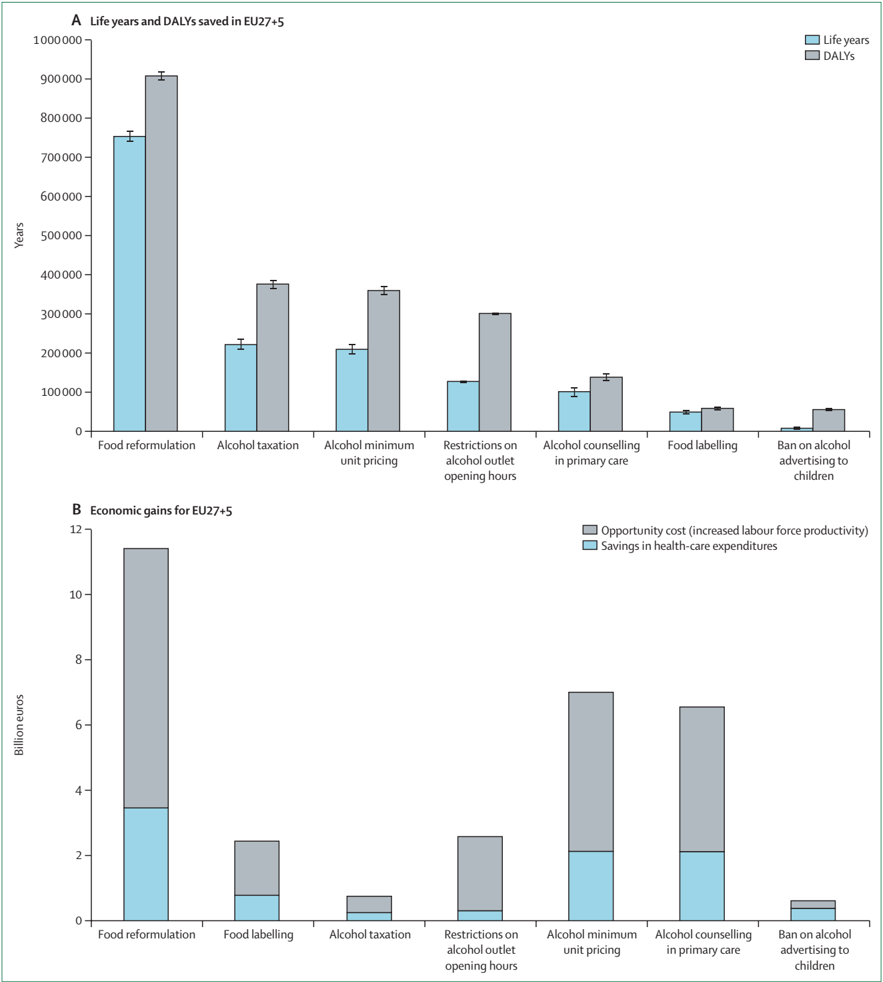
“Consequently, the implementation of public-health policies such as alcohol taxation and alcohol minimum unit pricing (MUP) is estimated to have the potential to save >200,000 life-years annually, if implemented across Europe 4 .”
Serum/Plasma Proteome in Non-Malignant Liver Disease
Fu, L., Güldiken, N., Remih, K., Karl, A. S., Preisinger, C., & Strnad, P. (2024) · International Journal of Molecular Sciences · doi:10.3390/ijms25042008 · Cited by 6
“Moreover, gamma-glutamyl transferase (GGT) is a potentially useful adjunct for such scores since it is an established marker of liver steatosis [36], which is an important constituent of the most prevalent liver disorders, i.e., alcoholic and non-alcoholic fatty liver disease [37].”
BackgroundPrince, D. S., Hoque, S., Kim, C., Maher, S., Miller, J., Chomley, P., Pritchard‐Jones, J., Spruce, S., McGarry, N., Baker, D., et al. (2024) · Hepatology Communications · doi:10.1097/hc9.0000000000000482 · Cited by 6
“[6] Thus, there is an urgent need to change the current paradigm for diagnosing chronic liver disease.”
BackgroundEvaluation of Google Search Trends for Liver Diseases in Europe
Teufel, A., Itzel, T., Zimmermann, A., Dumitrascu, D. L., Bugianesi, E., Valenti, L. V. C., Castéra, L., Carrieri, P., Crespo, J., Romero‐Gómez, M., et al. (2024) · Journal of Gastrointestinal and Liver Diseases · doi:10.15403/jgld-5477 · Cited by 6
Self-citationIgna, R., Muzica, C. M., Zenovia, S., Minea, H., Girleanu, I., Huiban, L., & Trifan, A. (2024) · Archive of Clinical Cases · doi:10.22551/2024.43.1102.10290 · Cited by 6
“In an effort to decrease the mortality rates in patients with liver cirrhosis, the main liver societies across the globe have been focusing in the last years on the elimination of etiologic factors such as HBV and HCV infections, alcohol consumption and fatty liver disease [3-5].”
BackgroundAlcohol consumption and liver phenotype of individuals with alpha‐1 antitrypsin deficiency
Fromme, M., Schneider, C. V., Güldiken, N., Amzou, S., Luo, Y., Pons, M., Genescà, J., Miravitlles, M., Thorhauge, K. H., Mandorfer, M., et al. (2024) · Liver International · doi:10.1111/liv.16044 · Cited by 6
Anastasaki, M., Papadakis, S., Gergianaki, I., Papastamatiou, L., Aligizakis, E., Grillaki, N., Boutzoukaki, E., Nektarios, S., Anastasiou, F., Mendive, J. M., et al. (2024) · Frontiers in Medicine · doi:10.3389/fmed.2024.1383112 · Cited by 6
Self-citationBiopolymers for Liver Tissue Engineering: A Systematic Review
Ong, J., Zhao, J., Swift, C., & Markaki, A. E. (2025) · Gels · doi:10.3390/gels11070525 · Cited by 6
“It is the second most common cause of premature deaths in Europe, America, and Africa, and the third most common in Southeast Asia [2].”
Ronzoni, L., Marini, I., Passignani, G., Malvestiti, F., Marchelli, D., Bianco, C., Pelusi, S., Prati, D., & Valenti, L. V. C. (2023) · Frontiers in Genetics · doi:10.3389/fgene.2023.1137016 · Cited by 6
“Chronic liver disease (CLD) is a major health concern whose prevalence and related morbidity and mortality continues to rise, accounting for over 2 million deaths annually worldwide (Karlsen et al., 2022).”
BackgroundCsermely, A., Mantovani, A., Morieri, M. L., Palmisano, L., Masulli, M., Cossu, E., Baroni, M. G., Bonomo, K., Cimini, F. A., Cavallo, M. G., et al. (2023) · Diabetes & Metabolism · doi:10.1016/j.diabet.2023.101477 · Cited by 6
Self-citationInciardi, R. M., Merlo, M., Bellicini, M., Setti, M., Luca, A. D., Meo, N. D., Rondi, P., Pagnesi, M., Adamo, M., Lombardi, C., et al. (2024) · European Journal of Internal Medicine · doi:10.1016/j.ejim.2024.04.009 · Cited by 6
Self-citationChapiro, J. (2022) · Journal of Hepatology · doi:10.1016/j.jhep.2022.03.035 · Cited by 6
Rudolfsen, J. H., Gluud, L. L., Grønbæk, H., Jensen, M. K., Vyberg, M., Olsen, J., Poulsen, P. B., Hovelsø, N., Gregersen, N. T., Thomsen, A. B., et al. (2024) · Annals of Hepatology · doi:10.1016/j.aohep.2024.101285 · Cited by 5
Craxì, L., Cottone, P. M., Sacchini, D., Burra, P., & Toniutto, P. (2024) · Liver International · doi:10.1111/liv.16018 · Cited by 5
“28 Moreover, inadequate assessment of psychosocial variables could reduce the chances of appropriate psychosocial interventions aimed at reducing the weight of these variables and thus the gaps in health outcomes.”
Self-citationDiagnostic and prognostic performance of the LiverRisk score in tertiary care
Semmler, G., Balcar, L., Simbrunner, B., Hartl, L., Jachs, M., Schwarz, M., Hofer, B., Fritz, L., Schedlbauer, A., Stopfer, K., et al. (2024) · JHEP Reports · doi:10.1016/j.jhepr.2024.101169 · Cited by 5
Kjær, M. B., Jørgensen, A. G., Fjelstrup, S., Dupont, D. M., Bus, C., Eriksen, P. L., Thomsen, K. L., Risikesan, J., Nielsen, S., Wernberg, C. W., et al. (2025) · Biomolecules · doi:10.3390/biom15020255 · Cited by 5
“MASLD is a leading cause of liver-related morbidity and mortality [1] and is estimated to affect 30% of adults [2,3].”
Self-citationPrediction of major liver-related events in the population using prognostic models
Åberg, F. O., & Männistö, V. (2025) · Gastroenterology report · doi:10.1093/gastro/goaf028 · Cited by 5
“Timely detection is critical, as lifestyle changes can slow disease progression and prevent LREs [38].”
Vaz, J., Hagström, H., Sandström, P., Eilard, M. S., Rizell, M., & Strömberg, U. (2025) · The Lancet Regional Health - Europe · doi:10.1016/j.lanepe.2025.101415 · Cited by 5
“5,19 The persistent challenges in the diagnosis and treatment of biliary tract cancer (BTC), including late-stage detection, limited treatment options, and significant variation in access to care across countries in Europe have being recently highlighted.”
InfluentialPustjens, J., Brouwer, W. P., Ayada, I., Janssen, H. L. A., & van Kleef, L. A. (2025) · World Journal of Gastroenterology · doi:10.3748/wjg.v31.i37.107665 · Cited by 5
Cuyàs, B., Alvarado‐Tápias, E., Tan, E. H., Golozar, A., Duarte‐Salles, T., Delmestri, A., Argemí, J., Man, W. Y., Burn, E., Guarner, C., et al. (2025) · European Journal of Public Health · doi:10.1093/eurpub/ckaf153 · Cited by 5
“In the last 10years, new treatments for HCV have reduced the prevalence of HCV-related HCCs but non-viral risk factors, such as high alcohol consumption and ALD, are rising at an alarming rate [18].”
Deubiquitinases in liver diseases: from mechanisms to targeted therapy
Zhang, Z., Duan, W., Wang, Y., Peng, H., Chen, L., Hao, Z., He, M., Wu, Y., & Luo, H. (2025) · Science China Life Sciences · doi:10.1007/s11427-025-3100-1 · Cited by 5
Zhang, F., Liu, R., Xu, T., Xu, W., Huang, K., & He, X. (2026) · Nutrients · doi:10.3390/nu18060953 · Cited by 5
“The amount of microbial metabolites translocated to the liver increases, aggravating the metabolic abnormality and inflammatory response of the liver, and ultimately leads to MASLD [52].”
Jarvis, H., Brennan, P., Casanovas, T., Casler, K., Desai, M., Evans, P. H., Dillon, J. F., Grattagliano, I., Hallsworth, K., Hebditch, V., et al. (2026) · The Lancet. Gastroenterology & hepatology · doi:10.1016/s2468-1253(26)00015-4 · Cited by 5
Self-citationThe dynamic spectrum of steatotic liver disease: the global perspective
Younossi, Z. M., Zelber‐Sagi, S., Kalligeros, M., Wajcman, D. I., Henry, L. L., Grinshpan, L. S., Israelsen, M. E., Díaz, L. A., Fan, J., Arrese, M. A., et al. (2026) · Nature Reviews Gastroenterology & Hepatology · doi:10.1038/s41575-026-01235-3 · Cited by 5
“Accordingly, decreased thresholds for hazardous drinking have been proposed for individuals with obesity (>20 g per day for men and >10 g per day for women already considered to be hazardous) 111 .”
Self-citationRolland, B., Lions, C., Beo, V. D., Carrieri, P., Authier, N., Barré, T., Delorme, J., Mathurin, P., Bailly, F., Protopopescu, C., et al. (2022) · Harm Reduction Journal · doi:10.1186/s12954-022-00702-9 · Cited by 5
“sex and DAA uptake indirectly expresses discrimination experienced by women who use drugs [8].”
BackgroundSelf-citationMarkers of cell death predict therapy response in patients with cirrhosis and hepatorenal syndrome
Heinrich, S., Austgen, T. R., Castven, D., Hess, M., Labenz, C., Kirstein, M. M., Zimpel, C., Stockhoff, L., Maasoumy, B., Heinrich, B., et al. (2022) · United European Gastroenterology Journal · doi:10.1002/ueg2.12337 · Cited by 5
“Chronic liver diseases and cirrhosis are increasing health care problems accounting for 1%–2% of all deaths in Europe.1,2 Among the most frequent complications in cirrhotic patients is the development of an acute kidney injury (AKI), observed in around 20% of admitted patients with cirrhosis and ascites.3 Between 18%…”
BackgroundLønsmann, I., Grove, J. I., Haider, A., Kaye, P., Karsdal, M. A., Leeming, D. J., & Aithal, G. P. (2023) · Biology · doi:10.3390/biology12081087 · Cited by 6
Screening for advanced liver disease in the general population
Tapper, E. B., & Serper, M. (2023) · The Lancet · doi:10.1016/s0140-6736(23)01412-5 · Cited by 5
Hladkykh, F. V., Belochkіna, I., Кошурба, І. В., & Chyzh, M. (2023) · Modern medical technology · doi:10.34287/mmt.3(58).2023.9 · Cited by 5
HBV elimination in Europe: Current status and challenges
Buti, M., & Duffell, E. F. (2024) · Clinical Liver Disease · doi:10.1097/cld.0000000000000229 · Cited by 5
Self-citationLuo, J. D., Cai, Y., Jia, C., Zhang, X., Huang, Q., Wei, J., Chen, Q., & Chen, T. (2025) · International Journal of Biological Macromolecules · doi:10.1016/j.ijbiomac.2024.139446 · Cited by 5
Russo, F. P., Zanetto, A., Salmaso, L., Amidei, C. B., Battistella, S., Piano, S. S., Angeli, P., Burra, P., Saïa, M., & Fedeli, U. (2025) · United European Gastroenterology Journal · doi:10.1002/ueg2.70085 · Cited by 6
“In fact, CLD is the 2nd leading cause of years of working life lost in Europe, contributing to a significant economic and health burden [3, 4].”
InfluentialSelf-citationAlarming increase of NASH as cause of liver cancer
Craciun, A., & Cortez‐Pinto, H. (2022) · Cell Reports Medicine · doi:10.1016/j.xcrm.2022.100723 · Cited by 5
“These two prevalent causes, in particular NASH, have the characteristic to share themetabolic syndrome features as risk factors for HCC in a synergistic interaction rather than being merely additive.(2) Several independent risk factors are associated with HCC, namely heavy alcohol use, tobacco smoking, type 2 diabetes…”
BackgroundSelf-citationBarré, T., Ramier, C., Antwerpes, S., Costa, M., Bureau, M., Maradan, G., Beo, V. D., Cutarella, C., Leloutre, J., Riccobono-Soulier, O., et al. (2023) · Drug and Alcohol Review · doi:10.1111/dar.13605 · Cited by 5
Self-citationBergsmark, T., Engesæter, L. K., Rasmussen, A., Bennet, W., Nordin, A. J., Pall, V., Line, P., Ericzon, B., & Melum, E. (2023) · Scandinavian Journal of Gastroenterology · doi:10.1080/00365521.2023.2184193 · Cited by 5
“ALD accounts for the majority of liver deaths in Europe [26,27] and for patients with end-stage ALD there are no medical treatment alternatives rendering liver transplantation the only curative treatment option available [5].”
BackgroundBuchanan, R. M., Smith, A., & Rowe, I. A. C. (2023) · Hepatology Communications · doi:10.1097/hc9.0000000000000121 · Cited by 5
A global research priority agenda to advance public health responses to fatty liver disease
Lazarus, J. V., Mark, H. E., Allen, A. M., Arab, J. P., Carrieri, P., Noureddin, M., Villota‐Rivas, M., Schattenberg, J. M., Wong, V. W., & Younossi, Z. M. (2023) · Journal of Hepatology · doi:10.1016/s0168-8278(23)00603-7 · Cited by 6
Self-citationKou, M., Wang, K., Zhang, X., Cui, X., Zhang, W., Wang, B., Tang, X., & Liu, W. (2023) · Sensors and Actuators B Chemical · doi:10.1016/j.snb.2023.134555 · Cited by 5
Risk of injuries before and after a diagnosis of cirrhosis: A population-based cohort study
Shang, Y., Shen, Q., Tapper, E. B., Wester, A., & Hagström, H. (2023) · Hepatology Communications · doi:10.1097/hc9.0000000000000238 · Cited by 5
“Liver cirrhosis is an increasing cause of mortality worldwide, [1] and is the second cause of years of working life lost in Europe.”
BackgroundSu, G. L., Zhang, P., Belancourt, P. X., Youles, B., Enchakalody, B. E., Perumalswami, P., Waljee, A. K., & Saini, S. D. (2023) · Hepatology · doi:10.1097/hep.0000000000000750 · Cited by 5
“3] This trend is due to the high prevalence of the three most common chronic liver diseases (CLDs): HCV, alcoholic liver disease, and metabolic-associated steatotic liver disease (MASLD).”
Tavabie, O. D., Salehi, S., & Aluvihare, V. R. (2024) · Expert Opinion on Therapeutic Targets · doi:10.1080/14728222.2024.2331598 · Cited by 5
“Predominately, this has been driven by complications of chronic liver disease (CLD), which include hepatocellular carcinoma (HCC) and portal hypertension, due to increasing alcohol use and the obesity pandemic [2,3].”
BackgroundČernoša, J., Meglič-Volkar, J., Poljak, M., Perme, M. P., Lazarus, J. V., & Matičič, M. (2025) · Harm Reduction Journal · doi:10.1186/s12954-025-01164-5 · Cited by 5
“…of 2.1 million and estimated median HCV RNA prevalence in general population of 0.07%, in accordance with national clinical practice guidelines, HCV therapy is fully covered by the national health insurance system without any restrictions, yet it can be solely prescribed by specialists [10, 11].”
InfluentialSelf-citationTryndyak, V., Willett, R. A., Nagumalli, S. K., Li, D., Avigan, M., Beland, F. A., Rusyn, I., & Pogribny, I. P. (2023) · American Journal of Physiology-Gastrointestinal and Liver Physiology · doi:10.1152/ajpgi.00225.2022 · Cited by 5
Why are there no strategies for NAFLD?
Byrne, C. D., Newsome, P. N., & Noureddin, M. (2021) · Journal of Hepatology · doi:10.1016/j.jhep.2021.12.009 · Cited by 5
Self-citationLiver resection for HCC in patients with metabolic syndrome: questions answered, questions raised
Cucchetti, A., & Gardini, A. C. (2023) · Hepatology · doi:10.1097/hep.0000000000000034 · Cited by 5
Self-citationReversing the global burden of hepatocellular carcinoma
Pinter, M., & Iavarone, M. A. (2026) · Journal of Hepatology · doi:10.1016/j.jhep.2026.01.017 · Cited by 5
McCracken, C., Raisi‐Estabragh, Z., Szabó, L. E., Veldsman, M., Raman, B., Topiwala, A., Roca‐Fernández, A., Husain, M., Petersen, S. E., Neubauer, S., et al. (2024) · BMJ Evidence-Based Medicine · doi:10.1136/bmjebm-2023-112518 · Cited by 4
Yes‐Associated Protein in Hepatocytes Protects Against Early Alcohol‐Associated Liver Disease
Zhang, X., Yang, X., Sun, X., Qin, Q., Hou, Y., Jia, M., Su, X., & Chen, Y. (2025) · Liver International · doi:10.1111/liv.70372 · Cited by 4
UEG Week 2025 Oral Presentations
Nyssen, O. P., Ortega, G. J., Jonaitis, L. V., Pérez-Aísa, A., Tepeš, B., Aj, L., Tejedor‐Tejada, J., Būmane, R., Garre, A., Huguet, J. M., et al. (2025) · United European Gastroenterology Journal · doi:10.1002/ueg2.70032 · Cited by 4
Huang, C., Chen, M., Sun, Y., Zhang, L., & Liu, W. (2025) · Frontiers in Nutrition · doi:10.3389/fnut.2025.1689280 · Cited by 4
Cui, T., Guan, C., Song, K., & Yu, J. (2026) · Frontiers in Oncology · doi:10.3389/fonc.2025.1623789 · Cited by 4
“However, in certain high-income regions such as Asia-Paci fi c, where proactive measures including early screening programs and stringent control of metabolic risk factors have been implemented, the burden of NASH-related HCC has stabilized or even declined (44).”
MASH in Type 2 Diabetes: Pathophysiology, Diagnosis, and Therapeutic Management—A Narrative Review
Ștefan, A. G., Mitrea, A., Clenciu, D., Vladu, I. M., Roșu, M. M., Timofticiuc, D. C. P., Gheonea, T. C., Efrem, I. C., Amzolini, A. M., Vladu, B. E., et al. (2026) · Medicina · doi:10.3390/medicina62020325 · Cited by 5
“Rapid increases in obesity and T2DM across North Africa, the Middle East, and Asia [1,20] have contributed to a MASLD prevalence of 39.43% in the general population and a truly alarming 68.71% among individuals with T2DM [1,21].”
InfluentialCao, W.-J., Su, R., Fu, H.-L., Wu, J.-J., Huang, L.-S., Liu, F.-F., Liu, J., Jiang, Z.-P., Xu, C.-J., Rao, Y., et al. (2026) · Experimental & Molecular Medicine · doi:10.1038/s12276-026-01648-9 · Cited by 4
“MASLD has rapidly become the most prevalent chronic liver disease and is predicted to affect up to 38% of the global population 2 ; its incidence is estimated to increase exponentially since the increasing epidemics of obesity and diabetes 3 .”
Metadata
- Authors
- Karlsen, T. H., Sheron, N., Zelber-Sagi, S., Carrieri, P., Dusheiko, G., Bugianesi, E., Pryke, R., Hutchinson, S. J., Sangro, B., Martin, N. K., Cecchini, M., Dirac, M. A., Belloni, A., Serra-Burriel, M., Ponsioen, C. Y., Sheena, B., Lerouge, A., Devaux, M., Scott, N., Hellard, M., Verkade, H. J., Sturm, E., Marchesini, G., Yki-Järvinen, H., Byrne, C. D., Targher, G., Tur-Sinai, A., Barrett, D., Ninburg, M., Reic, T., Taylor, A., Rhodes, T., Treloar, C., Petersen, C., Schramm, C., Flisiak, R., Simonova, M. Y., Pares, A., Johnson, P., Cucchetti, A., Graupera, I., Lionis, C., Pose, E., Fabrellas, N., Ma, A. T., Mendive, J. M., Mazzaferro, V., Rutter, H., Cortez-Pinto, H., Kelly, D., Burton, R., Lazarus, J. V., Ginès, P., Buti, M., Newsome, P. N., Burra, P., & Manns, M. P.
- Affiliations
- Oslo University Hospital (NO)
- King's College London (GB)
- University of Haifa (IL)
- Inserm (FR)
- King's College Hospital (GB)
- University of Turin (IT)
- Glasgow Caledonian University (GB)
- Centro de Investigación Biomédica en Red de Enfermedades Hepáticas y Digestivas (ES)
- University of Bristol (GB)
- Organisation de Coopération et de Développement Economiques (FR)
- University of Washington (US)
- Public Health England (GB)
- Amsterdam UMC Location University of Amsterdam (NL)
- Burnet Institute (AU)
- University Medical Center Groningen (NL)
- University Children's Hospital Tübingen (DE)
- IRCCS Azienda Ospedliero-Universitaria di Bologna Policlinico di Sant'Orsola (IT)
- University of Helsinki (FI)
- University of Verona (IT)
- University of Gothenburg (SE)
- Childrens Liver Disease Foundation (GB)
- London School of Hygiene & Tropical Medicine (GB)
- UNSW Sydney (AU)
- Medizinische Hochschule Hannover (DE)
- University Medical Center Hamburg-Eppendorf (DE)
- Medical University of Białystok (PL)
- Military Medical Academy (BG)
- Hospital Clínic de Barcelona (ES)
- University of Liverpool (GB)
- University of Bologna (IT)
- University of Crete (GR)
- Consorci Institut D'Investigacions Biomediques August Pi I Sunyer (ES)
- Instituto de Salud Carlos III (ES)
- University of Milan (IT)
- University of Bath (GB)
- Birmingham Women's Hospital (GB)
- University Hospitals Birmingham NHS Foundation Trust (GB)
- Azienda Ospedale - Università Padova (IT)
- Corresponding author
- Karlsen, Tom H
- ORCID
- Venue
- The Lancet
- Publisher
- Elsevier BV
- Published
- 2022-01
- Volume
- 399
- Issue
- 10319
- Pages
- 61-116
- ISSN
- 0099-5355 (ISSN-L)
- 0140-6736
- OpenAlex
- W4200536452
- Cited by
- 652
- References
- 377
- Citations by year
- 2026: 96 · 2025: 168 · 2024: 147 · 2023: 142 · 2022: 94
- FWCI
- 14.85
- Type
- journal article
- Language
- en
- Open access
- hybrid
- doi.org
- Licence
- cc-by-nc-sa
- www.elsevier.com/tdm/userlicense/1.0/ (tdm)
- www.elsevier.com/legal/tdmrep-license (tdm)
- doi.org/10.15223/policy-017 (stm-asf)
- doi.org/10.15223/policy-037 (stm-asf)
- doi.org/10.15223/policy-012 (stm-asf)
- doi.org/10.15223/policy-029 (stm-asf)
- doi.org/10.15223/policy-004 (stm-asf)
- Locations
- The Lancet (publishedVersion, cc-by-nc-sa)
- PubMed (publishedVersion)
- Pure Amsterdam UMC (publishedVersion, other-oa)
- ePrints Soton (University of Southampton) (acceptedVersion)
- ResearchOnline (Glasgow Caledonian University) (acceptedVersion, cc-by-nc-nd)
- Pure (University of Bath) (submittedVersion, cc-by-nc-nd)
- Data Archiving and Networked Services (DANS) (submittedVersion)
- HAL (submittedVersion)
- Archivio Istituzionale della Ricerca (Universita Degli Studi Di Milano) (submittedVersion, other-oa)
- Archivio istituzionale della ricerca (Alma Mater Studiorum Università di Bologna) (submittedVersion, cc-by-nc-nd)
- Deposito Adademico Digital Universidad De Navarra (University of Navarra) (submittedVersion, other-oa)
- University of Birmingham Research Portal (University of Birmingham) (submittedVersion, other-oa)
- University of Birmingham Research Portal (University of Birmingham) (submittedVersion, cc-by-nc-nd)
- University of Groningen research database (University of Groningen / Centre for Information Technology) (submittedVersion, other-oa)
- Portuguese National Funding Agency for Science, Research and Technology (RCAAP Project by FCT) (submittedVersion)
- UNSWorks (UNSW Sydney) (submittedVersion, cc-by)
- NORA - Norwegian Open Research Archives (submittedVersion, cc-by-nc-nd)
- Padua Research Archive (University of Padova) (submittedVersion, cc-by-nc-sa)
- Funders
- European Commission
- French National Research Agency
- Topics
- Health Sciences › Medicine › Hepatology › Liver Disease Diagnosis and Treatment
- Health Sciences › Medicine › Pathology and Forensic Medicine › Alcohol Consumption and Health Effects
- Health Sciences › Medicine › Hepatology › Liver Diseases and Immunity
- Keywords
- liver disease, health disparities, liver fibrosis, early diagnosis, liver disease prevention, health promotion, migrants, obesity, alcohol consumption, viral hepatitis, COVID-19 pandemic, therapeutic nihilism, person-centred care, multidisciplinary care, Europe
- MeSH terms
- Europe, Health Policy, Humans, Liver Diseases, Mortality, Premature
About these checks
Registry, retraction, Cites and statistics results are computed, not judged, with one exception: a printed reference that no index lists is read once by a model before it counts as a citation error. Claims are extracted by a model and kept only when their quote appears verbatim in the text; each cited source is then checked, with a model’s help, for whether it says what the claim relies on. Those verdicts can be wrong — read the claim’s quote and the cited source before relying on one.
Statistics and arithmetic are recomputed, not judged.
Confidence bands are shown only for fields calibrated on our annotated test set. None is calibrated yet, so no band is shown.
What counts as a claim ›How we measure confidence ›How we check this ›
Are you an author, or do you see a problem with this page? Request a review
Data sources
Bibliographic data: Semantic Scholar, OpenAlex, Crossref.
Contains information from the Semantic Scholar Academic Graph Datasets, made available under the ODC Attribution License (ODC-BY 1.0).
Semantic Scholar’s data is described in: Kinney, R., et al. (2023). The Semantic Scholar Open Data Platform. arXiv:2301.10140.
