

The EASL–Lancet Liver Commission: protecting the next generation of Europeans against liver disease complications and premature mortality
Open accessThe DOI matches its Crossref record; 374 of the 377 references it cites were found in a registry or an index, and 1 are not checked yet.
Abstract
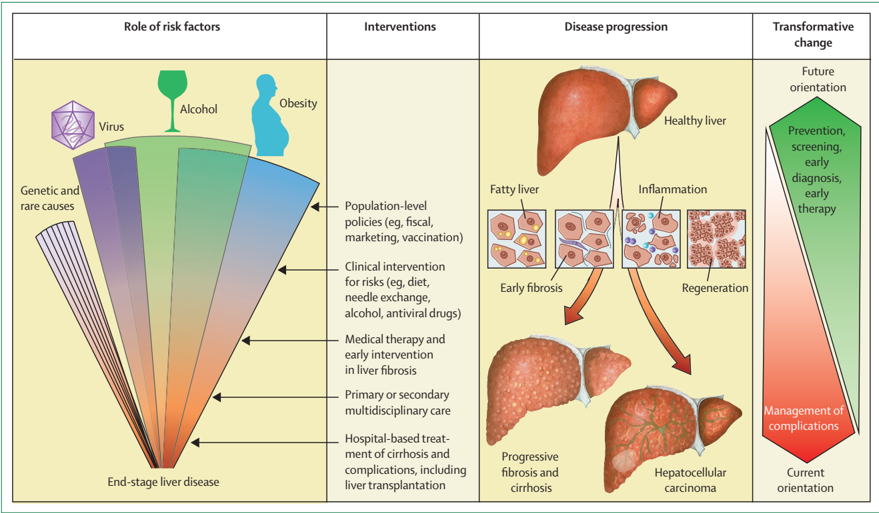
Liver diseases have become a major health threat across Europe, and the face of European hepatology is changing due to the cure of viral hepatitis C and the control of chronic viral hepatitis B, the increasingly widespread unhealthy use of alcohol, the epidemic of obesity, and undiagnosed or untreated liver disease in migrant populations.Consequently, Europe is facing a looming syndemic, in which socioeconomic and health inequities combine to adversely affect liver disease prevalence, outcomes, and opportunities to receive care.In addition, the COVID-19 pandemic has magnified pre-existing challenges to uniform implementation of policies and equity of access to care in Europe, arising from national borders and the cultural and historical heterogeneity of European societies.In following up on work from the Lancet Commission on liver disease in the UK and epidemiological studies led by the European Association for the Study of the Liver (EASL), our multidisciplinary Commission, comprising a wide range of public health, medical, and nursing specialty groups, along with patient representatives, set out to provide a snapshot of the European landscape on liver diseases and to propose a framework for the principal actions required to improve liver health in Europe.We believe that a joint European process of thinking, and construction of uniform policies and action, implementation, and evaluation can serve as a powerful mechanism to improve liver care in Europe and set the way for similar changes globally.On the basis of these data, we present ten actionable recommendations, half of which are oriented towards health-care providers and half of which focus primarily on health policy.A fundamental shift must occur, in which health promotion, prevention, proactive casefinding, early identification of progressive liver fibrosis, and early treatment of liver diseases replace the current emphasis on the management of end-stage liver disease complications.A considerable focus should be put on underserved and marginalised communities, including early diagnosis and management in children, and we provide proposals on how to better target disadvantaged communities through health promotion, prevention, and care using multilevel interventions acting on current barriers.Underlying this transformative shift is the need to enhance awareness of the preventable and treatable nature of many liver diseases.Therapeutic nihilism, which is prevalent in current clinical practice across a range of medical specialities as well as in many patients themselves, has to end.We wish to challenge medical specialty protectionism and invite a broad range of stakeholders, including primary care physicians, nurses, patients, peers, and members of relevant communities, along with medical specialists trained in obesity, diabetes, liver disease, oncology, cardiovascular disease, public health, addictions, infectious diseases, and more, to engage in integrated person-centred liver patient care across classical medical specialty boundaries.This shift includes a revision in how we converse about liver disease and speak with our patients, and a reappraisal of disease-related medical nomenclature conducted to increase awareness and reduce the social stigmatisation associated with liver disease.Reimbursement mechanisms and insurance systems must be harmonised to account for patient-centric, multimorbidity models of care across a range of medical specialties, and the World Health Assembly resolution to improve the transparency and fairness of market prices for medicines throughout Europe should be reinforced.Finally, we outline how Europe can move forward with implementation of effective policy action on taxation, food reformulation, and product labelling, advertising, and availability, similar to that implemented for tobacco, to reduce consumption of alcohol, ultraprocessed foods, and foods with added sugar, especially among young people.We should utilise the window of opportunity created by the COVID-19 pandemic to overcome fragmentation and the variability of health prevention policies and research across Europe.We argue that the liver is a window to the 21st-century health of the European population.Through our proposed syndemic approach to liver disease and social and health inequities in Europe, the liver will serve as a sentinel for improving the overall health of European populations.
Overview
The claims and statistics of this paper haven’t been checked yet.
Free: it reads the open-access text and checks the first 5 claims that cite a source we can check. Create a free account to check every claim.
Integrity signals
Registry
Cites
Statistics
Figures
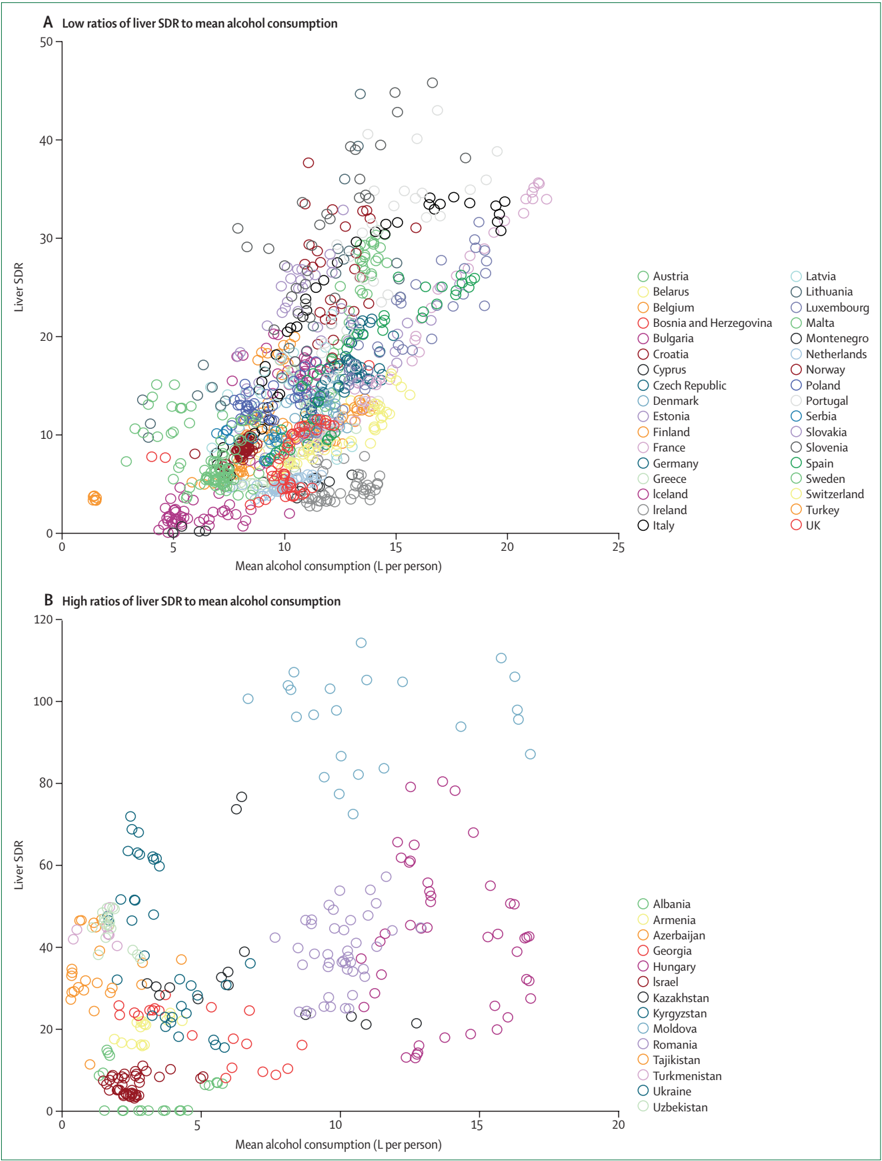
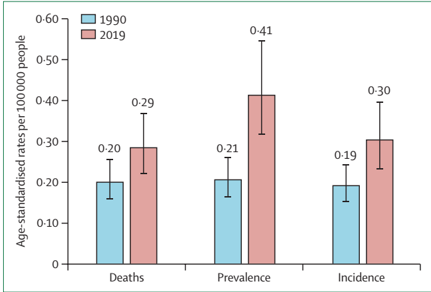
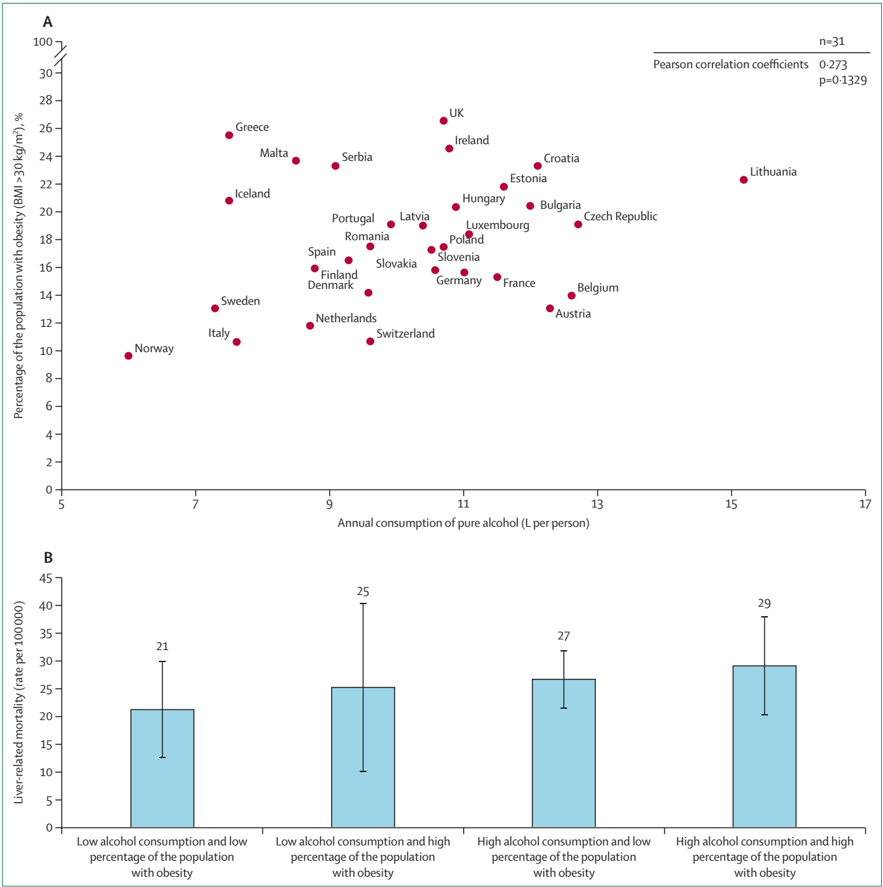
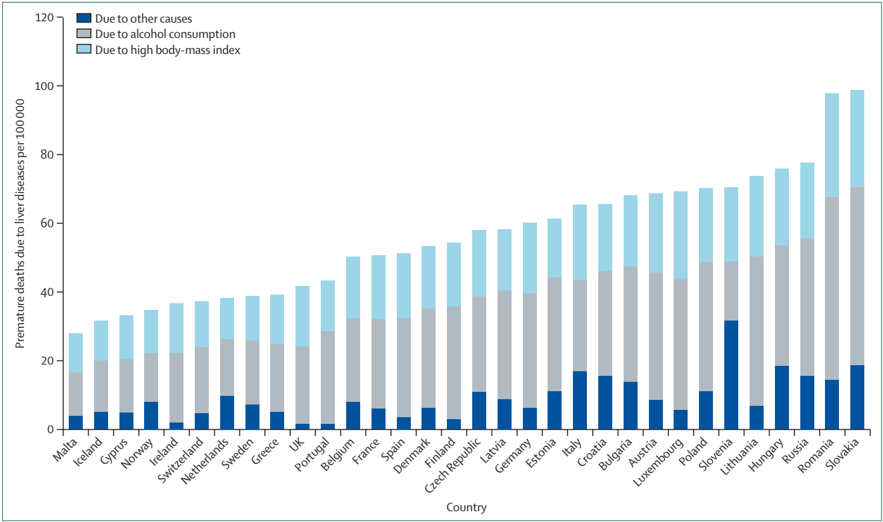
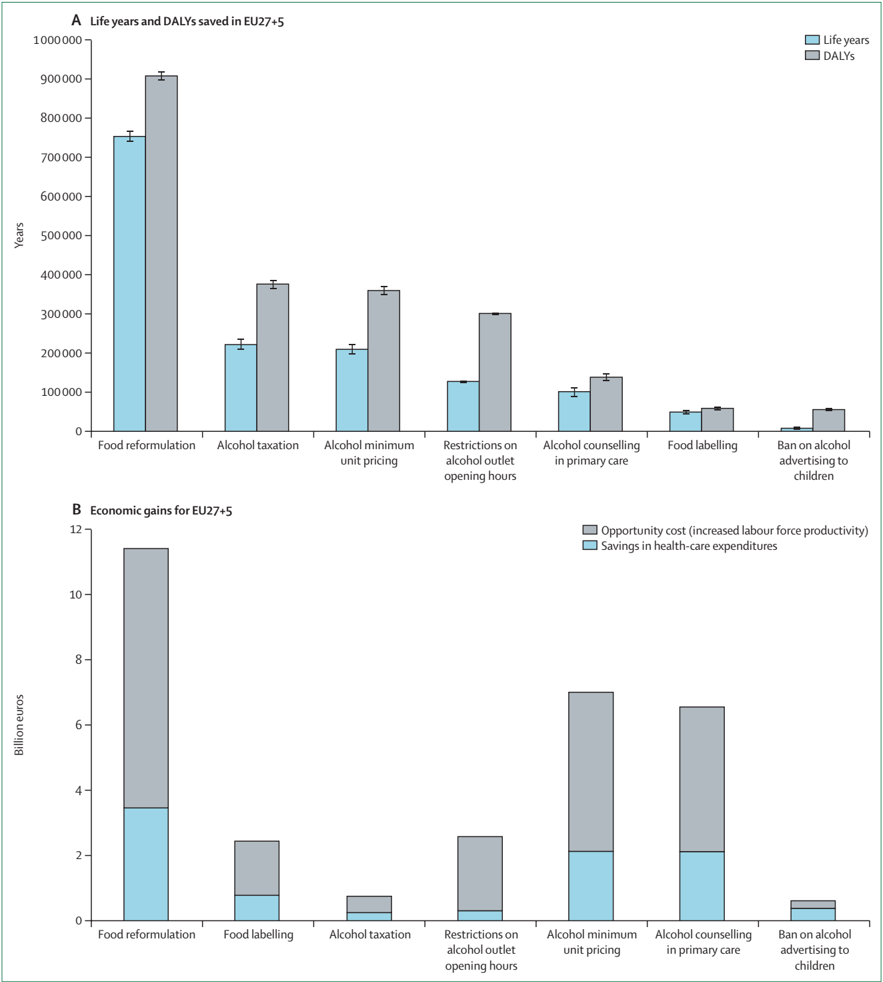
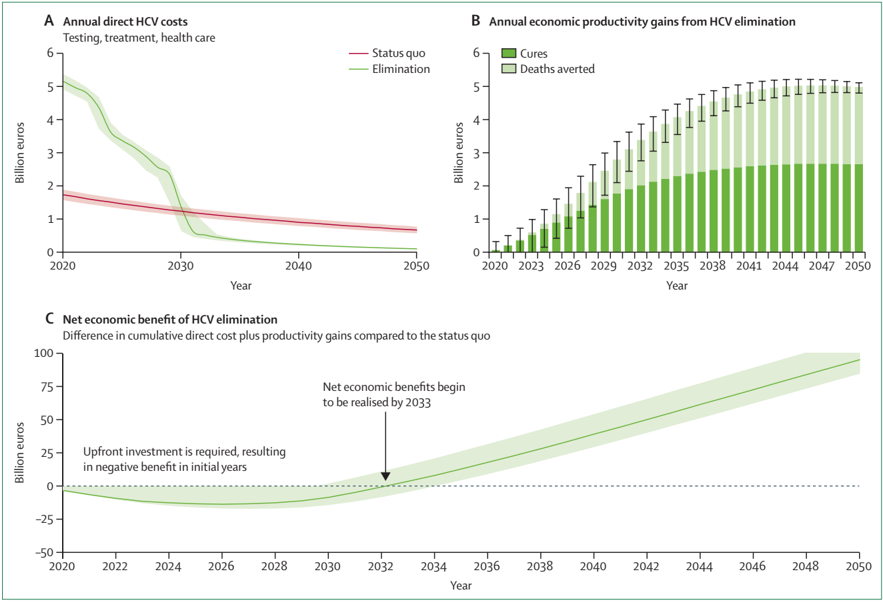
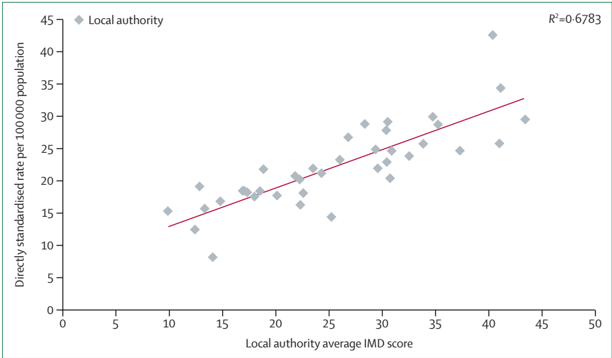
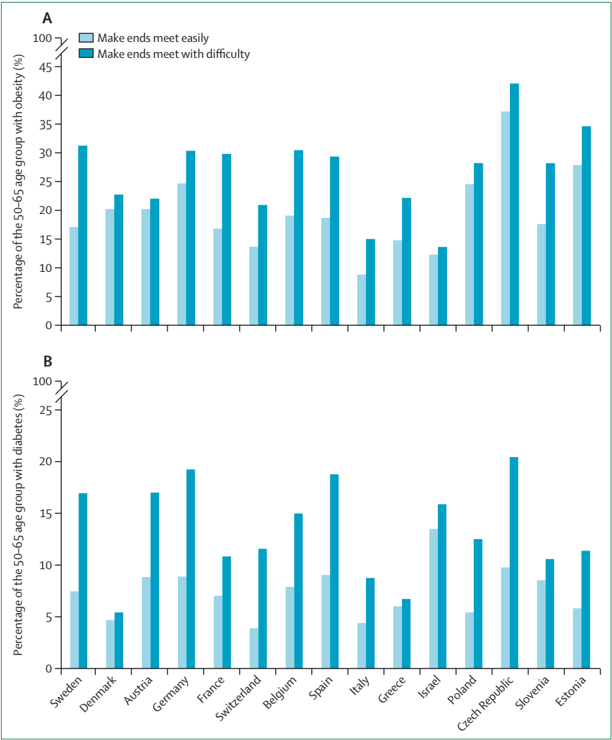
Verification
Claims the paper makes
The claims and statistics of this paper haven’t been checked yet.
Free: it reads the open-access text and checks the first 5 claims that cite a source we can check. Create a free account to check every claim.
Claims other papers make about this one
Each is checked against this paper’s own text: does it say what the citing paper says it does?
In the citing paper
“The greatest unmet needs reside with PSC, which poses a significant disease burden both for the affected individuals and the healthcare sector.465”
From EASL Clinical Practice Guidelines on sclerosing cholangitis (2022) · cites this paper as [465]
Self-check
Percentages, sums and reported differences re-computed from the paper’s own numbers.
The self-check needs the paper’s full text.
Citations
Cites
Sung, H., Ferlay, J., Siegel, R. L., Laversanne, M., Soerjomataram, I., Jemal, A., & Bray, F. (2021) · CA: A Cancer Journal for Clinicians · doi:10.3322/caac.21660 · Cited by 108,699
Vos, T., Lim, S. S., Abbafati, C., Abbas, K. M., Abbasi, M., Abbasifard, M., Abbasi-Kangevari, M., Abbastabar, H., Abd-Allah, F., Abdelalim, A., et al. (2020) · The Lancet · doi:10.1016/s0140-6736(20)30925-9 · Cited by 19,358
EASL Clinical Practice Guidelines: Management of hepatocellular carcinoma
Galle, P. R., Forner, A., Llovet, J. M., Mazzaferro, V., Piscaglia, F., Raoul, J.-L., Schirmacher, P., & Vilgrain, V. (2018) · Journal of Hepatology · doi:10.1016/j.jhep.2018.03.019 · Cited by 11,406
Self-citationFood in the Anthropocene: the EAT–Lancet Commission on healthy diets from sustainable food systems
Willett, W., Rockström, J., Loken, B., Springmann, M., Lang, T., Vermeulen, S., Garnett, T., Tilman, D., DeClerck, F., Wood, A., et al. (2019) · The Lancet · doi:10.1016/s0140-6736(18)31788-4 · Cited by 10,880
Younossi, Z. M., Koenig, A. B., Abdelatif, D., Fazel, Y., Henry, L., & Wymer, M. (2016) · Hepatology · doi:10.1002/hep.28431 · Cited by 10,781
Health effects of overweight and obesity in 195 countries over 25 years
Collaborators, T. G. 2. O. (2017) · New England Journal of Medicine · doi:10.1056/nejmoa1614362 · Cited by 7,918
Forner, A., Reig, M., & Bruix, J. (2018) · The Lancet · doi:10.1016/s0140-6736(18)30010-2 · Cited by 5,531
EASL 2017 Clinical Practice Guidelines on the management of hepatitis B virus infection
Lampertico, P., Agarwal, K., Berg, T., Buti, M., Janssen, H. L. A., Papatheodoridis, G., Zoulim, F., & Tacke, F. (2017) · Journal of Hepatology · doi:10.1016/j.jhep.2017.03.021 · Cited by 5,391
Self-citationEASL–EASD–EASO Clinical Practice Guidelines for the management of non-alcoholic fatty liver disease
(2016) · Journal of Hepatology · doi:10.1016/j.jhep.2015.11.004 · Cited by 4,836
Eslam, M., Newsome, P. N., Sarin, S. K., Anstee, Q. M., Targher, G., Romero-Gomez, M., Zelber-Sagi, S., Wai-Sun Wong, V., Dufour, J.-F., Schattenberg, J. M., et al. (2020) · Journal of Hepatology · doi:10.1016/j.jhep.2020.03.039 · Cited by 4,472
Self-citation
Research works printed but not linked: 9
- Sze, 2020, Ethnicity and clinical outcomes in COVID-19: a systematic review and meta-analysis, EClinicalMedicine, 29
- Marmot M, Allen J, Goldblatt P, Herd E, Morrison J. Build back fairer: the COVID-19 Marmot review. The pandemic, socioeconomic and health inequalities in England. Dec 15, 2020. https://www. instituteofhealthequity.org/resources-reports/build-back-fairer-the- covid-19-marmot-review (accessed Nov 4, 2021). 143
- Tan M, He FJ, MacGregor GA. Obesity and covid-19: the role of the food industry. BMJ 2020; 369: m2237. 184
- Harrison P, Hogan BJ, Floros L, Davies E. Assessment and management of cirrhosis in people older than 16 years: summary of NICE guidance. BMJ 2016; 354: i2850. 279
- Boettler T, Newsome PN, Mondelli MU, et al. Care of patients with liver disease during the COVID-19 pandemic: EASL-ESCMID position paper. JHEP Rep 2020; 2: 100113. 345
- Burton R, Henn C, Lavoie D, et al. A rapid evidence review of the effectiveness and cost-effectiveness of alcohol control policies: an English perspective. Lancet 2017; 389: 1558-80. 361 · DOI · Paper page
- Chaillon A, Rand EB, Reau N, Martin NK. Cost-effectiveness of universal hepatitis C virus screening of pregnant women in the United States. Clin Infect Dis 2019; 69: 1888-95. 391 · DOI
- Heffernan A, Cooke GS, Nayagam S, Thursz M, Hallett TB. Scaling up prevention and treatment towards the elimination of hepatitis C: a global mathematical model. Lancet 2019; 393: 1319-29. 409 · DOI · Paper page
- Sharma A, Etilé F, Sinha K. The effect of introducing a minimum price on the distribution of alcohol purchase: a counterfactual analysis. Health Econ 2016; 25: 1182-200. 421 Scotch Whisky Association and others (appellants) v The Lord Advocate and another (respondents). UKSC 76. UK Supreme Court; Scotland; Nov 15, 2017. 422
Cited by
Items 401–500 of 737
Epidemiology of Digestive Diseases
Timmer, A. (2023) · Springer eBooks · doi:10.1007/978-1-4614-6625-3_49-1 · Cited by 4
Palliative care in terminally ill advanced chronic liver disease patients
Pomej, K., Masel, E. K., & Kreye, G. (2024) · Wiener klinische Wochenschrift · doi:10.1007/s00508-024-02436-z · Cited by 4
“Patients with ACLD are often medically and socially alienated and may experience complex psychosocial issues such as addiction and stigma, which can lead to reduced health behavior and resource allocation [20].”
Prince, D. S., Hoque, S., Kim, C., Maher, S., Miller, J., Chomley, P., Pritchard‐Jones, J., Spruce, S., McGarry, N., Baker, D., et al. (2024) · Journal of Gastroenterology and Hepatology · doi:10.1111/jgh.16782 · Cited by 4
“13 Several causes of liver disease have evidence-based interventions to prevent disease progression, 14 and there is an increasing focus on development and implementation of quality improvement metrics in the care of patients with cirrhosis.”
Cheung, C. Y. Y., Wan, P., Wan, H., Xu, C., Jia, X., Fong, C. H.-Y., Lui, D. T. W., Song, E., Chen, X., Chow, W.-S., et al. (2025) · Journal of Advanced Research · doi:10.1016/j.jare.2025.09.033 · Cited by 4
“…fibrosis score (NFS) [8], which utilise alanine amino-transferase (ALT) and aspartate aminotransferase (AST) in combination with other routine clinical and laboratory parameters, have been recommended in the European guidelines as low-cost first-line tests for advanced fibrosis in primary care [9,10].”
EGFR activation in cholangiocytes promotes extrahepatic bile duct regeneration after injury
Calder, A. N., Sakaguchi, T., Peter, M., Tobias, J. W., Frankel, T. L., & Razumilava, N. (2025) · Hepatology Communications · doi:10.1097/hc9.0000000000000804 · Cited by 4
“[1] It is of major importance to develop strategies supporting biliary repair after injury to prevent cholangi-opathy development and progression.”
Idalsoaga, F. J., Cambindo, V., Fuentes–López, E., Dukes, E., Ibañez, S., Hunfan, P., Mollo, C., Gonzalez, J., Ayares, G., Ramírez, C., et al. (2025) · Gastroenterología y Hepatología · doi:10.1016/j.gastrohep.2025.502608 · Cited by 4
Kalo, E., Sheriff, N., Isaac, M., Baig, A., Read, S. A., & Ahlenstiel, G. (2022) · Livers · doi:10.3390/livers2020007 · Cited by 4
Infectious mononucleosis is associated with an increased incidence of NAFLD
Loosen, S. H., Kostev, K., Luedde, T., & Roderburg, C. (2022) · European Journal of Clinical Investigation · doi:10.1111/eci.13911 · Cited by 4
The role of interleukin-20 in liver disease: Functions, mechanisms and clinical applications
Wang, K., Zhan, H.-Q., Hu, Y., Yuan, Z.-Y., Yang, J., Yang, D., Tao, L.-S., & Xu, T. (2024) · Heliyon · doi:10.1016/j.heliyon.2024.e29853 · Cited by 4
“Liver disease was reported to have caused 287,000 deaths in Europe in 2019, with 63,500 attributed to primary liver cancer [2].”
BackgroundLiver health in hemophilia in the era of gene therapy
Dargaud, Y. G., Levrero, M., Bailly, F., Lienhart, A., & Zoulim, F. (2024) · Thrombosis Research · doi:10.1016/j.thromres.2024.109064 · Cited by 4
Poudel, A., Adhikari, A. R., Poudel, S., & Poudel, A. (2024) · Transplantology · doi:10.3390/transplantology5030021 · Cited by 4
Al-Awadi, A. A., Vijay, A., Grove, J. I., Taylor, M. A., & Aithal, G. P. (2025) · Metabolism Open · doi:10.1016/j.metop.2025.100351 · Cited by 4
“Metabolic dysfunction-Associated Steatotic Liver Disease (MASLD) affects up to one in five people in the UK [1], with persistent overeating and a sedentary lifestyle being significant risk factors [2].”
Liver disease: at the heart of public health challenges for Europe in the 21st century
Cooke, G., & Nayagam, S. (2021) · The Lancet · doi:10.1016/s0140-6736(21)02728-8 · Cited by 4
Lorenz, P., Canbay, A. E., Roeb, E., Tacke, F., & Jansen, P. L. (2022) · Zeitschrift für Gastroenterologie · doi:10.1055/a-1880-2156 · Cited by 4
Understanding the risks and benefits of policy action in NAFLD
Rowe, I. A. C. (2023) · Journal of Hepatology · doi:10.1016/j.jhep.2023.03.034 · Cited by 4
Kozaki, Y., Ichikawa, Y., Nakamura, S., Kobayashi, T., Tomita, Y., Nagata, M., Kuriyama, N., Mizuno, S., & Sakuma, H. (2024) · Molecular Imaging and Biology · doi:10.1007/s11307-024-01958-2 · Cited by 3
“Simple blood-based algorithms such as FIB-4 index are recommended in European guidelines as inexpensive first-line tests in primary care [11, 12].”
Saarinen, K., Färkkilä, M. A., Jula, A., Erlund, I., Vihervaara, T., Lundqvist, A., & Åberg, F. O. (2025) · Scandinavian Journal of Gastroenterology · doi:10.1080/00365521.2025.2454247 · Cited by 3
“The most important etiologies for advanced liver disease in an unselected population are MASLD and ArLD [1].”
Dhar, J., Yadav, A., Mitra, S., Nabi, Z., Aggarwal, M., Gupta, P. K., Facciorusso, A., Crinò, S. F., Trikudanathan, G., & Samanta, J. (2025) · Expert Review of Gastroenterology & Hepatology · doi:10.1080/17474124.2025.2469838 · Cited by 3
“Therefore, the clinicians, especially gastroenterologists and hepatologists, are striving to strengthen and amplify means to enhance the detection, besides the management of liver diseases [5,6].”
Ntikoudi, A., Papachristou, A., Spirou, A., Evangelou, E., Tsartsalis, A. N., Vlachou, E. D., & Mastorakos, G. P. (2025) · Livers · doi:10.3390/livers5030031 · Cited by 3
Jin, P., Li, N., Liu, C., Sheng, D., Qiu, L., Zhao, C., & Liu, Z. (2025) · BMC Gastroenterology · doi:10.1186/s12876-025-04277-0 · Cited by 4
“TE features high accuracy and reproducibility in detecting and grading liver fibrosis; however, the lack of instrument availability limits its widespread application in population screening [10, 11].”
Huang, N., Yang, S., Wang, Z., Zhang, H., Li, T., Jiang, Y., You, J., & Liao, J. (2025) · Nursing Open · doi:10.1002/nop2.70307 · Cited by 3
Laurence, A., Gandhi, S., Nylén, E., & Sen, S. (2026) · Endocrine Practice · doi:10.1016/j.eprac.2026.02.011 · Cited by 3
Venkatesh, S. K. (2026) · Expert Review of Gastroenterology & Hepatology · doi:10.1080/17474124.2026.2636184 · Cited by 3
“Portal hypertension may be seen in MASLD patients, even prior to the onset of advanced fibrosis or cirrhosis [47,48].”
Han, X., Chen, M., Xiong, Q., Zhong, Y.-D., Liu, D.-X., Li, J., & Yang, Y.-F. (2026) · World Journal of Gastroenterology · doi:10.3748/wjg.v32.i12.113939 · Cited by 3
Vi trenger en ny strategi for leversykdom
Vesterhus, M. N., Jørgensen, K. K., Frigstad, S. O., Haukeland, J. W., & Karlsen, T. H. (2022) · Tidsskrift for Den norske legeforening · doi:10.4045/tidsskr.21.0892 · Cited by 3
Self-citationBurden of hepatitis B and C in Europe calls for political impetus to accelerate elimination efforts
Pawlotsky, J. (2023) · The Lancet Public Health · doi:10.1016/s2468-2667(23)00179-2 · Cited by 3
Enfermedad hepática relacionada con el alcohol
Cabezas, J., Cuadrado, A., Rodríguez, J. C., Fernández, S. A., & Crespo, J. (2024) · Medicine - Programa de Formación Médica Continuada Acreditado · doi:10.1016/j.med.2024.03.011 · Cited by 3
Armstrong, P. R., Moriarty, A., Dillon, A., Galvin, Z., Russell, J. L., & Stewart, S. F. (2025) · European Journal of Gastroenterology & Hepatology · doi:10.1097/meg.0000000000003045 · Cited by 3
Cui, Y., Zhang, J., Liu, S., Zhao, Z., Shan, M., Jiang, N., & Zhai, X. (2025) · Organic Process Research & Development · doi:10.1021/acs.oprd.5c00149 · Cited by 3
Peng, X., Wei, Z., Liu, S., Liu, L., Jiang, H., Yu, L., Xu, X., & Gu, Z. (2025) · Scientific Reports · doi:10.1038/s41598-025-96848-0 · Cited by 3
“The presence of MAFLD is closely linked to type 2 diabetes (T2D), hyperlipidemia, obesity and other cardiometabolic risk factors 5,6 .”
Wagner, A. C., Jung, J., Reitz, J., Perlstein, T., Sewell, L., Schwandt, M. L., Diazgranados, N., Wagner, J., Rosoff, D. B., & Lohoff, F. W. (2026) · Addiction Biology · doi:10.1111/adb.70128 · Cited by 3
“Understanding the multifactorial impacts of AUD and MD is particularly important because of the limited treatment options, unclear guidance on safe alcohol consumption and the frequent late-stage diagnosis of liver disease [8, 11, 12].”
Addressing sex-based disparities in liver transplantation
Hundt, M. A., Tien, C., & Kahn, J. A. (2022) · Current Opinion in Organ Transplantation · doi:10.1097/mot.0000000000001040 · Cited by 3
Scotland’s alcohol crisis: A clinician’s perspective on a public health emergency
MacGilchrist, A. (2023) · The Journal of the Royal College of Physicians of Edinburgh · doi:10.1177/14782715221146607 · Cited by 3
Ortner, J., van Ewijk, R. J. G., Velthuis, L. J., Labenz, C., Arslanow, A., Wörns, M.-A., Reichert, M., Farin‐Glattacker, E., Fichtner, U. A., Stelzer, D., et al. (2023) · Zeitschrift für Gastroenterologie · doi:10.1055/a-1989-1971 · Cited by 3
Impact of Climate Change on Viral Disease Burden in Africa
Elwakil, R., Esmat, G., Fouad, Y., & Bassam, M. (2023) · Springer eBooks · doi:10.1007/978-3-031-39466-9_5 · Cited by 3
Tavabie, O. D., Salehi, S., & Aluvihare, V. R. (2023) · Expert Review of Molecular Diagnostics · doi:10.1080/14737159.2023.2292642 · Cited by 3
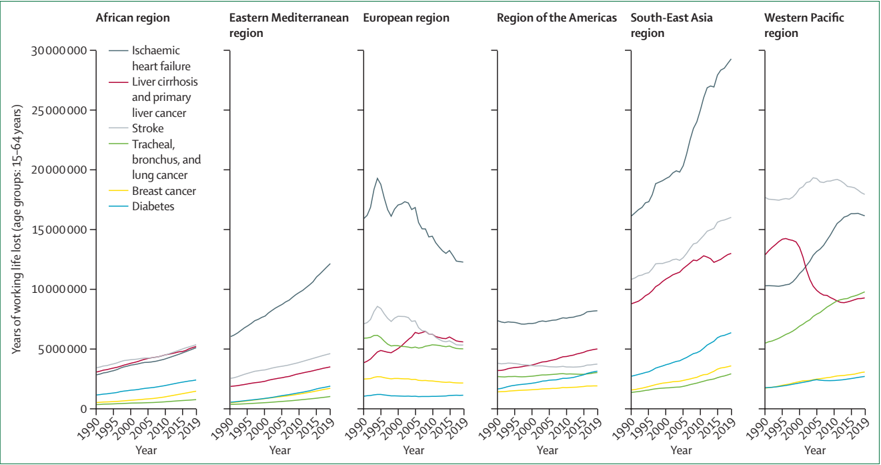
“This is echoed in Europe where CLD has become the second leading cause of years of working life lost [18].”
BackgroundDruckrey-Fiskaaen, K. T., Vold, J. H., Madebo, T., Midgard, H., Dalgård, O., Leiva, R. A., Fadnes, L. T., for the INTRO-HCV Study Group, Buljovcic, V. B., Daltveit, J. T., et al. (2024) · Substance Abuse Treatment Prevention and Policy · doi:10.1186/s13011-024-00603-z · Cited by 3
“Nonetheless, the results of this study highlight the importance of continuous monitoring and regular assessments to identify possible liver disease development and progression [14, 59].”
BackgroundLacombe, K., Moh, R., Chazallon, C., Lemoine, M., Sylla, B., Fadiga, F., Carrou, J. L., Marcellin, F., Kouanfack, C., Ciaffi, L., et al. (2024) · Scientific Reports · doi:10.1038/s41598-024-57013-1 · Cited by 3
“However, the lack of free access to HCV care, the unavailability of HCV care at decentralized level of the healthcare system and the social context (e.g., stigma exerted against people with HCV 14 ) may affect the continuity and response to HCV treatment.”
BackgroundSelf-citationBarré, T., Parlati, L., Bourlière, M., Ramier, C., Marcellin, F., Protopopescu, C., Beo, V. D., Moins, C., Dorival, C., Nicol, J. T. J., et al. (2024) · Journal of Viral Hepatitis · doi:10.1111/jvh.14006 · Cited by 3
Self-citationDíaz, L. A., Alejandro Villalón, F., Ochoa, G., García, S., Severino, N., Ayares, G., Idalsoaga, F. J., Dib, M., Briceño, E., Viñuela, E., et al. (2024) · Revista médica de Chile · doi:10.4067/s0034-98872024000600704 · Cited by 3
The Metabolic Activation of Sofosbuvir Is Impaired in an Experimental Model of NAFLD
Gabbia, D., Roverso, M., Sarcognato, S., Zanotto, I., Ferri, N., Russo, F. P., Guido, M., Bogialli, S., & Martin, S. D. (2022) · Biology · doi:10.3390/biology11050693 · Cited by 3
Inpatient Hepatology Consultation
Díaz, L. A., Pagés, J., Mainardi, V., & Mendizábal, M. (2023) · Medical Clinics of North America · doi:10.1016/j.mcna.2023.01.006 · Cited by 3
Cao, G., Liu, J., & Liu, M. (2023) · International Journal of Gynecology & Obstetrics · doi:10.1002/ijgo.14957 · Cited by 3
Climate change for gastroenterologists: understanding the basics
Eling, J., Barker, J., & Barna, S. (2024) · Frontline Gastroenterology · doi:10.1136/flgastro-2023-102499 · Cited by 3
Hammoutène, A., Tanguy, M., Calmels, M., Pravisani, R., Albuquerque, M., Casteleyn, C. R., Slimani, L., Sadoine, J., Boulanger, C. M., Paradis, V., et al. (2023) · Liver International · doi:10.1111/liv.15665 · Cited by 3
Transplanting severely obese cirrhotic patients: Heavy clouds still on the horizon
Burra, P., & Ferrarese, A. (2022) · United European Gastroenterology Journal · doi:10.1002/ueg2.12234 · Cited by 3
“century, causing more than 300,000 premature deaths per year, increased healthcare costs and social stigma.(1) More than 75% of obese and >90% severely obese people develop non‐alcoholic fatty liver disease,(2) which in turn becomes a strong risk factor for liver fibrosis, cirrhosis and hepatocellular carcinoma.”
BackgroundSelf-citationJiroušková, M., Harant, K., Cejnar, P., Ojha, S., Korelova, K., Sarnová, L., Sticová, E., Mayr, C. H., Schiller, H. B., & Gregor, M. (2025) · eLife · doi:10.7554/elife.98023.2 · Cited by 3
Transforming global hepatology training: a call for action
Yin, J. L., Satapathy, S. K., O’Beirne, J. P., Ocama, P., Dar, O. A., Duseja, A. K., Schiano, T. D., & Ala, A. (2024) · The Lancet. Gastroenterology & hepatology · doi:10.1016/s2468-1253(23)00400-4 · Cited by 2
Jiroušková, M., Harant, K., Cejnar, P., Ojha, S., Korelova, K., Sarnová, L., Sticová, E., Mayr, C. H., Schiller, H. B., & Gregor, M. (2025) · eLife · doi:10.7554/elife.98023.3 · Cited by 2
Vaz, J., Willemse, J., & Jepsen, P. (2024) · Journal of Hepatology · doi:10.1016/j.jhep.2024.08.004 · Cited by 2
Affinity Proteomics‐Based Non‐Invasive Detection of Clinically Significant Liver Disease
Balasubramani, S., Remih, K., Karl, A. S., Borchert, J., Schrader, C., Fromme, M., Kayatekin, C., Zhang, B., Levit, M. N., Krishnaswami, P., et al. (2026) · Alimentary Pharmacology & Therapeutics · doi:10.1111/apt.70656 · Cited by 2
Evaluation of the prevalence of MASLD, MASH and liver fibrosis in a Dutch bariatric cohort
Theel, W. B., Brouwer, W. P., van Rossum, E. F. C., Apers, J. A., ter Borg, S., Noordermeer, T., & Cabezas, M. C. (2025) · PLoS ONE · doi:10.1371/journal.pone.0324813 · Cited by 2
Shi, J., Wu, X., Yu, J., & Zhou, Q. (2025) · Frontiers in Nutrition · doi:10.3389/fnut.2025.1651357 · Cited by 2
Balcar, L., Scheiner, B., Simbrunner, B., Jachs, M., Hartl, L., Semmler, G., Hofer, B., Schwarz, M., Dominik, N., Adelmeijer, J., et al. (2025) · Liver International · doi:10.1111/liv.70323 · Cited by 2
Kjærgaard, K., Yeoman, J. R., Eriksen, P. L., Mikkelsen, A. C. D., Møller, E. E., Wietz, A.-S. F., de Zawadzki, A., Gormsen, L. C., Heebøll, S., Vilstrup, H., et al. (2025) · JHEP Reports · doi:10.1016/j.jhepr.2025.101623 · Cited by 2
Perceptions of targeted sexual healthcare among French MSM based on HPV vaccination policy in France
Oliveri, C., Mora, M., Annequin, M., Brosset, E., Fressard, L., Cogordan, C., Bourrelly, M., Velter, A., Spire, B., Verger, P., et al. (2025) · Scientific Reports · doi:10.1038/s41598-025-20412-z · Cited by 2
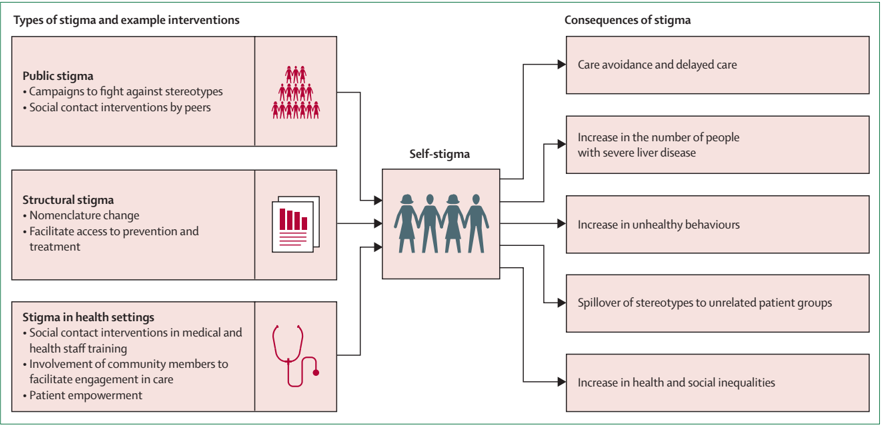
“…person being associated with specific stereotypes), structural (involves discrimination in terms of access to social and medical services, as well as the use of inappropriate language at the political level), and medical (practiced by medical staff and often the result of stereotyping) 10 .”
Gómez, C., Roig, J. J. G., Lapeña‐Rodríguez, M., Alfaro‐Cervelló, C., Fiorillo, A., López‐Gramaje, A., Ballester, R., Fernández, N. C., Lozano, M. C., Escudero-García, M. D., et al. (2025) · Surgery for Obesity and Related Diseases · doi:10.1016/j.soard.2025.09.012 · Cited by 2
Park, J., Hong, J. Y., Han, K., & Shen, J. J. (2025) · Cancer Epidemiology Biomarkers & Prevention · doi:10.1158/1055-9965.epi-25-0319 · Cited by 2
LYSOPHOSPHATIDIC ACID RECEPTOR 1 (LPA 1 ) ANTAGONISTS
Cheng, P. T. W., & Corte, J. R. (2025) · Medicinal chemistry reviews · doi:10.1021/mc-2025-vol60.ch07 · Cited by 2
O’Hara, F., Kuhn, B., & Grether, U. (2025) · Medicinal chemistry reviews · doi:10.1021/mc-2025-vol60.ch03 · Cited by 2
RECENT ADVANCES, NEW DEVELOPMENTS, AND EMERGING OPPORTUNITIES IN DNA-ENCODED LIBRARY TECHNOLOGY
Nilewski, C., Wichert, M., & Hunter, J. H. (2025) · Medicinal chemistry reviews · doi:10.1021/mc-2025-vol60.ch15 · Cited by 2
Wells, C., Dewar-Haggart, R., Glyn‐Owen, K., Stevens, H., Parkes, J., Kim, Y., & Buchanan, R. M. (2025) · Alcohol and Alcoholism · doi:10.1093/alcalc/agaf071 · Cited by 2
“2019), whilst the prevalence of liver disease – a condition most commonly caused by alcohol use (Karlsen et al .”
InfluentialÉvolution de la nomenclature des maladies hépatiques stéatosiques : vers un changement de paradigme
Halfon, P. (2025) · La Revue de Médecine Interne · doi:10.1016/j.revmed.2025.12.003 · Cited by 2
You, C., Yin, A., Xia, J., Zhang, L., Wang, X., & Hou, Y. (2025) · Biocell · doi:10.32604/biocell.2025.072971 · Cited by 2
Han, Y.-Q., Xu, Y., Xiang, Z., Xu, Q.-F., Gao, F., Yan, M.-N., & Wu, J. (2026) · Hepatobiliary & pancreatic diseases international · doi:10.1016/j.hbpd.2026.01.008 · Cited by 2
Lazarus, J. V., Kopka, C. J., Nicolàs, A., Karim, S. A., Bansal, M. B., Betel, M., Dillon, J. F., Ginès, P., Krag, A. A., Miller, V., et al. (2026) · Nature Reviews Gastroenterology & Hepatology · doi:10.1038/s41575-026-01174-z · Cited by 2
Self-citationXin, Y., Chen, G., Hammour, M. M., Gao, X., Springer, F., Maurer, E., Nussler, A. K., & Aspera-Werz, R. H. (2026) · Cells · doi:10.3390/cells15030274 · Cited by 2
Maxan, M.-E., Moens, F., Marzorati, M., Mohamad, M., Yue, C., Said, J., Basit, A. W., Gaisford, S., & Patel, V. (2026) · International Journal of Pharmaceutics · doi:10.1016/j.ijpharm.2026.126678 · Cited by 2
Rizzi, M. A., Scalerandi, M. V., de Talamoni, N. T., & Rodríguez, V. A. (2026) · European Journal of Pharmacology · doi:10.1016/j.ejphar.2026.178681 · Cited by 2
Chen, Y., & Chen, M. (2026) · BMC Geriatrics · doi:10.1186/s12877-026-07239-7 · Cited by 2
“Beyond reducing quality of life, CLD imposes considerable economic costs on healthcare systems [11].”
Towards a Better Understanding of MASLD: Patient Health Literacy, Illness Perception, and Awareness
Gergianaki, I., Anastasiou, F., Papadakis, S., Anastasaki, M., Linardakis, M. K., Mendive, J. M., Heyens, L. J. M., Koek, G. H., Muris, J. W. M., & Lionis, C. D. (2026) · Diseases · doi:10.3390/diseases14040147 · Cited by 2
Self-citationCoste, P., Ridruejo, E., Díaz, L. A., Arab, J. P., Pessoa, M., Hernández, N., & Arrese, M. A. (2026) · Annals of Hepatology · doi:10.1016/j.aohep.2026.102211 · Cited by 2
Laevens, B. P. M., Meeßen, C., Pijpers, F. P., Bruns, T., Chen, Y., Loomba, R., Jakhar, N., Arning, K., Schneider, K. M., & Schneider, C. V. (2026) · JHEP Reports · doi:10.1016/j.jhepr.2026.101846 · Cited by 2
“22,28 Public engagement, particularly through participatory hepatology, offers a promising means of addressing this gap.”
Jiang, R., Rosenblatt, M., Qi, S., Calhoun, V. D., Wang, Q., Wang, P., Wu, J. I. A. H. U. I., Scheinost, D., & Sui, J. (2026) · Science Advances · doi:10.1126/sciadv.aeg4939 · Cited by 2
Rafi, M. S. H., Sarker, M. T., Joy, F.-U.-H., Shams, S. M., Foyez, T., Mazid, M. A., & Dewan, S. M. R. (2026) · Animal Models and Experimental Medicine · doi:10.1002/ame2.70236 · Cited by 2
“71 Animal models are essential for understanding pathogenesis mechanisms, identifying possible therapeutic targets, and developing innovative therapeutics for diverse liver disorders.”
Upcoming therapies for steatotic liver disease: Translating breakthroughs into clinical practice
Newsome, P. N., & Ajaz, S. (2026) · Journal of Internal Medicine · doi:10.1111/joim.70143 · Cited by 2
“For example, an FIB-4 below 1.3 (using the standard cutoff for 65-year-olds) has an NPV around 90%– 95% for advanced fibrosis [3, 13, 19].”
InfluentialSelf-citationKalpadakis, S., Sifaki-Pistolla, D. I., Symvoulakis, E. K., Kelefiotis-Stratidakis, P., Vamvakas, L. N., Mavroudis, D., & Lionis, C. D. (2022) · International Journal of Environmental Research and Public Health · doi:10.3390/ijerph191610166 · Cited by 2
“If we consider that “COVID-19, alongside imposing delays in diagnostic pathways of liver diseases, has brought overlapping metabolic risk factors and social inequities into the spotlight as crucial barriers to liver health for the next generation of Europeans”, it is evident that there is an urgent need for targeted p…”
BackgroundSelf-citationNørskov, M. P., Mønsted, T., Kimer, N., Damgaard, M., & Møller, S. (2024) · Diagnostics · doi:10.3390/diagnostics14080835 · Cited by 2
“A reduction in systemic vascular resistance, arterial blood pressure, and central effective blood volume [1,3,23,24] characterizes this cardiovascular dysfunction.”
BackgroundHepatic dysmetabolism in polycystic ovarian syndrome: impact of paraoxonase-1 modulation by butyrate
Areloegbe, S. E. J., Oyekanmi, O. A., Ajadi, I. O., Ajadi, M. B., Atuma, C. L., Aturamu, A., & Olaniyi, K. S. (2024) · Comparative Clinical Pathology · doi:10.1007/s00580-024-03580-8 · Cited by 2
“…to oxidative stress, hepatic lobular inflammation, liver fibrosis, nonalcoholic steato-hepatitis (NASH), as well as progressive liver cirrhosis and hepatic carcinoma, which is one of the leading reasons for liver transplant (Parthasarathy et al. 2020; Kotani et al. 2021; Karlsen et al. 2022).”
Tavabie, O. D., Patel, V., Salehi, S., Stamouli, M., Trovato, F. M., Maxan, M.-E., Jeyanesan, D., Rivera, S., Mujib, S. F., Zamalloa, A., et al. (2024) · Scientific Reports · doi:10.1038/s41598-024-72416-w · Cited by 2
“CLD significantly impacts people of working age with alcohol-related liver disease (ARLD) the predominant etiology of patients who develop decompensated cirrhosis within Europe 1,2 .”
BackgroundLynch, R. W., Fallowfield, J. A., Blane, D., Swann, R. E., Mills, K., Cordwell, A., & Forrest, E. H. (2024) · NIHR Open Research · doi:10.3310/nihropenres.13650.2 · Cited by 2
Osmanaj, D., Kurti, F., Shehu, K., Themeli, Y., Stroni, G., Llanaj, E., & Babameto, A. (2025) · Gastroenterology Insights · doi:10.3390/gastroent16020016 · Cited by 2
Big Data Analytics in Large Cohorts: Opportunities and Challenges for Research in Hepatology
Huang, H. Y. R., Schneider, K. M., & Schneider, C. V. (2025) · Seminars in Liver Disease · doi:10.1055/a-2599-3728 · Cited by 2
“72 Through a combination of data-driven decision-making and implementation strategies, this initiative has helped shape guidelines for MASLD screening and prevention, emphasizing the role of healthcare infrastructure in bridging the gap between research and practice.”
The Genetics of Alcohol-Related Liver Disease
Innes, H. A., & Stickel, F. (2023) · Springer eBooks · doi:10.1007/978-3-031-32483-3_52 · Cited by 2
Şimşek, C., Dugic, A., Domislović, V., Groen, M. T., Hadefi, A., Kravchuk, S., Porcari, S., Sochnieva, A. L., Sousa, P., Acedo, P., et al. (2023) · United European Gastroenterology Journal · doi:10.1002/ueg2.12478 · Cited by 2
Bennett, L., Mostafa, M., Hammersley, R., Purssell, H., Patel, M. R., Street, O., Athwal, V. S., Hanley, K. P., Hanley, N. A., Morling, J. R., et al. (2023) · Journal of Medical Artificial Intelligence · doi:10.21037/jmai-23-35 · Cited by 2
Karhiaho, I. P., Kurki, S. H., Parviainen, H., Kullamaa, L., Färkkilä, M. A., Matikainen, N., & Tuomilehto, J. (2024) · Diabetes Research and Clinical Practice · doi:10.1016/j.diabres.2024.111609 · Cited by 3
Michel, M. S., Hagström, H., Widman, L., Nowak, P., Shang, Y., Schattenberg, J. M., & Wester, A. (2024) · Gastro Hep Advances · doi:10.1016/j.gastha.2024.05.009 · Cited by 2
“12 The predominant etiology of viral hepatitis was HCV in our study which is in line with previous data as Sweden is considered a low-endemic country for HBV. 32 This could also have impacted our fi ndings as HBV infection is associated with the highest risk of HCC, even without underlying cirrhosis.”
ResultRegulation of Hazelnut Leaf Polyphenols on Oxidative Stress in Chronic Alcoholic Liver Injury
Liang, B., Wang, M., Ji, C., Qi, X., & Cui, C. (2025) · eFood · doi:10.1002/efd2.70053 · Cited by 2
Renne, N. V., Ballet, F., Hees, S. V., Cuypers, B., d’Almeida, A. F., Vanderlinden, A., Meysman, P., Feld, J. J., Sangro, P., Bourgeois, S., et al. (2025) · JHEP Reports · doi:10.1016/j.jhepr.2025.101714 · Cited by 3
Self-citationTargher, G. (2022) · HepatoBiliary Surgery and Nutrition · doi:10.21037/hbsn-21-528 · Cited by 2
“HepatoBiliary Surg Nutr 2022;11(1):143-146 | https://dx.”
BackgroundSelf-citationOutside influence: The extrahepatic duct as a source for bile duct regeneration
Andersson, E. R. (2022) · Hepatology · doi:10.1002/hep.32334 · Cited by 2
Signed, SEALed, detected I’m your patient with advanced fibrosis or cirrhosis!
Jepsen, P., & Reeves, H. L. (2022) · Journal of Hepatology · doi:10.1016/j.jhep.2022.06.008 · Cited by 2
Alkhouri, N., Beyer, C., Shumbayawonda, E., Andersson, A., Yale, K., Rolph, T., Chung, R., Vuppalanchi, R., Cusi, K. J., Loomba, R. S., et al. (2024) · medRxiv · doi:10.1101/2024.02.28.24302571 · Cited by 2
“46 As yet no blood biomarkers and associated scoring systems have met desired thresholds for sensitivity and specificity.”
Background2025 Medicinal Chemistry Reviews
Rudolph, J., & Watkins, W. (2025) · Medicinal chemistry reviews · doi:10.1021/mc-2025-vol60 · Cited by 2
Wells, G., Spiers, J., Williams, F. R., Li, W., Tavabie, O. D., & Brennan, P. (2023) · Clinical Medicine · doi:10.7861/clinmed.2022-0443 · Cited by 1
Cui, X., Wang, W., Cheng, Y., Li, S., & Li, F. (2025) · Biomedical Materials · doi:10.1088/1748-605x/ad9e5f · Cited by 1
“Recent studies [2, 6, 24] have shown that 18 β - glycyrrhetinic acid exhibits effective hepatoprotect-ive properties in animals models and cellular systems, potentially involving antioxidant, anti-inflammatory and anti-tumor mechanisms.”
Wang, Z., Qu, Q., Jiang, R., Li, Z., & Ran, S. (2025) · Aging Clinical and Experimental Research · doi:10.1007/s40520-025-03031-6 · Cited by 1
Madadi‐Sanjani, O., Slavetinsky, C. J., & Uecker, M. (2025) · World Journal of Pediatric Surgery · doi:10.1136/wjps-2025-001025 · Cited by 1
Zhao, T., & Lou, Y. (2025) · Discover Oncology · doi:10.1007/s12672-025-03350-0 · Cited by 1
“…of fatty liver disease prevalence presents an unprecedented global health challenge for future hepatic disease management, as highlighted by the European Association for the Study of the Liver-Lancet Commission’s recent designation of NAFLD as Europe’s leading cause of liver-related mortality [33].”
Metadata
- Authors
- Karlsen, T. H., Sheron, N., Zelber-Sagi, S., Carrieri, P., Dusheiko, G., Bugianesi, E., Pryke, R., Hutchinson, S. J., Sangro, B., Martin, N. K., Cecchini, M., Dirac, M. A., Belloni, A., Serra-Burriel, M., Ponsioen, C. Y., Sheena, B., Lerouge, A., Devaux, M., Scott, N., Hellard, M., Verkade, H. J., Sturm, E., Marchesini, G., Yki-Järvinen, H., Byrne, C. D., Targher, G., Tur-Sinai, A., Barrett, D., Ninburg, M., Reic, T., Taylor, A., Rhodes, T., Treloar, C., Petersen, C., Schramm, C., Flisiak, R., Simonova, M. Y., Pares, A., Johnson, P., Cucchetti, A., Graupera, I., Lionis, C., Pose, E., Fabrellas, N., Ma, A. T., Mendive, J. M., Mazzaferro, V., Rutter, H., Cortez-Pinto, H., Kelly, D., Burton, R., Lazarus, J. V., Ginès, P., Buti, M., Newsome, P. N., Burra, P., & Manns, M. P.
- Affiliations
- Oslo University Hospital (NO)
- King's College London (GB)
- University of Haifa (IL)
- Inserm (FR)
- King's College Hospital (GB)
- University of Turin (IT)
- Glasgow Caledonian University (GB)
- Centro de Investigación Biomédica en Red de Enfermedades Hepáticas y Digestivas (ES)
- University of Bristol (GB)
- Organisation de Coopération et de Développement Economiques (FR)
- University of Washington (US)
- Public Health England (GB)
- Amsterdam UMC Location University of Amsterdam (NL)
- Burnet Institute (AU)
- University Medical Center Groningen (NL)
- University Children's Hospital Tübingen (DE)
- IRCCS Azienda Ospedliero-Universitaria di Bologna Policlinico di Sant'Orsola (IT)
- University of Helsinki (FI)
- University of Verona (IT)
- University of Gothenburg (SE)
- Childrens Liver Disease Foundation (GB)
- London School of Hygiene & Tropical Medicine (GB)
- UNSW Sydney (AU)
- Medizinische Hochschule Hannover (DE)
- University Medical Center Hamburg-Eppendorf (DE)
- Medical University of Białystok (PL)
- Military Medical Academy (BG)
- Hospital Clínic de Barcelona (ES)
- University of Liverpool (GB)
- University of Bologna (IT)
- University of Crete (GR)
- Consorci Institut D'Investigacions Biomediques August Pi I Sunyer (ES)
- Instituto de Salud Carlos III (ES)
- University of Milan (IT)
- University of Bath (GB)
- Birmingham Women's Hospital (GB)
- University Hospitals Birmingham NHS Foundation Trust (GB)
- Azienda Ospedale - Università Padova (IT)
- Corresponding author
- Karlsen, Tom H
- ORCID
- Venue
- The Lancet
- Publisher
- Elsevier BV
- Published
- 2022-01
- Volume
- 399
- Issue
- 10319
- Pages
- 61-116
- ISSN
- 0099-5355 (ISSN-L)
- 0140-6736
- OpenAlex
- W4200536452
- Cited by
- 652
- References
- 377
- Citations by year
- 2026: 96 · 2025: 168 · 2024: 147 · 2023: 142 · 2022: 94
- FWCI
- 14.85
- Type
- journal article
- Language
- en
- Open access
- hybrid
- doi.org
- Licence
- cc-by-nc-sa
- www.elsevier.com/tdm/userlicense/1.0/ (tdm)
- www.elsevier.com/legal/tdmrep-license (tdm)
- doi.org/10.15223/policy-017 (stm-asf)
- doi.org/10.15223/policy-037 (stm-asf)
- doi.org/10.15223/policy-012 (stm-asf)
- doi.org/10.15223/policy-029 (stm-asf)
- doi.org/10.15223/policy-004 (stm-asf)
- Locations
- The Lancet (publishedVersion, cc-by-nc-sa)
- PubMed (publishedVersion)
- Pure Amsterdam UMC (publishedVersion, other-oa)
- ePrints Soton (University of Southampton) (acceptedVersion)
- ResearchOnline (Glasgow Caledonian University) (acceptedVersion, cc-by-nc-nd)
- Pure (University of Bath) (submittedVersion, cc-by-nc-nd)
- Data Archiving and Networked Services (DANS) (submittedVersion)
- HAL (submittedVersion)
- Archivio Istituzionale della Ricerca (Universita Degli Studi Di Milano) (submittedVersion, other-oa)
- Archivio istituzionale della ricerca (Alma Mater Studiorum Università di Bologna) (submittedVersion, cc-by-nc-nd)
- Deposito Adademico Digital Universidad De Navarra (University of Navarra) (submittedVersion, other-oa)
- University of Birmingham Research Portal (University of Birmingham) (submittedVersion, other-oa)
- University of Birmingham Research Portal (University of Birmingham) (submittedVersion, cc-by-nc-nd)
- University of Groningen research database (University of Groningen / Centre for Information Technology) (submittedVersion, other-oa)
- Portuguese National Funding Agency for Science, Research and Technology (RCAAP Project by FCT) (submittedVersion)
- UNSWorks (UNSW Sydney) (submittedVersion, cc-by)
- NORA - Norwegian Open Research Archives (submittedVersion, cc-by-nc-nd)
- Padua Research Archive (University of Padova) (submittedVersion, cc-by-nc-sa)
- Funders
- European Commission
- French National Research Agency
- Topics
- Health Sciences › Medicine › Hepatology › Liver Disease Diagnosis and Treatment
- Health Sciences › Medicine › Pathology and Forensic Medicine › Alcohol Consumption and Health Effects
- Health Sciences › Medicine › Hepatology › Liver Diseases and Immunity
- Keywords
- liver disease, health disparities, liver fibrosis, early diagnosis, liver disease prevention, health promotion, migrants, obesity, alcohol consumption, viral hepatitis, COVID-19 pandemic, therapeutic nihilism, person-centred care, multidisciplinary care, Europe
- MeSH terms
- Europe, Health Policy, Humans, Liver Diseases, Mortality, Premature
About these checks
Registry, retraction, Cites and statistics results are computed, not judged, with one exception: a printed reference that no index lists is read once by a model before it counts as a citation error. Claims are extracted by a model and kept only when their quote appears verbatim in the text; each cited source is then checked, with a model’s help, for whether it says what the claim relies on. Those verdicts can be wrong — read the claim’s quote and the cited source before relying on one.
Statistics and arithmetic are recomputed, not judged.
Confidence bands are shown only for fields calibrated on our annotated test set. None is calibrated yet, so no band is shown.
What counts as a claim ›How we measure confidence ›How we check this ›
Are you an author, or do you see a problem with this page? Request a review
Data sources
Bibliographic data: Semantic Scholar, OpenAlex, Crossref.
Contains information from the Semantic Scholar Academic Graph Datasets, made available under the ODC Attribution License (ODC-BY 1.0).
Semantic Scholar’s data is described in: Kinney, R., et al. (2023). The Semantic Scholar Open Data Platform. arXiv:2301.10140.
