

The EASL–Lancet Liver Commission: protecting the next generation of Europeans against liver disease complications and premature mortality
Open accessThe DOI matches its Crossref record; 374 of the 377 references it cites were found in a registry or an index, and 1 are not checked yet.
Abstract
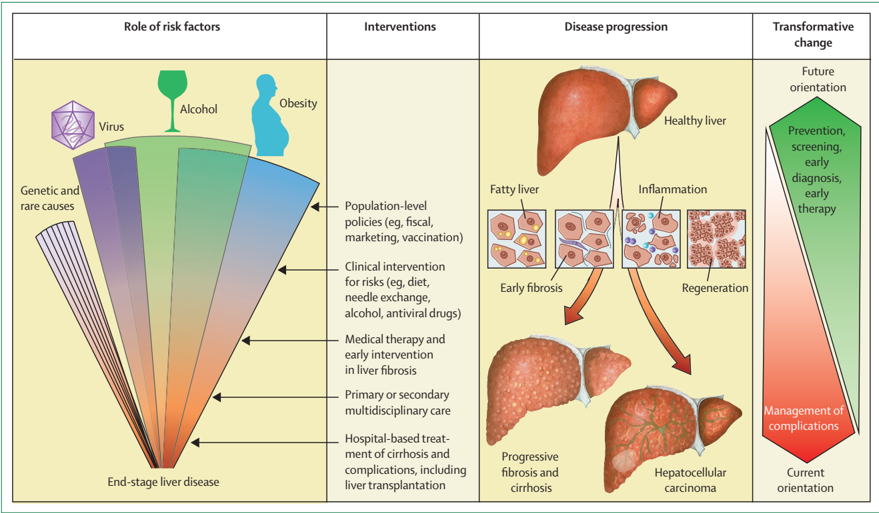
Liver diseases have become a major health threat across Europe, and the face of European hepatology is changing due to the cure of viral hepatitis C and the control of chronic viral hepatitis B, the increasingly widespread unhealthy use of alcohol, the epidemic of obesity, and undiagnosed or untreated liver disease in migrant populations.Consequently, Europe is facing a looming syndemic, in which socioeconomic and health inequities combine to adversely affect liver disease prevalence, outcomes, and opportunities to receive care.In addition, the COVID-19 pandemic has magnified pre-existing challenges to uniform implementation of policies and equity of access to care in Europe, arising from national borders and the cultural and historical heterogeneity of European societies.In following up on work from the Lancet Commission on liver disease in the UK and epidemiological studies led by the European Association for the Study of the Liver (EASL), our multidisciplinary Commission, comprising a wide range of public health, medical, and nursing specialty groups, along with patient representatives, set out to provide a snapshot of the European landscape on liver diseases and to propose a framework for the principal actions required to improve liver health in Europe.We believe that a joint European process of thinking, and construction of uniform policies and action, implementation, and evaluation can serve as a powerful mechanism to improve liver care in Europe and set the way for similar changes globally.On the basis of these data, we present ten actionable recommendations, half of which are oriented towards health-care providers and half of which focus primarily on health policy.A fundamental shift must occur, in which health promotion, prevention, proactive casefinding, early identification of progressive liver fibrosis, and early treatment of liver diseases replace the current emphasis on the management of end-stage liver disease complications.A considerable focus should be put on underserved and marginalised communities, including early diagnosis and management in children, and we provide proposals on how to better target disadvantaged communities through health promotion, prevention, and care using multilevel interventions acting on current barriers.Underlying this transformative shift is the need to enhance awareness of the preventable and treatable nature of many liver diseases.Therapeutic nihilism, which is prevalent in current clinical practice across a range of medical specialities as well as in many patients themselves, has to end.We wish to challenge medical specialty protectionism and invite a broad range of stakeholders, including primary care physicians, nurses, patients, peers, and members of relevant communities, along with medical specialists trained in obesity, diabetes, liver disease, oncology, cardiovascular disease, public health, addictions, infectious diseases, and more, to engage in integrated person-centred liver patient care across classical medical specialty boundaries.This shift includes a revision in how we converse about liver disease and speak with our patients, and a reappraisal of disease-related medical nomenclature conducted to increase awareness and reduce the social stigmatisation associated with liver disease.Reimbursement mechanisms and insurance systems must be harmonised to account for patient-centric, multimorbidity models of care across a range of medical specialties, and the World Health Assembly resolution to improve the transparency and fairness of market prices for medicines throughout Europe should be reinforced.Finally, we outline how Europe can move forward with implementation of effective policy action on taxation, food reformulation, and product labelling, advertising, and availability, similar to that implemented for tobacco, to reduce consumption of alcohol, ultraprocessed foods, and foods with added sugar, especially among young people.We should utilise the window of opportunity created by the COVID-19 pandemic to overcome fragmentation and the variability of health prevention policies and research across Europe.We argue that the liver is a window to the 21st-century health of the European population.Through our proposed syndemic approach to liver disease and social and health inequities in Europe, the liver will serve as a sentinel for improving the overall health of European populations.
Overview
The claims and statistics of this paper haven’t been checked yet.
Free: it reads the open-access text and checks the first 5 claims that cite a source we can check. Create a free account to check every claim.
Integrity signals
Registry
Cites
Statistics
Figures
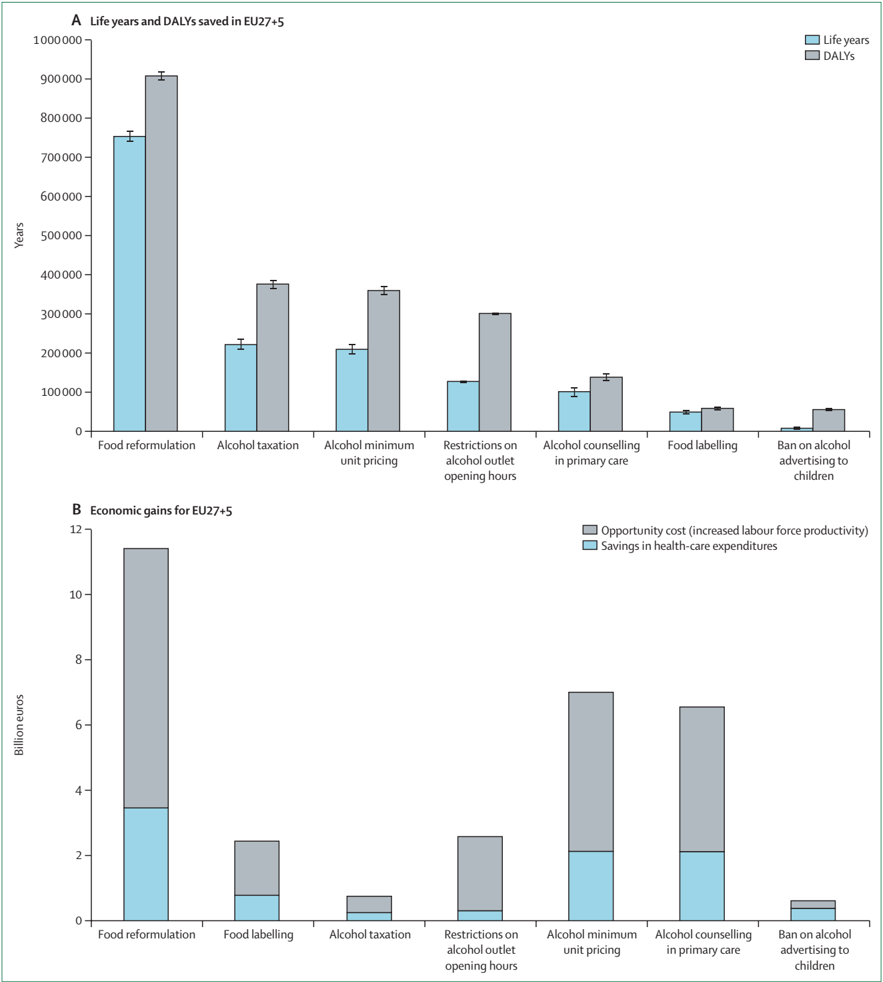
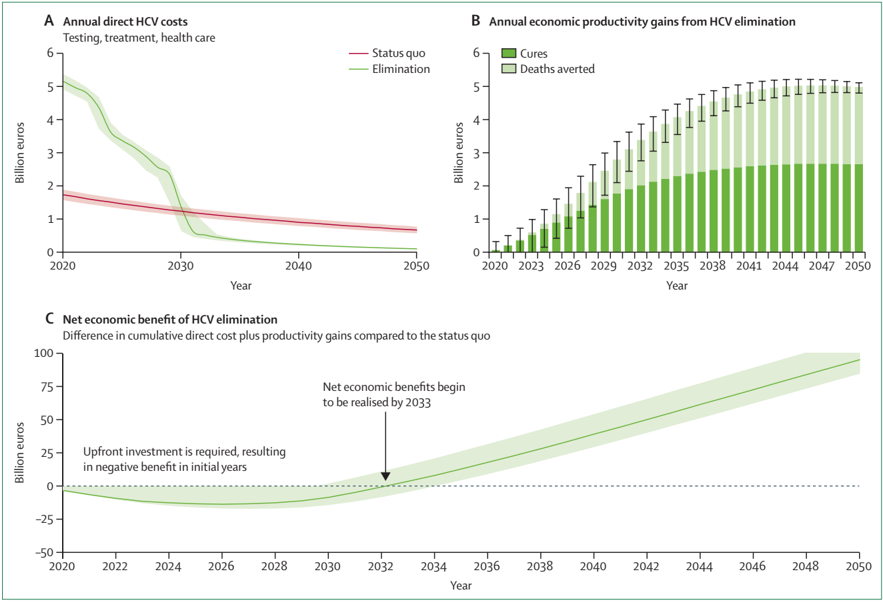
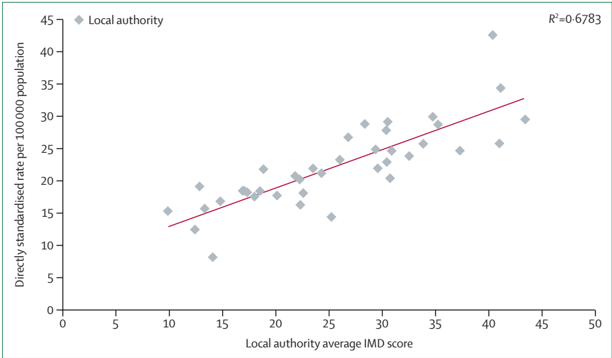
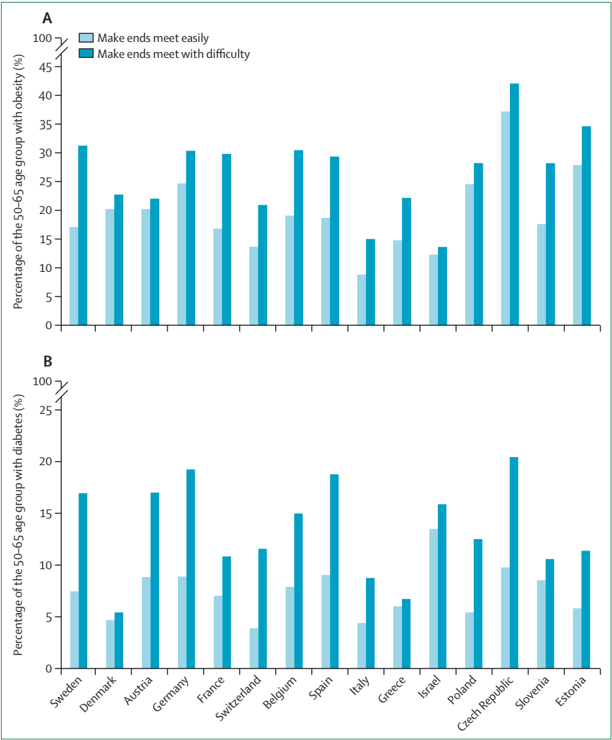
Verification
Claims the paper makes
The claims and statistics of this paper haven’t been checked yet.
Free: it reads the open-access text and checks the first 5 claims that cite a source we can check. Create a free account to check every claim.
Claims other papers make about this one
Each is checked against this paper’s own text: does it say what the citing paper says it does?
In the citing paper
“The greatest unmet needs reside with PSC, which poses a significant disease burden both for the affected individuals and the healthcare sector.465”
From EASL Clinical Practice Guidelines on sclerosing cholangitis (2022) · cites this paper as [465]
Self-check
Percentages, sums and reported differences re-computed from the paper’s own numbers.
The self-check needs the paper’s full text.
Citations
Cites
Sung, H., Ferlay, J., Siegel, R. L., Laversanne, M., Soerjomataram, I., Jemal, A., & Bray, F. (2021) · CA: A Cancer Journal for Clinicians · doi:10.3322/caac.21660 · Cited by 108,699
Vos, T., Lim, S. S., Abbafati, C., Abbas, K. M., Abbasi, M., Abbasifard, M., Abbasi-Kangevari, M., Abbastabar, H., Abd-Allah, F., Abdelalim, A., et al. (2020) · The Lancet · doi:10.1016/s0140-6736(20)30925-9 · Cited by 19,358
EASL Clinical Practice Guidelines: Management of hepatocellular carcinoma
Galle, P. R., Forner, A., Llovet, J. M., Mazzaferro, V., Piscaglia, F., Raoul, J.-L., Schirmacher, P., & Vilgrain, V. (2018) · Journal of Hepatology · doi:10.1016/j.jhep.2018.03.019 · Cited by 11,406
Self-citationFood in the Anthropocene: the EAT–Lancet Commission on healthy diets from sustainable food systems
Willett, W., Rockström, J., Loken, B., Springmann, M., Lang, T., Vermeulen, S., Garnett, T., Tilman, D., DeClerck, F., Wood, A., et al. (2019) · The Lancet · doi:10.1016/s0140-6736(18)31788-4 · Cited by 10,880
Younossi, Z. M., Koenig, A. B., Abdelatif, D., Fazel, Y., Henry, L., & Wymer, M. (2016) · Hepatology · doi:10.1002/hep.28431 · Cited by 10,781
Health effects of overweight and obesity in 195 countries over 25 years
Collaborators, T. G. 2. O. (2017) · New England Journal of Medicine · doi:10.1056/nejmoa1614362 · Cited by 7,918
Forner, A., Reig, M., & Bruix, J. (2018) · The Lancet · doi:10.1016/s0140-6736(18)30010-2 · Cited by 5,531
EASL 2017 Clinical Practice Guidelines on the management of hepatitis B virus infection
Lampertico, P., Agarwal, K., Berg, T., Buti, M., Janssen, H. L. A., Papatheodoridis, G., Zoulim, F., & Tacke, F. (2017) · Journal of Hepatology · doi:10.1016/j.jhep.2017.03.021 · Cited by 5,391
Self-citationEASL–EASD–EASO Clinical Practice Guidelines for the management of non-alcoholic fatty liver disease
(2016) · Journal of Hepatology · doi:10.1016/j.jhep.2015.11.004 · Cited by 4,836
Eslam, M., Newsome, P. N., Sarin, S. K., Anstee, Q. M., Targher, G., Romero-Gomez, M., Zelber-Sagi, S., Wai-Sun Wong, V., Dufour, J.-F., Schattenberg, J. M., et al. (2020) · Journal of Hepatology · doi:10.1016/j.jhep.2020.03.039 · Cited by 4,472
Self-citation
Research works printed but not linked: 9
- Sze, 2020, Ethnicity and clinical outcomes in COVID-19: a systematic review and meta-analysis, EClinicalMedicine, 29
- Marmot M, Allen J, Goldblatt P, Herd E, Morrison J. Build back fairer: the COVID-19 Marmot review. The pandemic, socioeconomic and health inequalities in England. Dec 15, 2020. https://www. instituteofhealthequity.org/resources-reports/build-back-fairer-the- covid-19-marmot-review (accessed Nov 4, 2021). 143
- Tan M, He FJ, MacGregor GA. Obesity and covid-19: the role of the food industry. BMJ 2020; 369: m2237. 184
- Harrison P, Hogan BJ, Floros L, Davies E. Assessment and management of cirrhosis in people older than 16 years: summary of NICE guidance. BMJ 2016; 354: i2850. 279
- Boettler T, Newsome PN, Mondelli MU, et al. Care of patients with liver disease during the COVID-19 pandemic: EASL-ESCMID position paper. JHEP Rep 2020; 2: 100113. 345
- Burton R, Henn C, Lavoie D, et al. A rapid evidence review of the effectiveness and cost-effectiveness of alcohol control policies: an English perspective. Lancet 2017; 389: 1558-80. 361 · DOI · Paper page
- Chaillon A, Rand EB, Reau N, Martin NK. Cost-effectiveness of universal hepatitis C virus screening of pregnant women in the United States. Clin Infect Dis 2019; 69: 1888-95. 391 · DOI
- Heffernan A, Cooke GS, Nayagam S, Thursz M, Hallett TB. Scaling up prevention and treatment towards the elimination of hepatitis C: a global mathematical model. Lancet 2019; 393: 1319-29. 409 · DOI · Paper page
- Sharma A, Etilé F, Sinha K. The effect of introducing a minimum price on the distribution of alcohol purchase: a counterfactual analysis. Health Econ 2016; 25: 1182-200. 421 Scotch Whisky Association and others (appellants) v The Lord Advocate and another (respondents). UKSC 76. UK Supreme Court; Scotland; Nov 15, 2017. 422
Cited by
Items 501–600 of 737
The burden of extrahepatic organ failures in European patients with cirrhosis
Gu, W., Artzner, T., Gluud, L. L., Piano, S. S., Bernal, W., Laleman, W., Coenraad, M. J., Angeli, P., Trebicka, J., & Moreau, R. (2025) · Hepatology Communications · doi:10.1097/hc9.0000000000000832 · Cited by 1
“[6] Stigma can exist on different levels — not only through the negative attitudes and discriminatory behaviors of the public and health-care staff who perpetuate assumptions that CLD from ARLD, MASLD, or chronic viral infection is self-induced and less worthy of care and support, but also from…”
Abdelhamed, W., Elbadry, M., & El‐Kassas, M. (2026) · Liver Research · doi:10.1016/j.livres.2026.05.001 · Cited by 1
Berardicurti, A., D’Andrea, S., Cipollone, F., Berardicurti, O., Schiavone, C., & Boccatonda, A. (2026) · Internal and Emergency Medicine · doi:10.1007/s11739-026-04384-0 · Cited by 1
Current Situation of Palliative Care Services Within Hepatology
Tombazzi, C. R., & Shinall, M. C. (2023) · Current Hepatology Reports · doi:10.1007/s11901-023-00618-3 · Cited by 1
“Moreover, the incidence 1 3 and mortality of liver disease are increasing [12].”
Рашидовна, С. Р., Subkhangulova, D. O., & Khazova, E. V. (2024) · Kazan medical journal · doi:10.17816/kmj624813 · Cited by 1
Prevalence of liver fibrosis index-4 (FIB-4) positive results in patients with diabetes
Vidal, M. J., Hernández, J. T., Martínez, M. G., Valverde, A. R. D. A., Casado, L. N., & Corrales, P. J. P. (2025) · Medicina Clínica (English Edition) · doi:10.1016/j.medcli.2025.106981 · Cited by 1
Spillman, L. N., Backhouse, D., Cox, L., Ballesteros, K., Ramos, K., & Williams, F. R. (2025) · Frontline Gastroenterology · doi:10.1136/flgastro-2025-103110 · Cited by 1
Prevalence of liver disease around the world
Cortez‐Pinto, H., Craciun, A., Crespo, R. R., & Carvalhana, S. C. (2025) · Elsevier eBooks · doi:10.1016/b978-0-12-823524-9.00001-0 · Cited by 1
Self-citationTavabie, O. D., Johnson, A., Williams, F. R., Hebditch, V., Al-Shamma, S., & Mansour, D. (2025) · Frontline Gastroenterology · doi:10.1136/flgastro-2025-103261 · Cited by 1
Lazarus, J. V., Picchio, C. A., Pose, E., & Brennan, P. (2025) · The Lancet Regional Health - Europe · doi:10.1016/j.lanepe.2025.101512 · Cited by 1
Self-citationWhen social inequities dictate outcomes: the multidisciplinary call of cholangiocarcinoma
Brustia, R., Leroy, V., Luciani, A., Caldéraro, J., & Tournigand, C. (2025) · The Lancet Regional Health - Europe · doi:10.1016/j.lanepe.2025.101496 · Cited by 1
“3 Reducing stigma and raising awareness facilitate engagement across the care cascade, 5 while addressing modifiable risks can ultimately improve survival.”
LEVERAGING PROTEIN TURNOVER IN DRUG DISCOVERY: A PRACTICAL GUIDE
Zhang, J. D., Parrott, N. J., Ebeling, M., Eigenmann, M. J., Umehara, K., & Fischer, H. (2025) · Medicinal chemistry reviews · doi:10.1021/mc-2025-vol60.ch17 · Cited by 2
A DRUG HUNTER’S APPROACH TO MOLECULAR GLUES
La, D. S., Nasveschuk, C. G., & Gilbert, A. M. (2025) · Medicinal chemistry reviews · doi:10.1021/mc-2025-vol60.ch16 · Cited by 1
Szczerbińska, A., Roliński, J., Surdacka, A., & Cichoż‐Lach, H. (2025) · International Journal of Molecular Sciences · doi:10.3390/ijms262311717 · Cited by 1
“Early diagnosis and prognostic stratification could enable timely interventions (e.g., abstinence programs and targeted therapies) to halt disease progression [20].”
Uecker, M., Bulitta, B., Janzen, N., Petersen, C., Kuebler, J. F., Klemann, C., & Madadi‐Sanjani, O. (2026) · Hepatology Communications · doi:10.1097/hc9.0000000000000896 · Cited by 1
“[15] In Germany, an effort to improve the situation through the distribution of stool color cards failed to reach the desired effect, with the number of patients presenting after the age of 60 days remaining high.”
Self-citationJuárez-Sosa, J. M., Uribe, M., Montalvo-Jave, E. E., & Nuño‐Lámbarri, N. (2026) · Endocrine Practice · doi:10.1016/j.eprac.2026.01.017 · Cited by 2
Therapeutic Potential of Saikosaponins in MASLD and Cross‐Organ Protection: A Research Update
Xiong, J., Tan, W., Jin, Z., Li, X., Chen, Y., & Xie, W. (2026) · Food Science & Nutrition · doi:10.1002/fsn3.71470 · Cited by 1
Ranjbar, M., Shadzi, M. R., Mirhosseini, S. A., Rahimlou, M., Ansari, A., Kardeh, S., Tabrizi, R., & Keshavarz, P. (2026) · British Journal Of Nutrition · doi:10.1017/s0007114526106552 · Cited by 1
“In contrast, fibrosis-4 (FIB-4) index – a simple blood-based and cost-effective tool that is recommended for initial fibrosis evaluation and has demonstrated significant prognostic value for assessing morbidity and mortality risk (4 – 6) .”
Pasta, A., Rossi, D. M., Labanca, S., Marenco, S., Pieri, G., Mezzacappa, C., Strazzabosco, M., & Giannini, E. G. (2026) · Digestive and Liver Disease · doi:10.1016/j.dld.2026.01.225 · Cited by 1
Romão, M. E., Velayatinari, F., Monaci, M., Credi, B., Burra, P., Korenjak, M., & Barello, S. (2026) · Psychology Health & Medicine · doi:10.1080/13548506.2026.2635752 · Cited by 1
Self-citationYang, G., Pan, C., Zhang, P., Tang, F., Luo, L., Luo, P., Zheng, J., Zhang, J., Wu, A., & Chen, T. (2026) · ChemMedChem · doi:10.1002/cmdc.202501026 · Cited by 1
“In most cases, patients are diagnosed only when they reach the late stage of cirrhosis and develop portal hypertension or liver cancer complications [5, 6].”
Hegazy, M., Fathy, M., Ashoush, O. A., elshafy, S. A. A., Abdelfatah, D., Saad, S., El-Moniem, S. A., Ibrahim, W., Ashraf, O., Saleh, S., et al. (2026) · World Journal of Gastroenterology · doi:10.3748/wjg.v32.i11.114243 · Cited by 1
Vaz, J., Lazarus, J. V., Hagström, H., & Strömberg, U. (2026) · EClinicalMedicine · doi:10.1016/j.eclinm.2026.103830 · Cited by 1
“16 Additionally, inadequate control of precipitating factors, such as ongoing alcohol overconsumption or poorly managed metabolic risk components, could exacerbate disease progression and worsen survival outcomes.”
InfluentialSelf-citationWijayasiri, P., Bhat, M., & Aravinthan, A. D. (2026) · Experimental Gerontology · doi:10.1016/j.exger.2026.113105 · Cited by 1
Wang, Y. S., Li, Y., Zhang, M., Yang, L., Wang, M., Zhou, X., Wang, W., Shi, J., Li, Y., Zhang, X., et al. (2026) · International Journal of Surgery · doi:10.1097/js9.0000000000005129 · Cited by 1
“Therefore, implementing stricter weight management and other lifestyle changes (like blood sugar control measures) worldwide is crucial to alleviating the current and future burden of liver cancer, especially NASH-associated liver cancer [ 42 , 43 ] .”
Niculae, A.-Ş., Grama, A., Lupșor‐Platon, M., Mititelu, A., Bența, G., Adam, S., & Pop, T. L. (2026) · Diagnostics · doi:10.3390/diagnostics16071102 · Cited by 1
“MASLD is projected to be the leading cause of CLD in children in the coming decades [3,4].”
Zhong, P., Su, B., Ren, Z., Wu, Y. H., Song, Z., & Zheng, X. (2026) · BMJ Public Health · doi:10.1136/bmjph-2025-002728 · Cited by 1
“Third, although the GBD 2021 aims to include as many risk–outcome pairs as possible, certain risk factors for digestive diseases, such as sleep, 44 climate change 45 and some social determinants of health 46 like food insecurity, 47 structural racism and discrimination, 48 and access to…”
Li, S.-L., Guo, S.-X., Zhang, M.-H., Guo, J., Hou, Z.-H., Zhang, H.-W., Zhang, S., Li, J., & Peng, X. (2026) · Scientific Reports · doi:10.1038/s41598-026-49030-z · Cited by 1
Biohybrid intelligent responsive self-healing hydrogel for liver injury
Ge, D., Li, H. Y., Zhu, Y., Yu, S., Xie, T., Shen, Z., Wang, J., Zhu, X., & Ren, H. (2026) · Chinese Chemical Letters · doi:10.1016/j.cclet.2026.112792 · Cited by 1
Evidence into action: advancing liver health policy in the WHO European region
Kluge, H. H. P. (2026) · The Lancet · doi:10.1016/s0140-6736(26)00560-x · Cited by 1
Katsounas, A., Nashtar, M. A., Weninger, J., Steckstor, M., Koulenti, D., Nosanchuk, J. D., Özcürümez, M. K., Canbay, A. E., & Rath, P. (2026) · Livers · doi:10.3390/livers6030040 · Cited by 1
“The European Association for the Study of the Liver (EASL)—among other leading expert committees—has acknowledged cirrhosis as an immunocompromised state [10,11].”
López‐Vicario, C., Aguilar, F., Chapus, F., de la Peña-Ramirez, C., Fenaille, F., Castelli, F. A., Duran‐Güell, M., Contreras, B. J., Romero-Grimaldo, B., Sánchez-Rodríguez, M. B., et al. (2026) · Nature Communications · doi:10.1038/s41467-026-73386-5 · Cited by 1
“While the burden of AD cirrhosis is higher than that of other non-communicable diseases 7,8 , the identi fi cation of the key molecular mechanisms underlying systemic immune dysfunction in ACLF represents an unmet need to fully understand its pathophysiology.”
He, J., Pan, Y., Yang, M., Hu, N., Li, F., Lin, Z., Xiao, Y., 龙继福, & Lei, P. (2026) · Abdominal Radiology · doi:10.1007/s00261-026-05563-5 · Cited by 1
King, J., Campbell, C., Bains, V., Doidge, J., van der Meulen, J., Walker, K., & Bernal, W. E. (2026) · BMJ Open Gastroenterology · doi:10.1136/bmjgast-2026-002351 · Cited by 1
Yin, J. C. L., Parsons, M., Touray, M., O’Beirne, J. P., Ocama, P., Dar, O. A., Duseja, A. K., Satapathy, S. K., Schiano, T. D., & Ala, A. (2026) · Clinical Medicine · doi:10.1016/j.clinme.2026.100615 · Cited by 1
Jaroszewicz, J., Żmudka, K. J., Dubatówka, M., Chlabicz, M., Sowa, P., Roszkowska, U., Piotrowski, D., & Kamiński, K. A. (2026) · Polskie Archiwum Medycyny Wewnętrznej · doi:10.20452/pamw.17338 · Cited by 1
Exercise suppresses IP6K3 to modulate BCAA metabolism and ferroptosis in MASLD
Li, Z., Xu, F.-F., Zhao, Y., Shen, C.-R., Song, X. L., Xu, Y.-P., Guo, H., Fu, J., Tao, X.-Y., Ren, J. T., et al. (2026) · Cellular & Molecular Biology Letters · doi:10.1186/s11658-026-00981-1 · Cited by 1
Rønn, J. H., Jepsen, P., Mellinger, J. L., Innes, H. A., Eliasen, M., Christensen, A. I., Madsen, L. G., & Askgaard, G. (2026) · Journal of Hepatology · doi:10.1016/j.jhep.2026.08.017 · Cited by 1
Premature cancer mortality in China based on cancer registry
Han, B., Zheng, R., Zeng, H., Wang, S., Sun, K., Chen, R., Li, L., Liu, M., Chen, W., Wei, W., et al. (2026) · Journal of the National Cancer Center · doi:10.1016/j.jncc.2026.07.006 · Cited by 1
Scheiner, B., Dekervel, J., Piscaglia, F., Vitale, A., Kondili, L. A., Procopeț, B., Lazarus, J. V., Buti, M., Zelber‐Sagi, S., & Pinter, M. (2026) · The Lancet Regional Health - Europe · doi:10.1016/j.lanepe.2026.101837 · Cited by 1
“6,10 This leads to substantial gaps in the implementation of preventive interventions and population-level policies that should mitigate the social, commercial, and environmental determinants of health that drive key causes of liver disease (Table 1).”
InfluentialSelf-citationPatil, R. B., Viswanatha, G. L., Andugulapati, S. B., Bojja, S. L., Pai, A., Satyanarayan, N. D., & Nandakumar, K. (2026) · Biochemical Pharmacology · doi:10.1016/j.bcp.2026.118434 · Cited by 1
Anxiety and depression in liver disease: Pathways, prevalence, and implications for care
Carrieri, P., Leonhard, A., Karlsen, T. H., Rutter, H., Fabrellas, N., Burra, P., Zelber‐Sagi, S., & Schomerus, G. (2026) · JHEP Reports · doi:10.1016/j.jhepr.2026.102024 · Cited by 1
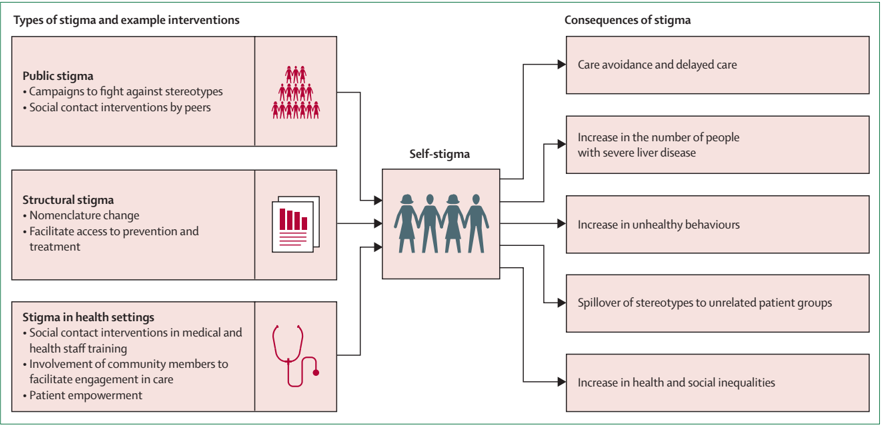
“28 This chain of consequences increases the severity of liver disease and mental health disorders and further affects self-stigma, creating a vicious cycle (Fig.”
Self-citationFIB-4-testen som beslutningsverktøy
Haukeland, J. W., Vesterhus, M. N., Jørgensen, K. K., Frigstad, S. O., & Karlsen, T. H. (2023) · Tidsskrift for Den norske legeforening · doi:10.4045/tidsskr.23.0176 · Cited by 1
Self-citationCagnin, S., Martini, A., Donato, D., Angeli, P., & Pontisso, P. (2024) · Internal and Emergency Medicine · doi:10.1007/s11739-023-03507-1 · Cited by 1
“Europe has the highest alcohol consumption rates globally, leading to over 50% of end-stage liver disease (ESLD) cases and making it the most common reason for liver transplantation [8].”
BackgroundMethodInfluentialFrom liver fat to full-blown metabolic disorder: the kidney as target organ
Petroni, M. L., & Marchesini, G. (2022) · Metabolism and Target Organ Damage · doi:10.20517/mtod.2022.17 · Cited by 1
Self-citationGinès, P., Buti, M., Lazarus, J. V., & Sangro, B. (2022) · Medicina Clínica (English Edition) · doi:10.1016/j.medcle.2022.07.018 · Cited by 1
Self-citationÇiftel, S., Ataseven, H., Çiftel, S., & Altun, A. (2022) · Cumhuriyet Tıp Dergisi/Cumhuriyet Üniversitesi Tıp Fakültesi dergisi · doi:10.7197/cmj.1212431 · Cited by 1
Badwei, N. (2023) · Gene Expression · doi:10.14218/ge.2023.00018 · Cited by 1
The Principles of Policies to Reduce the Burden of Liver Disease
Burton, R., Henn, C., & Sheron, N. (2023) · Springer eBooks · doi:10.1007/978-3-031-32483-3_10 · Cited by 1
Self-citationGender and Non-Communicable Diseases
(2024) · Frontiers research topics · doi:10.3389/978-2-8325-5510-1 · Cited by 1
Smith, A., Buchanan, R. M., Parkes, J., & Ibrahim, K. (2024) · Alcohol and Alcoholism · doi:10.1093/alcalc/agae069 · Cited by 1
“A case-finding approach for ArLD relies on identifying people who are at risk of ArLD from how much they drink and engaging them with testing to assess their liver for scarring (known as liver cirrhosis) (Karlsen et al. 2022).”
BackgroundOpportunities for European medical societies within the European Global Health strategy
Karlsen, T. H., Murray, F., Filippidis, F. T., Meijer, M., Jha, P., Waldemar, G., & Macintyre, E. A. (2025) · The Lancet Regional Health - Europe · doi:10.1016/j.lanepe.2025.101244 · Cited by 1
Self-citationHuang, Y., Zhang, T., Liu, Y., Wang, W., Guan, Z., & Li, P. (2025) · Frontiers in Medicine · doi:10.3389/fmed.2025.1538654 · Cited by 1
Levi, S., Endy-Findling, L., Endevelt, R., & Aflalo, E. (2025) · Israel Journal of Health Policy Research · doi:10.1186/s13584-025-00722-3 · Cited by 1
Depiction of alcohol-related liver disease in the EASL International Liver Congress
Goodheart, R. H., & Ayonrinde, O. T. (2022) · Journal of Hepatology · doi:10.1016/j.jhep.2022.08.012 · Cited by 1
SEAL: Why was this approach not effective?
Ripoll, C., Bleidorn, J., & Zipprich, A. (2022) · Journal of Hepatology · doi:10.1016/j.jhep.2022.07.031 · Cited by 1
#FGDebate: Should we focus on detecting patients at risk of liver disease in the community?
Abeysekera, K. W. M., Shearer, J., Tavabie, O. D., Dillon, J. F., & Rowe, I. A. C. (2022) · Frontline Gastroenterology · doi:10.1136/flgastro-2022-102330 · Cited by 1
“Early detection of liver disease is a key recommendation of the EASL-Lancet Commission (15) and is supported by the UK Liver Alliance.”
BackgroundRifaximin-α for liver fibrosis in patients with alcohol-related liver disease – Authors’ reply
Israelsen, M. E., Torp, N., Johansen, S., Thiele, M. S., & Krag, A. A. (2023) · The Lancet. Gastroenterology & hepatology · doi:10.1016/s2468-1253(23)00155-3 · Cited by 1
Gong, G., Liu, Z., Wang, S., Cao, S., Fang, W., Xiao, H., Lin, X., & 陈朝旻 (2022) · Research Square · doi:10.21203/rs.3.rs-2278420/v1 · Cited by 1
Pleiotropic prebiotic for liver disease
Tilg, H., & Zoller, H. (2023) · Nature Microbiology · doi:10.1038/s41564-023-01510-y · Cited by 1
#FGDebate: addressing regional variations in care and outcomes for patients with liver disease
Wells, G., Tavabie, O. D., McPherson, S., & Subhani, M. (2024) · Frontline Gastroenterology · doi:10.1136/flgastro-2024-102815 · Cited by 1
Yang, H., Zhang, C., Kim, W., Shi, M., Kılıçlıoğlu, M., Bayram, C., Bolat, İ., Tozlu, Ö. Ö., Baba, C., Yuksel, N., et al. (2025) · eLife · doi:10.7554/elife.98427.2 · Cited by 1
El‐Kassas, M., Hassan, M. K., & Al-Naamani, K. M. (2025) · Expert Review of Gastroenterology & Hepatology · doi:10.1080/17474124.2025.2469267 · Cited by 1
In Memoriam: Professor Michael Manns
Wedemeyer, H., & Karlsen, T. H. (2025) · Journal of Hepatology · doi:10.1016/j.jhep.2025.10.001 · Cited by 1
Self-citationDomínguez, S. J. M., Gargallo-Puyuelo, C. J., & Gomollón García, F. (2024) · Zaguan (University of Zaragoza Repository) · Cited by 1
Tejada-Pérez, J. J. (2023) · Repositorio de Patentes de la Universidad de Almería (Universidad de Almería) · Cited by 1
Zelber‐Sagi, S., Lleo, A., & Shawcross, D. L. (2026) · Journal of Hepatology · doi:10.1016/j.jhep.2026.04.014 · Cited by 1
Self-citationControversies in liver transplantation
McCashland, T. M. (2005) · Liver Transplantation · doi:10.1002/lt.20600
Vulnerability to alcohol‐associated liver disease: A tale of two systems
Karataylı, E., & Lammert, F. (2022) · Hepatology · doi:10.1002/hep.32288
“As illustrated by the current COVID19 pandemics, better care for AALD needs to combine knowledge from both biological research— such as genetic risk factors— and socioeconomic research.[10] When we aim to set up better network medicine for vulnerable liver patients, we need to address both systems.”
BackgroundLazarus, J. V., Mark, H. E., Rinella, M. E., & Colombo, M. (2022) · Alimentary Pharmacology & Therapeutics · doi:10.1111/apt.16768
Self-citationControversies in Liver Transplantation - Recent Challenges and Future Perspectives
Yadav, D. K. (2022) · IntechOpen eBooks · doi:10.5772/intechopen.98029
van Kleef, L. A., Sonneveld, M. J., & de Knegt, R. J. (2022) · Hepatology · doi:10.1002/hep.32679
Ginès, P., Buti, M., Lazarus, J. V., & Sangro, B. (2022) · Medicina Clínica · doi:10.1016/j.medcli.2022.07.010
Self-citationInvernizzi, F., & Cilla, M. (2023) · IntechOpen eBooks · doi:10.5772/intechopen.104799
Reply to: “Depiction of alcohol-related liver disease in the EASL International Liver Congress”
Boettler, T., Krag, A. A., & Berg, T. (2022) · Journal of Hepatology · doi:10.1016/j.jhep.2022.10.015
Gárate‐Rascón, M. (2022) · Depósito Académico Digital Universidad de Navarra (University of Navarra) · doi:10.15581/10171/65009
Editorial Comment: MR Elastography of the Liver—Practical Guidelines for Optimal Clinical Use
Shanbhogue, K. (2023) · American Journal of Roentgenology · doi:10.2214/ajr.23.29642
(2023) · Medicinal chemistry reviews · doi:10.1021/medichemreviews
Sykepleieres erfaringer med å vurdere mulig forverring hos pasienter med leversvikt
Pilskog, M. C., & Østensen, E. (2023) · Nordisk Sygeplejeforskning · doi:10.18261/nsf.13.3.5
Editorial: Debates in clinical management in pediatric endocrinology, volume II
FILIPPO, G. D., Predieri, B., & Delvecchio, M. (2023) · Frontiers in Endocrinology · doi:10.3389/fendo.2023.1270794
“Prevalence in pediatric age is estimated between 3 and 10%, according to different diagnostic criteria (3).”
BackgroundThomaides-Brears, H. B., Banerjee, R., & Banerjee, A. (2023) · Journal of Hepatology · doi:10.1016/j.jhep.2023.09.037
Palliative Versorgung bei fortgeschrittenen Lebererkrankungen
Niederau, C. (2023) · Gastro-News · doi:10.1007/s15036-023-3286-z
“Trotz vieler Fortschritte in der hospizlichen und palliativen Versorgung liegt in der Hepatologie also bis heute eine deutliche Unterversorgung bei Patienten mit schwe-rer fortgeschrittener Lebererkrankung vor [12, 16, 28,40, 41] (▶ Tab.”
BackgroundPicker, N., Hagiwara, M., Baumann, S., Marins, E. G., Wilke, T., Ren, K., Maywald, U., Karki, C. K., & Strnad, P. (2023) · World Journal of Hepatology · doi:10.4254/wjh.v15.i10.1127
Petroni, M. L., Colosimo, S., & Marchesini, G. (2023) · Alimentary Pharmacology & Therapeutics · doi:10.1111/apt.17810
“6 To stimulate adherence and lifestyle changes, a NAFLD guideline for patients has also been published, the fruit of intense cooperation between patient representatives and healthcare providers.”
BackgroundSelf-citationJorquera, F., Ledesma, F. J., Ahumada, A., Manzano, M. L., Castiella, A., Lorente, S., Miquel, M., Mariñó, Z., Castellote, J., Sanz, E., et al. (2024) · Gastroenterología y Hepatología · doi:10.1016/j.gastrohep.2024.02.003
Hepatocellular Carcinoma in the Era of Direct Antiviral Agents Against Hepatitis C Virus
Aghemo, A., Polverini, D., & Colombo, M. G. (2024) · Current Hepatology Reports · doi:10.1007/s11901-024-00664-5
“…in the fight against HCV, the European Association for the Study of the Liver (EASL) has suggested the positioning of hepatitis C in the context of Europe’s efforts to prevent cancer, with the aim of including HCC among lifesaving screening programs that are recommended by the Commission [7].”
Entzündliche Lebererkrankungen
Mayerle, J. V., & Manns, M. P. (2024) · Die Innere Medizin · doi:10.1007/s00108-024-01687-2
Self-citationNovel Targets in Rare Liver Diseases in Childhood
Bittmann, S. (2024) · Applied Medical Research · doi:10.47363/amr/2024(11)238
The liver sinusoid in chronic liver disease: NAFLD and NASH
Kwanten, W. J., & Francque, S. (2024) · Elsevier eBooks · doi:10.1016/b978-0-323-95262-0.00012-7
Jorquera, F., Ledesma, F. J., Ahumada, A., Manzano, M. L., Castiella, A., Lorente, S., Miquel, M., Mariñó, Z., Castellote, J., Sanz, E., et al. (2024) · Gastroenterología y Hepatología (English Edition) · doi:10.1016/j.gastre.2024.04.019
Impfungen bei Patienten mit chronischen Lebererkrankungen
Fangmann, P.-V., & Cornberg, M. (2024) · Gastro-News · doi:10.1007/s15036-024-3741-5
Yang, H., Zhang, C., Kim, W., Shi, M., Kılıçlıoğlu, M., Bayram, C., Bolat, İ., Tozlu, Ö. Ö., Baba, C., Yuksel, N., et al. (2024) · eLife · doi:10.7554/elife.98427.1
Zuluaga, P., & Liangpunsakul, S. (2024) · Alcoholism Clinical and Experimental Research · doi:10.1111/acer.15473
Jiroušková, M., Harant, K., Cejnar, P., Ojha, S., Korelova, K., Sarnová, L., Sticová, E., Mayr, C. H., Schiller, H. B., & Gregor, M. (2024) · eLife · doi:10.7554/elife.98023.1
Almomani, A. S. A., Almomanie, A. F., Khassawneh, M. H., Alqusus, Q. K. J., & Alkhazaleh, A. H. (2024) · World Journal of Biology Pharmacy and Health Sciences · doi:10.30574/wjbphs.2024.20.2.0922
Nasrallah, M. (2024) · Frontiers research topics · doi:10.3389/978-2-8325-5735-8
Requena, M.-B. (2023) · theses.fr (ABES) · doi:10.70675/cb04e781z3897z428fz95f3z8099ae89a877
Staufer, K. (2024) · Springer eBooks · doi:10.1007/978-3-662-68436-8_14
Metadata
- Authors
- Karlsen, T. H., Sheron, N., Zelber-Sagi, S., Carrieri, P., Dusheiko, G., Bugianesi, E., Pryke, R., Hutchinson, S. J., Sangro, B., Martin, N. K., Cecchini, M., Dirac, M. A., Belloni, A., Serra-Burriel, M., Ponsioen, C. Y., Sheena, B., Lerouge, A., Devaux, M., Scott, N., Hellard, M., Verkade, H. J., Sturm, E., Marchesini, G., Yki-Järvinen, H., Byrne, C. D., Targher, G., Tur-Sinai, A., Barrett, D., Ninburg, M., Reic, T., Taylor, A., Rhodes, T., Treloar, C., Petersen, C., Schramm, C., Flisiak, R., Simonova, M. Y., Pares, A., Johnson, P., Cucchetti, A., Graupera, I., Lionis, C., Pose, E., Fabrellas, N., Ma, A. T., Mendive, J. M., Mazzaferro, V., Rutter, H., Cortez-Pinto, H., Kelly, D., Burton, R., Lazarus, J. V., Ginès, P., Buti, M., Newsome, P. N., Burra, P., & Manns, M. P.
- Affiliations
- Oslo University Hospital (NO)
- King's College London (GB)
- University of Haifa (IL)
- Inserm (FR)
- King's College Hospital (GB)
- University of Turin (IT)
- Glasgow Caledonian University (GB)
- Centro de Investigación Biomédica en Red de Enfermedades Hepáticas y Digestivas (ES)
- University of Bristol (GB)
- Organisation de Coopération et de Développement Economiques (FR)
- University of Washington (US)
- Public Health England (GB)
- Amsterdam UMC Location University of Amsterdam (NL)
- Burnet Institute (AU)
- University Medical Center Groningen (NL)
- University Children's Hospital Tübingen (DE)
- IRCCS Azienda Ospedliero-Universitaria di Bologna Policlinico di Sant'Orsola (IT)
- University of Helsinki (FI)
- University of Verona (IT)
- University of Gothenburg (SE)
- Childrens Liver Disease Foundation (GB)
- London School of Hygiene & Tropical Medicine (GB)
- UNSW Sydney (AU)
- Medizinische Hochschule Hannover (DE)
- University Medical Center Hamburg-Eppendorf (DE)
- Medical University of Białystok (PL)
- Military Medical Academy (BG)
- Hospital Clínic de Barcelona (ES)
- University of Liverpool (GB)
- University of Bologna (IT)
- University of Crete (GR)
- Consorci Institut D'Investigacions Biomediques August Pi I Sunyer (ES)
- Instituto de Salud Carlos III (ES)
- University of Milan (IT)
- University of Bath (GB)
- Birmingham Women's Hospital (GB)
- University Hospitals Birmingham NHS Foundation Trust (GB)
- Azienda Ospedale - Università Padova (IT)
- Corresponding author
- Karlsen, Tom H
- ORCID
- Venue
- The Lancet
- Publisher
- Elsevier BV
- Published
- 2022-01
- Volume
- 399
- Issue
- 10319
- Pages
- 61-116
- ISSN
- 0099-5355 (ISSN-L)
- 0140-6736
- OpenAlex
- W4200536452
- Cited by
- 652
- References
- 377
- Citations by year
- 2026: 96 · 2025: 168 · 2024: 147 · 2023: 142 · 2022: 94
- FWCI
- 14.85
- Type
- journal article
- Language
- en
- Open access
- hybrid
- doi.org
- Licence
- cc-by-nc-sa
- www.elsevier.com/tdm/userlicense/1.0/ (tdm)
- www.elsevier.com/legal/tdmrep-license (tdm)
- doi.org/10.15223/policy-017 (stm-asf)
- doi.org/10.15223/policy-037 (stm-asf)
- doi.org/10.15223/policy-012 (stm-asf)
- doi.org/10.15223/policy-029 (stm-asf)
- doi.org/10.15223/policy-004 (stm-asf)
- Locations
- The Lancet (publishedVersion, cc-by-nc-sa)
- PubMed (publishedVersion)
- Pure Amsterdam UMC (publishedVersion, other-oa)
- ePrints Soton (University of Southampton) (acceptedVersion)
- ResearchOnline (Glasgow Caledonian University) (acceptedVersion, cc-by-nc-nd)
- Pure (University of Bath) (submittedVersion, cc-by-nc-nd)
- Data Archiving and Networked Services (DANS) (submittedVersion)
- HAL (submittedVersion)
- Archivio Istituzionale della Ricerca (Universita Degli Studi Di Milano) (submittedVersion, other-oa)
- Archivio istituzionale della ricerca (Alma Mater Studiorum Università di Bologna) (submittedVersion, cc-by-nc-nd)
- Deposito Adademico Digital Universidad De Navarra (University of Navarra) (submittedVersion, other-oa)
- University of Birmingham Research Portal (University of Birmingham) (submittedVersion, other-oa)
- University of Birmingham Research Portal (University of Birmingham) (submittedVersion, cc-by-nc-nd)
- University of Groningen research database (University of Groningen / Centre for Information Technology) (submittedVersion, other-oa)
- Portuguese National Funding Agency for Science, Research and Technology (RCAAP Project by FCT) (submittedVersion)
- UNSWorks (UNSW Sydney) (submittedVersion, cc-by)
- NORA - Norwegian Open Research Archives (submittedVersion, cc-by-nc-nd)
- Padua Research Archive (University of Padova) (submittedVersion, cc-by-nc-sa)
- Funders
- European Commission
- French National Research Agency
- Topics
- Health Sciences › Medicine › Hepatology › Liver Disease Diagnosis and Treatment
- Health Sciences › Medicine › Pathology and Forensic Medicine › Alcohol Consumption and Health Effects
- Health Sciences › Medicine › Hepatology › Liver Diseases and Immunity
- Keywords
- liver disease, health disparities, liver fibrosis, early diagnosis, liver disease prevention, health promotion, migrants, obesity, alcohol consumption, viral hepatitis, COVID-19 pandemic, therapeutic nihilism, person-centred care, multidisciplinary care, Europe
- MeSH terms
- Europe, Health Policy, Humans, Liver Diseases, Mortality, Premature
About these checks
Registry, retraction, Cites and statistics results are computed, not judged, with one exception: a printed reference that no index lists is read once by a model before it counts as a citation error. Claims are extracted by a model and kept only when their quote appears verbatim in the text; each cited source is then checked, with a model’s help, for whether it says what the claim relies on. Those verdicts can be wrong — read the claim’s quote and the cited source before relying on one.
Statistics and arithmetic are recomputed, not judged.
Confidence bands are shown only for fields calibrated on our annotated test set. None is calibrated yet, so no band is shown.
What counts as a claim ›How we measure confidence ›How we check this ›
Are you an author, or do you see a problem with this page? Request a review
Data sources
Bibliographic data: Semantic Scholar, OpenAlex, Crossref.
Contains information from the Semantic Scholar Academic Graph Datasets, made available under the ODC Attribution License (ODC-BY 1.0).
Semantic Scholar’s data is described in: Kinney, R., et al. (2023). The Semantic Scholar Open Data Platform. arXiv:2301.10140.
