

Variation in the COVID-19 infection-fatality ratio by age, time, and geography during the pre-vaccine era: a systematic analysis
Open accessThe DOI matches its Crossref record; 36 of the 36 references it cites were found in a registry or an index.
Abstract
BACKGROUND: The infection-fatality ratio (IFR) is a metric that quantifies the likelihood of an individual dying once infected with a pathogen. Understanding the determinants of IFR variation for COVID-19, the disease caused by the SARS-CoV-2 virus, has direct implications for mitigation efforts with respect to clinical practice, non-pharmaceutical interventions, and the prioritisation of risk groups for targeted vaccine delivery. The IFR is also a crucial parameter in COVID-19 dynamic transmission models, providing a way to convert a population's mortality rate into an estimate of infections. METHODS: We estimated age-specific and all-age IFR by matching seroprevalence surveys to total COVID-19 mortality rates in a population. The term total COVID-19 mortality refers to an estimate of the total number of deaths directly attributable to COVID-19. After applying exclusion criteria to 5131 seroprevalence surveys, the IFR analyses were informed by 2073 all-age surveys and 718 age-specific surveys (3012 age-specific observations). When seroprevalence was reported by age group, we split total COVID-19 mortality into corresponding age groups using a Bayesian hierarchical model to characterise the non-linear age pattern of reported deaths for a given location. To remove the impact of vaccines on the estimated IFR age pattern, we excluded age-specific observations of seroprevalence and deaths that occurred after vaccines were introduced in a location. We estimated age-specific IFR with a non-linear meta-regression and used the resulting age pattern to standardise all-age IFR observations to the global age distribution. All IFR observations were adjusted for baseline and waning antibody-test sensitivity. We then modelled age-standardised IFR as a function of time, geography, and an ensemble of 100 of the top-performing covariate sets. The covariates included seven clinical predictors (eg, age-standardised obesity prevalence) and two measures of health system performance. Final estimates for 190 countries and territories, as well as subnational locations in 11 countries and territories, were obtained by predicting age-standardised IFR conditional on covariates and reversing the age standardisation. FINDINGS: We report IFR estimates for April 15, 2020, to January 1, 2021, the period before the introduction of vaccines and widespread evolution of variants. We found substantial heterogeneity in the IFR by age, location, and time. Age-specific IFR estimates form a J shape, with the lowest IFR occurring at age 7 years (0·0023%, 95% uncertainty interval [UI] 0·0015-0·0039) and increasing exponentially through ages 30 years (0·0573%, 0·0418-0·0870), 60 years (1·0035%, 0·7002-1·5727), and 90 years (20·3292%, 14·6888-28·9754). The countries with the highest IFR on July 15, 2020, were Portugal (2·085%, 0·946-4·395), Monaco (1·778%, 1·265-2·915), Japan (1·750%, 1·302-2·690), Spain (1·710%, 0·991-2·718), and Greece (1·637%, 1·155-2·678). All-age IFR varied by a factor of more than 30 among 190 countries and territories. After age standardisation, the countries with the highest IFR on July 15, 2020, were Peru (0·911%, 0·636-1·538), Portugal (0·850%, 0·386-1·793), Oman (0·762%, 0·381-1·399), Spain (0·751%, 0·435-1·193), and Mexico (0·717%, 0·426-1·404). Subnational locations with high IFRs also included hotspots in the UK and southern and eastern states of the USA. Sub-Saharan African countries and Asian countries generally had the lowest all-age and age-standardised IFRs. Population age structure accounted for 74% of logit-scale variation in IFRs estimated for 39 in-sample countries on July 15, 2020. A post-hoc analysis showed that high rates of transmission in the care home population might account for higher IFRs in some locations. Among all countries and territories, we found that the median IFR decreased from 0·466% (interquartile range 0·223-0·840) to 0·314% (0·143-0·551) between April 15, 2020, and Jan 1, 2021. INTERPRETATION: Estimating the IFR for global populations helps to identify relative vulnerabilities to COVID-19. Information about how IFR varies by age, time, and location informs clinical practice and non-pharmaceutical interventions like physical distancing measures, and underpins vaccine risk stratification. IFR and mortality risk form a J shape with respect to age, which previous research, such as that by Glynn and Moss in 2020, has identified to be a common pattern among infectious diseases. Understanding the experience of a population with COVID-19 mortality requires consideration for local factors; IFRs varied by a factor of more than 30 among 190 countries and territories in this analysis. In particular, the presence of elevated age-standardised IFRs in countries with well resourced health-care systems indicates that factors beyond health-care capacity are important. Potential extenuating circumstances include outbreaks among care home residents, variable burdens of severe cases, and the population prevalen
Overview
The claims and statistics of this paper haven’t been checked yet.
Free: it reads the open-access text and checks the first 5 claims that cite a source we can check. Create a free account to check every claim.
Integrity signals
Registry
Cites
Statistics
Figures
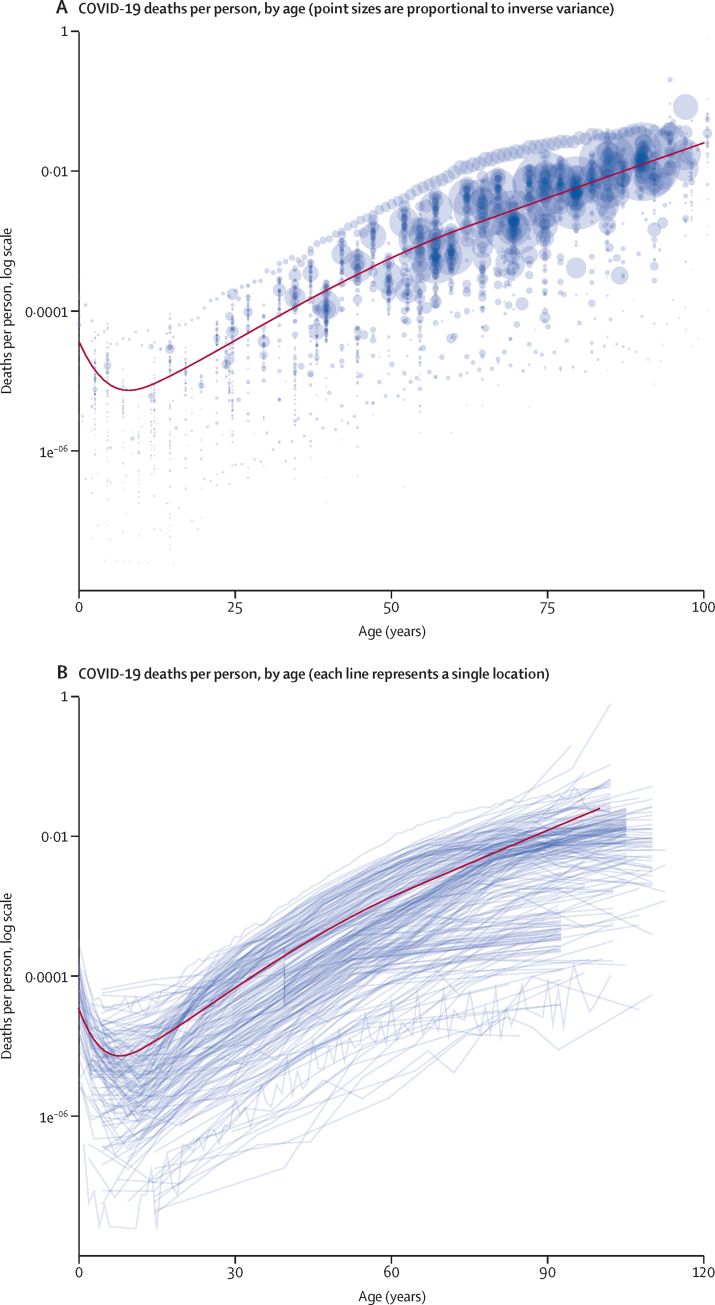
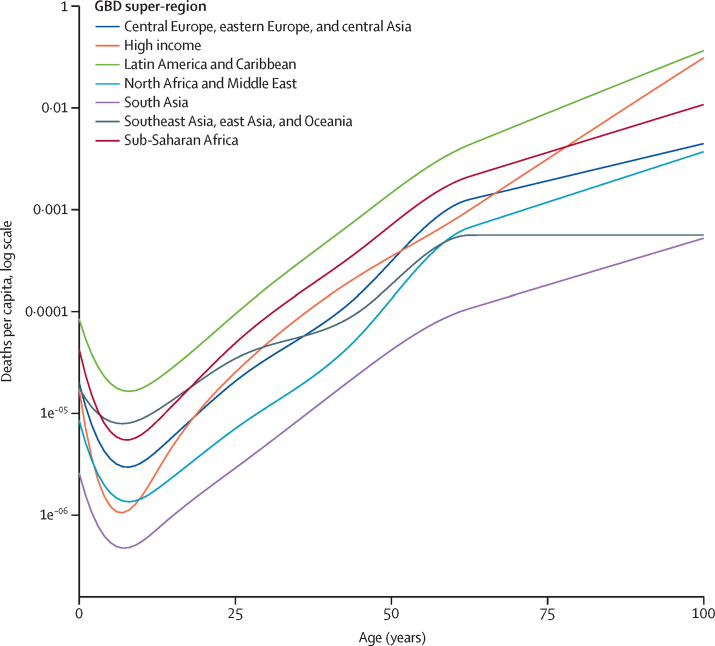
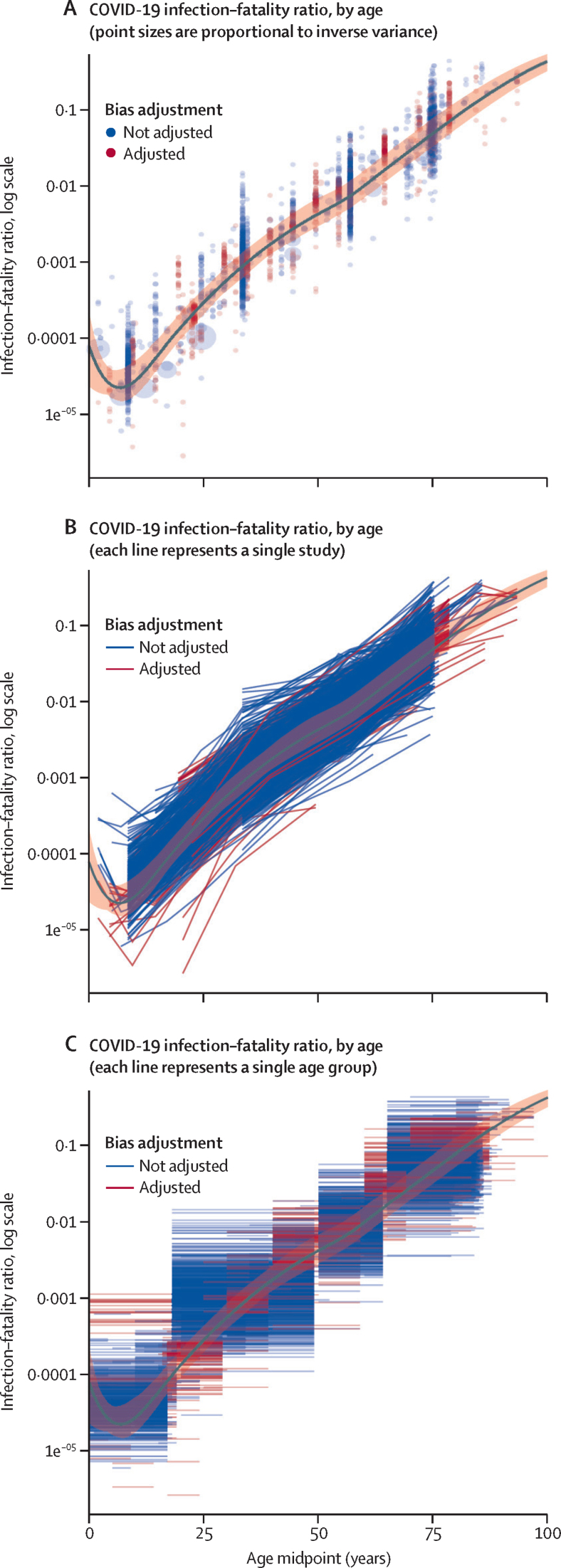
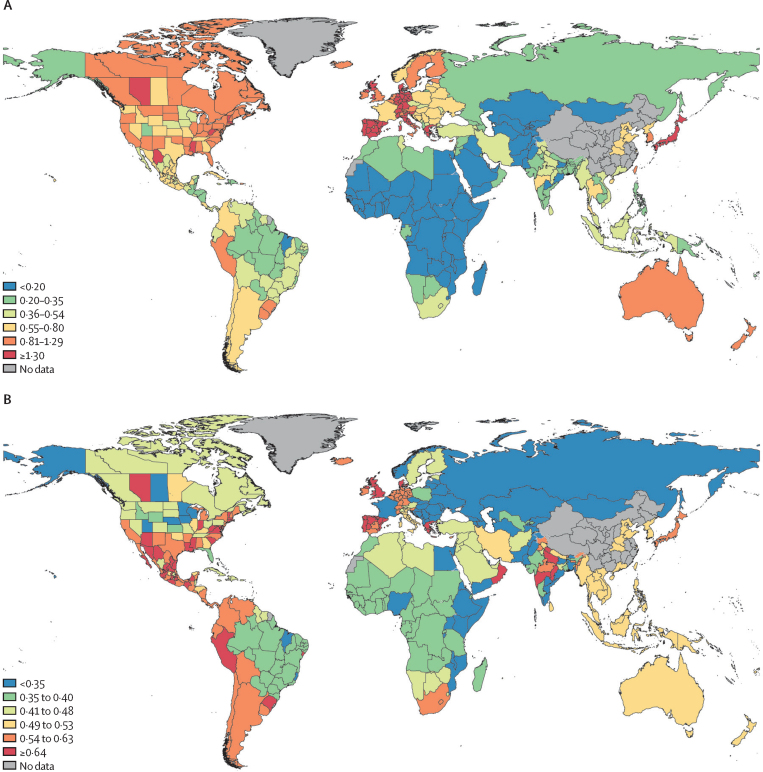
Verification
Claims the paper makes
The claims and statistics of this paper haven’t been checked yet.
Free: it reads the open-access text and checks the first 5 claims that cite a source we can check. Create a free account to check every claim.
Claims other papers make about this one
Each is checked against this paper’s own text: does it say what the citing paper says it does?
The source backs part of the claim, not all of it — or backs it for a different population, condition or comparison.
In the citing paper
“First, data on COVID-19 outcomes (eg, cases, deaths, hospital admissions, and seroprevalence) were of highly variable quality and completeness, which required novel methods for standardisation.23, 25, 26”
From Global incidence, prevalence, years lived with disability (YLDs), disability-adjusted life-years (DALYs), and healthy life expectancy (HALE) for 371 diseases and injuries in 204 countries and territories and 811 subnational locations, 1990–2021: a systematic analysis for the Global Burden of Disease Study 2021 (2024) · cites this paper as [26]
Experimental — accuracy not yet measuredThe cited source says what the claim attributes to it.
In the citing paper
“Using the 718 seroprevalence surveys with age-specific detail, the COVID-19 Forecasting Team40 estimated the age pattern of the IFR.”
From Estimating global, regional, and national daily and cumulative infections with SARS-CoV-2 through Nov 14, 2021: a statistical analysis (2022) · cites this paper as [40]
The cited source says what the claim attributes to it.
In the citing paper
“Age standardisation has been shown to explain a considerable portion of this variation,40 but substantial differences remain in the available data.”
From Estimating global, regional, and national daily and cumulative infections with SARS-CoV-2 through Nov 14, 2021: a statistical analysis (2022) · cites this paper as [40]
The check wasn’t confident either way, so it gives no verdict — never disputed.
In the citing paper
“Conversely, increases in mortality rates in populations aged 25 years and older were observed on a scale not seen in the previous 70 years.30”
From Global age-sex-specific mortality, life expectancy, and population estimates in 204 countries and territories and 811 subnational locations, 1950–2021, and the impact of the COVID-19 pandemic: a comprehensive demographic analysis for the Global Burden of Disease Study 2021 (2024) · cites this paper as [30]
Experimental — accuracy not yet measuredIn the citing paper
“older individuals with co-infection, particularly those who were undiagnosed with tuberculosis at the beginning of the pandemic, might have died from COVID-19.”
Self-check
Percentages, sums and reported differences re-computed from the paper’s own numbers.
The self-check needs the paper’s full text.
Citations
Cites
Vos, T., Lim, S. S., Abbafati, C., Abbas, K. M., Abbasi, M., Abbasifard, M., Abbasi-Kangevari, M., Abbastabar, H., Abd-Allah, F., Abdelalim, A., et al. (2020) · The Lancet · doi:10.1016/s0140-6736(20)30925-9 · Cited by 19,358
Dexamethasone in Hospitalized Patients with Covid-19
The RECOVERY Collaborative Group (2021) · New England Journal of Medicine · doi:10.1056/nejmoa2021436 · Cited by 11,477
Wang, H., Paulson, K. R., Pease, S. A., Watson, S., Comfort, H., Zheng, P., Aravkin, A. Y., Bisignano, C., Barber, R. M., Alam, T., et al. (2022) · The Lancet · doi:10.1016/s0140-6736(21)02796-3 · Cited by 2,069
Wang, H., Abbas, K. M., Abbasifard, M., Abbasi-Kangevari, M., Abbastabar, H., Abd-Allah, F., Abdelalim, A., Abolhassani, H., Abreu, L. G., Abrigo, M. R. M., et al. (2020) · The Lancet · doi:10.1016/s0140-6736(20)30977-6 · Cited by 1,971
Guidelines for accurate and transparent health estimates reporting: the GATHER statement
Stevens, G. A., Alkema, L., Black, R. E., Boerma, J. T., Collins, G. S., Ezzati, M., Grove, J. T., Hogan, D. R., Hogan, M. C., Horton, R., et al. (2016) · The Lancet · doi:10.1016/s0140-6736(16)30388-9 · Cited by 1,798
Age-specific mortality and immunity patterns of SARS-CoV-2
O’Driscoll, M., Ribeiro Dos Santos, G., Wang, L., Cummings, D. A. T., Azman, A. S., Paireau, J., Fontanet, A., Cauchemez, S., & Salje, H. (2021) · Nature · doi:10.1038/s41586-020-2918-0 · Cited by 1,210 · cited 2×
“O’Driscoll and colleagues 13 used a non-linear estimation method; they found that the age effects of mortality and IFR are both J shaped, with the lowest risk occurring among children aged 5–9 years.”
GBD 2010: design, definitions, and metrics
Murray, C. J., Ezzati, M., Flaxman, A. D., Lim, S., Lozano, R., Michaud, C., Naghavi, M., Salomon, J. A., Shibuya, K., Vos, T., et al. (2012) · The Lancet · doi:10.1016/s0140-6736(12)61899-6 · Cited by 1,103
Fullman, N., Yearwood, J., Abay, S. M., Abbafati, C., Abd-Allah, F., Abdela, J., Abdelalim, A., Abebe, Z., Abebo, T. A., Aboyans, V., et al. (2018) · The Lancet · doi:10.1016/s0140-6736(18)30994-2 · Cited by 1,013
Levin, A. T., Hanage, W. P., Owusu-Boaitey, N., Cochran, K. B., Walsh, S. P., & Meyerowitz-Katz, G. (2020) · European Journal of Epidemiology · doi:10.1007/s10654-020-00698-1 · Cited by 844 · cited 1×
“Using a log-linear model, Levin and colleagues 12 estimated that the IFR is 0·001% at age 5 years and 8·4% at age 80 years, which means that the IFR was more than 8000 times greater at age 80 years than at age 5 years.”
Diagnostic accuracy of serological tests for covid-19: systematic review and meta-analysis
Lisboa Bastos, M., Tavaziva, G., Abidi, S. K., Campbell, J. R., Haraoui, L.-P., Johnston, J. C., Lan, Z., Law, S., MacLean, E., Trajman, A., et al. (2020) · BMJ · doi:10.1136/bmj.m2516 · Cited by 832
Research works printed but not linked: 2
- National Institutes of Health Overview of COVID-19. COVID-19 treatment guidelines https://www.covid19treatmentguidelines.nih.gov/overview/ 2021 34003615
- Centers for Disease Control and Prevention Transmission of SARS-CoV-2 in K-12 schools https://www.cdc.gov/coronavirus/2019-ncov/science/science-briefs/transmission_k_12_schools.html Feb 11, 2020 34009772
Cited by
Ferrari, A. J., Santomauro, D. F., Aali, A., Abate, Y. H., Abbafati, C., Abbastabar, H., Abd ElHafeez, S., Abdelmasseh, M., Abd-Elsalam, S., Abdollahi, A., et al. (2024) · The Lancet · doi:10.1016/s0140-6736(24)00757-8 · Cited by 5,112
Schumacher, A. E., Kyu, H. H., Aali, A., Abbafati, C., Abbas, J., Abbasgholizadeh, R., Abbasi, M. A., Abbasian, M., Abd ElHafeez, S., Abdelmasseh, M., et al. (2024) · The Lancet · doi:10.1016/s0140-6736(24)00476-8 · Cited by 1,045
Collaborators, G. B. O. D. L. C., Wulf Hanson, S., Abbafati, C., Aerts, J. G., Al-Aly, Z., Ashbaugh, C., Ballouz, T., Blyuss, O., Bobkova, P., Bonsel, G., et al. (2022) · JAMA · doi:10.1001/jama.2022.18931 · Cited by 970
Past SARS-CoV-2 infection protection against re-infection: a systematic review and meta-analysis
Stein, C., Nassereldine, H., Sorensen, R. J. D., Amlag, J. O., Bisignano, C., Byrne, S., Castro, E., Coberly, K., Collins, J. K., Dalos, J., et al. (2023) · The Lancet · doi:10.1016/s0140-6736(22)02465-5 · Cited by 412
Barber, R. M., Sorensen, R. J. D., Pigott, D. M., Bisignano, C., Carter, A., Amlag, J. O., Collins, J. K., Abbafati, C., Adolph, C., Allorant, A., et al. (2022) · The Lancet · doi:10.1016/s0140-6736(22)00484-6 · Cited by 298
“Age standardisation has been shown to explain a considerable portion of this variation, 40 but substantial differences remain in the available data.”
Levin, A. T., Owusu-Boaitey, N., Pugh, S., Fosdick, B. K., Zwi, A. B., Malani, A., Soman, S., Besançon, L., Kashnitsky, I., Ganesh, S., et al. (2022) · BMJ Global Health · doi:10.1136/bmjgh-2022-008477 · Cited by 208
Bollyky, T. J., Castro, E., Aravkin, A. Y., Bhangdia, K. P., Dalos, J., Hulland, E. N., Kiernan, S., Lastuka, A., McHugh, T. A., Ostroff, S. M., et al. (2023) · The Lancet · doi:10.1016/s0140-6736(23)00461-0 · Cited by 184
Ledesma, J. R., Ma, J., Zhang, M., Basting, A. V. L., Chu, H. T., Vongpradith, A., Novotney, A., LeGrand, K. E., Xu, Y. Y., Dai, X., et al. (2024) · The Lancet Infectious Diseases · doi:10.1016/s1473-3099(24)00007-0 · Cited by 146
Wang, C., Liu, B., Zhang, S., Huang, N., Zhao, T., Lu, Q., & Cui, F. (2022) · Journal of Medical Virology · doi:10.1002/jmv.28118 · Cited by 127
Age-stratified infection fatality rate of COVID-19 in the non-elderly population
Pezzullo, A. M., Axfors, C., Contopoulos‐Ioannidis, D. G., Apostolatos, A., & Ioannidis, J. P. A. (2022) · Environmental Research · doi:10.1016/j.envres.2022.114655 · Cited by 132
Russo, A., Bruni, A., Gullì, S. P., Borrazzo, C., Quirino, A., Lionello, R., Serapide, F., Garofalo, E., Serraino, R., Romeo, F., et al. (2023) · International Journal of Antimicrobial Agents · doi:10.1016/j.ijantimicag.2023.106825 · Cited by 84
Yang, W., & Shaman, J. L. (2022) · eLife · doi:10.7554/elife.78933 · Cited by 90
Matuozzo, D., Talouarn, E., Marchal, A., Zhang, P., Manry, J., Seeleuthner, Y., Zhang, Y., Bolze, A., Chaldebas, M., Milisavljevic, B., et al. (2023) · Genome Medicine · doi:10.1186/s13073-023-01173-8 · Cited by 96
Lison, A., Banholzer, N., Sharma, M., Mindermann, S., Unwin, H. J. T., Mishra, S., Stadler, T., Bhatt, S., Ferguson, N. M., Brauner, J., et al. (2023) · The Lancet Public Health · doi:10.1016/s2468-2667(23)00046-4 · Cited by 90
Evolution and Control of COVID-19 Epidemic in Hong Kong
Wong, S., Au, A. K.-W., Lo, J., Ho, P., Hung, I. F., To, K. K., Yuen, K., & Cheng, V. C. (2022) · Viruses · doi:10.3390/v14112519 · Cited by 77
Bardosh, K., Krug, A., Jamrozik, E., Lemmens, T., Keshavjee, S. A., Prasad, V. K., Makary, M., Baral, S., & Høeg, T. B. (2022) · Journal of Medical Ethics · doi:10.1136/jme-2022-108449 · Cited by 85
“CDC’s pre-Omicron number needed to vaccinate (NNV), 19 the estimated reduction in severity of Omicron versus Delta 47 and current estimated seroprevalence.”
BackgroundInfluentialCauses and costs of global COVID-19 vaccine inequity
Ferranna, M. (2023) · Seminars in Immunopathology · doi:10.1007/s00281-023-00998-0 · Cited by 70
“For instance, since the beginning of the pandemic, it was clear that mortality and severe health consequences were positively associated with age [30].”
BackgroundHedberg, P., Parczewski, M., Serwin, K., Marchetti, G. C., Bai, F., Jensen, B. O., Pereira, J. P. V., Drobniewski, F. A., Reschreiter, H., Naumovas, D., et al. (2024) · The Lancet Regional Health - Europe · doi:10.1016/j.lanepe.2024.100855 · Cited by 56
“13,18,20,21 (April to June 2022) periods found the adjusted mortality risk difference to be − 5.3 (95% CI − 5.5 to − 5.0) for early Omicron vs. Delta and − 12.8 (95% CI − 13.2 to − 12.5) for later Omicron vs. Delta.”
BackgroundMethodInfluentialBranche, A. R., Ramesh, M. S., & Francis, B. M. (2024) · Infectious Diseases and Therapy · doi:10.1007/s40121-024-01081-3 · Cited by 60
Ledesma, J. R., Isaac, C. R., Dowell, S. F., Blazes, D. L., Essix, G. V., Budeski, K., Bell, J., & Nuzzo, J. B. (2023) · BMJ Global Health · doi:10.1136/bmjgh-2023-012203 · Cited by 51
Chen, H., Feng, H., Liu, Y., Wu, S., Li, H., Zhang, G., Yang, P., & Zhang, K. (2023) · Journal of Affective Disorders · doi:10.1016/j.jad.2023.05.076 · Cited by 56
Fonseca, D. L. M., Filgueiras, I. S., Marques, A. H. C., Vojdani, E., Halpert, G., Ostrinski, Y., Baiocchi, G. C., Plaça, D. R., Freire, P. P., Pour, S. Z., et al. (2023) · npj Aging · doi:10.1038/s41514-023-00118-0 · Cited by 52
“Notably, aging has been strongly associated with increased morbidity and mortality of elderly patients with SARS-CoV-2 infections 32 – 34 .”
Estimating SARS‐CoV‐2 infections and associated changes in COVID‐19 severity and fatality
Marziano, V., Guzzetta, G., Menegale, F., Sacco, C., Petrone, D., Mateo‐Urdiales, A., Manso, M. D., Bella, A., Fabiani, M., Vescio, M. F., et al. (2023) · Influenza and Other Respiratory Viruses · doi:10.1111/irv.13181 · Cited by 35
Expectations, Infections, and Economic Activity
Eichenbaum, M., de Matos, M. G., Lima, F., Rebelo, S. T., & Trabandt, M. (2020) · National Bureau of Economic Research · doi:10.3386/w27988 · Cited by 34
Quantifying the information in noisy epidemic curves
Parag, K. V., Donnelly, C. A., & Zarebski, A. E. (2022) · Nature Computational Science · doi:10.1038/s43588-022-00313-1 · Cited by 40
“Concurrently, estimating noise sources from both existing and novel data streams is a growing research area 18,53 .”
Monroe, M. K., Wang, H., Anderson, C. F., Jia, H., Flexner, C. W., & Cui, H. (2022) · Journal of Controlled Release · doi:10.1016/j.jconrel.2022.06.037 · Cited by 33
Evaluation of Effectiveness of Global COVID-19 Vaccination Campaign
He, D., Ali, S. T., Fan, G., Gao, D., Song, H., Lou, Y., Zhao, S., Cowling, B. J., & Stone, L. (2022) · Emerging infectious diseases · doi:10.3201/eid2809.212226 · Cited by 36
The real-time infection hospitalisation and fatality risk across the COVID-19 pandemic in England
Ward, T., Fyles, M., Glaser, A., Paton, R. S., Ferguson, W., & Overton, C. E. (2024) · Nature Communications · doi:10.1038/s41467-024-47199-3 · Cited by 32
“%) in January 2021 35 .”
Staessen, J. A., Wendt, R. T., Yu, Y., Kalbitz, S., Thijs, L., Siwy, J., Raad, J., Metzger, J., Neuhaus, B., Papkalla, A., et al. (2022) · The Lancet Digital Health · doi:10.1016/s2589-7500(22)00150-9 · Cited by 26
Assessing resilience of a health system is difficult but necessary to prepare for the next crisis
Sagan, A., Thomas, S., Webb, E., & McKee, M. (2023) · BMJ · doi:10.1136/bmj-2022-073721 · Cited by 41
Lifestyle Changes and Psychological Well-Being in Older Adults During COVID-19 Pandemic
Tosato, M., Ciciarello, F., Zazzara, M. B., Janiri, D., Pais, C., Cacciatore, S., Montenero, R., Leone, M. S., Chisci, E., Picca, A., et al. (2022) · Clinics in Geriatric Medicine · doi:10.1016/j.cger.2022.05.002 · Cited by 30
Vikström, L., Fjällström, P., Gwon, Y.-D., Sheward, D. J., Byström, J. W., Evander, M., Bladh, O., Widerström, M., Molnár, C., Rasmussen, G., et al. (2023) · The Lancet Regional Health - Europe · doi:10.1016/j.lanepe.2023.100646 · Cited by 32
Scientific Models and Decision Making
Winsberg, E. B., & Harvard, S. S. (2024) · Cambridge University Press eBooks · doi:10.1017/9781009029346 · Cited by 48
Iwamura, C., Hirahara, K., Kiuchi, M., Ikehara, S. K., Azuma, K., Shimada, T., Kuriyama, S., Ohki, S., Yamamoto, E., Inaba, Y., et al. (2022) · Proceedings of the National Academy of Sciences · doi:10.1073/pnas.2203437119 · Cited by 26
Ogden, N. H., Turgeon, P., Fazil, A., Clark, J., Gabriele-Rivet, V., Tam, T. W. S., & Ng, V. (2022) · Canada Communicable Disease Report · doi:10.14745/ccdr.v48i78a01 · Cited by 32
Public Health Management of the COVID-19 Pandemic in Australia: The Role of the Morrison Government
Duckett, S. J. (2022) · International Journal of Environmental Research and Public Health · doi:10.3390/ijerph191610400 · Cited by 25
“However, multifactor standardisation reveals Australia’s overall comparative performance against international peers was not so strong [3,4].”
BackgroundSerosurveillance Identifies an Endemic Hotspot of Lassa Fever in Faranah, Upper Guinea
Mariën, J., Nuismer, S. L., Magassouba, N., Soropogui, B., Günther, S., Becker‐Ziaja, B., Gabriel, M., Müller-Kräuter, H., Strecker, T., Sáez, A. M., et al. (2025) · The Journal of Infectious Diseases · doi:10.1093/infdis/jiaf308 · Cited by 22
Human Genomics of COVID-19 Pneumonia: Contributions of Rare and Common Variants
Cobat, A., Zhang, Q., Effort, C. H. G., Abel, L., Casanova, J., & Fellay, J. (2023) · Annual Review of Biomedical Data Science · doi:10.1146/annurev-biodatasci-020222-021705 · Cited by 27
“Auto-Abs neutralizing type I IFNs were known to occur in some patients receiving IFN therapy, and in patients with systemic lupus erythematosus, myasthenia gravis, thymoma, or autoimmune polyendocrine syndrome (APS-1) caused by germline mutations of AIRE, but they were not thought to confer a predisposition to viral d…”
BackgroundThe Missing Millions: Uncovering the Burden of Covid‐19 Cases and Deaths in the African Region
McKay, T., Robinson, R. S., Musungu, S., Padi‐Adjirackor, N. A., & Angotti, N. (2024) · Population and Development Review · doi:10.1111/padr.12608 · Cited by 24
Buchwald, P. (2022) · Frontiers in Drug Discovery · doi:10.3389/fddsv.2022.898035 · Cited by 21
Host genomics of SARS-CoV-2 infection
Redin, C. E., Thorball, C. W., & Fellay, J. (2022) · European Journal of Human Genetics · doi:10.1038/s41431-022-01136-4 · Cited by 22
The Impact and Progression of the COVID-19 Pandemic in Bulgaria in Its First Two Years
Rangachev, A., Marinov, G. K., & Mladenov, M. (2022) · Vaccines · doi:10.3390/vaccines10111901 · Cited by 25
Nguyen, N. T. H., Ou, T.-Y., Huy, L. Đ., Shih, C., Chang, Y.-M., Phuc, P. T., & Huang, C. (2023) · Frontiers in Public Health · doi:10.3389/fpubh.2023.1145138 · Cited by 21
Multimodal fine-tuning of clinical language models for predicting COVID-19 outcomes
Henriksson, A., Pawar, Y., Hedberg, P., & Nauclér, P. (2023) · Artificial Intelligence in Medicine · doi:10.1016/j.artmed.2023.102695 · Cited by 24
Sheikh, J., Lawson, H., Allotey, J., Yap, M., Balaji, R., Kew, T., Stallings, E., Coomar, D., Gil, A. G., Zamora, J., et al. (2022) · BMJ Global Health · doi:10.1136/bmjgh-2022-010060 · Cited by 21
Szanyi, J., Wilson, T. E., Howe, S., Zeng, J., Andrabi, H., Rossiter, S., & Blakely, T. A. (2023) · The Lancet Regional Health - Western Pacific · doi:10.1016/j.lanwpc.2022.100675 · Cited by 24
Manciulli, T., Spinicci, M., Rossetti, B., Antonello, R. M., Lagi, F., Barbiero, A., Chechi, F., Formica, G., Francalanci, E., Alesi, M., et al. (2023) · Viruses · doi:10.3390/v15020438 · Cited by 20
Risk of COVID-19 after natural infection or vaccination
Rick, A.-M., Laurens, M. B., Huang, Y., Yu, C., Martin, T., Rodriguez, C. A., Rostad, C. A., Maboa, R., Baden, L. R., Sahly, H. M. E., et al. (2023) · EBioMedicine · doi:10.1016/j.ebiom.2023.104799 · Cited by 22
Expectations, Infections, and Economic Activity
Eichenbaum, M., de Matos, M. G., Lima, F., Rebelo, S. T., & Trabandt, M. (2024) · Journal of Political Economy · doi:10.1086/729449 · Cited by 27
Panferov, V. G., Ivanov, N. A., Brinc, D., Fabros, A., & Krylov, S. N. (2023) · ACS Sensors · doi:10.1021/acssensors.3c00130 · Cited by 17
Age-specific transmission dynamics of SARS-CoV-2 during the first 2 years of the pandemic
Boldea, O., Alipoor, A., Pei, S., Shaman, J. L., & Rozhnova, G. (2024) · PNAS Nexus · doi:10.1093/pnasnexus/pgae024 · Cited by 22
Shen, S., Gong, M., Wang, G., Dua, K., Xu, J., Xu, X., & Liu, G. (2022) · Nutrients · doi:10.3390/nu14204409 · Cited by 21
“Therefore, this group of people has been recommended as the priority group for vaccination in most countries [10].”
BackgroundHyperimmune immunoglobulin for people with COVID-19
Kimber, C., Valk, S. J., Chai, K. L., Piechotta, V., Iannizzi, C., Monsef, I., Wood, E. M., Lamikanra, A., Roberts, D. J., McQuilten, Z., et al. (2023) · Cochrane Database of Systematic Reviews · doi:10.1002/14651858.cd015167.pub2 · Cited by 19
Skowronski, D. M., Kaweski, S. E., Irvine, M. A., Chuang, E., Kim, S. H., Sabaiduc, S., Reyes, R. C., Henry, B., Sekirov, I., & Smolina, K. (2023) · Canadian Medical Association Journal · doi:10.1503/cmaj.230721 · Cited by 21
Kubota, G. T., Soares, F. H. C., da Fonseca, A. S., Rosa, T. D. S., da Silva, V. A., Gouveia, G. R., Faria, V. G., da Cunha, P. H. M., Brunoni, A. R., Teixeira, M. J., et al. (2023) · European Journal of Pain · doi:10.1002/ejp.2094 · Cited by 22
“• Neuropathic Pain Symptoms Inventory (NPSI): a questionnaire that characterizes the clinical profile of peripheral and central neuropathic pain (de Andrade et al., 2011).”
BackgroundMethodInfluentialSilent battles: immune responses in asymptomatic SARS-CoV-2 infection
Bert, N. L., & Samandari, T. (2024) · Cellular and Molecular Immunology · doi:10.1038/s41423-024-01127-z · Cited by 18
“2022) [32] during this period.”
InfluentialSosa, J. V. C., Gonzales, F. M. M., Ramirez, Z. E. A., Castro, M. C., & Huancahuire‐Vega, S. (2022) · Healthcare · doi:10.3390/healthcare10071219 · Cited by 16
“Peru has been one of the Latin American countries widely affected by COVID-19, has the highest infection-lethality rate (ILR) due to COVID-19 in the world, and has the fifth highest number of deaths in absolute terms [6].”
BackgroundGenomic surveillance reveals dynamic shifts in the connectivity of COVID-19 epidemics
Matteson, N. L., Hassler, G. W., Kurzban, E., Schwab, M. A., Perkins, S. A., Gangavarapu, K., Levy, J. I., Parker, E., Pride, D. T., Hakim, A., et al. (2023) · Cell · doi:10.1016/j.cell.2023.11.024 · Cited by 21
Ren, X., Mi, Z., & Georgopoulos, P. G. (2023) · Journal of Exposure Science & Environmental Epidemiology · doi:10.1038/s41370-023-00518-0 · Cited by 16
“We also found that multiple demographic and socioeconomic factors were signi fi cantly associated with mortality rates: these patterns Fig.”
BackgroundIn-person schooling is essential even during periods of high transmission of COVID-19
Munro, A. P. S., Buonsenso, D., González‐Dambrauskas, S., Hughes, R. C., Bhopal, S., Vásquez‐Hoyos, P., Çevik, M., Rubio, M. L. M., & Roland, D. (2023) · BMJ Evidence-Based Medicine · doi:10.1136/bmjebm-2023-112277 · Cited by 14
Munday, J. D., Abbott, S., Meakin, S. R., & Funk, S. (2023) · PLoS Computational Biology · doi:10.1371/journal.pcbi.1011453 · Cited by 16
Ghafari, M., Hosseinpour, S., Zavareh, M. S. R., Dascalu, S., Rostamian, S., Aramesh, K., Madani, K., & Kordasti, S. Y. (2023) · BMC Medicine · doi:10.1186/s12916-023-03127-8 · Cited by 15
Einhauser, S., Peterhoff, D., Beileke, S., Günther, F., Niller, H.-H., Steininger, P. A., Knöll, A., Korn, K., Berr, M., Schütz, A., et al. (2022) · Viruses · doi:10.3390/v14061168 · Cited by 16
“High vaccination rates especially in individuals aged 70+ were noticed suggesting good compliance of this risk group in that county with the implemented vaccination campaign.”
Herbert, N. G., & Goulder, P. (2023) · Current Opinion in HIV and AIDS · doi:10.1097/coh.0000000000000807 · Cited by 20
de Boer, P. T., van de Kassteele, J., Vos, E. R. A., van Asten, L., Dongelmans, D. A., van Gageldonk‐Lafeber, A. B., den Hartog, G., Hofhuis, A., van der Klis, F. R. M., de Lange, D. W., et al. (2023) · Influenza and Other Respiratory Viruses · doi:10.1111/irv.13174 · Cited by 14
Ledesma, J. R., Basting, A. V. L., Chu, H. T., Ma, J., Zhang, M., Vongpradith, A., Novotney, A., Dalos, J., Zheng, P., Murray, C. J. L., et al. (2023) · Microorganisms · doi:10.3390/microorganisms11092191 · Cited by 20
“We utilized the Institute for Health Metrics (IHME) COVID-19 modeling database to obtain COVID-19 outcome (e.g., reported cases, deaths, ad total infections) and social distancing measures (e.g., mobility and mask wearing prevalence) in 2020 and 2021 [34,36,40].”
Nasonov, E. L. (2024) · Rheumatology Science and Practice · doi:10.47360/1995-4484-2024-32-54 · Cited by 14
González‐Parra, G., Mahmud, M. S., & Kadelka, C. (2024) · Infectious Disease Modelling · doi:10.1016/j.idm.2024.05.005 · Cited by 21
Piñana, J. L., Vázquez, L., Heras, I. D. L., Aiello, T. F., López‐Corral, L., Arroyo, I., Soler‐Espejo, E., García‐Cadenas, I., García‐Gutiérrez, V., Aroca, C., et al. (2024) · Frontiers in Oncology · doi:10.3389/fonc.2024.1389345 · Cited by 12
Olayiwola, M. O., Tijani, K. R., Ogunniran, M. O., Yunus, A. O., Oluwafemi, E. A., Abanikannda, M. O., Alaje, A. I., & Adedeji, J. A. (2025) · Vacunas · doi:10.1016/j.vacun.2025.500458 · Cited by 14
He, G., Zhu, S., Fu, D., Xiao, J., Zhao, J., Lin, Z., Liu, T., Liang, X., & Ma, W. (2022) · PubMed Central · doi:10.46234/ccdcw2022.140 · Cited by 14
Zhang, T., & Nishiura, H. (2023) · Scientific Reports · doi:10.1038/s41598-023-32639-9 · Cited by 17
COVAX – Time to reconsider the strategy and its target
Bell, D., Brown, G. W., Oyibo, W. A., Ouédraogo, S., Tacheva, B., Barbaud, E., Kalk, A., Ridde, V., & Paul, É. (2023) · Health Policy OPEN · doi:10.1016/j.hpopen.2023.100096 · Cited by 16
Leveraging Clinical BERT in Multimodal Mortality Prediction Models for COVID-19
Pawar, Y., Henriksson, A., Hedberg, P., & Nauclér, P. (2022) · Proceedings - IEEE Symposium on Computer-Based Medical Systems · doi:10.1109/cbms55023.2022.00042 · Cited by 20
“In a considerable number of patients, contracting COVID-19 ultimately results in death, even if reliable mortality estimates are difficult to obtain [2].”
BackgroundPung, R., Clapham, H., Russell, T., CMMID COVID-19 Working Group, Lee, V. J., & Kucharski, A. J. (2023) · BMC Medicine · doi:10.1186/s12916-023-02802-0 · Cited by 16
Using mortuary and burial data to place COVID-19 in Lusaka, Zambia within a global context
Sheppard, R. J., Watson, O. J., Pieciak, R. C., Lungu, J., Kwenda, G., Moyo, C., Chanda, S. L., Barnsley, G., Brazeau, N. F., Gerard-Ursin, I. C. G., et al. (2023) · Nature Communications · doi:10.1038/s41467-023-39288-6 · Cited by 27
“Other studies have suggested a higher for very young children relative to olderchildren 64 – 66 ,whichmightaccountforthehighobservedU5post-mortem prevalence, though at levels ( 0.01”
InfluentialAltunkaya, J., Piernas, C., Pouwels, K. B., Jebb, S. A., Clarke, P., Astbury, N. M., & Leal, J. (2024) · The Lancet Diabetes & Endocrinology · doi:10.1016/s2213-8587(24)00129-3 · Cited by 14
Limited Impact of SARS-CoV-2 on the Human Naso-Oropharyngeal Microbiota in Hospitalized Patients
Lai, C. K. C., Cheung, M. K., Lui, G. C.-Y., Ling, L., Chan, J. Y. K., Ng, R. W. Y., Chan, H. C., Yeung, A. C. M., Ho, W. C. S., Boon, S. S., et al. (2022) · Microbiology Spectrum · doi:10.1128/spectrum.02196-22 · Cited by 12
Rojas-García, M., Vázquez, B., Torres-Poveda, K., & Madrid‐Marina, V. (2023) · BMC Infectious Diseases · doi:10.1186/s12879-022-07951-w · Cited by 11
Intervening on Global Emergencies: The Value of Human Interactions for People’s Health
Turchi, G. P., Bassi, D., Cavarzan, M., Camellini, T., Moro, C., & Orrù, L. (2023) · Behavioral Sciences · doi:10.3390/bs13090735 · Cited by 14
“As of 1 January 2021, in Italy the age-standardized IFR was 0.442% [16].”
BackgroundInfluentialIs Covid-19 “vaccine uptake” in postsecondary education a “problem”? A critical policy inquiry
Chaufan, C. (2023) · Health An Interdisciplinary Journal for the Social Study of Health Illness and Medicine · doi:10.1177/13634593231204169 · Cited by 14
Goodfellow, L., van Leeuwen, E., & Eggo, R. M. (2024) · BMC Medicine · doi:10.1186/s12916-024-03387-y · Cited by 12
“…but children have separate risk factors for severe disease (such as smaller airways), and children under 10 have been found to be subject to a higher risk of clinical COVID-19 cases and a greater infection fatality ratio (IFR) [23, 25] (as observed for other infections such as influenza [26]).”
BackgroundLedesma, J. R., Papanicolas, I., Stoto, M. A., Chrysanthopoulou, S. A., Isaac, C. R., Lurie, M. N., & Nuzzo, J. B. (2024) · Population Health Metrics · doi:10.1186/s12963-024-00333-1 · Cited by 12
Shi, N. D. J., Marcato, A. J., Spirkoska, V., Meagher, N., Villanueva‐Cabezas, J. P., & Price, D. J. (2024) · Influenza and Other Respiratory Viruses · doi:10.1111/irv.13348 · Cited by 10
“Age-dependent severity has been documented extensively for SARS- CoV-2 infections since the ancestral variant [32].”
BackgroundKogan, N., Gantt, S., Swerdlow, D. L., Viboud, C. G., Semakula, M., Lipsitch, M., & Santillana, M. (2022) · Clinical Infectious Diseases · doi:10.1093/cid/ciac797 · Cited by 12
Marín-Machuca, O., Chacón, R. D., Alvarez-Lovera, N., Pesantes-Grados, P., Pérez-Timaná, L., & Marín-Sánchez, O. (2023) · Vaccines · doi:10.3390/vaccines11111648 · Cited by 10
“Peru was one of the countries most affected by the pandemic, due to deficiencies in its hospital system, and exhibited the highest infection–fatality ratio (IFR) [13].”
BackgroundDuong, S., Burtniak, J., Gretchen, A., Mai, A., Klassen, P., Wei, Y., Loeppky, C., Shaw, S. Y., Bullard, J., Caeseele, P. G. V., et al. (2023) · BMC Public Health · doi:10.1186/s12889-023-17239-6 · Cited by 12
“However, when accounting for infections measured by seroprevalence, the Canadian infection-fatality ratio was estimated to be 0.67% in July 2021 [26], with provincial estimates of 0.80% and 0.59% for Ontario and British Columbia, respectively [27, 28].”
BackgroundInfluentialEstimating actual SARS-CoV-2 infections from secondary data
Rauch, W. A., Schenk, H., Rauch, N., Harders, M., Oberacher, H., Insam, H., Markt, R., & Kreuzinger, N. (2024) · Scientific Reports · doi:10.1038/s41598-024-57238-0 · Cited by 14
“Reed. et al. 52 determine for Austria IF R as 0.404% (95% CI 0.214–0.75”
InfluentialFonseca, D., Filgueiras, I., Marques, A., Vojdani, E., Halpert, G., Ostrinski, Y., Baiocchi, G., Placa, D. R., Freire, P. P., Pour, S. Z., et al. (2022) · medRxiv · doi:10.1101/2022.12.04.22282902 · Cited by 5
Menezes, A., Razafimahatratra, S. L., Wariri, O., Graham, A. L., & Metcalf, C. J. E. (2025) · Trends in Microbiology · doi:10.1016/j.tim.2024.12.006 · Cited by 11
Colorectal cancer in patients with SARS-CoV-2: a systematic review and meta-analysis
Alhumaid, S., Mutair, A. S. A., Busubaih, J. S., Dossary, N. A., Alsuliman, M., Baltyour, S. A., Alissa, I., Hassar, H. I. A., Aithan, N. A. A., Albassri, H. A., et al. (2022) · Infectious Agents and Cancer · doi:10.1186/s13027-022-00459-7 · Cited by 10
“9 percent at age 70, and 20 percent at age 90 [5].”
Background“Nationwide fever″ vs “Nationwide fear″ after optimizing the COVID-19 response in China
Chen, H., & Zhang, K. (2023) · Asian Journal of Psychiatry · doi:10.1016/j.ajp.2023.103499 · Cited by 9
“Previous reports have shown that the case-fatality rate of the elderly is relatively high (Team, 2022; Wu and McGoogan, 2020).”
Zajic, P., Hiesmayr, M., Bauer, P., Baron, D. M., Gruber, A., Joannidis, M., Posch, M., & Metnitz, P. (2023) · Scientific Reports · doi:10.1038/s41598-023-35349-4 · Cited by 7
Riedmann, U., Chalupka, A., Richter, L., Sprenger, M., Rauch, W. A., Krause, R. G. E., Willeit, P., Schennach, H., Benka, B., Werber, D., et al. (2025) · Journal of Infection and Public Health · doi:10.1016/j.jiph.2025.102698 · Cited by 13
Möhlendick, B., Schönfelder, K., Zacher, C., Elsner, C., Rohn, H., Konik, M., Thümmler, L., Rebmann, V., Lindemann, M., Jöckel, K., et al. (2022) · Frontiers in Genetics · doi:10.3389/fgene.2022.960731 · Cited by 9
“A variety of other factors, for example, age, sex, or laboratory parameters, have also been identified to influence the course of COVID-19 (Hobohm et al., 2022).”
BackgroundNasrullah, A., Virk, S. T., SHAH, A. A., Jacobs, M. W., Hamza, A., Sheikh, A. B., Javed, A., Butt, M. A., & Sangli, S. S. (2022) · Life · doi:10.3390/life12111766 · Cited by 11
Covill, L., Sendel, A., Campbell, T. M., Piiroinen, I., Enoksson, S. L., Borgström, E. W., Hansen, S., Ma, K., Marits, P., Norlin, A.-C., et al. (2024) · Journal of Clinical Immunology · doi:10.1007/s10875-023-01641-1 · Cited by 8
“During the first pandemic wave, the infection fatality rate was estimated to 0.15–0.82% [15–17].”
InfluentialDisentangling the relationship between cancer mortality and COVID-19 in the US
Hansen, C., Viboud, C. G., & Simonsen, L. (2024) · eLife · doi:10.7554/elife.93758 · Cited by 15
Al‐Hakim, A., Kačar, M., & Savic, S. (2024) · Journal of Clinical Medicine · doi:10.3390/jcm13061717 · Cited by 9
“For comparison, two studies reporting pre-vaccine COVID-19 outcomes estimated England having an IFR between 1.20–1.57% [84,85].”
ResultInfluentialRekowski, C. P. V., Fonseca, T. A. H., Araújo, R., Geraldes, C., Calado, C. R. C., Bento, L. F. N., & Pinto, I. (2023) · Medicina · doi:10.3390/medicina60010059 · Cited by 9
Metadata
- Authors
- †
- Corresponding author
- †
- Venue
- The Lancet
- Publisher
- Elsevier BV
- Published
- 2022-04
- Volume
- 399
- Issue
- 10334
- Pages
- 1469-1488
- ISSN
- 0099-5355 (ISSN-L)
- 0140-6736
- PMC
- PMC8871594
- OpenAlex
- W4214561105
- Cited by
- 306
- References
- 35
- Citations by year
- 2026: 18 · 2025: 45 · 2024: 81 · 2023: 105 · 2022: 56
- FWCI
- 42.80
- Type
- journal article
- Language
- en
- Update notices
- erratum (2022-04-16)
- Open access
- hybrid
- doi.org
- Licence
- cc-by
- www.elsevier.com/tdm/userlicense/1.0/ (tdm)
- www.elsevier.com/legal/tdmrep-license (tdm)
- creativecommons.org/licenses/by/4.0/ (vor)
- Locations
- The Lancet (publishedVersion, cc-by)
- PubMed Central (publishedVersion, cc-by)
- PubMed (publishedVersion)
- IRIS Research product catalog (Sapienza University of Rome) (submittedVersion, cc-by-nc-nd)
- Funders
- National Science Foundation (2031096)
- Bill and Melinda Gates Foundation
- Queensland Health
- Coordenação de Aperfeiçoamento de Pessoal de Nível Superior (88887, 88887.507149/2020-00, 2020-00)
- Queensland Government
- Medical Research Council
- National Health and Medical Research Council (1121516, 310679, 2031096)
- Topics
- Physical Sciences › Mathematics › Modeling and Simulation › COVID-19 epidemiological studies
- Health Sciences › Medicine › Infectious Diseases › SARS-CoV-2 and COVID-19 Research
- Health Sciences › Medicine › Infectious Diseases › COVID-19 Clinical Research Studies
- Keywords
- COVID-19 pandemic, infection fatality rate, serological survey, COVID-19 mortality, pre-vaccine era, obesity, health system performance, SARS-CoV-2, waning immunity, non-pharmaceutical interventions
- MeSH terms
- Global Burden of Disease, COVID-19, SARS-CoV-2, Adult, Bayes Theorem, Child, Geography, Humans, Vaccines, Global Health, Seroepidemiologic Studies
About these checks
Registry, retraction, Cites and statistics results are computed, not judged, with one exception: a printed reference that no index lists is read once by a model before it counts as a citation error. Claims are extracted by a model and kept only when their quote appears verbatim in the text; each cited source is then checked, with a model’s help, for whether it says what the claim relies on. Those verdicts can be wrong — read the claim’s quote and the cited source before relying on one.
Statistics and arithmetic are recomputed, not judged.
Confidence bands are shown only for fields calibrated on our annotated test set. None is calibrated yet, so no band is shown.
What counts as a claim ›How we measure confidence ›How we check this ›
Are you an author, or do you see a problem with this page? Request a review
Data sources
Bibliographic data: Semantic Scholar, OpenAlex, Crossref.
Contains information from the Semantic Scholar Academic Graph Datasets, made available under the ODC Attribution License (ODC-BY 1.0).
Semantic Scholar’s data is described in: Kinney, R., et al. (2023). The Semantic Scholar Open Data Platform. arXiv:2301.10140.
