

Global health 2050: the path to halving premature death by mid-century
Open accessThe DOI matches its Crossref record; 221 of the 221 references it cites were found in a registry or an index; 23 of the 292 sources its claims cite were checked for support.
Abstract
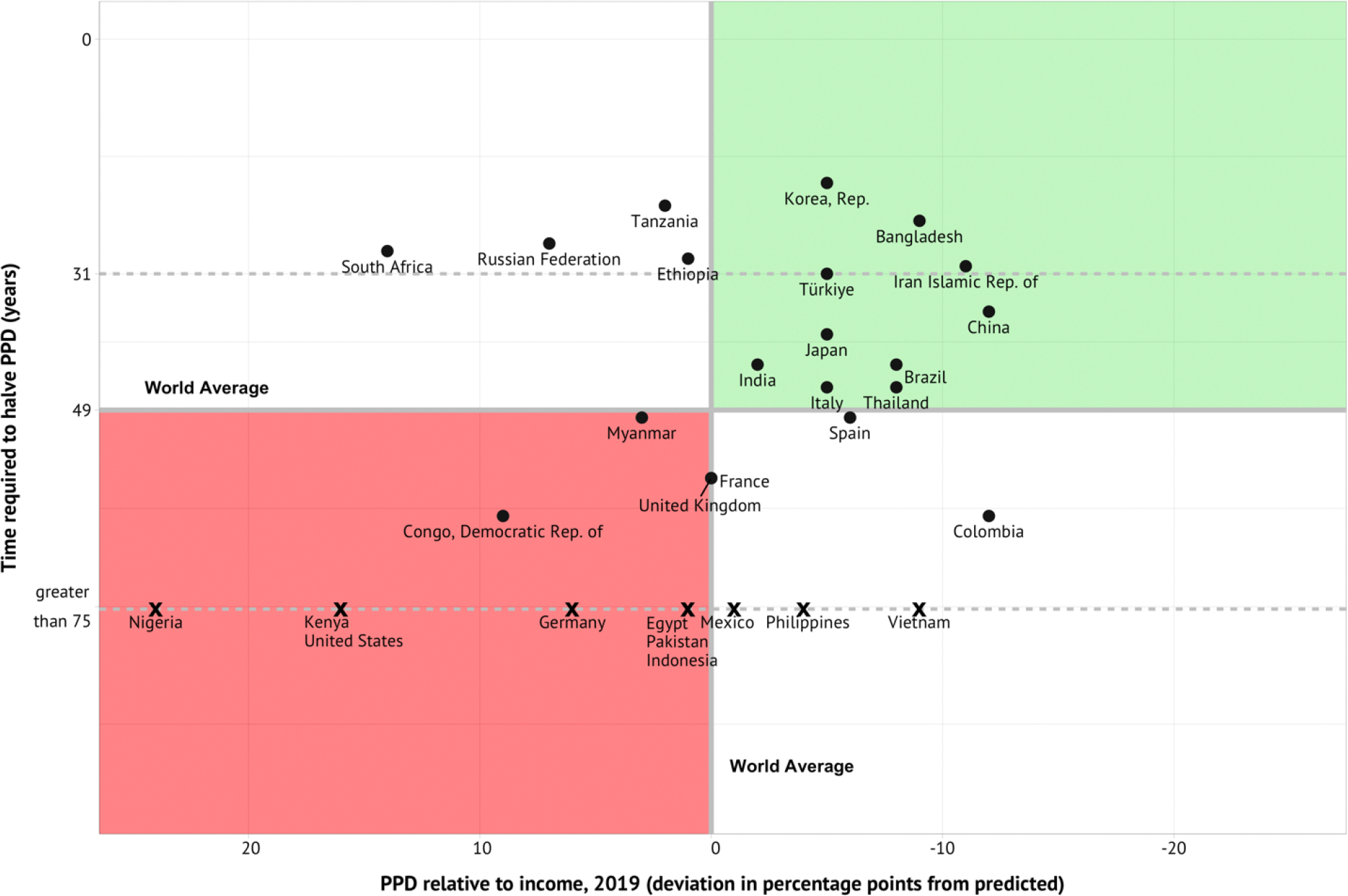
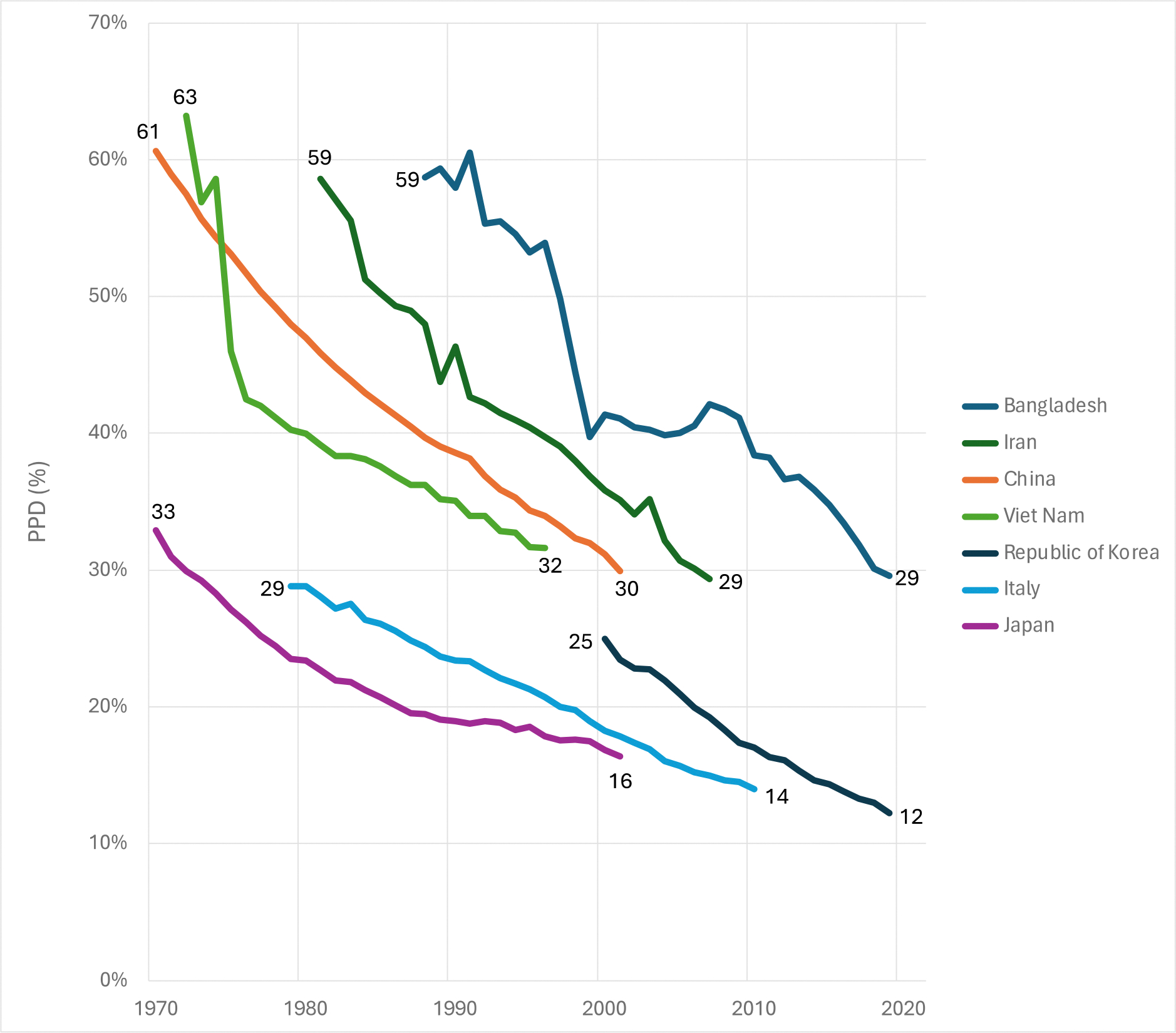
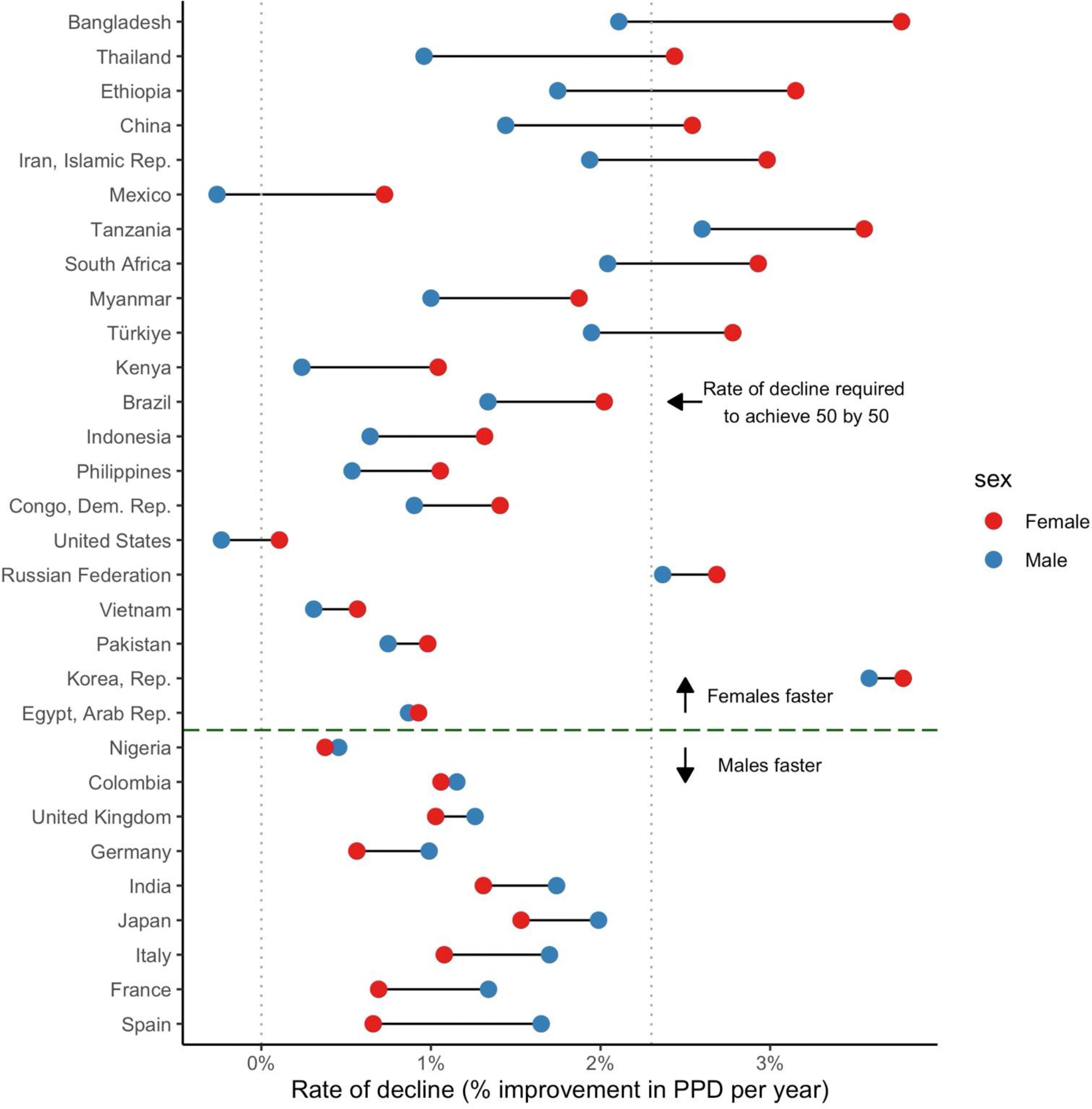
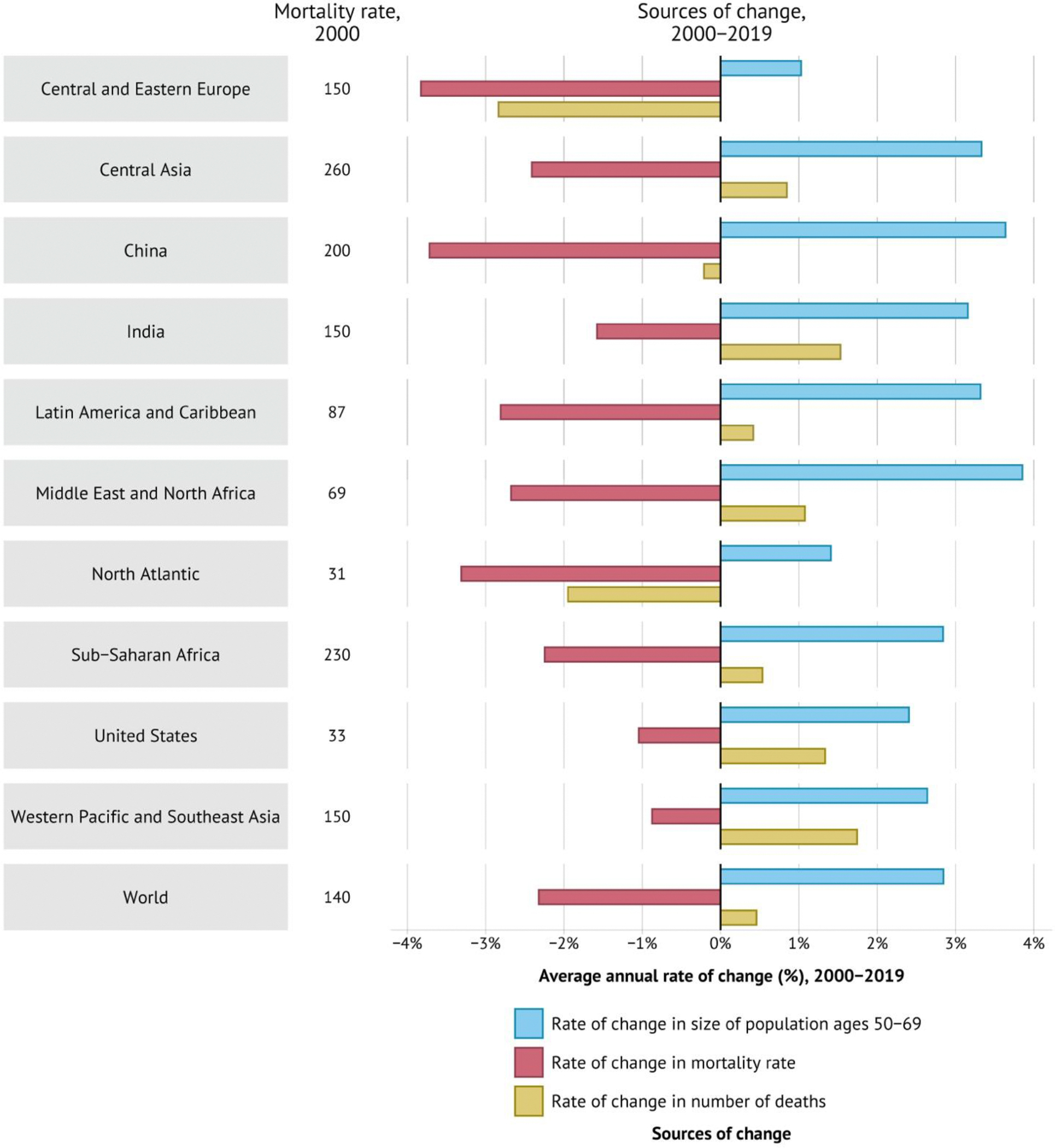
Executive summary Global health 2050 (GH2050), a new report from the Lancet Commission on Investing in Health, finds that dramatic improvements in human welfare are achievable by mid-century with focused health investments. By 2050, countries that choose to do so can halve their probability of premature death (PPD)—the probability of dying before age 70—from their pre-pandemic level in 2019. We call this goal “50 by 50”: a 50% reduction in PPD by 2050. The interventions for achieving “50 by 50” will also reduce morbidity and disability at all ages. Historical experience and continued scientific advance indicate that this is a feasible aspiration. Eight of the 30 most populous countries reduced their PPD over the last decade at a rate that would halve PPD before 2050, including countries as diverse as Bangladesh, Iran, Tanzania, and Turkey. These focused gains can be achieved relatively early on the pathway to full universal health coverage (UHC). The path to achieving “50 by 50” runs through control of a remarkably narrow set of just 15 conditions. For currently high mortality countries, eight infectious diseases and maternal conditions are the highest priority. Seven clusters of noncommunicable diseases and injuries are important everywhere and addressing them will prove central to achieving “50 by 50” in most countries with lower initial levels of mortality. Focused attention to health system strengthening (HSS) for primary care and first level hospitals will generate capacity to better tackle the 15 priority conditions and will be a critical step on the way to improving capacity to address all the conditions in a UHC package. Packaging interventions into 19 modules (e.g., a childhood immunization module, a module on cardiovascular disease prevention and low-cost, widely available treatment) will address the 15 priority conditions. Adopting this focused approach also invests in key areas of HSS and addresses major morbidities, such as psychiatric illness, not already covered by mortality-reducing interventions. Value for money can be assessed through a two-step process: technical cost effectiveness to assess how best to achieve module-specific goals (e.g., reduction in child mortality, reduction in cardiovascular mortality) and political evaluation of trade-offs in investing in expanding module coverage. In many countries seeking reform, standard budgetary mechanisms have failed to successfully reorient systems toward priority interventions that improve health. This mechanism of blanket budget transfers from ministries of finance to ministries of health has not been fit to support such reorientation. The Commission concluded that this problem could be addressed by directing a substantial and increasing fraction of budget transfers to making available and affordable the specific drugs, vaccines, diagnostics, and other commodities that are currently available for control of the 15 priority conditions. Drug availability and affordability will typically require four complementary components: (i) redirecting general budget transfers to line item transfers (subsidies) for specific priority drugs; (ii) centralized procurement by government (or perhaps internationally); (iii) procurement in sufficient volumes to ensure availability when needed; and (iv) use and strengthening of existing supply chains, public and private. Of the many intersectoral policies that governments can adopt to help achieve “50 by 50,” tobacco control is by far the most important, given the number of deaths caused by tobacco and the established and improving capacity of governments to implement tobacco policy. A high level of tobacco taxation is essential, and valuable in the short to medium term for public finance, and should be accompanied by a package of other effective tobacco control policies. Background research conducted for the Commission points to exceptionally high ongoing levels of mortality risk from pandemics. Country performance against COVID-19 varied greatly, although eventual vaccine availability attenuated, but far from eliminated, this variability by the end of COVID-19’s emergency phase. National implementation of public health fundamentals—early action, isolation of infected individuals, quarantining of those exposed, and social and financial support for people isolating or quarantining—accounted for much of the success of the best-performing nations, such as Japan. In the next pandemic, these fundamentals will help to avert mortality while waiting for vaccine development and deployment. The conclusions above are primarily aimed at national governments. Our final conclusion is aimed at the development assistance community. We conclude that such assistance should focus on two broad purposes. The first is to provide direct financial and technical support to countries with the least resources—to help develop health systems to better control diseases. The second is to finance global public goods, including strengthening data systems; reducing the development and spread of antimicrobial resistance; preventing and responding to pandemics; fostering global health leadership and advocacy; identifying and spreading best practices; and developing and deploying new health technologies. For both purposes, focusing efforts on the 15 priority conditions would best contribute to “50 by 50.” A decade ago, there were no malaria vaccines and the only available tuberculosis vaccine had low efficacy. Today, two partially successful malaria vaccines have been approved and three promising tuberculosis vaccine candidates are in late stage trials. These successes exemplify the enormous value in funding development of new medicines, vaccines, diagnostics, and operational research against the 15 priority conditions. The prize of “50 by 50,” with an interim milestone of “30 by 2035” (a 30% reduction in PPD by 2035), remains a prize within reach. The most efficient route is to focus resources against a narrow set of conditions and scale up financing to develop and deploy new health technologies. Our economic analyses have shown that the value of achievable mortality declines remains high and indeed is often a substantial fraction of the value of gains in gross domestic product. Today, the case is better than ever for the value of investing in health for reducing mortality and morbidity, alleviating poverty, growing economies, and improving human welfare.
Overview
CoChat Summary
TL;DR
The Lancet Commission on Investing in Health’s GH2050 report argues that countries can halve their probability of premature death (PPD) by 2050 (“50 by 50”) from 2019 levels, with an interim “30 by 2035” milestone, by focusing on 15 priority conditions and health-system strengthening. It presents historical trends, modular cost-effectiveness and financing proposals, and pandemic-risk estimates to support this agenda.
Key findings
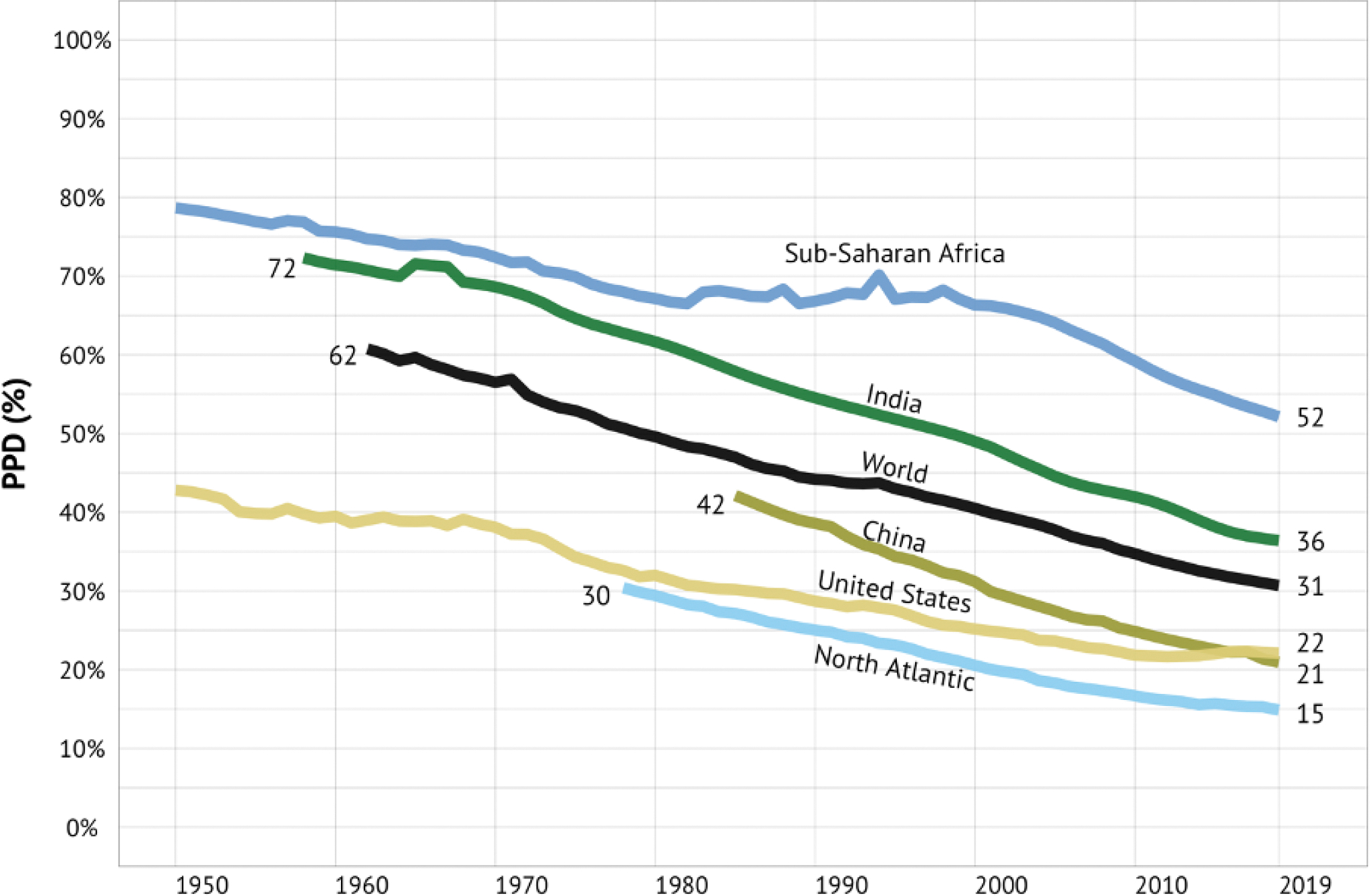
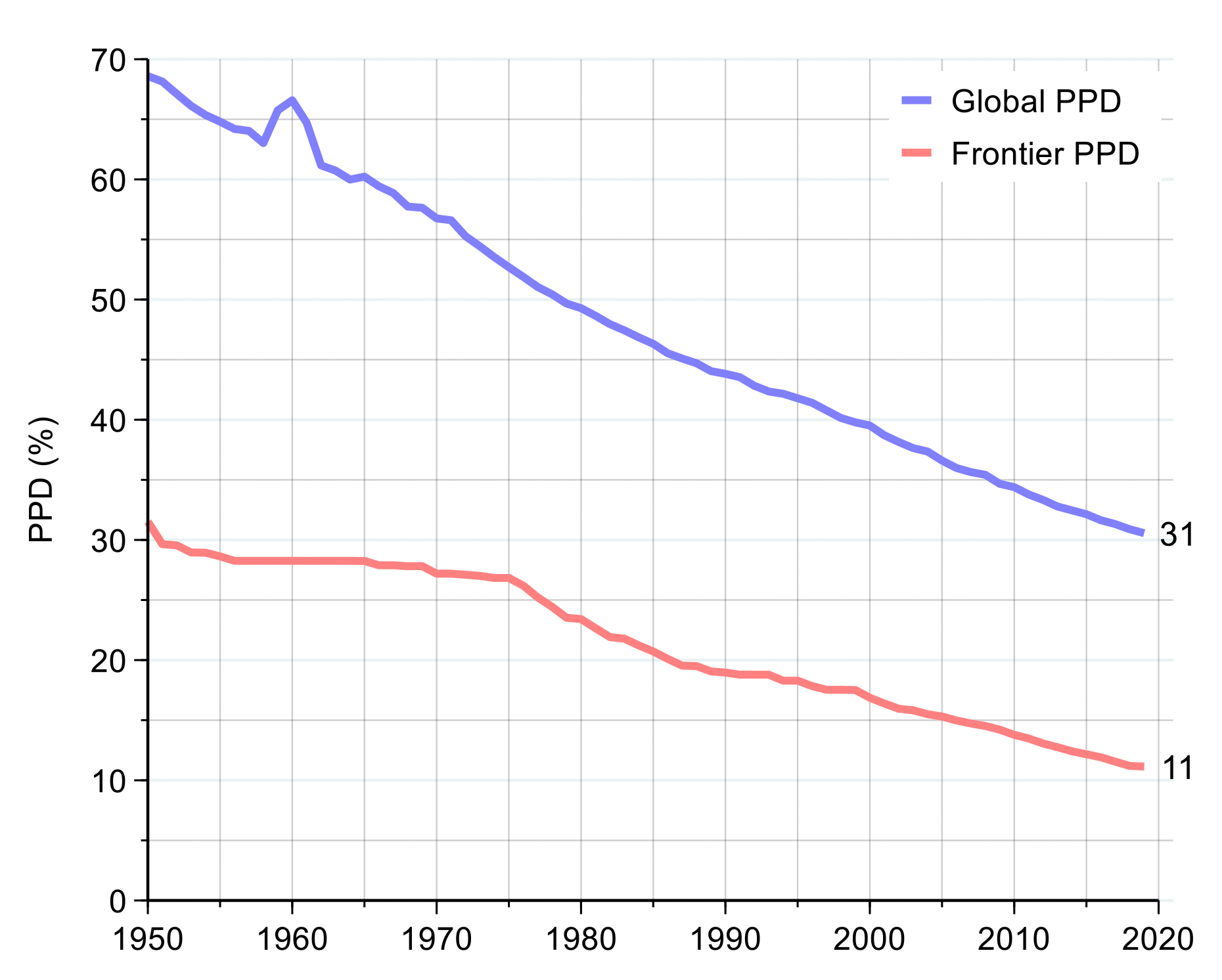
- “50 by 50” and “30 by 2035”: global PPD was 31% in 2019, about half the early-1960s level of 62%; achieving “50 by 50” globally would imply a 15% chance of dying before age 70 in 2050, the North Atlantic’s 2019 level. Eight of the 30 most populous countries were on track from 2010–2019 to halve PPD by 2050, 37 countries had halved PPD in 31 years or less historically, and 33 countries had an annual PPD decline of at least 2.2% in 2010–2019.
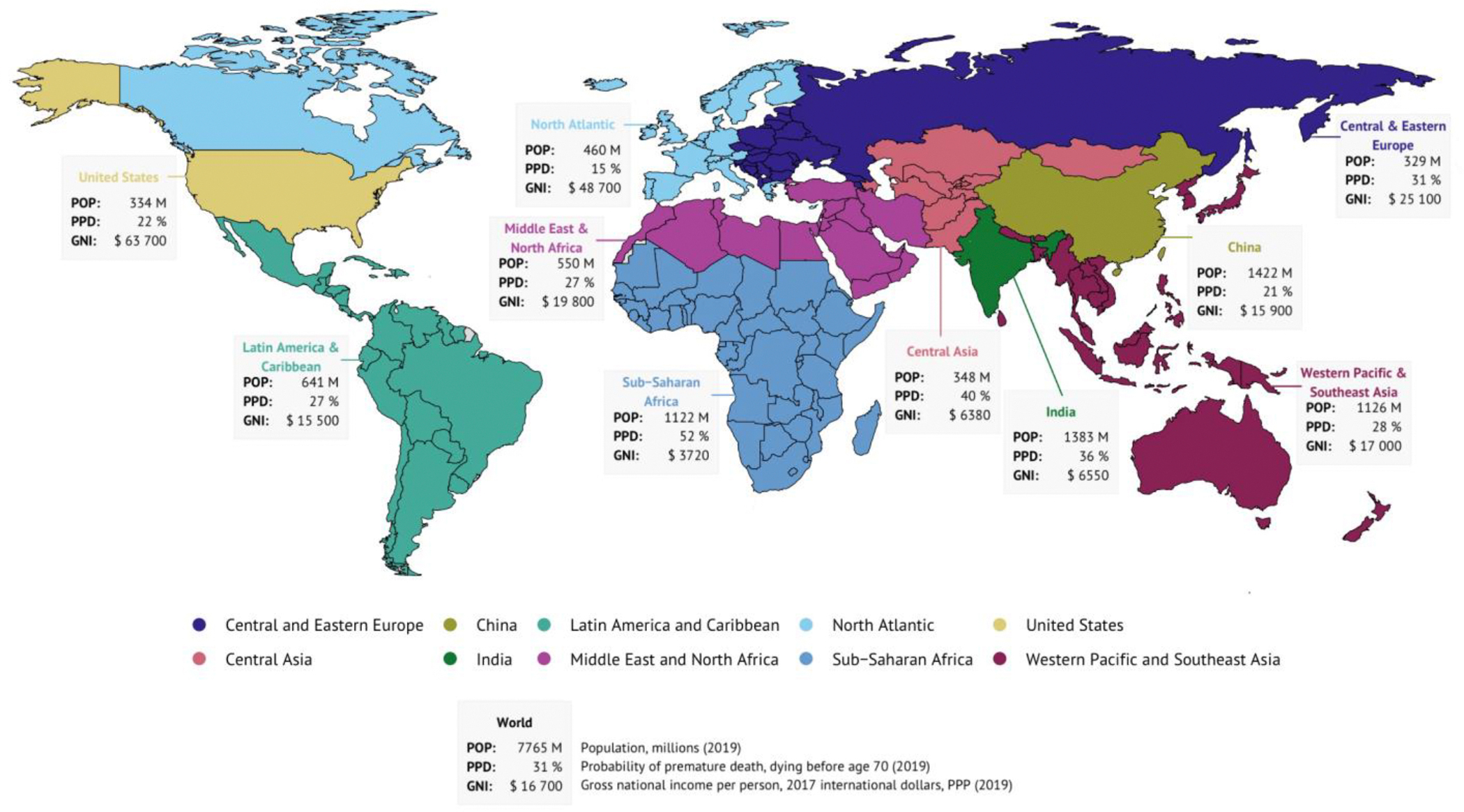
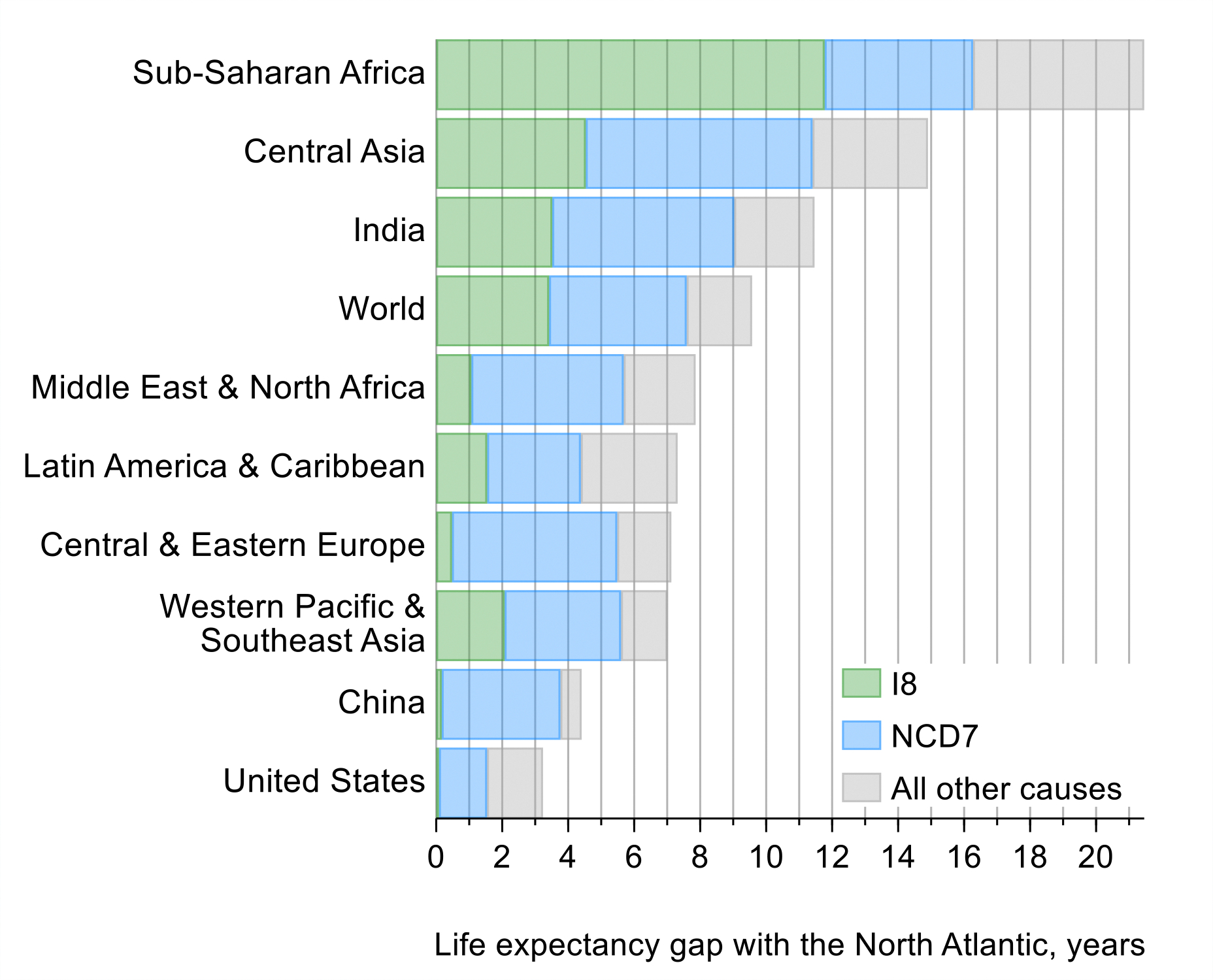
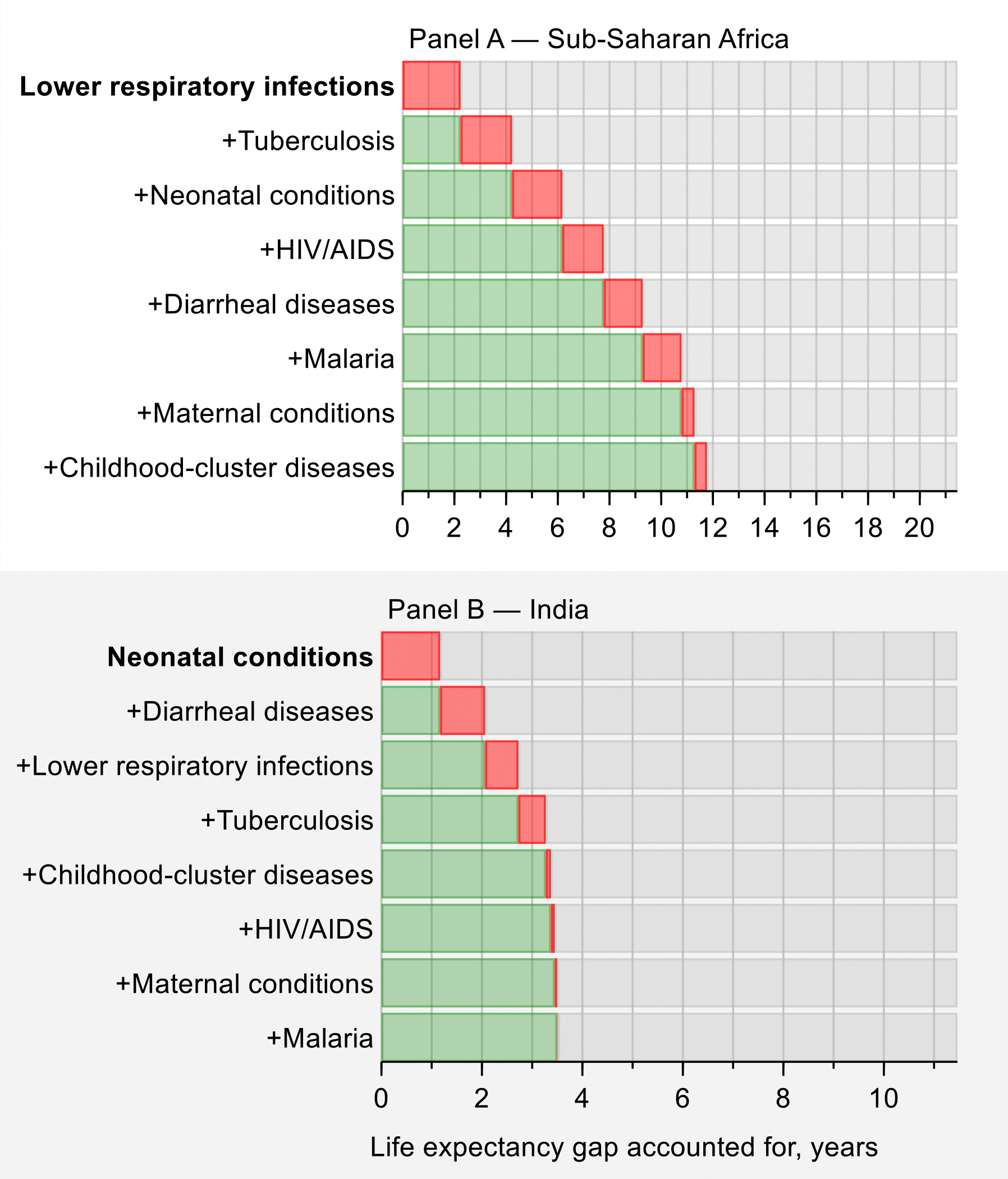
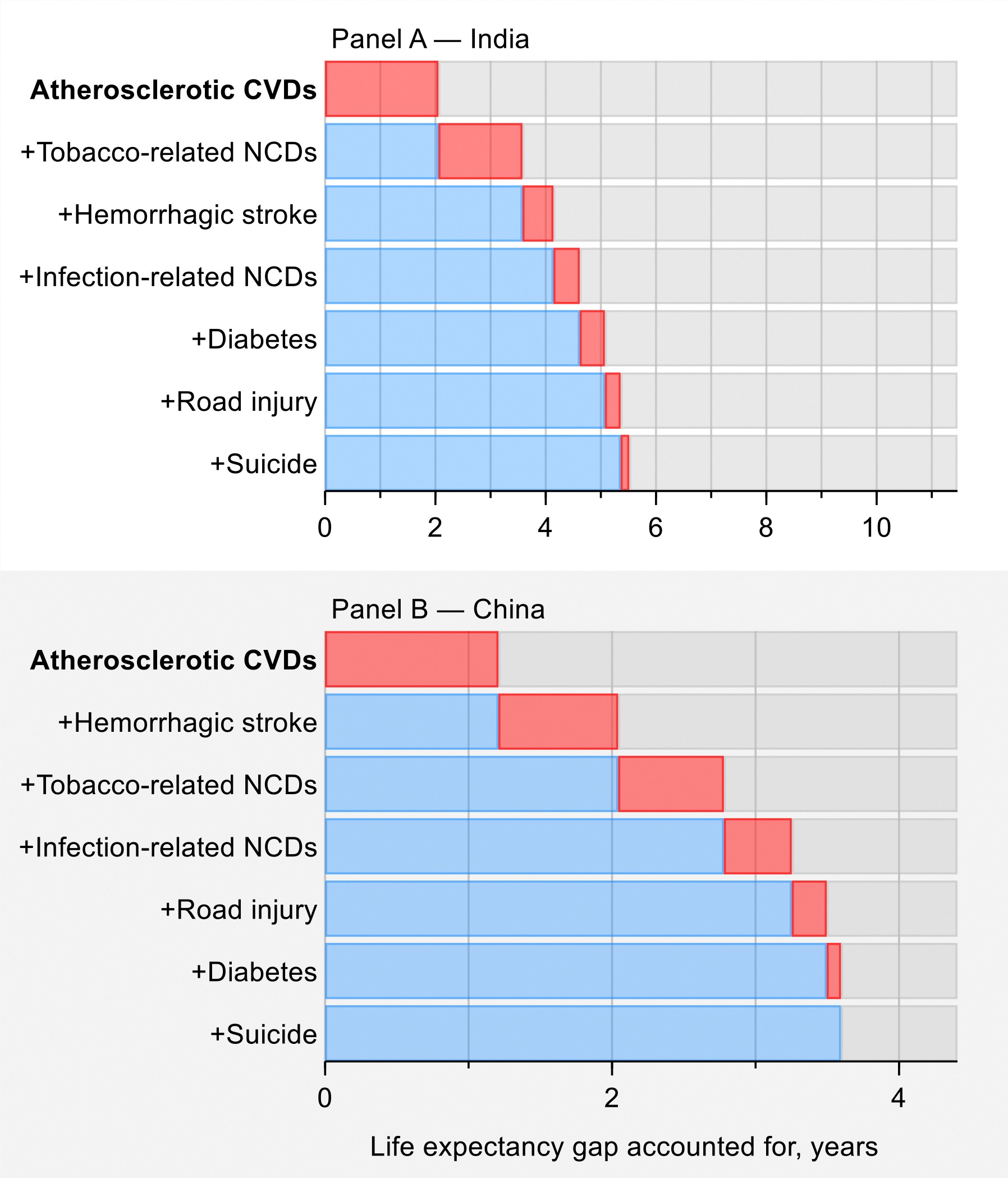
- The 15 priority conditions—eight infections/maternal conditions (I-8) and seven NCDs/injuries (NCD-7)—account for about 80% of the life expectancy gap between most regions and the North Atlantic (85% for China, 76% for sub-Saharan Africa) and about 86% of the global life expectancy increase from 2000–2019. The I-8 contributed 3.5 of the 6.3-year global gain; the NCD-7 contributed 1.9 years.
- Tobacco control is called the most important intersectoral policy for “50 by 50”; a 100% tobacco price increase in low- and middle-income countries is associated with a 40% decline in consumption (about 20% quitting and 20% reducing daily use), and tobacco taxes are described as highly progressive. In 2022, only 40 countries (about 10% of the world’s population) enforced recommended tax rates of 75% or more of cigarette prices.
- COVID-19 caused about 26 million excess deaths during January 2020–May 4, 2023, a global P-score of about 13%; future pandemic risk is estimated at 2.5 million expected annual deaths, with about even odds of a pandemic causing 25 million or more deaths between now and 2050. By 2050, low-income and lower-middle-income countries would need to spend 2.5% and 4.1% of current GDP, respectively, on the priority interventions, requiring additional spending of 1.1% and 2.0% of current GDP.
Methods
- Design: third report of the Lancet Commission on Investing in Health, using probability of premature death (PPD) as the primary metric and examining global health trends from 1970–2023, with regional groupings, the 30 most populous countries, and 123 countries with populations greater than 5 million.
- Data and analysis: draws on UN Population Division, WHO Global Health Estimates, World Bank, GBD, Economist excess-death estimates, and Commission background papers; analyses include life-table decomposition of life expectancy gaps by cause, feasibility projections for halving PPD, modular cost-effectiveness analysis, cost estimates for 63 low- and lower-middle-income countries, DAH+ tracking, and pandemic-risk simulations.
- Main analysis: compares observed PPD decline rates against the 2.2% annual decline needed for “50 by 50,” decomposes gains by the 15 priority conditions, and estimates financing needs and delivery mechanisms for the proposed modular health-system-strengthening agenda.
Limitations
- Stated: underlying economic, social, demographic, and health-system data have gaps and inaccuracies, especially in low- and lower-middle-income countries; COVID-19 excess deaths for 2022–2023 rely on Economist estimates with possible larger discrepancies; pandemic-risk and climate-mortality projections are highly uncertain; P-scores are early approximations; and cost estimates assume spending on existing services and commodities.
- Stated: the modular approach and cost estimates are stylized and not a prescription for every country; local circumstances should dictate details, and not every module or intervention will be relevant everywhere.
- Evident from the text: many analyses depend on background papers, modeling, and projections rather than new primary data collection, and several key estimates—including future pandemic risk, climate impacts, and financing needs—are explicitly approximate or uncertain.
Model-written summary. Check it against the paper before relying on it.
Integrity signals
Registry
Cites
Statistics
Figures
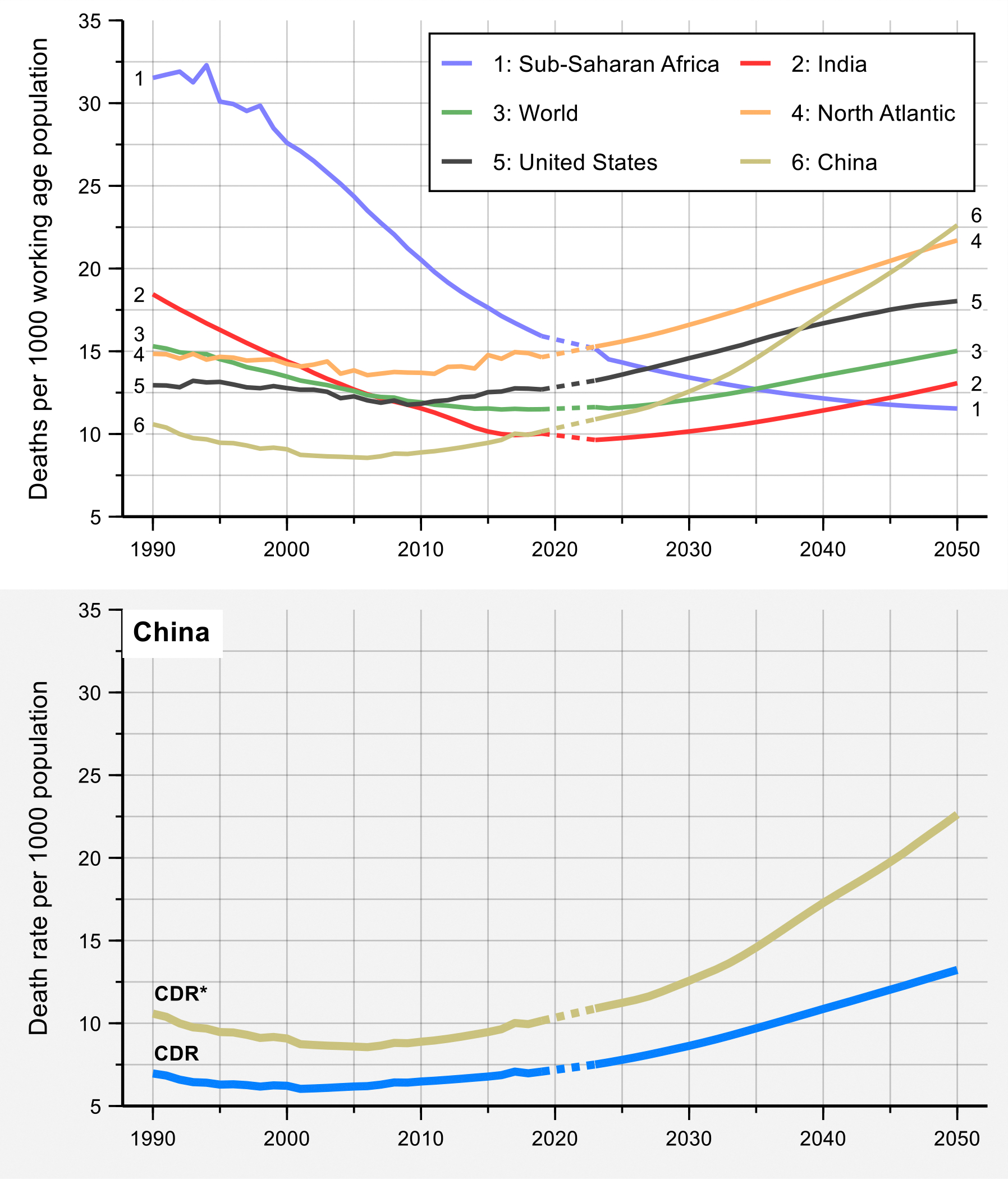
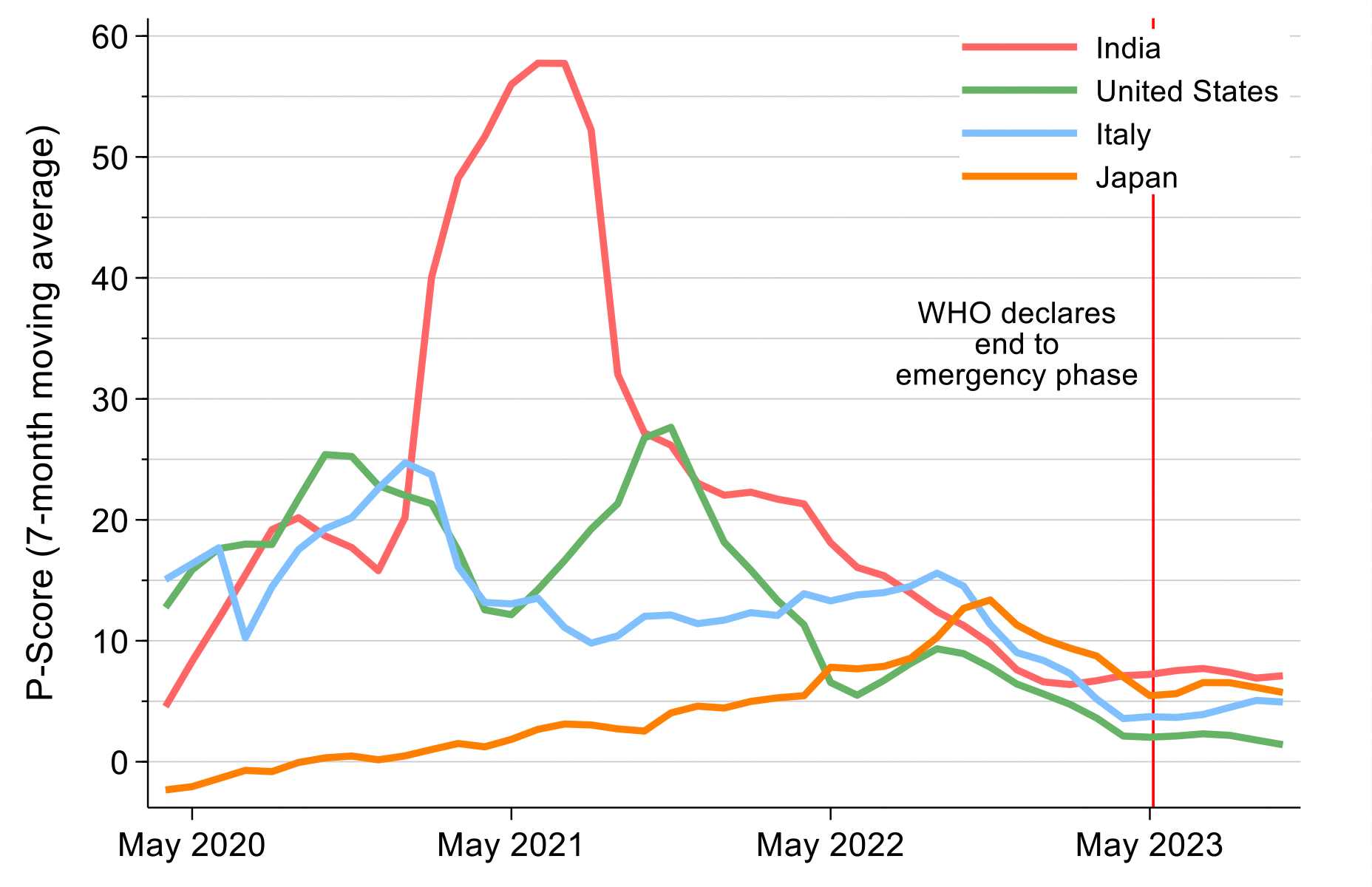
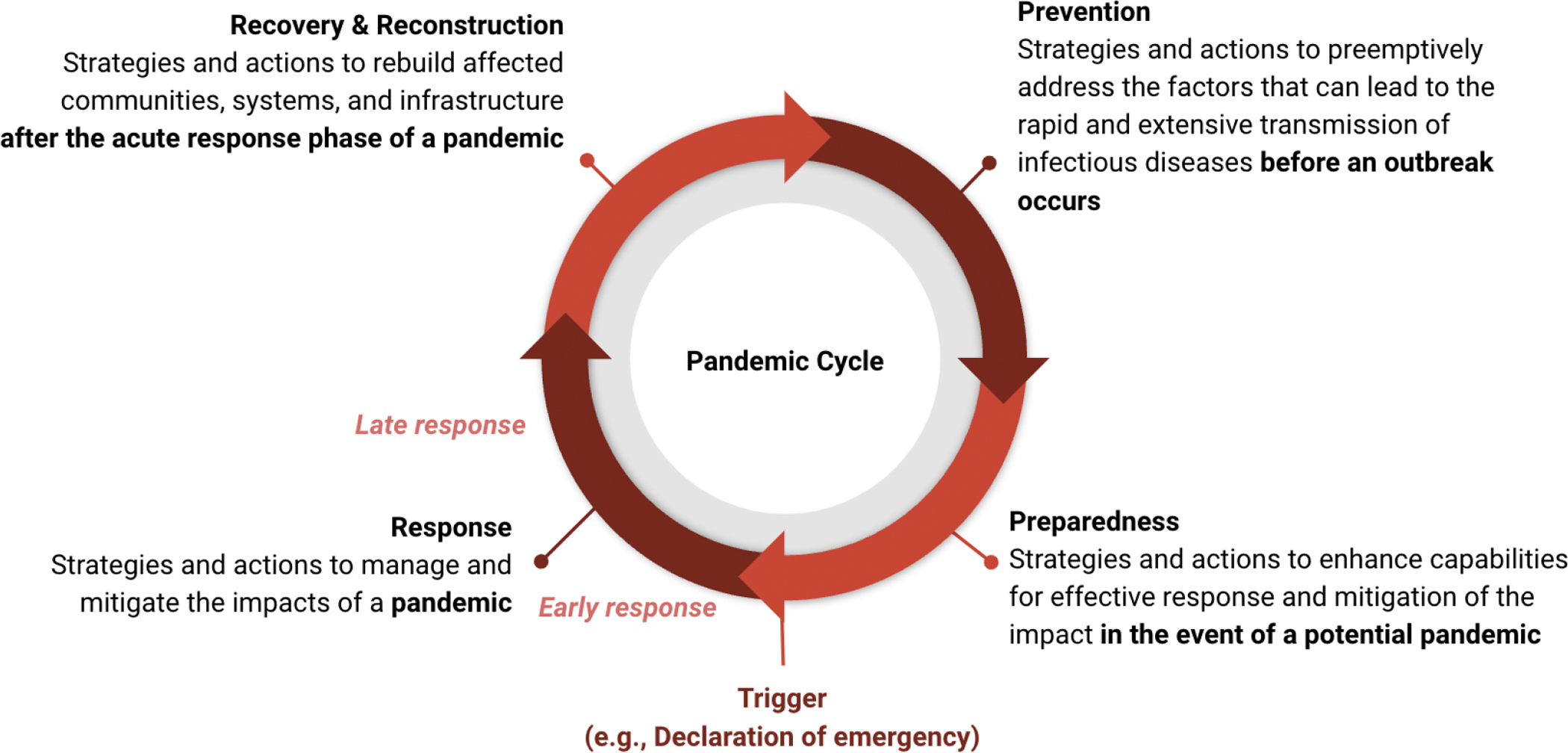
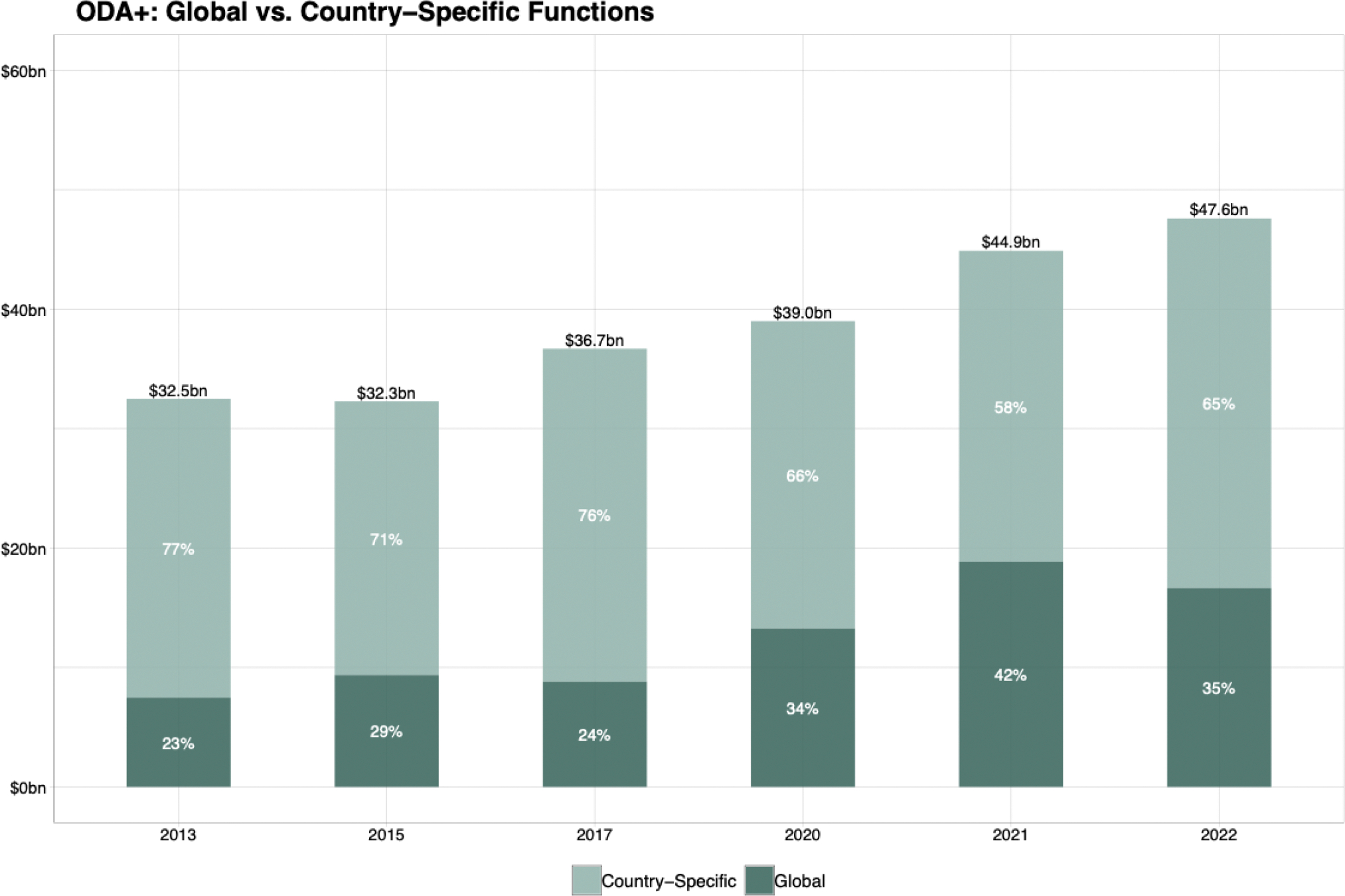
Verification
Claims the paper makes
19 Valid · 40 Not valid · 243 Not checked · 330 Own results and interpretations
Every source the paper cites for this claim was checked and supports it.
In the paper
“While multiple reasons underly good country performance, a common element seems to be investment in robust, community-based primary healthcare infrastructure.16”
§ Global health 2050: the road to halving premature death by mid-century > Health in a world of change, 1970–2023 > Panel 1: Measuring survival progress: shifting from life expectancy at birth to probability of premature death
What the sources say
- Supportedcites [16] Bitton A, Fifield J, Ratcliffe H, Karlage A, Wang H, Veillard JH, Primary healthcare system performance in low-income and middle-income countries: a scoping review of the evidence from 2010 to 2017. BMJ Global Health. 2019 Aug 1; 4(Suppl 8): e001551. PMC6703296 31478028 source
The Discussion (p. of 'Primary healthcare system performance in LMIC...' > Discussion) lists several distinct drivers of good PHC system performance — clear PHC policies and public spending, financing mechanisms, provider motivation, and core PHC functions — and singles out community-based PHC systems that engage, track and reach out to populations with well-managed multidisciplinary teams as 'often successful'. The Results > Findings section likewise attributes better long-term system performance to effective, integrated and comprehensive PHC policy/governance and links more public spending on PHC to more equitable outcomes. The hedged wording of the claim ('seems to be') matches the source's own hedged associations, so the paraphrase is supported. (LLM, conf=0.84)
hedgedstates an association- Asserted: passes — The authors put it forward as true.
- Checkable: passes — It can be checked against evidence.
- Load-bearing: unclear — It is unclear whether the paper’s conclusions depend on it.
- Based: passes — The paper gives a reason why it holds.
- Supported
Every source the paper cites for this claim was checked and supports it.
In the paper
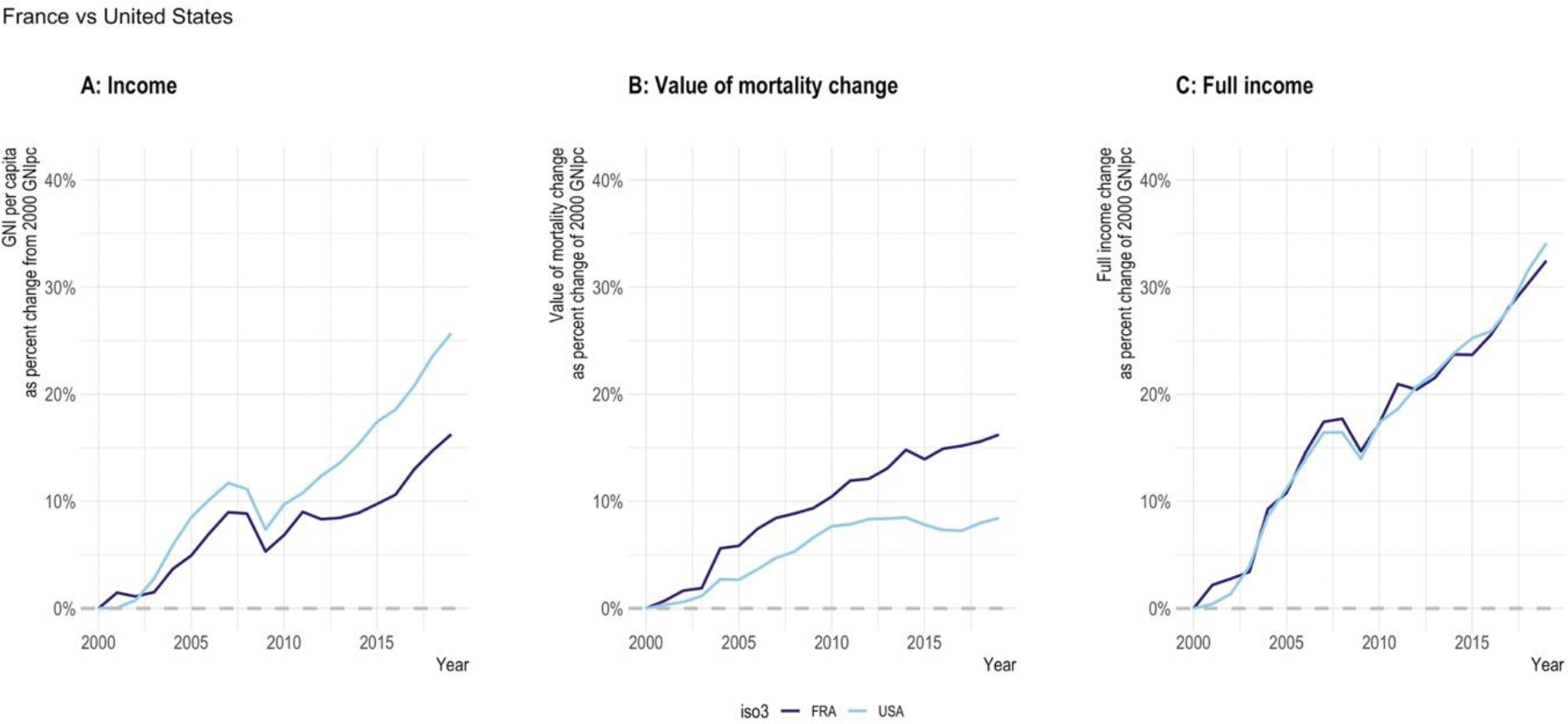
“In South Asia, for example, it estimated that the value of mortality decline in 2000–2011 was about 2.9% of average national income per year.”
§ Global health 2050: the road to halving premature death by mid-century > Health in a world of change, 1970–2023 > Panel 1: Measuring survival progress: shifting from life expectancy at birth to probability of premature death
What the sources say
- Supportedcites [2] Jamison DT, Summers LH, Alleyne G. Global health 2035: a world converging within a generation. Lancet. 2013; 382: 1898– 955. 24309475 source
The “Health and full income” section states that, in south Asia from 2000 to 2011, the annual value of mortality change was equivalent to 2.9% of average income during the period. This directly supports the cited estimate. (LLM, conf=0.94)
hedged- Asserted: passes — The authors put it forward as true.
- Checkable: passes — It can be checked against evidence.
- Load-bearing: unclear — It is unclear whether the paper’s conclusions depend on it.
- Based: passes — The paper gives a reason why it holds.
- Supported
The sources with a verdict support this claim; the rest weren’t checked yet, have no full text we could read, or their verdicts aren’t rated yet.
In the paper
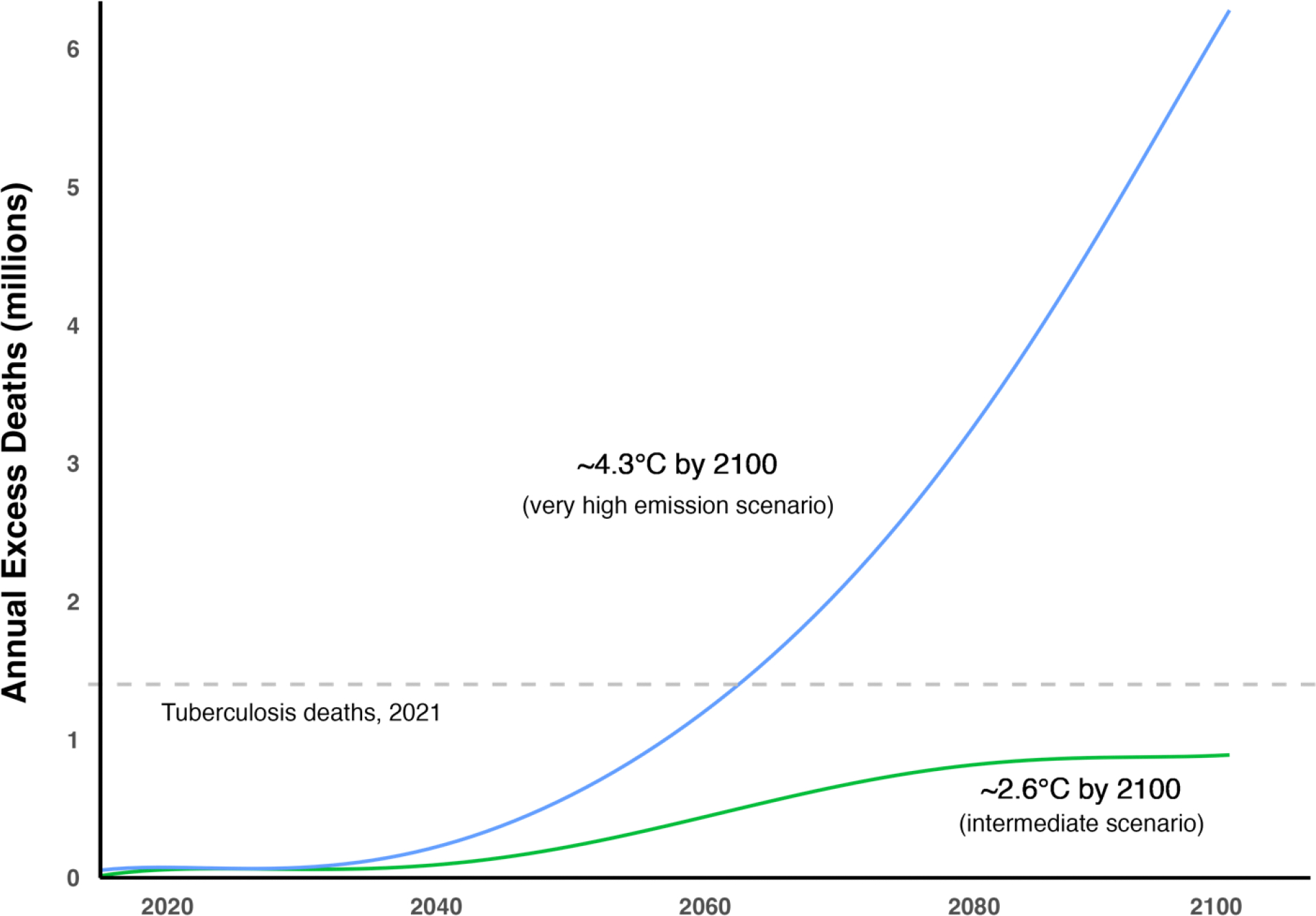
“There is a “U-shaped” relationship, indicating an increased relative risk of mortality at low and high.37,41”
§ Global health 2050: the road to halving premature death by mid-century > Health in a world of change, 1970–2023 > Panel 2: Projecting temperature-related mortality impacts from climate change
What the sources say
- Not checked yetcites [37] Carleton T, Jina A, Delgado M. Valuing the Global Mortality Consequences of Climate Change Accounting for Adaptation Costs and Benefits. Q J Econ. 2022; 137: 2037– 105. source
- Supportedcites [41] Gasparrini A, Guo Y, Sera F. Projections of temperature-related excess mortality under climate change scenarios. Lancet Planet Health. 2017; PMC5729020 29276803 source
The Methods sections describe temperature–mortality associations as relative risks measured against a minimum-mortality temperature, with excess mortality calculated separately for temperatures below and above it. This supports the claimed U-shaped pattern, although the paper does not use that exact term in the retrieved passages. Page numbers are unavailable in our copy. (LLM, conf=0.88)
hedgedstates an association- Asserted: passes — The authors put it forward as true.
- Checkable: passes — It can be checked against evidence.
- Load-bearing: passes — The paper’s conclusions depend on it.
- Based: passes — The paper gives a reason why it holds.
Every source the paper cites for this claim was checked and supports it.
In the paper
“Key drivers of such inequalities include rural-urban residence, maternal education, sex of the child, and source of drinking water.73”
§ Global health 2050: the road to halving premature death by mid-century > Health goals for 2035 and 2050 > Panel 4. Inequalities in mortality within countries by sex and socioeconomic status
What the sources say
- Supportedcites [73] Fagbamigbe AF, Adeniji FIP, Morakinyo OM. Factors contributing to household wealth inequality in under-five deaths in low- and middle-income countries: decomposition analysis. BMC Public Health. 2022 Apr 15; 22(1): 769. 35428294 PMC9013135 source
The Discussion (p. of Factors...) states the decomposition analysis found 'rural-urban contexts, maternal education, neighbourhood SES, sex of the child, birth weight, preceding birth intervals, sources of drinking water and household wealth' explain the majority of inequalities in under-five deaths between poor and non-poor households; the Abstract Results and Conclusion list the same factors as the main drivers of pro-non-poor inequity across 34 of 59 LMICs. All four factors named in the claim (residence, maternal education, child sex, drinking-water source) appear, and the paper's household-wealth/poverty inequality in under-five mortality matches 'socioeconomic inequalities in childhood mortality'. (LLM, conf=0.90)
plainstates a cause- Asserted: passes — The authors put it forward as true.
- Checkable: passes — It can be checked against evidence.
- Load-bearing: unclear — It is unclear whether the paper’s conclusions depend on it.
- Based: passes — The paper gives a reason why it holds.
- Supported
Every source the paper cites for this claim was checked and supports it.
In the paper
“For example, the Expanded Programme on Immunization (EPI) marks its 50th anniversary in 2024 and a retrospective assessment of impact estimated that 40% of the post-1974 decline in infant mortality resulted from the EPI.81”
§ Global health 2050: the road to halving premature death by mid-century > 15 priority conditions account for most health disparities > Panel 5: 15 priority conditions
What the sources say
- Supportedcites [81] Shattock AJ, Johnson HC, Sim SY, Carter A, Lambach P, Hutubessy RCW, Contribution of vaccination to improved survival and health: modelling 50 years of the Expanded Programme on Immunization. The Lancet. 2024 May 25; 403(10441): 2307– 16. PMC11140691 38705159 source
The Results state that vaccination was estimated to account for 40% of the decline in global infant mortality since 1974. The Methods (Outcomes) identify this as an assessment of EPI’s impact from 1974 to 2024, and the Introduction dates EPI’s establishment to 1974. (LLM, conf=0.94)
hedgedstates a cause- Asserted: passes — The authors put it forward as true.
- Checkable: passes — It can be checked against evidence.
- Load-bearing: unclear — It is unclear whether the paper’s conclusions depend on it.
- Based: passes — The paper gives a reason why it holds.
- Supported
291 more claims · 7 with their cited sources checked
Create a free account to see all 632 claims and to verify the 213 references still open.
- Probably not a substantial claim. 210
- It may state two separate claims as one. 188
Claims other papers make about this one
Each is checked against this paper’s own text: does it say what the citing paper says it does?
In the citing paper
“Some studies, including the Global Health 2050 report from the Lancet Commission on Investing in Health, have shown that the probability of all-cause mortality before age 70 years has decreased globally and across major regions.5”
In the citing paper
“The Global Health 2050 report concluded that further reductions, by as much as 50%, are attainable by mid-century with targeted health investments, a goal referred to as 50 by 50.5”
In the citing paper
“The probability of death measure is a fundamental indicator in public health because it can effectively capture improvements in survival within all age groups before age 70 years.5”
Self-check
Percentages, sums and reported differences re-computed from the paper’s own numbers.
Each contradiction between two passages listed here was confirmed by an independent check.
Rated minor: it would not touch a result — a value no result rests on, a p-value that stays on the same side of the significance level, or a conflict that is clerical, resolved elsewhere in the paper, or outside its own findings.
In the paper
§ Global health 2050: the road to halving premature death by mid-century > Health goals for 2035 and 2050 > Panel 4. Inequalities in mortality within countries by sex and socioeconomic status
“the rate of decline in PPD in the period 2010 to 2019 is indicated by how long it would take for PPD to decline by half”
§ Global health 2050: the road to halving premature death by mid-century > Health goals for 2035 and 2050 > Panel 4. Inequalities in mortality within countries by sex and socioeconomic status
“if the 2000–2019 rate were to continue.”
Rated minor: it would not touch a result — a value no result rests on, a p-value that stays on the same side of the significance level, or a conflict that is clerical, resolved elsewhere in the paper, or outside its own findings.
In the paper
“Forty years ago, when the use of economic analysis in improving global health was gaining traction, the World Bank published the influential World Development Report 1993 (WDR1993)”
§ Global health 2050: the road to halving premature death by mid-century > Introduction
Reported 40 · recomputed 31
Citations
Cites
Global burden of bacterial antimicrobial resistance in 2019: a systematic analysis
Murray, C. J. L., Ikuta, K. S., Sharara, F., Swetschinski, L., Robles Aguilar, G., Gray, A., Han, C., Bisignano, C., Rao, P., Wool, E., et al. (2022) · The Lancet · doi:10.1016/s0140-6736(21)02724-0 · Cited by 16,316
Food in the Anthropocene: the EAT–Lancet Commission on healthy diets from sustainable food systems
Willett, W., Rockström, J., Loken, B., Springmann, M., Lang, T., Vermeulen, S., Garnett, T., Tilman, D., DeClerck, F., Wood, A., et al. (2019) · The Lancet · doi:10.1016/s0140-6736(18)31788-4 · Cited by 10,880
A novel coronavirus outbreak of global health concern
Wang, C., Horby, P. W., Hayden, F. G., & Gao, G. F. (2020) · The Lancet · doi:10.1016/s0140-6736(20)30185-9 · Cited by 7,700
Nichols, E., Steinmetz, J. D., Vollset, S. E., Fukutaki, K., Chalek, J., Abd-Allah, F., Abdoli, A., Abualhasan, A., Abu-Gharbieh, E., Akram, T. T., et al. (2022) · The Lancet Public Health · doi:10.1016/s2468-2667(21)00249-8 · Cited by 5,575
Ferrari, A. J., Santomauro, D. F., Aali, A., Abate, Y. H., Abbafati, C., Abbastabar, H., Abd ElHafeez, S., Abdelmasseh, M., Abd-Elsalam, S., Abdollahi, A., et al. (2024) · The Lancet · doi:10.1016/s0140-6736(24)00757-8 · Cited by 5,112
High-quality health systems in the Sustainable Development Goals era: time for a revolution
Kruk, M. E., Gage, A. D., Arsenault, C., Jordan, K., Leslie, H. H., Roder-DeWan, S., Adeyi, O., Barker, P., Daelmans, B., Doubova, S. V., et al. (2018) · The Lancet Global Health · doi:10.1016/s2214-109x(18)30386-3 · Cited by 4,057
Self-citationFinucane, M. M., Stevens, G. A., Cowan, M. J., Danaei, G., Lin, J. K., Paciorek, C. J., Singh, G. M., Gutierrez, H. R., Lu, Y., Bahalim, A. N., et al. (2011) · The Lancet · doi:10.1016/s0140-6736(10)62037-5 · Cited by 4,050
Maternal and child undernutrition: consequences for adult health and human capital
Victora, C. G., Adair, L., Fall, C., Hallal, P. C., Martorell, R., Richter, L., & Sachdev, H. S. (2008) · The Lancet · doi:10.1016/s0140-6736(07)61692-4 · Cited by 3,952
Research works printed but not linked: 19
- Keyfitz N, Caswell H. Applied Mathematical Demography. In: Statistics for Biology and Health. 3rd ed. New York, NY: Springer; 2005.
- Scovronick N, Vasquez VN, Errickson F. Human Health and the Social Cost of Carbon: A Primer and Call to Action. Epidemiology. 2019; 30: 642– 7. 31373934
- I.P.C.C. Climate Change 2022: Impacts, Adaptation and Vulnerability. Contribution of Working Group II to the Sixth Assessment Report of the Intergovernmental Panel on Climate Change [ Pörtner H-O Roberts DC, Tignor M, editors. Cambridge, UK and New York, NY, USA: Cambridge University Press. Cambridge University Press; 2022. 3056 p.
- IPCC. Special Report. Global Warming of 1.5 0C. Impacts of1.5 0C global warming on natural and human systems. Chapter [Internet]. 2018; 3. Available from: https://www.ipcc.ch/sr15/chapter/chapter-3/
- Stern N, Stiglitz Charlotte Taylor J, Taylor C. The economics of immense risk, urgent action and radical change: towards new approaches to the economics of climate change. J Econ Methodol. 2022; 29: 181– 216.
- Alberts SC, Archie EA, Gesquiere LR, Altmann J, Vaupel JW, Christensen K. The Male-Female Health-Survival Paradox: A Comparative Perspective on Sex Differences in Aging and Mortality. In: Sociality, Hierarchy, Health: Comparative Biodemography: A Collection of Papers [Internet]. National Academies Press (US); 2014 [cited 2024 Jun 25]. Available from: https://www.ncbi.nlm.nih.gov/books/NBK242444/
- Bundy DAP, Silva N, Horton S, Patton GC, Schultz L, Jamison DT. Child and Adolescent Health and Development: Realizing Neglected Potential. In: Bundy DAP, Silva N, Horton S, Jamison DT, Patton GC, editors. Disease Control Priorities, Third Edition (Volume 8): Child and Adolescent Health and Development. 3rd ed. Washington, DC: World Bank Group; 2017N. p. 1– 24.
- Watkins Bundy DAP, Jamison DT, Fink G, Georgiadis A. Evidence of Impact of Interventions on Health and Development during Middle Childhood and School Age. In: Bundy DAP, Silva N, Horton S, Jamison DT, Patton GC, editors. Disease Control Priorities, Third Edition (Volume 8): Child and Adolescent Health and Development. 8th ed. Washington, DC: World Bank Group; 2017. p. 99– 106. 30212120
- Bundy DAP, Silva N, Horton S, Jamison DT, Patton GC. Child and Adolescent Health and Development. Washington, DC: World Bank; 2017. 30212057
- Fernandes M, Aurino E. Identifying an Essential Package for School-Age Child Health: Economic Analysis. In: Bundy DAP, Silva N, Horton S, Jamison DT, Patton GC, editors. Disease Control Priorities, Third Edition (Volume 8): Child and Adolescent Health and Development. 3rd ed. Washington, DC: World Bank; 2017. p. 355– 68. 30212130
- Rose J, Davis G, Paul S, Malapati Harshavardhan S, Adhikari P, Amoth P, Strengthening clinical capacity for responding to pandemic risk. Volume 2. Chapter 2.4: Priorities for acute care systems during pandemics: lessons from COVID-19. Disease Control Priorities Working Paper, Bergen Center for Ethics and Priorities Setting in Health. Norway: University of Bergen. 2024;
- WHO. 6th Montreux Collaborative Conference. [Internet]. 2023. Available from: https://res.cloudinary.com/dueqwfdln/image/upload/v1702474704/WHO_Montreux_Collaborative_2023_meeting_report_a378db2f6d.pdf
- Adeyi O Health In Practice. Investing Amidst Pandemics, Denial of Evidence, and Neo-dependency. World Scientific Publishers; 2022.
- Horton R The COVID-19 Catastrophe: What’s Gone Wrong and How to Stop it Happening Again. 2nd ed. Cambridge: Polity Press; 2021.
- Marquez PV, Moreno-Dodson B. Tobacco Tax Reform at the Crossroads of Health and Development: A Multisectoral Perspective [Internet]. Washington, DC: World Bank; 2017. Available from: https://hdl.handle.net/10986/28494
- Stiglitz J The origins of inequality and policies to contain it. National Tax Journal. 2015; 291568(2): 425– 48.
- IARC. Chapter 7: Tax, price and tobacco use among the poor. In: IARC Handbook of cancer prevention, volume 14: effectiveness of Tax and price policies for tobacco control. Lyon, France: World Health organization; 2011.
- UNFCC. In: Report of the Conference of the Parties serving as the meeting of the Parties to the Paris Agreement on its third session [Internet]. 2022. Available from: https://unfccc.int/sites/default/files/resource/cma2021_10_add1_adv.pdf
- O’Neill J Review on Antimicrobial Resistance. Tackling Drug-Resistant Infections Globally [Internet]. 2016. Available from: https://amr-review.org/sites/default/files/160525_Final%20paper_with%20cover.pdf
Cited by
Naghavi, M., Kyu, H. H., A, B., Aalipour, M. A., Aalruz, H., Ababneh, H. S., Abafita, B. J., Abaraogu, U. O., Abbafati, C., Abbasi, M., et al. (2025) · The Lancet · doi:10.1016/s0140-6736(25)01917-8 · Cited by 595
Graham, H., King, C., Rahman, A. E., Kitutu, F. E., Greenslade, L., Aqeel, M., Baker, T., Brito, L. F. D. M., Campbell, H. J., L, K. C., et al. (2025) · The Lancet Global Health · doi:10.1016/s2214-109x(24)00496-0 · Cited by 106
Stafford, L. K., Gage, A. D., Xu, Y. Y., Conrad, M., Beltrán, I., Boyko, E. J., Duncan, B. B., Hay, S. I., Lenox, H., Lozano, R., et al. (2025) · The Lancet Diabetes & Endocrinology · doi:10.1016/s2213-8587(25)00217-7 · Cited by 98
Biomarkers of aging: from molecules and surrogates to physiology and function
Furrer, R., & Handschin, C. (2025) · Physiological Reviews · doi:10.1152/physrev.00045.2024 · Cited by 74
Advances in paper-based analytical devices relying on optical detection
Wang, S., Chen, W., Du, A., Kou, Y., Xu, X., Hu, D., & Lu, Z. (2025) · Advanced Composites and Hybrid Materials · doi:10.1007/s42114-025-01333-x · Cited by 35
Chang, A. Y., Bolongaita, S., Cao, B., Castro, M. C., Karlsson, O., Mao, W., Norheim, O. F., Ogbuoji, O., & Jamison, D. T. T. (2025) · The Lancet · doi:10.1016/s0140-6736(25)00902-x · Cited by 44
“7 Third, and related to the second point, with increasing demands on health financing and health-care provision, there is a need for the health sector to focus.”
Self-citationTalifu, Z., Ren, Z., Chen, C., Guo, S., Wu, Y., Li, Y., Su, B., & Zheng, X. (2025) · Aging Cell · doi:10.1111/acel.70142 · Cited by 33
“In fact, more than 50% of premature deaths attributable to noncommunicable diseases are preventable (Jamison et al. 2024; Martinez et al. 2020).”
Advancing Cardiovascular Research With Single-Cell and Spatial Transcriptomics
Li, K., Samiei, S., Pikulska, D., Foecking, S., & Kuppe, C. (2026) · Circulation Research · doi:10.1161/circresaha.125.325795 · Cited by 19
Redefining global health in the 21st century: Towards a more equitable global health agenda
Reid, M. J. A., & Katz, I. T. (2025) · Global Public Health · doi:10.1080/17441692.2025.2464060 · Cited by 14
“Furthermore, slow progress has been made in reducing maternal mortality and deaths from tuberculosis, while global deaths from cardiovascular diseases have increased by 70% in the last three decades (Jamison et al., 2024; Roth et al., 2020).”
Muthukumar, P., Thanikanti, S. B., Flora, G., Anand, R., Vanchinathan, K., & Aljafari, B. (2025) · International Journal of Hydrogen Energy · doi:10.1016/j.ijhydene.2025.150045 · Cited by 13
Asia at the Epicenter of the Global Cardiometabolic Shift
Khanna, S., Gan, G. C. H., Sindone, A. P., Tromp, J., Butler, J., Foo, R., Nerlekar, N., & Bhat, A. (2026) · JACC Asia · doi:10.1016/j.jacasi.2026.01.001 · Cited by 20
Norheim, O. F., Chang, A. Y., Bolongaita, S., Barraza-Lloréns, M., Fawole, A., Gebremedhin, L. T., González-Pier, E., Jha, P., Johnson, E. K., Karlsson, O., et al. (2024) · The Lancet · doi:10.1016/s0140-6736(24)02417-6 · Cited by 16
Self-citationFawole, A., Boyer, B., Shahid, M., Bharali, I., McAdams, D., & Yamey, G. (2025) · Vaccine · doi:10.1016/j.vaccine.2025.127377 · Cited by 10
Self-citationHeart failure in China: a macroeconomic modelling study of intervention strategies
Wang, H., Zhou, H., Chai, K., Yan, S., Liu, Y., Kühn, M., Prettner, K., Cao, Z., Du, M., Wang, T., et al. (2025) · European Heart Journal · doi:10.1093/eurheartj/ehaf992 · Cited by 15
Self-citationPriority Health Conditions and Global Life Expectancy Disparities
Karlsson, O., Chang, A. Y., Norheim, O. F., Mao, W., Bolongaita, S., & Jamison, D. T. (2025) · JAMA Network Open · doi:10.1001/jamanetworkopen.2025.12198 · Cited by 10
Self-citationGlobal Impact of Fixed-Dose Combination Therapies on Cardiovascular Mortality and Events, 2023-2050
Watkins, D., Pickersgill, S. J., Flood, D., Gaziano, T. A., Huffman, M. D., Islam, S., Joseph, P. G., Malekzadeh, R., Perel, P., Piñeiro, D., et al. (2025) · Journal of the American College of Cardiology · doi:10.1016/j.jacc.2025.04.043 · Cited by 11
Self-citationGlobal Health and Its Limitations: An Historical Perspective
Bump, J. B. (2025) · Health Systems & Reform · doi:10.1080/23288604.2025.2478681 · Cited by 8
Watkins, D., Danforth, K., Ahmed, S., Chisholm, D., Cieza, A., Iunes, R. F., Kumar, A., Kutzin, J., Luong, J., Meessen, B., et al. (2025) · The Lancet Global Health · doi:10.1016/s2214-109x(25)00347-x · Cited by 12
Self-citationBorn Too Soon: Learning from the past to accelerate action in the next decade
Gruending, A., Lawn, J. E., Reid, A., Langlois, É. V., Jacobsson, B., McDougall, L., Khosla, R., Bhutta, Z. A., Deorari, A. K., Kak, L. P., et al. (2025) · Reproductive Health · doi:10.1186/s12978-025-02044-8 · Cited by 11
“For example, between 2000–2019, improvements in eight maternal, neonatal, child and infectious conditions, including pre-term birth complications, accounted for a 59% increase in global life expectancy, and in sub-Saharan Africa they accounted for 92% increase in life expectancy [20].”
A turning point for global health: challenge or opportunity?
Goosby, E., & Reid, M. J. A. (2025) · The Lancet · doi:10.1016/s0140-6736(25)00453-2 · Cited by 6
Chang, A. Y., Johnson, E. K., Bolongaita, S., Buse, K., Hawkes, S., Karlsson, O., Knaul, F. M., Kruk, M. E., Norheim, O. F., Ogbuoji, O., et al. (2025) · PLoS Medicine · doi:10.1371/journal.pmed.1004828 · Cited by 8
“We applied the regional categorization from the Lancet Commission on Investing in Health (CIH) 3.0, with China, India, and the United States as their own regions due to their large population sizes [17].”
InfluentialSelf-citationInvesting in the future of global health
Davis, A. P., Asma, S., Blecher, M., Benn, C., Ezoe, S., Fogstad, H., Gosh, G., Leung, G. M., Ng, S. H., Nonvignon, J., et al. (2024) · The Lancet · doi:10.1016/s0140-6736(24)02191-3 · Cited by 6
Balancing Equity and Global Health Security Towards a Fair and Effective Pandemic Agreement
Renganathan, E., Tediosi, F., Abecasis, A. B., Bassat, Q., Berner-Rodoreda, A., Casamitjana, N., Froeschl, G., Kashima, S. H., Placencia, A., Raviglione, M. C., et al. (2025) · International Journal of Public Health · doi:10.3389/ijph.2025.1608581 · Cited by 4
“With experts estimating a 28% probability of a global in fl uenza or coronavirus pandemic resulting in at least one million deaths within the next 5 years [10], it is crucial to recognize the intrinsic link between global security and equity.”
An updated definition of global health
Jacobsen, K. H., Waggett, C. E., Adeyi, O., Bruchhausen, W., Chowdhury, S., Davidson, P. M., Garzón-Villalba, X. P., Gostin, L. O., Grant, L., Landrigan, P. J., et al. (2025) · Global Health Research and Policy · doi:10.1186/s41256-025-00460-8 · Cited by 11
“Health is improved through actions that ameliorate existing health concerns and generate progress toward achieving health equity [21].”
Self-citationShared burdens, shared responsibilities: advancing the 2030 Agenda for Sustainable Development
Kanter, R., & Fort, M. P. (2025) · The Lancet · doi:10.1016/s0140-6736(25)01907-5 · Cited by 5
Wang, H., Zhou, H., Chai, K., Yan, S., Liu, Y., Kühn, M., Klaus Prettner, A., Cao, Z., Du, M., Wang, T., et al. (2025) · medRxiv · doi:10.1101/2025.04.04.25325219 · Cited by 4
Self-citationInvesting in Addressing NCDs and Mental Health Conditions: a Political Choice
Collins, T. E., Karapici, A., & Berlina, D. (2025) · Annals of Global Health · doi:10.5334/aogh.4649 · Cited by 7
Bhopal, A. S., Hensher, M., MacNeill, A. J., Norheim, O. F., Sherman, J. D., & Mitton, C. (2025) · The Lancet Planetary Health · doi:10.1016/j.lanplh.2025.101391 · Cited by 3
Self-citationMusango, L., Mandrosovololona, V., Randriatsarafara, F. M., Malala, R. V., Kirigia, J. M., & Ratsimbasoa, A. C. (2024) · BMC Public Health · doi:10.1186/s12889-024-20786-1 · Cited by 5
“This could help them secure more domestic and exter-nal resources to strengthen the national health system’s capability to handle future infectious disease emergencies [56–58].”
The future at risk: Tackling newborn and child mortality amidst a global health crisis
Langlois, É. V., Gasparri, G., & Khosla, R. (2025) · PLOS Global Public Health · doi:10.1371/journal.pgph.0004519 · Cited by 3
“The Global Health 2050 report highlights that prioritizing investments in routine childhood immunization, treatment of acute child illness, pregnancy and childbirth services, and family planning are key cost-effective interventions to reduce premature mortality [5].”
Brook, D., & SINGER, P. A. (2024) · medRxiv · doi:10.1101/2024.11.11.24317112 · Cited by 3
A critical pathway to reducing maternal, newborn and child mortality
Langlois, É. V., Gasparri, G., Bustreo, F., & Khosla, R. (2024) · Bulletin of the World Health Organization · doi:10.2471/blt.24.292756 · Cited by 3
Self-citationOsebo, C., Groszman, L., Laskaris, A., Chen, Y., Boniface, R. L., Munthali, V., Konaté, I., Boulanger, N., Gone, Y. D., Wong, E. G., et al. (2024) · International Journal of Surgery · doi:10.1097/js9.0000000000002881 · Cited by 2
“By investing in sustainable, interoperable digital data systems and applying real-world lessons, countries can drive measurable improvements in trauma care and move closer to the global goal of halving preventable deaths by 2050 [ 13 ] .”
Aznar, M. P. M., Medina, L., Fernández, I. I., & del-Pino-Espejo, M.-J. (2025) · Medicina · doi:10.3390/medicina61101734 · Cited by 2
“…health fun-damentals such as isolating infected individuals, lockdowns, quarantines, and social and financial support for people in isolation or quarantine [10], the COVID-19 pandemic has had a devastating impact on people worldwide [3,6,11], and has created a global mental health crisis [12].”
Global Disparities in Premature Mortality
Karlsson, O., Jamison, D. T. T., Yamey, G., Bolongaita, S., Mao, W., Chang, A. Y., Norheim, O. F., Ogbuoji, O., & Verguet, S. (2025) · JAMA Health Forum · doi:10.1001/jamahealthforum.2025.3479 · Cited by 2
Self-citationGruson, D., Gouget, B., Lee, W., Thomas, M. A., Mackay, L., Kyriakopoulou, L. G., Nichols, J. H., Yang, H. S., South, A., Fux, E., et al. (2026) · Clinical Chemistry and Laboratory Medicine (CCLM) · doi:10.1515/cclm-2026-0903 · Cited by 2
“If un-checked, health expenditure may exceed 20 % of GDP in several advanced economies by 2050, while many emerging economies remain under-resourced [24, 25].”
Born Too Soon: Accelerating change to 2030 and beyond
Lawn, J. E., Khosla, R., Reid, A., Langlois, É. V., Kinney, M. V., Gupta, G. K., Mollel, D., Jacobsson, B., Bizri, M. E., Gruending, A., et al. (2025) · Reproductive Health · doi:10.1186/s12978-025-02035-9 · Cited by 14
“Direct complications of preterm birth are the leading cause of under-five child deaths, with almost one million deaths per year, and rank high in the global burden of disease across all conditions, resulting in substantial losses in human capital [14].”
James, N. F., Gibbons, K., Agboyibor, M. K., Banda, S., Khan, T., Schwartz, J. I., & Acharya, Y. (2025) · BMJ Global Health · doi:10.1136/bmjgh-2025-019824 · Cited by 2
“10 11 Notably, demand for ACTs remains high and prices remain low nearly 12 years after AMFm ended, 14 suggesting it may have generated enduring supply-side efficiencies despite its brief implementation.”
Sombié, I., Méda, N., Seck, I., & Binagwaho, A. (2025) · Santé Publique · doi:10.3917/spub.251.0021 · Cited by 2
NCD risk factors in low-income populations in India
Gupta, R., & Mohan, I. (2025) · The Lancet Global Health · doi:10.1016/s2214-109x(25)00357-2 · Cited by 1
Translating investments into results: the role of the World Bank in global health
Pandey, K. R., Adhikari, B., & von Seidlein, L. (2025) · BMJ Global Health · doi:10.1136/bmjgh-2025-019078 · Cited by 1
“If the global health community wants to realise ambitious global goals, 26 it cannot afford to stay disengaged from these investment decisions.”
Bhullar, S. S., Roberts, A., Cabieses, B., Mezones‐Holguín, E., Al‐kassab‐Córdova, A., & Espinoza, M. (2026) · Frontiers in Public Health · doi:10.3389/fpubh.2025.1697295 · Cited by 3
Electrochemomics Profiling Metabolic Dynamics in Biofluids
Wang, J., Xia, H., Huang, C., Deng, Q., Wang, T., Cai, P., Li, X., Chi, X., Goh, W. P., Liu, Y., et al. (2026) · Journal of the American Chemical Society · doi:10.1021/jacs.5c18235 · Cited by 2
Finch, A., Vora, N. M., Baylis, C., Rosales, N. D., Hassan, L., Jamal, N., Niño, Y., Parravani, E., Pegger-Baur, T., Plowright, R. K., et al. (2026) · The Lancet · doi:10.1016/s0140-6736(26)00557-x · Cited by 1
Magnitude of Premature Mortality From Sudden Infant Death Syndrome in Ethiopia, From 1990 to 2023
Berhe, A. K., Tesfau, Y. B., Amare, H. H., Tessema, Z., Geta, T. G., Welesemayat, E. T., Lemma, K., Gelchu, M., Dube, G. N., & Tadesse, S. (2026) · Sage Open Pediatrics · doi:10.1177/30502225261435035 · Cited by 1
Chen, S., Huang, K., Zheng, Z., Liu, Y., Zhang, S., Chen, W., Tang, X., Cao, Z., Tang, L., Tong, X., et al. (2026) · BMJ Open · doi:10.1136/bmjopen-2025-112179 · Cited by 2
Self-citationFrom pilots to partnerships: Why African-Nordic collaboration can help reshape global health
Jensen, S. L. B., Gashumba, D., Frellsen, A., Cleaver, H. O., & Karstad, O. M. (2026) · PLOS Global Public Health · doi:10.1371/journal.pgph.0006329 · Cited by 1
“…conditions required for sustained delivery, building a growing consensus around the need to move from a donor model toward genuine partnership [1,2], echoing the recommendations of the Danish Expert Group on Global Health in December 2024 which urged Denmark to transition “from being…”
InfluentialMatsumoto, M., Hara, Y., Mayers, T., & Omiya, T. (2026) · Occupational Health · doi:10.3390/occuphealth1020022 · Cited by 1
“Moreover, estimates from the Global Health 2050 Lancet Commission suggest that there is approximately a 50% probability of another pandemic occurring by 2050 with the potential to result in more than 25 million deaths [3].”
Salvi, L. C., Costa, F. D. S., Collares, K., D’Ávila, O. P., Pinto, L. F., Demarco, F. F., Vasconcelos, A. C. U., & Chisini, L. A. (2026) · International Dental Journal · doi:10.1016/j.identj.2026.109635 · Cited by 1
“Despite the known role of typical non-genetic etiologic agents of LOOPC, 7,15 epidemiological studies have shown that, even after adjusting for these risk factors, social conditions still have a residual effect on the frequency of these cancers.”
Wuresah, I., Brooks, A. D., Kubal, N., Gold, M., Krolewiecki, A. J., & Jacobson, J. (2026) · PLoS neglected tropical diseases · doi:10.1371/journal.pntd.0014458 · Cited by 1
“…challenge of shifting away from donor-reliant models for NTDs, such as to out-of-pocket payments in LICs and LMICs [32], especially when compared to the well-documented progress on countries co-financing vaccines with Gavi or aspirations of centralized procurement to improve efficiencies [33,34].”
Norge bør ta globalt lederskap for å halvere tidlig død
Spjeldnæs, A. H., & Stoltenberg, C. (2024) · Tidsskrift for Den norske legeforening · doi:10.4045/tidsskr.24.0598 · Cited by 1
Assessment of the relationship between vascular diseases and exposure to toxic metals
Şahin, S., Zekey, F. S., Er, Z. C., & Türksoy, V. A. (2025) · Anatolian Current Medical Journal · doi:10.38053/acmj.1551420 · Cited by 1
Unified health surveys for integrated health systems
Bulstra, C. A., Teufel, F., Joshi, P., & Atun, R. A. (2025) · The Lancet HIV · doi:10.1016/s2352-3018(25)00045-1 · Cited by 1
Reflections on the Lancet Commission on Investing in Health's Global Health 2050 report
Ralston, J., Barquera, S., Baur, L. A., Halpern, B., Halford, J. C. G., & Ogweno, S. (2025) · The Lancet · doi:10.1016/s0140-6736(25)01090-6 · Cited by 1
Research Consortium for School Health and Nutrition (2025) · Frontiers in Public Health · doi:10.3389/fpubh.2025.1416165 · Cited by 1
Life course adversity, premature mortality, and life expectancy: role of Life's Essential 8
Wang, J., Tian, Y., Zhao, X., Sheng, C., Li, H., Li, X., Zhang, H., Tao, L., Wu, Z., Guo, X., et al. (2025) · European Journal of Preventive Cardiology · doi:10.1093/eurjpc/zwaf521 · Cited by 1
Birungi, C., & Obst, M. A. (2025) · Journal of Health Equity · doi:10.1080/29944694.2025.2456791
Edwards, R. T. (2025) · Expert Review of Pharmacoeconomics & Outcomes Research · doi:10.1080/14737167.2025.2498658
“In a report from the Lancet Commission on Investing in Health, Jamison et al. [23] provides a roadmap for countries at all income levels for achieving ‘50 by 50,’ that is, a 50 percent reduction in the probability of premature death (defined as the probability of dying before age 70 years) by 2050.”
A Temporal and Spatial Analysis of the COVID-19 Epidemic in China
Lau, L. J., & Xiong, Y. (2024) · China and the World · doi:10.1142/s2591729324500019
Setting priorities for climate and health adaptation
Sharma, S., Bhopal, A. S., & Chang, A. Y. (2025) · BMJ · doi:10.1136/bmj-2025-084071
“15 With this in mind, we propose three recommendations to the global health community: expand measurement of climate-health relationships locally; fund and rigorously evaluate adaptation measures; and ensure climate .”
Self-citationԾԽԱԽՈՏԱՄՈԼՈՒԹՅԱՆ ՏԱՐԱԾՎԱԾՈՒԹՅՈՒՆԸ ՀՖԿՍՊԻ–Ի ՈՒՍԱՆՈՂՆԵՐԻ ՇՐՋԱՆՈՒՄ
Abovyan, V. A., & Nalbandyan, G. L. (2025) · Գիտությունը սպորտում արդի հիմնախնդիրներ · doi:10.53068/25792997-2025.1.14-143
Vaccination, Risk, and Beneficence
Sterri, A. B. (2025) · Ethical Theory and Moral Practice · doi:10.1007/s10677-025-10505-z
Didriksen, A. (2025) · Norsk filosofisk tidsskrift · doi:10.18261/nft.60.1-2.9
Responses to the Third Lancet Commission on Investing in Health from Denmark, Germany, and Norway
Alfvén, T., Chang, A. Y., Cleaver, H. O., Hornidge, A., Jensen, S. L. B., Mofoss, E., Nilsen, F. N., Norheim, O. F., Schäferhoff, M., Siegel, M., et al. (2025) · The Lancet Regional Health - Europe · doi:10.1016/j.lanepe.2025.101377
Self-citationReflections on the Lancet Commission on Investing in Health's Global Health 2050 report
Ribeiro, H. L. (2025) · The Lancet · doi:10.1016/s0140-6736(25)01086-4
Watkins, D. A., Chang, A. Y., Karlsson, O., Mao, W., Norheim, O. F., Ogbuoji, O., Schäferhoff, M., Yamey, G., & Jamison, D. T. T. (2025) · The Lancet · doi:10.1016/s0140-6736(25)01093-1
Self-citationReflections on the Lancet Commission on Investing in Health's Global Health 2050 report
Walker, D. G., Nonvignon, J., Waseem, S., & Schwarz, D. (2025) · The Lancet · doi:10.1016/s0140-6736(25)01089-x
Reflections on the Lancet Commission on Investing in Health's Global Health 2050 report
Lazarus, J. V., Bansal, M. B., Kanwal, F., Lofton, H., & Cusi, K. J. (2025) · The Lancet · doi:10.1016/s0140-6736(25)01091-8
Reflections on the Lancet Commission on Investing in Health's Global Health 2050 report
Jean, K., & Slama, R. (2025) · The Lancet · doi:10.1016/s0140-6736(25)01092-x
Reflections on the Lancet Commission on Investing in Health's Global Health 2050 report
Paul, É., Brown, G. W., Porignon, D., & Sturmberg, J. P. (2025) · The Lancet · doi:10.1016/s0140-6736(25)01088-8
New horizons for DAH amid the storm clouds
Nugent, R. A. (2025) · The Lancet · doi:10.1016/s0140-6736(25)01399-6
Self-citationChild and adolescent mortality from severe NCDs and injuries: a call for inclusion
Gupta, N., Mocumbi, A. O., Shafique, F., Bermejo, R., Bukhman, G., Amuyunzu-Nyamongo, M., Barak, J., Ekpini, R. E., Gasana, R., Gomber, A., et al. (2025) · The Lancet Child & Adolescent Health · doi:10.1016/s2352-4642(25)00187-7
Jayaratne, K. (2025) · Journal of the College of Community Physicians of Sri Lanka · doi:10.4038/jccpsl.v31i2.8876
Using big picture trends for global health
Colbourn, T. (2025) · The Lancet · doi:10.1016/s0140-6736(25)01337-6
Supporting the Global Fund to Fight AIDS, Tuberculosis, and Malaria
Piot, P., & Abubakar, I. (2025) · BMJ · doi:10.1136/bmj.r1943
World Heart Federation: global ambitions on NCDs
Mikkelsen, B., Reddy, K. S., Prabhakaran, D., Garg, R., & Narula, J. (2025) · The Lancet · doi:10.1016/s0140-6736(25)01847-1
Bagnay, S., Moorhouse, L. R., Nyamukapa, C. A., Tsenesa, B., Skovdal, M., Mandizvidza, P., Moyo, B. K., Morris, R., Maswera, R., & Gregson, S. (2025) · medRxiv · doi:10.1101/2025.10.21.25338467
Chen, S., Huang, K., Zheng, Z., Liu, Y., Zhang, S., Chen, W., Tang, X., Cao, Z., Tang, L., Tong, X., et al. (2025) · Research Square · doi:10.21203/rs.3.rs-8128593/v1
Self-citationHuang, K., Tong, X., Tang, X., Lai, Q., Liu, Y., Zhang, S., Zheng, Z., Chen, W., Cao, Z., Tang, L., et al. (2026) · Trials · doi:10.1186/s13063-026-09685-5
Self-citationOvercoming Market Barriers to Unlock Health Capital for the Global South
Agarwal, N., & Gilbert, N. (2025) · Cambridge University Press eBooks · doi:10.1017/9781009606813.007
Yee, E., & Khanna, D. (2025) · Cambridge University Press eBooks · doi:10.1017/9781009606813.003
Liu, Y., Chen, W., Zhang, S., Wang, Y.-P., Zheng, Z., Huang, K., Tang, X., Cao, Z., Tong, X., Tang, L., et al. (2025) · JMIR Research Protocols · doi:10.2196/85853
“Guided by the principles of population medicine, this study is the first to operationalize the modular, cost-effective population health intervention strategies proposed by the Lancet Commission on Investing in Health in a real-world setting—Xishui County, Guizhou Province, China [4].”
InfluentialSelf-citationWang, C., Liu, Y., Huang, K., Zheng, Z., Zhang, S., Chen, W., Tang, X., Cao, Z., Tong, X., Tang, L., et al. (2025) · JMIR Research Protocols · doi:10.2196/85597
“Tobacco-related NCDs include chronic obstructive pulmonary disease (COPD) and certain cancers, as well as deaths from atherosclerotic cardiovascular disease and hemorrhagic stroke [2].”
InfluentialSelf-citationGuo, J., Wu, Q., Xie, L., Dai, X., & Chen, L. (2026) · Sensing and Bio-Sensing Research · doi:10.1016/j.sbsr.2026.100971
Khuu, S., Wilson, T. E., Dhungel, B., Howe, S., & Blakely, T. A. (2026) · medRxiv · doi:10.64898/2026.02.01.26345324 · Cited by 1
Tang, K. S., & Lee, A. Y. (2026) · JACC Asia · doi:10.1016/j.jacasi.2025.09.020
Host-targeted oral avian vaccine virus demonstrates broad antiviral activity and safety in patients
Bakács, T., & Chumakov, K. (2026) · Frontiers in Immunology · doi:10.3389/fimmu.2026.1760109
Maternal Mortality in Nepal: Identifying High-Risk Groups Through Census Data
Kurvinen, M., Sharma, S., & Deuba, K. (2026) · Journal of Community Health · doi:10.1007/s10900-026-01562-1
Valuing health: Philosophical perspectives
Norheim, O. F. (2026) · The Journal of the Economics of Ageing · doi:10.1016/j.jeoa.2026.100634
Self-citationForsyth, A. D., Povlich, L. K., & Kilmarx, P. H. (2026) · BMJ Open · doi:10.1136/bmjopen-2025-112394 · Cited by 2
“22 Similarly, a greater focus on D&T, health system optimisation and remote care may align with local challenges related to the availability of a skilled healthcare workforce, access to quality care and sustainable infrastructure.”
As doenças crônicas não transmissíveis e os desafios à saúde em 2050
Malta, D. C., Veloso, G. A., Gomes, C. S., & Barreto, M. L. (2026) · Revista Brasileira de Epidemiologia · doi:10.1590/1980-549720260011.2 · Cited by 6
Francis, D. L., & Reddy, S. S. P. (2026) · Annals of Global Health · doi:10.5334/aogh.5012 · Cited by 1
Self-citationMarszalek, M., Wiwatkunupakarn, N., Aramrat, C., Carvalho, C., Aramrat, P., Buawangpong, N., Aung, T. N. N., Jiraporncharoen, W., Nitsch, D., Mathur, R., et al. (2026) · International Journal of Noncommunicable Diseases · doi:10.4103/jncd.jncd_159_25
Lin, Y., Sun, H. S., Cao, Z., Prettner, K., Xu, X., Zhou, Y., Yin, P., Bloom, D. E., Kühn, M., Bärnighausen, T., et al. (2026) · The Lancet Regional Health - Western Pacific · doi:10.1016/j.lanwpc.2026.101855 · Cited by 3
Self-citationGoverning global health in a multipolar world
Reid, M. J. A., & Goosby, E. P. (2026) · Elsevier eBooks · doi:10.1016/b978-0-443-23617-4.00009-5
Measures to monitor the implementation of Essential Health Benefit Packages at a national scale
Ahmed, S., Sun, J., Cao, Y., Watkins, D., & Su, Y. (2026) · npj Health Systems · doi:10.1038/s44401-026-00081-4
Self-citationAmjad, J., Moeinaddini, M., Kazemi, A., & Taherzadeh-Shalmaei, N. (2026) · Environment Development and Sustainability · doi:10.1007/s10668-026-07705-7
Equity and Respect in Maternal and Infant Healthcare—A Report From the 2025 Venice Forum
Hanson, M. A., Malamitsi‐Puchner, A., Bustreo, F., Renzo, G. C. D., Divaker, H., Haddad, J., Khosla, R., Kihara, A., Ockenden, D., Torres, S. O., et al. (2026) · Acta Paediatrica · doi:10.1111/apa.70625
Self-citationFlood, D., Wellmann, I. A., Ayala, L. F., Tschida, S., Chary, A. N., Donis, R., Nufio, A. I. A. A., Kilbourne, A. M., Watkins, D., Huffman, M. D., et al. (2026) · Implementation Science Communications · doi:10.1186/s43058-026-00993-0
Self-citationMorin, S., Foley, R., Bubb-Humfryes, O., von Drehle, C., Burrone, E., Caldwell, J., & Gore, C. (2026) · Research Square · doi:10.21203/rs.3.rs-9346649/v1
Metadata
- Authors
- Jamison, D. T., Summers, L. H., Chang, A. Y., Karlsson, O., Mao, W., Norheim, O. F., Ogbuoji, O., Schäferhoff, M., Watkins, D., Adeyi, O., Alleyne, G., Alwan, A., Anand, S., Belachew, R., Berkley, S. F., Bertozzi, S. M., Bolongaita, S., Bundy, D., Bustreo, F., Castro, M. C., Chen, S., Fan, V. Y., Fawole, A., Feachem, R., Gebremedhin, L., Ghosh, J., Goldie, S. J., Gonzalez-Pier, E., Guo, Y., Gupta, S., Jha, P., Knaul, F. M., Kruk, M. E., Kurowski, C., Liu, G. G., Makimoto, S., Mataria, A., Nugent, R., Oshitani, H., Pablos-Mendez, A., Peto, R., Sekhri Feachem, N., Reddy, S., Salti, N., Saxenian, H., Seyi-Olajide, J., Soucat, A., Verguet, S., Zimmerman, A., & Yamey, G.
- Affiliations
- University of California, San Francisco (US)
- Harvard University (US)
- University of Southern Denmark (DK)
- Duke University (US)
- University of Bergen (NO)
- University of Washington (US)
- World Health Organization Regional Office for the Americas (US)
- World Health Organization Regional Office for the Eastern Mediterranean (EG)
- Stanford Medicine (US)
- Government of Ethiopia (ET)
- Brown University (US)
- University of California, Berkeley (US)
- London School of Hygiene & Tropical Medicine (GB)
- Heidelberg University (DE)
- Center for Global Development (US)
- University of Massachusetts Amherst (US)
- Peking University (CN)
- University of Toronto (CA)
- World Bank (US)
- Japan International Cooperation Agency (JP)
- Tohoku University (JP)
- University of Oxford (GB)
- Public Health Foundation of India (IN)
- American University of Beirut (LB)
- Results for Development Institute (US)
- Agence française de développement (FR)
- Corresponding author
- Yamey, Gavin
- ORCID
- Jamison, Dean T
- Chang, Angela Y
- Karlsson, Omar
- Mao, Wenhui
- Norheim, Ole F
- Ogbuoji, Osondu
- Schäferhoff, Marco
- Watkins, David
- Adeyi, Olusoji
- Alwan, Ala
- Anand, Shuchi
- Belachew, Ruth
- Berkley, Seth F
- Bertozzi, Stefano M
- Bolongaita, Sarah
- Bundy, Donald
- Chen, Simiao
- Fan, Victoria Y
- Feachem, Richard
- Gebremedhin, Lia
- Guo, Yan
- Jha, Prabhat
- Kruk, Margaret E
- Liu, Gordon G
- Mataria, Awad
- Nugent, Rachel
- Oshitani, Hitoshi
- Peto, Richard
- Salti, Nisreen
- Saxenian, Helen
- Soucat, Agnes
- Verguet, Stéphane
- Zimmerman, Armand
- Yamey, Gavin
- Venue
- The Lancet
- Publisher
- Elsevier BV
- Published
- 2024-10
- Volume
- 404
- Issue
- 10462
- Pages
- 1561-1614
- ISSN
- 0099-5355 (ISSN-L)
- 0140-6736
- PMC
- PMC12320876
- OpenAlex
- W4403384471
- Semantic Scholar
- f3da8a04c85951db0f4fd4d92eff96396fddf86a
- Cited by
- 125
- References
- 197
- Citations by year
- 2026: 55 · 2025: 62 · 2024: 8
- FWCI
- 11.43
- Type
- journal article
- Language
- en
- Update notices
- erratum (2024-11-09)
- Open access
- bronze
- doi.org
- Licence
- www.elsevier.com/tdm/userlicense/1.0/ (tdm)
- www.elsevier.com/legal/tdmrep-license (tdm)
- www.elsevier.com/open-access/userlicense/1.0/ (am, 198 d)
- Locations
- The Lancet (acceptedVersion)
- PubMed (publishedVersion)
- University of Southern Denmark Research Portal (University of Southern Denmark) (publishedVersion, other-oa)
- PubMed Central (acceptedVersion, cc-by)
- Lund University Publications (Lund University) (submittedVersion)
- Funders
- Bill and Melinda Gates Foundation
- Japan International Cooperation Agency
- Direktoratet for Utviklingssamarbeid
- Deutsche Gesellschaft für Internationale Zusammenarbeit (W19-0015)
- Topics
- Social Sciences › Economics, Econometrics and Finance › Economics and Econometrics › Global Health Care Issues
- Health Sciences › Medicine › Public Health, Environmental and Occupational Health › Global Health and Epidemiology
- Health Sciences › Medicine › Pediatrics, Perinatology and Child Health › Global Maternal and Child Health
- Keywords
- premature mortality, health investment, universal health coverage, health system strengthening, primary care, non-communicable diseases, injuries, infectious diseases, maternal health, childhood immunization, cardiovascular disease prevention, value for money, health care budgeting, health care financing, disability, global health targets, health care reform
About these checks
Registry, retraction, Cites and statistics results are computed, not judged, with one exception: a printed reference that no index lists is read once by a model before it counts as a citation error. Claims are extracted by a model and kept only when their quote appears verbatim in the text; each cited source is then checked, with a model’s help, for whether it says what the claim relies on. Those verdicts can be wrong — read the claim’s quote and the cited source before relying on one.
The claim verdicts this report counts are experimental: their accuracy is not yet measured.
A language model drew the claims from the paper on 2026-10-04, under version 3 of the claim definition (model deepseek-v4.1-flash, prompt extract-v3).
A second model labelled each claim on 2026-10-04 (model jev-1.13-20260917, definition revision gold-guideline-v0.2).
Cited sources are checked with a language model’s help (qwen3.8-omni-flash and gpt-6-sol).
Statistics and arithmetic are recomputed, not judged.
Confidence bands are shown only for fields calibrated on our annotated test set. None is calibrated yet, so no band is shown.
What counts as a claim ›How we measure confidence ›How we check this ›
Are you an author, or do you see a problem with this page? Request a review
Data sources
Bibliographic data: Semantic Scholar, OpenAlex, Crossref.
Contains information from the Semantic Scholar Academic Graph Datasets, made available under the ODC Attribution License (ODC-BY 1.0).
Semantic Scholar’s data is described in: Kinney, R., et al. (2023). The Semantic Scholar Open Data Platform. arXiv:2301.10140.
