

The DOI matches its Crossref record; 54 of the 54 references it cites were found in a registry or an index.
Genetic variants associated with susceptibility to idiopathic pulmonary fibrosis in people of European ancestry: a genome-wide association study
Open accessAbstract
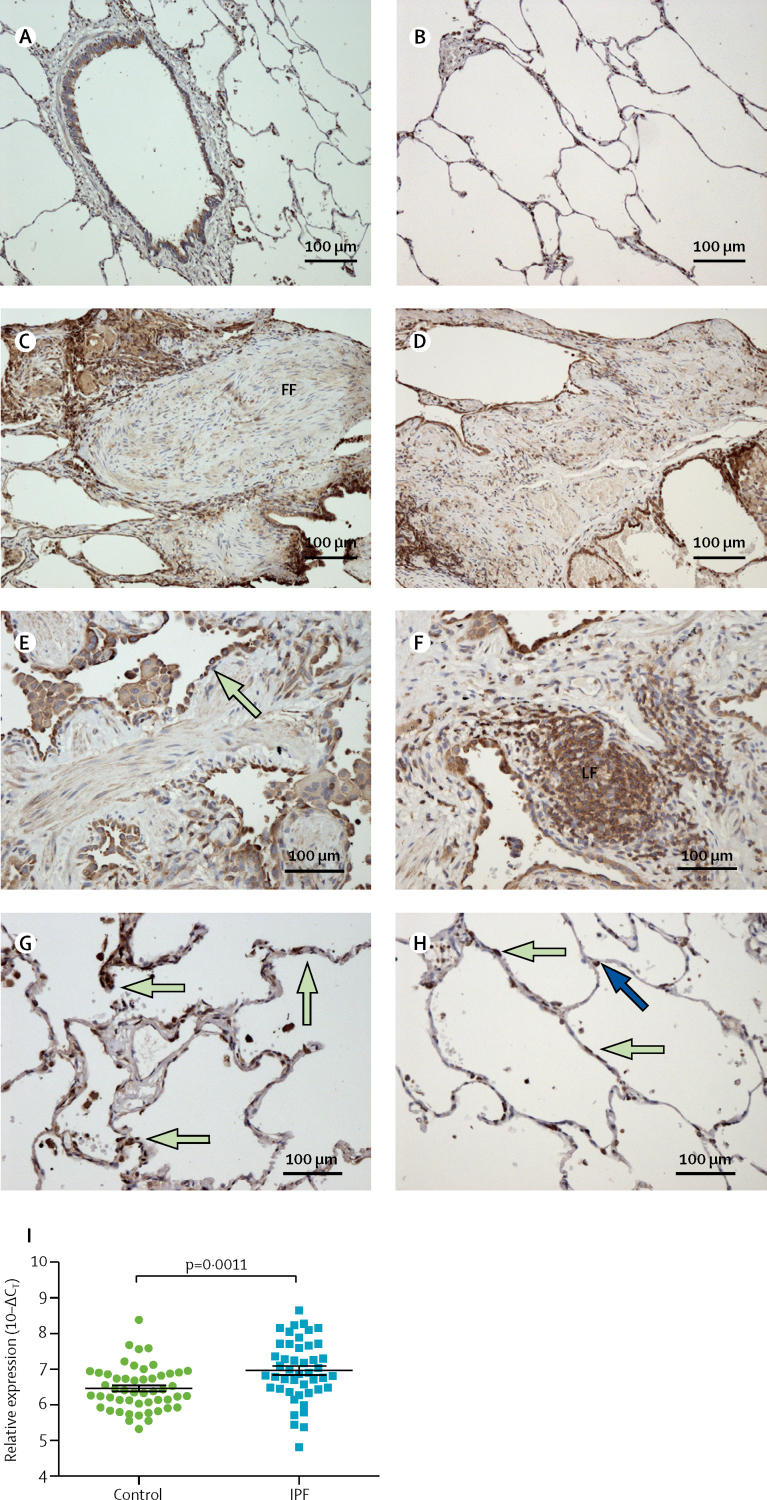
Background Idiopathic pulmonary fibrosis (IPF) is a chronic progressive lung disease with high mortality, uncertain cause, and few treatment options. Studies have identified a significant genetic risk associated with the development of IPF; however, mechanisms by which genetic risk factors promote IPF remain unclear. We aimed to identify genetic variants associated with IPF susceptibility and provide mechanistic insight using gene and protein expression analyses. Methods We used a two-stage approach: a genome-wide association study in patients with IPF of European ancestry recruited from nine different centres in the UK and controls selected from UK Biobank (stage 1) matched for age, sex, and smoking status; and a follow-up of associated genetic variants in independent datasets of patients with IPF and controls from two independent US samples from the Chicago consortium and the Colorado consortium (stage 2). We investigated the effect of novel signals on gene expression in large transcriptomic and genomic data resources, and examined expression using lung tissue samples from patients with IPF and controls. Findings 602 patients with IPF and 3366 controls were selected for stage 1. For stage 2, 2158 patients with IPF and 5195 controls were selected. We identified a novel genome-wide significant signal of association with IPF susceptibility near A-kinase anchoring protein 13 ( AKAP13 ; rs62025270, odds ratio [OR] 1·27 [95% CI 1·18–1·37], p=1·32 × 10 −9 ) and confirmed previously reported signals, including in mucin 5B ( MUC5B ; rs35705950, OR 2·89 [2·56–3·26], p=1·12 × 10 −66 ) and desmoplakin ( DSP ; rs2076295, OR 1·44 [1·35–1·54], p=7·81 × 10 −28 ). For rs62025270, the allele A associated with increased susceptibility to IPF was also associated with increased expression of AKAP13 mRNA in lung tissue from patients who had lung resection procedures (n=1111). We showed that AKAP13 is expressed in the alveolar epithelium and lymphoid follicles from patients with IPF, and AKAP13 mRNA expression was 1·42-times higher in lung tissue from patients with IPF (n=46) than that in lung tissue from controls (n=51). Interpretation AKAP13 is a Rho guanine nucleotide exchange factor regulating activation of RhoA, which is known to be involved in profibrotic signalling pathways. The identification of AKAP13 as a susceptibility gene for IPF increases the prospect of successfully targeting RhoA pathway inhibitors in patients with IPF. Funding UK Medical Research Council, National Heart, Lung, and Blood Institute of the US National Institutes of Health, Agencia Canaria de Investigación, Innovación y Sociedad de la Información, Spain, UK National Institute for Health Research, and the British Lung Foundation.
Overview
The claims and statistics of this paper haven’t been checked yet.
Run the check — free, no account needed. It reads the open-access text and checks the sources it cites.
Integrity signals
Registry
Cites
Statistics
Figures
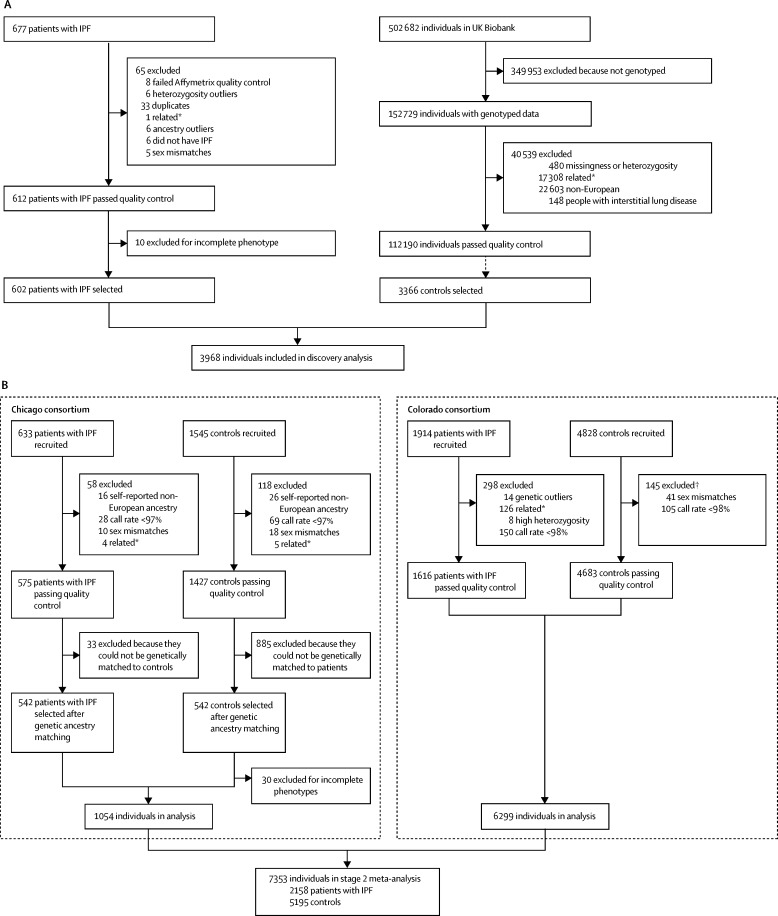
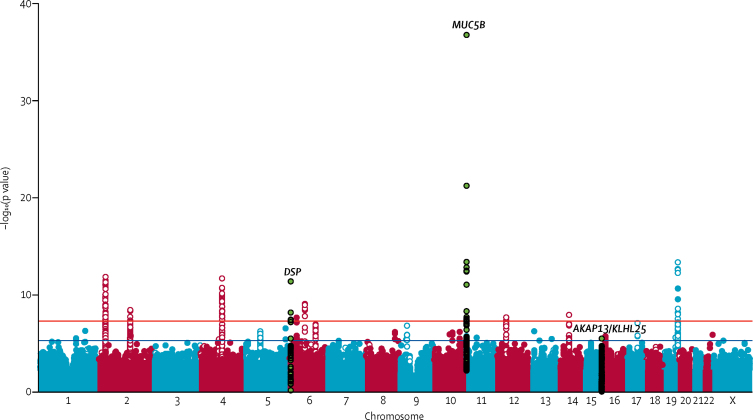
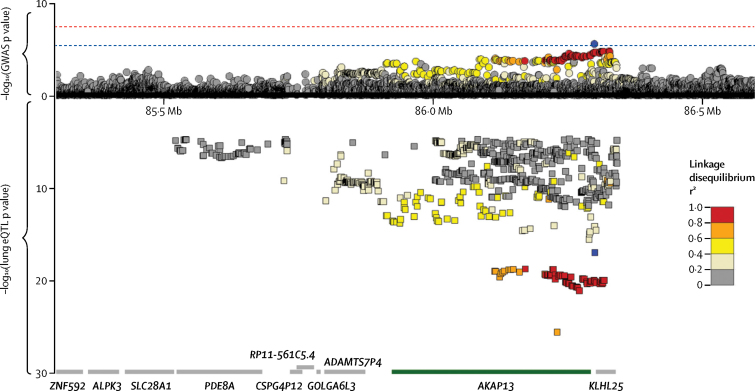
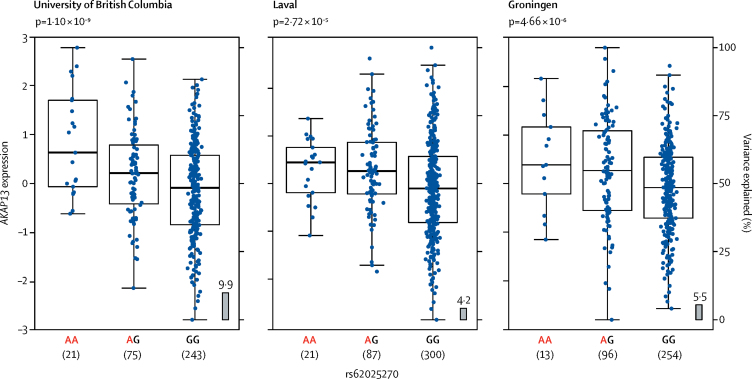
Verification
Claims the paper makes
The claims and statistics of this paper haven’t been checked yet.
Run the check — free, no account needed. It reads the open-access text and checks the sources it cites.
Claims other papers make about this one
Each is checked against this paper’s own text: does it say what the citing paper says it does?
In the citing paper
“In contrast, Axin2+ myofibrogenic progenitor cells preferentially generated pathologically deleterious myofibroblasts following lung injury2.”
From Fibrosis: from mechanisms to medicines (2020) · cites this paper as [2]
In the citing paper
“Each mesenchymal lineage demonstrated a distinct spatial address and transcriptome conferring unique niche regulatory functions.”
From Fibrosis: from mechanisms to medicines (2020) · cites this paper as [2]
Self-check
Percentages, sums and reported differences re-computed from the paper’s own numbers.
The self-check needs the paper’s full text.
Citations
Cites
Raghu, G., Collard, H. R., Egan, J. J., Martinez, F. J., Behr, J., Brown, K. K., Colby, T. V., Cordier, J.-F., Flaherty, K. R., Lasky, J. A., et al. (2011) · American Journal of Respiratory and Critical Care Medicine · doi:10.1164/rccm.2009-040gl · Cited by 7,186
Efficacy and Safety of Nintedanib in Idiopathic Pulmonary Fibrosis
Richeldi, L., du Bois, R. M., Raghu, G., Azuma, A., Brown, K. K., Costabel, U., Cottin, V., Flaherty, K. R., Hansell, D. M., Inoue, Y., et al. (2014) · New England Journal of Medicine · doi:10.1056/nejmoa1402584 · Cited by 4,654
(2002) · American Journal of Respiratory and Critical Care Medicine · doi:10.1164/ajrccm.165.2.ats01 · Cited by 4,196
A phase 3 trial of pirfenidone in patients with idiopathic pulmonary fibrosis.
King, T. E., Bradford, W. Z., Castro-Bernardini, S., Fagan, E. A., Glaspole, I., Glassberg, M. K., Gorina, E., Hopkins, P. M., Kardatzke, D., Lancaster, L., et al. (2014) · New England Journal of Medicine · doi:10.1056/nejmoa1402582 · Cited by 3,975
A reference panel of 64,976 haplotypes for genotype imputation
the Haplotype Reference Consortium (2016) · Nature Genetics · doi:10.1038/ng.3643 · Cited by 2,836
A new multipoint method for genome-wide association studies by imputation of genotypes
Marchini, J., Howie, B., Myers, S., McVean, G., & Donnelly, P. (2007) · Nature Genetics · doi:10.1038/ng2088 · Cited by 2,609
Raghu, G., Rochwerg, B., Zhang, Y., Garcia, C. A. C., Azuma, A., Behr, J., Brozek, J. L., Collard, H. R., Cunningham, W., Homma, S., et al. (2015) · American Journal of Respiratory and Critical Care Medicine · doi:10.1164/rccm.201506-1063st · Cited by 1,916
Clinical course and prediction of survival in idiopathic pulmonary fibrosis
Ley, B., Collard, H. R., & King, T. E. (2011) · American Journal of Respiratory and Critical Care Medicine · doi:10.1164/rccm.201006-0894ci · Cited by 1,765
The support of human genetic evidence for approved drug indications
Nelson, M. R., Tipney, H., Painter, J. L., Shen, J., Nicoletti, P., Shen, Y., Floratos, A., Sham, P. C., Li, M. J., Wang, J., et al. (2015) · Nature Genetics · doi:10.1038/ng.3314 · Cited by 1,666
Genome-wide association study identifies multiple susceptibility loci for pulmonary fibrosis
Fingerlin, T. E., Murphy, E., Zhang, W., Peljto, A. L., Brown, K. K., Steele, M. P., Loyd, J. E., Cosgrove, G. P., Lynch, D., Groshong, S., et al. (2013) · Nature Genetics · doi:10.1038/ng.2609 · Cited by 809
Self-citation
Cited by
Sorted by citations
Diagnosis of Idiopathic Pulmonary Fibrosis. An Official ATS/ERS/JRS/ALAT Clinical Practice Guideline
Raghu, G., Remy-Jardin, M., Myers, J. L., Richeldi, L., Ryerson, C. J., Lederer, D. J., Behr, J., Cottin, V., Danoff, S. K., Morell, F., et al. (2018) · American Journal of Respiratory and Critical Care Medicine · doi:10.1164/rccm.201807-1255st · Cited by 4,103
Lederer, D. J., & Martinez, F. J. (2018) · New England Journal of Medicine · doi:10.1056/nejmra1705751 · Cited by 2,056
Fibrosis: from mechanisms to medicines
Henderson, N. C., Rieder, F., & Wynn, T. A. (2020) · Nature · doi:10.1038/s41586-020-2938-9 · Cited by 1,868
Pathogenic Mechanisms Underlying Idiopathic Pulmonary Fibrosis
Moss, B. J., Ryter, S. W., & Rosas, I. O. (2021) · Annual Review of Pathology Mechanisms of Disease · doi:10.1146/annurev-pathol-042320-030240 · Cited by 852
Shared and distinct mechanisms of fibrosis
Distler, J. H. W., Györfi, A., Ramanujam, M., Whitfield, M. L., Königshoff, M., & Lafyatis, R. (2019) · Nature Reviews Rheumatology · doi:10.1038/s41584-019-0322-7 · Cited by 674
Idiopathic pulmonary fibrosis: Disease mechanisms and drug development
Spagnolo, P., Kropski, J. A., Jones, M. G., Lee, J. S., Rossi, G., Karampitsakos, Τ., Maher, T. M., Tzouvelekis, A., & Ryerson, C. J. (2020) · Pharmacology & Therapeutics · doi:10.1016/j.pharmthera.2020.107798 · Cited by 654
Self-citationHatabu, H., Hunninghake, G. M., Richeldi, L., Brown, K. M., Wells, A. U., Rémy‐Jardin, M., Verschakelen, J., Nicholson, A. G., Beasley, M. B., Christiani, D. C., et al. (2020) · The Lancet Respiratory Medicine · doi:10.1016/s2213-2600(20)30168-5 · Cited by 614
Emerging therapeutic opportunities for integrin inhibitors
Slack, R. J., Macdonald, S. J. F., Roper, J. A., Jenkins, G. R., & Hatley, R. J. D. (2021) · Nature Reviews Drug Discovery · doi:10.1038/s41573-021-00284-4 · Cited by 558
Idiopathic Pulmonary Fibrosis: An Update on Pathogenesis
Mei, Q., Liu, Z., Zuo, H., Yang, Z., & Qu, J. (2022) · Frontiers in Pharmacology · doi:10.3389/fphar.2021.797292 · Cited by 360
Idiopathic pulmonary fibrosis: state of the art for 2023
Podolanczuk, A. J., Thomson, C. C., Remy-Jardin, M., Richeldi, L., Martinez, F. J., Kolb, M., & Raghu, G. (2023) · European Respiratory Journal · doi:10.1183/13993003.00957-2022 · Cited by 359
Genome-wide association study of susceptibility to idiopathic pulmonary fibrosis
Allen, R. J., Guillen-Guio, B., Oldham, J. M., Ma, S.-F., Dressen, A., Paynton, M. L., Kraven, L. M., Obeidat, M., Li, X., Ng, M., et al. (2020) · American Journal of Respiratory and Critical Care Medicine · doi:10.1164/rccm.201905-1017oc · Cited by 329
Self-citationOxidative Stress in Pulmonary Fibrosis
Otoupalova, E., Smith, S., Cheng, G., & Thannickal, V. J. (2020) · Comprehensive physiology · doi:10.1002/cphy.c190017 · Cited by 312
Pulmonary fibrosis: from pathogenesis to clinical decision-making
Koudstaal, T., Funke-Chambour, M., Kreuter, M., Molyneaux, P. L., & Wijsenbeek, M. S. (2023) · Trends in Molecular Medicine · doi:10.1016/j.molmed.2023.08.010 · Cited by 273
Self-citationTherapeutic targets in lung tissue remodelling and fibrosis
Liu, G., Philp, A. M., Corte, T. J., Travis, M. A., Schilter, H. C., Hansbro, N. G., Burns, C. J., Eapen, M. S., Sohal, S. S., Burgess, J. K., et al. (2021) · Pharmacology & Therapeutics · doi:10.1016/j.pharmthera.2021.107839 · Cited by 262
Imperfect wound healing sets the stage for chronic diseases
Martin, P. B., Pardo-Pastor, C., Jenkins, G. R., & Rosenblatt, J. (2024) · Science · doi:10.1126/science.adp2974 · Cited by 262
The leading role of epithelial cells in the pathogenesis of idiopathic pulmonary fibrosis
Selman, M., & Pardo, A. (2019) · Cellular Signalling · doi:10.1016/j.cellsig.2019.109482 · Cited by 236
COVID-19 and pulmonary fibrosis: a potential role for lung epithelial cells and fibroblasts
John, A. E., Joseph, C., Jenkins, G., & Tatler, A. L. (2021) · Immunological Reviews · doi:10.1111/imr.12977 · Cited by 219
Self-citationTime for a change: is idiopathic pulmonary fibrosis still idiopathic and only fibrotic?
Wolters, P. J., Blackwell, T. S., Eickelberg, O., Loyd, J. E., Kaminski, N., Jenkins, G., Maher, T. M., Molina-Molina, M., Noble, P. W., Raghu, G., et al. (2018) · The Lancet Respiratory Medicine · doi:10.1016/s2213-2600(18)30007-9 · Cited by 196
Self-citationPsaila, B., Wang, G., Rodriguez-Meira, A., Li, R., Heuston, E. F., Murphy, L., Yee, D., Hitchcock, I. S., Sousos, N., O’Sullivan, J., et al. (2020) · Molecular Cell · doi:10.1016/j.molcel.2020.04.008 · Cited by 185
Inui, N., Sakai, S., & Kitagawa, M. (2021) · International Journal of Molecular Sciences · doi:10.3390/ijms22116107 · Cited by 169
Sex and Gender Differences in Lung Disease
Silveyra, P., Fuentes, N., & Bauza, D. E. R. (2021) · Advances in experimental medicine and biology · doi:10.1007/978-3-030-68748-9_14 · Cited by 170
Jäger, B., Schupp, J. C., Plappert, L., Terwolbeck, O., Artysh, N., Kayser, G., Engelhard, P., Adams, T. S., Zweigerdt, R., Kempf, H., et al. (2022) · Nature Communications · doi:10.1038/s41467-022-33193-0 · Cited by 144
Idiopathic Pulmonary Fibrosis: Epidemiology, Natural History, Phenotypes
Sauleda, J., Núñez, B., Sala, E., & Soriano, J. B. (2018) · Medical Sciences · doi:10.3390/medsci6040110 · Cited by 145
Air pollutants, genetic susceptibility and risk of incident idiopathic pulmonary fibrosis
Cui, F., Sun, Y., Xie, J., Li, D., Wu, M., Song, L., Hu, Y., & Tian, Y. (2022) · European Respiratory Journal · doi:10.1183/13993003.00777-2022 · Cited by 139
Progress in Understanding and Treating Idiopathic Pulmonary Fibrosis
Kropski, J. A., & Blackwell, T. S. (2019) · Annual Review of Medicine · doi:10.1146/annurev-med-041317-102715 · Cited by 125
Idiopathic pulmonary fibrosis: Molecular mechanisms and potential treatment approaches
Glass, D. S., Grossfeld, D. J., Renna, H. A., Agarwala, P., Spiegler, P. A., Kasselman, L. J., Glass, A. D., DeLeon, J. R., & Reiss, A. B. (2020) · Respiratory Investigation · doi:10.1016/j.resinv.2020.04.002 · Cited by 132
Tobacco Smoking and Risk for Pulmonary Fibrosis
Bellou, V., Belbasis, L., & Εvangelou, Ε. (2021) · CHEST Journal · doi:10.1016/j.chest.2021.04.035 · Cited by 127
Pardo, A., & Selman, M. (2020) · American Journal of Respiratory Cell and Molecular Biology · doi:10.1165/rcmb.2020-0373ps · Cited by 120
Adjustment for index event bias in genome-wide association studies of subsequent events.
Dudbridge, F., Allen, R. J., Sheehan, N. A., Schmidt, A. F., Lee, J. C., Jenkins, R. G., Wain, L. V., Hingorani, A. D., & Patel, R. S. (2019) · Nature Communications · doi:10.1038/s41467-019-09381-w · Cited by 115
Self-citationOverlap of Genetic Risk between Interstitial Lung Abnormalities and Idiopathic Pulmonary Fibrosis
Hobbs, B. D., Putman, R. K., Araki, T., Nishino, M., Guðmundsson, G., Gudnason, V. G., Eiríksdóttir, G., Zilhäo, N. R., Dupuis, J., Xu, H., et al. (2019) · American Journal of Respiratory and Critical Care Medicine · doi:10.1164/rccm.201903-0511oc · Cited by 118
Self-citationPulmonary fibrosis: pathogenesis and therapeutic strategies
Wang, J., Li, K., Hao, D., Li, X., Zhu, Y., Yu, H., & Chen, H. (2024) · MedComm · doi:10.1002/mco2.744 · Cited by 130
Moore, C. M., Blumhagen, R. Z., Yang, I. V., Walts, A. D., Powers, J., Walker, T., Bishop, M. M., Russell, P. H., Vestal, B. E., Cardwell, J., et al. (2019) · American Journal of Respiratory and Critical Care Medicine · doi:10.1164/rccm.201810-1891oc · Cited by 115
Self-citationMesenchymal stem cells in fibrotic diseases—the two sides of the same coin
Qin, L., Liu, N., Bao, C.-L.-M., Yang, D.-Z., Ma, G.-X., Yi, W.-H., Xiao, G.-Z., & Cao, H.-L. (2023) · Acta Pharmacologica Sinica · doi:10.1038/s41401-022-00952-0 · Cited by 114
Althobiani, M. A., Russell, A., Jacob, J., Ranjan, Y., Folarin, A., Hurst, J. R., & Porter, J. C. (2024) · Frontiers in Medicine · doi:10.3389/fmed.2024.1296890 · Cited by 127
The interplay of DAMPs, TLR4, and proinflammatory cytokines in pulmonary fibrosis
Bolourani, S., Brenner, M., & Wang, P. (2021) · Journal of Molecular Medicine · doi:10.1007/s00109-021-02113-y · Cited by 115
Fibrosis: cross-organ biology and pathways to development of innovative drugs
Rieder, F., Nagy, L. E., Maher, T. M., Distler, J. H. W., Kramann, R., Hinz, B., & Prunotto, M. (2025) · Nature Reviews Drug Discovery · doi:10.1038/s41573-025-01158-9 · Cited by 134
Self-citationIdiopathic pulmonary fibrosis.
Koudstaal, T., & Wijsenbeek, M. S. (2023) · La Presse Médicale · doi:10.1016/j.lpm.2023.104166 · Cited by 105
Beyond epithelial damage: vascular and endothelial contributions to idiopathic pulmonary fibrosis
May, J. M., Mitchell, J. A., & Jenkins, G. R. (2023) · Journal of Clinical Investigation · doi:10.1172/jci172058 · Cited by 110
Molecular Mechanisms and Cellular Contribution from Lung Fibrosis to Lung Cancer Development
Samarelli, A. V., Masciale, V., Aramini, B., Coló, G. P., Tonelli, R., Marchioni, A., Bruzzi, G., Gozzi, F., Andrisani, D., Castaniere, I., et al. (2021) · International Journal of Molecular Sciences · doi:10.3390/ijms222212179 · Cited by 94
The Role of TGF-β Signaling in Lung Cancer Associated with Idiopathic Pulmonary Fibrosis
Saito, A., Horie, M., Micke, P., & Nagase, T. (2018) · International Journal of Molecular Sciences · doi:10.3390/ijms19113611 · Cited by 94
Moore, C. M., Jacobson, S. A., & Fingerlin, T. E. (2019) · Human Heredity · doi:10.1159/000508558 · Cited by 84
Self-citationEmerging role of immune cells as drivers of pulmonary fibrosis
Mutsaers, S. E., Miles, T., Prêle, C. M., & Hoyne, G. F. (2023) · Pharmacology & Therapeutics · doi:10.1016/j.pharmthera.2023.108562 · Cited by 89
Abramson, M. J., Murambadoro, T., Alif, S. M., Benke, G., Dharmage, S. C., Glaspole, I., Hopkins, P. M.-A., Hoy, R. F., Klebe, S., Moodley, Y. P., et al. (2020) · Thorax · doi:10.1136/thoraxjnl-2019-214478 · Cited by 81
Kam, M. L. W., Nguyen, T. T. T., & Ngeow, J. Y. Y. (2021) · npj Genomic Medicine · doi:10.1038/s41525-021-00198-5 · Cited by 84
Idiopathic Pulmonary Fibrosis Is Associated with Common Genetic Variants and Limited Rare Variants
Peljto, A. L., Blumhagen, R. Z., Walts, A. D., Cardwell, J., Powers, J., Corte, T. J., Dickinson, J. L., Glaspole, I., Moodley, Y. P., Vašáková, M., et al. (2023) · American Journal of Respiratory and Critical Care Medicine · doi:10.1164/rccm.202207-1331oc · Cited by 85
Self-citationPost-intubation subglottic stenosis: aetiology at the cellular and molecular level
Dorris, E., Russell, J., & Murphy, M. (2021) · European Respiratory Review · doi:10.1183/16000617.0218-2020 · Cited by 91
Emerging drug delivery strategies for idiopathic pulmonary fibrosis treatment
Ghumman, M., Dhamecha, D. L., Gonsalves, A., Fortier, L., Sorkhdini, P., Zhou, Y., & Menon, J. U. (2021) · European Journal of Pharmaceutics and Biopharmaceutics · doi:10.1016/j.ejpb.2021.03.017 · Cited by 79
Mesenchymal Stem Cells for the Treatment of Idiopathic Pulmonary Fibrosis
Tzouvelekis, A., Toonkel, R. L., Karampitsakos, Τ., Medapalli, K., Ninou, I., Aidinis, V., Bouros, D. E., & Glassberg, M. K. (2018) · Frontiers in Medicine · doi:10.3389/fmed.2018.00142 · Cited by 78
Bowman, W. S., Echt, G., & Oldham, J. M. (2021) · Frontiers in Medicine · doi:10.3389/fmed.2021.680997 · Cited by 81
Self-citationMa, H., Wu, X., Li, Y., & Xia, Y. (2022) · Frontiers in Pharmacology · doi:10.3389/fphar.2022.963054 · Cited by 79
Invernizzi, R., Barnett, J. L., Rawal, B., Nair, A., Ghai, P., Kingston, S., Chua, F., Wu, Z., Wells, A. U., Renzoni, E., et al. (2020) · European Respiratory Journal · doi:10.1183/13993003.01519-2019 · Cited by 74
Self-citationAdegunsoye, A., Kropski, J. A., Behr, J., Blackwell, T. S., Corte, T. J., Cottin, V., Glanville, A. R., Glassberg, M. K., Griese, M., Hunninghake, G. M., et al. (2024) · American Journal of Respiratory and Critical Care Medicine · doi:10.1164/rccm.202401-0238so · Cited by 82
Self-citationIntegrating Genomics Into Management of Fibrotic Interstitial Lung Disease
Adegunsoye, A., Vij, R., & Noth, I. (2019) · CHEST Journal · doi:10.1016/j.chest.2018.12.011 · Cited by 74
Self-citationMatson, S. M., Lee, J. S., & Eickelberg, O. (2020) · European Respiratory Journal · doi:10.1183/13993003.02533-2020 · Cited by 71
Emerging Roles of Airway Epithelial Cells in Idiopathic Pulmonary Fibrosis
Chakraborty, A., Mastalerz, M., Ansari, M., Schiller, H. B., & Staab-Weijnitz, C. A. (2022) · Cells · doi:10.3390/cells11061050 · Cited by 68
Allen, R. J., Oldham, J. M., Jenkins, D. A., Leavy, O. C., Guillén‐Guío, B., Melbourne, C., Ma, S., Jou, J., Kim, J. S., CleanUP-IPF Investigators of the Pulmonary Trials Cooperative, et al. (2022) · The Lancet Respiratory Medicine · doi:10.1016/s2213-2600(22)00251-x · Cited by 70
Self-citationEnvironmental Causes of Idiopathic Pulmonary Fibrosis
Gandhi, S. A., Tonelli, R., Murray, M., Samarelli, A. V., & Spagnolo, P. (2023) · International Journal of Molecular Sciences · doi:10.3390/ijms242216481 · Cited by 69
Reynolds, C., Fabiola Del Greco, M., Allen, R. J., Flores, C., Jenkins, G. R., Maher, T. M., Molyneaux, P. L., Noth, I., Oldham, J. M., Wain, L. V., et al. (2023) · European Respiratory Journal · doi:10.1183/13993003.01585-2022 · Cited by 69
Self-citationThe genetics of interstitial lung diseases
Borie, R., Guen, P. L., Ghanem, M., Taillé, C., Dupin, C., Dieudé, P., Kannengiesser, C., & Crestani, B. (2019) · European Respiratory Review · doi:10.1183/16000617.0053-2019 · Cited by 75
Cutting, C. C., Bowman, W. S., Đao, N. H., Pugashetti, J. V., Garcia, C. K., Oldham, J. M., & Newton, C. A. (2021) · CHEST Journal · doi:10.1016/j.chest.2021.01.026 · Cited by 65
Self-citationPartanen, J., Häppölä, P., Zhou, W., Lehistö, A., Ainola, M., Sutinen, E., Allen, R. J., Stockwell, A., Leavy, O. C., Oldham, J. M., et al. (2022) · Cell Genomics · doi:10.1016/j.xgen.2022.100181 · Cited by 63
Self-citationIdiopathic pulmonary fibrosis and diabetes mellitus: a meta-analysis and systematic review
Bai, L., Li, Z., Pan, T., Wang, W., Wang, D., Turner, C., Zhou, X., & He, H. (2021) · Respiratory Research · doi:10.1186/s12931-021-01760-6 · Cited by 55
Fibrosis: Lessons from OMICS analyses of the human lung
Yu, G., Ibarra, G. H., & Kaminski, N. (2018) · Matrix Biology · doi:10.1016/j.matbio.2018.03.014 · Cited by 52
What have we learned from basic science studies on idiopathic pulmonary fibrosis?
Yanagihara, T., Sato, S., Upagupta, C., & Kolb, M. R. J. (2019) · European Respiratory Review · doi:10.1183/16000617.0029-2019 · Cited by 54
Palomäki, A., Palotie, A. V., Koskela, J. T., Eklund, K. K., Pirinen, M., Ripatti, S., Laitinen, T., & Mars, N. (2021) · Annals of the Rheumatic Diseases · doi:10.1136/annrheumdis-2021-220698 · Cited by 52
Lee, J. S., La, J. L., Aziz, S., Dobrinskikh, E., Brownell, R., Jones, K. D., Achtar‐Zadeh, N., Green, G., Elicker, B. M., Golden, J. A., et al. (2021) · Histopathology · doi:10.1111/his.14334 · Cited by 52
Self-citationReversing Mechanoinductive DSP Expression by CRISPR/dCas9–mediated Epigenome Editing
Qu, J. T., Zhu, L., Zhou, Z., Chen, P., Liu, S., Locy, M. L., Thannickal, V. J., & Zhou, Y. (2018) · American Journal of Respiratory and Critical Care Medicine · doi:10.1164/rccm.201711-2242oc · Cited by 51
Extracellular Matrix Stiffness in Lung Health and Disease
Guo, T., He, C., Venado, A. E., & Zhou, Y. (2022) · Comprehensive physiology · doi:10.1002/cphy.c210032 · Cited by 104
Hao, Y. T., Bates, S., Mou, H., Yun, J. H., Pham, B., Liu, J., Qiu, W., Guo, F., Morrow, J. D., Hersh, C. P., et al. (2020) · American Journal of Respiratory and Critical Care Medicine · doi:10.1164/rccm.201910-1958oc · Cited by 47
Borie, R., Cardwell, J., Konigsberg, I. R., Moore, C. M., Zhang, W. E., Sasse, S. K., Gally, F., Dobrinskikh, E., Walts, A. D., Powers, J., et al. (2022) · American Journal of Respiratory and Critical Care Medicine · doi:10.1164/rccm.202110-2308oc · Cited by 45
Self-citationTrethewey, S. P., & Walters, G. I. (2018) · Medicina · doi:10.3390/medicina54060108 · Cited by 49
KLF4 regulates TERT expression in alveolar epithelial cells in pulmonary fibrosis
Wang, H., Xu, H., Lyu, W., Xu, Q., Fan, S., Chen, H., Wang, D., Chen, J., & Dai, J. (2022) · Cell Death and Disease · doi:10.1038/s41419-022-04886-7 · Cited by 46
Transcriptome analysis of IPF fibroblastic foci identifies key pathways involved in fibrogenesis
Guillotin, D., Taylor, A. R., Platé, M., Mercer, P. F., Edwards, L. M., Haggart, R. D., Miele, G., McAnulty, R. J., Maher, T. M., Hynds, R. E., et al. (2020) · Thorax · doi:10.1136/thoraxjnl-2020-214902 · Cited by 43
Self-citationVagapova, E. R., Lebedev, T. D., & Prassolov, V. (2021) · Scientific Reports · doi:10.1038/s41598-021-90701-w · Cited by 43
Incidence and Progression of Fibrotic Lung Disease in an At-Risk Cohort
Steele, M. P., Peljto, A. L., Mathai, S. K., Humphries, S. M., Bang, T. J., Oh, A. S., Teague, S. D., Cicchetti, G., Sigakis, C. J. G., Kropski, J. A., et al. (2022) · American Journal of Respiratory and Critical Care Medicine · doi:10.1164/rccm.202206-1075oc · Cited by 43
Self-citationPCSK6 and Survival in Idiopathic Pulmonary Fibrosis
Oldham, J. M., Allen, R. J., Lorenzo-Salazar, J. M., Molyneaux, P. L., Ma, S., Joseph, C., Kim, J. S., Guillén‐Guío, B., Hernández-Beeftink, T., Kropski, J. A., et al. (2023) · American Journal of Respiratory and Critical Care Medicine · doi:10.1164/rccm.202205-0845oc · Cited by 42
Self-citationToll-Interacting Protein in Pulmonary Diseases. Abiding by the Goldilocks Principle
Li, X., Goobie, G. C., Gregory, A. D., Kass, D. J., & Zhang, Y. (2020) · American Journal of Respiratory Cell and Molecular Biology · doi:10.1165/rcmb.2020-0470tr · Cited by 40
Lung Microenvironments and Disease Progression in Fibrotic Hypersensitivity Pneumonitis
Sadeleer, L. J. D., McDonough, J. E., Schupp, J. C., Yan, X., Vanstapel, A., Herck, A. V., Everaerts, S., Geudens, V., Sacreas, A., Goos, T., et al. (2021) · American Journal of Respiratory and Critical Care Medicine · doi:10.1164/rccm.202103-0569oc · Cited by 40
Zhang, Y., Zhao, M., Guo, P., Wang, Y., Liu, L., Zhao, J., Gao, L., Yuan, Z., Xue, F., & Zhao, J. (2021) · EBioMedicine · doi:10.1016/j.ebiom.2021.103669 · Cited by 40
Trade-offs in aging lung diseases
van Moorsel, C. H. M. (2018) · Current Opinion in Pulmonary Medicine · doi:10.1097/mcp.0000000000000476 · Cited by 40
Urinary exosomes derived circRNAs as biomarkers for chronic renal fibrosis
Cao, Y., Shi, Y., Yang, Y., Wu, Z., Peng, N., Xiao, J., Dou, F., Xu, J., Pei, W., Fu, C., et al. (2022) · Annals of Medicine · doi:10.1080/07853890.2022.2098374 · Cited by 38
Genomics and the Acute Respiratory Distress Syndrome: Current and Future Directions
Hernández-Beeftink, T., Guillén‐Guío, B., Villar, J., & Flores, C. (2019) · International Journal of Molecular Sciences · doi:10.3390/ijms20164004 · Cited by 37
Self-citationLeavy, O. C., Ma, S., Molyneaux, P. L., Maher, T. M., Oldham, J. M., Flores, C., Noth, I., Jenkins, G. R., Dudbridge, F., Wain, L. V., et al. (2020) · American Journal of Respiratory and Critical Care Medicine · doi:10.1164/rccm.202008-3211le · Cited by 38
Self-citationExisting and emerging biomarkers for disease progression in idiopathic pulmonary fibrosis
Inchingolo, R., Varone, F., Sgalla, G., & Richeldi, L. (2018) · Expert Review of Respiratory Medicine · doi:10.1080/17476348.2019.1553620 · Cited by 37
Mattoo, H., & Pillai, S. S. (2021) · Cellular and Molecular Life Sciences · doi:10.1007/s00018-021-03874-y · Cited by 38
Transcriptomic and Epigenetic Profiling of Fibroblasts in Idiopathic Pulmonary Fibrosis
Hanmandlu, A., Zhu, L., Mertens, T. C. J., Collum, S., Bi, W., Xiong, F., Wang, R., Amirthalingam, R. T., Ren, D., Han, L., et al. (2021) · American Journal of Respiratory Cell and Molecular Biology · doi:10.1165/rcmb.2020-0437oc · Cited by 37
Progressive lung fibrosis: reprogramming a genetically vulnerable bronchoalveolar epithelium
Bridges, J. P., Vladar, E. K., Kurche, J. S., Krivoi, A., Stancil, I. T., Dobrinskikh, E., Hu, Y., Sasse, S. K., Lee, J. S., Blumhagen, R. Z., et al. (2025) · Journal of Clinical Investigation · doi:10.1172/jci183836 · Cited by 41
Self-citationWang, L., Liu, H., He, Q., Gan, C., Li, Y., Zhang, Q., Yao, Y., He, F., Ye, T., & Yin, W. (2020) · Bioorganic & Medicinal Chemistry · doi:10.1016/j.bmc.2020.115663 · Cited by 35
Crișan-Dabija, R. A., Pavel, C.-A., Popa, I. V., Țăruș, A., & Burlacu, A. (2020) · Journal of Proteome Research · doi:10.1021/acs.jproteome.0c00387 · Cited by 36
Clinical implications of telomere dysfunction in lung fibrosis
Molina‐Molina, M., & Borie, R. (2018) · Current Opinion in Pulmonary Medicine · doi:10.1097/mcp.0000000000000506 · Cited by 37
Genomics of Human Fibrotic Diseases: Disordered Wound Healing Response
Stone, R. C., Chen, V., Burgess, J. L., Pannu, S., & Tomic‐Canic, M. (2020) · International Journal of Molecular Sciences · doi:10.3390/ijms21228590 · Cited by 35
Idiopathic pulmonary fibrosis and the role of genetics in the era of precision medicine
Alonso-González, A., Tosco-Herrera, E., Molina‐Molina, M., & Flores, C. (2023) · Frontiers in Medicine · doi:10.3389/fmed.2023.1152211 · Cited by 36
Self-citationDissecting the Role of Mesenchymal Stem Cells in Idiopathic Pulmonary Fibrosis: Cause or Solution
Samarelli, A. V., Tonelli, R., Heijink, I. H., Medina, A. M., Marchioni, A., Bruzzi, G., Castaniere, I., Andrisani, D., Gozzi, F., Manicardi, L., et al. (2021) · Frontiers in Pharmacology · doi:10.3389/fphar.2021.692551 · Cited by 34
Antifibrotic effects of sodium-glucose cotransporter-2 inhibitors: A comprehensive review
Shakour, N., Karami, S., Iranshahi, M., Butler, A. E., & Sahebkar, A. (2023) · Diabetes & Metabolic Syndrome Clinical Research & Reviews · doi:10.1016/j.dsx.2023.102934 · Cited by 32
Federal clinical guidelines on diagnosis and treatment of idiopathic pulmonary fibrosis
Avdeev, S. N., Айсанов, З. Р., Belevskiy, А. S., Ilkovich, M. M., Коган, Е. А., Мержоева, З. М., Petrov, D., Samsonova, M. V., Terpigorev, S. A., Трушенко, Н. В., et al. (2022) · PULMONOLOGIYA · doi:10.18093/0869-0189-2022-32-3-473-495 · Cited by 31
Mendoza-Álvarez, A., Guillén‐Guío, B., Baez‐Ortega, A., Hernandez-Perez, C., Lakhwani-Lakhwani, S., Maeso, M.-D.-C., Lorenzo-Salazar, J. M., Morales, M., & Flores, C. (2019) · Frontiers in Genetics · doi:10.3389/fgene.2019.00439 · Cited by 30
Self-citationNovel idiopathic pulmonary fibrosis susceptibility variants revealed by deep sequencing
Lorenzo-Salazar, J. M., Ma, S., Jou, J., Hou, P., Guillén‐Guío, B., Allen, R. J., Jenkins, G. R., Wain, L. V., Oldham, J. M., Noth, I., et al. (2019) · ERJ Open Research · doi:10.1183/23120541.00071-2019 · Cited by 31
Self-citationRuwisch, J., Sehlmeyer, K., Roldán, N., García‐Álvarez, B., Pérez‐Gil, J., Weaver, T. E., Ochs, M., Knudsen, L., & López-Rodríguez, E. (2020) · American Journal of Respiratory Cell and Molecular Biology · doi:10.1165/rcmb.2019-0358oc · Cited by 30
Svensson, F. R., Lang, T., Johansson, M., & Hansson, G. C. (2018) · Scientific Reports · doi:10.1038/s41598-018-35499-w · Cited by 30
2018 Clinical Practice Guideline Summary for Clinicians: Diagnosis of Idiopathic Pulmonary Fibrosis
Thomson, C. C., Duggal, A., Bice, T. J., Lederer, D. J., Wilson, K. C., & Raghu, G. (2018) · Annals of the American Thoracic Society · doi:10.1513/annalsats.201809-604cme · Cited by 30
Metadata
- Authors
- Allen, R. J., Porte, J., Braybrooke, R., Flores, C., Fingerlin, T. E., Oldham, J. M., Guillen-Guio, B., Ma, S.-F., Okamoto, T., John, A. E., Obeidat, M., Yang, I. V., Henry, A., Hubbard, R. B., Navaratnam, V., Saini, G., Thompson, N., Booth, H. L., Hart, S. P., Hill, M. R., Hirani, N., Maher, T. M., McAnulty, R. J., Millar, A. B., Molyneaux, P. L., Parfrey, H., Rassl, D. M., Whyte, M. K. B., Fahy, W. A., Marshall, R. P., Oballa, E., Bossé, Y., Nickle, D. C., Sin, D. D., Timens, W., Shrine, N., Sayers, I., Hall, I. P., Noth, I., Schwartz, D. A., Tobin, M. D., Wain, L. V., & Jenkins, R. G.
- Affiliations
- University of Leicester (GB)
- University of Nottingham (GB)
- Universidad de La Laguna (ES)
- National Jewish Health (US)
- University of California, Davis (US)
- University of Chicago (US)
- University of Colorado Denver (US)
- University of British Columbia (CA)
- University College Hospital (GB)
- Hull York Medical School (GB)
- University of Oxford (GB)
- Centre for Inflammation Research (GB)
- National Institute for Health and Care Research (GB)
- University College London (GB)
- University of Bristol (GB)
- Royal Papworth Hospital (GB)
- GlaxoSmithKline (United Kingdom) (GB)
- Institut universitaire de cardiologie et de pneumologie de Québec (CA)
- Merck & Co., Inc., Rahway, NJ, USA (United States) (US)
- University Medical Center Groningen (NL)
- Corresponding author
- Wain, Louise V
- ORCID
- Allen, Richard J
- Porte, Joanne
- Braybrooke, Rebecca
- Flores, Carlos
- Fingerlin, Tasha E
- Oldham, Justin M
- Ma, Shwu-Fan
- Okamoto, Tsukasa
- John, Alison E
- Obeidat, Ma'en
- Yang, Ivana V
- Henry, Amanda
- Hubbard, Richard B
- Navaratnam, Vidya
- Saini, Gauri
- Hart, Simon P
- Hirani, Nik
- Maher, Toby M
- McAnulty, Robin J
- Molyneaux, Philip L
- Parfrey, Helen
- Rassl, Doris M
- Whyte, Moira K B
- Fahy, William A
- Marshall, Richard P
- Bossé, Yohan
- Nickle, David C
- Sin, Don D
- Timens, Wim
- Shrine, Nick
- Sayers, Ian
- Hall, Ian P
- Noth, Imre
- Schwartz, David A
- Tobin, Martin D
- Wain, Louise V
- Venue
- The Lancet Respiratory Medicine
- Publisher
- Elsevier BV
- Published
- 2017-11
- Volume
- 5
- Issue
- 11
- Pages
- 869-880
- ISSN
- 2213-2600 (ISSN-L)
- PMC
- PMC5666208
- OpenAlex
- W2767079004
- Cited by
- 297
- References
- 54
- Citations by year
- 2026: 21 · 2025: 28 · 2024: 24 · 2023: 39 · 2022: 42 · 2021: 40 · 2020: 45 · 2019: 30 · 2018: 25 · 2017: 2
- FWCI
- 23.07
- Type
- journal article
- Language
- en
- Open access
- hybrid
- doi.org
- Locations
- The Lancet Respiratory Medicine (publishedVersion, cc-by)
- PubMed Central (publishedVersion, cc-by)
- PubMed (publishedVersion)
- Edinburgh Research Explorer (University of Edinburgh) (submittedVersion, cc-by)
- Nottingham ePrints (University of Nottingham) (submittedVersion, cc-by)
- UCL Discovery (University College London) (submittedVersion)
- Figshare (submittedVersion, cc-by)
- Leicester Research Archive (University of Leicester) (submittedVersion, cc-by)
- Repository@Nottingham (University of Nottingham) (submittedVersion, cc-by)
- University of Groningen research database (University of Groningen / Centre for Information Technology) (submittedVersion, cc-by)
- Bristol Research (University of Bristol) (submittedVersion, cc-by)
- Spiral (Imperial College London) (submittedVersion, other-oa)
- Funders
- National Heart, Lung, and Blood Institute (P01 HL092870, R01 HL097163)
- National Institute for Health and Care Research
- Medical Research Council Canada (MC_PC_12010)
- Agencia Canaria de Investigación, Innovación y Sociedad de la Información (CS-2013–13–017, TESIS2015010057)
- Topics
- Health Sciences › Medicine › Pulmonary and Respiratory Medicine › Interstitial Lung Diseases and Idiopathic Pulmonary Fibrosis
- Life Sciences › Biochemistry, Genetics and Molecular Biology › Genetics › Genetic Associations and Epidemiology
- Health Sciences › Medicine › Pulmonary and Respiratory Medicine › Occupational and environmental lung diseases
- Keywords
- idiopathic pulmonary fibrosis, genetic susceptibility, AKAP13, MUC5B, DSP, genetic variants, lung gene expression, alveolar epithelium, lymphoid follicles, lung resection, European ancestry, transcriptomics, proteomics, lung proteome
- MeSH terms
- Tertiary Lymphoid Structures, Aged, Europe, Female, Humans, Male, Middle Aged, Proto-Oncogene Proteins, RNA, Messenger, Genetic Variation, Signal Transduction, Minor Histocompatibility Antigens, Case-Control Studies, Genetic Predisposition to Disease, rhoA GTP-Binding Protein, White People, A Kinase Anchor Proteins, Idiopathic Pulmonary Fibrosis, Genome-Wide Association Study, Alveolar Epithelial Cells, Rho Guanine Nucleotide Exchange Factors
About these checks
Registry, retraction, Cites and statistics results are computed, not judged, with one exception: a printed reference that no index lists is read once by a model before it counts as a citation error. Claims are extracted by a model and kept only when their quote appears verbatim in the text; each cited source is then checked, with a model’s help, for whether it says what the claim relies on. Those verdicts can be wrong — read the claim’s quote and the cited source before relying on one.
Statistics and arithmetic are recomputed, not judged.
Confidence bands are shown only for fields calibrated on our annotated test set. None is calibrated yet, so no band is shown.
What counts as a claim ›How we measure confidence ›How we check this ›
Are you an author, or do you see a problem with this page? Request a review
