

Effects of physical exercise on physical function in older adults in residential care: a systematic review and network meta-analysis of randomised controlled trials
Open accessThe DOI matches its Crossref record; 55 of the 55 references it cites were found in a registry or an index.
Abstract
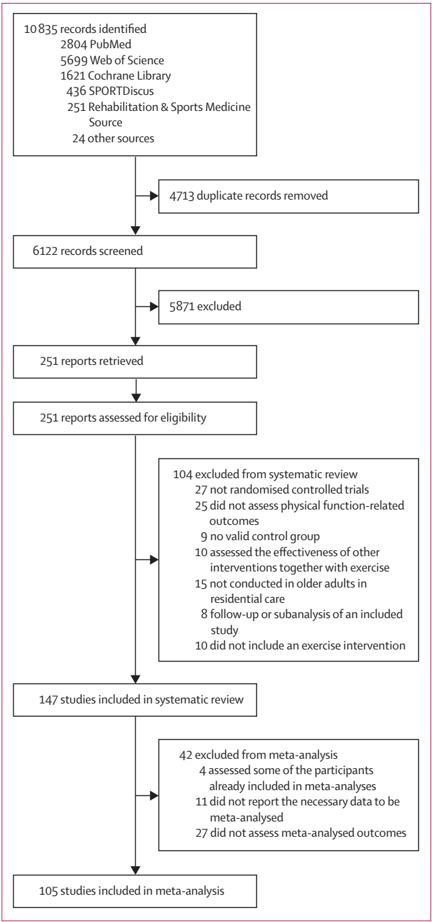
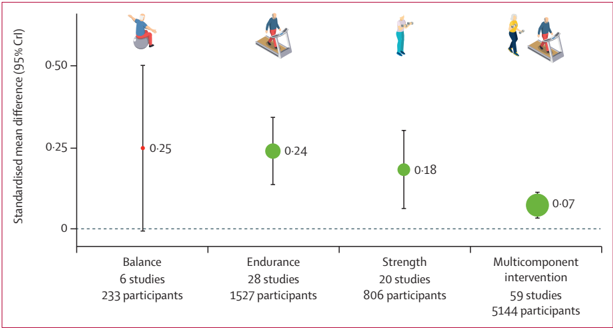
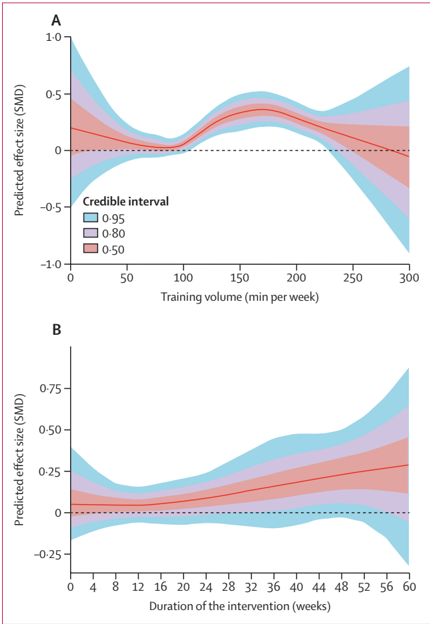
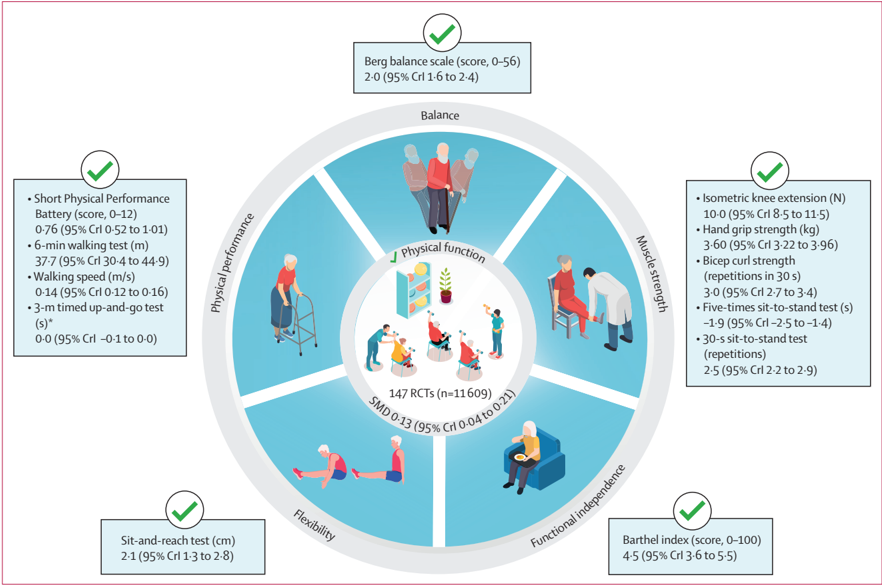
BACKGROUND: Physical exercise is effective at attenuating ageing-related physical decline in general, but evidence of its benefits for older adults in residential care, who often have functional dependency, multimorbidity, and polypharmacy, is inconclusive. We aimed to establish the effects of exercise interventions on the physical function of this population. METHODS: For this systematic review and network meta-analysis, we searched PubMed, Web of Science, Cochrane Library, Rehabilitation & Sports Medicine Source, and SPORTDiscus to identify randomised controlled trials assessing the effects of exercise interventions (vs usual care) on physical function (ie, functional independence, physical performance, and other related measures, such as muscle strength, balance, or flexibility) in adults aged 60 years or older living in residential care. Relevant studies published in English or Spanish up to Jan 12, 2023, were included in the systematic review. The quality of studies was assessed using the Tool for the Assessment of Study Quality and Reporting in Exercise (TESTEX) score. A network meta-analysis was performed for physical function-related outcomes reported in at least ten studies, with subanalyses for specific intervention (ie, exercise type, training volume, and study duration) and participant (eg, having cognitive impairment or dementia, pre-frail or frail status, and being functionally dependent) characteristics. The study protocol was registered on PROSPERO (CRD42021247809). FINDINGS: 147 studies (11 609 participants, with mean ages ranging from 67 years [SD 9] to 92 years [2]) were included in the systematic review, and were rated as having overall good quality (median TESTEX score 9 [range 3-14]). In the meta-analysis (including 105 studies, n=7759 participants), exercise interventions were associated with significantly improved overall physical function, with a standardised mean difference [SMD] of 0·13 (95% credible interval [CrI] 0·04-0·21), which was confirmed in all analysed subpopulations. The strongest association was observed with 110-225 min per week of exercise, and the greatest improvements were observed with 170 min per week (SMD 0·36 [95% CrI 0·20-0·52]). No significant differences were found between exercise types. Subanalyses showed significant improvements for almost all analysed physical function-related outcomes (Barthel index, five-times sit-to-stand test, 30-s sit-to-stand test, knee extension, hand grip strength, bicep curl strength, Short Physical Performance Battery, 6-min walking test, walking speed, Berg balance scale, and sit-and-reach test). Large heterogeneity was found between and within studies in terms of population and intervention characteristics. INTERPRETATION: Exercise interventions are associated with improved physical function in older adults in residential care, and should, therefore, be routinely promoted in long-term care facilities. FUNDING: None. TRANSLATION: For the Spanish translation of the abstract see Supplementary Materials section.
Overview
The claims and statistics of this paper haven’t been checked yet.
Free: it reads the open-access text and checks the first 5 claims that cite a source we can check. Create a free account to check every claim.
Integrity signals
Registry
Cites
Statistics
Figures
Verification
Claims the paper makes
The claims and statistics of this paper haven’t been checked yet.
Free: it reads the open-access text and checks the first 5 claims that cite a source we can check. Create a free account to check every claim.
Claims other papers make about this one
Each is checked against this paper’s own text: does it say what the citing paper says it does?
The source backs part of the claim, not all of it — or backs it for a different population, condition or comparison.
In the citing paper
“The strongest association and improvement were found in exercise interventions with a length of 110-170 min per week, 58 similar to the current study ' s intervention duration.”
From Mixed reality technology for older adults: Evaluating the impact of a novel virtual humanoid coach in a community-based physical exercise program in the Philippines (2024) · cites this paper as [58]
Experimental — accuracy not yet measuredThe source backs part of the claim, not all of it — or backs it for a different population, condition or comparison.
In the citing paper
“On the one hand, a recent systematic review involving 147 studies reported a significant association between exercise interventions and the overall bodily function of older adults from various physical function tests. 58”
From Mixed reality technology for older adults: Evaluating the impact of a novel virtual humanoid coach in a community-based physical exercise program in the Philippines (2024) · cites this paper as [58]
Experimental — accuracy not yet measuredThe cited source says what the claim attributes to it.
In the citing paper
“Key benefits included enhanced functional independence in activities of daily living (as reflected by higher Barthel Index scores) and notable gains in muscle strength, physical performance, balance, and flexibility.”
From Global consensus on optimal exercise recommendations for enhancing healthy longevity in older adults (ICFSR) (2025) · cites this paper as [491]
The cited source says what the claim attributes to it.
In the citing paper
“A more recent systematic review and meta-analysis of randomized controlled trials (including 105 studies, n = 7759 participants) demonstrated that exercise interventions significantly improve overall physical function in older adults living in care facilities.”
From Global consensus on optimal exercise recommendations for enhancing healthy longevity in older adults (ICFSR) (2025) · cites this paper as [491]
The cited source says what the claim attributes to it.
In the citing paper
“Notably, the most consistent improvements were achieved with approximately three hours of exercise per week, with no significant differences observed across various types of exercise [491].”
From Global consensus on optimal exercise recommendations for enhancing healthy longevity in older adults (ICFSR) (2025) · cites this paper as [491]
4 more claims about this paper
Create a free account to see every claim other papers make about this one.
Self-check
Percentages, sums and reported differences re-computed from the paper’s own numbers.
The self-check needs the paper’s full text.
Citations
Cites
The PRISMA 2020 statement: An updated guideline for reporting systematic reviews
Page, M. J., McKenzie, J. E., Bossuyt, P. M., Boutron, I., Hoffmann, T. C., Mulrow, C. D., Shamseer, L., Tetzlaff, J. M., Akl, E. A., Brennan, S. E., et al. (2021) · BMJ · doi:10.1136/bmj.n71 · Cited by 108,283
Sarcopenia: revised European consensus on definition and diagnosis
Cruz-Jentoft, A. J., Bahat, G., Bauer, J., Boirie, Y., Bruyère, O., Cederholm, T., Cooper, C., Landi, F., Rolland, Y., Sayer, A. A., et al. (2019) · Age and Ageing · doi:10.1093/ageing/afy169 · Cited by 13,818
Wan, X., Wang, W., Liu, J., & Tong, T. (2014) · BMC Medical Research Methodology · doi:10.1186/1471-2288-14-135 · Cited by 11,735
Hutton, B., Salanti, G., Caldwell, D. M., Chaimani, A., Schmid, C. H., Cameron, C., Ioannidis, J. P. A., Straus, S., Thorlund, K., Jansen, J. P., et al. (2015) · Annals of Internal Medicine · doi:10.7326/m14-2385 · Cited by 8,269
The PRISMA 2020 statement: an updated guideline for reporting systematic reviews
Page, M. J., McKenzie, J., Bossuyt, P., Boutron, I., Hoffmann, T., mulrow, C., Shamseer, L., Tetzlaff, J., Akl, E., Brennan, S. E., et al. (2020) · doi:10.31222/osf.io/v7gm2_v1 · Cited by 8,090
The PRISMA 2020 statement: an updated guideline for reporting systematic reviews
Page, M. J., McKenzie, J., Bossuyt, P., Boutron, I., Hoffmann, T., mulrow, C., Shamseer, L., Tetzlaff, J., Akl, E., Brennan, S. E., et al. (2020) · doi:10.31222/osf.io/v7gm2 · Cited by 5,177
Sarcopenia: revised European consensus on definition and diagnosis
Cruz-Jentoft, A. J., Bahat, G., Bauer, J., Boirie, Y., Bruyère, O., Cederholm, T., Cooper, C., Landi, F., Rolland, Y., Sayer, A. A., et al. (2019) · Age and Ageing · doi:10.1093/ageing/afz046 · Cited by 3,803
The World report on ageing and health: a policy framework for healthy ageing
Beard, J. R., Officer, A., de Carvalho, I. A., Sadana, R., Pot, A. M., Michel, J.-P., Lloyd-Sherlock, P., Epping-Jordan, J. E., Peeters, G. M. E. E. (., Mahanani, W. R., et al. (2016) · The Lancet · doi:10.1016/s0140-6736(15)00516-4 · Cited by 3,287
Checking consistency in mixed treatment comparison meta-analysis
Dias, S., Welton, N. J., Caldwell, D. M., & Ades, A. E. (2010) · Statistics in Medicine · doi:10.1002/sim.3767 · Cited by 2,521
Meaningful change and responsiveness in common physical performance measures in older adults.
Perera, S., Mody, S. H., Woodman, R. C., & Studenski, S. A. (2006) · Journal of the American Geriatrics Society · doi:10.1111/j.1532-5415.2006.00701.x · Cited by 2,513
Research works printed but not linked: 1
- Cheour S, Cheour C, Bragazzi NL, et al. Dose-response relationship between endurance training prescription variables and increases in aerobic performance of healthy and unhealthy middle and very old individuals aged 70 years and older: a systematic review and meta- analysis of randomized controlled trials. Life (Basel) 2021; 11: 1-11.
Cited by
Izquierdo, M., de Souto Barreto, P., Arai, H., Bischoff-Ferrari, H. A., Cadore, E. L., Cesari, M., Chen, L.-K., Coen, P. M., Courneya, K. S., Duque, G., et al. (2025) · The Journal of nutrition, health and aging · doi:10.1016/j.jnha.2024.100401 · Cited by 273
Sánchez‐Sánchez, J. L., He, L., Morales, J. S., Barreto, P. D. S., Jiménez‐Pavón, D., Carbonell‐Baeza, A., Herrero, Á. C., Gallardo‐Gómez, D., Lucía, A., Cruz, B. D. P., et al. (2024) · The Lancet Healthy Longevity · doi:10.1016/s2666-7568(23)00241-6 · Cited by 128
Self-citationTreatment of Osteoporosis and Osteoarthritis in the Oldest Old
Fuggle, N. R., Laslop, A., Rizzoli, R., Al‐Daghri, N. M., Alokail, M. S., Bałkowiec-Iskra, E., Beaudart, C., Bruyère, O., Bemden, A. B., Burlet, N., et al. (2025) · Drugs · doi:10.1007/s40265-024-02138-w · Cited by 91
“Musculoskeletal ageing, including in the oldest old, is associated with mitochondrial dysfunction, hormonal function, neuromuscular impairment, reduced protein turnover, reduced cardiorespiratory function, impaired myogenic capacity, and an increasingly pro-inflammatory cytokine milieu [144].”
Biomarkers of aging: from molecules and surrogates to physiology and function
Furrer, R., & Handschin, C. (2025) · Physiological Reviews · doi:10.1152/physrev.00045.2024 · Cited by 74
Gerber, M., Cheval, B., Cody, R., Colledge, F., Hohberg, V., Klimentidis, Y. C., Lang, C., Looser, V. N., Ludyga, S., Stults‐Kolehmainen, M., et al. (2025) · Physiological Reviews · doi:10.1152/physrev.00021.2024 · Cited by 73
Mei, J., Ju, C., Wang, B., Gao, R., Zhang, Y., Zhou, S., Liu, E., Zhang, L., Meng, H., Liu, Y., et al. (2024) · Phytomedicine · doi:10.1016/j.phymed.2024.155742 · Cited by 29
Challenges in the prevention, treatment and management of cardiovascular disease among older adults
Townsend, N., Timmis, A., Erglis, A., Miličić, D., Perrone-Filardi, P., Weidinger, F., Guzik, T., & Gale, C. P. (2025) · The Lancet Regional Health - Europe · doi:10.1016/j.lanepe.2025.101372 · Cited by 23
Gutiérrez-Reguero, H., Buendía-Romero, Á., Franco-López, F., Martínez-Cava, A., Hernández-Belmonte, A., Courel-Ibáñez, J., Ara, I., Alcazar, J., & Pallarés, J. G. (2024) · The Journal of nutrition, health and aging · doi:10.1016/j.jnha.2024.100208 · Cited by 22
Ueshima, J., Nagano, F., Wakabayashi, H., Maeda, K., & Arai, H. (2024) · Archives of Gerontology and Geriatrics · doi:10.1016/j.archger.2024.105628 · Cited by 22
Wu, S., Guo, Y., Cao, Z., Nan, J., Zhang, Q., Hu, M., Ning, H., Huang, W., Xiao, L. D., & Feng, H. (2024) · Archives of Gerontology and Geriatrics · doi:10.1016/j.archger.2024.105470 · Cited by 21
Čurović, I. (2025) · Frontiers in Physiology · doi:10.3389/fphys.2025.1549609 · Cited by 26
Sadaqa, M., Debes, W. A., Németh, Z., Bera-Baka, Z., Vachtler-Szepesi, M., Földes, L. N., Prémusz, V., & Hock, M. (2024) · Journal of Clinical Medicine · doi:10.3390/jcm13061577 · Cited by 39
“…mobility, and balance, as well as reducing falls for community-dwelling older people, is continuously being investigated and updated in the literature, and findings are substantially consistent [24–27]; however, the studies on LTCF residents are relatively contradictory and inconclusive [7,28–45].”
BackgroundResultTerada, T., Pap, R., Thomas, A., Wei, R., Noda, T., Visintini, S. M., & Reed, J. L. (2024) · British Journal of Sports Medicine · doi:10.1136/bjsports-2024-108530 · Cited by 24
“49 Two of five reviewers (TT, AT, RW, TN and RP) independently scored each domain.”
Wollesen, B., Herden, M., Lamberti, N., & Giannaki, C. D. (2024) · European Review of Aging and Physical Activity · doi:10.1186/s11556-024-00337-8 · Cited by 23
Hirt, J., Vetsch, J., Weissenfels, I., & Heinrich, S. (2024) · International Journal of Nursing Studies · doi:10.1016/j.ijnurstu.2024.104756 · Cited by 23
Forsyth, F., Soh, C. L., Elks, N., Lin, H., Bailey, K., Rowbotham, S. J., Mant, J., Hartley, P., & Deaton, C. (2024) · The Journal of Frailty & Aging · doi:10.14283/jfa.2024.28 · Cited by 18
“An appraisal of these reviews indicates that multi-component interventions are often grouped together as a sub-category (multimodal (1), multi-component (2), multi-component or combined interventions (15), exercise rehabilitation (17)); with little consideration of within-category heterogeneity.”
Fiorito, G., Tosti, V., Polidoro, S., Bertozzi, B., Veronese, N., Cava, E., Spelta, F., Piccio, L. M., Early, D. S., Raftery, D., et al. (2024) · Aging Cell · doi:10.1111/acel.14442 · Cited by 16
Associations between malnutrition and physical performance, sarcopenia, and frailty in older adults
Coelho‐Júnior, H. J., Álvarez‐Bustos, A., Russo, A., Rodríguez‐Mañas, L., Landi, F., & Marzetti, E. (2025) · BMC Geriatrics · doi:10.1186/s12877-025-06274-0 · Cited by 14
“In particular, exercise training seems to be instrumental in improving sarcopenia parameters in older adults [54], even in those with severe clinical conditions [55].”
Fan, L., Zhao, J., Wang, J., Xin Zhou, B. E., Wang, X., Liu, S., Wang, F., Wei, Q., & Lin, T. (2025) · The Journals of Gerontology Series A · doi:10.1093/gerona/glaf158 · Cited by 14
García-Alonso, A., González, J. L. S., Navarro‐López, V., Sánchez, R. M., & Polo-Ferrero, L. (2025) · Nutrients · doi:10.3390/nu17223624 · Cited by 10
“Regular and progressive activation of skeletal muscles through structured RT enhances neuromuscular efficiency, contractile function, and independence in activities of daily living [21,22].”
Martínez-Montas, G. F., Sanz-Matesanz, M., Sillero, J. D. D. B., & Martínez-Aranda, L. M. (2025) · Healthcare · doi:10.3390/healthcare13030276 · Cited by 18
“Exercise-based programmes can preserve and enhance muscle mass, strength, and power in institutionalised older adults, improving their quality of life, functionality, and independence [30,31].”
Effects of temperature anomaly on health: A perspective from individual adaptation
Hou, X., & Zhang, X. (2023) · Structural Change and Economic Dynamics · doi:10.1016/j.strueco.2023.10.007 · Cited by 12
Ageing attenuates exercise‐enhanced motor cortical plasticity
Curtin, D., Cadwallader, C. J., Taylor, E. M., Andrews, S. C., Stout, J. C., Hendrikse, J. J., Chong, T. T. ‐., & Coxon, J. P. (2023) · The Journal of Physiology · doi:10.1113/jp285243 · Cited by 16
Coelho‐Júnior, H. J., Araújo, E. M., Uchida, M. C., Marzetti, E., & Aguiar, S. D. S. (2024) · Archives of Gerontology and Geriatrics · doi:10.1016/j.archger.2024.105353 · Cited by 11
Dalamitros, A. A., Toupektsi, E., Alexiou, P., Nousiou, S., Clemente‐Suárez, V. J., Tornero-Aguilera, J. F., & Tsalis, G. A. (2024) · Healthcare · doi:10.3390/healthcare12020221 · Cited by 13
“…the effectiveness of land-based exercises (LBE) (i.e., involving activities conducted on solid ground) in improving physical fitness measures [3] including improvements in muscle strength [4], cardiorespiratory fitness [5], bone health [6], balance [7], flexibility [8], body composition [9],…”
BackgroundRodríguez-Rodríguez, S., Oviedo, G. R., López-de–Celis, C., Bosch, J., Jovell, E., Pérez‐Bellmunt, A., Cuadra-Llopart, L., & Rodríguez‐Sanz, J. (2025) · Life · doi:10.3390/life15030412 · Cited by 9
“…different studies have studied the post-effects of different physical activity interventions in institutionalized older adults on health parameters [17–19], most of these studies have employed experimental or longitudinal designs, focusing on specific interventions and their effects over time, but…”
Prävention und Gesundheitsförderung im und für das Alter stärken
Gellert, P. R., Brandenburg, H., Franke, A., Kessler, E., Krupp, S., Pantel, J., Schramek, R., Simm, A., Swoboda, W. J., Wurm, S., et al. (2023) · Zeitschrift für Gerontologie und Geriatrie · doi:10.1007/s00391-023-02262-4 · Cited by 10
Cano-Montoya, J., Rojas-Vargas, M., Vargas, S. B., Vergara, C. N., Martínez-Huenchullán, S., Gallegos, F., Álvarez, C., & Izquierdo, M. (2025) · BMC Sports Science Medicine and Rehabilitation · doi:10.1186/s13102-025-01119-0 · Cited by 12
“Physical exercise is known to enhance various aspects of PF, including body composition [9], muscle strength [10], and cardiorespiratory fitness [11], particularly in older adults [12].”
Edwards, J. J., Jalaludeen, N., Shanmugam, N., Ray, R., Jouhra, F., Cheriyan, J., Guzik, P., Marciniak, A., Sharma, R. K., & O’Driscoll, J. M. (2025) · European Journal of Preventive Cardiology · doi:10.1093/eurjpc/zwaf541 · Cited by 8
Skeletal Muscle-Cardiac Muscle Aging
Kalra, K., Berchie, P. O., Singh, S. B., Jamil, Y., Karthikeyan, N., Ancheta, O. G., Hashmi, A. Z., Martyn, T., Kapadia, S., Menon, V., et al. (2025) · JACC Advances · doi:10.1016/j.jacadv.2025.102347 · Cited by 13
Tan, Z., Jiang, Y., Candow, D. G., Castagna, C., Wang, X., & Zheng, H. (2026) · European Review of Aging and Physical Activity · doi:10.1186/s11556-025-00399-2 · Cited by 14
“[17], gait speed (GS) (0.08–0.2 m/s) [18, 19], and overall mobility (8–15% range of motion gain) [20].”
InfluentialYu, M., Ding, J., Wu, X., Wen, X., Jin, J., Wang, H., Lv, D., Zhao, S., Jiao, J., & Xu, T. (2025) · PLoS ONE · doi:10.1371/journal.pone.0313775 · Cited by 7
Liu, E., Liu, R. Y., Moraros, J., McCloskey, E. V., Harvey, N. C., Lorentzon, M., Johansson, H., & Kanis, J. А. (2025) · Osteoporosis International · doi:10.1007/s00198-025-07508-y · Cited by 7
Barros, D. G. M., Silva‐Fernandes, A., Martins, S., Guerreiro, S. G., Magalhães, J., Carvalho, J., & Marques, E. A. (2024) · Journal of the American Medical Directors Association · doi:10.1016/j.jamda.2024.105271 · Cited by 9
Association of adipose tissue inflammation and physical fitness in older adults
Tylutka, A., Morawin, B., Torz, N., Osmólska, J., Łuszczki, K., Jarmużek, P., & Zembroń-Łacny, A. (2024) · Immunity & Ageing · doi:10.1186/s12979-024-00468-7 · Cited by 7
“Physical exercise interventions are associated with improvements in the physical function of older adults and should, therefore, be routinely promoted in long-term care facilities [49].”
BackgroundPark, M., Lee, H., Li, Y., & Song, R. (2025) · Annals of Behavioral Medicine · doi:10.1093/abm/kaaf019 · Cited by 9
Dino, M. J. S., Dion, K. W., Abadir, P. M., Budhathoki, C., Huang, C.-M., Ong, I., Vital, J. C., Cotter, V. T., Himmelfarb, C. R. D., & Davidson, P. M. (2024) · Health Informatics Journal · doi:10.1177/14604582241267793 · Cited by 5
“58 The strongest association and improvement were found in exercise interventions with a length of 110-170 min per week, 58 similar to the current study ’ s intervention duration.”
Virtual Rehabilitation: XR Design for Senior Users in Immersive Exergame Environments
Charissis, V., Khan, S., Altarteer, S., & Lagoo, R. (2024) · IEEE Gaming, Entertainment, and Media Conference (GEM) · doi:10.1109/gem61861.2024.10585464 · Cited by 5
“Among these strategies, exercise has emerged as a pivotal and effective intervention for promoting the health and well-being of older individuals [3, 4].”
BackgroundThiel, U., Stiebler, M., Labott, B. K., Bappert, J., Langhans, C., Halfpaap, N., Grässler, B., Herold, F., Schreiber, S., Braun-Dullaeus, R. C., et al. (2024) · Journal of Personalized Medicine · doi:10.3390/jpm14080888 · Cited by 8
“However, it remains unclear which type of physical exercise (e.g., aerobics, resistance, motor-coordinative) is most effective in preserving cognitive and physical fitness [16].”
BackgroundLin, W., Wang, S.-F., & Lin, Y. (2025) · Journal of Sports Sciences · doi:10.1080/02640414.2025.2496084 · Cited by 5
“Although exercise characteristics must be carefully considered to maximize effectiveness, research remains limited in this area (Prommaban et al., 2024; Valenzuela et al., 2023).”
VIZITIU, E. L., Costea, A.-I., Silişteanu, S. C., & Constantinescu, M. A. (2023) · Balneo and PRM Research Journal · doi:10.12680/balneo.2023.624 · Cited by 7
“…in residential care, regardless of their functional or cognitive status, including by improving functional independence for activities of daily living (e.g., higher scores in the Barthel index), as well as in various measures of muscle strength, physical performance, balance and flexibility [29].”
BackgroundFiorilli, G., Medoro, A., Viciani, E., di Cagno, A., Calcagno, G., Costanzo, A. D., Castagnetti, A., Scapagnini, G., & Davinelli, S. (2025) · Experimental Gerontology · doi:10.1016/j.exger.2025.112957 · Cited by 6
Yoga For Musculoskeletal Disorders: A Review of Prospective Clinical Studies
Gandolfi, M. G., Zamparini, F., Spinelli, A., Saper, R. B., & Prati, C. (2025) · Global Advances in Integrative Medicine and Health · doi:10.1177/27536130251388385 · Cited by 9
“Sample size calculation was absent in 16 studies and inadequate in 6, limiting the generalizability of fi ndings.”
Hu, N., Yin, W., Noon, R. I., & Alabdullatif, N. (2025) · International Journal of Environmental Research and Public Health · doi:10.3390/ijerph22060908 · Cited by 4
“In a recent meta-analysis, Valenzuela et al. [58] found that physical exercises could significantly improve almost all physical functions in older adults (aged from 67 years to 92 years old), including GS and HGS.”
Moreno‐Martin, P., Minobes‐Molina, E., Carbó, A., Masó-Aguado, M., Solé-Casals, M., Torrents-Solé, M., Bort‐Roig, J., Amblàs-Novellas, J., Gómez‐Batiste, X., & Jerez‐Roig, J. (2024) · Healthcare · doi:10.3390/healthcare12080810 · Cited by 6
“Additionally, exercise and physical activity provide clinical benefits across a broad spectrum of both physical and cognitive capacities, effectively addressing various diseases and disabilities in older adults [62,63].”
BackgroundA Systematic Review of Frailty Interventions in Community-Based Low and Middle-Income Settings
Kongngern, F., Prina, M. A., Akhter‐Khan, S. C., Gao, Q., Prince, M. J., & Mayston, R. (2025) · International Journal of Public Health · doi:10.3389/ijph.2025.1608089 · Cited by 5
“…the largest numbers of older people, residential long-term care, whilst growing rapidly, remains rare and fraught with challenges-including shortages of workers, weak quality regulations [48]: there is a lack of studies carried out in these settings LMICs, despite positive fi ndings from HICs [49].”
Thiel, U., Halfpaap, N., Labott, B. K., Herold, F., Langhans, C., Heinrichs, K. I., Müller, P., Mueller, N. G., & Hökelmann, A. (2025) · Geriatrics · doi:10.3390/geriatrics10030067 · Cited by 4
“…led to more pronounced effects on fall-related measures such as balance performance, which is supported by the findings of a systematic review and network meta-analysis that recommends long-term maintenance of exercise programs to increase benefits of training interventions in older adults [54].”
Catellani, P., & Piastra, M. (2025) · Cogent Psychology · doi:10.1080/23311908.2025.2541720 · Cited by 3
“…for health, well-being, and reducing social costs (Ding et al., 2016; Marquez et al., 2020; Who, 2020; Withall et al., 2014). the benefits of regular physical activity relate to the possibility of improving both our physical and mental health (e.g. Pearce et al., 2022; Valenzuela et al., 2023).”
Walking Activity and Physical Function Among Mexican American Older Adults Over 9 Years of Follow Up
Tahmassi, N., & Snih, S. A. (2024) · Journal of Physical Activity and Health · doi:10.1123/jpah.2023-0266 · Cited by 3
Therapeutic Effect of Exercise on Mental Health
Parlakyıldız, S. (2025) · Psikiyatride Guncel Yaklasimlar - Current Approaches in Psychiatry · doi:10.18863/pgy.1458867 · Cited by 3
Lenti, M. V., Brera, A. S., Sabatino, A. D., & Corazza, G. R. (2025) · Internal and Emergency Medicine · doi:10.1007/s11739-025-03988-2 · Cited by 4
Núñez‐Cortés, R., Andersen, L. L., Cruz‐Montecinos, C., Polo‐López, A., López‐Bueno, R., & Calatayud, J. (2025) · Brazilian Journal of Physical Therapy · doi:10.1016/j.bjpt.2025.101529 · Cited by 3
Stonkuvienė, V., Kubilius, R., & Lendraitienė, E. (2025) · Medicina · doi:10.3390/medicina61101812 · Cited by 6
“The most consistent beneficial effects were documented with additional exercises, while performing exercises for 170 min/week [46].”
Alidoust, S., Kirkegaard, A., Hennessey, E., & Ball, L. (2025) · Health Promotion Journal of Australia · doi:10.1002/hpja.70128 · Cited by 2
Morrison, R. T., Mannion, L., & MacDonncha, C. (2026) · Systematic Reviews · doi:10.1186/s13643-025-03049-x · Cited by 6
“Recent evidence suggests that a weekly dose of 170 min/week of structured exercise significantly improves physical function in older adults [8].”
Wiedmaier-Barros, J., Higueras‐Fresnillo, S., Sadarangani, K. P., Cabanas‐Sánchez, V., & Martínez-Gómez, D. (2026) · GeroScience · doi:10.1007/s11357-026-02121-1 · Cited by 2
“Conversely, an expanding body of evidence has confirmed that regular physical activity (PA) can be an effective, non-pharmacological, therapy-like approach to improve a wide range of conditions that impair physical and mental aspects of HRQoL [12–15].”
Ding, K., Xiao, H., Li, X., Ma, Y., Fan, S., Liu, Y., & Chen, D. (2026) · Age and Ageing · doi:10.1093/ageing/afag041 · Cited by 2
Multimorbidity patterns and 15-year trajectories of physical performance: a population-based study
Palmese, F., Vetrano, D. L., Gregorio, C., Calderón‐Larrañaga, A., Welmer, A., Marengoni, A., Bedogni, G., Domenicali, M., & Triolo, F. (2026) · BMC Medicine · doi:10.1186/s12916-026-04828-6 · Cited by 5
Evidence-based interventions for promoting healthy aging: a scoping review
González-Ballesteros, L. M., Ospina, L. E. M., Riveros, S., Zamora, V. V., Gómez, A., Rueda, M. D. P. O., Chaves, F. A. M., Velásquez, M. A. J., López, V., Ramírez, L., et al. (2026) · The journal of nutrition health & aging · doi:10.1016/j.jnha.2026.100834 · Cited by 5
“Several reviews specifically summarized RCT evidence (e.g., a rapid review including 87 randomized trials and others including between 7 and 14 RCTs), while some meta-analyses were based on large observational datasets [20 – 39].”
Pradana, A. A., Hidayat, A. T., Yanti, L., & Lee, S. (2026) · Age and Ageing · doi:10.1093/ageing/afag104 · Cited by 2
Castro‐Piñero, J., Alcázar, J., Cuenca‐García, M., Fernandez‐Gamez, B., Ara, I., & Ortega, F. B. (2026) · British Journal of Sports Medicine · doi:10.1136/bjsports-2026-111739 · Cited by 2
Marcos-Pardo, P. J., Mateo‐Orcajada, A., Vale, R. G. D. S., & Vaquero‐Cristóbal, R. (2026) · European Journal of Investigation in Health Psychology and Education · doi:10.3390/ejihpe16050066 · Cited by 2
“Although green exercise promotes improvements in physical fitness, similar gains have been reported in indoor settings (Valenzuela et al., 2023).”
Physical activity in older patients: Push your performance capacity to prevent and limit frailty!
Desgorces, F.-D., Gouelle, A., Moss, S., & Noirez, P. (2026) · European Journal of Internal Medicine · doi:10.1016/j.ejim.2026.106962 · Cited by 2
Is there enough evidence to prescribe exercise to older adults living in residential care?
Coelho, H. J., & Marzetti, E. (2023) · The Lancet Healthy Longevity · doi:10.1016/s2666-7568(23)00063-6 · Cited by 3
Hand-grip strength in recreational downhill skiers: a comparison to normative reference values
Burtscher, J., Strasser, B., Ruedl, G., Pocecco, E., Menz, V., Philippe, M., Kopp, M., & Burtscher, M. (2024) · European Journal of Translational Myology · doi:10.4081/ejtm.2024.13021 · Cited by 2
The role of exercise in bolstering cardiac resilience during aging
Saini, A. S., Foote, K., Bennett, M. R., & Vujić, A. (2025) · The Journal of Cardiovascular Aging · doi:10.20517/jca.2024.18 · Cited by 2
Mediterranean Diet and Change in Physical Function Over Time In Older Women
Su, Y., Orchard, T., Shadyab, A. H., Skiba, M. B., Snetselaar, L., Vitolins, M. Z., Richey, P. A., Coday, M., & Zaslavsky, O. (2025) · Journal of Nutrition in Gerontology and Geriatrics · doi:10.1080/21551197.2025.2484528 · Cited by 2
Wollesen, B., Yellon, T., Langeard, A., Belkin, V., Wunderlich, A., Giannouli, E., Qian, G., Bernardes, R. A., Ossowski, Z. M., Marušič, U., et al. (2024) · Open Research Europe · doi:10.12688/openreseurope.17823.1 · Cited by 4
Koura, S., Matsutani, S., Nagao, K., Fukushima, Y., Ikeda, A., Oshikawa, T., Inagaki, T., & Higashi, K. (2024) · Open Journal of Therapy and Rehabilitation · doi:10.4236/ojtr.2024.122009 · Cited by 1
Physical activity: a neglected therapy for dementia
Feter, N., Feter, J., Silva, G. S., Schmidt, M. I., & Rombaldi, A. J. (2024) · Cadernos de Saúde Pública · doi:10.1590/0102-311xen216123 · Cited by 1
Comparative Analysis of Physical Fitness in Aquatic and Terrestrial Environments Among Elderly Women
Giakoni-Ramírez, F., de Souza-Lima, J., Muñoz-Strale, C., Hasche-Zunino, N., Sepúlveda-Barría, C., & Godoy-Cumillaf, A. E. R. (2024) · International Journal of Environmental Research and Public Health · doi:10.3390/ijerph22010033 · Cited by 4
“LBE, for instance, often includes low-impact activities such as walking and resistance exercises that enhance muscular strength and stability [17–19].”
Wang, J., & Jing, H. (2025) · Journal of Asian Architecture and Building Engineering · doi:10.1080/13467581.2025.2455016 · Cited by 1
Eisenberg, S., & Trukeschitz, B. (2025) · Journal of Medical Internet Research · doi:10.2196/64922 · Cited by 4
“…adds evidence that the app-based multi-component fitness exercise program is not only able to increase physical activity levels [17] and to enhance strength, endurance, and balance [23,62], but also to improve self-perceived physical functioning which supports maintaining physical independence.”
Löppönen, A., Lindeman, K., Palmberg, L., Roie, E. V., Delecluse, C., Portegijs, E., Rantanen, T., Rantalainen, T., & Karavirta, L. (2025) · European Review of Aging and Physical Activity · doi:10.1186/s11556-025-00385-8 · Cited by 4
“The most effective way to maintain physical functioning is through diverse and sufficiently challenging physical activity and exercise, which should also include activities tailored to the individual’s capabilities [2].”
Hossain, K., Hossain, K. M. A., Sarker, S. N., Kabir, M. F., Hossain, M. Z., Jahan, S., Rahman, E., Sharna, S. Y., & Rikti, J. F. (2025) · Trials · doi:10.1186/s13063-025-09245-3 · Cited by 1
“A meta-analysis is recommended to determine the optimal measures or fitness regimens for enhancing older adults’ overall quality of life, especially at the community level [13].”
Teerikangas, M., Lotvonen, S., Siira, H. J., & Elo, S. (2025) · Aging Clinical and Experimental Research · doi:10.1007/s40520-025-03292-1 · Cited by 4
Zhou, H., Li, W., Liu, S., Zhang, H., Huang, Y., & Hu, Y. (2026) · Medicine · doi:10.1097/md.0000000000047702 · Cited by 1
“18-20] Furthermore, few investigations have examined the full frailty spectrum – including robust, pre-frail, and frail states – or compared frailty patterns between cancer survivors and individuals without cancer.”
Kim, H., Lee, Y. H., & Park, Y. (2026) · Behavioral Sciences · doi:10.3390/bs16040547 · Cited by 2
Buendía‐Romero, Á., Gutiérrez-Reguero, H., Romero-Valia, L., Higueras-Liébana, E., Garcia‐Aguirre, M., García-Albín, D., Artalejo, Á. R., Bertos, A. T., García‐García, F. J., Alegre, L. M., et al. (2026) · Frontiers in Aging · doi:10.3389/fragi.2026.1827269 · Cited by 1
“The implementation of physical exercise programs is one of the most effective interventions for improving health and wellbeing of institutionalized adults (Valenzuela et al., 2023; Xu et al., 2023; Izquierdo et al., 2025).”
Indriani, Qadrijati, I., Kristiyanto, A., Prasetyawati, A. E., & Nasrullah, A. (2026) · Atención Primaria · doi:10.1016/j.aprim.2026.103558 · Cited by 2
Bae, J., You, C., Park, J., & Kang, J. (2026) · Experimental & Molecular Medicine · doi:10.1038/s12276-026-01762-8 · Cited by 1
“Exercise remains the most effective intervention across ageing and disease contexts, improving muscle strength, neuro-muscular transmission and motor unit stability 120,121 .”
Li, D., Chang, X., & Liao, A. (2026) · Frontiers in Public Health · doi:10.3389/fpubh.2026.1870262 · Cited by 2
“For older adults, regular activity is especially important in delaying functional decline, maintaining independence, and enhancing quality of life in later years (8–13).”
Exercise for Reversing Prefrailty to Robustness in Older Adults: A Systematic Review
Xu, M., Gao, Y., Jin, X., Jin, S., Zhang, H., & Du, S. (2026) · Journal of the American Medical Directors Association · doi:10.1016/j.jamda.2026.106296 · Cited by 1
Associations of physical activity and quality of life in parapneumonic effusion patients
López, P., Fitzgerald, D. B., McVeigh, J. A., Badiei, A., Muruganandan, S., Newton, R. U., Straker, L. M., Lee, G., & Peddle‐McIntyre, C. J. (2023) · ERJ Open Research · doi:10.1183/23120541.00209-2023 · Cited by 1
“Engaging in moderate-to-vigorous physical activity rather than light physical activity is still important to overcome hospitalisation ’ s detrimental effects [44] given several benefits in cardiometabolic health [45 – 47], independent living [48] and cognition [49], leading to an enhanced QoL.”
Longitudinal Analysis of Functional Capacity in Nursing Home Residents During the COVID-19 Pandemic
Moreno‐Martin, P., Minobes‐Molina, E., Escribà-Salvans, A., Oliveira, V. R., Rierola‐Fochs, S., Farrés-Godayol, P., Gràcia-Micó, P., de Souza, D. L. B., Skelton, D. A., & Jerez‐Roig, J. (2024) · Journal of Geriatric Physical Therapy · doi:10.1519/jpt.0000000000000418 · Cited by 1
“48 49-51 However, exercise is significantly underutilized and rarely fully integrated into NH practice as it remains absent from the core training of many health care professionals and myths about its risks in this population abound.”
Öztürk, B., Özdi̇nçler, A. R., Koçyiğit, A., Kaya, B. K., & Kısa, E. P. (2024) · Journal of Bodywork and Movement Therapies · doi:10.1016/j.jbmt.2024.11.024 · Cited by 1
Chen, Y., Huang, T., Li, Z., Wang, P., Cheng, Z., Xie, C., Zhang, Y., & Wang, K. (2025) · Journal of the American Medical Directors Association · doi:10.1016/j.jamda.2025.105516 · Cited by 2
Kasprzak, S., Schmidt, C., Burchell, G. L., Sikkes, S. A. M., & Scherder, E. (2025) · Journal of the American Medical Directors Association · doi:10.1016/j.jamda.2025.105614 · Cited by 2
Cheng, E. S.-W., Cheung, D. S. K., Chiu, A. T. S., Cheung, J. C., & Wong, D. W. (2025) · International Journal of Human-Computer Interaction · doi:10.1080/10447318.2025.2558017 · Cited by 2
“…action games, has been shown to alleviating the problems, such as improving visual acuity, contrast sensitivity, neuroplasticity in older adults with cortical-related visual impairment (Caplovitz & Kastner, 2009; Coco-Martin et al., 2019) and overall physical functions (Valenzuela et al., 2023).”
Hui, S. S., Chin, E. C., Jacky Ka-Wai, C. H. A. N., Chan, P. S., James Ho-pong, W. A. N., & Wong, S. W. S. (2025) · BMC Public Health · doi:10.1186/s12889-025-24711-y · Cited by 2
Dietary patterns in the context of ageing and cognitive and physical functions
de França, N. A. G., & Giudici, K. V. (2025) · The journal of nutrition health & aging · doi:10.1016/j.jnha.2025.100481 · Cited by 1
REHABILITATION OF OLDER ADULTS WITH MULTIMORBIDITIES
Benlidayı, İ. C. (2023) · Anti-Aging Eastern Europe · doi:10.56543/aaeeu.2023.2.3.03
Lange‐Maia, B. S., Wang, T., Oveisgharan, S., Hausdorff, J. M., Bennett, D. A., & Buchman, A. S. (2024) · The Journals of Gerontology Series A · doi:10.1093/gerona/glae238 · Cited by 1
Löppönen, A., Lindeman, K., Palmberg, L., Roie, E. V., Delecluse, C., Portegijs, E., Rantanen, T., Rantalainen, T., & Karavirta, L. (2024) · medRxiv · doi:10.1101/2024.09.27.24314462
Conceição, A. F., Furtado, G. E., Lourenço, C. L. M., Dias, A., Rodrigues, F., Brito‐Costa, S., Cezar, N. O. D. C., de Oliveira, M. P. B., & Rocha, S. V. (2025) · Sport Sciences for Health · doi:10.1007/s11332-025-01420-y
Qiu, F., Li, J., & Gan, L. (2025) · PeerJ · doi:10.7717/peerj.19348 · Cited by 1
Zhou, H., Li, W., Liu, S., Zhang, H., Huang, Y., & Hu, Y. (2025) · Research Square · doi:10.21203/rs.3.rs-6922909/v1
Alhasan, H. S., Almalki, R. S., Altohami, A. Y., & Alshehri, M. A. (2025) · Hong Kong Physiotherapy Journal · doi:10.1142/s1013702525500118
Barros, D. G. M., Johansson, J., Wilsgaard, T., Magalhães, J., Carvalho, J., & Marques, E. A. (2025) · GeroScience · doi:10.1007/s11357-025-01770-y · Cited by 1
Nikiforakis, N., Alhyas, L. A., Afzal, U., Agiostratitis, A., Alfalacy, E. M., Dariel, A., Monney, M. C., Muñoz‐Herrera, M., & Reuben, E. (2025) · Journal of the Economic Science Association · doi:10.1017/esa.2024.5 · Cited by 1
Metadata
- Authors
- Valenzuela, P. L., Saco-Ledo, G., Morales, J. S., Gallardo-Gómez, D., Morales-Palomo, F., López-Ortiz, S., Rivas-Baeza, B., Castillo-García, A., Jiménez-Pavón, D., Santos-Lozano, A., del Pozo Cruz, B., & Lucia, A.
- Affiliations
- Universidad de Alcalá (ES)
- Universidad de Cádiz (ES)
- Corresponding author
- Valenzuela, Pedro L
- Venue
- The Lancet Healthy Longevity
- Publisher
- Elsevier BV
- Published
- 2023-06
- Volume
- 4
- Issue
- 6
- Pages
- e247-e256
- ISSN
- 2666-7568 (ISSN-L)
- OpenAlex
- W4376630707
- Semantic Scholar
- 85dc80b1b91f6733370ce776493bcb2f80c8310a
- Cited by
- 173
- References
- 53
- Citations by year
- 2026: 78 · 2025: 57 · 2024: 31 · 2023: 7
- FWCI
- 7.42
- Type
- journal article
- Language
- en
- Open access
- gold
- doi.org
- Licence
- cc-by-nc-nd
- www.elsevier.com/tdm/userlicense/1.0/ (tdm)
- www.elsevier.com/legal/tdmrep-license (tdm)
- creativecommons.org/licenses/by-nc-nd/4.0/ (vor)
- Locations
- The Lancet Healthy Longevity (publishedVersion, cc-by-nc-nd)
- PubMed (publishedVersion)
- RODIN (Universidad de Cádiz) (submittedVersion, cc-by-nc-nd)
- University of Southern Denmark Research Portal (University of Southern Denmark) (submittedVersion, cc-by-nc-nd)
- RUIdeRA - Institutional University Repository (University of Castilla-La Mancha) (submittedVersion, other-oa)
- Zenodo (CERN European Organization for Nuclear Research) (submittedVersion, cc-by-nc-nd)
- Funders
- Instituto de Salud Carlos III (CD21/00138)
- Centro de Investigación Biomédica en Red Fragilidad y Envejecimiento Saludable
- Ministerio de Ciencia e Innovación (FPU19/02117)
- European Commission (CB16/10/00477, EMERGIA 2020/00158)
- Gobierno de Espana Ministerio de Economia y Competitividad
- Federación Española de Enfermedades Raras
- Junta de Andalucía (POSTDOC_21_00725)
- Ministerio de Economía y Competitividad (PI18/00139)
- Secretaría de Estado de Investigacion, Desarrollo e Innovacion
- Universidad de Sevilla (PIF20/VI-PPITUS)
- Topics
- Health Sciences › Medicine › Geriatrics and Gerontology › Frailty in Older Adults
- Health Sciences › Medicine › Geriatrics and Gerontology › Geriatric Care and Nursing Homes
- Health Sciences › Medicine › Public Health, Environmental and Occupational Health › Physical Activity and Health
- Keywords
- physical activity, physical function, older adults, residential care, functional independence, physical performance, muscle strength, balance, flexibility, exercise volume, frailty, dementia, cognitive impairment, exercise type, exercise duration, exercise frequency, exercise intensity
- MeSH terms
- Aged, Aged, 80 and over, Exercise Therapy, Humans, Exercise, Randomized Controlled Trials as Topic, Hand Strength, Muscle Strength
About these checks
Registry, retraction, Cites and statistics results are computed, not judged, with one exception: a printed reference that no index lists is read once by a model before it counts as a citation error. Claims are extracted by a model and kept only when their quote appears verbatim in the text; each cited source is then checked, with a model’s help, for whether it says what the claim relies on. Those verdicts can be wrong — read the claim’s quote and the cited source before relying on one.
Statistics and arithmetic are recomputed, not judged.
Confidence bands are shown only for fields calibrated on our annotated test set. None is calibrated yet, so no band is shown.
What counts as a claim ›How we measure confidence ›How we check this ›
Are you an author, or do you see a problem with this page? Request a review
Data sources
Bibliographic data: Semantic Scholar, OpenAlex, Crossref.
Contains information from the Semantic Scholar Academic Graph Datasets, made available under the ODC Attribution License (ODC-BY 1.0).
Semantic Scholar’s data is described in: Kinney, R., et al. (2023). The Semantic Scholar Open Data Platform. arXiv:2301.10140.
