

Comorbidity within mental disorders: a comprehensive analysis based on 145 990 survey respondents from 27 countries
Open accessThe DOI matches its Crossref record; 20 of the 20 references it cites were found in a registry or an index.
Abstract
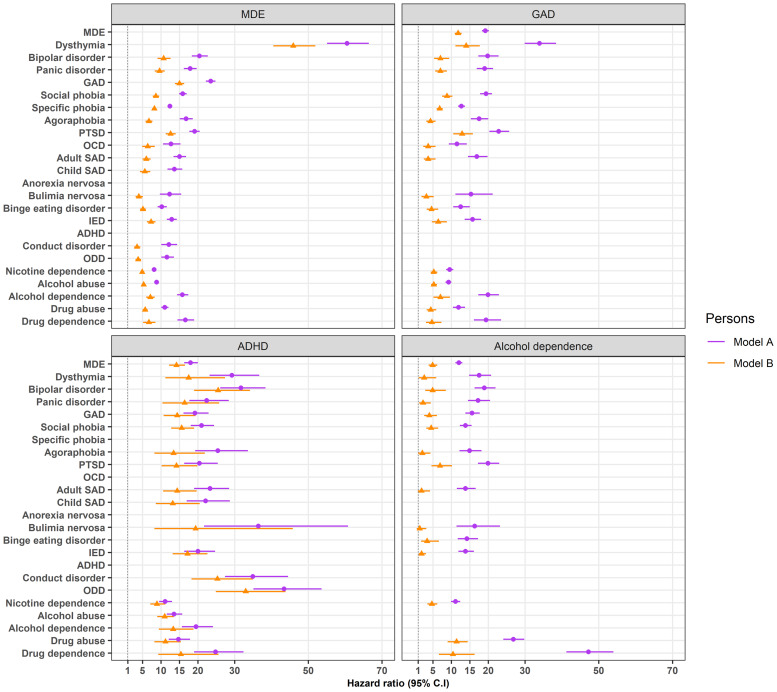
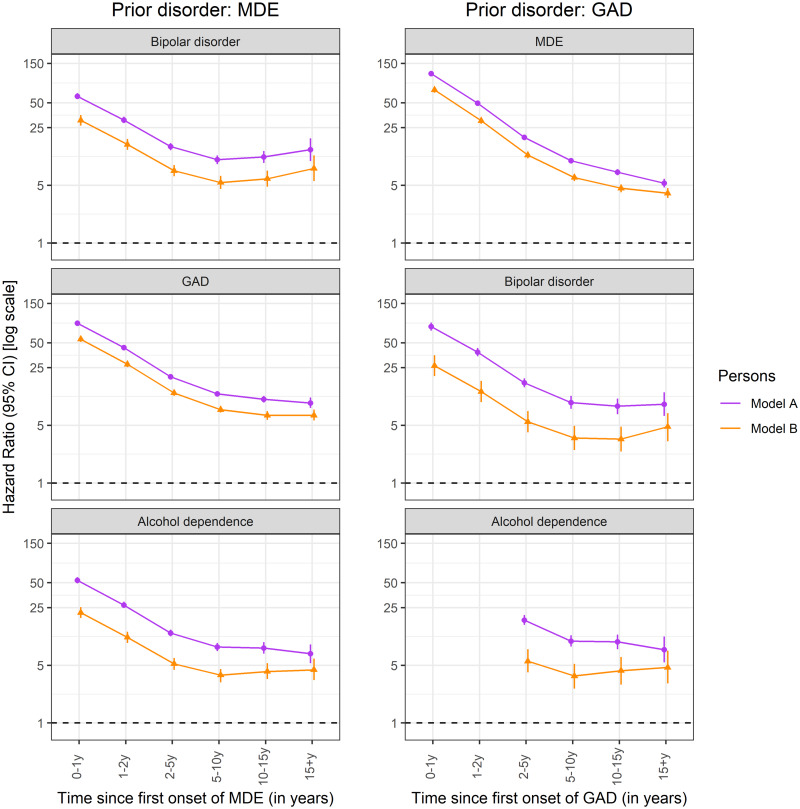
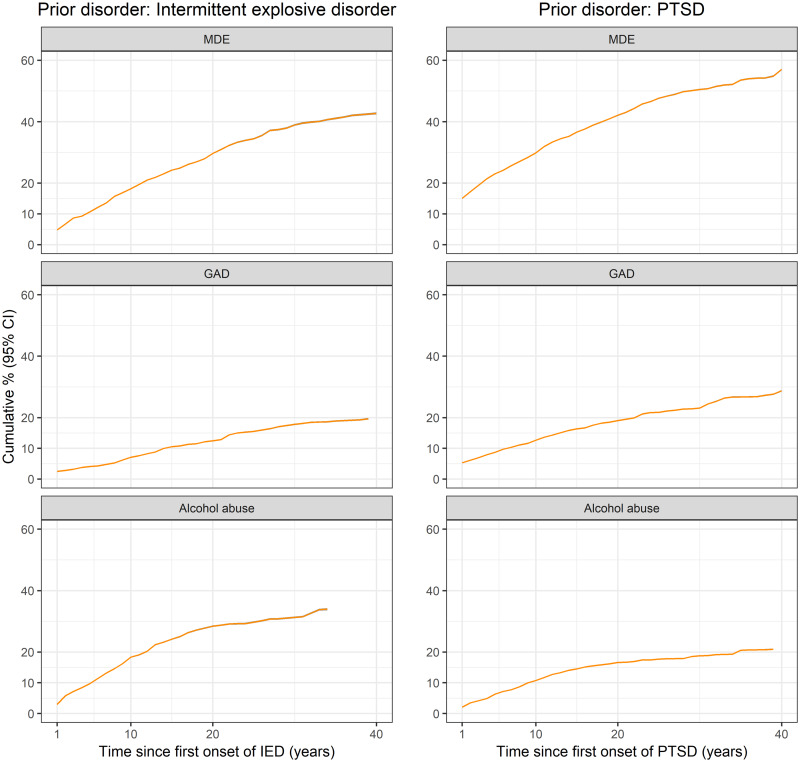
Aims: Epidemiological studies indicate that individuals with one type of mental disorder have an increased risk of subsequently developing other types of mental disorders. This study aimed to undertake a comprehensive analysis of pair-wise lifetime comorbidity across a range of common mental disorders based on a diverse range of population-based surveys. Methods: The WHO World Mental Health (WMH) surveys assessed 145 990 adult respondents from 27 countries. Based on retrospectively-reported age-of-onset for 24 DSM-IV mental disorders, associations were examined between all 548 logically possible temporally-ordered disorder pairs. Overall and time-dependent hazard ratios (HRs) and 95% confidence intervals (CIs) were calculated using Cox proportional hazards models. Absolute risks were estimated using the product-limit method. Estimates were generated separately for men and women. Results: Each prior lifetime mental disorder was associated with an increased risk of subsequent first onset of each other disorder. The median HR was 12.1 (mean = 14.4; range 5.2–110.8, interquartile range = 6.0–19.4). The HRs were most prominent between closely-related mental disorder types and in the first 1–2 years after the onset of the prior disorder. Although HRs declined with time since prior disorder, significantly elevated risk of subsequent comorbidity persisted for at least 15 years. Appreciable absolute risks of secondary disorders were found over time for many pairs. Conclusions: Survey data from a range of sites confirms that comorbidity between mental disorders is common. Understanding the risks of temporally secondary disorders may help design practical programs for primary prevention of secondary disorders.
Overview
The claims and statistics of this paper haven’t been checked yet.
Free: it reads the open-access text and checks the first 5 claims that cite a source we can check. Create a free account to check every claim.
Integrity signals
Registry
Cites
Statistics
Figures
Verification
Claims the paper makes
The claims and statistics of this paper haven’t been checked yet.
Free: it reads the open-access text and checks the first 5 claims that cite a source we can check. Create a free account to check every claim.
Claims other papers make about this one
Each is checked against this paper’s own text: does it say what the citing paper says it does?
The source backs part of the claim, not all of it — or backs it for a different population, condition or comparison.
In the citing paper
“Still, in the majority of comorbidity pairs, anxiety disorders are either concurrent or antecedent to the other disorder.”
From The clinical characterization of the adult patient with an anxiety or related disorder aimed at personalization of management (2021) · cites this paper as [153]
Experimental — accuracy not yet measuredThe cited source says what the claim attributes to it.
In the citing paper
“Many persons suffering from an anxiety or related disorder will experience a comorbid psychiatric condition during their life 153 .”
From The clinical characterization of the adult patient with an anxiety or related disorder aimed at personalization of management (2021) · cites this paper as [153]
The cited source says what the claim attributes to it.
In the citing paper
“Empirical evidence shows that comorbidity is the rule and not the exception, particularly in common mental disorders such as depressive and anxiety disorders [1,2].”
From Psychotherapy for Chronic In- and Outpatients with Common Mental Disorders: The "choose Change" Effectiveness Trial (2023) · cites this paper as [2]
The check wasn’t confident either way, so it gives no verdict — never disputed.
In the citing paper
“In the World Mental Health Surveys, a very early median age of onset (7-14 years of age) was found for separation anxiety and specific phobia, while GAD, panic disorder and PTSD had a much later age of onset (24-50 years of age).”
From The clinical characterization of the adult patient with an anxiety or related disorder aimed at personalization of management (2021) · cites this paper as [153]
Experimental — accuracy not yet measuredThe check wasn’t confident either way, so it gives no verdict — never disputed.
In the citing paper
“The clearest pattern is seen regarding specific phobia: in 75% of comorbidity pairs, specific phobia is antecedent 153 .”
From The clinical characterization of the adult patient with an anxiety or related disorder aimed at personalization of management (2021) · cites this paper as [153]
Experimental — accuracy not yet measured
Self-check
Percentages, sums and reported differences re-computed from the paper’s own numbers.
The self-check needs the paper’s full text.
Citations
Cites
Nonparametric Estimation from Incomplete Observations
Kaplan, E. L., & Meier, P. (1992) · Springer Series in Statistics · doi:10.1007/978-1-4612-4380-9_25 · Cited by 45,181 · cited 1×
“The cumulative incidence or cumulative failure probability curves were generated using the product limit approach (Kaplan and Meier, 1958) by restricting the analysis to the subset of those with a prior disorder.”
Nonparametric Estimation from Incomplete Observations
Kaplan, E. L., & Meier, P. (1958) · Journal of the American Statistical Association · doi:10.1080/01621459.1958.10501452 · Cited by 39,158
Kessler, R. C., Chiu, W. T., Demler, O., & Walters, E. E. (2005) · Archives of General Psychiatry · doi:10.1001/archpsyc.62.6.617 · Cited by 12,052 · cited 2×
“All surveys used the WHO Composite International Diagnostic Interview (CIDI 3 ⋅ 0) (Kessler et al ., 2005), a validated, fully structured lay administered interview.”
Self-citation(2007) · PubMed Central · Cited by 2,521
Self-citationHaro, J. M., Arbabzadeh-Bouchez, S., Brugha, T. S., De Girolamo, G., Guyer, M. E., Jin, R., Lepine, J. P., Mazzi, F., Reneses, B., Vilagut, G., et al. (2006) · International Journal of Methods in Psychiatric Research · doi:10.1002/mpr.196 · Cited by 1,082
Self-citationAll for One and One for All: Mental Disorders in One Dimension
Caspi, A., & Moffitt, T. E. (2018) · American Journal of Psychiatry · doi:10.1176/appi.ajp.2018.17121383 · Cited by 918 · cited 1×
“These findings lend weight to the hypothesis that a wide spectrum of mental disorders has a shared risk factor background (which includes genetic and non-genetic factors) (Caspi and Moffitt, 2018; Hyman, 2019).”
Plana-Ripoll, O., Pedersen, C. B., Agerbo, E., Holtz, Y., Erlangsen, A., Canudas-Romo, V., Andersen, P. K., Charlson, F. J., Christensen, M. K., Erskine, H. E., et al. (2019) · The Lancet · doi:10.1016/s0140-6736(19)32316-5 · Cited by 595
Self-citationExploring comorbidity within mental disorders among a Danish national population
Plana-Ripoll, O., Pedersen, C. B., Holtz, Y., Benros, M. E., Dalsgaard, S., de Jonge, P., Fan, C. C., Degenhardt, L., Ganna, A., Greve, A. N., et al. (2019) · JAMA Psychiatry · doi:10.1001/jamapsychiatry.2018.3658 · Cited by 584 · cited 1×
“The Danish study identified very large HRs within the first 6 months of the prior disorder, perhaps reflecting Berkson’s bias (Snoep et al., 2014).”
Self-citationProgress in achieving quantitative classification of psychopathology
Krueger, R. F., Kotov, R., Watson, D., Forbes, M. K., Eaton, N. R., Ruggero, C. J., Simms, L. J., Widiger, T. A., Achenbach, T. M., Bach, B., et al. (2018) · World Psychiatry · doi:10.1002/wps.20566 · Cited by 490
A paradigm shift in psychiatric classification: the Hierarchical Taxonomy Of Psychopathology (HiTOP)
Kotov, R., Krueger, R. F., & Watson, D. (2018) · World Psychiatry · doi:10.1002/wps.20478 · Cited by 318 · cited 2×
“bulimia nervosa and subsequent binge eating disorder) (Kotov et al., 2018).”
Cited by
Items 101–200 of 302
Wang, Q., Liu, L. N., Yang, X. S., Mu, H., Li, H. Z., Li, Y., Hao, S., Yan, L., Sun, W., & Pan, G. (2025) · Epidemiology and Psychiatric Sciences · doi:10.1017/s2045796025000204 · Cited by 5
“A comprehensive analysis of 145,990 adults from 27 countries found that each previous psychiatric disorder was associated with an increased risk of first-onset of other subsequent psychiatric disorders (McGrath et al. , 2020).”
Wu, C., Yuan, C., Fan, Y., Hong, A., Wu, Z., & Wang, Z. (2025) · BMC Psychiatry · doi:10.1186/s12888-025-06960-8 · Cited by 5
Kong, Y., Shang, Y., & Zhang, L. (2025) · Frontiers in Psychiatry · doi:10.3389/fpsyt.2025.1705957 · Cited by 5
Andreeva, V. A., Arnault, N., Chambaron, S., Samieri, C., Brindisi, M., Duquenne, P., Herçberg, S., Galan, P., Touvier, M., & Fezeu, L. (2024) · International Journal of Public Health · doi:10.3389/ijph.2024.1607546 · Cited by 5
Георгиевна, К. С., Radionov, D. S., Игоревна, Ш. Н., Kotsyubinskaya, Y. V., Yarygina, Y. V., Андреевна, Б. А., Сивакова, Н. А., Андреевна, С. Д., Yakunina, O. N., Andrianova, A. E., et al. (2024) · Consortium Psychiatricum · doi:10.17816/cp15560 · Cited by 5
“The presence of depressive symptoms significantly raises the risk of developing other mental and somatic disorders, including anxiety, substance dependence, neurodegenerative diseases, and other neurological conditions [3, 4].”
Arbués, E. R., Granada-López, J. M., Satústegui-Dordá, P. J., Echániz-Serrano, E., Sagarra‐Romero, L., & Antón‐Solanas, I. (2023) · Revista Latino-Americana de Enfermagem · doi:10.1590/1518-8345.6746.3961 · Cited by 5
Understanding an overdose: intention, motivation, and risk
Dernbach, M. R., Seery, E., Rasimas, J. J., & Connery, H. S. (2025) · Clinical Toxicology · doi:10.1080/15563650.2024.2447490 · Cited by 5
“…disorder, psychosis, substance use disorder, etc.) [35–38]. often, patients carry several co-occurring psychiatric and/or medical disorders [39,40]. an overdose that is impulsive or reactive to external stressors may indicate a more severe impairment in baseline functioning, which can be…”
Reilly, J., Meurk, C., Sara, G. E., & Heffernan, E. (2025) · Australian & New Zealand Journal of Psychiatry · doi:10.1177/00048674241312790 · Cited by 4
“Longitudinal interactions between disorders, including other mental disorders, need to be considered given their multidirectional associations (Hunt et al., 2016, 2018, 2020; McGrath et al., 2020; Plana-Ripoll et al., 2019; Saha et al., 2021).”
Transdiagnostic approaches to the study of psychopathology and translation to clinical practice.
Romer, A. L., Arenson, M. B., & Parisi, T. (2024) · Translational Issues in Psychological Science · doi:10.1037/tps0000448 · Cited by 4
Brandt, V. C., Perroud, N. A., & Plessen, K. J. (2026) · Handbook of clinical neurology · doi:10.1016/b978-0-443-13554-5.00003-1 · Cited by 5
Bremmers, L. G. M., Fabbricotti, I. N., Gräler, E. S., Groot, C. A. U., & Roijen, L. H. (2024) · Health Psychology Open · doi:10.1177/20551029241262883 · Cited by 5
“…of mental disorders and the signi fi cant increase in reliance on informal care in the Dutch healthcare context (Broese van Groenou and Boer, 2016; McGrath et al., 2020; Walker et al., 2015), the well-being of informal caregivers for persons with mental disorders is an increasingly important…”
BackgroundFrei, A. K., Studnitz, T., Seiffer, B., Welkerling, J., Zeibig, J., Herzog, E., Günak, M. M., Ehring, T. W., Takano, K., Nakagawa, T., et al. (2025) · Clinical Psychology & Psychotherapy · doi:10.1002/cpp.70046 · Cited by 4
“…(such as panic disorder and agoraphobia), post-traumatic stress disorder (PTSD) and non-organic primary insomnia exhibit high comorbidity (Kessler et al. 2005; McGrath et al. 2020) and are characterized by partial symptom overlap (e.g., sleep problems) (American Psychiatric Association 2022).”
Liu, F., & Yin, X. (2025) · Clinical Psychology & Psychotherapy · doi:10.1002/cpp.70195 · Cited by 6
“Several theoretical models have been proposed to explain the high rates of comorbidity among mental health disorders (McGrath et al. 2020).”
Life years lost for users of specialized mental healthcare
Konings, S. R. A., Mierau, J. O., Visser, E., Bruggeman, R., & Feenstra, T. (2023) · Acta Psychiatrica Scandinavica · doi:10.1111/acps.13608 · Cited by 4
Bartholdy, S., Zimmer, R. I., Hermann, A., Stark, R. M., Brakemeier, E., & Kaiser, T. (2026) · Psychological Test Adaptation and Development · doi:10.1027/2698-1866/a000122 · Cited by 4
Mendoza, R. R., Convertino, A. D., & Blashill, A. J. (2025) · International Journal of Eating Disorders · doi:10.1002/eat.24370 · Cited by 6
“This is in line with previous research suggesting that having any psychiatric disorder increases the prevalence of another co-occurring psychiatric disorder, compared with healthy controls (McGrath et al. 2020; Miller et al. 2022; Momen et al. 2022; Udo and Grilo 2018).”
Huguet, A., Canals, J., Rozario, S., Rao, S., Arija, V., & Navarro-González, D. (2025) · Anales de Psicología · doi:10.6018/analesps.611051 · Cited by 4
Examination of the Factor Structure of Psychopathology in a Mozambican Sample
Giusto, A. M., Romer, A. L., Lovero, K. L., Santos, P., Greene, M. C., Gouveia, L., Suleman, A., Feliciano, P., Oquendo, M. A., Mootz, J. J., et al. (2022) · Clinical Psychological Science · doi:10.1177/21677026221122773 · Cited by 4
“CFAs were performed in Mplus Version 8.6 (Muthén & Muthén, 2017) using the weighted least squares means and variance adjusted (WLSMV) algorithm.”
MethodInfluentialCuesta, M. J., Arrarás, J. I., Gil‐Berrozpe, G. J., Peralta, V., Barrado, L., Correa, O., Elorza, R., Fernández, L., Garmendia, I., Janda, L., et al. (2022) · The European Journal of Psychiatry · doi:10.1016/j.ejpsy.2022.11.003 · Cited by 4
Clinical Features of Depressive Disorders
Anderson, I. M., & Williams, K. (2024) · Cambridge University Press eBooks · doi:10.1017/9781911623861.004 · Cited by 6
A Novel Diathesis-Stress Model of Comorbid Early Onset Psychiatric DisordersPreprint
Caswell, C. B., Hosseini‐Kamkar, N., Cox, S. M. L., Prada, N. P., Iqbal, M., Nikolic, M., Banaschewski, T., Barker, G. J., Bokde, A. L. W., Brühl, R., et al. (2025) · medRxiv · doi:10.1101/2025.04.08.25325481 · Cited by 5
Gessner, J., Schulz, J.-O., Melzig, C. A., & Benke, C. (2024) · Cognitive Behaviour Therapy · doi:10.1080/16506073.2024.2336036 · Cited by 3
“Additionally, previous research has documented high comorbidity between anxiety and depressive disorders (Lamers et al., 2011; McGrath et al., 2020).”
Armstrong, L. L., Watt, E., Potter, C. L., & Epperson, B. (2025) · Frontiers in Psychology · doi:10.3389/fpsyg.2024.1467332 · Cited by 3
Yang, Z., Zhang, J., Zhao, Z., & Zhang, N. (2026) · Journal of Affective Disorders · doi:10.1016/j.jad.2026.121176 · Cited by 3
Moon, E. J., Garos, S., Brasil, K. M., Kraus, S. W., Spencer, S. D., & Borgogna, N. C. (2026) · Journal of Affective Disorders · doi:10.1016/j.jad.2026.121459 · Cited by 3
Deng, Y., Li, M., Han, X., Shao, Z., & Yan, J. (2026) · European Child & Adolescent Psychiatry · doi:10.1007/s00787-026-02982-z · Cited by 3
Differential Use of Mental Health Services by Race and Ethnicity in Prison
Casagrande, K., & Vaughan, A. D. (2023) · Criminal Justice and Behavior · doi:10.1177/00938548231165530 · Cited by 3
“given that mental illnesses commonly co-occur (Krueger, 1999; Mcgrath et al., 2020; Vaidyanathan et al., 2011) diagnoses were grouped into categories by the number of diagnoses the respondents reported (0 diagnoses, 1 diagnosis, and 2 or more diagnoses).”
BackgroundMatthews, E. B. (2024) · Administration and Policy in Mental Health and Mental Health Services Research · doi:10.1007/s10488-024-01367-1 · Cited by 4
“…significant for individuals with behavioral health challenges; although mental illness and chronic medical conditions commonly cooccur, (McGrath et al., 2020; health information technology has provided new opportu - nities to reduce fragmentation by making it safer and easier for…”
Zhou, K., Zhang, Q., Yuan, Z., Yan, Y., Zhao, Q., & Wang, J. (2024) · Frontiers in Psychiatry · doi:10.3389/fpsyt.2024.1368942 · Cited by 4
Depression in High-Risk Offspring: The Mediating Role of Sleep Problems
Roberts, H. A., Mattoni, M., McMakin, D. L., & Olino, T. M. (2025) · Research on Child and Adolescent Psychopathology · doi:10.1007/s10802-024-01285-8 · Cited by 3
“Next, our specificity analyses included parental anxiety, drug use problems, alcohol use problems, and mania as predictors as these disorders are commonly comorbid with depression (McGrath et al., 2020).”
Liu, J., Ran, W., Wang, Z., Nie, Z., Huang, G., Yi, J., Yang, S., He, Z., Wang, Y., & Chen, G. (2025) · PsyCh Journal · doi:10.1002/pchj.70028 · Cited by 3
Ranjbar, H. A., Kaynak, S., Almeamari, F., Amayreh, F., Yiğit, İ., Pala, A. N., & Turan, B. (2025) · Journal of Affective Disorders · doi:10.1016/j.jad.2025.120222 · Cited by 3
Huppert, J. D. (2021) · Elsevier eBooks · doi:10.1016/b978-0-12-818697-8.00226-0 · Cited by 4
Conceptualization of comorbid anxiety and depressive disorders and approaches to their managing
Malygin, Y. V., Orlova, A. S., & Vl, M. (2022) · S S Korsakov Journal of Neurology and Psychiatry · doi:10.17116/jnevro202212206148 · Cited by 4
Abbasi-Ghahramanloo, A., Bahadori, M., Azad, E., Dopeykar, N., Mahdizadeh, P., Vahedian‐Azimi, A., & Amini, H. (2021) · BMC Psychiatry · doi:10.1186/s12888-021-03537-z · Cited by 3
“For example, a big study from 27 countries concluded that each prior lifetime mental disorder was associated with an increased risk of subsequent first onset of each other disorder [45].”
BackgroundOn the role of causal direction and feedback in network theories of mental disorderPreprint
Isager, P. M. (2023) · PsyArXiv (OSF Preprints) · doi:10.31234/osf.io/wecvr · Cited by 3
Improving Mental Health Care Access with Technology: Addressing the Screening-to-Referral Bottleneck
Gorelik, A. J., Radin, A. S., Bogdan, R., & Stamatis, C. A. (2025) · NEJM AI · doi:10.1056/aip2500045 · Cited by 3
Sindermann, L., Dannlowski, U., Leehr, E. J., Hahn, T., Grotegerd, D., Meinert, S., Lemke, H., Winter, A., Thiel, K., Flinkenflügel, K., et al. (2024) · Journal of Psychiatric Research · doi:10.1016/j.jpsychires.2024.09.052 · Cited by 2
Mental Health Mass Communication
Yzer, M. C., & Siegel, J. T. (2025) · Wiley eBooks · doi:10.1002/9781394179909.ch1 · Cited by 2
Husnain, M. I. U., Hajizadeh, M., Ahmad, H., & Khanam, R. (2025) · Journal of Public Health · doi:10.1007/s10389-025-02490-5 · Cited by 3
Alcalá, J. Á., Dorado, V. O., Herrera, G. D. P. A., Chamón, S. L., & Molinera, V. G. (2025) · Frontiers in Psychiatry · doi:10.3389/fpsyt.2025.1568777 · Cited by 2
“Comorbidity of MDD and generalized anxiety disorder (GAD) is common, and there is evidence that patients with depressive disorders are 11.7 times more at risk of developing GAD than patients without depressive symptoms (92 – 94).”
InfluentialQaisar, R., Hussain, M. A., Karim, A., Ahmad, F., Awad, A., Marinho, D. A., & Alkahtani, S. A. (2025) · Archives of Gerontology and Geriatrics · doi:10.1016/j.archger.2025.105984 · Cited by 2
Jobim, G. D. S., do Amaral, J. V., Pacheco, J. P. G., Gadelha, A., Miguel, E. C., Bressan, R. A., Pan, P. M., Rohde, L. A., Salum, G. A., & Hoffmann, M. S. (2025) · Journal of Psychiatric Research · doi:10.1016/j.jpsychires.2025.08.025 · Cited by 3
Grønbæk, L., Sandahl, T. D., & Jepsen, P. (2025) · The American Journal of Gastroenterology · doi:10.14309/ajg.0000000000003857 · Cited by 2
Romer, A. L., Hosterman, G., Kumar, P., & Pizzagalli, D. A. (2025) · Biological Psychiatry Cognitive Neuroscience and Neuroimaging · doi:10.1016/j.bpsc.2025.11.010 · Cited by 2
Daneshpour, A., Vancampfort, D., Schuch, F. B., Machaczek, K. K., Firth, J., & Stubbs, B. (2025) · Mental health and physical activity · doi:10.1016/j.mhpa.2025.100746 · Cited by 2
ten Have, M., Tuithof, M., Velek, P., van Dorsselaer, S., Korteling, S., Penninx, B. W. J. H., & Luik, A. I. (2026) · International Journal of Methods in Psychiatric Research · doi:10.1002/mpr.70054 · Cited by 2
“Studies that focussed on the temporal sequence of mental disorders usually show that anxiety disorders seem to precede depressive disorders (De Graaf et al. 2003; Kessler et al. 1996; McGrath et al. 2020).”
Dacosta‐Sánchez, D., Mancheño‐Velasco, C., Narváez‐Camargo, M., & Lozano, O. M. (2026) · Drug and Alcohol Dependence · doi:10.1016/j.drugalcdep.2026.113062 · Cited by 2
Rolerson, C., Robinson, M., & Sims, O. T. (2026) · Cogent Psychology · doi:10.1080/23311908.2026.2635760 · Cited by 2
Socioenvironmental determinants of polypharmacy in mental health disorders: a systematic review
Tegegne, G. T., Tabatabaei‐Jafari, H., Niyonsenga, T., Ghiasvand, S., Bagheri, Y., & Bagheri, N. (2026) · BMC Public Health · doi:10.1186/s12889-026-27658-w · Cited by 2
“However, higher rates of comorbidity [6, 7], relapse, poor treatment outcomes and adverse drug events [8–12] in patients with MHDs complicate pharmacotherapy utilisation, leading to multiple medication use.”
Sánchez‐García, M., Lozano, O. M., Rossi, G. M. P., la Rosa-Cáceres, A. D., & Díaz, C. (2026) · Journal of Mental Health · doi:10.1080/09638237.2026.2672343 · Cited by 2
Devine, J. J., Hosterman, G., Sloss, J. A., & Romer, A. L. (2026) · JCPP Advances · doi:10.1002/jcv2.70135 · Cited by 2
“Indeed, psychopathology may truly decline during preadolescence before the onset or worsening of many forms of mental disorder in adolescence (Kessler et al., 2005; McGrath et al., 2020; Solmi et al., 2022).”
Rissanen, A. M., Roine, R. P., MARTTUNEN, M. J., Sintonen, H., & Lindberg, N. (2023) · Scandinavian Journal of Child and Adolescent Psychiatry and Psychology · doi:10.2478/sjcapp-2023-0004 · Cited by 3
Arrarás, J. I., Cuesta, M. J., Peralta, V., Gil‐Berrozpe, G. J., Barrado, L., Correa, O., Elorza, R., González, L., Garmendia, I., Janda, L., et al. (2023) · Anales del Sistema Sanitario de Navarra · doi:10.23938/assn.1043 · Cited by 3
Vasconcelos, A. G., Reichenheim, M. E., do Nascimento, E., Lima, E. D. P., Kristensen, C. H., & Mendlowicz, M. V. (2023) · Brazilian Journal of Psychiatry · doi:10.47626/1516-4446-2023-3143 · Cited by 2
“…features have been considered central to both presentation and clinical recognition of the disorder, 28 as evidenced by these PTSD symptoms’ inclusion since the construct was first added to the DSM. 1,10,11 The second issue concerns the latent structure of PTSD as represented by the ICD-11 criteria.”
BackgroundInfluentialComorbidity influence in observational studies: Why ignore the real world?
Kiri, V., & Tepie, M. F. (2024) · Pharmacoepidemiology and Drug Safety · doi:10.1002/pds.5792 · Cited by 2
“10 – 12 This dynamic nature of comorbidity influence — namely, that patient comorbidities and the nature of their impact can change over time, which may affect patient prognosis, is a particular shortcoming of all the indices in the literature, including the Gagne comorbidity score, which is an…”
BackgroundHamal, M., Kekkonen, V., Kraav, S., Kivimäki, P., & Tolmunen, T. (2024) · Journal of Infant Child and Adolescent Psychotherapy · doi:10.1080/15289168.2024.2386507 · Cited by 3
“A possible reason behind this could be the underreporting of the data because of the possible comorbidity of mental health problems, the respondents might not be aware of dissociative symptoms or dissociative episodes as much as they are aware of depression (McGrath et al., 2020).”
Song, Y., Lao, C. C., Ouyang, Z., Lv, Y., Gao, K., Zhang, H., & Tao, Y. (2024) · Current Psychology · doi:10.1007/s12144-024-06923-4 · Cited by 2
“According to the theory of psychopathology (Borsboom & Cramer, 2013; Cramer et al., 2010 ), individuals diagnosed with a specific mental disorder are at a higher risk of devel - oping additional mental disorders, a phenomenon known as comorbidity (Cramer et al., 2010 ; McGrath et al., 2020 ).”
Tahsin, C. T., Ahmed, Z., Mohamed, A., Tahmin, C. I., Wattero, R., Corbin, C., & Fonkoue, I. T. (2024) · Discover Mental Health · doi:10.1007/s44192-024-00108-y · Cited by 2
Hwang, J., Kang, J.-E., Jeon, S., Lee, K. H., Kim, J.-W., & Lee, J. (2025) · Biological Psychiatry Cognitive Neuroscience and Neuroimaging · doi:10.1016/j.bpsc.2025.04.005 · Cited by 3
Psychiatric multimorbidity in heart failure
Freedland, K. E., Skala, J. A., Steinmeyer, B. C., Carney, R. M., & Rich, M. W. (2025) · Journal of Psychosomatic Research · doi:10.1016/j.jpsychores.2025.112368 · Cited by 2
Amin, R., Björkenstam, E., Helgesson, M., & Mittendorfer‐Rutz, E. (2024) · Social Psychiatry and Psychiatric Epidemiology · doi:10.1007/s00127-024-02777-0 · Cited by 1
“Moreover, comorbid mental and somatic disorders may further decrease the work capacity and are common among young adults with CMDs [23, 24].”
Exploring the importance of bodyset for the psychedelic experience and beyond
Uthaug, M. V., Allocca, G., Havenith, M. N., Szabó, A., Rosas, F. E., & Ramaekers, J. G. (2025) · Journal of Psychedelic Studies · doi:10.1556/2054.2025.00418 · Cited by 2
Ware, O. D., Lister, J. J., Cooper, S., Kim, A. H., Lister, H. H., Peterson, N. A., Fioravanti, S., Powell, K. G., Marcello, S. C., & Joseph, B. (2025) · Addiction Science & Clinical Practice · doi:10.1186/s13722-025-00564-z · Cited by 1
“These categories are [1] Black or African American [2], Hispanic of any Race [3], White [4], Another Race or Ethnicity, and [5] Unknown Race or Ethnicity.”
InfluentialSelf-harming behavior linked to earlier onset of cardiovascular disease in severe mental disorders
Lunding, S. H., Kreis, I. V., Rødevand, L. N., Aas, M., Werner, M. C. F., Johansen, I. T., Ormerod, M. B. E. G., Reponen, E. J., Hjell, G., Ringen, P. A., et al. (2025) · European Psychiatry · doi:10.1192/j.eurpsy.2025.10106 · Cited by 1
Lu, Y., Wang, Y., Xie, H., Liu, Y., & Ma, W. (2025) · Humanities and Social Sciences Communications · doi:10.1057/s41599-025-06203-x · Cited by 1
“Third, the null directional effects observed in this study lend partial support to the concept of comorbidity in psychological distress (McGrath et al., 2020), wherein multiple mental health symptoms — such as stress and loneliness — may coexist without exerting directional in fl uence on one…”
Norbury, A., Fairs, G., Georgescu, A. L., Nour, M. M., Molimpakis, E., & Goria, S. (2026) · Scientific Reports · doi:10.1038/s41598-025-33331-w · Cited by 5
“These paralinguistic and behavioural cues – formalised in the “appearance and behaviour” sections of a typical mental state examination – are particularly valuable given that mental health conditions often impact executive functioning and insight 6 .”
Empirical support for recognizing pathological buying/shopping as a mental disorder
Müller, A., Brand, M., Thomas, T. A., Kessling, A., Schmid, A. M., Jiménez‐Múrcia, S., Wegmann, E., Müller, S. M., & Steins‐Loeber, S. (2026) · Comprehensive Psychiatry · doi:10.1016/j.comppsych.2026.152673 · Cited by 1
Karlsson-Good, M., Holländare, F., Hesser, H., Östlund, B., Odén, I., Tallström, F., Stenelius, J., Kaldo, V., Forsell, E., Ljótsson, B., et al. (2026) · Cognitive Behaviour Therapy · doi:10.1080/16506073.2026.2632368 · Cited by 1
Risk of Depression, Anxiety, and Suicidal Behavior in Older Adults With Severe Vision Loss
Zhang, C., AbouKasm, G., Lin, J. B., Kalra, K., Lockward, J. S., & Berrocal, A. M. (2026) · Journal of VitreoRetinal Diseases · doi:10.1177/24741264261432179 · Cited by 1
“24 While these findings underscore the importance of screening all patients for emerging psychiatric symptoms, they also highlight the particular need for enhanced monitoring and support for individuals with a known history of depression.”
Wang, S., Chong, Z. Y., Yi, M., Zhang, Z., & Xu, W. (2026) · BMC Psychology · doi:10.1186/s40359-026-04501-w · Cited by 3
“A meta-analysis has further shown that the presence of a single psychiatric disorder increases the likelihood of developing additional psychiatric disorders, especially for individuals with early-onset conditions before the age of 20 [17].”
Herzog, E., Wolf, S., Studnitz, T., Frei, A. K., Seiffer, B., Welkerling, J., Zeibig, J., Sudeck, G., Müller, C., Günak, M. M., et al. (2026) · Depression and Anxiety · doi:10.1155/da/9949037 · Cited by 1
“Comorbidity, de fi ned as the simultaneous presence of two or more mental disorders in an individual [5], is highly prevalent and affects approximately half of all individuals with mental health problems [6 – 8].”
Slimovitch, R., Flesaker, M., Rosellini, A. J., & Gradus, J. L. (2026) · Harvard Review of Psychiatry · doi:10.1097/hrp.0000000000000462 · Cited by 1
Mallus, F., Yang, Y., Dinga, R., Kia, S. M., Grootswagers, T., Michela, A., Ros, T., & Wolfers, T. (2026) · Imaging Neuroscience · doi:10.1162/imag.a.1269 · Cited by 1
“…in heterogeneous conditions such as neurodegenerative diseases ( Levenson et al., 2014; X.- L. Li et al., 2014), neurodevelopmental disorders ( Hesdorffer, 2016; Kessler & Merikangas, 2004; A. F. Marquand et al., 2016), and mental disorders ( Kessler & Merikangas, 2004; McGrath et al., 2020).”
Baquero-Sierra, A., Torres-Cuellar, L., Salamanca, S. L. C., Grau-Gonzalez, I. A., & Ortega, L. A. (2026) · Journal of Behavioral and Cognitive Therapy · doi:10.1016/j.jbct.2026.100608 · Cited by 1
Intrinsic and Extrinsic Risk Factors for Mental Health Difficulties in Dancers: A Systematic Review
Parker, E., Mitchison, D., & Hronis, A. (2026) · Journal of Dance Medicine & Science · doi:10.1177/1089313x261456446 · Cited by 1
Polygenic scores in psychiatric research and clinical practice
Frach, L., David, F. S., Nöthen, M. M., & Forstner, A. J. (2026) · Medizinische Genetik · doi:10.1515/medgen-2026-3012 · Cited by 2
“Importantly, both within and across domains, psychiatric conditions and the symptoms thereof often co-occur [24], impact one another [25, 26], and share common genetic [11] and environmental risk factors, with the latter including factors such as low socioeconomic status [27] and childhood trauma…”
Meijer, M., Fu, M. P., Navarro‐Delgado, E. I., Engelbrecht, H.-R., Turecki, G., Chan, M. H.-M., & Kobor, M. S. (2026) · Brain Behavior & Immunity - Health · doi:10.1016/j.bbih.2026.101316 · Cited by 1
“Furthermore, psychiatric and neuro-degenerative conditions are often co-occurring (Zubenko et al., 2003; Starkstein et al., 2008; Burchill et al., 2024; McGrath et al., 2020).”
Nguyen, A. W., Rentrope, C. R., Shin, Y., Kim, E., & Taylor, H. O. (2026) · Sociological Focus · doi:10.1080/00380237.2026.2626865 · Cited by 1
“Global pooled estimates indicate that a previous diagnosis of any type of psychiatric disorder significantly increases the risk of developing additional mental health conditions, with the strongest associations observed between disorders that share similar symptom profiles (McGrath et al. 2020).”
Factors differentiating panic disorder with and without comorbid symptoms of depression
Barrio‐Martínez, S., Vindel, A. C., Muñoz‐Navarro, R., Moriana, J. A., Ruiz‐Rodríguez, P., Medrano, L. A., Ventura, L., & González‐Blanch, C. (2021) · Psychology and Psychotherapy Theory Research and Practice · doi:10.1111/papt.12327 · Cited by 1
Currently available means to achieve personalized psychiatry
Cohen, B. M., & Harris, P. Q. (2023) · Personalized Medicine in Psychiatry · doi:10.1016/j.pmip.2023.100105 · Cited by 1
Uso de instrumentos de rastreio de transtornos mentais na Atenção Básica
Medeiros, S. R., Araújo, M. D. M., Zanoti-Jeronymo, D. V., Malaquias, T. D. S. M., de Borba, K. P., da Silva, D. C., Massuqueto, R. R. H., & Baratieri, T. (2023) · Revista Eletrônica Acervo Saúde · doi:10.25248/reas.e14008.2023 · Cited by 1
Sánchez‐García, M., Díaz, C., & la Rosa-Cáceres, A. D. (2024) · Health and Quality of Life Outcomes · doi:10.1186/s12955-024-02270-x · Cited by 1
“…disorders are associated with more years lived with disability [1, 3], poor quality of life (QoL) [4, 5], and high rates of comorbidity with other internalizing disorders [6, 7] (e.g., obsessive-compulsive disorder [OCD], post-traumatic stress disorder [PTSD], and social anxiety disorder [SAD]).”
BackgroundVendelbosch, R., Roelen, C. A. M., Almansa, J., Bültmann, U., & Arends, I. (2024) · Scandinavian Journal of Work Environment & Health · doi:10.5271/sjweh.4183 · Cited by 1
Termorshuizen, J. D., Aicoboaie, S., Abdulkadir, M., & Yılmaz, Z. (2025) · Oxford University Press eBooks · doi:10.1093/9780197675212.003.0005 · Cited by 1
Lavín, V., Torrecilla, P., Kwapil, T. R., & Barrantes-Vidal, N. (2025) · Frontiers in Psychology · doi:10.3389/fpsyg.2025.1655172 · Cited by 1
Xie, L. Y., Wu, A., Yuan, Z., Shu, T., Jiang, M., Liu, D., Yang, W., & Xie, H. (2025) · Psychology Health & Medicine · doi:10.1080/13548506.2025.2594758 · Cited by 1
“A large community-based cohort study across 27 countries reported that patients with depression had nearly a sevenfold increased risk of developing anxiety disorders (McGrath et al., 2020).”
Neural correlates of externalizing disorders
Westerman, H. B., Tomlinson, R. C., & Hyde, L. W. (2022) · Elsevier eBooks · doi:10.1016/b978-0-323-91497-0.00148-x · Cited by 1
Prevalência de transtornos psiquiátricos em duas coortes de nascimento de Ribeirão Preto - SP
Scarabelot, L. F. (2023) · Digital Library of Theses and Dissertations (Universidade de São Paulo) · doi:10.11606/d.17.2023.tde-30062023-091350 · Cited by 1
Editorial: Psychopathological trajectories in adolescent and young adult psychiatry
de la Torre‐Luque, A., Menashe, I., & McElroy, E. (2025) · Frontiers in Psychiatry · doi:10.3389/fpsyt.2025.1517233 · Cited by 1
A mega-analysis of low frequency resting-state measures in mood and psychosis-spectrum disordersPreprint
Foster, M. L., Khaitova, M., Mehta, S., Ye, J., & Scheinost, D. (2025) · medRxiv · doi:10.1101/2025.08.15.25332894 · Cited by 1
“However, this approach also better captures real-world phenotypes, where comorbidities are common 90 .”
An Artificial Intelligence-Based Approach to Predict Mental Health and Disabilities
Sekar, P. K. C., & Veerabathiran, R. (2025) · Springer eBooks · doi:10.1007/978-3-031-40858-8_509-1 · Cited by 1
Eick, L., FinnGen, Ganna, A., & Yang, Z. (2025) · medRxiv · doi:10.64898/2025.12.14.25342213 · Cited by 1
Scott, J. L., Vorspan, F., Loftus, J., Bellivier, F., & Étain, B. (2021) · Early Intervention in Psychiatry · doi:10.1111/eip.13237
“…surveys (146 000 respondents; 27 countries) demonstrate that comorbidity is pervasive, and that individuals with an earlier age at first onset of any mental disorder have an increased risk of developing other conditions over the following 15 years (McGrath et al., 2020; Plana-Ripoll et al., 2019).”
BackgroundInfluentialConcurrent use of alcohol and sedatives in Finnish general population
Penttala, J., Mustonen, A., Koivukangas, A., Halme, J. T., Karjalainen, K., & Aalto, M. (2022) · Journal of Substance Use · doi:10.1080/14659891.2022.2084784
de Vries, Y. A., Alonso, J., Chatterji, S., de Jonge, P., Lokkerbol, J., McGrath, J. J., Petukhova, M. V., Sampson, N. A., Sverdrup, E., Vigo, D. V., et al. (2024) · International Journal of Methods in Psychiatric Research · doi:10.1002/mpr.2003 · Cited by 143
“Most common mental disorders are highly comorbid (McGrath et al., 2020; Plana ‐ Ripoll et al., 2019).”
BackgroundSelf-citationEditorial: Individual differences in addictive behaviors
Troup, L. J. (2024) · Frontiers in Psychology · doi:10.3389/fpsyg.2024.1386489
“In a review of the pairwise relationships between DSM-IV diagnosis indicates that there is significant comorbidity between conditions (McGrath et al., 2020).”
BackgroundIndividual Differences in Addictive Behaviors
(2024) · Frontiers research topics · doi:10.3389/978-2-8325-4969-8
Metadata
- Authors
- McGrath, J. J., Lim, C. C. W., Plana-Ripoll, O., Holtz, Y., Agerbo, E., Momen, N. C., Mortensen, P. B., Pedersen, C. B., Abdulmalik, J., Aguilar-Gaxiola, S., Al-Hamzawi, A., Alonso, J., Bromet, E. J., Bruffaerts, R., Bunting, B., de Almeida, J. M. C., de Girolamo, G., De Vries, Y. A., Florescu, S., Gureje, O., Haro, J. M., Harris, M. G., Hu, C., Karam, E. G., Kawakami, N., Kiejna, A., Kovess-Masfety, V., Lee, S., Mneimneh, Z., Navarro-Mateu, F., Orozco, R., Posada-Villa, J., Roest, A. M., Saha, S., Scott, K. M., Stagnaro, J. C., Stein, D. J., Torres, Y., Viana, M. C., Ziv, Y., Kessler, R. C., & de Jonge, P.
- Affiliations
- The University of Queensland (AU)
- Aarhus University (DK)
- University College Hospital, Ibadan (NG)
- University of Al-Qadisiyah (IQ)
- Universitat Pompeu Fabra (ES)
- Stony Brook University (US)
- KU Leuven (BE)
- Ulster University, Derry-Londonderry Campus (GB)
- National School of Public Health, Management and Professional Development (RO)
- King Saud University (SA)
- Shenzhen KangNing Hospital (CN)
- University of Balamand (LB)
- The University of Tokyo (JP)
- Wroclaw Medical University (PL)
- Chinese University of Hong Kong (HK)
- University of Michigan (US)
- Instituto Nacional de Psiquiatría Ramón de la Fuente Muñiz (MX)
- Universidad de Cundinamarca (CO)
- University of Groningen (NL)
- University of Otago (NZ)
- Universidad de Buenos Aires (AR)
- South African Medical Research Council (ZA)
- Universidad CES (CO)
- Universidade Federal do Espírito Santo (BR)
- Israel Ministry of Health (IL)
- Harvard University (US)
- ORCID
- McGrath, J. J.
- Lim, C. C. W.
- Holtz, Y.
- Agerbo, E.
- Momen, N. C.
- Mortensen, P. B.
- Pedersen, C. B.
- Abdulmalik, J.
- Alonso, J.
- Bromet, E. J.
- Bruffaerts, R.
- Bunting, B.
- de Almeida, J. M. C.
- Florescu, S.
- Gureje, O.
- Haro, J. M.
- Harris, M. G.
- Karam, E. G.
- Kawakami, N.
- Kiejna, A.
- Lee, S.
- Mneimneh, Z.
- Orozco, R.
- Roest, A. M.
- Saha, S.
- Scott, K. M.
- Stagnaro, J. C.
- Stein, D. J.
- Torres, Y.
- Viana, M. C.
- Kessler, R. C.
- Venue
- Epidemiology and Psychiatric Sciences
- Publisher
- Cambridge University Press (CUP)
- Published
- 2020
- Volume
- 29
- Pages
- e153-e153
- ISSN
- 2045-7960 (ISSN-L)
- 2045-7979
- PMC
- PMC7443806
- OpenAlex
- W3044061992
- Cited by
- 256
- References
- 20
- Citations by year
- 2026: 58 · 2025: 84 · 2024: 46 · 2023: 30 · 2022: 21 · 2021: 14 · 2020: 2
- FWCI
- 18.30
- Type
- journal article
- Language
- en
- Open access
- gold
- doi.org
- Licence
- Locations
- Epidemiology and Psychiatric Sciences (publishedVersion, cc-by-nc-nd)
- PubMed Central (publishedVersion, cc-by-nc-nd)
- PubMed (publishedVersion)
- Pure Amsterdam UMC (publishedVersion, other-oa)
- Ulster University Research Portal (Ulster University) (publishedVersion, other-oa)
- Amsterdam UMC (VU Amsterdam) - Institutional Repository (publishedVersion, other-oa)
- HAL (submittedVersion, cc-by-nc-nd)
- Lirias (KU Leuven) (submittedVersion, other-oa)
- University of Groningen research database (University of Groningen / Centre for Information Technology) (submittedVersion, cc-by-nc-nd)
- Repositori digital de la UPF (Universitat Pompeu Fabra) (submittedVersion, cc-by-nc-nd)
- OSF Preprints (OSF Preprints) (submittedVersion)
- Data Archiving and Networked Services (DANS) (submittedVersion, other-oa)
- Funders
- John D. and Catherine T. MacArthur Foundation (R01 DA016558, R13-MH066849)
- Bristol-Myers Squibb
- Eli Lilly and Company
- Pfizer
- AstraZeneca
- GlaxoSmithKline
- World Health Organization (R03 TW006481)
- University of Michigan
- Public Health Agency
- Fundação de Amparo à Pesquisa do Estado de São Paulo (03/00204-3, 03/00204?)
- Bundesministerium für Gesundheit
- Ministerio de Salud de la Nación
- Ministry of Health, Labour and Welfare (H25-SEISHIN-IPPAN-006, H16-KOKORO-013, H14-TOKUBETSU-026, H13-SHOGAI-023)
- Lundbeckfonden (R248‐2017‐2003)
- Universidade de Lisboa
- Novo Nordisk Fonden (NNF17OC0027864)
- Fakultet Medicinskih Nauka, Univerziteta U Kragujevcu
- Servier
- H. Lundbeck A/S
- Fundação Champalimaud (R01 MH070884)
- Ministerio de Salud (PL 0256)
- Ministerstwo Zdrowia
- Pfizer Foundation (R01‐MH069864, R01-DA016558, R13-MH066849, R03-TW006481)
- Pan American Health Organization (FIRCA R03-TW006481)
- Medical Research Council
- Fundação para a Ciência e a Tecnologia
- Norway Grants
- National Institute of Mental Health (R13-MH-066849, NIMH R01MH070884, RO1-MH61905, R01‐MH070884, MH61905, R01MH059575, MH070884, MH069864, MH066849, R01‐MH069864)
- Fogarty International Center (FIRCA R03TW006481, R03TW006481)
- Topics
- Health Sciences › Medicine › Psychiatry and Mental health › Mental Health Treatment and Access
- Social Sciences › Psychology › Experimental and Cognitive Psychology › Mental Health Research Topics
- Health Sciences › Medicine › Epidemiology › Chronic Disease Management Strategies
- Keywords
- age of onset, primary prevention, sex differences, World Mental Health Surveys
- MeSH terms
- Adolescent, Adult, Aged, Mental Disorders, Cross-Sectional Studies, Female, Health Surveys, Humans, Male, Middle Aged, Psychotic Disorders, Retrospective Studies, Risk Factors, Comorbidity, Prevalence, Proportional Hazards Models, Diagnostic and Statistical Manual of Mental Disorders, Young Adult
About these checks
Registry, retraction, Cites and statistics results are computed, not judged, with one exception: a printed reference that no index lists is read once by a model before it counts as a citation error. Claims are extracted by a model and kept only when their quote appears verbatim in the text; each cited source is then checked, with a model’s help, for whether it says what the claim relies on. Those verdicts can be wrong — read the claim’s quote and the cited source before relying on one.
Statistics and arithmetic are recomputed, not judged.
Confidence bands are shown only for fields calibrated on our annotated test set. None is calibrated yet, so no band is shown.
What counts as a claim ›How we measure confidence ›How we check this ›
Are you an author, or do you see a problem with this page? Request a review
Data sources
Bibliographic data: Semantic Scholar, OpenAlex, Crossref.
Contains information from the Semantic Scholar Academic Graph Datasets, made available under the ODC Attribution License (ODC-BY 1.0).
Semantic Scholar’s data is described in: Kinney, R., et al. (2023). The Semantic Scholar Open Data Platform. arXiv:2301.10140.
