

The DOI matches its Crossref record; 147 of the 147 references it cites were found in a registry or an index.
The cancer driver genes IDH1/2, JARID1C/ KDM5C, and UTX/ KDM6A: crosstalk between histone demethylation and hypoxic reprogramming in cancer metabolism
Open accessAbstract
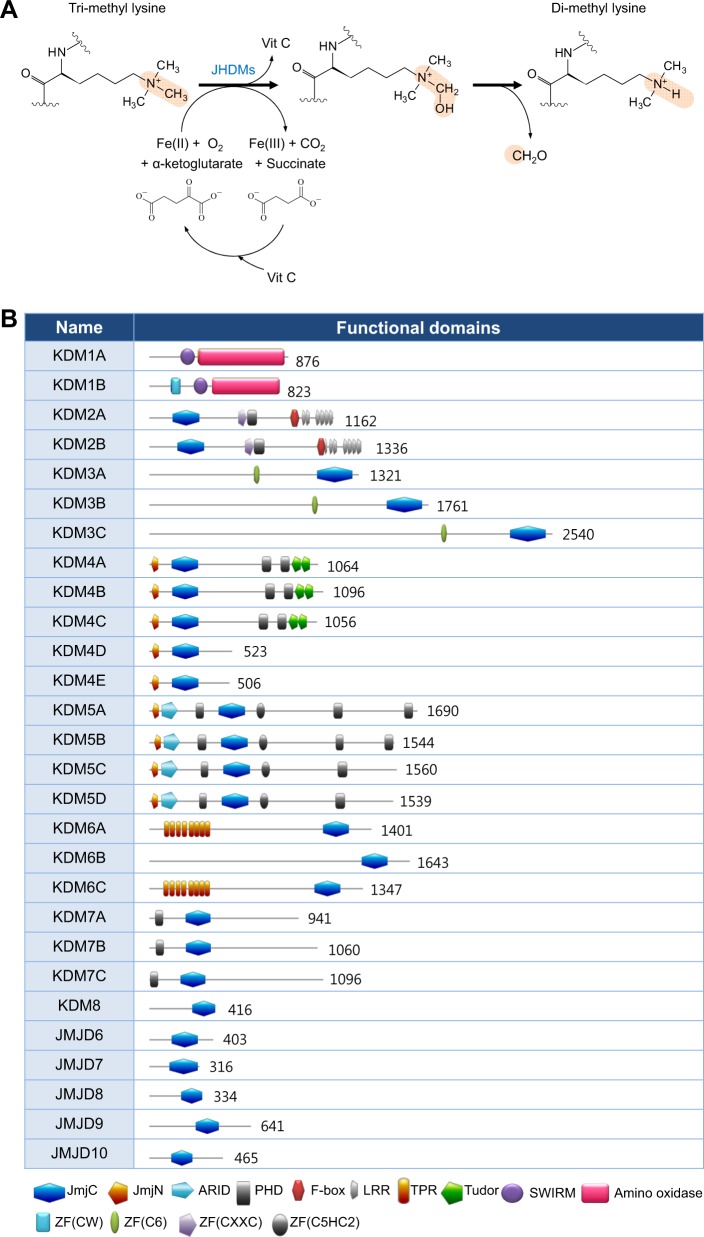
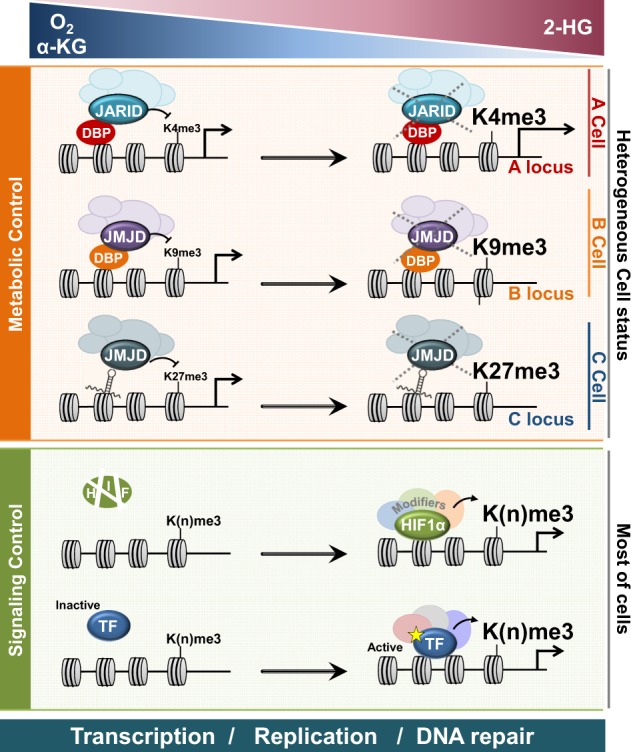
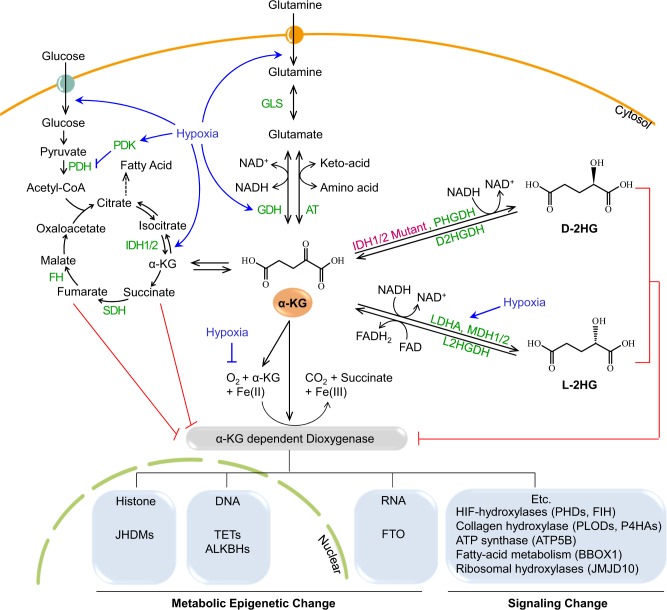
Recent studies on mutations in cancer genomes have distinguished driver mutations from passenger mutations, which occur as byproducts of cancer development. The cancer genome atlas (TCGA) project identified 299 genes and 24 pathways/biological processes that drive tumor progression (Cell 173: 371-385 e318, 2018). Of the 299 driver genes, 12 genes are involved in histones, histone methylation, and demethylation. Among these 12 genes, those encoding the histone demethylases JARID1C/KDM5C and UTX/KDM6A were identified as cancer driver genes. Furthermore, gain-of-function mutations in genes encoding metabolic enzymes, such as isocitrate dehydrogenases (IDH)1/2, drive tumor progression by producing an oncometabolite, D-2-hydroxyglutarate (D-2HG), which is a competitive inhibitor of α-ketoglutarate, O2-dependent dioxygenases such as Jumonji domain-containing histone demethylases, and DNA demethylases. Studies on oncometabolites suggest that histone demethylases mediate metabolic changes in chromatin structure. We have reviewed the most recent findings regarding cancer-specific metabolic reprogramming and the tumor-suppressive roles of JARID1C/KDM5C and UTX/KDM6A. We have also discussed mutations in other isoforms such as the JARID1A, 1B, 1D of KDM5 subfamilies and the JMJD3/KDM6B of KDM6 subfamilies, which play opposing roles in tumor progression as oncogenes or tumor suppressors depending on the cancer cell type. Genes involved in the removal of methyl groups from histones associated with DNA can promote or suppress tumor growth depending on the metabolic status of the cancer cell. Hyunsung Park and colleagues at the University of Seoul, South Korea, review current knowledge of two genes encoding histone demethylases which have been identified by The Cancer Genome Atlas (TCGA) project as cancer driver genes. Because these demethylase enzymes rely on cellular metabolites to function, their effect is influenced by metabolic conditions in the tumor microenvironment such as low oxygen. The mechanisms through which changes in histone methylation affect the expression of genes involved in tumor progression remain unknown. Further understanding of how cancer metabolism affects the modification of histones will help guide the development of more effective cancer treatments.
Overview
The claims and statistics of this paper haven’t been checked yet.
Run the check — free, no account needed. It reads the open-access text and checks the sources it cites.
Integrity signals
Registry
Cites
Statistics
Figures
Verification
Claims the paper makes
The claims and statistics of this paper haven’t been checked yet.
Run the check — free, no account needed. It reads the open-access text and checks the sources it cites.
Claims other papers make about this one
Each is checked against this paper’s own text: does it say what the citing paper says it does?
In the citing paper
“Cancer cells in tumors with IDH1 or IDH2 mutations show oncogenic activity by converting glutamine-derived α-KG to 2-hydroxyglutarate (2-HG), which competitively inhibits α-KG-dependent histone and DNA modification enzymes27.”
From Glutamine reliance in cell metabolism (2020) · cites this paper as [27]
Self-check
Percentages, sums and reported differences re-computed from the paper’s own numbers.
The self-check needs the paper’s full text.
Citations
Cites
An Integrated Genomic Analysis of Human Glioblastoma Multiforme
Parsons, D. W., Jones, S., Zhang, X., Lin, J. C.-H., Leary, R. J., Angenendt, P., Mankoo, P., Carter, H., Siu, I.-M., Gallia, G. L., et al. (2008) · Science · doi:10.1126/science.1164382 · Cited by 5,857
IDH1 and IDH2 Mutations in Gliomas
Yan, H., Parsons, D. W., Jin, G., McLendon, R., Rasheed, B. A., Yuan, W., Kos, I., Batinic-Haberle, I., Jones, S., Riggins, G. J., et al. (2009) · New England Journal of Medicine · doi:10.1056/nejmoa0808710 · Cited by 5,847
Chen, X., Xiu, M., Xing, J., Yu, S., Min, D., & Guo, F. (2017) · Cellular Physiology and Biochemistry · doi:10.1159/000479439 · Cited by 5,760
Mutational landscape and significance across 12 major cancer types
Kandoth, C., McLellan, M. D., Vandin, F., Ye, K., Niu, B., Lu, C., Xie, M., Zhang, Q., McMichael, J. F., Wyczalkowski, M. A., et al. (2013) · Nature · doi:10.1038/nature12634 · Cited by 4,419
Cancer-associated IDH1 mutations produce 2-hydroxyglutarate
Dang, L., White, D. W., Gross, S., Bennett, B. D., Bittinger, M. A., Driggers, E. M., Fantin, V. R., Jang, H. G., Jin, S., Keenan, M. C., et al. (2009) · Nature · doi:10.1038/nature08617 · Cited by 4,154
Histone demethylation mediated by the nuclear amine oxidase homolog LSD1
Shi, Y., Lan, F., Matson, C., Mulligan, P., Whetstine, J. R., Cole, P. A., Casero, R. A., & Shi, Y. (2004) · Cell · doi:10.1016/j.cell.2004.12.012 · Cited by 4,051
Targeting hypoxia in cancer therapy
Wilson, W. R., & Hay, M. P. (2011) · Nature Reviews Cancer · doi:10.1038/nrc3064 · Cited by 3,172
Comprehensive molecular characterization of urothelial bladder carcinoma
Perou, C. M. (2014) · Carolina Digital Repository (University of North Carolina at Chapel Hill) · doi:10.17615/za09-dk57 · Cited by 2,922
Xu, W., Yang, H., Liu, Y., Yang, Y., Wang, P., Kim, S.-H., Ito, S., Yang, C., Wang, P., Xiao, M.-T., et al. (2011) · Cancer Cell · doi:10.1016/j.ccr.2010.12.014 · Cited by 2,875
A Chromatin-Mediated Reversible Drug-Tolerant State in Cancer Cell Subpopulations
Sharma, S. V., Lee, D. Y., Li, B., Quinlan, M. P., Takahashi, F., Maheswaran, S., McDermott, U., Azizian, N., Zou, L., Fischbach, M. A., et al. (2010) · Cell · doi:10.1016/j.cell.2010.02.027 · Cited by 2,770
Cited by
Sorted by citations
Items 101–200 of 230
Staehle, H. F., Pahl, H. L., & Jutzi, J. S. (2021) · Biomolecules · doi:10.3390/biom11121911 · Cited by 12
The curious case of IDH mutant acute myeloid leukaemia: biochemistry and therapeutic approaches
Gruber, E., & Kats, L. M. (2023) · Biochemical Society Transactions · doi:10.1042/bst20230017 · Cited by 11
HAX1 maintains the glioma progression in hypoxia through promoting mitochondrial fission
Lin, J., Wang, Y., & Lin, Z. (2021) · Journal of Cellular and Molecular Medicine · doi:10.1111/jcmm.17038 · Cited by 11
Xu, Q., Bao, Z., Yao, D., & Shi, Y. (2022) · The Kaohsiung Journal of Medical Sciences · doi:10.1002/kjm2.12501 · Cited by 11
“been demonstrated as a cancer driver gene in several human malignancies.(11,12) Intriguingly, KDM5C has reportedly been correlated with progression of HCC,(13) yet it has also been suggested as a tumor”
BackgroundEpigenetic and metabolic interplay in cutaneous squamous cell carcinoma
Pacella, G., & Capell, B. C. (2021) · Experimental Dermatology · doi:10.1111/exd.14354 · Cited by 11
Chromodomain helicase DNA‐binding 4 (CHD4) regulates early B cell identity and V(D)J recombination*
Hagman, J. R., Arends, T., Laborda, C., Knapp, J. R., Harmacek, L. D., & O’Connor, B. P. (2021) · Immunological Reviews · doi:10.1111/imr.13054 · Cited by 11
Changing paradigms in oncology: Toward noncytotoxic treatments for advanced gliomas
Doeberitz, N. V. K., Paech, D., Sturm, D., Pusch, S., Turcan, Ş., & Saunthararajah, Y. (2022) · International Journal of Cancer · doi:10.1002/ijc.34131 · Cited by 10
“3 produces another PRC2-counteracting demethylase—substantially lower KDM6A levels in males vs females may contribute tomale bias in glioma incidence (Figure 4C).(81) Missense mutations H3F3A K27M or HIST1H3B/C K27M.”
BackgroundPeng, T., Xiong, K., He, Z., Cheng, S., Chen, S., Chen, S., Yang, Z., Xiang, W., Ju, L., Zhang, Y., et al. (2023) · Journal of Cancer · doi:10.7150/jca.83856 · Cited by 10
“Reprogramming of energy metabolism is one of the most important characteristics of tumors [1], and changes in lipid metabolism (including cholesterol metabolism) are also considered to be a new characteristic for malignant cancer [2].”
BackgroundWu, J., Jiang, Y., Zhang, Q., Mao, X., Wu, T., Hao, M., Zhang, S., Meng, Y., Wan, X., Qiu, L., et al. (2024) · Nucleic Acids Research · doi:10.1093/nar/gkae487 · Cited by 10
“For instance, high tumor incidence is observed in KDM6A knock-out mouse ( 24 ).”
Reed, L., Abraham, J., Patel, S., & Dhar, S. S. (2024) · Biology · doi:10.3390/biology13121008 · Cited by 10
“Of note is that JARID1A, while exhibiting the qualities of an oncogene, can act as a tumor suppressor, as studies have demonstrated that it supports cellular senescence by mediating retinoblastoma-interacting proteins [47].”
Research Progress of DNA Methylation Markers for Endometrial Carcinoma Diagnosis
Zheng, H., Yu, C. H., Yang, L., Zhou, F., & Liu, A. (2024) · Journal of Cancer · doi:10.7150/jca.104214 · Cited by 10
A Pan-Cancer Analysis of SLC12A5 Reveals Its Correlations with Tumor Immunity
Jiang, Y., Liao, H.-L., & Chen, L. (2021) · Disease Markers · doi:10.1155/2021/3062606 · Cited by 10
“Methyltrans-ferase is a well-characterized epigenetic hallmark in malignancies, and several methyltransferases are now validated therapeutic targets [32, 33].”
Bartaula-Brevik, S., Leitch, C., Hernandez-Valladares, M., Aasebø, E., Berven, F. S., Selheim, F., Brenner, A. K., Rye, K. P., Hagen, M., Reikvam, H., et al. (2023) · Journal of Clinical Medicine · doi:10.3390/jcm12175546 · Cited by 10
Epigenetic Targeting to Overcome Radioresistance in Head and Neck Cancer
Schniewind, I., Besso, M. J., Klicker, S., Schwarz, F. M., Hadiwikarta, W. W., Richter, S., Löck, S., Linge, A., Krause, M., Dubrovska, A., et al. (2024) · Cancers · doi:10.3390/cancers16040730 · Cited by 11
“In HNSCC, UTX is frequently mutated and has been described as a metabolically regulated, X-linked tumor suppressor [35–37].”
BackgroundChang, S., Moon, R., Nam, D., Lee, S., Yoon, I., Lee, D.-S., Choi, S., Paek, E., Hwang, D., Hur, J. K., et al. (2024) · Nucleic Acids Research · doi:10.1093/nar/gkae1210 · Cited by 9
Self-citationYang, Y., Fu, X., Liu, R., Yan, L., & Yang, Y. (2023) · Frontiers in Genetics · doi:10.3389/fgene.2022.1033572 · Cited by 9
“Isocitrate dehydrogenases (IDH)1/2 was found to drive GBM progression by producing an oncometabolite (Chang et al., 2019).”
BackgroundmiRNA-1 promotes acute myeloid leukemia cell pathogenesis through metabolic regulation
Ghazaryan, A., Wallace, J. A., Tang, W. W., Barba, C., Lee, S.-H., Bauer, K. M., Nelson, M. C., Kim, C. N., Stubben, C., Voth, W. P., et al. (2023) · Frontiers in Genetics · doi:10.3389/fgene.2023.1192799 · Cited by 9
“KDM5C cross talks with IDH1/2 and alpha-ketoglutarate, connecting it to AML metabolism (Chang et al., 2019).”
BackgroundLiu, C., Liu, D., Wang, F., Xie, J., Liu, Y., Wang, H., Rong, J., Xie, J., Wang, J., Zeng, R., et al. (2022) · Frontiers in Oncology · doi:10.3389/fonc.2022.876660 · Cited by 8
“The clinical application of immune checkpoint inhibitors and targeted therapy for specific driver genes have dramatically improved the prognosis of patients with advanced or metastatic cancer (44, 45).”
BackgroundHistopathologic and Molecular Characterization of IDH-Mutant Prostatic Adenocarcinoma
Samueli, B., Al‐Ahmadie, H. A., Chen, Y., Gopalan, A., Sarungbam, J., Tickoo, S. K., Reuter, V. E., Fine, S. W., & Chen, J. (2024) · Modern Pathology · doi:10.1016/j.modpat.2024.100616 · Cited by 8
Histone lysine methylation modifiers controlled by protein stability
Park, S., Cho, J. H., Kim, J., & Kim, J. (2024) · Experimental & Molecular Medicine · doi:10.1038/s12276-024-01329-5 · Cited by 9
Kim, B. R., Rauckhorst, A. J., Chimenti, M. S., Rehman, T., Keen, H. L., Karp, P. H., Taylor, E. B., & Welsh, M. J. (2025) · Science Advances · doi:10.1126/sciadv.adr2282 · Cited by 10
Zhang, K., Zhang, C., Wang, K., Teng, X., & Chen, M. (2022) · Frontiers in Oncology · doi:10.3389/fonc.2022.1077118 · Cited by 9
Amyloids and brain cancer: molecular linkages and crossovers
Singh, S., Joshi, V., & Upadhyay, A. (2023) · Bioscience Reports · doi:10.1042/bsr20230489 · Cited by 8
Tumor suppressors in acute myeloid leukemia
Wallwitz, J., Aigner, P., & Stoiber, D. (2021) · Leukemia & lymphoma/Leukemia and lymphoma · doi:10.1080/10428194.2021.1907372 · Cited by 9
Qi, J., Li, Z., Li, D., Yang, J., Wang, H., Cao, H., Huang, Y., Zhang, Z., Chang, L., Zhu, C., et al. (2021) · BMC Cancer · doi:10.1186/s12885-021-08552-7 · Cited by 8
“Histone lysine demethylases (KDMs) including KDM1A, KDM2B, and KDM5A/B/C/D are well-known to bind to the H3K4me3 sites [9].”
BackgroundBirden, N., Günel, N. S., Özateş, N. P., Bağca, B. G., Gündüz, C., Takanlou, L. S., Takanlou, M. S., & Avcı, Ç. B. (2022) · Medical Oncology · doi:10.1007/s12032-022-01688-x · Cited by 8
“The genes that are involved in epigenetics (chromatin histone modifiers and histone modification) such as KDMs play opposing roles in tumor progression as tumor suppressors/ oncogenes in types of cancer cells [51].”
BackgroundDevelopment and Validation of a 6-Gene Hypoxia-Related Prognostic Signature For Cholangiocarcinoma
Sun, Q., Wang, H., Xiao, B., Xue, D. Q., & Wang, G. (2022) · Frontiers in Oncology · doi:10.3389/fonc.2022.954366 · Cited by 8
“IDH1 has been linked to tumor hypoxic reprogramming, according to a study (54).”
BackgroundMolecular determinants for recognition of serotonylated chromatin
Pulido-Cortés, L., Gielingh, H., Thijssen, V., Liu, M., Yoshisada, R., Soares, L. R., Nizamuddin, S., Friedrich, F., Greschik, H., Peng, L., et al. (2025) · Nucleic Acids Research · doi:10.1093/nar/gkaf612 · Cited by 7
Epigenetic regulation of radioresistance: insights from preclinical and clinical studies
Shishido, K., Reinders, A. N., & Asuthkar, S. (2022) · Expert Opinion on Investigational Drugs · doi:10.1080/13543784.2022.2158810 · Cited by 7
Liu, Y., & Chen, M. (2023) · Current Issues in Molecular Biology · doi:10.3390/cimb45040237 · Cited by 7
“KDM5C, as a cancer driver gene in HCC, could have crosstalk of histone demethylation and metabolic reprogramming [41].”
BackgroundGougousis, S., Petanidis, S., Poutoglidis, A., Tsetsos, N., Vrochidis, P., Skoumpas, I., Argyriou, N., Katopodi, T., & Domvri, K. (2022) · Oncology Letters · doi:10.3892/ol.2022.13317 · Cited by 7
“Recently, the cancer driver genes isocitrate dehydrogenase [NADP(+)] (IDH)1/2, lysine demethylase 5C (KDM5C) and KDM6A were revealed to prompt histone demethylation and hypoxic reprogramming in cancer metabolism (50).”
BackgroundKDM6A missense variants hamper H3 histone demethylation in lung squamous cell carcinoma
Biagini, T., Petrizzelli, F., Bianco, S. D., Liorni, N., Napoli, A., Castellana, S., Vescovi, A. L., Carella, M., Caputo, V., & Mazza, T. (2022) · Computational and Structural Biotechnology Journal · doi:10.1016/j.csbj.2022.06.041 · Cited by 7
“Among the several isoforms of histone demethylases, the Ubiquitously transcribed Tetratricopeptide repeat, X chromosome (UTX), better known as KDM6A, is one of the most frequently mutated histone modifiers [2] and has been recently identified as a cancer driver gene [3].”
BackgroundImplication of KDM6A in Bladder Cancer
Matar, M., Prince, G., Hamati, I., Baalbaky, M., Fares, J., Aoude, M., Matar, C. F., & Kourié, H. R. (2023) · Pharmacogenomics · doi:10.2217/pgs-2023-0027 · Cited by 7
Wang, R., He, Y., Wang, Y., & Xie, S. (2023) · Frontiers in Bioscience-Landmark · doi:10.31083/j.fbl2801017 · Cited by 6
“The cancer genome atlas project identified 299 genes and 24 pathways that drive tumor progression, including 12 genes involved in histones, histone methylation and demethylation [8].”
BackgroundYu, J., Huang, L., & Cao, L. (2024) · Cellular and Molecular Biology · doi:10.14715/cmb/2024.70.6.13 · Cited by 6
Chopra, A., Adhikary, H., Willmore, W. G., & Biggar, K. K. (2019) · Current Protein and Peptide Science · doi:10.2174/1389203721666191231104225 · Cited by 7
Fan, B., Huang, Y., Zhang, H., Chen, T., Tao, S., Wang, X., Wen, S., Wang, H., Lin, Z., Liu, T., et al. (2022) · Molecular Oncology · doi:10.1002/1878-0261.13307 · Cited by 6
Yu, F., Li, L., Gu, Y., Wang, S., Zhou, L., Cheng, X., Jiang, H., Huang, Y., Zhang, Y., Qian, W., et al. (2024) · Molecular Medicine · doi:10.1186/s10020-023-00775-7 · Cited by 7
“The histone demethylase KDM5C has been identified as playing a role in both tumor promotion and suppression depending on the specific tumor contexts and targets involved (Chang et al. 2019).”
BackgroundTargeting super-enhancers in liver cancer: from pathogenic mechanisms to clinical applications
Li, C., Yao, Z., Sun, A., Cao, J., & Wang, Z. (2025) · Frontiers in Pharmacology · doi:10.3389/fphar.2025.1589455 · Cited by 5
Semenescu, L. E., Tătăranu, L. G., Dricu, A., Ciubotaru, G. V., Rădoi, M. P., Rodriguez, S. M. B., & Kamel, A. E. (2023) · Biomedicines · doi:10.3390/biomedicines11092485 · Cited by 6
“Additionally, in the sarcomatoid subtype, mutations were described in Tumor Protein P53 (TP53), a tumor suppressor inscribing for p53, and Moesin-Ezrin-Radixin Like (MERLIN) Tumor Suppressor (NF2) [3,19,27,28].”
BackgroundCapoferri, D., Mignani, L., Manfredi, M., & Presta, M. (2024) · International Journal of Molecular Sciences · doi:10.3390/ijms25053062 · Cited by 5
A novel tumor 4-driver gene signature for the prognosis of hepatocellular carcinoma
Guo, H., Lu, F., Lu, R., Huang, M., Li, X., Yuan, J., & Wang, F. (2023) · Heliyon · doi:10.1016/j.heliyon.2023.e17054 · Cited by 5
Zhang, W., Yan, Z., Peng, J., Zhao, S., Ran, L., Yin, H., Zhong, D., Yang, J., Ye, J., & Xu, S. (2023) · Medical & Biological Engineering & Computing · doi:10.1007/s11517-023-02971-3 · Cited by 5
“Chang et al. [19] discovered the value of histone methylation in cancer metabolism.”
Biological function and regulation of histone 4 lysine 20 methylation in DNA damage response
Kohi, S. M., Feng, T., Tian, Y., & Zhu, W. (2022) · Genome Instability & Disease · doi:10.1007/s42764-022-00063-4 · Cited by 6
“HDMs, which are responsible for methyl group removal, are divided into histone arginine demethylases and KDMs (Chang et al., 2019; Dimitrova et al. 2015; Shi et al., 2003, 2004).”
BackgroundInfluentialExploration of the breast ductal carcinoma in situ signature and its prognostic implications
Zhang, J., Lin, H. M., Hou, L., Xiao, H., Gong, X., Guo, X., Cao, X., & Liu, Z. (2022) · Cancer Medicine · doi:10.1002/cam4.5071 · Cited by 5
Ding, D., Yang, M., Zheng, X., & Zhao, M. (2025) · Frontiers in Immunology · doi:10.3389/fimmu.2025.1538561 · Cited by 4
Li, S., Lu, E., Mi, L., Li, C., Guan, H., Cao, T., & Zhang, Q. (2025) · Discover Oncology · doi:10.1007/s12672-025-03926-w · Cited by 4
“In addition, mtDNA mutations may enhance glycolytic capacity by reprogramming the metabolic phenotype of tumor cells, providing survival advantages for tumor cells under immune pressure [26–34], Fig.”
Lysine demethylases 6 A and 6B as epigenetic regulators in therapeutic resistance of cancer
Yang, L., Li, H., Zhao, Y., Qian, Z., Luo, G., Chen, X., & Yang, X. (2025) · Clinical Epigenetics · doi:10.1186/s13148-025-02010-y · Cited by 5
“All three KDM6 protein members function as the demethylases to remove methyl groups from H3K27 dimethylation (H3K27me2) and H3K27 trimethylation (H3K27me3) dependent on JmjC domains at their C terminal [26].”
Moon, Y., Chae, S., Yim, S., Yang, E. G., Choe, J., Hyun, J., Chang, R., Hwang, D., & Park, H. (2022) · iScience · doi:10.1016/j.isci.2022.104517 · Cited by 4
“JmjC-KDMs have been identified as the largest family of 2OGXs, includingmore than 20 different members with distinctive and shared specificity for their substrates (Chang et al., 2019) as follows: KDM5A-D demethylates H3K4me1-3; KDM4A-D demethylates H3K9me1-3, H3K36me1-3, or H1.”
BackgroundSelf-citationEpigenetic alterations in AML: Deregulated functions leading to new therapeutic options
Hayatigolkhatmi, K., Valzelli, R., Menna, O. E., & Minucci, S. (2024) · International review of cytology · doi:10.1016/bs.ircmb.2024.06.003 · Cited by 4
Suppression of KDM5C mitigates the symptoms of Alzheimer's disease by up-regulating BDNF expression
Han, J., Hong, R., Cao, C., Zhang, L., Sun, A., Li, Y., Chi, Y., Zhang, L., Yang, Y., & Qu, X. (2025) · Neurochemistry International · doi:10.1016/j.neuint.2025.105975 · Cited by 5
Gao, Y., Xu, H., Zhao, Q., Cai, D., Zhou, X. R., Chen, X., Yuan, S., Li, D., Ning, T., Dong, X., et al. (2025) · Cell Biology and Toxicology · doi:10.1007/s10565-025-10038-2 · Cited by 4
“In addition, arsenic promotes the carcinogenesis of bladder cancer through epigenetic mechanisms, such as DNA methylation and histone modification (Chang et al. 2019; Porten 2018; Tryndyak et al. 2020).”
Yao, Z.-Y., Xing, C., Liu, Y., & Xing, X. (2021) · Frontiers in Genetics · doi:10.3389/fgene.2021.750997 · Cited by 4
“Additionally, previous studies have also shown that several genes are closely related to the cancerogenesis of KIRC and regulated by DNA methylations, such as IDH1/2, CDO1, CTNNB1, CDH1, and COL1A1 (Ibanez De Caceres et al., 2006; Morris and Maher, 2010; Deckers et al., 2015; Morris and Latif, 2017; Chang et al., 2019…”
BackgroundEpigenetic changes associated with Bacillus Calmette-Guerin (BCG) treatment in bladder cancer
Picard, L. C., Rich, F. J., Kenwright, D., & Stevens, A. J. (2024) · Biochimica et Biophysica Acta (BBA) - Reviews on Cancer · doi:10.1016/j.bbcan.2024.189123 · Cited by 4
DNA methylation of Hugl‐2 is a prognostic biomarker in kidney renal clear cell carcinoma
Miao, Y., Cao, F., Li, P., & Liu, P. (2020) · Clinical and Experimental Pharmacology and Physiology · doi:10.1111/1440-1681.13390 · Cited by 4
Utility of Hepatic Transporters as Multimodal Gene Reporters for Cell‐Based Medicine
Padhiar, A. A., Faqeer, A., Sun, S., Hamid, M. R., Liao, J., Zhou, Y., Ahmmed, B., Qin, X., Changjun, T., Gao, S., et al. (2020) · Small Methods · doi:10.1002/smtd.202000491 · Cited by 4
ASXL1 promotes adrenocortical carcinoma and is associated with chemoresistance to EDP regimen
Wang, L., Lyu, Y., Li, Y., Li, K., Wen, H., Feng, C., & Li, N. (2021) · Aging · doi:10.18632/aging.203534 · Cited by 4
“ASXL1 mutations are observed primarily in myelodysplastic syndromes, but they are also observed in colorectal and endometrial cancer [13, 14].”
BackgroundDong, C., Li, P., Wu, Y., Guo, Z., & He, R. (2022) · Translational Cancer Research · doi:10.21037/tcr-22-979 · Cited by 4
“To understand the effects of DEGs on disease progression, researchers have proposed the concepts of “driver genes” and “passenger genes” (3,4).”
BackgroundWen, X. (2024) · American Journal of Cancer Research · doi:10.62347/bgae1505 · Cited by 4
“Methyltransferases are well-established epigenetic markers in cancers, and some methyltransferases are now validated therapeutic targets [27, 28].”
BackgroundMa, H., O’Connor, O. A., & Marchi, E. (2021) · Seminars in Hematology · doi:10.1053/j.seminhematol.2021.03.001 · Cited by 4
Hu, F., Bai, Z., Yan, K., Zhang, Z., & Zhou, J. (2024) · Heliyon · doi:10.1016/j.heliyon.2024.e34284 · Cited by 3
“Various genes-related to metabolism have been reported as oncogenes or suppressor genes in cancer [6 – 8].”
Park, H., Cho, W. J., Kim, J., Choi, H., Baek, I., Kim, Y., Kim, D., Kim, B., Arai, Y., & Lee, S. (2025) · Tissue Engineering and Regenerative Medicine · doi:10.1007/s13770-025-00738-5 · Cited by 3
Self-citationZeng, X., Wei, L., Lv, L., Wu, D., Shen, Y., Lu, X., Kong, X., Cai, Z., & Wang, J. (2025) · Frontiers in Pharmacology · doi:10.3389/fphar.2025.1542338 · Cited by 3
Mn-MIL-100@AKG alleviates intervertebral disc degeneration by regulating mitophagy
Chen, X., Gao, H., Zhang, A., Shi, P., Chen, Y., Cheng, Z., Wang, W., Wu, W., & Zhang, Y. (2025) · Materials Today Bio · doi:10.1016/j.mtbio.2025.102252 · Cited by 3
“Exogenous AKG administration may undergo conversion to 2-hydroxy-glutarate (2HG) [39,40].”
Wu, R., Li, D., Zhang, S., Wang, J., Yu, Q., Feng, D., & Han, P. (2025) · Frontiers in Immunology · doi:10.3389/fimmu.2025.1572108 · Cited by 3
Chromatin and epigenetic regulation in malignant tumors: A comprehensive review
Zhang, X., Liu, D., Chen, X., Li, T., & Wu, G. (2025) · Annals of the New York Academy of Sciences · doi:10.1111/nyas.70005 · Cited by 3
Five plus Three for the Pancreas
Löhr, M. J., & Pantel, K. (2023) · Clinical Cancer Research · doi:10.1158/1078-0432.ccr-22-3977 · Cited by 3
Lovatel, V. L., Bueno, A. P. S., de Kós, E. A. A., Meyer, L. G. C., Ferreira, G. M., Kalonji, M. D. F., Mello, F. V., Milito, C. B., da Costa, E. S., Abdelhay, E. S. F. W., et al. (2023) · Journal of Clinical Medicine · doi:10.3390/jcm12093171 · Cited by 3
“recognized as a cancer driver involving epigenetic regulation by acting in the unpacking of the chromatin structure, altered transcription, and controlling the H3 (Lys4) methylation of the cis-regulatory gene activation regions [21,22].”
BackgroundWang, Z., Wang, H., Peng, X., Fan, B., Zhang, J., & Liu, Q. (2025) · Experimental Neurology · doi:10.1016/j.expneurol.2025.115323 · Cited by 2
Bladder Cancer Prediction Using Genetic Algorithm and Fuzzy Rule-Based System
Panchami, V., & Manish, T. I. (2021) · International Conference on Communication, Control and Information Sciences (ICCISc) · doi:10.1109/iccisc52257.2021.9484862 · Cited by 2
Epigenetic inhibitors for cancer treatment
Yuan, H., Lu, Y., Feng, Y., & Wang, N. (2023) · International review of cytology · doi:10.1016/bs.ircmb.2023.06.003 · Cited by 2
Tai, R., Leng, J., Li, W., Wu, Y., & Yang, J. (2023) · BMC Urology · doi:10.1186/s12894-023-01317-3 · Cited by 2
“Metabolism programming has become a central feature of ccRCC, which involves tumor initiation, progression, resistance to antitumor treatment, and poor survival rates in ccRCC patients [23–25].”
BackgroundKDM6A Promotes Angiogenesis, Migration, and Invasion of Pancreatic Cancer by Activating LAMP3
Fan, S., Xu, L., Xie, D., & Yu, B. (2024) · Critical Reviews in Eukaryotic Gene Expression · doi:10.1615/critreveukaryotgeneexpr.2024054038 · Cited by 2
DNA Methylation and Chromatin Regulators in Bladder Cancer
Schulz, W. A., & Hoffmann, M. J. (2024) · Springer eBooks · doi:10.1007/978-3-031-68505-7_10 · Cited by 2
Altered hydroxymethylation in cutaneous squamous cell carcinoma and keratoacanthoma
Gambichler, T., Steuke, A. ‐., Schmitz, L., Stockfleth, E., & Becker, J. C. (2020) · British Journal of Dermatology · doi:10.1111/bjd.19219 · Cited by 2
Mitochondrial sirtuins at the crossroads of energy metabolism and oncogenic transformation
Grabacka, M., & Plonka, P. M. (2021) · Elsevier eBooks · doi:10.1016/b978-0-12-822467-0.00001-2 · Cited by 3
Lu, H., Zhang, J., Chen, Y. E., & Garcia-Barrio, M. T. (2021) · Cardiovascular Drugs and Therapy · doi:10.1007/s10557-021-07175-1 · Cited by 2
Cell Sex and Sex Hormones Modulate Kidney Glucose and Glutamine Metabolism in Health and DiabetesPreprint
Clotet‐Freixas, S., Zaslaver, O., Pastrello, C., Kotlyar, M., McEvoy, C. M., Farkona, S., Saha, A., Boshart, A., Chan, M., Riera, M., et al. (2021) · bioRxiv (Cold Spring Harbor Laboratory) · doi:10.1101/2021.08.23.457385 · Cited by 3
Isocitrate dehydrogenase 1 gene variants analysis of glioma patients from Pakistan
Naz, H., Bashir, Q., Rashid, N., & Shahzad, N. (2020) · Annals of Human Genetics · doi:10.1111/ahg.12409 · Cited by 1
Zhang, Q., He, H., Wei, Y., Li, G., & Shou, L. (2024) · Discover Oncology · doi:10.1007/s12672-024-01717-3 · Cited by 1
Nuclear-localized metabolic enzymes: emerging key players in tumor epigenetic regulation
Chen, L., Zhi-hui, W., Yuan, W., Chen, N., Lin, P., Liao, S., & Xie, G. (2025) · Molecular and Cellular Biochemistry · doi:10.1007/s11010-025-05316-w · Cited by 1
“(2) IDH1/2: Cytosolic/peroxisomal (IDH1) and mitochondrial (IDH2) NADP + -dependent homodimers structurally distinct from IDH3 [168].”
Li, H., Li, D., Wang, Z., & Hou, J. (2025) · The Kaohsiung Journal of Medical Sciences · doi:10.1002/kjm2.70068 · Cited by 1
“KDM5C, a histone demethylase, mediates changes in chromatin structural remodeling in tumors and has both stimulatory and inhibitory effects on various cancer cell types [26].”
Lactate beyond waste: lactylation as a therapeutic target in glioma
Zhang, B., Yan, Y., Chen, S. S., Sun, Y., Li, L., Su, J., & Li, G. (2026) · Biochemical Pharmacology · doi:10.1016/j.bcp.2026.117838 · Cited by 1
Progress in molecular markers associated with radiotherapy efficacy in glioma
Gao, X., Ren, Y., Gao, L., Yu, H., & Zhou, P. (2026) · Frontiers in Oncology · doi:10.3389/fonc.2026.1734404 · Cited by 1
Predictive genomic biomarkers of therapeutic effects in renal cell carcinoma
Yan, W., Hou, N., Zheng, J., & Zhai, W. (2023) · Cellular Oncology · doi:10.1007/s13402-023-00827-4 · Cited by 1
“Besides, the KDM5C gene is located on the X chromosome and is regarded as an oncogene [75].”
Nardozza, A. M., Guarnera, L., Travaglini, S., Ottone, T., Divona, M., Bellis, E. D., Savi, A., Banella, C., Noguera, N. I., Fusco, D. D., et al. (2023) · British Journal of Haematology · doi:10.1111/bjh.19216 · Cited by 1
KMT2D upregulates SMG1 via histone methylation to antagonize mTOR and reinforce DLBCL ferroptosis
Sun, Y., Xu, Z., Wang, Z., Zhang, Y., Zhang, P., Sheng, L., Yang, S., & Ouyang, G. (2025) · Journal of Leukocyte Biology · doi:10.1093/jleuko/qiaf092 · Cited by 1
Nisio, E. D., Danovska, S., Condemi, L., Cirigliano, A., Rinaldi, T., Licursi, V., & Negri, R. (2023) · Metabolites · doi:10.3390/metabo13040507 · Cited by 1
“Crosstalk between histone demethylation and hypoxic reprogramming is crucial in cancer metabolism [28,29].”
BackgroundPLU1 Promotes the Proliferation and Migration of Glioma Cells and Regulates Metabolism
Dong, W., Wang, L., Pan, Y., Tu, Q., He, T., Zhou, T., Yuan, J., & Tong, M. (2023) · Technology in Cancer Research & Treatment · doi:10.1177/15330338231175768 · Cited by 2
“13 PLU1 is a lysine demethylase belonging to the Jumoji structural domain protein family, also known as KDM5B and JARID1B.”
BackgroundRegulation of HDAC2-PDX1 by RNF125 defines pancreatic cancer developmentPreprint
Hasnis, E., Kim, H., Verma, S. K., Feng, Y., Almog, R., Matsliah, S., Vavinskaya, V., Apelbaum, R., Ben‐Ishay, O., Tuveson, D. A., et al. (2020) · bioRxiv (Cold Spring Harbor Laboratory) · doi:10.1101/2020.01.06.896555
Su, X., Li, Q., Liu, S., Cao, Y., Xu, Y., & Wu, Y. (2021) · Research Square · doi:10.21203/rs.3.rs-378432/v1
Luo, C., Lei, T., Zhao, M., Meng, Q., & Zhang, M. (2020) · doi:10.21203/rs.3.rs-30945/v1
“It is reported that NPM1 can interfere with drug action by histone demethylation or gene rearrangement [10].”
BackgroundA Customisable Cell Line Model of Glioblastoma
Forsythe, D. (2021) · Open Access Victoria University of Wellington | Te Herenga Waka (Figshare) · doi:10.26686/wgtn.16632625.v1
Glutamine is required for M1-like polarization in response to Mycobacterium tuberculosis infectionPreprint
Jiang, Q., Qiu, Y., Kurland, I. J., Drlica, K., Subbian, S., Tyagi, S., & Shi, L. (2022) · bioRxiv (Cold Spring Harbor Laboratory) · doi:10.1101/2022.01.11.475775
Significance of KDM6A Mutation in Bladder Cancer Immune EscapePreprint
Chen, X., Zhang, Z., Pang, G., Lin, X., Xie, Q., & Deng, J. (2020) · Research Square · doi:10.21203/rs.3.rs-114298/v1
Liu, W., Zhou, X., Zhou, T., Zou, R., Wang, X., & Liu, W. (2022) · Research Square · doi:10.21203/rs.3.rs-2372054/v1
Liu, P., Luo, J., Tan, N., Li, C., Xu, J., & Yang, X. (2023) · BMC Bioinformatics · doi:10.1186/s12859-023-05229-9
“It has also been found that tumor driver genes IDH1/2, JARID1C/KDM5C and UTX/KDM6A can regulate histone demethylation and thus affect cancer metabolism and tumor progression [32].”
BackgroundSarihan, M. E., Kucukakcali, Z., & Tekedereli, I. (2023) · Iranian Red Crescent Medical Journal · doi:10.32592/ircmj.2023.25.8.2618
Metadata
- Authors
- Chang, S., Yim, S., & Park, H.
- Affiliations
- University of Seoul (KR)
- Corresponding author
- Park, Hyunsung
- Venue
- Experimental & Molecular Medicine
- Published
- 2019-06
- Volume
- 51
- Issue
- 6
- Pages
- 1-17
- ISSN
- 1226-3613 (ISSN-L)
- 2092-6413
- PMC
- PMC6586683
- OpenAlex
- W2950853065
- Cited by
- 228
- References
- 147
- Citations by year
- 2026: 8 · 2025: 31 · 2024: 41 · 2023: 37 · 2022: 32 · 2021: 50 · 2020: 24 · 2019: 4
- FWCI
- 2.46
- Type
- journal article
- Language
- en
- Open access
- gold
- doi.org
- Licence
- Locations
- Experimental & Molecular Medicine (publishedVersion, cc-by)
- PubMed Central (publishedVersion, cc-by)
- PubMed (publishedVersion)
- DOAJ (DOAJ: Directory of Open Access Journals) (submittedVersion, cc-by-sa)
- Funders
- National Research Foundation of Korea (2016R1A2B4012840, 2018R1A4A1025985)
- Topics
- Life Sciences › Biochemistry, Genetics and Molecular Biology › Molecular Biology › Epigenetics and DNA Methylation
- Life Sciences › Biochemistry, Genetics and Molecular Biology › Molecular Biology › Chromatin Remodeling and Cancer
- Life Sciences › Biochemistry, Genetics and Molecular Biology › Cancer Research › Cancer, Hypoxia, and Metabolism
- Keywords
- histone demethylation, histone methylation, cancer driver genes, cancer metabolism, D-2-hydroxyglutarate, oncometabolites, tumor suppressor, JARID1A, JARID1B, chromatin
- MeSH terms
- Tumor Hypoxia, Nucleophosmin, Animals, Histones, Humans, Isocitrate Dehydrogenase, Neoplasms, Gene Expression Regulation, Neoplastic, Histone Demethylases
About these checks
Registry, retraction, Cites and statistics results are computed, not judged, with one exception: a printed reference that no index lists is read once by a model before it counts as a citation error. Claims are extracted by a model and kept only when their quote appears verbatim in the text; each cited source is then checked, with a model’s help, for whether it says what the claim relies on. Those verdicts can be wrong — read the claim’s quote and the cited source before relying on one.
Statistics and arithmetic are recomputed, not judged.
Confidence bands are shown only for fields calibrated on our annotated test set. None is calibrated yet, so no band is shown.
What counts as a claim ›How we measure confidence ›How we check this ›
Are you an author, or do you see a problem with this page? Request a review
