

Single-cell sequencing techniques from individual to multiomics analyses
Open accessThe DOI matches its Crossref record; 89 of the 89 references it cites were found in a registry or an index.
Abstract
Here, we review single-cell sequencing techniques for individual and multiomics profiling in single cells. We mainly describe single-cell genomic, epigenomic, and transcriptomic methods, and examples of their applications. For the integration of multilayered data sets, such as the transcriptome data derived from single-cell RNA sequencing and chromatin accessibility data derived from single-cell ATAC-seq, there are several computational integration methods. We also describe single-cell experimental methods for the simultaneous measurement of two or more omics layers. We can achieve a detailed understanding of the basic molecular profiles and those associated with disease in each cell by utilizing a large number of single-cell sequencing techniques and the accumulated data sets.
Overview
The claims and statistics of this paper haven’t been checked yet.
Free: it reads the open-access text and checks the first 5 claims that cite a source we can check. Create a free account to check every claim.
Integrity signals
Registry
Cites
Statistics
Figures
Verification
Claims the paper makes
The claims and statistics of this paper haven’t been checked yet.
Free: it reads the open-access text and checks the first 5 claims that cite a source we can check. Create a free account to check every claim.
Claims other papers make about this one
Each is checked against this paper’s own text: does it say what the citing paper says it does?
The cited source says what the claim attributes to it.
In the citing paper
“Deciphering the epigenomic features such as DNA methylation, chromatin accessibility and histone modifications at the single-cell level allows us to study cell lineages and differentiation states [98].”
From Single-cell sequencing to multi-omics: technologies and applications (2024) · cites this paper as [98]
Self-check
Percentages, sums and reported differences re-computed from the paper’s own numbers.
The self-check needs the paper’s full text.
Citations
Cites
Comprehensive Integration of Single-Cell Data
Stuart, T., Butler, A., Hoffman, P., Hafemeister, C., Papalexi, E., Mauck, W. M., Hao, Y., Stoeckius, M., Smibert, P., & Satija, R. (2019) · Cell · doi:10.1016/j.cell.2019.05.031 · Cited by 15,453
Integrating single-cell transcriptomic data across different conditions, technologies, and species
Butler, A., Hoffman, P., Smibert, P., Papalexi, E., & Satija, R. (2018) · Nature Biotechnology · doi:10.1038/nbt.4096 · Cited by 13,174
Trapnell, C., Cacchiarelli, D., Grimsby, J., Pokharel, P., Li, S., Morse, M., Lennon, N. J., Livak, K. J., Mikkelsen, T. S., & Rinn, J. L. (2014) · Nature Biotechnology · doi:10.1038/nbt.2859 · Cited by 7,314
Highly parallel genome-wide expression profiling of individual cells using nanoliter droplets.
Macosko, E. Z., Basu, A., Satija, R., Nemesh, J., Shekhar, K., Goldman, M., Tirosh, I., Bialas, A. R., Kamitaki, N., Martersteck, E. M., et al. (2015) · Cell · doi:10.1016/j.cell.2015.05.002 · Cited by 7,110
Spatial reconstruction of single-cell gene expression data
Satija, R., Farrell, J. A., Gennert, D., Schier, A. F., & Regev, A. (2015) · Nature Biotechnology · doi:10.1038/nbt.3192 · Cited by 7,055
Single-cell RNA-seq highlights intratumoral heterogeneity in primary glioblastoma
Patel, A. P., Tirosh, I., Trombetta, J. J., Shalek, A. K., Gillespie, S. M., Wakimoto, H., Cahill, D. P., Nahed, B. V., Curry, W. T., Martuza, R. L., et al. (2014) · Science · doi:10.1126/science.1254257 · Cited by 5,063
Dissecting the multicellular ecosystem of metastatic melanoma by single-cell RNA-seq
Tirosh, I., Izar, B., Prakadan, S. M., Wadsworth, M. H., Treacy, D., Trombetta, J. J., Rotem, A., Rodman, C., Lian, C., Murphy, G., et al. (2016) · Science · doi:10.1126/science.aad0501 · Cited by 4,944
The single-cell transcriptional landscape of mammalian organogenesis
Cao, J., Spielmann, M., Qiu, X., Huang, X., Ibrahim, D. M., Hill, A. J., Zhang, F., Mundlos, S., Christiansen, L., Steemers, F. J., et al. (2019) · Nature · doi:10.1038/s41586-019-0969-x · Cited by 4,490
La Manno, G., Soldatov, R., Zeisel, A., Braun, E., Hochgerner, H., Petukhov, V., Lidschreiber, K., Kastriti, M. E., Lönnerberg, P., Furlan, A., et al. (2018) · Nature · doi:10.1038/s41586-018-0414-6 · Cited by 4,118
Visualization and analysis of gene expression in tissue sections by spatial transcriptomics
Ståhl, P. L., Salmén, F., Vickovic, S., Lundmark, A., Navarro, J. F., Magnusson, J., Giacomello, S., Asp, M., Westholm, J. O., Huss, M., et al. (2016) · Science · doi:10.1126/science.aaf2403 · Cited by 3,834
Cited by
Pathogenic Mechanisms Underlying Idiopathic Pulmonary Fibrosis
Moss, B. J., Ryter, S. W., & Rosas, I. O. (2022) · Annual Review of Pathology: Mechanisms of Disease · doi:10.1146/annurev-pathol-042320-030240 · Cited by 821
Spatial omics and multiplexed imaging to explore cancer biology
Lewis, S. M., Asselin-Labat, M.-L., Nguyen, Q., Berthelet, J., Tan, X., Wimmer, V. C., Merino, D., Rogers, K. L., & Naik, S. H. (2021) · Nature Methods · doi:10.1038/s41592-021-01203-6 · Cited by 619
Applications of multi‐omics analysis in human diseases
Chen, C., Wang, J., Pan, D., Wang, X., Xu, Y., Yan, J., Wang, L., Yang, X., Yang, M., & Liu, G. (2023) · MedComm · doi:10.1002/mco2.315 · Cited by 545
Applications of single-cell RNA sequencing in drug discovery and development
Van de Sande, B., Lee, J. S., Mutasa-Gottgens, E., Naughton, B., Bacon, W., Manning, J., Wang, Y., Pollard, J., Mendez, M., Hill, J., et al. (2023) · Nature Reviews Drug Discovery · doi:10.1038/s41573-023-00688-4 · Cited by 437
Single-cell sequencing to multi-omics: technologies and applications
Wu, X., Yang, X., Dai, Y., Zhao, Z., Zhu, J., Guo, H., & Yang, R. (2024) · Biomarker Research · doi:10.1186/s40364-024-00643-4 · Cited by 222
“Deciphering the epigenomic features such as DNA methylation, chromatin accessibility and histone modifications at the single-cell level allows us to study cell lineages and differentiation states [98].”
BackgroundPerspectives and Benefits of High-Throughput Long-Read Sequencing in Microbial Ecology
Tedersoo, L., Albertsen, M., Anslan, S., & Callahan, B. (2021) · Applied and Environmental Microbiology · doi:10.1128/aem.00626-21 · Cited by 204
Transformers in single-cell omics: a review and new perspectives
Szałata, A., Hrovatin, K., Becker, S., Tejada-Lapuerta, A., Cui, H., Wang, B., & Theis, F. J. (2024) · Nature Methods · doi:10.1038/s41592-024-02353-z · Cited by 171
Multi-omics revolution to promote plant breeding efficiency
Mahmood, U., Li, X., Fan, Y., Chang, W., Niu, Y., Li, J., Qu, C., & Lu, K. (2022) · Frontiers in Plant Science · doi:10.3389/fpls.2022.1062952 · Cited by 145
“Despite the recent development of singlecell sequencing technologies to study the mechanism of cellular activity, single-cell proteome quantification still lags single-cell transcriptome achievements (Kashima et al., 2020; Vistain and Tay, 2021).”
BackgroundApplication oriented bioaugmentation processes: Mechanism, performance improvement and scale-up
Ma, H., Zhao, Y., Yang, K., Wang, Y., Zhang, C., & Ji, M. (2021) · Bioresource Technology · doi:10.1016/j.biortech.2021.126192 · Cited by 98
Multimodal deep learning approaches for single-cell multi-omics data integration
Athaya, T., Ripan, R. C., Li, X., & Hu, H. (2023) · Briefings in Bioinformatics · doi:10.1093/bib/bbad313 · Cited by 109
“It has found extensive use in cancer research, where it helps track the growth of different cell clones and understand tumor development [19–21].”
BackgroundReshef, Y., Rumker, L., Kang, J. B., Nathan, A., Korsunsky, I., Asgari, S., Murray, M. B., Moody, D. B., & Raychaudhuri, S. (2021) · Nature Biotechnology · doi:10.1038/s41587-021-01066-4 · Cited by 102
“High-dimensional profiling of single cells is a central tool for understanding complex biological systems[1].”
BackgroundDynamic chromatin regulatory programs during embryogenesis of hexaploid wheat
Zhao, L., Yang, Y., Chen, J., Lin, X., Zhang, H., Wang, H., Wang, H., Bie, X., Jiang, J., Feng, X., et al. (2023) · Genome biology · doi:10.1186/s13059-022-02844-2 · Cited by 95
“Advance in low-input genome-wide chromatin analysis technologies has boosted time-series epigenomic analyses during early embryogenesis in mammals [5, 6].”
BackgroundMatsuoka, T., & Yashiro, M. (2024) · International Journal of Molecular Sciences · doi:10.3390/ijms25115880 · Cited by 83
“Although bulk RNA-seq analyzes only the mean transcript expression in a cell population, single-cell RNA sequencing (scRNA-seq) evaluates the transcriptomic condition of specific populations of single cells [32].”
BackgroundUllah, I., Yang, L., Yin, F., Sun, Y., Li, X., Li, J., & Wang, X. (2022) · Cancers · doi:10.3390/cancers14225545 · Cited by 91
Becker, L. M., Chen, S.-H., Rodor, J., de Rooij, L. P. M. H., Baker, A. H., & Carmeliet, P. (2022) · Cardiovascular Research · doi:10.1093/cvr/cvac018 · Cited by 85
“Smart-Seq) are described in Figure 1B, and more details on these technologies and applications can be found in several reviews.(45,46) Some scRNA-seq”
BackgroundUnderstanding initiation and progression of hepatocellular carcinoma through single cell sequencing
Li, X., Shen, Y., Zhang, L., Guo, X., & Wu, J. H. (2022) · Biochimica et Biophysica Acta (BBA) - Reviews on Cancer · doi:10.1016/j.bbcan.2022.188720 · Cited by 82
Toward modeling metabolic state from single-cell transcriptomics
Hrovatin, K., Fischer, D. S., & Theis, F. J. (2021) · Molecular Metabolism · doi:10.1016/j.molmet.2021.101396 · Cited by 74
“In comparison, the widely-used single-cell RNA-sequencing (scRNA-seq) datasets usually consist of thousands of cells and genes [2], while the metabolomic datasets usually consist of a couple of dozen to a couple of hundred metabolites and cells [3,4,22,25,26].”
BackgroundMethodBibliometric review of ATAC-Seq and its application in gene expression
Luo, L.-H., Gribskov, M., & Wang, S. (2022) · Briefings in Bioinformatics · doi:10.1093/bib/bbac061 · Cited by 68
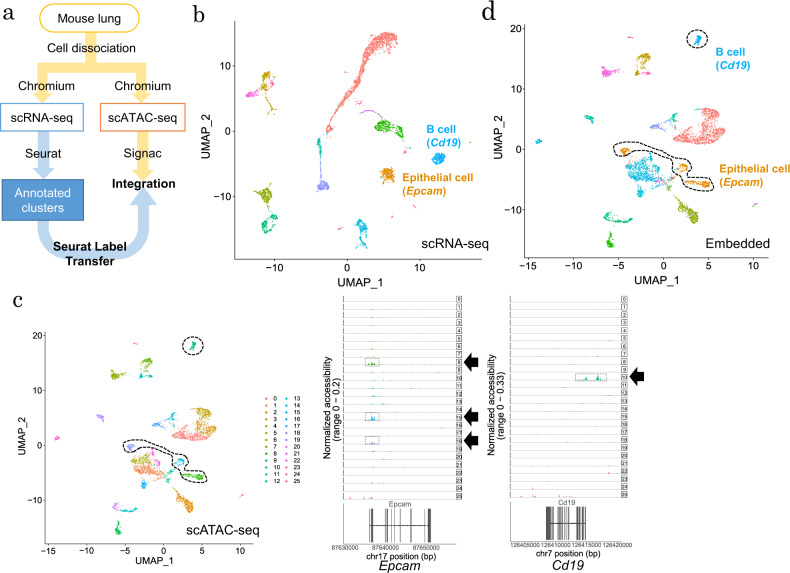
“By integrating a single-cell assay for transposase-accessible chromatin sequencing (scATAC-seq) and scRNA-seq, differential accessibility and differential gene expression can be linked together [61].”
Peña-Martínez, E. G., & Rodríguez‐Martínez, J. A. (2024) · Frontiers in Bioscience-Scholar · doi:10.31083/j.fbs1601004 · Cited by 68
Maternal-infant antibiotic resistance genes transference: what do we know?
Samarra, A., Esteban-Torres, M., Cabrera‐Rubio, R., Bernabeu, M., Arboleya, S., Gueimonde, M., & Collado, M. C. (2023) · Gut Microbes · doi:10.1080/19490976.2023.2194797 · Cited by 63
Methods and Insights from Single-Cell Expression Quantitative Trait Loci
Kang, J. B., Raveane, A., Nathan, A., Soranzo, N., & Raychaudhuri, S. (2023) · Annual Review of Genomics and Human Genetics · doi:10.1146/annurev-genom-101422-100437 · Cited by 66
“The full extent of available single-cell technologies and best practices for data preprocessing have been reviewed extensively (22, 73, 84, 92).”
MethodNew horizons at the interface of artificial intelligence and translational cancer research
Yates, J., & Allen, E. M. V. (2025) · Cancer Cell · doi:10.1016/j.ccell.2025.03.018 · Cited by 63
Valkiers, S., de Vrij, N., Gielis, S., Verbandt, S., Ogunjimi, B., Laukens, K., & Meysman, P. (2022) · ImmunoInformatics · doi:10.1016/j.immuno.2022.100009 · Cited by 60
Liang, A., Kong, Y., Chen, Z. H., Qiu, Y., Wu, Y., Zhu, X. M., & Li, Z. (2023) · Biochemistry and Biophysics Reports · doi:10.1016/j.bbrep.2023.101589 · Cited by 73
The role of epigenetic modifications for the pathogenesis of Crohn's disease
Hornschuh, M., Wirthgen, E., Wolfien, M., Singh, K. P., Wolkenhauer, O., & Däbritz, J. (2021) · Clinical Epigenetics · doi:10.1186/s13148-021-01089-3 · Cited by 59
Scalable co-sequencing of RNA and DNA from individual nuclei
Olsen, T. R., Talla, P., Sagatelian, R., Furnari, J. L., Bruce, J. N., Canoll, P., Zha, S., & Sims, P. A. (2025) · Nature Methods · doi:10.1038/s41592-024-02579-x · Cited by 57
Emerging clinical applications of single-cell RNA sequencing in oncology
Boxer, E., Feigin, N., Tschernichovsky, R., Darnell, N. G., Greenwald, A., Hoefflin, R., Kovarsky, D., Simkin, D., Turgeman, S., Zhang, L., et al. (2025) · Nature Reviews Clinical Oncology · doi:10.1038/s41571-025-01003-3 · Cited by 61
Advances in the Application of Single-Cell Transcriptomics in Plant Systems and Synthetic Biology
Islam, M. T., Liu, Y., Hassan, M. M., Abraham, P. E., Merlet, J., Townsend, A., Jacobson, D., Buell, C. R., Tuskan, G. A., & Yang, X. (2024) · BioDesign Research · doi:10.34133/bdr.0029 · Cited by 55
Advances in single-cell long-read sequencing technologies
Gupta, P., O’Neill, H., Wolvetang, E. J., Chatterjee, A., & Gupta, I. (2024) · NAR Genomics and Bioinformatics · doi:10.1093/nargab/lqae047 · Cited by 60
“The emergence of single-cell genomic, transcriptomic, and epigenomic sequencing technologies over the years allows for unprecedented resolution of omics profiles at the single-cell level ( 5 ).”
BackgroundA review of the resistome within the digestive tract of livestock
Ma, T., McAllister, T. A., & Guan, L. L. (2021) · Journal of Animal Science and Biotechnology/Journal of animal science and biotechnology · doi:10.1186/s40104-021-00643-6 · Cited by 58
“Single-cell sequencing refers to the sequencing the genome or transcriptome of a single cell to characterize the genomic, transcriptomic and metabolomic function of single cells [184].”
BackgroundTheocharidis, G., Tekkela, S., Veves, A., McGrath, J. A., & Onoufriadis, A. (2022) · Experimental Dermatology · doi:10.1111/exd.14547 · Cited by 59
Benchmarking multi-omics integration algorithms across single-cell RNA and ATAC data
Xiao, C., Chen, Y., Meng, Q., Wei, L., & Zhang, X. (2024) · Briefings in Bioinformatics · doi:10.1093/bib/bbae095 · Cited by 53
“To do this, open chromatin regions are tagged with sequencing adaptors by Tn5 transposase, amplified by PCR (polymerase chain reaction) and then sequenced [2].”
MethodSingle-Cell RNA-Seq Analysis of Olfactory Mucosal Cells of Alzheimer’s Disease Patients
Lampinen, R., Fazaludeen, M. F., Avesani, S., Örd, T., Penttilä, E., Lehtola, J.-M., Saari, T. T., Hannonen, S., Saveleva, L., Kaartinen, E., et al. (2022) · Cells · doi:10.3390/cells11040676 · Cited by 51
“ScRNA-seq is a powerful technology that enables the elucidation of genetic heterogeneity [19] and is very crucial for defining cell states and types from data, revealing marker genes, and identifying developmental trajectories that relate cells to cells [20].”
BackgroundSERS characterization of colorectal cancer cell surface markers upon anti‐EGFR treatment
Lyu, N., Pedersen, B., Shklovskaya, E., Rizos, H., Molloy, M. P., & Wang, Y. (2022) · Exploration · doi:10.1002/exp.20210176 · Cited by 51
Joint single-cell multiomic analysis in Wnt3a induced asymmetric stem cell division
Sun, Z., Tang, Y., Zhang, Y., Fang, Y., Jia, J., Zeng, W., & Dong, F. (2021) · Nature Communications · doi:10.1038/s41467-021-26203-0 · Cited by 49
Single-Cell Mapping of GLP-1 and GIP Receptor Expression in the Dorsal Vagal Complex
Ludwig, M. Q., Todorov, P. V., Egerod, K. L., Olson, D. P., & Pers, T. H. (2021) · Diabetes · doi:10.2337/dbi21-0003 · Cited by 38
The Role of the Hypoxia-Related Unfolded Protein Response (UPR) in the Tumor Microenvironment
Bartoszewska, S., Collawn, J. F., & Bartoszewski, R. (2022) · Cancers · doi:10.3390/cancers14194870 · Cited by 43
Single‐cell omics: Overview, analysis, and application in biomedical science
Stein, C. M., Weiskirchen, R., Damm, F., & Strzelecka, P. M. (2021) · Journal of Cellular Biochemistry · doi:10.1002/jcb.30134 · Cited by 44
“It can be used to trace the expansion of different clones and reconstruct cell lineages in the mosaic tissue of the tumour.(10,11) In addition, scDNA‐seq has the power to characterise rare cell types (e.”
BackgroundSingle cell genomics as a transformative approach for aquaculture research and innovation
Daniels, R. R., Taylor, R. S., Robledo, D., & Macqueen, D. J. (2023) · Reviews in Aquaculture · doi:10.1111/raq.12806 · Cited by 39
“10 11 – 14 This review concerns the uptake and applications of single cell genomics in aquaculture research, a relatively new field that is expanding rapidly.”
BackgroundSingle-cell genomics technology: perspectives
Hong, T. H., & Park, W. (2020) · Experimental & Molecular Medicine · doi:10.1038/s12276-020-00495-6 · Cited by 45
Single-cell omics in plant biology: mechanistic insights and applications for crop improvement
Zhu, Τ., Li, T., Lü, P., & Li, C. (2025) · Advanced Biotechnology · doi:10.1007/s44307-025-00074-8 · Cited by 43
“To address this limitation, single-cell omics technologies have emerged as critical tools for resolving the complex cellular landscapes of plants at the cellular level (Kashima et al. 2020).”
Wang, X., Xu, Y., Sun, Q., Zhou, X., Ma, W., Wu, J., Zhuang, J., & Sun, C. (2022) · Biomedicine & Pharmacotherapy · doi:10.1016/j.biopha.2022.113343 · Cited by 36
Single cell RNA sequencing approaches to cardiac development and congenital heart disease
Samad, T., & Wu, S. M. (2021) · Seminars in Cell and Developmental Biology · doi:10.1016/j.semcdb.2021.04.023 · Cited by 34
Sjögren syndrome: looking forward to the future
Callegher, S. Z., Giovannini, I., Zenz, S., Manfrè, V., Stradner, M. H., Hočevar, A., Gutiérrez, M., Quartuccio, L., Vita, S. D., & Zabotti, A. (2022) · Therapeutic Advances in Musculoskeletal Disease · doi:10.1177/1759720x221100295 · Cited by 32
Ren, L., Huang, D., Liu, H., Lin, N., Cai, P., Yu, X., Zhang, Y., Luo, N., Lin, H., Su, J., et al. (2024) · Oncology Letters · doi:10.3892/ol.2024.14285 · Cited by 33
“Single‑cell genome sequencing has allowed greater examination of genetic diversity, making it easier to analyze both de novo germ‑ line and somatic mutations in both normal and cancerous cells (23,64).”
BackgroundSingle‐cell RNA sequencing in exploring the pathogenesis of diabetic retinopathy
Zhang, X. Y., Zhang, F., & Xu, X. (2024) · Clinical and Translational Medicine · doi:10.1002/ctm2.1751 · Cited by 31
Machine learning methods to model multicellular complexity and tissue specificity
Sealfon, R. S. G., Wong, A. K., & Troyanskaya, O. G. (2021) · Nature Reviews Materials · doi:10.1038/s41578-021-00339-3 · Cited by 32
Spatiotemporal multi-omics: exploring molecular landscapes in aging and regenerative medicine
Chu, L.-X., Wang, W.-J., Gu, X.-P., Wu, P., Gao, C., Zhang, Q., Wu, J., Jiang, D.-W., Huang, J.-Q., Ying, X.-W., et al. (2024) · Military Medical Research · doi:10.1186/s40779-024-00537-4 · Cited by 29
“These advancements will furnish a granular perspective of individual cells as they evolve over time [291–293].”
BackgroundKashima, Y., Togashi, Y., Fukuoka, S., Kamada, T., Irie, T., Suzuki, A., Nakamura, Y., Shitara, K., Minamide, T., Yoshida, T., et al. (2021) · Scientific Reports · doi:10.1038/s41598-020-79385-w · Cited by 30
Self-citationThe Multi-Dimensional Biomarker Landscape in Cancer Immunotherapy
Lee, J. Y., Kannan, B., Lim, B. Y., Li, Z., Lim, A. H., Loh, J. W., Ko, T. K., Ng, C. C. Y., & Chan, J. Y. (2022) · International Journal of Molecular Sciences · doi:10.3390/ijms23147839 · Cited by 31
“Consequently, single-cell sequencing enables the investigation of the transcripts and mutations detected in individual genes at the cellular level, allowing the discovery of complex and rare populations as well as the roles they play in the TME [125,126].”
BackgroundOntogenetic rules for the molecular diversification of hypothalamic neurons
Benevento, M., Hökfelt, T. G. M., & Harkany, T. (2022) · Nature reviews. Neuroscience · doi:10.1038/s41583-022-00615-3 · Cited by 32
Pooled genetic screens with image‐based profiling
Walton, R. T., Singh, A. K., & Blainey, P. C. (2022) · Molecular Systems Biology · doi:10.15252/msb.202110768 · Cited by 31
“…it is worth briefly acknowledging the wide range of non-optical approaches for multidimensional profiling of single cells (Spitzer & Nolan, 2016; Kashima et al , 2020). scRNA-seq and scATAC-seq are now routine procedures with commercially available reagents, and many more approaches have been…”
BackgroundXu, J., Huang, D., & Zhang, X. (2024) · Advanced Science · doi:10.1002/advs.202307835 · Cited by 34
Advances in single-cell transcriptomics in animal research
Yan, Y., Zhu, S., Jia, M., Chen, X., Qi, W., Gu, F., Valencak, T. G., Liu, J., & Sun, H. (2024) · Journal of Animal Science and Biotechnology/Journal of animal science and biotechnology · doi:10.1186/s40104-024-01063-y · Cited by 30
“Increases in sample size and sequencing depth could result in the discovery of new and rare cell types, encompassing both previously unrecognized entities and those present in tissues where they have not been detected before [126].”
BackgroundT-Cell Receptor Repertoire Analysis with Computational Tools—An Immunologist’s Perspective
Arunkumar, M., & Zielinski, C. E. (2021) · Cells · doi:10.3390/cells10123582 · Cited by 27
Single-Cell Sequencing: Current Applications in Precision Onco-Genomics and Cancer Therapeutics
Mustachio, L. M., & Roszik, J. (2022) · Cancers · doi:10.3390/cancers14030657 · Cited by 26
“Microdroplet and microwell protocols allow for the simultaneous barcoding and handling of thousands of single cells [3].”
BackgroundMethodInfluentialTranslational Bioinformatics Applied to the Study of Complex Diseases
Casotti, M. C., Meira, D. D., Alves, L. N. R., Bessa, B. G. D. O., Campanharo, C. V., Vicente, C. R., Aguiar, C. C., Duque, D. D. A., Barbosa, D. G., dos Santos, E. D. V. W., et al. (2023) · Genes · doi:10.3390/genes14020419 · Cited by 30
Applications of single-cell multi-omics in liver cancer
Peeters, F., Cappuyns, S., Piqué‐Gili, M., Phillips, G., Verslype, C., Lambrechts, D., & Dekervel, J. (2024) · JHEP Reports · doi:10.1016/j.jhepr.2024.101094 · Cited by 31
“9”
Applications of single-cell technologies in drug discovery for tumor treatment
Liu, B., Hu, S., & Wang, X. (2024) · iScience · doi:10.1016/j.isci.2024.110486 · Cited by 25
Kelliher, J. M., Robinson, A., Longley, R., Johnson, L. Y. D., Hanson, B. T., Morales, D., Cailleau, G., Junier, P., Bonito, G. M., & Chain, P. (2023) · Microbiome · doi:10.1186/s40168-023-01634-7 · Cited by 26
“Newer methods for single-cell sequencing and low-input library preparation have helped to alleviate this short-coming; however, these methods are still prone to errors, technical noise, and biases and can have higher failure rates [77–79].”
MethodNovel insights into HBV‐hepatocellular carcinoma at single‐cell sequencing
Yin, D., Zhou, T., Xia, X., Chang, H., Liu, Z., Li, Q., Shu, Y., & Xu, H. (2023) · MedComm – Oncology · doi:10.1002/mog2.60 · Cited by 27
Single-Cell Multiomic MALDI-MSI Analysis of Lipids and N-Glycans through Affinity Array Capture
Dressman, J. W., Bayram, M., Angel, P. M., Drake, R. R., & Mehta, A. S. (2025) · Analytical Chemistry · doi:10.1021/acs.analchem.4c06233 · Cited by 24
Wei, J., Yu, W., Chen, J., Huang, G., Zhang, L., Chen, Z., Hu, M., Gong, X., & Du, H. (2023) · Molecular Oncology · doi:10.1002/1878-0261.13373 · Cited by 23
Unveiling novel insights in acute myeloid leukemia through single-cell RNA sequencing
Zhou, J., & Chng, W. J. (2024) · Frontiers in Oncology · doi:10.3389/fonc.2024.1365330 · Cited by 28
Spatial omics technologies for understanding molecular status associated with cancer progression
Nagasawa, S., Zenkoh, J., Suzuki, Y., & Suzuki, A. (2024) · Cancer Science · doi:10.1111/cas.16283 · Cited by 26
“In the last 10 years, several single-cell RNA-seq (scRNA-seq) 9 studies have unveiled transcriptome features in cancer tissues.”
BackgroundSelf-citationOrganized Chaos: Deciphering Immune Cell Heterogeneity’s Role in Inflammation in the Heart
Corker, A., Neff, L. S., Broughton, P. X., Bradshaw, A. D., & DeLeon‐Pennell, K. Y. (2021) · Biomolecules · doi:10.3390/biom12010011 · Cited by 23
Navigating single-cell RNA-sequencing: protocols, tools, databases, and applications
Arya, A., Tripathi, P., Dubey, N., Aier, I., & Varadwaj, P. K. (2025) · Genomics & Informatics · doi:10.1186/s44342-025-00044-5 · Cited by 23
“ScRNA-seq is a very powerful technology that enables the study of heterogeneous single-cell populations in a TME [162, 163].”
Onoda, N., Kawabata, A., Hasegawa, K., Sakakura, M., Urakawa, I., Seki, M., Zenkoh, J., Suzuki, A., & Suzuki, Y. (2022) · DNA Research · doi:10.1093/dnares/dsac007 · Cited by 18
“Single-cell RNA sequencing (scRNA-seq) has been rapidly developing and is utilized to uncover cellular heterogeneity in several research fields.(11) Although there are various platforms developed for scRNA-seq, these platforms generally require the prior isolation of single cells.”
Self-citationSingle-cell and spatial sequencing application in pathology
Kim, Y., Choi, J., & Lee, S. H. (2023) · Journal of Pathology and Translational Medicine · doi:10.4132/jptm.2022.12.12 · Cited by 21
“Since there have been numerous reviews that comprehensively introduce the technological aspects and various analysis methodologies of scRNA-seq [2,7-12] and ST [3,13-16], we briefly introduce the overview of principles and analytical methods of scRNA-seq and ST in this Single-cell and spatial sequencing application in…”
BackgroundWu, B. C., Bennett, H. M., Ye, X., Sridhar, A., Eidenschenk, C., Everett, C., Nazarova, E. V., Chen, H.-H., Kim, I. K., DeAngelis, M. M., et al. (2024) · Nature Communications · doi:10.1038/s41467-024-53227-z · Cited by 22
Cochlear Development; New Tools and Approaches
Kelley, M. W. (2022) · Frontiers in Cell and Developmental Biology · doi:10.3389/fcell.2022.884240 · Cited by 22
“However, within the last 10 years, technical improvements have significantly increased the sensitivity of assays related to the capture and quantification of cellular genomic, transcriptomic and proteomic data (CuevasDiaz Duran et al., 2017; Butler et al., 2018; Kashima et al., 2020; Armand et al., 2021; Asada et al.,…”
BackgroundTranscriptional bursting dynamics in gene expression
Zhang, Q., Cao, W., Wang, J., Yin, Y., Sun, R., Tian, Z., Hu, Y., Tan, Y., & Zhang, B. (2024) · Frontiers in Genetics · doi:10.3389/fgene.2024.1451461 · Cited by 21
Identifying genetic errors of immunity due to mosaicism
Schmitz, E. G., Griffith, M., Griffith, O. L., & Cooper, M. A. (2025) · The Journal of Experimental Medicine · doi:10.1084/jem.20241045 · Cited by 20
Decoding sex differences in human immunity through systems immunology
Escrivà-Font, J., Cao, T., & Consiglio, C. R. (2025) · Oxford Open Immunology · doi:10.1093/oxfimm/iqaf006 · Cited by 20
“…in human immunity | 7 transcriptome, single-cell techniques can be applied to different molecular modalities, including genomics and epigenomics [132], such as profiling chromatin accessibility via single-cell ATAC sequencing (scATAC-seq) [133] and mapping protein-DNA interactions with…”
Hui, S., & Nielsen, R. (2022) · Bioinformatics · doi:10.1093/bioinformatics/btac041 · Cited by 22
“However, the SCS process is technically challenging and produces noisy low coverage data, due to challenges like cell dissociation, small amounts of starting DNA, and non uniform whole genome amplification (7).”
BackgroundThe role of single-cell genomics in human genetics
Sreenivasan, V. K. A., Balachandran, S., & Spielmann, M. (2022) · Journal of Medical Genetics · doi:10.1136/jmedgenet-2022-108588 · Cited by 20
Integration of single-cell multi-omics data by regression analysis on unpaired observations
Yuan, Q., & Duren, Z. (2022) · Genome biology · doi:10.1186/s13059-022-02726-7 · Cited by 22
“Here, we use cell type annotation of PBMC data from the 10X Genomics R&D team [27] as ground truth.”
MethodscLENS: data-driven signal detection for unbiased scRNA-seq data analysis
Kim, H., Chang, W., Chae, S. J., Park, J.-E., Seo, M., & Kim, J. K. (2024) · Nature Communications · doi:10.1038/s41467-024-47884-3 · Cited by 23
Single-Cell DNA Methylation Analysis in Cancer
O’Neill, H., Lee, H. J., Gupta, I., Rodger, E. J., & Chatterjee, A. (2022) · Cancers · doi:10.3390/cancers14246171 · Cited by 19
scReadSim: a single-cell RNA-seq and ATAC-seq read simulator
Yan, G., Song, D., & Li, J. J. (2023) · Nature Communications · doi:10.1038/s41467-023-43162-w · Cited by 18
“References [1] Yukie Kashima, Yoshitaka Sakamoto, Keiya Kaneko, Masahide Seki, Yutaka Suzuki, and Ayako Suzuki.”
BackgroundSkin in the game: a review of single-cell and spatial transcriptomics in dermatological research
Schepps, S., Xu, J., Yang, H. Y., Mandel, J. L., Mehta, J., Tolotta, J., Baker, N., Tekmen, V., Nikbakht, N., Fortina, P. M., et al. (2024) · Clinical Chemistry and Laboratory Medicine (CCLM) · doi:10.1515/cclm-2023-1245 · Cited by 19
Recent developments in omics studies and artificial intelligence in depression and suicide
Wang, Q., & Dwivedi, Y. (2025) · Translational Psychiatry · doi:10.1038/s41398-025-03497-y · Cited by 18
“Single-cell sequencing technology has enabled us to identify speci fi c cells that cause transcriptome changes in speci fi c diseases [101, 102].”
Recent progress and applications of single-cell sequencing technology in breast cancer
Hawsawi, Y. M., Khoja, B. B., Aljaylani, A. O., Jaha, R., Alderbi, R. M., Alnuman, H., & Khan, M. I. (2024) · Frontiers in Genetics · doi:10.3389/fgene.2024.1417415 · Cited by 17
“These techniques involve the uniform ampli fi cation of genomic DNA from individual cells using methods such as multiple displacement ampli fi cation, multiple annealing and loop-based ampli fi cation cycles (MALBAC), degenerate oligonucleotide-primed PCR (DOP-PCR), and PicoPLEX (Kashima et al., 2020). scWGS has been par…”
BackgroundFrom Transcriptomics to Treatment in Inherited Optic Neuropathies
Gilhooley, M. J., Owen, N., Moosajee, M., & Yu‐Wai‐Man, P. (2021) · Genes · doi:10.3390/genes12020147 · Cited by 18
“In such methods, single cells are isolated (for example, using a microwell plate or in individual droplets using microfluidics) and combined with reaction substrate and a barcoded bead (see [58] for a review of individual methods).”
MethodDevelopment of Single-Cell Transcriptomics and Its Application in COVID-19
Wang, C., Huyan, T., Zhou, X., Zhang, X., Duan, S., Gao, S., Jiang, S., & Li, Q. (2022) · Viruses · doi:10.3390/v14102271 · Cited by 17
escheR : unified multi-dimensional visualizations with Gestalt principles
Guo, B., Huuki-Myers, L. A., Grant‐Peters, M., Collado‐Torres, L., & Hicks, S. C. (2023) · Bioinformatics Advances · doi:10.1093/bioadv/vbad179 · Cited by 17
“Both of these visualizations represent data in a 2D space and are motivated by recent advances in experimental technologies that profile molecules, including DNA, RNA, and proteins, at a single-cell or spatial resolution [9, 10].”
BackgroundEnhanced In Situ Spatial Proteomics by Effective Combination of MALDI Imaging and LC-MS/MS
Schäfer, F., Tomar, A., Sato, S., Teperino, R., Imhof, A., & Lahiri, S. (2024) · Molecular & Cellular Proteomics · doi:10.1016/j.mcpro.2024.100811 · Cited by 17
“In recent years, remarkable progress has been made in molecularly describing single cells thereby generating a better understanding of cellular heterogeneity and identity (16 – 19).”
BackgroundVersatile system cores as a conceptual basis for generality in cell and developmental biology
Gallo, E. C. D. P. R., Renzis, S. D., Sharpe, J. A., Mayor, R., & Hartmann, J. (2024) · Cell Systems · doi:10.1016/j.cels.2024.08.001 · Cited by 16
“In summary, we hypothesize that the C&P system architecture (1) is a general concept that can be applied to many qualitatively different biological systems across multiple scales, (2) entails a generative principle that explains how systems with such an architecture can spread widely and evolve great diversity, and (3…”
BackgroundInvestigation of human aging at the single-cell level
Li, Y., Wang, Q., Xuan, Y., Zhao, J., Li, J., Tian, Y., Chen, G., & Tan, F. (2024) · Ageing Research Reviews · doi:10.1016/j.arr.2024.102530 · Cited by 19
Integrating scRNA-seq and scATAC-seq with inter-type attention heterogeneous graph neural networks
Cai, L., Ma, X., & Ma, J. (2024) · Briefings in Bioinformatics · doi:10.1093/bib/bbae711 · Cited by 21
Advanced single-cell technologies to guide the development of bioengineered lungs
Wanczyk, H., Jensen, T., Weiss, D. J., & Finck, C. M. (2021) · American Journal of Physiology-Lung Cellular and Molecular Physiology · doi:10.1152/ajplung.00089.2021 · Cited by 17
High-Dimensional Single-Cell Transcriptomics in Melanoma and Cancer Immunotherapy
Quek, C. Y. J., Bai, X., Long, G. V., Scolyer, R. A., & Wilmott, J. S. (2021) · Genes · doi:10.3390/genes12101629 · Cited by 16
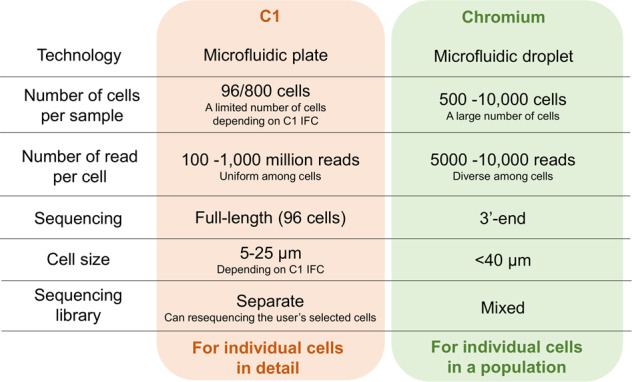
“C1 Fluidigm Microwell encapsulation 39% 3–30% 96 or 800 5–10, 10–17, or 17–25 μm Fluidigm Singular Analysis Toolset Software Full-length transcript; customisable workflow (able to exclude empty wells and doublets) Limited cell capture; low throughput (up to 96 or 800 cells); high cost of cartridges; relatively long pr…”
BackgroundModeling specific aneuploidies: from karyotype manipulations to biological insights
Truong, M. A., Cané‐Gasull, P., & Lens, S. M. A. (2023) · Chromosome Research · doi:10.1007/s10577-023-09735-7 · Cited by 19
Edrisi, M., Huang, X., Ogilvie, H. A., & Nakhleh, L. K. (2023) · Nature Communications · doi:10.1038/s41467-023-44014-3 · Cited by 17
Zhang, J., Cheng, H. M., Wang, D., Zhu, Y., Yang, C., Shen, Y., Yu, J., Li, Y., Xu, S., Song, X., et al. (2021) · Environmental Pollution · doi:10.1016/j.envpol.2021.116951 · Cited by 16
Galichet, C., Clayton, R. W., & Lovell-Badge, R. H. (2021) · Frontiers in Cellular Neuroscience · doi:10.3389/fncel.2021.673132 · Cited by 17
“With advances in transcriptomic analysis and discovery of markers specific to sub-populations of OPCs, these cells could now be sorted according to their location and/or transcriptomic profile and ATAC-seq, bisulfite-seq or proteomic studies could be performed at a single-cell level (Kashima et al., 2020).”
BackgroundMolecular mechanisms of multi-omic regulation in breast cancer
Ochoa, S., & Lemus, E. H. (2023) · Frontiers in Oncology · doi:10.3389/fonc.2023.1148861 · Cited by 16
“In recent times, multi-omic approaches have been further advanced with the advent of single cell sequencing techniques that have allowed for the integration of transcriptome data, as well as, other omics such as ATAC-seq (Assay for TransposaseAccessible Chromatin using sequencing) (94) to achieve a deeper understandin…”
MethodMoon, J.-H., Roh, D., Kwack, K. H., & Lee, J. (2023) · Japanese Dental Science Review · doi:10.1016/j.jdsr.2023.08.001 · Cited by 16
“This approach fails to capture individual cells and the heterogeneity within a mixed population [9,12].”
BackgroundLi, Z., Gu, H., Xu, X., Tian, Y., Huang, X., & Du, Y. (2023) · Frontiers in Immunology · doi:10.3389/fimmu.2023.1288027 · Cited by 16
“For example, single-cell genomics analysis can identify nucleotide variations and polymorphisms (155).”
BackgroundSynovial single-cell heterogeneity, zonation and interactions: a patchwork of effectors in arthritis
Schonfeldova, B., Zec, K., & Udalova, I. A. (2021) · Rheumatology · doi:10.1093/rheumatology/keab721 · Cited by 15
Metadata
- Authors
- Kashima, Y., Sakamoto, Y., Kaneko, K., Seki, M., Suzuki, Y., & Suzuki, A.
- Affiliations
- National Cancer Centre Japan (JP)
- The University of Tokyo (JP)
- Corresponding author
- Suzuki, Ayako
- Venue
- Experimental & Molecular Medicine
- Published
- 2020-09
- Volume
- 52
- Issue
- 9
- Pages
- 1419-1427
- ISSN
- 1226-3613 (ISSN-L)
- 2092-6413
- PMC
- PMC8080663
- OpenAlex
- W3087547719
- Cited by
- 270
- References
- 86
- Citations by year
- 2026: 31 · 2025: 44 · 2024: 58 · 2023: 46 · 2022: 51 · 2021: 37 · 2020: 2
- FWCI
- 3.59
- Type
- journal article
- Language
- en
- Open access
- gold
- doi.org
- Licence
- cc-by
- creativecommons.org/licenses/by/4.0 (tdm)
- creativecommons.org/licenses/by/4.0 (vor, 14 d)
- Locations
- Experimental & Molecular Medicine (publishedVersion, cc-by)
- PubMed Central (publishedVersion, cc-by)
- PubMed (publishedVersion)
- DOAJ (DOAJ: Directory of Open Access Journals) (submittedVersion, cc-by-sa)
- Funders
- MEXT | Japan Society for the Promotion of Science (16H06279, 17H06306)
- Topics
- Life Sciences › Biochemistry, Genetics and Molecular Biology › Molecular Biology › Single-cell and spatial transcriptomics
- Life Sciences › Biochemistry, Genetics and Molecular Biology › Molecular Biology › Genomics and Phylogenetic Studies
- Life Sciences › Biochemistry, Genetics and Molecular Biology › Molecular Biology › Genomics and Chromatin Dynamics
- Keywords
- single-cell sequencing, multi-omics, single-cell RNA sequencing, single-cell ATAC-seq, chromatin accessibility, single-cell epigenomics, single-cell genomics, data integration
- MeSH terms
- Animals, Humans, Reproducibility of Results, Genetic Heterogeneity, Computational Biology, Gene Expression Profiling, Genomics, Proteomics, Epigenomics, Single-Cell Analysis, High-Throughput Nucleotide Sequencing, Transcriptome
About these checks
Registry, retraction, Cites and statistics results are computed, not judged, with one exception: a printed reference that no index lists is read once by a model before it counts as a citation error. Claims are extracted by a model and kept only when their quote appears verbatim in the text; each cited source is then checked, with a model’s help, for whether it says what the claim relies on. Those verdicts can be wrong — read the claim’s quote and the cited source before relying on one.
Statistics and arithmetic are recomputed, not judged.
Confidence bands are shown only for fields calibrated on our annotated test set. None is calibrated yet, so no band is shown.
What counts as a claim ›How we measure confidence ›How we check this ›
Are you an author, or do you see a problem with this page? Request a review
Data sources
Bibliographic data: Semantic Scholar, OpenAlex, Crossref.
Contains information from the Semantic Scholar Academic Graph Datasets, made available under the ODC Attribution License (ODC-BY 1.0).
Semantic Scholar’s data is described in: Kinney, R., et al. (2023). The Semantic Scholar Open Data Platform. arXiv:2301.10140.
