

Regulated cell death pathways and their roles in homeostasis, infection, inflammation, and tumorigenesis
Open accessThe DOI matches its Crossref record; 137 of the 138 references it cites were found in a registry or an index.
Abstract
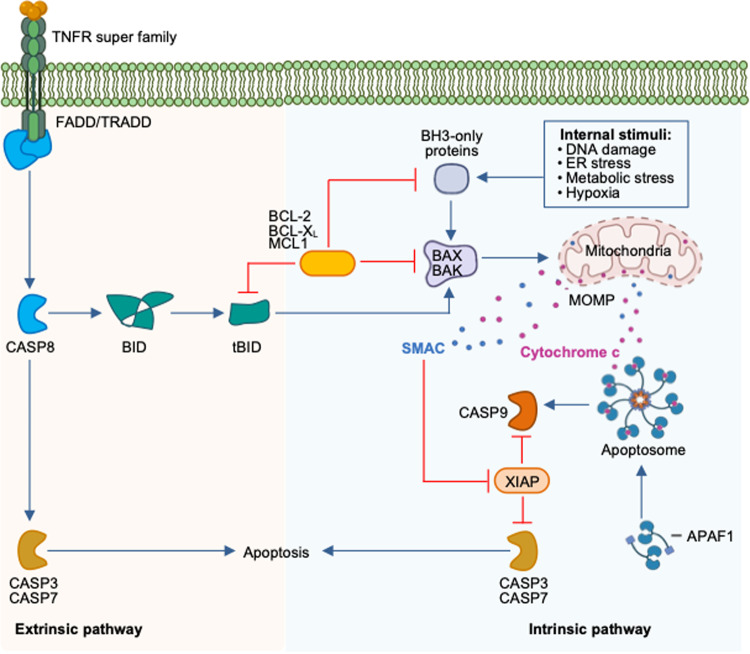
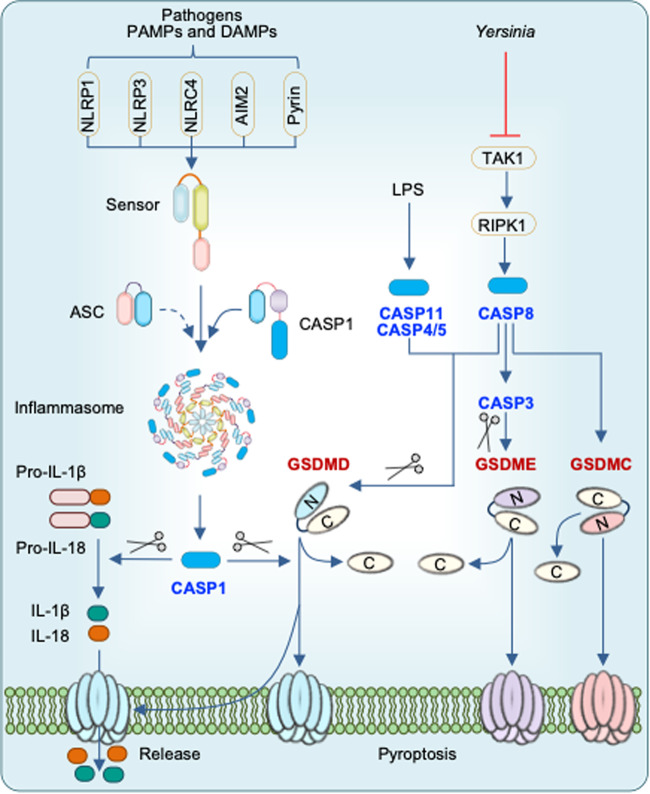
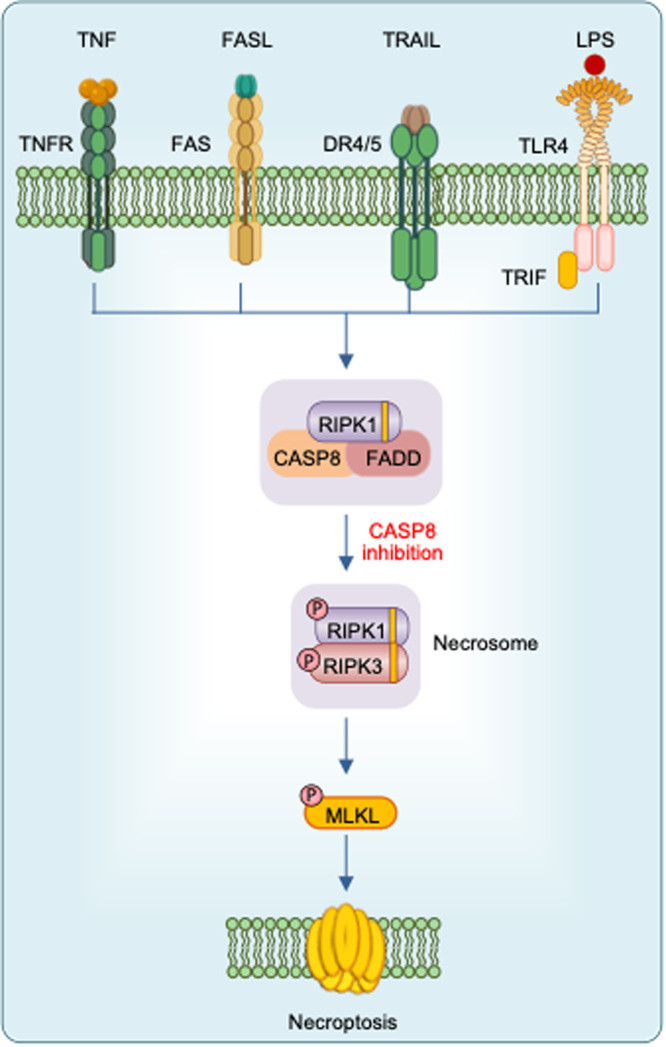
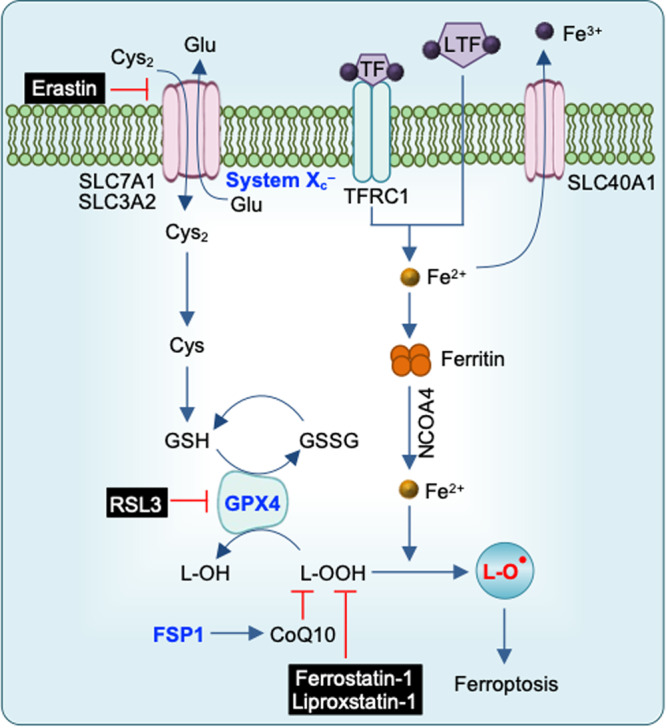
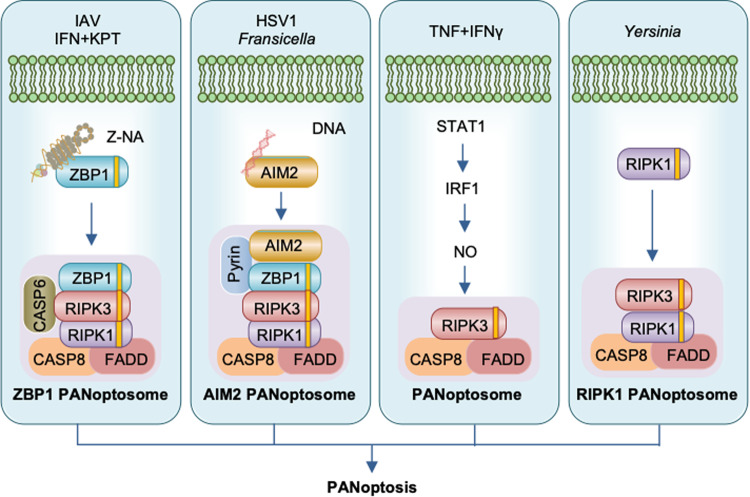
Pyroptosis, apoptosis, necroptosis, and ferroptosis, which are the most well-studied regulated cell death (RCD) pathways, contribute to the clearance of infected or potentially neoplastic cells, highlighting their importance in homeostasis, host defense against pathogens, cancer, and a wide range of other pathologies. Although these four RCD pathways employ distinct molecular and cellular processes, emerging genetic and biochemical studies have suggested remarkable flexibility and crosstalk among them. The crosstalk among pyroptosis, apoptosis and necroptosis pathways is more evident in cellular responses to infection, which has led to the conceptualization of PANoptosis. In this review, we provide a brief overview of the molecular mechanisms of pyroptosis, apoptosis, necroptosis, and ferroptosis and their importance in maintaining homeostasis. We discuss the intricate crosstalk among these RCD pathways and the current evidence supporting PANoptosis, focusing on infectious diseases and cancer. Understanding the fundamental processes of various cell death pathways is crucial to inform the development of new therapeutics against many diseases, including infection, sterile inflammation, and cancer.
Overview
The claims and statistics of this paper haven’t been checked yet.
Free: it reads the open-access text and checks the first 5 claims that cite a source we can check. Create a free account to check every claim.
Integrity signals
Registry
Cites
Statistics
Figures
Verification
Claims the paper makes
The claims and statistics of this paper haven’t been checked yet.
Free: it reads the open-access text and checks the first 5 claims that cite a source we can check. Create a free account to check every claim.
Claims other papers make about this one
Each is checked against this paper’s own text: does it say what the citing paper says it does?
The cited source says what the claim attributes to it.
In the citing paper
“However, excessive activation of RCD can lead to pathological tissue injury and chronic inflammation [33].”
From Role of Regulated Cell Death Pathways in Snakebite Envenomation: Mechanisms, Crosstalk, and Therapeutic Opportunities (2026) · cites this paper as [33]
Self-check
Percentages, sums and reported differences re-computed from the paper’s own numbers.
The self-check needs the paper’s full text.
Citations
Cites
Hallmarks of Cancer: The Next Generation
Hanahan, D., & Weinberg, R. A. (2011) · Cell · doi:10.1016/j.cell.2011.02.013 · Cited by 66,590
Ferroptosis: An Iron-Dependent Form of Nonapoptotic Cell Death
Dixon, S. J., Lemberg, K. M., Lamprecht, M. R., Skouta, R., Zaitsev, E. M., Gleason, C. E., Patel, D. N., Bauer, A. J., Cantley, A. M., Yang, W. S., et al. (2012) · Cell · doi:10.1016/j.cell.2012.03.042 · Cited by 18,691
Apoptosis: A Basic Biological Phenomenon with Wideranging Implications in Tissue Kinetics
Kerr, J. F. R., Wyllie, A. H., & Currie, A. R. (1972) · British Journal of Cancer · doi:10.1038/bjc.1972.33 · Cited by 15,725
Li, P., Nijhawan, D., Budihardjo, I., Srinivasula, S. M., Ahmad, M., Alnemri, E. S., & Wang, X. (1997) · Cell · doi:10.1016/s0092-8674(00)80434-1 · Cited by 7,289
Galluzzi, L., Vitale, I., Aaronson, S. A., Abrams, J. M., Adam, D., Agostinis, P., Alnemri, E. S., Altucci, L., Amelio, I., Andrews, D. W., et al. (2018) · Cell Death & Differentiation · doi:10.1038/s41418-017-0012-4 · Cited by 6,680
Cleavage of GSDMD by inflammatory caspases determines pyroptotic cell death
Shi, J., Zhao, Y., Wang, K., Shi, X., Wang, Y., Huang, H., Zhuang, Y., Cai, T., Wang, F., & Shao, F. (2015) · Nature · doi:10.1038/nature15514 · Cited by 6,659
Copper induces cell death by targeting lipoylated TCA cycle proteins
Tsvetkov, P., Coy, S., Petrova, B., Dreishpoon, M., Verma, A., Abdusamad, M., Rossen, J., Joesch-Cohen, L., Humeidi, R., Spangler, R. D., et al. (2022) · Science · doi:10.1126/science.abf0529 · Cited by 4,932
Identification and inhibition of the ICE/CED-3 protease necessary for mammalian apoptosis
Nicholson, D. W., Ali, A., Thornberry, N. A., Vaillancourt, J. P., Ding, C. K., Gallant, M., Gareau, Y., Griffin, P. R., Labelle, M., Lazebnik, Y. A., et al. (1995) · Nature · doi:10.1038/376037a0 · Cited by 3,979
Caspase-11 cleaves gasdermin D for non-canonical inflammasome signalling
Kayagaki, N., Stowe, I. B., Lee, B. L., O’Rourke, K., Anderson, K., Warming, S., Cuellar, T., Haley, B., Roose-Girma, M., Phung, Q. T., et al. (2015) · Nature · doi:10.1038/nature15541 · Cited by 3,686
Inflammasome-activated gasdermin D causes pyroptosis by forming membrane pores
Liu, X., Zhang, Z., Ruan, J., Pan, Y., Magupalli, V. G., Wu, H., & Lieberman, J. (2016) · Nature · doi:10.1038/nature18629 · Cited by 3,202
Cited by
PANoptosis: bridging apoptosis, pyroptosis, and necroptosis in cancer progression and treatment
Gao, J., Xiong, A., Liu, J., Li, X., Wang, J., Zhang, L., Liu, Y., Xiong, Y., Li, G., & He, X. (2024) · Cancer Gene Therapy · doi:10.1038/s41417-024-00765-9 · Cited by 170
“Evidence for PANoptosis was fi rst provided in a study of in fl uenza A virus (IAV)-infected macrophages, which demonstrated that activation of caspase-1, caspase-3, and caspase-8, as well as phosphorylation of MLKL, were key molecular events in pyroptosis, apoptosis, and necroptosis [4].”
BackgroundApigenin: Molecular Mechanisms and Therapeutic Potential against Cancer Spreading
Naponelli, V., Rocchetti, M. T., & Mangieri, D. (2024) · International Journal of Molecular Sciences · doi:10.3390/ijms25105569 · Cited by 102
“, including apoptosis, autophagy, ferroptosis, necroptosis, and anoikis, depending microenvironments [110,114,115].”
The Underlying Mechanisms and Emerging Strategies to Overcome Resistance in Breast Cancer
Kannan, K., Srinivasan, A., Kannan, A., & Ali, N. (2025) · Cancers · doi:10.3390/cancers17172938 · Cited by 47
“For maintaining tissue homeostasis, regulated cell death (RCD), including apoptosis, ferroptosis, pyroptosis, necroptosis, cuproptosis, and autophagy-dependent cell death, is essential [102,103].”
Lou, J., Mao, Y., Jiang, W., Shen, H., Fan, Y., Yu, Q., Zhou, C., Wei, Z., Zhou, K., Jin, M., et al. (2024) · Advanced Science · doi:10.1002/advs.202407132 · Cited by 53
Nanomaterials‐Induced PANoptosis: A Promising Anti‐Tumor Strategy
Hou, G., Chen, Y., Lei, H., Lu, S., & Cheng, L. (2024) · Angewandte Chemie International Edition · doi:10.1002/anie.202419649 · Cited by 49
Immunogenic cell death: A new strategy to enhancing cancer immunotherapy
Dou, L., Fang, Y., Yang, H., Ai, G., & Shen, N. (2024) · Human Vaccines & Immunotherapeutics · doi:10.1080/21645515.2024.2437918 · Cited by 47
Ferroptosis-activating metabolite acrolein antagonizes necroptosis and anti-cancer therapeutics
Bae, H., Moon, S., Chang, M., Zhang, F., Jang, Y., Kim, W., Kim, S., Fu, M., Lim, J., Park, S., et al. (2025) · Nature Communications · doi:10.1038/s41467-025-60226-1 · Cited by 40
Self-citationZhou, N., Peng, L., Luo, Q., Yin, T., Sun, H., Zhang, Y., Shi, X., Peng, X., Bao, J., Ning, Y., et al. (2025) · Nucleic Acids Research · doi:10.1093/nar/gkaf1119 · Cited by 38
“While apoptosis, pyropto-sis, necroptosis, and ferroptosis represent the most extensively studied RCD subroutines, it is now unequivocally established that RCD is important to homeostasis, host defense against pathogens, cancer, and a wide range of other pathologies [ 10 ].”
The role of pyroptosis in cancer: key components and therapeutic potential
Liu, Z., Xu, S., Chen, L., Gong, J., & Wang, M. (2024) · Cell Communication and Signaling · doi:10.1186/s12964-024-01932-z · Cited by 33
Cell death signaling and immune regulation: new perspectives on targeted therapy for sepsis
Wu, H., Cui, J., Huang, J., Feng, Y., Zhao, J., Zhu, Y., Deng, X., Li, X., Zhang, W., & Wang, C. (2025) · Cellular & Molecular Biology Letters · doi:10.1186/s11658-025-00784-w · Cited by 34
Boaru, D. L., León-Oliva, D. D., Castro-Martinez, P. D., Montero, C. G., Fraile‐Μartinez, O., García-González, B., Pérez-González, I., Alhaddadin, M. N. M., Barrena-Blázquez, S., López-González, L., et al. (2025) · Biomedicine & Pharmacotherapy · doi:10.1016/j.biopha.2025.118422 · Cited by 37
The Role of Keratinocytes in Skin Health and Disease
Al‐Dhubaibi, M. S., Mohammed, G. F., Bahaj, S. S., AbdElneam, A. I., Al‐Dhubaibi, A. M., & Atef, L. M. (2025) · Dermatological Reviews · doi:10.1002/der2.70028 · Cited by 32
“Thus, understanding the complex behavior and lifecycle of keratinocytes is fundamental to the fields of dermatology and skin biology, as it unveils critical insights into skin disorders and potential therapeutic approaches [10].”
Implications of inflammatory cell death-PANoptosis in health and disease
Bae, H., Jang, Y., Karki, R., & Han, J. (2024) · Archives of Pharmacal Research · doi:10.1007/s12272-024-01506-0 · Cited by 31
“Furthermore, RCD can be categorized into lytic and non-lytic cell death based on morphological features and molecular mechanisms (Lee et al. 2023; Tweedell et al. 2023).”
Self-citationCancer-associated fibroblasts in carcinogenesis
Zhou, S., Zhao, Z., Wang, Z., Xu, H., Li, Y., Xu, K., Li, W., & Yang, J. (2025) · Journal of Translational Medicine · doi:10.1186/s12967-025-06071-8 · Cited by 28
“Cell death, regarded as genetically programmed self-destruction of cells, is a fundamental biological process prevalent in all aspects of life [32].”
Progress in nanomedicine for sonodynamic immunotherapy of tumors
Feng, Z., Wang, Z., Xiang, X., Wang, L., Du, F., Xiao, X., Zhu, B., Rong, X., & Qiu, L. (2024) · EngMedicine · doi:10.1016/j.engmed.2024.100027 · Cited by 25
Qi, H., Li, X., Ma, J., Sun, J., Liu, Y., Wang, X., Fan, K., Shu, C., & Wang, C. (2025) · Science Bulletin · doi:10.1016/j.scib.2025.02.034 · Cited by 26
Yao, H., Ge, J., Chen, J., Tang, X., Li, C., Hu, X., Ahmed, A. A., Pu, Y., Zhou, G., Zhang, T., et al. (2025) · Journal of Experimental & Clinical Cancer Research · doi:10.1186/s13046-025-03295-w · Cited by 25
“Regulated cell death (RCD) plays a critical role not only in organismal development and homeostasis but also in tumorigenesis [25, 26].”
Sun, A. L. A., Gillies, J., Shen, Y., Deng, H., Xue, F., Ma, Y., & Song, L. (2024) · Clinical and Translational Science · doi:10.1111/cts.13857 · Cited by 24
PANoptosis in Sepsis: A Central Role and Emerging Therapeutic Target
Wu, Q., Qi, S., Kang, Z., Bai, X., Li, Z., Cheng, J., & Dong, X. (2025) · Journal of Inflammation Research · doi:10.2147/jir.s513367 · Cited by 23
Involvement of regulated cell deaths in aging and age-related pathologies
Torre, L. D., Beato, A., Capone, V., Carannante, D., Verrilli, G., Favale, G., Gaudio, N. D., Megchelenbrink, W., Benedetti, R., Altucci, L., et al. (2024) · Ageing Research Reviews · doi:10.1016/j.arr.2024.102251 · Cited by 20
“Unlike uncontrolled cell death, RCD is a highly regulated mechanism essential for maintaining tissue homeostasis, eliminating damaged or unnecessary cells, and orchestrating developmental processes (Lee et al., 2023).”
Wu, Y., Cao, Y., Chen, L., Lai, X., Zhang, S., & Wang, S. (2024) · Biological Procedures Online · doi:10.1186/s12575-024-00245-2 · Cited by 21
“As an iron-dependent form of RCD, the role of dysregulated ferroptosis in tumorigenesis has attracted much interest in recent years [120].”
BackgroundAnti-virus activity and mechanisms of natural polysaccharides from medicinal herbs
Huang, X., Chen, X., Xian, Y., & Jiang, F. (2024) · Carbohydrate Research · doi:10.1016/j.carres.2024.109205 · Cited by 20
Sun, G., Li, K., Ping, J., Zhao, L., Cui, C., Wu, J., Xie, L., Yao, X., Xu, G., Ma, S., et al. (2025) · Nature Microbiology · doi:10.1038/s41564-025-02050-3 · Cited by 23
Targeting NRF2 and FSP1 to Overcome Ferroptosis Resistance in TSC2-Deficient and Cancer Cells
Tahsin, T., McPhail, D. K., Champion, J. D., Alzahrani, M. A. M., Hilditch, M. L., Faris-Orr, A., Calver, B. L., Sexton, D. W., Cronin, J., Rivas, J. C. M., et al. (2025) · Cancers · doi:10.3390/cancers17162714 · Cited by 21
“Typically, conventional therapies result in apoptosis, a controlled and highly regulated form of cell death characterised by cell shrinkage, membrane budding, and phagocytosis by surrounding cells (see review [1]).”
Symphony of regulated cell death: Unveiling therapeutic horizons in sarcopenia
Peng, J., Zou, M., Zhang, Q., Liu, D., Chen, S., Fang, R., Gao, Y., Yan, X., & Hao, L. (2025) · Metabolism · doi:10.1016/j.metabol.2025.156359 · Cited by 20
Zhao, C. (2025) · Discover Oncology · doi:10.1007/s12672-025-02022-3 · Cited by 20
“These agents have demonstrated remarkable efficacy in enhancing conventional cancer treatments, especially when combined with chemotherapy or radiotherapy in tumors with DNA repair deficiencies.”
InfluentialZhao, J., Li, Y., Ying, P., Zhou, Y., Xu, Z., Wang, D., Wang, H., & Tang, L. (2025) · International Journal of Biological Sciences · doi:10.7150/ijbs.105550 · Cited by 17
“Besides, numerous studies have confirmed the direct positive correlation between PANoptosis and inflammation [57].”
Szulc, A., & Woźniak, M. (2025) · International Journal of Molecular Sciences · doi:10.3390/ijms26209902 · Cited by 19
“Programmed cell death regulates tissue renewal and immunological responses, which is fundamental in preventing illnesses caused by excessive cell growth [6].”
Wang, Y., Shen, S., Sun, Y., Zhou, S., Zhang, X., Song, Z., Sun, M., Jiang, S., Qian, C., Zhang, Q., et al. (2025) · npj Science of Food · doi:10.1038/s41538-025-00599-1 · Cited by 17
Chemical Hypoxia Induces Pyroptosis in Neuronal Cells by Caspase-Dependent Gasdermin Activation
Park, C. H., Park, J. Y., & Cho, W. G. (2024) · International Journal of Molecular Sciences · doi:10.3390/ijms25042185 · Cited by 18
“Cell death is an essential process for organism development, maintenance of tissue homeostasis, and host defense against pathogens [22].”
BackgroundExploiting cell death and tumor immunity in cancer therapy: challenges and future directions
Lu, J., He, R., Liu, Y., Zhang, J., Xu, H., Zhang, T., Chen, L., Yang, G., Zhang, J., Liu, J., et al. (2024) · Frontiers in Cell and Developmental Biology · doi:10.3389/fcell.2024.1416115 · Cited by 18
Advances in non-apoptotic regulated cell death: implications for malignant tumor treatment
Zhang, Y., Yi, S., & Luan, M. (2025) · Frontiers in Oncology · doi:10.3389/fonc.2025.1519119 · Cited by 26
“Cell death is a crucial biological process that regulates organismal development and maintains homeostasis (6).”
Navigating the complexities of cell death: Insights into accidental and programmed cell death
Lotfi, M.-S., & Rassouli, F. B. (2024) · Tissue and Cell · doi:10.1016/j.tice.2024.102586 · Cited by 15
Xia, H., Lin, J., Wang, Y., Yu, J., Wang, H., Cheng, C., Yang, Y., Bian, T., Yan, W. S., & Liu, Q. (2024) · Environmental Pollution · doi:10.1016/j.envpol.2024.123913 · Cited by 15
Isoquercitrin Inhibits Lung Cancer Cell Growth Through Triggering Pyroptosis and Ferroptosis
Fan, H., Xu, P., Zou, B., Wang, H., Li, C., & Huang, J. (2024) · Nutrition and Cancer · doi:10.1080/01635581.2024.2416246 · Cited by 17
Li, Q., Ling, Y., Ma, Y., Zhang, T., Yang, Y., & Tao, S. (2024) · Ecotoxicology and Environmental Safety · doi:10.1016/j.ecoenv.2024.115994 · Cited by 13
Zhang, Y., & Zhou, X. (2024) · Biomedicine & Pharmacotherapy · doi:10.1016/j.biopha.2024.116667 · Cited by 13
Progress in Research on Regulated Cell Death in Cerebral Ischaemic Injury After Cardiac Arrest
Chen, Z., Wang, S., Shu, T., Xia, S., He, Y., & Yang, Y. (2025) · Journal of Cellular and Molecular Medicine · doi:10.1111/jcmm.70404 · Cited by 11
“…apoptosis and necroptosis indicates the presence of a dynamic molecular interaction network, which has been conceptualised as PANoptosis and represents an inflammatory RCD that is activated by specific triggers and has molecular characteristics of pyroptosis, apoptosis, and necroptosis [79].”
Steiner, P., Wiesbauer, L., Kerschbaum, H., & Zierler, S. (2026) · Cells · doi:10.3390/cells15020111 · Cited by 12
“Necroptosis, orchestrated by the RIPK1/RIPK3/MLKL signaling cascade, provides an alternative PCD mechanism when apoptotic pathways are compromised [9,10].”
Yousef, E. H., El‐Mesery, M., Habeeb, M., & Eissa, L. A. (2024) · Naunyn-Schmiedeberg s Archives of Pharmacology · doi:10.1007/s00210-023-02894-8 · Cited by 13
“Apoptosis is a programmed cell death that is important for normal development, host defense, and oncogenesis suppression (Lee et al. 2023).”
Ko, J., Jang, S., Jang, S., Park, S., Yi, J. K., Choi, D. K., Kim, S., Kim, M. O., Lim, S., & Ryoo, Z. Y. (2024) · BMB Reports · doi:10.5483/bmbrep.2024-0067 · Cited by 11
Yang, D., Wang, X., Sun, Y., Shao, Y., & Shi, X. (2024) · International Immunopharmacology · doi:10.1016/j.intimp.2024.113083 · Cited by 12
The Multifaceted Role of Calcium Signaling in Regulated Necrosis
Pérez-Rivera, E., Plasencia, C., & Ros, U. (2025) · Biomolecules · doi:10.3390/biom15060854 · Cited by 11
“Due to the loss of plasma membrane integrity, these forms of necrosis, whether accidental or regulated, have an inflammatory phenotype with significant implications for inflammatory diseases such as atherosclerosis, autoimmune disorders, neurodegenerative diseases, and cancer [6,7].”
Tkachenko, A. S., Havránek, O., Lang, F. J. W., Lang, K. S., & Wieder, T. (2025) · GeroScience · doi:10.1007/s11357-025-02010-z · Cited by 12
Non-canonical cell death in neurodegeneration: emerging mechanisms and therapeutic frontiers
Ercin, N., Beşli, N., Beker, M., & Kılıç, Ü. (2026) · APOPTOSIS · doi:10.1007/s10495-026-02260-y · Cited by 10
“This crosstalk plays a significant role in the pathophysiology of various diseases, particularly neurodegenerative disorders [135, 136].”
Innate immune sensing of dietary alcohol ignites inflammation to drive alcohol-related disease
Jang, Y., Bae, H., Oh, S., Yu, G., Bae, H., Nguyen, M. Q., Mall, R., Fu, M., Ghosh, A., Lee, J., et al. (2026) · Science Advances · doi:10.1126/sciadv.aea3979 · Cited by 12
“Innate immunity is the first line of defense against PAMPs and DAMPs, potentially leading to lytic cell death ( 31 , 32 ).”
Self-citationLi, N., Song, X., Peng, X., Li, M., Zhu, M., Xiao, R., Wang, L., Ling, L., Zhao, Y. J., Wang, T., et al. (2026) · Journal of Hepatology · doi:10.1016/j.jhep.2026.04.010 · Cited by 15
Ferroptosis in the post-transplantation inflammatory response
Bai, Y. Z., Kopecky, B. J., Lavine, K. J., & Kreisel, D. (2023) · Cellular Immunology · doi:10.1016/j.cellimm.2023.104774 · Cited by 11
PANoptosis: Molecular Mechanisms, Regulatory Pathways, and Implications in Disease Pathogenesis
Chowdhury, M. R., & Hasan, M. F. (2025) · Cell Biochemistry and Biophysics · doi:10.1007/s12013-025-01912-1 · Cited by 9
Nanomaterials‐Induced PANoptosis: A Promising Anti‐Tumor Strategy
Hou, G., Chen, Y., Lei, H., Lu, S., & Cheng, L. (2024) · Angewandte Chemie · doi:10.1002/ange.202419649 · Cited by 16
Li, H., Jing, F., Xu, W., Peng, Y., Yan, P.-J., Xu, Y., Qin, G., & Teng, F. (2025) · International Immunopharmacology · doi:10.1016/j.intimp.2025.114509 · Cited by 8
Li, J., Yang, F., Deng, X., Yang, Y., Huang, X., Yang, X. W., Yang, L., Zhang, T. H., & Xiong, H. (2026) · Frontiers in Cell and Developmental Biology · doi:10.3389/fcell.2026.1672284 · Cited by 12
The STING signaling pathways and bacterial infection
You, J., Xu, A., Wang, Y., Tu, G., Huang, R., & Wu, S. (2024) · APOPTOSIS · doi:10.1007/s10495-024-02031-7 · Cited by 9
Feng, X., Wang, L., Zhang, J., Feng, H., Chen, X., Wang, J., Shi, M., Zhang, K., & Li, J. (2025) · Veterinary Sciences · doi:10.3390/vetsci12050415 · Cited by 7
“…the key role of plant polysaccharides in regulating inflammatory responses in the pathogenesis of BVDV. Apoptosis is a highly regulated process that plays a crucial role in multicellular organisms by maintaining tissue homeostasis and eliminating damage or potentially harmful cells [41,42].”
Mammalian innate antiviral defenses: beyond interferon
Rex, E. A., Shaffer, J., Deng, D. M., & Gammon, D. B. (2025) · Journal of Virology · doi:10.1128/jvi.01707-24 · Cited by 8
Interaction of Ferroptosis and Immune-Mediated Inflammation in Psoriasis
Giorgio, E., Galeano, C., Natali, G. A. E. P. G., Petriaggi, L., Faniello, M. C., Janda, E., Costanzo, F. S., Battaglia, A. M., & Biamonte, F. (2026) · Antioxidants · doi:10.3390/antiox15030382 · Cited by 7
“Unlike apoptosis, which is typically immunologically silent, ferroptosis is characterized by extensive membrane lipid oxidation and secondary formation of bioactive lipid species [69].”
Necrosulfonamide promotes hair growth and ameliorates DHT-induced hair growth inhibition
Liu, Y., Yang, S., Tan, L., Li, X., Long, D., Lu, J., & Wang, D. (2024) · Journal of Dermatological Science · doi:10.1016/j.jdermsci.2024.04.004 · Cited by 7
Ji, S. Y., Bang, E., Hwangbo, H., Kim, M. Y., Hong, S. H., Shim, J., Kim, G., Cho, S., & Choi, Y. H. (2024) · Biotechnology and Bioprocess Engineering · doi:10.1007/s12257-024-00094-6 · Cited by 7
“Although controlled inflammatory responses help maintain homeostasis in the body, uncontrolled excessive inflammatory responses disturb homeostasis and cause hyperactivation in the body, leading to detrimental effects [14, 15].”
Shu, Q., Zhu, J., Mo, J., Wei, X., Zhu, Z., Chen, X., He, F., & Zhong, L. (2025) · Scientific Reports · doi:10.1038/s41598-025-90498-y · Cited by 8
Ferroptosis in microglial activation: a systematic review and multidata comparison
Pesämaa, I., Koutarapu, S., Zetterberg, H., & Fruhwürth, S. (2026) · Brain Communications · doi:10.1093/braincomms/fcag109 · Cited by 6
“7 Nevertheless, ferroptotic features have also been observed in the absence of plasma membrane rupture, with the potential for intercellular propagation through direct membrane contacts.”
The inflammasome-activating poxvirus peptide IAMP29 promotes antimicrobial and anticancer responses
Roh, T., Seo, W., Won, M., Yang, W. S., Sapkota, A., Park, E., Yun, S., Jeon, S. M., Kim, K. T., Lee, B., et al. (2024) · Experimental & Molecular Medicine · doi:10.1038/s12276-024-01339-3 · Cited by 6
Flavonoid-mediated modulation of ferroptosis: therapeutic potential in gastrointestinal cancers
Shoheeduzzaman, R., Varghese, E., Samuel, S. M., & Büsselberg, D. (2025) · Journal of Advanced Research · doi:10.1016/j.jare.2025.07.011 · Cited by 7
“The lytic form of RCD is characterized by an intact cellular membrane, blebbing, nuclear fragmentation with shrunken cytoplasm, and condensed chromatin, whereas the non-lytic form is pro-inflammatory [26].”
Zhu, S., Li, W., Hao, Y., Zhang, L., & Gao, P. (2025) · Scientific Reports · doi:10.1038/s41598-025-14235-1 · Cited by 7
“Mechanistically, enhanced secretion of inflammatory factors, notably IL-6 and IL-8, can impair bone marrow hematopoiesis and suppress eosinophil chemotaxis through the downregulation of chemokines such as C-C Motif Chemokine Ligand 11(CCL11) 47 .”
RSV temporally reprograms apoptosis and pyroptosis to balance immune evasion and replication
Liu, C., Zhou, H., Li, J., Meng, Y., Wang, J., He, M., Wang, W., Li, Z., Qin, Y., & Chen, M. (2026) · Science Advances · doi:10.1126/sciadv.adz2496 · Cited by 6
“Extrinsic apoptosis proceeds via engagement of death receptors, such as tumor necrosis factor receptor (TNFR) or Fas, leading to formation of the death-inducing signaling complex (DISC) and subsequent activation of caspases-8 or caspases-10 that converge on the executioner caspases.”
Iba, T., Okada, H., Nagaoka, I., Ferrer, R., & Levy, J. H. (2026) · Inflammation Research · doi:10.1007/s00011-026-02261-2 · Cited by 7
Z-nucleic acid-mediated PANoptosis in infection, inflammation, and cancer
Thapa, N., Kim, A., Patel, P., Nguyen, M. Q., Lee, E., & Karki, R. (2026) · Communications Biology · doi:10.1038/s42003-026-10368-9 · Cited by 6
“Collectively,thesepathwaysconvergeonacoordinatedin fl ammatorycelldeath program termed PANoptosis 59,60 , in which ZBP1 serves as a central upstream sensor, integrating molecular features of pyroptosis, apoptosis, and necroptosis 15,56,61,62 (Fig.”
Self-citationThe Role of Apoptosis and Ferroptosis in Primary Mitochondrial Diseases: Mechanisms and Pathogenesis
Kolotova, A. A., Shestopalov, A., & Kutsev, S. I. (2026) · International Journal of Molecular Sciences · doi:10.3390/ijms27135931 · Cited by 5
“…complex [13] that includes TRADD, allowing for divergent outcomes: binding of TRAF2 and RIPK1 to form complex I, thereby activating NF-κ B and MAPK pathways and promoting survival and inflammation, or binding of FADD to form complex IIa, which then recruits caspase-8 and triggers apoptosis [15,25].”
InfluentialGasdermins family-mediated cell survival: exploration of natural products intervention mechanisms
Zhang, W., Yan, J., Wang, Z., Zeng, Y., Sun, R., Hu, Q., Chen, Y., Ma, X., Zhao, Y., & Zeng, J. (2025) · Phytomedicine · doi:10.1016/j.phymed.2025.157072 · Cited by 6
Deuterium trafficking, mitochondrial dysfunction, copper homeostasis, and neurodegenerative disease
Seneff, S., & Kyriakopoulos, A. M. (2025) · Frontiers in Molecular Biosciences · doi:10.3389/fmolb.2025.1639327 · Cited by 6
Zhang, Y., & Samuelson, A. V. (2025) · EMBO Reports · doi:10.1038/s44319-025-00589-0 · Cited by 5
“In mammals, chronic or high levels of stress induce programmed cell death pathways to preserve tissue homeostasis; the most well-studied is apoptosis, which is triggered from mitochondria (Lee et al, 2023).”
Distinct types of regulated cell death in atherosclerosis
Cao, D., Han, H., Yue, D., Shi, G., Chen, Y., Shi, J., & Meng, G. (2025) · Journal of Pharmaceutical Analysis · doi:10.1016/j.jpha.2025.101431 · Cited by 4
“Dysregulation of cell death, whether through excessive or insufficient process, can contribute to a range of human diseases, including cancer, neurodegenerative disorder, autoimmune diseases, and infections [5].”
Kutumova, E. O., Akberdin, I. R., Lavrik, I. N., & Kolpakov, F. (2025) · Cells · doi:10.3390/cells14221792 · Cited by 5
“At the cellular level, homeostasis is achieved through a delicate balance between cell proliferation (division and growth) and regulated cell death (RCD) [2,3].”
Single-cell analysis of B cell dysregulation in pediatric sepsis stratified by disease severity
Alhamdan, F., Gianoli, S., Yuki, K., & Koutsogiannaki, S. (2025) · Scientific Reports · doi:10.1038/s41598-025-34126-9 · Cited by 4
Unleashing necroptosis: Transforming the tumor immune microenvironment for cancer therapy
Zhang, C., Wang, X., Miao, Z., & Shi, T. (2026) · Biomedicine & Pharmacotherapy · doi:10.1016/j.biopha.2026.118988 · Cited by 6
Programmed cell death in lung cancer: mechanisms, immune responses, and therapeutics
Liu, Y., Chen, Q., Xu, J., & Chi, H. (2026) · APOPTOSIS · doi:10.1007/s10495-026-02298-y · Cited by 5
Yu, L., Chen, Y., Zhu, Z., Favoreel, H. W., & Li, X. (2026) · Communications Biology · doi:10.1038/s42003-026-10435-1 · Cited by 5
“Since then, an increasing number of reports have shown that PANoptosis occurs under various circumstances, such as microbial infection, autoimmune disease, homeostatic perturbations, and cancer 14,15 .”
Modeling Necroptotic and Pyroptotic Signaling in Saccharomyces cerevisiae
Barbero-Úriz, Ó., Valenti, M., Molina, M., Fernández‐Acero, T., & Cid, V. J. (2025) · Biomolecules · doi:10.3390/biom15040530 · Cited by 4
“RCD is essential to restore tissue homeostasis under stresses or aggressions, such as tumor development or the attack of pathogens [1,2].”
Jarabicová, I., Horváth, C., Marciníková, A., & Adameová, A. (2025) · International Journal of Biological Macromolecules · doi:10.1016/j.ijbiomac.2025.144280 · Cited by 4
Kou, N., Zhang, R., Liu, F., Zhou, H., Wang, Z., & Ren, L. (2025) · Molecular Biotechnology · doi:10.1007/s12033-025-01467-9 · Cited by 4
Ji, S. Y., Bang, E., Hwangbo, H., Kim, M. Y., Kim, D. H., Hong, S. H., Park, S., Kwon, C.-Y., Kim, G., Jeon, Y., et al. (2024) · Asian Pacific Journal of Tropical Biomedicine · doi:10.4103/apjtb.apjtb_865_23 · Cited by 4
Identification of crucial inflammaging related risk factors in multiple sclerosis
Xu, M., Wang, H., Ren, S., Wang, B., Yang, W., Lv, L., Sha, X., Li, W., & Wang, Y. (2024) · Frontiers in Molecular Neuroscience · doi:10.3389/fnmol.2024.1398665 · Cited by 5
Fu, Y., Guo, X., Li, Q., Zhou, J., Qiu, M., Zhang, Y., & Gu, Z. (2025) · ACS Nano · doi:10.1021/acsnano.4c14273 · Cited by 4
Manipulating Cell Death in Cancer
Al-Janabi, I. I. (2025) · Al-Rafidain Journal of Medical Sciences · doi:10.54133/ajms.v9i1.2131 · Cited by 3
Nangpal, P., Angrish, N., & Khare, G. (2025) · Progress in molecular biology and translational science · doi:10.1016/bs.pmbts.2025.06.020 · Cited by 4
Platelets and Neutrophil Apoptosis: A New Frontier in Inflammation Resolution
Olatunji, A. O., Sarsour, M., Wuescher, L. M., & Worth, R. G. (2025) · Cureus · doi:10.7759/cureus.89916 · Cited by 6
“By removing immune cells that have fulfilled their roles, apoptosis helps to clear the site of infection or injury and promote tissue healing [71].”
Jianati, R., Chen, H., Yang, X., Yan, L., Guo, Y., Fan, C., Hao, X., Zhu, G., & Shi, Z. (2025) · Oncology Reports · doi:10.3892/or.2025.9005 · Cited by 3
Fusarium solani Activates PANoptosis and Modulates Immune Response in Fungal Keratitis
Sha, X.-Y., Yu, G., Wu, C., Teng, X., Xiong, X., Fan, X., Liu, L., & Zhong, J. (2025) · Investigative Ophthalmology & Visual Science · doi:10.1167/iovs.66.13.27 · Cited by 4
“29 In contrast, apoptosis is a highly regulated and non-inflammatory process in which the cell membrane retains its integrity.”
Wijeweera, W. P. S. N., Jeyakanesh, J. T., Tharanga, E. M. T., Jayasinghe, J. D. H. E., Dissanayake, D. M. U. M., Omeka, W. K. M., Sohn, H., Park, C.-U., Hwang, S. D., Wan, Q., et al. (2025) · Fish & Shellfish Immunology · doi:10.1016/j.fsi.2025.110961 · Cited by 3
Lu, R., Gao, Y., Sun, C., Wang, M., Huang, T., Yang, G., & Chen, Y. (2025) · International Journal of Emergency Medicine · doi:10.1186/s12245-025-00981-6 · Cited by 3
“As the body’s defensive response to damaging stimuli, inflammation is implicated in the pathogenesis of numerous diseases and is thought to play a significant role in the pathophysiology of hemoptysis [8, 9].”
Liu, J., Ge, P., Sun, Z., Luo, Y., Xun, L., Li, H., Luo, X., Zhang, X., Pei, B., Cao, Y., et al. (2026) · APOPTOSIS · doi:10.1007/s10495-025-02212-y · Cited by 3
Role of lactylation modification in regulating lytic cell death
Zhang, X., Luo, J., Zhang, Z., Yu, Y., He, J., Zuo, Z., An, Y., Xun, L., Jin, H., Qi, J., et al. (2026) · Frontiers in Oncology · doi:10.3389/fonc.2026.1718636 · Cited by 4
Immune Aging as a Failure of Programmed Cell Death Coordination
Lee, H.-M., Kim, E.-J., Hasan, A., & Kang, T. (2026) · International Journal of Molecular Sciences · doi:10.3390/ijms27031554 · Cited by 4
“RIPK3 signaling serves as a bridge, triggering inflammasome activation and IL-1 β release, which integrates necroptotic and pyroptotic responses [118–120].”
Tchung, A., Even, A., & Trudeau, L. (2026) · Trends in Neurosciences · doi:10.1016/j.tins.2026.02.003 · Cited by 4
Zhang, Y., Feng, J., Diao, J., Gou, J., Liang, Y., Wang, X., Song, Z., & Zhang, B. (2026) · Phytomedicine · doi:10.1016/j.phymed.2026.158112 · Cited by 3
Liu, A., Han, X., Yang, Q., Meng, X., Qiu, H., Wu, C., Li, X., Cai, M., Duan, T., & Wang, Z. (2025) · APOPTOSIS · doi:10.1007/s10495-025-02132-x · Cited by 3
Liu, Y., Yu, H. B., He, J., Li, J., & Peng, D. (2025) · PLoS ONE · doi:10.1371/journal.pone.0318881 · Cited by 2
Arylsulfatase B induces melanoma apoptosis by the ubiquitin ligase COP1
Bhattacharyya, S., O‐Sullivan, I., Whiteley, H. E., Yang, J., Zhang, F., & Tobacman, J. K. (2025) · Journal of Biological Chemistry · doi:10.1016/j.jbc.2025.110402 · Cited by 2
Sadek, M. A., ElBishbishy, R. M., Lotfy, R. M., Fayez, N., Sayed, G. A., El‐Shiekh, R. A., & Hal, D. M. (2025) · Chemistry & Biodiversity · doi:10.1002/cbdv.202500981 · Cited by 3
Li, X., Yuan, L., Mao, L., Liao, Q., Jia, T., Wu, Z., Wen, S., Luo, H., Wang, D., Miao, Z., et al. (2025) · International Journal of Infectious Diseases · doi:10.1016/j.ijid.2025.108227 · Cited by 2
Kołat, D., Gromek, P., Kciuk, M., Zhao, L.-Y., Kałuzińska‐Kołat, Ż., Kontek, R., & Płuciennik, E. (2026) · International Journal of Molecular Sciences · doi:10.3390/ijms27052310 · Cited by 2
Metadata
- Authors
- Lee, E., Song, C.-H., Bae, S.-J., Ha, K.-T., & Karki, R.
- Affiliations
- Seoul National University (KR)
- Kosin University (KR)
- Pusan National University (KR)
- Corresponding author
- Karki, Rajendra
- Venue
- Experimental & Molecular Medicine
- Published
- 2023-08-23
- Volume
- 55
- Issue
- 8
- Pages
- 1632-1643
- ISSN
- 1226-3613 (ISSN-L)
- 2092-6413
- PMC
- PMC10474065
- OpenAlex
- W4386098083
- Semantic Scholar
- 09d8711d4bbca28c22a0e95da9f764744a516163
- Cited by
- 164
- References
- 138
- Citations by year
- 2026: 74 · 2025: 57 · 2024: 32 · 2023: 1
- FWCI
- 4.32
- Type
- journal article
- Language
- en
- Open access
- gold
- doi.org
- Licence
- cc-by
- creativecommons.org/licenses/by/4.0 (tdm)
- creativecommons.org/licenses/by/4.0 (vor)
- Locations
- Experimental & Molecular Medicine (publishedVersion, cc-by)
- PubMed Central (publishedVersion, cc-by)
- PubMed (publishedVersion)
- DOAJ (DOAJ: Directory of Open Access Journals) (submittedVersion, cc-by-sa)
- Seoul National University Open Repository (Seoul National University) (submittedVersion)
- Funders
- Seoul National University (3344-20230024)
- Korea Health Industry Development Institute
- Topics
- Life Sciences › Biochemistry, Genetics and Molecular Biology › Molecular Biology › Cell death mechanisms and regulation
- Life Sciences › Biochemistry, Genetics and Molecular Biology › Molecular Biology › Inflammasome and immune disorders
- Life Sciences › Biochemistry, Genetics and Molecular Biology › Cancer Research › Ferroptosis and cancer prognosis
- Keywords
- regulated cell death, pyroptosis, apoptosis, necroptosis, ferroptosis, PANoptosis, cell death crosstalk, homeostasis, host defense against infection, sterile inflammation, carcinogenesis, cancer therapeutics
- MeSH terms
- Regulated Cell Death, Cell Transformation, Neoplastic, Homeostasis, Humans, Inflammation, Carcinogenesis
About these checks
Registry, retraction, Cites and statistics results are computed, not judged, with one exception: a printed reference that no index lists is read once by a model before it counts as a citation error. Claims are extracted by a model and kept only when their quote appears verbatim in the text; each cited source is then checked, with a model’s help, for whether it says what the claim relies on. Those verdicts can be wrong — read the claim’s quote and the cited source before relying on one.
Statistics and arithmetic are recomputed, not judged.
Confidence bands are shown only for fields calibrated on our annotated test set. None is calibrated yet, so no band is shown.
What counts as a claim ›How we measure confidence ›How we check this ›
Are you an author, or do you see a problem with this page? Request a review
Data sources
Bibliographic data: Semantic Scholar, OpenAlex, Crossref.
Contains information from the Semantic Scholar Academic Graph Datasets, made available under the ODC Attribution License (ODC-BY 1.0).
Semantic Scholar’s data is described in: Kinney, R., et al. (2023). The Semantic Scholar Open Data Platform. arXiv:2301.10140.
