

Microglial ERK-NRBP1-CREB-BDNF signaling in sustained antidepressant actions of (R)-ketamine
Open accessThe DOI matches its Crossref record; 80 of the 80 references it cites were found in a registry or an index.
Abstract
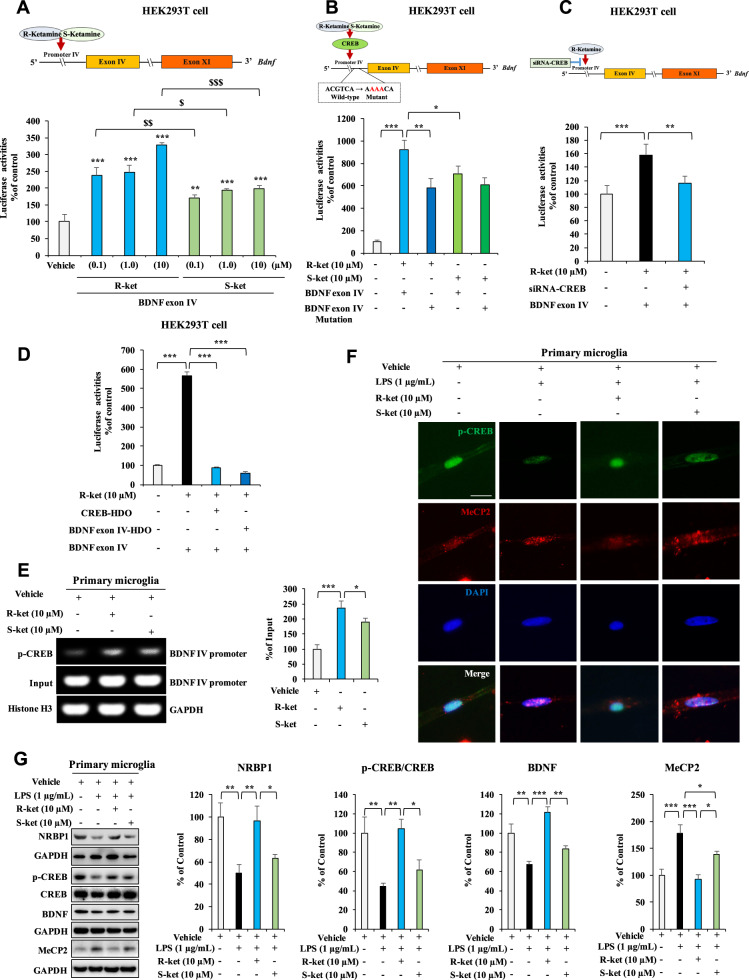
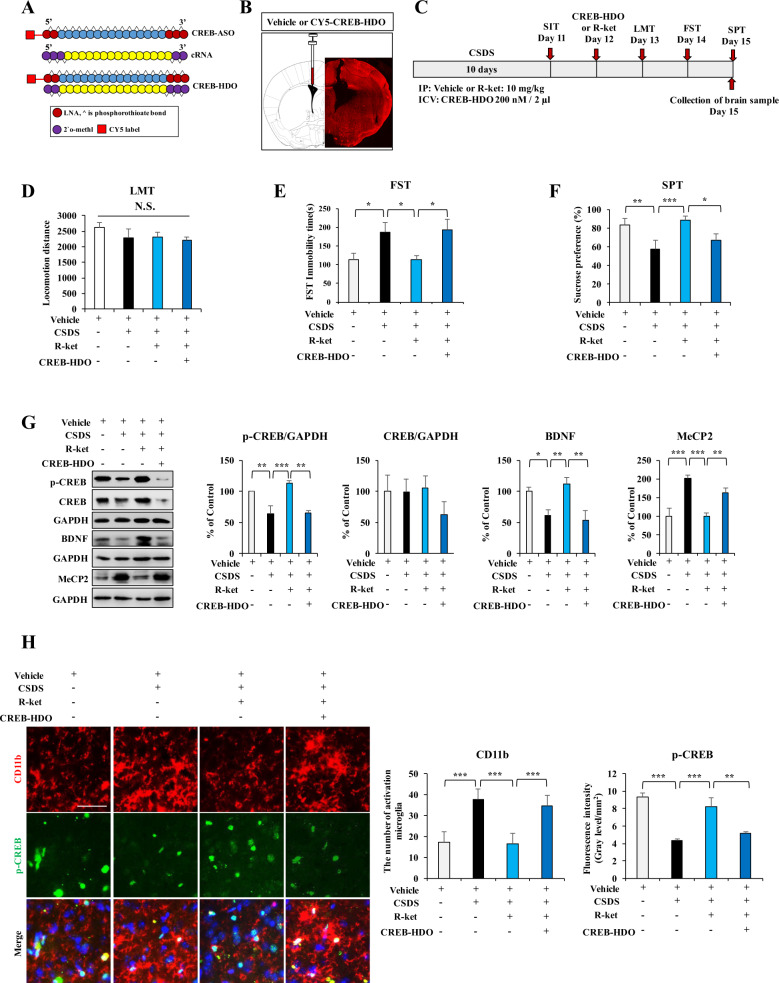
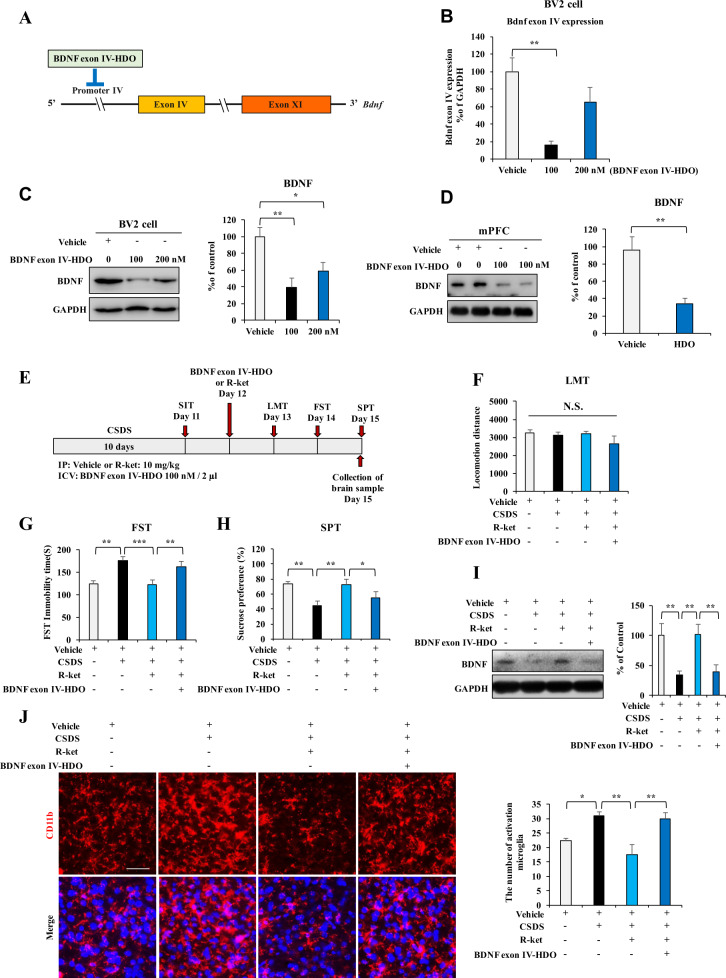
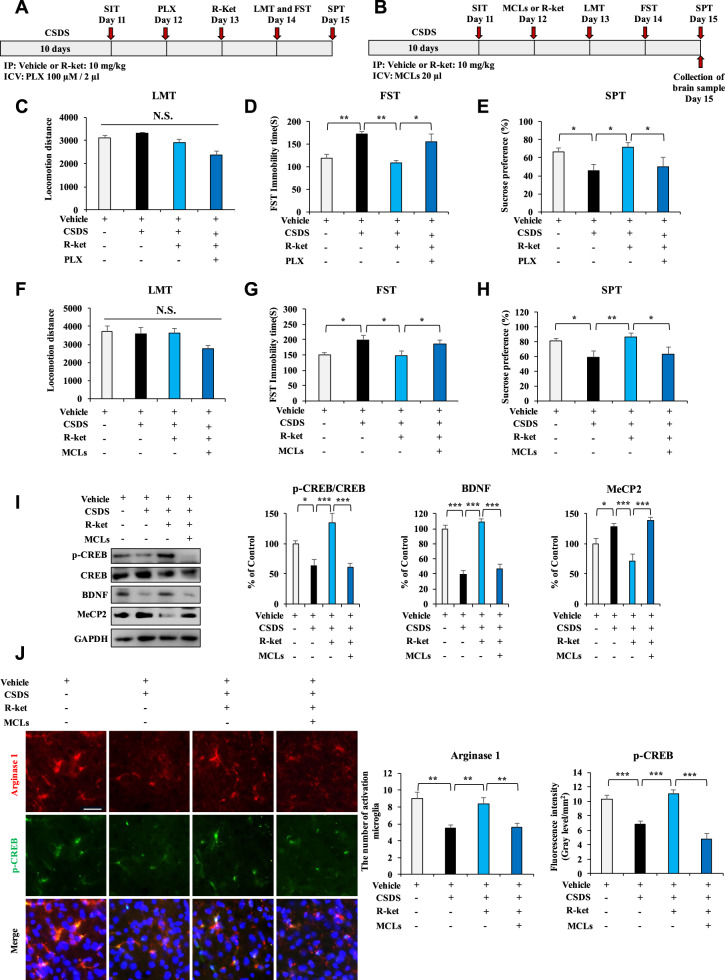
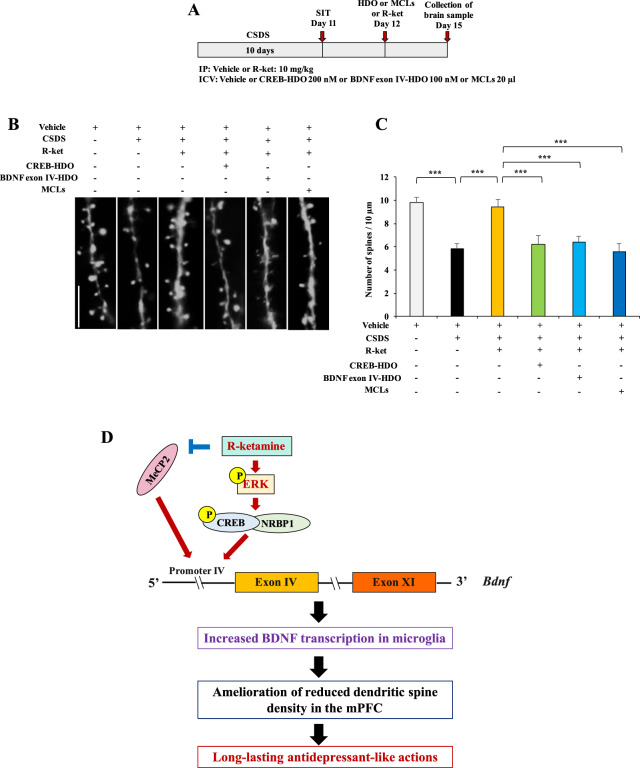
(R,S)-ketamine elicits rapid-acting and sustained antidepressant actions in treatment-resistant patients with depression. (R)-ketamine produces longer-lasting antidepressant effects than (S)-ketamine in rodents; however, the precise molecular mechanisms underlying antidepressant actions of (R)-ketamine remain unknown. Using isobaric Tag for Relative and Absolute Quantification, we identified nuclear receptor-binding protein 1 (NRBP1) that could contribute to different antidepressant-like effects of the two enantiomers in chronic social defeat stress (CSDS) model. NRBP1 was localized in the microglia and neuron, not astrocyte, of mouse medial prefrontal cortex (mPFC). (R)-ketamine increased the expression of NRBP1, brain-derived neurotrophic factor (BDNF), and phosphorylated cAMP response element binding protein (p-CREB)/CREB ratio in primary microglia cultures thorough the extracellular signal-regulated kinase (ERK) activation. Furthermore, (R)-ketamine could activate BDNF transcription through activation of CREB as well as MeCP2 (methyl-CpG binding protein 2) suppression in microglia. Single intracerebroventricular (i.c.v.) injection of CREB-DNA/RNA heteroduplex oligonucleotides (CREB-HDO) or BDNF exon IV-HDO blocked the antidepressant-like effects of (R)-ketamine in CSDS susceptible mice. Moreover, microglial depletion by colony-stimulating factor 1 receptor (CSF1R) inhibitor PLX3397 blocked the antidepressant-like effects of (R)-ketamine in CSDS susceptible mice. In addition, inhibition of microglia by single i.c.v. injection of mannosylated clodronate liposomes (MCLs) significantly blocked the antidepressant-like effects of (R)-ketamine in CSDS susceptible mice. Finally, single i.c.v. injection of CREB-HDO, BDNF exon IV-HDO or MCLs blocked the beneficial effects of (R)-ketamine on the reduced dendritic spine density in the mPFC of CSDS susceptible mice. These data suggest a novel ERK-NRBP1-CREB-BDNF pathways in microglia underlying antidepressant-like effects of (R)-ketamine.
Overview
The claims and statistics of this paper haven’t been checked yet.
Free: it reads the open-access text and checks the first 5 claims that cite a source we can check. Create a free account to check every claim.
Integrity signals
Registry
Cites
Statistics
Figures
Verification
Claims the paper makes
The claims and statistics of this paper haven’t been checked yet.
Free: it reads the open-access text and checks the first 5 claims that cite a source we can check. Create a free account to check every claim.
Claims other papers make about this one
Each is checked against this paper’s own text: does it say what the citing paper says it does?
The source backs part of the claim, not all of it — or backs it for a different population, condition or comparison.
In the citing paper
“Studies using pharmacological inhibitors or genetic ablation models of microglia have demonstrated that the absence or inhibition of these cells completely abolishes the antidepressant effects of ketamine, emphasizing their essential role in the drug’s mechanism of action [81].”
From Variations in BDNF and Their Role in the Neurotrophic Antidepressant Mechanisms of Ketamine and Esketamine: A Review (2024) · cites this paper as [81]
Experimental — accuracy not yet measuredThe source backs part of the claim, not all of it — or backs it for a different population, condition or comparison.
In the citing paper
“This phosphorylation is a key step in upregulating BDNF transcription, a pivotal factor in mediating synaptic plasticity and promoting resilience against stress-related depressive behaviors [81].”
From Variations in BDNF and Their Role in the Neurotrophic Antidepressant Mechanisms of Ketamine and Esketamine: A Review (2024) · cites this paper as [81]
Experimental — accuracy not yet measuredThe source backs part of the claim, not all of it — or backs it for a different population, condition or comparison.
In the citing paper
“Additionally, (R)-ketamine’s effect on microglia has been shown to involve suppression of pro-inflammatory mediators, such as interleukin-6 (IL-6) and tumor necrosis factor-alpha (TNF-α), which contribute to neuroinflammation [81,83].”
From Variations in BDNF and Their Role in the Neurotrophic Antidepressant Mechanisms of Ketamine and Esketamine: A Review (2024) · cites this paper as [81]
Experimental — accuracy not yet measuredThe source backs part of the claim, not all of it — or backs it for a different population, condition or comparison.
In the citing paper
“microglia (3) also play a role, with ketamine increasing the expression of Nuclear Receptor Binding Protein 1 (NRBP1) and phosphorylated cAMP response element-binding protein (CREB), leading to an increased transcription of BDNF.”
From Variations in BDNF and Their Role in the Neurotrophic Antidepressant Mechanisms of Ketamine and Esketamine: A Review (2024) · cites this paper as [81]
Experimental — accuracy not yet measuredThe source backs part of the claim, not all of it — or backs it for a different population, condition or comparison.
In the citing paper
“This anti-inflammatory property of (R)-ketamine may enhance the functional role of microglia in supporting neuronal health, reducing oxidative stress, and promoting synaptic connectivity [81,83].”
From Variations in BDNF and Their Role in the Neurotrophic Antidepressant Mechanisms of Ketamine and Esketamine: A Review (2024) · cites this paper as [81]
Experimental — accuracy not yet measured
4 more claims about this paper
Create a free account to see every claim other papers make about this one.
Self-check
Percentages, sums and reported differences re-computed from the paper’s own numbers.
The self-check needs the paper’s full text.
Citations
Cites
Molecular Mechanisms of Depression: Perspectives on New Treatment Strategies
Lang, U. E., & Borgwardt, S. (2013) · Cellular Physiology and Biochemistry · doi:10.1159/000350094 · Cited by 8,475
Antidepressant effects of ketamine in depressed patients
Berman, R. M., Cappiello, A., Anand, A., Oren, D. A., Heninger, G. R., Charney, D. S., & Krystal, J. H. (2000) · Biological Psychiatry · doi:10.1016/s0006-3223(99)00230-9 · Cited by 3,856 · cited 1×
“[5] reported rapid-acting and sustained antidepressant effects of (R,S)-ketamine in patients with depression.”
BackgroundA randomized trial of an N-methyl-D-aspartate antagonist in treatment-resistant major depression.
Zarate, C. A., Singh, J. B., Carlson, P. J., Brutsche, N. E., Ameli, R., Luckenbaugh, D. A., Charney, D. S., & Manji, H. K. (2006) · Archives of General Psychiatry · doi:10.1001/archpsyc.63.8.856 · Cited by 3,766
Differential Roles of M1 and M2 Microglia in Neurodegenerative Diseases
Tang, Y., & Le, W. (2016) · Molecular Neurobiology · doi:10.1007/s12035-014-9070-5 · Cited by 2,190 · cited 1×
“Microglia can produce either cytotoxic or neuroprotective effects [67].”
BackgroundElmore, M. R. P., Najafi, A. R., Koike, M. A., Dagher, N. N., Spangenberg, E. E., Rice, R. A., Kitazawa, M., Matusow, B., Nguyen, H., West, B. L., et al. (2014) · Neuron · doi:10.1016/j.neuron.2014.02.040 · Cited by 1,968 · cited 1×
“Effect of microglia depletion on antidepressant-like effects of (R)-ketamine Activation of CSF1R is essential for survival in microglia [66].”
BackgroundNMDA receptor blockade at rest triggers rapid behavioural antidepressant responses
Autry, A. E., Adachi, M., Nosyreva, E., Na, E. S., Los, M. F., Cheng, P.-F., Kavalali, E. T., & Monteggia, L. M. (2011) · Nature · doi:10.1038/nature10130 · Cited by 1,926 · cited 1×
“In contrast, other brain regions such as hippocampus and nucleus accumbens are known to play a role in depression-like phenotypes [27, 41, 48, 50, 77, 78].”
BackgroundM2 microglia and macrophages drive oligodendrocyte differentiation during CNS remyelination
Miron, V. E., Boyd, A., Zhao, J.-W., Yuen, T. J., Ruckh, J. M., Shadrach, J. L., van Wijngaarden, P., Wagers, A. J., Williams, A., Franklin, R. J. M., et al. (2013) · Nature Neuroscience · doi:10.1038/nn.3469 · Cited by 1,777 · cited 2×
“S9), consistent with the previous report [68].”
Brain-derived neurotrophic factor produces antidepressant effects in behavioral models of depression
Shirayama, Y., Chen, A. C.-H., Nakagawa, S., Russell, D. S., & Duman, R. S. (2002) · The Journal of Neuroscience · doi:10.1523/jneurosci.22-08-03251.2002 · Cited by 1,654 · cited 1×
“[45] reported that direct injection of BDNF in the hippocampus caused long-lasting (i.”
BackgroundSynaptic Dysfunction in Depression: Potential Therapeutic Targets
Duman, R. S., & Aghajanian, G. K. (2012) · Science · doi:10.1126/science.1222939 · Cited by 1,651 · cited 2×
“Second, we selected mPFC of mouse brain since mPFC is implicated in depression-like phenotypes [27, 47, 48].”
MethodNMDAR inhibition-independent antidepressant actions of ketamine metabolites
Zanos, P., Moaddel, R., Morris, P. J., Georgiou, P., Fischell, J., Elmer, G. I., Alkondon, M., Yuan, P., Pribut, H. J., Singh, N. S., et al. (2016) · Nature · doi:10.1038/nature17998 · Cited by 1,609 · cited 1×
“In contrast, (2R,6R)HNK (the metabolite from (R)-ketamine) [28] did not activate Bdnf exon IV promoter whereas its parent compound (R)-ketamine significantly activated Bdnf exon IV promoter (Fig.”
Background
Cited by
Brain–gut–microbiota axis in depression: A historical overview and future directions
Chang, L., Wei, Y., & Hashimoto, K. (2022) · Brain Research Bulletin · doi:10.1016/j.brainresbull.2022.02.004 · Cited by 377
Self-citationKetamine and rapid antidepressant action: New treatments and novel synaptic signaling mechanisms
Krystal, J. H., Kavalali, E. T., & Monteggia, L. M. (2024) · Neuropsychopharmacology · doi:10.1038/s41386-023-01629-w · Cited by 262
“Other proposed mechanisms for ketamine ’ s antidepressant action include ketamine enantiomers [10] and metabolites [11], the potential role of in fl ammatory processes [12], and non-neuronal contributions including those from microglia [13], among others.”
BackgroundThe molecular pathophysiology of depression and the new therapeutics
Tian, H., Hu, Z., Xu, J., & Wang, C. (2022) · MedComm · doi:10.1002/mco2.156 · Cited by 122
The antidepressant actions of ketamine and its enantiomers
Johnston, J. N., Henter, I. D., & Zarate, C. A. (2023) · Pharmacology & Therapeutics · doi:10.1016/j.pharmthera.2023.108431 · Cited by 108
Roles of microglia in adult hippocampal neurogenesis in depression and their therapeutics
Fang, S., Wu, Z., Guo, Y., Zhu, W., Wan, C., Yuan, N., Chen, J., Hao, W., Mo, X., Guo, X., et al. (2023) · Frontiers in Immunology · doi:10.3389/fimmu.2023.1193053 · Cited by 96
“Recently, our group found that (R)- ketamine exerts an antidepressant effect by inhibiting microglial ERK-NRBP1-CREB-BDNF signaling in the mPFC of CSDS mice, suggesting that the regulation of ketamine involves microglia and BDNF (230).”
BackgroundSelf-citationChen, Z., Gu, J., Lin, S., Xu, Z., Xu, H., Zhao, J., Feng, P., Tao, Y., Chen, S., & Wang, P. (2022) · Journal of Ethnopharmacology · doi:10.1016/j.jep.2022.115719 · Cited by 102
Arketamine, a new rapid-acting antidepressant: A historical review and future directions
Zhang, J.-C., Yao, W., & Hashimoto, K. (2022) · Neuropharmacology · doi:10.1016/j.neuropharm.2022.109219 · Cited by 99
Self-citationNoteworthy perspectives on microglia in neuropsychiatric disorders
Zhu, H., Guan, A., Liu, J., Li, P., Zhang, Z., & Wang, S. (2023) · Journal of Neuroinflammation · doi:10.1186/s12974-023-02901-y · Cited by 105
Wang, T., Weng, H., Zhou, H., Yang, Z., Tian, Z., Xi, B., & Li, Y. (2022) · Journal of Affective Disorders · doi:10.1016/j.jad.2022.03.072 · Cited by 88
cAMP-PKA cascade: An outdated topic for depression?
Gao, F., Yang, S., Wang, J., & Zhu, G. (2022) · Biomedicine & Pharmacotherapy · doi:10.1016/j.biopha.2022.113030 · Cited by 87
Jaberi, S., & Fahnestock, M. L. (2023) · Biomolecules · doi:10.3390/biom13111577 · Cited by 84
“However, it is known that Erk1/2 can activate CREB and upregulate BDNF expression as a result [132], and that BDNF can activate CREB and Erk1/2 [70].”
BackgroundKetamine and its metabolites: Potential as novel treatments for depression
Zhang, K., Yao, Y., & Hashimoto, K. (2022) · Neuropharmacology · doi:10.1016/j.neuropharm.2022.109305 · Cited by 72
Self-citationJohnston, J. N., Kadriu, B., Allen, J., Gilbert, J. R., Henter, I. D., & Zarate, C. A. (2023) · Neuropharmacology · doi:10.1016/j.neuropharm.2023.109422 · Cited by 76
Shen, H., Zhang, C., Zhang, Q., Lv, Q., Liu, H., Yuan, H., Wang, C., Meng, F., Guo, Y., Pei, J., et al. (2024) · Journal of Neuroinflammation · doi:10.1186/s12974-024-03282-6 · Cited by 72
“BDNF and its receptor, TrkB, expressed extensively in the central nervous system, along with ERK, were associated with anxiety and depression-like behaviors [60–62].”
BackgroundWang, X., Chang, L., Wan, X., Tan, Y., Qu, Y., Shan, J., Yang, Y., Ma, L., & Hashimoto, K. (2022) · Neurobiology of Disease · doi:10.1016/j.nbd.2022.105635 · Cited by 64
Self-citationInflammation, stress and depression: An exploration of ketamine’s therapeutic profile
Johnston, J. N., Greenwald, M. S., Henter, I. D., Kraus, C., Mkrtchian, A., Clark, N. G., Park, L. T., Gold, P. W., Zarate, C. A., & Kadriu, B. (2023) · Drug Discovery Today · doi:10.1016/j.drudis.2023.103518 · Cited by 80
Kawczak, P., Feszak, I. J., & Bączek, T. (2024) · Biomedicines · doi:10.3390/biomedicines12102283 · Cited by 73
(R)-ketamine as prophylactic and therapeutic drug for neurological disorders: Beyond depression
Wang, X., Yang, J., & Hashimoto, K. (2022) · Neuroscience & Biobehavioral Reviews · doi:10.1016/j.neubiorev.2022.104762 · Cited by 63
Self-citationMicroglial Responses to Stress-Induced Depression: Causes and Consequences
Afridi, R., & Suk, K. (2023) · Cells · doi:10.3390/cells12111521 · Cited by 69
Solmi, M., Chen, C., Dauré, C., Buot, A., Ljuslin, M., Verroust, V., Mallet, L., Khazaal, Y., Rothen, S., Thorens, G., et al. (2022) · European Neuropsychopharmacology · doi:10.1016/j.euroneuro.2022.09.004 · Cited by 66
Lv, S., Yao, K., Zhang, Y., & Zhu, S. (2022) · Neuropharmacology · doi:10.1016/j.neuropharm.2022.109378 · Cited by 61
Hong, R., Luo, L., Wang, L., Hu, Z., Yin, Q., Li, M., Gu, B., Wang, B., Zhuang, T., Zhang, X., et al. (2023) · iMeta · doi:10.1002/imt2.116 · Cited by 63
“Others also identified that (R) ‐ ketamine isomer exerts antidepressant effects via activating the ERK ‐ NRBP1 ‐ CREB ‐ BDNF pathway [51, 52].”
BackgroundChen, T., Cheng, L., Ma, J., Yuan, J., Pi, C., Xiong, L., Chen, J., Liu, H., Tang, J., Zhong, Y., et al. (2023) · Pharmacological Research · doi:10.1016/j.phrs.2023.106837 · Cited by 52
Self-citationZheng, K., Gao, B., Wang, H., He, J., Chen, H., Hu, Z., Long, L., Chen, J., & Wang, F. (2024) · Advanced Science · doi:10.1002/advs.202309473 · Cited by 85
Self-citationHashimoto, K. (2024) · European Archives of Psychiatry and Clinical Neuroscience · doi:10.1007/s00406-024-01770-7 · Cited by 63
“Given the established importance of BDNF–TrkB signaling in the rapid and sustained antidepressant-like effects observed with ketamine and arketamine [44, 46, 49, 98–101], these findings are particularly intriguing.”
Self-citationShen, S., Liang, L., Shi, T., Shen, Z., Yin, S., Zhang, J., Li, W., Mi, W., Wang, Y., Zhang, Y., et al. (2025) · Advanced Science · doi:10.1002/advs.202412556 · Cited by 88
Self-citationHashimoto, K. (2023) · Progress in brain research · doi:10.1016/bs.pbr.2023.01.003 · Cited by 58
Self-citationPardossi, S., Fagiolini, A., & Cuomo, A. (2024) · International Journal of Molecular Sciences · doi:10.3390/ijms252313098 · Cited by 51
“Additionally, (R)-ketamine’s effect on microglia has been shown to involve suppression of pro-inflammatory mediators, such as interleukin-6 (IL-6) and tumor necrosis factor-alpha (TNF-α ), which contribute to neuroinflammation [81,83].”
InfluentialGuo, J., Qiu, D., Gu, H., Wang, X., Hashimoto, K., Zhang, G.-F., & Yang, J. (2023) · Molecular Psychiatry · doi:10.1038/s41380-023-01945-z · Cited by 75
“In future clinical practice, the optimal approach for achieving the best antidepressant effect of ketamine with minimal adverse effects remains a major challenge.”
BackgroundSelf-citationHuang, C., Wu, Z., Wang, D., Qu, Y., Zhang, J., Jiang, R., Xu, X., Xu, X., Wang, Y., Liu, H., et al. (2023) · Molecular Psychiatry · doi:10.1038/s41380-023-02288-5 · Cited by 55
“Increasing evidence suggests that ( R )- ketamine has fewer side effects, greater potency, and longer-lasting antidepressant effects than ( S )-ketamine in animal models of depression [16, 17].”
Self-citationThe role of neurotrophic factors in novel, rapid psychiatric treatments
Kim, J., He, M. J., Widmann, A. K., & Lee, F. S. (2023) · Neuropsychopharmacology · doi:10.1038/s41386-023-01717-x · Cited by 51
“One study hypothesized that the ERK-NRBP1-CREB-BDNF signaling pathway in microglia may play a role in R-ketamine ’ s actions [152].”
BackgroundZhang, Y., Sun, Y., Liu, Y., Liu, J., Sun, J., Liu, X., Fan, B., Lü, C., & Wang, F. (2023) · Phytotherapy Research · doi:10.1002/ptr.7813 · Cited by 45
“Furthermore, the present research also examined the PI3K/AKT/TLR4/NF-κB and ERK/CREB/BDNF signaling pathways to investigate the potential mechanisms (Guo et al., 2019; Yao et al., 2022).”
Ketamine: anesthetic, psychotomimetic, antidepressant, or anthelmintic?
Hashimoto, K. (2022) · Molecular Psychiatry · doi:10.1038/s41380-022-01587-7 · Cited by 47
“Taken all together, it is unlikely that NMDAR plays a major role in the antidepressant effect of (R,S)-ketamine and its enantiomers, although the precise molecular mechanisms underlying the antidepressant effect of (R,S)-ketamine and its enantiomers remain unclear [4, 8, 10].”
BackgroundSelf-citationApplication of Intranasal Administration in the Delivery of Antidepressant Active Ingredients
Jin, Z., Han, Y., Zhang, D., Li, Z., Jing, Y., Hu, B., & Sun, S. (2022) · Pharmaceutics · doi:10.3390/pharmaceutics14102070 · Cited by 48
Ma, L., Wang, L., Chang, L., Shan, J., Qu, Y., Wang, X., Wan, X., Fujita, Y., & Hashimoto, K. (2022) · Translational Psychiatry · doi:10.1038/s41398-022-02192-6 · Cited by 45
“Methyl CpG binding protein 2 (MeCP2) is known to regulate brain-derived neurotrophic factor (BDNF) expression.”
BackgroundInfluentialSelf-citationArketamine for cognitive impairment in psychiatric disorders
Hashimoto, K. (2023) · European Archives of Psychiatry and Clinical Neuroscience · doi:10.1007/s00406-023-01570-5 · Cited by 43
Self-citationMa, L., Wang, L., Chang, L., Shan, J., Qu, Y., Wang, X., Fujita, Y., & Hashimoto, K. (2022) · Neuropharmacology · doi:10.1016/j.neuropharm.2022.109250 · Cited by 45
Self-citationQu, Y., Chang, L., Ma, L., Wan, X., & Hashimoto, K. (2022) · Pharmacology Biochemistry and Behavior · doi:10.1016/j.pbb.2022.173500 · Cited by 48
Self-citationMurayama, R., Cai, Y., Nakamura, H., & Hashimoto, K. (2025) · Neuroscience & Biobehavioral Reviews · doi:10.1016/j.neubiorev.2025.106209 · Cited by 45
Self-citationSoluble Epoxide Hydrolase as a Therapeutic Target for Neuropsychiatric Disorders
Shan, J., & Hashimoto, K. (2022) · International Journal of Molecular Sciences · doi:10.3390/ijms23094951 · Cited by 44
“Furthermore, EETs induce the expression of BDNF which binds to its receptor TrkB, resulting in the MEK–ERK–CREB signaling pathway [45,137].”
BackgroundSelf-citationThe Role of MeCP2 in Regulating Synaptic Plasticity in the Context of Stress and Depression
Sánchez-Lafuente, C. L., Kalynchuk, L. E., Caruncho, H. J., & Ausió, J. (2022) · Cells · doi:10.3390/cells11040748 · Cited by 45
Hashimoto, K., Zhao, M., Zhu, T., Wang, X., & Yang, J. (2024) · Journal of Anesthesia and Translational Medicine · doi:10.1016/j.jatmed.2024.07.001 · Cited by 43
“120 Additionally, using RNA-sequencing analysis, Zhang and colleagues discovered that transforming growth factor β-1 (TGF-β1) might contribute to the differing antidepressant effects of arketamine and es-ketamine in a CSDS model, 121 and that TGF-β1 could elicit rapid-acting antidepressant effects.”
Self-citationLu, X., Liu, H., Cai, Z., Hu, Z., Ye, M., Gu, Y., Wang, Y., Wang, D., Lu, Q., Shen, Z., et al. (2022) · Brain Behavior and Immunity · doi:10.1016/j.bbi.2022.08.005 · Cited by 38
Gan, S.-L., Long, Y.-Q., Wang, Q., Feng, C.-D., Lai, C.-X., Liu, C., Ding, Y.-Y., Liu, H., Peng, K., & Ji, F. (2023) · Frontiers in Psychiatry · doi:10.3389/fpsyt.2023.1128406 · Cited by 37
“R-ketamine enhanced BDNF transcription by activation of ERK-NRBP1-CREB signaling in microglia in chronic social defeat stress susceptible mice (38).”
BackgroundBDNF Signaling and Pain Modulation
Mazzitelli, M., Kiritoshi, T., Presto, P., Hurtado, Z., Antenucci, N., Ji, G., & Neugebauer, V. (2025) · Cells · doi:10.3390/cells14070476 · Cited by 42
“Many studies have reported that spinal [30,31], brain [32], and cultured [33,34] microglia are capable of expressing BDNF mRNA and protein.”
Zhao, K., Zhang, Y., Yang, S., Xiang, L., Wu, S., Dong, J., Li, H., Yu, H., & Hu, W. (2025) · Frontiers in Cellular Neuroscience · doi:10.3389/fncel.2025.1538026 · Cited by 45
“Microglial cells are considered the primary source of these cytokines, and chronic stress can alter their morphology (Yao et al., 2022).”
Scotton, E., Antqueviezc, B., Vasconcelos, M., Dalpiaz, G., Géa, L. P., Goularte, J. F., Colombo, R., & Rosa, A. R. (2022) · Biochemical Pharmacology · doi:10.1016/j.bcp.2022.114963 · Cited by 40
Hua, H., Huang, C., Liu, H., Xu, X., Xu, X., Wu, Z., Liu, C., Wang, Y. Y., & Yang, C. (2022) · Neuropharmacology · doi:10.1016/j.neuropharm.2022.109272 · Cited by 37
Self-citationKetamine – A New Antidepressant Drug with Anti-Inflammatory Properties
Jóźwiak-Bębenista, M., Sokołowska, P., Wiktorowska‐Owczarek, A., Kowalczyk, E., & Sienkiewicz, M. (2023) · Journal of Pharmacology and Experimental Therapeutics · doi:10.1124/jpet.123.001823 · Cited by 39
(R)-(-)-Ketamine: The Promise of a Novel Treatment for Psychiatric and Neurological Disorders
Shafique, H. S., Demers, J. C., Biesiada, J., Golani, L. K., Cerne, R., Smith, J. L., Szostak, M., & Witkin, J. M. (2024) · International Journal of Molecular Sciences · doi:10.3390/ijms25126804 · Cited by 34
“…migration inhibitory factor [92], pathways associated with the microRNA mi(R)-132-5p [93,94], novel ERK-NRBP1-CREB-BDNF pathways in microglia [95], the gut–brain axis [96], and neural myelination, where ( R )-ketamine has greater efficacy than ( S )-ketamine [97], as well as immune function…”
BackgroundTargeting autophagy to counteract neuroinflammation: A novel antidepressant strategy
Gan, H. T., Ma, Q., Hao, W., Yang, N., Chen, Z., Deng, L., & Chen, J. (2024) · Pharmacological Research · doi:10.1016/j.phrs.2024.107112 · Cited by 32
Self-citationMicroglia Sing the Prelude of Neuroinflammation-Associated Depression
Li, Q., Xie, Y., Lin, J., Li, M., Gu, Z., Xin, T., Zhang, Y., Lu, Q., Guo, Y., Xing, Y., et al. (2024) · Molecular Neurobiology · doi:10.1007/s12035-024-04575-w · Cited by 33
“…a blocker of NMDA receptors at glutamate receptors in the brain, can rapidly improve depressive symptoms and suicidal ideation within hours after a single dose, and its antidepressant action may be mediated by microglial production of QUIN [128, 134], the BDNF pathway [135], and TGF-β1 [136].”
Ojha, U., Khanal, S., Park, P., Hong, J. T., & Choi, D. (2022) · The Journal of Nutritional Biochemistry · doi:10.1016/j.jnutbio.2022.109212 · Cited by 31
Zhu, H., Pan, H., Fang, Y., Wang, H., Chen, Z., Hu, W., Tong, L., Ren, J., Lu, X., & Huang, C. (2024) · European Journal of Pharmacology · doi:10.1016/j.ejphar.2024.176763 · Cited by 32
A Bibliometric Analysis of Research on the Role of BDNF in Depression and Treatment
He, T., Wu, Z., Zhang, X., Liu, H., Wang, Y., Jiang, R., Liu, C., Hashimoto, K., & Yang, C. (2022) · Biomolecules · doi:10.3390/biom12101464 · Cited by 34
Self-citationYang, Y. H., Eguchi, A., Mori, C., & Hashimoto, K. (2024) · Neurobiology of Disease · doi:10.1016/j.nbd.2024.106433 · Cited by 30
Self-citationStorm on predictive brain: A neurocomputational account of ketamine antidepressant effect
Bottemanne, H., Berkovitch, L., Gauld, C., Balcerac, A., Schmidt, L., Mouchabac, S., & Fossati, P. (2023) · Neuroscience & Biobehavioral Reviews · doi:10.1016/j.neubiorev.2023.105410 · Cited by 33
“…(mTOR) (Zhou et al., 2014; Tang et al., 2015; Harraz et al., 2016; Shen et al., 2018; Liu et al., 2023) or brain-derived neurotrophic factor (BDNF) (Yao et al., 2022; Caffino et al., 2016; Viana et al., 2020; Garcia et al., 2008; Liu et al., 2016), or even its anti-inflammatory effect via the…”
InfluentialGuo, J., Kong, D., Luo, J., Xiong, T., Wang, F., Deng, M., Kong, Z., Yang, S., Da, J., Chen, C., et al. (2024) · CNS Neuroscience & Therapeutics · doi:10.1111/cns.70096 · Cited by 32
“ERK is a mitogen-activated protein kinase (MAPK) and treatments targeting ERK overactivity in microglia have shown promise in CNS disorders [52, 53].”
Self-citationChaki, S., & Watanabe, M. (2022) · Neuropharmacology · doi:10.1016/j.neuropharm.2022.109348 · Cited by 30
Epigenetic Mechanisms of Rapid-Acting Antidepressants
Inserra, A., Campanale, A., Rezai, T., Romualdi, P., & Rubino, T. (2024) · Translational Psychiatry · doi:10.1038/s41398-024-03055-y · Cited by 27
“…effects of ketamine might be mediated at least partially via the epigenetic regulation of CREB-BDNF exon IV transcription in the PFC microglia [62] Ketamine reverses the increase in chronic pain-induced hippocampal mRNA and protein levels of the DNA methyltransferase (DNMT) 1, 3a, and 3b.…”
BackgroundAn integrative view on the cell-type-specific mechanisms of ketamine's antidepressant actions
Lewis, V., Rurak, G. M., Salmaso, N., & Aguilar‐Valles, A. (2024) · Trends in Neurosciences · doi:10.1016/j.tins.2023.12.004 · Cited by 33
Yuan, N., Zhu, W., Ma, Q., Huang, M.-Y., Huo, R.-R., She, K.-J., Pan, J.-P., Wang, J., & Chen, J. (2024) · Acta Pharmacologica Sinica · doi:10.1038/s41401-024-01402-9 · Cited by 29
“In contrast, the inhibition of microglia by drugs such as minocycline attenuates depressive-like behaviors [19 – 21].”
Self-citationVanderZwaag, J., Halvorson, T., Dolhan, K., Šimončičová, E., Ben‐Azu, B., & Tremblay, M. (2022) · Neurochemical Research · doi:10.1007/s11064-022-03772-0 · Cited by 30
Chen, F., Wang, B., Sun, X., Wang, Y., Wang, R., & Li, K. (2024) · Food & Function · doi:10.1039/d4fo02321h · Cited by 27
Perković, M. N., Gredičak, M., Šagud, M., Erjavec, G. N., Uzun, S., & Pivac, N. (2023) · Expert Review of Molecular Diagnostics · doi:10.1080/14737159.2023.2200937 · Cited by 28
“Recently, it was suggested that (R)-ketamine increases the expression of BDNF in microglia through ERKNRBP1-CREB signaling [15].”
BackgroundInfluentialChang, L., Wei, Y., Qu, Y., Zhao, M., Zhou, X., Long, Y., & Hashimoto, K. (2024) · Neurobiology of Disease · doi:10.1016/j.nbd.2024.106573 · Cited by 27
Self-citationResearch Progress on the Mechanism of Bile Acids and Their Receptors in Depression
Zhao, X., Zheng, I., Huang, W., Tang, D., Zhao, M., Hou, R., Huang, Y., Shi, Y., Zhu, W., & Wang, S. (2025) · International Journal of Molecular Sciences · doi:10.3390/ijms26094023 · Cited by 30
“Depression patients often have lower BDNF/CREB levels in the brain [60], and some antidepressants have been found to increase their activity [61].”
The role of hippocampal KCNQ2 channel in antidepressant actions of ketamine
Ma, L., & Hashimoto, K. (2022) · Neuron · doi:10.1016/j.neuron.2022.05.027 · Cited by 24
Self-citationKATO, T. (2022) · Neuropharmacology · doi:10.1016/j.neuropharm.2022.109325 · Cited by 27
Chen, B., Zhao, C., Zhu, H., Lu, X., Liu, H., Lu, Q., Zhu, T., & Huang, C. (2023) · European Journal of Pharmacology · doi:10.1016/j.ejphar.2023.176161 · Cited by 23
Repurposing of pexidartinib for microglia depletion and renewal
Weyer, M.-P., Strehle, J., Schäfer, M. K. E., & Tegeder, I. (2023) · Pharmacology & Therapeutics · doi:10.1016/j.pharmthera.2023.108565 · Cited by 25
Xu, D., Liu, G., Zhao, M., Wan, X., Qu, Y., Murayama, R., & Hashimoto, K. (2024) · Journal of Affective Disorders · doi:10.1016/j.jad.2024.08.222 · Cited by 23
Self-citationChen, F., Li, L., Huang, M., Wang, Y., Wang, L., Jin, F., Yang, L., Gao, M., Li, L., Wang, Y., et al. (2024) · Phytomedicine · doi:10.1016/j.phymed.2024.155452 · Cited by 25
New investigational agents for the treatment of major depressive disorder
Pochwat, B., Krupa, A. J., Siwek, M., & Szewczyk, B. (2022) · Expert Opinion on Investigational Drugs · doi:10.1080/13543784.2022.2113376 · Cited by 23
“The effect of (R)- ketamine on microglia was associated with the normalization of dendritic spine density in CSDS mice [41].”
BackgroundWu, S., Ning, K., Wang, Y., Zhang, L., & Liu, J. (2023) · European Journal of Pharmacology · doi:10.1016/j.ejphar.2023.175532 · Cited by 24
Gao, C., Chu, Z.-Z., Zhang, D., Xiao, Y., Zhou, X.-Y., Wu, J., Yuan, H., Jiang, Y., Chen, D., Zhang, J., et al. (2023) · Oncogene · doi:10.1038/s41388-023-02651-4 · Cited by 25
“Cholesterol-conjugated DNA/RNA heteroduplex oligonucleotides (HDO) were previously reported as a new nucleic acid drug class [32].”
BackgroundSelf-citationThe role and mechanism of TGF-β1 in the antidepressant-like effects of tetrahydrocurcumin
Yang, Y. W., Yang, J., Ma, T., Yang, X., Yuan, Y., & Guo, Y. (2023) · European Journal of Pharmacology · doi:10.1016/j.ejphar.2023.176075 · Cited by 22
Microglia-mediated neuroimmune suppression in PTSD is associated with anhedonia
Bonomi, R. E., Hillmer, A. T., Woodcock, E. A., Bhatt, S., Rusowicz, A., Angarita, G. A., Carson, R. E., Davis, M. T., Esterlis, I., Nabulsi, N., et al. (2024) · Proceedings of the National Academy of Sciences · doi:10.1073/pnas.2406005121 · Cited by 23
“For example, in rodents, inhibition of microglia blocks the antidepressant effects of ketamine ( 68 , 69 ).”
Laabi, S., LeMmon, C., Vogel, C., Chacon, M., & Jimenez, V. M. (2025) · International Immunopharmacology · doi:10.1016/j.intimp.2025.114940 · Cited by 23
Ren, B., Yuan, Q., Cha, S., Liu, S.-Y. M., Zhang, J., & Guo, G. (2025) · Molecular Neurobiology · doi:10.1007/s12035-025-05152-5 · Cited by 26
Self-citationGenetic Dissection of BDNF and TrkB Expression in Glial Cells
Niu, C., Yue, X., An, J. J., Bass, R., Xu, H., & Xu, B. (2024) · Biomolecules · doi:10.3390/biom14010091 · Cited by 26
“Microglial BDNF was also suggested to be critical for ( R )-ketamine-mediated microglial activation in the medial prefrontal cortex of chronic social defeat stress mice [35].”
BackgroundKetamine, benzoate, and sarcosine for treating depression
Cheng, Y., Lin, C., & Lane, H. (2022) · Neuropharmacology · doi:10.1016/j.neuropharm.2022.109351 · Cited by 21
Ni, R., 四川大学华西医院精神卫生中心和精神医学研究室, 四. 成. 6., Wang, Y., Gao, T.-H., Wang, Q., Wei, J., Zhao, L., Ma, Y.-R., Ma, X., Li, T., et al. (2023) · 动物学研究 · doi:10.24272/j.issn.2095-8137.2022.389 · Cited by 19
Liu, G., Ma, L., Qu, Y., Wan, X., Xu, D., Zhao, M., Murayama, R., & Hashimoto, K. (2023) · Pharmacology Biochemistry and Behavior · doi:10.1016/j.pbb.2023.173659 · Cited by 19
Self-citationThe role of NMDARs in the anesthetic and antidepressant effects of ketamine
Zhou, L., & Duan, J. (2023) · CNS Neuroscience & Therapeutics · doi:10.1111/cns.14464 · Cited by 17
“122,123 Microglial transforming growth factor-beta1 was also essential for the antidepressant effects of (R)- ketamine.”
BackgroundHe, L., Mo, X., He, L., Ma, Q., Cai, L., Zheng, Y., Huang, L., Lin, X., Wu, M.-S., Ding, W., et al. (2023) · Phytomedicine · doi:10.1016/j.phymed.2023.155332 · Cited by 21
Self-citationSmith, G. T., Chen, T. J., Shah, N. M., Agrest, B., & Grotticelli, J. (2024) · Frontiers in Anesthesiology · doi:10.3389/fanes.2024.1281034 · Cited by 22
Zhao, M., Zhu, T., Xu, D., Wan, X., Liu, G., Murayama, R., Cai, Y., Yue, Y., Wang, X.-M., Yang, J., et al. (2024) · European Journal of Pharmacology · doi:10.1016/j.ejphar.2024.177096 · Cited by 17
Self-citationMore, S. M., Kaleem, M., Kharwade, R., Almutairy, A. F., Shahzad, N., Mujtaba, M. A., Taha, M., Pise, A. G., Zafar, A., & Mahmood, D. (2024) · Brain Research · doi:10.1016/j.brainres.2024.149313 · Cited by 18
Pan, B., Han, B., Zhu, X., Wang, Y., Ji, H., Weng, J., & Liu, Y. (2022) · Brain Research · doi:10.1016/j.brainres.2022.148153 · Cited by 18
Clinical pharmacological innovation in the treatment of depression
Witkin, J. M., Golani, L. K., & Smith, J. L. (2023) · Expert Review of Clinical Pharmacology · doi:10.1080/17512433.2023.2198703 · Cited by 17
Microglial BDNF modulates arketamine’s antidepressant-like effects through cortico-accumbal pathways
He, L., Wang, X., Luo, S., Jiang, N., Yan, Y., Xie, M., Chen, Y., Yang, C., Yao, W., Hashimoto, K., et al. (2025) · Science Advances · doi:10.1126/sciadv.adv5986 · Cited by 18
“Our previous research demonstrated that arketamine triggers BDNF transcription by inducing CREB phosphorylation at S133 in microglia, resulting in antidepressant-like effects in a mouse model of depression ( 22 ).”
InfluentialSelf-citationGłuch‐Lutwin, M., Sałaciak, K., Pytka, K., Gawalska, A., Jamrozik, M., Śniecikowska, J., Kołaczkowski, M., Depoortère, R., & Newman‐Tancredi, A. (2022) · Behavioural Brain Research · doi:10.1016/j.bbr.2022.114207 · Cited by 17
Qin, L., Wang, J., Wu, X., Song, L., Zhang, Y., Gong, M., Wang, Y., & Li, B. (2023) · Brain Research Bulletin · doi:10.1016/j.brainresbull.2023.110796 · Cited by 17
“…neurotrophic factor (BDNF) and its cognate receptor tropomyosin receptor kinase B (TrkB) in the brain (Li et al., 2018; Yan et al., 2020; Yao et al., 2022), and the search for antidepressants around the BDNF-TrkB signaling pathway has increasingly become a hot topic of research (Castren…”
BackgroundCREB: A Promising Therapeutic Target for Treating Psychiatric Disorders
Guan, W., Meixin, N., Gu, H., & Yang, Y. (2024) · Current Neuropharmacology · doi:10.2174/1570159x22666240206111838 · Cited by 17
“…expression of CREB was significantly decreased in the medial prefrontal cortex (mPFC) of mice after intracerebroventricular (i.c.v.) injection of CREB-HDO, and CREB-HDO markedly blocked antidepressant-like effects of ( R )-ketamine in the behavior tests (FST and SPT) of CSDS-susceptible mice [41].”
Chen, M., Jin, J., Bi, H., Zhang, Y., Sun, M., Li, X., & Wang, Y. (2025) · Asian Journal of Psychiatry · doi:10.1016/j.ajp.2025.104502 · Cited by 14
Calero, M., Moleiro, L. H., Sayd, A., Dorca, Y., Miquel-Rio, L., Paz, V., Robledo‐Montaña, J., Enciso, E., Acción, F., Herráez‐Aguilar, D., et al. (2022) · Frontiers in Molecular Biosciences · doi:10.3389/fmolb.2022.887678 · Cited by 14
“However, ICV administration of CLO@ liposomes with/without mannosylation has been used as an efficient tool to deplete microglia in different experimental conditions, both in vitro and in vivo (Graykowski and Cudaback, 2021; Yao et al., 2021).”
MethodLi, M., Han, L., Xiao, J., Zhang, S., Liu, G., & Sun, X. (2023) · Journal of Affective Disorders · doi:10.1016/j.jad.2023.05.049 · Cited by 16
Qian, J., Zheng, L. P., Hong, Z., & Zhao, M. (2024) · Journal of Agricultural and Food Chemistry · doi:10.1021/acs.jafc.4c07140 · Cited by 15
Huang, L., He, L., Ma, R., Ding, W., Zhou, C., Lin, S., Zhang, J., Chen, J., & Yao, W. (2022) · Psychopharmacology · doi:10.1007/s00213-022-06176-8 · Cited by 13
“Since BDNF plays a key role in stress resilience, S421-MeCP2 and S133-CREB initiate BDNF transcription by binding with the BDNF exon IV promoter (Mantamadiotis et al. 2002; Martinowich et al. 2003; Nair and Vaidya 2006; Palomer et al. 2016; Yao et al. 2022; Zhou et al. 2009, 2006).”
BackgroundSelf-citation
Metadata
- Authors
- Yao, W., Cao, Q., Luo, S., He, L., Yang, C., Chen, J., Qi, Q., Hashimoto, K., & Zhang, J.-C.
- Affiliations
- Jinan University (CN)
- Central South University (CN)
- Chiba University (JP)
- Corresponding author
- Qi, Qi
- Hashimoto, Kenji
- Zhang, Ji-chun
- ORCID
- Venue
- Molecular Psychiatry
- Published
- 2021-11-24
- Volume
- 27
- Issue
- 3
- Pages
- 1618-1629
- ISSN
- 1359-4184 (ISSN-L)
- 1476-5578
- PMC
- PMC9095473
- OpenAlex
- W3216353063
- Cited by
- 216
- References
- 80
- Citations by year
- 2026: 29 · 2025: 44 · 2024: 56 · 2023: 50 · 2022: 36 · 2021: 1
- FWCI
- 18.94
- Type
- journal article
- Language
- en
- Update notices
- correction (2021-12-08)
- Open access
- hybrid
- doi.org
- Licence
- cc-by
- creativecommons.org/licenses/by/4.0 (tdm)
- creativecommons.org/licenses/by/4.0 (vor)
- Locations
- Molecular Psychiatry (publishedVersion, cc-by)
- PubMed Central (publishedVersion, cc-by)
- PubMed (publishedVersion)
- Funders
- MEXT | Japan Society for the Promotion of Science (21H02846, 24116006)
- National Natural Science Foundation of China (81973341)
- Topics
- Health Sciences › Medicine › Pharmacology (medical) › Treatment of Major Depression
- Life Sciences › Neuroscience › Biological Psychiatry › Tryptophan and brain disorders
- Life Sciences › Neuroscience › Cellular and Molecular Neuroscience › Neuroscience and Neuropharmacology Research
- Keywords
- (R)-ketamine, antidepressant effects, microglia, ERK signaling, NRBP1, CREB, brain-derived neurotrophic factor, chronic social defeat stress, depression, medial prefrontal cortex, MeCP2, microglial depletion, dendritic spine density, enantiomers, rapid-acting antidepressants
- MeSH terms
- Animals, Antidepressive Agents, Depression, Humans, Ketamine, Mice, Inbred C57BL, Stress, Psychological, Microglia, Receptors, Cytoplasmic and Nuclear, Brain-Derived Neurotrophic Factor, Vesicular Transport Proteins, Extracellular Signal-Regulated MAP Kinases, Mice
About these checks
Registry, retraction, Cites and statistics results are computed, not judged, with one exception: a printed reference that no index lists is read once by a model before it counts as a citation error. Claims are extracted by a model and kept only when their quote appears verbatim in the text; each cited source is then checked, with a model’s help, for whether it says what the claim relies on. Those verdicts can be wrong — read the claim’s quote and the cited source before relying on one.
Statistics and arithmetic are recomputed, not judged.
Confidence bands are shown only for fields calibrated on our annotated test set. None is calibrated yet, so no band is shown.
What counts as a claim ›How we measure confidence ›How we check this ›
Are you an author, or do you see a problem with this page? Request a review
Data sources
Bibliographic data: Semantic Scholar, OpenAlex, Crossref.
Contains information from the Semantic Scholar Academic Graph Datasets, made available under the ODC Attribution License (ODC-BY 1.0).
Semantic Scholar’s data is described in: Kinney, R., et al. (2023). The Semantic Scholar Open Data Platform. arXiv:2301.10140.
