

Microglial ERK-NRBP1-CREB-BDNF signaling in sustained antidepressant actions of (R)-ketamine
Open accessThe DOI matches its Crossref record; 80 of the 80 references it cites were found in a registry or an index.
Abstract
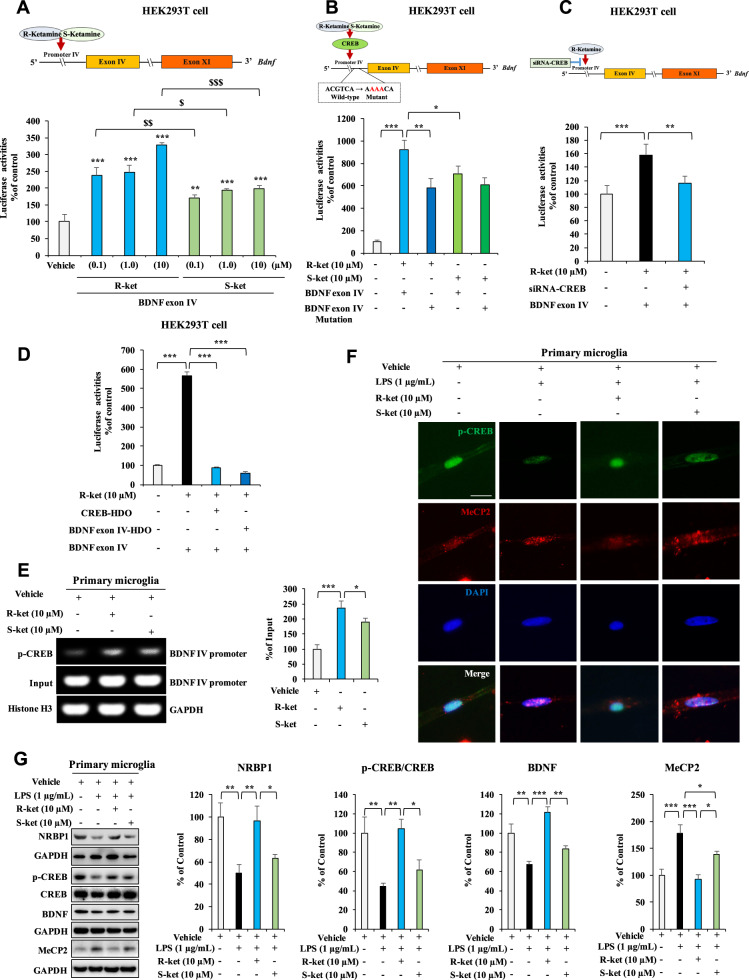
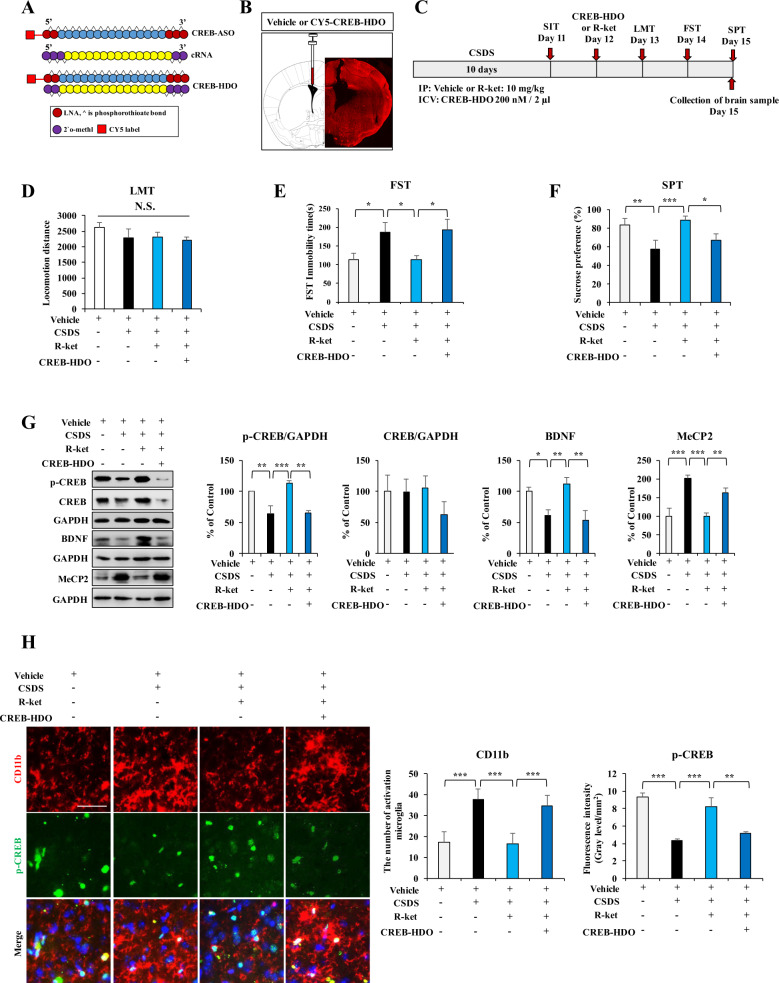
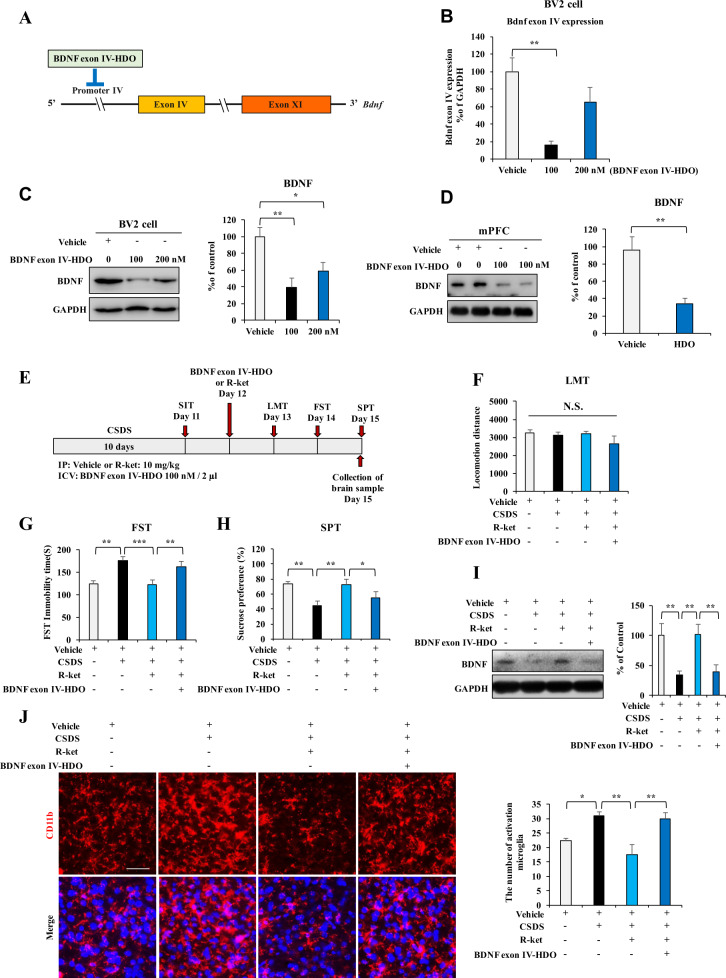
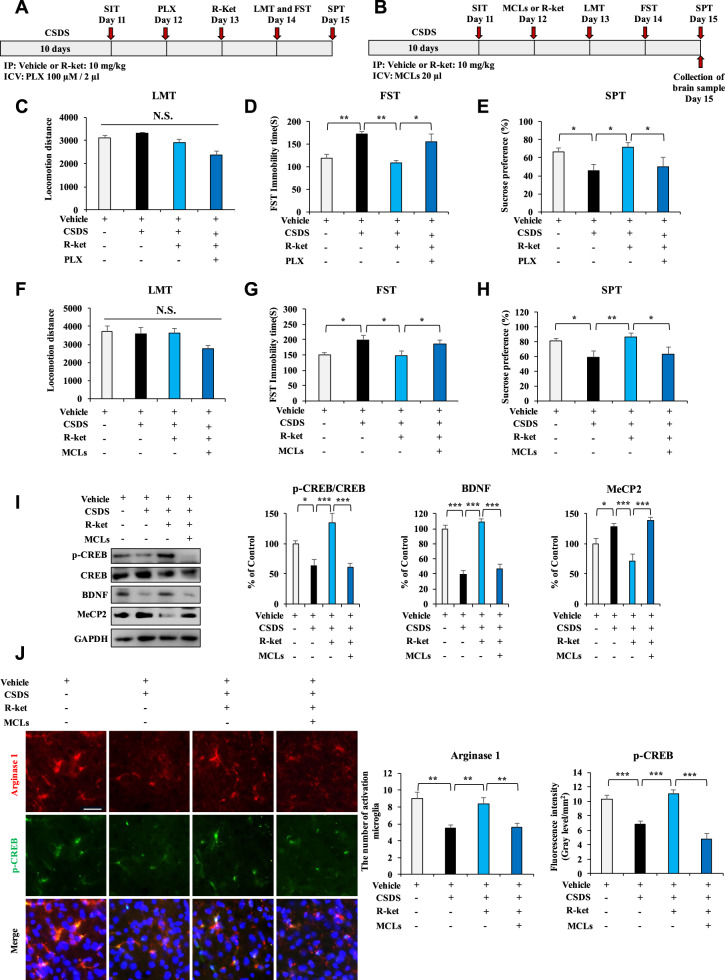
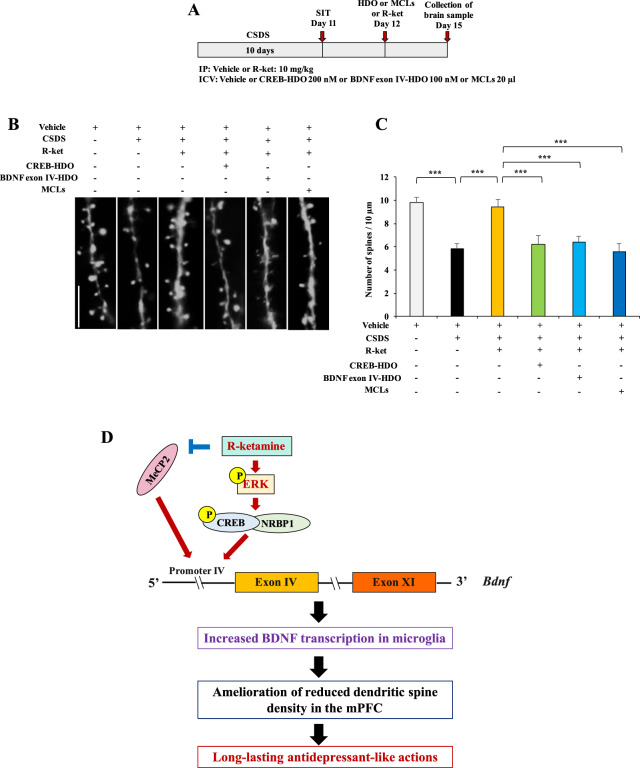
(R,S)-ketamine elicits rapid-acting and sustained antidepressant actions in treatment-resistant patients with depression. (R)-ketamine produces longer-lasting antidepressant effects than (S)-ketamine in rodents; however, the precise molecular mechanisms underlying antidepressant actions of (R)-ketamine remain unknown. Using isobaric Tag for Relative and Absolute Quantification, we identified nuclear receptor-binding protein 1 (NRBP1) that could contribute to different antidepressant-like effects of the two enantiomers in chronic social defeat stress (CSDS) model. NRBP1 was localized in the microglia and neuron, not astrocyte, of mouse medial prefrontal cortex (mPFC). (R)-ketamine increased the expression of NRBP1, brain-derived neurotrophic factor (BDNF), and phosphorylated cAMP response element binding protein (p-CREB)/CREB ratio in primary microglia cultures thorough the extracellular signal-regulated kinase (ERK) activation. Furthermore, (R)-ketamine could activate BDNF transcription through activation of CREB as well as MeCP2 (methyl-CpG binding protein 2) suppression in microglia. Single intracerebroventricular (i.c.v.) injection of CREB-DNA/RNA heteroduplex oligonucleotides (CREB-HDO) or BDNF exon IV-HDO blocked the antidepressant-like effects of (R)-ketamine in CSDS susceptible mice. Moreover, microglial depletion by colony-stimulating factor 1 receptor (CSF1R) inhibitor PLX3397 blocked the antidepressant-like effects of (R)-ketamine in CSDS susceptible mice. In addition, inhibition of microglia by single i.c.v. injection of mannosylated clodronate liposomes (MCLs) significantly blocked the antidepressant-like effects of (R)-ketamine in CSDS susceptible mice. Finally, single i.c.v. injection of CREB-HDO, BDNF exon IV-HDO or MCLs blocked the beneficial effects of (R)-ketamine on the reduced dendritic spine density in the mPFC of CSDS susceptible mice. These data suggest a novel ERK-NRBP1-CREB-BDNF pathways in microglia underlying antidepressant-like effects of (R)-ketamine.
Overview
The claims and statistics of this paper haven’t been checked yet.
Free: it reads the open-access text and checks the first 5 claims that cite a source we can check. Create a free account to check every claim.
Integrity signals
Registry
Cites
Statistics
Figures
Verification
Claims the paper makes
The claims and statistics of this paper haven’t been checked yet.
Free: it reads the open-access text and checks the first 5 claims that cite a source we can check. Create a free account to check every claim.
Claims other papers make about this one
Each is checked against this paper’s own text: does it say what the citing paper says it does?
The source backs part of the claim, not all of it — or backs it for a different population, condition or comparison.
In the citing paper
“Studies using pharmacological inhibitors or genetic ablation models of microglia have demonstrated that the absence or inhibition of these cells completely abolishes the antidepressant effects of ketamine, emphasizing their essential role in the drug’s mechanism of action [81].”
From Variations in BDNF and Their Role in the Neurotrophic Antidepressant Mechanisms of Ketamine and Esketamine: A Review (2024) · cites this paper as [81]
Experimental — accuracy not yet measuredThe source backs part of the claim, not all of it — or backs it for a different population, condition or comparison.
In the citing paper
“This phosphorylation is a key step in upregulating BDNF transcription, a pivotal factor in mediating synaptic plasticity and promoting resilience against stress-related depressive behaviors [81].”
From Variations in BDNF and Their Role in the Neurotrophic Antidepressant Mechanisms of Ketamine and Esketamine: A Review (2024) · cites this paper as [81]
Experimental — accuracy not yet measuredThe source backs part of the claim, not all of it — or backs it for a different population, condition or comparison.
In the citing paper
“Additionally, (R)-ketamine’s effect on microglia has been shown to involve suppression of pro-inflammatory mediators, such as interleukin-6 (IL-6) and tumor necrosis factor-alpha (TNF-α), which contribute to neuroinflammation [81,83].”
From Variations in BDNF and Their Role in the Neurotrophic Antidepressant Mechanisms of Ketamine and Esketamine: A Review (2024) · cites this paper as [81]
Experimental — accuracy not yet measuredThe source backs part of the claim, not all of it — or backs it for a different population, condition or comparison.
In the citing paper
“microglia (3) also play a role, with ketamine increasing the expression of Nuclear Receptor Binding Protein 1 (NRBP1) and phosphorylated cAMP response element-binding protein (CREB), leading to an increased transcription of BDNF.”
From Variations in BDNF and Their Role in the Neurotrophic Antidepressant Mechanisms of Ketamine and Esketamine: A Review (2024) · cites this paper as [81]
Experimental — accuracy not yet measuredThe source backs part of the claim, not all of it — or backs it for a different population, condition or comparison.
In the citing paper
“This anti-inflammatory property of (R)-ketamine may enhance the functional role of microglia in supporting neuronal health, reducing oxidative stress, and promoting synaptic connectivity [81,83].”
From Variations in BDNF and Their Role in the Neurotrophic Antidepressant Mechanisms of Ketamine and Esketamine: A Review (2024) · cites this paper as [81]
Experimental — accuracy not yet measured
4 more claims about this paper
Create a free account to see every claim other papers make about this one.
Self-check
Percentages, sums and reported differences re-computed from the paper’s own numbers.
The self-check needs the paper’s full text.
Citations
Cites
Molecular Mechanisms of Depression: Perspectives on New Treatment Strategies
Lang, U. E., & Borgwardt, S. (2013) · Cellular Physiology and Biochemistry · doi:10.1159/000350094 · Cited by 8,475
Antidepressant effects of ketamine in depressed patients
Berman, R. M., Cappiello, A., Anand, A., Oren, D. A., Heninger, G. R., Charney, D. S., & Krystal, J. H. (2000) · Biological Psychiatry · doi:10.1016/s0006-3223(99)00230-9 · Cited by 3,856 · cited 1×
“[5] reported rapid-acting and sustained antidepressant effects of (R,S)-ketamine in patients with depression.”
BackgroundA randomized trial of an N-methyl-D-aspartate antagonist in treatment-resistant major depression.
Zarate, C. A., Singh, J. B., Carlson, P. J., Brutsche, N. E., Ameli, R., Luckenbaugh, D. A., Charney, D. S., & Manji, H. K. (2006) · Archives of General Psychiatry · doi:10.1001/archpsyc.63.8.856 · Cited by 3,766
Differential Roles of M1 and M2 Microglia in Neurodegenerative Diseases
Tang, Y., & Le, W. (2016) · Molecular Neurobiology · doi:10.1007/s12035-014-9070-5 · Cited by 2,190 · cited 1×
“Microglia can produce either cytotoxic or neuroprotective effects [67].”
BackgroundElmore, M. R. P., Najafi, A. R., Koike, M. A., Dagher, N. N., Spangenberg, E. E., Rice, R. A., Kitazawa, M., Matusow, B., Nguyen, H., West, B. L., et al. (2014) · Neuron · doi:10.1016/j.neuron.2014.02.040 · Cited by 1,968 · cited 1×
“Effect of microglia depletion on antidepressant-like effects of (R)-ketamine Activation of CSF1R is essential for survival in microglia [66].”
BackgroundNMDA receptor blockade at rest triggers rapid behavioural antidepressant responses
Autry, A. E., Adachi, M., Nosyreva, E., Na, E. S., Los, M. F., Cheng, P.-F., Kavalali, E. T., & Monteggia, L. M. (2011) · Nature · doi:10.1038/nature10130 · Cited by 1,926 · cited 1×
“In contrast, other brain regions such as hippocampus and nucleus accumbens are known to play a role in depression-like phenotypes [27, 41, 48, 50, 77, 78].”
BackgroundM2 microglia and macrophages drive oligodendrocyte differentiation during CNS remyelination
Miron, V. E., Boyd, A., Zhao, J.-W., Yuen, T. J., Ruckh, J. M., Shadrach, J. L., van Wijngaarden, P., Wagers, A. J., Williams, A., Franklin, R. J. M., et al. (2013) · Nature Neuroscience · doi:10.1038/nn.3469 · Cited by 1,777 · cited 2×
“S9), consistent with the previous report [68].”
Brain-derived neurotrophic factor produces antidepressant effects in behavioral models of depression
Shirayama, Y., Chen, A. C.-H., Nakagawa, S., Russell, D. S., & Duman, R. S. (2002) · The Journal of Neuroscience · doi:10.1523/jneurosci.22-08-03251.2002 · Cited by 1,654 · cited 1×
“[45] reported that direct injection of BDNF in the hippocampus caused long-lasting (i.”
BackgroundSynaptic Dysfunction in Depression: Potential Therapeutic Targets
Duman, R. S., & Aghajanian, G. K. (2012) · Science · doi:10.1126/science.1222939 · Cited by 1,651 · cited 2×
“Second, we selected mPFC of mouse brain since mPFC is implicated in depression-like phenotypes [27, 47, 48].”
MethodNMDAR inhibition-independent antidepressant actions of ketamine metabolites
Zanos, P., Moaddel, R., Morris, P. J., Georgiou, P., Fischell, J., Elmer, G. I., Alkondon, M., Yuan, P., Pribut, H. J., Singh, N. S., et al. (2016) · Nature · doi:10.1038/nature17998 · Cited by 1,609 · cited 1×
“In contrast, (2R,6R)HNK (the metabolite from (R)-ketamine) [28] did not activate Bdnf exon IV promoter whereas its parent compound (R)-ketamine significantly activated Bdnf exon IV promoter (Fig.”
Background
Cited by
Items 101–200 of 216
Exploring the multifaceted potential of (R)-ketamine beyond antidepressant applications
Zhang, S., Pu, Y., Liu, J., Li, L., An, C., Wu, Y., Zhang, W., Zhang, W., Qu, S., & Yan, W. (2024) · Frontiers in Pharmacology · doi:10.3389/fphar.2024.1337749 · Cited by 18
Ma, L., Eguchi, A., Liu, G., Qu, Y., Wan, X., Murayama, R., Mori, C., & Hashimoto, K. (2024) · Pharmacology Biochemistry and Behavior · doi:10.1016/j.pbb.2024.173736 · Cited by 12
Self-citationPotential of natural products in the treatment of irritable bowel syndrome
Lü, Q., Tan, D., Luo, J., Ye, Y., Zuo, M., Wang, S., & Li, C. (2022) · Phytomedicine · doi:10.1016/j.phymed.2022.154419 · Cited by 12
Scotton, E., Casa, P. L., de Abreu, F. P., Silva, S. D. Á. E., Wilges, R. L. B., Rossetto, M. V., Géa, L. P., Rosa, A. R., & Colombo, R. (2023) · Pharmacology Biochemistry and Behavior · doi:10.1016/j.pbb.2023.173523 · Cited by 12
Maternal behavior promotes resilience to adolescent stress in mice through a microglia-neuron axis
Chen, H., Xu, R., Wang, J., Gao, F., Lv, Y., Li, X., Fang, L., Zhao, J., Zhang, X., Wang, J., et al. (2025) · Nature Communications · doi:10.1038/s41467-025-57810-w · Cited by 15
Sun, Y., Wang, J., Ding, W., Qin, Q., Wang, R., Yu, R., Yan, J., Hou, R., Liu, G., Cai, X., et al. (2025) · Redox Biology · doi:10.1016/j.redox.2025.103620 · Cited by 12
“CREB, has been reported to be one of the most major factors to regulate BDNF [60].”
Ahtiainen, A., Annala, I., Rosenholm, M., Kohtala, S., Hyttinen, J., Tanskanen, J. M. A., & Rantamäki, T. (2023) · Neuropharmacology · doi:10.1016/j.neuropharm.2023.109481 · Cited by 12
“(R)-enantiomer, has been shown to increase ERK phosphorylation in cultured microglia in concentration-dependent manner (Yao et al., 2022).”
Activation of σ1-Receptors by R-Ketamine May Enhance the Antidepressant Effect of S-Ketamine
Kalkman, H. O. (2023) · Biomedicines · doi:10.3390/biomedicines11102664 · Cited by 12
Yao, H., Wang, X., Chi, J., Chen, H., Liu, Y., Jiayi, Y., Yu, J., Ruan, Y., Xiang, X., Pi, J., et al. (2024) · Molecules · doi:10.3390/molecules29050964 · Cited by 12
Ketamine and its enantiomers for depression: a bibliometric analysis from 2000 to 2023
Zhao, L.-Y., Zhang, G.-F., Lou, X.-J., Hashimoto, K., & Yang, J. (2024) · European Archives of Psychiatry and Clinical Neuroscience · doi:10.1007/s00406-024-01809-9 · Cited by 13
Self-citationExtending ketamine’s antidepressant effects
Hashimoto, K. (2025) · Science · doi:10.1126/science.adx4559 · Cited by 12
Self-citationWang, Y., Peng, D., Zhang, X., Chen, J., Feng, J., Zhang, R., Mai, W., Chen, H., Yang, Y., Huang, Y., et al. (2024) · Journal of Hazardous Materials · doi:10.1016/j.jhazmat.2024.134756 · Cited by 10
Self-citationMolecular Mechanisms of Emerging Antidepressant Strategies: From Ketamine to Neuromodulation
Kowalczyk, M., Aebisher, D., Szpara, J., Czech, S., Bartusik‐Aebisher, D., & Henrykowska, G. A. (2025) · International Journal of Molecular Sciences · doi:10.3390/ijms27010344 · Cited by 12
“Collectively, these results indicate that microglial ERK-NRBP1-CREB-BDNF signaling constitutes a key mechanism underlying the sustained antidepressant effects of (R)-ketamine [86].”
Shen, Z., Yu, M., & Dong, Z. (2023) · Medicina · doi:10.3390/medicina59040741 · Cited by 12
Derosa, S., Misztak, P., Mingardi, J., Mazzini, G., Müller, H. K., & Musazzi, L. (2023) · Progress in Neuro-Psychopharmacology and Biological Psychiatry · doi:10.1016/j.pnpbp.2023.110871 · Cited by 14
Liu, F., Huang, S., Guo, D., Li, X., & Han, Y. (2023) · Life Sciences · doi:10.1016/j.lfs.2023.122222 · Cited by 13
Deng, Q., Parker, E., Wu, C., Zhu, L., Liu, T. C., Duan, R., & Yang, L. (2024) · Aging and Disease · doi:10.14336/ad.2024.0239 · Cited by 12
“Moreover, the sustained antidepressant actions of ketamine are related to microglial ERK-NRBP1-CREB-BDNF signaling [182].”
Chang, H.-X., Dai, W., Bao, J.-H., Li, J., Zhang, J.-G., & Li, Y. (2023) · Frontiers in Pharmacology · doi:10.3389/fphar.2023.1122541 · Cited by 10
“The preliminary and limited study indicated that the depletion of cortical microglia could block the antidepressant effect of (R)-ketamine on chronic social defeat stress (CSDS) susceptible mice, suggesting that microglia might be involved in the antidepressant effect of (R)-ketamine (Yao et al., 2022).”
BackgroundResultInfluentialSelf-citationWang, F., Li, Z., Li, B., Xu, M., Wang, Y., Wang, J., Li, J., Zhu, Y., He, L., Ma, J., et al. (2025) · Phytomedicine · doi:10.1016/j.phymed.2025.156567 · Cited by 14
Self-citationCastanheira, S., Gomes, C. V., Bicker, J., & Fortuna, A. C. (2025) · Drug Discovery Today · doi:10.1016/j.drudis.2025.104371 · Cited by 11
The therapeutic potential of psilocybin beyond psychedelia through shared mechanisms with ketamine
Park, D., Lee, G., Lee, W.-G., Kim, B. S., Lee, Y., & Kim, J. (2025) · Molecular Psychiatry · doi:10.1038/s41380-025-03100-2 · Cited by 14
“Another study showed that (R)-ketamine enhanced ERK1/2-dependent BDNF expression through CREB-mediated transcription in microglia, contributing to its behavioral effects [115].”
Palhas, M. L. C., Corne, R., & Mongeau, R. (2025) · Progress in Neuro-Psychopharmacology and Biological Psychiatry · doi:10.1016/j.pnpbp.2025.111533 · Cited by 12
Kong, S., Huang, Z., & Fang, Y. (2026) · Neuroscience Bulletin · doi:10.1007/s12264-025-01571-5 · Cited by 10
Ni, M., Zheng, M., Chen, B., Lu, X., Zhao, H., Zhu, T., Cheng, L., Han, H., Ye, T., Liu, H., et al. (2023) · Neuropharmacology · doi:10.1016/j.neuropharm.2023.109693 · Cited by 10
Exploring the memory: existing activity-dependent tools to tag and manipulate engram cells
Pang, B., Wu, X., Chen, H., Yan, Y., Du, Z., Yu, Z., Yang, X., Wang, W., & Lu, K. (2024) · Frontiers in Cellular Neuroscience · doi:10.3389/fncel.2023.1279032 · Cited by 10
Xu, M., Wang, J., Shi, J., Wu, X., Zhao, Q., Shen, H., Chen, J., & Yu, J. (2025) · Neuropharmacology · doi:10.1016/j.neuropharm.2025.110362 · Cited by 10
Self-citationMotamedi-Manesh, A., Asanjan, M. F., Fallah, H., Gharibian, S., Taghavi, A., Poode, Z. H., Akhondzadeh, S., & Vaseghi, S. (2025) · Naunyn-Schmiedeberg s Archives of Pharmacology · doi:10.1007/s00210-025-03912-7 · Cited by 8
“In addition, the effects of ketamine on mood regulation may also be modulated by microglial signaling, particularly through the Extracellular signal-regulated kinases (ERK), Nuclear Receptor Binding Protein 1(NRBP1), and cAMP response element-binding protein (CREB) (Yao et al. 2022).”
Fan, X., Wang, H., Lv, X., Wang, Q., Yu, B., Li, X., Li, L., Zhang, Y., Ma, N., Lü, Q., et al. (2025) · Brain Sciences · doi:10.3390/brainsci15030236 · Cited by 8
Novel anti-inflammatory compounds that alleviate experimental autoimmune encephalomyelitis
Sun, M., Liu, N., Sun, J., Zhang, W., Gong, P., Wang, M., & Liu, Z. (2025) · Phytomedicine · doi:10.1016/j.phymed.2025.156544 · Cited by 9
Emerging non-proinflammatory roles of microglia in healthy and diseased brains
Sun, Y., Che, J., & Zhang, J. (2023) · Brain Research Bulletin · doi:10.1016/j.brainresbull.2023.110664 · Cited by 11
“Some brain areas, such as the nucleus accumbens (NAc), basolateral amygdala (BLA), and prefrontal cortex (PFC), develop late and steadily continue to refine their circuits well into adolescence (Delevich et al., 2018; Yuan et al., 2015).”
BackgroundSelf-citationRice bran supplement ameliorates chronic restraint stress-induced depression-like behaviors in mice
Kim, M., Yoon, M., Cho, S., Kim, M. J., & Um, M. Y. (2024) · Food & Function · doi:10.1039/d4fo00718b · Cited by 9
Borikar, S. P., Chitode, G. V., Tapre, D. N., Lokwani, D. K., & Jain, S. P. (2024) · International Journal of Neuroscience · doi:10.1080/00207454.2024.2414270 · Cited by 10
“Recent evidence suggested that the neurodegenerative disorders in patients with depression are associated with reduced expression and phosphorylation of caMP response element-binding protein (cReB), along with decreased levels of brain-derived neurotrophic factor (BDNF) in the hippocampus [65,66].”
Fang, R.-Y., Pan, X.-R., Zeng, X.-X., Li, Z., Chen, B.-F., Zeng, H.-M., & Peng, J. (2025) · World Journal of Psychiatry · doi:10.5498/wjp.v15.i1.101134 · Cited by 10
History and main research of psychoneuroimmunology in China
Wang, W., Lin, W., Chen, G., & You, Z. (2022) · Brain Behavior & Immunity - Health · doi:10.1016/j.bbih.2022.100562 · Cited by 8
From Perspective of Hippocampal Plasticity: Function of Antidepressant Chinese Medicine Xiaoyaosan
Zhang, W. T., Guo, Z.-X., Wang, Y., Fang, S., Wan, C., Yu, X., Guo, X., Chen, Y.-Y., Zhou, X., Huang, J., et al. (2024) · Chinese Journal of Integrative Medicine · doi:10.1007/s11655-024-3908-0 · Cited by 7
“We have shown that XYS can significantly inhibit depression-like behavior in mouse models subjected to long-term chronic social defeated stress and chronic restraint stress (107) without any toxic side effects.”
Self-citationZhao, Y.-L., Yi, H., Baba, S. S., Guo, Y.-X., Yuan, X., Hou, X., Liang, L., & Huo, F.-Q. (2024) · Molecular Neurobiology · doi:10.1007/s12035-024-04314-1 · Cited by 9
Huang, T., He, Y., Cheng, R., Zhang, Q., Zhong, X., Hashimoto, K., Liu, Y., & Pu, Y. (2024) · Translational Psychiatry · doi:10.1038/s41398-024-03176-4 · Cited by 9
Self-citationCui, J., Wang, X., Yu, J. Z., Zhang, B., Shi, Y., So, K., Zhang, L., & Wei, J. (2024) · Acta Pharmacologica Sinica · doi:10.1038/s41401-024-01420-7 · Cited by 8
“For example, microglia-secreted brain-derived neurotrophic factor (BDNF) plays an indispensable role in spine formation [5] to exert the antidepressant effects of ketamine [6].”
Zhu, T., Zhao, M., Xu, D., Cai, Y., Liu, G., Murayama, R., Yue, Y., Yang, J., & Hashimoto, K. (2024) · Progress in Neuro-Psychopharmacology and Biological Psychiatry · doi:10.1016/j.pnpbp.2024.111228 · Cited by 7
Self-citationZhang, B., Bai, M., Yang, M., Wang, Y., Zhang, X., Chen, X., Gao, M., Liu, B., & Shi, G. (2025) · CNS Neuroscience & Therapeutics · doi:10.1111/cns.70404 · Cited by 10
“The forced swim test (FST) was conducted as previously described [30].”
InfluentialGlavonic, E., Dragić, M., Mitić, M., Aleksic, M., Lukić, I., Ivković, S., & Adžić, M. (2024) · Pharmaceuticals · doi:10.3390/ph17060669 · Cited by 7
“On the other hand, while we found no alterations in exon VI mRNA expression, ketamine increased the BDNF exon IV mRNA levels in both of the analyzed tissues, which aligns with reports of exon IV’s upregulation in response to ketamine [97,111].”
BackgroundSalari, M., Eftekhar‐Vaghefi, S. H., Asadi‐Shekaari, M., Esmaeilpour, K., Solhjou, S., Amiri, M., & Ahmadi‐Zeidabadi, M. (2023) · Brain and Behavior · doi:10.1002/brb3.2986 · Cited by 8
Wang, C., Li, N., Feng, Y., Sun, S., Rong, J., Xie, X., Xu, S., & Liu, Z. (2024) · Neurobiology of Stress · doi:10.1016/j.ynstr.2024.100632 · Cited by 6
A synopsis of multitarget therapeutic effects of anesthetics on depression
Wu, G., & Xu, H. (2023) · European Journal of Pharmacology · doi:10.1016/j.ejphar.2023.176032 · Cited by 7
Berner, J. E., & Acharjee, A. (2024) · Discover Mental Health · doi:10.1007/s44192-024-00066-5 · Cited by 7
“Affective disorders response may be associated with an anabolic activation of microglial brain-derived neurotrophic factor secretion in prefrontal cortex [34].”
BackgroundLi, Q., Meng, F., Ma, X., Sun, Z., Dai, J., Liu, J., Li, D., Cong, P., Xu, R., Zhao, D., et al. (2023) · Frontiers in Immunology · doi:10.3389/fimmu.2023.1153344 · Cited by 7
Zhao, J., Zeng, X., Liu, J., Liu, X., Liu, Z., Wang, B., Chen, Z., Dong, Y., Guo, S., Cui, M., et al. (2023) · Biomedicine & Pharmacotherapy · doi:10.1016/j.biopha.2023.115157 · Cited by 7
Ma, B., Tao, X., Qi, Y., Cao, H., Cao, Q., Zhou, Z., & Wang, S. (2024) · Medicine · doi:10.1097/md.0000000000038821 · Cited by 8
“[23,24] As esketamine continues to be used, concerns about adverse drug reactions are emerging, especially regarding long-term efficacy, addiction risks, and suicidal risks.”
BackgroundSelf-citationSun, Y., Li, X., Li, X., Liu, L., & Wei, S. H. (2024) · Research Square · doi:10.21203/rs.3.rs-5369999/v1 · Cited by 5
AKT signaling upregulates BDNF expression in induced neural stem cells that interact with microglia
Wang, W., Qiu, W., Chen, P., Yang, Z., Zou, M., Zhou, Y., Guo, L., Zou, D., Xu, R., & Gao, M. (2025) · Stem Cell Research & Therapy · doi:10.1186/s13287-025-04489-x · Cited by 5
“Additionally, intracellular signaling activated by these stimuli may recruit certain transcription factors, such as cAMP response element binding protein (CREB), to regulate Bdnf exon transcription by binding to its promoters [14].”
Yoo, M. H., Kim, T.-Y., Kim, H.-K., Yoo, J., Lee, B., & Koh, J. (2025) · Ecotoxicology and Environmental Safety · doi:10.1016/j.ecoenv.2025.118031 · Cited by 5
Li, M., Duan, W., Hao, X., Li, S., Wang, C., Liang, Y., Hu, Z., Ma, D., Guo, M., Zuo, C., et al. (2025) · Molecular Psychiatry · doi:10.1038/s41380-025-03198-4 · Cited by 6
“In contrast, several preclinical studies have shown that arketamine yields more potent and longer-lasting antidepressant effects in rodent models with fewer side effects [3, 12 – 15].”
Self-citationXu, D., Jia, D., Fang, X., Chen, W., Liu, Y., Song, Q., & Song, X. (2025) · Journal of Ovarian Research · doi:10.1186/s13048-025-01889-8 · Cited by 7
“…of cAMP-dependent signaling in theca cells of PCOS ovaries [43, 44], and prior reports implicating NRBP1 in regulating the ERK-CREB-BDNF signaling axis [45], NRBP1 may contribute to the hyperandrogenism characteristic of PCOS by interfering with the cAMP signaling pathway in theca cells.”
Fang, Y., Pan, H., Zhu, H., Wang, H., Ye, M., Ren, J., Peng, J., Li, J., Lu, X., & Huang, C. (2024) · Neuropharmacology · doi:10.1016/j.neuropharm.2024.110118 · Cited by 6
Huang, Z., Ren, Z., Wang, S., Xiao, L., Ling, Y., Xie, Y., Wang, G., & Zhou, B. (2025) · Scientific Reports · doi:10.1038/s41598-025-93554-9 · Cited by 9
“BDNF is involved in neurogenesis, synaptic plasticity, and cognitive function 65,66 .”
Microglial function interacts with the environment to affect sex-specific depression risk
Fitzgerald, E., Pokhvisneva, I., Patel, S. H., Chan, S. Y., Tan, A. P., Chen, H., Silveira, P. P., & Meaney, M. J. (2024) · Brain Behavior and Immunity · doi:10.1016/j.bbi.2024.04.030 · Cited by 5
“The tiles are colored by the correlation coefficient.”
BackgroundWang, H., Peng, J., Zhu, H., Sun, M., Fang, Y., Chen, Z., Hu, W., Tong, L., Ren, J., Huang, C., et al. (2024) · Physiology & Behavior · doi:10.1016/j.physbeh.2024.114782 · Cited by 5
Transcriptional Profiling of Rat Prefrontal Cortex after Acute Inescapable Footshock Stress
Martini, P. G. V., Mingardi, J., Carini, G., Mattevi, S., Ndoj, E., Via, L. L., Magri, C., Gennarelli, M., Russo, I., Popoli, M., et al. (2023) · Genes · doi:10.3390/genes14030740 · Cited by 5
“Other kinases that are activated downstream of the cAMP signaling pathway are the ERKs, which are also responsible for the phosphorylation of CREB [27].”
BackgroundExercise Suppresses Appetite in Obesity: A Biochemical, Metabolic, and Molecular Approach
Razi, O., Zamani, N., de Moraes, C., Laher, I., & Hadjicharalambous, M. (2025) · Applied Sciences · doi:10.3390/app15116191 · Cited by 6
Li, J., Chen, M., Lin, Y., Wu, Q., Shen, J., Wen, Y., Li, S., Zhang, J., & Sun, J. (2025) · Drug Design Development and Therapy · doi:10.2147/dddt.s532905 · Cited by 4
Self-citationHan, M., Xie, B., Yuan, Y., Xu, D., Shi, Y., Xu, M., Wu, Y., Zhang, Y., Wen, X., Wang, X., et al. (2025) · Journal of Neuroinflammation · doi:10.1186/s12974-025-03656-4 · Cited by 10
“Arketamine has been proposed as a safer option than racemic ketamine and esketamine [19–23, 29, 71].”
Self-citationPleiotropic modulation of the gut-brain-lung axis by ketamine and its enantiomers
Zhao, X., Zhang, X., Yuan, S., Hashimoto, K., & Zhang, J. (2026) · Molecular Psychiatry · doi:10.1038/s41380-026-03590-8 · Cited by 6
“Unlike arketamine — whose antidepressant actions depend largely on ERK (extracellular signal – regulated kinase) signaling — esketa-mine requires activation of the mTOR pathway to produce rapid mood-elevating effects [75, 76].”
Self-citationStudy on the antidepressant activity of (2R,6R; 2S,6S)-Hydroxynorketamine (HNK) and its derivatives
Zang, D., Yang, X., Wang, H., Li, Z., Ma, Y., Liu, J., Mei, X., Li, S. J., Feng, J., Shi, X., et al. (2024) · Clinics · doi:10.1016/j.clinsp.2024.100435 · Cited by 4
“Ketamine can not only be used as a free anesthetic for general anesthesia, but also as a painkiller for acute, chronic, cancer, perioperative pain, and the pain of critically ill patients [10].”
BackgroundJoint-Tissue Integrative Analysis Identified Hundreds of Schizophrenia Risk Genes
Wu, Y., Yu, X., Xiao, X., Li, M., & Li, Y. (2021) · Molecular Neurobiology · doi:10.1007/s12035-021-02572-x · Cited by 4
Wang, L., Lu, C., Li, S., Wu, T., Ren, X., Song, S., & Ai, C. (2026) · International Journal of Biological Macromolecules · doi:10.1016/j.ijbiomac.2026.150151 · Cited by 6
Intersection of Sex and Depression: Pathogenesis, Presentation, and Treatments
Frohman, D. F. T., Nnah, K., & Tsirka, S. E. (2023) · Handbook of experimental pharmacology · doi:10.1007/164_2023_670 · Cited by 3
Hippocampus carbonic anhydrase 1 via ERK pathway may be involved in depressive like behaviors
Cheng, K., Chen, C., Deng, S., Xu, F., Chen, X., Yang, J., Wang, G., & Xie, P. (2024) · Journal of Affective Disorders · doi:10.1016/j.jad.2024.12.064 · Cited by 3
Antidepressant-like effects of trophic factor receptor signaling
Sathyanesan, M., & Newton, S. S. (2022) · Frontiers in Molecular Neuroscience · doi:10.3389/fnmol.2022.958797 · Cited by 4
“In partnership with CaMKIV, it can regulate CREB, a transcription factor of major interest in antidepressant activity (Blendy, 2006; Yao et al., 2021).”
BackgroundDing, W., Yao, M., Liang, X., Wong, W., Yao, W., & Zhang, J. (2025) · Psychopharmacology · doi:10.1007/s00213-025-06813-y · Cited by 3
“Behavioral assessments in this study included the loco-motion test (LMT), forced swimming test (FST), and 1% sucrose preference test (SPT), conducted according to established protocols (He et al. 2022; Yao et al. 2022).”
Self-citationThe role of neurotrophins in sensory processing in autism
Suprunowicz, M., Wińska, A., Oracz, A. J., Modzelewski, S., Konarzewska, B., & Waszkiewicz, N. (2025) · Neuroscience · doi:10.1016/j.neuroscience.2025.09.051 · Cited by 2
The epigenetic mechanisms of ketamine in the treatment of depression: a systematic review
Leccisotti, I., Moretti, M. C., Altamura, M., Bellomo, A., Laurello, R., Carapellese, M., Sborgia, G., Dibello, V., Robert, G. H., Panza, F., et al. (2025) · Epigenomics · doi:10.1080/17501911.2025.2583892 · Cited by 2
Ye, M., Huang, C., Gu, Y., Lu, X., Zhu, T., & Zhang, Y. (2026) · Brain Behavior and Immunity · doi:10.1016/j.bbi.2026.106529 · Cited by 3
Defining functional states and roles of microglia in neuropsychiatric disorders
Szydłowska, K., Tivanello, R., & Kaminska, B. (2026) · Frontiers in Cellular Neuroscience · doi:10.3389/fncel.2026.1798151 · Cited by 2
Scotton, E., Ziani, P. R., Wilges, R. L. B., Correa, P. H. D. R., Giordano, L. A., Goularte, J. F., Schons, T., Almeida, F. B., Stein, D. J., de Castro, J. M., et al. (2024) · Pharmacology Biochemistry and Behavior · doi:10.1016/j.pbb.2024.173882 · Cited by 1
Wei, X., Liu, X., Ban, Y., Li, J., & Rong, H. (2025) · Biochemical Genetics · doi:10.1007/s10528-025-11169-1 · Cited by 1
Mechanism of antidepressant action of ketamine and differences between its two enantiomers
Zhan, J., Zhang, Y., Tian, H., Zhu, X., Guo, M., Qiu, Z., & Xia, Z. (2025) · Journal of Anesthesia and Translational Medicine · doi:10.1016/j.jatmed.2025.06.001 · Cited by 1
“166 R-ketamine was also able to induce the transcription of BDNF through the inhibition of methyl-CpG-binding protein 2 (MeCP2) and the increase in the expression of NRBP1 in microglial cultures, 175 showing the importance of microglia in the antidepressant effects of R-ketamine.”
Hu, W., Ye, M., Dai, Q., Sun, M., Song, R., Lu, X., Huang, C., Zhang, L., & Yang, R. (2025) · Pharmacology Biochemistry and Behavior · doi:10.1016/j.pbb.2025.174114 · Cited by 1
Li, C., Wang, Z., Ye, X., Lv, J., Chen, F., Zhang, Y., Liu, J., Li, X., Duan, J., Wang, Y., et al. (2025) · Frontiers in Psychiatry · doi:10.3389/fpsyt.2025.1692751 · Cited by 3
“This effect may be due to the induction of synapse-associated protein synthesis through activation of the ERK-NRBP1-CREB-BDNF pathway in microglial cells and enhancement of synaptic plasticity (63).”
Self-citationWang, Y., Liu, L., Jing, R., Sun, Y., Yao, L., Zhang, X., Wu, X., Mu, L., Ping, L. I. U., & Hu, Y. (2026) · Journal of Ethnopharmacology · doi:10.1016/j.jep.2026.121311 · Cited by 1
CXCL12/CXCR4 axis as a modulator of neurotransmission in depression: A neuroimmune perspective
Grzybowska, K., Czarny, P. L., Kolodziej, L. R., Wigner, P., Szemraj, J., Gałecki, P., Su, K., & Śliwiński, T. (2026) · Neuroscience & Biobehavioral Reviews · doi:10.1016/j.neubiorev.2026.106717 · Cited by 1
Wang, J., Ren, P., Yang, D., Ni, H., Zhang, S., Yue, C. X., Zeng, Z., Yuan, Z., & Li, Y. (2026) · British Journal of Pharmacology · doi:10.1111/bph.70598 · Cited by 2
Pathological Synaptic Plasticity in Neurological Disorders
Jin, C., & Karlstedt, K. (2025) · Synaptic Plasticity - Neurobiology, Neuroanatomy, and Clinical Neuroscience · doi:10.5772/intechopen.1007753 · Cited by 1
The neural mechanisms of resilience
Yan, J., Cao, G., Wang, C., Sun, Y. E., & Han, M. (2023) · Chinese Science Bulletin (Chinese Version) · doi:10.1360/tb-2023-0805 · Cited by 1
Cai, L., Zhou, H., Li, R. H., Jiang, C. H., Xu, M. Y., & Zhang, J. N. (2023) · Indian Journal of Pharmaceutical Sciences · doi:10.36468/pharmaceutical-sciences.spl.609
Self-citationDo Molecular Interventions (Ketamine) Re-establish Synapses in Affected Brain Structures?
Bennett, M. R. (2024) · Springer eBooks · doi:10.1007/978-981-97-2803-9_10
Brain-Derived Neurotrophic Factor in Bipolar Disorder
Hashimoto, K. (2024) · Springer eBooks · doi:10.1007/978-3-031-32035-4_20-1
Self-citationBorczyk, M., Fichna, J. P., Piechota, M., Gołda, S., Zięba, M., Hoinkis, D., Cięszczyk, P., Korostyński, M., Janik, P., & Żekanowski, C. (2025) · Journal of Applied Genetics · doi:10.1007/s13353-024-00930-8 · Cited by 1
Depression: The Vagus Nerve and Gut-Brain Axis
Hashimoto, K. (2024) · Springer eBooks · doi:10.1007/978-3-031-32035-4_31-1
Self-citationArketamine: Unapproved but Promising Antidepressant with Multiple Brain Benefits
Wan, X., & Hashimoto, K. (2025) · Neuromethods · doi:10.1007/978-1-0716-4599-4_15
Self-citationBrain-Derived Neurotrophic Factor in Bipolar Disorder
Hashimoto, K. (2025) · Springer eBooks · doi:10.1007/978-3-031-73368-0_20
Self-citationDepression: The Vagus Nerve and Gut-Brain Axis
Hashimoto, K. (2025) · Springer eBooks · doi:10.1007/978-3-031-73368-0_31 · Cited by 1
Self-citationMusic and art therapy in age-related neuropsychiatric disorders: Creative approaches to healing
Hajizadeh, E., Salatin, S., Sarailoo, M., Amirazad, H., Azarfarin, M., & Dadkhah, M. (2025) · Progress in brain research · doi:10.1016/bs.pbr.2025.08.023
Zheng, C., Wei, S., Liu, F., Lv, H., & Sun, Y. (2025) · Nutritional Neuroscience · doi:10.1080/1028415x.2025.2574961 · Cited by 1
“For instance, ketamine [78], coadministration of rolipram with imipramine [79], and fluoxetine [80], have been reported to bind and stabilize tyrosine kinase receptor (TrkB) in synaptic membranes [81].”
Al-Juhaishi, M. H. K., Al-Juhaishi, N. M. H., & Al-Juhaishi, A. M. H. (2024) · Neurophysiology · doi:10.1007/s11062-025-09989-3 · Cited by 1
“Concurrent activation of mTOR and extracellular signal-regulated kinase (ERK) pathways, along with increased BDNF release stimulating the BDNF– tyrosine receptor kinase B (TrkB) pathway, supports neuronal survival and regeneration [185, 186].”
Zhang, B., Kong, L., Wang, Y., He, W., Yang, M., Zhang, X., Chen, X., Zhang, Y., Liu, B., Bai, M., et al. (2026) · Neural Regeneration Research · doi:10.4103/nrr.nrr-d-25-00990
“The MWM test was used to assess spatial learning and reference memory, and training sessions were conducted daily for 5 consecutive days (on post-injury days 7–11).”
Xue, H., Yang, X., Kuai, S., Zhang, Y., Jia, Y., Wu, Z., & Zhao, P. (2026) · Journal of Affective Disorders · doi:10.1016/j.jad.2026.121439
Inserra, A., VanderZwaag, J., Campanale, A., Murray, C. J., & Szabo, A. J. (2026) · Elsevier eBooks · doi:10.1016/b978-0-443-27340-7.00008-5
Decoding the molecular network communication mechanism of ketamine’s antidepressant effects
Li, Y., Cheng, Q., Lin, G., Duan, K., & Wang, S. (2026) · Psychopharmacology · doi:10.1007/s00213-026-07028-5
Molecular mechanisms for prophylactic effects of arketamine in inflammation model of depression
Li, M. A. (2023) · Institutional Repositories DataBase (IRDB) · doi:10.20776/900122559
The Complex Role of Serotonin–Dopamine–Glutamate Receptors in Major Depression
Orsolini, L., Longo, G., Giordano, M., & Volpe, U. (2026) · Advances in experimental medicine and biology · doi:10.1007/978-981-95-6872-7_15
Metadata
- Authors
- Yao, W., Cao, Q., Luo, S., He, L., Yang, C., Chen, J., Qi, Q., Hashimoto, K., & Zhang, J.-C.
- Affiliations
- Jinan University (CN)
- Central South University (CN)
- Chiba University (JP)
- Corresponding author
- Qi, Qi
- Hashimoto, Kenji
- Zhang, Ji-chun
- ORCID
- Venue
- Molecular Psychiatry
- Published
- 2021-11-24
- Volume
- 27
- Issue
- 3
- Pages
- 1618-1629
- ISSN
- 1359-4184 (ISSN-L)
- 1476-5578
- PMC
- PMC9095473
- OpenAlex
- W3216353063
- Cited by
- 216
- References
- 80
- Citations by year
- 2026: 29 · 2025: 44 · 2024: 56 · 2023: 50 · 2022: 36 · 2021: 1
- FWCI
- 18.94
- Type
- journal article
- Language
- en
- Update notices
- correction (2021-12-08)
- Open access
- hybrid
- doi.org
- Licence
- cc-by
- creativecommons.org/licenses/by/4.0 (tdm)
- creativecommons.org/licenses/by/4.0 (vor)
- Locations
- Molecular Psychiatry (publishedVersion, cc-by)
- PubMed Central (publishedVersion, cc-by)
- PubMed (publishedVersion)
- Funders
- MEXT | Japan Society for the Promotion of Science (21H02846, 24116006)
- National Natural Science Foundation of China (81973341)
- Topics
- Health Sciences › Medicine › Pharmacology (medical) › Treatment of Major Depression
- Life Sciences › Neuroscience › Biological Psychiatry › Tryptophan and brain disorders
- Life Sciences › Neuroscience › Cellular and Molecular Neuroscience › Neuroscience and Neuropharmacology Research
- Keywords
- (R)-ketamine, antidepressant effects, microglia, ERK signaling, NRBP1, CREB, brain-derived neurotrophic factor, chronic social defeat stress, depression, medial prefrontal cortex, MeCP2, microglial depletion, dendritic spine density, enantiomers, rapid-acting antidepressants
- MeSH terms
- Animals, Antidepressive Agents, Depression, Humans, Ketamine, Mice, Inbred C57BL, Stress, Psychological, Microglia, Receptors, Cytoplasmic and Nuclear, Brain-Derived Neurotrophic Factor, Vesicular Transport Proteins, Extracellular Signal-Regulated MAP Kinases, Mice
About these checks
Registry, retraction, Cites and statistics results are computed, not judged, with one exception: a printed reference that no index lists is read once by a model before it counts as a citation error. Claims are extracted by a model and kept only when their quote appears verbatim in the text; each cited source is then checked, with a model’s help, for whether it says what the claim relies on. Those verdicts can be wrong — read the claim’s quote and the cited source before relying on one.
Statistics and arithmetic are recomputed, not judged.
Confidence bands are shown only for fields calibrated on our annotated test set. None is calibrated yet, so no band is shown.
What counts as a claim ›How we measure confidence ›How we check this ›
Are you an author, or do you see a problem with this page? Request a review
Data sources
Bibliographic data: Semantic Scholar, OpenAlex, Crossref.
Contains information from the Semantic Scholar Academic Graph Datasets, made available under the ODC Attribution License (ODC-BY 1.0).
Semantic Scholar’s data is described in: Kinney, R., et al. (2023). The Semantic Scholar Open Data Platform. arXiv:2301.10140.
