

Deep learning for small and big data in psychiatry
Open accessThe DOI matches its Crossref record; 171 of the 171 references it cites were found in a registry or an index.
Abstract
Psychiatry today must gain a better understanding of the common and distinct pathophysiological mechanisms underlying psychiatric disorders in order to deliver more effective, person-tailored treatments. To this end, it appears that the analysis of ‘small’ experimental samples using conventional statistical approaches has largely failed to capture the heterogeneity underlying psychiatric phenotypes. Modern algorithms and approaches from machine learning, particularly deep learning, provide new hope to address these issues given their outstanding prediction performance in other disciplines. The strength of deep learning algorithms is that they can implement very complicated, and in principle arbitrary predictor-response mappings efficiently. This power comes at a cost, the need for large training (and test) samples to infer the (sometimes over millions of) model parameters. This appears to be at odds with the as yet rather ‘small’ samples available in psychiatric human research to date (n < 10,000), and the ambition of predicting treatment at the single subject level (n = 1). Here, we aim at giving a comprehensive overview on how we can yet use such models for prediction in psychiatry. We review how machine learning approaches compare to more traditional statistical hypothesis-driven approaches, how their complexity relates to the need of large sample sizes, and what we can do to optimally use these powerful techniques in psychiatric neuroscience.
Overview
The claims and statistics of this paper haven’t been checked yet.
Free: it reads the open-access text and checks the first 5 claims that cite a source we can check. Create a free account to check every claim.
Integrity signals
Registry
Cites
Statistics
Figures
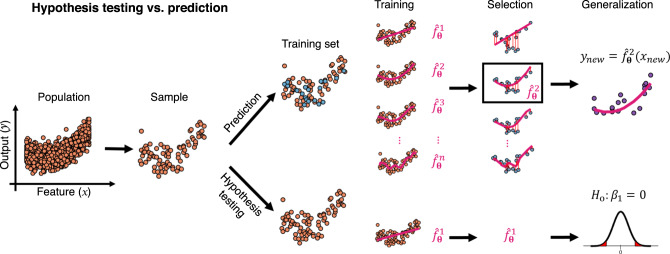
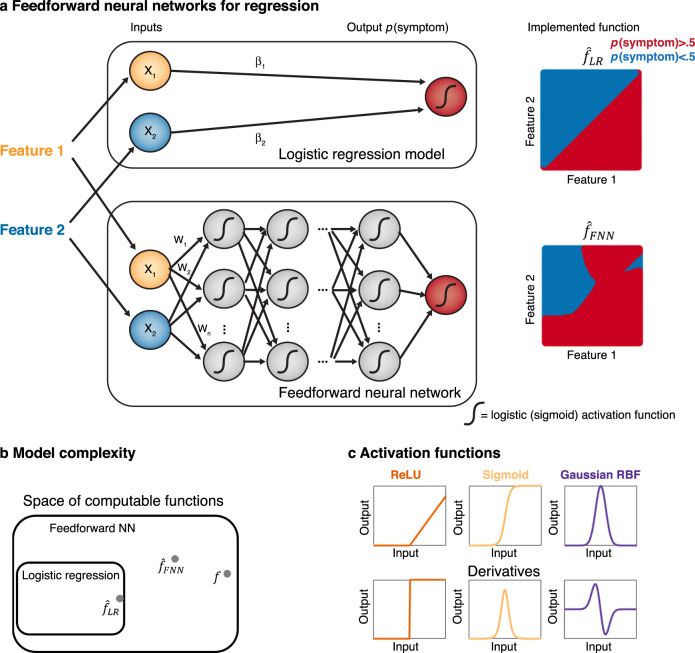
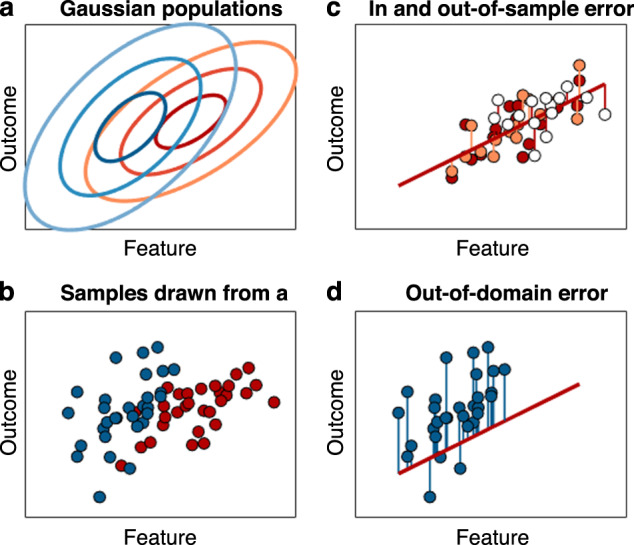
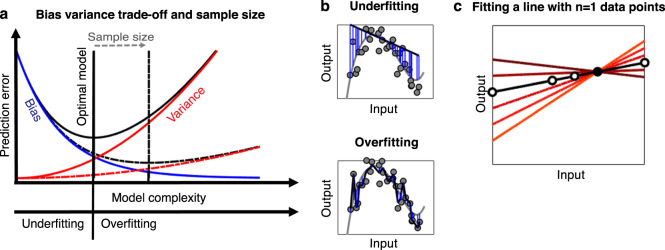
Verification
Claims the paper makes
The claims and statistics of this paper haven’t been checked yet.
Free: it reads the open-access text and checks the first 5 claims that cite a source we can check. Create a free account to check every claim.
Claims other papers make about this one
Each is checked against this paper’s own text: does it say what the citing paper says it does?
The source backs part of the claim, not all of it — or backs it for a different population, condition or comparison.
In the citing paper
“The most recently developed DL techniques have obtained good outstanding performance across a variety of applications, including audio and speech processing, visual data processing, natural language processing (NLP), among others [11–14].”
From Review of deep learning: concepts, CNN architectures, challenges, applications, future directions (2021) · cites this paper as [14]
Experimental — accuracy not yet measured
Self-check
Percentages, sums and reported differences re-computed from the paper’s own numbers.
The self-check needs the paper’s full text.
Citations
Cites
Very Deep Convolutional Networks for Large-Scale Image Recognition
Simonyan, K., & Zisserman, A. (2014) · arXiv · doi:10.48550/arxiv.1409.1556 · Cited by 114,148 · cited 1×
“…instance, rather than training a DNN from scratch on an object recognition task each time one faces a new problem setting, machine learners frequently make use of already publicly available trained DNN models like AlexNet [14] or VGGNet [151], and simply fi ne-tune parameters on their current task.”
ImageNet classification with deep convolutional neural networks
Krizhevsky, A., Sutskever, I., & Hinton, G. E. (2017) · Communications of the ACM · doi:10.1145/3065386 · Cited by 112,155
LeCun, Y., Bengio, Y., & Hinton, G. (2015) · Nature · doi:10.1038/nature14539 · Cited by 84,126
Gradient-based learning applied to document recognition
Lecun, Y., Bottou, L., Bengio, Y., & Haffner, P. (1998) · Proceedings of the IEEE · doi:10.1109/5.726791 · Cited by 58,805 · cited 1×
“…learning theory and determines model selection, recent empirical observations with DL models surprisingly suggest that once models are strongly over-fi t, beyond the point where a perfect match to the training data is obtained, they may actually lead to even better generalization [59 – 62].”
BackgroundRegression shrinkage and selection via the lasso
Tibshirani, R. (1996) · Journal of the Royal Statistical Society Series B: Statistical Methodology · doi:10.1111/j.2517-6161.1996.tb02080.x · Cited by 51,482 · cited 1×
“L1 and L2 regularizations are also often used even for simple linear regression models, where the former is known as the ‘ least absolute shrinkage and selection operator ’ [112], and the combination of L1 and L2 regularizatiosn has been termed ‘ elastic net ’ [113].”
BackgroundEstimating the Dimension of a Model
Schwarz, G. (1978) · The Annals of Statistics · doi:10.1214/aos/1176344136 · Cited by 47,033
Optimization by Simulated Annealing
Kirkpatrick, S., Gelatt, C. D., & Vecchi, M. P. (1983) · Science · doi:10.1126/science.220.4598.671 · Cited by 45,134
The Nature of Statistical Learning Theory
Vapnik, V. N. (1995) · doi:10.1007/978-1-4757-2440-0 · Cited by 39,138
(2014) · Cited by 33,419
(2008) · Journal of Machine Learning Research · Cited by 33,051
Research works printed but not linked: 12
- Montufar GF, Pascanu R, Cho K, Bengio Y. On the number of linear regions of deep neural networks. Advances in neural information processing systems. Curran Associates, Inc.; 2014. p. 2924–32.
- Ma X, Yang H, Chen Q, Huang D, Wang Y. Proceedings of the 6th International Workshop on Audio/Visual Emotion Challenge; 2016. p. 35–42.
- Yang T, Wu C, Huang K, Su M. in 2016 10th International Symposium on Chinese Spoken Language Processing (ISCSLP). IEEE; 2016. p. 1–5.
- Jarrett K, Kavukcuoglu K, Ranzato MA, LeCun Y. 2009 IEEE 12th international conference on computer vision. IEEE; 2009. p. 2146–53.
- Bishop CM Pattern recognition and machine learning 2006 New York, USA Springer
- Szegedy C, Zaremba W, Sutskever I, Bruna J, Erhan D, Goodfellow I, et al. Intriguing properties of neural networks. arXiv preprint arXiv:13126199. 2013.
- Ballard DH in AAAI 279-84 (1987).
- Gupta A, Ayhan M, Maida A in International Conference on Machine Learning; 2013. p. 987–94.
- Goodfellow I, Pouget-Abadie J, Mirza M, Xu B, Warde-Farley D, Ozair S, et al. Advances in neural information processing systems; 2014. p. 2672–80.
- Bowles C, Chen L, Guerrero R, Bentley P, Gunn R, Hammers A, et al. Gan augmentation: Augmenting training data using generative adversarial networks. arXiv preprint arXiv:181010863. 2018.
- Lee D-H. The simple and efficient semi-supervised learning method for deep neural networks. Workshop on challenges in representation learning, ICML. 2013:3.
- Yosinski J, Clune J, Bengio Y, Lipson H. How transferable are features in deep neural networks? Advances in neural information processing systems. Montreal, Canada: MIT Press; 2014. p 3320–28.
Cited by
Items 101–200 of 207
Predicting adolescent psychopathology from early life factors: A machine learning tutorial
Siddique, F., & Lee, B. K. (2024) · Global Epidemiology · doi:10.1016/j.gloepi.2024.100161 · Cited by 7
“A notable subfield of ML is deep learning (DL), which can enable interpretation of highly complex data patterns from raw features in exchange for greater computational costs [33].”
Novel Deep CNN Model based Breast Cancer Classification
Karthik, M., Thangavel, K., & Sasirekha, K. (2023) · International Conference on Computing Methodologies and Communication (ICCMC) · doi:10.1109/iccmc56507.2023.10084229 · Cited by 8
“For the past few years, Deep Learning concepts had been applied successfully in different domains including agriculture, system design, Computer vision, multimedia processing, healthcare, and many more sectors [3, 4, 5, 6].”
BackgroundWang, M. (2021) · Computational Intelligence and Neuroscience · doi:10.1155/2021/6748920 · Cited by 6
“introduced the Z-value multiple linear discriminant method into the field of financial early warning [11].”
MethodRetractedShi, J., & Koike, S. (2024) · JMA Journal · doi:10.31662/jmaj.2023-0167 · Cited by 5
“Moving forward, deep learning algorithms trained on MRI scans have been used as a potential mechanism for pathology-based diagnoses (46), (47) .”
Liu, Z., Zhang, C., Zhu, W., & Huang, D. (2024) · Axioms · doi:10.3390/axioms13090588 · Cited by 5
Synthetic patient and interview transcript creator: an essential tool for LLMs in mental health
Warner, A., LeDue, J. M., Cao, Y., Tham, J. C. W., & Murphy, T. H. (2025) · Frontiers in Digital Health · doi:10.3389/fdgth.2025.1625444 · Cited by 7
“Clinical datasets in psychiatry are often limited by small sample sizes, unbalanced demographics, and strict privacy regulations (39 – 43).”
Deng, Y. H., Jiang, Y. L., Wang, Z. Y., Liu, S., Wang, Y. X., & Liu, B. H. (2022) · PubMed Central · doi:10.19723/j.issn.1671-167x.2022.03.010 · Cited by 6
Horan, W. P., Sachs, G. S., Velligan, D. I., Davis, M., Keefe, R. S. E., Khin, N. A., Butlen‐Ducuing, F., & Harvey, P. D. (2024) · PubMed Central · Cited by 5
DSA-CNN: an fpga-integrated deformable systolic array for convolutional neural network acceleration
Wan, Y., Chen, J., Yang, X., Zhang, H., Huang, C., & Xie, X. (2024) · Applied Intelligence · doi:10.1007/s10489-024-05898-w · Cited by 7
“FPGAs outperform CPUs in computational throughput [8–11].”
Lu, J., Liang, W., Cui, L., Mou, S., Pei, X., Shen, X., Shen, Z., & Shen, P. (2025) · Neuropsychobiology · doi:10.1159/000543646 · Cited by 5
“Machine and deep learning algorithms have been extensively utilized in the development of predictive and prognostic models for psychiatric disorders [47, 48].”
PsychNet: Explainable Deep Neural Networks for Psychiatric Disorders and Mental Illness
Kasyap, V. L. V. S. K. B., & Dasari, C. M. (2022) · IEEE Conference on Information and Communication Technology (CICT) · doi:10.1109/cict56698.2022.9997832 · Cited by 5
“Various ML models use the hand-crafted distinguished features along with spatial and temporal dimensions to reduce the input dimensionality [2], [3].”
MethodKuhathasan, N., Ballester, P. L., Minuzzi, L., MacKillop, J., & Frey, B. N. (2023) · Comprehensive Psychiatry · doi:10.1016/j.comppsych.2023.152377 · Cited by 8
Advancement Of Deep Learning In Big Data And Distributed Systems
Ahmed, A. S., Abood, M. S., & Hamdi, M. M. (2021) · International Congress on Human-Computer Interaction, Optimization and Robotic Applications (ICHORA) · doi:10.1109/hora52670.2021.9461274 · Cited by 6
“Such as in [6], [9], [16], [18], [20], [22], [23], [24] .”
BackgroundXie, J., Huo, Z., Liu, X., & Wang, Z. (2022) · Applied Sciences · doi:10.3390/app12126211 · Cited by 5
Gauge-Optimal Approximate Learning for Small Data Classification
Vecchi, E., Bassetti, D., Graziato, F., Pospíšil, L., & Horenko, I. (2024) · Neural Computation · doi:10.1162/neco_a_01664 · Cited by 6
“…et al., 2020), climate science (Knusel et al., 2019), oceanog-raphy (Jin & Liang, 2017), biology (Walsh et al., 2021), oncology (Singh & Sivabalakrishnan, 2015; Basavegowda & Dagnew, 2020), epidemiology (Zeroual et al., 2020), and psychiatry (Bzdok & Meyer-Lindenberg, 2018; Koppe et al., 2021).”
Deep Learning: Concepts, Architectures, Workflow, Applications and Future Directions
Patel, J. (2023) · International Journal For Multidisciplinary Research · doi:10.36948/ijfmr.2023.v05i06.11497 · Cited by 4
Limongi, R., Skelton, A. J., Tzianas, L. H., & Silva, A. (2024) · Brain Sciences · doi:10.3390/brainsci14121278 · Cited by 5
“However, advancements in big-data technologies, such as machine learning, have uncovered distinct features of mental illnesses [4–6].”
Bailey, N. W., Fulcher, B., Arns, M., Fitzgerald, P. B., Fitzgibbon, B. M., & van Dijk, H. (2025) · Clinical Neurophysiology · doi:10.1016/j.clinph.2025.2110937 · Cited by 4
“Due to the large number of parameters that can be tuned, the risk of over-fitting (training models that perform exceedingly well at accurately predicting labels within the training dataset, at the expense of accuracy in other datasets) is also high (Koppe et al., 2021; Traut et al., 2022).”
Hearne, L. J., Yeo, B. T. T., Webb, L., Zalesky, A., Fitzgerald, P. B., Murphy, O. W., Tian, Y., Breakspear, M. J., Hall, C. V., Choi, S., et al. (2025) · Molecular Psychiatry · doi:10.1038/s41380-025-03416-z · Cited by 5
Thome, J., Pinger, M., Durstewitz, D., Sommer, W. H., Kirsch, P., & Koppe, G. (2023) · Frontiers in Neuroscience · doi:10.3389/fnins.2022.1077735 · Cited by 6
“In sum, the model evaluation results illustrate how the framework may be leveraged to select among a set of available models delineating variations of a given process model and identify domains at which a model may fail based on out-ofsample approximations of the PE (Hastie et al., 2009; Efron, 2021; Koppe et al., 202…”
BackgroundMethodSelf-citationA Model Guided Approach to Evoke Homogeneous Behavior During Temporal Reward and Loss Discounting
Thome, J., Pinger, M., Halli, P., Durstewitz, D., Sommer, W. H., Kirsch, P., & Koppe, G. (2022) · Frontiers in Psychiatry · doi:10.3389/fpsyt.2022.846119 · Cited by 5
“The two experimental runs thus allowed us to assess an estimate of the out-of-sample PE which is less biased and preferred over in-sample estimates (70, 88), commonly used in the field [e.”
BackgroundMethodSelf-citationElborolosy, S. A., Salem, W. S., Hamed, M., Sayed, A. S., Helmy, B. E.-D., & Elngar, A. A. (2024) · Journal of Contemporary Dental Sciences · doi:10.4103/jcds_202411_14 · Cited by 5
Sample size calculation for training ensemble machine learning models on health data
Mitsakakis, N., Liu, D., Walters, T. D., & Emam, K. E. (2026) · Patterns · doi:10.1016/j.patter.2026.101498 · Cited by 3
“8,9 While it is acknowledged that ML methods require large datasets to achieve optimal predictive performance, 4,10 it is unclear what the exact sample size should be to give such optimal and stable model performance and whether the sample size requirements vary by ML method.”
Large-Scale Neuroimaging of Mental Illness
Ching, C. R. K., Kang, M. J. Y., & Thompson, P. M. (2024) · Current topics in behavioral neurosciences · doi:10.1007/7854_2024_462 · Cited by 3
Blair, J., Bashford‐Largo, J., Dominguez, A. J., Hatch, M., Dobbertin, M. D., Blair, K. S., & Bajaj, S. (2024) · JAACAP Open · doi:10.1016/j.jaacop.2024.04.007 · Cited by 3
“Fourth, increasing the size of the training dataset has advantages in machine learning analyses (eg, 53 ), and the training set here (n ¼ 82) could be considered small.”
Xavier, M. O., & Barella, C. F. (2024) · Revista Brasileira de Geomorfologia · doi:10.20502/rbgeomorfologia.v25i4.2584 · Cited by 3
Wang, J., Xi, R., Wang, Y., Gao, H., Gao, M., Zhang, X., Zhang, L., & Zhang, Y. (2024) · Briefings in Bioinformatics · doi:10.1093/bib/bbae554 · Cited by 5
“However, in the field of LC–MS analysis, clinical samples can only be obtained with a limited number, which are prone to overfitting problems in the training process of the model,and lack of generalization to different domains or data centers [17, 18].”
Eken, A., Erdoğan, S. B., Yükselen, G., & Yüce, M. (2024) · Neurophotonics · doi:10.1117/1.nph.11.4.045015 · Cited by 3
“DL algorithms perform feature selection by combining raw data into successively more complex and useful composite representations (please see Koppe et al. 41 for a review).”
dethoor, M., Vialatte, F., martinelli, M., peri, P., Lançon, C., & Trousselard, M. (2022) · OBM Integrative and Complementary Medicine · doi:10.21926/obm.icm.2204058 · Cited by 4
Power optimization of a single-core processor using LSTM based encoder–decoder model for online DVFS
Thethi, S. K., & Kumar, R. (2023) · Sadhana · doi:10.1007/s12046-023-02086-3 · Cited by 3
“Today, an era of deep learning has begun with the success of many revolutionary DNN architectures [5–9] that have successfully learned the generalize representations for various situations arising in the real data.”
BackgroundDestyanto, T. Y. R. (2023) · International Journal of Industrial Engineering and Engineering Management · doi:10.24002/ijieem.v5i1.7077 · Cited by 3
“It confirms that deep learning methods' sensitivity is inadequate for classification cases with relatively small data sets (Najafabadi et al., 2015; Koppe et al., 2020).”
BackgroundMachine Learning Applications to Identify Young Offenders Using Data from Cognitive Function Tests
Rodríguez, M. C. B., Montes, J. C., Pino, M., Ruiz, R., & González, G. (2023) · Data · doi:10.3390/data8120174 · Cited by 3
Bhavna, K., Banerjee, R., & Roy, D. (2023) · bioRxiv (Cold Spring Harbor Laboratory) · doi:10.1101/2023.01.21.525016 · Cited by 3
“As a result, these architectures tend to overfit the data and exhibit poor out-of-sample prediction [24].”
BackgroundSquires, M., Tao, X., Elangovan, S., Gururajan, R., Xie, H., Zhou, X., Li, Y., & Acharya, U. R. (2024) · arXiv (Cornell University) · doi:10.48550/arxiv.2404.16913 · Cited by 3
“Koppe et al. [16] discuss some of the challenges of implementing deep learning (DL) in psychiatry.”
BackgroundMethodInfluentialBrowning, L., Rashid, I., & Javanbakht, A. (2024) · Preprints.org · doi:10.20944/preprints202409.1313.v1 · Cited by 6
Lewin, G., Abakasanga, E., Titcombe, I., Cosma, G., & Gangadharan, S. K. (2025) · BJPsych Advances · doi:10.1192/bja.2025.10133 · Cited by 5
“Clinical trial data have emerged as especially valuable for machine learning applications, providing structured information with clear baseline characteristics, measurable outcomes and controlled interventions that can be used effectively to train predictive models (Koppe 2021).”
Differentiable parameter learning of reservoir operation modules
Chen, Z., & Zhao, T. (2026) · Journal of Hydrology · doi:10.1016/j.jhydrol.2026.134915 · Cited by 2
Dai, Z., Jia, M., Zhou, H., & Wang, H. (2026) · Translational Psychiatry · doi:10.1038/s41398-025-03800-x · Cited by 2
“This limitation highlights the need for future research utilizing longitudinal or experimental designs to clarify these relationships and strengthen causal inferences.”
Yang, H., Chang, F., Muroi, F., Liu, Z., Zhang, W., & Cai, J. (2026) · Translational Psychiatry · doi:10.1038/s41398-026-03872-3 · Cited by 5
Okagbue, H. I., Ijezie, O. A., Ugwoke, P. O., Adeyemi-Kayode, T. M., & Jonathan, O. (2023) · Heliyon · doi:10.1016/j.heliyon.2023.e19422 · Cited by 3
“The knowledge gaps in extant research paradigms are filled with the application of DL with evidence of a better understanding of the nature, prevalence and orientation of PDD [24,25].”
Neural decoding and feature selection methods for closed-loop control of avoidance behavior
Liu, J., Younk, R., Drahos, L. M., Nagrale, S. S., Yadav, S., Widge, A. S., & Shoaran, M. (2024) · Journal of Neural Engineering · doi:10.1088/1741-2552/ad8839 · Cited by 6
“A diverse array of machine learning (ML) models has been employed for neuropsychiatric tasks and brain-machine interface applications, including LR [69, 110], SVM [64, 70, 74, 114, 115], RF [116, 117], and artificial neural network (ANN) [118, 119].”
BackgroundBlair, J., Bashford‐Largo, J., Dominguez, A. J., Dobbertin, M. D., Blair, K. S., & Bajaj, S. (2024) · Psychological Medicine · doi:10.1017/s003329172400240x · Cited by 3
“However, it is important to note that training set N is partly a function of data complexiety (Koppe et al., 2021) and the critical question is applicability of the obtained hyperplane to independent data-sets.”
Hwang, J., Kang, J.-E., Jeon, S., Lee, K. H., Kim, J.-W., & Lee, J. (2025) · Biological Psychiatry Cognitive Neuroscience and Neuroimaging · doi:10.1016/j.bpsc.2025.04.005 · Cited by 3
Privacy-preserving federated prediction of health outcomes using multi-center survey data
Das, S., Rafiei, M., Kammer, P., Skou, S. T., Grønne, D. T., Roos, E. M., Hajek, A., König, H. H., Ullah, M. S., Probul, N., et al. (2026) · BMC Medical Research Methodology · doi:10.1186/s12874-026-02785-5 · Cited by 2
“Consequently, it leads to improved performance across the whole target population [8, 21].”
Dufumier, B. (2022) · theses.fr (ABES) · doi:10.70675/d7d71a04z0514z43e3z840cz71ee3bb8a35b · Cited by 4
Cui, H., Yin, J., Wang, Y., Sun, Y., Tang, C., Zheng, J., Sha, X. U., Dai, Y., Li, L., Lin, H., et al. (2024) · Scientia Sinica Vitae · doi:10.1360/ssv-2023-0304 · Cited by 2
Shusharina, N. N. (2024) · Izvestiya VUZ Applied Nonlinear Dynamics · doi:10.18500/0869-6632-003114 · Cited by 2
Operative features of CNN layers characterizing deep learning
Elumalai, M., & Fernandez, T. F. (2024) · AIP conference proceedings · doi:10.1063/5.0217380 · Cited by 1
Hofmann, A. B., Dörner, M., Klassen, P. E., Machetanz, L., & Kirchebner, J. (2025) · Psychiatry Research · doi:10.1016/j.psychres.2025.116537 · Cited by 1
“In this case, performance parameters like AUC and balanced accuracy might even be higher if there had been more data (Kokol et al., 2022; Koppe et al., 2021).”
Digital Diagnostic and Therapeutic Approaches in Bipolar Disorder
Faurholt‐Jepsen, M., & Kessing, L. V. (2025) · Springer eBooks · doi:10.1007/978-3-031-85519-1_38 · Cited by 1
Womer, F. Y., Xiao, Y., Ngo, V., Zheng, J., & Wang, F. (2025) · Journal of Translational Internal Medicine · doi:10.1515/jtim-2025-0045 · Cited by 2
“[162] Deep neural networks (DNNs) can infer suitable high-level representations without much domain-specific knowledge and prior feature construction.”
Sabadini, G., Palacios-Muñoz, A., García, I. E., Romero‐Parra, J., Moraga, D., Soto, M., Vega-Muñoz, A., Contreras-Barraza, N., Salazar-Sepúlveda, G., Mella, J., et al. (2026) · Pharmaceuticals · doi:10.3390/ph19010102 · Cited by 2
“In descending order of citations, the works that stand out are those of Rogers 2021), who explored the application of big data tools in psychiatric diagnosis [67].”
SIBioX: A Matrix Based Bioinformatics Analysis Tool Based on Swarm Intelligence Algorithm
Yao, Z., Shangguan, H., Xie, W., Too, J., Yang, C., Zhu, G., Zhan, Y., Wu, X., Dai, Y., Pei, Y., et al. (2026) · Analytical Chemistry · doi:10.1021/acs.analchem.5c07841 · Cited by 1
Guo, M., Song, L., & Ilyas, M. (2021) · Computational Intelligence and Neuroscience · doi:10.1155/2021/3113584 · Cited by 1
“studied the updated neural network models [11].”
Application of Deep Learning and Big Data in Marketing Evaluation
Bai, Y. (2022) · Lecture notes on data engineering and communications technologies · doi:10.1007/978-3-031-05237-8_33 · Cited by 1
Machado, H. G., & Mundim, K. C. (2023) · Revista Processos Químicos · doi:10.19142/rpq.v18i32.663 · Cited by 1
Zhao, G., Zhao, S., & Xie, X. (2023) · Springer eBooks · doi:10.1007/978-981-99-1284-1_32 · Cited by 1
Gaining Insights with Deep Learning on Small Scale Cancer Detection
Doda, D. K., N, K. R. B., & Sahoo, J. (2024) · International Conference on Artificial Intelligence and Machine Learning Applications Theme: Healthcare and Internet of Things (AIMLA) · doi:10.1109/aimla59606.2024.10531421 · Cited by 1
“Those classifiers can then be used to predict the danger of most cancers and compare the severity/analysis of a given cancer in a character-affected person[17].”
BackgroundLiang, X., Pan, D., & Yu, J. (2024) · Journal of Computational Methods in Sciences and Engineering · doi:10.3233/jcm-247185 · Cited by 3
“The parameters x and y represent the precise location of the detection boundary box, w indicates the width of the detection boundary box, and h denotes its height [24,25].”
Quantifying brain-functional dynamics using deep dynamical systems: Technical considerations
Chen, J., Benedyk, A., Moldavski, A., Tost, H., Meyer‐Lindenberg, A., Braun, U., Durstewitz, D., Koppe, G., & Schwarz, E. (2024) · iScience · doi:10.1016/j.isci.2024.110545 · Cited by 1
Self-citationEfficient Data Utilization in Deep Neural Networks for Inference Reliability
Valsamara, I., Papaioannidis, C., & Pitas, I. (2024) · IEEE International Conference on Image Processing Workshops (ICIPW) · doi:10.1109/icipcw64161.2024.10769165 · Cited by 1
“However, the computations required for DNNs are often highly complex and time-consuming due to the intricate structure and large scale of the datasets [3].”
Regression Approach for Predictive Analysis in Cognitive Decline
Rakhit, A., Sharma, V., Agrawal, R., Al‐Khasawneh, M. A., & Alkhayyat, A. H. (2024) · Studies in big data · doi:10.1007/978-3-031-73632-2_43 · Cited by 1
Engineering the Mind: Actionable Technical Requirements for Innovation in Clinical NeurosciencePreprint
Jamalabadi, H., Koppe, G., Nozari, E., & Hahn, T. (2023) · PsyArXiv (OSF Preprints) · doi:10.31234/osf.io/mh26v · Cited by 1
Self-citationTracy, D. K., Joyce, D. W., Albertson, D. N., & Shergill, S. S. (2020) · The British Journal of Psychiatry · doi:10.1192/bjp.2020.155
For artificial intelligence, the future is finally here
Nasrallah, H. A. (2023) · Current Psychiatry · doi:10.12788/cp.0354
Pharmacogenomics and Precision Psychiatry
Attaluri, P., Mohiuddin, A. G., Teymouri, K., & Kennedy, J. L. (2023) · Springer eBooks · doi:10.1007/978-3-030-42825-9_130-1
Multiomics Approaches in Psychiatric Disorders
Schulte, E. C., Kohshour, M. O., Tkachev, A., Khaitovich, P., & Schulze, T. G. (2023) · Springer eBooks · doi:10.1007/978-3-030-42825-9_30-1
Classifying Anticancer Peptides Using Gated Recurrent Unit
Karakaya, O., & Kilimci, Z. H. (2023) · International Symposium on Multidisciplinary Studies and Innovative Technologies (ISMSIT) · doi:10.1109/ismsit58785.2023.10304943
“Recent advancements in DL techniques have demonstrated exceptional performance across diverse applications, including audio and speech processing, visual data analysis, and natural language processing (NLP) [18]–[21].”
BackgroundMehta, U. M., Bagali, K. B., & Kommanapalli, S. (2024) · Springer eBooks · doi:10.1007/978-981-97-0503-0_10
Correia, J., Cavaco, T. B., & Catanho, J. (2024) · Gazeta Médica · doi:10.29315/gm.v1i1.838
Optimizing Speech to Text Conversion in Turkish: An Analysis of Machine Learning Approaches
Gencyilmaz, I. Z., & Karaoğlan, K. M. (2024) · Bitlis Eren Üniversitesi Fen Bilimleri Dergisi · doi:10.17798/bitlisfen.1434925
“Nevertheless, thanks to recent advancements in learning methodologies, CNN has also demonstrated remarkable achievements in speech processing [20], [28], [29], [30], [31].”
BackgroundMultiomics Approaches in Psychiatric Disorders
Schulte, E. C., Kohshour, M. O., Tkachev, A., Khaitovich, P., & Schulze, T. G. (2024) · Springer eBooks · doi:10.1007/978-3-030-51366-5_30
Pharmacogenomics and Precision Psychiatry
Attaluri, P., Mohiuddin, A. G., Teymouri, K., & Kennedy, J. L. (2024) · Springer eBooks · doi:10.1007/978-3-030-51366-5_130
Mining Comparative Opinions in Portuguese: A Lexicon-based Approach
Kansaon, D. P., Brandão, M. A., Reis, J. C. S., & Benevenuto, F. (2024) · Journal of the Brazilian Computer Society · doi:10.5753/jbcs.2024.2830
“In this work, preference is considered as the act of choosing one item over others or the action Is there aspect?”
BackgroundFruit Detection and Yield Prediction
Bhole, C., Joshi, C., Chakrabarti, P., & Sharma, A. (2024) · Practice, progress, and proficiency in sustainability · doi:10.4018/979-8-3693-6522-9.ch016
Mehta, M. A. (2024) · Springer eBooks · doi:10.1007/978-3-031-61992-2_14
A comprehensive bibliographic study on mental illness
Ding, Y., & Chen, S. (2025) · Acta Neuropsychiatrica · doi:10.1017/neu.2024.64 · Cited by 2
“The potential of big data and machine learning in mental health research is profound (Koppe et al ., 2021).”
The NIMH Research Domain Criteria Project: Toward Precision Medicine in Psychiatry
Cuthbert, B. N. (2025) · Oxford University Press eBooks · doi:10.1093/med/9780197640654.003.0070
Evaluating the Machine Learning Literature: A Primer and User’s Guide for Psychiatrists
Grzenda, A. L., Kraguljac, N. V., McDonald, W. M., Nemeroff, C. B., Torous, J. B., Alpert, J. E., Rodríguez, C. I., & Widge, A. S. (2025) · FOCUS The Journal of Lifelong Learning in Psychiatry · doi:10.1176/appi.focus.25023011 · Cited by 1
Meta-Learning for Generalizable Connectome Modeling Across Heterogeneous Atlas Spaces
Liang, Q., Adkinson, B. D., & Scheinost, D. (2025) · IEEE International Symposium on Biomedical Imaging (ISBI) · doi:10.1109/isbi60581.2025.10981255
“Leveraging predictive models trained on large datasets to enhance predictive modeling in smaller cohorts is crucial for translating neuroimaging findings into clinical applications [4].”
de Filippis, R., & Foysal, A. A. (2025) · OALib · doi:10.4236/oalib.1113960
The Neural Network Training Method of Divided-ring Actuators for Active Reflector Antennas
Ban, Y., Liu, J., Wang, N., Cai, Y., Li, L., & Feng, S. (2025) · Research in Astronomy and Astrophysics · doi:10.1088/1674-4527/ae04b5
Blair, J., Ysbæk-Nielsen, A. T., Kjærstad, H. L., Bajaj, S., Coello, K., Faurholt‐Jepsen, M., Vinberg, M., Kessing, L. V., Macoveanu, J., & Miskowiak, K. W. (2025) · Psychological Medicine · doi:10.1017/s0033291725101876
“However, it is important to note that training set N is partly a function of data complexity (Koppe et al., 2021) and the critical question is applicability of the obtained hyperplane to independent datasets.”
Chaimowitz, G. A., Mамак, М., Moulden, H. M., & Kingston, D. A. (2025) · Routledge eBooks · doi:10.4324/9781003376248 · Cited by 2
Rost, N., Brückl, T. M., Koutsouleris, N., Binder, E. B., & Müller-Myhsok, B. (2022) · Figshare · doi:10.6084/m9.figshare.20317474
Massadata terveydenhuollossa : mahdollisuudet ja haasteet
Veid, A. (2021) · Jyväskylä University Digital Archive (University of Jyväskylä)
Reis Correia, J., Cavaco, T., & Catanho, J. (2024) · Portuguese National Funding Agency for Science, Research and Technology (RCAAP Project by FCT)
Xavier, M. O. (2025) · LA Referencia (Red Federada de Repositorios Institucionales de Publicaciones Científicas) · Cited by 1
Analyzing the Impact of Deep Learning and Machine Learning on Mental Disorders: a Bibliometric Study
Al-Tarawneh, A. M. A., Alkhawaja, L. A., Salameh, M. I., Olimat, L. A., Mashal, R., & Almadhoon, M. A. (2026) · Procedia Computer Science · doi:10.1016/j.procs.2026.01.078
Understanding and the Black Box Problem in Artificial Intelligence
Crook, B. (2025) · EPub Bayreuth (University of Bayreuth) · doi:10.15495/epub_ubt_00008992
Petiton, S., Grigis, A., Dufumier, B., Wessa, M., Brambilla, P., Polosan, M., McDonald, C., Piguet, C., Phillips, M. L., Eyler, L. T., et al. (2026) · HAL
Improving rTMS Response Prediction in Depression Using Augmented fMRI Connectivity Data
Sharma, S. (2026) · IEEE International Conference on Interdisciplinary Approaches in Technology and Management for Social Innovation (IATMSI) · doi:10.1109/iatmsi68868.2026.11465482
“The use of deep learning in psychiatric research faces notable obstacles, such as restricted data availability, diverse individual treatment responses, and the inherently complex nature of mental health conditions [9].”
InfluentialCorrélats cérébraux de l’anxiété catégorielle et dimensionnelle
Chavanne, A. V. (2024) · theses.fr (ABES) · doi:10.70675/ad9186ebz468ez490az8952z38be5a626251
Multimodal machine learning reveals neurobiological signatures of binge-type eating disorders
Rommerskirchen, L., Skunde, M., Bendszus, M., Herzog, W., Friederich, H., & Simon, J. J. (2026) · Frontiers in Neuroscience · doi:10.3389/fnins.2026.1803154
“Unlike traditional univariate analyses, ML can integrate diverse data types and capture complex, non-linear relationships across modalities without relying on strong theoretical assumptions (Koppe et al., 2021; Chen et al., 2022).”
The use of machine learning as a diagnostic and monitoring tool for bipolar disorder
Kleczaj, K., Jaworowska, J., Osiński, D., Kawa, Z., Kasprzak, M., Jędrzejewska, A., Jureczko, A., Starczewski, Ł., Babiarz, G., & Kanarszczuk, J. (2026) · Quality in Sport · doi:10.12775/qs.2026.54.70482
Wei, D. H., Goyal, R., Hernandez, B., Raisa, T. N., Elmasri, J., Ferri, C. V., Burdick, D. C., & Qi, X. (2026) · doi:10.2196/preprints.97575
A DEEP LEARNING DRIVEN TEXT CLASSIFICATION APPROACH WITH NAMED ENTITY RECOGNITION
Sarıman, G. (2026) · Computer Science · doi:10.7494/csci.2026.27.1.6738
Rahutomo, F., Sutrisno, & Harjito, B. (2026) · Egyptian Informatics Journal · doi:10.1016/j.eij.2026.100987
Fatade, O. B., Kuyoro, F., Sanusi, F., Okesola, K., & Famodimu, O. O. (2026) · Advanced Journal of Science Technology and Engineering · doi:10.52589/ajste-92gkfeks
Metadata
- Authors
- Koppe, G., Meyer-Lindenberg, A., & Durstewitz, D.
- Affiliations
- Heidelberg University (DE)
- Corresponding author
- Koppe, Georgia
- Durstewitz, Daniel
- Venue
- Neuropsychopharmacology
- Published
- 2020-07-15
- Volume
- 46
- Issue
- 1
- Pages
- 176-190
- ISSN
- 0893-133X (ISSN-L)
- 1740-634X
- PMC
- PMC7689428
- OpenAlex
- W3042578835
- Semantic Scholar
- 7284791b4f3daa4a2bb7387fce8d0bce652a3615
- Cited by
- 189
- References
- 168
- Citations by year
- 2026: 16 · 2025: 27 · 2024: 55 · 2023: 34 · 2022: 36 · 2021: 17 · 2020: 4
- FWCI
- 0.78
- Type
- journal article
- Language
- en
- Open access
- hybrid
- doi.org
- Licence
- cc-by
- creativecommons.org/licenses/by/4.0 (tdm)
- creativecommons.org/licenses/by/4.0 (vor)
- Locations
- Neuropsychopharmacology (publishedVersion, cc-by)
- PubMed Central (publishedVersion, cc-by)
- PubMed (publishedVersion)
- Informationszentrum Lebenswissenschaften (ZB MED) (submittedVersion, cc-by)
- Funders
- Deutsche Forschungsgemeinschaft (CRC TRR 265: Project A06, CRC TRR 265: Project B08, ME 1591/4-1, 5485966, CRC636: Project B7, 255156212, CRC1158: Project B09, GRK 2350/1 Research Training Group 2350: Project B2, CRC TRR 265: Project S02, Du 354/8-2, Du 354/10-1)
- Bundesministerium für Bildung und Forschung (01EF1803A, 01ZX1904A)
- Topics
- Physical Sciences › Computer Science › Artificial Intelligence › Machine Learning in Healthcare
- Health Sciences › Health Professions › Health Information Management › Artificial Intelligence in Healthcare
- Life Sciences › Neuroscience › Cognitive Neuroscience › Functional Brain Connectivity Studies
- Keywords
- deep learning, machine learning, mental illness, small sample size, treatment prediction, personalized treatment, psychiatric phenotypes, sample size requirements, model complexity, psychiatric neuroscience
- MeSH terms
- Machine Learning, Deep Learning, Big Data, Mental Disorders, Humans, Psychiatry
About these checks
Registry, retraction, Cites and statistics results are computed, not judged, with one exception: a printed reference that no index lists is read once by a model before it counts as a citation error. Claims are extracted by a model and kept only when their quote appears verbatim in the text; each cited source is then checked, with a model’s help, for whether it says what the claim relies on. Those verdicts can be wrong — read the claim’s quote and the cited source before relying on one.
Statistics and arithmetic are recomputed, not judged.
Confidence bands are shown only for fields calibrated on our annotated test set. None is calibrated yet, so no band is shown.
What counts as a claim ›How we measure confidence ›How we check this ›
Are you an author, or do you see a problem with this page? Request a review
Data sources
Bibliographic data: Semantic Scholar, OpenAlex, Crossref.
Contains information from the Semantic Scholar Academic Graph Datasets, made available under the ODC Attribution License (ODC-BY 1.0).
Semantic Scholar’s data is described in: Kinney, R., et al. (2023). The Semantic Scholar Open Data Platform. arXiv:2301.10140.
