

Hsp90ab1 stabilizes LRP5 to promote epithelial–mesenchymal transition via activating of AKT and Wnt/β-catenin signaling pathways in gastric cancer progression
Open accessThe DOI matches its Crossref record; 64 of the 64 references it cites were found in a registry or an index.
Abstract
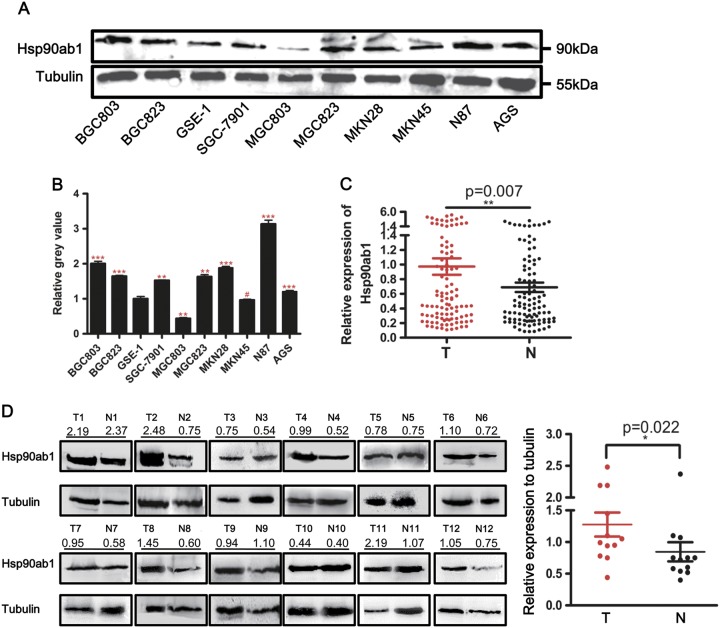
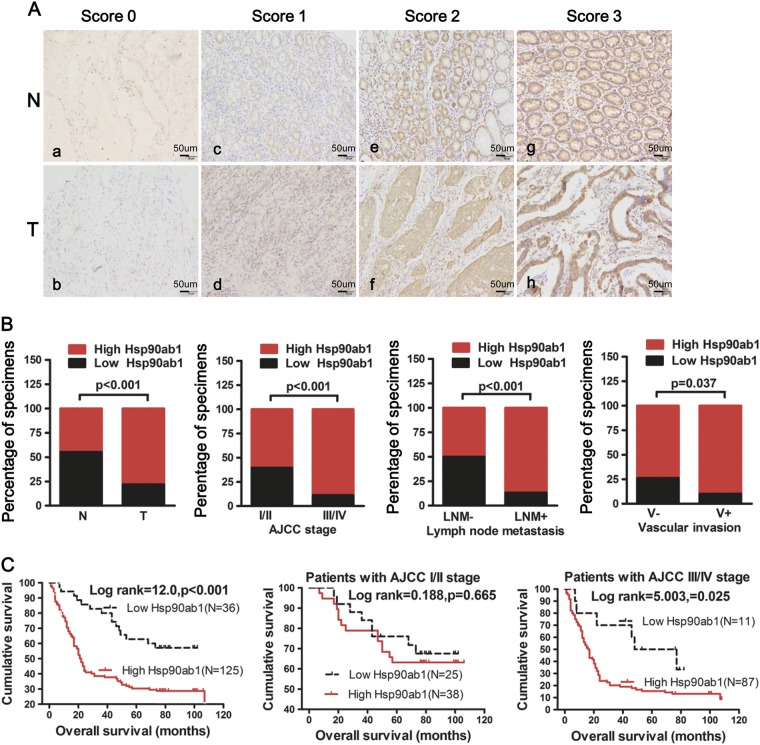
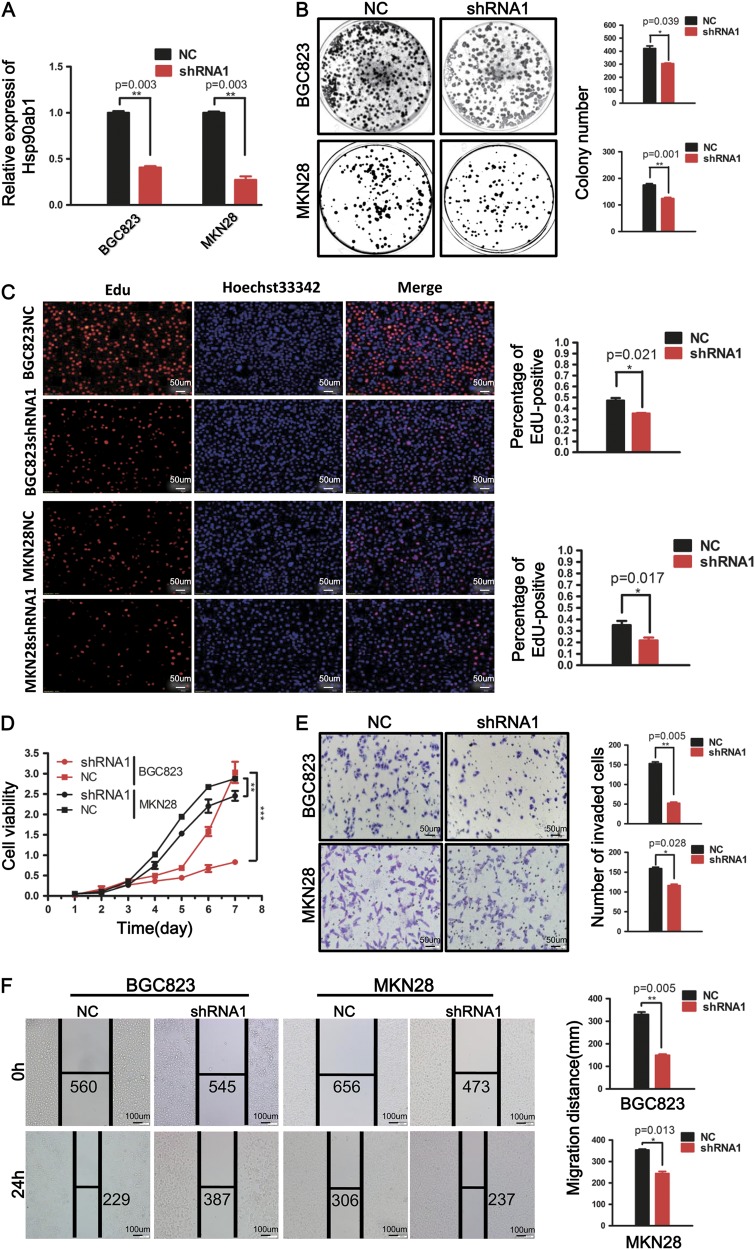
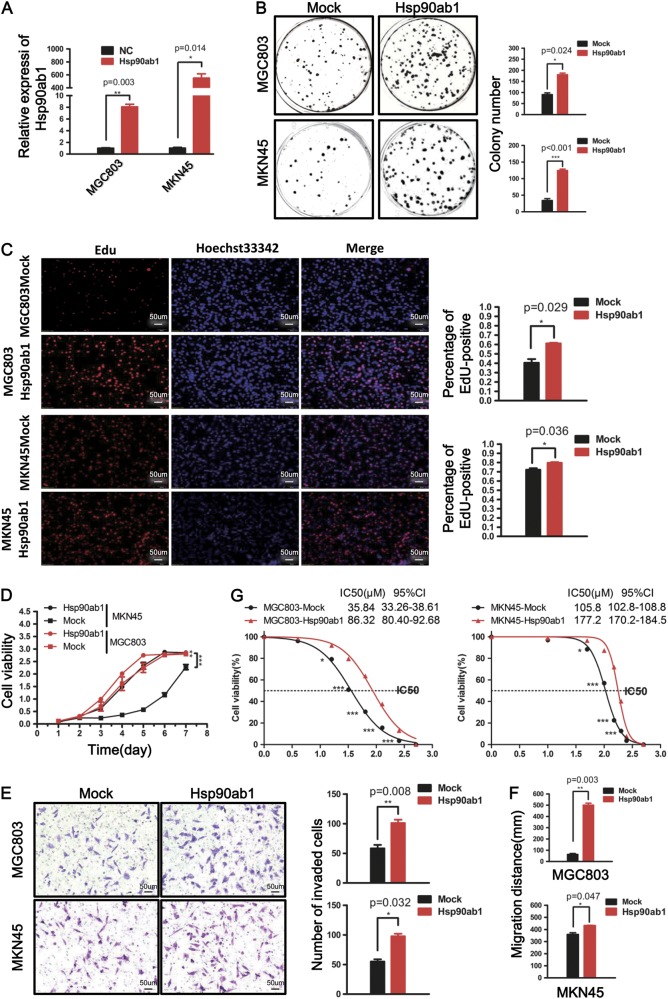
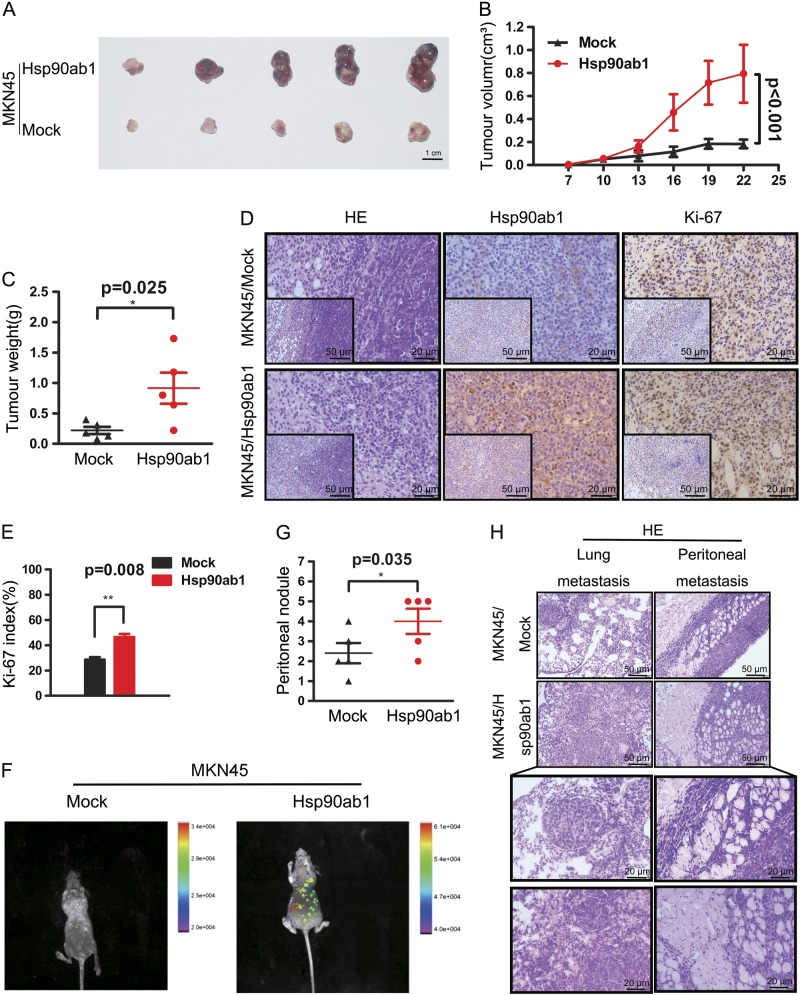
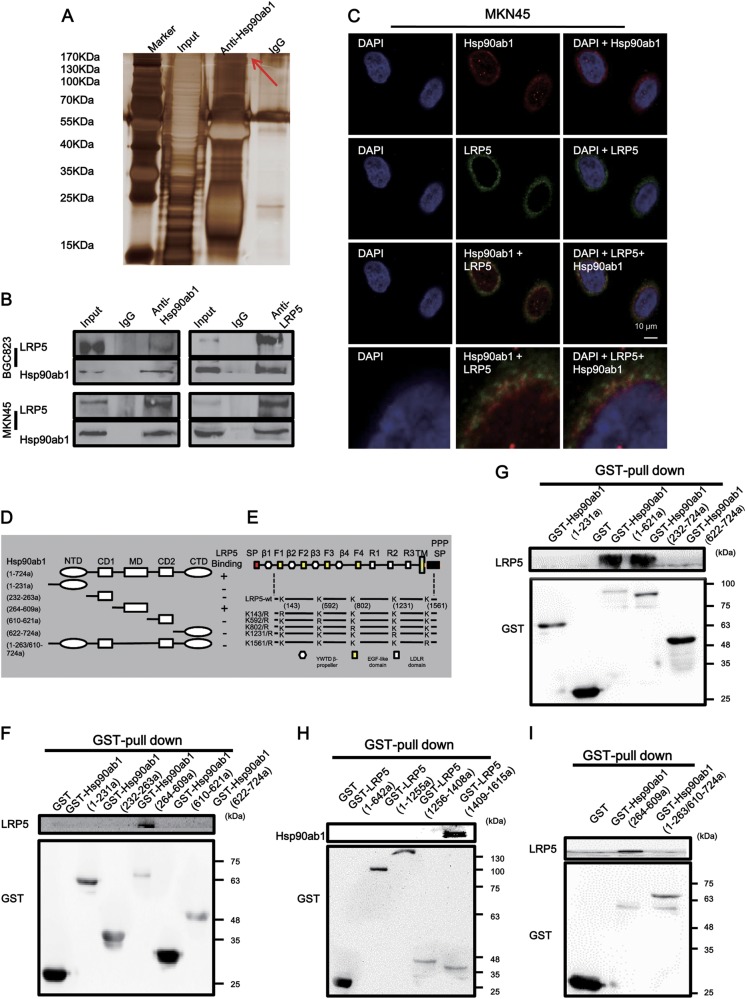
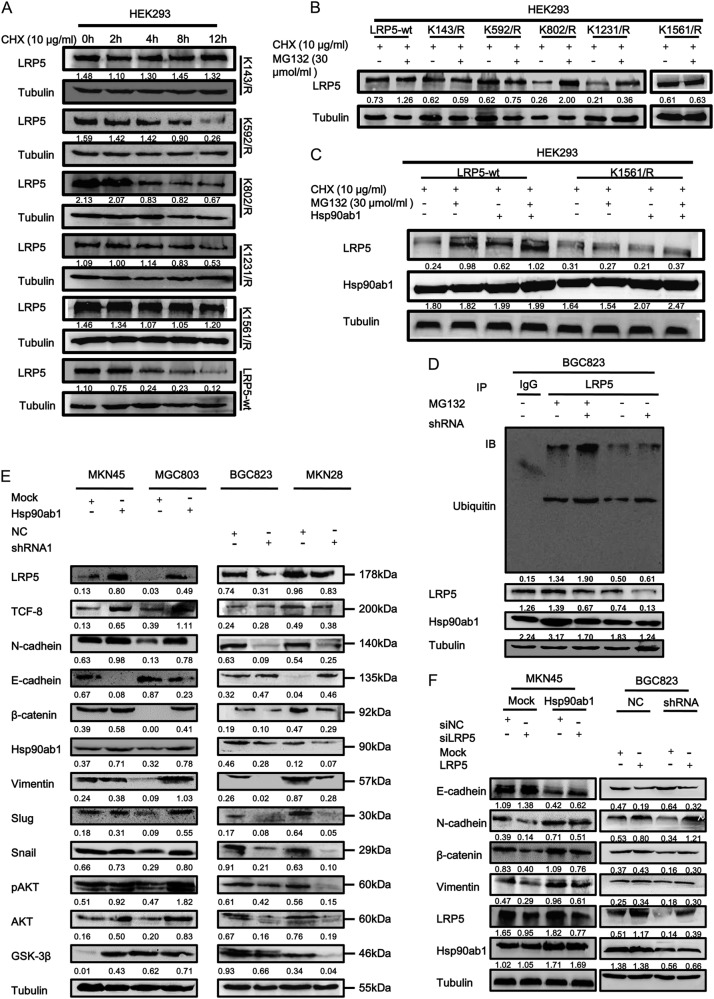
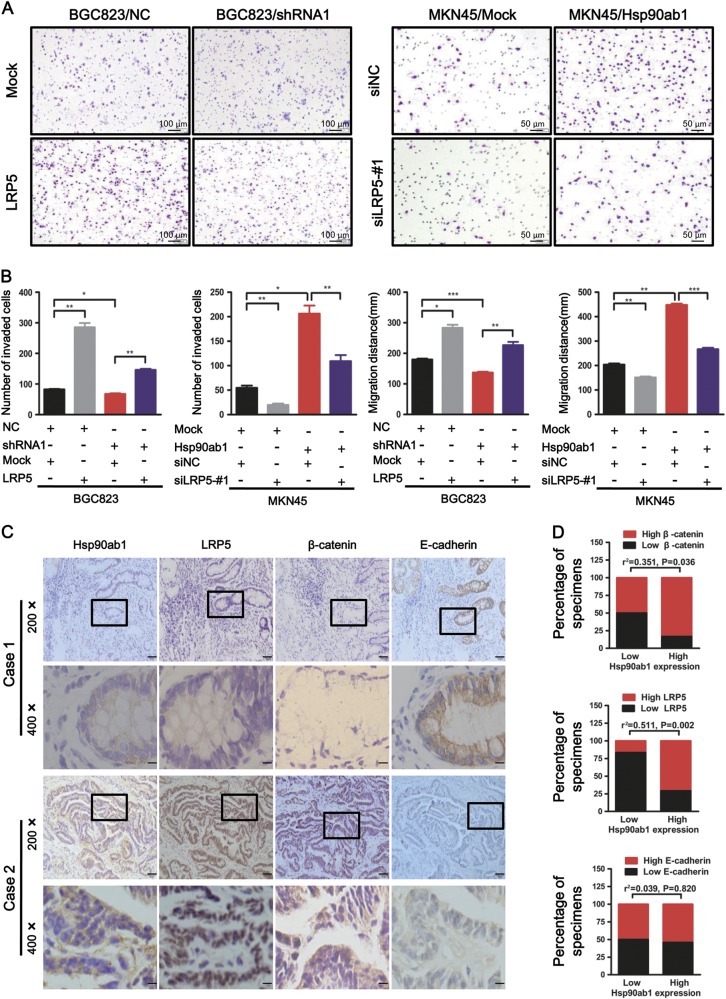
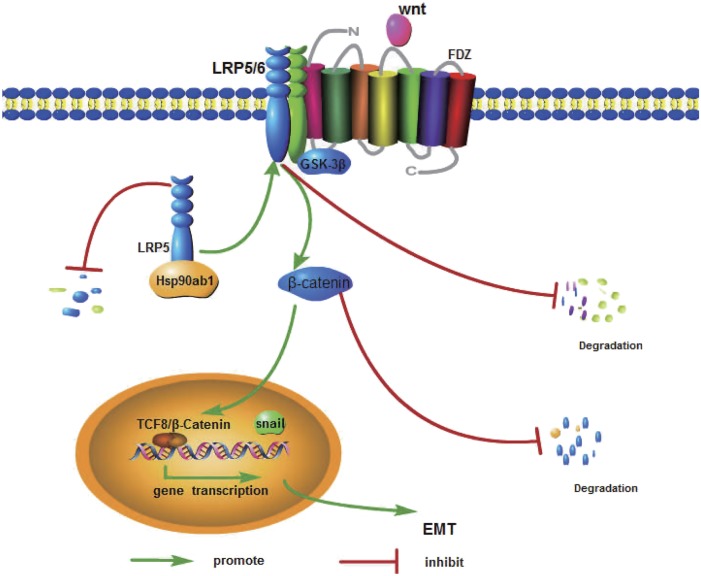
Hsp90ab1 is upregulated in numerous solid tumors, which is thought to induce the angiogenesis and promote cancer metastasis. However, it's actions in gastric cancer (GC) has not been exhibited. In this study, Hsp90ab1 was demonstrated to be overexpressed and correlated with the poor prognosis, proliferation and invasion of GC. Ectopic expression of Hsp90ab1 promoted the proliferation and metastasis of GC cells both in vitro in cell line models of GC and in vivo using two different xenograft mouse models, while opposite effects were observed in Hsp90ab1 silenced cells. Moreover, the underlining molecular mechanism was explored by the co-immunoprecipitation, immunofluorescence, GST pull-down and in vitro ubiquitination assay. Namely, Hsp90ab1 exerted these functions via the interaction of LRP5 and inhibited ubiquitin-mediated degradation of LRP5, an indispensable coreceptor of the Wnt/β-catenin signaling pathway. In addition, the crosstalk between Hsp90ab1 and LRP5 contributed to the upregulation of multiple mesenchymal markers, which are also targets of Wnt/β-catenin. Collectively, this study uncovers the details of the Hsp90ab1-LRP5 axis, providing novel insights into the role and mechanism of invasion and metastasis in GC.
Overview
The claims and statistics of this paper haven’t been checked yet.
Free: it reads the open-access text and checks the first 5 claims that cite a source we can check. Create a free account to check every claim.
Integrity signals
Registry
Cites
Statistics
Figures
Verification
Claims the paper makes
The claims and statistics of this paper haven’t been checked yet.
Free: it reads the open-access text and checks the first 5 claims that cite a source we can check. Create a free account to check every claim.
Claims other papers make about this one
Each is checked against this paper’s own text: does it say what the citing paper says it does?
The source backs part of the claim, not all of it — or backs it for a different population, condition or comparison.
In the citing paper
“Multiple investigations have revealed that HSP90AB1 facilitates tumorigenesis in a spectrum of cancers, including gastric cancer, breast cancer, non-small cell lung cancer (NSCLC), hepatocellular carcinoma, and head and neck squamous cell carcinoma [13–18].”
From Celastrol attenuates the invasion and migration and augments the anticancer effects of olaparib in prostate cancer (2024) · cites this paper as [13]
Experimental — accuracy not yet measured
Self-check
Percentages, sums and reported differences re-computed from the paper’s own numbers.
The self-check needs the paper’s full text.
Citations
Cites
The basics of epithelial-mesenchymal transition
Kalluri, R., & Weinberg, R. A. (2009) · Journal of Clinical Investigation · doi:10.1172/jci39104 · Cited by 10,196
HSP90 and the chaperoning of cancer
Whitesell, L., & Lindquist, S. L. (2005) · Nature Reviews Cancer · doi:10.1038/nrc1716 · Cited by 2,502
Hu, Y., Huang, C., Sun, Y., Su, X., Cao, H., Hu, J., Xue, Y., Suo, J., Tao, K., He, X., et al. (2016) · Journal of Clinical Oncology · doi:10.1200/jco.2015.63.7215 · Cited by 686
Self-citationAtomic structure of Hsp90-Cdc37-Cdk4 reveals that Hsp90 traps and stabilizes an unfolded kinase
Verba, K. A., Wang, R. Y.-R., Arakawa, A., Liu, Y., Shirouzu, M., Yokoyama, S., & Agard, D. A. (2016) · Science · doi:10.1126/science.aaf5023 · Cited by 424
High HSP90 Expression Is Associated with Decreased Survival in Breast Cancer
Pick, E., Kluger, Y., Giltnane, J. M., Moeder, C., Camp, R. L., Rimm, D. L., & Kluger, H. M. (2007) · Cancer Research · doi:10.1158/0008-5472.can-06-4511 · Cited by 356
Pavlakis, N., Sjoquist, K. M., Martin, A. J., Tsobanis, E., Yip, S., Kang, Y.-K., Bang, Y.-J., Alcindor, T., O’Callaghan, C. J., Burnell, M. J., et al. (2016) · Journal of Clinical Oncology · doi:10.1200/jco.2015.65.1901 · Cited by 232
Huang, J., Xiao, D., Li, G., Ma, J., Chen, P., Yuan, W., Hou, F., Ge, J., Zhong, M., Tang, Y., et al. (2014) · Oncogene · doi:10.1038/onc.2013.238 · Cited by 200 · cited 10×
“Vimentin or N-cadherin, proteins involved in the EMT, by the activation of TGF-β or Wnt/β-catenin [13, 15].”
BackgroundInfluentialSelf-citationCheng, Q., Chang, J. T., Geradts, J., Neckers, L. M., Haystead, T., Spector, N. L., & Lyerly, H. K. (2012) · Breast Cancer Research · doi:10.1186/bcr3168 · Cited by 182
Estimates of cancer incidence and mortality in China, 2013
Zheng, R., Zeng, H., Zhang, S., & Chen, W. (2017) · Chinese Journal of Cancer · doi:10.1186/s40880-017-0234-3 · Cited by 176
Shi, Z.-M., Wang, L., Shen, H., Jiang, C.-F., Ge, X. Q., Li, D., Wen, Y.-Y., Sun, H.-R., Pan, M.-H., Li, W., et al. (2017) · Oncogene · doi:10.1038/onc.2016.414 · Cited by 151 · cited 10×
“Vimentin or N-cadherin, proteins involved in the EMT, by the activation of TGF-β or Wnt/β-catenin [13, 15].”
BackgroundInfluentialOhkubo, S., Kodama, Y., Muraoka, H., Hitotsumachi, H., Yoshimura, C., Kitade, M., Hashimoto, A., Ito, K., Gomori, A., Takahashi, K., et al. (2015) · Molecular Cancer Therapeutics · doi:10.1158/1535-7163.mct-14-0219 · Cited by 145
Li, L., Li, X., Zhang, X., Lv, Z., He, G., Zhao, W., Ren, X., Li, Y., Bian, X., Liao, W., et al. (2012) · Gastroenterology · doi:10.1053/j.gastro.2012.11.033 · Cited by 135
Ha, G., Park, J. S., & Breuer, E.-K. Y. (2013) · Cancer Letters · doi:10.1016/j.canlet.2013.01.013 · Cited by 130
Biaoxue, R., Xiling, J., Shuanying, Y., Wei, Z., Xiguang, C., Jinsui, W., & Min, Z. (2012) · Journal of Experimental & Clinical Cancer Research · doi:10.1186/1756-9966-31-70 · Cited by 122
β‐catenin as a potential key target for tumor suppression
Fu, Y., Zheng, S., An, N., Athanasopoulos, T., Popplewell, L. J., Liang, A., Li, K., Hu, C., & Zhu, Y. (2011) · International Journal of Cancer · doi:10.1002/ijc.26102 · Cited by 112
Hamamoto, R., Toyokawa, G., Nakakido, M., Ueda, K., & Nakamura, Y. (2014) · Cancer Letters · doi:10.1016/j.canlet.2014.05.014 · Cited by 110
Zhao, L., Li, W., Zang, W., Liu, Z., Xu, X., Yu, H., Yang, Q., & Jia, J. (2013) · Clinical Cancer Research · doi:10.1158/1078-0432.ccr-13-0254 · Cited by 107
MiR-646 inhibited cell proliferation and EMT-induced metastasis by targeting FOXK1 in gastric cancer
Zhang, P., Tang, W., Zhang, H., Li, Y. Q., Peng, Y., Wang, J., Liu, G., Huang, X., Zhao, J. J., Li, G., et al. (2017) · British Journal of Cancer · doi:10.1038/bjc.2017.181 · Cited by 98
Self-citationZhao, X., He, L., Li, T., Lu, Y., Miao, Y., Liang, S., Guo, H., Bai, M., Xie, H., Luo, G., et al. (2014) · Cell Death & Differentiation · doi:10.1038/cdd.2014.109 · Cited by 95
Gu, Y., Wang, Q., Guo, K., Qin, W., Liao, W., Wang, S., Ding, Y., & Lin, J. (2016) · The Journal of Pathology · doi:10.1002/path.4697 · Cited by 94 · cited 4×
“Tumor size was measured and calculated as previously described [57].”
MethodInfluentialSelf-citationKurashige, J., Mima, K., Sawada, G., Takahashi, Y., Eguchi, H., Sugimachi, K., Mori, M., Yanagihara, K., Yashiro, M., Hirakawa, K., et al. (2014) · Carcinogenesis · doi:10.1093/carcin/bgu232 · Cited by 92
Correia, A. L., Mori, H., Chen, E. I., Schmitt, F. C., & Bissell, M. J. (2013) · Genes & Development · doi:10.1101/gad.211383.112 · Cited by 90
Wang, K., Liang, Q., Li, X., Tsoi, H., Zhang, J., Wang, H., Go, M. Y. Y., Chiu, P. W. Y., Ng, E. K., Sung, J. J. �., et al. (2015) · Gut · doi:10.1136/gutjnl-2015-309276 · Cited by 90 · cited 1×
“Clinical evidence has demonstrated that the early development and dissemination of micro-metastatic cells may be responsible for tumor relapse and metastasis [5, 6].”
BackgroundSelf-citationWu, S., Lin, W., Shen, C., Pan, H., Keh‐Bin, W., Chen, Y., Jan, Y., Lai, D., Tang, S., Tien, H., et al. (2016) · Journal of Pineal Research · doi:10.1111/jpi.12295 · Cited by 87
Expression of hsp90 and cyclin D1 in human breast cancer
Yano, M., Naito, Z., Yokoyama, M., Shiraki, Y., Ishiwata, T., Inokuchi, M., & Asano, G. (1999) · Cancer Letters · doi:10.1016/s0304-3835(98)00338-3 · Cited by 86
Chen, Y., Camacho, S. C., Silvers, T. R., Razak, A. R. A., Gabrail, N. Y., Gerecitano, J. F., Kalir, E., Pereira, E., Evans, B. R., Ramus, S. J., et al. (2017) · Clinical Cancer Research · doi:10.1158/1078-0432.ccr-16-1333 · Cited by 86
Zhang, B., Yang, Y., Shi, X., Liao, W., Chen, M., Cheng, A. S. L., Yan, H., Fang, C., Zhang, S., Xu, G., et al. (2014) · Cancer Letters · doi:10.1016/j.canlet.2014.10.016 · Cited by 85
FAT4 functions as a tumour suppressor in gastric cancer by modulating Wnt/β-catenin signalling
Cai, J., Feng, D., Hu, L., Chen, H., Yang, G., Cai, Q., Gao, C., & Wei, D. (2015) · British Journal of Cancer · doi:10.1038/bjc.2015.367 · Cited by 84
Yanaka, Y., Muramatsu, T., Uetake, H., Kozaki, K.-I., & Inazawa, J. (2015) · Carcinogenesis · doi:10.1093/carcin/bgv106 · Cited by 81
Sun, Y., Huang, Y., Huang, F., Mei, W.-L., Liu, Q., Wang, C.-C., Lin, Y., Huang, C., Li, Y., Dai, H., et al. (2018) · Theranostics · doi:10.7150/thno.23304 · Cited by 79
Impact of Heat-Shock Protein 90 on Cancer Metastasis
Tsutsumi, S., Beebe, K., & Neckers, L. (2009) · Future Oncology · doi:10.2217/fon.09.30 · Cited by 78
Wang, L., Yin, J., Wang, X., Shao, M., Duan, F., Wu, W., Peng, P., Jin, J., Tang, Y., Ruan, Y., et al. (2016) · Gastroenterology · doi:10.1053/j.gastro.2016.01.034 · Cited by 77
Wnt5a promotes Frizzled-4 signalosome assembly by stabilizing cysteine-rich domain dimerization
DeBruine, Z. J., Ke, J., Harikumar, K. G., Gu, X., Borowsky, P., Williams, B. O., Xu, W., Miller, L. J., Xu, H. E., & Melcher, K. (2017) · Genes & Development · doi:10.1101/gad.298331.117 · Cited by 77
Xiao, H., Liu, Y., Liang, P., Wang, B., Tan, H., Zhang, Y., Gao, X., & Gao, J. (2018) · Cell & Bioscience · doi:10.1186/s13578-018-0221-7 · Cited by 76
A p120-catenin–CK1ε complex regulates Wnt signaling
Casagolda, D., del Valle-Pérez, B., Valls, G., Lugilde, E., Vinyoles, M., Casado-Vela, J., Solanas, G., Batlle, E., Reynolds, A. B., Casal, J. I., et al. (2010) · Journal of Cell Science · doi:10.1242/jcs.067512 · Cited by 75
Role of RBP2-Induced ER and IGF1R-ErbB Signaling in Tamoxifen Resistance in Breast Cancer
Choi, H., Joo, H.-S., Won, H., Min, K., Kim, H.-Y., Son, T., Oh, Y., Lee, J., & Kong, G. (2017) · JNCI Journal of the National Cancer Institute · doi:10.1093/jnci/djx207 · Cited by 73
Tetraspanin TSPAN12 regulates tumor growth and metastasis and inhibits β-catenin degradation
Knoblich, K., Wang, H., Sharma, C., Fletcher, A. L., Turley, S. J., & Hemler, M. E. (2013) · Cellular and Molecular Life Sciences · doi:10.1007/s00018-013-1444-8 · Cited by 73
Self-citationHsp90β promoted endothelial cell-dependent tumor angiogenesis in hepatocellular carcinoma
Meng, J., Liu, Y., Han, J., Tan, Q., Chen, S., Qiao, K., Zhou, H., Sun, T., & Yang, C. (2017) · Molecular Cancer · doi:10.1186/s12943-017-0640-9 · Cited by 68 · cited 4×
“In mammalian cells, there are four isoforms of Hsp90: Hsp90aa1, Hsp90ab1, GRP94, and TRAP1 [24], and Hsp90aa1 is the most well-studied one among them [25].”
BackgroundInfluentialCanella, A., Welker, A. M., Yoo, J. Y., Xu, J., Abas, F. S., Kesanakurti, D., Nagarajan, P., Beattie, C. E., Sulman, E. P., Liu, J., et al. (2017) · Clinical Cancer Research · doi:10.1158/1078-0432.ccr-16-3151 · Cited by 67
Mirjolet, C., Lanneau, D., Brunet, M., Bouchot, A., Cartier, J., Jacquel, A., Ducoroy, P., Cathelin, S., Décologne, N., Chiosis, G., et al. (2008) · Cell Death and Differentiation · doi:10.1038/sj.cdd.4402320 · Cited by 66 · cited 1×
“Likewise, Hsp90ab1 has also been shown to promote leukemia cell proliferation by preventing the autoubiquitination and degradation of c-IAP1, a member of the inhibitor of apoptosis protein (IAP) family [43].”
BackgroundAnbarasu, K., Krishnan, A., Ali, M. A., Subramaniam, S., Devaraj, H., & Sivasithamparam, N. D. (2013) · European Journal of Cancer · doi:10.1016/j.ejca.2013.08.016 · Cited by 65
Mass Spectrometry Compatible Surfactant for Optimized In-Gel Protein Digestion
Saveliev, S. V., Woodroofe, C. C., Sabat, G., Adams, C. M., Klaubert, D., Wood, K., & Urh, M. (2013) · Analytical Chemistry · doi:10.1021/ac302423t · Cited by 62
Liu, S., Lee, W., Lai, D., Wu, S., Liu, C.-Y., Tien, H., Chiu, C., Peng, Y., Jan, Y., Chao, T., et al. (2015) · Molecular Oncology · doi:10.1016/j.molonc.2014.12.009 · Cited by 61
Inhibition of nuclear Wnt signalling: challenges of an elusive target for cancer therapy
Lyou, Y., Habowski, A. N., Chen, G. T., & Waterman, M. L. (2017) · British Journal of Pharmacology · doi:10.1111/bph.13963 · Cited by 58
Perotti, C., Liu, R., Parusel, C. T., Böcher, N., Schultz, J., Bork, P., Pfitzner, E., Groner, B., & Shemanko, C. S. (2008) · Breast Cancer Research · doi:10.1186/bcr2193 · Cited by 53
Mirjolet, C., Lanneau, D., Brunet, M., Bouchot, A., Cartier, J., Jacquel, A., Ducoroy, P., Cathelin, S., Décologne, N., Chiosis, G., et al. (2008) · Cell Death and Differentiation · doi:10.1038/cdd.2008.5 · Cited by 49
Knockdown of ARK5 Expression Suppresses Invasion and Metastasis of Gastric Cancer
Chen, D., Liu, G., Xu, N., You, X., Zhou, H., Zhao, X. J., & Liu, Q. (2017) · Cellular Physiology and Biochemistry · doi:10.1159/000478685 · Cited by 49
FMNL2 destabilises COMMD10 to activate NF-κB pathway in invasion and metastasis of colorectal cancer
Yang, S., Li, X. M., Yang, M., Ren, X., Hu, J., Zhu, X., Wang, F. F., Zeng, Z., Li, J., Cheng, Z. Q., et al. (2017) · British Journal of Cancer · doi:10.1038/bjc.2017.260 · Cited by 49 · cited 2×
“Expression of human Hsp90ab1 was knocked down using a lentivirus vector carrying a specific Hsp90ab1 short-hairpin RNA (shRNA) (Vigenebio, Maryland, USA) or siRNA (GenePharma, Shanghai, China), and LRP5 was knocked down using siRNA (GenePharma, Shanghai, China) as previously described [57, 58].”
MethodJeon, Y., Park, C., Kim, K., Li, Y., Kim, J., Kim, Y., Paik, J., Park, B., Kim, C., & Kim, Y. (2007) · The Journal of Pathology · doi:10.1002/path.2219 · Cited by 44
Li, C., Huang, W., Wu, J.-M., Yu, S.-C., Hu, T., Uen, Y., Tian, Y.-F., Lin, C.-N., Lu, D. Y., Fang, F.-M., et al. (2008) · Clinical Cancer Research · doi:10.1158/1078-0432.ccr-08-1369 · Cited by 44
de la Mare, J., Jurgens, T., & Edkins, A. L. (2017) · BMC Cancer · doi:10.1186/s12885-017-3190-z · Cited by 42 · cited 1×
“Growing evidence has revealed that Hsp90ab1 overexpression occurs in various different cancers, and this overexpression plays an integral role in the multistep processes leading to carcinogenesis and invasion [24, 30, 34, 35].”
BackgroundZhu, X., Wang, J. M., Yang, S.-Z., Wang, F. F., Hu, J., Xin, S., Men, H., Lu, G., Lan, X.-L., Zhang, D., et al. (2017) · International Journal of Cancer · doi:10.1002/ijc.30701 · Cited by 42
Expression of HSP 90, PTEN and Bcl-2 in conjunctival melanoma
Westekemper, H., Karimi, S., Süßkind, D., Anastassiou, G., Freistuehler, M., Steuhl, K., Bornfeld, N., Schmid, K. W., & Grabellus, F. (2010) · British Journal of Ophthalmology · doi:10.1136/bjo.2010.183939 · Cited by 38
Park, S., Park, J.-A., Yoo, H., Park, H.-B., & Lee, Y. (2017) · Redox Biology · doi:10.1016/j.redox.2017.07.010 · Cited by 37
Okubo, K., Uenosono, Y., Arigami, T., Yanagita, S., Matsushita, D., Kijima, T., Amatatsu, M., Uchikado, Y., Kijima, Y., Maemura, K., et al. (2017) · Gastric Cancer · doi:10.1007/s10120-017-0705-x · Cited by 35
Topically Applied Hsp90 Inhibitor 17AAG Inhibits UVR-Induced Cutaneous Squamous Cell Carcinomas
Singh, A., Singh, A. K., Sand, J. M., Bauer, S. J., Hafeez, B. B., Meske, L. M., & Verma, A. K. (2014) · Journal of Investigative Dermatology · doi:10.1038/jid.2014.460 · Cited by 34
Qiu, S., Xiao, Z., Piao, C., Zhang, J., Dong, Y., Cui, W., Liu, X., Zhang, Y., & Du, J. (2015) · The Journal of Pathology · doi:10.1002/path.4579 · Cited by 31
Xiong, X., Wang, Y., Liu, C., Lu, Q., Liu, T., Chen, G., Rao, H., & Luo, S. (2014) · Experimental Cell Research · doi:10.1016/j.yexcr.2014.05.018 · Cited by 28
Activation of CK1ɛ by PP2A/PR61ɛ is required for the initiation of Wnt signaling
Vinyoles, M., del Valle‐Pérez, B., Curto, J., Padilla, M., Villarroel, A., Yang, J., de Herreros, A. G., & Duñach, M. (2016) · Oncogene · doi:10.1038/onc.2016.209 · Cited by 24
Kim, S.-J., Ji, J. H., Park, K. T., Lee, J. H., Kang, K. W., Park, J. H., Hwang, S. W., Lee, E. H., Cho, Y. J., Jeong, Y. Y., et al. (2015) · Histopathology · doi:10.1111/his.12675 · Cited by 19
Li, S., Li, J., Tian, H., Chuhong, Z., Lv, X., He, S., Yan, H., Tan, Y., Wen, M., Lei, M., et al. (2016) · Oncology Reports · doi:10.3892/or.2016.5295 · Cited by 16 · cited 1×
“Previously, Hsp90ab1 has been implicated to have an oncogenic role in laryngeal carcinoma [38], non-small-cell lung cancer [30, 39], and breast cancer [40, 41] by promoting tumorigenesis.”
BackgroundWu, Y., Huang, B., Liu, Q., & Liu, Y. (2015) · PubMed Central · Cited by 15
Marzook, H., Sankaran, D., George, B., Reshmi, G., Santhoshkumar, T. R., Kumar, R., & Pillai, M. R. (2017) · Oncogene · doi:10.1038/onc.2017.19 · Cited by 12
Giessrigl, B., Krieger, S., Rosner, M., Huttary, N., Saiko, P., Alami, M., Messaoudi, S., Peyrat, J., Maciuk, A., Gollinger, M., et al. (2012) · Human Molecular Genetics · doi:10.1093/hmg/dds303 · Cited by 9 · cited 1×
“Recently, it was proposed that Hsp90ab1 might stabilize Cdc25A, increasing its expression levels and promoting cell-cycle activation in pancreatic carcinoma cells [42].”
Background
Cited by
Wnt/β-catenin signaling in cancers and targeted therapies
Yu, F., Yu, C., Li, F., Zuo, Y., Wang, Y., Yao, L., Wu, C., Wang, C., & Ye, L. (2021) · Signal Transduction and Targeted Therapy · doi:10.1038/s41392-021-00701-5 · Cited by 734
“Herein, stabilizing of Lrp5 by Hsp90ab1 enhanced gastric cancer progression.(112) Moreover, LRP6 also plays a positive role in various cancers, such as CRC, breast cancer, prostate cancer, and so on.”
BackgroundCircular RNA circRHOBTB3 acts as a sponge for miR-654-3p inhibiting gastric cancer growth
Deng, G., Mou, T., He, J., Chen, D., Lv, D., Liu, H., Yu, J., Wang, S., & Li, G. (2020) · Journal of Experimental & Clinical Cancer Research · doi:10.1186/s13046-019-1487-2 · Cited by 235
Self-citationKabakov, A. E., Yakimova, A. O., & Matchuk, O. N. (2020) · Cells · doi:10.3390/cells9040892 · Cited by 122
“So, intracellular HSP90 was reported to promote EMT via (i) activation of HIF1α and NFκB [65] and stabilization of an oncogenic nonhistone chromatin-binding protein high-mobility group AT-hook 2 (HMGA2) [66] in colorectal cancer cells, (ii) activation of the TGF-β1/Notch1 signaling [67] or anaplastic lymphoma kinase (…”
BackgroundAlbakova, Z., Mangasarova, Y., Albakov, A., & Gorenkova, L. G. (2022) · Frontiers in Oncology · doi:10.3389/fonc.2022.829520 · Cited by 98
Zhang, Z., Ji, J., Ye, Y., Chen, Z., Jing, Y., Li, S., Wei, H., Ruan, H., Liu, Y., Hu, Q., et al. (2020) · Genome Medicine · doi:10.1186/s13073-020-00795-6 · Cited by 83
“For example, HSP90AB1, an oncogene [45], was upregulated in 8 cancer types, while DNAJB4, a tumor suppressor [46], was down-regulated in 12 cancer types.”
Background
Metadata
- Authors
- Wang, H., Deng, G., Ai, M., Xu, Z., Mou, T., Yu, J., Liu, H., Wang, S., & Li, G.
- Affiliations
- Nanfang Hospital (CN)
- Corresponding author
- Wang, Shuang
- Li, Guoxin
- Venue
- Oncogene
- Published
- 2018-10-10
- Volume
- 38
- Issue
- 9
- Pages
- 1489-1507
- ISSN
- 0950-9232 (ISSN-L)
- 1476-5594
- PMC
- PMC6372478
- OpenAlex
- W2895920254
- Cited by
- 117
- References
- 64
- Citations by year
- 2026: 6 · 2025: 20 · 2024: 22 · 2023: 15 · 2022: 18 · 2021: 14 · 2020: 16 · 2019: 6
- FWCI
- 3.29
- Type
- journal article
- Language
- en
- Open access
- hybrid
- doi.org
- Licence
- cc-by
- creativecommons.org/licenses/by/4.0 (tdm)
- Locations
- Oncogene (publishedVersion, cc-by)
- Europe PMC (PubMed Central) (publishedVersion, cc-by)
- PubMed Central (publishedVersion, cc-by)
- PubMed (publishedVersion)
- Funders
- National Natural Science Foundation of China (81672446)
- National Health and Family Planning Commission of the People's Republic of China (201402015)
- Guangdong Science and Technology Department (2014A020215014)
- Southern Medical University
- Guangzhou Science and Technology Program key projects (201400000004-5)
- Topics
- Life Sciences › Biochemistry, Genetics and Molecular Biology › Molecular Biology › Heat shock proteins research
- Life Sciences › Biochemistry, Genetics and Molecular Biology › Molecular Biology › Wnt/β-catenin signaling in development and cancer
- Health Sciences › Medicine › Oncology › Gastric Cancer Management and Outcomes
- Keywords
- HSP90AB1, LRP5, epithelial-mesenchymal transition, gastric cancer, Wnt/β-catenin signaling, Akt signaling, protein stabilization, ubiquitin-mediated proteolysis, metastasis, tumor invasion, prognosis
- MeSH terms
- Animals, Humans, Stomach Neoplasms, Gene Expression Regulation, Neoplastic, Disease Progression, HSP90 Heat-Shock Proteins, Cell Line, Tumor, Cell Proliferation, Proto-Oncogene Proteins c-akt, beta Catenin, Mice, Epithelial-Mesenchymal Transition, Wnt Signaling Pathway, Low Density Lipoprotein Receptor-Related Protein-5
About these checks
Registry, retraction, Cites and statistics results are computed, not judged, with one exception: a printed reference that no index lists is read once by a model before it counts as a citation error. Claims are extracted by a model and kept only when their quote appears verbatim in the text; each cited source is then checked, with a model’s help, for whether it says what the claim relies on. Those verdicts can be wrong — read the claim’s quote and the cited source before relying on one.
Statistics and arithmetic are recomputed, not judged.
Confidence bands are shown only for fields calibrated on our annotated test set. None is calibrated yet, so no band is shown.
What counts as a claim ›How we measure confidence ›How we check this ›
Are you an author, or do you see a problem with this page? Request a review
Data sources
Bibliographic data: Semantic Scholar, OpenAlex, Crossref.
Contains information from the Semantic Scholar Academic Graph Datasets, made available under the ODC Attribution License (ODC-BY 1.0).
Semantic Scholar’s data is described in: Kinney, R., et al. (2023). The Semantic Scholar Open Data Platform. arXiv:2301.10140.
