

Hsp90ab1 stabilizes LRP5 to promote epithelial–mesenchymal transition via activating of AKT and Wnt/β-catenin signaling pathways in gastric cancer progression
Open accessThe DOI matches its Crossref record; 64 of the 64 references it cites were found in a registry or an index.
Abstract
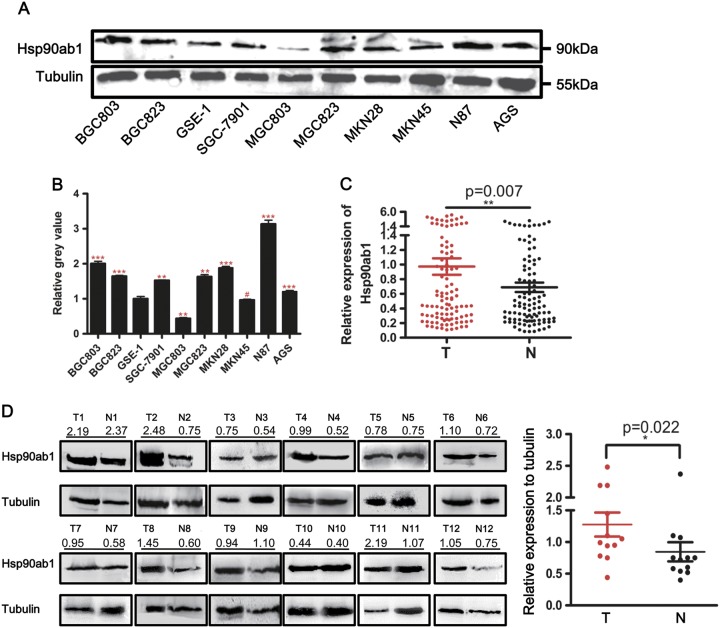
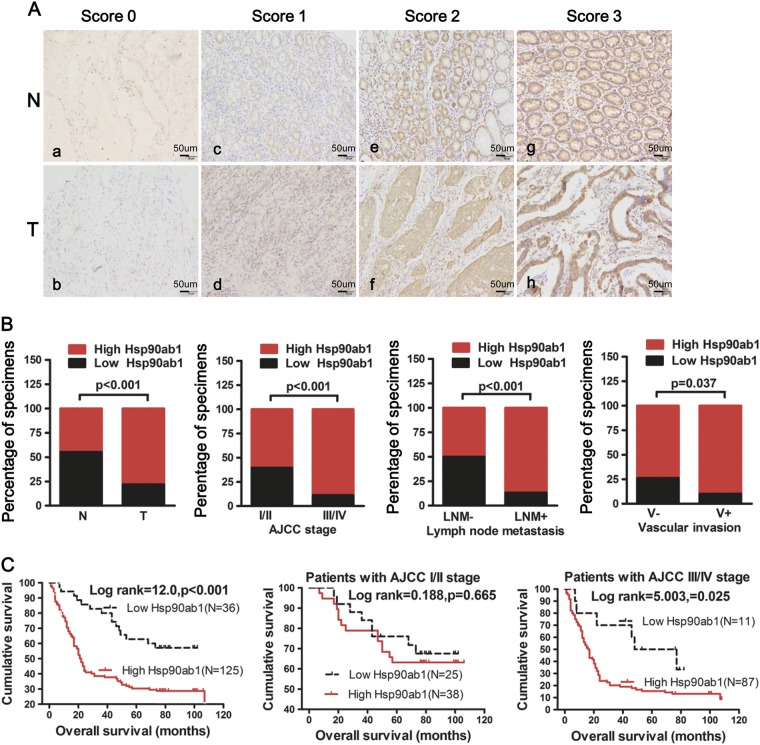
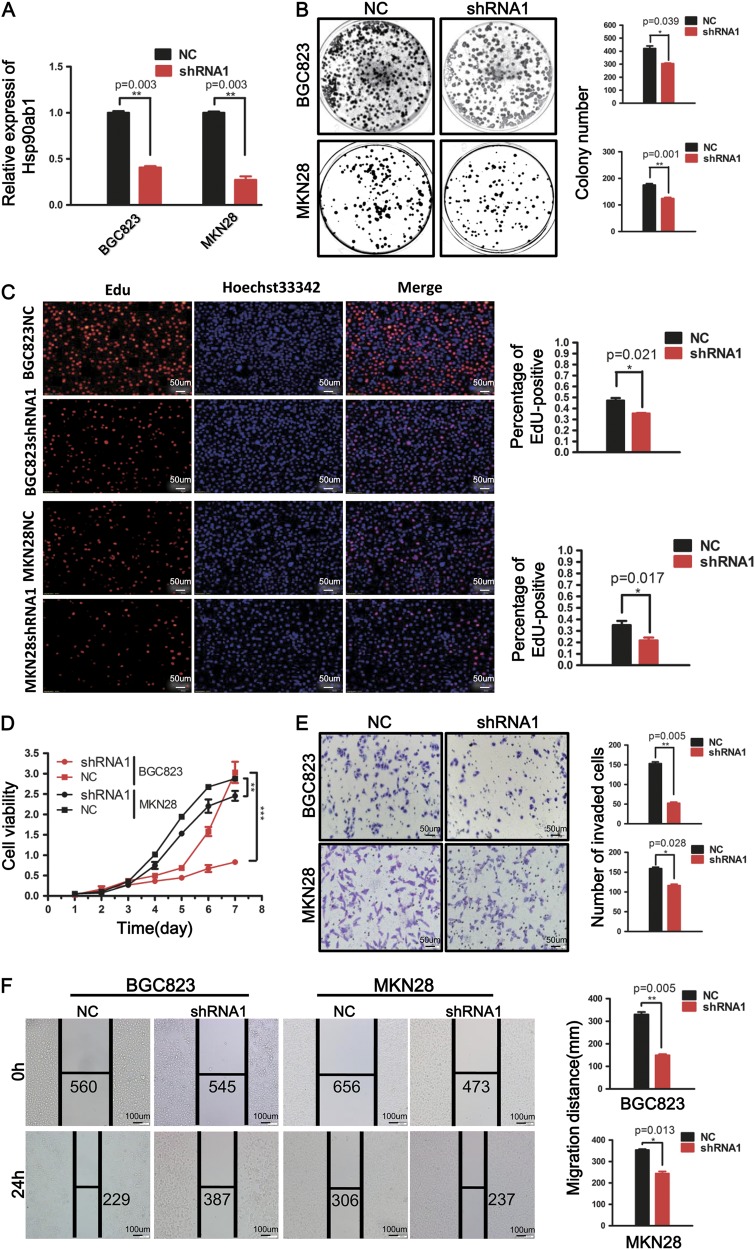
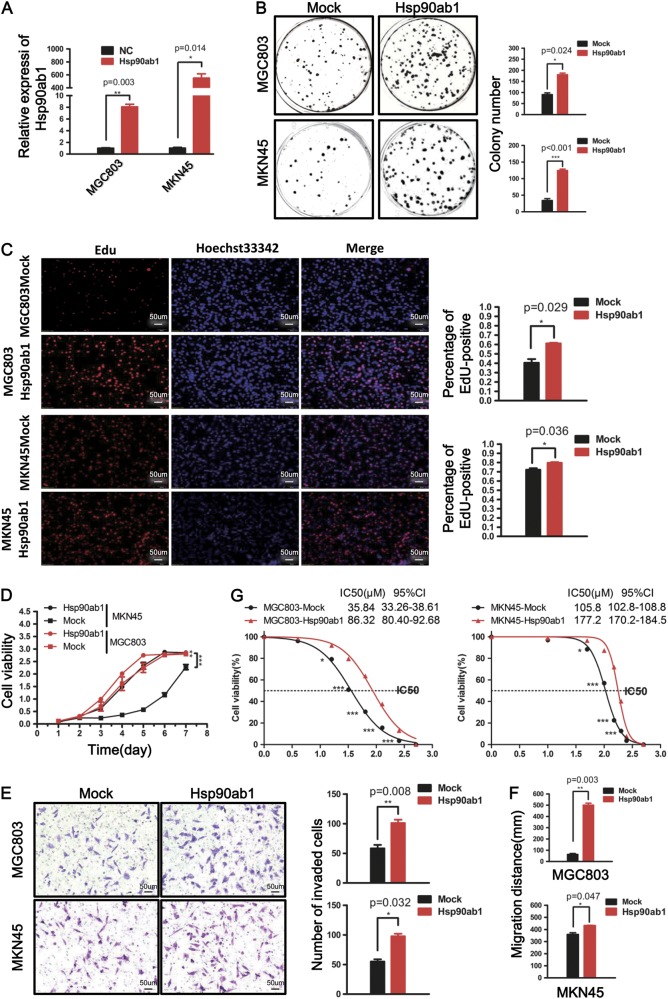
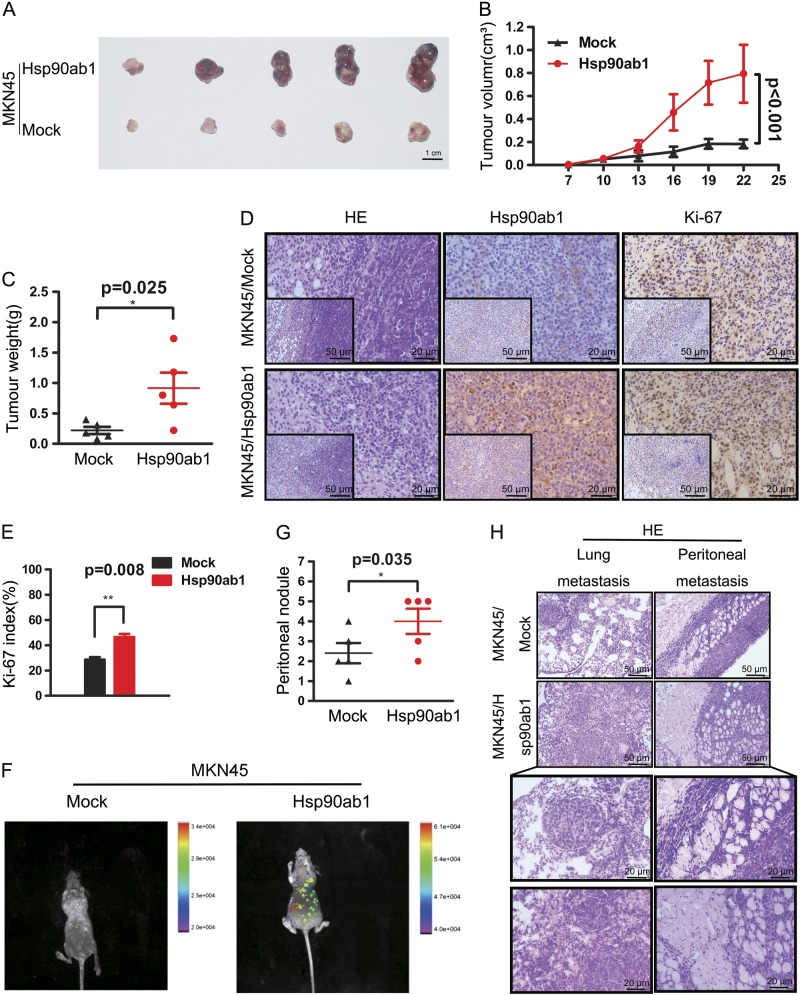
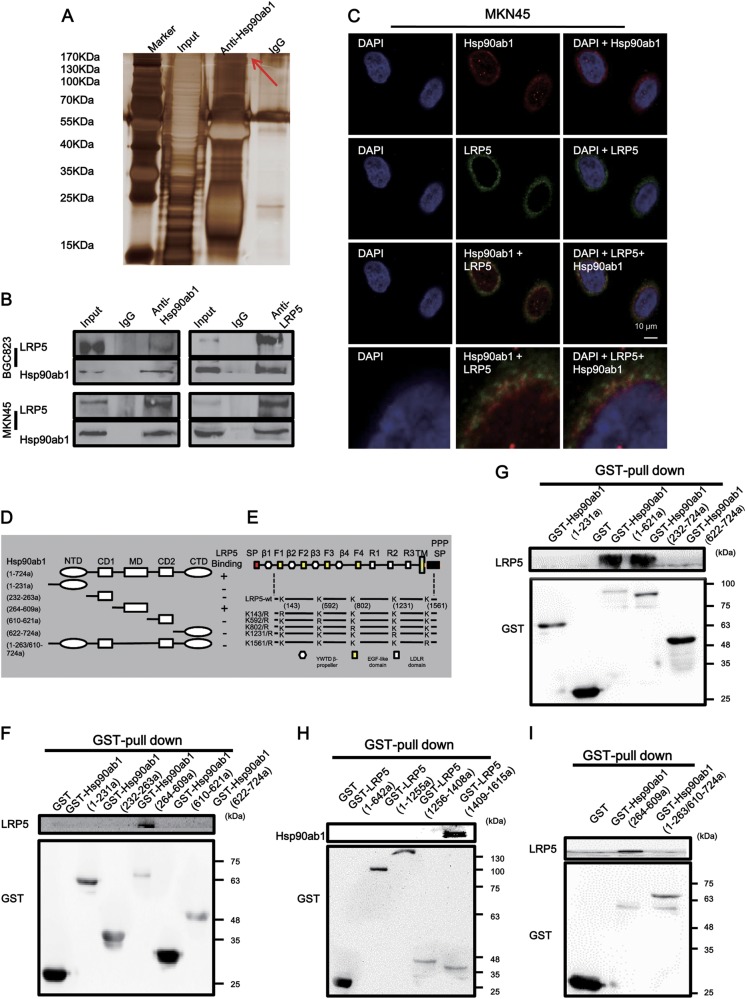
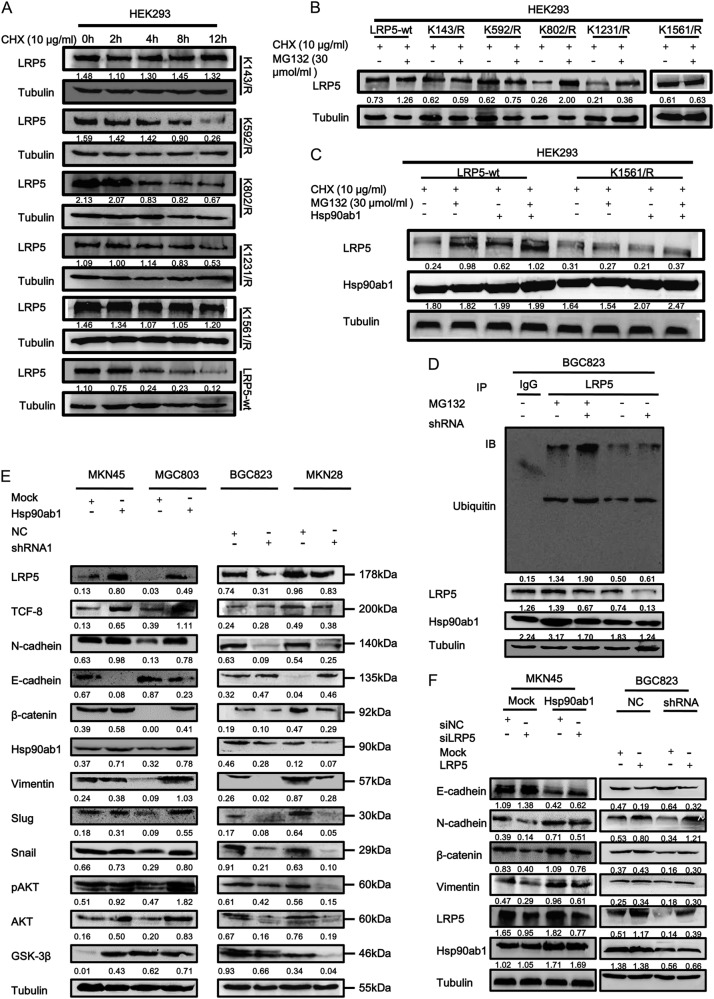
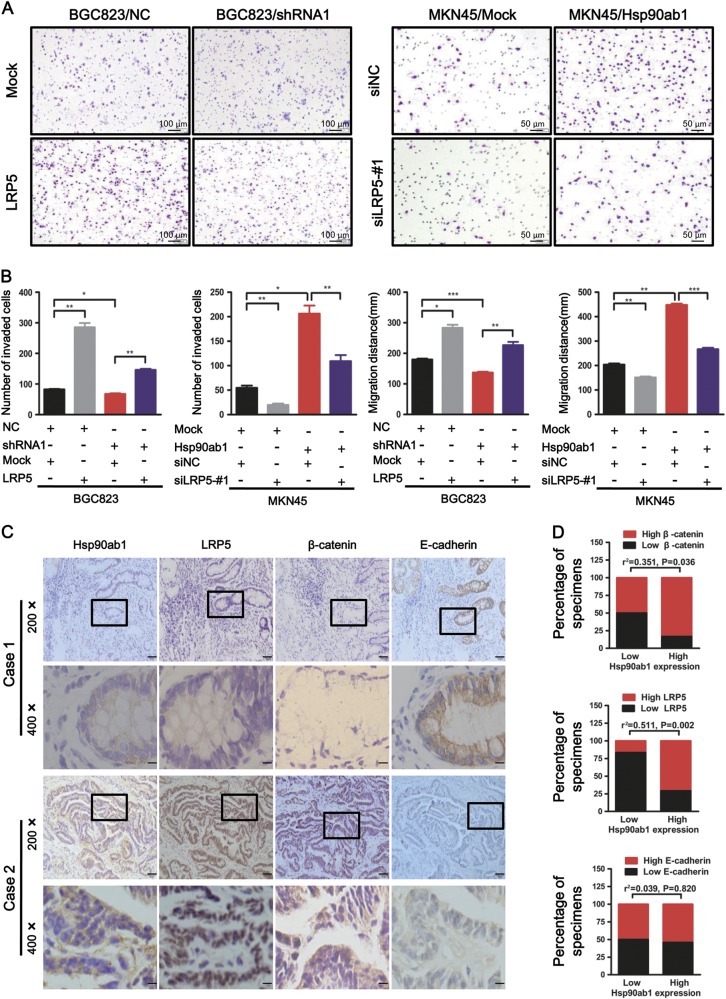
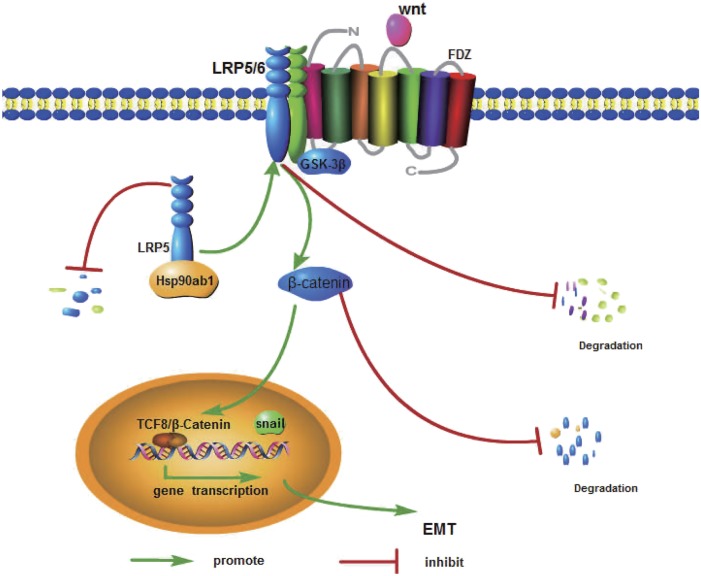
Hsp90ab1 is upregulated in numerous solid tumors, which is thought to induce the angiogenesis and promote cancer metastasis. However, it's actions in gastric cancer (GC) has not been exhibited. In this study, Hsp90ab1 was demonstrated to be overexpressed and correlated with the poor prognosis, proliferation and invasion of GC. Ectopic expression of Hsp90ab1 promoted the proliferation and metastasis of GC cells both in vitro in cell line models of GC and in vivo using two different xenograft mouse models, while opposite effects were observed in Hsp90ab1 silenced cells. Moreover, the underlining molecular mechanism was explored by the co-immunoprecipitation, immunofluorescence, GST pull-down and in vitro ubiquitination assay. Namely, Hsp90ab1 exerted these functions via the interaction of LRP5 and inhibited ubiquitin-mediated degradation of LRP5, an indispensable coreceptor of the Wnt/β-catenin signaling pathway. In addition, the crosstalk between Hsp90ab1 and LRP5 contributed to the upregulation of multiple mesenchymal markers, which are also targets of Wnt/β-catenin. Collectively, this study uncovers the details of the Hsp90ab1-LRP5 axis, providing novel insights into the role and mechanism of invasion and metastasis in GC.
Overview
The claims and statistics of this paper haven’t been checked yet.
Free: it reads the open-access text and checks the first 5 claims that cite a source we can check. Create a free account to check every claim.
Integrity signals
Registry
Cites
Statistics
Figures
Verification
Claims the paper makes
The claims and statistics of this paper haven’t been checked yet.
Free: it reads the open-access text and checks the first 5 claims that cite a source we can check. Create a free account to check every claim.
Claims other papers make about this one
Each is checked against this paper’s own text: does it say what the citing paper says it does?
The source backs part of the claim, not all of it — or backs it for a different population, condition or comparison.
In the citing paper
“Multiple investigations have revealed that HSP90AB1 facilitates tumorigenesis in a spectrum of cancers, including gastric cancer, breast cancer, non-small cell lung cancer (NSCLC), hepatocellular carcinoma, and head and neck squamous cell carcinoma [13–18].”
From Celastrol attenuates the invasion and migration and augments the anticancer effects of olaparib in prostate cancer (2024) · cites this paper as [13]
Experimental — accuracy not yet measured
Self-check
Percentages, sums and reported differences re-computed from the paper’s own numbers.
The self-check needs the paper’s full text.
Citations
Cites
The basics of epithelial-mesenchymal transition
Kalluri, R., & Weinberg, R. A. (2009) · Journal of Clinical Investigation · doi:10.1172/jci39104 · Cited by 10,196
HSP90 and the chaperoning of cancer
Whitesell, L., & Lindquist, S. L. (2005) · Nature Reviews Cancer · doi:10.1038/nrc1716 · Cited by 2,502
Hu, Y., Huang, C., Sun, Y., Su, X., Cao, H., Hu, J., Xue, Y., Suo, J., Tao, K., He, X., et al. (2016) · Journal of Clinical Oncology · doi:10.1200/jco.2015.63.7215 · Cited by 686
Self-citationAtomic structure of Hsp90-Cdc37-Cdk4 reveals that Hsp90 traps and stabilizes an unfolded kinase
Verba, K. A., Wang, R. Y.-R., Arakawa, A., Liu, Y., Shirouzu, M., Yokoyama, S., & Agard, D. A. (2016) · Science · doi:10.1126/science.aaf5023 · Cited by 424
High HSP90 Expression Is Associated with Decreased Survival in Breast Cancer
Pick, E., Kluger, Y., Giltnane, J. M., Moeder, C., Camp, R. L., Rimm, D. L., & Kluger, H. M. (2007) · Cancer Research · doi:10.1158/0008-5472.can-06-4511 · Cited by 356
Pavlakis, N., Sjoquist, K. M., Martin, A. J., Tsobanis, E., Yip, S., Kang, Y.-K., Bang, Y.-J., Alcindor, T., O’Callaghan, C. J., Burnell, M. J., et al. (2016) · Journal of Clinical Oncology · doi:10.1200/jco.2015.65.1901 · Cited by 232
Huang, J., Xiao, D., Li, G., Ma, J., Chen, P., Yuan, W., Hou, F., Ge, J., Zhong, M., Tang, Y., et al. (2014) · Oncogene · doi:10.1038/onc.2013.238 · Cited by 200 · cited 10×
“Vimentin or N-cadherin, proteins involved in the EMT, by the activation of TGF-β or Wnt/β-catenin [13, 15].”
BackgroundInfluentialSelf-citationCheng, Q., Chang, J. T., Geradts, J., Neckers, L. M., Haystead, T., Spector, N. L., & Lyerly, H. K. (2012) · Breast Cancer Research · doi:10.1186/bcr3168 · Cited by 182
Estimates of cancer incidence and mortality in China, 2013
Zheng, R., Zeng, H., Zhang, S., & Chen, W. (2017) · Chinese Journal of Cancer · doi:10.1186/s40880-017-0234-3 · Cited by 176
Shi, Z.-M., Wang, L., Shen, H., Jiang, C.-F., Ge, X. Q., Li, D., Wen, Y.-Y., Sun, H.-R., Pan, M.-H., Li, W., et al. (2017) · Oncogene · doi:10.1038/onc.2016.414 · Cited by 151 · cited 10×
“Vimentin or N-cadherin, proteins involved in the EMT, by the activation of TGF-β or Wnt/β-catenin [13, 15].”
BackgroundInfluential
Cited by
Wnt/β-catenin signaling in cancers and targeted therapies
Yu, F., Yu, C., Li, F., Zuo, Y., Wang, Y., Yao, L., Wu, C., Wang, C., & Ye, L. (2021) · Signal Transduction and Targeted Therapy · doi:10.1038/s41392-021-00701-5 · Cited by 734
“Herein, stabilizing of Lrp5 by Hsp90ab1 enhanced gastric cancer progression.(112) Moreover, LRP6 also plays a positive role in various cancers, such as CRC, breast cancer, prostate cancer, and so on.”
BackgroundCircular RNA circRHOBTB3 acts as a sponge for miR-654-3p inhibiting gastric cancer growth
Deng, G., Mou, T., He, J., Chen, D., Lv, D., Liu, H., Yu, J., Wang, S., & Li, G. (2020) · Journal of Experimental & Clinical Cancer Research · doi:10.1186/s13046-019-1487-2 · Cited by 235
Self-citationKabakov, A. E., Yakimova, A. O., & Matchuk, O. N. (2020) · Cells · doi:10.3390/cells9040892 · Cited by 122
“So, intracellular HSP90 was reported to promote EMT via (i) activation of HIF1α and NFκB [65] and stabilization of an oncogenic nonhistone chromatin-binding protein high-mobility group AT-hook 2 (HMGA2) [66] in colorectal cancer cells, (ii) activation of the TGF-β1/Notch1 signaling [67] or anaplastic lymphoma kinase (…”
BackgroundAlbakova, Z., Mangasarova, Y., Albakov, A., & Gorenkova, L. G. (2022) · Frontiers in Oncology · doi:10.3389/fonc.2022.829520 · Cited by 98
Zhang, Z., Ji, J., Ye, Y., Chen, Z., Jing, Y., Li, S., Wei, H., Ruan, H., Liu, Y., Hu, Q., et al. (2020) · Genome Medicine · doi:10.1186/s13073-020-00795-6 · Cited by 83
“For example, HSP90AB1, an oncogene [45], was upregulated in 8 cancer types, while DNAJB4, a tumor suppressor [46], was down-regulated in 12 cancer types.”
BackgroundHSP90 multi-functionality in cancer
Albakova, Z. (2024) · Frontiers in Immunology · doi:10.3389/fimmu.2024.1436973 · Cited by 76
Jia, L., Ge, X., Du, C., Chen, L., Zhou, Y., Xiong, W., Xiang, J., Li, G., Xiao, G., Fang, L., et al. (2021) · British Journal of Cancer · doi:10.1038/s41416-020-01250-4 · Cited by 63
“Upregulation of HSP90AB1 has been reported in liver and gastric cancer, which activates VEGFR transcription and stabilises LRP5 through activation of the AKT and Wnt/β-catenin signalling pathway, leading to carcinogenesis and invasion.(50,51) The present study showed that downregulated expression of HSP90AB1 decreased…”
BackgroundSelf-citationKnol, J. C., Lyu, M., Böttger, F., Monteiro, M. N., Pham, T. V., Rolfs, F., Vallés‐Martí, A., Schelfhorst, T., Haas, R. R. D. G., Bijnsdorp, I. V., et al. (2025) · Cancer Cell · doi:10.1016/j.ccell.2025.05.003 · Cited by 69
Self-citationLee, H. J., Min, H.-Y., Yong, Y.-S., Ann, J., Nguyen, C.-T., La, M. T., Hyun, S. Y., Le, H. T., Kim, H., Kwon, H.-J., et al. (2021) · Theranostics · doi:10.7150/thno.63788 · Cited by 52
“Previous studies have demonstrated positive regulation of Wnt signaling by Hsp90 via direct interaction of Hsp90 and LRP5 [62] and the destabilization of β-catenin by pharmacological inhibition of Hsp90 [63].”
BackgroundSTRA6 exerts oncogenic role in gastric tumorigenesis by acting as a crucial target of miR-873
Lin, L., Xiao, J., Shi, L., Chen, W., Ge, Y., Jiang, M., Li, Z., Fan, H., Yang, L., & Xu, Z. (2019) · Journal of Experimental & Clinical Cancer Research · doi:10.1186/s13046-019-1450-2 · Cited by 51
Self-citationCST1 Promoted Gastric Cancer Migration and Invasion Through Activating Wnt Pathway
Chen, S., Liu, Y., Zhang, K., & Chen, L. (2021) · Cancer Management and Research · doi:10.2147/cmar.s277770 · Cited by 59
“For example, Hsp90ab1 promoted gastric cancer invasion and metastasis through stabilizing LRP5 to activating Wnt pathway.(15) ESRRG suppresses gastric cancer growth and tumorigenesis through inhibiting the binding of TCF4/LEF1 and CCDN1 promoter and inhibiting the Wnt pathway.”
BackgroundDong, S., Zhang, X., & Liu, D. (2019) · Biology Open · doi:10.1242/bio.041343 · Cited by 47
A novel prognostic index of hepatocellular carcinoma based on immunogenomic landscape analysis
Xiao, H., Wang, B., Xiong, H., Guan, J., Wang, J., Tan, T., Lin, K., Zou, S., Hu, Z., & Wang, K. (2021) · Journal of Cellular Physiology · doi:10.1002/jcp.30015 · Cited by 43
“In addition, HSP90AB1 was reportedly overexpressed in gastric cancer (Wang et al., 2019) as well as in non–small cell lung cancer (M. G. Wang et al., 2016).”
BackgroundWang, W., Guo, C., Li, R., Xu, Z., Yu, J., Yan, Y., Zhao, J., Wang, J., Wang, W., Zhang, A., et al. (2019) · Aging · doi:10.18632/aging.102190 · Cited by 43
Self-citationZhang, H., Yin, X., Zhang, X., Zhou, M., Xu, W., Wei, Z., Song, C., Han, S., & Han, W. (2022) · Technology in Cancer Research & Treatment · doi:10.1177/15330338221118202 · Cited by 40
Wang, H., Ding, Y., Chen, Y., Jiang, J., Chen, Y., Lu, J., Kong, M., Mo, F., Huang, Y., Zhao, W., et al. (2021) · Gastric Cancer · doi:10.1007/s10120-021-01201-9 · Cited by 46
Self-citationPreventing tumor progression to the bone by induced tumor-suppressing MSCs
Sun, X., Li, K., Zha, R., Liu, S., Fan, Y., Wu, D., Hase, M., Aryal, U. K., Lin, C., Li, B., et al. (2021) · Theranostics · doi:10.7150/thno.58779 · Cited by 40
“gastric cancer by activating Akt and β-catenin signaling [18].”
BackgroundHammoudeh, S. M., Hammoudeh, A. M., Bhamidimarri, P. M., AlSafar, H. S., Mahboub, B. H., Künstner, A., Busch, H. S., Halwani, R., Hamid, Q. A., Rahmani, M., et al. (2021) · Frontiers in Immunology · doi:10.3389/fimmu.2021.595150 · Cited by 42
“Moreover, HSP90AB1 promotes epithelial to mesenchymal transition by activating AKT and WNT signaling pathways through the WNT signaling receptor, LRP5 (77).”
BackgroundShaji, M., Tamada, A., Fujimoto, K., Muguruma, K., Karsten, S. L., & Yokokawa, R. (2024) · Lab on a Chip · doi:10.1039/d3lc00930k · Cited by 47
LRP5 Promotes Gastric Cancer via Activating Canonical Wnt/β-Catenin and Glycolysis Pathways
Nie, X., Wang, H., Wei, X., Li, L., Xue, T., Fan, L., Ma, H., Xia, Y., Wang, Y., & Chen, W. (2021) · American Journal Of Pathology · doi:10.1016/j.ajpath.2021.11.007 · Cited by 42
Self-citationLi, J., Niu, J., Min, W., Ai, J., Xu, L., Miao, J., Zhou, S. Y., Liang, Y., Chen, S., Ren, Q., et al. (2022) · Cell Death and Differentiation · doi:10.1038/s41418-022-01026-8 · Cited by 35
“It was reported that Hsp90ab1 could interact with LRP5 [44], an indispensable coreceptor of the Wnt/ β -catenin signaling pathway [34].”
Shen, Z., Li, Y., Fang, Y., Lin, M., Feng, X., Li, Z., Zhan, Y., Liu, Y., Mou, T., Lan, X.-L., et al. (2020) · Molecular Oncology · doi:10.1002/1878-0261.12626 · Cited by 33
“To confirm this hypothesis, we evaluated the effects of changes in SNX16 expression on eEF1A2 protein levels, either with or without the proteasome inhibitor MG132 (Wang et al., 2019).”
MethodInfluentialSelf-citationWnt signaling in gastric cancer: current progress and future prospects
Han, R., Yang, J., Zhu, Y., & Gan, R. (2024) · Frontiers in Oncology · doi:10.3389/fonc.2024.1410513 · Cited by 35
Kim, B., Jung, M., Moon, K. C., Han, D., Kim, K., Kim, H., Yang, S., Lee, D., Jun, H., Lee, K., et al. (2022) · International Journal of Cancer · doi:10.1002/ijc.34265 · Cited by 29
NCX1 coupled with TRPC1 to promote gastric cancer via Ca2+/AKT/β-catenin pathway
Wan, H., Gao, N., Lu, W., Lu, C. C., Chen, J., Wang, Y., & Dong, H. (2022) · Oncogene · doi:10.1038/s41388-022-02412-9 · Cited by 26
Ji, H. L., Niu, C., Zhan, X., Xu, J., Lian, S., Xu, B., Guo, J., Li, Z., Yang, H., Li, S., et al. (2020) · Scientific Reports · doi:10.1038/s41598-020-57451-7 · Cited by 28
Conversion of Osteoclasts into Bone-Protective, Tumor-Suppressing Cells
Li, K., Sun, X., Li, B., & Yokota, H. (2021) · Cancers · doi:10.3390/cancers13225593 · Cited by 24
“It stabilizes Lrp5 and stimulates EMT via activating PI3K and Wnt signaling [24].”
BackgroundLi, K., Sun, X., Zha, R., Liu, S., Feng, Y., Sano, T., Aryal, U. K., Sudo, A., Li, B., & Yokota, H. (2022) · Theranostics · doi:10.7150/thno.70549 · Cited by 22
Liu, J.-H., Chen, C., Li, Z.-Y., Zou, Z., Gao, D., Zhang, X., Kuang, X., Sun, Z.-H., Zheng, W., Zhou, P., et al. (2020) · Experimental Cell Research · doi:10.1016/j.yexcr.2020.112157 · Cited by 25
LRP5 promotes cancer stem cell traits and chemoresistance in colorectal cancer
Nie, X., Liu, H., Ye, W., Wei, X., Fan, L., Ma, H., Li, L., Xue, W., Qi, W., Wang, Y., et al. (2022) · Journal of Cellular and Molecular Medicine · doi:10.1111/jcmm.17164 · Cited by 27
Self-citationPI3K-activated MSC proteomes inhibit mammary tumors via Hsp90ab1 and Myh9
Sun, X., Li, K., Aryal, U. K., Li, B., & Yokota, H. (2022) · Molecular Therapy — Oncolytics · doi:10.1016/j.omto.2022.08.003 · Cited by 20
Shi, L., Wang, X., Guo, S., Gou, H., Shang, H., Jiang, X., Wei, C., Wang, J., Li, C., Wang, L., et al. (2024) · Oncogene · doi:10.1038/s41388-024-02959-9 · Cited by 24
Self-citationWang, T., Li, N., Jin, L., Qi, X., Zhang, C., & Hua, D. (2020) · Biochimica et Biophysica Acta (BBA) - Molecular Cell Research · doi:10.1016/j.bbamcr.2020.118833 · Cited by 24
Zhang, S., Fan, S., Wang, Z.-L., Hou, W., Liu, T., Yoshida, S., Yang, S., Zheng, H., & Shen, Z. (2022) · Oxidative Medicine and Cellular Longevity · doi:10.1155/2022/1012509 · Cited by 21
“As previously mentioned, HSP90AB1 can regulate Akt expression, and Akt can regulate the expression of SMARCC1 [26, 31].”
InfluentialXu, L., Liu, Y.-H., Zhang, H.-Q., Wu, L., Li, Q., Deng, J., Zhang, Q., Yang, Y., Zhang, C., Li, Y.-L., et al. (2023) · Cancer Cell International · doi:10.1186/s12935-023-03047-w · Cited by 23
Thakur, G., Sathe, G. J., Kundu, I., Biswas, B., Gautam, P., Alkahtani, S. H., Idicula‐Thomas, S., Sirdeshmukh, R., Kishore, U., & Madan, T. (2021) · Frontiers in Immunology · doi:10.3389/fimmu.2020.600660 · Cited by 19
Zhu, Y., Wang, R., Chen, W., Chen, Q., & Zhou, J. (2020) · Aging · doi:10.18632/aging.103507 · Cited by 19
Peng, Y., Huang, Z., Zhou, F., Wang, T., Mou, K., & Feng, W. (2021) · Cell Communication and Signaling · doi:10.1186/s12964-021-00752-9 · Cited by 15
Park, K. M., Lee, H. J., Koo, K., Amara, H. B., Leesungbok, R., Noh, K., Lee, S. C., & Lee, S. W. (2020) · Tissue Engineering and Regenerative Medicine · doi:10.1007/s13770-019-00232-9 · Cited by 16
Zhang, Y., Ni, L., Li, Q., Li, M., Zhu, J., Zhang, F., & Gu, K. (2020) · Journal of Cancer · doi:10.7150/jca.46343 · Cited by 15
“Upregulation of Hsp90 in tumor tissue correlates with metastasis in GC [7].”
BackgroundPandya, P. H., Jannu, A. J., Bijangi‐Vishehsaraei, K., Dobrota, E. A., Bailey, B. J., Barghi, F., Shannon, H. E., Riyahi, N., Damayanti, N. P., Young, C., et al. (2022) · Cancers · doi:10.3390/cancers15010259 · Cited by 19
Zhang, M., Gu, Y., Huang, S., Lou, Q., Xie, Q., Xu, Z., Chen, Y., Pan, F., Xu, S., Liu, S., et al. (2019) · Journal of Cellular and Molecular Medicine · doi:10.1111/jcmm.14410 · Cited by 16
Self-citationEGFR/PPARδ/HSP90 pathway mediates cancer cell metabolism and chemoresistance
Gou, Q., Zhang, W.-B., Xu, Y., Jin, J.-H., Liu, Q., Hou, Y.-Z., & Shi, J.-J. (2020) · Journal of Cellular Biochemistry · doi:10.1002/jcb.29868 · Cited by 12
Xiong, Y., Zhou, F., Zhou, J.-W., Liu, F., Zhou, S., Li, B., Liu, Z.-J., & Yang, Q. (2023) · Current Genomics · doi:10.2174/0113892029277262231108105441 · Cited by 14
Wang, D., Zuo, S., Ge, J., Qu, H., Wu, J., Yi, N., Shi, L., Wang, Y., Mo, Y., Fan, C., et al. (2024) · Science China Life Sciences · doi:10.1007/s11427-023-2737-2 · Cited by 13
“Acting as a molecular chaperone, HSP90AB1 can bind to and stabilize downstream client proteins (Hamamoto et al., 2014; Jia et al., 2021; Pan et al., 2019; Wang et al., 2019).”
Identification of key LncRNAs and mRNAs associated with intramuscular fat in pig via WGCNA
Li, W., Yang, S., Liu, H., Cao, Z. W., Xu, F., Ning, C., Zhang, Q., Wang, D., & Tang, H. (2025) · BMC Genomics · doi:10.1186/s12864-025-11427-x · Cited by 16
“HSP90AB1 has been shown to promote proliferation, migration, and glycolysis in cancer cells; however, its association with IMF deposition has not been previously reported [42].”
Self-citationWu, X., Jin, Z., Li, B., Lu, Y., Hou, J., Yao, L., Yu, Z., Sang, Q., Yu, B., Li, J., et al. (2025) · Clinical and Translational Medicine · doi:10.1002/ctm2.70319 · Cited by 12
“…and key transcription factors (e.g., early growth response 1 [EGR1], SOX4 and ATF3), along with significant up-regulation of tumour progression-associated pathways, particularly positive regulation of Wnt and Notch signalling pathways, 42–44 which were markedly enhanced in advanced GC (Figure 2B).”
HSP90AB1 as the Druggable Target of Maggot Extract Reverses Cisplatin Resistance in Ovarian Cancer
Wang, D., Tang, X., Ruan, J.-G., Zhu, Z., Wang, R., Weng, Y., Zhang, Y., Wang, T., Huang, Y., Wang, H., et al. (2023) · Oxidative Medicine and Cellular Longevity · doi:10.1155/2023/9335440 · Cited by 15
“Recent studies have shown that angiogenesis and cancer metastasis are associated with increased HSP90AB1 and IGF1R expression in numerous solid tumors [24, 39, 40], and in this study, we explored the potential interaction between HSP90AB1 and IGF1R in ovarian cancer tissue and ovarian cancer cell lines that might medi…”
BackgroundSelf-citationNew insights into the role of ubiquitination in angiogenesis (Review)
Chen, T., Wang, K., & Sun, Z. (2024) · International Journal of Molecular Medicine · doi:10.3892/ijmm.2024.5473 · Cited by 15
Lu, J., Huang, X., Wang, Y., Xie, J., Wang, J.-B., Lin, J.-X., Chen, Q., Cao, L., Li, P., Huang, C., et al. (2020) · Aging · doi:10.18632/aging.103624 · Cited by 12
“[4] found that Hsp90ab1, a member of the heat shock protein family, was found to be overexpressed and correlated with poor prognosis, proliferation and invasion in GC.”
BackgroundXu, Z., Ran, J., Gong, K., Hou, Y., Li, J., & Guo, Y. (2020) · Journal of Receptors and Signal Transduction · doi:10.1080/10799893.2020.1836494 · Cited by 12
“The Wnt/b-catenin signaling pathway is widely reported to be involved in the pathological process of GC [17].”
BackgroundSelf-citationPratap, A., Li, A., Westbrook, L. M., Gergen, A. K., Mitra, S., Chauhan, A., Cheng, L., Weyant, M. J., McCarter, M. D., Wani, S. B., et al. (2022) · Journal of Gastrointestinal Oncology · doi:10.21037/jgo-22-240 · Cited by 13
“GPC1 is also known to stimulate Wnt/ β -catenin signaling (46) and there is also strong evidence of cooperation and synergy between PI3/ AKT and Wnt/ β -catenin driving certain gastrointestinal cancers (47,48).”
Petrenko, V. S., Vrublevskaya, V. V., Bystrova, M. F., Masulis, I. S., Копылова, Е. Е., Skarga, Y. Y., Zhmurina, M. A., & Morenkov, O. S. (2023) · Biochemical and Biophysical Research Communications · doi:10.1016/j.bbrc.2023.06.076 · Cited by 13
Exploring YAP1-centered networks linking dysfunctional CFTR to epithelial–mesenchymal transition
Quaresma, M. C., Botelho, H. M., Pankonien, I., Rodrigues, C. S., Pinto, M. C., Costa, P. R., Duarte, A., & Amaral, M. D. (2022) · Life Science Alliance · doi:10.26508/lsa.202101326 · Cited by 12
Origination of LTR Retroelement–Derived NYNRIN Coincides with Therian Placental Emergence
Plianchaisuk, A., Kusama, K., Kato, K., Sriswasdi, S., Tamura, K., & Iwasaki, W. (2022) · Molecular Biology and Evolution · doi:10.1093/molbev/msac176 · Cited by 11
Maggot Extract Inhibits Cell Migration and Tumor Growth by Targeting HSP90AB1 in Ovarian Cancer
Wang, D., Wang, R., Cai, M., Zhang, Y., Zhu, Z., Weng, Y., Wang, L., Huang, Y., Du, R., Wu, X., et al. (2022) · Journal of Clinical Medicine · doi:10.3390/jcm11216271 · Cited by 10
“HSP90 may promote tumorigenesis, in part because of its enhanced affinity for ATP and ATPase activity in cancer cells [18,19].”
BackgroundADAM11 a novel regulator of Wnt and BMP4 signaling in neural crest and cancer
Pandey, A., Cousin, H., Horr, B., & Alfandari, D. (2023) · Frontiers in Cell and Developmental Biology · doi:10.3389/fcell.2023.1271178 · Cited by 11
“We also found multiple members of the LRP family of protein and the Wnt receptor FzD6, but these were not present in both data sets (LRP2 in embryos, LRP5-6, and Fzd6 in Hek293T cells).”
BackgroundGender Differential Transcriptome in Gastric and Thyroid Cancers
Sousa, A., Ferreira, M., Oliveíra, C., & Ferreira, P. G. (2020) · Frontiers in Genetics · doi:10.3389/fgene.2020.00808 · Cited by 13
“Among these, Hsp90ab1 and XPO5 have been previously associated with poor prognosis and tumor-suppressor properties in GC (Melo et al., 2010; Wang et al., 2019).”
BackgroundAnalysis of signaling cascades from myeloma cells treated with pristimerin
Almaghrbi, H., Elkardawy, R., Kumar, S. U., Kuttikrishnan, S., Abunada, T., Kashyap, M. K., Ahmad, A., Shahab Uddin, M. S., Doss, C. G. P., & Zayed, H. (2022) · Advances in protein chemistry and structural biology · doi:10.1016/bs.apcsb.2022.10.006 · Cited by 11
Huang, M., Chen, L., Ma, X., & Xu, H. (2024) · Cancer Cell International · doi:10.1186/s12935-024-03542-8 · Cited by 9
“Multiple investigations have revealed that HSP90AB1 facilitates tumorigenesis in a spectrum of cancers, including gastric cancer, breast cancer, non-small cell lung cancer (NSCLC), hepatocellular carcinoma, and head and neck squamous cell carcinoma [13–18].”
BackgroundA probabilistic knowledge graph for target identification
Liu, C. S., Xiao, K., Yu, C., Lei, Y., Lyu, K., Tian, T., Zhao, D. Y., Zhou, F., Tang, H., & Zeng, J. (2024) · PLoS Computational Biology · doi:10.1371/journal.pcbi.1011945 · Cited by 13
Yin, X., Hongbo, Z., Wei, Z., Wang, Y., Han, S., Zhou, M., Xu, W., & Han, W. (2023) · Cancer Management and Research · doi:10.2147/cmar.s424422 · Cited by 10
“28 In our previous study, we observed elevated expression of HSP90AB1 in head and neck squamous cell carcinoma (HNSCC) correlated with T grade, lymph node metastasis, and prognosis.”
BackgroundMehdipour, T., Tohidkia, M. R., Saei, A. A., Kazemi, A. H., Khajeh, S., Rahimi, A. A. R., Nikfarjam, S., Farhadi, M., Halimi, M., Soleimani, R., et al. (2019) · Immunology · doi:10.1111/imm.13129 · Cited by 9
Wei, X., Liu, J., Hong, Z., Chen, X., Wang, K., & Cai, J. (2022) · Frontiers in Genetics · doi:10.3389/fgene.2022.896064 · Cited by 9
“For example, Hsp72 has been previously reported to promote the oxaliplatin resistance of GC cells by inhibiting SDF-2 degradation (Takahashi et al., 2016); Hsp90ab1 is known to facilitate the epithelial–mesenchymal transition in GC by preventing LRP5 ubiquitination (Wang et al., 2019).”
BackgroundXie, Y., Peng, X., & Li, P. (2024) · BMC Bioinformatics · doi:10.1186/s12859-024-05667-z · Cited by 10
“Elevated in numerous solid tumors, HSP90AB1 is believed to stimulate angiogenesis and facilitate cancer metastasis [33].”
BackgroundUllah, M. A., Sarkar, B., & Akter, F. (2020) · Informatics in Medicine Unlocked · doi:10.1016/j.imu.2020.100346 · Cited by 9
Gastric cancer prognosis: unveiling autophagy-related signatures and immune infiltrates
Yin, Y., Wang, B., Yang, M., Chen, J., & Li, T. (2024) · Translational Cancer Research · doi:10.21037/tcr-23-1755 · Cited by 7
Hong, J., Xie, Z., Yang, Z., Yang, F., Liao, H., Rao, S., & Huang, X. (2021) · Translational Cancer Research · doi:10.21037/tcr-20-3462 · Cited by 7
“Furthermore, LRP5 has proven to affect or directly interact with new tumor-associated factors such as STK40 (20), JAM3 (21), TG2 (22), Hsp90ab1 (23), in different cancer cells to regulate tumorigenesis and migration.”
BackgroundEstablish immune-related gene prognostic index for esophageal cancer
Guo, C., Zeng, F., Liu, H., Wang, J., Huang, X., & Luo, J. (2022) · Frontiers in Genetics · doi:10.3389/fgene.2022.956915 · Cited by 7
“Hsp90ab1 is overexpressed and associated with poor prognosis, proliferation, and invasion of GC (Wang et al., 2019).”
BackgroundSelf-citationGao, Z., Xiong, Z., Tao, Y., Wang, Q., Guo, K., Xu, K., & Huang, H. (2025) · Chinese Medical Journal · doi:10.1097/cm9.0000000000003538 · Cited by 9
“[45] Previous studies have demonstrated that HSP90AB1 is upregulated and promotes tumor progression in HSP90AB1 in ovarian cancer, [46] breast cancer, [47,48] gastric cancer, [49] and prostate cancer.”
Du, K., Hu, W., Gao, S., Gan, J., You, C., & Zhang, S. (2025) · BMC Cancer · doi:10.1186/s12885-025-14396-2 · Cited by 7
“GC and other malignancies overexpress HSP90AB1 , which inhibits LRP5 degradation, promotes EMT via AKT and Wnt/β-catenin, and causes metastasis and chemoresistance via JAK-STAT and PI3K-AKT [37–40].”
Bioinformatic Analysis of IKK Complex Genes Expression in Selected Gastrointestinal Cancers
Żebrowska-Nawrocka, M., Szmajda‐Krygier, D., Krygier, A., Jeleń, A. M., & Balcerczak, E. (2024) · International Journal of Molecular Sciences · doi:10.3390/ijms25189868 · Cited by 6
Chen, X., Diao, W., Guo, X., Cao, W., Yang, Y., Xie, T., Chen, W., Yang, L., Zhang, Q., Ding, M., et al. (2025) · FEBS Journal · doi:10.1111/febs.70068 · Cited by 7
Wu, G., Yang, Y., Zhu, Y., Li, Y., Zhai, Z., An, L., Liu, M., Zheng, Y., Wang, Y., Zhou, Y., et al. (2021) · Frontiers in Surgery · doi:10.3389/fsurg.2021.742443 · Cited by 6
The HSP90AB1-mediated upregulation of IDO1 can promote the progression of colorectal cancer
Jin, C., Xu, X., Li, T., Zhang, C., Peng, J., Liu, C., Zheng, W., & Zhang, X. (2024) · ONCOLOGIE · doi:10.1515/oncologie-2023-0602 · Cited by 6
Peng, W., Shi, D., Xu, D., Wang, X., Cai, Y., Tan, Y., Liu, Y., Cui, Y., Zhu, L., Ye, K., et al. (2025) · Journal of Advanced Research · doi:10.1016/j.jare.2025.07.016 · Cited by 13
LRP5: A Multifaceted Co-Receptor in Development, Disease, and Therapeutic Target
Alrefaei, A. F. (2025) · Cells · doi:10.3390/cells14171391 · Cited by 7
Hu, J., Shi, J., Wang, J., Xiao, Y., Kong, D., Gao, M., Luo, T., Xu, S., Yuan, Z., Ma, X., et al. (2025) · Journal of Experimental & Clinical Cancer Research · doi:10.1186/s13046-025-03467-8 · Cited by 6
“Previous studies have demonstrated that Hsp90ab1 binds LRP5 to activate AKT and Wnt/β-catenin signaling, promoting invasion and metastasis in gastric cancer cells [28].”
Chen, X., Chen, X.-Q., Luo, H.-L., Xia, L.-N., Huang, S., & Chen, Q. (2023) · Proteome Science · doi:10.1186/s12953-023-00213-w · Cited by 4
Wang, Y.-X., Wang, Y., Liu, B., Gao, X., Li, Y., Li, F., & Zhou, H. (2023) · Frontiers in Genetics · doi:10.3389/fgene.2023.1207233 · Cited by 8
“Collectively, these findings confirm the promotion of EMT, attenuation of interstitial inflammatory responses, tumor progression, metastasis (Wang et al., 2019; Jia et al., 2021), and induction of immunotherapy resistance (Kosinsky et al.”
BackgroundInfluentialYin, X., Zhang, Y., Zhang, Y., Zhou, M., Zhang, J., Wang, Z., Xu, W., Song, C., Ran, J., Lin, L., et al. (2026) · Research · doi:10.34133/research.1129 · Cited by 4
“HSP90AB1, a central molecular chaperone and stress-response protein, plays a critical role in stabilizing a vast array of client proteins, including numerous oncoproteins and signaling molecules [ 23 – 25 ].”
Gandhi, S., Razif, M. F. M., Othman, S., Chakraborty, S., & Rashid, N. N. (2023) · Molecular Medicine Reports · doi:10.3892/mmr.2023.12933 · Cited by 3
Mechanisms of Action of HSP110 and Its Cognate Family Members in Carcinogenesis
Guo, R., Wang, R., Zhang, W., Li, Y., Wang, Y., Wang, H., Li, X., & Song, J. (2024) · OncoTargets and Therapy · doi:10.2147/ott.s496403 · Cited by 3
“60,61 The Function of HSP110 in Different Carcinogenesis HSP110, being a member of the same family, shares commonalities with HSP70 and HSP90, eg, Hsp110 up-regulation also inhibits cancer cell apoptosis by blocking the release of mitochondrial cytochrome c and inhibiting the activation of caspase…”
Self-citationQu, L., Wang, F., Wang, Y., & Li, Z. (2025) · Cancer Cell International · doi:10.1186/s12935-025-03804-z · Cited by 6
Li, R., Li, F., Liu, Q., Wu, X., & Tan, X. (2025) · Respiratory Research · doi:10.1186/s12931-025-03280-z · Cited by 5
Zheng, Y., Peng, W., Wen, X.-P., & Wan, Q. (2024) · Heliyon · doi:10.1016/j.heliyon.2024.e32579 · Cited by 3
“Earlier studies have shown that HSP90AB1 could regulate EMT-related signaling pathways, such as the Wnt/ β -catenin pathway [40] and the TGF-β /SMAD pathway [41], by maintaining the stability of interacting proteins.”
BackgroundStar-shaped copolypeptide-mediated transfection of 3D organoids
Huang, S.-T., Chen, Y., Chen, Y.-C., Lin, J.-T., Yao, C., & Jan, J. (2025) · European Polymer Journal · doi:10.1016/j.eurpolymj.2025.113932 · Cited by 2
Shi, Y., Yang, Q., Tai, G., & Chen, X. (2023) · Journal of Cancer Research and Clinical Oncology · doi:10.1007/s00432-023-04958-x · Cited by 2
Preliminary study of BF/C2 on immune mechanism of grass carp against GCRV infection
Wei, Y., Xiao, Y., Liu, Q., Du, Z., & Xiao, T. (2024) · BMC Genomics · doi:10.1186/s12864-024-10609-3 · Cited by 1
“In gastric can - cer cells, HSP90b1 interacts with the client protein LRP5 and inhibits the ubiquitin–proteasome degradation pathway of LRP5 , thereby influencing the progression of gastric cancer [54].”
BackgroundXiang, J., Han, J. D. J., Wu, J., Xu, S., Cheng, C., & Zhang, J. (2025) · Cell Death Discovery · doi:10.1038/s41420-025-02386-z · Cited by 3
“This study was approved by the Animal Ethics and Protection Committee of Nanjing University of Chinese Medicine (Nanjing, China; No. 202102A004).”
Coşkun, K. A., Abay, E. C., Gumus, M., Çelik, A. B., Gülüm, L., Koca, İ., & Tutar, Y. (2025) · Biology · doi:10.3390/biology14091193 · Cited by 1
Wang, G., Wang, N., Yu, X., Ma, H., & Jing, L. (2025) · Drug Design Development and Therapy · doi:10.2147/dddt.s541390 · Cited by 2
“65,66 These results indicate that 7-HEC may be effective in the treatment of HAPE by modulation of the oxidative stress and inflammatory response via PI3K/AKT signaling pathways.”
Li, Q., Guan, T., MAO, J., King, B., Johnson, K. T., Mayberry, T. G., Cowan, B. C., Wakefield, M. R., Fang, Y., & ZHAO, Q. (2024) · Anticancer Research · doi:10.21873/anticanres.17089 · Cited by 2
“HSP90AB1 is a specific protein of MCs and promotes tumor proliferation, migration, glycolysis, and EMT and decreases the level of phosphorylated Akt (32, 33).”
BackgroundYuan, Y.-L., Huang, Q., Li, S., Zhang, X., & Wang, W.-L. (2025) · European Journal of Pharmacology · doi:10.1016/j.ejphar.2025.178379 · Cited by 1
RetractedLi, Y., Wang, H., Liao, L.-L., Tang, P., He, H., Liu, L.-Z., Yan, J., & Peng, Q. (2022) · Natural Product Communications · doi:10.1177/1934578x221109418
Self-citationA novel inflammasome-related gene nomogram predicts survival in hepatocellular carcinoma
Lv, Z., Li, H., Yuan, Y., & Wu, Q. (2023) · Medicine · doi:10.1097/md.0000000000033121
“[26] Furthermore, HSP90AB1 can induce endothelial cell-dependent tumor angiogenesis by transcriptionally activating vascular endothelial growth factor receptors (VEGFRs) in HCC cells.”
Singh, S., Panicker, S., & Ramalingam, S. (2023) · BENTHAM SCIENCE PUBLISHERS eBooks · doi:10.2174/9789815080292123010009
Identification of key lncRNAs and mRNAs related intramuscular fat in pigs by WGCNAPreprint
Li, W., Yang, S., Liu, H., Cao, Z. W., Xu, F., Ning, C., Zhang, Q., Wang, D., & Tang, H. (2023) · Research Square · doi:10.21203/rs.3.rs-3268249/v1
Self-citationMansouri, V., Azodi, M. Z., ROBATI, R. M., Razzagh, Z., Arjmand, B., Rezaei–Tavirani, M., & Rostami‐Nejad, M. (2023) · Iranian Journal of Blood and Cancer · doi:10.61186/ijbc.15.4.253
Peng, Y., Huang, Z., Zhou, F., Wang, T., Mou, K., & Feng, W. (2021) · Figshare · doi:10.6084/m9.figshare.14905734
Metadata
- Authors
- Wang, H., Deng, G., Ai, M., Xu, Z., Mou, T., Yu, J., Liu, H., Wang, S., & Li, G.
- Affiliations
- Nanfang Hospital (CN)
- Corresponding author
- Wang, Shuang
- Li, Guoxin
- Venue
- Oncogene
- Published
- 2018-10-10
- Volume
- 38
- Issue
- 9
- Pages
- 1489-1507
- ISSN
- 0950-9232 (ISSN-L)
- 1476-5594
- PMC
- PMC6372478
- OpenAlex
- W2895920254
- Cited by
- 117
- References
- 64
- Citations by year
- 2026: 6 · 2025: 20 · 2024: 22 · 2023: 15 · 2022: 18 · 2021: 14 · 2020: 16 · 2019: 6
- FWCI
- 3.29
- Type
- journal article
- Language
- en
- Open access
- hybrid
- doi.org
- Licence
- cc-by
- creativecommons.org/licenses/by/4.0 (tdm)
- Locations
- Oncogene (publishedVersion, cc-by)
- Europe PMC (PubMed Central) (publishedVersion, cc-by)
- PubMed Central (publishedVersion, cc-by)
- PubMed (publishedVersion)
- Funders
- National Natural Science Foundation of China (81672446)
- National Health and Family Planning Commission of the People's Republic of China (201402015)
- Guangdong Science and Technology Department (2014A020215014)
- Southern Medical University
- Guangzhou Science and Technology Program key projects (201400000004-5)
- Topics
- Life Sciences › Biochemistry, Genetics and Molecular Biology › Molecular Biology › Heat shock proteins research
- Life Sciences › Biochemistry, Genetics and Molecular Biology › Molecular Biology › Wnt/β-catenin signaling in development and cancer
- Health Sciences › Medicine › Oncology › Gastric Cancer Management and Outcomes
- Keywords
- HSP90AB1, LRP5, epithelial-mesenchymal transition, gastric cancer, Wnt/β-catenin signaling, Akt signaling, protein stabilization, ubiquitin-mediated proteolysis, metastasis, tumor invasion, prognosis
- MeSH terms
- Animals, Humans, Stomach Neoplasms, Gene Expression Regulation, Neoplastic, Disease Progression, HSP90 Heat-Shock Proteins, Cell Line, Tumor, Cell Proliferation, Proto-Oncogene Proteins c-akt, beta Catenin, Mice, Epithelial-Mesenchymal Transition, Wnt Signaling Pathway, Low Density Lipoprotein Receptor-Related Protein-5
About these checks
Registry, retraction, Cites and statistics results are computed, not judged, with one exception: a printed reference that no index lists is read once by a model before it counts as a citation error. Claims are extracted by a model and kept only when their quote appears verbatim in the text; each cited source is then checked, with a model’s help, for whether it says what the claim relies on. Those verdicts can be wrong — read the claim’s quote and the cited source before relying on one.
Statistics and arithmetic are recomputed, not judged.
Confidence bands are shown only for fields calibrated on our annotated test set. None is calibrated yet, so no band is shown.
What counts as a claim ›How we measure confidence ›How we check this ›
Are you an author, or do you see a problem with this page? Request a review
Data sources
Bibliographic data: Semantic Scholar, OpenAlex, Crossref.
Contains information from the Semantic Scholar Academic Graph Datasets, made available under the ODC Attribution License (ODC-BY 1.0).
Semantic Scholar’s data is described in: Kinney, R., et al. (2023). The Semantic Scholar Open Data Platform. arXiv:2301.10140.
