

Technological advances in cancer immunity: from immunogenomics to single‐cell analysis and artificial intelligence
Open accessThe DOI matches its Crossref record; 301 of the 303 references it cites were found in a registry or an index.
Abstract
Immunotherapies play critical roles in cancer treatment. However, given that only a few patients respond to immune checkpoint blockades and other immunotherapeutic strategies, more novel technologies are needed to decipher the complicated interplay between tumor cells and the components of the tumor immune microenvironment (TIME). Tumor immunomics refers to the integrated study of the TIME using immunogenomics, immunoproteomics, immune-bioinformatics, and other multi-omics data reflecting the immune states of tumors, which has relied on the rapid development of next-generation sequencing. High-throughput genomic and transcriptomic data may be utilized for calculating the abundance of immune cells and predicting tumor antigens, referring to immunogenomics. However, as bulk sequencing represents the average characteristics of a heterogeneous cell population, it fails to distinguish distinct cell subtypes. Single-cell-based technologies enable better dissection of the TIME through precise immune cell subpopulation and spatial architecture investigations. In addition, radiomics and digital pathology-based deep learning models largely contribute to research on cancer immunity. These artificial intelligence technologies have performed well in predicting response to immunotherapy, with profound significance in cancer therapy. In this review, we briefly summarize conventional and state-of-the-art technologies in the field of immunogenomics, single-cell and artificial intelligence, and present prospects for future research.
Overview
The claims and statistics of this paper haven’t been checked yet.
Free: it reads the open-access text and checks the first 5 claims that cite a source we can check. Create a free account to check every claim.
Integrity signals
Registry
Cites
Statistics
Figures
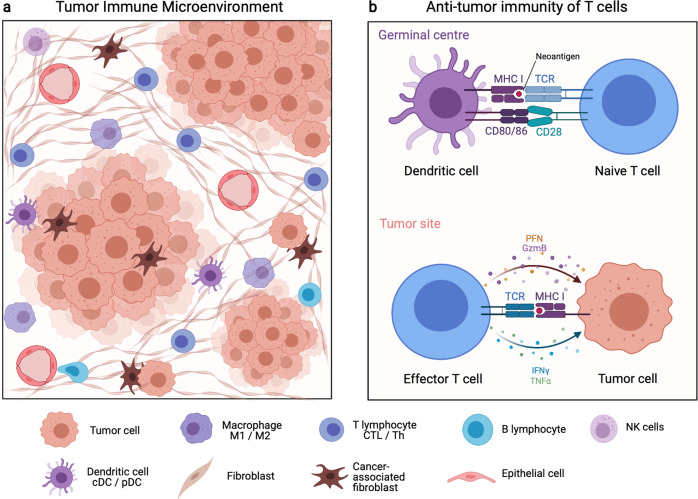
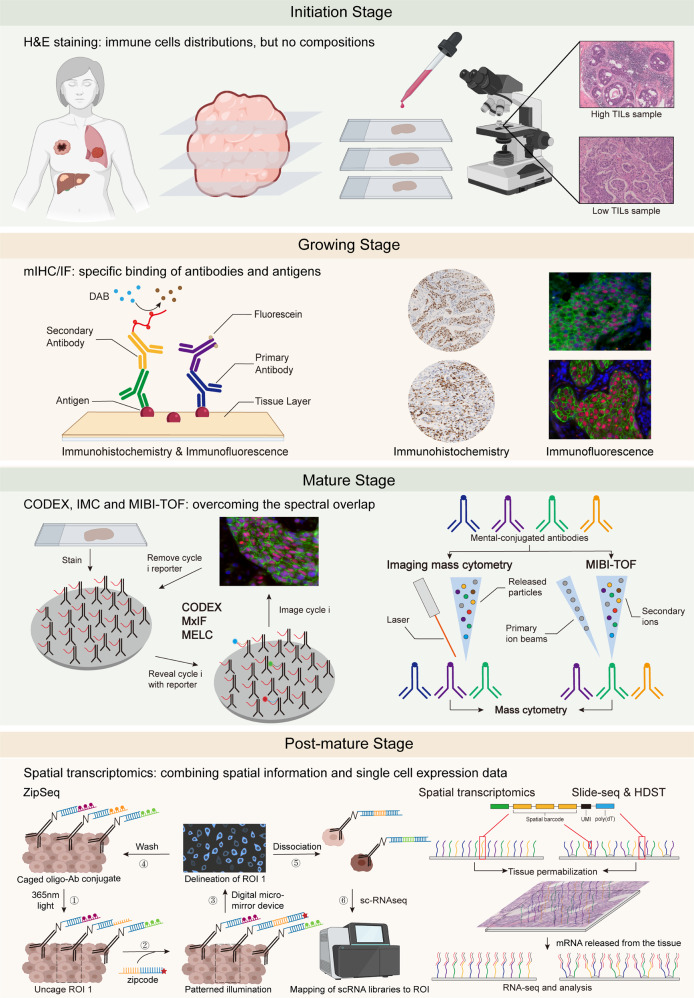
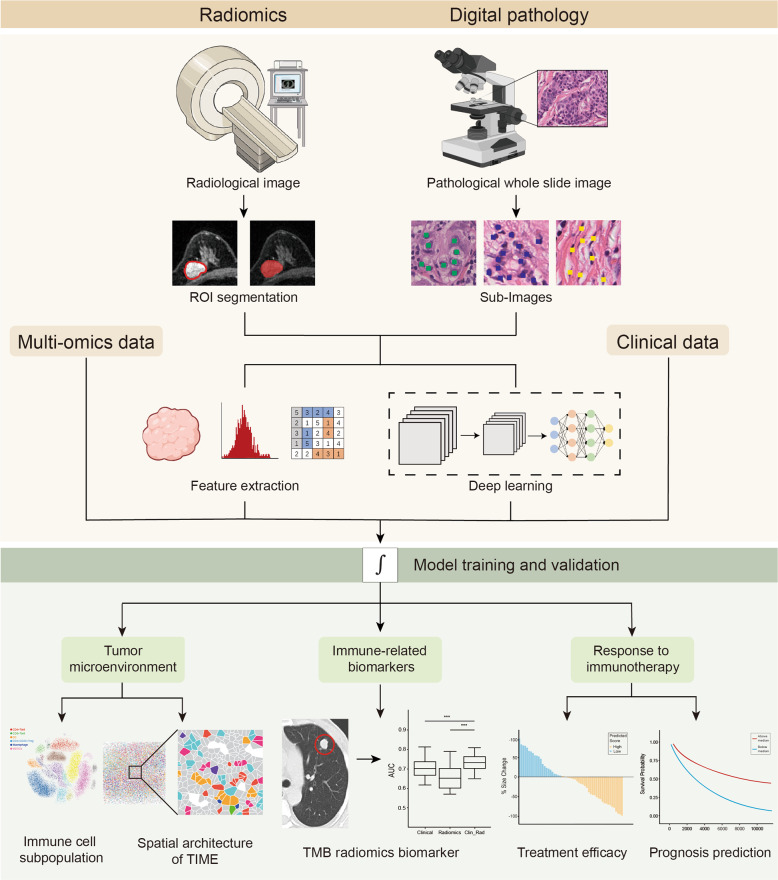
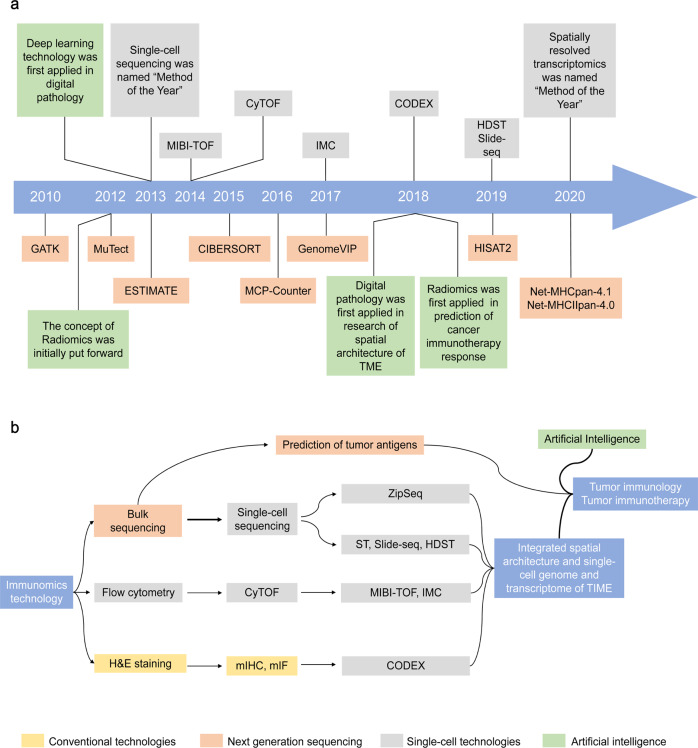
Verification
Claims the paper makes
The claims and statistics of this paper haven’t been checked yet.
Free: it reads the open-access text and checks the first 5 claims that cite a source we can check. Create a free account to check every claim.
Claims other papers make about this one
Each is checked against this paper’s own text: does it say what the citing paper says it does?
The cited source says what the claim attributes to it.
In the citing paper
“Single‐cell‐based technologies have enabled a better dissection of the TME through precise monitoring of cell sub‐populations and spatial architecture, thus revealing the heterogeneous and complex nature of the TME [10, 12].”
From Tumor microenvironment signaling and therapeutics in cancer progression (2023) · cites this paper as [12]
Self-check
Percentages, sums and reported differences re-computed from the paper’s own numbers.
The self-check needs the paper’s full text.
Citations
Cites
The Sequence Alignment/Map format and SAMtools
Li, H., Handsaker, B., Wysoker, A., Fennell, T., Ruan, J., Homer, N., Marth, G., Abecasis, G., Durbin, R., & 1000 Genome Project Data Processing Subgroup (2009) · Bioinformatics · doi:10.1093/bioinformatics/btp352 · Cited by 62,041 · cited 1×
“58,59 60 – 62 However, regarding false positivity or false negativity, none of these tools is satisfactory in all aspects.”
BackgroundPD-1 and PD-L1 Immune Checkpoint Blockade to Treat Breast Cancer
Hartkopf, A. D., Taran, F.-A., Wallwiener, M., Walter, C. B., Krämer, B., Grischke, E.-M., & Brucker, S. Y. (2016) · Breast Care · doi:10.1159/000453569 · Cited by 30,845
The Genome Analysis Toolkit: A MapReduce framework for analyzing next-generation DNA sequencing data
McKenna, A., Hanna, M., Banks, E., Sivachenko, A., Cibulskis, K., Kernytsky, A., Garimella, K., Altshuler, D., Gabriel, S., Daly, M., et al. (2010) · Genome Research · doi:10.1101/gr.107524.110 · Cited by 27,895 · cited 1×
“50,51 55 – 57 Regarding liquid tumor analysis, Strelka2 introduces a normal sample contamination model to improve the variant calling accuracy and functions fairly well in the computing cost.”
BackgroundA global reference for human genetic variation
The 1000 Genomes Project Consortium, authors, C., Auton, A., Abecasis, G. R., Steering committee, Altshuler, D. M., Durbin, R. M., Abecasis, G. R., Bentley, D. R., Chakravarti, A., et al. (2015) · Nature · doi:10.1038/nature15393 · Cited by 18,247
Comprehensive Integration of Single-Cell Data
Stuart, T., Butler, A., Hoffman, P., Hafemeister, C., Papalexi, E., Mauck, W. M., Hao, Y., Stoeckius, M., Smibert, P., & Satija, R. (2019) · Cell · doi:10.1016/j.cell.2019.05.031 · Cited by 15,453
Graph-based genome alignment and genotyping with HISAT2 and HISAT-genotype
Kim, D., Paggi, J. M., Park, C., Bennett, C., & Salzberg, S. L. (2019) · Nature Biotechnology · doi:10.1038/s41587-019-0201-4 · Cited by 15,022 · cited 1×
“84,85 However, considering the complexity of the HLA types, we still expect independent benchmarking studies and more tools to be presented.”
BackgroundThe blockade of immune checkpoints in cancer immunotherapy
Pardoll, D. M. (2012) · Nature Reviews Cancer · doi:10.1038/nrc3239 · Cited by 13,838
Robust enumeration of cell subsets from tissue expression profiles
Newman, A. M., Liu, C. L., Green, M. R., Gentles, A. J., Feng, W., Xu, Y., Hoang, C. D., Diehn, M., & Alizadeh, A. A. (2015) · Nature Methods · doi:10.1038/nmeth.3337 · Cited by 13,224 · cited 1×
“30 QuanTIseq is designed speci-fi cally for RNA-seq data, and the analysis pipeline comprises raw RNA-seq data preprocessing, gene expression quanti fi cation, and constrained least squares regression-based deconvolution.”
MethodSelf-citationSafety, activity, and immune correlates of anti–PD-1 antibody in cancer
Topalian, S. L., Hodi, F. S., Brahmer, J. R., Gettinger, S. N., Smith, D. C., McDermott, D. F., Powderly, J. D., Carvajal, R. D., Sosman, J. A., Atkins, M. B., et al. (2012) · New England Journal of Medicine · doi:10.1056/nejmoa1200690 · Cited by 12,628 · cited 1×
“As a target of ICB, the PD-L1 expression level detected by IHC was the fi rst discovered prediction biomarker, 217 but several clinical trials have revealed moderate ef fi cacy of ICB in patients with high PD-L1 expression.”
BackgroundInferring tumour purity and stromal and immune cell admixture from expression data
Yoshihara, K., Shahmoradgoli, M., Martínez, E., Vegesna, R., Kim, H., Torres-Garcia, W., Treviño, V., Shen, H., Laird, P. W., Levine, D. A., et al. (2013) · Nature Communications · doi:10.1038/ncomms3612 · Cited by 9,778 · cited 1×
“27 The ESTIMATE score can differentiate the tumor and stomal components but cannot distinguish speci fi c immune cell types. xCell is another ssGSEA-based method that obtains gene sets to characterize distinct cell types from multiple RNA-seq and microarray-based data sources, increasing the…”
Method
Cited by
Tumor microenvironment signaling and therapeutics in cancer progression
Goenka, A., Khan, F., Verma, B., Sinha, P., Dmello, C. C., Jogalekar, M. P., Gangadaran, P., & Ahn, B. (2023) · Cancer Communications · doi:10.1002/cac2.12416 · Cited by 323
“Single-cell-based technologies have enabled a better dissection of the TME through precise monitoring of cell sub-populations and spatial architecture, thus revealing the heterogeneous and complex nature of the TME [10, 12].”
BackgroundArtificial Intelligence in Dermatology Image Analysis: Current Developments and Future Trends
Li, Z., Koban, K. C., Schenck, T. L., Giunta, R. E., Li, Q., & Sun, Y. (2022) · Journal of Clinical Medicine · doi:10.3390/jcm11226826 · Cited by 248
Ferroptosis in Non-Small Cell Lung Cancer: Progression and Therapeutic Potential on It
Zou, J., Wang, L., Tang, H., Liu, X., Peng, F., & Peng, C. Y. (2021) · International Journal of Molecular Sciences · doi:10.3390/ijms222413335 · Cited by 151
“Bioinformatics is a novel analysis technology widely used for the prediction of outcomes in cancer immunotherapy [70].”
CRISPR/Cas9 and next generation sequencing in the personalized treatment of Cancer
Selvakumar, S. C., Preethi, K. A., Ross, K., Tusubira, D., Khan, M. W. A., Mani, P., Rao, T. N., & Sekar, D. (2022) · Molecular Cancer · doi:10.1186/s12943-022-01565-1 · Cited by 140
“As a result, NGS technology has become the foundation for developing targeted immunotherapy for cancer, as well as the development of individualized treatment plans for cancer patients [42].”
Zhang, Y., Xu, M., Ren, Y., Ba, Y., Liu, S., Zuo, A., Xu, H., Weng, S., Han, X., & Liu, Z. (2024) · Molecular Cancer · doi:10.1186/s12943-024-01980-6 · Cited by 133
“Imaging histology, as a non-invasive imaging method, has shown great potential in the diagnosis and treatment of tumours by combining learning models with digital pathology [125].”
MethodArtificial intelligence and radiomics: fundamentals, applications, and challenges in immunotherapy
Dercle, L., McGale, J., Sun, S. H., Marabelle, A., Yeh, R., Deutsch, É., Mokrane, F., Farwell, M. D., Ammari, S., Schöder, H. M., et al. (2022) · Journal for ImmunoTherapy of Cancer · doi:10.1136/jitc-2022-005292 · Cited by 109
“48 More clear descriptions of individual score components might help the next iteration reduce the role of subjective evaluation in the RQS.”
BackgroundNanoprobe-based molecular imaging for tumor stratification
Ma, X., Mao, M., He, J., Liang, C., & Xie, H. (2023) · Chemical Society Reviews · doi:10.1039/d3cs00063j · Cited by 99
Personalized cancer vaccine design using AI-powered technologies
Kumar, A., Dixit, S., Srinivasan, K., Dinakaran, M., & Vincent, P. M. D. R. (2024) · Frontiers in Immunology · doi:10.3389/fimmu.2024.1357217 · Cited by 113
Deep learning–driven multi-omics analysis: enhancing cancer diagnostics and therapeutics
Zhang, J., Che, Y., Liu, R., Wang, Z., & Liu, W. (2025) · Briefings in Bioinformatics · doi:10.1093/bib/bbaf440 · Cited by 112
“Among various cancer treatments, immunotherapy has become one of the widespread and effective methods, thus predicting the response to immunotherapy is a crucial part of forecasting drug reactions [141, 227, 228].”
Pei, Z., Deng, K., Xu, C., & Zhang, S. (2023) · Reproductive Biology and Endocrinology · doi:10.1186/s12958-023-01143-0 · Cited by 90
“A more detailed understanding of key events in oogenesis can be achieved by utilizing advanced imaging techniques and high-throughput analyses, such as single-cell-based sequencing and omics technologies with three-dimensional or even time-dependent four-dimensional techniques [104].”
BackgroundOmics-Based Investigations of Breast Cancer
Neagu, A.-N., Whitham, D., Bruno, P. S., Morrissiey, H., Darie, C. A., & Darie, C. C. (2023) · Molecules · doi:10.3390/molecules28124768 · Cited by 87
Patterns of toxicity burden for FDA-approved immune checkpoint inhibitors in the United States
Yang, F., Shay, C., Abousaud, M. I., Tang, C., Li, Y., Qin, Z. S., Saba, N. F., & Teng, Y. (2023) · Journal of Experimental & Clinical Cancer Research · doi:10.1186/s13046-022-02568-y · Cited by 78
Malignant Melanoma: An Overview, New Perspectives, and Vitamin D Signaling
Slominski, R. M., Kim, T., Janjetović, Z., Brożyna, A. A., Podgórska, E., Dixon, K. M., Mason, R. S., Tuckey, R. C., Sharma, R., Crossman, D. K., et al. (2024) · Cancers · doi:10.3390/cancers16122262 · Cited by 86
The complexity of immune evasion mechanisms throughout the metastatic cascade
Haynes, N. M., Chadwick, T. B., & Parker, B. S. (2024) · Nature Immunology · doi:10.1038/s41590-024-01960-4 · Cited by 94
The clinical application of artificial intelligence in cancer precision treatment
Wang, J., Zeng, Z., Li, Z., Liu, G., Zhang, S., Luo, C., Hu, S., Wan, S., & Zhao, L.-Y. (2025) · Journal of Translational Medicine · doi:10.1186/s12967-025-06139-5 · Cited by 105
Advancing nanotechnology for neoantigen-based cancer theranostics
Zou, J., Zhang, Y. X., Pan, Y., Mao, Z., & Chen, X. S. (2024) · Chemical Society Reviews · doi:10.1039/d3cs00162h · Cited by 63
Recent advances and application of whole genome amplification in molecular diagnosis and medicine
Wang, X., Liu, Y., Liu, H., Pan, W., Ren, J., Zheng, X., Tan, Y., Chen, Z., Deng, Y., He, N., et al. (2022) · MedComm · doi:10.1002/mco2.116 · Cited by 62
Bhattacharya, S., Mahato, R. K., Singh, S., Bhatti, G. K., Mastana, S. S., & Bhatti, J. S. (2023) · Life Sciences · doi:10.1016/j.lfs.2023.122110 · Cited by 69
Mapping Breast Cancer Microenvironment Through Single-Cell Omics
Tan, Z., Chen, K., Sun, M., Yang, F., Wong, M., Wang, S., & Zheng, H. (2022) · Frontiers in Immunology · doi:10.3389/fimmu.2022.868813 · Cited by 63
Olawade, D. B., David-Olawade, A. C., Adereni, T., Egbon, E., Teke, J., & Boussios, S. (2025) · Diseases · doi:10.3390/diseases13010024 · Cited by 69
Chang, L., Liu, J., Zhu, J., Guo, S., Wang, Y., Zhou, Z., & Wei, X. (2025) · Cancer Biology and Medicine · doi:10.20892/j.issn.2095-3941.2024.0376 · Cited by 101
“However, the instability of RNA molecules affects the accuracy of the results, whereas DNA methylation’s stability and high specificity make it a potential alternative for TIME analysis 52 .”
Chen, J., Huang, S., & Ajaz, T. (2022) · Resources Policy · doi:10.1016/j.resourpol.2022.103016 · Cited by 50
Biomarkers and computational models for predicting efficacy to tumor ICI immunotherapy
Qin, Y., Huo, M., Liu, X., & Li, S. C. (2024) · Frontiers in Immunology · doi:10.3389/fimmu.2024.1368749 · Cited by 62
“Traditional experimental techniques, such as fl ow cytometry and IHC, may have limited utility due to low tissue availability or high costs (87).”
MethodYu, Y., Ouyang, W., Huang, Y., Huang, H., Wang, Z., Jia, X., Huang, Z., Lin, R., Zhu, Y., yalikun, Y., et al. (2024) · International Journal of Surgery · doi:10.1097/js9.0000000000001875 · Cited by 62
Leveraging transcriptomics for precision diagnosis: Lessons learned from cancer and sepsis
Tsakiroglou, M., Evans, A. G., & Pirmohamed, M. (2023) · Frontiers in Genetics · doi:10.3389/fgene.2023.1100352 · Cited by 55
“By contrast, gene expression profiling coupled with computational algorithms can characterise cell composition of complex tissues (Finotello and Trajanoski, 2018; Xu et al., 2021).”
BackgroundApplication of single-cell sequencing to the research of tumor microenvironment
Chen, S., Zhou, Z., Li, Y., Du, Y., & Chen, G. (2023) · Frontiers in Immunology · doi:10.3389/fimmu.2023.1285540 · Cited by 52
Artificial intelligence for breast cancer: Implications for diagnosis and management
AlSamhori, J. F., AlSamhori, A. R. F., Duncan, L. A., Qalajo, A., Alshahwan, H. F., Al-abbadi, M., Soudi, M. A., Zakraoui, R., AlSamhori, A. F., AlRyalat, S. A., et al. (2024) · Journal of Medicine Surgery and Public Health · doi:10.1016/j.glmedi.2024.100120 · Cited by 63
Guo, Y., Li, T., Gong, B., Hu, Y., Wang, S., Yang, L., & Zheng, C. (2024) · Advanced Science · doi:10.1002/advs.202408069 · Cited by 62
Zhang, Z., & Wei, X. (2023) · Seminars in Cancer Biology · doi:10.1016/j.semcancer.2023.02.005 · Cited by 43
Leveraging physiology and artificial intelligence to deliver advancements in health care
Zhang, A., Wu, Z., Wu, E., Wu, M. A., Snyder, M. P., Zou, J., & Wu, J. C. (2023) · Physiological Reviews · doi:10.1152/physrev.00033.2022 · Cited by 51
Immunotherapy and Cancer: The Multi-Omics Perspective
Donisi, C., Pretta, A., Pusceddu, V., Ziranu, P., Lai, E., Puzzoni, M., Mariani, S., Massa, E., Madeddu, C., & Scartozzi, M. (2024) · International Journal of Molecular Sciences · doi:10.3390/ijms25063563 · Cited by 46
“To note, the TMB’s accuracy has few limitations because not all mutations lead to new antigens formation and are subdue due to factors like tumor type, exposure to external carcinogens, detection methods, and genetic mutations in the TME [1,6,7].”
BackgroundInfluentialKnowledge mapping of immunotherapy for breast cancer: A bibliometric analysis from 2013 to 2022
Qu, F., Wang, G., Wen, P., Liu, X., & Zeng, X. (2024) · Human Vaccines & Immunotherapeutics · doi:10.1080/21645515.2024.2335728 · Cited by 43
Detection and quantitative analysis of tumor-associated tertiary lymphoid structures
Yang, M., Che, Y., Li, K., Fang, Z., Li, S., Wang, M., Zhang, Y., Zhu, X., Luo, L., Wu, C. K., et al. (2023) · Journal of Zhejiang University SCIENCE B · doi:10.1631/jzus.b2200605 · Cited by 38
Cell-cell communication characteristics in breast cancer metastasis
Xu, J., Gao, F., Liu, W. L., & Guan, X. (2024) · Cell Communication and Signaling · doi:10.1186/s12964-023-01418-4 · Cited by 41
“…including immunohistochemistry (IHC), immunofluorescence (IF), and nascent cytometry by time-of-flight (CyTOF), have demonstrated limited capabilities in targeting specific cellular populations, thus impeding comprehensive analysis of the considerably heterogeneous tumor microenvironment (TME) [8].”
BackgroundRecent Advances in Electrochemical Biosensors for Monitoring Animal Cell Function and Viability
Koo, K., Kim, C., Ju, F. N., Kim, H., Kim, C., & Kim, T. P. (2022) · Biosensors · doi:10.3390/bios12121162 · Cited by 32
“Although certain investigations render living samples irretrievable, conventional techniques such as immuno taining, polymerase chain re ction (PCR), and flow cytometry analysis (FACS) are widely employe to define cells and tissues [103,104].”
BackgroundGu, M., He, T., Yuan, Y., Duan, S., Li, X., & Shen, C. (2021) · Frontiers in Oncology · doi:10.3389/fonc.2021.753386 · Cited by 38
Zhang, Y., Zhang, X., Huang, X., Tang, X., Zhang, M., Li, Z., Hu, X., Zhang, M., Wang, X., & Yan, Y. (2023) · Stem Cell Research & Therapy · doi:10.1186/s13287-023-03239-1 · Cited by 33
“Due to the emergence and popularization of single-cell sequencing, we can further research cell characteristics and subtypes at the single-cell level [22, 23].”
BackgroundPathophysiology and immunolgical basis of axial spondyloarthritis
van de Sande, M. G. H., & Elewaut, D. S. (2023) · Best Practice & Research Clinical Rheumatology · doi:10.1016/j.berh.2023.101897 · Cited by 38
Artificial Intelligence in Dermatology: A Review of Methods, Clinical Applications, and Perspectives
Zbrzezny, A. M., & Krzywicki, T. (2025) · Applied Sciences · doi:10.3390/app15147856 · Cited by 52
Development of Novel Anti-Leishmanials: The Case for Structure-Based Approaches
Soni, M., & Pratap, J. V. (2022) · Pathogens · doi:10.3390/pathogens11080950 · Cited by 30
Liu, T., Dong, D., Zhao, X., Ou, X., Yi, J., Guan, J., Zhang, Y., Lv, X., Xie, C., Luo, D., et al. (2023) · BMC Medicine · doi:10.1186/s12916-023-03164-3 · Cited by 29
“Currently some advanced technologies can dissect the biological activities at a single cell level and including spatial information [33, 34].”
BackgroundBottosso, M., Mosele, F., Michiels, S., Cournède, P.-H., Doğan, S., Labaki, C., & André, F. (2024) · ESMO Open · doi:10.1016/j.esmoop.2024.102247 · Cited by 26
“89 Wang et al. showed that multicellular spatial organization assessed by imaging mass cytometry is a determinant of resistance to immune checkpoint inhibitors in patients with localized TNBC. 90 Finally, the tumor microenvironment and its crosstalk between cancer cells may play a role in…”
BackgroundSpatial omics techniques and data analysis for cancer immunotherapy applications
Zhang, Y., Lee, R. Y., Tan, C. W., Guo, X., Yim, W. W., Lim, J., Wee, F. Y. T., Wu, Y., Kharbanda, M., Lee, J.-Y. J., et al. (2024) · Current Opinion in Biotechnology · doi:10.1016/j.copbio.2024.103111 · Cited by 25
Artificial Intelligence Can Predict Personalized Immunotherapy Outcomes in Cancer
Huang, L., Wu, X., You, J., Jin, Z., He, W., Sun, J., Shen, H., Liu, X., Yue, X., Cai, W., et al. (2025) · Cancer Immunology Research · doi:10.1158/2326-6066.cir-24-1270 · Cited by 28
Recent Findings on Therapeutic Cancer Vaccines: An Updated Review
Sheikhlary, S., Lopez, D. H., Moghimi, S., & Sun, B. (2024) · Biomolecules · doi:10.3390/biom14040503 · Cited by 26
Rony, M. K. K., Akter, K., Debnath, M., Rahman, M. M., Johra, F. T., Akter, F., Das, D. C., Mondal, S., Das, M., Uddin, M. J., et al. (2024) · Journal of Medicine Surgery and Public Health · doi:10.1016/j.glmedi.2024.100113 · Cited by 34
Zhang, Q., Wang, X., Liu, Y., Xu, H., & Ye, C. (2024) · Frontiers in Oncology · doi:10.3389/fonc.2024.1380821 · Cited by 30
DNA vaccines as promising immuno-therapeutics against cancer: a new insight
Shariati, A., Khezrpour, A., Shariati, F. S., Afkhami, H., Yarahmadi, A., Alavimanesh, S., Kamrani, S., Modarressi, M. H., & Khani, P. (2025) · Frontiers in Immunology · doi:10.3389/fimmu.2024.1498431 · Cited by 26
Wen, X., Wang, Y., Su, C., You, Y., Jiang, Z., Zhu, D., & Fan, Q. (2025) · QJM · doi:10.1093/qjmed/hcaf103 · Cited by 19
Artificial intelligence for radiopharmaceutical and molecular imaging
Tao, J., Liang, L., Hao, S., Chen, Y., Yang, Z., Cai, Y., & Zhu, H. (2025) · Acta Pharmaceutica Sinica B · doi:10.1016/j.apsb.2025.09.039 · Cited by 25
“Molecular imaging generates extensive digital data, and the quantitative and qualitative features extracted from regions of interest (ROIs, often tumor sites) can characterize tumor biology and correlate with clinical outcomes 65 .”
Cai, Z., Li, Z., Zhong, N., Cao, L., Xiao, Y., Li, J., Huo, F., Liu, B., Xu, C., Zhao, Y. F., et al. (2024) · Journal of Nanobiotechnology · doi:10.1186/s12951-024-02408-5 · Cited by 22
“Multi-omics analyses, such as genomics, metabolomics, and transcriptomics, are important means to identify therapeutic targets and molecular biomarkers currently and in the future, and to realize the personalization of cancer treatment [261–263].”
BackgroundTang, N., Li, J., Gu, A., Li, M., & Liu, Y. (2025) · Molecular Biomedicine · doi:10.1186/s43556-025-00330-2 · Cited by 21
“These approaches improve the thorough and systematic characterization of cellular states and fates and have been extensively applied in diagnosing and treating a range of diseases, including cancer [49, 50].”
Zeng, Z., Zhang, J., Li, J., Li, Y., Huang, Z., Han, L., Xie, C., & Gong, Y. Q. (2022) · Frontiers in Genetics · doi:10.3389/fgene.2022.935601 · Cited by 17
Artificial Intelligence in the Era of Precision Oncological Imaging
Cellina, M. I., Cè, M., Khenkina, N., Sinichich, P., Cervelli, M., Poggi, V., Boemi, S., Ierardi, A. M., & Carrafiello, G. (2022) · Technology in Cancer Research & Treatment · doi:10.1177/15330338221141793 · Cited by 23
Tsunedomi, R., Shindo, Y., Nakajima, M., Yoshimura, K., & Nagano, H. (2023) · Expert Review of Molecular Diagnostics · doi:10.1080/14737159.2023.2281482 · Cited by 15
“AI techniques are essential to gain a detailed overview of the TIME and identify biomarkers [223,224].”
MethodZhang, Z., Huang, D., Feng, J., Li, W., Wang, Z., Lu, M., Luo, Y., Yang, W., Xu, Z., Xie, Q., et al. (2024) · Interdisciplinary medicine · doi:10.1002/inmd.20230062 · Cited by 20
The protective effects of gastrodin on neurological disorders: an update and future perspectives
Shi, Z., Zhang, Y., Xiao, Y., Shi, Z., Wei, X., Wang, B., Yuan, Y. H., & Li, P. (2024) · Frontiers in Pharmacology · doi:10.3389/fphar.2024.1494277 · Cited by 21
Zhou, H., Zheng, Z., Fan, C., & Zhou, Z. (2025) · Seminars in Cancer Biology · doi:10.1016/j.semcancer.2025.01.001 · Cited by 22
AI-Driven Biomarker Discovery and Personalized Allergy Treatment: Utilizing Machine Learning and NGS
Fazlali, M., Nasira, M., & Moravej, A. (2025) · Current Allergy and Asthma Reports · doi:10.1007/s11882-025-01207-8 · Cited by 13
“This precision is further enhanced when AI algorithms analyze NGS data, which captures detailed information about a patient's genetic predisposition to allergic reactions and helps predict their treatment outcomes [11].”
Luo, Q., Liu, P., Yu, P., & Qin, T. (2023) · Stem Cell Reviews and Reports · doi:10.1007/s12015-023-10508-2 · Cited by 13
Huang, J.-M., Zhuang, L.-P., Wang, H., Zhong, L.-Y., Xue, S.-J., Tian, F., & Lin, H.-Y. (2022) · Saudi Journal of Gastroenterology · doi:10.4103/sjg.sjg_253_22 · Cited by 15
Xu, Z., Wang, Y., Xie, T., Luo, R., Ni, H., Hang, X., Tang, S., Tan, S., Fang, R., Ran, P., et al. (2025) · Journal of Hematology & Oncology · doi:10.1186/s13045-025-01710-5 · Cited by 19
“However, patients with an immune"desert"in their microenvironment benefit little from immunotherapy [11].”
Xu, X., Luo, S., Zhao, X., Tang, B., Zhang, E., Liu, J., & Duan, L. (2024) · International Journal of Biological Macromolecules · doi:10.1016/j.ijbiomac.2024.130921 · Cited by 11
A roadmap for fusing smart zinc energy with advanced technologies
Huyan, Y., Ren, L., Liu, H., Peng, J., Jiang, M., & Wang, J. (2024) · Nano Energy · doi:10.1016/j.nanoen.2024.109804 · Cited by 10
Retracted: DNA Sequencing using Artificial Intelligence
Goswami, S., & Sharma, S. (2022) · International Conference on Edge Computing and Applications (ICECAA) · doi:10.1109/icecaa55415.2022.9936101 · Cited by 10
“The superior performance of the ordinal coding strategy demonstrates that the single-point coding technique has room for improvement [9].”
BackgroundRetractedLiu, X., Wang, C., Huang, Y., Lv, Q., Chang, Y., Ying, J., Duan, L., Guo, Y., Huang, G., Shen, W., et al. (2024) · Advanced Science · doi:10.1002/advs.202406653 · Cited by 17
Ou, Q., Lu, K., Cai, G., Lai, Z., Lin, R., Huang, H., Zeng, D., Wang, Z., Luo, B., Ouyang, W., et al. (2024) · MedComm – Future Medicine · doi:10.1002/mef2.89 · Cited by 8
Feng, C., Xu, Y., Liu, Y., Zhu, L., Wang, L., Cui, X., Lu, J., Zhang, Y., Zhou, L., Chen, M., et al. (2021) · Frontiers in Molecular Biosciences · doi:10.3389/fmolb.2021.619027 · Cited by 8
“As a potential treatment option, tumor immunotherapy has made great progress in recent years (Xu et al., 2021).”
BackgroundCancer immunotherapy efficacy and machine learning
Fang, Y., Chen, X., & Cao, C. (2024) · Expert Review of Anticancer Therapy · doi:10.1080/14737140.2024.2311684 · Cited by 7
“With the development of tumor immunity, the immune context of the TME, has been shown to play a decisive role in carcinogenesis, tumor progression, metastasis, recurrence and potential therapeutic targets [56].”
BackgroundLi, R., Bing, X., Su, X., Zhang, C., Sun, H., Dai, Z., & Ouyang, A. (2024) · Clinical & Translational Oncology · doi:10.1007/s12094-024-03637-8 · Cited by 5
“Radiomics not only provides structural information about the tumor but also detects information on different cell types, vascular distribution, metabolic activity, and more [11], thus mapping the composition and behavior of the TME.”
Zhang, T., Sun, Z., Li, Z., Ahmad, M. U., Islam, M. T., Yang, F., Yang, X., Wu, L., Xie, J., Feng, W., et al. (2025) · Journal of Translational Medicine · doi:10.1186/s12967-025-06181-3 · Cited by 5
Association between disease‐modifying antirheumatic drugs and bone turnover biomarkers
Azadeh, H. (2022) · International Journal of Rheumatic Diseases · doi:10.1111/1756-185x.14550 · Cited by 6
Computational Quantification of Cancer Immunoediting
Liu, K., He, S., Sun, S., Zhang, X., He, Y., Quan, F., Pang, B., & Xiao, Y. (2023) · Cancer Immunology Research · doi:10.1158/2326-6066.cir-22-0926 · Cited by 7
Şahin, A. A., Chen, H., Xiao, H., Damodaran, S., & Meric‐Bernstam, F. (2025) · Human Pathology · doi:10.1016/j.humpath.2025.105881 · Cited by 6
Cheng, Y., Xu, W., Bai, X., Zhou, J., Cheng, Y., Chen, L., Cao, X., & Wang, D. (2026) · Sensors and Actuators B Chemical · doi:10.1016/j.snb.2026.139479 · Cited by 5
Advances in delivery technologies-powered cancer vaccines
Huang, C., Wang, H., Luo, S., Yu, C., Zhang, L., & Zhu, D. (2026) · Bioactive Materials · doi:10.1016/j.bioactmat.2026.02.014 · Cited by 10
“Next-generation sequencing and other omics technologies enable comprehensive genomic profiling and immunophenotyping to reveal the unique immune and molecular signatures of the heterogeneous TME, which can drive personalized nanovaccine development [226].”
Immunologic specificity in glioblastoma: Antigen discovery and translational implications
Hill, C. M., Wang, A. Z., Hsueh, B., Ramirez, R., Sherpa, N. D., Costa, M. A., Williams, O., Mao, L., & Dunn, G. P. (2025) · Neuro-Oncology Advances · doi:10.1093/noajnl/vdaf028 · Cited by 10
“However, the recent advent of artificial intelligence in cancer immunity research 132 has yielded tools 133 that may expedite this process.”
Qin, Y., Yang, Y., Ren, Y.-H., Gao, F., Wang, M., Li, G., Liu, Y., & Fan, L. (2023) · Medicine · doi:10.1097/md.0000000000035829 · Cited by 7
“[17] Mitogen-activated protein kinases (MAPKs) are essential for regulating a variety of cellular processes by transmitting extra-cellular signals to intracellular responses.”
BackgroundWang, R., Liu, J., Jiang, B., Gao, B., Luo, H., Yang, F., Ye, Y., Chen, Z., Liu, H. S., Cui, C., et al. (2024) · Frontiers in Immunology · doi:10.3389/fimmu.2024.1454833 · Cited by 6
Kumar, M. (2025) · doi:10.14293/pr2199.000553.v4 · Cited by 4
From neglect to necessity: the role of innate immunity in cutaneous squamous cell carcinoma therapy
He, Y., Tian, T., Li, Y., Zeng, Y., Wang, X., Qian, L., Tian, T., Jiang, M., & Li, L. (2025) · Frontiers in Immunology · doi:10.3389/fimmu.2025.1570032 · Cited by 4
CyTOF profiling of bone marrow immune dynamics across myeloma stages
Cholujová, D., Beke, G., Klucar, L., Drgoňa, Ľ., Valuskova, Z., Leiba, M., Kastritis, E., Dorfman, D. M., Anderson, K. C., & Jakubíková, J. (2025) · OncoImmunology · doi:10.1080/2162402x.2025.2542333 · Cited by 6
Artificial Intelligence in medicine: Potential applications and barriers to deployment
Sonawane, U., & Komorowski, M. (2023) · AI critique · doi:10.1515/9783839467664-009 · Cited by 5
Cancer Immunotherapies Ignited by a Thorough Machine Learning‐Based Selection of Neoantigens
Jurczak, S., & Druchok, M. (2024) · Advanced Biology · doi:10.1002/adbi.202400114 · Cited by 2
Zhang, H., Huang, Q., Shang, B., Su, G., & Tu, H. K. (2026) · Journal for ImmunoTherapy of Cancer · doi:10.1136/jitc-2025-014429 · Cited by 2
Investigating the Impact of Peptide-Based Vaccines on Various Types of Cancer: A Systematic Review
Esmaeili, A. (2025) · Cancer Investigation · doi:10.1080/07357907.2025.2568964 · Cited by 2
“The traditional methods of identifying TAAs rely heavily on experimental screening and bio-informatics analyses, which can be time-consuming and limited by the availability of genomic and proteomic data (62).”
Cancer diagnosis and analysis devices based on multimolecular crowding
Onoshima, D., & Baba, Y. (2021) · Chemical Communications · doi:10.1039/d1cc05556a · Cited by 2
Single Cell Multiomic Approaches to Disentangle T Cell Heterogeneity
Abondio, P., Intinis, C. D., Júnior, J. L. D. S. G. V., & Pace, L. (2022) · Immunology Letters · doi:10.1016/j.imlet.2022.04.008 · Cited by 2
Lu, X., Gou, Z., Yu, L., & Bu, H. (2021) · SSRN Electronic Journal · doi:10.2139/ssrn.3975590 · Cited by 2
An AI-enabled single-cell approach to analyze the cancer immune microenvironment
Shrungare, S. S., Dube, P., Aher, A., & Thitame, S. N. (2025) · International Journal of Biology Sciences · doi:10.33545/26649926.2025.v7.i6d.383 · Cited by 1
Artificial Intelligence and Cancer Immunotherapy
Shah, A., Bhat, A. A., Bhat, M. R., Assad, A., & Macha, M. A. (2025) · Springer eBooks · doi:10.1007/978-981-96-8176-1_16 · Cited by 1
Krishnan, A., & Mukherjee, D. (2025) · World Journal of Gastrointestinal Oncology · doi:10.4251/wjgo.v17.i9.106801 · Cited by 1
“Future research should integrate translational elements, including immunohistochemistry and flow cytometry, to better understand the mechanisms behind the observed clinical outcomes[14,15].”
Fooladi, A. A. I., Cho, W. C. S., Reiter, R. J., Alimohammadi, M., Farahani, N., & Hushmandi, K. (2025) · Pathology - Research and Practice · doi:10.1016/j.prp.2025.156283 · Cited by 1
Li, J., Di, Y., Kang, X., Song, Z., & Sun, Z. (2025) · Journal of Hepatocellular Carcinoma · doi:10.2147/jhc.s557035 · Cited by 3
“37 Single-cell sequencing technology solves this problem by revealing the gene expression status of individual cells, reflecting the heterogeneity between cells, and providing an in-depth understanding of expression regulatory mechanisms during cell growth.”
Leveraging AI for cell biology discovery
Simizo, A., de Morais, M., Vesco, M. F. [., & Nakaya, H. I. (2026) · Biochemical Society Transactions · doi:10.1042/bst20253023 · Cited by 1
“These tools have proven particularly valuable in understanding tumor heterogeneity and predicting treatment responses across different cancer types [81].”
Li, H., Yang, M., Zhu, H., Wen, Z., He, Y., Li, R., Liu, L., Xing, J., & Yi, J. (2026) · International Immunopharmacology · doi:10.1016/j.intimp.2026.116393 · Cited by 1
AI-driven computational methods and benchmarking for T-cell antigen identification
Deng, Y., Que, J., Xue, G., Cai, Y., Yang, W., Wang, Y., Yi, H., Wang, Z., Lin, Y., Zhou, W., et al. (2026) · Briefings in Bioinformatics · doi:10.1093/bib/bbag123 · Cited by 4
Deep learning in tumour genomics: from multi-omics integration to precision oncology
Zhou, Z., Li, Z., Wang, S., Ang, M. Y., Xiao, J., & Choo, S. W. (2026) · Open Biology · doi:10.1098/rsob.260117 · Cited by 1
Shi, Q., Xuan, M., Lv, C., Zhang, Z., Geng, X., Huang, D., & Hu, X. (2026) · Frontiers in Immunology · doi:10.3389/fimmu.2026.1776472 · Cited by 4
Beyond Quantity: Research with Subsymbolic AI
Sudmann, A., Echterhölter, A., Ramsauer, M., Retkowski, F., Schröter, J., & Waibel, A. (2023) · AI critique · doi:10.1515/9783839467664 · Cited by 14
Metadata
- Authors
- Xu, Y., Su, G.-H., Ma, D., Xiao, Y., Shao, Z.-M., & Jiang, Y.-Z.
- Affiliations
- Shanghai Medical College of Fudan University (CN)
- Corresponding author
- Xiao, Yi
- Shao, Zhi-Ming
- Jiang, Yi-Zhou
- Venue
- Signal Transduction and Targeted Therapy
- Published
- 2021-08-20
- Volume
- 6
- Issue
- 1
- Pages
- 312-312
- ISSN
- 2059-3635 (ISSN-L)
- PMC
- PMC8377461
- OpenAlex
- W3194492341
- Cited by
- 163
- References
- 303
- Citations by year
- 2026: 18 · 2025: 36 · 2024: 38 · 2023: 50 · 2022: 16 · 2021: 5
- FWCI
- 3.57
- Type
- journal article
- Language
- en
- Open access
- gold
- doi.org
- Licence
- cc-by
- creativecommons.org/licenses/by/4.0 (tdm)
- creativecommons.org/licenses/by/4.0 (vor)
- Locations
- Signal Transduction and Targeted Therapy (publishedVersion, cc-by)
- PubMed Central (publishedVersion, cc-by)
- PubMed (publishedVersion)
- DOAJ (DOAJ: Directory of Open Access Journals) (submittedVersion, cc-by-sa)
- Funders
- National Natural Science Foundation of China (81874113, 82002792, 81922048, 81874112)
- Fok Ying Tong Education Foundation (171034)
- Topics
- Health Sciences › Medicine › Oncology › Cancer Immunotherapy and Biomarkers
- Life Sciences › Biochemistry, Genetics and Molecular Biology › Molecular Biology › Single-cell and spatial transcriptomics
- Life Sciences › Immunology and Microbiology › Immunology › Immunotherapy and Immune Responses
- Keywords
- cancer immunotherapy, tumor immune microenvironment, immunogenomics, immunoproteomics, single-cell analysis, artificial intelligence, radiomics, digital pathology, deep learning, immune checkpoint blockade, immunotherapy response prediction, tumor heterogeneity, immune cell subpopulations
- MeSH terms
- Antigens, Neoplasm, Artificial Intelligence, Humans, Immunity, Innate, Immunogenetics, Immunotherapy, Neoplasms, Biomarkers, Tumor, Genome, Human, Cell Lineage, Proteome, Single-Cell Analysis, Tumor Microenvironment, Transcriptome
About these checks
Registry, retraction, Cites and statistics results are computed, not judged, with one exception: a printed reference that no index lists is read once by a model before it counts as a citation error. Claims are extracted by a model and kept only when their quote appears verbatim in the text; each cited source is then checked, with a model’s help, for whether it says what the claim relies on. Those verdicts can be wrong — read the claim’s quote and the cited source before relying on one.
Statistics and arithmetic are recomputed, not judged.
Confidence bands are shown only for fields calibrated on our annotated test set. None is calibrated yet, so no band is shown.
What counts as a claim ›How we measure confidence ›How we check this ›
Are you an author, or do you see a problem with this page? Request a review
Data sources
Bibliographic data: Semantic Scholar, OpenAlex, Crossref.
Contains information from the Semantic Scholar Academic Graph Datasets, made available under the ODC Attribution License (ODC-BY 1.0).
Semantic Scholar’s data is described in: Kinney, R., et al. (2023). The Semantic Scholar Open Data Platform. arXiv:2301.10140.
