

Tumor cell plasticity in targeted therapy-induced resistance: mechanisms and new strategies
Open accessThe DOI matches its Crossref record; 374 of the 374 references it cites were found in a registry or an index.
Abstract
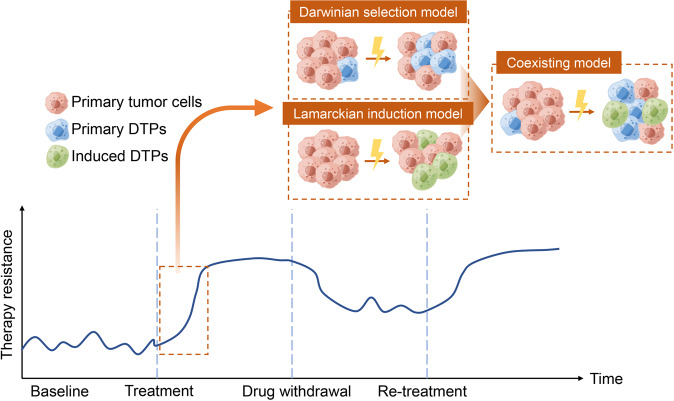
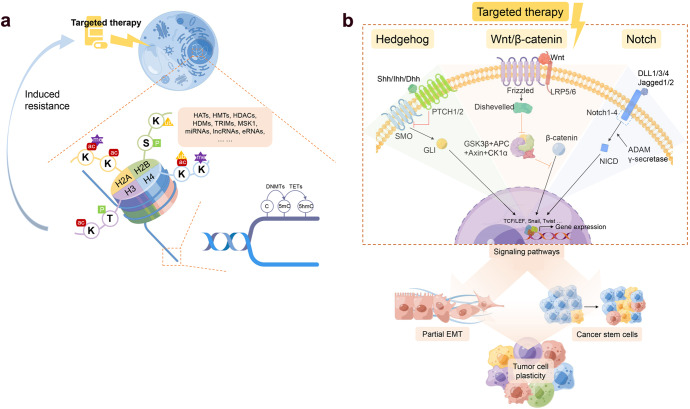
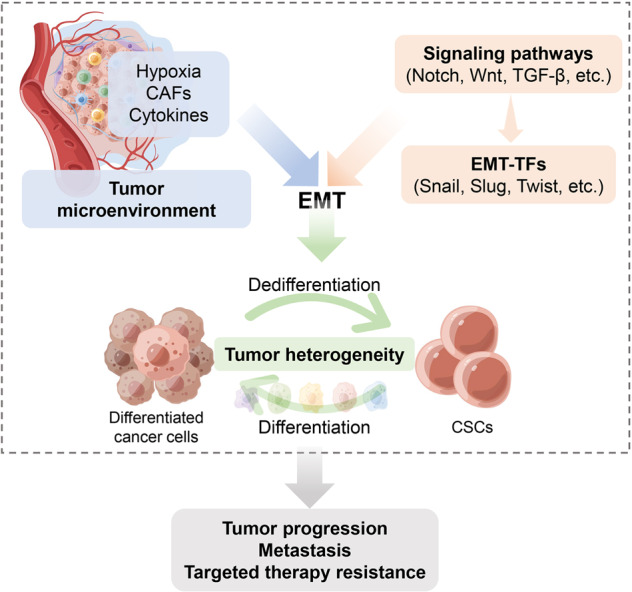
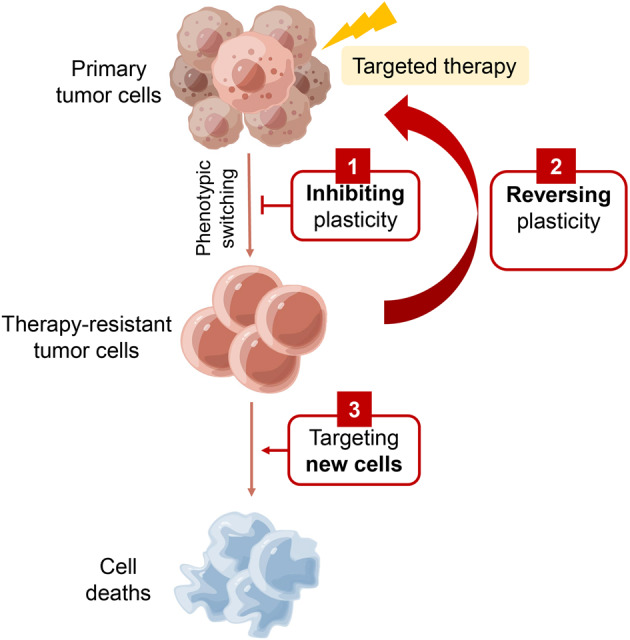
Despite the success of targeted therapies in cancer treatment, therapy-induced resistance remains a major obstacle to a complete cure. Tumor cells evade treatments and relapse via phenotypic switching driven by intrinsic or induced cell plasticity. Several reversible mechanisms have been proposed to circumvent tumor cell plasticity, including epigenetic modifications, regulation of transcription factors, activation or suppression of key signaling pathways, as well as modification of the tumor environment. Epithelial-to-mesenchymal transition, tumor cell and cancer stem cell formation also serve as roads towards tumor cell plasticity. Corresponding treatment strategies have recently been developed that either target plasticity-related mechanisms or employ combination treatments. In this review, we delineate the formation of tumor cell plasticity and its manipulation of tumor evasion from targeted therapy. We discuss the non-genetic mechanisms of targeted drug-induced tumor cell plasticity in various types of tumors and provide insights into the contribution of tumor cell plasticity to acquired drug resistance. New therapeutic strategies such as inhibition or reversal of tumor cell plasticity are also presented. We also discuss the multitude of clinical trials that are ongoing worldwide with the intention of improving clinical outcomes. These advances provide a direction for developing novel therapeutic strategies and combination therapy regimens that target tumor cell plasticity.
Overview
The claims and statistics of this paper haven’t been checked yet.
Free: it reads the open-access text and checks the first 5 claims that cite a source we can check. Create a free account to check every claim.
Integrity signals
Registry
Cites
Statistics
Figures
Verification
Claims the paper makes
The claims and statistics of this paper haven’t been checked yet.
Free: it reads the open-access text and checks the first 5 claims that cite a source we can check. Create a free account to check every claim.
Claims other papers make about this one
Each is checked against this paper’s own text: does it say what the citing paper says it does?
The check wasn’t confident either way, so it gives no verdict — never disputed.
In the citing paper
“Induction can be achieved with ketamine or AMPA-potentiating ampakines of the CX series, which rapidly boost Ca2+-permeable AMPAR drive, elevate BDNF, and engage mTOR-ERK pathways while sparing Hebbian learning capacity [341,342].”
From Synaptic Plasticity—Intrinsic Excitability and Antidepressant Discovery (2026) · cites this paper as [342]
Experimental — accuracy not yet measuredThe check wasn’t confident either way, so it gives no verdict — never disputed.
In the citing paper
“In chronic stress paradigms, (R)-ketamine co-administered with LY341495, a selective group II mGlu2/3 antagonist, yields rapid and long-lasting behavioral improvement through BDNF-TrkB and AMPAR mechanisms, with synaptogenesis that outlasts single-agent effects [342,345].”
From Synaptic Plasticity—Intrinsic Excitability and Antidepressant Discovery (2026) · cites this paper as [342]
Experimental — accuracy not yet measured
Self-check
Percentages, sums and reported differences re-computed from the paper’s own numbers.
The self-check needs the paper’s full text.
Citations
Cites
2 retracted
Zeng, D., Liang, Y., Xiao, Y., Wei, X., Lin, H., Wu, Y., Bai, J., Chen, M., & Zhang, G. (2020) · International Journal of Cancer · doi:10.1002/ijc.32911 · Cited by 71
RetractedmiRNA‑490‑3p promotes the metastatic progression of invasive ductal carcinoma
Lü, N., Zhang, M., Lu, L., Liu, Y., Zhang, H., & Liu, X. (2020) · Oncology Reports · doi:10.3892/or.2020.7880 · Cited by 10 · cited 1×
“Other newly identified EMT-related miRNAs include miR-27b3p,(206) which promotes the generation of circulating tumor cells, and miRNA-490-3p, which promotes the metastasis of invasive ductal carcinoma.(207) Nonetheless, recent studies have reported that some miRNAs, such as miRNA-128 MiRNA-155-5p,(208,209) are able to…”
BackgroundRetractedInduction of Pluripotent Stem Cells from Adult Human Fibroblasts by Defined Factors
Takahashi, K., Tanabe, K., Ohnuki, M., Narita, M., Ichisaka, T., Tomoda, K., & Yamanaka, S. (2007) · Cell · doi:10.1016/j.cell.2007.11.019 · Cited by 20,221
Shrestha, S., & Offer, S. M. (2016) · Medical Epigenetics · doi:10.1159/000444713 · Cited by 8,914
Overall Survival with Combined Nivolumab and Ipilimumab in Advanced Melanoma
Wolchok, J. D., Chiarion-Sileni, V., Gonzalez, R., Rutkowski, P., Grob, J.-J., Cowey, C. L., Lao, C. D., Wagstaff, J., Schadendorf, D., Ferrucci, P. F., et al. (2017) · New England Journal of Medicine · doi:10.1056/nejmoa1709684 · Cited by 5,357
Accessories to the Crime: Functions of Cells Recruited to the Tumor Microenvironment
Hanahan, D., & Coussens, L. M. (2012) · Cancer Cell · doi:10.1016/j.ccr.2012.02.022 · Cited by 4,632
Kalluri, R., & Zeisberg, M. (2006) · Nature Reviews Cancer · doi:10.1038/nrc1877 · Cited by 4,538
Atezolizumab and nab-paclitaxel in advanced triple-negative breast cancer
Schmid, P., Adams, S., Rugo, H. S., Schneeweiss, A., Barrios, C. H., Iwata, H., Diéras, V., Hegg, R., Im, S.-A., Shaw Wright, G., et al. (2018) · New England Journal of Medicine · doi:10.1056/nejmoa1809615 · Cited by 4,350
Twist, a Master Regulator of Morphogenesis, Plays an Essential Role in Tumor Metastasis
Yang, J., Mani, S. A., Donaher, J. L., Ramaswamy, S., Itzykson, R. A., Come, C., Savagner, P., Gitelman, I., Richardson, A., & Weinberg, R. A. (2004) · Cell · doi:10.1016/j.cell.2004.06.006 · Cited by 3,855
Tumour heterogeneity and resistance to cancer therapies
Dagogo-Jack, I., & Shaw, A. T. (2018) · Nature Reviews Clinical Oncology · doi:10.1038/nrclinonc.2017.166 · Cited by 3,846 · cited 1×
“Heterogeneity may lead to divergent sensitivity to treatment and facilitate the development of drug resistance.(210) The most recent tumor heterogeneity model is known as the CSC plasticity model.”
Background
Research works printed but not linked: 1
- Yingling JM Preclinical assessment of galunisertib (LY2157299 monohydrate), a first-in-class transforming growth factor-beta receptor type I inhibitor Oncotarget 2018 9 6659 6677 10.18632/oncotarget.23795 29467918 PMC5805504 · DOI · Paper page
Cited by
Unveiling the mechanisms and challenges of cancer drug resistance
Khan, S. U., Fatima, K., Aisha, S., & Malik, F. (2024) · Cell Communication and Signaling · doi:10.1186/s12964-023-01302-1 · Cited by 417
“Cancer cells follow the Darwinian selection pressure rule to achieve drug-resistant traits at genomic, epigenomic and proteomic levels for the survival of their fittest [37– 39].”
BackgroundInvasion and metastasis in cancer: molecular insights and therapeutic targets
Li, Y., Liu, F., Cai, Q., Deng, L., Ouyang, Q., Zhang, X. H.-F., & Zheng, J. (2025) · Signal Transduction and Targeted Therapy · doi:10.1038/s41392-025-02148-4 · Cited by 244
“590,591 594 Targeted therapy represents a strategy to address drug resistance in cancer cells; however, it is also susceptible to drug resistance.”
The changing treatment landscape of EGFR-mutant non-small-cell lung cancer
Zhou, F., Guo, H., Xia, Y., Le, X., Tan, D. S. W., Ramalingam, S. S., & Zhou, C. (2025) · Nature Reviews Clinical Oncology · doi:10.1038/s41571-024-00971-2 · Cited by 182
“The prevailing theory suggests that tumour plasticity originates from drug-tolerant persister cells (DTPs) and cancer stem cells (CSCs) 190 , as discussed in the following section.”
InfluentialDoostmohammadi, A., Jooya, H., Ghorbanian, K., Gohari, S., & Dadashpour, M. (2024) · Cell Communication and Signaling · doi:10.1186/s12964-024-01607-9 · Cited by 187
“It is the main challenge with monotherapies [8], which is attributed to up to 90% of cancer-associated deaths [27] and can be caused by various factors.”
BackgroundCancer stem cell mimicry for immune evasion and therapeutic resistance
Saw, P. E., Liu, Q., Wong, P., & Song, E. (2024) · Cell stem cell · doi:10.1016/j.stem.2024.06.003 · Cited by 185
Targeting epigenetic regulators as a promising avenue to overcome cancer therapy resistance
Song, J., Yang, P. X., Chen, C., Ding, W., Tillement, O., Bai, H., & Zhang, S. (2025) · Signal Transduction and Targeted Therapy · doi:10.1038/s41392-025-02266-z · Cited by 188
Drug resistance in cancer: molecular mechanisms and emerging treatment strategies
Li, J., Hu, J., Yang, Y., Zhang, H., Liu, Y., Fang, Y., Qu, L., Lin, A., Luo, P., Jiang, A., et al. (2025) · Molecular Biomedicine · doi:10.1186/s43556-025-00352-w · Cited by 147
“During phenotypic conversion, certain tumor cells undergo Darwinian passive selection and enrichment, ensuring the survival of the fittest, while others actively respond to diverse internal and external stimuli [37].”
Guercio, B. J., Sarfaty, M., Teo, M. Y., Ratna, N., Düzgöl, C., Funt, S. A., Lee, C., Aggen, D. H., Regazzi, A. M., Chen, Z., et al. (2023) · Clinical Cancer Research · doi:10.1158/1078-0432.ccr-23-1283 · Cited by 87
Self-citationCancer-associated fibroblasts in cancer drug resistance and cancer progression: a review
Masuda, H. (2025) · Cell Death Discovery · doi:10.1038/s41420-025-02566-x · Cited by 95
Signaling, cancer cell plasticity, and intratumor heterogeneity
Cordani, M., Dando, I., Ambrosini, G., & González‐Menéndez, P. (2024) · Cell Communication and Signaling · doi:10.1186/s12964-024-01643-5 · Cited by 84
Cancer plasticity in therapy resistance: Mechanisms and novel strategies
Niu, X., Liu, W., Yinling, Z., Liu, J., Zhang, J., Li, B., Qiu, Y., Zhao, P., Wang, Z., & Wang, Z. (2024) · Drug Resistance Updates · doi:10.1016/j.drup.2024.101114 · Cited by 81
Resveratrol as sensitizer in colorectal cancer plasticity
Brockmueller, A., Sajeev, A., Koklesová, L., Samuel, S. M., Kubatka, P., Büsselberg, D., Kunnumakkara, A. B., & Shakibaei, M. (2023) · Cancer and Metastasis Reviews · doi:10.1007/s10555-023-10126-x · Cited by 65
“A deeper insight into the molecular mechanisms underlying CRC drug resistance has revealed a convincing link between these tumor cell plasticity hallmarks and CRC progression [280, 281].”
BackgroundKubatka, P., Bojková, B., Nosálová, N., Huniadi, M., Samuel, S. M., Sreenesh, B., Hrkľová, G., Kajo, K., Horňák, S., Cizkova, D., et al. (2025) · The EPMA Journal · doi:10.1007/s13167-025-00407-6 · Cited by 56
Kubatka, P., Koklesová, L., Mazuráková, A., Brockmueller, A., Büsselberg, D., Kello, M., & Shakibaei, M. (2023) · Cancer and Metastasis Reviews · doi:10.1007/s10555-023-10134-x · Cited by 53
The role and mechanism of fatty acid oxidation in cancer drug resistance
Lei, Y., Cai, S., Zhang, J., Ding, S., Zhang, Z.-H., Zhang, C., Dai, D., & Li, Y. (2025) · Cell Death Discovery · doi:10.1038/s41420-025-02554-1 · Cited by 59
“Targeted therapies are an integral part of current cancer treatment, and despite their success, treatment-induced drug resistance remains a major cause of poor prognosis [118].”
Targeting triple negative breast cancer stem cells using nanocarriers
Dasari, N., Guntuku, G., & Pindiprolu, S. K. S. S. (2024) · Discover Nano · doi:10.1186/s11671-024-03985-y · Cited by 50
“Nanocarriers possess the unique ability to traverse cell membranes and other barriers, enhancing drug diffusion and transfer [73–75].”
BackgroundHillmann, J. S., Maass, N., Bauerschlag, D., & Flörkemeier, I. (2025) · BMC Medicine · doi:10.1186/s12916-024-03826-w · Cited by 46
Ghorbian, . (2025) · Hereditas · doi:10.1186/s41065-025-00564-8 · Cited by 45
“Focusing on this plasticity presents a promising approach to avert the emergence of drug-resistant cells and improve the efficacy of current treatments before developing new resistance mutations [13].”
den Bossche, V. V., Vignau, J., Vigneron, E., Rizzi, I., Zaryouh, H., Wouters, A., Ambroise, J., Laere, S. V., Beyaert, S. P., Helaers, R., et al. (2025) · Nature Communications · doi:10.1038/s41467-025-56675-3 · Cited by 41
IFNγ mediates the resistance of tumor cells to distinct NK cell subsets
Hofman, T., Ng, S. W., Garcés-Lázaro, I., Heigwer, F., Boutros, M., & Cerwenka, A. (2024) · Journal for ImmunoTherapy of Cancer · doi:10.1136/jitc-2024-009410 · Cited by 41
Panda, S. S., Sahoo, R. K., Patra, S. K., Biswal, S., & Biswal, B. K. (2024) · Drug Discovery Today · doi:10.1016/j.drudis.2024.104061 · Cited by 40
Beyond single biomarkers: multi-omics strategies to predict immunotherapy outcomes in blood cancers
Pirouzbakht, M., Hamzeh, S., & Samarkhazan, H. S. (2025) · Clinical and Experimental Medicine · doi:10.1007/s10238-025-01902-w · Cited by 38
El‐Wahab, A. H. F. A., Borik, R. M. A., Al-Dies, A.-A. M., Fouda, A. M., Mohamed, H. M., El‐Eisawy, R. A., Mora, A., El-Nassag, M. A. A., Abdelhady, A. M., Elhenawy, A. A., et al. (2024) · Scientific Reports · doi:10.1038/s41598-024-56197-w · Cited by 34
The Future of Cancer Therapy: Nanomaterials and Tumor Microenvironment
Chen, L., Lin, A., Tang, B., Li, K., Qian, Y., Liu, X., Zhang, Y., Deng, Y., Chen, W.-T., Zhao, Q., et al. (2025) · iMetaMed · doi:10.1002/imm3.70007 · Cited by 37
Huang, D., Wang, J., Chen, L., Jiang, W., Inuzuka, H., Simon, D. K., & Wei, W. (2025) · Molecules · doi:10.3390/molecules30081731 · Cited by 38
“For instance, epigenetic plasticity has been implicated in the loss of neuroendocrine features in SCLC, leading to increased resistance to chemotherapy and immune checkpoint inhibitors (ICIs) [101–103].”
Lee, H., Park, S., Lee, J. W., Lee, C., Kang, H., Kang, J., Lee, J. S., Shin, E., Youn, H., & Youn, B. (2025) · Cellular Oncology · doi:10.1007/s13402-025-01081-6 · Cited by 39
ROR2 Regulates Cellular Plasticity in Pancreatic Neoplasia and Adenocarcinoma
Benitz, S., Steep, A., Nasser, M. M., Preall, J. B., Mahajan, U. M., McQuithey, H., Loveless, I. M., Davis, E. T., Wen, H.-J., Long, D. W., et al. (2024) · Cancer Discovery · doi:10.1158/2159-8290.cd-24-0137 · Cited by 31
“Cellular plasticity is increasingly recognized as a mechanism of therapeutic resistance in cancer (27, 61).”
Breast Cancer: Molecular Pathogenesis and Targeted Therapy
Samad, M. A., Ahmad, I., Khan, M. R., Suhail, M., Zughaibi, T. A., Al-Abbasi, F. A., Alhosaini, K. A., Khan, M. S., Kumer, A., & Tabrez, S. S. M. (2025) · MedComm · doi:10.1002/mco2.70404 · Cited by 34
Chakraborty, S., Coleman, C. J., Manoj, P., Demircioğlu, D., Shah, N., de Stanchina, E., Rudin, C. M., Hasson, D., & Sen, T. (2023) · Clinical Cancer Research · doi:10.1158/1078-0432.ccr-23-0471 · Cited by 32
Gene regulatory network topology governs resistance and treatment escape in glioma stem-like cells
Park, J. H., Hothi, P., de Lomana, A. L. G., Pan, M., Calder, R., Turkarslan, S., Wu, W., Lee, H., Patel, A. P., Cobbs, C., et al. (2024) · Science Advances · doi:10.1126/sciadv.adj7706 · Cited by 28
Yadav, P., Rajendrasozhan, S., Lajimi, R. H., Patel, R. R., Heymann, D., & Prasad, N. R. (2025) · Frontiers in Oncology · doi:10.3389/fonc.2025.1494723 · Cited by 26
Bastos, V. A. F., de Souza, A. G., Guedes, V. C. S., & Cunha, T. M. (2025) · International Journal of Molecular Sciences · doi:10.3390/ijms26199476 · Cited by 27
“These shared logics argue for multi-node strategies that can affect plasticity, recalibrate the matrix–mechanosensing axis, and extinguish transcriptional memory, while preserving homeostatic repair [23,105,147,163].”
Targeting esophageal carcinoma: molecular mechanisms and clinical studies
Wang, W., Ye, L., Li, H., Mao, W., & Xu, X. (2024) · MedComm · doi:10.1002/mco2.782 · Cited by 27
Self-citationCapillary constrictions prime cancer cell tumorigenicity through PIEZO1
Silvani, G., Kopecky, C., Romanazzo, S., Rodríguez, V., Das, A., Pandžić, E., Lock, J. G., Chaffer, C. L., Poole, K., & Kilian, K. A. (2025) · Nature Communications · doi:10.1038/s41467-025-63374-6 · Cited by 24
“This is interesting because cancer stem cells display remarkable plasticity and are well known to show increased invasive character, along with survival advantages to resist chemotherapy and form new tumoursafterdissemination 50,51 .”
Gao, D., Shen, Y., Xu, L., Sun, Y., Hu, H., Xu, B., Wang, Z., & Xu, H. (2024) · Drug Resistance Updates · doi:10.1016/j.drup.2024.101158 · Cited by 32
Clinical impact of epithelial–mesenchymal transition for cancer therapy
Mukerjee, N., Nag, S., Bhattacharya, B., Alexiou, A. T., Mirgh, D., Mukherjee, D., Adhikari, M. D., Anand, K., Muthusamy, R., Gorai, S., et al. (2024) · Clinical and Translational Discovery · doi:10.1002/ctd2.260 · Cited by 30
López‐Collazo, E., & Hurtado‐Navarro, L. (2025) · Frontiers in Immunology · doi:10.3389/fimmu.2025.1524781 · Cited by 22
Wang, J., Liu, L., Gao, X., Liu, X., Dai, Y., Mao, Z., Huang, S., Li, J., Wang, D., Qi, Y., et al. (2025) · Theranostics · doi:10.7150/thno.103722 · Cited by 30
“Douglas Hanahan's recent proposition of “phenotypic plasticity” as a novel dimension enhances our comprehension of cancer's hallmarks by highlighting the potential of cancer cells to dedifferentiate to a progenitor-like state from a fully differentiated one [11, 12].”
Guo, R., Du, F., Xiang, X., Feng, Z., Huang, J., Nie, C., Ma, L., & Qiu, L. (2025) · Signal Transduction and Targeted Therapy · doi:10.1038/s41392-025-02355-z · Cited by 26
“60 The main mechanism by which EV – CM can effectively prevent melanoma is that it signi fi cantly enhances the activation of EMT (CD3 + CD8 + CD44 + CD62L − ) (Fig.”
Zhao, Z., Ren, Y., Yuan, M., Liu, G.-B., & Sun, J. (2025) · Journal of Translational Medicine · doi:10.1186/s12967-025-07078-x · Cited by 20
Mestiri, S., Sami, A., Sah, N., El-Ella, D. M. A., Khatoon, S., Shafique, K., Raza, A., Mathkor, D. M., & Haque, S. (2025) · Cancer and Metastasis Reviews · doi:10.1007/s10555-025-10244-8 · Cited by 28
“Therefore, strategies that inhibit EMT and reduce cellular plasticity in cancer cells are novel mechanistic mainstays for overcoming therapeutic resistance [13].”
Babajnai, A., Rahmani, S., Asadi, M. J., Gheytanchi, E., Adibhesami, G., Vakhshiteh, F., & Madjd, Z. (2025) · Cancer Cell International · doi:10.1186/s12935-025-03758-2 · Cited by 23
Ma, T., & Wang, J. (2024) · Bioinformatics · doi:10.1093/bioinformatics/btae165 · Cited by 27
“…the tumor cell, the daughter cells exhibit differences at the molecular level, resulting in variations in tumor growth rate, invasion and metastasis patterns, drug sensitivity, and other aspects (Dagogo-Jack and Shaw 2018, Sharma et al. 2019, Jiao et al. 2020, Vitale et al. 2021, Shi et al. 2023).”
BackgroundIzumi, M., Costa, D. B., & Kobayashi, S. S. (2024) · Lung Cancer · doi:10.1016/j.lungcan.2024.107885 · Cited by 25
Aptamers: Design, Theory, and Applications to Diagnosis and Therapy for Diseases
Hassibian, S., Amin, M., Taghdisi, S. M., Sameiyan, E., Ghaffari, R., Alibolandi, M., Ramezani, M., Abnous, K., & Dehnavi, S. M. (2025) · MedComm · doi:10.1002/mco2.70180 · Cited by 20
“Additionally, it functions as an autocrine survival factor for the tumor cells themselves, making it a compelling target for therapeutic intervention in OS [106].”
Genetic and microenvironmental evolution of colorectal liver metastases under chemotherapy
Shi, M., Yang, Y., Huang, N., Zeng, D., Mo, Z., Wang, J., Zhang, X., Liu, R., Wang, C., Rong, X., et al. (2024) · Cell Reports Medicine · doi:10.1016/j.xcrm.2024.101838 · Cited by 24
“42 Transcriptional analyses revealed a dramatic increase in hepatocyte and myeloid cell composition after therapy, indicating that reprogramming of microenvironmental cells, rather than tumor cells, may be the primary driving force behind secondary resistance.”
Self-citationCancer drug resistance as learning of signaling networks
Keresztes, D., Kerestély, M., Szarka, L., Kovács, B. M., Schulc, K., Veres, D. V., & Csermely, P. (2025) · Biomedicine & Pharmacotherapy · doi:10.1016/j.biopha.2025.117880 · Cited by 20
“Phenotypic plasticity of cells was recently incorporated as a hallmark of cancer [59], and it induces drug resistance [60].”
The hallmarks of oncogenic signaling: From pathways to resistance in cancer therapy
Tufail, M., Gong, K., Ijaz, B., Patel, H. H., Lui, W., Wang, X., & Li, J. (2026) · Drug Resistance Updates · doi:10.1016/j.drup.2026.101355 · Cited by 20
Khalili‐Tanha, G., Fiuji, H., Gharib, M., Moghbeli, M., Khalili‐Tanha, N., Rahmani, F., Shakour, N., Maftooh, M., Hassanian, S. M., Asgharzadeh, F., et al. (2023) · Life Sciences · doi:10.1016/j.lfs.2023.121865 · Cited by 17
RetractedVarlamova, E. G., Gudkov, S. V., & Turovsky, E. A. (2024) · Archives of Biochemistry and Biophysics · doi:10.1016/j.abb.2024.110261 · Cited by 18
Teixeira, A. F., Wu, S., Luwor, R. B., & Zhu, H. (2023) · Cells · doi:10.3390/cells12232740 · Cited by 16
“Moreover, while EMT is known to drive therapeutic resistance, recent studies have demonstrated that drug treatment can also induce EMT in cancer cells [45,46].”
BackgroundTargeting cancer stem cell plasticity in triple-negative breast cancer
Guo, Z., & Han, S. (2023) · Exploration of Targeted Anti-tumor Therapy · doi:10.37349/etat.2023.00190 · Cited by 21
Li, N. Y., Zhang, W., Haensel, D., Jussila, A. R., Pan, C., Gaddam, S., Plevritis, S. K., & Oro, A. E. (2024) · Nature Communications · doi:10.1038/s41467-024-52394-3 · Cited by 17
“Single-cell genomic technologies have revealed that resistance stems from extensive tumor and tumor-associated immune heterogeneity and plasticity, with the dynamics between microenvironment and drug interventions and tumor evolution programs facilitating therapy circumvention 5 – 8 .”
Xu, M., Xia, Z.-Y., Sun, J., Liu, C., An, Y., Xu, J., Zhang, S.-H., Zhong, X., Zeng, N., Ma, S., et al. (2024) · Frontiers in Immunology · doi:10.3389/fimmu.2024.1395047 · Cited by 16
CRACD loss induces neuroendocrine cell plasticity of lung adenocarcinoma
Kim, B.-J., Zhang, S., Huang, Y., Ko, K.-P., Jung, Y., Jang, J., Zou, G., Zhang, J., Jun, S., Kim, K., et al. (2024) · Cell Reports · doi:10.1016/j.celrep.2024.114286 · Cited by 19
“In LUAD, tumor cell plasticity changes the cancer subtype 12,14,15 .”
InfluentialDakal, T. C., Philip, R. R., Bhushan, R., Sonar, P. V., Rajagopal, S., & Kumar, A. (2024) · Pathology - Research and Practice · doi:10.1016/j.prp.2024.155728 · Cited by 14
Shukla, S., Shukla, A. K., Upadhyay, A. M., Ray, N., Fahad, F. I., Nagappan, A., Dutta, S. D., & Mongre, R. K. (2025) · Onco · doi:10.3390/onco5020027 · Cited by 18
Genetic landscape of cancer: mechanisms, key genes, and therapeutic implications
Karnwal, A., Dutta, J., Aqueel-Ur-Rehman, Al-Tawaha, A. R., & Nesterova, N. (2025) · Clinical & Translational Oncology · doi:10.1007/s12094-025-04019-4 · Cited by 17
“…targeted therapy indicated at the start of the 1990s would launch as a result of a quick and comprehensive understanding of all the key cellular information, making it feasible to identify hundreds of critical and “druggable” proto-oncogenes, tumor suppressors, and contributor pathways [99].”
Kuang, Z., Guo, K., Cao, Y., Jiang, M., Wang, C., Wu, Q., Hu, G.-S., Ao, M., Huang, M., Qin, J., et al. (2023) · British Journal of Cancer · doi:10.1038/s41416-023-02464-y · Cited by 14
Self-citationAdapa, S. R., Porshe, S., Talada, D. P., Nywening, T. M., Anderson, M. L., Shaw, T. I., & Jiang, R. H. Y. (2025) · Cancers · doi:10.3390/cancers17193210 · Cited by 13
“Likewise, tumor cell plasticity, including partial epithelial–mesenchymal transition (pEMT), lineage dedifferentiation, and the emergence of germline-or neural-like phenotypes, has been linked to invasion, therapy resistance, and metastatic progression [8–10].”
Targeting cancer stem cell plasticity and tumor microenvironment crosstalk: a comprehensive review
Al‐Khreisat, M. J., Abdulsahib, W. K., Jasim, I. K., Malathi, H., Nayak, P. P., Anand, D. A., Mukherjee, G., Sinha, A., & Ruziyev, O. (2025) · Discover Oncology · doi:10.1007/s12672-025-04297-y · Cited by 13
“[129].”
Zhang, Z., Cui, D., Wang, H., Wu, L., & Liu, X. (2026) · Cancer Immunology Immunotherapy · doi:10.1007/s00262-025-04278-8 · Cited by 17
Park, M., Bang, C. H., Yun, W., & Jeong, Y.-M. (2023) · Oncology Research Featuring Preclinical and Clinical Cancer Therapeutics · doi:10.32604/or.2023.044362 · Cited by 16
Guo, X., Bian, X., Li, Y., Zhu, X. M., & Zhou, X. (2024) · Biochimica et Biophysica Acta (BBA) - Molecular Basis of Disease · doi:10.1016/j.bbadis.2024.167098 · Cited by 16
Advances in cell-based delivery of oncolytic viruses as therapy for lung cancer
Nia, G. E., Nikpayam, E., Farrokhi, M., Bolhassani, A., & Meuwissen, R. L. J. (2024) · Molecular Therapy Oncology · doi:10.1016/j.omton.2024.200788 · Cited by 16
Mirzayans, R. (2024) · Current Issues in Molecular Biology · doi:10.3390/cimb46060322 · Cited by 14
Zhang, P., Pan, J., Lin, S., Peng, B., Zhang, J., Zhang, J., Xu, L., Lai, Y. L., Yu, H., & Xu, Z. (2025) · Advanced Drug Delivery Reviews · doi:10.1016/j.addr.2025.115620 · Cited by 15
Exploring and bypassing resistance to targeted therapies in colorectal cancer
Favier, S., Xiong, W., Chalabi-Dchar, M., Chettab, K., Piercey, O., Wu, T., Fenouil, T., Albaret, M.-A., Jordheim, L. P., Diaz, J.-J., et al. (2025) · Biomedicine & Pharmacotherapy · doi:10.1016/j.biopha.2025.118741 · Cited by 12
Yao, X., Yang, H., Guo, S., Liu, Y., Zhang, Q., Zhou, Z., Li, M., & Luo, Z. Y. (2025) · Biomaterials · doi:10.1016/j.biomaterials.2025.123391 · Cited by 12
Chaudhary, N., Mandal, D., Choudhary, B. S., Patra, S., Jain, D., Poonia, P., Shaikh, S., Tekalkar, S., Malvankar, S., Shivashankar, A., et al. (2025) · Redox Biology · doi:10.1016/j.redox.2025.103864 · Cited by 14
Single-cell multi-omics and machine learning for dissecting stemness in cancer
Huang, X., Huang, S., Reina, C., Šabanović, B., Roberto, M., Aicher, A., Tang, J., & Heeschen, C. (2025) · Briefings in Bioinformatics · doi:10.1093/bib/bbaf566 · Cited by 13
“While some of these cells represent inherently resistant sub-clones, others may arise via dedifferentiation of non-CSCs under drug-induced stress [57].”
Emerging trends and converging evidence in tumor evolution: A comprehensive review
Jin, C., Li, W., Liu, B., Cao, L.-Q., Stefan, S. M., Yuan, L., Yu, X., Shi, L., & Yu, H. (2026) · Drug Resistance Updates · doi:10.1016/j.drup.2026.101380 · Cited by 14
The emerging role of the gut microbiome in cancer cell plasticity and therapeutic resistance
Mondal, P., & Meeran, S. M. (2023) · Cancer and Metastasis Reviews · doi:10.1007/s10555-023-10138-7 · Cited by 12
“Targeted therapy enhances cytokines secretion which induces tumor cell plasticity [24].”
Zhang, C., Liang, S., Zhang, H., Wang, R., & Qiao, H. (2023) · Oncology Reports · doi:10.3892/or.2023.8687 · Cited by 14
“Inhibition of EZH2 reverses NE prostate cancer to prostate adenocarcinoma and restores the sensitivity to enzalutamide (113).”
BackgroundMasciale, V., Banchelli, F., Grisendi, G., Samarelli, A. V., Raineri, G., Rossi, T., Zanoni, M., Cortesi, M., Bandini, S., Ulivi, P., et al. (2024) · Journal of Biological Chemistry · doi:10.1016/j.jbc.2024.107994 · Cited by 12
Zheng, L. T., Chang, R., Liang, B., Wang, Y., Zhu, Y., Jia, Z., Fan, J., Zhang, Z., Du, B., & Kong, D. (2024) · Cancer Drug Resistance · doi:10.20517/cdr.2024.107 · Cited by 16
Jain, N., Shahrukh, S., Famta, P., Shah, S., Vambhurkar, G. B., Srinivasarao, D. A., Sharma, A., Pandey, G., Wagh, S. S., Shinde, S. D., et al. (2025) · Drug Development and Industrial Pharmacy · doi:10.1080/03639045.2025.2509861 · Cited by 13
“…agent, it is desirable to explore multiple molecular pathways using combinatorial treatment so as to achieve improved therapeutic efficacy [36]. in the present research work, we explored combinatorial therapy that not only offers synergistic cytotoxic effect, but also minimizes metastasis…”
Nanomaterials targeting cancer stem cells to overcome drug resistance and tumor recurrence
Kumbhakar, D. V., Thakkar, L., Akhand, C., Sharaf, S., & Vemuganti, G. K. (2025) · Frontiers in Oncology · doi:10.3389/fonc.2025.1499283 · Cited by 14
Deciphering cancer therapy resistance via patient-level single-cell transcriptomics with CellResDB
Liu, T., Qiao, H., Ren, L., Ye, X., Zou, Q., & Zhang, Y. (2025) · Communications Biology · doi:10.1038/s42003-025-08457-2 · Cited by 19
Prospects of engineered exosomes in clinical applications: a review
Li, Y., Meng, D., Cheng, Y., Sun, Y., Dong, Y., Shi, J., Wan, G., & Deng, C. (2025) · Drug Development and Industrial Pharmacy · doi:10.1080/03639045.2025.2541789 · Cited by 12
“However, the increase in five-year survival rates remains modest, potentially due to therapy resistance mediated by tumor cells and the tMe [69]. engineered exosomes, as a novel drug delivery platform, can utilize appropriate targeting molecules to modify tumor cells and various cells within the…”
Self-citationFerroptosis and immunity: rewiring the tumor microenvironment for therapy
Ailun, G., Gu, H., Amadi, P. U., Chen, X., Abbas, M., Tuo, Y., & Zhang, D.-W. (2026) · RSC Advances · doi:10.1039/d5ra08026f · Cited by 12
Liu, L., Rascón, I. A., Lin, D., Ni, Y., Dong, X., Xue, H., Lin, Y., Haegert, A. M., Sar, F., Peacock, J. W., et al. (2025) · Cell Genomics · doi:10.1016/j.xgen.2025.100916 · Cited by 18
Ali, A., Khatoon, A., Shao, C., Murtaza, B., Tanveer, Q., & Su, Z. (2023) · RNA Biology · doi:10.1080/15476286.2023.2293335 · Cited by 11
“This heightened expression of BDNF-AS leads to an increased recruitment of the histone methyltransferase EZH2, which is a component of the enhancer of zeste 2 polycomb repressive complex 2 [29].”
Chen, S.-H., Yu, J.-H., Lin, Y., Chang, Y.-M., Liu, N.-T., & Chen, S.-F. (2025) · International Journal of Molecular Sciences · doi:10.3390/ijms26041766 · Cited by 9
Li, X., Yu, G., Zhong, X., Zhong, J., Chen, X., Chen, Q., Xue, J., Xi, Y., Zhang, X., Ling, Y., et al. (2025) · Chinese Medical Journal · doi:10.1097/cm9.0000000000003679 · Cited by 9
“[37,38] Chemothera-peutic treatment disrupts homeostasis within the TME, triggering adaptive responses that are crucial causes of resistance.”
Ramalingam, P. S., Ilma, B., Hussain, M. S., Jakhmola, V., Fatima, R., Rana, A. J., Agrawal, M., Ashique, S., Ramaiah, M. J., & Arumugam, S. (2026) · Frontiers in Pharmacology · doi:10.3389/fphar.2026.1820481 · Cited by 12
“Furthermore, the review succinctly discusses the major pathways namely TGF-β /SMAD, Wnt/ β -catenin, and Notch respectively that cooperate with TME cues such as hypoxia, cytokines, and extracellular matrix remodeling to sustain EMT and its intermediate hybrid states.”
InfluentialSaadh, M. J., Rasulova, I., Almoyad, M. A. A., Kiasari, B. A., Ali, R. T., Rasheed, T., Faisal, A., Hussain, F., Jawad, M. J., Hani, T., et al. (2023) · Pathology - Research and Practice · doi:10.1016/j.prp.2023.154999 · Cited by 10
Ju, M., Gao, Z., Gu, G., Huang, H., Sun, A., Chen, Z., Li, H., Zhang, Y., & Li, K. (2023) · BMC Cancer · doi:10.1186/s12885-023-11711-7 · Cited by 9
“However, cancer cells with weak proliferative activity may survive and develop resistance to systematic therapy, which can lead to tumor recurrence through immu-noediting [24, 25].”
BackgroundSelf-citationGonzalez-Llerena, J. L., Espinosa-Rodríguez, B. A., Treviño-Almaguer, D., Méndez-López, L. F., Carranza‐Rosales, P., González-Barranco, P., Guzmán‐Delgado, N. E., Romo‐Mancillas, A., & Balderas-Rentería, I. (2024) · International Journal of Molecular Sciences · doi:10.3390/ijms25115692 · Cited by 9
“Adjuvant therapies like epigenetic drugs and inhibitors of specific signaling pathways have been proposed to prevent resistance or disease relapses [8].”
BackgroundCosta, N. S., de Lima, L. R., Cruz, J. N., dos Santos, I. V. F., Silva, R. C., Maciel, A. D. A., Barros, E. S., Andrade, M. L. D. S., Ramos, R. D. S., Kimani, N. M., et al. (2025) · Pharmaceuticals · doi:10.3390/ph18060888 · Cited by 8
Jia, R. F., Xiao, C., Zhang, Y., Hu, L.-Y., Jun-jun, Y., Zuo, R., Hu, Y., Xie, Y.-H., Ma, X., Li, Q., et al. (2025) · Drug Resistance Updates · doi:10.1016/j.drup.2025.101311 · Cited by 11
Nanodelivery Strategies for STING Agonists: Toward Efficient Cancer Immunotherapy
Zhang, M., Ji, Y., Liu, M., Liu, Y., Tong, S., Cai, Y., Liu, M., & Qu, N. (2025) · International Journal of Nanomedicine · doi:10.2147/ijn.s543991 · Cited by 9
“111 Moreover, the heterogeneity and mutability of tumor cell surface antigens present obstacles for immune cells to exactly recognize and target tumor cells.”
Alshahrani, A., Alsubait, A., Asiri, Z. A., Alghamdi, S. S., Saqyah, S. B., Alqahtani, T., Fitaihi, R. A., Altuwaijri, N., & Jamous, Y. F. (2025) · Frontiers in Oncology · doi:10.3389/fonc.2025.1684896 · Cited by 12
Pavalean, M. C., Lambrescu, I. M., Pavalean, M. I., Gaina, G. F., Ceafalan, L. C., & Hinescu, M. E. (2026) · International Journal of Molecular Sciences · doi:10.3390/ijms27052251 · Cited by 10
“…into the bloodstream through apoptosis, necrosis, or active secretion—has shown the greatest promise for clinical application in CRC. Quantitative and qualitative analysis of ctDNA provides insight into tumor burden, mutational landscape, and clonal evolution over the disease course [102,105].”
Cancer drug response and resistance: molecular mechanisms and combating strategies
Cheng, X., Xu, M., Wei, J., & Cao, C. (2026) · Signal Transduction and Targeted Therapy · doi:10.1038/s41392-026-02924-w · Cited by 20
“308,309 These transient adaptive states may subsequently serve as reservoirs from which genetically resistant clones emerge.”
Reang, J., Sharma, V., Yadav, V., Tonk, R. K., Majeed, J., Sharma, A. K., & Sharma, P. C. (2024) · Medicinal Chemistry Research · doi:10.1007/s00044-024-03252-w · Cited by 10
Villa, C., Maini, P. K., Browning, A. P., Jenner, A. L., Hamis, S., & Cassidy, T. (2025) · Journal of Mathematical Biology · doi:10.1007/s00285-025-02246-5 · Cited by 14
“The Epithelial-Mesenchymal Transition (EMT) is a well-studied example of non-genetic resistance (Shi et al. 2023; Hanahan 2022), although a multitude of other examples exist, including adaptive rewiring of the mitogen activated protein kinase pathway (Labrie et al. 2022), and drug tolerant…”
Leveraging Cancer Phenotypic Plasticity for Novel Treatment Strategies
Ramisetty, S. K., Subbalakshmi, A. R., Pareek, S., Mirzapoiazova, T., Do, D., Prabhakar, D., Pisick, E. P., Shrestha, S., Achuthan, S., Bhattacharya, S., et al. (2024) · Journal of Clinical Medicine · doi:10.3390/jcm13113337 · Cited by 9
Xu, H., Gao, D., Shen, Y., Wang, J., Wang, J., Zhu, J., Ren, M., Wei, L., Hu, H., Zhan, M., et al. (2025) · Metabolism · doi:10.1016/j.metabol.2025.156288 · Cited by 9
Xiong, Q., Jin, J., Lin, J., Zhang, B., Jiang, Y., Sun, Z., Zhang, L., Wu, Y., Zhao, G., Qin, J., et al. (2025) · Drug Resistance Updates · doi:10.1016/j.drup.2025.101290 · Cited by 8
Self-citation
Metadata
- Authors
- Shi, Z.-D., Pang, K., Wu, Z.-X., Dong, Y., Hao, L., Qin, J.-X., Wang, W., Chen, Z.-S., & Han, C.-H.
- Affiliations
- Xuzhou Medical College (CN)
- St. John's University (US)
- Southeast University (CN)
- Corresponding author
- Chen, Zhe-Sheng
- Venue
- Signal Transduction and Targeted Therapy
- Published
- 2023-03-11
- Volume
- 8
- Issue
- 1
- Pages
- 113-113
- ISSN
- 2059-3635 (ISSN-L)
- PMC
- PMC10008648
- OpenAlex
- W4323924126
- Cited by
- 256
- References
- 374
- Citations by year
- 2026: 85 · 2025: 92 · 2024: 59 · 2023: 20
- FWCI
- 8.58
- Type
- journal article
- Language
- en
- Open access
- gold
- doi.org
- Licence
- cc-by
- creativecommons.org/licenses/by/4.0 (tdm)
- creativecommons.org/licenses/by/4.0 (vor)
- Locations
- Signal Transduction and Targeted Therapy (publishedVersion, cc-by)
- PubMed Central (publishedVersion, cc-by)
- PubMed (publishedVersion)
- DOAJ (DOAJ: Directory of Open Access Journals) (submittedVersion, cc-by-sa)
- Funders
- National Natural Science Foundation of China (81774089, KC19075, BE2020758, 12271467, 82004110, BE2019637)
- Government of Jiangsu Province
- Topics
- Health Sciences › Medicine › Oncology › Cancer Cells and Metastasis
- Health Sciences › Medicine › Pulmonary and Respiratory Medicine › Lung Cancer Treatments and Mutations
- Life Sciences › Biochemistry, Genetics and Molecular Biology › Molecular Biology › TGF-β signaling in diseases
- Keywords
- tumor plasticity, targeted therapy resistance, acquired drug resistance, phenotypic switching, epithelial-mesenchymal transition, cancer stem cells, epigenetic modifications, transcription factors, tumor microenvironment, combination therapy
- MeSH terms
- Cell Plasticity, Humans, Neoplasms, Signal Transduction, Drug Resistance, Neoplasm, Epithelial-Mesenchymal Transition
About these checks
Registry, retraction, Cites and statistics results are computed, not judged, with one exception: a printed reference that no index lists is read once by a model before it counts as a citation error. Claims are extracted by a model and kept only when their quote appears verbatim in the text; each cited source is then checked, with a model’s help, for whether it says what the claim relies on. Those verdicts can be wrong — read the claim’s quote and the cited source before relying on one.
Statistics and arithmetic are recomputed, not judged.
Confidence bands are shown only for fields calibrated on our annotated test set. None is calibrated yet, so no band is shown.
What counts as a claim ›How we measure confidence ›How we check this ›
Are you an author, or do you see a problem with this page? Request a review
Data sources
Bibliographic data: Semantic Scholar, OpenAlex, Crossref.
Contains information from the Semantic Scholar Academic Graph Datasets, made available under the ODC Attribution License (ODC-BY 1.0).
Semantic Scholar’s data is described in: Kinney, R., et al. (2023). The Semantic Scholar Open Data Platform. arXiv:2301.10140.
