

Tumor cell plasticity in targeted therapy-induced resistance: mechanisms and new strategies
Open accessThe DOI matches its Crossref record; 374 of the 374 references it cites were found in a registry or an index.
Abstract
Despite the success of targeted therapies in cancer treatment, therapy-induced resistance remains a major obstacle to a complete cure. Tumor cells evade treatments and relapse via phenotypic switching driven by intrinsic or induced cell plasticity. Several reversible mechanisms have been proposed to circumvent tumor cell plasticity, including epigenetic modifications, regulation of transcription factors, activation or suppression of key signaling pathways, as well as modification of the tumor environment. Epithelial-to-mesenchymal transition, tumor cell and cancer stem cell formation also serve as roads towards tumor cell plasticity. Corresponding treatment strategies have recently been developed that either target plasticity-related mechanisms or employ combination treatments. In this review, we delineate the formation of tumor cell plasticity and its manipulation of tumor evasion from targeted therapy. We discuss the non-genetic mechanisms of targeted drug-induced tumor cell plasticity in various types of tumors and provide insights into the contribution of tumor cell plasticity to acquired drug resistance. New therapeutic strategies such as inhibition or reversal of tumor cell plasticity are also presented. We also discuss the multitude of clinical trials that are ongoing worldwide with the intention of improving clinical outcomes. These advances provide a direction for developing novel therapeutic strategies and combination therapy regimens that target tumor cell plasticity.
Overview
The claims and statistics of this paper haven’t been checked yet.
Free: it reads the open-access text and checks the first 5 claims that cite a source we can check. Create a free account to check every claim.
Integrity signals
Registry
Cites
Statistics
Figures
Verification
Claims the paper makes
The claims and statistics of this paper haven’t been checked yet.
Free: it reads the open-access text and checks the first 5 claims that cite a source we can check. Create a free account to check every claim.
Claims other papers make about this one
Each is checked against this paper’s own text: does it say what the citing paper says it does?
The check wasn’t confident either way, so it gives no verdict — never disputed.
In the citing paper
“Induction can be achieved with ketamine or AMPA-potentiating ampakines of the CX series, which rapidly boost Ca2+-permeable AMPAR drive, elevate BDNF, and engage mTOR-ERK pathways while sparing Hebbian learning capacity [341,342].”
From Synaptic Plasticity—Intrinsic Excitability and Antidepressant Discovery (2026) · cites this paper as [342]
Experimental — accuracy not yet measuredThe check wasn’t confident either way, so it gives no verdict — never disputed.
In the citing paper
“In chronic stress paradigms, (R)-ketamine co-administered with LY341495, a selective group II mGlu2/3 antagonist, yields rapid and long-lasting behavioral improvement through BDNF-TrkB and AMPAR mechanisms, with synaptogenesis that outlasts single-agent effects [342,345].”
From Synaptic Plasticity—Intrinsic Excitability and Antidepressant Discovery (2026) · cites this paper as [342]
Experimental — accuracy not yet measured
Self-check
Percentages, sums and reported differences re-computed from the paper’s own numbers.
The self-check needs the paper’s full text.
Citations
Cites
2 retracted
Zeng, D., Liang, Y., Xiao, Y., Wei, X., Lin, H., Wu, Y., Bai, J., Chen, M., & Zhang, G. (2020) · International Journal of Cancer · doi:10.1002/ijc.32911 · Cited by 71
RetractedmiRNA‑490‑3p promotes the metastatic progression of invasive ductal carcinoma
Lü, N., Zhang, M., Lu, L., Liu, Y., Zhang, H., & Liu, X. (2020) · Oncology Reports · doi:10.3892/or.2020.7880 · Cited by 10 · cited 1×
“Other newly identified EMT-related miRNAs include miR-27b3p,(206) which promotes the generation of circulating tumor cells, and miRNA-490-3p, which promotes the metastasis of invasive ductal carcinoma.(207) Nonetheless, recent studies have reported that some miRNAs, such as miRNA-128 MiRNA-155-5p,(208,209) are able to…”
BackgroundRetractedInduction of Pluripotent Stem Cells from Adult Human Fibroblasts by Defined Factors
Takahashi, K., Tanabe, K., Ohnuki, M., Narita, M., Ichisaka, T., Tomoda, K., & Yamanaka, S. (2007) · Cell · doi:10.1016/j.cell.2007.11.019 · Cited by 20,221
Shrestha, S., & Offer, S. M. (2016) · Medical Epigenetics · doi:10.1159/000444713 · Cited by 8,914
Overall Survival with Combined Nivolumab and Ipilimumab in Advanced Melanoma
Wolchok, J. D., Chiarion-Sileni, V., Gonzalez, R., Rutkowski, P., Grob, J.-J., Cowey, C. L., Lao, C. D., Wagstaff, J., Schadendorf, D., Ferrucci, P. F., et al. (2017) · New England Journal of Medicine · doi:10.1056/nejmoa1709684 · Cited by 5,357
Accessories to the Crime: Functions of Cells Recruited to the Tumor Microenvironment
Hanahan, D., & Coussens, L. M. (2012) · Cancer Cell · doi:10.1016/j.ccr.2012.02.022 · Cited by 4,632
Kalluri, R., & Zeisberg, M. (2006) · Nature Reviews Cancer · doi:10.1038/nrc1877 · Cited by 4,538
Atezolizumab and nab-paclitaxel in advanced triple-negative breast cancer
Schmid, P., Adams, S., Rugo, H. S., Schneeweiss, A., Barrios, C. H., Iwata, H., Diéras, V., Hegg, R., Im, S.-A., Shaw Wright, G., et al. (2018) · New England Journal of Medicine · doi:10.1056/nejmoa1809615 · Cited by 4,350
Twist, a Master Regulator of Morphogenesis, Plays an Essential Role in Tumor Metastasis
Yang, J., Mani, S. A., Donaher, J. L., Ramaswamy, S., Itzykson, R. A., Come, C., Savagner, P., Gitelman, I., Richardson, A., & Weinberg, R. A. (2004) · Cell · doi:10.1016/j.cell.2004.06.006 · Cited by 3,855
Tumour heterogeneity and resistance to cancer therapies
Dagogo-Jack, I., & Shaw, A. T. (2018) · Nature Reviews Clinical Oncology · doi:10.1038/nrclinonc.2017.166 · Cited by 3,846 · cited 1×
“Heterogeneity may lead to divergent sensitivity to treatment and facilitate the development of drug resistance.(210) The most recent tumor heterogeneity model is known as the CSC plasticity model.”
BackgroundInactivation of the ferroptosis regulator Gpx4 triggers acute renal failure in mice
Friedmann Angeli, J. P., Schneider, M., Proneth, B., Tyurina, Y. Y., Tyurin, V. A., Hammond, V. J., Herbach, N., Aichler, M., Walch, A., Eggenhofer, E., et al. (2014) · Nature Cell Biology · doi:10.1038/ncb3064 · Cited by 3,732
Mutations Associated with Acquired Resistance to PD-1 Blockade in Melanoma
Zaretsky, J. M., Garcia-Diaz, A., Shin, D. S., Escuin-Ordinas, H., Hugo, W., Hu-Lieskovan, S., Torrejon, D. Y., Abril-Rodriguez, G., Sandoval, S., Barthly, L., et al. (2016) · New England Journal of Medicine · doi:10.1056/nejmoa1604958 · Cited by 3,237 · cited 1×
“Another mechanism of therapeutic resistance in CSCs is the formation of a protective niche, an immunosuppressive microenvironment characterized by low infiltration of immune cells and downregulated signaling by the programmed cell death ligand 1(PD-L1).(79,95) Non-CSCs also Tumor cell plasticity in targeted therapy-in…”
BackgroundMassagué, J. (2012) · Nature Reviews Molecular Cell Biology · doi:10.1038/nrm3434 · Cited by 3,128 · cited 1×
“However, the pleiotropic functions of TGF-β1 in cancer render therapeutic inhibition of this pathway challenging.(266) TGF-β1 inhibition in various combination therapies that target the drug-induced plasticity is under evaluation.”
BackgroundEmerging Biological Principles of Metastasis
Lambert, A. W., Pattabiraman, D. R., & Weinberg, R. A. (2017) · Cell · doi:10.1016/j.cell.2016.11.037 · Cited by 3,067 · cited 1×
“In the process of colonization, the migratory CSCs regain self-renewal capacity and spawn fast-cycling epithelial progeny, thereby restoring epithelial characteristics.(35) Such reversible EMTMET programs seem to be a common feature shared by different cancer types during the seeding of a secondary tumor.”
BackgroundJanjigian, Y. Y., Shitara, K., Moehler, M., Garrido, M., Salman, P., Shen, L., Wyrwicz, L., Yamaguchi, K., Skoczylas, T., Campos Bragagnoli, A., et al. (2021) · The Lancet · doi:10.1016/s0140-6736(21)00797-2 · Cited by 3,041
EMT Transition States during Tumor Progression and Metastasis
Pastushenko, I., & Blanpain, C. (2019) · Trends in Cell Biology · doi:10.1016/j.tcb.2018.12.001 · Cited by 2,876 · cited 1×
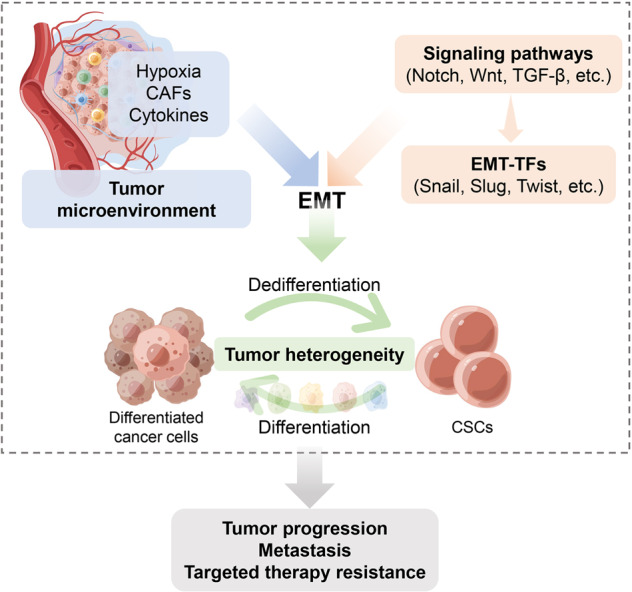
“In response to TGF-β, cancer cells undergo complete or partial EMT, where epithelial and mesenchymal markers co-exist on cancer cells.(37) The partial EMT status is characterized by an aggressive phenotype that renders cancer cells with high stemness and cell plasticity.”
BackgroundThe molecular hallmarks of epigenetic control
Allis, C. D., & Jenuwein, T. (2016) · Nature Reviews Genetics · doi:10.1038/nrg.2016.59 · Cited by 2,809
TGF-β-induced epithelial to mesenchymal transition
Xu, J., Lamouille, S., & Derynck, R. (2009) · Cell Research · doi:10.1038/cr.2009.5 · Cited by 2,804 · cited 10×
“Both TGF-β/SMAD and non-SMAD pathways play a significant role in mediating EMT and promoting cell plasticity.197 Additionally, signaling pathways such as PI3K/AKT, mTOR, and MAPK are reported to play essential roles in TGF-β-induced EMT.198,199 Surprisingly, TGF-β-induced EMT can be reversed.”
BackgroundInfluentialA Chromatin-Mediated Reversible Drug-Tolerant State in Cancer Cell Subpopulations
Sharma, S. V., Lee, D. Y., Li, B., Quinlan, M. P., Takahashi, F., Maheswaran, S., McDermott, U., Azizian, N., Zou, L., Fischbach, M. A., et al. (2010) · Cell · doi:10.1016/j.cell.2010.02.027 · Cited by 2,770
Anderson, N. M., & Simon, M. C. (2020) · Current Biology · doi:10.1016/j.cub.2020.06.081 · Cited by 2,718
EMT, CSCs, and drug resistance: the mechanistic link and clinical implications
Shibue, T., & Weinberg, R. A. (2017) · Nature Reviews Clinical Oncology · doi:10.1038/nrclinonc.2017.44 · Cited by 2,539
Zheng, X., Carstens, J. L., Kim, J., Scheible, M., Kaye, J., Sugimoto, H., Wu, C.-C., LeBleu, V. S., & Kalluri, R. (2015) · Nature · doi:10.1038/nature16064 · Cited by 2,032 · cited 1×
“EMT-TFs like Twist and Snail actively respond to targeted therapy during the EMT process and result in enhanced plasticity and mesenchymal switching.(111,112) In addition to multiple EMT-TFs, several other transcription factors function in controlling TCP.”
BackgroundTumor microenvironment as a therapeutic target in cancer
Xiao, Y., & Yu, D. (2021) · Pharmacology & Therapeutics · doi:10.1016/j.pharmthera.2020.107753 · Cited by 1,957 · cited 1×
“Interplay between TCP and TME A tumor is not only a group of cancer cells, but also a complex interaction between cancer cells and their surrounding environment, known as the tumor microenvironment (TME), which has attracted substantial research and clinical interest in recent years.(226) TME consists of tumor, immune…”
BackgroundTGFβ drives immune evasion in genetically reconstituted colon cancer metastasis
Tauriello, D. V. F., Palomo-Ponce, S., Stork, D., Berenguer-Llergo, A., Badia-Ramentol, J., Iglesias, M., Sevillano, M., Ibiza, S., Cañellas, A., Hernando-Momblona, X., et al. (2018) · Nature · doi:10.1038/nature25492 · Cited by 1,851
Wnt activity defines colon cancer stem cells and is regulated by the microenvironment
Vermeulen, L., De Sousa E Melo, F., van der Heijden, M., Cameron, K., de Jong, J. H., Borovski, T., Tuynman, J. B., Todaro, M., Merz, C., Rodermond, H., et al. (2010) · Nature Cell Biology · doi:10.1038/ncb2048 · Cited by 1,804
Drug-tolerant persister cancer cells are vulnerable to GPX4 inhibition
Hangauer, M. J., Viswanathan, V. S., Ryan, M. J., Bole, D., Eaton, J. K., Matov, A., Galeas, J., Dhruv, H. D., Berens, M. E., Schreiber, S. L., et al. (2017) · Nature · doi:10.1038/nature24297 · Cited by 1,799
Tumor microenvironment complexity and therapeutic implications at a glance
Baghban, R., Roshangar, L., Jahanban-Esfahlan, R., Seidi, K., Ebrahimi-Kalan, A., Jaymand, M., Kolahian, S., Javaheri, T., & Zare, P. (2020) · Cell Communication and Signaling · doi:10.1186/s12964-020-0530-4 · Cited by 1,784 · cited 1×
“In addition, theinteractions of cancer cells with their TME are crucial to stimulate tumor heterogeneity, clonal evolution, and mediate drug resistance.(229) TCP allows tumor cells to switch phenotypes and survive treatment through adaptive strategies, and the TME is involved in mediating TCP.”
BackgroundTumour micro-environment elicits innate resistance to RAF inhibitors through HGF secretion
Straussman, R., Morikawa, T., Shee, K., Barzily-Rokni, M., Qian, Z. R., Du, J., Davis, A., Mongare, M. M., Gould, J., Frederick, D. T., et al. (2012) · Nature · doi:10.1038/nature11183 · Cited by 1,771
Cheng, A.-L., Qin, S., Ikeda, M., Galle, P. R., Ducreux, M., Kim, T.-Y., Lim, H. Y., Kudo, M., Breder, V., Merle, P., et al. (2022) · Journal of Hepatology · doi:10.1016/j.jhep.2021.11.030 · Cited by 1,743
Generation of Breast Cancer Stem Cells through Epithelial-Mesenchymal Transition
Morel, A.-P., Lièvre, M., Thomas, C., Hinkal, G., Ansieau, S., & Puisieux, A. (2008) · PLoS ONE · doi:10.1371/journal.pone.0002888 · Cited by 1,645
Identification of the tumour transition states occurring during EMT
Pastushenko, I., Brisebarre, A., Sifrim, A., Fioramonti, M., Revenco, T., Boumahdi, S., Van Keymeulen, A., Brown, D., Moers, V., Lemaire, S., et al. (2018) · Nature · doi:10.1038/s41586-018-0040-3 · Cited by 1,495 · cited 17×
“Wnt signaling contributes to EMT regulation and TCP.137 In most cases, the Wnt/β-catenin signaling pathway is constitutively activated, which increases the expression of Snail, a regulator of EMT.”
BackgroundInfluentialTargeting the TGFβ signalling pathway in disease
Akhurst, R. J., & Hata, A. (2012) · Nature Reviews Drug Discovery · doi:10.1038/nrd3810 · Cited by 1,466 · cited 1×
“TGF-β1 inhibition in various combination therapies that target the drug-induced plasticity is under evaluation.(267) Galunisertib (LY2157299 monohydrate), a small molecule inhibitor that inhibits TGFβRI ALK5 kinase, has been used in numerous preclinical trials.”
MethodA tumorigenic subpopulation with stem cell properties in melanomas
Fang, D., Nguyen, T. K., Leishear, K., Finko, R., Kulp, A. N., Hotz, S., Van Belle, P. A., Xu, X., Elder, D. E., & Herlyn, M. (2005) · Cancer Research · doi:10.1158/0008-5472.can-05-1343 · Cited by 1,280 · cited 1×
“For example, melanoma spheroid cells are able to transdifferentiate into benign cell lineages including melanocytes, adipocytes, osteocytes and chondrocytes.(49) However, transdifferentiation in cancer cells can also be a double-edge sword.”
BackgroundA distinct “side population” of cells with high drug efflux capacity in human tumor cells
Hirschmann-Jax, C., Foster, A. E., Wulf, G. G., Nuchtern, J. G., Jax, T. W., Gobel, U., Goodell, M. A., & Brenner, M. K. (2004) · Proceedings of the National Academy of Sciences · doi:10.1073/pnas.0400067101 · Cited by 1,280 · cited 1×
“For example, CSCs can specifically inherit effective drug-discharging ATPbinding cassette (ABC) transporters from asymmetrical division, which enable tumors to sustain long-term expansion.(90,91) CSCs can also facilitate efficient DNA damage.”
BackgroundSu, S., Chen, J., Yao, H., Liu, J., Yu, S., Lao, L., Wang, M., Luo, M., Xing, Y., Chen, F., et al. (2018) · Cell · doi:10.1016/j.cell.2018.01.009 · Cited by 1,230
Rare cell variability and drug-induced reprogramming as a mode of cancer drug resistance
Shaffer, S. M., Dunagin, M. C., Torborg, S. R., Torre, E. A., Emert, B., Krepler, C., Beqiri, M., Sproesser, K., Brafford, P. A., Xiao, M., et al. (2017) · Nature · doi:10.1038/nature22794 · Cited by 1,218 · cited 1×
“The drug-resistant phenotype of cancer cells is not heritable but is a transient and reversible process.(16) Therefore, a comprehensive understanding of the mechanism of such induced plasticity should greatly facilitate the development of novel therapies.”
BackgroundTGF-β-Mediated Epithelial-Mesenchymal Transition and Cancer Metastasis
Hao, Y., Baker, D., & ten Dijke, P. (2019) · International Journal of Molecular Sciences · doi:10.3390/ijms20112767 · Cited by 1,142 · cited 10×
“Among EMT inducers, TGF-β is significant because of its potency in inducing EMT and its roles in cancer-associated EMT.(194) TGFβ-induced EMT is essential in cellular activities such as glycolysis and lipid/choline metabolism reprogramming.”
BackgroundInfluentialWidespread potential for growth-factor-driven resistance to anticancer kinase inhibitors
Wilson, T. R., Fridlyand, J., Yan, Y., Penuel, E., Burton, L., Chan, E., Peng, J., Lin, E., Wang, Y., Sosman, J., et al. (2012) · Nature · doi:10.1038/nature11249 · Cited by 1,134
Ku, S. Y., Rosario, S., Wang, Y., Mu, P., Seshadri, M., Goodrich, Z. W., Goodrich, M. M., Labbé, D. P., Gomez, E. C., Wang, J., et al. (2017) · Science · doi:10.1126/science.aah4199 · Cited by 1,089
Drug resistance and combating drug resistance in cancer
Wang, X., Zhang, H., & Chen, X. (2019) · Cancer Drug Resistance · doi:10.20517/cdr.2019.10 · Cited by 1,085 · cited 1×
“The interaction between TME and TCP can significantly contribute to the genetic heterogeneity.(233) Reynolds et al.”
BackgroundByers, L. A., Diao, L., Wang, J., Saintigny, P., Girard, L., Peyton, M., Shen, L., Fan, Y., Giri, U., Tumula, P. K., et al. (2013) · Clinical Cancer Research · doi:10.1158/1078-0432.ccr-12-1558 · Cited by 1,059 · cited 3×
“Byers et al.(40) revealed a correlation between a 76-gene mesenchymal signature and non-small-cell lung cancer (NSCLC) resistance to epidermal Fig.”
BackgroundIntegrating single-cell and spatial transcriptomics to elucidate intercellular tissue dynamics
Longo, S. K., Guo, M. G., Ji, A. L., & Khavari, P. A. (2021) · Nature Reviews Genetics · doi:10.1038/s41576-021-00370-8 · Cited by 1,059 · cited 1×
“Recently developed technologies could enable a simultaneous acquisition of multiple omics data at a single-cell level, and several analytic models have been established to interpret the high-dimensional multimodal data.(372,373) Single-cell level multi-omics could precisely trace the therapy-induced responses of each…”
BackgroundMu, P., Zhang, Z., Benelli, M., Karthaus, W. R., Hoover, E., Chen, C.-C., Wongvipat, J., Ku, S.-Y., Gao, D., Cao, Z., et al. (2017) · Science · doi:10.1126/science.aah4307 · Cited by 1,050
EMT, MET, Plasticity, and Tumor Metastasis
Bakir, B., Chiarella, A. M., Pitarresi, J. R., & Rustgi, A. K. (2020) · Trends in Cell Biology · doi:10.1016/j.tcb.2020.07.003 · Cited by 1,010 · cited 1×
“Previous studies indicate that dynamic changes between epithelial and mesenchymal phenotype in tumor cells with partial EMT are critically important to the metastatic potential and therapy resistance of tumor cells.(31) The contributions made by EMT programs to metastasis were first proposed by Yang et al.”
BackgroundTargeting TGF-β Signaling in Cancer
Colak, S., & ten Dijke, P. (2017) · Trends in cancer · doi:10.1016/j.trecan.2016.11.008 · Cited by 1,003 · cited 1×
“Both TGF-β/SMAD and non-SMAD pathways play a significant role in mediating EMT and promoting cell plasticity.(197) Additionally, signaling pathways such as PI3K/AKT, mTOR, and MAPK are reported to play essential roles in TGF-β-induced EMT.”
BackgroundKrebs, A. M., Mitschke, J., Lasierra Losada, M., Schmalhofer, O., Boerries, M., Busch, H., Boettcher, M., Mougiakakos, D., Reichardt, W., Bronsert, P., et al. (2017) · Nature Cell Biology · doi:10.1038/ncb3513 · Cited by 975 · cited 1×
“For example, depletion of Zeb1 was found to markedly inhibit pancreatic ductal adenocarcinoma progression towards metastatic type.(34) Zeb1 was also found to function as a key master regulator of multiple EMT-TFs and metastasis in breast cancer.”
BackgroundA selective jumonji H3K27 demethylase inhibitor modulates the proinflammatory macrophage response
Kruidenier, L., Chung, C.-W., Cheng, Z., Liddle, J., Che, K., Joberty, G., Bantscheff, M., Bountra, C., Bridges, A., Diallo, H., et al. (2012) · Nature · doi:10.1038/nature11262 · Cited by 950
Reck, M., Mok, T. S. K., Nishio, M., Jotte, R. M., Cappuzzo, F., Orlandi, F., Stroyakovskiy, D., Nogami, N., Rodríguez-Abreu, D., Moro-Sibilot, D., et al. (2019) · The Lancet Respiratory Medicine · doi:10.1016/s2213-2600(19)30084-0 · Cited by 946
Oser, M. G., Niederst, M. J., Sequist, L. V., & Engelman, J. A. (2015) · The Lancet Oncology · doi:10.1016/s1470-2045(14)71180-5 · Cited by 942
Reversible and adaptive resistance to BRAF(V600E) inhibition in melanoma
Sun, C., Wang, L., Huang, S., Heynen, G. J. J. E., Prahallad, A., Robert, C., Haanen, J., Blank, C., Wesseling, J., Willems, S. M., et al. (2014) · Nature · doi:10.1038/nature13121 · Cited by 888 · cited 2×
“ID3 acted as a transcriptional repressor of sex-determining region Y-box 10 (SOX10) and MITF, thereby promoting tumor cell transformation to a drug-resistant phenotype.122 Moreover, Sun et al.123 also observed an increase in the percentage of SOX10low EGFRhigh melanoma cells after BRAFi and MEKi treatment.”
BackgroundOxnard, G. R., Thress, K. S., Alden, R. S., Lawrance, R., Paweletz, C. P., Cantarini, M., Yang, J. C.-H., Barrett, J. C., & Jänne, P. A. (2016) · Journal of Clinical Oncology · doi:10.1200/jco.2016.66.7162 · Cited by 850
Targeting Wnt-driven cancer through the inhibition of Porcupine by LGK974
Liu, J., Pan, S., Hsieh, M. H., Ng, N., Sun, F., Wang, T., Kasibhatla, S., Schuller, A. G., Li, A. G., Cheng, D., et al. (2013) · Proceedings of the National Academy of Sciences · doi:10.1073/pnas.1314239110 · Cited by 831 · cited 1×
“In basal cell carcinoma, the assessment of inhibition or activation of Wnt and Notch signaling pathways are underperforming in clinical trials to treat pathway-dependent malignancies.(247) Notchactivated tumor cells tend to undergo apoptosis upon vismodegib treatment.”
BackgroundIntra-tumor heterogeneity from a cancer stem cell perspective
Prasetyanti, P. R., & Medema, J. P. (2017) · Molecular Cancer · doi:10.1186/s12943-017-0600-4 · Cited by 800 · cited 1×
“CSCs have the potential to proliferate infinitely, self-renew, and differentiate.(73,74) A recent study proposed that a CSC is a highly plastic state that results in fast adaptation of tumor cells to varying conditions in the TME.”
BackgroundA distinct role for Lgr5+ stem cells in primary and metastatic colon cancer
de Sousa e Melo, F., Kurtova, A. V., Harnoss, J. M., Kljavin, N., Hoeck, J. D., Hung, J., Anderson, J. E., Storm, E. E., Modrusan, Z., Koeppen, H., et al. (2017) · Nature · doi:10.1038/nature21713 · Cited by 788
Zhang, Y., Chen, H., Mo, H., Hu, X., Gao, R., Zhao, Y., Liu, B., Niu, L., Sun, X., Yu, X., et al. (2021) · Cancer Cell · doi:10.1016/j.ccell.2021.09.010 · Cited by 783 · cited 1×
“Single-cell analyses revealed that baseline CXCL13 T cell largely determined the clinical response in TNBC treatment.(326) Further studies are warranted to explore the exact mechanisms of different combination strategies to be able to pin-point patients with higher therapeutic potential.”
BackgroundToward Minimal Residual Disease-Directed Therapy in Melanoma
Rambow, F., Rogiers, A., Marin-Bejar, O., Aibar, S., Femel, J., Dewaele, M., Karras, P., Brown, D., Chang, Y. H., Debiec-Rychter, M., et al. (2018) · Cell · doi:10.1016/j.cell.2018.06.025 · Cited by 771 · cited 17×
“Wnt signaling contributes to EMT regulation and TCP.137 In most cases, the Wnt/β-catenin signaling pathway is constitutively activated, which increases the expression of Snail, a regulator of EMT.”
BackgroundInfluentialThe great escape: tumour cell plasticity in resistance to targeted therapy
Boumahdi, S., & de Sauvage, F. J. (2020) · Nature Reviews Drug Discovery · doi:10.1038/s41573-019-0044-1 · Cited by 761
Miles, D., Gligorov, J., André, F., Cameron, D., Schneeweiss, A., Barrios, C., Xu, B., Wardley, A., Kaen, D., Andrade, L., et al. (2021) · Annals of Oncology · doi:10.1016/j.annonc.2021.05.801 · Cited by 734
Human melanoma-initiating cells express neural crest nerve growth factor receptor CD271
Boiko, A. D., Razorenova, O. V., van de Rijn, M., Swetter, S. M., Johnson, D. L., Ly, D. P., Butler, P. D., Yang, G. P., Joshua, B., Kaplan, M. J., et al. (2010) · Nature · doi:10.1038/nature09161 · Cited by 720
The KEYNOTE-811 trial of dual PD-1 and HER2 blockade in HER2-positive gastric cancer
Janjigian, Y. Y., Kawazoe, A., Yañez, P., Li, N., Lonardi, S., Kolesnik, O., Barajas, O., Bai, Y., Shen, L., Tang, Y., et al. (2021) · Nature · doi:10.1038/s41586-021-04161-3 · Cited by 720 · cited 1×
“A recent phase III study (KEYNOTE-811) also confirmed that adding pembrolizumab to standard first-line treatment (trastuzumab plus chemotherapy) in advanced gastric or GEJ adenocarcinoma could markedly improve prognosis.(323) Though the basket trial design has greatly improved the clinical outcome of multiple cancer t…”
BackgroundHepatotoxicity with Combination of Vemurafenib and Ipilimumab
Ribas, A., Hodi, F. S., Callahan, M., Konto, C., & Wolchok, J. (2013) · New England Journal of Medicine · doi:10.1056/nejmc1302338 · Cited by 714
Yu, Y., Xiao, C.-H., Tan, L.-D., Wang, Q.-S., Li, X.-Q., & Feng, Y.-M. (2014) · British Journal of Cancer · doi:10.1038/bjc.2013.768 · Cited by 676
TGF-β inhibits the activation and functions of NK cells by repressing the mTOR pathway
Viel, S., Marçais, A., Guimaraes, F. S.-F., Loftus, R., Rabilloud, J., Grau, M., Degouve, S., Djebali, S., Sanlaville, A., Charrier, E., et al. (2016) · Science Signaling · doi:10.1126/scisignal.aad1884 · Cited by 672
B cell depletion therapy ameliorates autoimmune disease through ablation of IL-6–producing B cells
Barr, T. A., Shen, P., Brown, S., Lampropoulou, V., Roch, T., Lawrie, S., Fan, B., O’Connor, R. A., Anderton, S. M., Bar-Or, A., et al. (2012) · Journal of Experimental Medicine · doi:10.1084/jem.20111675 · Cited by 649
Chabon, J. J., Simmons, A. D., Lovejoy, A. F., Esfahani, M. S., Newman, A. M., Haringsma, H. J., Kurtz, D. M., Stehr, H., Scherer, F., Karlovich, C. A., et al. (2016) · Nature Communications · doi:10.1038/ncomms11815 · Cited by 648 · cited 1×
“demonstrated that multi-drug resistance was observed in 46% patients after targeted therapies, suggesting a frequent intratumor heterogeneity.(222) TCP, i.”
BackgroundStem cell fate in cancer growth, progression and therapy resistance
Lytle, N. K., Barber, A. G., & Reya, T. (2018) · Nature Reviews Cancer · doi:10.1038/s41568-018-0056-x · Cited by 647 · cited 3×
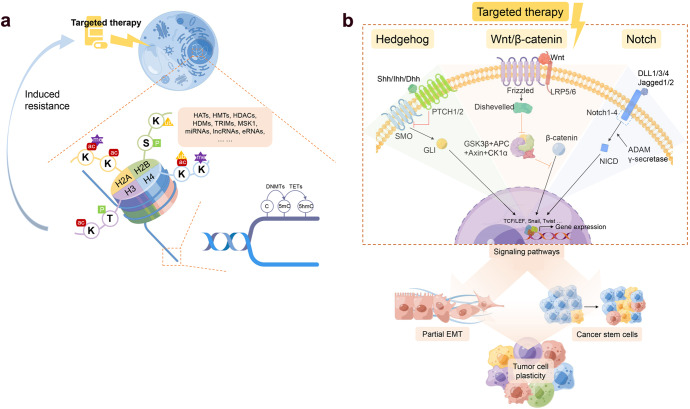
“Additionally, CSCs and stem cells also share similar developmental related signaling pathways, such as WNT, NOTCH, and Hedgehog (Hh).(29,79) Like normal stem cells, CSCs propagate through asymmetric division, which produces one daughter cell that remains a CSC and one committed progenitor cell that differentiates into…”
BackgroundA stroma-related gene signature predicts resistance to neoadjuvant chemotherapy in breast cancer
Farmer, P., Bonnefoi, H., Anderle, P., Cameron, D., Wirapati, P., Becette, V., André, S., Piccart, M., Campone, M., Brain, E., et al. (2009) · Nature Medicine · doi:10.1038/nm.1908 · Cited by 623 · cited 2×
“For example, Farmer et al.(42) demonstrated that an upregulation of stromal gene expression predicted resistance to preoperative chemotherapy with 5fluororacil, epirubicin, and cyclophosphamide in estrogen receptor (ER)-negative breast cancer.”
BackgroundmiR-34 and SNAIL form a double-negative feedback loop to regulate epithelial-mesenchymal transitions
Siemens, H., Jackstadt, R., Hünten, S., Kaller, M., Menssen, A., Götz, U., & Hermeking, H. (2011) · Cell Cycle · doi:10.4161/cc.10.24.18552 · Cited by 609 · cited 1×
“Two double-negative feedback loops that include Snail/miR-34 and Zeb/miR-200 help to manipulate the initiation, transition, and maintenance of EMT program.(23,24) Genetic mutations may also play a role in EMT regulation.”
BackgroundA new role for the PI3K/Akt signaling pathway in the epithelial-mesenchymal transition
Xu, W., Yang, Z., & Lu, N. (2015) · Cell Adhesion & Migration · doi:10.1080/19336918.2015.1016686 · Cited by 608 · cited 10×
“Both TGF-β/SMAD and non-SMAD pathways play a significant role in mediating EMT and promoting cell plasticity.197 Additionally, signaling pathways such as PI3K/AKT, mTOR, and MAPK are reported to play essential roles in TGF-β-induced EMT.198,199 Surprisingly, TGF-β-induced EMT can be reversed.”
BackgroundInfluentialQuintana, E., Shackleton, M., Foster, H. R., Fullen, D. R., Sabel, M. S., Johnson, T. M., & Morrison, S. J. (2010) · Cancer Cell · doi:10.1016/j.ccr.2010.10.012 · Cited by 599 · cited 1×
“demonstrated that most of the phenotypic heterogeneity in melanoma can be explained by the phenotypic plasticity model.(216) Although they did not identify a marker that can significantly distinguish tumorigenic from non-tumorigenic cells, CD271+ cells were shown to have little tumorigenic activity.”
BackgroundDiverse drug-resistance mechanisms can emerge from drug-tolerant cancer persister cells
Ramirez, M., Rajaram, S., Steininger, R. J., Osipchuk, D., Roth, M. A., Morinishi, L. S., Evans, L., Ji, W., Hsu, C.-H., Thurley, K., et al. (2016) · Nature Communications · doi:10.1038/ncomms10690 · Cited by 581
Lineage plasticity in cancer: a shared pathway of therapeutic resistance
Quintanal-Villalonga, Á., Chan, J. M., Yu, H. A., Pe’er, D., Sawyers, C. L., Sen, T., & Rudin, C. M. (2020) · Nature Reviews Clinical Oncology · doi:10.1038/s41571-020-0340-z · Cited by 572
Proposed Morphologic Classification of Prostate Cancer With Neuroendocrine Differentiation
Epstein, J. I., Amin, M. B., Beltran, H., Lotan, T. L., Mosquera, J.-M., Reuter, V. E., Robinson, B. D., Troncoso, P., & Rubin, M. A. (2014) · American Journal of Surgical Pathology · doi:10.1097/pas.0000000000000208 · Cited by 569 · cited 1×
“The switch from PC to SCPC is characterized by the presence of neuroendocrine markers (chromogranin A, synaptophysin, and others), and the absence of androgen receptor (AR) and serum prostate-specific antigen.(57) Functionally, SCPC cells have an elevated metastatic potential, enhanced stemness, heightened therapeutic…”
BackgroundN-Myc Induces an EZH2-Mediated Transcriptional Program Driving Neuroendocrine Prostate Cancer
Dardenne, E., Beltran, H., Benelli, M., Gayvert, K., Berger, A., Puca, L., Cyrta, J., Sboner, A., Noorzad, Z., MacDonald, T., et al. (2016) · Cancer Cell · doi:10.1016/j.ccell.2016.09.005 · Cited by 559 · cited 1×
“Overexpression of EZH2 was associated with the conversion of prostate adenocarcinoma to neuroendocrine prostate cancer (NEPC), which is a more aggressive variant.(61,276) Inhibition of EZH2 can reverse the cell lineage switch, leading to a decrease in neuroendocrine related key factors and restoring the sensitivity of…”
BackgroundGregory, P. A., Bracken, C. P., Smith, E., Bert, A. G., Wright, J. A., Roslan, S., Morris, M., Wyatt, L., Farshid, G., Lim, Y.-Y., et al. (2011) · Molecular Biology of the Cell · doi:10.1091/mbc.e11-02-0103 · Cited by 552
Charles, N., Ozawa, T., Squatrito, M., Bleau, A.-M., Brennan, C. W., Hambardzumyan, D., & Holland, E. C. (2010) · Cell Stem Cell · doi:10.1016/j.stem.2010.01.001 · Cited by 550 · cited 1×
“showed that nitric oxide can enhance the tumorigenic capacity of platelet-derived growth factor (PDGF)-driven glioma cells in vivo; therefore, it reversibly promotes their ability to form tumors.(218) Nakano et al.”
BackgroundDefining the human C2H2 zinc finger degrome targeted by thalidomide analogs through CRBN
Sievers, Q. L., Petzold, G., Bunker, R. D., Renneville, A., Słabicki, M., Liddicoat, B. J., Abdulrahman, W., Mikkelsen, T., Ebert, B. L., & Thomä, N. H. (2018) · Science · doi:10.1126/science.aat0572 · Cited by 537 · cited 1×
“Some other SOX factors have also been considered as promising candidates through proteolysis-targeting chimeric molecules or thalidomide analogues.(283,284) An anti-CLDN6 antibody-drug conjugate has been reported to target tumor lineage plasticity.”
BackgroundAdaptive Chromatin Remodeling Drives Glioblastoma Stem Cell Plasticity and Drug Tolerance
Liau, B. B., Sievers, C., Donohue, L. K., Gillespie, S. M., Flavahan, W. A., Miller, T. E., Venteicher, A. S., Hebert, C. H., Carey, C. D., Rodig, S. J., et al. (2017) · Cell stem cell · doi:10.1016/j.stem.2016.11.003 · Cited by 535
Linking EMT programmes to normal and neoplastic epithelial stem cells
Lambert, A. W., & Weinberg, R. A. (2021) · Nature Reviews Cancer · doi:10.1038/s41568-021-00332-6 · Cited by 534 · cited 1×
“CSCs are also enriched in disseminated tumor cells and feature EMT expression signatures.(88) Circulating tumor cells express a remarkably congruent transcriptomic profile with CSCs and have been found to overexpress both EMT and stem cell markers.”
BackgroundDirkse, A., Golebiewska, A., Buder, T., Nazarov, P. V., Muller, A., Poovathingal, S., Brons, N. H. C., Leite, S., Sauvageot, N., Sarkisjan, D., et al. (2019) · Nature Communications · doi:10.1038/s41467-019-09853-z · Cited by 529 · cited 7×
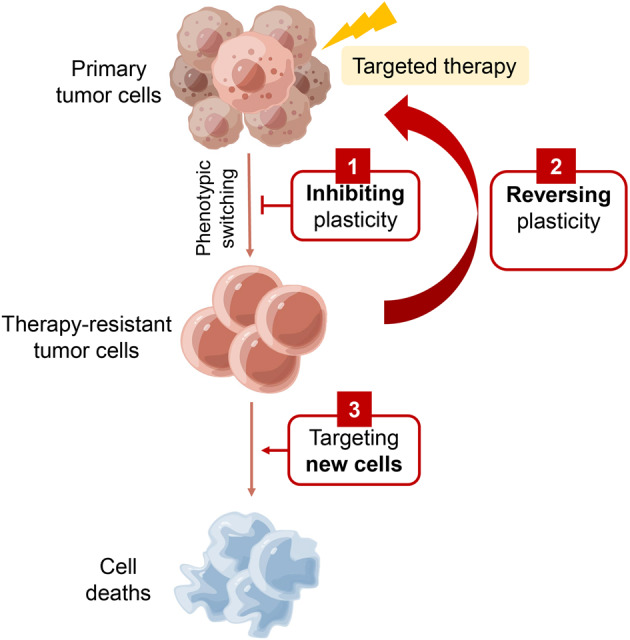
“Signal Transduction and Targeted Therapy (2023) 8:113 Reversing TCP TCP can be driven by an inflamed and suppressive TME.”
BackgroundInfluentialTGF‐β activates Erk MAP kinase signalling through direct phosphorylation of ShcA
Lee, M. K., Pardoux, C., Hall, M. C., Lee, P. S., Warburton, D., Qing, J., Smith, S. M., & Derynck, R. (2007) · The EMBO Journal · doi:10.1038/sj.emboj.7601818 · Cited by 527
Knutson, S. K., Kawano, S., Minoshima, Y., Warholic, N. M., Huang, K.-C., Xiao, Y., Kadowaki, T., Uesugi, M., Kuznetsov, G., Kumar, N., et al. (2014) · Molecular Cancer Therapeutics · doi:10.1158/1535-7163.mct-13-0773 · Cited by 523 · cited 1×
“Some EZH2 inhibitors (for example, CPI-1205 and Tazemetostat) have entered phase I and II clinical trials for lymphomas and solid tumors.(277,278)”
BackgroundZhou, F., Feng, B., Yu, H., Wang, D., Wang, T., Ma, Y., Wang, S., & Li, Y. (2019) · Advanced Materials · doi:10.1002/adma.201805888 · Cited by 507
Lee, J.-K., Lee, J., Kim, S., Kim, S., Youk, J., Park, S., An, Y., Keam, B., Kim, D.-W., Heo, D. S., et al. (2017) · Journal of Clinical Oncology · doi:10.1200/jco.2016.71.9096 · Cited by 505
Targeting Hedgehog — a Cancer Stem Cell Pathway
Merchant, A. A., & Matsui, W. (2010) · Clinical Cancer Research · doi:10.1158/1078-0432.ccr-09-2846 · Cited by 500 · cited 1×
“Further studies demonstrated that Hh signaling is involved in CSC self-renewal in multiple myeloma, and blocking Hh signaling can lead to CSC differentiation.(135) In TNBC, the Hh ligand produced by tumor cells can reprogram cancer-associated fibroblasts (CAFs) to Fig.”
BackgroundMarcoux, N., Gettinger, S. N., O’Kane, G., Arbour, K. C., Neal, J. W., Husain, H., Evans, T. L., Brahmer, J. R., Muzikansky, A., Bonomi, P. D., et al. (2019) · Journal of Clinical Oncology · doi:10.1200/jco.18.01585 · Cited by 500
Lan, Y., Zhang, D., Xu, C., Hance, K. W., Marelli, B., Qi, J., Yu, H., Qin, G., Sircar, A., Hernández, V. M., et al. (2018) · Science Translational Medicine · doi:10.1126/scitranslmed.aan5488 · Cited by 494
Selective covalent targeting of GPX4 using masked nitrile-oxide electrophiles
Eaton, J. K., Furst, L., Ruberto, R. A., Moosmayer, D., Hilpmann, A., Ryan, M. J., Zimmermann, K., Cai, L. L., Niehues, M., Badock, V., et al. (2020) · Nature Chemical Biology · doi:10.1038/s41589-020-0501-5 · Cited by 489
Role of Androgen Receptor in Prostate Cancer: A Review
Fujita, K., & Nonomura, N. (2019) · The World Journal of Men's Health · doi:10.5534/wjmh.180040 · Cited by 483
Peiris-Pagès, M., Martinez-Outschoorn, U. E., Pestell, R. G., Sotgia, F., & Lisanti, M. P. (2016) · Breast Cancer Research · doi:10.1186/s13058-016-0712-6 · Cited by 465 · cited 1×
“Like normal stem cells, CSCs propagate through asymmetric division, which produces one daughter cell that remains a CSC and one committed progenitor cell that differentiates into a nonCSC.(80,81) Symmetric division can also occur simultaneously, with the production of either two CSCs (symmetric renewal) or two committ…”
BackgroundOffin, M., Chan, J. M., Tenet, M., Rizvi, H. A., Shen, R., Riely, G. J., Rekhtman, N., Daneshbod, Y., Quintanal-Villalonga, A., Penson, A., et al. (2019) · Journal of Thoracic Oncology · doi:10.1016/j.jtho.2019.06.002 · Cited by 444
Lou, Y., Diao, L., Cuentas, E. R. P., Denning, W. L., Chen, L., Fan, Y. H., Byers, L. A., Wang, J., Papadimitrakopoulou, V. A., Behrens, C., et al. (2016) · Clinical Cancer Research · doi:10.1158/1078-0432.ccr-15-1434 · Cited by 438
Hypoxia: Overview on Hypoxia-Mediated Mechanisms with a Focus on the Role of HIF Genes
Tirpe, A. A., Gulei, D., Ciortea, S. M., Crivii, C., & Berindan-Neagoe, I. (2019) · International Journal of Molecular Sciences · doi:10.3390/ijms20246140 · Cited by 438
Oxnard, G. R., Yang, J. C.-H., Yu, H., Kim, S.-W., Saka, H., Horn, L., Goto, K., Ohe, Y., Mann, H., Thress, K. S., et al. (2020) · Annals of Oncology · doi:10.1016/j.annonc.2020.01.013 · Cited by 438
Cazet, A. S., Hui, M. N., Elsworth, B. L., Wu, S. Z., Roden, D., Chan, C.-L., Skhinas, J. N., Collot, R., Yang, J., Harvey, K., et al. (2018) · Nature Communications · doi:10.1038/s41467-018-05220-6 · Cited by 437 · cited 1×
“promote a CSC-phenotype switching and the acquisition of chemo-resistant traits.(136) Therefore, an effective Hh signaling pathway blockade is capable of lowering CSC proliferation, metastasis, and the EMT program, thereby controlling TCP.”
BackgroundCellular plasticity and the neuroendocrine phenotype in prostate cancer
Davies, A. H., Beltran, H., & Zoubeidi, A. (2018) · Nature Reviews Urology · doi:10.1038/nrurol.2018.22 · Cited by 431 · cited 3×
“Functionally, SCPC cells have an elevated metastatic potential, enhanced stemness, heightened therapeutic resistance, and a worse prognosis.(18,58) Inactivation of TP53, RB1, PTEN, and amplification of MYCN have been reported to be involved at the molecular level of the cell identity shift.”
Background23 Genetic instability induced by the tumor microenvironment
Glazer, P. M., Reynolds, T. Y., & Rockwell, S. (1997) · International Journal of Radiation Oncology*Biology*Physics · doi:10.1016/s0360-3016(97)80581-0 · Cited by 427
Gan, L., Yang, Y., Li, Q., Feng, Y., Liu, T., & Guo, W. (2018) · Biomarker Research · doi:10.1186/s40364-018-0122-2 · Cited by 426 · cited 1×
“EZH2 promotes tumor cell survival, proliferation, EMT, and invasion, as well as drug resistance.(274) Reversible transition between EMT and MET are key aspects of TCP.”
BackgroundSaxena, M., Stephens, M. A., Pathak, H., & Rangarajan, A. (2011) · Cell Death & Disease · doi:10.1038/cddis.2011.61 · Cited by 408
Androgen Signaling in Prostate Cancer
Dai, C., Heemers, H., & Sharifi, N. (2017) · Cold Spring Harbor Perspectives in Medicine · doi:10.1101/cshperspect.a030452 · Cited by 406 · cited 1×
“AR is known as a ligand-activated transcription factor which regulates gene expression in the prostate epithelium.(113) ARtargeted inhibitors, including bicalutamide and enzalutamide, have been developed for PC treatment.”
BackgroundSevere immune-related adverse events are common with sequential PD-(L)1 blockade and osimertinib
Schoenfeld, A. J., Arbour, K. C., Rizvi, H., Iqbal, A. N., Gadgeel, S. M., Girshman, J., Kris, M. G., Riely, G. J., Yu, H. A., & Hellmann, M. D. (2019) · Annals of Oncology · doi:10.1093/annonc/mdz077 · Cited by 406
Epithelial-to-Mesenchymal Transition Contributes to Immunosuppression in Breast Carcinomas
Dongre, A., Rashidian, M., Reinhardt, F., Bagnato, A., Keckesova, Z., Ploegh, H. L., & Weinberg, R. A. (2017) · Cancer Research · doi:10.1158/0008-5472.can-16-3292 · Cited by 395
Distinct contributions of partial and full EMT to breast cancer malignancy
Lüönd, F., Sugiyama, N., Bill, R., Bornes, L., Hager, C., Tang, F., Santacroce, N., Beisel, C., Ivanek, R., Bürglin, T., et al. (2021) · Developmental Cell · doi:10.1016/j.devcel.2021.11.006 · Cited by 391 · cited 1×
“Apart from a complete EMT/MET transition, tumor cells can exhibit a “partial EMT” state, a hybrid of epithelial and mesenchymal phenotypes.(27) In fact, tumor cells can exhibit a spectrum of EMT states characterized by varying proportions of epithelial and mesenchymal traits, both in circulation and at a secondary sit…”
BackgroundAndrogen receptor activity in T cells limits checkpoint blockade efficacy
Guan, X., Polesso, F., Wang, C., Sehrawat, A., Hawkins, R. M., Murray, S. E., Thomas, G. V., Caruso, B., Thompson, R. F., Wood, M. A., et al. (2022) · Nature · doi:10.1038/s41586-022-04522-6 · Cited by 391
Treatment approaches for EGFR-inhibitor-resistant patients with non-small-cell lung cancer
Tan, C.-S., Gilligan, D., & Pacey, S. (2015) · The Lancet Oncology · doi:10.1016/s1470-2045(15)00246-6 · Cited by 387
Zou, M., Toivanen, R., Mitrofanova, A., Floch, N., Hayati, S., Sun, Y., Le Magnen, C., Chester, D., Mostaghel, E. A., Califano, A., et al. (2017) · Cancer Discovery · doi:10.1158/2159-8290.cd-16-1174 · Cited by 386 · cited 1×
“Observed in prostate cancer (PC) and lung adenocarcinoma (LUAD), NET induces drug resistance, thereby causing treatment failure and relapse.(14,54,55) Here, we consider PC and LUAD as two typical examples of NET for further discussion.”
BackgroundAdult cell plasticity in vivo: de-differentiation and transdifferentiation are back in style
Merrell, A. J., & Stanger, B. Z. (2016) · Nature Reviews Molecular Cell Biology · doi:10.1038/nrm.2016.24 · Cited by 369
An epigenetic mechanism of resistance to targeted therapy in T cell acute lymphoblastic leukemia
Knoechel, B., Roderick, J. E., Williamson, K. E., Zhu, J., Lohr, J. G., Cotton, M. J., Gillespie, S. M., Fernandez, D., Ku, M., Wang, H., et al. (2014) · Nature Genetics · doi:10.1038/ng.2913 · Cited by 367 · cited 1×
“These persisters contain more compact chromatin and higher levels of repressive histone modifications compared to γ-secretase inhibitor-sensitive naïve cells.(109) Similar to trametinib-resistant triple-negative breast cancer (TNBC), remodeling of enhancers and promoters was observed accompanied with adaptive transcri…”
BackgroundEMT‐associated microRNAs and their roles in cancer stemness and drug resistance
Pan, G., Liu, Y., Shang, L., Zhou, F., & Yang, S. (2021) · Cancer Communications · doi:10.1002/cac2.12138 · Cited by 362 · cited 1×
“MicroRNA (miRNAs) are small non-coding RNAs that play a pivotal role in the regulation of both EMT that promotes tumor metastasis and MET that facilitates metastatic colonization.(201) EMT-related miRNAs are documented to impact cancer cell stemness and drug resistance.”
BackgroundFousek, K., Horn, L. A., & Palena, C. (2021) · Pharmacology & Therapeutics · doi:10.1016/j.pharmthera.2020.107692 · Cited by 359
Clinical features of neuroendocrine prostate cancer
Conteduca, V., Oromendia, C., Eng, K. W., Bareja, R., Sigouros, M., Molina, A., Faltas, B. M., Sboner, A., Mosquera, J. M., Elemento, O., et al. (2019) · European Journal of Cancer · doi:10.1016/j.ejca.2019.08.011 · Cited by 356 · cited 1×
“Functionally, SCPC cells have an elevated metastatic potential, enhanced stemness, heightened therapeutic resistance, and a worse prognosis.(18,58) Inactivation of TP53, RB1, PTEN, and amplification of MYCN have been reported to be involved at the molecular level of the cell identity shift.”
BackgroundTumor heterogeneity reshapes the tumor microenvironment to influence drug resistance
Zhang, A., Miao, K., Sun, H., & Deng, C.-X. (2022) · International Journal of Biological Sciences · doi:10.7150/ijbs.72534 · Cited by 352 · cited 1×
“On the other hand, tumor heterogeneity can lead to TME reprogramming and thus give rise to cancer drug resistance.(235) Taken together, the interplay between TCP and TME serves an important role in mediating tumor progression, heterogeneity, and drug resistance.”
BackgroundA Wnt-producing niche drives proliferative potential and progression in lung adenocarcinoma
Tammela, T., Sanchez-Rivera, F. J., Cetinbas, N. M., Wu, K., Joshi, N. S., Helenius, K., Park, Y., Azimi, R., Kerper, N. R., Wesselhoeft, R. A., et al. (2017) · Nature · doi:10.1038/nature22334 · Cited by 336
Activation of PKA leads to mesenchymal-to-epithelial transition and loss of tumor-initiating ability
Pattabiraman, D. R., Bierie, B., Kober, K. I., Thiru, P., Krall, J. A., Zill, C., Reinhardt, F., Tam, W. L., & Weinberg, R. A. (2016) · Science · doi:10.1126/science.aad3680 · Cited by 332 · cited 1×
“Forskolin and cholera toxin have been identified through a drug screen for E-cadherin promoter activation.(269) JMF3086, a dual inhibitor that targets both HDAC and 3-hydroxy-3-methylglutaryl coenzyme A reductase, can restore the sensitivity of NSCLC to EGFRTKIs (34).”
BackgroundRavi, R., Noonan, K. A., Pham, V., Bedi, R., Zhavoronkov, A., Ozerov, I. V., Makarev, E., V. Artemov, A., Wysocki, P. T., Mehra, R., et al. (2018) · Nature Communications · doi:10.1038/s41467-017-02696-6 · Cited by 325 · cited 1×
“Other fusion drugs such as anti-CTLA4-TGF-βRII also showed promising efficacy in stimulating antitumor responses.(358) Several early-phase trials showed encouraging clinical efficacy and manageable safety in different types of cancers.”
BackgroundOshima, Y., Tanimoto, T., Yuji, K., & Tojo, A. (2018) · JAMA Oncology · doi:10.1001/jamaoncol.2017.4526 · Cited by 313
Apicella, M., Giannoni, E., Fiore, S., Ferrari, K. J., Fernández-Pérez, D., Isella, C., Granchi, C., Minutolo, F., Sottile, A., Comoglio, P. M., et al. (2018) · Cell Metabolism · doi:10.1016/j.cmet.2018.08.006 · Cited by 299
Haratani, K., Hayashi, H., Tanaka, T., Kaneda, H., Togashi, Y., Sakai, K., Hayashi, K., Tomida, S., Chiba, Y., Yonesaka, K., et al. (2017) · Annals of Oncology · doi:10.1093/annonc/mdx183 · Cited by 296
MiR-1 and miR-200 inhibit EMT via Slug-dependent and tumorigenesis via Slug-independent mechanisms
Liu, Y.-N., Yin, J. J., Abou-Kheir, W., Hynes, P. G., Casey, O. M., Fang, L., Yi, M., Stephens, R. M., Seng, V, Sheppard-Tillman, H., et al. (2013) · Oncogene · doi:10.1038/onc.2012.58 · Cited by 295 · cited 1×
“showed that miR-1 and miR-200 can inhibit EMT and mesenchymal differentiation via Slug-dependent mechanisms.(205) Other newly identified EMT-related miRNAs include miR-27b3p,(206) which promotes the generation of circulating tumor cells, and miRNA-490-3p, which promotes the metastasis of invasive ductal carcinoma.”
BackgroundHighlighted STAT3 as a potential drug target for cancer therapy
Lee, H., Jeong, A. J., & Ye, S.-K. (2019) · BMB Reports · doi:10.5483/bmbrep.2019.52.7.152 · Cited by 295 · cited 1×
“Previous studies have suggested that STAT3 activation is associated with trastuzumab as well as trastuzumab-emtansine resistance in human epidermal growth factor receptor 2 (HER2)positive breast cancer.(117,118) In triple-negative (ER-/PR-/HER2-) breast cancer (TNBC) patients, a strong transcriptomic response was obse…”
BackgroundTargeted and Immune-Based Therapies for Hepatocellular Carcinoma
Greten, T. F., Lai, C. W., Li, G., & Staveley-O’Carroll, K. F. (2019) · Gastroenterology · doi:10.1053/j.gastro.2018.09.051 · Cited by 294
Melisi, D., Garcia-Carbonero, R., Macarulla, T., Pezet, D., Deplanque, G., Fuchs, M., Trojan, J., Oettle, H., Kozloff, M., Cleverly, A., et al. (2018) · British Journal of Cancer · doi:10.1038/s41416-018-0246-z · Cited by 294 · cited 5×
“Other studies tested the efficacy of galunisertib in HCC and indicated a prolonged OS using a combination of galunisertib and sorafenib.351 Melisi et al.271 stated in a phase Ib/II clinical trial that a galunisertib-gemcitabine combination therapy could significantly improve OS in patients with unresectable pancreatic…”
BackgroundInfluentialShintani, Y., Fujiwara, A., Kimura, T., Kawamura, T., Funaki, S., Minami, M., & Okumura, M. (2016) · Journal of Thoracic Oncology · doi:10.1016/j.jtho.2016.05.025 · Cited by 293
A DNA hypermethylation module for the stem/progenitor cell signature of cancer
Easwaran, H., Johnstone, S. E., Van Neste, L., Ohm, J., Mosbruger, T., Wang, Q., Aryee, M. J., Joyce, P., Ahuja, N., Weisenberger, D., et al. (2012) · Genome Research · doi:10.1101/gr.131169.111 · Cited by 292
Twist is up-regulated in response to Wnt1 and inhibits mouse mammary cell differentiation.
Howe, L. R., Watanabe, O., Leonard, J. N., & Brown, A. M. C. (2003) · PubMed · Cited by 290
De novo formation of the biliary system by TGFβ-mediated hepatocyte transdifferentiation
Schaub, J. R., Huppert, K. A., Kurial, S. N. T., Hsu, B. Y., Cast, A. E., Donnelly, B., Karns, R. A., Chen, F., Rezvani, M., Luu, H. Y., et al. (2018) · Nature · doi:10.1038/s41586-018-0075-5 · Cited by 289
Wang, X., Prager, B. C., Wu, Q., Kim, L. J. Y., Gimple, R. C., Shi, Y., Yang, K., Morton, A. R., Zhou, W., Zhu, Z., et al. (2018) · Cell Stem Cell · doi:10.1016/j.stem.2018.03.011 · Cited by 285
Imaging Hematopoietic Precursor Division in Real Time
Wu, M., Kwon, H. Y., Rattis, F., Blum, J., Zhao, C., Ashkenazi, R., Jackson, T. L., Gaiano, N., Oliver, T., & Reya, T. (2007) · Cell Stem Cell · doi:10.1016/j.stem.2007.08.009 · Cited by 281 · cited 1×
“For example, a second mutation introduced in chronic-phase chronic myeloid leukemia (CML) has been found to trigger an imbalance that favors symmetric renewal and results in higher malignancy.(83) EMT-TF Twist2 has been reported to induce stemness properties in lung CSCs by moving the balance towards symmetric divisio…”
BackgroundGreene, S., Robbins, Y., Mydlarz, W. K., Huynh, A. P., Schmitt, N. C., Friedman, J., Horn, L. A., Palena, C., Schlom, J., Maeda, D. Y., et al. (2020) · Clinical Cancer Research · doi:10.1158/1078-0432.ccr-19-2625 · Cited by 280 · cited 1×
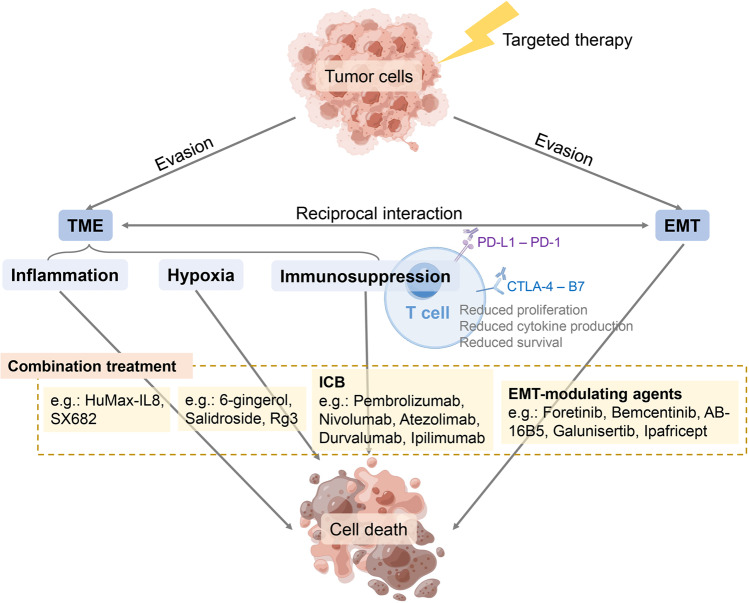
“SX-682, another novel drug targeting the inflammatory EMT, was proposed to prevent polymorphonuclear (PMN)-MDSC migration and cooperate well with ICB treatment.(367,368) Early-phase clinical trials of SX-682 in combination with ICBs (e.”
BackgroundMicroRNA control of epithelial–mesenchymal transition and metastasis
Zhang, J., & Ma, L. (2012) · Cancer and Metastasis Reviews · doi:10.1007/s10555-012-9368-6 · Cited by 273 · cited 2×
“Recent evidence showed that miRNAs may affect the EMT process by targeting related transcription factors, including Snail, Slug, Twist, and ZEB1/2.(202) The expression level of the Snail transcription factor may be controlled by multiple metastasis-related miRNAs, including miR153, miR-203, miR-204, and miR-34c.”
BackgroundInfluentialEmerging role of tumor cell plasticity in modifying therapeutic response
Qin, S., Jiang, J., Lu, Y., Nice, E. C., Huang, C., Zhang, J., & He, W. (2020) · Signal Transduction and Targeted Therapy · doi:10.1038/s41392-020-00313-5 · Cited by 268 · cited 3×
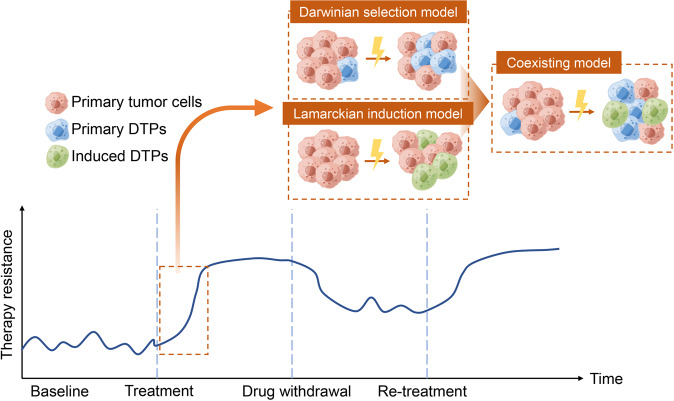
“This subpopulation of tumor cells is characterized by its dormant and stem-like trait and termed drug-tolerant persisters (DTPs).(15) The “acquired inertia” of DTPs is regarded as a survival skill exposed by antitumor treatment that can fade away after a drug-free interval.”
BackgroundInfluentialEMT: Present and future in clinical oncology
Santamaria, P. G., Moreno‐Bueno, G., Portillo, F., & Cano, A. (2017) · Molecular Oncology · doi:10.1002/1878-0261.12091 · Cited by 259
A Convergence-Based Framework for Cancer Drug Resistance
Konieczkowski, D. J., Johannessen, C. M., & Garraway, L. A. (2018) · Cancer Cell · doi:10.1016/j.ccell.2018.03.025 · Cited by 258 · cited 3×
“Observed in prostate cancer (PC) and lung adenocarcinoma (LUAD), NET induces drug resistance, thereby causing treatment failure and relapse.(14,54,55) Here, we consider PC and LUAD as two typical examples of NET for further discussion.”
BackgroundChae, Y. K., Chang, S., Ko, T., Anker, J., Agte, S., Iams, W., Choi, W. M., Lee, K., & Cruz, M. (2018) · Scientific Reports · doi:10.1038/s41598-018-21061-1 · Cited by 253
Deshmukh, A. P., Vasaikar, S. V., Tomczak, K., Tripathi, S., den Hollander, P., Arslan, E., Chakraborty, P., Soundararajan, R., Jolly, M. K., Rai, K., et al. (2021) · Proceedings of the National Academy of Sciences · doi:10.1073/pnas.2102050118 · Cited by 252 · cited 10×
“Both TGF-β/SMAD and non-SMAD pathways play a significant role in mediating EMT and promoting cell plasticity.197 Additionally, signaling pathways such as PI3K/AKT, mTOR, and MAPK are reported to play essential roles in TGF-β-induced EMT.198,199 Surprisingly, TGF-β-induced EMT can be reversed.”
BackgroundInfluentialEsposito, M., Mondal, N., Greco, T. M., Wei, Y., Spadazzi, C., Lin, S.-C., Zheng, H., Cheung, C., Magnani, J. L., Lin, S.-H., et al. (2019) · Nature Cell Biology · doi:10.1038/s41556-019-0309-2 · Cited by 250
Gpx4 ablation in adult mice results in a lethal phenotype accompanied by neuronal loss in brain
Yoo, S.-E., Chen, L., Na, R., Liu, Y., Rios, C., Van Remmen, H., Richardson, A., & Ran, Q. (2012) · Free Radical Biology and Medicine · doi:10.1016/j.freeradbiomed.2012.02.043 · Cited by 248
Isomoto, K., Haratani, K., Hayashi, H., Shimizu, S., Tomida, S., Niwa, T., Yokoyama, T., Fukuda, Y., Chiba, Y., Kato, R., et al. (2020) · Clinical Cancer Research · doi:10.1158/1078-0432.ccr-19-2027 · Cited by 248
Kelley, R. K., Gane, E., Assenat, E., Siebler, J., Galle, P. R., Merle, P., Hourmand, I. O., Cleverly, A., Zhao, Y., Gueorguieva, I., et al. (2019) · Clinical and Translational Gastroenterology · doi:10.14309/ctg.0000000000000056 · Cited by 247
Masiello, D., Cheng, S., Bubley, G. J., Lu, M. L., & Balk, S. P. (2002) · Journal of Biological Chemistry · doi:10.1074/jbc.m203310200 · Cited by 240 · cited 1×
“ARtargeted inhibitors, including bicalutamide and enzalutamide, have been developed for PC treatment.(114,115) However, upon castration therapy, evading mechanisms are launched by AR amplification, point mutation, splicing variants, as well as substitution of AR functions by glucocorticoid receptors.”
BackgroundWnt and PI3K/Akt/mTOR Survival Pathways as Therapeutic Targets in Glioblastoma
Barzegar Behrooz, A., Talaie, Z., Jusheghani, F., Łos, M. J., Klonisch, T., & Ghavami, S. (2022) · International Journal of Molecular Sciences · doi:10.3390/ijms23031353 · Cited by 240
TGFβ-induced metabolic reprogramming during epithelial-to-mesenchymal transition in cancer
Hua, W., ten Dijke, P., Kostidis, S., Giera, M., & Hornsveld, M. (2020) · Cellular and Molecular Life Sciences · doi:10.1007/s00018-019-03398-6 · Cited by 238
Inhibiting myeloid-derived suppressor cell trafficking enhances T cell immunotherapy
Sun, L., Clavijo, P. E., Robbins, Y., Patel, P., Friedman, J., Greene, S., Das, R., Silvin, C., Van Waes, C., Horn, L. A., et al. (2019) · JCI Insight · doi:10.1172/jci.insight.126853 · Cited by 237 · cited 1×
“SX-682, another novel drug targeting the inflammatory EMT, was proposed to prevent polymorphonuclear (PMN)-MDSC migration and cooperate well with ICB treatment.(367,368) Early-phase clinical trials of SX-682 in combination with ICBs (e.”
BackgroundBroad Distribution of Hepatocyte Proliferation in Liver Homeostasis and Regeneration
Chen, F., Jimenez, R. J., Sharma, K., Luu, H. Y., Hsu, B. Y., Ravindranathan, A., Stohr, B. A., & Willenbring, H. (2020) · Cell Stem Cell · doi:10.1016/j.stem.2019.11.001 · Cited by 236 · cited 1×
“In liver homeostasis, the modest proliferation of hepatocytes in all zones contributes to the homeostatic hepatocyte pool, rather than a rare type of liver progenitor cell (LPC) subpopulation.(8,9) In a genetic mouse model which mimics human Alagille syndrome and contributes to biliary epithelium regeneration, hepatoc…”
BackgroundInhibition of demethylases by GSK-J1/J4
Heinemann, B., Nielsen, J. M., Hudlebusch, H. R., Lees, M. J., Larsen, D. V., Boesen, T., Labelle, M., Gerlach, L.-O., Birk, P., & Helin, K. (2014) · Nature · doi:10.1038/nature13688 · Cited by 228
Intrinsic Immunogenicity of Small Cell Lung Carcinoma Revealed by Its Cellular Plasticity
Mahadevan, N. R., Knelson, E. H., Wolff, J. O., Vajdi, A., Saigí, M., Campisi, M., Hong, D., Thai, T. C., Piel, B., Han, S., et al. (2021) · Cancer Discovery · doi:10.1158/2159-8290.cd-20-0913 · Cited by 227 · cited 4×
“Like SCPC, LUAD undergoes NET through LUAD – small-cell lung cancer (SCLC) transition, which enables the tumor to escape from EGFR-TKI treatment and gain a higher level of malignancy.48,54,66 Although NET is also identified in non-EGFR-mutant NSCLC, EGFR mutant LUADs are more likely to switch lineage.67 Oser et al.68…”
BackgroundInfluentialKatsuno, Y., Meyer, D. S., Zhang, Z., Shokat, K. M., Akhurst, R. J., Miyazono, K., & Derynck, R. (2019) · Science Signaling · doi:10.1126/scisignal.aau8544 · Cited by 220 · cited 1×
“found that upon TGF-β removal, mesenchymal cells revert to an epithelial cell phenotype.(200) Moreover, prolonged TGF-β exposure promotes a stable EMT process in cancer cells, which is accompanied by increased tumor stemness and cancer drug resistance.”
BackgroundVaswani, R. G., Gehling, V. S., Dakin, L. A., Cook, A. S., Nasveschuk, C. G., Duplessis, M., Iyer, P., Balasubramanian, S., Zhao, F., Good, A. C., et al. (2016) · Journal of Medicinal Chemistry · doi:10.1021/acs.jmedchem.6b01315 · Cited by 216
Targeting FGFR overcomes EMT-mediated resistance in EGFR mutant non-small cell lung cancer
Raoof, S., Mulford, I. J., Frisco-Cabanos, H., Nangia, V., Timonina, D., Labrot, E., Hafeez, N., Bilton, S. J., Drier, Y., Ji, F., et al. (2019) · Oncogene · doi:10.1038/s41388-019-0887-2 · Cited by 216
Grillet, F., Bayet, E., Villeronce, O., Zappia, L., Lagerqvist, E. L., Lunke, S., Charafe-Jauffret, E., Pham, K., Molck, C., Rolland, N., et al. (2017) · Gut · doi:10.1136/gutjnl-2016-311447 · Cited by 215
Noman, M. Z., Hasmim, M., Lequeux, A., Xiao, M., Duhem, C., Chouaib, S., Berchem, G., & Janji, B. (2019) · Cells · doi:10.3390/cells8091083 · Cited by 212
Grauel, A. L., Nguyen, B., Ruddy, D., Laszewski, T., Schwartz, S., Chang, J., Chen, J., Piquet, M., Pelletier, M., Yan, Z., et al. (2020) · Nature Communications · doi:10.1038/s41467-020-19920-5 · Cited by 211 · cited 1×
“A recent single-cell transcriptome-based study showed that blocking TGF-β1 could restore stromal plasticity in tumors by affecting a subset of interferon-licensed fibroblasts.(265) However, the pleiotropic functions of TGF-β1 in cancer render therapeutic inhibition of this pathway challenging.”
BackgroundYang, J. C.-H., Shepherd, F. A., Kim, D.-W., Lee, G.-W., Lee, J. S., Chang, G.-C., Lee, S. S., Wei, Y.-F., Lee, Y. G., Laus, G., et al. (2019) · Journal of Thoracic Oncology · doi:10.1016/j.jtho.2019.02.001 · Cited by 210
Melisi, D., Oh, D.-Y., Hollebecque, A., Calvo, E., Varghese, A., Borazanci, E., Macarulla, T., Merz, V., Zecchetto, C., Zhao, Y., et al. (2021) · Journal for ImmunoTherapy of Cancer · doi:10.1136/jitc-2020-002068 · Cited by 206
SERPINH1 regulates EMT and gastric cancer metastasis via the Wnt/β-catenin signaling pathway
Tian, S., Peng, P., Li, J., Deng, H., Zhan, N., Zeng, Z., & Dong, W. (2020) · Aging · doi:10.18632/aging.102831 · Cited by 205 · cited 1×
“The Wnt pathway has been linked to increased expression of another EMT transcription factor, Twist, in mammary epithelial cells.(141,142) Accumulating data show that TWIST not only induces EMT, but also promotes the formation of CSCs and enhances tumorigenesis.”
BackgroundCancer-associated fibroblasts: A multifaceted driver of breast cancer progression
Luo, H., Tu, G., Liu, Z., & Liu, M. (2015) · Cancer Letters · doi:10.1016/j.canlet.2015.02.018 · Cited by 204
EMT-Mediated Acquired EGFR-TKI Resistance in NSCLC: Mechanisms and Strategies
Zhu, X., Chen, L., Liu, L., & Niu, X. (2019) · Frontiers in Oncology · doi:10.3389/fonc.2019.01044 · Cited by 204
AXL Inhibitors in Cancer: A Medicinal Chemistry Perspective: Miniperspective
Myers, S. H., Brunton, V. G., & Unciti-Broceta, A. (2016) · Journal of Medicinal Chemistry · doi:10.1021/acs.jmedchem.5b01273 · Cited by 203
Interplay between Notch1 and Notch3 promotes EMT and tumor initiation in squamous cell carcinoma
Natsuizaka, M., Whelan, K. A., Kagawa, S., Tanaka, K., Giroux, V., Chandramouleeswaran, P. M., Long, A., Sahu, V., Darling, D. S., Que, J., et al. (2017) · Nature Communications · doi:10.1038/s41467-017-01500-9 · Cited by 203 · cited 10×
“Both TGF-β/SMAD and non-SMAD pathways play a significant role in mediating EMT and promoting cell plasticity.197 Additionally, signaling pathways such as PI3K/AKT, mTOR, and MAPK are reported to play essential roles in TGF-β-induced EMT.198,199 Surprisingly, TGF-β-induced EMT can be reversed.”
BackgroundInfluentialLeonetti, A., Wever, B., Mazzaschi, G., Assaraf, Y. G., Rolfo, C., Quaini, F., Tiseo, M., & Giovannetti, E. (2019) · Drug Resistance Updates · doi:10.1016/j.drup.2019.100644 · Cited by 200 · cited 1×
“Combining chemotherapy with ICB can be used to extend a synergistic therapeutic effect.(317,318) A pooled analysis of three randomized clinical trials indicated that among patients with PDL1-negative advanced / metastatic NSCLC, efficacy is better with pembrolizumab plus chemotherapy compared with chemotherapy alone.”
BackgroundStructural analysis of human KDM5B guides histone demethylase inhibitor development
Johansson, C., Velupillai, S., Tumber, A., Szykowska, A., Hookway, E. S., Nowak, R. P., Strain-Damerell, C., Gileadi, C., Philpott, M., Burgess-Brown, N., et al. (2016) · Nature Chemical Biology · doi:10.1038/nchembio.2087 · Cited by 197
Knudson, K. M., Hicks, K. C., Luo, X., Chen, J.-Q., Schlom, J., & Gameiro, S. R. (2018) · OncoImmunology · doi:10.1080/2162402x.2018.1426519 · Cited by 195 · cited 1×
“Bintrafusp alfa (also known as M7824) is a recently developed anti-PD-L1/ TGFβRII fusion protein, which showed superior inhibition of tumor growth in multiple murine models.(356,357) Other fusion drugs such as anti-CTLA4-TGF-βRII also showed promising efficacy in stimulating antitumor responses.”
BackgroundMatsumoto, T., Wakefield, L., Tarlow, B. D., & Grompe, M. (2020) · Cell Stem Cell · doi:10.1016/j.stem.2019.11.014 · Cited by 194
Xie, M., Zhang, L., He, C., Xu, F., Liu, J., Hu, Z., Zhao, L., & Tian, Y. (2012) · Journal of Cellular Biochemistry · doi:10.1002/jcb.24019 · Cited by 191 · cited 1×
“Subsequent studies further confirmed that the EMT process resulted from the activation of Notch-1 signaling pathway and led to gefitinib-acquired resistance.(157) Notch signaling is one of the master regulators of neuroendocrine transdifferentiation in NSCLC, which enables NSCLC to transdifferentiate into SCLC and acq…”
BackgroundThe role of TWIST1 in epithelial-mesenchymal transition and cancers
Zhu, Q.-Q., Ma, C., Wang, Q., Song, Y., & Lv, T. (2016) · Tumor Biology · doi:10.1007/s13277-015-4450-7 · Cited by 189
MEK inhibitors activate Wnt signalling and induce stem cell plasticity in colorectal cancer
Zhan, T., Ambrosi, G., Wandmacher, A. M., Rauscher, B., Betge, J., Rindtorff, N., Häussler, R. S., Hinsenkamp, I., Bamberg, L., Hessling, B., et al. (2019) · Nature Communications · doi:10.1038/s41467-019-09898-0 · Cited by 189 · cited 1×
“According to clinical practice, targeted treatment using MEKi (selumetinib, trametinib, and PD318088) inadvertently increased Wnt activity and led to enhanced stemness and tumor relapse in colorectal cancer.(149) Similarly, valproic acid, which was originally regarded as a histone deacetylase (HDAC) inhibitor in breas…”
Yingling, J. M., McMillen, W. T., Yan, L., Huang, H., Sawyer, J. S., Graff, J., Clawson, D. K., Britt, K. S., Anderson, B. D., Beight, D. W., et al. (2018) · Oncotarget · doi:10.18632/oncotarget.23795 · Cited by 187 · cited 1×
“A preclinical study showed that galunisertib has the potential to regulate pancreatic cancer cell growth through prevention of TGF-β mediated E-cadherin downregulation.(270) Galunisertib also demonstrated anti-tumor efficacy in patients with pancreatic cancer as well as in a subset of patients with advanced HCC.”
BackgroundReina-Campos, M., Linares, J. F., Duran, A., Cordes, T., L'Hermitte, A., Badur, M. G., Bhangoo, M. S., Thorson, P. K., Richards, A., Rooslid, T., et al. (2019) · Cancer Cell · doi:10.1016/j.ccell.2019.01.018 · Cited by 186
Novel TGF-β inhibitors ready for prime time in onco-immunology
de Gramont, A., Faivre, S., & Raymond, E. (2017) · OncoImmunology · doi:10.1080/2162402x.2016.1257453 · Cited by 183 · cited 1×
“Galunisertib (LY2157299 monohydrate), a small molecule inhibitor that inhibits TGFβRI ALK5 kinase, has been used in numerous preclinical trials.(268) Forskolin and cholera toxin have been identified through a drug screen for E-cadherin promoter activation.”
MethodMolecular events in neuroendocrine prostate cancer development
Wang, Y., Wang, Y., Ci, X., Choi, S. Y. C., Crea, F., Lin, D., & Wang, Y. (2021) · Nature Reviews Urology · doi:10.1038/s41585-021-00490-0 · Cited by 182 · cited 1×
“Inactivation of TP53, RB1, PTEN, and amplification of MYCN have been reported to be involved at the molecular level of the cell identity shift.(18,59) Mutations in these candidate genes provide a specific genomic background that enables epigenetic regulation towards tumor plasticity.”
BackgroundZawistowski, J. S., Bevill, S. M., Goulet, D. R., Stuhlmiller, T. J., Beltran, A. S., Olivares-Quintero, J. F., Singh, D., Sciaky, N., Parker, J. S., Rashid, N. U., et al. (2017) · Cancer Discovery · doi:10.1158/2159-8290.cd-16-0653 · Cited by 180 · cited 4×
“In triple-negative (ER-/PR-/HER2-) breast cancer (TNBC) patients, a strong transcriptomic response was observed after treatment with trametinib for seven continuous days, with up to 22% of the transcriptome either significantly up- or downregulated.(110) The super transcription factor cellular MYC underwent rapid degr…”
BackgroundInfluentialWang, H., Wei, H., Wang, J., Li, L., Chen, A., & Li, Z. (2020) · Molecular Therapy - Nucleic Acids · doi:10.1016/j.omtn.2019.11.024 · Cited by 180 · cited 1×
“Previous studies have suggested that STAT3 activation is associated with trastuzumab as well as trastuzumab-emtansine resistance in human epidermal growth factor receptor 2 (HER2)positive breast cancer.(117,118) In triple-negative (ER-/PR-/HER2-) breast cancer (TNBC) patients, a strong transcriptomic response was obse…”
BackgroundYochum, Z. A., Cades, J., Wang, H., Chatterjee, S., Simons, B. W., O’Brien, J. P., Khetarpal, S. K., Lemtiri-Chlieh, G., Myers, K. V., Huang, E. H.-B., et al. (2019) · Oncogene · doi:10.1038/s41388-018-0482-y · Cited by 178
Balanis, N. G., Sheu, K. M., Esedebe, F. N., Patel, S. J., Smith, B. A., Park, J. W., Alhani, S., Gomperts, B. N., Huang, J., Witte, O. N., et al. (2019) · Cancer Cell · doi:10.1016/j.ccell.2019.06.005 · Cited by 177 · cited 2×
“Like SCPC, LUAD undergoes NET through LUAD – small-cell lung cancer (SCLC) transition, which enables the tumor to escape from EGFR-TKI treatment and gain a higher level of malignancy.(48,54,66) Although NET is also identified in non-EGFR-mutant NSCLC, EGFR mutant LUADs are more likely to switch lineage.”
BackgroundDe Angelis, M., Francescangeli, F., & Zeuner, A. (2019) · Cancers · doi:10.3390/cancers11101569 · Cited by 177
Cancer Stem Cell Plasticity – A Deadly Deal
Thankamony, A. P., Saxena, K., Murali, R., Jolly, M. K., & Nair, R. (2020) · Frontiers in Molecular Biosciences · doi:10.3389/fmolb.2020.00079 · Cited by 171 · cited 1×
“Other epigenetic regulations, including deoxyribonucleic acid (DNA) methylation, histone modification, and bivalent chromatin state, have been found to contribute to CSC plasticity.(78,85) These studies indicate that manipulation of CSC division may be promising for cancer control.”
BackgroundA stress-induced early innate response causes multidrug tolerance in melanoma
Ravindran Menon, D., Das, S., Krepler, C., Vultur, A., Rinner, B., Schauer, S., Kashofer, K., Wagner, K., Zhang, G., Bonyadi Rad, E., et al. (2015) · Oncogene · doi:10.1038/onc.2014.372 · Cited by 170
Dominguez, C., McCampbell, K. K., David, J. M., & Palena, C. (2017) · JCI Insight · doi:10.1172/jci.insight.94296 · Cited by 170 · cited 2×
“A neutralizing antibody, HuMAX-IL8, was used to deplete IL-8 secretion and treat human TNBC.(261) Another study showed that neutralizing IL-8 can alleviate resistance to erlotinib in NSCLC, thereby enhancing sensitivity in chemotherapy-resistant cells.”
MethodEGFR TKI combination with immunotherapy in non-small cell lung cancer
Ahn, M.-J., Sun, J.-M., Lee, S.-H., Ahn, J. S., & Park, K. (2017) · Expert Opinion on Drug Safety · doi:10.1080/14740338.2017.1300656 · Cited by 169
Kim, S., Koh, J., Kim, M.-Y., Kwon, D., Go, H., Kim, Y. A., Jeon, Y. K., & Chung, D. H. (2016) · Human Pathology · doi:10.1016/j.humpath.2016.07.007 · Cited by 167
Aldo-keto reductases protect metastatic melanoma from ER stress-independent ferroptosis
Gagliardi, M., Cotella, D., Santoro, C., Corà, D., Barlev, N. A., Piacentini, M., & Corazzari, M. (2019) · Cell Death & Disease · doi:10.1038/s41419-019-2143-7 · Cited by 165 · cited 1×
“identified that EMT-associated gene expression reprogramming process that determines ferroptotic susceptibility cannot be applied to metastatic-derived cells, but SCL7A11 was a valuable marker to predict the susceptibility.(279) Increased sensitivity to ferroptosis through crosstalk of BACH1 target genes can also impo…”
BackgroundJia, Y., Li, X., Jiang, T., Zhao, S., Zhao, C., Zhang, L., Liu, X., Shi, J., Qiao, M., Luo, J., et al. (2019) · International Journal of Cancer · doi:10.1002/ijc.32191 · Cited by 164
Slug Confers Resistance to the Epidermal Growth Factor Receptor Tyrosine Kinase Inhibitor
Chang, T.-H., Tsai, M.-F., Su, K.-Y., Wu, S.-G., Huang, C.-P., Yu, S.-L., Yu, Y.-L., Lan, C.-C., Yang, C.-H., Lin, S.-B., et al. (2011) · American Journal of Respiratory and Critical Care Medicine · doi:10.1164/rccm.201009-1440oc · Cited by 163 · cited 1×
“reported that Slug contributes to gefitinib resistance in NSCLC cells through downregulation of Bim and inhibition of caspase-9 activity.(193) Among EMT inducers, TGF-β is significant because of its potency in inducing EMT and its roles in cancer-associated EMT.”
BackgroundYang, G., Wang, W., Mok, S. W. F., Wu, C., Law, B. Y. K., Miao, X., Wu, K., Zhong, H., Wong, C., Wong, V. K. W., et al. (2018) · Angewandte Chemie International Edition · doi:10.1002/anie.201807305 · Cited by 161
Self-citationCancer Stem Cell Plasticity Drives Therapeutic Resistance
Doherty, M., Smigiel, J., Junk, D., & Jackson, M. (2016) · Cancers · doi:10.3390/cancers8010008 · Cited by 160
Role of specialized composition of SWI/SNF complexes in prostate cancer lineage plasticity
Cyrta, J., Augspach, A., Filippo, M. R. D., Prandi, D., Thienger, P., Benelli, M., Cooley, V., Bareja, R., Wilkes, D. C., Chae, S.-S., et al. (2020) · Nature Communications · doi:10.1038/s41467-020-19328-1 · Cited by 159 · cited 2×
“NET of PC cells towards SCPC is associated with the well-established undifferentiated cell marker SRY-Box Transcription Factor 2 (SOX2), epigenetic regulator histone methyltransferase enhancer of zeste homolog 2 (EZH2), the catalytic subunit of the polycomb repressive complex 2 (PRC2), and RE1-silencing transcription…”
BackgroundA Brief Report of Transformation From NSCLC to SCLC: Molecular and Therapeutic Characteristics
Ferrer, L., Giaj Levra, M., Brevet, M., Antoine, M., Mazieres, J., Rossi, G., Chiari, R., Westeel, V., Poudenx, M., Letreut, J., et al. (2019) · Journal of Thoracic Oncology · doi:10.1016/j.jtho.2018.08.2028 · Cited by 158
Song, B., Park, S.-H., Zhao, J. C., Fong, K.-W., Li, S., Lee, Y., Yang, Y. A., Sridhar, S., Lu, X., Abdulkadir, S. A., et al. (2018) · Journal of Clinical Investigation · doi:10.1172/jci122367 · Cited by 158 · cited 2×
“A recent study by Song et al.(350) demonstrated a synergistic effect in castration resistant PC using enzalutamide combined with galunisertib.”
BackgroundTumor Plasticity and Resistance to Immunotherapy
Horn, L. A., Fousek, K., & Palena, C. (2020) · Trends in cancer · doi:10.1016/j.trecan.2020.02.001 · Cited by 158 · cited 2×
“Direct targeting of these EMT-TFs is very challenging and there is not yet known EMTTF-targeting molecule.(19) Nevertheless, some related molecules involved in redundant EMT pathways have been investigated for clinical use.”
BackgroundSvensson, C., Ceder, J., Iglesias-Gato, D., Chuan, Y.-C., Pang, S. T., Bjartell, A., Martinez, R. M., Bott, L., Helczynski, L., Ulmert, D., et al. (2014) · Nucleic Acids Research · doi:10.1093/nar/gkt921 · Cited by 153
Xiao, P., Long, X., Zhang, L., Ye, Y., Guo, J., Liu, P., Zhang, R., Ning, J., Yu, W., Wei, F., et al. (2018) · OncoImmunology · doi:10.1080/2162402x.2018.1440166 · Cited by 153 · cited 1×
“C-X-C chemokine receptor 1 (CXCR1) antagonist therapies have been found to reverse the IL-8 related events.(259) Resistance to PI3K/Akt/mTOR pathway inhibition in hepatocellular carcinoma has been associated with both liver cancer stem cells and a high level of IL-8 expression.”
BackgroundWang, J., Cai, H., Liu, Q., Xia, Y., Xing, L., Zuo, Q., Zhang, Y., Chen, C., Xu, K., Yin, P., et al. (2020) · The American Journal of Chinese Medicine · doi:10.1142/s0192415x20500354 · Cited by 153 · cited 1×
“Inhibition of the Wnt/β-catenin pathway inhibits EMT and tumor metastasis in a colorectal cancer model.(138) Slug is another EMT modulator that is considered to be a downstream protein in Wnt/ β-catenin-mediated tumor invasion.”
BackgroundStrauss, J., Gatti-Mays, M. E., Cho, B. C., Hill, A., Salas, S., McClay, E., Redman, J. M., Sater, H. A., Donahue, R. N., Jochems, C., et al. (2020) · Journal for ImmunoTherapy of Cancer · doi:10.1136/jitc-2020-001395 · Cited by 153
The Hedgehog Signaling Pathway: A Viable Target in Breast Cancer?
Bhateja, P., Cherian, M. A., Majumder, S., & Ramaswamy, B. (2019) · Cancers · doi:10.3390/cancers11081126 · Cited by 152
Wang, J., Tian, L., Khan, M. N., Zhang, L., Chen, Q., Zhao, Y., Yan, Q., Fu, L., & Liu, J. (2017) · Cancer Letters · doi:10.1016/j.canlet.2017.11.037 · Cited by 151 · cited 3×
“Similarly in lung cancer, by inhibiting hypoxia-activated NF-κB signaling pathway and EMT, a ginseng-extracted 20(R)Ginsenoside (Rg3) increases the susceptibility of cancer cells to cisplatin treatment.(345) Tumor cell plasticity in targeted therapy-induced resistance: mechanisms.”
BackgroundYoo, C., Oh, D.-Y., Choi, H. J., Kudo, M., Ueno, M., Kondo, S., Chen, L.-T., Osada, M., Helwig, C., Dussault, I., et al. (2020) · Journal for ImmunoTherapy of Cancer · doi:10.1136/jitc-2020-000564 · Cited by 151
Rubin, M. A., Bristow, R. G., Thienger, P., Dive, C., & Imielinski, M. B. (2020) · Molecular Cell · doi:10.1016/j.molcel.2020.10.033 · Cited by 147 · cited 4×
“reported that 5–15% of EGFR mutant LUAD patients with TKI resistance showed small cell histology in relapsed tumors, and became sensitive to SCLC chemotherapy.(48) The mechanism of LUAD NET at the molecular level is similar to that of PC NET.”
BackgroundResultInfluentialA mixture-of-experts deep generative model for integrated analysis of single-cell multiomics data
Minoura, K., Abe, K., Nam, H., Nishikawa, H., & Shimamura, T. (2021) · Cell Reports Methods · doi:10.1016/j.crmeth.2021.100071 · Cited by 146 · cited 1×
“Recently developed technologies could enable a simultaneous acquisition of multiple omics data at a single-cell level, and several analytic models have been established to interpret the high-dimensional multimodal data.(372,373) Single-cell level multi-omics could precisely trace the therapy-induced responses of each…”
BackgroundNimmakayala, R. K., Leon, F., Rachagani, S., Rauth, S., Nallasamy, P., Marimuthu, S., Shailendra, G. K., Chhonker, Y. S., Chugh, S., Chirravuri, R., et al. (2020) · Oncogene · doi:10.1038/s41388-020-01518-2 · Cited by 144
Tang, J. Y., Ally, M. S., Chanana, A. M., Mackay-Wiggan, J. M., Aszterbaum, M., Lindgren, J., Ulerio, G., Rezaee, M., Gildengorin, G. L., Marji, J. S., et al. (2016) · The Lancet Oncology · doi:10.1016/s1470-2045(16)30566-6 · Cited by 143
Research works printed but not linked: 1
- Yingling JM Preclinical assessment of galunisertib (LY2157299 monohydrate), a first-in-class transforming growth factor-beta receptor type I inhibitor Oncotarget 2018 9 6659 6677 10.18632/oncotarget.23795 29467918 PMC5805504 · DOI · Paper page
Cited by
Unveiling the mechanisms and challenges of cancer drug resistance
Khan, S. U., Fatima, K., Aisha, S., & Malik, F. (2024) · Cell Communication and Signaling · doi:10.1186/s12964-023-01302-1 · Cited by 417
“Cancer cells follow the Darwinian selection pressure rule to achieve drug-resistant traits at genomic, epigenomic and proteomic levels for the survival of their fittest [37– 39].”
BackgroundInvasion and metastasis in cancer: molecular insights and therapeutic targets
Li, Y., Liu, F., Cai, Q., Deng, L., Ouyang, Q., Zhang, X. H.-F., & Zheng, J. (2025) · Signal Transduction and Targeted Therapy · doi:10.1038/s41392-025-02148-4 · Cited by 244
“590,591 594 Targeted therapy represents a strategy to address drug resistance in cancer cells; however, it is also susceptible to drug resistance.”
The changing treatment landscape of EGFR-mutant non-small-cell lung cancer
Zhou, F., Guo, H., Xia, Y., Le, X., Tan, D. S. W., Ramalingam, S. S., & Zhou, C. (2025) · Nature Reviews Clinical Oncology · doi:10.1038/s41571-024-00971-2 · Cited by 182
“The prevailing theory suggests that tumour plasticity originates from drug-tolerant persister cells (DTPs) and cancer stem cells (CSCs) 190 , as discussed in the following section.”
InfluentialDoostmohammadi, A., Jooya, H., Ghorbanian, K., Gohari, S., & Dadashpour, M. (2024) · Cell Communication and Signaling · doi:10.1186/s12964-024-01607-9 · Cited by 187
“It is the main challenge with monotherapies [8], which is attributed to up to 90% of cancer-associated deaths [27] and can be caused by various factors.”
BackgroundCancer stem cell mimicry for immune evasion and therapeutic resistance
Saw, P. E., Liu, Q., Wong, P., & Song, E. (2024) · Cell stem cell · doi:10.1016/j.stem.2024.06.003 · Cited by 185
Metadata
- Authors
- Shi, Z.-D., Pang, K., Wu, Z.-X., Dong, Y., Hao, L., Qin, J.-X., Wang, W., Chen, Z.-S., & Han, C.-H.
- Affiliations
- Xuzhou Medical College (CN)
- St. John's University (US)
- Southeast University (CN)
- Corresponding author
- Chen, Zhe-Sheng
- Venue
- Signal Transduction and Targeted Therapy
- Published
- 2023-03-11
- Volume
- 8
- Issue
- 1
- Pages
- 113-113
- ISSN
- 2059-3635 (ISSN-L)
- PMC
- PMC10008648
- OpenAlex
- W4323924126
- Cited by
- 256
- References
- 374
- Citations by year
- 2026: 85 · 2025: 92 · 2024: 59 · 2023: 20
- FWCI
- 8.58
- Type
- journal article
- Language
- en
- Open access
- gold
- doi.org
- Licence
- cc-by
- creativecommons.org/licenses/by/4.0 (tdm)
- creativecommons.org/licenses/by/4.0 (vor)
- Locations
- Signal Transduction and Targeted Therapy (publishedVersion, cc-by)
- PubMed Central (publishedVersion, cc-by)
- PubMed (publishedVersion)
- DOAJ (DOAJ: Directory of Open Access Journals) (submittedVersion, cc-by-sa)
- Funders
- National Natural Science Foundation of China (81774089, KC19075, BE2020758, 12271467, 82004110, BE2019637)
- Government of Jiangsu Province
- Topics
- Health Sciences › Medicine › Oncology › Cancer Cells and Metastasis
- Health Sciences › Medicine › Pulmonary and Respiratory Medicine › Lung Cancer Treatments and Mutations
- Life Sciences › Biochemistry, Genetics and Molecular Biology › Molecular Biology › TGF-β signaling in diseases
- Keywords
- tumor plasticity, targeted therapy resistance, acquired drug resistance, phenotypic switching, epithelial-mesenchymal transition, cancer stem cells, epigenetic modifications, transcription factors, tumor microenvironment, combination therapy
- MeSH terms
- Cell Plasticity, Humans, Neoplasms, Signal Transduction, Drug Resistance, Neoplasm, Epithelial-Mesenchymal Transition
About these checks
Registry, retraction, Cites and statistics results are computed, not judged, with one exception: a printed reference that no index lists is read once by a model before it counts as a citation error. Claims are extracted by a model and kept only when their quote appears verbatim in the text; each cited source is then checked, with a model’s help, for whether it says what the claim relies on. Those verdicts can be wrong — read the claim’s quote and the cited source before relying on one.
Statistics and arithmetic are recomputed, not judged.
Confidence bands are shown only for fields calibrated on our annotated test set. None is calibrated yet, so no band is shown.
What counts as a claim ›How we measure confidence ›How we check this ›
Are you an author, or do you see a problem with this page? Request a review
Data sources
Bibliographic data: Semantic Scholar, OpenAlex, Crossref.
Contains information from the Semantic Scholar Academic Graph Datasets, made available under the ODC Attribution License (ODC-BY 1.0).
Semantic Scholar’s data is described in: Kinney, R., et al. (2023). The Semantic Scholar Open Data Platform. arXiv:2301.10140.
