

Role of neuroinflammation in neurodegeneration development
Open accessThe DOI matches its Crossref record; 585 of the 590 references it cites were found in a registry or an index; 359 of the 564 sources its claims cite were checked for support.
Abstract
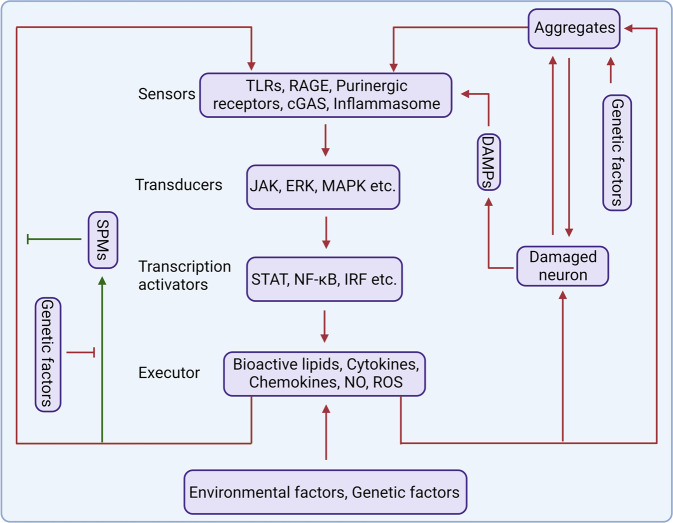
Studies in neurodegenerative diseases, including Alzheimer's disease, Parkinson's disease and Amyotrophic lateral sclerosis, Huntington's disease, and so on, have suggested that inflammation is not only a result of neurodegeneration but also a crucial player in this process. Protein aggregates which are very common pathological phenomenon in neurodegeneration can induce neuroinflammation which further aggravates protein aggregation and neurodegeneration. Actually, inflammation even happens earlier than protein aggregation. Neuroinflammation induced by genetic variations in CNS cells or by peripheral immune cells may induce protein deposition in some susceptible population. Numerous signaling pathways and a range of CNS cells have been suggested to be involved in the pathogenesis of neurodegeneration, although they are still far from being completely understood. Due to the limited success of traditional treatment methods, blocking or enhancing inflammatory signaling pathways involved in neurodegeneration are considered to be promising strategies for the therapy of neurodegenerative diseases, and many of them have got exciting results in animal models or clinical trials. Some of them, although very few, have been approved by FDA for clinical usage. Here we comprehensively review the factors affecting neuroinflammation and the major inflammatory signaling pathways involved in the pathogenicity of neurodegenerative diseases, including Alzheimer's disease, Parkinson's disease, and Amyotrophic lateral sclerosis. We also summarize the current strategies, both in animal models and in the clinic, for the treatment of neurodegenerative diseases.
Overview
CoChat Summary
TL;DR
This review argues that neuroinflammation is not just a downstream consequence of neurodegeneration, but can begin early and help drive disease progression in AD, PD, and ALS. It synthesizes evidence on inflammatory triggers, signaling pathways, and immune-directed therapies, while emphasizing that many inflammatory targets have both harmful and protective roles depending on timing and context.
Key findings
- The paper states that neuroinflammation is a shared hallmark across major neurodegenerative diseases, including Alzheimer’s disease (AD), Parkinson’s disease (PD), and amyotrophic lateral sclerosis (ALS), and may occur before overt protein aggregation.
- In AD, the review notes that more than 10% of people older than 65 and 30% of people older than 85 are affected; it also states that ~90–95% of AD is sporadic, while early-onset AD accounts for up to 5% of cases.
- In PD, the paper reports that at diagnosis about 30% of dopaminergic neuronal cell bodies in the substantia nigra and 50% of dopamine axon terminals in the dorsal putamen have already been lost; by 4 years after diagnosis almost all dopamine axon terminals are lost, and by 5 years most neuronal cell bodies are lost.
- In TBI, the review reports diffuse Aβ plaques in the brains of 30% of individuals who acutely die from TBI, and says TBI is a risk factor for PD and ALS.
- The paper highlights several therapeutic findings: aducanumab was approved by the US FDA in 2021, lecanemab in January 2023, and edaravone was approved in Japan in 2015 and the US in 2017 for ALS.
Methods
- Narrative review of the role of neuroinflammation in neurodegeneration, focused on AD, PD, and ALS, with sections on endogenous, environmental, and genetic inflammatory triggers, signaling pathways, and immune-directed therapies.
- The paper synthesizes findings from clinical studies, GWAS, postmortem human tissue studies, animal models, and in vitro experiments; no original cohort or experimental dataset is presented.
- Main analysis is qualitative integration of prior literature, including comparisons across disease stages and discussion of pro-inflammatory and pro-resolving signaling.
Limitations
- The paper explicitly states that many mechanisms are “still far from being completely understood” and that further studies are needed to clarify signaling roles, especially for pathways such as cGAS-STING, TLRs, RAGE, TREM2, NLRP3, and NO.
- It also states that many therapies show effects in animal models or early trials but have limited clinical success or no confirmed clinical benefit yet.
- Evident from the text: this is a review article, so it cannot establish causality on its own and relies on heterogeneous prior studies, often with conflicting results across models and disease stages.
Model-written summary. Check it against the paper before relying on it.
Integrity signals
Registry
Cites
Statistics
Figures
Verification
Claims the paper makes
271 Valid · 18 Not valid · 140 Not checked · 102 Own results and interpretations
Some cited sources support this claim and some don’t — read each source’s verdict below.
In the paper
“increasing evidence demonstrate that immune signaling may not just be a consequence of protein aggregation in the brain, but that it actually causes the buildup of aggregates at the earliest stages of the disease process.15–17”
§ Role of neuroinflammation in neurodegeneration development > Probable inducers of inflammation in neurodegeneration
What the sources say
- Disputedcites [15] Hong S Complement and microglia mediate early synapse loss in Alzheimer mouse models Science 2016 352 712 716 10.1126/science.aad8373 27033548 PMC5094372 sourceExperimental — accuracy not yet measured
The Abstract (page not supplied) describes the opposite causal direction for the measured pathway: soluble Aβ increases C1q deposition, and Aβ oligomers induce complement activity. It identifies complement and microglia as early mediators of synapse loss before plaques form, not as causes of aggregate buildup. (LLM, conf=0.86)
Checked by a reasoning model — may be wrong.
- Partly supportedcites [16] Sosna J Early long-term administration of the CSF1R inhibitor PLX3397 ablates microglia and reduces accumulation of intraneuronal amyloid, neuritic plaque deposition and pre-fibrillar oligomers in 5XFAD mouse model of Alzheimer’s disease Mol. Neurodegener. 2018 13 11 10.1186/s13024-018-0244-x 29490706 PMC5831225 sourceExperimental — accuracy not yet measured
The Discussion (page unavailable) reports that early PLX3397 treatment reduced intraneuronal amyloid and plaque accumulation in 5XFAD mice, supporting a possible role for signaling in early aggregate buildup. But it leaves open whether the effect reflects microglial immune signaling or CSF1R signaling in neurons, so it does not establish that immune signaling itself causes the buildup. (LLM, conf=0.84)
- Partly supportedcites [17] Shi, Q. et al. Complement C3 deficiency protects against neurodegeneration in aged plaque-rich APP/PS1 mice. Sci. Transl. Med. 9, eaaf6295 (2017). PMC6936623 28566429 sourceExperimental — accuracy not yet measured
The Discussion reports that complement can promote the nucleation phase of Aβ aggregation, supporting a possible role in initiating aggregates. But the Results found no difference in plaque burden with C3 deficiency at the earliest stages of plaque deposition; the paper does not establish that immune signaling causes aggregate buildup at the earliest disease stages. In aged mice, C3 deficiency instead increased plaque deposition. (LLM, conf=0.86)
hedgedstates a possible cause- Asserted: passes — The authors put it forward as true.
- Checkable: passes — It can be checked against evidence.
- Load-bearing: passes — The paper’s conclusions depend on it.
- Based: passes — The paper gives a reason why it holds.
- Disputed
At least one cited source doesn’t support this claim or points to a different paper, and none confirmed it — see the verdicts below.
In the paper
“but multiple clinical trials have failed to bear that out.541”
§ Role of neuroinflammation in neurodegeneration development > Immune-directed therapies > Alzheimer’s disease
What the sources say
- Disputedcites [541] Rivers-Auty J Mather AE Peters R Lawrence CB Brough D Anti-inflammatories in Alzheimer’s disease-potential therapy or spurious correlate? Brain Commun. 2020 2 fcaa109 10.1093/braincomms/fcaa109 33134914 PMC7585697 sourceExperimental — accuracy not yet measured
The Introduction (page not specified) says epidemiological studies associated NSAID use with a lower, not increased, risk of developing Alzheimer’s disease. It reports that multiple clinical trials found no significant effect on disease progression; those trials did not test the claimed increased-risk association. (LLM, conf=0.88)
Checked by a reasoning model — may be wrong.
plain- Asserted: passes — The authors put it forward as true.
- Checkable: passes — It can be checked against evidence.
- Load-bearing: unclear — It is unclear whether the paper’s conclusions depend on it.
- Based: passes — The paper gives a reason why it holds.
- Disputed
The cited sources support only part of this claim — read each source’s verdict below.
In the paper
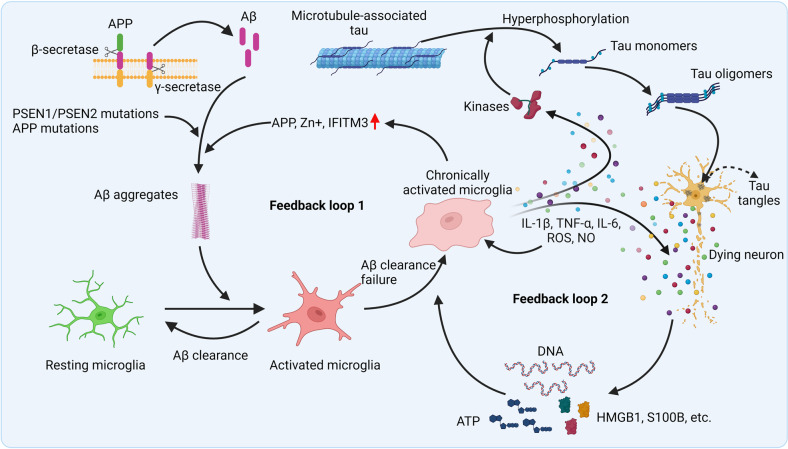
“while tau pathology usually occurs downstream from the deposition of Aβ plaques.31”
§ Role of neuroinflammation in neurodegeneration development > Probable inducers of inflammation in neurodegeneration > Endogenous factors
What the sources say
- Partly supportedcites [31] Pontecorvo MJ Relationships between flortaucipir PET tau binding and amyloid burden, clinical diagnosis, age and cognition Brain 2017 140 748 763 28077397 PMC5382945 sourceExperimental — accuracy not yet measured
The Introduction describes tau pathology appearing after amyloid-β plaques as a hypothesis, but also presents evidence that the two pathologies may begin independently. The Discussion says the results are consistent with independent beginnings and a possible dependence on amyloid for tau's later spread. The source therefore does not establish that tau pathology usually begins downstream of plaque deposition. (LLM, conf=0.86)
hedgedstates a cause- Asserted: passes — The authors put it forward as true.
- Checkable: passes — It can be checked against evidence.
- Load-bearing: unclear — It is unclear whether the paper’s conclusions depend on it.
- Based: passes — The paper gives a reason why it holds.
- Partly supported
The cited sources support only part of this claim — read each source’s verdict below.
In the paper
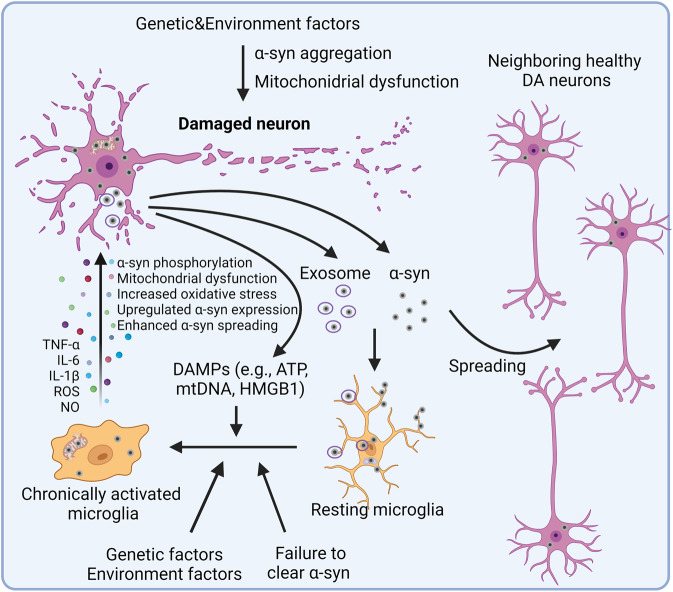
“In animal models of PD and in PD patients, misfolded α-synuclein was found to be released from injured neurons into the extracellular fluid.51,61,62”
§ Role of neuroinflammation in neurodegeneration development > Probable inducers of inflammation in neurodegeneration > Endogenous factors
What the sources say
- Supportedcites [51] Gundersen V Parkinson’s disease: can targeting inflammation be an effective neuroprotective strategy? Front. Neurosci. 2020 14 580311 10.3389/fnins.2020.580311 33716638 PMC7946840 source
The “Brain Inflammation and Microglia Activation” section states that misfolded α-synuclein is released from injured neurons into extracellular fluid in animal models of PD. It also reports evidence that aberrant α-synuclein is secreted from neurons into extracellular fluid in PD patients. (LLM, conf=0.91)
- Partly supportedcites [61] Kim C Neuron-released oligomeric alpha-synuclein is an endogenous agonist of TLR2 for paracrine activation of microglia Nat. Commun. 2013 4 1562 10.1038/ncomms2534 23463005 PMC4089961 sourceExperimental — accuracy not yet measured
The Abstract (page unavailable) says neurons release α-synuclein and that misfolding and aggregation may facilitate its release. The Results section on cell-released α-synuclein (page unavailable) demonstrates release from cultured neuronal cells, but reports that overexpression did not affect their viability. The paper does not establish that misfolded α-synuclein was released from injured neurons in PD animal models or PD patients. (LLM, conf=0.86)
- Partly supportedcites [62] Choi I Microglia clear neuron-released alpha-synuclein via selective autophagy and prevent neurodegeneration Nat. Commun. 2020 11 1386 10.1038/s41467-020-15119-w 32170061 PMC7069981 sourceExperimental — accuracy not yet measured
The Introduction (page not provided) says neurons can secrete α-synuclein following stress or injury, and the Results (page not provided) report extracellular neuron-released α-synuclein in mouse models. The paper does not establish that the released protein was misfolded or report its release from injured neurons in PD patients. (LLM, conf=0.85)
plainstates a cause- Asserted: passes — The authors put it forward as true.
- Checkable: passes — It can be checked against evidence.
- Load-bearing: passes — The paper’s conclusions depend on it.
- Based: passes — The paper gives a reason why it holds.
- Supported
Every source the paper cites for this claim was checked and supports it.
In the paper
“NFTs have also been found to be spatially correlated with neuroinflammation in clinical samples from AD patients.45”
§ Role of neuroinflammation in neurodegeneration development > Probable inducers of inflammation in neurodegeneration > Endogenous factors
What the sources say
- Supportedcites [45] Dani M Microglial activation correlates in vivo with both tau and amyloid in Alzheimer’s disease Brain 2018 141 2740 2754 30052812 source
The Voxel-level correlations section reports significant positive correlations across several cortical regions between PET measures of tau aggregation and microglial activation in subjects with Alzheimer’s disease. The Discussion connects tau aggregation with neurofibrillary tangles, supporting the claim as a paraphrase of the imaging finding. (LLM, conf=0.92)
plainstates an association- Asserted: passes — The authors put it forward as true.
- Checkable: passes — It can be checked against evidence.
- Load-bearing: unclear — It is unclear whether the paper’s conclusions depend on it.
- Based: passes — The paper gives a reason why it holds.
- Supported
237 more claims · 122 with their cited sources checked
Create a free account to see all 531 claims and to verify the 66 references still open.
- It may state two separate claims as one. 257
- Probably not a substantial claim. 56
Claims other papers make about this one
Each is checked against this paper’s own text: does it say what the citing paper says it does?
The source backs part of the claim, not all of it — or backs it for a different population, condition or comparison.
In the citing paper
“For instance, IL-6 promotes T helper 17 (Th17) cell differentiation in MS and contributes to neuroinflammation in AD and PD, while TNF-α is implicated in demyelination in MS, amyloid pathology in AD, and microglial activation in PD8,11.”
From Elevated miRNA-21, miRNA-155, and miRNA-182 levels correlate with cytokine dysregulation in neurological disorders and indicate potential for biomarker and therapy development (2025) · cites this paper as [8]
Experimental — accuracy not yet measuredThe source backs part of the claim, not all of it — or backs it for a different population, condition or comparison.
In the citing paper
“IL-6 and TNF-α are key pro-inflammatory mediators that exacerbate inflammation and neuronal damage in these disorders.”
From Elevated miRNA-21, miRNA-155, and miRNA-182 levels correlate with cytokine dysregulation in neurological disorders and indicate potential for biomarker and therapy development (2025) · cites this paper as [8]
Experimental — accuracy not yet measuredThe source backs part of the claim, not all of it — or backs it for a different population, condition or comparison.
In the citing paper
“IL-6 and TNF-α increase inflammation and contribute to the development of MS, AD, and PD8,11.”
From Elevated miRNA-21, miRNA-155, and miRNA-182 levels correlate with cytokine dysregulation in neurological disorders and indicate potential for biomarker and therapy development (2025) · cites this paper as [8]
Experimental — accuracy not yet measuredThe source backs part of the claim, not all of it — or backs it for a different population, condition or comparison.
In the citing paper
“Moreover, the efficient uptake of TD5 BLNPs by astrocytes and neurons allows for potent delivery of mRNAs encoding anti-inflammatory proteins, providing a targeted approach to mitigate neuroinflammation, which is a key contributor to neurodegeneration in both AD and PD.[31]”
From Lipid Nanoparticles Enhance mRNA Delivery to the Central Nervous System Upon Intrathecal Injection (2025) · cites this paper as [31]
Experimental — accuracy not yet measuredThe check wasn’t confident either way, so it gives no verdict — never disputed.
In the citing paper
“For instance, IL-6 promotes T helper 17 (Th17) cell differentiation in MS and contributes to neuroinflammation in AD and PD, while TNF-α is implicated in demyelination in MS, amyloid pathology in AD, and microglial activation in PD8,11.”
From Elevated miRNA-21, miRNA-155, and miRNA-182 levels correlate with cytokine dysregulation in neurological disorders and indicate potential for biomarker and therapy development (2025) · cites this paper as [8]
Experimental — accuracy not yet measured
7 more claims about this paper
Create a free account to see every claim other papers make about this one.
Self-check
Percentages, sums and reported differences re-computed from the paper’s own numbers.
Self-check results appear here once an independent check has confirmed them.
Cited works that were retracted
Works this paper cites that were later retracted, from the retraction notices publishers deposit. Major when the notice came out before this paper was published.
A note, not an issue: for example, a cited work that was retracted only after this paper was published, which its authors could not have known.
In the paper
“Multiple studies have revealed that loss of PRKN and PINK1 dysregulated mitophagy and increased mitochondria stress, leading to mito-inflammation,(267) which was recently suggested to be involved in PD pathology in PINK1 and PRKN deficient mice.(268) In addition to mito-inflammation, both PRKN and PINK1 have been impl…”
Cited work 10.1038/s41586-018-0448-9 · retracted 2025-07-30 · notice 10.1038/s41586-025-09346-8 · this paper published 2023-07-12
A note, not an issue: for example, a cited work that was retracted only after this paper was published, which its authors could not have known.
In the paper
“In vitro cultured pericytes were suggested to rapidly clear extracellular Aβ40 via LRP1, while excessive accumulation of Aβ in pericytes over longer periods of time resulted in cell death.(506) Pericytes dysfunction may also involve in the pathology of ALS.”
Cited work 10.1038/ncomms3932 · retracted 2024-04-03 · notice 10.1038/s41467-024-47285-6 · this paper published 2023-07-12
Citations
Cites
2 retracted
RETRACTED ARTICLE: Parkin and PINK1 mitigate STING-induced inflammation
Sliter, D. A., Martinez, J., Hao, L., Chen, X., Sun, N., Fischer, T. D., Burman, J. L., Li, Y., Zhang, Z., Narendra, D. P., et al. (2018) · Nature · doi:10.1038/s41586-018-0448-9 · Cited by 1,287 · cited 2×
“Multiple studies have revealed that loss of PRKN and PINK1 dysregulated mitophagy and increased mitochondria stress, leading to mito-inflammation,(267) which was recently suggested to be involved in PD pathology in PINK1 and PRKN deficient mice.(268) In addition to mito-inflammation, both PRKN and PINK1 have been impl…”
BackgroundRetractedRETRACTED ARTICLE: Pericyte loss influences Alzheimer-like neurodegeneration in mice
Sagare, A. P., Bell, R. D., Zhao, Z., Ma, Q., Winkler, E. A., Ramanathan, A., & Zlokovic, B. V. (2013) · Nature Communications · doi:10.1038/ncomms3932 · Cited by 589 · cited 1×
“In vitro cultured pericytes were suggested to rapidly clear extracellular Aβ40 via LRP1, while excessive accumulation of Aβ in pericytes over longer periods of time resulted in cell death.(506) Pericytes dysfunction may also involve in the pathology of ALS.”
BackgroundRetractedPolazzi, E., Mengoni, I., Caprini, M., Peña-Altamira, E., Kurtys, E., & Monti, B. (2013) · Neurosignals · doi:10.1159/000337115 · Cited by 8,994
Ubiquitinated TDP-43 in Frontotemporal Lobar Degeneration and Amyotrophic Lateral Sclerosis
Neumann, M., Sampathu, D. M., Kwong, L. K., Truax, A. C., Micsenyi, M. C., Chou, T. T., Bruce, J., Schuck, T., Grossman, M., Clark, C. M., et al. (2006) · Science · doi:10.1126/science.1134108 · Cited by 6,576 · cited 13×
“In vitro and in vivo studies revealed that silencing of HMGB1 or S100B reduced neuroinflammation and attenuated neurodegenerative diseases.336,337 RAGEs receptor was also highly expressed in PD patients,338 and RAGE gene polymorphisms were associated with sporadic PD in the Chinese Han population.339 Deficiency of RAG…”
BackgroundInfluentialA Toll-like receptor recognizes bacterial DNA
Hemmi, H., Takeuchi, O., Kawai, T., Kaisho, T., Sato, S., Sanjo, H., Matsumoto, M., Hoshino, K., Wagner, H., Takeda, K., et al. (2000) · Nature · doi:10.1038/35047123 · Cited by 6,491 · cited 1×
“TLR9, the sole TLR that can detect DNA, was originally found as a sensor for bacterial DNA that has abundant unmethylated CpG dinucleotides.(311) However, unmethylated, CpG-rich sequences are present in mammalian nuclear DNA, albeit at low frequency.”
BackgroundLecanemab in early Alzheimer's disease
van Dyck, C. H., Swanson, C. J., Aisen, P., Bateman, R. J., Chen, C., Gee, M., Kanekiyo, M., Li, D., Reyderman, L., Cohen, S., et al. (2023) · New England Journal of Medicine · doi:10.1056/nejmoa2212948 · Cited by 5,678 · cited 1×
“In January 2023, Lecanemab, the other antibody for Aβ, was also approved by using the US FDA’s accelerated approval pathway as a treatment for early AD.(530) Considering that tau pathology has better correlation with cognitive impairments than Aβ plaques, tau targeted therapy is thought to be a better choice than Aβ.”
MethodA Unique Microglia Type Associated with Restricting Development of Alzheimer’s Disease
Keren-Shaul, H., Spinrad, A., Weiner, A., Matcovitch-Natan, O., Dvir-Szternfeld, R., Ulland, T. K., David, E., Baruch, K., Lara-Astaiso, D., Toth, B., et al. (2017) · Cell · doi:10.1016/j.cell.2017.05.018 · Cited by 5,493
Cyclic GMP-AMP Synthase Is a Cytosolic DNA Sensor That Activates the Type I Interferon Pathway
Sun, L., Wu, J., Du, F., Chen, X., & Chen, Z. J. (2013) · Science · doi:10.1126/science.1232458 · Cited by 4,996
Microglia: Active sensor and versatile effector cells in the normal and pathologic brain
Hanisch, U.-K., & Kettenmann, H. (2007) · Nature Neuroscience · doi:10.1038/nn1997 · Cited by 3,676 · cited 1×
“The immune system plays crucial roles in the maintenance of tissue homeostasis, removal of pathogens, and injury recovery.(18,19) In most cases, the immune response is beneficial and self-limited, and it is resolved once the tissue injury has been repaired or the infection has been eliminated.”
BackgroundMechanisms underlying inflammation in neurodegeneration
Glass, C. K., Saijo, K., Winner, B., Marchetto, M. C., & Gage, F. H. (2010) · Cell · doi:10.1016/j.cell.2010.02.016 · Cited by 3,580 · cited 1×
“ALS is always fatal, with an average life expectancy of 2–5 years after diagnosis.(77) The progression of ALS toward the fatal outcome is extremely rapid—faster than any other neurodegenerative disease.”
Background
Cited by
Items 901–1,000 of 1,630
The case for space as a model of accelerated aging
Manwaring-Mueller, M., Du, H., Valentino, T. R., Fuentealba, M., Chebykin, A., Wu, F., Furman, D., & Winer, D. A. (2026) · Nature Aging · doi:10.1038/s43587-026-01105-2 · Cited by 3
Eissazade, N., Nazemi, L., Ashtiani, B. H., & Moradi-Lakeh, M. (2026) · Brain Communications · doi:10.1093/braincomms/fcag132 · Cited by 2
Exploring the role of tocotrienol-rich fraction (TRF) in ameliorating neuroinflammation
Tan, J. Y., Retinasamy, T., Lee, V. L. L., Radhakrishnan, A. K., & Yeong, K. Y. (2026) · Inflammopharmacology · doi:10.1007/s10787-026-02249-8 · Cited by 2
“Once the threat has been successfully eliminated, the immune system returns to its resting state (Zhang et al. 2023 ).”
Evolving role of biomarkers in spinal cord injury: From research to clinical translation
Andrabi, S. S., Steinmetz, M. P., & Labhasetwar, V. D. (2026) · Biomedicine & Pharmacotherapy · doi:10.1016/j.biopha.2026.119389 · Cited by 2
Osman, S., Demirbolat, G. M., & Işık, S. (2026) · Inflammopharmacology · doi:10.1007/s10787-026-02236-z · Cited by 2
“Streit et al. (2004) and Zhang et al. (2023) demonstrated that microglia are key cellular mediators of neuroinflammatory processes and are essential for maintaining tissue homeostasis, removing invading pathogens, and promoting recovery from injuries.”
Xu, X., Wang, Q., Liu, Z., Li, J., Wang, S., & Qian, L. (2026) · Antioxidants · doi:10.3390/antiox15050571 · Cited by 4
Bufi, A. A., Papait, A., Ponsaerts, P., Silini, A. R., & Parolini, O. (2026) · Translational Neurodegeneration · doi:10.1186/s40035-026-00554-4 · Cited by 4
Wang, S., Liu, M., Shi, X., Xiong, T., Li, R., Zheng, W., Huang, Q., Nan, Y., & Ai, K. (2026) · Science Bulletin · doi:10.1016/j.scib.2026.05.020 · Cited by 3
Mercuriali, B., Bottoni, M., Milani, F., Muluhie, M., Santagostini, L., Giuliani, C., Rzemieniec, J., Castiglioni, L., Fico, G., & Sironi, L. (2026) · Pharmaceuticals · doi:10.3390/ph19060832 · Cited by 2
“BBB integrity represents a critical determinant of neuroinflammatory progression, as tight junction disruption allows peripheral immune cells and inflammatory mediators to infiltrate the CNS, thereby amplifying neuroinflammatory cascades [6,33,34].”
Jifu, C., Lü, L., Li, Y., Gao, X., Pei, B., Liu, L., Xu, Z., Xia, J., & Wang, J. (2026) · International Immunopharmacology · doi:10.1016/j.intimp.2026.116940 · Cited by 2
Lakra, A., Singh, N., Vashishth, S., Ambasta, R. K., & Kumar, P. (2026) · Ageing Research Reviews · doi:10.1016/j.arr.2026.103189 · Cited by 4
Convergence of neuroinflammation across major neurotropic viral exposomes in AD and ADRD
Harmouch, J., Green, R. J., Mayilsamy, K., Tosi, K., Mohapatra, S., & Mohapatra, S. S. (2026) · Journal of Neuroinflammation · doi:10.1186/s12974-026-03876-2 · Cited by 2
“The infectious brain hypothesis has evolved substantially since its early 20th-century origins, when microbial agents were first proposed as potential triggers of neuro-degeneration [22].”
Dietary flavonoids for brain health: Molecular mechanisms and functional food applications
Sagan, J., Reszczyńska, E., Dresler, S., Feldo, M., Czelej-Wrzesień, M., & Hanaka, A. (2026) · Journal of Functional Foods · doi:10.1016/j.jff.2026.107357 · Cited by 3
Khan, S., Singh, A. P., Sharma, H., Gohri, S., Taumar, D., & Chaudhary, V. (2026) · Journal of Pharmacy and Pharmacology · doi:10.1093/jpp/rgag052 · Cited by 6
A Age Related Vascular Senescence: Mystery of Blood-brain Barrier Dysfunction in Neurodegeneration
Behl, T., Jayabalan, K., Ballal, S., Sahoo, S., Chellammal, H. S. J., Gulati, M., Anand, K., Jha, S. K., & Gasmi, A. (2026) · Molecular Neurobiology · doi:10.1007/s12035-026-05984-9 · Cited by 3
Microglial ferroptosis mediated neuroinflammation in central nervous system diseases
Ren, S.-X., Jia, F.-J., Zhu, J., Liu, J.-R., Guo, H.-D., & Cui, G.-H. (2026) · Brain Research Bulletin · doi:10.1016/j.brainresbull.2026.112020 · Cited by 3
D'Arrigo, J. S. (2024) · International Journal of Translational Medicine · doi:10.3390/ijtm4010008 · Cited by 2
“Similarly, it has been noted that neuroinflammation following traumatic brain injury is a chronic response to an acute injury and is frequently linked to activated microglia and the release of pro-inflammatory cytokines [33,70].”
BackgroundResultMititelu-Tarțău, L., Bogdán, M., Pavel, L. L., Rezuș, C., Foia, C. I., Dima, N., Gurzu, I. L., Pelin, A.-M., & Bucă, B. R. (2024) · Life · doi:10.3390/life14030306 · Cited by 5
“If the physiological control of these signaling pathways fails, the pathological effects of NO lead to neuroinflammatory and neurodegenerative processes [21–23].”
BackgroundJayashan, S. S., Darai, N., Rungrotmongkol, T., Wasana, P. W. D., Nwe, S. Y., Thongphichai, W., Suriyakala, G., Towiwat, P., & Sukrong, S. (2024) · Applied Sciences · doi:10.3390/app14093755 · Cited by 6
Giacomazzo, G. E., Conti, L., Paderni, D., Sfragano, P. S., Quadrini, L., Macedi, E., Andreini, C., Donati, C., Bernacchioni, C., Mulas, G., et al. (2024) · Chemistry - A European Journal · doi:10.1002/chem.202400834 · Cited by 3
Abietane Diterpenes from Medusantha martiusii and Their Anti-Neuroinflammatory Activity
de Assis, E. B., de Andrade, R. S., Silva, J. P. R. E., Martorano, L. H., Amorim, G. M. W., Loureiro, P. B. A., Abreu, L. S., Sobral, M. V., Scotti, M. T., dos Santos, F. M., et al. (2024) · Molecules · doi:10.3390/molecules29122723 · Cited by 2
“Results are presented as the mean ± SEM 95% confidence Quercetin was used as positive control.”
MethodVisansirikul, S., Yanaso, S., Boondam, Y., Prasittisa, K., Prutthiwanasan, B., Chongruchiroj, S., & Sripha, K. (2024) · RSC Medicinal Chemistry · doi:10.1039/d4md00270a · Cited by 5
Longobardi, A., Bellini, S., Nicsanu, R., Pilotto, A., Geviti, A., Facconi, A., Tolassi, C., Libri, I., Saraceno, C., Fostinelli, S., et al. (2024) · International Journal of Molecular Sciences · doi:10.3390/ijms25137457 · Cited by 3
Infection, Neuroinflammation and Interventions for Healthy Brain and Longevity
Fülöp, T., Ramassamy, C., Lacombe, G., Frost, E. H., Cohen, A. A., Rodrigues, S., Desroches, M., Hirokawa, K., Laurent, B., & Witkowski, J. M. (2024) · Healthy ageing and longevity · doi:10.1007/978-3-031-68513-2_12 · Cited by 2
Bae, J.-S., Heo, J. E., & Ryu, K. (2024) · Molecular Brain · doi:10.1186/s13041-024-01147-w · Cited by 2
“Lcn2, originally identified as a secretory protein in neutrophils, protects the innate immune system against bacterial infections by limiting bacterial growth and is Neuroinflammation is associated with aging and neurodegenerative diseases [1].”
BackgroundObeid, F., Kahana, M., Dahle, B., Monga, S., Zohar, Y., Weizman, A., & Gavish, M. (2024) · Cells · doi:10.3390/cells13201702 · Cited by 1
Mora, I., Teixidó, À., Vázquez‐Manrique, R. P., Arola, L., & Puiggròs, F. (2024) · International Journal of Molecular Sciences · doi:10.3390/ijms252312594 · Cited by 3
Jiang, S., Zhang, X., Xu, J., Liu, Y., Chen, W., Zhang, J., & Wang, J. (2024) · Endocrine Metabolic & Immune Disorders - Drug Targets · doi:10.2174/0118715303321231240905073202 · Cited by 2
Molecular Imaging of Nitric Oxide Surrogates with Organelle‐Specific Fluorescent Probes
Yadav, R., Sanukhan, R., Kalita, N., Mendiratta, S., Sivaramakrishnan, S., Murugan, S., & Samanta, A. (2024) · Chemistry - An Asian Journal · doi:10.1002/asia.202401237 · Cited by 3
Diterpenoids from Mangrove Plant Excoecaria agallocha L. and Their Anti-neuroinflammatory Activities
Li, J., Yang, L., Chen, M., et al. (2024) · Chinese Journal of Organic Chemistry · doi:10.6023/cjoc202404024 · Cited by 2
Cao, Y., Yang, C., Liu, C., Fan, Z., Yang, S., Song, H., & Hao, R. (2024) · Environmental Technology & Innovation · doi:10.1016/j.eti.2024.103965 · Cited by 2
Bianchetti, M. E., Ferreira, A. F. F., & Britto, L. R. (2024) · Frontiers in Neuroanatomy · doi:10.3389/fnana.2024.1511951 · Cited by 2
Detection of fungal sequences in human brain: rDNA locus amplification and deep sequencing
Leitao, R., Wan, I. U., Chown, H., Williams, T. J., Fisher, M. C., & Rhodes, J. L. (2024) · Scientific Reports · doi:10.1038/s41598-024-82840-7 · Cited by 3
Gabriel, Y., Voronov‐Goldman, M., & Solomon, B. (2025) · Ageing and Neurodegenerative Diseases · doi:10.20517/and.2024.25 · Cited by 3
Slattery, K., Kauss, M. C., Raval, D., Hsieh, E., Choi, A., Davis, T. S., Robins, K. R., Miller, H., Vera, E. M., Wright, M. L., et al. (2025) · Neuro-Oncology Advances · doi:10.1093/noajnl/vdaf002 · Cited by 2
Sun, D., Mu, M., Jiang, Y., Wang, B., Kong, Z., Tan, J., & Hu, Y. (2025) · Scientific Reports · doi:10.1038/s41598-025-93076-4 · Cited by 2
Impact of Neuroimmune System Activation by Adolescent Binge Alcohol Exposure on Adult Neurobiology
Macht, V. A., de Castro, S., & Vetreno, R. P. (2025) · Advances in experimental medicine and biology · doi:10.1007/978-3-031-81908-7_9 · Cited by 2
Rodríguez‐Casado, A., Álvarez, M., Merino, J. J., Tolédano, A., & Tolédano, A. (2025) · Current Alzheimer Research · doi:10.2174/0115672050375461250325074826 · Cited by 5
Kajitani, G. S., Tomaz, M. A., Leandro, G. D. S., Quayle, C., Rocha, L. C. M., de Souza, T. A., Moreira, L. M., Rosse, I. C., Menck, C. F. M., & Garcia, C. C. M. (2025) · DNA repair · doi:10.1016/j.dnarep.2025.103861 · Cited by 2
Albayrak, M. G. B., Yanar, S., Korak, T., Akpınar, G., & Kasap, M. (2025) · Journal of Inorganic Biochemistry · doi:10.1016/j.jinorgbio.2025.112984 · Cited by 3
Huang, X., Wang, F.-M., Zhou, Y., Lai, M., Liu, H., Hu, Y., Zhou, W., & Zhang, Y. (2025) · Psychoneuroendocrinology · doi:10.1016/j.psyneuen.2025.107558 · Cited by 2
Repurposing FDA-approved drugs for treatment of amyotrophic lateral sclerosis using machine learning
Dogra, S., Kouznetsova, V. L., & Tsigelny, I. F. (2025) · Amyotrophic Lateral Sclerosis and Frontotemporal Degeneration · doi:10.1080/21678421.2025.2536027 · Cited by 2
“Neuroinflammation plays a crucial role in ALS by promoting motor neuro degeneration through activation of microglia, astrocytes, and infiltrating immune cells (29,30).”
Delivery of cytokines via encapsulated human astrocytes for neural immunomodulation
Aghlara-Fotovat, S., Parra, M. D. M., Esfahani, S. N., Rosner, K. E., Oji, S., Fleury, S., Patel, M. D., Tahanis, A., Cvetkovic, C., Veiseh, O., et al. (2025) · Biomaterials · doi:10.1016/j.biomaterials.2025.123650 · Cited by 5
Francavilla, F., Vitone, D., Schepetkin, I. A., Kirpotina, L. N., Carrieri, A., Brunetti, L., Idrissi, I. G. E., Perrone, M. G., Frydrych, J. K., Trojan, E., et al. (2025) · ACS Chemical Neuroscience · doi:10.1021/acschemneuro.5c00308 · Cited by 3
Woo, Q. Y., Lee, B. T. K., Lim, L. W., Zhang, J., Tashiro, A., Lau, P. K., Thibault, G., Wang, Y., & Lin, V. C. L. (2025) · Nutritional Neuroscience · doi:10.1080/1028415x.2025.2546946 · Cited by 2
“Since neuroinflammation is a hallmark of neurodegenerative conditions [100], our findings are relevant to increased risks of dementia cases in women of multiparity.”
Park, D.-J., Kim, K. E., Shin, H. J., An, H. S., Sun, Y., Oh, J., & Roh, G. S. (2025) · Biochemical and Biophysical Research Communications · doi:10.1016/j.bbrc.2025.152571 · Cited by 2
Kim, J., Kulthe, A. D., Lim, S., Yu, E., Sonawane, P. M., Churchill, D. G., Kim, K. W., & Nimse, S. B. (2025) · Microchemical Journal · doi:10.1016/j.microc.2025.116257 · Cited by 4
Gong, Y., Haeri, M., Zhang, X., Li, Y., Liu, A., Wu, D., Zhang, Q., Jazwinski, S. M., Zhou, X., Wang, X., et al. (2024) · medRxiv · doi:10.1101/2024.05.21.24306783 · Cited by 2
Network nature of ligand-receptor interactions underlies disease comorbidity in the brainPreprint
Grant‐Peters, M., Fairbrother-Browne, A., Hicks, A. R., Guo, B., Reynolds, R. H., Huuki-Myers, L. A., Eagles, N., Brenton, J., García-Ruiz, S., Wood, N., et al. (2024) · bioRxiv (Cold Spring Harbor Laboratory) · doi:10.1101/2024.06.15.599140 · Cited by 2
“By leveraging snRNA-seq and spatial transcriptomic data to better understand the cross-disease LR network, we highlight the importance of glial cells and immune processes in cross-disease risk (57 – 60) .”
MethodCannabidiol reverses fentanyl-induced addiction and modulates neuroinflammationPreprint
Bhandari, B., Chagas, H. I. S., Naeini, S. E., Chagas, P. S., Rogers, H. M., Gouron, J., Khan, A., Maciel, L. M., Seyyedi, M., MacKinnon, N. J., et al. (2024) · bioRxiv (Cold Spring Harbor Laboratory) · doi:10.1101/2024.07.20.604441 · Cited by 2
Jlp2 is a non-canonical release factor that protects cells during ribosome stallingPreprint
Iyer, K. V., Kraft, A.-A., Walter, C. A., Müller, M., Tittel, L. S., Stampa, G. F., & Winz, M. (2025) · bioRxiv (Cold Spring Harbor Laboratory) · doi:10.1101/2025.09.04.673968 · Cited by 4
Editorial: Myeloid cells as active players in human neurodegenerative diseases
Iyer, A. K., Moutinho, M., Ayata, P., & Karahan, H. (2025) · Frontiers in Neuroscience · doi:10.3389/fnins.2025.1712394 · Cited by 2
Selective Inactivation of Astrocytic Monoacylglycerol Lipase for Alzheimer’s Disease TherapyPreprint
Sun, L., Hu, M., Lyu, J., Zhu, D., Gao, F., Pan, M., Zhang, J., & Chen, C. (2025) · bioRxiv (Cold Spring Harbor Laboratory) · doi:10.64898/2025.12.04.692105 · Cited by 3
“Neuroinflammation is a key driver of neurodegenerative diseases 44-46 .”
Temporal Shifts in MicroRNAs Signify the Inflammatory State of Primary Murine Microglial Cells
Zohar, K., Lezmi, E., Reichert, F., Eliyahu, T., Rotshenker, S., Weinstock, M., & Linial, M. (2025) · International Journal of Molecular Sciences · doi:10.3390/ijms26125677 · Cited by 1
“Microglia, the resident immune cells of the CNS, play a central role in responding to injury and pathological stimuli [3].”
Microglia nuclear receptor corepressor 1 deficiency alleviates neuroinflammation in mice
Qiu, S., Xian, Z., Chen, J., Huang, P., Wang, H., Wang, H., & Xu, J. (2024) · Neuroscience Letters · doi:10.1016/j.neulet.2024.137643 · Cited by 1
Ban, W., Lü, L., Teng, X., Zhang, Y., & Qi, H. (2024) · Pharmacognosy Magazine · doi:10.1177/09731296241251916 · Cited by 1
“The brain tissue of MPTP-triggered rats revealed a remarkable upsurge in IL-1β, TNF-α, and IL-6 levels.”
InfluentialKulikova, P. V., & Гусельникова, В. В. (2024) · Medical academic journal · doi:10.17816/maj630023 · Cited by 1
Compound FLZ attenuates neuroinflammation through inhibiting Src/PTEN/Akt signaling pathway
Li, F., Zheng, Y.-P., Li, G., Yang, Y., Ma, J., Zang, C., Tao, D., Li, L., Bao, X.-Q., & Zhang, D. (2025) · Journal of Asian Natural Products Research · doi:10.1080/10286020.2024.2435981 · Cited by 1
Deecke, L., Ohlei, O., Goldeck, D., Homann, J., Toepfer, S., Demuth, I., Bertram, L., Pawelec, G., & Lill, C. M. (2025) · Cells · doi:10.3390/cells14040250 · Cited by 1
Impact of sexuality on degenerative diseases
Oyeniran, D. A., Olajide, T. S., Ajagbe͓, A. O., & Mobolaji, A. A. (2025) · Progress in brain research · doi:10.1016/bs.pbr.2025.02.007 · Cited by 1
Sun, N., Xin, J., Zhao, Z., Chen, Y., Gan, B., Duan, L., Luo, J., Wang, D., Zeng, Y., Pan, K., et al. (2025) · Ecotoxicology and Environmental Safety · doi:10.1016/j.ecoenv.2025.118048 · Cited by 1
Temezhnikov, S., Belitskaya, Е. D., Makarenko, V., et al. (2025) · Molekulyarnaya Meditsina (Molecular medicine) · doi:10.29296/24999490-2025-02-05 · Cited by 1
Thome, A. D., Thonhoff, J. R., Wang, J., Berman, H., Grossman, F., & Appel, S. H. (2025) · NeuroImmune Pharmacology and Therapeutics · doi:10.1515/nipt-2025-0001 · Cited by 1
“Chronic inflammatory diseases are driven by a combination of persistent pro-inflammatory activation of immune cells such as myeloid cells (e.g., microglia, macrophages, and monocytes) and dysfunction of the regulatory T cell (Treg) population [1–3].”
Unraveling the Role of Functional Amyloids and Amyloid Peptides in Disease Detection
Kumar, P. R., & Sarkar, N. (2025) · Protein and Peptide Letters · doi:10.2174/0109298665368109250419175111 · Cited by 2
Acute disseminated encephalomyelitis - a monophonic illness
Singh, N. K., Gupta, V., & Mishra, S. K. (2025) · International review of neurobiology · doi:10.1016/bs.irn.2025.04.004 · Cited by 1
APOE genetic variability in an Egyptian cohort of PD
Khedr, E. M., William, M. B., Elhosseiny, A. A., Shalash, A., Fawi, G., Yousef, M. H., El-Jaafary, S. I., Lee, H., Jama, A., Koraym, M., et al. (2025) · Frontiers in Neuroscience · doi:10.3389/fnins.2025.1579968 · Cited by 1
Chu, C., Chang, Y., Liu, K., Liu, Y., Chou, M., Liu, C., Chen, C., Chang, J., & Chen, S. (2025) · Journal of Neuroscience Research · doi:10.1002/jnr.70050 · Cited by 1
Alzarea, S. I., Alsaidan, O. A., Alhassan, H. H., Alzarea, A. I., Alsahli, T. G., Alharbi, M., Afzal, M., & Mantargi, M. J. S. (2025) · Frontiers in Chemistry · doi:10.3389/fchem.2025.1574702 · Cited by 2
Lyckenvik, T., Woock, M., Johansson, K., Axelsson, M., Zetterberg, H., Blennow, K., Hanse, E., & Wasling, P. (2025) · Addiction Biology · doi:10.1111/adb.70053 · Cited by 1
“Neuroinflammation has been linked to neuronal degeneration in diseases like Alzheimer's, HIV, multiple sclerosis, Parkinson's and amyotrophic lateral sclerosis [33, 34].”
Korczak, M., Redl, M., Roszkowski, P., Granica, S., Rollinger, J. M., Heiß, E. H., & Piwowarski, J. P. (2025) · Biomedicine & Pharmacotherapy · doi:10.1016/j.biopha.2025.118282 · Cited by 1
Amyotrophic lateral sclerosis and neurodegenerative diseases: A Mendelian randomization study
Lei, C., Chen, J., Chen, Z., Xiao, Y., Chen, J., Ma, C., Yang, M., Wu, D., & Xie, L. (2025) · Medicine · doi:10.1097/md.0000000000042847 · Cited by 1
He, J., Ran, M., & Tam, K. Y. (2025) · Brain Research · doi:10.1016/j.brainres.2025.149804 · Cited by 1
Darzenta, N., Davis, E., Cochran, A. M., Murray, M., Moore, O., & Naskou, M. C. (2025) · Stem Cells and Development · doi:10.1089/scd.2025.0042 · Cited by 2
Xiao, D., Liu, L., Liang, W., Wang, X., Du, Y., Liu, C., Liu, Y., Zhang, W., & Yang, G. (2025) · Archives of Biochemistry and Biophysics · doi:10.1016/j.abb.2025.110535 · Cited by 2
Self-citationJeon, M., Sung, B., Lee, J. W., Hwang, D. W., Lee, E., Kim, H., Kim, D., Kim, D.-G., & Chang, Y. (2025) · ACS Pharmacology & Translational Science · doi:10.1021/acsptsci.5c00316 · Cited by 1
Neurodegenerative Disorder: An Overview
Verma, M., Shukla, S., Shrivastava, S., & Puranik, N. (2025) · Springer eBooks · doi:10.1007/978-981-96-6202-9_1 · Cited by 2
Proteostasis Disturbances and Inflammation in Neurodegenerative Diseases
Malviya, S., Yadav, R., Arya, N., Singh, R., Kashyap, P. V., & Kumar, A. (2025) · Springer eBooks · doi:10.1007/978-981-96-6202-9_6 · Cited by 1
Olia, J. B. H., Nikanfar, M., Avci, Ç. B., Khalilnezhad, A., Shahriyari, E., & Nourazarian, A. (2025) · Brain Research · doi:10.1016/j.brainres.2025.149826 · Cited by 1
Gogu, P., Bharti, J., Yadav, J. P., Grishina, M., Verma, A., Kumar, V., Singh, A. K., Verma, A., Kumar, P., Khalilullah, H., et al. (2025) · Brain Behavior & Immunity - Health · doi:10.1016/j.bbih.2025.101061 · Cited by 5
Lung function and the risk of Parkinson’s disease: a population-based cohort study
Liu, J., Wang, S., Zheng, X., Zhang, S., Jiang, Q., Li, C., & Shang, H. (2025) · Journal of Neurology · doi:10.1007/s00415-025-13274-y · Cited by 1
“The hypoxemia induced by declining lung function can also trigger systemic inflammatory changes, promoting the onset of neurodegenerative diseases [19, 20].”
Gut-derived brain T cells modulate behavior via IFN-γ
Ha, B., & Cao, X. (2025) · Trends in Pharmacological Sciences · doi:10.1016/j.tips.2025.07.009 · Cited by 1
Pashaei, S., Morozova‐Roche, L. A., Rahimi, Z., Mohammadi, S., Barzegari, E., Shabani, S., Salari, N., & Khodarahmi, R. (2025) · Biochemical Genetics · doi:10.1007/s10528-025-11210-3 · Cited by 2
“Alterations in the expression of this receptor can have either harmful or advantageous effects, depending on the progression of neurodegenerative diseases (Zhang et al. 2023).”
Alza, N. P., Juncos, O. N. B., Cavallaro, V., Pferschy‐Wenzig, E., Pirker, T., Bauer, R., Murray, A. P., & Salvador, G. A. (2025) · Journal of Ethnopharmacology · doi:10.1016/j.jep.2025.120348 · Cited by 2
Photobiomodulation mitigates LPS-induced astrocyte neuroinflammation via the STAT5A/SOCS3 axis
Chen, W., Gu, X., Wu, S., & Zhou, F. (2025) · Journal of Innovative Optical Health Sciences · doi:10.1142/s1793545825500282 · Cited by 1
Kalka, M., Ptak, J., Gregorczyk, P., Ciura, K., Chorążewska, A., Haldar, S., Porębska, N., Marcinkowska, E., & Opaliński, Ł. (2025) · Biotechnology Advances · doi:10.1016/j.biotechadv.2025.108681 · Cited by 3
Shi, C., Zhou, Y., Zhang, Q., Jin, W., & Dong, H. (2025) · Mediators of Inflammation · doi:10.1155/mi/4288671 · Cited by 3
Dono, F., Russo, M., Evangelista, G., Corniello, C., Liguori, C., Calvello, C., Narducci, F., Vollono, C., & Sensi, S. L. (2025) · Epilepsia Open · doi:10.1002/epi4.70108 · Cited by 1
“23 In terms of specific interventions for PwE and long COVID, our findings suggest that while seizure frequency may require close monitoring, especially during the first 6 months following infection, neurological and psychiatric symptoms warrant a longer follow-up.”
Shyamal, S. S., MohanaSundaram, A., Singla, R. K., Shanmugarajan, T. S., Ajagbe͓, A. O., Christy, J., & Anand, D. A. (2025) · Chemistry Africa · doi:10.1007/s42250-025-01404-y · Cited by 1
Gut-to-body: regulatory roles of probiotic extracellular vesicles in healthy homeostasis
Li, X., Li, X., Tang, M., Yuan, X., Wang, Y., Liu, L., Zhao, J., Qiao, W., Zhang, Y., & Chen, L. (2025) · Journal of Future Foods · doi:10.1016/j.jfutfo.2025.05.004 · Cited by 9
Wang, Y., Guo, P., Li, W., & Li, T. (2025) · Frontiers in Immunology · doi:10.3389/fimmu.2025.1595275 · Cited by 3
Biomarkers: From early detection to treatment personalization
Fatima, S., Tiwari, S., Siddiqi, B., Quadri, S. N., & Abdin, M. Z. (2025) · Progress in brain research · doi:10.1016/bs.pbr.2025.08.008 · Cited by 1
Mental illness risk prediction in high school students using artificial neural network
Encarnação, S., Vaz, P. M. F., Vaz, F., Vaz, Á. F., & Monteiro, A. M. (2025) · Acta Psychologica · doi:10.1016/j.actpsy.2025.105324 · Cited by 5
Patel, M., Kumar, S., Dugam, P., Singh, A., & Yadav, P. N. (2025) · ACS Pharmacology & Translational Science · doi:10.1021/acsptsci.5c00041 · Cited by 2
Sharma, P., Bastidas, M. E., Ali, U., Sivasubramaniam, S. D., & Parthsarathy, V. (2025) · Molecular and Cellular Neuroscience · doi:10.1016/j.mcn.2025.104036 · Cited by 1
Veränderungen des Immunsystems im Alter: Immunseneszenz und Auswirkungen auf Impfungen
Weinberger, B., & Dovjak, P. (2025) · Zeitschrift für Gerontologie und Geriatrie · doi:10.1007/s00391-025-02496-4 · Cited by 3
Centella asiatica improves sleep quality and quantity in aged mice
Dovek, L., Tinsley, C. E., Gutowsky, K., McDaniel, K. L., McGuire, N. M., Nungaray, L. R., Potter, Z., Ruffins, M., Milman, N., Wong, C., et al. (2025) · SLEEP Advances · doi:10.1093/sleepadvances/zpaf060 · Cited by 3
Thanou, I., Koutsoudaki, P. N., Margariti, M., Luzzati, F., Havaki, S., Gorgoulis, V. G., & Thomaidou, D. (2025) · Stem Cell Reports · doi:10.1016/j.stemcr.2025.102636 · Cited by 1
Exploring the Prognostic Role of Neurofilaments and SEMA3A in Multiple Sclerosis Progression
Pavelek, Z., Souček, O., Krejsek, J., Součková, I., Popovičová, A., Matyáš, D., Sobíšek, L., & Novotný, M. (2025) · International Journal of Molecular Sciences · doi:10.3390/ijms26178750 · Cited by 1
“Recent evidence suggests progranulin could be involved in modulating the chronic inflammatory environment and influencing neuronal survival in neurodegenerative conditions, including progressive stages of MS [10,11].”
Liu, Y., Thiruvengadam, M., Arcot, R., Shariati, M. A., Edis, Z., Chung, I.-M., Liu, S., & Xi, Q. (2025) · Industrial Crops and Products · doi:10.1016/j.indcrop.2025.121803 · Cited by 1
Extracorporeal hemoadsorption and neurological disorders: A challenging perspective
Ramírez‐Guerrero, G., Ferri-Cortés, A., Cabrera-Aguilar, J. S., & Ronco, C. (2025) · Journal of Translational Critical Care Medicine · doi:10.1097/jtccm-d-25-00015 · Cited by 1
Metadata
- Authors
- Zhang, W., Xiao, D., Mao, Q., & Xia, H.
- Affiliations
- Shaanxi Normal University (CN)
- Xijing Hospital (CN)
- University of Utah (US)
- Corresponding author
- Xia, Haibin
- Venue
- Signal Transduction and Targeted Therapy
- Published
- 2023-07-12
- Volume
- 8
- Issue
- 1
- Pages
- 267-267
- ISSN
- 2059-3635 (ISSN-L)
- PMC
- PMC10336149
- OpenAlex
- W4383894096
- Semantic Scholar
- 06d8152c958fe20ba35cf2cd49421ed1ece7da14
- Cited by
- 1,668
- References
- 590
- Citations by year
- 2026: 598 · 2025: 700 · 2024: 349 · 2023: 21
- FWCI
- 43.51
- Type
- journal article
- Language
- en
- Open access
- gold
- doi.org
- Licence
- cc-by
- creativecommons.org/licenses/by/4.0 (tdm)
- creativecommons.org/licenses/by/4.0 (vor)
- Locations
- Signal Transduction and Targeted Therapy (publishedVersion, cc-by)
- PubMed Central (publishedVersion, cc-by)
- PubMed (publishedVersion)
- DOAJ (DOAJ: Directory of Open Access Journals) (submittedVersion, cc-by-sa)
- Funders
- National Natural Science Foundation of China (81773265, 82101443)
- Natural Science Foundation of Shaanxi Province (2023-JC-YB-160)
- Topics
- Life Sciences › Neuroscience › Neurology › Neuroinflammation and Neurodegeneration Mechanisms
- Life Sciences › Neuroscience › Neurology › Neurological Disease Mechanisms and Treatments
- Life Sciences › Neuroscience › Cellular and Molecular Neuroscience › Alzheimer's disease research and treatments
- Keywords
- neuroinflammation, neurodegeneration, neurodegenerative diseases, Alzheimer's disease, Parkinson's disease, amyotrophic lateral sclerosis, protein aggregation, inflammatory signaling, peripheral immune cells, anti-inflammatory therapy, pathogenesis
- MeSH terms
- Neuroinflammatory Diseases, Alzheimer Disease, Amyotrophic Lateral Sclerosis, Animals, Clinical Trials as Topic, Disease Models, Animal, Humans, Inflammation, Parkinson Disease, Protein Aggregates
About these checks
Registry, retraction, Cites and statistics results are computed, not judged, with one exception: a printed reference that no index lists is read once by a model before it counts as a citation error. Claims are extracted by a model and kept only when their quote appears verbatim in the text; each cited source is then checked, with a model’s help, for whether it says what the claim relies on. Those verdicts can be wrong — read the claim’s quote and the cited source before relying on one.
The claim verdicts this report counts are experimental: their accuracy is not yet measured.
A language model drew the claims from the paper on 2026-10-10, under version 3 of the claim definition (model deepseek-v4.1-flash, prompt extract-v3).
A second model labelled each claim on 2026-10-10 (model jev-1.13-20260917, definition revision gold-guideline-v0.2).
Cited sources are checked with a language model’s help (gpt-6-sol).
Statistics and arithmetic are recomputed, not judged.
Confidence bands are shown only for fields calibrated on our annotated test set. None is calibrated yet, so no band is shown.
What counts as a claim ›How we measure confidence ›How we check this ›
Are you an author, or do you see a problem with this page? Request a review
Data sources
Bibliographic data: Semantic Scholar, OpenAlex, Crossref.
Contains information from the Semantic Scholar Academic Graph Datasets, made available under the ODC Attribution License (ODC-BY 1.0).
Semantic Scholar’s data is described in: Kinney, R., et al. (2023). The Semantic Scholar Open Data Platform. arXiv:2301.10140.
