

Major depressive disorder: hypothesis, mechanism, prevention and treatment
Open accessThe DOI matches its Crossref record; 511 of the 514 references it cites were found in a registry or an index; 260 of the 474 sources its claims cite were checked for support.
Abstract
Worldwide, the incidence of major depressive disorder (MDD) is increasing annually, resulting in greater economic and social burdens. Moreover, the pathological mechanisms of MDD and the mechanisms underlying the effects of pharmacological treatments for MDD are complex and unclear, and additional diagnostic and therapeutic strategies for MDD still are needed. The currently widely accepted theories of MDD pathogenesis include the neurotransmitter and receptor hypothesis, hypothalamic-pituitary-adrenal (HPA) axis hypothesis, cytokine hypothesis, neuroplasticity hypothesis and systemic influence hypothesis, but these hypothesis cannot completely explain the pathological mechanism of MDD. Even it is still hard to adopt only one hypothesis to completely reveal the pathogenesis of MDD, thus in recent years, great progress has been made in elucidating the roles of multiple organ interactions in the pathogenesis MDD and identifying novel therapeutic approaches and multitarget modulatory strategies, further revealing the disease features of MDD. Furthermore, some newly discovered potential pharmacological targets and newly studied antidepressants have attracted widespread attention, some reagents have even been approved for clinical treatment and some novel therapeutic methods such as phototherapy and acupuncture have been discovered to have effective improvement for the depressive symptoms. In this work, we comprehensively summarize the latest research on the pathogenesis and diagnosis of MDD, preventive approaches and therapeutic medicines, as well as the related clinical trials.
Overview
CoChat Summary
TL;DR
MDD is a heterogeneous, highly prevalent disorder whose pathogenesis is not fully explained by any single hypothesis; the review synthesizes evidence for monoamine, HPA-axis, inflammatory, genetic/epigenetic, brain-remodeling, and social-psychological mechanisms, with growing emphasis on astrocyte and multi-organ involvement. It also surveys diagnostic biomarkers, prevention strategies, and pharmacological and nonpharmacological treatments, noting that current antidepressants leave a substantial proportion of patients without remission.
Key findings
- MDD affects about 300 million people worldwide; it ranked third in disease burden in 2018 and is predicted to rank first by 2030. Heritability is estimated at 30–50%, and GWAS have identified 178 genetic risk loci and over 200 candidate genes, though no single genetic variation has been found to increase MDD risk.
- Women have approximately twice the incidence of MDD as men. In 2018, comorbid disorders rather than MDD itself accounted for 63% of all MDD-related costs in the United States.
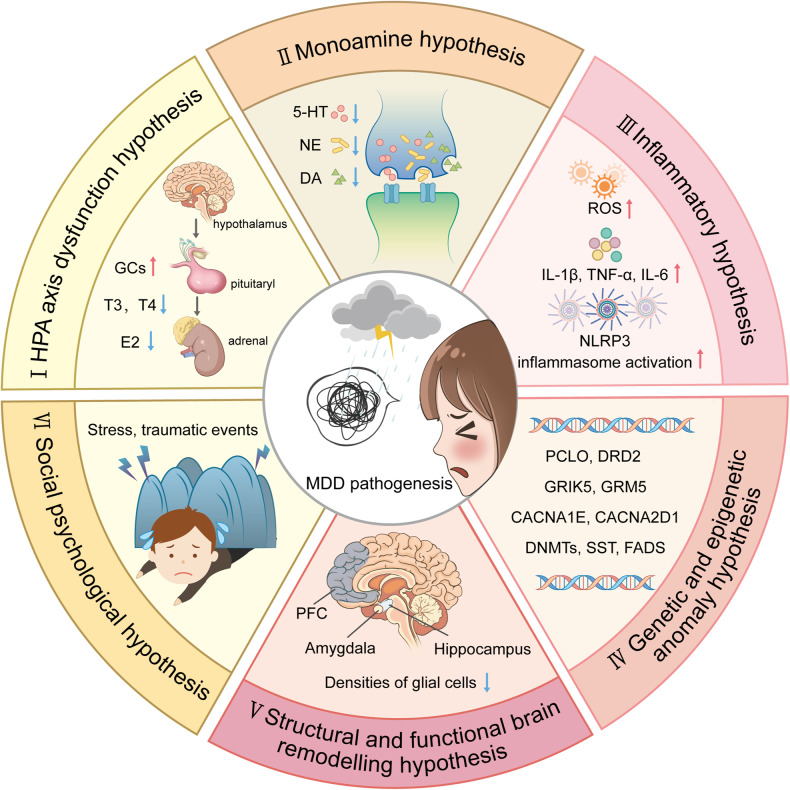
- Multiple interacting mechanisms are implicated, including monoamine deficiency (5-HT, DA, NE), HPA-axis hyperactivity and glucocorticoid/GR signaling, proinflammatory cytokines (IL-1β, TNF-α, IL-6), oxidative stress, NLRP3 inflammasome activation, reduced BDNF, and astrocytic marker changes (Cx30/43, GFAP, AQP4, S100B).
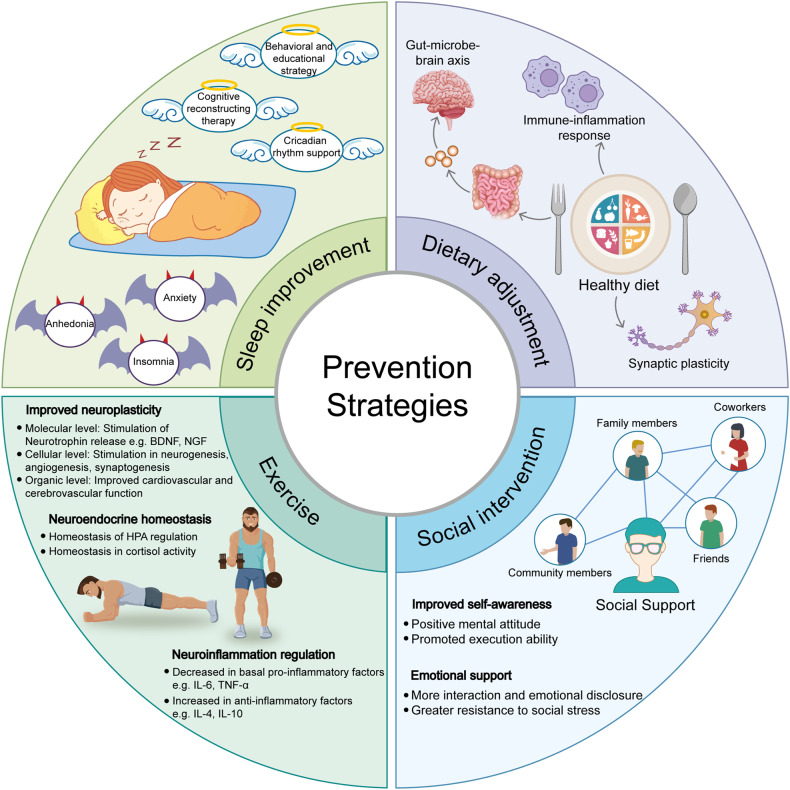
- In a 1-year follow-up, clinically significant worsening of depressive symptoms occurred in 44% of untreated patients versus 38% with circadian rhythm support (CRS), 28% with cognitive behavioral therapy for insomnia (CBT-I), and 9% with CBT-I + CRS. Even after multiple treatment attempts, almost 30% of MDD patients do not experience remission.
Methods
- Narrative review summarizing recent research on MDD etiology, pathogenesis, diagnosis, prevention, mechanisms, and pharmacological and nonpharmacological treatment, including related clinical experiments.
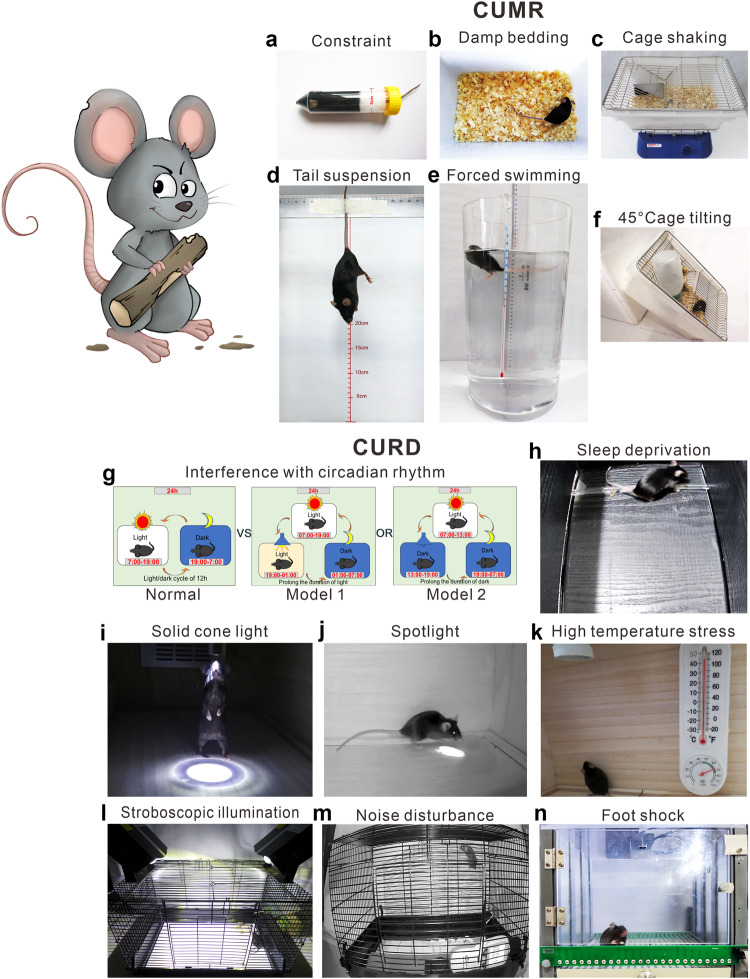
- Evidence discussed includes human postmortem tissue studies, transcriptomic and multiomics analyses, clinical imaging (MRI, R-fMRI, PET with SV2A radioligand), serum biomarker studies, randomized controlled trials, meta-analyses, and animal models such as CUMS, CUMR, CURD, CSDS, and LPS- or stress-induced depression models.
- No systematic review, meta-analysis, or primary data collection is described; the paper synthesizes and organizes findings across hypotheses and treatment categories.
Limitations
- Stated in the paper: the etiology of MDD remains unclear; no single hypothesis fully explains its pathological basis; diagnostic criteria are subjective and lack characteristic symptoms or objective diagnostic evidence; animal models of MDD and other mental diseases are lacking; most cellular and structural alterations cannot be consistently observed in vivo; existing theories cannot completely explain why almost 30% of patients do not remit after multiple treatments.
- Evident from the text: as a narrative review, it does not describe a systematic literature search, inclusion/exclusion criteria, or formal quality appraisal of the cited studies.
- Evident from the text: many proposed mechanisms and biomarkers are described as promising but not yet validated for clinical diagnosis or treatment, and the review notes inconsistent neuroimaging findings and controversy over some markers such as serum GFAP.
Model-written summary. Check it against the paper before relying on it.
Integrity signals
Registry
Cites
Statistics
Figures
Verification
Claims the paper makes
212 Valid · 21 Not valid · 143 Not checked · 25 Own results and interpretations
At least one cited source doesn’t support this claim or points to a different paper, and none confirmed it — see the verdicts below.
In the paper
“However, no single genetic variation has been found to increase the risk of MDD thus far. 26”
What the sources say
- Disputedcites [26] Kendall KM The genetic basis of major depression Psychol. Med. 2021 51 2217 2230 10.1017/S0033291721000441 33682643 sourceExperimental — accuracy not yet measured
The GWAS discussion (p. 16) says that two significant loci near SIRT1 and LHPP were identified and replicated in Han Chinese patients with recurrent MDD. It also describes European depression risk SNPs and 178 risk loci in Europeans. The paper distinguishes these findings from its narrower statement (p. 10) that a sequencing study found no association for individual rare or low-frequency variants. (LLM, conf=0.88)
Checked by a reasoning model — may be wrong.
plain- Asserted: passes — The authors put it forward as true.
- Checkable: passes — It can be checked against evidence.
- Load-bearing: unclear — It is unclear whether the paper’s conclusions depend on it.
- Based: passes — The paper gives a reason why it holds.
- Disputed
Some cited sources support this claim and some don’t — read each source’s verdict below.
In the paper
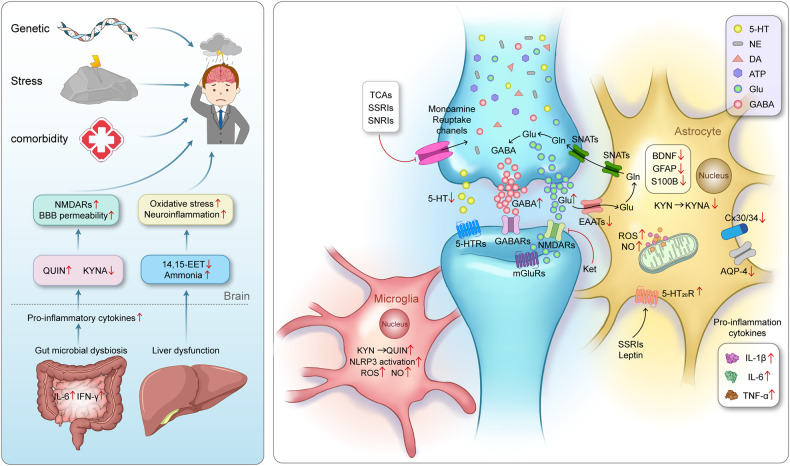
“Global topological E/I imbalance in MDD is discovered through gene and protein expression of molecules related to inhibitory GABAergic and excitatory glutamatergic signaling in the postmortem MDD brains. 22 , 208 , 209”
What the sources say
- Partly supportedcites [22] Sequeira A Global brain gene expression analysis links glutamatergic and GABAergic alterations to suicide and major depression PLoS ONE 2009 4 e6585 10.1371/journal.pone.0006585 19668376 PMC2719799 sourceExperimental — accuracy not yet measured
The Results (Pathways globally differentially expressed; page not provided) report altered expression of GABAergic and glutamatergic genes across brain regions in people who died by suicide with major depression. The paper does not establish a global topological excitation–inhibition imbalance or report protein-expression measurements; its Methods describe RNA-based expression analysis. (LLM, conf=0.87)
- Not checked — no full text of the sourcecites [208] Hu YT Tan ZL Hirjak D Northoff G Brain-wide changes in excitation-inhibition balance of major depressive disorder: a systematic review of topographic patterns of GABA- and glutamatergic alterations Mol. Psychiatry 2023 28 3257 3266 10.1038/s41380-023-02193-x 37495889 source
- Disputedcites [209] Zhao J Prefrontal alterations in GABAergic and glutamatergic gene expression in relation to depression and suicide J. Psychiatr. Res. 2018 102 261 274 10.1016/j.jpsychires.2018.04.020 29753198 sourceExperimental — accuracy not yet measured
The Discussion (p. 11) says that glutamatergic and GABAergic mRNA expression changed similarly, leaving it unclear whether the overall excitation–inhibition balance was disturbed. The Results (p. 6) report gene-expression changes in two prefrontal regions, not a discovered global topological imbalance or a measurement of protein expression. (LLM, conf=0.88)
Checked by a reasoning model — may be wrong.
plainstates a cause- Asserted: passes — The authors put it forward as true.
- Checkable: passes — It can be checked against evidence.
- Load-bearing: unclear — It is unclear whether the paper’s conclusions depend on it.
- Based: passes — The paper gives a reason why it holds.
- Partly supported
At least one cited source doesn’t support this claim or points to a different paper, and none confirmed it — see the verdicts below.
In the paper
“In individuals with MDD, aerobic exercise was found to be beneficial in ameliorating depressive symptoms, particularly in those with more severe depressive symptoms and a higher baseline RewP. 325 , 326”
What the sources say
- Not checked — no full text of the sourcecites [325] Brush CJ A randomized trial of aerobic exercise for major depression: examining neural indicators of reward and cognitive control as predictors and treatment targets Psychol. Med. 2022 52 893 903 10.1017/S0033291720002573 32838817 source
- Disputedcites [326] Kujawa A Reduced reward responsiveness predicts change in depressive symptoms in anxious children and adolescents following treatment J. Child Adolesc. Psychopharmacol. 2019 29 378 385 10.1089/cap.2018.0172 31062997 PMC6585168 sourceExperimental — accuracy not yet measured
The Results (page unavailable) report that a reduced—not higher—baseline RewP predicted greater improvement in depressive symptoms. The study examined anxious children and adolescents treated with CBT or SSRIs, not aerobic exercise in individuals with MDD; it also does not establish that those with more severe baseline symptoms benefited more. (LLM, conf=0.82)
Checked by a reasoning model — may be wrong.
plainstates a cause- Asserted: passes — The authors put it forward as true.
- Checkable: passes — It can be checked against evidence.
- Load-bearing: passes — The paper’s conclusions depend on it.
- Based: passes — The paper gives a reason why it holds.
Every source the paper cites for this claim was checked and supports it.
In the paper
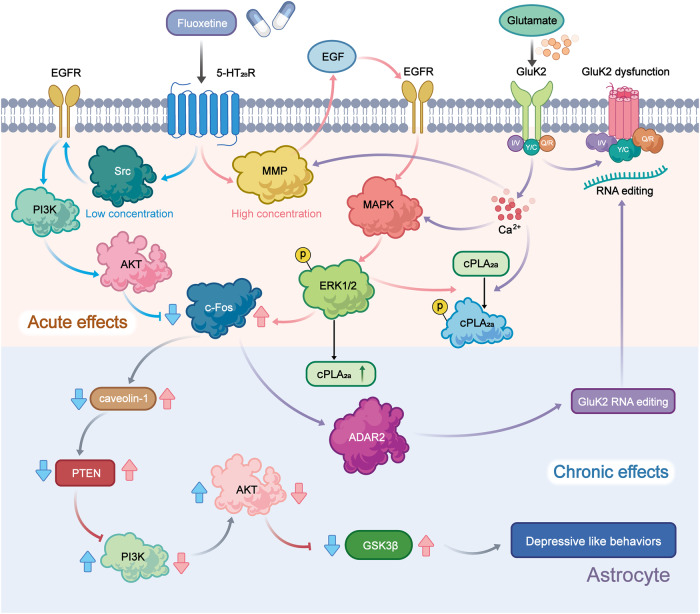
“Specifically, increasing evidence suggests that astrocytic dysfunction plays a substantial role in MDD. 17”
What the sources say
- Supportedcites [17] Zhou X Astrocyte, a promising target for mood disorder interventions Front. Mol. Neurosci. 2019 12 136 10.3389/fnmol.2019.00136 31231189 PMC6560156 source
The Introduction says abnormal astrocyte function may contribute to mood-disorder pathophysiology, with particular emphasis on depression. The Human Data section reports altered astrocyte-related gene and protein expression in patients with depression and MDD. Together, these passages support the claim’s hedged description of a substantial role in MDD; page numbers were not provided. (LLM, conf=0.92)
hedgedstates an association- Asserted: passes — The authors put it forward as true.
- Checkable: passes — It can be checked against evidence.
- Load-bearing: passes — The paper’s conclusions depend on it.
- Based: passes — The paper gives a reason why it holds.
- Supported
Every source the paper cites for this claim was checked and supports it.
In the paper
“Recent family, twin, and adoption studies suggests that genetic factors play a crucial role in the occurrence of MDD. 25”
What the sources say
- Supportedcites [25] Lohoff FW Overview of the genetics of major depressive disorder Curr. Psychiatry Rep. 2010 12 539 546 10.1007/s11920-010-0150-6 20848240 PMC3077049 source
The Introduction states that genetic factors play important roles in the development of MDD, as indicated by family, twin, and adoption studies. The Twin and Family Studies section likewise says these study types consistently document a genetic component. (LLM, conf=0.94)
hedgedstates a cause- Asserted: passes — The authors put it forward as true.
- Checkable: passes — It can be checked against evidence.
- Load-bearing: unclear — It is unclear whether the paper’s conclusions depend on it.
- Based: passes — The paper gives a reason why it holds.
- Supported
189 more claims · 106 with their cited sources checked
Create a free account to see all 401 claims and to verify the 4 references still open.
- It may state two separate claims as one. 178
- Probably not a substantial claim. 47
Claims other papers make about this one
Each is checked against this paper’s own text: does it say what the citing paper says it does?
The source backs part of the claim, not all of it — or backs it for a different population, condition or comparison.
In the citing paper
“Recent studies have revealed a close relationship between gut microbiota and mood disorders, drawing increasing attention to the role of gut microbial communities in the onset and progression of these mood disorders [5,6].”
From The Impact of Weizmannia coagulans BC99 on Anxiety and Depression: An 8-Week Clinical Pilot Study Through the Gut Microbiota–Brain Axis (2025) · cites this paper as [6]
Experimental — accuracy not yet measured
Self-check
Percentages, sums and reported differences re-computed from the paper’s own numbers.
Each contradiction between two passages listed here was confirmed by an independent check.
Rated minor: it would not touch a result — a value no result rests on, a p-value that stays on the same side of the significance level, or a conflict that is clerical, resolved elsewhere in the paper, or outside its own findings.
In the paper
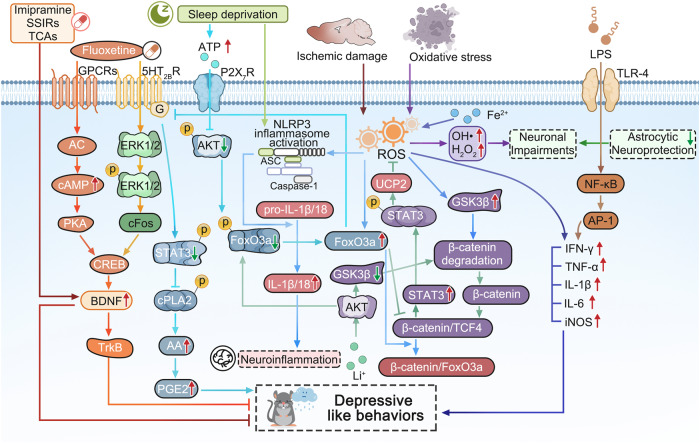
“SD is found to reduce BDNF levels and induce depressive-like behaviors in the sorted astrocytes from GFAP-GFP transgenic mice by activating the NLRP3 inflammasome.”
“chronic SD can specifically activate the NLRP3 inflammasome and decrease the level of BDNF in astrocytes to ameliorate depressive-like behaviors.”
Rated minor: it would not touch a result — a value no result rests on, a p-value that stays on the same side of the significance level, or a conflict that is clerical, resolved elsewhere in the paper, or outside its own findings.
In the paper
“Estrogen therapy can decrease the quantity of 5-HT 1 and β-adrenergic receptors”
“while increasing the quantity of 5-HT 1 receptors.”
Rated minor: it would not touch a result — a value no result rests on, a p-value that stays on the same side of the significance level, or a conflict that is clerical, resolved elsewhere in the paper, or outside its own findings.
In the paper
“Over 100 gene loci, including those associated with presynaptic vesicle trafficking (PCLO), dopaminergic neurotransmission (a primary target of antipsychotics), glutamate ionotropic receptor kainate type subunit 5 (GRIK5), and metabotropic glutamate receptor 5 (GRM5), and neuronal calcium signaling such as calcium voltage-gated channel subunit alpha1 E (CACNA1E) and calcium voltage-gated channel auxiliary subunit alpha2 delta1”
“However, no single genetic variation has been found to increase the risk of MDD thus far.”
Citations
Cites
James, S. L., Abate, D., Abate, K. H., Abay, S. M., Abbafati, C., Abbasi, N., Abbastabar, H., Abd-Allah, F., Abdela, J., Abdelalim, A., et al. (2018) · The Lancet · doi:10.1016/s0140-6736(18)32279-7 · Cited by 13,867
Self-citationRNA-Seq: a revolutionary tool for transcriptomics
Wang, Z., Gerstein, M., & Snyder, M. (2009) · Nature Reviews Genetics · doi:10.1038/nrg2484 · Cited by 13,174
Kessler, R. C., Chiu, W. T., Demler, O., & Walters, E. E. (2005) · Archives of General Psychiatry · doi:10.1001/archpsyc.62.6.617 · Cited by 12,052
Molecular Mechanisms of Depression: Perspectives on New Treatment Strategies
Lang, U. E., & Borgwardt, S. (2013) · Cellular Physiology and Biochemistry · doi:10.1159/000350094 · Cited by 8,475
Scoville, W. B. (1949) · Journal of neurosurgery · doi:10.3171/jns.1949.6.1.0065 · Cited by 7,381
A Meta-Analysis of Cytokines in Major Depression
Dowlati, Y., Herrmann, N., Swardfager, W., Liu, H., Sham, L., Reim, E. K., & Lanctôt, K. L. (2010) · Biological Psychiatry · doi:10.1016/j.biopsych.2009.09.033 · Cited by 4,729 · cited 1×
“312,313 317 – 319 Furthermore, physical exercise for approximately 45 minutes per day can signi fi cantly reduce the risk of MDD. 320,321 High-intensity activity, such as aerobic exercise, dancing, and the usage of exercise machines, and low-intensity exercises, including yoga and stretching, can…”
BackgroundMalhi, G. S., & Mann, J. J. (2018) · The Lancet · doi:10.1016/s0140-6736(18)31948-2 · Cited by 4,099
Antidepressant effects of ketamine in depressed patients
Berman, R. M., Cappiello, A., Anand, A., Oren, D. A., Heninger, G. R., Charney, D. S., & Krystal, J. H. (2000) · Biological Psychiatry · doi:10.1016/s0006-3223(99)00230-9 · Cited by 3,856 · cited 1×
“375 Due to the rapid antidepressant effects of ketamine, unlike the delayed effects of traditional antidepressant drugs, 376 research on this drug has continued and has revealed its mechanisms of action and potential drug targets.”
BackgroundGut microbiota regulate motor deficits and neuroinflammation in a model of Parkinson's disease
Sampson, T. R., Debelius, J. W., Thron, T., Janssen, S., Shastri, G. G., Ilhan, Z. E., Challis, C., Schretter, C. E., Rocha, S., Gradinaru, V., et al. (2016) · Cell · doi:10.1016/j.cell.2016.11.018 · Cited by 3,622 · cited 1×
“241 Alterations in the gut microbiota and in fl ammatory agents have an impact on the KYN pathway, metabolism, and toxin metabolism in the periphery.”
BackgroundeQTLGen, Wray, N. R., 23andMe, the Major Depressive Disorder Working Group of the Psychiatric Genomics Consortium, Ripke, S., Mattheisen, M., Trzaskowski, M., Byrne, E. M., Abdellaoui, A., Adams, M. J., et al. (2018) · Nature Genetics · doi:10.1038/s41588-018-0090-3 · Cited by 3,005 · cited 2×
“19,27,28 In addition, rare copy number variants are also identi fi ed to be related to MDD risk, there may be three copy number variants (CNV) loci associated with Prader-Willis syndrome: 1q21.”
Self-citation
Cited by
Items 501–600 of 1,061
Acupuncture in depression treatment: Insights into astrocyte regulation
Xu, N., Huang, T., & Wang, L. (2025) · Journal of Chinese Integrative Medicine · doi:10.1016/j.joim.2025.09.003 · Cited by 2
Lu, X., & Yu, X. (2025) · Frontiers in Psychology · doi:10.3389/fpsyg.2025.1673904 · Cited by 2
The epigenetic mechanisms of ketamine in the treatment of depression: a systematic review
Leccisotti, I., Moretti, M. C., Altamura, M., Bellomo, A., Laurello, R., Carapellese, M., Sborgia, G., Dibello, V., Robert, G. H., Panza, F., et al. (2025) · Epigenomics · doi:10.1080/17501911.2025.2583892 · Cited by 2
Liu, X., Hua, Z., Shu, Y., Li, L., Xia, S., Li, J., Li, H., Wan, A., Peng, D., & Wu, G. (2025) · Brain Research Bulletin · doi:10.1016/j.brainresbull.2025.111637 · Cited by 2
Wang, Z., Yang, J., Zhang, H., Ke, D., Zhang, L., Liu, Y., Lai, Y., Zhang, Y., Qin, X., Yang, J., et al. (2025) · Communications Biology · doi:10.1038/s42003-025-08968-y · Cited by 4
Self-citationFang, P., Jia, S., Lin, L., Guo, Z., Wang, R., Sun, H., Li, Y., Chen, M., & Wang, T. (2025) · Journal of Affective Disorders · doi:10.1016/j.jad.2025.120706 · Cited by 2
Liu, X., Zhang, W., Zhao, Y., Li, C., Wang, Y., & Hu, Y. (2025) · Medicine · doi:10.1097/md.0000000000045635 · Cited by 2
Self-citationShao, X., Zheng, R., Han, S., Chen, Y., & Zhang, Y. (2025) · Frontiers in Neurology · doi:10.3389/fneur.2025.1712229 · Cited by 1
Li, C., Wang, Z., Ye, X., Lv, J., Chen, F., Zhang, Y., Liu, J., Li, X., Duan, J., Wang, Y., et al. (2025) · Frontiers in Psychiatry · doi:10.3389/fpsyt.2025.1692751 · Cited by 3
“Patients with depression exhibit impaired of glutamate-glutamine cycling in the anterior cingulate gyrus and prefrontal cortex (PFC), leading to excessive accumulation of glutamate and subsequent neurotoxicity, which contributes to the pathogenesis of depression (11).”
Self-citationGusmão, C. T. P., Fonseca, K. M., Júnior, M. A. S., Gomes, N. S., Bezerra, D. L., Silva, M. F. S., de Lucena, D. F., & Macêdo, D. S. (2025) · Molecular Neurobiology · doi:10.1007/s12035-025-05286-6 · Cited by 2
da Costa, M. D. A., Pedro, L. C., Ebs, M. F. P., Menegaz, H. M., Bolan, S. J., Machado, A. D., dos Santos, J. C. C., Réus, G. Z., & Gonçalves, C. L. (2025) · Molecular Neurobiology · doi:10.1007/s12035-025-05565-2 · Cited by 1
Mitra, S., Kumar, A., Pandey, M., Gill, A., Sharma, M., Pundir, S., Jangir, M., & Chawla, G. (2025) · iScience · doi:10.1016/j.isci.2025.114296 · Cited by 7
Wang, J., Xiang, J., Han, X., Liang, J., & Shang, X. (2025) · Journal of Neuroscience Research · doi:10.1002/jnr.70096 · Cited by 1
“Neuronal plasticity is a tolerance to environmental stimuli, regarded as a contributor to depression, and plays a crucial role in learning and memory (Cui et al. 2024; Parekh et al. 2022; Vestring and Vestring 2023).”
Kandilakis, C. L., Felemegkas, P., Papanastasiou, A. D., Sotiropoulos, I., Kane, J. P. M., Leroi, I., Toledo, J. B., & Alexopoulos, P. (2025) · Journal of Neural Transmission · doi:10.1007/s00702-025-03071-2 · Cited by 1
“Depression, which can precede dementia by several years (Alexopoulos et al. 2025; Bennett and Thomas 2014), engages monoaminergic circuits (Cui et al. 2024) and antidepressant treatment has been associated with slower cognitive decline (Bartels et al. 2018; Kostev et al. 2019).”
Llanes-Cuesta, M. A., Tan, H. T., Khasraghi, A. A., & Wang, J.-F. (2025) · Hormones and Behavior · doi:10.1016/j.yhbeh.2025.105865 · Cited by 1
Su, Y., Li, H., Cao, Y., Li, Y., & Zhang, G. (2025) · Acta Psychologica · doi:10.1016/j.actpsy.2025.106086 · Cited by 2
Zhu, J., Liu, M., Lu, Z., Dong, X., Zhou, Y., Kang, Y., Cheng, A. S. K., & Xie, J. (2025) · Journal of Psychiatric Research · doi:10.1016/j.jpsychires.2025.12.027 · Cited by 3
Luo, X.-H., & Guan, W. (2025) · Biochemical Pharmacology · doi:10.1016/j.bcp.2025.117461 · Cited by 1
Zhou, Y., Sun, T., Ren, L., Jiang, W., Zhang, Y., Sun, G., You, L., Jiang, C., Xu, W., Liu, X., et al. (2025) · Journal of Affective Disorders · doi:10.1016/j.jad.2025.120960 · Cited by 1
Nourishing the Brain or the Mood? Dietary Omega-3s for Psychological, but Not Cognitive Health
Orłowski, J., Kossowska-Wywiał, M., & Brzezicka, A. (2025) · Nutrients · doi:10.3390/nu18010050 · Cited by 3
“…and involves several mechanisms, including dysregulation of the hypothalamic–pituitary–adrenal (HPA) axis, neurotransmitter systems (e.g., serotonin, dopamine), neuroinflammation, and structural and functional brain changes in regions such as the hippocampus, prefrontal cortex, and amygdala [3].”
Jesmanas, S., Milasauskiene, E., Burkauskas, J., Borutaitė, V., Škėmienė, K., Adomaitienė, V., Gradauskienė, B., Lukoševičius, S., Gleiznienė, R., Brown, G. C., et al. (2025) · Brain Sciences · doi:10.3390/brainsci16010027 · Cited by 1
“Major depressive disorder (MDD) is a common affective disorder with numerous hypotheses aiming to explain its pathophysiology, including the inflammatory hypothesis [1].”
Tapia‐González, S., Yagüe, J. G., & Barreto, G. E. (2026) · Computational and Structural Biotechnology Journal · doi:10.1016/j.csbj.2025.12.023 · Cited by 2
“This delay in response, coupled with treatment resistance in a subset of patients, underscores the need for novel approaches [1].”
InfluentialJia, H., Wu, M., Teng, L., Song, W., Li, X., Wang, B., Huang, Y., Kang, X., & Zhu, L. (2026) · Neuropsychiatric Disease and Treatment · doi:10.2147/ndt.s562047 · Cited by 1
Association between influenza A virus and SARS-CoV-2 infections and mood disorders
Xiang, Y., Wang, W., Zhu, J., Chen, Z., & Huang, W. (2026) · Brain Behavior & Immunity - Health · doi:10.1016/j.bbih.2026.101182 · Cited by 1
Zhu, Y., & Qiang, L. (2026) · Issues in Mental Health Nursing · doi:10.1080/01612840.2025.2585048 · Cited by 1
“Major depressive disorder (MDD), a common mental disorder worldwide, consumes a large amount of medical resources and results in a great loss of productivity (Cui et al., 2024).”
Asperosaponin VI enhances stress resilience by activating hippocampal neural stem cells
Liu, Y., Fu, Y., Fu, J., Liu, Q., Wang, M., Liu, P., He, H., Zhang, H., Liao, H., Ge, Y., et al. (2026) · Phytomedicine · doi:10.1016/j.phymed.2026.157874 · Cited by 1
Self-citationArvind, A., Yadav, N., Singh, A., Kumar, P., & Kaushik, M. (2026) · Microchemical Journal · doi:10.1016/j.microc.2026.117100 · Cited by 2
Zhang, Z., & Liang, C. (2026) · Journal of Radiation Research and Applied Sciences · doi:10.1016/j.jrras.2026.102175 · Cited by 1
Hu, L., Qiu, Z., Ai, Z., Liu, R., Zhang, B., & Li, H. (2026) · Brain Research Bulletin · doi:10.1016/j.brainresbull.2026.111752 · Cited by 1
Xiang, Y., Du, X., Yang, H., Wang, P., Yin, B., Wang, Z., Wang, H., Liu, L., Zhang, H., Ren, Y., et al. (2026) · Molecular Psychiatry · doi:10.1038/s41380-026-03443-4 · Cited by 1
Zheng, K., Peng, W., Liu, Z., Gu, X., Tang, M., Situ, W., & Yi, J. (2026) · Asian Journal of Psychiatry · doi:10.1016/j.ajp.2026.104879 · Cited by 1
Maradia, J., Joshi, S. S., Koli, P. G., Radhakrishnan, M., & Athavale, C. (2026) · Tzu Chi Medical Journal · doi:10.4103/tcmj.tcmj-d-25-00078 · Cited by 1
“M ajor depressive disorder (MDD) is a leading cause of global disability, characterized by persistent low mood, anhedonia, and cognitive impairment, affecting over 300 million individuals worldwide [1].”
He, Z., Wang, Y., Chen, J., Cheng, J., Feng, Y., Niu, S., & Yan, J. (2026) · European Archives of Psychiatry and Clinical Neuroscience · doi:10.1007/s00406-025-02165-y · Cited by 1
Self-citationNandi, S., Banerjee, S., Manna, D., Awasthi, A., Biswas, A., Das, A., Mukherjee, B., Mitra, P., & Mandal, M. (2026) · Journal of Medicinal Chemistry · doi:10.1021/acs.jmedchem.5c03278 · Cited by 2
Lu, K., Tang, A., Liu, Y., Li, L., Fang, R., Zhang, S., Chen, Y., & Cao, F. (2026) · Neuropsychiatric Disease and Treatment · doi:10.2147/ndt.s584034 · Cited by 2
“112 Nevertheless, it is not solely the brain that is implicated; lesions in other organs can also precipitate or exacerbate depression.”
Self-citationYousufi, M., & Maskeliūnas, R. (2026) · Computer Speech & Language · doi:10.1016/j.csl.2026.101960 · Cited by 1
Santos, M. A. B. D., Guerra, A. E. P., Sayão, M. M. A., Selani, A. L. D. S., Betarelli, B. C., Siqueira, I. D. F., & Forgerini, M. (2026) · Child Psychiatry & Human Development · doi:10.1007/s10578-026-01977-w · Cited by 5
Li, Q., Yu, L., Xu, Z., Tang, X., & Duan, Y. (2026) · Current Opinion in Pharmacology · doi:10.1016/j.coph.2026.102619 · Cited by 3
From metabolism to mood regulation: astrocytes as a driver of depression
Nasu, Y., & Terunuma, M. (2026) · Frontiers in Cellular Neuroscience · doi:10.3389/fncel.2026.1776649 · Cited by 2
Keskin, N., Selçuk, M., & Saruhan, E. (2026) · ALPHA PSYCHIATRY · doi:10.31083/ap46843 · Cited by 1
The role of 5-HT3 receptors in schizophrenia and associated depressive and addictive comorbidities
Jůza, R., Więckowska, A., Vojtěchová, I., Kuča, K., Soukup, O., Korábečný, J., & Petrásek, T. (2026) · Progress in Neuro-Psychopharmacology and Biological Psychiatry · doi:10.1016/j.pnpbp.2026.111663 · Cited by 1
Computational identification of quinoxaline-based 2-pyrazoline hybrids targeting monoamine oxidase A
Turkar, M. K., & Chawla, G. (2026) · Molecular Diversity · doi:10.1007/s11030-026-11509-2 · Cited by 1
“Pharmacological inhibition of MAO-A increases synaptic monoamine concentrations and has demonstrated clinical efficacy [ 12–14].”
Chen, C.-Y., Lei, L., Yang, X., Wang, Y.-F., & Zhang, Y. (2026) · Journal of Neuroimmune Pharmacology · doi:10.1007/s11481-026-10282-1 · Cited by 1
Self-citationWang, H., Wu, J., Ma, K., Su, T., Lin, Q., Zhang, H., Ma, T., Wang, P., & LIU, D. (2026) · Psychopharmacology · doi:10.1007/s00213-026-07042-7 · Cited by 1
Serhiyenko, A. A., Сегін, В., Сулима, В., & Serhiyenko, V. A. (2026) · PROBLEMS OF ENDOCRINE PATHOLOGY · doi:10.21856/j-pep.2026.1.06 · Cited by 4
Zhang, Y., & Luo, Z. (2026) · Social Science & Medicine · doi:10.1016/j.socscimed.2026.119199 · Cited by 2
Wardęszkiewicz, J., Holas, P., & Andersson, G. (2026) · Mindfulness · doi:10.1007/s12671-026-02778-x · Cited by 4
Wu, J., Zhou, X., Luo, T., Wang, X., Zuo, H., Yang, R., Tian, R., Wu, Y., Wu, Y. F., Jiang, W., et al. (2026) · Molecular Psychiatry · doi:10.1038/s41380-026-03545-z · Cited by 2
“Major depressive disorder is the leading cause of disability worldwide [1, 2] and approximately 30% of patients exhibit treatment resistance to conventional antidepressants, suggesting the involvement of novel mechanisms [3].”
Self-citationXue, L., Pan, Z., Liu, Y., Gan, Q., Liu, D., & Liu, D. (2026) · Brain Research Bulletin · doi:10.1016/j.brainresbull.2026.111856 · Cited by 1
Self-citationWang, X., Cheng, Y., Bai, Y., Yan, W., Xu, J., & Shen, R. (2026) · Scientific Reports · doi:10.1038/s41598-026-46667-8 · Cited by 1
Niu, J., Xia, J., Liu, Q., He, Y., Li, W. W., Chen, K., Zhang, X., Qiu, J., Chen, H., Li, J., et al. (2026) · Translational Psychiatry · doi:10.1038/s41398-026-04025-2 · Cited by 2
“Major depressive disorder (MDD) is a common psychiatric disorder characterized by clinical symptoms and cognitive impairments [5, 6].”
Okesanya, O. J., Oso, T. A., Hassan, M. M., Adebayo, U. O., Vandy, A., Othman, Z. K., Ali, I., Ahmed, M. M., Musa, S. S., Eshun, G., et al. (2026) · The Egyptian Journal of Neurology Psychiatry and Neurosurgery · doi:10.1186/s41983-026-01156-7 · Cited by 4
Partners in plasticity: serotonergic glial interactions in brain circuit remodeling
Miller, V. K., & Broadie, K. S. (2026) · Frontiers in Neuroscience · doi:10.3389/fnins.2026.1782246 · Cited by 3
“By the 1990s, mounting evidence emphasized the importance of serotonergic signaling (Bremshey et al., 2024), including the delayed and prolonged effectiveness of antidepressants, causing the formulation of the new “neuroplasticity hypothesis” (Benatti et al., 2024; Cui et al., 2024).”
Neurobiology of Anxiety and Depression in CP/CPPS: A Narrative Review of Underlying Mechanisms
Ezgin, N., Šutulović, N., Lazarević, E. N., Milošević, S., Vesković, M. N., Mladenović, D. R., Rašić-Marković, A., Stanojlović, O. P., & Hrnčić, D. (2026) · Neurology International · doi:10.3390/neurolint18040069 · Cited by 2
“On the other hand, anxiety and depression as comorbidities significantly impact quality of life by affecting emotional, cognitive, and psychological functioning [6–8].”
Bandaru, M., Alvir, R. V., Islam, M. A., & Reddy, P. (2026) · Journal of Alzheimer s Disease · doi:10.1177/13872877261442229 · Cited by 2
“23,24 Research indicates heightened sensitivity of 5-HT receptors in individuals with depression, along with an upregulation of β -adrenergic and 5-HT2 receptors in the frontal cortex of those who have died by suicide.”
You, Y., Lv, C.-T., Ni, P.-T., Wang, S.-J., Liu, L., Song, Y.-T., Hui, Z., Huang, Y., Liu, Y., Tong, K., et al. (2026) · Cell Reports · doi:10.1016/j.celrep.2026.117281 · Cited by 2
Self-citationSaleri, S., Marizzoni, M., Genini, P., Galbiati, C., Cattaneo, A., Turecki, G., Großkopf, H., Steinacker, P., Otto, M., Poggi, G., et al. (2026) · Neurobiology of Stress · doi:10.1016/j.ynstr.2026.100816 · Cited by 1
“…of specific neurotransmitters and their receptors, oxidative stress, glucocorticoid dysregulation, disturbed energy metabolism, gut microbiome dysbiosis, and immune/inflammatory changes (Bakunina et al., 2015; Cui et al., 2024; Osimo et al., 2020; Ruiz et al., 2022; Suda and Matsuda, 2022).”
Nussbaumer, M., Guest, P. C., Schiltz, K., Dudeck, L., Asl, L. S., Meyer-Lotz, G., Dobrowolny, H., Leucht, S., Bernstein, H., Nickl‐Jockschat, T., et al. (2026) · Molecular Psychiatry · doi:10.1038/s41380-026-03614-3 · Cited by 6
“MDD is characterized primarily by persistent low mood and anhedonia, often precipitated by chronic stress or trauma [3, 4].”
Tang, Y., Huang, Y., Pan, J., Li, C., Yang, J., Tan, X., 胡康安, Wen, L., Xie, P., Liu, Y., et al. (2026) · Molecular Psychiatry · doi:10.1038/s41380-026-03593-5 · Cited by 4
“Although multiple pathogenic hypotheses for MDD have been proposed, the neuroin fl ammatory hypothesis has gained increasing attention in recent years [2].”
Self-citationPatel, R. A., & Harke, S. N. (2026) · The World Journal of Biological Psychiatry · doi:10.1080/15622975.2026.2660311 · Cited by 1
“Despite decades of research, its aetiological pathways remain insufficiently understood, and treatment response continues to be suboptimal, with nearly one-third of patients failing to respond to first-line antidepressants (Bauer et al. 2017; Cui et al. 2024).”
Sun, Y., Cheng, Y., Guo, Y., Guo, Y., & Sa, Y. (2026) · Current Opinion in Pharmacology · doi:10.1016/j.coph.2026.102634 · Cited by 1
Serotonin 5‐ HT 7 receptor signaling in neuropsychiatric disorders
Park, E., & Choo, H. (2026) · Bulletin of the Korean Chemical Society · doi:10.1002/bkcs.70172 · Cited by 1
Precision psychiatry in depression via mechanism based stratification and therapy
Wang, M., Jiang, Y., Wu, C., Liao, J., Zhou, B., Yuan, Y., & Sun, J. (2026) · Targetome · doi:10.48130/targetome-0026-0014 · Cited by 3
Serum inflammatory cytokines in the progression of depression
Feng, Q., Yuan, Z., An, Q., Wang, K., & Liu, X. (2026) · Frontiers in Immunology · doi:10.3389/fimmu.2026.1808989 · Cited by 4
Syed, O. A., Sobolenko, V., Nestor, S. M., Husain, M. I., Lipsman, N., Alam, F., & Giacobbe, P. (2026) · CNS Drugs · doi:10.1007/s40263-026-01296-7 · Cited by 2
“There are a multitude of treatments for MDD, including medications, psychotherapy, and brain stimulation, amongst others [3].”
Shi, L., Jingya, W., Chen, R., Liu, Y., Zou, M., Luo, J., He, K., Liu, S., Wang, Y., Meng, P., et al. (2026) · Frontiers in Immunology · doi:10.3389/fimmu.2026.1803956 · Cited by 6
Self-citationWang, H., Wei, Y., Gao, A., Guo, J.-J., Ding, X., Yang, J.-J., Wang, Z.-R., Da, J., Kang, Y., Ding, J.-H., et al. (2026) · Acta Pharmacologica Sinica · doi:10.1038/s41401-026-01824-7 · Cited by 1
Li, C., Huang, J., Ge, H., Si, L., Wu, L., Xie, Y., Xiao, L., & Wang, G. (2026) · The International Journal of Neuropsychopharmacology · doi:10.1093/ijnp/pyag018 · Cited by 1
Mujinya, R., Terkimbi, S. D., Owembabazi, E., Umutoni, S. Y., Kibirige, J., Aja, P. M., Oka, V. O., & Owu, D. U. (2026) · F1000Research · doi:10.12688/f1000research.174946.1 · Cited by 1
Le, G. H., Wong, S., Johnson, D. E., Orsini, D. K., Zheng, Y. J., Teopiz, K. M., Dri, C. E., Rosenblat, J. D., & McIntyre, R. S. (2026) · Clinical Pharmacology & Therapeutics · doi:10.1002/cpt.70344 · Cited by 1
Liu, J., Sun, M., Wang, F., Gao, H., Lu, Y., Ma, H., Shang, R., Zhong, X., Yi, Y., Yu, X., et al. (2026) · Phytomedicine · doi:10.1016/j.phymed.2026.158397 · Cited by 1
Karp, J. F., Butters, M. A., Crivelli, L., Hermida, A. P., Gastiazoro, M. P., Gatchel, J. R., Gebara, M. A., Gentry, M. T., Mimura, M., Voshaar, R. C. O., et al. (2026) · International Psychogeriatrics · doi:10.1016/j.inpsyc.2026.100226 · Cited by 1
Neto, D. P. A., Rodrigues, P. V., Sartori, C. R., & Sant’Ana, A. S. (2026) · Fungal Biology Reviews · doi:10.1016/j.fbr.2026.100500 · Cited by 1
Transforming depression research: The role of artificial intelligence and computational modelling
Somkuwar, S. S., Hussain, U., Sahu, D. C., Sheikh, M. T., Sheikh, S. M., Gautam, M. M., Meshram, S. S., & Belgamwar, V. S. (2026) · In Silico Research in Biomedicine · doi:10.1016/j.insi.2026.100492 · Cited by 2
Chang, E., Zhu, Y., Wei, W., Huai, J., Lv, T.-S., Wang, G., & Zhou, X. Y. (2026) · Neurobiology of Disease · doi:10.1016/j.nbd.2026.107525 · Cited by 1
Yaseen, M., Chen, W.-J., Chang, J. P., Liu, W. C., Zailani, H., Chang, H.-C., Iqbal, A. Z., Khan, A., Yang, B., Baranova, A., et al. (2026) · Brain Behavior and Immunity · doi:10.1016/j.bbi.2026.106910 · Cited by 1
Zhang, Y., Du, X., Fu, M., Hu, H., Lu, J., Pan, T., Yuan, L., Wu, Y., & Tong, J. (2026) · Molecular Biology Reports · doi:10.1007/s11033-026-12462-x · Cited by 1
Hünnemeyer, A., Ogama, Y., Crescenzo, F. D., Goeldner, R.-G., Harada, A., Katakabe, T., Scholz, A., Shatillo, Y., Süßmuth, S. D., & Keicher, C. (2026) · Journal of Psychopharmacology · doi:10.1177/02698811261481073 · Cited by 1
Alshammaa, H. I., Al-Taie, R. H., & Mujbel, A. M. (2024) · Cureus · doi:10.7759/cureus.70755 · Cited by 5
“It is enhanced further by the continuous or recurrent character of depressive states, which reduces work productivity and raises absenteeism and disability claims that negatively affect career trajectory and job stability [1,2].”
BackgroundGuo, Z., Bai, J.-P., Wang, J., Lang, X.-Y., Cao, M., Zhong, S.-J., Cui, L., Hu, Y., Qin, X., & Lan, R. (2024) · Journal of Functional Foods · doi:10.1016/j.jff.2024.106526 · Cited by 1
Self-citationGuo, Z., Zhang, Z. M., Huang, W., Xia, H., Huang, S., Lan, X., Ning, Y., Zhou, Y., & Shang, D. (2024) · Metabolic Brain Disease · doi:10.1007/s11011-024-01427-3 · Cited by 1
“…pathophysiology of MDD is not fully understood and verified, several hypotheses have been widely recognized, including monoamine imbalance, hypo - thalamic-pituitary-adrenal (HPA) axis dysfunction, inflam - matory disturbance, genetic and epigenetic anomaly, and other hypotheses (Cui et al. 2024).”
Dealing With Environmental Stress: Why Is It Time to Move Towards a New Approach to Depression?
Russo, C. (2024) · Cureus · doi:10.7759/cureus.74566 · Cited by 1
“An increasing body of literature suggests the possible biomarkers for oxidative stress [5], inflammation, metabolic profiles, and the role of neurotransmitters [6].”
A Scoping Review of Eosinophilic Pneumonia and Antidepressants: An Association Not to Be Overlooked
Steiner, J., Steuernagel, L., Drakopanagiotakis, F., Bonelis, K., & Steiropoulos, P. (2025) · Diseases · doi:10.3390/diseases13010013 · Cited by 1
Mahender, U., & Sathiyasuntharam, V. (2024) · IEEE International Conference on Cybernetics, Cognition and Machine Learning Applications (ICCCMLA) · doi:10.1109/icccmla63077.2024.10871817 · Cited by 1
Zhang, Y., Sun, S., & Ning, Y. (2025) · Frontiers in Psychiatry · doi:10.3389/fpsyt.2025.1532803 · Cited by 1
“Major depressive disorder (MDD) is regarded as a signi fi cant global health concern due to its severity, affecting approximately 300 million people worldwide (1).”
Khadanga, M., Kar, N. R., Sahoo, N., & Tripathy, B. (2024) · Digital Chinese Medicine · doi:10.1016/j.dcmed.2025.01.002 · Cited by 2
Zhao, C., Gao, C., Yang, Z., Cao, T., Luo, Q., & Zhang, Z. (2025) · Chinese Chemical Letters · doi:10.1016/j.cclet.2025.111089 · Cited by 4
Cao, Q., Zhang, N., Leng, C., Wang, S., & Ma, J. (2025) · Reviews in Medical Virology · doi:10.1002/rmv.70036 · Cited by 2
“Studies have suggested several mechanisms involved in the pathogenesis of depression, varying from neurotransmitter disorders and impaired HPA (hypothalamic–pituitary–adrenal) axis to neuroplasticity complications and neuroinflammation [17, 18].”
Self-citationAdvances in Apolipoprotein-A4 Biosensing Assays for Depression Diagnosis
Bahaabadi, Z. J., Karav, S., & Sahebkar, A. (2025) · Critical Reviews in Analytical Chemistry · doi:10.1080/10408347.2025.2496503 · Cited by 1
“[45,53] The availability and control of certain neurotransmitters, including dopamine and serotonin, have also been linked to Apo-A4, and Apo-A4 influences the synthesis of pro-inflammatory cytokines and inflammatory pathways.”
Pu, J., Wang, J., Yao, C., Kuai, C., Pan, M., & Xue, S. (2025) · Journal of Psychiatric Research · doi:10.1016/j.jpsychires.2025.05.021 · Cited by 4
Kang, J., Park, J., Son, Y., Kim, H. J., Fond, G. B., Boyer, L., Rahmati, M., Lee, H., & Yon, D. K. (2025) · Journal of Medical Virology · doi:10.1002/jmv.70406 · Cited by 1
“Chronic psychological stress, commonly associated with mental illness, disrupts hypothalamic ‐ pituitary ‐ adrenal axis regulation, further impairing endocrine and metabolic systems [35].”
Bui, M. X., Linh, N. T., Le, P. T. V., & Nguyen, P. D. (2025) · The International Journal of Psychiatry in Medicine · doi:10.1177/00912174251352405 · Cited by 2
“48 No-tably, very severe depression was linked to an increased risk of phosphorus and vitamin A de fi ciencies, while milder depression was paradoxically associated with a lower risk of vitamin C de fi ciency.”
Targeting NEK7 modulates pyroptosis and gut microbiota to alleviate depression-like behavior in rats
Lang, W., Wang, C., Wen, J., Chen, M., Wei, D., Jiang, Y., Li, X., PengSheng, W., Jin, G., & Zhu, Q. (2025) · International Immunopharmacology · doi:10.1016/j.intimp.2025.115148 · Cited by 2
Alfahal, M. S., Alrehaili, A. M., Barry, A. M., Alharoon, A. A., Alraddadi, A. N., Alsaif, A. K., Hawsawi, Y. A., Alharbi, M. K., Alsani, A. M., & Elmuttalut, M. A. (2025) · Cureus · doi:10.7759/cureus.87686 · Cited by 1
“Studies in China reveal that extremes of BMI (e.g., underweight or obese) contribute to depression (Cui et al., 2024) [18].”
PM2.5 Exposure and Depression in Pregnant Women: A Systematic Review and Meta-Analysis
Akintoye, P. A., Ikuomola, E. O., Sawyerr, H. O., & Aja, P. M. (2025) · F1000Research · doi:10.12688/f1000research.164144.1
Tashevski, A., Varidel, M., Hickie, I. B., Scott, J. L., Crouse, J. J., Hunt, C. J., Abbott, M. J., & Iorfino, F. (2025) · Journal of Affective Disorders · doi:10.1016/j.jad.2025.119912 · Cited by 2
Discovery of Rapid-Acting, Orally Available Antidepressants by Activating TrkB Signaling
Cheng, X., Jiang, F., Liu, L., Wang, Y., Chen, S., & Cui, W. (2025) · Journal of Medicinal Chemistry · doi:10.1021/acs.jmedchem.5c01750 · Cited by 1
Self-citationA novel two-hit insomnia and inflammation rodent model of depressive-like behaviorsPreprint
Mei, J., Song, X., Wang, Y., Lyu, H., Wang, G., Chen, C., Zhang, H., Wang, C., Xie, X., Chen, G., et al. (2024) · medRxiv · doi:10.1101/2024.08.01.24311351 · Cited by 1
Self-citationAdri, A. S., Nóbile, A. L., de Alburquerque, D. G., Barcelos, P. M., do Vale, F. Y. N., Bahia, I. A. F., Freire, P. P., Nava, R. G., Corrêa, Y. L. G., Cabral‐Miranda, G., et al. (2024) · bioRxiv (Cold Spring Harbor Laboratory) · doi:10.1101/2024.11.13.623441 · Cited by 4
Banerjee, S., O’Connell, S., Colbert, S. M. C., Mullins, N., & Knowles, D. A. (2025) · medRxiv · doi:10.1101/2025.04.15.25325870 · Cited by 1
“For instance, genetic and neuroimaging studies demonstrate that MDD is a genetically and biologically heterogeneous disorder involving multiple genes and brain circuits [2].”
Metadata
- Authors
- Cui, L., Li, S., Wang, S., Wu, X., Liu, Y., Yu, W., Wang, Y., Tang, Y., Xia, M., & Li, B.
- Affiliations
- China Medical University (CN)
- Chengdu University (CN)
- First Hospital of China Medical University (CN)
- Corresponding author
- Xia, Maosheng
- Li, Baoman
- ORCID
- Venue
- Signal Transduction and Targeted Therapy
- Published
- 2024-02-09
- Volume
- 9
- Issue
- 1
- Pages
- 30-30
- ISSN
- 2059-3635 (ISSN-L)
- PMC
- PMC10853571
- OpenAlex
- W4392731282
- Semantic Scholar
- e69e2e42bcc9396c4df790e7a320846a0aa10211
- Cited by
- 1,244
- References
- 514
- Citations by year
- 2026: 536 · 2025: 570 · 2024: 138
- FWCI
- 60.09
- Type
- journal article
- Language
- en
- Open access
- gold
- doi.org
- Licence
- cc-by
- creativecommons.org/licenses/by/4.0 (tdm)
- creativecommons.org/licenses/by/4.0 (vor)
- Locations
- Signal Transduction and Targeted Therapy (publishedVersion, cc-by)
- PubMed Central (publishedVersion, cc-by)
- PubMed (publishedVersion)
- DOAJ (DOAJ: Directory of Open Access Journals) (submittedVersion)
- Funders
- National Natural Science Foundation of China (81871852, 32271038)
- Topics
- Health Sciences › Medicine › Pharmacology (medical) › Treatment of Major Depression
- Life Sciences › Neuroscience › Biological Psychiatry › Tryptophan and brain disorders
- Life Sciences › Neuroscience › Cellular and Molecular Neuroscience › Neurotransmitter Receptor Influence on Behavior
- Keywords
- major depressive disorder, pathogenesis, neurotransmitter hypothesis, hypothalamic-pituitary-adrenal axis, neuroplasticity, antidepressants, therapeutic target, phototherapy, acupuncture, depression prevention, depression diagnosis
- MeSH terms
- Major Depressive Disorder, Humans, Hypothalamo-Hypophyseal System, Pituitary-Adrenal System
About these checks
Registry, retraction, Cites and statistics results are computed, not judged, with one exception: a printed reference that no index lists is read once by a model before it counts as a citation error. Claims are extracted by a model and kept only when their quote appears verbatim in the text; each cited source is then checked, with a model’s help, for whether it says what the claim relies on. Those verdicts can be wrong — read the claim’s quote and the cited source before relying on one.
The claim verdicts this report counts are experimental: their accuracy is not yet measured.
A language model drew the claims from the paper on 2026-09-28, under version 3 of the claim definition (prompt extract-v3).
A second model labelled each claim on 2026-09-28 (model jev-1.13-20260917, definition revision gold-guideline-v0.2).
Cited sources are checked with a language model’s help (gpt-6-sol).
Statistics and arithmetic are recomputed, not judged.
Confidence bands are shown only for fields calibrated on our annotated test set. None is calibrated yet, so no band is shown.
What counts as a claim ›How we measure confidence ›How we check this ›
Are you an author, or do you see a problem with this page? Request a review
Data sources
Bibliographic data: Semantic Scholar, OpenAlex, Crossref.
Contains information from the Semantic Scholar Academic Graph Datasets, made available under the ODC Attribution License (ODC-BY 1.0).
Semantic Scholar’s data is described in: Kinney, R., et al. (2023). The Semantic Scholar Open Data Platform. arXiv:2301.10140.
