

Empirical validation of a touchscreen probabilistic reward task in rats
Open accessThe DOI matches its Crossref record; 53 of the 54 references it cites were found in a registry or an index.
Abstract
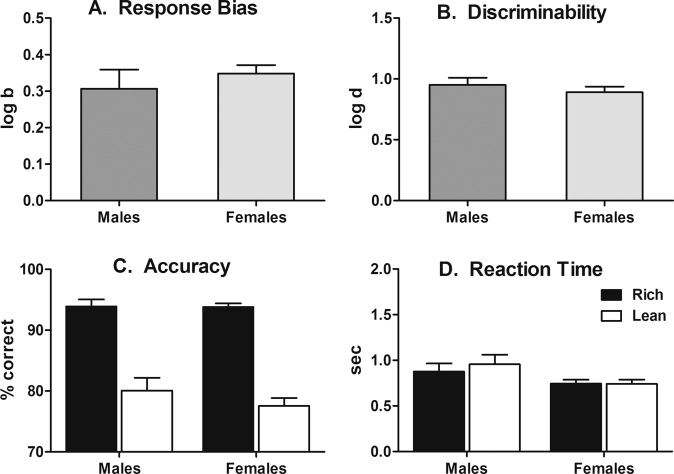
Anhedonia, the loss of pleasure from previously rewarding activities, is implicated in several neuropsychiatric conditions, including major depressive disorder (MDD). In order to accelerate drug development for mood disorders, quantitative approaches are needed to objectively measure responsiveness to reward as a means to identify deficits. One such approach, the probabilistic reward task (PRT), uses visual discrimination methodology to quantify reward learning. In this computerized task, humans make visual discriminations, and probabilistic contingencies are arranged such that correct responses to one alternative are rewarded more often (rich) than correct responses to the other (lean). Healthy participants consistently develop a response bias in favor of the rich alternative. However, participants with MDD typically exhibit lower response biases, and this blunting correlates with current and future anhedonia. The present studies validated a touchscreen-based PRT in rodents with formal and functional similarity to the human task. First, rats were trained to discriminate between two lines that differed in length. Next, parametric manipulations of probabilistic contingencies, line-length stimuli, and drug treatment (amphetamine, 0.32–3.2 mg/kg; scopolamine, 0.1–1.0 mg/kg; oxycodone, 0.1–1.0 mg/kg) on response bias were evaluated. Results demonstrated orderly shifts in bias and discriminability that varied as a function of, respectively, the asymmetry of rich/lean probabilities and disparity in line lengths. Drugs that enhance reward responsiveness (amphetamine and scopolamine, but not oxycodone) increased bias, verifying pharmacological task sensitivity. Finally, performance outcomes under optimized conditions were replicated in female rats. Collectively, the touchscreen-based rodent PRT appears to have high preclinical value as a quantitative assay of reward learning.
Overview
The claims and statistics of this paper haven’t been checked yet.
Free: it reads the open-access text and checks the first 5 claims that cite a source we can check. Create a free account to check every claim.
Integrity signals
Registry
Cites
Statistics
Figures
Verification
Claims the paper makes
The claims and statistics of this paper haven’t been checked yet.
Free: it reads the open-access text and checks the first 5 claims that cite a source we can check. Create a free account to check every claim.
Self-check
Percentages, sums and reported differences re-computed from the paper’s own numbers.
The self-check needs the paper’s full text.
Citations
Cites
Diagnostic and Statistical Manual of Mental Disorders
American Psychiatric Association (2013) · doi:10.1176/appi.books.9780890425596 · Cited by 116,369
Diagnostic and Statistical Manual of Mental Disorders
Williams, J. B. W., & First, M. (2013) · Encyclopedia of Social Work · doi:10.1093/acrefore/9780199975839.013.104 · Cited by 109,519
Insel, T., Cuthbert, B., Garvey, M., Heinssen, R., Pine, D. S., Quinn, K., Sanislow, C., & Wang, P. (2010) · American Journal of Psychiatry · doi:10.1176/appi.ajp.2010.09091379 · Cited by 7,067
Schizotaxia, schizotypy, schizophrenia.
Meehl, P. E. (1962) · American Psychologist · doi:10.1037/h0041029 · Cited by 2,019
A scale for the assessment of hedonic tone the Snaith-Hamilton pleasure scale
Snaith, R. P., Hamilton, M., Morley, S., Humayan, A., Hargreaves, D., & Trigwell, P. (1995) · British Journal of Psychiatry · doi:10.1192/bjp.167.1.99 · Cited by 1,778
Reconsidering anhedonia in depression: Lessons from translational neuroscience
Treadway, M. T., & Zald, D. H. (2011) · Neuroscience & Biobehavioral Reviews · doi:10.1016/j.neubiorev.2010.06.006 · Cited by 1,579
Scales for physical and social anhedonia.
Chapman, L. J., Chapman, J. P., & Raulin, M. L. (1976) · Journal of Abnormal Psychology · doi:10.1037/0021-843x.85.4.374 · Cited by 1,234
Depression, Stress, and Anhedonia: Toward a Synthesis and Integrated Model
Pizzagalli, D. A. (2014) · Annual Review of Clinical Psychology · doi:10.1146/annurev-clinpsy-050212-185606 · Cited by 1,155
Self-citationReduced hedonic capacity in major depressive disorder: evidence from a probabilistic reward task
Pizzagalli, D. A., Iosifescu, D., Hallett, L. A., Ratner, K. G., & Fava, M. (2008) · Journal of Psychiatric Research · doi:10.1016/j.jpsychires.2008.03.001 · Cited by 780
Self-citationTreadway, M. T., Buckholtz, J. W., Schwartzman, A. N., Lambert, W. E., & Zald, D. H. (2009) · PLoS ONE · doi:10.1371/journal.pone.0006598 · Cited by 769 · cited 2×
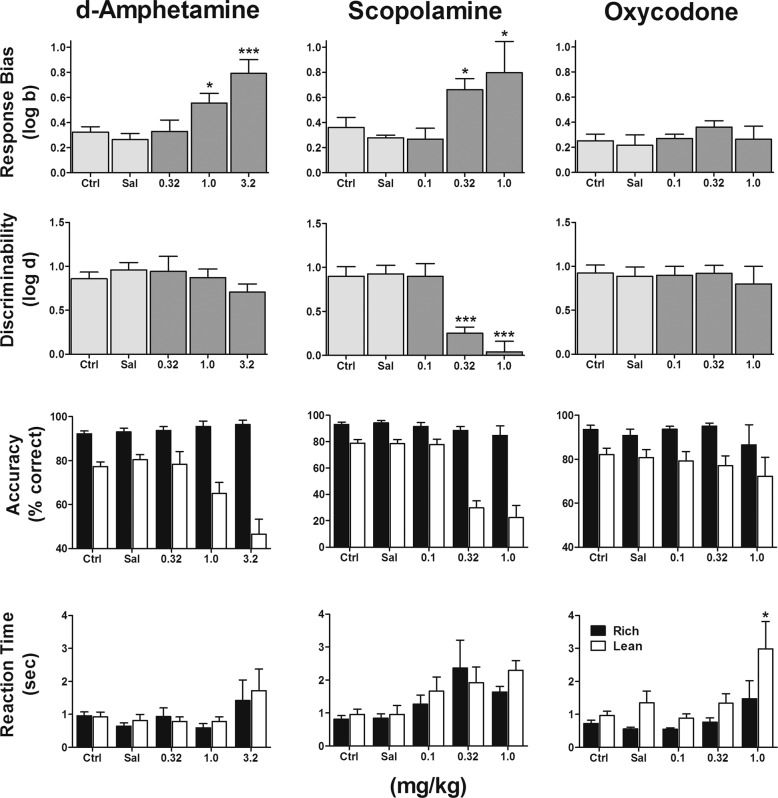
“0 mg/kg oxycodone abolished responding in one subject and significantly increased mean reaction time in the remaining 7 subjects [F(3,54)= 6.”
Background
Research works printed but not linked: 1
- Macmillan NA Creelman DC Detection Theory: A User’s Quide 1991 New York City Cambridge University Press
Cited by
Prefrontal cortex and depression
Pizzagalli, D. A., & Roberts, A. C. (2022) · Neuropsychopharmacology · doi:10.1038/s41386-021-01101-7 · Cited by 667
Self-citationPizzagalli, D. A. (2022) · American Journal of Psychiatry · doi:10.1176/appi.ajp.20220423 · Cited by 199
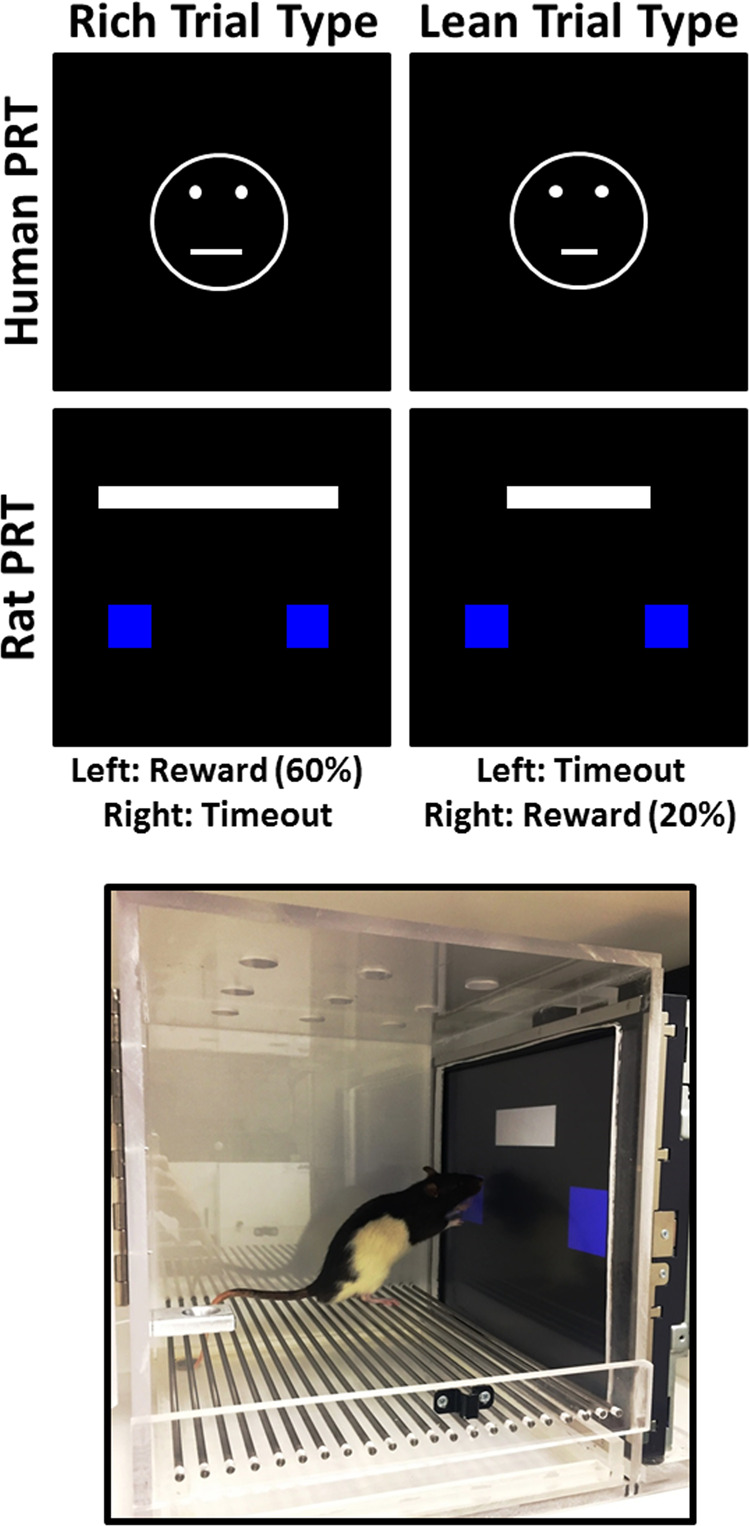
“a Panel A shows task schematics for thehuman (top) (108), rat (middle) (110), andmarmoset (bottom) (109) probabilistic reward task (PRT) (for a review, see”
BackgroundSelf-citationRodent tests of depression and anxiety: Construct validity and translational relevance
Gencturk, S., & Ünal, G. (2024) · Cognitive Affective & Behavioral Neuroscience · doi:10.3758/s13415-024-01171-2 · Cited by 177
“…experiments, response biases have been effectively induced using acoustic stimuli with a lever-press task (Der-Avakian et al., 2013) and visual stimuli with a touchscreen task (Iturra-Mena et al., 2023; Kangas et al., 2020; Luc & Kangas, 2023), both of which closely resemble the human experiments.”
BackgroundKangas, B. D., Short, A. K., Luc, O. T., Stern, H. S., Baram, T. Z., & Pizzagalli, D. A. (2021) · Neuropsychopharmacology · doi:10.1038/s41386-021-01250-9 · Cited by 51
“Empirical validation and task optimization of the touchscreen-based rat PRT can be found in [48].”
BackgroundInfluentialSelf-citationMolecular design of a therapeutic LSD analogue with reduced hallucinogenic potential
Tuck, J. R., Dunlap, L. E., Khatib, Y. A., Hatzipantelis, C. J., Novak, S. W., Rahn, R. M., Davis, A. R., Mosswood, A., Vernier, A. M. M., Fenton, E. M., et al. (2025) · Proceedings of the National Academy of Sciences · doi:10.1073/pnas.2416106122 · Cited by 50
“This assay is a recommended task to probe positive valence systems in the latest revision of the RDoC matrix ( 54 ) and has been reverse translated using touchscreen technology ( 55 ) for rodents ( 56 , 57 ) and nonhuman primates ( 58 ).”
Self-citationBeta activity in human anterior cingulate cortex mediates reward biases
Xiao, J., Adkinson, J. A., Myers, J. C., Allawala, A. B., Mathura, R. K., Pirtle, V., Najera, R. A., Provenza, N. R., Bartoli, E., Watrous, A. J., et al. (2024) · Nature Communications · doi:10.1038/s41467-024-49600-7 · Cited by 48
Kelly, C. A., Freeman, K. B., & Schumacher, J. A. (2022) · Neuroscience & Biobehavioral Reviews · doi:10.1016/j.neubiorev.2022.104578 · Cited by 41
Probabilistic Reinforcement Learning and Anhedonia
Kangas, B. D., Der‐Avakian, A., & Pizzagalli, D. A. (2022) · Current topics in behavioral neurosciences · doi:10.1007/7854_2022_349 · Cited by 41
“, nicotine, amphetamine, k-opioid receptor antagonism) in both humans and rats (e.g., Barr et al. 2008; Der-Avakian et al. 2013; Kangas et al. 2020; Krystal et al. 2020; Lamontagne et al. 2018); (g) is reduced by pharmacological challenges hypothesized to decrease dopaminergic signaling in both humans and rats (e.”
BackgroundSelf-citationIturra-Mena, A. M., Kangas, B. D., Luc, O. T., Potter, D. N., & Pizzagalli, D. A. (2023) · Neuropsychopharmacology · doi:10.1038/s41386-023-01532-4 · Cited by 38
“Empirical validation and task optimization of the touchscreen-based rat PRT has been previously described elsewhere [9].”
BackgroundMethodResultSelf-citationWilkinson, M. P., Slaney, C., Mellor, J. R., & Robinson, E. S. J. (2021) · PLoS ONE · doi:10.1371/journal.pone.0260444 · Cited by 31
“Additionally, utilisation of tasks such as the PRT and PRLT, that have been successfully translated for rodent use [16,31,42], means that any insights from these tasks in humans can be used translationally to probe the mechanistic underpinnings.”
BackgroundEarly life stress in male mice blunts responsiveness in a translationally-relevant reward task
Hisey, E. E., Fritsch, E. L., Newman, E. L., Ressler, K. J., Kangas, B. D., & Carlezon, W. A. (2023) · Neuropsychopharmacology · doi:10.1038/s41386-023-01610-7 · Cited by 30
“Three days before PRT training commenced, mice were food-restricted via postsession portions of 2–3 grams of rodent chow, followed by training as described previously [26].”
MethodSelf-citationRotolo, R. A., Presby, R. E., Tracy, O., Asar, S., Yang, J.-H., Correa, M., Murray, F., & Salamone, J. D. (2020) · Neuropharmacology · doi:10.1016/j.neuropharm.2020.108325 · Cited by 27
Translational Assessments of Reward Responsiveness in the Marmoset
Wooldridge, L. M., Bergman, J., Pizzagalli, D. A., & Kangas, B. D. (2020) · The International Journal of Neuropsychopharmacology · doi:10.1093/ijnp/pyaa090 · Cited by 28
“, 2013, 2017) and, more recently, touchscreen-based line length stimuli to closely approximate the human task (Kangas et al., 2020).”
BackgroundSelf-citationLuc, O. T., Pizzagalli, D. A., & Kangas, B. D. (2021) · Perspectives on Behavior Science · doi:10.1007/s40614-021-00288-w · Cited by 26
Self-citationViktorov, M., Wilkinson, M. P., Elston, V. C. E., Stone, M., & Robinson, E. S. J. (2022) · Brain and Neuroscience Advances · doi:10.1177/23982128221081645 · Cited by 25
“The probabilistic reward task (PRT) is another widely used task in man (Pizzagalli 2014) that has been successfully translated into both rodents (Kangas et al., 2020) and marmosets (Wooldridge et al., 2021) where the RAADs scopolamine and ketamine increase the bias that reward has upon…”
MethodDexter, T. D., Roberts, B. Z., Ayoub, S. M., Noback, M. N., Barnes, S. A., & Young, J. W. (2024) · Journal of Neurochemistry · doi:10.1111/jnc.16243 · Cited by 22
“No effect of amphetamine on performance (Soder et al., 2021) Amphetamine ↑ rich stimulus bias (Kangas et al., 2020 ; Lamontagne et al., 2018) Pramipexole ↓ reward learning (Santesso et al., 2009) Pramipexole ↓ rich response bias (Lamontagne et al., 2018) Scopolamine ↑ rich response bias Oxycodone…”
InfluentialSánchez, S. M., Tsuchiyagaito, A., Kuplicki, R., Park, H., Postolski, I., Rohan, M. L., Paulus, M. P., & Guinjoan, S. M. (2023) · Biological Psychiatry · doi:10.1016/j.biopsych.2023.03.012 · Cited by 18
Luc, O. T., & Kangas, B. D. (2023) · Cognitive Affective & Behavioral Neuroscience · doi:10.3758/s13415-023-01128-x · Cited by 17
“1) has been reverse-translated and empirically validated for rats using auditory tone discrimination (Der-Avakian et al., 2013) and, more recently, a touch-screen-based version with visual stimuli similar to the human task (Kangas et al., 2020; see second row in Fig.”
InfluentialSelf-citationFrancoeur, M. J., Tang, T., Fakhraei, L., Wu, X., Hulyalkar, S., Cramer, J., Buscher, N., & Ramanathan, D. R. (2021) · Frontiers in Psychiatry · doi:10.3389/fpsyt.2021.678103 · Cited by 16
“motivation and reward learning (6, 7), impulsivity (2, 8–11) executive function (1, 12) and even a concept as abstract as sunk costs (13).”
BackgroundClinical and Preclinical Assessments of Anhedonia in Psychiatric Disorders
Wang, S., Leri, F., & Rizvi, S. J. (2022) · Current topics in behavioral neurosciences · doi:10.1007/7854_2022_318 · Cited by 18
López‐Cruz, L., Bussey, T. J., Saksida, L. M., & Heath, C. J. (2021) · Lab Animal · doi:10.1038/s41684-021-00791-2 · Cited by 14
Esfand, S. M., Null, K. E., Duda, J. M., de Leeuw, J. R., & Pizzagalli, D. A. (2024) · Journal of Affective Disorders · doi:10.1016/j.jad.2024.01.133 · Cited by 13
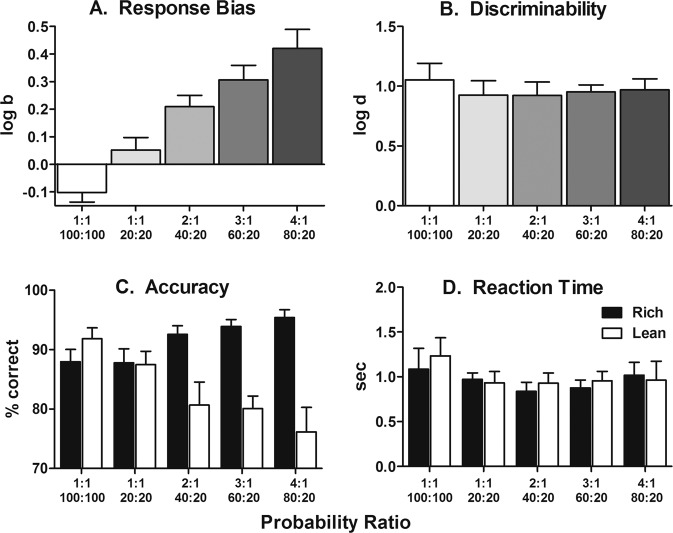
“This reward ratio was chosen as cross-species administration of the task indicated that a more asymmetric reward ratio resulted in greater response bias towards rich stimuli (Kangas et al., 2020).”
MethodSelf-citationKangas, B. D., Ang, Y., Short, A. K., Baram, T. Z., & Pizzagalli, D. A. (2024) · Biological Psychiatry Global Open Science · doi:10.1016/j.bpsgos.2024.100362 · Cited by 12
“Empirical validation and task optimization of the touchscreen-based rat PRT can be found in Kangas et al. (27).”
InfluentialSelf-citationKoloski, M. F., Salimi, M., Hulyalkar, S., Tang, T., Barnes, S. A., Mishra, J., & Ramanathan, D. (2025) · Journal of Neuroscience · doi:10.1523/jneurosci.0858-25.2025 · Cited by 8
Jenkins, A. R., Radl, D. B., Kornecook, T. J., Pizzagalli, D. A., Bergman, J., Buhl, D. L., O’Donnell, P., & Kangas, B. D. (2025) · Journal of Pharmacology and Experimental Therapeutics · doi:10.1016/j.jpet.2025.103572 · Cited by 8
Self-citationConcurrent electrophysiological recording and cognitive testing in a rodent touchscreen environment
Kangas, B. D., Iturra-Mena, A. M., Robble, M. A., Luc, O. T., Potter, D., Nickels, S., Bergman, J., Carlezon, W. A., & Pizzagalli, D. A. (2021) · Scientific Reports · doi:10.1038/s41598-021-91091-9 · Cited by 8
Self-citationThe cognitive neuroscience of ketamine in major depression
Costi, S., Wigg, C., Pulcu, E., Murphy, S. E., & Harmer, C. J. (2025) · Brain · doi:10.1093/brain/awaf242 · Cited by 49
“In a recent study using the probabilistic reward task 77,78 in rats, ketamine briefly increased reward responsiveness in non-stressed animals but produced longer-lasting anti-anhedonic effects in chronically stressed rats, persisting for up to a week.”
Gonzalez, P. M., Jenkins, A. R., LaMalfa, K. S., & Kangas, B. D. (2024) · Journal of Neurochemistry · doi:10.1111/jnc.16157 · Cited by 7
“The PRT is a computerized assay originally designed for humans (Pizzagalli et al., 2005 ) and subsequently reverse-translated using touchscreen technology for rats (Kangas et al., 2020 ) to examine responsivity to reward as it relates to anhedonic behavioral phenotypes.”
InfluentialSelf-citationExamining the effects of psychoactive drugs on complex behavioral processes in laboratory animals
Kangas, B. D. (2022) · Advances in pharmacology · doi:10.1016/bs.apha.2021.09.001 · Cited by 7
Self-citationDelivering a new generation of translational animal models for depression research
Robinson, E. S. J. (2025) · Behavioural Pharmacology · doi:10.1097/fbp.0000000000000819 · Cited by 9
Pizzagalli, D. A. (2026) · Nature Mental Health · doi:10.1038/s44220-026-00631-7 · Cited by 7
“33,52,54,175,190–192,259 but see refs.”
InfluentialSelf-citationNociceptin Receptor Antagonism Modulates Electrophysiological Markers of Reward Learning
Iturra-Mena, A. M., Kangas, B. D., & Pizzagalli, D. A. (2023) · The International Journal of Neuropsychopharmacology · doi:10.1093/ijnp/pyad031 · Cited by 6
“To fill this gap, we developed functionally identical versions of the probabilistic reward task (PRT) to objectively quantify reward responsiveness in humans and laboratory animals (Pizzagalli et al., 2005; Kangas et al., 2020).”
MethodSelf-citationHeukelom, J. T. V., Blejewski, R. C., Langford, J. S., Vidal, P., Garcia, E. K., Hughes, C. E., & Pitts, R. C. (2025) · Journal of the Experimental Analysis of Behavior · doi:10.1002/jeab.4241 · Cited by 6
“Although opioid agonists, including oxycodone, typically do not produce selective effects on discrimination learning (e.g., Kangas et al., 2020; Moerschbaecher et al., 1983; Withey et al., 2020), the nature and degree of stimulus control has been shown to modulate the effects of some drugs (e.g.,…”
Adam, A. S., LaMalfa, K. S., Razavi, Y., Kohut, S. J., & Kangas, B. D. (2024) · Psychedelic Medicine · doi:10.1089/psymed.2023.0049 · Cited by 6
“…effects were appraised using the Probabilistic Reward Task (PRT), an RDoC-recommended assay 32 originally designed to objectively quantify reward responsivity in clinical populations 33 and subsequently reverse-translated for rats, 34 mice, 35 and monkeys 36 using touchscreen technology.”
Self-citationThe development of translational tasks for preclinical psychedelic research in psychiatry
Robinson, E. S. J. (2025) · Journal of Psychopharmacology · doi:10.1177/02698811251365167 · Cited by 5
“The PRT for rodents may quantify similar reward learning impairments as the RLA but is designed to run in the touchscreen apparatus, providing the advantage of being fully automated (Kangas et al., 2020; Luc and Kangas, 2024).”
Anhedonia and altered reward responsiveness: Relations to psychosocial functioning
Sapperstein, M., Thai, M., Ang, Y., & Pizzagalli, D. A. (2026) · Journal of Mood and Anxiety Disorders · doi:10.1016/j.xjmad.2026.100169 · Cited by 4
“…conducted by [12], and is consistent with preclinical PRT data suggesting that response bias is linearly related to how asymmetrical the reinforcement schedule is, making a 4:1 ratio more efficient [29] and ensuring that a response bias would be elicited given the online administration of the task.”
Self-citationPizzagalli, D. A., Treadway, M., Kangas, B. D., Romoli, B., Breton, J., Bruchas, M. R., Graybiel, A. M., Hueske, E., Prakash, N., Der‐Avakian, A., et al. (2026) · Molecular Psychiatry · doi:10.1038/s41380-026-03898-5 · Cited by 3
Self-citationBogdanov, M., Scott, J. N., Esfand, S. M., Boyle, B. W., Lees, T., Li, M., Woronko, S. E., Linton, S. R., Jenkins, A. R., Miller, C., et al. (2026) · Biological Psychiatry Global Open Science · doi:10.1016/j.bpsgos.2026.100688 · Cited by 3
“Here, we investigated whether a single, subanesthetic dose of ketamine would enhance reward responsiveness in people with TRD and chronically stressed rats that displayed anhedonic-like behavior, using functionally identical versions of an established reward learning paradigm, the PRT (39,41).”
Self-citationKangas, B. D. (2025) · Perspectives on Behavior Science · doi:10.1007/s40614-025-00478-w · Cited by 2
Self-citationVadodaria, K. C., Serrats, J., Brubaker, W., Kangas, B. D., Pizzagalli, D. A., Garvey, D. S., Sudarsan, V., & Vanover, K. E. (2025) · Neuropsychopharmacology · doi:10.1038/s41386-025-02287-w · Cited by 2
“In the present stud, we used the rat PRT [28] to determine the ability of ENX-104 to enhance reward responsiveness, which would be evident in drug-induced increases in response bias for the more richly rewarded stimulus [29, 30].”
Self-citationPettorruso, M., d’Andrea, G., Inserra, A., Cavallotto, C., Censi, S., Billard, É., Stefano, A. D., Risio, L. D., Tullo, M. G., D’Addario, C., et al. (2026) · Translational Psychiatry · doi:10.1038/s41398-026-04203-2 · Cited by 3
“…adoption of promising translational paradigms, such as recently developed assays focusing on reward processing and motivational behavior [108], as well as the rodent version of the Probabilistic Reward Task [109], may allow for a more precise dissection of anhedonia-and reward-related dimensions.”
Klaassen, A.-L., Michel, C., Stüble, M., Scholkmann, F., Kaess, M., & Kindler, J. (2025) · Journal of Psychiatric Research · doi:10.1016/j.jpsychires.2025.01.051 · Cited by 1
Psychedelics produce enduring enhancement of reward responsiveness in male rats
Thomas, C. W., LaMalfa, K. S., Whelan, T. P., Blackmore, T., Golden, C. T., Pizzagalli, D. A., Bergman, J., Gilmour, G., & Kangas, B. D. (2026) · Neuropsychopharmacology · doi:10.1038/s41386-026-02475-2 · Cited by 1
Self-citationConcurrent schedules: How responses per reinforcer affects estimates of sensitivity to reinforcement
Davison, M. (2021) · Journal of the Experimental Analysis of Behavior · doi:10.1002/jeab.694 · Cited by 1
Neuropsychological Effects of Antidepressants: Translational Studies
Kamenish, K., & Robinson, E. S. J. (2023) · Current topics in behavioral neurosciences · doi:10.1007/7854_2023_446 · Cited by 1
Animal Models of Mood Disorders
Parise, L. F., Cardona-Acosta, A. M., Parise, E. M., & Bolaños‐Guzmán, C. A. (2025) · Oxford University Press eBooks · doi:10.1093/med/9780197640654.003.0030
Investigating the Behavioural and Electrophysiological Consequences of Early Life Stress
Wilkinson, M. P. (2021) · Bristol Research (University of Bristol) · Cited by 2
A Review of Translational Behavioral Assays in Depression Research
Sabherwal, A., Peña, J. E., Lopez, A. T., & Hitti, F. L. (2026) · Biology · doi:10.3390/biology15090667
Евгеньевна, Т. Е., Yakimov, A. M., Vasilieva, A. A., Константинович, Р. Ф., Дмитриевна, Р. А., Попов, А. А., & Дмитренко, Д. В. (2026) · Neuroscience · doi:10.1016/j.neuroscience.2026.05.014
Metadata
- Authors
- Kangas, B. D., Wooldridge, L. M., Luc, O. T., Bergman, J., & Pizzagalli, D. A.
- Affiliations
- Harvard University (US)
- McLean Hospital (US)
- Corresponding author
- Kangas, Brian D.
- Venue
- Translational Psychiatry
- Published
- 2020-08-13
- Volume
- 10
- Issue
- 1
- Pages
- 285-285
- ISSN
- 2158-3188 (ISSN-L)
- PMC
- PMC7426406
- OpenAlex
- W3048509239
- Cited by
- 47
- References
- 54
- Citations by year
- 2026: 6 · 2025: 12 · 2024: 7 · 2023: 6 · 2022: 6 · 2021: 8 · 2020: 2
- FWCI
- 2.52
- Type
- journal article
- Language
- en
- Open access
- gold
- doi.org
- Licence
- cc-by
- creativecommons.org/licenses/by/4.0 (tdm)
- creativecommons.org/licenses/by/4.0 (vor)
- Locations
- Translational Psychiatry (publishedVersion, cc-by)
- PubMed Central (publishedVersion, cc-by)
- PubMed (publishedVersion)
- Funders
- U.S. Department of Health & Human Services | NIH | National Institute on Drug Abuse (K01-DA035974)
- U.S. Department of Health & Human Services | NIH | National Institute of Mental Health (R37-MH068376, R01-MH101521, UH2-MH109334)
- Topics
- Life Sciences › Neuroscience › Cellular and Molecular Neuroscience › Neurotransmitter Receptor Influence on Behavior
- Life Sciences › Neuroscience › Cognitive Neuroscience › Neural and Behavioral Psychology Studies
- Health Sciences › Medicine › Pharmacology (medical) › Treatment of Major Depression
- Keywords
- probabilistic reward task, reward learning, anhedonia, major depressive disorder, rats, response bias, amphetamine, scopolamine, oxycodone, visual discrimination, preclinical drug screening, female rats
- MeSH terms
- Amphetamine, Animals, Depressive Disorder, Major, Major Depressive Disorder, Female, Learning, Reward, Rats, Anhedonia
About these checks
Registry, retraction, Cites and statistics results are computed, not judged, with one exception: a printed reference that no index lists is read once by a model before it counts as a citation error. Claims are extracted by a model and kept only when their quote appears verbatim in the text; each cited source is then checked, with a model’s help, for whether it says what the claim relies on. Those verdicts can be wrong — read the claim’s quote and the cited source before relying on one.
Statistics and arithmetic are recomputed, not judged.
Confidence bands are shown only for fields calibrated on our annotated test set. None is calibrated yet, so no band is shown.
What counts as a claim ›How we measure confidence ›How we check this ›
Are you an author, or do you see a problem with this page? Request a review
Data sources
Bibliographic data: Semantic Scholar, OpenAlex, Crossref.
Contains information from the Semantic Scholar Academic Graph Datasets, made available under the ODC Attribution License (ODC-BY 1.0).
Semantic Scholar’s data is described in: Kinney, R., et al. (2023). The Semantic Scholar Open Data Platform. arXiv:2301.10140.
