

Amyloid-beta uptake by blood monocytes is reduced with ageing and Alzheimer’s disease
Open accessThe DOI matches its Crossref record; 43 of the 43 references it cites were found in a registry or an index.
Abstract
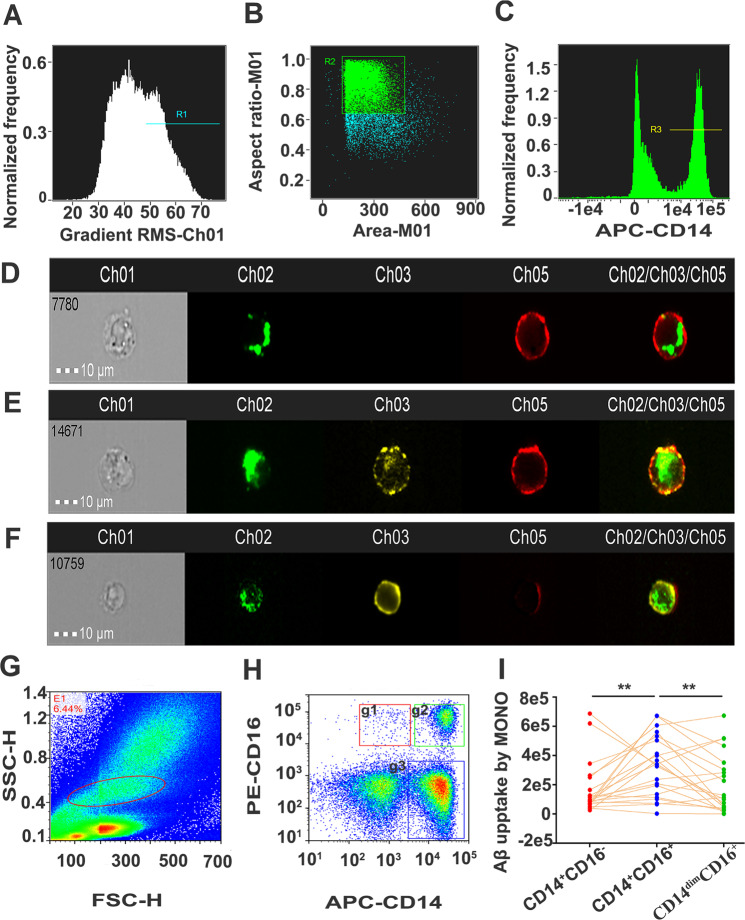
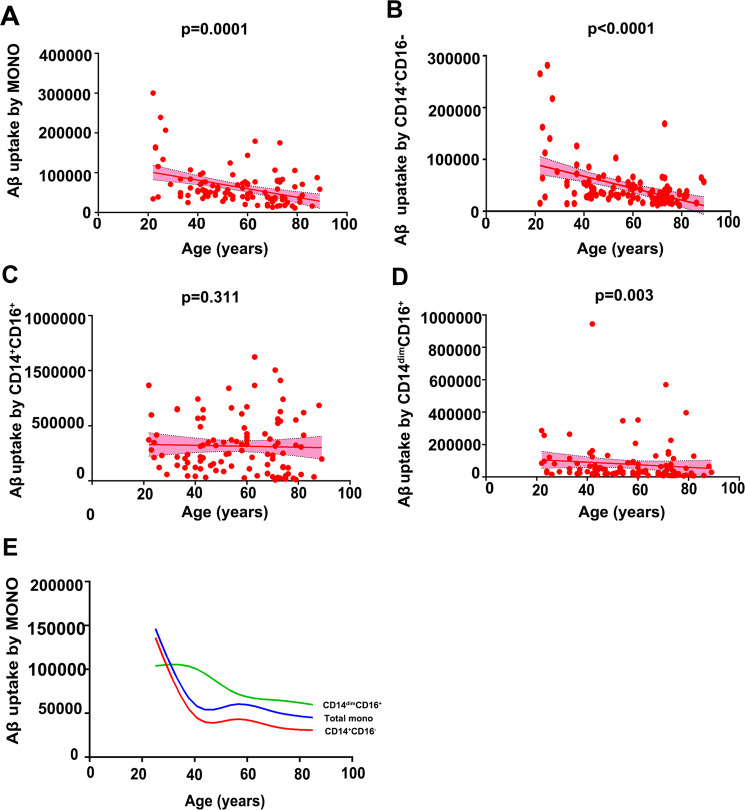
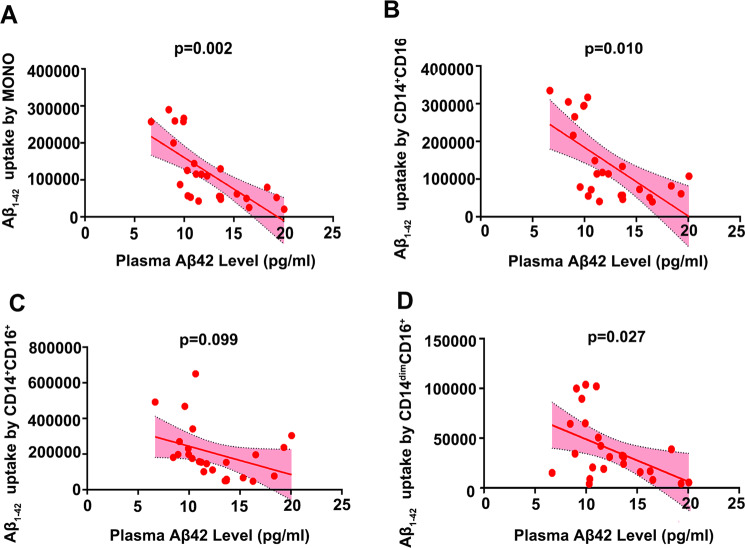
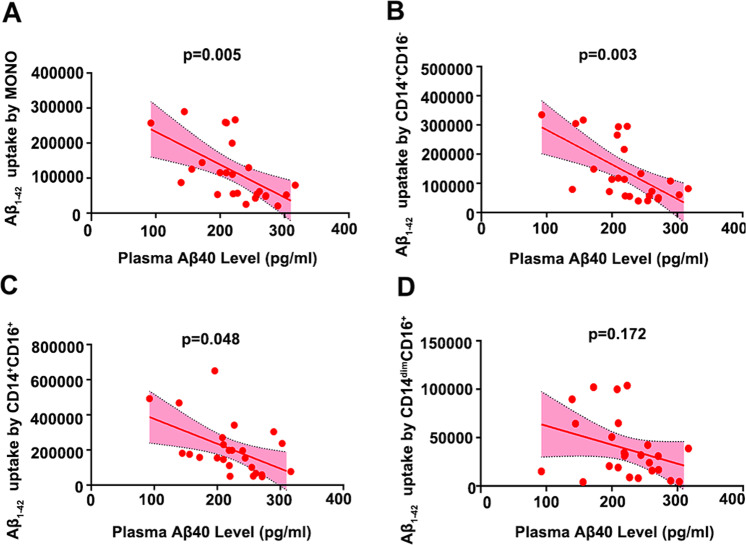
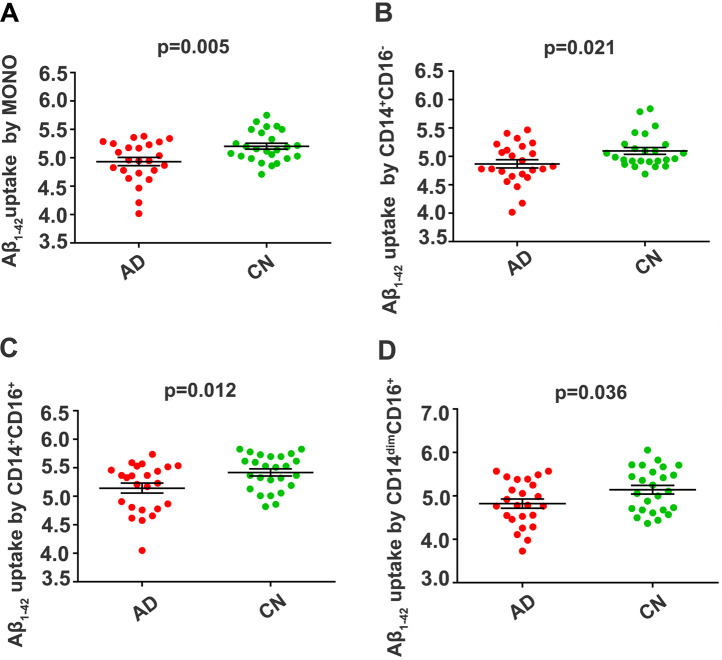
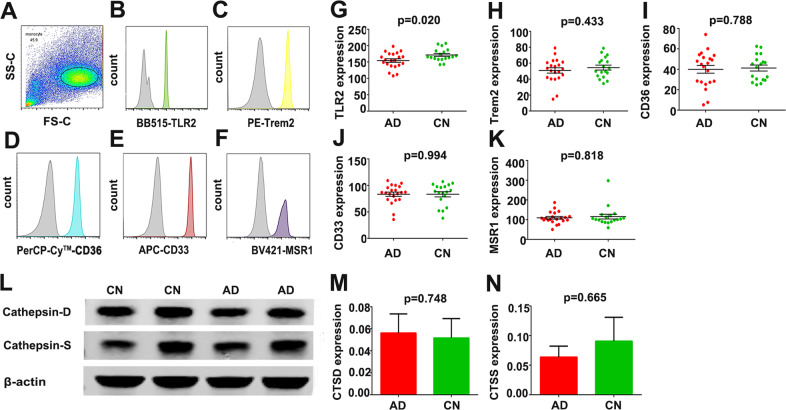
Deficits in the clearance of amyloid β-protein (Aβ) play a pivotal role in the pathogenesis of sporadic Alzheimer’s disease (AD). The roles of blood monocytes in the development of AD remain unclear. In this study, we sought to investigate the alterations in the Aβ phagocytosis function of peripheral monocytes during ageing and in AD patients. A total of 104 cognitively normal participants aged 22–89 years, 24 AD patients, 25 age- and sex-matched cognitively normal (CN) subjects, 15 Parkinson’s disease patients (PD), and 15 age- and sex-matched CN subjects were recruited. The Aβ uptake by blood monocytes was measured and its alteration during ageing and in AD patients were investigated. Aβ 1-42 uptake by monocytes decreased during ageing and further decreased in AD but not in PD patients. Aβ 1-42 uptake by monocytes was associated with Aβ 1-42 levels in the blood. Among the Aβ uptake-related receptors and enzymes, the expression of Toll-like receptor 2 (TLR2) was reduced in monocytes from AD patients. Our findings suggest that monocytes regulate the blood levels of Aβ and might be involved in the development of AD. The recovery of the Aβ uptake function by blood monocytes represents a potential therapeutic strategy for AD.
Overview
The claims and statistics of this paper haven’t been checked yet.
Free: it reads the open-access text and checks the first 5 claims that cite a source we can check. Create a free account to check every claim.
Integrity signals
Registry
Cites
Statistics
Figures
Verification
Claims the paper makes
The claims and statistics of this paper haven’t been checked yet.
Free: it reads the open-access text and checks the first 5 claims that cite a source we can check. Create a free account to check every claim.
Claims other papers make about this one
Each is checked against this paper’s own text: does it say what the citing paper says it does?
The cited source says what the claim attributes to it.
In the citing paper
“implying that impaired Aβ uptake by monocytes may play a role in the aetiology of AD.”
From Microglia and monocytes in inflammatory CNS disease: integrating phenotype and function (2022) · cites this paper as [56]
The cited source says what the claim attributes to it.
In the citing paper
“Monocytes in the peripheral circulation showed a reduced Aβ uptake capacity with age and in AD patients [56]”
From Microglia and monocytes in inflammatory CNS disease: integrating phenotype and function (2022) · cites this paper as [56]
In the citing paper
“The phagocytic capacity of aged peripheral myeloid cells decreases during ageing and in AD,329,330”
From Antiageing strategy for neurodegenerative diseases: from mechanisms to clinical advances (2025) · cites this paper as [329]
Self-check
Percentages, sums and reported differences re-computed from the paper’s own numbers.
The self-check needs the paper’s full text.
Citations
Cites
Hughes, A. J., Daniel, S. E., Kilford, L., & Lees, A. J. (1992) · Journal of Neurology, Neurosurgery & Psychiatry · doi:10.1136/jnnp.55.3.181 · Cited by 10,378
The global prevalence of dementia: a systematic review and metaanalysis.
Prince, M., Bryce, R., Albanese, E., Wimo, A., Ribeiro, W., & Ferri, C. P. (2013) · Alzheimer's & Dementia · doi:10.1016/j.jalz.2012.11.007 · Cited by 4,941
Ageing as a risk factor for neurodegenerative disease
Hou, Y., Dan, X., Babbar, M., Wei, Y., Hasselbalch, S. G., Croteau, D. L., & Bohr, V. A. (2019) · Nature Reviews Neurology · doi:10.1038/s41582-019-0244-7 · Cited by 3,310
Alzheimer Disease Genetics Consortium (ADGC), Kunkle, B. W., The European Alzheimer’s Disease Initiative (EADI), Cohorts for Heart and Aging Research in Genomic Epidemiology Consortium (CHARGE), Genetic and Environmental Risk in AD/Defining Genetic, P. A. E. R. F. A. D. C. (., Grenier-Boley, B., Sims, R., Bis, J. C., Damotte, V., Naj, A. C., et al. (2019) · Nature Genetics · doi:10.1038/s41588-019-0358-2 · Cited by 2,946
Self-citationVillemagne, V. L., Burnham, S., Bourgeat, P., Brown, B., Ellis, K. A., Salvado, O., Szoeke, C., Macaulay, S. L., Martins, R., Maruff, P., et al. (2013) · The Lancet Neurology · doi:10.1016/s1474-4422(13)70044-9 · Cited by 2,279
Decreased Clearance of CNS β-Amyloid in Alzheimer’s Disease
Mawuenyega, K. G., Sigurdson, W., Ovod, V., Munsell, L., Kasten, T., Morris, J. C., Yarasheski, K. E., & Bateman, R. J. (2010) · Science · doi:10.1126/science.1197623 · Cited by 2,078
Masters, C. L., Bateman, R., Blennow, K., Rowe, C. C., Sperling, R. A., & Cummings, J. L. (2015) · Nature Reviews Disease Primers · doi:10.1038/nrdp.2015.56 · Cited by 1,853
Simard, A. R., Soulet, D., Gowing, G., Julien, J.-P., & Rivest, S. (2006) · Neuron · doi:10.1016/j.neuron.2006.01.022 · Cited by 1,265
Identification and characterization of a novel monocyte subpopulation in human peripheral blood
Passlick, B., Flieger, D., & Ziegler-Heitbrock, H. (1989) · Blood · doi:10.1182/blood.v74.7.2527.2527 · Cited by 1,037
A systemic view of Alzheimer disease — insights from amyloid-β metabolism beyond the brain
Wang, J., Gu, B. J., Masters, C. L., & Wang, Y.-J. (2017) · Nature Reviews Neurology · doi:10.1038/nrneurol.2017.111 · Cited by 808
Self-citation
Cited by
Microglia and monocytes in inflammatory CNS disease: integrating phenotype and function
Spiteri, A. G., Wishart, C. L., Pamphlett, R., Locatelli, G., & King, N. J. C. (2022) · Acta Neuropathologica · doi:10.1007/s00401-021-02384-2 · Cited by 244
“Monocytes in the peripheral circulation showed a reduced Aβ uptake capacity with age and in AD patients [56], implying that impaired Aβ uptake by monocytes may play a role in the aetiology of AD.”
BackgroundAntiageing strategy for neurodegenerative diseases: from mechanisms to clinical advances
Jiang, Q., Liu, J., Huang, S., Wang, X.-Y., Chen, X., Liu, G.-H., Ye, K., Song, W., Masters, C. L., Wang, J., et al. (2025) · Signal Transduction and Targeted Therapy · doi:10.1038/s41392-025-02145-7 · Cited by 165
“The phagocytic capacity of aged peripheral myeloid cells decreases during ageing and in AD, 329,330 and adaptive immune cells produce a disordered antibody pro fi le, leading to impaired A β clearance.”
InfluentialSelf-citationThe role of the immune system in Alzheimer’s disease
Wu, K., Zhang, Y.-R., Huang, Y., Dong, Q., Tan, L., & Yu, J. (2021) · Ageing Research Reviews · doi:10.1016/j.arr.2021.101409 · Cited by 127
Hu, M., Li, T., Ma, X., Liu, S., Li, C., Huang, Z., Lin, Y., Wu, R., Wang, S., Lu, D., et al. (2023) · Nature Communications · doi:10.1038/s41467-023-39693-x · Cited by 126
Ullah, R., Park, T. J., Huang, X., & Kim, M. O. (2021) · Ageing Research Reviews · doi:10.1016/j.arr.2021.101451 · Cited by 78
“…of circulating Aβ peptides via phagocytosis, and a reduction in Aβ peptide phagocytosis led to full development of AD pathology, suggesting that these peripheral cells play essential roles in the systemic clearance of Aβ peptides (Chen et al., 2020; Krishnan et al., 2020; Munawara et al., 2021).”
BackgroundPeripheral and central neuroimmune mechanisms in Alzheimer’s disease pathogenesis
Zhang, S., Gao, Y., Zhao, Y., Huang, T. Y., Zheng, Q., & Wang, X. (2025) · Molecular Neurodegeneration · doi:10.1186/s13024-025-00812-5 · Cited by 78
“MDMs accumulate with age and participate in Aβ clearance [56, 57], however, their capacity to take up Aβ diminishes with age and AD progression, partially due to decreased expression of phagocytic receptors, such as TREM2 [56].”
Munawara, U., Catanzaro, M., Xu, W., Tan, C., Hirokawa, K., Bosco, N., Dumoulin, D., Khalil, A., Larbi, A., Lévesque, S., et al. (2021) · Immunity & Ageing · doi:10.1186/s12979-021-00236-x · Cited by 74
Neuroimmune contributions to Alzheimer’s disease: a focus on human data
Haage, V., & De Jager, P. L. (2022) · Molecular Psychiatry · doi:10.1038/s41380-022-01637-0 · Cited by 74
“The authors further suggested the promotion of monocytic phagocytosis as a therapeutic strategy [42].”
BackgroundBlood biomarkers in ALS : challenges, applications and novel frontiers
Sturmey, E., & Malaspina, A. (2022) · Acta Neurologica Scandinavica · doi:10.1111/ane.13698 · Cited by 72
Ullah, R., & Lee, E. J. (2023) · Experimental Neurobiology · doi:10.5607/en23014 · Cited by 57
“Amyloid-β from the brain can enter the bloodstream through various mechanisms [255-257].”
BackgroundPhysiological clearance of Aβ by spleen and splenectomy aggravates Alzheimer‐type pathogenesis
Yu, Z., Chen, D., Tan, C., Zeng, G., He, C.-Y., Wang, J., Bu, X., & Wang, Y. (2021) · Aging Cell · doi:10.1111/acel.13533 · Cited by 57
Self-citationAdvanced Overview of Biomarkers and Techniques for Early Diagnosis of Alzheimer’s Disease
Rani, S., Dhar, S. B., Khajuria, A., Gupta, D., Jaiswal, P. K., Singla, N., Kaur, M., Singh, G., & Barnwal, R. P. (2023) · Cellular and Molecular Neurobiology · doi:10.1007/s10571-023-01330-y · Cited by 48
Sun, P.-Y., Liu, J., Hu, J.-N., Tu, Y.-F., Jiang, Q., Jia, Y.-J., Sun, H.-L., Chen, S.-H., Xin, J.-Y., Yu, Z.-Y., et al. (2024) · Science Advances · doi:10.1126/sciadv.adl1123 · Cited by 46
Self-citationThe Role of Ageing and Parenchymal Senescence on Macrophage Function and Fibrosis
Campbell, R., Docherty, M.-H., Ferenbach, D. A., & Mylonas, K. J. (2021) · Frontiers in Immunology · doi:10.3389/fimmu.2021.700790 · Cited by 48
“In the brain, phagocytosis of amyloid-beta is reduced in multiple populations of blood monocytes (131).”
BackgroundBlood Leukocyte Counts in Alzheimer Disease
Luo, J. M., Thomassen, J. Q., Nordestgaard, B. G., Tybjærg‐Hansen, A., & Frikke‐Schmidt, R. (2022) · JAMA Network Open · doi:10.1001/jamanetworkopen.2022.35648 · Cited by 47
Immune dysfunction in Alzheimer disease
Butovsky, O., Rosenzweig, N., Kleemann, K. L., Jorfi, M., Kuchroo, V. K., Tanzi, R. E., & Weiner, H. L. (2025) · Nature reviews. Neuroscience · doi:10.1038/s41583-025-00997-0 · Cited by 48
Wijesinghe, P., Whitmore, C. A., Campbell, M., Li, C. H., Tsuyuki, M., To, E. C., Haynes, J. R., Pham, W. N., & Matsubara, J. A. (2023) · Frontiers in Neuroscience · doi:10.3389/fnins.2023.1107436 · Cited by 41
Liu, J., van Beusekom, H. M. M., Bu, X., Chen, G., Rosado-de-Castro, P. H., Chen, X., Chen, X., Clarkson, A. N., Farr, T. D., Fu, Y., et al. (2023) · Neuroprotection/Neuroprotection (Chichester, England. Print) · doi:10.1002/nep3.23 · Cited by 33
“133 This suggests that improving peripheral A β /tau clearance capacity could be a desirable therapeutic strategy for AD.”
BackgroundSelf-citationHoecke, L. V., Lucci, C., & Vandenbroucke, R. E. (2025) · Trends in Neurosciences · doi:10.1016/j.tins.2025.09.008 · Cited by 28
Unmasking BACE1 in aging and age-related diseases
Bao, H., & Shen, Y. (2022) · Trends in Molecular Medicine · doi:10.1016/j.molmed.2022.11.008 · Cited by 29
Self-citationChen, S., He, C.-Y., Shen, Y., Zeng, G., Tian, D., Cheng, Y., Xu, M., Fan, D., Tan, C., Shi, A., et al. (2021) · Neuroscience Bulletin · doi:10.1007/s12264-021-00779-5 · Cited by 27
Self-citationPathology of Amyloid-β (Aβ) Peptide Peripheral Clearance in Alzheimer’s Disease
Tsoy, A., Umbayev, B. A., Kassenova, A., Kaupbayeva, B., & Askarova, S. (2024) · International Journal of Molecular Sciences · doi:10.3390/ijms252010964 · Cited by 27
“All three subsets of peripheral monocytes (classical, nonclassical, and intermediate) can phagocytize A β , however, the highest rate of A β uptake is typical for the intermediate monocyte subset [85,86].”
BackgroundResultKowalski, E., Soliman, E., Kelly, C., Basso, E. K. G., Leonard, J. W., Pridham, K. J., Ju, J., Cash, A., Hazy, A., de Jager, C., et al. (2022) · JCI Insight · doi:10.1172/jci.insight.156319 · Cited by 26
Netzahualcoyotzi, C., Santillán‐Cigales, J. J., Adalid-Peralta, L. V., & Velasco, I. (2024) · Journal of Neurochemistry · doi:10.1111/jnc.16106 · Cited by 26
“Such works demonstrate that circulating monocytes in AD patients show increased reactivity (chemotaxis, free radical generation, and cytokine production) but have a lower capacity to uptake A β (Chen et al., 2020 ; Munawara et al., 2021 ).”
The role of macrophage plasticity in neurodegenerative diseases
Ma, H., Zhu, M., Chen, M., Li, X., & Feng, X. (2024) · Biomarker Research · doi:10.1186/s40364-024-00624-7 · Cited by 25
“…associated with the immune response and endocytosis, such as ATP-binding cassette transporter A7, CD33, triggering receptor expressed on myeloid cells 2 (TREM2), and complement receptor 1, suggesting that innate immune dysfunction primarily involves microglia and peripheral myeloid cells [124].”
BackgroundLiu, N., Haziyihan, A., Zhao, W. G., Chen, Y., & Chao, H. (2024) · Translational Neurodegeneration · doi:10.1186/s40035-024-00434-9 · Cited by 28
Self-citationAlzheimer’s disease: targeting the peripheral circulation
Liu, Z., Wang, Y., & Bu, X. (2023) · Molecular Neurodegeneration · doi:10.1186/s13024-023-00594-8 · Cited by 23
“We also demonstrated that the ability of the blood to clear Aβ decreased with ageing and AD progression [9].”
BackgroundSelf-citationHuman Monocytes Plasticity in Neurodegeneration
Savinetti, I., Papagna, A., & Foti, M. (2021) · Biomedicines · doi:10.3390/biomedicines9070717 · Cited by 20
Peripheral Immune Cells Contribute to the Pathogenesis of Alzheimer’s Disease
Zhang, H., Cao, F., Zhou, Y., Wu, B., & Li, C. (2024) · Molecular Neurobiology · doi:10.1007/s12035-024-04266-6 · Cited by 20
“Recent studies have found that blood monocytes in AD patients exhibit impaired Aβ phagocytosis [32, 33].”
Immune Response at the Crossroads of Atherosclerosis and Alzheimer's Disease
Stahr, N. A., & Galkina, E. (2022) · Frontiers in Cardiovascular Medicine · doi:10.3389/fcvm.2022.870144 · Cited by 20
Chia, S. Y., Vipin, A., Ng, K. P., Tu, H., Bommakanti, A. S., Wang, B. Z., Tan, Y. J., Zailan, F. Z., Ng, A. S. L., Ling, S., et al. (2022) · Journal of Alzheimer s Disease · doi:10.3233/jad-220116 · Cited by 19
“The presence of these cells has been demonstrated aroundA (cid:2) plaques,andtheyareinvolvedinA (cid:2) clearance across the BBB through chemokines [56–58].”
Liu, Z., Bai, Y.-D., Yu, Z., Li, H., Liu, J., Tan, C., Zeng, G., Tu, Y., Sun, P., Jia, Y., et al. (2023) · Neuroscience Bulletin · doi:10.1007/s12264-023-01077-y · Cited by 18
“We and others found that the efflux of Aβ from the brain to the peripheral blood accounts for 40%–60% of total brain Aβ clearance [11, 12], and similar to microglia, blood monocytes have the capacity to clear Aβ like microglia in the peripheral circulation [13, 14].”
BackgroundSelf-citationLi, Q., Li, B., Liu, L., Wang, K.-J., Liu, M., Deng, Y., Li, Z., Zhao, W., Wu, L., Chen, Y., et al. (2024) · Journal of Neuroinflammation · doi:10.1186/s12974-024-03119-2 · Cited by 17
“Blood monocytes are the counterparts of microglia in the periphery [19, 20].”
BackgroundSelf-citationCerebral amyloid angiopathy and the immune system
Munsterman, D., Falcione, S. R., Long, R., Boghozian, R., Joy, T., Camicioli, R. M., Smith, E. E., & Jickling, G. C. (2024) · Alzheimer s & Dementia · doi:10.1002/alz.13826 · Cited by 18
“65 69 Given the interactions of neutrophils and monocytes with beta-amyloid and the cerebral vasculature in AD, a need exists to better understand their role in CAA.”
BackgroundThe role of peripheral innate immune cells in Alzheimer’s disease progression
Cao, Y., Tang, K., Ma, P., Zhang, R., Yang, Y., Li, T., Zhang, Y., & Peng, X. (2025) · Frontiers in Immunology · doi:10.3389/fimmu.2025.1616939 · Cited by 19
“Age-dependent reductions in A b 42 uptake across all monocyte subsets are more pronounced in AD, as reported by Chen et al. (69), potentially due to decreased Toll-like receptor 2 (TLR2) expression, which compromises A b recognition.”
Li, H., Huang, J., Zhao, D., Zhu, L., Zhang, Z., Yi, M., & Peng, W. (2024) · Neural Regeneration Research · doi:10.4103/nrr.nrr-d-23-01979 · Cited by 16
Zhang, Q., Su, J., Li, Z., Han, S., Wang, C., & Sun, Z. (2025) · Journal of Nanobiotechnology · doi:10.1186/s12951-025-03362-6 · Cited by 14
Lona‐Durazo, F., Reynolds, R. H., Scholz, S. W., Ryten, M., & Taliun, S. A. G. (2023) · Communications Biology · doi:10.1038/s42003-023-05113-5 · Cited by 15
“However, it has also been suggested that circulating monocytes participate in the clearance of A β plaques that diffuse into the bloodstream 40,41 , and that monocyte-derived macrophages have a more ef fi cacious phagocytic capacity than microglia in the brain 42,43 .”
The Potential of a Stratified Approach to Drug Repurposing in Alzheimer’s Disease
Anderson, C., Bucholc, M., McClean, P. L., & Zhang, S. (2023) · Biomolecules · doi:10.3390/biom14010011 · Cited by 16
Ren, J.-R., Wang, Z., Cheng, Y., He, C.-Y., Jian, J.-M., Fan, D., Shen, Y., Chen, D., Li, H., Yi, X., et al. (2023) · Journal of Alzheimer s Disease · doi:10.3233/jad-221107 · Cited by 11
“Increasing evidence have shown that the decline of the systemic function during aging, such as phagocytosis of monocytes [26], BBB dysfunction [13, 27], gut dysbiosis [28], and accumulation of systemic pro-aging factors [29], etc., were associated with compromised A (cid:2) clearance and increased…”
Self-citationImmune cells in Alzheimer’s disease: insights into pathogenesis and potential therapeutic targets
Fu, X., Cai, H., Quan, S., Ren, Z., Xu, Y., & Jia, L. (2024) · Medical Review · doi:10.1515/mr-2024-0064 · Cited by 11
“However, in the later stages, monocyte function appears to be impaired as phagocytic activity decreases and shifts toward a more pro-in fl ammatory state,therebyexacerbatingneuroin fl ammationandpromoting AD progression [162, 163].”
Duan, T., Chu, J., & Hu, F. (2023) · PubMed Central · doi:10.12182/20230960107 · Cited by 10
Yu, Z., Liu, J., Liu, Z., Liu, X., Tuo, J., Li, J., Tu, Y., Tan, Q., Ma, Y., Bai, Y., et al. (2024) · Alzheimer s & Dementia · doi:10.1002/alz.14402 · Cited by 13
Self-citationResearch Progress of Targeting Neuro-Immune Inflammation in the Treatment of Alzheimer's Disease
Chen, H., Deng, C., Meng, Z., & Meng, S. (2022) · Frontiers in Bioscience-Landmark · doi:10.31083/j.fbl2711312 · Cited by 10
“They can uptake of A β 1-42, which decline with age, and reduce the expression of Toll-like receptor 2 (TLR2) associated with A β uptake [24].”
BackgroundRecent advances in Alzheimer’s disease pathogenesis and therapeutics from an immune perspective
Nguyen, T.-D., Dang, L. N., Jang, J., & Park, S. (2023) · Journal of Pharmaceutical Investigation · doi:10.1007/s40005-023-00631-0 · Cited by 9
Serum Amyloid Beta42 Is Not Eliminated by the Cirrhotic Liver: A Pilot Study
Wiest, R., Weiß, T. S., Danielyan, L., & Buechler, C. (2021) · Journal of Clinical Medicine · doi:10.3390/jcm10122669 · Cited by 9
“Uptake and degradation of Aβ peptides by peripheral blood monocytes was, indeed, impaired in Alzheimer disease patients and this may also apply for tissue-resident phagocytes [9].”
BackgroundMigrasomes: key players in immune regulation and promising medical applications
Li, S., Zhou, Y., Hu, T., Li, M., Luo, Y. J., & Chen, J. (2025) · Frontiers in Immunology · doi:10.3389/fimmu.2025.1592314 · Cited by 8
Wijesinghe, P., Hosseini, A., Campbell, M., Tejpal, S., Haynes, J. R., Xi, J., Mackenzie, I. R., Hirsch‐Reinshagen, V., Hsiung, G. R., Spiller, B. W., et al. (2025) · Alzheimer s & Dementia · doi:10.1002/alz.70592 · Cited by 8
“18 Huang et al. 19 mice.”
Jąkalski, M., Bruhn‐Olszewska, B., Rychlicka-Buniowska, E., Davies, H., Sarkisyan, D., Siedlar, M., Baran, J., Węglarczyk, K., Jaszczyński, J., Ryś, J., et al. (2025) · Cellular and Molecular Life Sciences · doi:10.1007/s00018-025-05618-8 · Cited by 7
Advances in Alzheimer’s disease: mechanistic insights and therapeutic targets
Jia, Y.-J., Ge, Y., Li, B., Yang, Y., Chen, H., Liu, J., Guo, J., Yu, J., Ye, K., Wang, J., et al. (2026) · Science China Life Sciences · doi:10.1007/s11427-025-2991-7 · Cited by 7
“Additionally, impaired clearance of A β by peripheral immune cells, particularly monocytes, results in cerebral A β accumulation, contributing to plaque formation (Chen et al., 2020c).”
Self-citationMore than microglia: myeloid cells and biomarkers in neurodegeneration
Kodosaki, E., Bell, R., Sogorb‐Esteve, A., Wiltshire, K., Zetterberg, H., & Heslegrave, A. (2024) · Frontiers in Neuroscience · doi:10.3389/fnins.2024.1499458 · Cited by 6
Eren, N., Gerike, S., Üsekes, B., Peters, O., Cosma, N. C., & Hellmann‐Regen, J. (2023) · Immunity & Ageing · doi:10.1186/s12979-023-00376-2 · Cited by 8
“In this context, the literature on the Aβ-uptake ability of Mo-M Ф s is contradictory [12, 92], possibly due to different experimental methods or phagocytes altering the monocyte phenotype and response.”
ResultLi, C., Liu, K., Zhu, J., & Zhu, F. (2023) · Immunity & Ageing · doi:10.1186/s12979-023-00366-4 · Cited by 7
“Moreover, Aβ142 uptake by monocytes was negatively correlated with Aβ1-42 levels in blood [51].”
BackgroundProtective effects of fatty acid amide hydrolase inhibition in UVB-activated microglia
Carnicelli, V., Dominicis, N. D., Scipioni, L., Fava, M., Fanti, F., Cinque, B., Leuti, A., Angelucci, C. B., Lizzi, A. R., Giacominelli-Stuffler, R., et al. (2024) · Biochimica et Biophysica Acta (BBA) - Molecular and Cell Biology of Lipids · doi:10.1016/j.bbalip.2024.159524 · Cited by 5
Chen, S., Cheng, Y., Wang, Y., & Ji, Y.-F. (2024) · Journal of Alzheimer s Disease · doi:10.1177/13872877241295361 · Cited by 6
“12,13 The enhancement of A β clearance by blood monocytes may have therapeutic potential for AD.”
Self-citationWu, B., Chen, M., Meng, L., Tian, Q., & Dong, Z. (2024) · Journal of Alzheimer s Disease · doi:10.3233/jad-240096 · Cited by 5
ZHAO, J.-F., JIANG, Y.-R., GUO, T.-L., JIAO, Y.-Q., & WANG, X. (2024) · Biocell · doi:10.32604/biocell.2024.050120 · Cited by 5
“Interestingly, in animal models of AD, exposure to A β can increase TLR2 mRNA levels, whereas upregulation of the TLR2 gene was also found in the temporal cortex of AD patients and the cultured microglia [40,41].”
Ochnik, M., Zborowski, J., Leszek, J., Senczyszyn, A., Diniz, B. S., Sender-Janeczek, A., Piasecki, E., & Sochocka, M. (2025) · International Journal of Molecular Sciences · doi:10.3390/ijms262311752 · Cited by 3
“And as shown in the studies of Luo et al., lower monocytes are associated with a higher risk of developing AD [35], which confirms the important role of the peripheral innate immune system in the pathogenesis of the disease.”
Rejuvenating the Immune System: Insights for Anti-Neurodegeneration Strategies
Liu, J., & Wang, Y. (2021) · Neuroscience Bulletin · doi:10.1007/s12264-021-00787-5 · Cited by 3
“Our results demonstrated that peripheral blood monocytes are capable of Ab clearance and this clearance capacity diminishes with ageing [10].”
Self-citationMonocytes in the Characterization of Pain in Palliative Patients with Severe Dementia—A Pilot Study
Ribeiro, H. C., Alves, R., Jorge, J., Gonçalves, A. C., Sarmento‐Ribeiro, A. B., Veríssimo, M. T., Andrade, J. P., & Dourado, M. (2023) · International Journal of Molecular Sciences · doi:10.3390/ijms241310723 · Cited by 3
“These findings are in agreement with others [43,44], and the hyperactivation of monocytes has been described as a potential contributor to the progression from mild cognitive impairment to Alzheimer’s disease [45].”
ResultThe Role of Peripheral Cells in Neurocognitive Disorders Detection
Mandas, A. (2021) · Alzheimer’s & Neurodegenerative Diseases · doi:10.24966/and-9608/100052 · Cited by 2
A proteogenomic tool uncovers protein markers for human microglial statesPreprint
Haage, V. C., Bautista, A. R., Tuddenham, J. F., Marshe, V. S., Chiu, R., Liu, Y., Lama, T., Kelly, S. S., Parghi, N., Park, J., et al. (2025) · bioRxiv (Cold Spring Harbor Laboratory) · doi:10.1101/2025.03.31.646212 · Cited by 3
Understanding the Liver’s Role in the Clearance of Aβ40
Lockwood, G. P., Hunt, N. J., Kockx, M., Kang, S. W., Couteur, D. G. L., & Cogger, V. C. (2024) · Livers · doi:10.3390/livers4020018 · Cited by 1
The Neuroimmune Interface: Age-Related Responses to Traumatic Brain Injury
Leonard, J. W., Ladner, L. R., Harris, E. A., de Jager, C., & Theus, M. H. (2024) · Advances in neurobiology · doi:10.1007/978-3-031-69832-3_12 · Cited by 1
Migrasomes: the “functional footprints” left by cell migration
Liu, Y., Chen, X., Zhou, J., Wang, Q., Ma, Y., & Zhao, K. (2025) · Cell Cycle · doi:10.1080/15384101.2025.2601237 · Cited by 1
de Miranda, A. S., Vieira, É. L. M., Teixeira, A. L., & Bauer, M. E. (2026) · NeuroImmunoModulation · doi:10.1159/000550781 · Cited by 2
Anti-amyloid antibody therapies for Alzheimer's disease: how much do we really understand?
Chen, Y. (2026) · Targetome · doi:10.48130/targetome-0026-0004 · Cited by 1
Self-citationCholesterol dysregulation in peripheral blood mononuclear cells of Alzheimer's disease
Martín-Montes, A., Recuero, M., Sastre, I., Vilella, E., Rosich-Estragó, M., Atienza, M., Cantero, J. L., Frank, A., & Bullido, M. J. (2022) · Journal of Neuroimmunology · doi:10.1016/j.jneuroim.2022.577996 · Cited by 2
Systemic inflammation in relation to exceptional memory in the Long Life Family Study (LLFS)
Patel, R. A., Cosentino, S., Zheng, E. Z., Schupf, N., Barral, S., Feitosa, M. F., Andersen, S. L., Sebastiani, P., Ukraintseva, S. V., Christensen, K., et al. (2024) · Brain Behavior & Immunity - Health · doi:10.1016/j.bbih.2024.100746 · Cited by 1
“(Chen et al., 2020) In AD transgenic mice, restriction of monocyte migration into the brain or monocyte ablation resulted in increased A β burden while addition of monocytes into the blood resulted in decreased A β pathology (Zuroff et al., 2017).”
BackgroundYin, Z., Guo, M., Wang, D., Han, Z., Hu, T., Wang, Y., Xiong, X., Ge, X., Wang, L., Zhang, S., et al. (2021) · Research Square · doi:10.21203/rs.3.rs-416793/v1
Self-citationLi, C., Liu, K., Zhu, J., & Zhu, F. (2021) · Research Square · doi:10.21203/rs.3.rs-789627/v1
Li, C., Liu, K., Zhu, J., & Zhu, F. (2021) · Research Square · doi:10.21203/rs.3.rs-706739/v1
Wu, K., Xu, C., Tian, X., Qiu, G., Liu, W., Guo, Q., Chen, C., Liu, J., Guo, Z., Chen, H., et al. (2022) · SSRN Electronic Journal · doi:10.2139/ssrn.4125474
Self-citationAerbajinai, W., Zhu, J., Chin, K., & Rodgers, G. P. (2024) · Journal of Leukocyte Biology · doi:10.1093/jleuko/qiae197
A proteogenomic tool uncovers protein markers for human microglial statesPreprint
Jager, P. L. D., Haage, V. C., Bautista, A. R., Tuddenham, J. F., Marshe, V. S., Chiu, R., Liu, Y., Lama, T., Kelly, S. S., Parghi, N., et al. (2025) · Research Square · doi:10.21203/rs.3.rs-6380446/v1
Roh, J. H., Park, C., Kim, S., Shin, J.-Y., Kim, J., Yoon, Y. W., Park, K.-W., Stein, T. D., Lee, J.-H., Lee, J., et al. (2025) · Biochimica et Biophysica Acta (BBA) - Molecular Basis of Disease · doi:10.1016/j.bbadis.2025.168073
Munawara, U., Catanzaro, M., Xu, W., Tan, C., Hirokawa, K., Bosco, N., Dumoulin, D., Khalil, A., Larbi, A., Lévesque, S., et al. (2021) · Figshare · doi:10.6084/m9.figshare.14821091
Munawara, U., Catanzaro, M., Xu, W., Tan, C., Hirokawa, K., Bosco, N., Dumoulin, D., Khalil, A., Larbi, A., Lévesque, S., et al. (2021) · Figshare · doi:10.6084/m9.figshare.14821085
Li, Q., Li, B., Liu, L., Wang, K.-J., Liu, M.-Y., Deng, Y., Li, Z., Zhao, W.-D., Wu, L.-Y., Chen, Y.-H., et al. (2024) · Figshare · doi:10.6084/m9.figshare.26718999
Self-citationMunawara, U., Catanzaro, M., Xu, W., Tan, C., Hirokawa, K., Bosco, N., Dumoulin, D., Khalil, A., Larbi, A., Lévesque, S., et al. (2021) · Figshare · doi:10.6084/m9.figshare.14821079
Munawara, U., Catanzaro, M., Xu, W., Tan, C., Hirokawa, K., Bosco, N., Dumoulin, D., Khalil, A., Larbi, A., Lévesque, S., et al. (2021) · Figshare · doi:10.6084/m9.figshare.14821082
Systemic Amyloid-β Metabolism in Alzheimer’s Disease
Dong-yu, F., Wang, J., Gu, B. J., Masters, C. L., & Wang, Y. (2026) · Springer eBooks · doi:10.1007/978-981-95-5222-1_7
Self-citationSpintge, J. B., Mai, K., Carraro, C., van Uelft, M., Elli, F., Mauer, K., Holsten, L., Frolov, A., Elangikal, J., Hinkley, E. R., et al. (2026) · medRxiv · doi:10.64898/2026.03.12.26348228
Role of T-cell immunity in the pathophysiology of Alzheimer’s disease and other Tauopathies
Matta, K. (2024) · theses.fr (ABES) · doi:10.70675/cea4fe5ez67c3z4445z92f7z39af62ba059b
Interpretation of clinical blood tests. Part 3. Monocytes
Bazarnyi, V. V., & Федоровна, К. Н. (2025) · Marine Medicine · doi:10.22328/2413-5747-2025-11-2-7-14
Mulligan, M. D., Wang, R., Yang, Q., Beiser, A., Maillard, P., Satizábal, C. L., Ghosh, S., Tanner, J. A., Johnson, K. A., DeCarli, C. S., et al. (2026) · Journal of Alzheimer s Disease · doi:10.1177/13872877261480733
Chen, S., Wang, M., & Ji, Y.-F. (2026) · Research Square · doi:10.21203/rs.3.rs-10658330/v1
Self-citationTargeting the peripheral immune system for treatment of Alzheimer’s disease
Almasarani, E., Fog, M. H., Vorup‐Jensen, T., & Juul‐Madsen, K. (2026) · Molecular Neurodegeneration Advances · doi:10.1186/s44477-026-00054-9
“Blood-derived immune cells, particularly monocytes, also contribute to Aβ clearance; however, their phagocytic capacity declines with age [73].”
Shi, H., Zhao, Y., Wei, Z., Yan-jiang, W., & Bu, X.-L. (2026) · Trends in Neurosciences · doi:10.1016/j.tins.2026.09.009
Self-citation
Metadata
- Authors
- Chen, S.-H., Tian, D.-Y., Shen, Y.-Y., Cheng, Y., Fan, D.-Y., Sun, H.-L., He, C.-Y., Sun, P.-Y., Bu, X.-L., Zeng, F., Liu, J., Deng, J., Xu, Z.-Q., Chen, Y., & Wang, Y.-J.
- Affiliations
- Army Medical University (CN)
- Corresponding author
- He, Chen-Yang
- Chen, Yang
- Wang, Yan-Jiang
- ORCID
- Venue
- Translational Psychiatry
- Published
- 2020-12-08
- Volume
- 10
- Issue
- 1
- Pages
- 423-423
- ISSN
- 2158-3188 (ISSN-L)
- PMC
- PMC7722845
- OpenAlex
- W3112519475
- Cited by
- 89
- References
- 42
- Citations by year
- 2026: 9 · 2025: 13 · 2024: 22 · 2023: 16 · 2022: 11 · 2021: 18
- FWCI
- 6.77
- Type
- journal article
- Language
- en
- Open access
- gold
- doi.org
- Licence
- cc-by
- creativecommons.org/licenses/by/4.0 (tdm)
- creativecommons.org/licenses/by/4.0 (vor)
- Locations
- Translational Psychiatry (publishedVersion, cc-by)
- PubMed Central (publishedVersion, cc-by)
- PubMed (publishedVersion)
- DOAJ (DOAJ: Directory of Open Access Journals) (submittedVersion, cc-by-sa)
- Funders
- National Natural Science Foundation of China (91749206, 81625007, 31921003)
- Topics
- Life Sciences › Neuroscience › Cellular and Molecular Neuroscience › Alzheimer's disease research and treatments
- Life Sciences › Neuroscience › Neurology › Neuroinflammation and Neurodegeneration Mechanisms
- Health Sciences › Medicine › Psychiatry and Mental health › Dementia and Cognitive Impairment Research
- Keywords
- amyloid-beta, blood monocytes, Alzheimer's disease, aging, amyloid-beta clearance, phagocytosis, amyloid-beta 42, TLR2, Parkinson's disease, peripheral blood mononuclear cells, treatment options
- MeSH terms
- Aging, Alzheimer Disease, Humans, Monocytes, Phagocytosis, Amyloid beta-Peptides
About these checks
Registry, retraction, Cites and statistics results are computed, not judged, with one exception: a printed reference that no index lists is read once by a model before it counts as a citation error. Claims are extracted by a model and kept only when their quote appears verbatim in the text; each cited source is then checked, with a model’s help, for whether it says what the claim relies on. Those verdicts can be wrong — read the claim’s quote and the cited source before relying on one.
Statistics and arithmetic are recomputed, not judged.
Confidence bands are shown only for fields calibrated on our annotated test set. None is calibrated yet, so no band is shown.
What counts as a claim ›How we measure confidence ›How we check this ›
Are you an author, or do you see a problem with this page? Request a review
Data sources
Bibliographic data: Semantic Scholar, OpenAlex, Crossref.
Contains information from the Semantic Scholar Academic Graph Datasets, made available under the ODC Attribution License (ODC-BY 1.0).
Semantic Scholar’s data is described in: Kinney, R., et al. (2023). The Semantic Scholar Open Data Platform. arXiv:2301.10140.
