

Intestinal microbiota influences clinical outcome and side effects of early breast cancer treatment
Open accessThe DOI matches its Crossref record; 63 of the 63 references it cites were found in a registry or an index.
Abstract
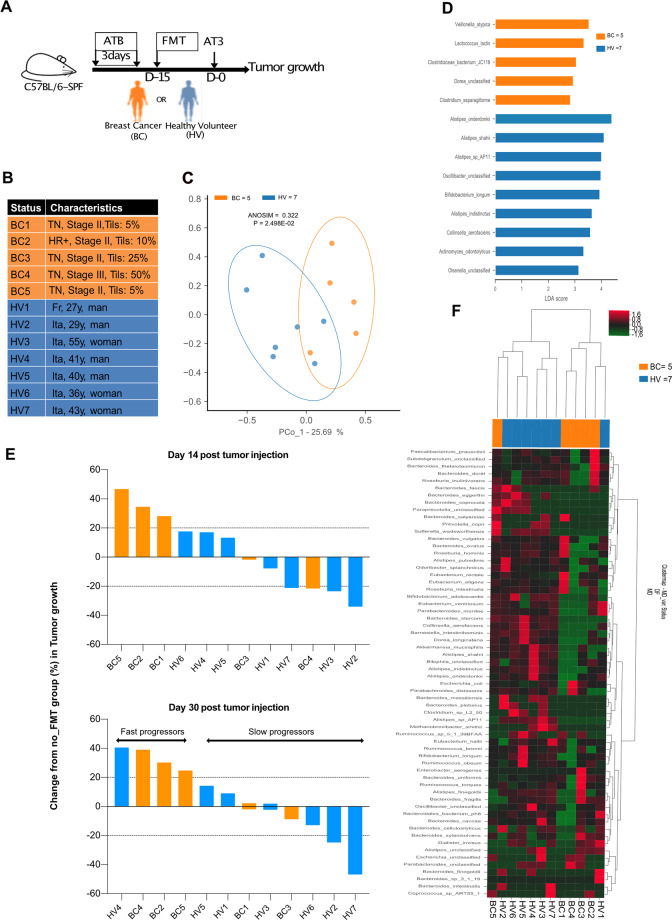
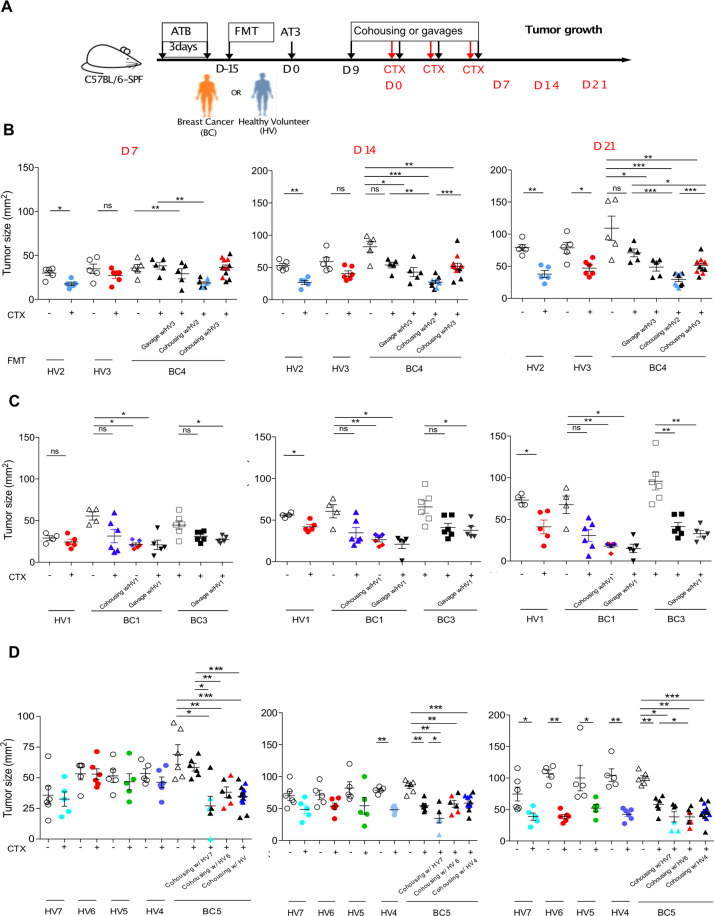
The prognosis of early breast cancer (BC) relies on cell autonomous and immune parameters. The impact of the intestinal microbiome on clinical outcome has not yet been evaluated. Shotgun metagenomics was used to determine the composition of the fecal microbiota in 121 specimens from 76 early BC patients, 45 of whom were paired before and after chemotherapy. These patients were enrolled in the CANTO prospective study designed to record the side effects associated with the clinical management of BC. We analyzed associations between baseline or post-chemotherapy fecal microbiota and plasma metabolomics with BC prognosis, as well as with therapy-induced side effects. We examined the clinical relevance of these findings in immunocompetent mice colonized with BC patient microbiota that were subsequently challenged with histo-compatible mouse BC and chemotherapy. We conclude that specific gut commensals that are overabundant in BC patients compared with healthy individuals negatively impact BC prognosis, are modulated by chemotherapy, and may influence weight gain and neurological side effects of BC therapies. These findings obtained in adjuvant and neoadjuvant settings warrant prospective validation.
Overview
The claims and statistics of this paper haven’t been checked yet.
Free: it reads the open-access text and checks the first 5 claims that cite a source we can check. Create a free account to check every claim.
Integrity signals
Registry
Cites
Statistics
Figures
Verification
Claims the paper makes
The claims and statistics of this paper haven’t been checked yet.
Free: it reads the open-access text and checks the first 5 claims that cite a source we can check. Create a free account to check every claim.
Claims other papers make about this one
Each is checked against this paper’s own text: does it say what the citing paper says it does?
The source backs part of the claim, not all of it — or backs it for a different population, condition or comparison.
In the citing paper
“polychemotherapy and endocrine therapy (such as androgen deprivation) can modulate the alpha and beta diversities of the microbiota, which have been proposed to affect treatment-related adverse events27,28 as well as drug metabolism and efficacy29,30.”
From Gut OncoMicrobiome Signatures (GOMS) as next-generation biomarkers for cancer immunotherapy (2023) · cites this paper as [27]
Experimental — accuracy not yet measuredThe source backs part of the claim, not all of it — or backs it for a different population, condition or comparison.
In the citing paper
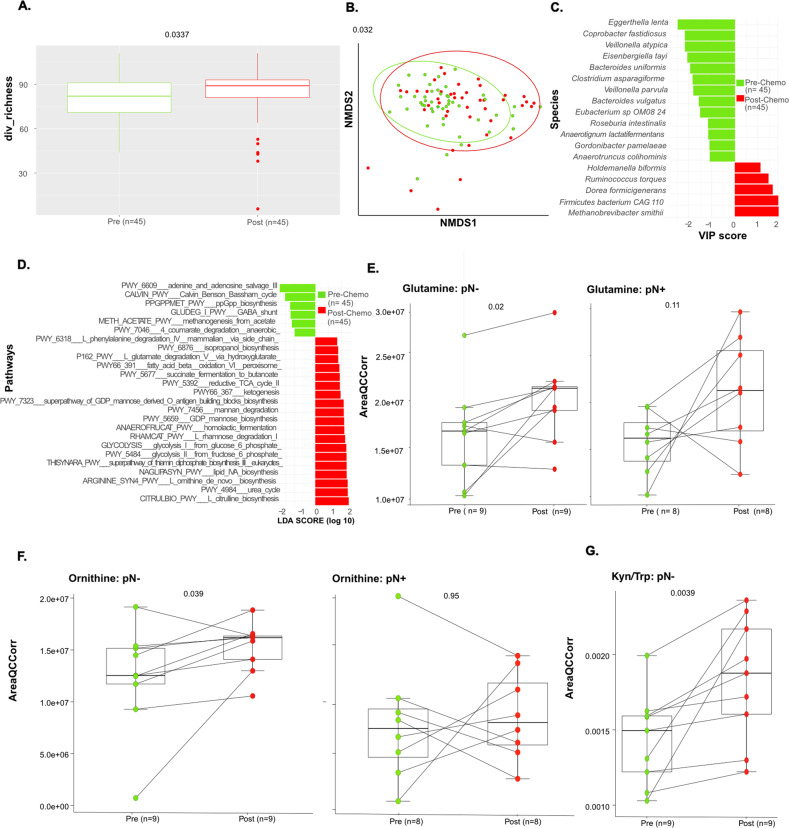
“chemotherapy was associated with a substantial shift in the alpha and beta diversity of stool composition in women with breast cancer towards an anti-inflammatory pattern27, entailing a relative under-representation of distinct species commonly found across several pathological disorders (Veillonella parvula, Veillonella atypica, Eggerthella lenta and E. asparagiformis)23.”
From Gut OncoMicrobiome Signatures (GOMS) as next-generation biomarkers for cancer immunotherapy (2023) · cites this paper as [27]
Experimental — accuracy not yet measuredThe source backs part of the claim, not all of it — or backs it for a different population, condition or comparison.
In the citing paper
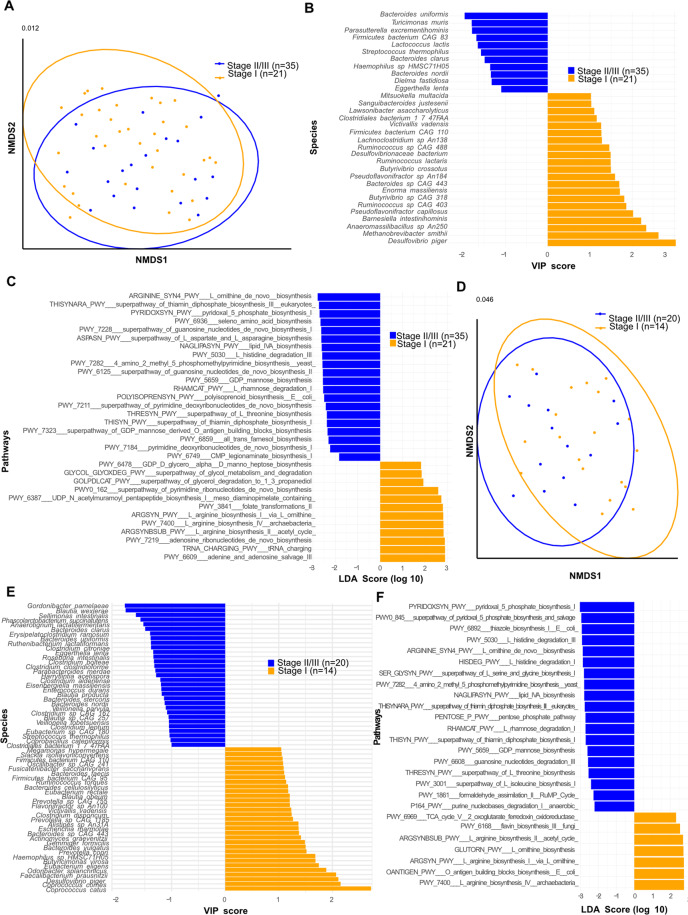
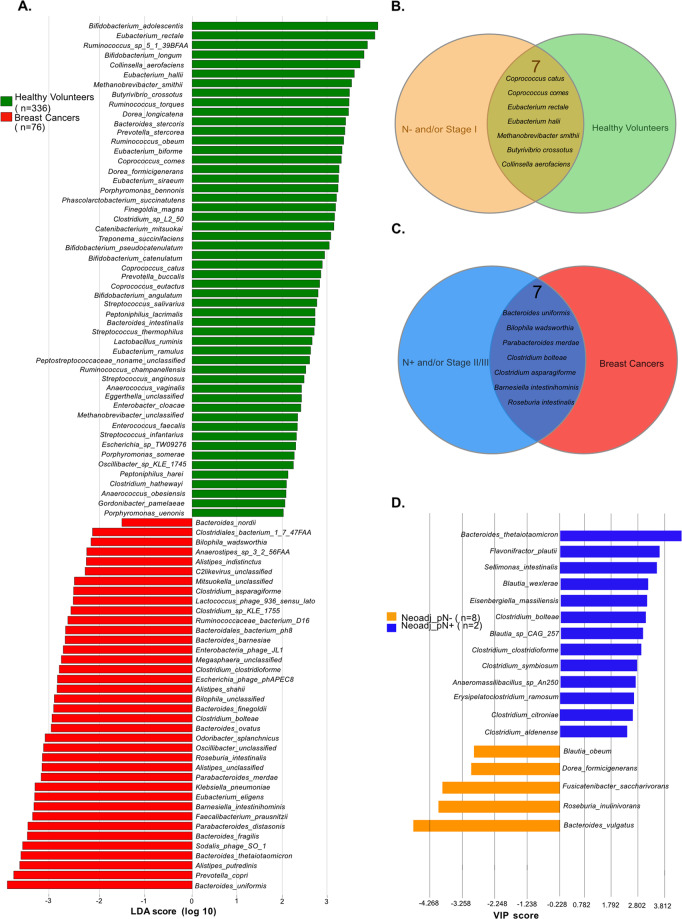
“B. uniformis, Parabacteroides merdae and Enterocloster spp. were over-represented in stools from women presenting with stage II–III breast cancer (compared with stage I breast cancers), and Bacteroides thetaiotaomicron, E. bolteae and E. clostridioformis were associated with resistance to cytotoxic agents.”
From Gut OncoMicrobiome Signatures (GOMS) as next-generation biomarkers for cancer immunotherapy (2023) · cites this paper as [27]
Experimental — accuracy not yet measuredThe source backs part of the claim, not all of it — or backs it for a different population, condition or comparison.
In the citing paper
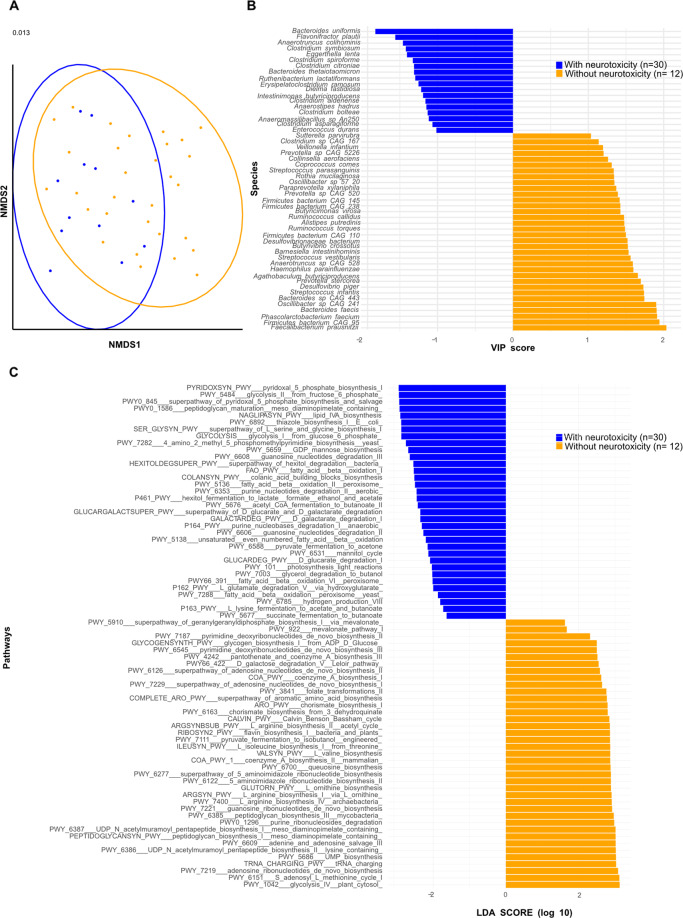
“This study revealed associations between fecal microbiota and breast cancer staging and neurological side effects 14”
From Impact of the ONCOBIOME network in cancer microbiome research (2025) · cites this paper as [14]
Experimental — accuracy not yet measuredIn the citing paper
“many breast cancer GOMS species (B. uniformis, B. thetaiotaomicron and many members of the Enterocloster genus) were also substantially associated with adjuvant chemotherapy-related neurotoxicity27.”
From Gut OncoMicrobiome Signatures (GOMS) as next-generation biomarkers for cancer immunotherapy (2023) · cites this paper as [27]
4 more claims about this paper
Create a free account to see every claim other papers make about this one.
Self-check
Percentages, sums and reported differences re-computed from the paper’s own numbers.
The self-check needs the paper’s full text.
Citations
Cites
Fast gapped-read alignment with Bowtie 2
Langmead, B., & Salzberg, S. L. (2012) · Nature Methods · doi:10.1038/nmeth.1923 · Cited by 56,400
Metagenomic biomarker discovery and explanation
Segata, N., Izard, J., Waldron, L., Gevers, D., Miropolsky, L., Garrett, W. S., & Huttenhower, C. (2011) · Genome Biology · doi:10.1186/gb-2011-12-6-r60 · Cited by 16,192 · cited 13×
“Univariate analyses were performed using LEfSe [59] to estimate the”
MethodInfluentialSelf-citationGut microbiome influences efficacy of PD-1-based immunotherapy against epithelial tumors
Routy, B., Le Chatelier, E., Derosa, L., Duong, C. P. M., Alou, M. T., Daillère, R., Fluckiger, A., Messaoudene, M., Rauber, C., Roberti, M. P., et al. (2018) · Science · doi:10.1126/science.aan3706 · Cited by 5,671 · cited 3×
“to immune checkpoint inhibitors [11, 19] (Fig.”
BackgroundSelf-citationGut microbiome modulates response to anti-PD-1 immunotherapy in melanoma patients
Gopalakrishnan, V., Spencer, C. N., Nezi, L., Reuben, A., Andrews, M. C., Karpinets, T. V., Prieto, P. A., Vicente, D., Hoffman, K., Wei, S. C., et al. (2018) · Science · doi:10.1126/science.aan4236 · Cited by 4,812 · cited 3×
“melanoma [12, 14], kidney [19], and lung [11] cancer.”
BackgroundSelf-citationRichness of human gut microbiome correlates with metabolic markers
Le Chatelier, E., Nielsen, T., Qin, J., Prifti, E., Hildebrand, F., Falony, G., Almeida, M., Arumugam, M., Batto, J.-M., Kennedy, S., et al. (2013) · Nature · doi:10.1038/nature12506 · Cited by 4,662 · cited 1×
“processed for rarefaction and normalization and further analysis using the MetaOMineR package [57].”
MethodCommensal Bifidobacterium promotes antitumor immunity and facilitates anti–PD-L1 efficacy
Sivan, A., Corrales, L., Hubert, N., Williams, J. B., Aquino-Michaels, K., Earley, Z. M., Benyamin, F. W., Man Lei, Y., Jabri, B., Alegre, M.-L., et al. (2015) · Science · doi:10.1126/science.aac4255 · Cited by 3,888 · cited 1×
“Such an effect has been achieved with live biotherapeutics in preclinical models [9, 27, 47].”
BackgroundAnticancer immunotherapy by CTLA-4 blockade relies on the gut microbiota
Vétizou, M., Pitt, J. M., Daillère, R., Lepage, P., Waldschmitt, N., Flament, C., Rusakiewicz, S., Routy, B., Roberti, M. P., Duong, C. P. M., et al. (2015) · Science · doi:10.1126/science.aad1329 · Cited by 3,488
Self-citationThe commensal microbiome is associated with anti-PD-1 efficacy in metastatic melanoma patients
Matson, V., Fessler, J., Bao, R., Chongsuwat, T., Zha, Y., Alegre, M.-L., Luke, J. J., & Gajewski, T. F. (2018) · Science · doi:10.1126/science.aao3290 · Cited by 3,107 · cited 8×
“Accumulating evidence points to the capacity of the intestinal ecosystem, and more specifically specific health-associated bacteria commensals to dampen systemic inflammation [5, 6], to shape the innate and adaptive immune tonus [7–10], and reprogram the tumor microenvironment in tumor bearing mice [11, 12] and patien…”
BackgroundInfluentialDepommier, C., Everard, A., Druart, C., Plovier, H., Van Hul, M., Vieira-Silva, S., Falony, G., Raes, J., Maiter, D., Delzenne, N. M., et al. (2019) · Nature Medicine · doi:10.1038/s41591-019-0495-2 · Cited by 2,357 · cited 1×
“muciniphila, and inulin) reduced postprandial glucose levels in type 2 diabetes patients in a randomized double blind placebo controlled trial [48], confirming earlier trials [49].”
ResultBeghini, F., McIver, L. J., Blanco-Míguez, A., Dubois, L., Asnicar, F., Maharjan, S., Mailyan, A., Manghi, P., Scholz, M., Thomas, A. M., et al. (2021) · eLife · doi:10.7554/elife.65088 · Cited by 2,303
Self-citation
Cited by
Bacteria in cancer initiation, promotion and progression
El Tekle, G., & Garrett, W. S. (2023) · Nature Reviews Cancer · doi:10.1038/s41568-023-00594-2 · Cited by 343
Targeting the gut microbiota for cancer therapy
Fernandes, M. R., Aggarwal, P., Costa, R. G. F., Cole, A. M., & Trinchieri, G. (2022) · Nature Reviews Cancer · doi:10.1038/s41568-022-00513-x · Cited by 290
Gut microbiota shapes cancer immunotherapy responses
Lei, W., Zhou, K., Lei, Y., Li, Q., & Zhu, H. (2025) · npj Biofilms and Microbiomes · doi:10.1038/s41522-025-00786-8 · Cited by 196
Longitudinal gut microbiome changes in immune checkpoint blockade-treated advanced melanoma
Björk, J. R., Bolte, L. A., Maltez Thomas, A., Lee, K. A., Rossi, N., Wind, T. T., Smit, L. M., Armanini, F., Asnicar, F., Blanco-Miguez, A., et al. (2024) · Nature Medicine · doi:10.1038/s41591-024-02803-3 · Cited by 156
“Recent studies have reported that Eisenbergiella sp., B. wexlerae , C. spiroforme and Erysipelotrichaceae were associated with resistance to ICB 4,36 and enriched in patients with more aggressive tumors 38 .”
Self-citationGut OncoMicrobiome Signatures (GOMS) as next-generation biomarkers for cancer immunotherapy
Thomas, A. M., Fidelle, M., Routy, B., Kroemer, G., Wargo, J. A., Segata, N., & Zitvogel, L. (2023) · Nature Reviews Clinical Oncology · doi:10.1038/s41571-023-00785-8 · Cited by 141
Self-citationRole of the microbiota in response to and recovery from cancer therapy
Blake, S. J., Wolf, Y., Boursi, B., & Lynn, D. J. (2023) · Nature reviews. Immunology · doi:10.1038/s41577-023-00951-0 · Cited by 158
“Clinical studies have also found associations between the composition of the gut microbiota and the efficacy and toxicity of a range of chemotherapeutic agents used to treat colorectal cancer (CRC) 41 , lung cancer 42 and breast cancer 43 .”
Estrogens and the risk of breast cancer: A narrative review of literature
Al‐Shami, K., Awadi, S., Khamees, A., Alsheikh, A. M., Al-Sharif, S., Bereshy, R., Al-Eitan, S. F., Banikhaled, S. H., Al-Qudimat, A. R., Al‐Zoubi, R. M., et al. (2023) · Heliyon · doi:10.1016/j.heliyon.2023.e20224 · Cited by 185
“These bacteria may affect body weight, chemotherapy agents, and even the potential of neurological side effects [162].”
Bouyahya, A., Omari, N. E., Hachlafi, N. E., Jemli, M. E., Hakkour, M., Balahbib, A., Menyiy, N. E., Bakrim, S., Mrabti, H. N., Khouchlaa, A., et al. (2022) · Molecules · doi:10.3390/molecules27103286 · Cited by 139
Chen, J., Liu, X., Zou, Y., Gong, J., Ge, Z., Lin, X., Zhang, W., Huang, H., Zhao, J., Saw, P. E., et al. (2024) · Proceedings of the National Academy of Sciences · doi:10.1073/pnas.2306776121 · Cited by 152
“Furthermore, employing shotgun metagenomics, Terrisse et al. discovered that gut dysbiosis develops as breast cancer advances and is closely linked to an unfavorable prognosis (17).”
BackgroundMethodThe gut microbiome and cancer: from tumorigenesis to therapy
Nobels, A., van Marcke, C., Jordan, B. F., Hul, M. V., & Cani, P. D. (2025) · Nature Metabolism · doi:10.1038/s42255-025-01287-w · Cited by 137
“Commensal species affected by chemotherapy may contribute to weight gain and neurological side effects during BC treatment 111 .”
Yonekura, S., Terrisse, S., Alves Costa Silva, C., Lafarge, A., Iebba, V., Ferrere, G., Goubet, A.-G., Fahrner, J.-E., Lahmar, I., Ueda, K., et al. (2022) · Cancer Discovery · doi:10.1158/2159-8290.cd-21-0999 · Cited by 112
Self-citationThe role of gut microbiota and metabolites in cancer chemotherapy
Li, S., Zhu, S., & Yu, J. (2023) · Journal of Advanced Research · doi:10.1016/j.jare.2023.11.027 · Cited by 114
The gut microbiota in breast cancer development and treatment: The good, the bad, and the useful!
Nandi, D., Parida, S., & Sharma, D. (2023) · Gut Microbes · doi:10.1080/19490976.2023.2221452 · Cited by 109
Intestinal Microbiota Influence Doxorubicin Responsiveness in Triple-Negative Breast Cancer
Bawaneh, A., Wilson, A. S., Levi, N., Howard-McNatt, M. M., Chiba, A., Soto‐Pantoja, D. R., & Cook, K. L. (2022) · Cancers · doi:10.3390/cancers14194849 · Cited by 72
“muciniphila was reduced in the gut of women who developed breast cancer during their lifetime [45].”
BackgroundBreast cancer and neurotransmitters: emerging insights on mechanisms and therapeutic directions
Jayachandran, P., Battaglin, F., Strelez, C., Lenz, A. M., Algaze, S. D., Soni, S., Lo, J. H., Yang, Y., Millstein, J., Zhang, W., et al. (2023) · Oncogene · doi:10.1038/s41388-022-02584-4 · Cited by 65
“The gut microbiota has been found to influence treatment side effects and prognosis in breast cancer patients [114].”
BackgroundThe intratumoral microbiome: Characterization methods and functional impact
Heymann, C. J. F., Bard, J.-M., Heymann, M.-F., Heymann, D., & Bobin-Dubigeon, C. (2021) · Cancer Letters · doi:10.1016/j.canlet.2021.09.009 · Cited by 57
Zhang, C., Hu, A., Li, J., Zhang, F., Zhong, P., Li, Y., & Li, Y. (2022) · Frontiers in Cellular and Infection Microbiology · doi:10.3389/fcimb.2022.830684 · Cited by 65
Emerging clinical relevance of microbiome in cancer: promising biomarkers and therapeutic targets
Dai, J.-H., Tan, X.-R., Qiao, H., & Liu, N. (2023) · Protein & Cell · doi:10.1093/procel/pwad052 · Cited by 59
“Additionally, for cancer patients who received standardized treat-ment, the microbial diversity, and composition in fecal samples show a predictive ability for outcome (Sims et al., 2021; Terrisse et al., 2021).”
BackgroundSchreurs, M. P. H., van Steenwijk, P. J. D. V., Romano, A., Dieleman, S., & Werner, H. M. J. (2021) · Journal of Clinical Medicine · doi:10.3390/jcm10132916 · Cited by 62
“In breast cancer, the role of the gut microbiome has been more established, with gut microbiome dysbiosis being associated with increased postmenopausal breast cancer risk and certain microbial commensals influencing breast cancer prognosis [43,73].”
BackgroundAnalysis of Gut Microbiota in Patients with Breast Cancer and Benign Breast Lesions
Ma, Z., Qu, M., & Wang, X. (2022) · Polish Journal of Microbiology · doi:10.33073/pjm-2022-019 · Cited by 58
Arnone, A. A., & Cook, K. L. (2022) · Endocrinology · doi:10.1210/endocr/bqac177 · Cited by 55
Modulating Microbiota as a New Strategy for Breast Cancer Prevention and Treatment
Wu, H., Ganguly, S., & Tollefsbol, T. O. (2022) · Microorganisms · doi:10.3390/microorganisms10091727 · Cited by 57
Parida, S., Siddharth, S., Xia, Y., & Sharma, D. (2023) · npj Breast Cancer · doi:10.1038/s41523-023-00505-6 · Cited by 56
Human gut, breast, and oral microbiome in breast cancer: A systematic review and meta-analysis
Thu, M. S., Chotirosniramit, K., Nopsopon, T., Hirankarn, N., & Pongpirul, K. (2023) · Frontiers in Oncology · doi:10.3389/fonc.2023.1144021 · Cited by 60
“In particular, a study finds that gut bacteria are significantly more prevalent in breast cancer patients than in healthy people, which is detrimental to the prognosis of the disease (29).”
BackgroundKovàcs, T., Mikó, E., Ujlaki, G., Yousef, H., Csontos, V., Uray, K., & Bai, P. (2021) · Cancer and Metastasis Reviews · doi:10.1007/s10555-021-10013-3 · Cited by 57
“Most of these pathways were involved in amino acid and nitrogen metabolism [86].”
BackgroundInfluentialFilippou, C., Themistocleous, S., Marangos, G., Panayiotou, Y., Fyrilla, M., Kousparou, C. A., Pana, Z. D., Tsioutis, C., Johnson, E. O., & Yiallouris, A. (2024) · International Journal of Molecular Sciences · doi:10.3390/ijms25021110 · Cited by 52
“Chemotherapy-associated cognitive impairment (CACI) is a widely documented side effect in BC patients, with deficits manifesting in memory retention, processing speed, and visuospatial ability [40,42–44].”
BackgroundMethodResultInfluentialSingla, R. K., Wang, X., Gundamaraju, R., Joon, S., Tsagkaris, C., Behzad, S., Khan, J., Gautam, R. K., Goyal, R., Rakmai, J., et al. (2022) · Critical Reviews in Food Science and Nutrition · doi:10.1080/10408398.2022.2097196 · Cited by 58
Bai, C., Luo, H., He, B., Liu, X., Lv, D., Zhang, X., Su, K., Zheng, S., Lü, J., Wang, C., et al. (2025) · Signal Transduction and Targeted Therapy · doi:10.1038/s41392-025-02159-1 · Cited by 61
Comparison of the Gut Microbiota in Patients with Benign and Malignant Breast Tumors: A Pilot Study
Yang, P., Wang, Z., Peng, Q., Lian, W., & Chen, D. (2021) · Evolutionary Bioinformatics · doi:10.1177/11769343211057573 · Cited by 52
The conundrum of breast cancer and microbiome - A comprehensive review of the current evidence
Papakonstantinou, A., Nuciforo, P. G., Borrell, M., Zamora, E., Pimentel, I., Saura, C., & Oliveira, M. (2022) · Cancer Treatment Reviews · doi:10.1016/j.ctrv.2022.102470 · Cited by 51
Variations in the Gut Microbiota in Breast Cancer Occurrence and Bone Metastasis
Yu, W., Xie, Z., Kai, C., Zhaopeng, C., Li, J., Mengjun, M., Su, Z., Yunshu, C., Wang, P., Wu, Y., et al. (2022) · Frontiers in Microbiology · doi:10.3389/fmicb.2022.894283 · Cited by 50
Aarnoutse, R., Ziemons, J., Hillege, L. E., de Vos-Geelen, J., de Boer, M., Bisschop, S. M. P., Vriens, B. E. P. J., Vincent, J., van de Wouw, A. J., Le, G. N., et al. (2022) · npj Breast Cancer · doi:10.1038/s41523-022-00455-5 · Cited by 43
“Recently, Terrisse et al. (2021) published a comparable French study, where the intestinal microbiota of 63 patients who received (neo)adjuvant eight cycles of anthracycline or anthracyclinetaxane-based therapy were analysed with metagenomic shotgun sequencing29.”
ResultSelf-citationRole of the gut microbiota in tumorigenesis and treatment
Liu, Q., Yang, Y., Pan, M., Yang, F., Yu, Y., & Qian, Z. (2024) · Theranostics · doi:10.7150/thno.91700 · Cited by 47
“Research indicates that the gut microbiota plays a significant role in the initiation, progression and treatment of cancers such as BC [44], CRC [78], and HCC [129,131].”
BackgroundChen, Y., Yang, L., Huang, Y., Zhu, T., Zhang, L., Cheng, M., Wu, C., Li, P., Liang, M., Zhang, X., et al. (2025) · Journal for ImmunoTherapy of Cancer · doi:10.1136/jitc-2024-010365 · Cited by 42
Yang, X., Wang, Y., Chen, S., Zhang, S., & Cui, C. (2021) · International Journal of Nanomedicine · doi:10.2147/ijn.s332830 · Cited by 37
Wang, N., Yang, J., Han, W., Han, M., Liu, X., Jiang, L., Cao, H., Jing, M., Sun, T., & Xu, J. (2022) · Frontiers in Cellular and Infection Microbiology · doi:10.3389/fcimb.2022.1029905 · Cited by 39
“, 2021), and the abundances of specialized microorganisms are also correlated with an immune signature and prognostic characteristics (Gopalakrishnan et al., 2018; Terrisse et al., 2021; Tzeng et al., 2021).”
BackgroundThe Microbiome as a Potential Target for Therapeutic Manipulation in Pancreatic Cancer
Rahman, R. A., Lamarca, Á., Hubner, R. A., Valle, J. W., & McNamara, M. G. (2021) · Cancers · doi:10.3390/cancers13153779 · Cited by 36
Wu, H., Liu, J., Zhang, X., Jin, S., Li, P., Liu, H.-D., Zhao, L., Wang, J., Zhao, S., Tian, H.-D., et al. (2025) · Drug Resistance Updates · doi:10.1016/j.drup.2025.101222 · Cited by 39
Vernaci, G. M., Savarino, E. V., Patuzzi, I., Facchin, S., Zingone, F., Massa, D., Faggioni, G., Giarratano, T., Miglietta, F., Griguolo, G., et al. (2023) · The Oncologist · doi:10.1093/oncolo/oyad060 · Cited by 36
Gut microbiota interact with breast cancer therapeutics to modulate efficacy
Arnone, A. A., Ansley, K. C., Heeke, A. L., Howard-McNatt, M. M., & Cook, K. L. (2025) · EMBO Molecular Medicine · doi:10.1038/s44321-024-00185-0 · Cited by 44
“Gut colonization with Eubac-terium rectale, Eubacterium eligens, Akkermansia muciniphila, Bi fi dobacterium longum, Collinsella aerofaciens , and Alistipes shahii favors cyclophosphamide ef fi cacy in mice (Terrisse et al, 2021).”
The Link Between the Microbiota and HER2+ Breast Cancer: The New Challenge of Precision Medicine
Modica, M. D., Arlotta, V., Sfondrini, L., Tagliabue, E., & Triulzi, T. (2022) · Frontiers in Oncology · doi:10.3389/fonc.2022.947188 · Cited by 36
“Notably, Zitvogel and colleagues showed that the fecal microbiota composition discriminates groups of patients by tumor size (< or >pT1), grade (G1 and 2 vs G3), axillary node involvement (Nvs N+), and TNM stage (stage I vs stage II/III) (14).”
BackgroundInfluentialSampsell, K., Wang, W., Ohland, C., Mager, L. F., Pett, N., Lowry, D. E., Sales, K. M., McNeely, M. L., McCoy, K. D., Culos-Reed, S. N., et al. (2022) · Cancers · doi:10.3390/cancers14112722 · Cited by 30
“T2&T3), indicating that progression could influence the gut microbial community over time [96].”
BackgroundGut microbiome in association with chemotherapy‐induced toxicities among patients with breast cancer
Nguyen, S. M., Trần, H. T., Long, J., Shrubsole, M. J., Cai, H., Yang, Y., Cai, Q., Tran, T. V., Zheng, W., & Shu, X. (2024) · Cancer · doi:10.1002/cncr.35229 · Cited by 34
“31 Conversely, Galloway ‐ Peña and colleagues conducted three studies to determine the predictive value of the gut microbiome and its relationship to infection risk in patients with acute myeloid leukemia.”
BackgroundOtto, L., Strehle, L. D., Loman, B. R., Seng, M. M., Sardesai, S. D., Williams, N. O., Gatti-Mays, M. E., Stover, D. G., Sudheendra, P. K., Wesolowski, R., et al. (2024) · npj Breast Cancer · doi:10.1038/s41523-024-00707-6 · Cited by 31
Yao, Y., Sun, S., Gu, J., Ni, H., Zhong, K., Xu, Q., Zhou, D., Wang, X., Gao, L., & Zhu, X. (2022) · EBioMedicine · doi:10.1016/j.ebiom.2022.104347 · Cited by 29
Understanding and harnessing triple-negative breast cancer-related microbiota in oncology
Devoy, C., Bueso, Y. F., & Tangney, M. (2022) · Frontiers in Oncology · doi:10.3389/fonc.2022.1020121 · Cited by 33
Nowicki, C. A., Ray, L. A., Engen, P. A., Madrigrano, A., Witt, T. R., Lad, T. E., Cobleigh, M., & Mutlu, E. (2023) · Frontiers in Microbiology · doi:10.3389/fmicb.2023.1148097 · Cited by 35
“For example, Lachnospiraceae and Ruminococcaceae, which were both enriched in stool samples, have been shown to be significantly enriched in the stool samples of breast cancer patients in previous studies (Goedert et al., 2015, 2018; Terrisse et al., 2021).”
BackgroundTargeting sex steroid biosynthesis for breast and prostate cancer therapy
POUTANEN, M. H., Thulin, M. H., & Härkönen, P. L. (2023) · Nature reviews. Cancer · doi:10.1038/s41568-023-00609-y · Cited by 33
Chen, N., Higashiyama, N., & Hoyos, V. (2021) · Biomedicines · doi:10.3390/biomedicines9121863 · Cited by 28
“While certain species of bacteria have been identified in the gut microbiome of lung and kidney cancer patients as associated with resistance to ICIs, these studies have thus far not been conducted in breast cancer [71].”
BackgroundCaleça, T., Ribeiro, P., Vitorino, M. M., Menezes, M., Sampaio-Alves, M., Mendes, A. D., Vicente, R. S., Negreiros, I., Faria, A., & Costa, D. A. (2023) · Cancers · doi:10.3390/cancers15030594 · Cited by 30
“intestinalis, was associated with worse outcomes [25].”
Mendelian randomization analysis revealed a gut microbiota–mammary axis in breast cancer
Zhang, S., Zhang, W., Ren, H., Xue, R., Wang, Z., Wang, Z., & Lv, Q. (2023) · Frontiers in Microbiology · doi:10.3389/fmicb.2023.1193725 · Cited by 32
“Additionally, Terrisse et al. found that seven bacteria, including Bacteroides uniformis , Clostridium bolteae , and Bilophila wadsworthia , were associated with a worse breast cancer prognosis after comparing healthy human samples (Terrisse et al., 2021).”
BackgroundUllern, A., Holm, K., Røssevold, A. H., Andresen, N. K., Bang, C., Lingjærde, O. C., Naume, B., Hov, J. R., & Kyte, J. A. (2025) · Molecular Oncology · doi:10.1002/1878-0261.13760 · Cited by 25
Schettini, F., Fontana, A., Gattazzo, F., Strina, C., Milani, M., Cappelletti, M. R., Cervoni, V., Morelli, L., Curigliano, G., Iebba, V., et al. (2023) · European Journal of Cancer · doi:10.1016/j.ejca.2023.112948 · Cited by 26
Self-citationWu, A. H., Vigen, C. L. P., Tseng, C.-C., García, A. A., & SPICER, D. V. (2022) · Breast Cancer Targets and Therapy · doi:10.2147/bctt.s305486 · Cited by 36
“It should be noted that the last fecal sample was collected ~100 days after completion of chemotherapy in our study but it is not clear when the fecal sample was collected after completion in the previous two studies.(15,16) It is reasonable to speculate that changes in the gut microbiome immediately after completion…”
BackgroundResultChapadgaonkar, S. S., Bajpai, S., & Godbole, M. S. (2023) · Cancer Reports · doi:10.1002/cnr2.1847 · Cited by 41
“9,10 Further, gut microbiome controls host nutrition by regulating metabolism of inaccessible dietary products, such as plant polysaccharides, and consumption patterns of animal fats, dietary fibers, and vegetables that are linked to distinct patterns of gut microbiome composition.”
BackgroundImpact of the ONCOBIOME network in cancer microbiome research
Zitvogel, L., Derosa, L., Routy, B., Loibl, S., Heinzerling, L., de Vries, I. J. M., Engstrand, L., ONCOBIOME Network, Silva, C. A. C., Barbieri, D., et al. (2025) · Nature Medicine · doi:10.1038/s41591-025-03608-8 · Cited by 23
“…that eight cycles of cytotoxic agents were associated with increased α -diversity and a more favorable balance between healthy ( Archaea , Dorea spp.) and inflammatory or immunosuppressive (such as E. asparagiformis , Bacteroides uniformis , Eggerthella lenta , Veillonella spp.) microorganisms 14 .”
Self-citationAmaro-da-Cruz, A., Rubio‐Tomás, T., & Álvarez‐Mercado, A. I. (2024) · Clinical & Translational Oncology · doi:10.1007/s12094-024-03554-w · Cited by 26
“Microorganisms were identified by sequencing regions of the 16S rRNA (ribosomal ribonucleic acid) gene [26–28, 30, 31, 33–40] or by shotgun metagenomic sequencing [32, 36].”
InfluentialFeng, T.-Y., Azar, F. N., Rosean, C. B., McGinty, M. T., Putelo, A. M., Kolli, S. H., Marino, N., German, R., Podicheti, R., Dreger, S. A., et al. (2022) · Cancer Immunology Research · doi:10.1158/2326-6066.cir-21-1120 · Cited by 28
Walker, J. W. T., Joy, A. A., Vos, L. J., Stenson, T. H., Mackey, J. R., Jovel, J., Kao, D. H., Madsen, K. L., & Wong, G. K. (2023) · BMC Medicine · doi:10.1186/s12916-023-02751-8 · Cited by 27
“[19], in which the authors also demonstrate patient weight gain following treatment with chemotherapy.”
BackgroundSurrogate markers of intestinal dysfunction associated with survival in advanced cancers
Birebent, R., Drubay, D., Alves Costa Silva, C., Marmorino, F., Vitali, G., Piccinno, G., Hurtado, Y., Bonato, A., Belluomini, L., Messaoudene, M., et al. (2025) · OncoImmunology · doi:10.1080/2162402x.2025.2484880 · Cited by 21
Self-citationSchettini, F., Gattazzo, F., Nucera, S., Rubio-García, E., López-Aladid, R., Morelli, L., Fontana, A., Vigneri, P. G., Casals‐Pascual, C., Iebba, V., et al. (2024) · Cancer Treatment Reviews · doi:10.1016/j.ctrv.2024.102816 · Cited by 25
Self-citationInteractions between the tumor microbiota and breast cancer
Guo, H. (2025) · Frontiers in Cellular and Infection Microbiology · doi:10.3389/fcimb.2024.1499203 · Cited by 29
Wang, Z., Xiao, H., Dong, J., Li, Y., Wang, B., Chen, Z., Zeng, X., Liu, J., Dong, Y., Ma, L., et al. (2022) · Journal of Advanced Research · doi:10.1016/j.jare.2022.06.002 · Cited by 24
Impact of microbiota on breast cancer hormone therapy
Terrisse, S. A., Zitvogel, L., & Kroemer, G. (2023) · Cell Stress · doi:10.15698/cst2023.03.277 · Cited by 22
“Of note, chemotherapy can affect the BC-associated microbiota, shifting it to a more favorable composition [39].”
BackgroundMethodResultInfluentialSelf-citationUjlaki, G., Kovács, T., Vida, A., Kókai, E., Rauch, B., Schwarcz, S., Mikó, E., Janka, E. A., Sipos, A., Hegedűs, C., et al. (2023) · Molecules · doi:10.3390/molecules28155898 · Cited by 24
Leigh, S., Lynch, C. M. K., Bird, B., Griffin, B. T., Cryan, J. F., & Clarke, G. A. (2022) · Expert Opinion on Drug Metabolism & Toxicology · doi:10.1080/17425255.2022.2043849 · Cited by 19
“Multiple recent systematic reviews indicate that gut microbiota composition and function differs between responders and non-responders to ICIs.”
BackgroundInfluentialLuan, B., Ge, F., Lu, X., Li, Z., Zhang, H., Wu, J., Yang, Q., Chen, L., Zhang, W., & Chen, W. (2024) · Clinical & Translational Oncology · doi:10.1007/s12094-023-03373-5 · Cited by 20
“Terrisse et al. [33] found an increase in alpha diversity (richness index) after chemotherapy ( p = 0.033) and a significant change in microbial composition over time ( p = 0.032).”
InfluentialObesity, dysbiosis and inflammation: interactions that modulate the efficacy of immunotherapy
Yende, A. S., & Sharma, D. (2024) · Frontiers in Immunology · doi:10.3389/fimmu.2024.1444589 · Cited by 22
Zhang, Z., & Wu, Y. (2025) · Frontiers in Immunology · doi:10.3389/fimmu.2025.1641518 · Cited by 21
Ngan, H., Lam, K.-Y., Li, Z., Zhang, J., & Cai, Z. (2023) · TrAC Trends in Analytical Chemistry · doi:10.1016/j.trac.2023.117333 · Cited by 24
Barroso‐Sousa, R., Zañudo, J. G. T., Li, T., Reddy, S. M., Emens, L. A., Kuntz, T. M., Silva, C. A. C., AlDubayan, S. H., Chu, H., Overmoyer, B. A., et al. (2025) · Nature Communications · doi:10.1038/s41467-025-59695-1 · Cited by 18
Gastrointestinal Microbiota and Breast Cancer Chemotherapy Interactions: A Systematic Review
Csendes, D., Gutlapalli, S. D., Prakash, K., Swarnakari, K. M., Bai, M., Manoharan, M. P., Raja, R., Jamil, A., Desai, A., Desai, D. M., et al. (2022) · Cureus · doi:10.7759/cureus.31648 · Cited by 16
“, 2021 [26] 76 Observational Evaluate gut microbiota and plasma metabolomics associations with breast cancer prognosis and chemotherapy side effects Beta-diversity separated patients based on tumor grade and staging.”
BackgroundInfluentialBersier, L., Lorenzo‐Martín, L. F., Chiang, Y.-H., Durot, S., Czauderna, A., Yarahmadov, T., Wyss, T., Roçi, I., Kim, J., Zamboni, N., et al. (2025) · Nature Communications · doi:10.1038/s41467-025-67169-7 · Cited by 19
Xue, K., Li, J., & Huang, R. (2024) · Frontiers in Cellular and Infection Microbiology · doi:10.3389/fcimb.2024.1411249 · Cited by 16
Wei, L., Gu, C., Chen, Z., Xue, S., Wu, H., & Zeng, L. (2024) · BMC Cancer · doi:10.1186/s12885-024-12721-9 · Cited by 17
“Therefore, we employed MR techniques using genome-wide association studies (GWAS) summary statistics to explore the potential causal relationship between the gut microbiome and the risk of developing breast cancer.”
Breast cancer and microbiome: a systematic review highlighting challenges for clinical translation
Bose, C., Uczkowski, N. G., Sukla, K. K., Raval, N., Haque, M. M., Zhang, Y., Varma, B., & Satagopan, J. M. (2025) · BMC Women s Health · doi:10.1186/s12905-025-03843-8 · Cited by 22
“Studies involving patients undergoing chemotherapy have suggested enrichment of microbial pathways, including amino acid metabolism, short chain fatty acid (SCFA) biosynthesis and lipid biosynthesis [39, 41].”
Feng, K., Ren, F., & Wang, X. (2023) · Frontiers in Molecular Biosciences · doi:10.3389/fmolb.2023.1325552 · Cited by 14
Guideline for designing microbiome studies in neoplastic diseases
Mikó, E., Sipos, A., Tóth, E., Lehoczki, A., Fekete, M., Sebő, É., Kardos, G., & Bai, P. (2024) · GeroScience · doi:10.1007/s11357-024-01255-4 · Cited by 16
Shi, Y., Guo, Z., Wang, Q., & Deng, H. (2024) · Journal of Cancer Research and Therapeutics · doi:10.4103/jcrt.jcrt_41_24 · Cited by 14
Interaction between the breast tumor microenvironment and gut microbiome
Tang, G., Millar, E. K. A., Graham, P., & Beretov, J. (2025) · Gut Microbes · doi:10.1080/19490976.2025.2514136 · Cited by 15
“170 Frugé et al. found that a higher abundance of A. muciniphila is associated with lower BMI and higher alpha diversity.”
Antibiotic Exposure and Immune Checkpoint Inhibitors in Patients With NSCLC: The Backbone Matters
Cortellini, A., Facchinetti, F., Derosa, L., & Pinato, D. J. (2022) · Journal of Thoracic Oncology · doi:10.1016/j.jtho.2022.03.016 · Cited by 15
Self-citationRuiz-Saavedra, S., Zapico, A., González, S., Salazar, N., & Reyes‐Gavilán, C. G. D. L. (2023) · Microbiome Research Reports · doi:10.20517/mrr.2023.36 · Cited by 13
From Dysbiosis to Diagnosis: The Role of Gut Microbiota in Breast Cancer Etiology and Management
Mishra, P., Mishra, S. P., Pattnaik, A., Singh, S., Shakri, A. R., Badhai, J., Ganguly, S., Guria, A., & Cheekatla, S. S. (2025) · Applied Microbiology · doi:10.3390/applmicrobiol5040134 · Cited by 15
“Enrichment of pro-inflammatory taxa, such as Desulfovibrio , Bilophila wadsworthia , and LPS-producing Gammaproteobacteria, can activate innate immune receptors, including TLR4 and NOD2, driving chronic inflammation and immune cell recruitment to the tumor microenvironment [102,118–120].”
The gut microbiota-obesity axis in the pathogenesis and prognosis of breast cancer
Zhang, H. F., Wang, Y., Ning, B., Wang, Y., Sun, T., & Xu, J. (2026) · Annals of Medicine · doi:10.1080/07853890.2025.2611203 · Cited by 11
“Fecal microbiota transplantation (FMT) with Eubacterium rectale , Eubacterium eligens , Eubacterium ven-triosum , and Collinsella aerofaciens in humanized BC models can suppress tumor growth [89].”
Crosstalk between gut microbiota and cancer chemotherapy: current status and trends
Yang, S., Hao, S., Ye, H., & Zhang, X. (2024) · Discover Oncology · doi:10.1007/s12672-024-01704-8 · Cited by 11
Nama, A. A., Sandeepa, G. M., Viswanath, B., & Mastan, A. (2025) · European Journal of Pharmacology · doi:10.1016/j.ejphar.2025.177410 · Cited by 12
Anticancer Potential of Prebiotics: Targeting Estrogen Receptors and PI3K/AKT/mTOR in Breast Cancer
Sabit, H., Abouelnour, S., Hassen, B. M., Magdy, S., Yasser, A., Wadan, A.-H. S., Abdel-Ghany, S. E., Radwan, F. F. Y., Alqosaibi, A. I., Hafiz, H., et al. (2025) · Biomedicines · doi:10.3390/biomedicines13040990 · Cited by 17
“Moreover, specific gut bacteria that were overrepresented in breast cancer patients negatively impacted disease prognosis, suggesting the potential utility of microbiota monitoring as a predictive tool for treatment efficacy and side effect management [140].”
The Microbiome in the Obesity-Breast Cancer Axis: Diagnostic and Therapeutic Potential
Avtanski, D. B., Reddy, V. V., Stojchevski, R., Hadzi‐Petrushev, N., & Mladenov, M. I. (2023) · Pathogens · doi:10.3390/pathogens12121402 · Cited by 12
Hrubesz, G., Leigh, J., & Ng, T. L. (2024) · Translational Breast Cancer Research · doi:10.21037/tbcr-24-14 · Cited by 11
“Other studies have shown that the relative abundance of specific gut microbiota taxa or consortia is also associated with chemotherapy response in breast cancer (64,65).”
Zhou, Y., Jiang, M., Shen, K., He, T., Zhou, S., Shao, A., Li, X., Wang, J., Wu, R., Singla, R. K., et al. (2025) · npj Biofilms and Microbiomes · doi:10.1038/s41522-025-00825-4 · Cited by 10
Küçük, A. N., & Çiftçi, S. (2023) · European Journal of Cancer Prevention · doi:10.1097/cej.0000000000000820 · Cited by 11
Elucidating the roles of the mammary and gut microbiomes in breast cancer development
Hoskinson, C., Jiang, R., & Stiemsma, L. T. (2023) · Frontiers in Oncology · doi:10.3389/fonc.2023.1198259 · Cited by 13
“For breast cancer specifically, one mouse-model study suggests FMT from healthy individuals compared with mice humanized by FMT from breast cancer patients can enhance the anti-cancer effects of chemotherapy (94).”
BackgroundBlock, M. S., Nelson, G. D., Chen, J., Johnson, S. P., Yang, L., Flotte, T. J., Grewal, E. P., McWilliams, R. R., Kottschade, L. A., Domingo‐Musibay, E., et al. (2025) · Journal for ImmunoTherapy of Cancer · doi:10.1136/jitc-2025-011706 · Cited by 11
Transplantation of feces from mice with Alzheimer's disease promoted lung cancer growth
Bi, W., Cai, S., Hang, Z., Lei, T., Wang, D., Wang, L., & Du, H. (2022) · Biochemical and Biophysical Research Communications · doi:10.1016/j.bbrc.2022.01.078 · Cited by 10
Ding, Y., Li, P., Wang, W., & Liu, F. (2022) · Disease Markers · doi:10.1155/2022/8735551 · Cited by 10
“The effects of intestinal immunity caused by intestinal flora on the various cancers are currently being elucidated, including gastrointestinal tumors, liver cancer [50], and breast cancer [51].”
BackgroundHuang, C., Wei, P., Prince, G. M. S. H., Batzorig, U., Lee, C.-C., Chang, Y., & Hung, C. (2023) · Biomedicines · doi:10.3390/biomedicines11051384 · Cited by 9
Wu, Y., Shen, N., Hope, C., Noh, H. I., Richardson, B. N., Swartz, M. C., & Bai, J. (2017) · Beneficial Microbes · doi:10.1163/18762891-bja00026 · Cited by 11
Navigating the landscape of neoadjuvant immunotherapy for NSCLC: progress and controversies
Chen, Y., Qi, F., Sun, C., Jiang, P., Xue, X., Yang, X., Li, X., He, X., Wang, Y., & Zhang, T. (2025) · Therapeutic Advances in Medical Oncology · doi:10.1177/17588359241312501 · Cited by 8
Beales, J. T., Mohanty, V., Seng, M. M., Tapp, Z. M., Sardesai, S. D., Williams, N. O., Gatti-Mays, M. E., Stover, D. G., Sudheendra, P. K., Wesolowski, R., et al. (2026) · Brain Behavior and Immunity · doi:10.1016/j.bbi.2026.106489 · Cited by 8
“First, this study benefits from its larger sample size relative to the few previous clinical studies that have analyzed microbiota-CIPN links (Zhong, 2023; Hillege et al., 2025; Terrisse, 2021).”
InfluentialKibria, M. K., Ali, M. A., & Mollah, M. N. H. (2024) · PLoS ONE · doi:10.1371/journal.pone.0312493 · Cited by 7
Metadata
- Authors
- Terrisse, S., Derosa, L., Iebba, V., Ghiringhelli, F., Vaz-Luis, I., Kroemer, G., Fidelle, M., Christodoulidis, S., Segata, N., Thomas, A. M., Martin, A.-L., Sirven, A., Everhard, S., Aprahamian, F., Nirmalathasan, N., Aarnoutse, R., Smidt, M., Ziemons, J., Caldas, C., Loibl, S., Denkert, C., Durand, S., Iglesias, C., Pietrantonio, F., Routy, B., André, F., Pasolli, E., Delaloge, S., & Zitvogel, L.
- Affiliations
- Université Paris-Sud (FR)
- Inserm (FR)
- Université de Bourgogne (FR)
- Université Paris-Saclay (FR)
- University of Trieste (IT)
- University of Trento (IT)
- UniCancer Group (FR)
- Institut Gustave Roussy (FR)
- Maastricht University (NL)
- University of Cambridge (GB)
- Goethe University Frankfurt (DE)
- Philipps University of Marburg (DE)
- Fondazione IRCCS Istituto Nazionale dei Tumori (IT)
- Centre Hospitalier de l’Université de Montréal (CA)
- University of Naples Federico II (IT)
- Corresponding author
- Zitvogel, Laurence
- ORCID
- Terrisse, Safae
- Derosa, Lisa
- Iebba, Valerio
- Ghiringhelli, François
- Kroemer, Guido
- Fidelle, Marine
- Christodoulidis, Stergios
- Segata, Nicola
- Thomas, Andrew Maltez
- Martin, Anne-Laure
- Sirven, Aude
- Everhard, Sibille
- Aprahamian, Fanny
- Aarnoutse, Romy
- Smidt, Marjolein
- Ziemons, Janine
- Caldas, Carlos
- Loibl, Sibylle
- Denkert, Carsten
- Pietrantonio, Filippo
- Routy, Bertrand
- André, Fabrice
- Pasolli, Edoardo
- Delaloge, Suzette
- Zitvogel, Laurence
- Venue
- Cell Death & Differentiation
- Published
- 2021-05-07
- Volume
- 28
- Issue
- 9
- Pages
- 2778-2796
- ISSN
- 1350-9047 (ISSN-L)
- 1476-5403
- PMC
- PMC8408230
- OpenAlex
- W3158071568
- Semantic Scholar
- a0fe29a6c4f822c3ffa19d554575a9c89a450ae0
- Cited by
- 172
- References
- 62
- Citations by year
- 2026: 26 · 2025: 39 · 2024: 25 · 2023: 44 · 2022: 28 · 2021: 9
- FWCI
- 8.31
- Type
- journal article
- Language
- en
- Open access
- hybrid
- doi.org
- Licence
- cc-by
- creativecommons.org/licenses/by/4.0 (tdm)
- creativecommons.org/licenses/by/4.0 (vor)
- Locations
- Cell Death and Differentiation (publishedVersion, cc-by)
- Europe PMC (PubMed Central) (publishedVersion, other-oa)
- PubMed Central (publishedVersion, cc-by)
- PubMed (publishedVersion)
- Research Publications (Maastricht University) (publishedVersion, cc-by)
- HAL (submittedVersion, other-oa)
- ArTS Archivio della ricerca di Trieste (University of Trieste https://www.units.it/) (submittedVersion, cc-by)
- Iris (University of Trento) (submittedVersion, cc-by)
- Apollo (University of Cambridge) (submittedVersion, cc-by)
- Publication Server of Goethe University Frankfurt am Main (Goethe University Frankfurt) (submittedVersion, cc-by)
- Research Publications (Maastricht University) (submittedVersion, other-oa)
- Apollo
- Funders
- Association pour la Recherche sur le Cancer (ANR-18-IDEX-0001)
- Seerave Foundation (ANR-18-IDEX-0001)
- E-Rare
- Cancer Research UK (29567, 16942)
- National Institute for Health and Care Research (NF-SI-0515-10090, NF-SI-0611-10154)
- European Commission (HORIZON2020, 233655)
- Agence Nationale de la Recherche (ANR-10-COHO-0004, UMS3655, 2014-2019, ANR18, ANR-10, E-Rare-2, ANR-16-RHUS-0008, ANR-18-IDEX-0001)
- Fondation Leducq
- Institut National de la Santé et de la Recherche Médicale (UMS3655, Plan Cancer 2014-2019, ANR-18-IDEX-0001)
- Fondation pour la Recherche Médicale (ANR-18-IDEX-0001)
- Ligue Contre le Cancer (ANR-18-IDEX-0001)
- Centre National de la Recherche Scientifique (#ANR-18-IDEX-0001, UMS3655)
- Institut Universitaire de France (ANR-18-IDEX-0001)
- Institut National Du Cancer (#ANR-18-IDEX-0001)
- Institut Gustave-Roussy (UMS3655)
- European Research Area Network on Cardiovascular Diseases
- High-end Foreign Experts Recruitment Plan of China (GDW20171100085)
- Labex Immuno-Oncology ((ANR-18-IDEX-0001))
- Topics
- Life Sciences › Biochemistry, Genetics and Molecular Biology › Molecular Biology › Gut microbiota and health
- Life Sciences › Biochemistry, Genetics and Molecular Biology › Cancer Research › Cancer, Lipids, and Metabolism
- Life Sciences › Agricultural and Biological Sciences › Food Science › Probiotics and Fermented Foods
- Keywords
- early breast cancer, gut microbiota, fecal microbiota, chemotherapy, treatment side effects, prognosis, plasma metabolomics, gut commensals, xenograft mouse model, adjuvant therapy, neoadjuvant therapy, weight gain, neurological adverse events
- MeSH terms
- Gastrointestinal Microbiome, Breast Neoplasms, Female, Humans, Prognosis, Prospective Studies, Treatment Outcome
About these checks
Registry, retraction, Cites and statistics results are computed, not judged, with one exception: a printed reference that no index lists is read once by a model before it counts as a citation error. Claims are extracted by a model and kept only when their quote appears verbatim in the text; each cited source is then checked, with a model’s help, for whether it says what the claim relies on. Those verdicts can be wrong — read the claim’s quote and the cited source before relying on one.
Statistics and arithmetic are recomputed, not judged.
Confidence bands are shown only for fields calibrated on our annotated test set. None is calibrated yet, so no band is shown.
What counts as a claim ›How we measure confidence ›How we check this ›
Are you an author, or do you see a problem with this page? Request a review
Data sources
Bibliographic data: Semantic Scholar, OpenAlex, Crossref.
Contains information from the Semantic Scholar Academic Graph Datasets, made available under the ODC Attribution License (ODC-BY 1.0).
Semantic Scholar’s data is described in: Kinney, R., et al. (2023). The Semantic Scholar Open Data Platform. arXiv:2301.10140.
