

Intestinal microbiota influences clinical outcome and side effects of early breast cancer treatment
Open accessThe DOI matches its Crossref record; 63 of the 63 references it cites were found in a registry or an index.
Abstract
The prognosis of early breast cancer (BC) relies on cell autonomous and immune parameters. The impact of the intestinal microbiome on clinical outcome has not yet been evaluated. Shotgun metagenomics was used to determine the composition of the fecal microbiota in 121 specimens from 76 early BC patients, 45 of whom were paired before and after chemotherapy. These patients were enrolled in the CANTO prospective study designed to record the side effects associated with the clinical management of BC. We analyzed associations between baseline or post-chemotherapy fecal microbiota and plasma metabolomics with BC prognosis, as well as with therapy-induced side effects. We examined the clinical relevance of these findings in immunocompetent mice colonized with BC patient microbiota that were subsequently challenged with histo-compatible mouse BC and chemotherapy. We conclude that specific gut commensals that are overabundant in BC patients compared with healthy individuals negatively impact BC prognosis, are modulated by chemotherapy, and may influence weight gain and neurological side effects of BC therapies. These findings obtained in adjuvant and neoadjuvant settings warrant prospective validation.
Overview
The claims and statistics of this paper haven’t been checked yet.
Free: it reads the open-access text and checks the first 5 claims that cite a source we can check. Create a free account to check every claim.
Integrity signals
Registry
Cites
Statistics
Figures
Verification
Claims the paper makes
The claims and statistics of this paper haven’t been checked yet.
Free: it reads the open-access text and checks the first 5 claims that cite a source we can check. Create a free account to check every claim.
Claims other papers make about this one
Each is checked against this paper’s own text: does it say what the citing paper says it does?
The source backs part of the claim, not all of it — or backs it for a different population, condition or comparison.
In the citing paper
“polychemotherapy and endocrine therapy (such as androgen deprivation) can modulate the alpha and beta diversities of the microbiota, which have been proposed to affect treatment-related adverse events27,28 as well as drug metabolism and efficacy29,30.”
From Gut OncoMicrobiome Signatures (GOMS) as next-generation biomarkers for cancer immunotherapy (2023) · cites this paper as [27]
Experimental — accuracy not yet measuredThe source backs part of the claim, not all of it — or backs it for a different population, condition or comparison.
In the citing paper
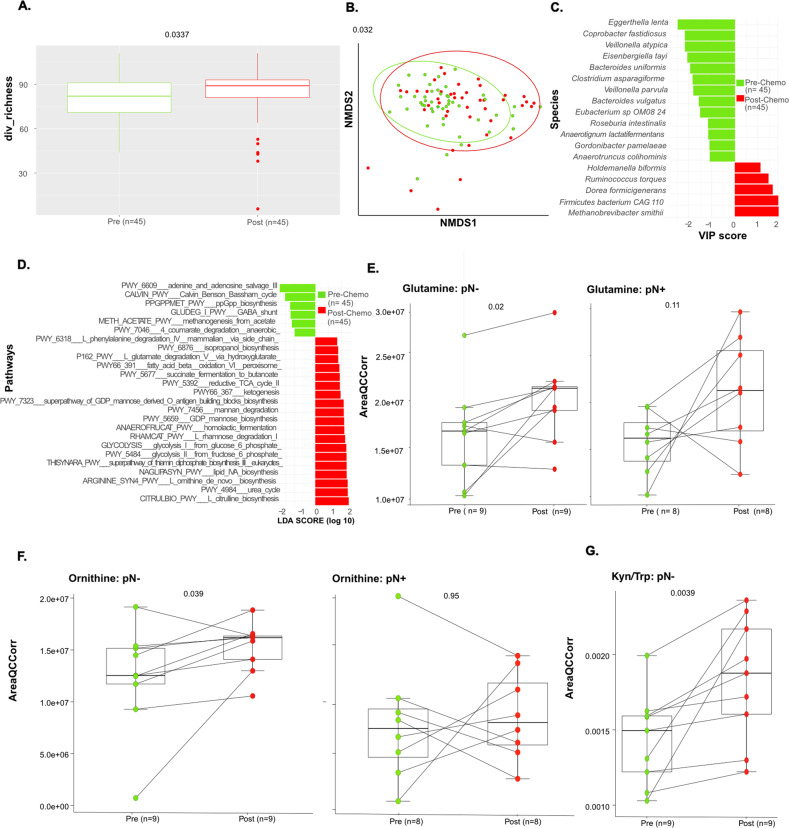
“chemotherapy was associated with a substantial shift in the alpha and beta diversity of stool composition in women with breast cancer towards an anti-inflammatory pattern27, entailing a relative under-representation of distinct species commonly found across several pathological disorders (Veillonella parvula, Veillonella atypica, Eggerthella lenta and E. asparagiformis)23.”
From Gut OncoMicrobiome Signatures (GOMS) as next-generation biomarkers for cancer immunotherapy (2023) · cites this paper as [27]
Experimental — accuracy not yet measuredThe source backs part of the claim, not all of it — or backs it for a different population, condition or comparison.
In the citing paper
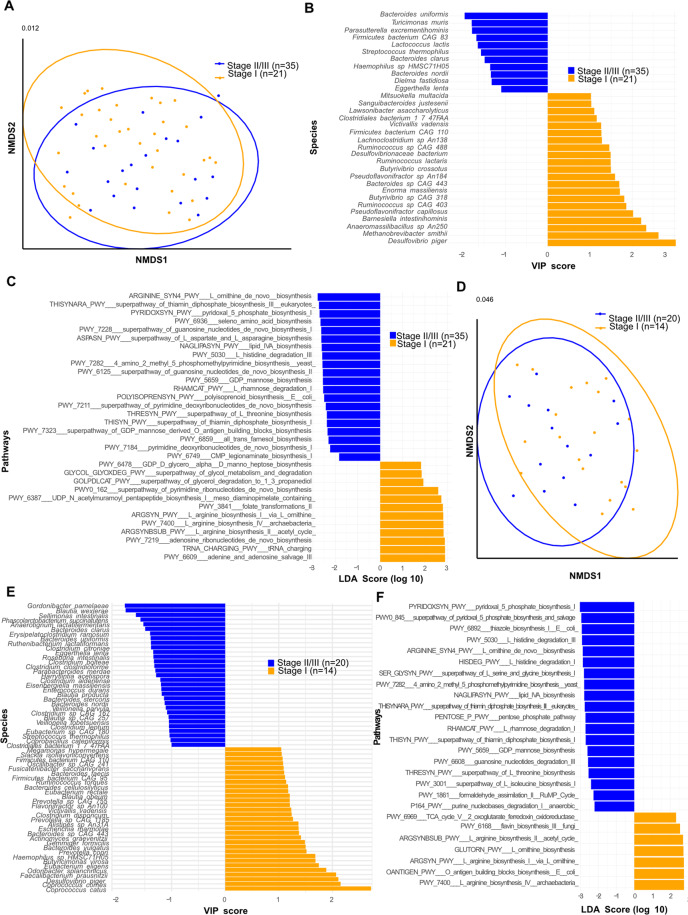
“B. uniformis, Parabacteroides merdae and Enterocloster spp. were over-represented in stools from women presenting with stage II–III breast cancer (compared with stage I breast cancers), and Bacteroides thetaiotaomicron, E. bolteae and E. clostridioformis were associated with resistance to cytotoxic agents.”
From Gut OncoMicrobiome Signatures (GOMS) as next-generation biomarkers for cancer immunotherapy (2023) · cites this paper as [27]
Experimental — accuracy not yet measuredThe source backs part of the claim, not all of it — or backs it for a different population, condition or comparison.
In the citing paper
“This study revealed associations between fecal microbiota and breast cancer staging and neurological side effects 14”
From Impact of the ONCOBIOME network in cancer microbiome research (2025) · cites this paper as [14]
Experimental — accuracy not yet measuredIn the citing paper
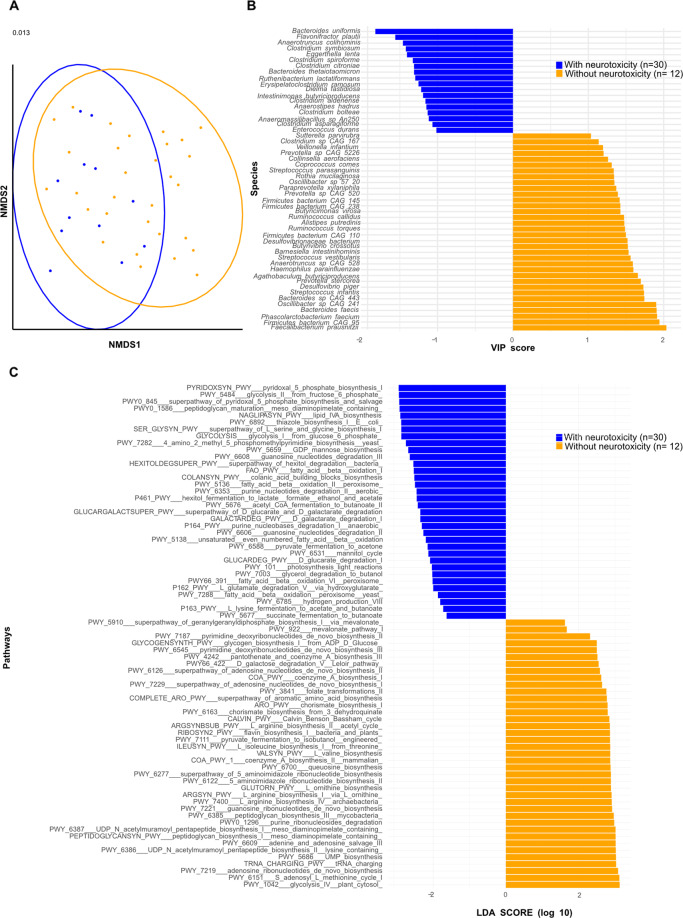
“many breast cancer GOMS species (B. uniformis, B. thetaiotaomicron and many members of the Enterocloster genus) were also substantially associated with adjuvant chemotherapy-related neurotoxicity27.”
From Gut OncoMicrobiome Signatures (GOMS) as next-generation biomarkers for cancer immunotherapy (2023) · cites this paper as [27]
4 more claims about this paper
Create a free account to see every claim other papers make about this one.
Self-check
Percentages, sums and reported differences re-computed from the paper’s own numbers.
The self-check needs the paper’s full text.
Citations
Cites
Fast gapped-read alignment with Bowtie 2
Langmead, B., & Salzberg, S. L. (2012) · Nature Methods · doi:10.1038/nmeth.1923 · Cited by 56,400
Metagenomic biomarker discovery and explanation
Segata, N., Izard, J., Waldron, L., Gevers, D., Miropolsky, L., Garrett, W. S., & Huttenhower, C. (2011) · Genome Biology · doi:10.1186/gb-2011-12-6-r60 · Cited by 16,192 · cited 13×
“Univariate analyses were performed using LEfSe [59] to estimate the”
MethodInfluentialSelf-citationGut microbiome influences efficacy of PD-1-based immunotherapy against epithelial tumors
Routy, B., Le Chatelier, E., Derosa, L., Duong, C. P. M., Alou, M. T., Daillère, R., Fluckiger, A., Messaoudene, M., Rauber, C., Roberti, M. P., et al. (2018) · Science · doi:10.1126/science.aan3706 · Cited by 5,671 · cited 3×
“to immune checkpoint inhibitors [11, 19] (Fig.”
BackgroundSelf-citationGut microbiome modulates response to anti-PD-1 immunotherapy in melanoma patients
Gopalakrishnan, V., Spencer, C. N., Nezi, L., Reuben, A., Andrews, M. C., Karpinets, T. V., Prieto, P. A., Vicente, D., Hoffman, K., Wei, S. C., et al. (2018) · Science · doi:10.1126/science.aan4236 · Cited by 4,812 · cited 3×
“melanoma [12, 14], kidney [19], and lung [11] cancer.”
BackgroundSelf-citationRichness of human gut microbiome correlates with metabolic markers
Le Chatelier, E., Nielsen, T., Qin, J., Prifti, E., Hildebrand, F., Falony, G., Almeida, M., Arumugam, M., Batto, J.-M., Kennedy, S., et al. (2013) · Nature · doi:10.1038/nature12506 · Cited by 4,662 · cited 1×
“processed for rarefaction and normalization and further analysis using the MetaOMineR package [57].”
MethodCommensal Bifidobacterium promotes antitumor immunity and facilitates anti–PD-L1 efficacy
Sivan, A., Corrales, L., Hubert, N., Williams, J. B., Aquino-Michaels, K., Earley, Z. M., Benyamin, F. W., Man Lei, Y., Jabri, B., Alegre, M.-L., et al. (2015) · Science · doi:10.1126/science.aac4255 · Cited by 3,888 · cited 1×
“Such an effect has been achieved with live biotherapeutics in preclinical models [9, 27, 47].”
BackgroundAnticancer immunotherapy by CTLA-4 blockade relies on the gut microbiota
Vétizou, M., Pitt, J. M., Daillère, R., Lepage, P., Waldschmitt, N., Flament, C., Rusakiewicz, S., Routy, B., Roberti, M. P., Duong, C. P. M., et al. (2015) · Science · doi:10.1126/science.aad1329 · Cited by 3,488
Self-citationThe commensal microbiome is associated with anti-PD-1 efficacy in metastatic melanoma patients
Matson, V., Fessler, J., Bao, R., Chongsuwat, T., Zha, Y., Alegre, M.-L., Luke, J. J., & Gajewski, T. F. (2018) · Science · doi:10.1126/science.aao3290 · Cited by 3,107 · cited 8×
“Accumulating evidence points to the capacity of the intestinal ecosystem, and more specifically specific health-associated bacteria commensals to dampen systemic inflammation [5, 6], to shape the innate and adaptive immune tonus [7–10], and reprogram the tumor microenvironment in tumor bearing mice [11, 12] and patien…”
BackgroundInfluentialDepommier, C., Everard, A., Druart, C., Plovier, H., Van Hul, M., Vieira-Silva, S., Falony, G., Raes, J., Maiter, D., Delzenne, N. M., et al. (2019) · Nature Medicine · doi:10.1038/s41591-019-0495-2 · Cited by 2,357 · cited 1×
“muciniphila, and inulin) reduced postprandial glucose levels in type 2 diabetes patients in a randomized double blind placebo controlled trial [48], confirming earlier trials [49].”
ResultBeghini, F., McIver, L. J., Blanco-Míguez, A., Dubois, L., Asnicar, F., Maharjan, S., Mailyan, A., Manghi, P., Scholz, M., Thomas, A. M., et al. (2021) · eLife · doi:10.7554/elife.65088 · Cited by 2,303
Self-citation
Cited by
Items 101–172 of 172
Microbiome dynamics in breast cancer: Mechanisms, therapeutic impacts and research gaps
Effiong, M. E., Ikeji, N. C., Bella-Omunagbe, M., Afolabi, I. S., & Chinedu, S. N. (2025) · Critical Reviews in Oncology/Hematology · doi:10.1016/j.critrevonc.2025.104879 · Cited by 8
Li, Y., Cheng, Y., Liu, W. J., Li, J., Li, S., Suriguga, Ma, T., Kwok, L. Y., Cai, Z., & Sun, Z. (2026) · Frontiers in Microbiology · doi:10.3389/fmicb.2025.1722632 · Cited by 6
Targeting microbiome-driven epigenetic modifications: a new frontier in breast cancer treatment
Bai, Y., Kong, X., & Wang, J. (2026) · Clinical Epigenetics · doi:10.1186/s13148-025-02046-0 · Cited by 7
“By modulating the microbiome and its influence on the epigenetic landscape, these interventions may enhance the efficacy of existing treatments, including chemotherapy, radiotherapy, and immunotherapy [20–22].”
Yasir, A. F., & Jamel, H. O. (2023) · Indonesian Journal of Chemistry · doi:10.22146/ijc.81734 · Cited by 6
Role of a Whole Plant Foods Diet in Breast Cancer Prevention and Survival
Jiménez, M. D. C. F.-F. (2025) · Journal of the American Nutrition Association · doi:10.1080/27697061.2024.2442631 · Cited by 10
Wardill, H. R., Wooley, L. T., Bellas, O. M., Cao, K., Cross, C., van Dyk, M., Kichenadasse, G., Bowen, J. M., Zannettino, A. C. W., Shakib, S., et al. (2023) · British Journal of Cancer · doi:10.1038/s41416-023-02466-w · Cited by 8
Marrocco, F., Khan, M. V., Reccagni, A., Lin, X., Carpini, M. D., Iebba, V., D’Alessandro, G., & Limatola, C. (2025) · Frontiers in Physiology · doi:10.3389/fphys.2025.1572854 · Cited by 5
Self-citationSilva, C. A. C., Almonte, A. A., & Zitvogel, L. (2025) · Biomolecules · doi:10.3390/biom15040504 · Cited by 6
“Additionally, gut microbiota composition has been correlated with toxicity to both CAR-T cell therapies [6] and ICI [89,90], specifically the incidence and severity of IrAEs.”
Self-citationGuan, X., Bu, F., Fu, Y., Zhang, H., Xiang, H., Chen, X., Chen, T., Wu, X.-J., Wu, K., Liu, L., et al. (2024) · iScience · doi:10.1016/j.isci.2024.111338 · Cited by 8
Mammary carcinoma: toward a realistic mouse model of incurable cancers
Pérez-Lanzón, M., Maiuri, M. C., López-Otín, C., & Kroemer, G. (2023) · OncoImmunology · doi:10.1080/2162402x.2023.2240613 · Cited by 5
Self-citationFirmicutes in gut microbiota: hormonal influence on breast cancer in obese individuals
Chen, J., Zhang, Z., Ma, M., Huang, Q., Ling, Z., Liu, Y., Gao, Z., Wang, S., Zhu, Y., Zhang, L., et al. (2025) · Discover Oncology · doi:10.1007/s12672-025-03562-4 · Cited by 4
“In another study, mice colonized with microbiota from BC patients showed altered body weight and nervous system function after chemotherapy, indicating a link between microbial composition and prognosis [132].”
InfluentialGuardians in the Gut: Mechanistic Insights into a Hidden Ally Against Triple-Negative Breast Cancer
Jaye, K. M., Alsherbiny, M. A., Chang, D., Li, C. G., & Bhuyan, D. J. (2025) · Cancers · doi:10.3390/cancers17193248 · Cited by 4
“…sequencing on faecal samples of early-stage breast cancer patients at diagnosis and following adjuvant chemotherapy and observed that distinct commensal bacterial species residing in the gut impact breast cancer prognosis in patients and breast cancer tumour aggressiveness in mice [57].”
InfluentialThe role of gut microbiota in breast cancer: biomarker identification and therapeutic applications
Abrishami, M., Sabouri, M., Joneidi, F., Haghshenas, Z., Khalili‐Tanha, G., & Nazari, E. (2025) · Antonie van Leeuwenhoek · doi:10.1007/s10482-025-02217-2 · Cited by 4
“Meanwhile FMT trials reveals a potential in redirecting dysbiosis to enrich immune responses and drug metabolism, yet the most evidences that we have are preclinical (Terrisse et al. 2021; Rosean et al. 2019).”
Giles, E. D., Cook, K. L., Jenschke, R. M., Corleto, K. A., Landrock, D., Mahmood, T. N., Sanchez, K. E., Levin, A., Hursting, S. D., Kimler, B. F., et al. (2025) · JCI Insight · doi:10.1172/jci.insight.182694 · Cited by 6
“…between the gut microbiome and breast cancer found that women with breast cancer had higher proportional abundance of Alistipes spp. when compared with non-cancerous controls (40), suggesting that the BZA/ CE-mediated reduction of this population may be beneficial for anticancer outcomes.”
Ji, J., Zhang, C., Peng, L., & Jiao, W. (2022) · PubMed Central · doi:10.3779/j.issn.1009-3419.2022.101.01 · Cited by 5
Personalizing Curative Therapy in Stage II to III Triple-Negative Breast Cancer
LeVee, A. A., Hennessy, M. A., Idossa, D. W., Leon-Ferre, R. A., Nanda, R., & McArthur, H. L. (2026) · American Society of Clinical Oncology Educational Book · doi:10.1200/edbk-26-520834 · Cited by 4
Cherwin, C. H., Hoang, J., Roberts, E., & Mangalam, A. K. (2025) · Biological Research For Nursing · doi:10.1177/10998004251318397 · Cited by 5
“…enrichment of C. aerofaciens has been shown to be associated with severe neurologic symptoms among women with breast cancer receiving chemotherapy (Terrisse et al., 2021), and enrichment of Prevotella 7 , C. cateniformis , Ruminococcus torques group , and Frisingicoccus were found to have pro-in…”
Development of a risk prediction nomogram model of pyrotinib-induced severe diarrhea
Chen, Q., Huang, G., Xia, Y., Zhao, H., zheng, Y., & Liao, Y. (2025) · BMC Cancer · doi:10.1186/s12885-025-13427-2 · Cited by 3
Zhao, Y., Zhao, Y., Shi, J., Guan, B., Long, M., Sun, Z., Jin, S., Yan, Y., Chang, T., Fu, Y., et al. (2025) · Frontiers in Microbiology · doi:10.3389/fmicb.2025.1712240 · Cited by 4
Li, L., Yang, C., Wang, Z., Zhou, B., Zhang, Y., Liu, H. B., Sun, S., Chen, M., Hu, X., Jia, F., et al. (2026) · Cell Metabolism · doi:10.1016/j.cmet.2026.04.011 · Cited by 5
The Dual Role of the Gut Microbiota in Cancer Chemoresistance
Tahmasebi, H., Bahar, A., Khazaei, M., & Arabestani, M. R. (2026) · MicrobiologyOpen · doi:10.1002/mbo3.70357 · Cited by 2
Microbiome, immune system and cancer: three sides of the one medal
Belyavskaya, V. A., Чердынцева, Н. В., Kzhyshkowska, J. G., & Litvyakov, N. V. (2023) · Siberian Journal of Oncology · doi:10.21294/1814-4861-2022-21-6-131-144 · Cited by 5
Gut microbiota - A key player in breast cancer initiation and progression: A narrative review
Mohamed, N., Madyan, E. F., Yasser, A., Attia, M. G., Abdel-Ghany, S. E., & Sabit, H. (2024) · Cancer Research Statistics and Treatment · doi:10.4103/crst.crst_325_23 · Cited by 2
Exploring the Gut Microbiota as a Promising Target for Breast Cancer Treatment
Dari, M. A. G., Ghaedrahmati, F., Moalemnia, A., Dezfouli, M. A., Savari, F., Zamani, A. M., Ahmadi, B., Nazarbeigi, M., Farzaneh, M., & Zehtabi, M. (2025) · Current Molecular Medicine · doi:10.2174/0115665240351595250213103451 · Cited by 2
Microbiome-Induced Microenvironmental Changes Before and After Breast Cancer Treatment
An, J., Kwon, H., Kim, Y. J., & Moon, B. (2025) · Microorganisms · doi:10.3390/microorganisms13051057 · Cited by 2
“These studies indicated that the side effects of treatment, such as weight gain and neurological disturbances, may be influenced by the gut microbiome [7].”
Effects of alcohol on gut microbiome in adolescent and adult MMTV-Wnt1 mice
Li, H., Meza, L. S. A., Shahi, S. K., Zhang, Z., Wen, W., Hu, D., Lin, H., Mangalam, A. K., & Luo, J. (2025) · Frontiers in Oncology · doi:10.3389/fonc.2025.1557040 · Cited by 3
Larnder, A., Campbell, K. L., Edens, T. J., Lum, J. J., Goodlett, D. R., Han, J., Isaac, K. V., Warburton, R., Goecke, M. E., Hayashi, A., et al. (2026) · medRxiv · doi:10.64898/2026.02.06.26345778 · Cited by 3
Ullern, A., Holm, K., Andresen, N. K., Røssevold, A. H., Bang, C., Naume, B., Hov, J. R., & Kyte, J. A. (2025) · Molecular Oncology · doi:10.1002/1878-0261.70117 · Cited by 3
Ngan, H., Zhang, J., Kwan, K. K., Cheu, J. W., Li, Z., Guo, Y., Yang, X., Wong, C. C., Yan, H. Y., & Cai, Z. (2025) · Analytical Chemistry · doi:10.1021/acs.analchem.5c05874 · Cited by 2
Cook, K. L., Giles, E. D., Sekela, J. J., Simpson, J. B., Redinbo, M. R., Wilson, A., Umar, S., Befort, C. A., Kimler, B. F., Hursting, S. D., et al. (2026) · Cancer Prevention Research · doi:10.1158/1940-6207.capr-26-0021 · Cited by 1
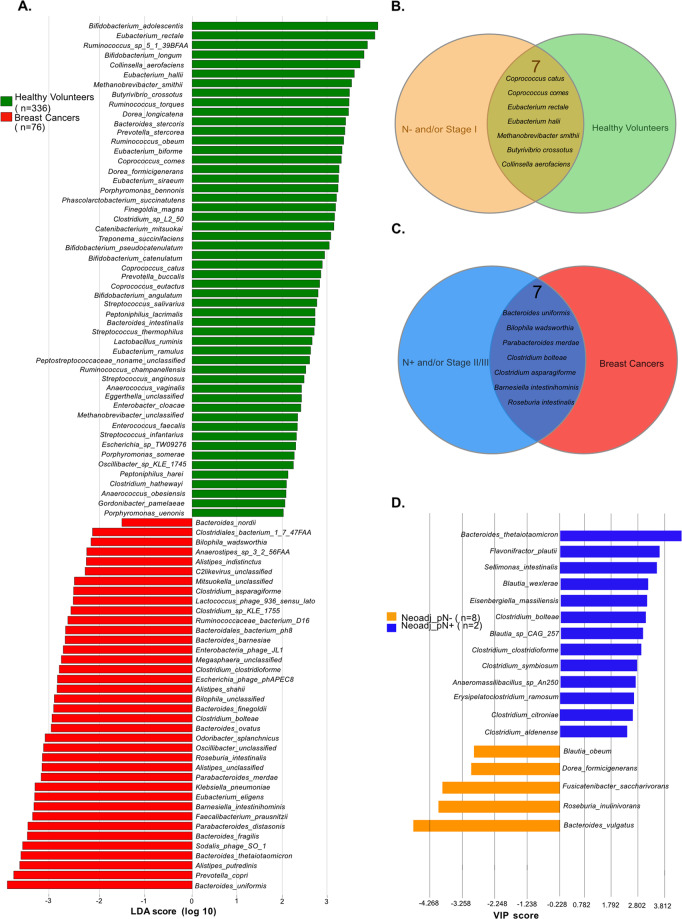
“A recent gut bacterial metagenomic sequencing study performed on healthy control ( n ¼ 336) and patients with breast cancer ( n ¼ 76) in Europe identified bacterial signatures associated with breast cancer (48).”
The dialogue between breast cancer and microorganisms
Zeng, Y., Jiang, Y., Huang, Y., Yin, S., Yang, Z., & Zhang, F. (2026) · Frontiers in Cellular and Infection Microbiology · doi:10.3389/fcimb.2026.1738739 · Cited by 1
Blood and gut virome remodeling in gastric cancer: Anellovirus expansion and novel virus discovery
Zhou, Y., Guo, Q., Zhao, X., Zhang, W., Han, Z., Huang, S., He, Z., Xie, Y., Zhang, W., Gu, J., et al. (2026) · Virologica Sinica · doi:10.1016/j.virs.2026.08.010 · Cited by 1
“The human microbiome has emerged as a critical modulator of disease states, including cancer (Terrisse et al., 2021; Han et al., 2023; Bradley and Haran, 2024; Lin et al., 2025a).”
Masset, M. E. G., Canto, F. B., & Monteiro, A. C. (2025) · IntechOpen eBooks · doi:10.5772/intechopen.1010215 · Cited by 1
Microbiome and breast cancer: A systematic review and meta-analysisPreprint
Thu, M. S., Chotirosniramit, K., Nopsopon, T., Hirankarn, N., & Pongpirul, K. (2022) · medRxiv · doi:10.1101/2022.12.30.22284053 · Cited by 1
“Particularly, a study discovers that gut bacteria are superabundant in BC patients in contrast to healthy individuals and hurt BC prognosis (22).”
BackgroundA Comprehensive Review on Medicinal Plants against Lung Cancer
Pandiyan, B., Yadav, S. A., Sundaram, K. M., Ekambaram, G., & Gnanaselvan, S. (2022) · Oriental Journal Of Chemistry · doi:10.13005/ojc/380320
Zhang, C., Yu, L., Ma, C., Jiang, S., Wang, S., Tian, F., Xue, Y., Zhao, J., Zhang, H., Liu, L., et al. (2022) · bioRxiv (Cold Spring Harbor Laboratory) · doi:10.1101/2022.12.15.518621
EFEITOS DO USO DE PROBIÓTICOS NO TRATAMENTO DO CÂNCER COLORRETAL
Rizzo, E. P. M., Bernardes, G. R. M., de Campos, M. C. A. V., Fagundes, S. M., Moraes, V. R. Y., & Carrijo, J. B. (2023) · Amplla Editora eBooks · doi:10.51859/amplla.ctc976.1123-5
A MICROBIOTA COMO ALTERNATIVA DIAGNÓSTICA E TERAPÊUTICA PARA O CÂNCER DE MAMA
Borges, G. H. D. O. C., Diniz, L. D. P., Silva, L. M. P., Pinto, R. E. S., Filho, C. G. C., & de Oliveira, D. A. (2023) · Amplla Editora eBooks · doi:10.51859/amplla.ctc976.1123-2
SÍNDROME DE RUBINSTEIN-TAYBI E SEU EFEITO NA PSIQUE
de Souza, I. L. G., Rangel, T. D. S., de Oliveira, A. C. G., Pereira, V. R. D., Lima, L. L. M., & Vidal, O. I. D. S. R. (2023) · Amplla Editora eBooks · doi:10.51859/amplla.ctc976.1123-9
de Souza, A. L. B., Vasconcellos, J. R. S., Saraiva, Y. D. O., Fagundes, S. M., Bernardes, G. R. M., & Carneiro, W. M. (2023) · Amplla Editora eBooks · doi:10.51859/amplla.ctc976.1123-3
PRINCIPAIS IMPACTOS PSICOSSOCIAIS DA CIRURGIA PLÁSTICA PEDIÁTRICA RECONSTRUTIVA
Soares, R. A., Perini, R. L. M., Bernardes, R. R., Monteiro, V. H. C., & Freitas, A. D. A. (2023) · Amplla Editora eBooks · doi:10.51859/amplla.ctc976.1123-8
Déroulède, L. F., de Campos, A. P. M., Ferreira, I. R., Maia, J. J., & Almeida, D. S. (2023) · Amplla Editora eBooks · doi:10.51859/amplla.ctc976.1123-4
Machado, F. M., Castro, B. V., de Arruda, G. A. V., Silva, G. D. O. A., Leite, K. N., & de Oliveira, D. A. (2023) · Amplla Editora eBooks · doi:10.51859/amplla.ctc976.1123-10
IMUNOTERAPIA NO CÂNCER DE MAMA TRIPLO-NEGATIVO
dos Santos, M. E. I., Pereira, A. P. M., Barros, G. F. A., Fagundes, S. M., Rangel, T. D. S., & Carrijo, J. B. (2023) · Amplla Editora eBooks · doi:10.51859/amplla.ctc976.1123-6
The Current and Evolving Landscape of Breast Cancer Prediction and Prognosis
Sharma, V. S. (2023) · Medical Research Archives · doi:10.18103/mra.v11i12.4912
Breast Cancer and Intestinal Microbiota Transplantation
Tiburcio, Á. Z., Bermúdez-Ruiz, H., López, S. A., & Reyes-López, P. A. (2023) · Journal of Clinical Research and Clinical Trials · doi:10.59657/2837-7184.brs.23.018
The gut microbiota—as an endocrine organ
Kumar, P., & McEwan, I. J. (2024) · Elsevier eBooks · doi:10.1016/b978-0-323-91141-2.00009-x
Intestinal Microbiota in the Clinical Results of Cancer and Its Modulation as Auxiliary Therapy
Claudino, L. R. F., & Ferreira, S. B. (2023) · doi:10.3390/ecm2023-16583
MICROBIOTA INTESTINAL HUMANA E CÂNCER DE MAMA: UMA REVISÃO INTEGRATIVA
de Oliveira, F. F., Passos, X. S., & de Araújo, C. C. (2024) · RECIMA21 - Revista Científica Multidisciplinar · doi:10.47820/recima21.v5i1.5401
Intestinal Microbiota as a Determinant of Effectiveness and Safety of Anticancer Therapy
Karłowicz-Bodalska, K., Bęben, D., Janicka, N., Gądek, Ł., & Bodalska, G. (2024) · Farmacja Polska · doi:10.32383/farmpol/190217
The Emerging Role of the Microbiome in Carcinogenesis
Gates, T. J., Dietz, M. A., Martell, M., Balbo, S., Subramanian, S., & Staley, C. M. (2024) · Elsevier eBooks · doi:10.1016/b978-0-323-95488-4.00093-0
Carson, T. L., Rivers, D. A., Doerr, V., Haver, M. K., & Byrd, D. A. (2024) · Current Epidemiology Reports · doi:10.1007/s40471-024-00351-5
“The gut microbiome is likely influenced by breast can - cer therapy [49 ] and may modify therapy efficacy, toxicity, and longer term outcomes [42, 50 ].”
Gut Microbiota, Breast Cancer, and Neoadjuvant Therapy
夏, 晨. (2025) · Advances in Clinical Medicine · doi:10.12677/acm.2025.153606
Xin, P., Wang, L., Chen, X., Li, H., & Jiang, N. (2025) · Discover Oncology · doi:10.1007/s12672-025-03206-7
Walker, J., Joy, A. A., Vos, L. J., Stenson, T. H., Mackey, J. R., Jovel, J., Kao, D., Madsen, K. L., & Wong, G. K.-S. (2023) · Figshare · doi:10.6084/m9.figshare.22807514
Jiang, S., Du, Z., Wang, Y., Ma, H., Ma, Z., & Wang, X. (2026) · Research Square · doi:10.21203/rs.3.rs-8449881/v1
Fidelle, M. (2021) · theses.fr (ABES) · doi:10.70675/2168c5d5zc7cez4351zb678z1a8c9761484f
Self-citationGut microbiota-related biomarkers in immuno-oncology
Silva, C. A. C. (2023) · theses.fr (ABES) · doi:10.70675/9022496ez0bbbz4f94z9760z4ae0a6ee5e7a
朱正勤, Yang, Y., Pan, L., Ma, L., & Fang, L. (2026) · Cancers · doi:10.3390/cancers18081218 · Cited by 1
Parhi, P., Banerjee, A., & Thatoi, H. (2026) · Journal of Chemotherapy · doi:10.1080/1120009x.2026.2653339
Kawia, H., Mgaya, J. E., & Paul, L. (2026) · In Silico Pharmacology · doi:10.1007/s40203-026-00619-2
Liu, J., Liu, M., Xu, Y., Wang, Z., Zhou, X. Y., & Sun, Q. (2026) · Clinics · doi:10.1016/j.clinsp.2026.100961
“17 Alterations in specific gut microbiota may contribute to BC risk and prognosis 18,19 and impact clinicopathologic features such as Estrogen Receptor (ER) levels and tumor grade.”
Jiang, S., Du, Z., Wang, Y., Ma, H., Ma, Z. Q., & Wang, X. H. (2026) · Frontiers in Oncology · doi:10.3389/fonc.2026.1795317
Halle-Smith, J. M., Fung, K. S. W., Efstathiou, E., Tovey, N., Stockton, J., Iqbal, T. H., Moss, P. A. H., Beggs, A. D., & Roberts, K. J. (2026) · Gut Science · doi:10.1136/gutsci-2026-000023
Zalabardo-Aguilar, M., Fernandez, I., Girona, A., González, A., Blanco, J., Campos, O., Sánchez‐Muñoz, A., Onieva, J. L., Jerez, J. M., Pascual, J., et al. (2026) · The Breast · doi:10.1016/j.breast.2026.104833
“While preclinical and translational studies suggest that ATB-induced dysbiosis may modulate antitumor immunity and drug response [14, 16,20,26], clinical evidence in BC is scarce.”
Serrano-García, L., Martínez-Salvador, E., Belda-Marco, A., Herrero-Oliva, C., Cortés, J., Llombart‐Cussac, A., & Fernández-Murga, M. L. (2026) · Gut Microbes · doi:10.1080/19490976.2026.2697600
Microbiome and Diseases: Infection
Gerner, R. R., Almási, É. D. H., & Stecher, B. (2026) · Springer eBooks · doi:10.1007/978-3-032-26410-7_14
Narasimhamurthy, R. K., N, R. K., Rajendra, V. K., & Shetty, P. (2026) · Translational research · doi:10.1016/j.trsl.2026.09.007
Gut microbiome alterations predictive of cancer riskPreprint
Vitali, G., Björk, J. R., Kambur, O., Fidelle, M., Birkeland, E. E., Goulet, L., Chatelier, E. L., Ren, Y., Benamouzig, R., Veiga, P., et al. (2026) · medRxiv · doi:10.64898/2026.09.09.26362628
Self-citationMicrobiome signatures linked to cancer and treatment adverse events in a real-world cohort
Yang, L., Singh, V., Gawey, B. J., Sinnwell, J. P., Johnson, S., Billings, E. C., Gorp, T. M. V., Harrington, J. J., Slama, M. Q., Till, L. M., et al. (2026) · Cell · doi:10.1016/j.cell.2026.09.009
Rubio‐Casillas, A., Redwan, E. M. M., Genova, S., & Uversky, V. N. (2026) · Applied Microbiology · doi:10.3390/applmicrobiol6100117
Cossu, C., Adamo, M., Lorenzo, A. D., & Conti, L. (2026) · Frontiers in Immunology · doi:10.3389/fimmu.2026.1944056
Metadata
- Authors
- Terrisse, S., Derosa, L., Iebba, V., Ghiringhelli, F., Vaz-Luis, I., Kroemer, G., Fidelle, M., Christodoulidis, S., Segata, N., Thomas, A. M., Martin, A.-L., Sirven, A., Everhard, S., Aprahamian, F., Nirmalathasan, N., Aarnoutse, R., Smidt, M., Ziemons, J., Caldas, C., Loibl, S., Denkert, C., Durand, S., Iglesias, C., Pietrantonio, F., Routy, B., André, F., Pasolli, E., Delaloge, S., & Zitvogel, L.
- Affiliations
- Université Paris-Sud (FR)
- Inserm (FR)
- Université de Bourgogne (FR)
- Université Paris-Saclay (FR)
- University of Trieste (IT)
- University of Trento (IT)
- UniCancer Group (FR)
- Institut Gustave Roussy (FR)
- Maastricht University (NL)
- University of Cambridge (GB)
- Goethe University Frankfurt (DE)
- Philipps University of Marburg (DE)
- Fondazione IRCCS Istituto Nazionale dei Tumori (IT)
- Centre Hospitalier de l’Université de Montréal (CA)
- University of Naples Federico II (IT)
- Corresponding author
- Zitvogel, Laurence
- ORCID
- Terrisse, Safae
- Derosa, Lisa
- Iebba, Valerio
- Ghiringhelli, François
- Kroemer, Guido
- Fidelle, Marine
- Christodoulidis, Stergios
- Segata, Nicola
- Thomas, Andrew Maltez
- Martin, Anne-Laure
- Sirven, Aude
- Everhard, Sibille
- Aprahamian, Fanny
- Aarnoutse, Romy
- Smidt, Marjolein
- Ziemons, Janine
- Caldas, Carlos
- Loibl, Sibylle
- Denkert, Carsten
- Pietrantonio, Filippo
- Routy, Bertrand
- André, Fabrice
- Pasolli, Edoardo
- Delaloge, Suzette
- Zitvogel, Laurence
- Venue
- Cell Death & Differentiation
- Published
- 2021-05-07
- Volume
- 28
- Issue
- 9
- Pages
- 2778-2796
- ISSN
- 1350-9047 (ISSN-L)
- 1476-5403
- PMC
- PMC8408230
- OpenAlex
- W3158071568
- Semantic Scholar
- a0fe29a6c4f822c3ffa19d554575a9c89a450ae0
- Cited by
- 172
- References
- 62
- Citations by year
- 2026: 26 · 2025: 39 · 2024: 25 · 2023: 44 · 2022: 28 · 2021: 9
- FWCI
- 8.31
- Type
- journal article
- Language
- en
- Open access
- hybrid
- doi.org
- Licence
- cc-by
- creativecommons.org/licenses/by/4.0 (tdm)
- creativecommons.org/licenses/by/4.0 (vor)
- Locations
- Cell Death and Differentiation (publishedVersion, cc-by)
- Europe PMC (PubMed Central) (publishedVersion, other-oa)
- PubMed Central (publishedVersion, cc-by)
- PubMed (publishedVersion)
- Research Publications (Maastricht University) (publishedVersion, cc-by)
- HAL (submittedVersion, other-oa)
- ArTS Archivio della ricerca di Trieste (University of Trieste https://www.units.it/) (submittedVersion, cc-by)
- Iris (University of Trento) (submittedVersion, cc-by)
- Apollo (University of Cambridge) (submittedVersion, cc-by)
- Publication Server of Goethe University Frankfurt am Main (Goethe University Frankfurt) (submittedVersion, cc-by)
- Research Publications (Maastricht University) (submittedVersion, other-oa)
- Apollo
- Funders
- Association pour la Recherche sur le Cancer (ANR-18-IDEX-0001)
- Seerave Foundation (ANR-18-IDEX-0001)
- E-Rare
- Cancer Research UK (29567, 16942)
- National Institute for Health and Care Research (NF-SI-0515-10090, NF-SI-0611-10154)
- European Commission (HORIZON2020, 233655)
- Agence Nationale de la Recherche (ANR-10-COHO-0004, UMS3655, 2014-2019, ANR18, ANR-10, E-Rare-2, ANR-16-RHUS-0008, ANR-18-IDEX-0001)
- Fondation Leducq
- Institut National de la Santé et de la Recherche Médicale (UMS3655, Plan Cancer 2014-2019, ANR-18-IDEX-0001)
- Fondation pour la Recherche Médicale (ANR-18-IDEX-0001)
- Ligue Contre le Cancer (ANR-18-IDEX-0001)
- Centre National de la Recherche Scientifique (#ANR-18-IDEX-0001, UMS3655)
- Institut Universitaire de France (ANR-18-IDEX-0001)
- Institut National Du Cancer (#ANR-18-IDEX-0001)
- Institut Gustave-Roussy (UMS3655)
- European Research Area Network on Cardiovascular Diseases
- High-end Foreign Experts Recruitment Plan of China (GDW20171100085)
- Labex Immuno-Oncology ((ANR-18-IDEX-0001))
- Topics
- Life Sciences › Biochemistry, Genetics and Molecular Biology › Molecular Biology › Gut microbiota and health
- Life Sciences › Biochemistry, Genetics and Molecular Biology › Cancer Research › Cancer, Lipids, and Metabolism
- Life Sciences › Agricultural and Biological Sciences › Food Science › Probiotics and Fermented Foods
- Keywords
- early breast cancer, gut microbiota, fecal microbiota, chemotherapy, treatment side effects, prognosis, plasma metabolomics, gut commensals, xenograft mouse model, adjuvant therapy, neoadjuvant therapy, weight gain, neurological adverse events
- MeSH terms
- Gastrointestinal Microbiome, Breast Neoplasms, Female, Humans, Prognosis, Prospective Studies, Treatment Outcome
About these checks
Registry, retraction, Cites and statistics results are computed, not judged, with one exception: a printed reference that no index lists is read once by a model before it counts as a citation error. Claims are extracted by a model and kept only when their quote appears verbatim in the text; each cited source is then checked, with a model’s help, for whether it says what the claim relies on. Those verdicts can be wrong — read the claim’s quote and the cited source before relying on one.
Statistics and arithmetic are recomputed, not judged.
Confidence bands are shown only for fields calibrated on our annotated test set. None is calibrated yet, so no band is shown.
What counts as a claim ›How we measure confidence ›How we check this ›
Are you an author, or do you see a problem with this page? Request a review
Data sources
Bibliographic data: Semantic Scholar, OpenAlex, Crossref.
Contains information from the Semantic Scholar Academic Graph Datasets, made available under the ODC Attribution License (ODC-BY 1.0).
Semantic Scholar’s data is described in: Kinney, R., et al. (2023). The Semantic Scholar Open Data Platform. arXiv:2301.10140.
