

BCL-XL is crucial for progression through the adenoma-to-carcinoma sequence of colorectal cancer
Open accessThe DOI matches its Crossref record; 63 of the 65 references it cites were found in a registry or an index.
Abstract
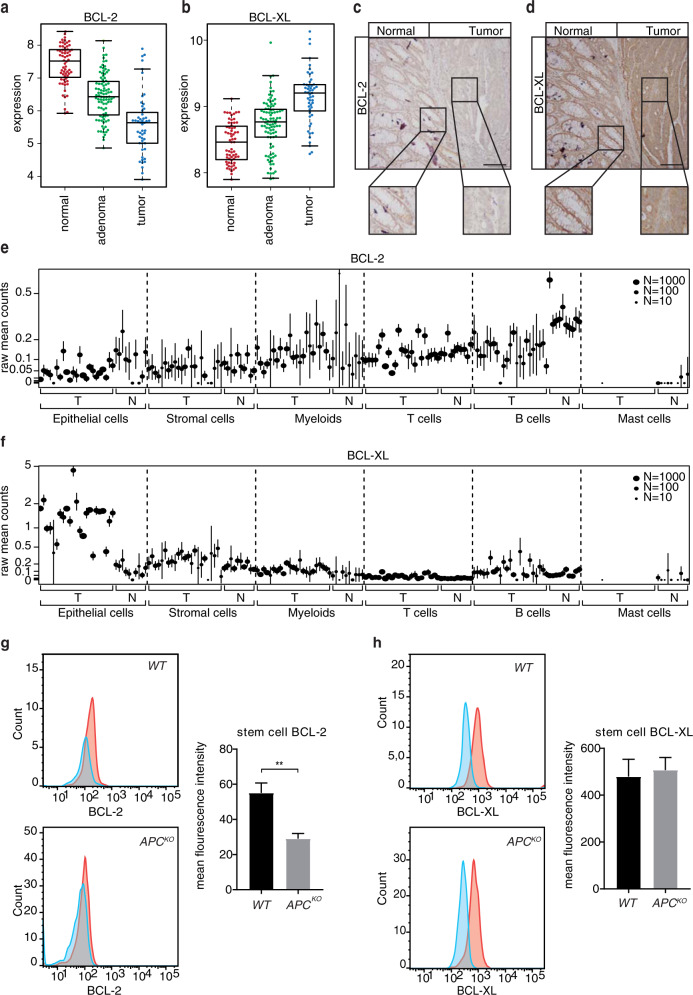
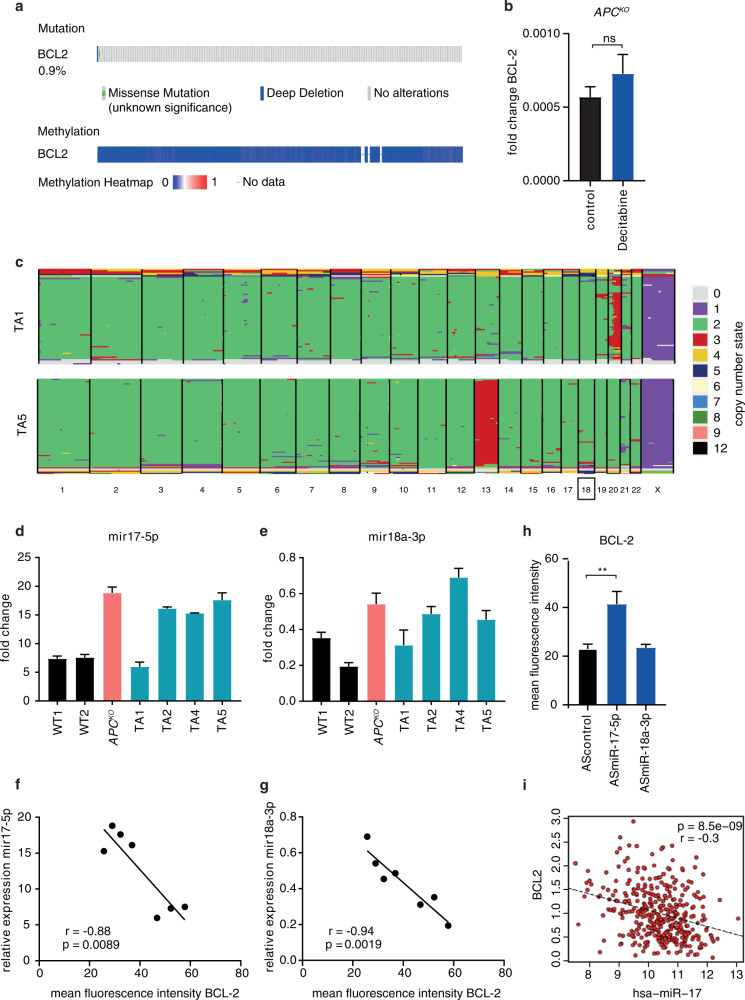
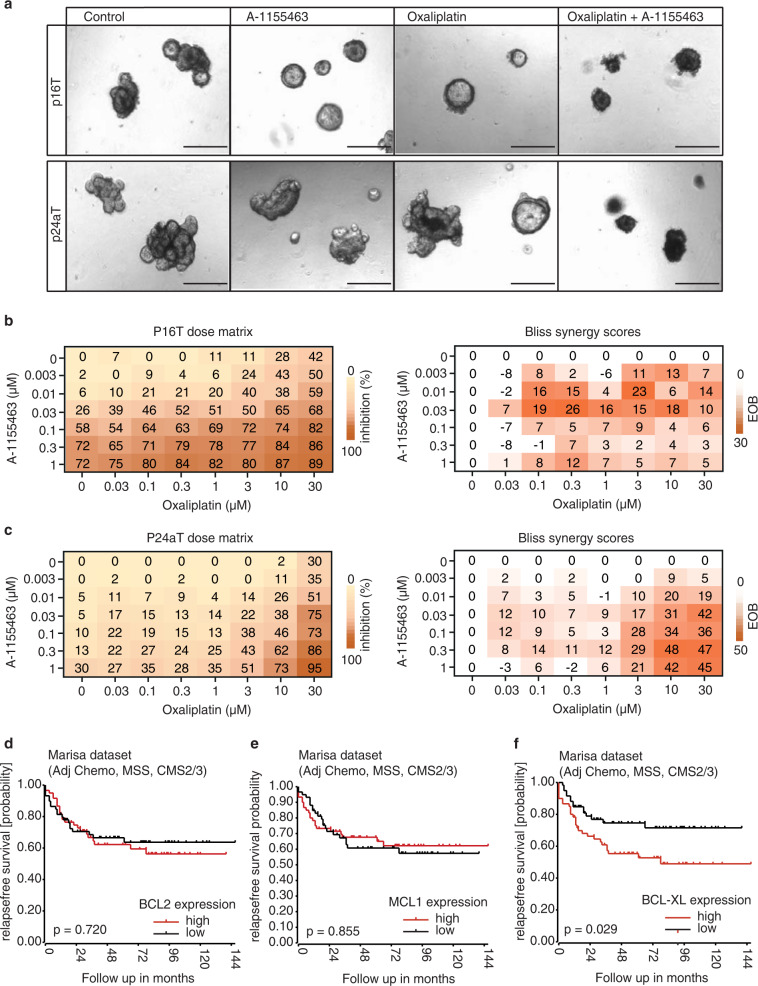
Evasion of apoptosis is a hallmark of cancer, which is frequently mediated by upregulation of the antiapoptotic BCL-2 family proteins. In colorectal cancer (CRC), previous work has highlighted differential antiapoptotic protein dependencies determined by the stage of the disease. While intestinal stem cells (ISCs) require BCL-2 for adenoma outgrowth and survival during transformation, ISC-specific MCL1 deletion results in disturbed intestinal homeostasis, eventually contributing to tumorigenesis. Colon cancer stem cells (CSCs), however, no longer require BCL-2 and depend mainly on BCL-XL for their survival. We therefore hypothesized that a shift in antiapoptotic protein reliance occurs in ISCs as the disease progresses from normal to adenoma to carcinoma. By targeting antiapoptotic proteins with specific BH3 mimetics in organoid models of CRC progression, we found that BCL-2 is essential only during ISC transformation while MCL1 inhibition did not affect adenoma outgrowth. BCL-XL, on the other hand, was crucial for stem cell survival throughout the adenoma-to-carcinoma sequence. Furthermore, we identified that the limited window of BCL-2 reliance is a result of its downregulation by miR-17-5p, a microRNA that is upregulated upon APC -mutation driven transformation. Here we show that BCL-XL inhibition effectively impairs adenoma outgrowth in vivo and enhances the efficacy of chemotherapy. In line with this dependency, expression of BCL-XL , but not BCL-2 or MCL1 , directly correlated to the outcome of chemotherapy-treated CRC patients. Our results provide insights to enable the rational use of BH3 mimetics in CRC management, particularly underlining the therapeutic potential of BCL-XL targeting mimetics in both early and late-stage disease.
Overview
The claims and statistics of this paper haven’t been checked yet.
Free: it reads the open-access text and checks the first 5 claims that cite a source we can check. Create a free account to check every claim.
Integrity signals
Registry
Cites
Statistics
Figures
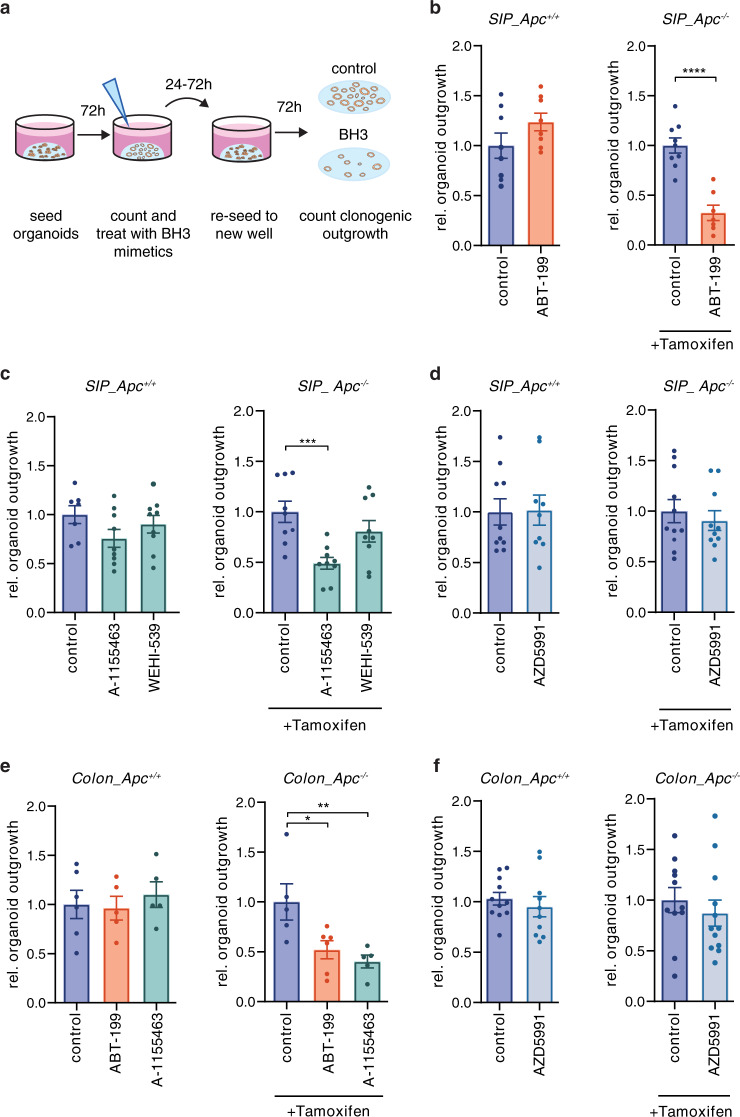
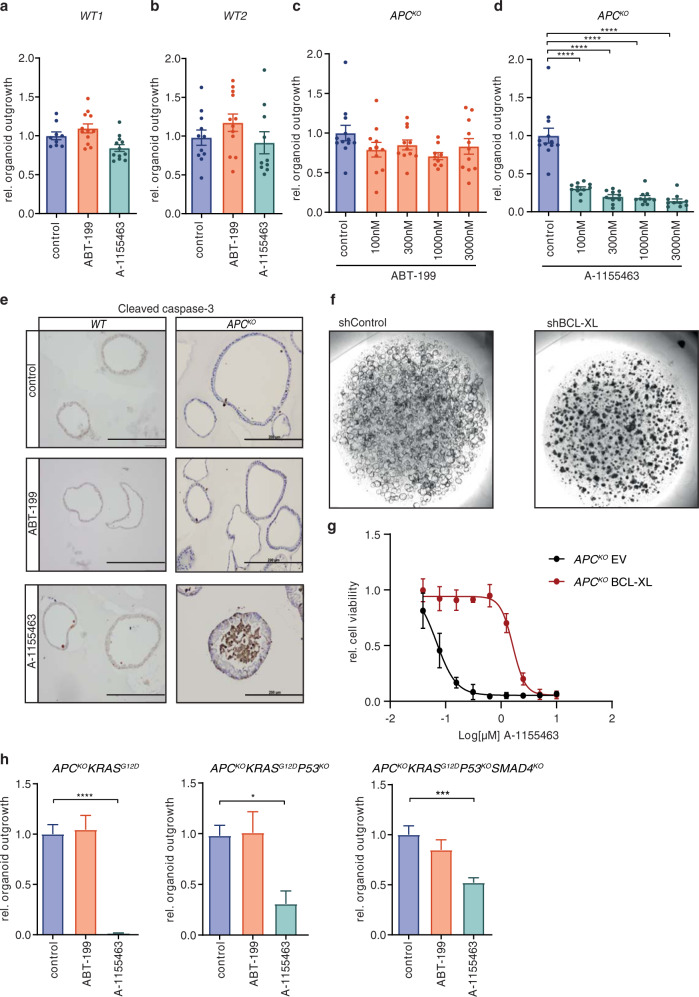
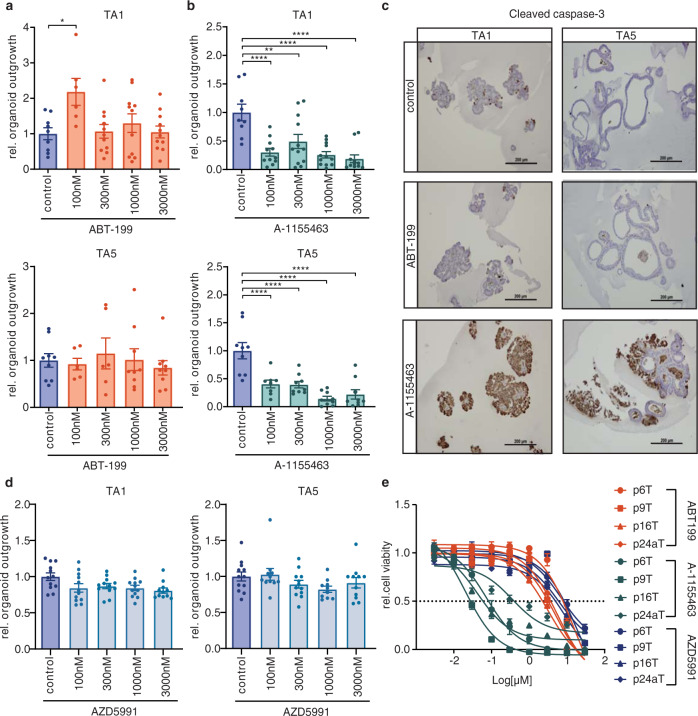
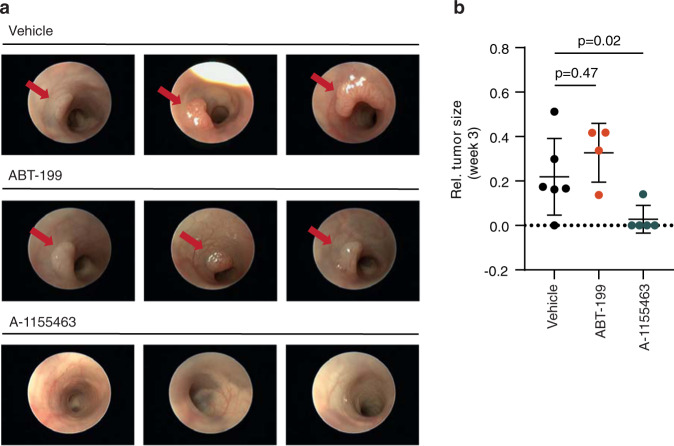
Verification
Claims the paper makes
The claims and statistics of this paper haven’t been checked yet.
Free: it reads the open-access text and checks the first 5 claims that cite a source we can check. Create a free account to check every claim.
Claims other papers make about this one
Each is checked against this paper’s own text: does it say what the citing paper says it does?
The cited source says what the claim attributes to it.
In the citing paper
“Bcl-xL has been identified as a critical mediator of stem cell survival through the adeno-to-colon carcinoma sequence”
From Bcl-xL Is a Key Mediator of Apoptosis Following KRASG12C Inhibition in KRASG12C -mutant Colorectal Cancer (2023) · cites this paper as [45]
The cited source says what the claim attributes to it.
In the citing paper
“a number of studies have shown that Bcl-xL plays an important role in regulating sensitivity to chemotherapy and other targeted therapies”
From Bcl-xL Is a Key Mediator of Apoptosis Following KRASG12C Inhibition in KRASG12C -mutant Colorectal Cancer (2023) · cites this paper as [45]
In the citing paper
“We and others have showed the association of MCL1 and Bcl-xL expression with tumor progression and survival in solid tumors including CRC [30, 48–52].”
From MCL1 nuclear translocation induces chemoresistance in colorectal carcinoma (2022) · cites this paper as [51]
In the citing paper
“Conversely, BCL-XL is crucial for stem cell survival in late-stage adenomas, and BCL-XL inhibition was found to impair adenoma growth through apoptosis induction (45).”
From Synthetic Lethal Interaction with BCL-XL Blockade Deepens Response to Cetuximab in Patient-Derived Models of Metastatic Colorectal Cancer (2023) · cites this paper as [45]
In the citing paper
“BCL-XL plays a critical role in CRC initiation and progression, as targeting BCL-XL with the more potent BCL-XL antagonist A-1155463 significantly impaired clonogenic potential of adenoma and tumor organoids, while sparing normal colon organoids (Ramesh et al., 2021).”
From BCL-XL inhibition induces an FGFR4-mediated rescue response in colorectal cancer (2022) · cites this paper as Ramesh et al., 2021
2 more claims about this paper
Create a free account to see every claim other papers make about this one.
Self-check
Percentages, sums and reported differences re-computed from the paper’s own numbers.
The self-check needs the paper’s full text.
Citations
Cites
Hanahan, D., & Weinberg, R. A. (2000) · Cell · doi:10.1016/s0092-8674(00)81683-9 · Cited by 29,219
Identification of stem cells in small intestine and colon by marker gene Lgr5
Barker, N., van Es, J. H., Kuipers, J., Kujala, P., van den Born, M., Cozijnsen, M., Haegebarth, A., Korving, J., Begthel, H., Peters, P. J., et al. (2007) · Nature · doi:10.1038/nature06196 · Cited by 5,687
The landscape of somatic copy-number alteration across human cancers
Beroukhim, R., Mermel, C. H., Porter, D., Wei, G., Raychaudhuri, S., Donovan, J., Barretina, J., Boehm, J. S., Dobson, J., Urashima, M., et al. (2010) · Nature · doi:10.1038/nature08822 · Cited by 4,017
Sato, T., Stange, D. E., Ferrante, M., Vries, R. G. J., van Es, J. H., van den Brink, S., van Houdt, W. J., Pronk, A., van Gorp, J., Siersema, P. D., et al. (2011) · Gastroenterology · doi:10.1053/j.gastro.2011.07.050 · Cited by 3,753
Organoid Models and Applications in Biomedical Research
Xinaris, C., Brizi, V., & Remuzzi, G. (2015) · Nephron · doi:10.1159/000433566 · Cited by 3,515
ABT-199, a potent and selective BCL-2 inhibitor, achieves antitumor activity while sparing platelets
Souers, A. J., Leverson, J. D., Boghaert, E. R., Ackler, S. L., Catron, N. D., Chen, J., Dayton, B. D., Ding, H., Enschede, S. H., Fairbrother, W. J., et al. (2013) · Nature Medicine · doi:10.1038/nm.3048 · Cited by 3,058
Mitochondria as multifaceted regulators of cell death
Bock, F. J., & Tait, S. W. G. (2020) · Nature Reviews Molecular Cell Biology · doi:10.1038/s41580-019-0173-8 · Cited by 2,450
Prospective Derivation of a Living Organoid Biobank of Colorectal Cancer Patients
van de Wetering, M., Francies, H. E., Francis, J. M., Bounova, G., Iorio, F., Pronk, A., van Houdt, W., van Gorp, J., Taylor-Weiner, A., Kester, L., et al. (2015) · Cell · doi:10.1016/j.cell.2015.03.053 · Cited by 2,408
c-Myc-regulated microRNAs modulate E2F1 expression
O'Donnell, K. A., Wentzel, E. A., Zeller, K. I., Dang, C. V., & Mendell, J. T. (2005) · Nature · doi:10.1038/nature03677 · Cited by 2,347
Wnt activity defines colon cancer stem cells and is regulated by the microenvironment
Vermeulen, L., De Sousa E Melo, F., van der Heijden, M., Cameron, K., de Jong, J. H., Borovski, T., Tuynman, J. B., Todaro, M., Merz, C., Rodermond, H., et al. (2010) · Nature Cell Biology · doi:10.1038/ncb2048 · Cited by 1,804
Self-citation
Cited by
BCL-2 protein family: attractive targets for cancer therapy
Kaloni, D., Diepstraten, S. T., Strasser, A., & Kelly, G. L. (2023) · Apoptosis · doi:10.1007/s10495-022-01780-7 · Cited by 500
Apoptotic cell death in disease—Current understanding of the NCCD 2023
Vitale, I., Pietrocola, F., Guilbaud, E., Aaronson, S. A., Abrams, J. M., Adam, D., Agostini, M., Agostinis, P., Alnemri, E. S., Altucci, L., et al. (2023) · Cell Death & Differentiation · doi:10.1038/s41418-023-01153-w · Cited by 361
Programmed cell death: molecular mechanisms, biological functions, diseases, and therapeutic targets
Qian, S., Long, Y., Tan, G., Li, X., Xiang, B., Tao, Y., Xie, Z., & Zhang, X. (2024) · MedComm · doi:10.1002/mco2.70024 · Cited by 97
ABCC1 and glutathione metabolism limit the efficacy of BCL-2 inhibitors in acute myeloid leukemia
Ebner, J., Schmoellerl, J., Piontek, M., Manhart, G., Troester, S., Carter, B. Z., Neubauer, H. A., Moriggl, R., Szakács, G., Zuber, J. A., et al. (2023) · Nature Communications · doi:10.1038/s41467-023-41229-2 · Cited by 53
Gene expression in organoids: an expanding horizon
Smirnov, A., Melino, G., & Candi, E. (2023) · Biology Direct · doi:10.1186/s13062-023-00360-2 · Cited by 35
Lindner, A. U., Salvucci, M., McDonough, E., Cho, S., Stachtea, X., O’Connell, E., Corwin, A. D., Santamaría-Pang, A., Carberry, S., Fichtner, M. W., et al. (2021) · Cell Death and Differentiation · doi:10.1038/s41418-021-00895-9 · Cited by 34
Guida, A. M., Sensi, B., Formica, V., D’Angelillo, R. M., Roselli, M., Blanco, G. D. V., Rossi, P., Capolupo, G. T., Caricato, M., & Sica, G. S. (2022) · Biology Direct · doi:10.1186/s13062-022-00329-7 · Cited by 32
Leto, S. M., Ferri, M., Sassi, F., Zanella, E. R., Cottino, F., Vurchio, V., Catalano, I., Ferrero, A., Zingaretti, C. C., Marchiò, C., et al. (2023) · Clinical Cancer Research · doi:10.1158/1078-0432.ccr-22-2550 · Cited by 30
MCL1 nuclear translocation induces chemoresistance in colorectal carcinoma
Fu, D., Pfannenstiel, L., Demelash, A., Phoon, Y. P., Mayell, C., Cabrera, C., Liu, C., Zhao, J., Dermawan, J., Patil, D., et al. (2022) · Cell Death & Disease · doi:10.1038/s41419-021-04334-y · Cited by 29
Role of intrinsic apoptosis in environmental exposure health outcomes
Johnson, L., & Sarosiek, K. A. (2023) · Trends in Molecular Medicine · doi:10.1016/j.molmed.2023.11.003 · Cited by 29
Deng, X., Yang, Z., Chan, K. W., & Bakar, M. Z. A. (2024) · Pharmaceutics · doi:10.3390/pharmaceutics16081011 · Cited by 32
Dai, W., Wu, J., Peng, X., Hou, W., Huang, H., Cheng, Q., Liu, Z., Luyten, W., Schoofs, L., Zhou, J., et al. (2022) · Clinical and Translational Medicine · doi:10.1002/ctm2.1087 · Cited by 28
Ahmad, A., Mahmood, N., Raza, M. A., Mushtaq, Z., Saeed, F., Afzaal, M., Hussain, M., Amjad, H., & Al-Awadi, H. M. (2024) · Heliyon · doi:10.1016/j.heliyon.2024.e29495 · Cited by 35
BCL-XL inhibition induces an FGFR4-mediated rescue response in colorectal cancer
Ramesh, P., Di Franco, S., Atencia Taboada, L., Zhang, L., Nicotra, A., Stassi, G., & Medema, J. P. (2022) · Cell Reports · doi:10.1016/j.celrep.2022.110374 · Cited by 26
“This likely results from the fact that normal intestinal epithelial cells are resistant to BCL-XL inhibition (Ramesh et al., 2021; van der Heijden et al., 2016).”
BackgroundResultInfluentialSelf-citationMitochondria in colorectal cancer stem cells - a target in drug resistance
Rainho, M. D. A., Siqueira, P. B., de Amorim, Í. S. S., Mencalha, A. L., & Thole, A. A. (2023) · Cancer Drug Resistance · doi:10.20517/cdr.2022.116 · Cited by 34
A Brief Review on Chemoresistance; Targeting Cancer Stem Cells as an Alternative Approach
Toledo, B., González-Titos, A., Hernández-Camarero, P., & Perán, M. (2023) · International Journal of Molecular Sciences · doi:10.3390/ijms24054487 · Cited by 26
“The chemoresistance capacity of CSCs also relies on avoiding apoptosis mediated by the enhancement of BCL2 family proteins, such as BCL-XL, as has been determined by the Medema group in a colorectal cancer study [112].”
BackgroundTumor-targeted liposomes with platycodin D2 promote apoptosis in colorectal cancer
Cho, E., Mun, S., Jeon, M., Kim, H. K., Baek, H., Ham, Y. S., Gil, W. J., Kim, J. W., & Yang, C. (2023) · Materials Today Bio · doi:10.1016/j.mtbio.2023.100745 · Cited by 30
Anti‐apoptotic protein BCL‐XL as a therapeutic vulnerability in gastric cancer
Wei, Y., Zhang, L., Wang, C., Li, Z., Luo, M., Xie, G., Yang, X., Li, M., Ren, S., Zhao, D., et al. (2023) · Animal Models and Experimental Medicine · doi:10.1002/ame2.12330 · Cited by 20
Modeling Colorectal Cancer Progression Reveals Niche-Dependent Clonal Selection
Vaquero‐Siguero, N., Schleußner, N., Volk, J., Mastel, M., Meier, J., & Jackstadt, R. (2022) · Cancers · doi:10.3390/cancers14174260 · Cited by 18
“Additionally, the focal injection of 4-OHT leads to colon tumor formation when a villinCreER background is used (Figure 1A,B) [13,15,32].”
MethodSelf-citationMicroglia-derived exosomal circZNRF1 alleviates paraquat-induced neuronal cell damage via miR-17-5p
Liu, X., Wu, Q., Wu, J., Liu, J., Zheng, F., Yu, G., Hu, H., Guo, Z., Wu, S., Li, H., et al. (2023) · Ecotoxicology and Environmental Safety · doi:10.1016/j.ecoenv.2023.115356 · Cited by 19
Faux, M. C., Weinstock, J., Gogos, S., Prato, E., Azimpour, A. I., O’Keefe, R. N., Cathcart‐King, Y., Garnham, A. L., Ernst, M., Preaudet, A., et al. (2022) · Cancer Research Communications · doi:10.1158/2767-9764.crc-21-0105 · Cited by 13
“impair adenoma outgrowth, although BCL-XL inhibition was not effective on preexisting adenomas (43).”
BackgroundModel systems to study tumor-microbiome interactions in early-onset colorectal cancer
Richter, K. M., Wrage, M., Krekeler, C., Oliveira, T. D., Conradi, L., Menck, K., & Bleckmann, A. (2025) · EMBO Molecular Medicine · doi:10.1038/s44321-025-00198-3 · Cited by 13
“A confounding factor of the Cre-loxP system is that even a single, local injection of tamoxifen (4-OHT), can cause a possible systemic effect in some strains, leading to the formation of tumors also in other parts of the intestine (Hou et al, 2021; Ramesh et al, 2021).”
Khawaja, H., Briggs, R., Latimer, C. H., Rassel, M., Griffin, D., Hanson, L., Bardelli, A., Di Nicolantonio, F., McDade, S. S., Scott, C. J., et al. (2023) · Molecular Cancer Therapeutics · doi:10.1158/1535-7163.mct-22-0301 · Cited by 12
“Alongside its pivotal role in regulating MOMP, Bcl-xL has been identified as a critical mediator of stem cell survival through the adeno-to-colon carcinoma sequence (45).”
BackgroundSan, S. H., & Ngai, S. C. (2024) · Gene · doi:10.1016/j.gene.2024.148293 · Cited by 19
Selective BCL-2 inhibitor triggers STING-dependent antitumor immunity via inducing mtDNA release
Zhang, W., Pan, X., Wang, L., Li, W., Dai, X., Zheng, M., Guo, H., Chen, X., Xu, Y., Wu, H., et al. (2025) · Journal for ImmunoTherapy of Cancer · doi:10.1136/jitc-2024-010889 · Cited by 12
Liu, J. B., Wang, S., Yi, R., Long, X., & Zhao, X. (2022) · Frontiers in Microbiology · doi:10.3389/fmicb.2022.953905 · Cited by 12
“Play an important role, a large number of studies have reported that Bcl-xL is highly expressed in colorectal cancer (Ramesh et al., 2021).”
BackgroundYang, I., Yip, K., Chang, Y., Chen, Y., Huang, C., Tsai, H., Yeh, Y., & Wang, J. (2023) · Cancers · doi:10.3390/cancers15051358 · Cited by 14
“Several oncomiRs, including let-7f-5p [84,85], and miR-96 [86], are overexpressed in patients with chemoresistant CRC (relative to patients with chemosensitive CRC) (Table 2).”
BackgroundHigh CD142 Level Marks Tumor-Promoting Fibroblasts with Targeting Potential in Colorectal Cancer
Soós, A. Á., Kelemen, A., Orosz, A., Szvicsek, Z., Tölgyes, T., Dede, K., Bursics, A., & Wiener, Z. (2023) · International Journal of Molecular Sciences · doi:10.3390/ijms241411585 · Cited by 12
“In addition, whereas normal colonic epithelial cells are dependent on BCL2, there is a shift in the intestinal adenoma phase to BCL-xL, thus, BCL-xL inhibitors are suggested to have a more profound effect in CRC [22].”
BackgroundResultInfluentialKumar, K., Moon, B., Kumar, S., Angdisen, J. J., Kallakury, B., Fornace, A. J., & Suman, S. (2025) · Aging · doi:10.18632/aging.206183 · Cited by 13
Selvaraj, J., & Kandaswami, J. A. (2022) · International Conference on Parallel, Distributed and Grid Computing (PDGC) · doi:10.1109/pdgc56933.2022.10053299 · Cited by 14
“Polyp assessment could assist in preventing cancer by removal of such outgrowths in early stages [12, 13].”
BackgroundKusumaningrum, A. E., Makaba, S., Ali, E., Singh, M., Fenjan, M. N., Rasulova, I., Misra, N., Al‐Musawi, S. G., & Alsalamy, A. (2024) · Cell Biochemistry and Function · doi:10.1002/cbf.3906 · Cited by 11
“134 The Wnt/ ‐ catenin pathway is essential for stemness and resistance.”
BackgroundZhang, L., Ramesh, P., Taboada, L. A., Roessler, R., Zijlmans, D. W., Vermeulen, M., Picavet, D. I., van der Wel, N. N., Vaz, F. M., & Medema, J. P. (2024) · Cell Death and Differentiation · doi:10.1038/s41418-024-01418-y · Cited by 11
“However, our previous work showed that normal colonocytes resist BCL-XL targeting due to the expression of BCL-2, which may explain the lack of toxicity of the combination treatment as well [3].”
Self-citationZhang, J., Li, D., Zhou, L., Li, Y., Xi, Q., Zhang, L.-Y., & Zhang, J. (2025) · Frontiers in Cell and Developmental Biology · doi:10.3389/fcell.2025.1629568 · Cited by 21
Gagliano, T., Kerschbamer, E., Baccarani, U., Minisini, M., Giorgio, E. D., Dalla, E., Weichenberger, C. X., Cherchi, V. A., Terrosu, G., & Brancolini, C. (2024) · Biomedicine & Pharmacotherapy · doi:10.1016/j.biopha.2024.116374 · Cited by 10
“BCL2L1 is frequently overexpressed in CRC, is critical for the progression of adenoma carcinoma, and has drawn attention to the use of specific inhibitors [85 – 87].”
Mollanoori, H., Ghelmani, Y., Hassani, B., & Dehghani, M. (2024) · Scientific Reports · doi:10.1038/s41598-023-50230-0 · Cited by 11
Bui, I., Baritaki, S., Libra, M., Zaravinos, A., & Bonavida, B. (2023) · Antioxidants and Redox Signaling · doi:10.1089/ars.2023.0250 · Cited by 6
“…breast cancer cells (Bessou et al., 2020; Ferna´ndez et al., 2000), as well as increased cancer progression in melanoma (Leiter et al., 2000; Luciano` et al., 2021), colorectal cancers (Ramesh et al., 2021; Zhang et al., 2008), and prostate cancer (Campbell and Leung, 2021; Castilla et al., 2006).”
Yin, A., Zhu, Q. M., Chen, Y., & Wang, J. (2025) · Molecular Medicine Reports · doi:10.3892/mmr.2025.13499 · Cited by 9
“Bcl‑2‑like protein 1 3 (Bcl‑XL) is an anti‑apoptotic protein that plays a critical role in mediating the survival of colorectal epithelial cells (57).”
Wu, H., Hu, X., Wang, Y., Zhu, X., Zhao, Q., Zhao, Y., Cui, W., Zhang, M., Zhao, H., Li, K., et al. (2025) · Oncogene · doi:10.1038/s41388-025-03390-4 · Cited by 6
“These AS events generate distinct transcripts with contrasting functions that switch the function of transcripts from tumor suppression to oncogenesis during tumor progression, thereby enabling the tumor cells to evade intrinsic programmed cell death [9 – 16].”
Rachma, B., Pamungkas, R. P., Sandra, D. Y., Sutanto, H., & Fetarayani, D. (2025) · Clinical Immunology Communications · doi:10.1016/j.clicom.2025.11.004 · Cited by 6
Elimination of docetaxel-induced senescence attenuates malignant progression in RB1-deficient CRPC
Su, H., Huang, L., Xia, W., Tang, D. G., Zhou, J., & Yang, G. (2025) · Cellular Oncology · doi:10.1007/s13402-025-01126-w · Cited by 3
“Alternative dosing regimens, particularly low-dose administration in combination with chemotherapy, have also shown promise in reducing toxicity [82 ].”
Targeting BCL-XL for degradation synergizes with gemcitabine against cholangiocarcinoma
Zeng, Q., Zhang, Y., Yang, Y., Liu, X., Dong, X., Pan, Y., Hu, L., Zhang, A., Yang, J., Luo, Q., et al. (2026) · BMC Medicine · doi:10.1186/s12916-026-04671-9 · Cited by 2
“Consistent with prior reports, our transcriptomic and immunohistochemical analyses confirm widespread upregulation of BCL-2 family proteins in CCA tissues, with BCL-XL exhibiting the most pronounced elevation and correlating with adverse patient outcomes [37, 38].”
NEK2 drives pathogenesis, drug resistance, and LMP1 expression in EBV-positive non-Hodgkin lymphoma
White, M. C., Lange, P. T., Stewart, J., & Damania, B. (2026) · Proceedings of the National Academy of Sciences · doi:10.1073/pnas.2535550123 · Cited by 1
“Previous studies have described non - anti - apoptotic roles of Bcl - 2, Mcl - 1, and Bcl - xL in cancer, including promoting tumor growth and decreasing chemotherapy efficiency (53, 54).”
Zhang, L., Taboada, L. A., Bağlamış, S., de Kroon, M., Elshout, C., Ramesh, P., Helderman, R. F. C. P., Torang, A., Cameron, K., van Driel, M. S., et al. (2025) · Oncogenesis · doi:10.1038/s41389-025-00569-y · Cited by 2
Self-citationCitrus Flavones Luteolin and Apigenin Target Fundamental Mechanisms in Colon Cancer
Malla, R. R., & Ganji, G. (2022) · Onco Therapeutics · doi:10.1615/oncotherap.2022045072
Leto, S. M., Ferri, M., Sassi, F. P., Zanella, E. R., Cottino, F., Vurchio, V., Catalano, I., Ferrero, A., Zingaretti, C. C., Marchiò, C., et al. (2023) · doi:10.1158/1078-0432.c.6533128.v1
Faux, M. C., Ma, C., Kane, S. R., Samson, A. L., Hirokawa, Y., Priebe, I. K., Cosgrove, L. J., Singh, R., Christie, M., Brown, G. J., et al. (2025) · Organoids · doi:10.3390/organoids4030015 · Cited by 1
“Here, we tested small molecules that specifically inhibit BCL-2, BCL-XL, or MCL-1 and discovered that only the inhibition of BCL-XL was effective in inducing cell death in patient-derived colon adenoma organoids, similar to previously published reports [39].”
Small Molecule Inhibitors Targeting Protein–Protein Interactions in the BCL Protein
Zhu, W., He, Y., Chen, G., & Zhu, D. (2025) · Wiley eBooks · doi:10.1002/9783527845828.ch12
The Cell of Origin Defines the Transcriptional Program of APC-Transformed Organoids
Kirov, A. B., Lammers, V., Torang, A., Köster, J., & Medema, J. P. (2025) · Organoids · doi:10.3390/organoids4040022 · Cited by 2
“In line with this notion, we showed that a crucial target of NF-kB, BCL-2, could prevent apoptosis in transforming differentiated intestinal cells and allow transformation of such cells [18,19].”
Self-citationMulti-omics integration and network analysis identify therapeutic hub genes in colorectal cancer
Mathew, E., Thomas, P. L. L., & Mathew, L. (2025) · Network Modeling Analysis in Health Informatics and Bioinformatics · doi:10.1007/s13721-025-00696-x
“The progressive reduction of BCL2 expression as tumours advance further supports its utility as a biomarker for distinguishing early neoplastic lesions from more advanced malignancies (Huang et al. 2017; Kumara Pagalla, Gunde, and Aruna 2021 ; Kunac et al. 2022; Ramesh et al. 2021).”
Shao, F., Tang, D., Li, L., Xu, X., & Deng, C. (2026) · Protein & Cell · doi:10.1093/procel/pwag032 · Cited by 2
Oya, Y., Arai, J., Hayakawa, Y., Shiokawa, T., Shinohara, S., Hata, M., Matsushita, Y., Kinoshita, H., Uekura, C., Kurokawa, K., et al. (2026) · Cellular and Molecular Gastroenterology and Hepatology · doi:10.1016/j.jcmgh.2026.101880
“42,63 In contrast, Bcl-xL expression was relatively low in WT pancreatic tissue but progressively increased during neoplastic progression, with stronger expression in pancreatic intraepithelial neoplasia 2–3 lesions and further elevation in pancreatic ductal adenocarcinoma for both human and mice.”
Metadata
- Authors
- Ramesh, P., Lannagan, T. R. M., Jackstadt, R., Atencia Taboada, L., Lansu, N., Wirapati, P., van Hooff, S. R., Dekker, D., Pritchard, J., Kirov, A. B., van Neerven, S. M., Tejpar, S., Kops, G. J. P. L., Sansom, O. J., & Medema, J. P.
- Affiliations
- Oncode Institute (NL)
- Cancer Research UK Scotland Institute (GB)
- University Medical Center Utrecht (NL)
- SIB Swiss Institute of Bioinformatics (CH)
- KU Leuven (BE)
- Corresponding author
- Medema, Jan Paul
- ORCID
- Venue
- Cell Death & Differentiation
- Published
- 2021-06-11
- Volume
- 28
- Issue
- 12
- Pages
- 3282-3296
- ISSN
- 1350-9047 (ISSN-L)
- 1476-5403
- PMC
- PMC8630104
- OpenAlex
- W3166580483
- Semantic Scholar
- be4ba178ddc83c49f2fd0c04498f0f5c9b7cf9c4
- Cited by
- 52
- References
- 65
- Citations by year
- 2026: 4 · 2025: 13 · 2024: 8 · 2023: 15 · 2022: 11 · 2021: 1
- FWCI
- 2.75
- Type
- journal article
- Language
- en
- Open access
- hybrid
- doi.org
- Licence
- cc-by
- creativecommons.org/licenses/by/4.0 (tdm)
- creativecommons.org/licenses/by/4.0 (vor)
- Locations
- Cell Death and Differentiation (publishedVersion, cc-by)
- PubMed Central (publishedVersion, cc-by)
- PubMed (publishedVersion)
- KNAW Research Portal (The Royal Netherlands Academy of Arts and Sciences) (publishedVersion, other-oa)
- SERVAL (Université de Lausanne) (publishedVersion, cc-by)
- Pure Amsterdam UMC (acceptedVersion, cc-by)
- IRIS (submittedVersion, cc-by)
- Lirias (submittedVersion, cc-by)
- Data Archiving and Networked Services (DANS) (submittedVersion, other-oa)
- Utrecht University Repository (Utrecht University) (submittedVersion, other-oa)
- Funders
- Cancer Research UK (A21139/, A17196/, 21139)
- Topics
- Life Sciences › Biochemistry, Genetics and Molecular Biology › Molecular Biology › Cell death mechanisms and regulation
- Health Sciences › Medicine › Oncology › Cancer-related Molecular Pathways
- Life Sciences › Biochemistry, Genetics and Molecular Biology › Cancer Research › MicroRNA in disease regulation
- Keywords
- Bcl-xL, colorectal cancer, adenoma-carcinoma sequence, intestinal stem cells, cancer stem cells, apoptosis evasion, Bcl-2, Mcl-1, BH3 mimetics, miR-17-5p, APC mutation, colorectal organoids, chemotherapy response
- MeSH terms
- Adenoma, Animals, Female, Humans, Male, Colorectal Neoplasms, Survival Analysis, Apoptosis, Disease Progression, bcl-X Protein, Mice
About these checks
Registry, retraction, Cites and statistics results are computed, not judged, with one exception: a printed reference that no index lists is read once by a model before it counts as a citation error. Claims are extracted by a model and kept only when their quote appears verbatim in the text; each cited source is then checked, with a model’s help, for whether it says what the claim relies on. Those verdicts can be wrong — read the claim’s quote and the cited source before relying on one.
Statistics and arithmetic are recomputed, not judged.
Confidence bands are shown only for fields calibrated on our annotated test set. None is calibrated yet, so no band is shown.
What counts as a claim ›How we measure confidence ›How we check this ›
Are you an author, or do you see a problem with this page? Request a review
Data sources
Bibliographic data: Semantic Scholar, OpenAlex, Crossref.
Contains information from the Semantic Scholar Academic Graph Datasets, made available under the ODC Attribution License (ODC-BY 1.0).
Semantic Scholar’s data is described in: Kinney, R., et al. (2023). The Semantic Scholar Open Data Platform. arXiv:2301.10140.
