

Disease-associated KBTBD4 mutations in medulloblastoma elicit neomorphic ubiquitylation activity to promote CoREST degradation
Open accessThe DOI matches its Crossref record; 41 of the 41 references it cites were found in a registry or an index.
Abstract
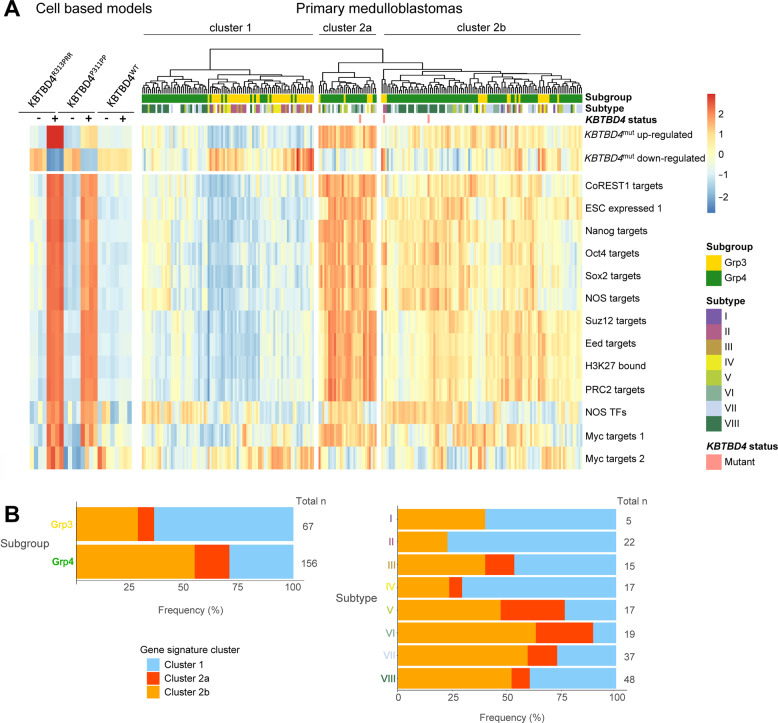
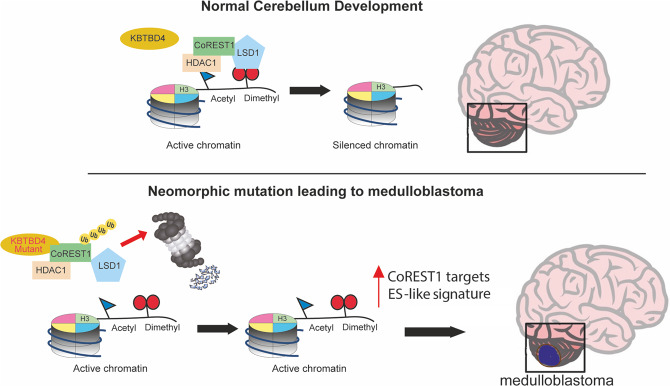
Medulloblastoma is the most common malignant brain tumour in children. Genomic studies have identified distinct disease subgroups: wnt/wingless (WNT), sonic hedgehog (SHH), and non-WNT/non-SHH, comprising group 3 and group 4. Alterations in WNT and SHH signalling form the pathogenetic basis for their subgroups, whereas those for non-WNT/non-SHH tumours remain largely elusive. Recent analyses have revealed recurrent in-frame insertions in the E3 ubiquitin ligase adaptor Kelch Repeat and BTB Domain Containing 4 (KBTBD4) in cases of group 3/4 medulloblastoma. Critically, group 3/4 tumours with KBTBD4 mutations typically lack other gene-specific alterations, such as MYC amplification, indicating KBTBD4 insertion mutations as the primary genetic driver. Delineating the role of KBTBD4 mutations thus offers significant opportunities to understand tumour pathogenesis and to exploit the underpinning mechanisms therapeutically. Here, we show a novel mechanism in cancer pathogenesis whereby indel mutations in KBTBD4 drive its recognition of neo-substrates for degradation. We observe that KBTBD4 mutants promote the recruitment and ubiquitylation of the REST Corepressor (CoREST), which forms a complex to modulate chromatin accessibility and transcriptional programmes. The degradation of CoREST promoted by KBTBD4 mutation diverts epigenetic programmes inducing significant alterations in transcription to promote increased stemness of cancer cells. Transcriptional analysis of >200 human group 3 and 4 medulloblastomas by RNA-seq, highlights the presence of CoREST and stem-like signatures in tumours with KBTBD4 mutations, which extend to a further sub-set of non-mutant tumours, suggesting CoREST alterations as a novel pathogenetic mechanism of wide relevance in groups 3 and 4. Our findings uncover KBTBD4 mutation as a novel driver of epigenetic reprogramming in non-WNT/non-SHH medulloblastoma, establish a novel mode of tumorigenesis through gain-of-function mutations in ubiquitin ligases (neo-substrate recruitment) and identify both mutant KBTBD4 and CoREST complexes as new druggable targets for improved tumour-specific therapies.
Overview
The claims and statistics of this paper haven’t been checked yet.
Free: it reads the open-access text and checks the first 5 claims that cite a source we can check. Create a free account to check every claim.
Integrity signals
Registry
Cites
Statistics
Figures
Verification
Claims the paper makes
The claims and statistics of this paper haven’t been checked yet.
Free: it reads the open-access text and checks the first 5 claims that cite a source we can check. Create a free account to check every claim.
Claims other papers make about this one
Each is checked against this paper’s own text: does it say what the citing paper says it does?
The source backs part of the claim, not all of it — or backs it for a different population, condition or comparison.
In the citing paper
“Subsequent ubiquitination and degradation of coREST upregulate stem cell factors (such as Sox-2, Oct-4, and Nanog), allowing for the maintenance of stemness and self-renewal capacity of medulloblastoma cells in culture (7).”
From The Medulloblastoma Meta-Analysis Portal Enables Integrative Exploration of Clinical and Genomic Data from Patients (2025) · cites this paper as [7]
Experimental — accuracy not yet measuredThe source backs part of the claim, not all of it — or backs it for a different population, condition or comparison.
In the citing paper
“The most prevalent mutation, an insertion at R313insPRR (7, 23–26), has been functionally characterized as enabling interaction with neosubstrates, such as small corepressor coREST.”
From The Medulloblastoma Meta-Analysis Portal Enables Integrative Exploration of Clinical and Genomic Data from Patients (2025) · cites this paper as [7]
Experimental — accuracy not yet measured
Self-check
Percentages, sums and reported differences re-computed from the paper’s own numbers.
The self-check needs the paper’s full text.
Citations
Cites
Moderated estimation of fold change and dispersion for RNA-seq data with DESeq2
Love, M. I., Huber, W., & Anders, S. (2014) · Genome Biology · doi:10.1186/s13059-014-0550-8 · Cited by 95,106 · cited 1×
“0R package was used for differential expression analysis [37].”
clusterProfiler: an R Package for Comparing Biological Themes Among Gene Clusters
Yu, G., Wang, L.-G., Han, Y., & He, Q.-Y. (2012) · OMICS: A Journal of Integrative Biology · doi:10.1089/omi.2011.0118 · Cited by 36,259
Enrichr: a comprehensive gene set enrichment analysis web server 2016 update
Kuleshov, M. V., Jones, M. R., Rouillard, A. D., Fernandez, N. F., Duan, Q., Wang, Z., Koplev, S., Jenkins, S. L., Jagodnik, K. M., Lachmann, A., et al. (2016) · Nucleic Acids Research · doi:10.1093/nar/gkw377 · Cited by 10,799
Enrichr: interactive and collaborative HTML5 gene list enrichment analysis tool
Chen, E. Y., Tan, C. M., Kou, Y., Duan, Q., Wang, Z., Meirelles, G. V., Clark, N. R., & Ma’ayan, A. (2013) · BMC Bioinformatics · doi:10.1186/1471-2105-14-128 · Cited by 7,814
Transcript-level expression analysis of RNA-seq experiments with HISAT, StringTie and Ballgown
Pertea, M., Kim, D., Pertea, G. M., Leek, J. T., & Salzberg, S. L. (2016) · Nature Protocols · doi:10.1038/nprot.2016.095 · Cited by 6,845 · cited 1×
“Differential expression analysis was calculated using Ballgown at transcript level [36].”
MethodHistone demethylation mediated by the nuclear amine oxidase homolog LSD1
Shi, Y., Lan, F., Matson, C., Mulligan, P., Whetstine, J. R., Cole, P. A., Casero, R. A., & Shi, Y. (2004) · Cell · doi:10.1016/j.cell.2004.12.012 · Cited by 4,051 · cited 2×
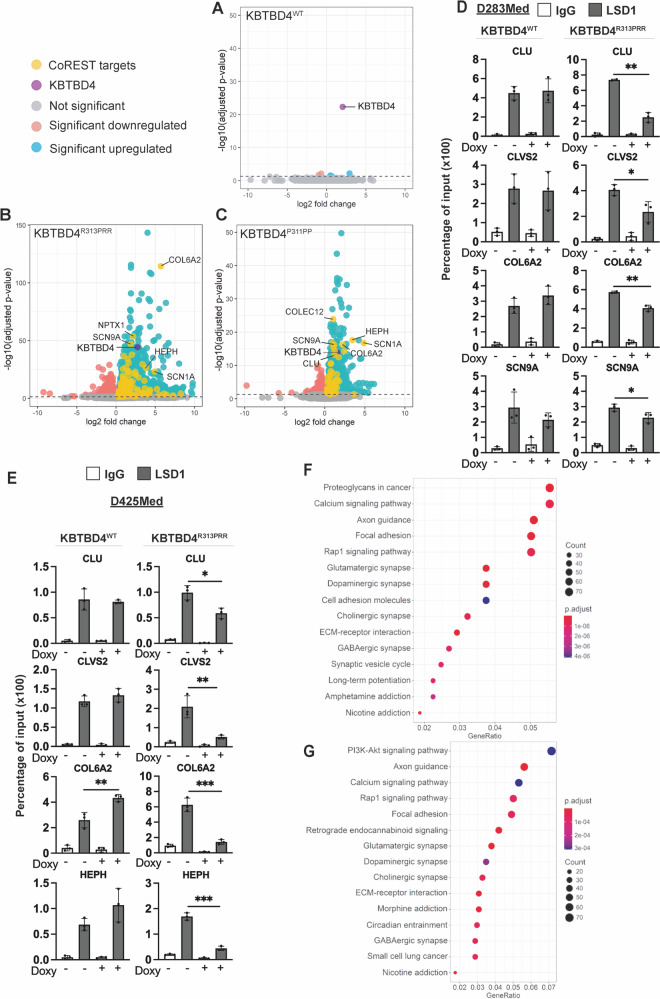
“CoREST1/2/3 form critical scaffolds for chromatin modifying complexes, which incorporate lysine-specific histone demethylase 1A (LSD1) and histone deacetylase 1/2 (HDAC1/2) for the demethylation and deacetylation of histones at H3K4 in vitro and in vivo [9, 10].”
BackgroundBen-Porath, I., Thomson, M. W., Carey, V. J., Ge, R., Bell, G. W., Regev, A., & Weinberg, R. A. (2008) · Nature Genetics · doi:10.1038/ng.127 · Cited by 2,523 · cited 1×
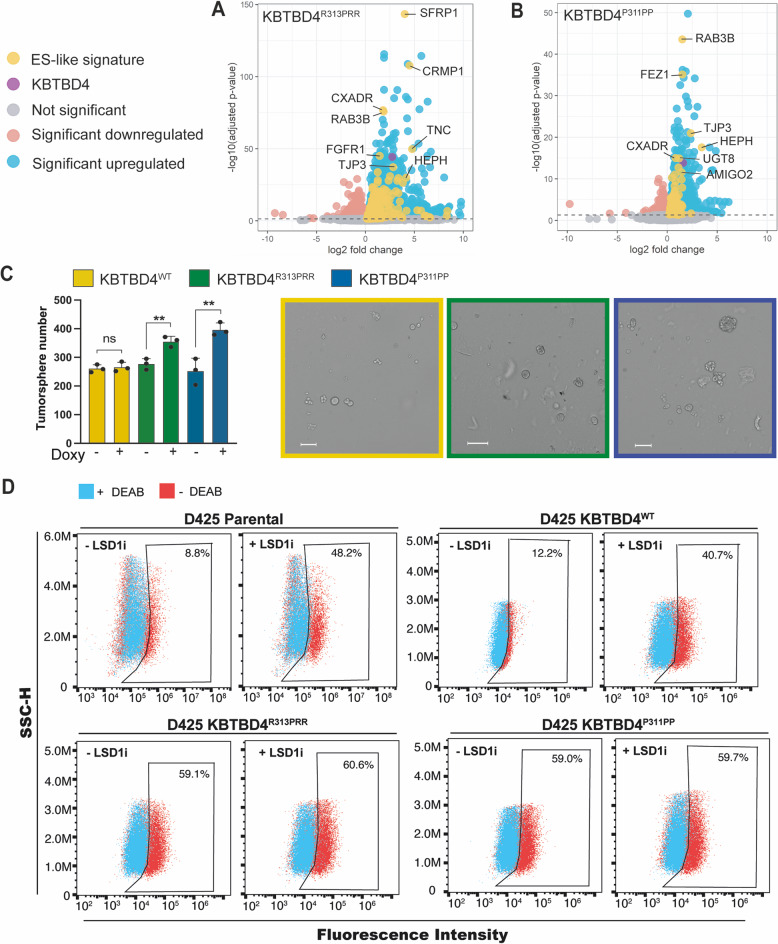
“Therefore, we hypothesised that CoREST degradation induced by KBTBD4 mutations could result in increased stemness of medulloblastoma cells, as described in other tumour types [20].”
BackgroundWard, P. S., Patel, J., Wise, D. R., Abdel-Wahab, O., Bennett, B. D., Coller, H. A., Cross, J. R., Fantin, V. R., Hedvat, C. V., Perl, A. E., et al. (2010) · Cancer Cell · doi:10.1016/j.ccr.2010.01.020 · Cited by 2,020
An inhibitor of NEDD8-activating enzyme as a new approach to treat cancer
Soucy, T. A., Smith, P. G., Milhollen, M. A., Berger, A. J., Gavin, J. M., Adhikari, S., Brownell, J. E., Burke, K. E., Cardin, D. P., Critchley, S., et al. (2009) · Nature · doi:10.1038/nature07884 · Cited by 1,990 · cited 1×
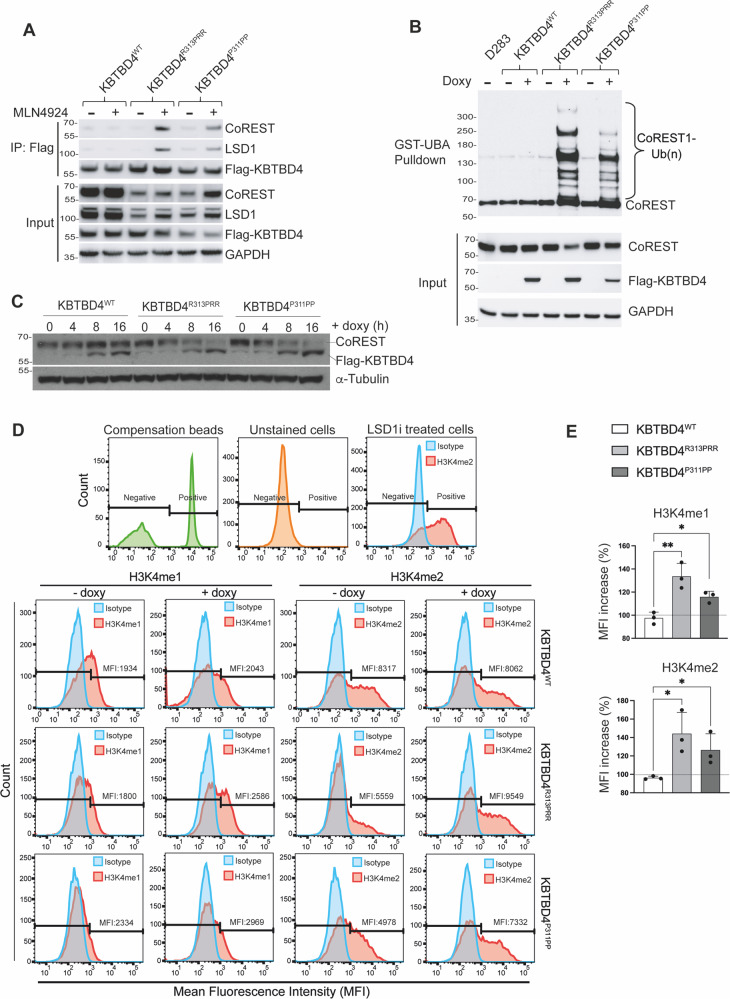
“Neddylation of Cullins is required for the activity of CRL complexes; MLN4924 therefore blocks all CRL activity in cells and stabilises CRL-bound substrates [15].”
BackgroundThe whole-genome landscape of medulloblastoma subtypes
Northcott, P. A., Buchhalter, I., Morrissy, A. S., Hovestadt, V., Weischenfeldt, J., Ehrenberger, T., Gröbner, S., Segura-Wang, M., Zichner, T., Rudneva, V. A., et al. (2017) · Nature · doi:10.1038/nature22973 · Cited by 1,112 · cited 3×
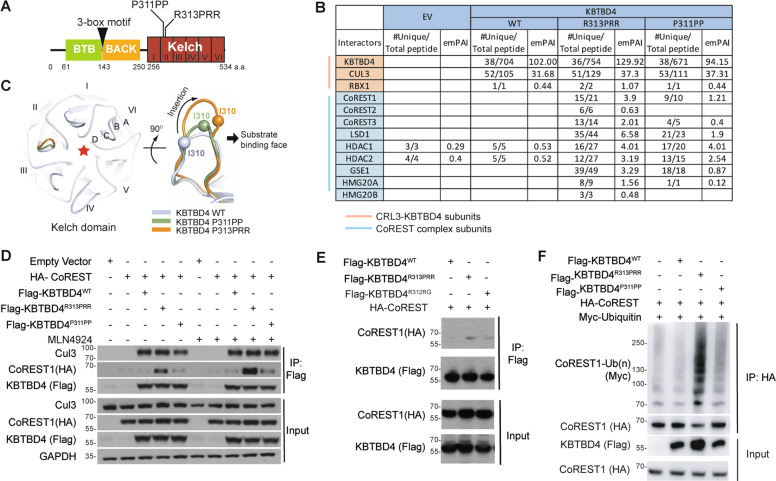
“1A) [5] from HEK293T cells and performed tryptic digestion and Liquid Chromatography/Tandem Mass Spectrometry (LC-MS/MS) to analyse their interacting partners.”
BackgroundMethodInfluential
Cited by
Targeted protein degradation for cancer therapy
Hinterndorfer, M., Spiteri, V. A., Ciulli, A., & Winter, G. E. (2025) · Nature Reviews Cancer · doi:10.1038/s41568-025-00817-8 · Cited by 210
“For example, mutations in the CRL3 substrate-receptor KBTBD4 recurrently found in medulloblastoma enhance its interaction with the histone deacetylase HDAC1 subunit of the CoREST transcriptional repressor complex 19,20 .”
Degrons: defining the rules of protein degradation
Zhang, Z., Mena, E. L., Timms, R. T., Koren, I., & Elledge, S. J. (2025) · Nature Reviews Molecular Cell Biology · doi:10.1038/s41580-025-00870-z · Cited by 74
“87,115,189,190) and gain-of-function mutations in KBTBD4 that drive medulloblastoma by promoting degradation of a neosubstrate CoREST 191 .”
Converging mechanism of UM171 and KBTBD4 neomorphic cancer mutations
Xie, X., Zhang, O., Yeo, M. J. R., Lee, C., Tao, R., Harry, S. A., Payne, N. C., Nam, E., Paul, L., Li, Y., et al. (2025) · Nature · doi:10.1038/s41586-024-08533-3 · Cited by 50
“The most common mutations include P311delinsPP and R313delinsPRR (abbreviated as P and PR, hereafter), which promote the neomorphic degradation of the CoREST and LSD1 subunits of the LSD1–HDAC1/2–CoREST (LHC) complex 5 .”
InfluentialSelf-citationGoddard, J., Castle, J., Southworth, E., Fletcher, A., Crosier, S., Martín‐Guerrero, I., García-Ariza, M., Navajas, A., Masliah‐Planchon, J., Bourdeaut, F., et al. (2023) · Acta Neuropathologica · doi:10.1007/s00401-023-02566-0 · Cited by 27
“KBTBD4 mutations in the Kelch motif were assessed by Sanger sequencing [5, 23].”
MethodSelf-citationUnbiased interrogation of functional lysine residues in human proteome
Bao, Y., Pan, Q., Xu, P., Liu, Z., Zhang, Z., Liu, Y., Xu, Y., Yu, Y., Zhou, Z. L., & Wei, W. (2023) · Molecular Cell · doi:10.1016/j.molcel.2023.10.033 · Cited by 20
Histopathology and molecular pathology of pediatric pineal parenchymal tumors
Vasiljevic, A. (2023) · Child's Nervous System · doi:10.1007/s00381-022-05637-x · Cited by 18
“In medulloblastomas, KBTBD4 insertion acts as a neomorphic mutation leading to the recognition of neo-substrates such as CoREST (Corepressor of RE1 silencing transcription factor) [34].”
BackgroundAMPK attenuates SHH subgroup medulloblastoma growth and metastasis by inhibiting NF-κB activation
Cai, J., Wang, Y., Wang, X., Ai, Z., Li, T., Pu, X., Yang, X., Yao, Y., He, J., Cheng, S. Y., et al. (2023) · Cell & Bioscience · doi:10.1186/s13578-023-00963-2 · Cited by 15
“Tumorsphere assays Tumorsphere formation assays were measured by in vitro limiting dilution assay, as previously reported [31, 32].”
MethodChen, Z., Chi, G., Balo, T., Chen, X., Montes, B. R., Clifford, S. C., D’Angiolella, V., Szabo, T., Kiss, A., Novak, T., et al. (2025) · Nature Communications · doi:10.1038/s41467-025-58350-z · Cited by 10
Self-citationKim, D. T., Uloho-Okundaye, M., Frederico, S. C., Guru, S., Kim, M. J., & Chang, S. D. (2025) · Brain Sciences · doi:10.3390/brainsci15080896 · Cited by 13
CoREST in pieces: Dismantling the CoREST complex for cancer therapy and beyond
Ismail, H., Chagraoui, J., & Sauvageau, G. (2025) · Science Advances · doi:10.1126/sciadv.ads6556 · Cited by 9
“Consistent with the stem cell–enhancing properties of UM171 in the blood system ( 26 , 27 ), forced expression of these activating KBTBD4 mutants or LSD1 inhibitor treatment also enhanced stemness of MB cells ( 166 ).”
Degrons and degradation signals beyond short linear motifs
Wang, B., & Zheng, N. (2025) · Nature Chemical Biology · doi:10.1038/s41589-025-02056-2 · Cited by 12
“Mutations in the CRL3 adaptor KBTBD4 were identified in patients with medulloblastoma and occur in a hotspot on the surface of the E3 ligase 109,110 .”
Developmental Origins and Oncogenesis in Medulloblastoma
Kiang, K. M. Y., Wong, Y. K. H., Sengupta, S., Roussel, M. F., & Lu, Q. R. (2025) · Annual Review of Neuroscience · doi:10.1146/annurev-neuro-112723-061540 · Cited by 11
Kawata, K., Chapman, O. S., Narumi, S., & Kawauchi, D. (2025) · Frontiers in Oncology · doi:10.3389/fonc.2025.1569548 · Cited by 8
Identification of a prognosis-related phagocytosis regulator gene signature in medulloblastoma
Han, G., Wang, X., Pu, K., Li, Z., Li, Q., & Tong, X. (2024) · Heliyon · doi:10.1016/j.heliyon.2024.e34474 · Cited by 4
“The post-translational modification of CoREST is a novel molecular mechanism associated with the G3 and G4 subtypes of MB [39].”
Versatile roles of inositol hexakisphosphate in the ubiquitin-proteasome system
Rusnac, D.-V., Zheng, N., & Xie, X. (2025) · Essays in Biochemistry · doi:10.1042/ebc20253032 · Cited by 4
“It has been shown that these mutations confer gain-of-function to the E3 to promote the degradation of select subunits in the HDAC1/2-containing transcriptional co-repressor complexes, including CoREST and LSD1 [15,56].”
Genetic landscape and molecular targets in pediatric pineal tumors
Pasquinelli, E., Guidi, M., & Sardi, I. (2026) · Neuro-Oncology Advances · doi:10.1093/noajnl/vdag086 · Cited by 3
Molecular glue unexpectedly mimics the effect of cancer mutations
Bushman, J. W., & Potts, P. R. (2025) · Nature · doi:10.1038/d41586-025-00090-7 · Cited by 3
Cola, A. D., Foss, A., Gilbertson, R. J., & Pathania, M. (2023) · Annual Review of Cancer Biology · doi:10.1146/annurev-cancerbio-062722-034650 · Cited by 3
KBTBD2 promotes proliferation and migration of gastric cancer via activating EGFR signaling pathway
Ding, J., Gao, W., Yang, H., Duan, L., Sun, D., Liu, L., Qu, X., Yu, H., Xu, B., Zhao, S., et al. (2024) · Pathology - Research and Practice · doi:10.1016/j.prp.2024.155095 · Cited by 5
Chromatin Regulatory Targets for Anticancer Therapeutics
Barta, P. A., Carter, T. R., & Erb, M. A. (2025) · Chemical Reviews · doi:10.1021/acs.chemrev.5c00231 · Cited by 4
Pervasive phenotypic effects of FBXO42 are promoted by regulation of PP4 phosphatase
Yang, H., Smith, P., Ma, Y., Southworth, E., Krishna, V. G., Salerno, B., Rowland, J., Loftus, A. E. P., Grieco, D., Vendrell, I., et al. (2026) · The EMBO Journal · doi:10.1038/s44318-025-00675-y · Cited by 4
“…treated cells with MLN4924 (a selective inhibitor of NAE1) (Soucy et al, 2009) and identi fi ed interactors after immunoprecipitation and liquid chromatography/mass spectrometry (LC/MS) as previously done for other CRLs (Burdova et al, 2019; Chen et al, 2022; Fung et al, 2018; Raducu et al, 2016).”
Self-citationGangwani, K., Lu, C., Dhanda, S. K., Sioson, E., Zaldívar Peraza, A., Matt, G. Y., Paul, R., Wang, J., Reilly, C., Acić, A., et al. (2025) · Cancer Research · doi:10.1158/0008-5472.can-24-4976 · Cited by 1
“Some molecular features found in G3 and G4 tumors include amplifications of MYC and OTX2 , activation of GFI1B or GFI1 , mutations in KBTBD4 , enhancer hijacking of PRDM6 , mutations in KDM6A , large cell/anaplastic histology, loss of chromosome 10, presence of isochromosome 17q (iso17), and amplification of CDK6 (7–1…”
InfluentialJones, V. M., Kanter, J. H., Russo, G. A., Simmons, N. E., Tafe, L. J., & Zanazzi, G. J. (2024) · International Journal of Surgical Pathology · doi:10.1177/10668969231201411 · Cited by 1
“22 When identi fi ed, KBTBD4 insertion mutations are typically the primary genetic drivers and are not associated with other gene-speci fi c alterations.”
Mutations that stick: Unexpected discovery of molecular glue mimicry
Whelan, R., José‐Duran, F., & Mayor‐Ruiz, C. (2025) · Molecular Cell · doi:10.1016/j.molcel.2025.03.017 · Cited by 2
Histopathology and Molecular Pathology of Pineal Region Tumors
Vasiljevic, A. (2026) · Advances and technical standards in neurosurgery · doi:10.1007/978-3-032-18608-9_7 · Cited by 1
E3 Ubiquitin Ligases as Molecular Machines and Platforms for Drug Development
Ioris, R. M., Ferris, K., & D’Angiolella, V. (2022) · Wiley eBooks · doi:10.1002/9783527836208.ch3 · Cited by 1
Self-citationVo, J. N., Franson, A. T., Waszak, S. M., Wu, Y.-M., Becker, N., Chinnaiyan, A. M., & Robinson, D. R. (2024) · Acta Neuropathologica Communications · doi:10.1186/s40478-024-01896-8
Pervasive phenotypic effects of FBXO42 controlled by regulation of PP4 phosphatasePreprint
Yang, H., Smith, P., Ma, Y., Southworth, E., Krishna, V. G., Salerno, B., Rowland, J., Grieco, D., Vendrell, I., Fischer, R., et al. (2025) · bioRxiv (Cold Spring Harbor Laboratory) · doi:10.1101/2025.05.02.651838
“…cells with MLN4924 (a selective inhibitor of NAE1) (Soucy et al., 2009) and identified interactors after immunoprecipitation and liquid chromatography/mass spectrometry (LC/MS) as previously done for other CRLs (Burdova et al., 2019; Chen et al., 2022; Fung et al., 2018; Raducu et al., 2016).”
Self-citationPathoepigenetics of brain tumors and prevalent neoplasms
Cacabelos, R., Naidoo, V., Tellado, I., Cacabelos, N., Cacabelos, P., Corzo, L., Fernández‐Novoa, L., & Martínez-Iglesias, O. A. (2025) · Elsevier eBooks · doi:10.1016/b978-0-443-18722-3.00047-5
Systematic molecular glue drug discovery with a high-throughput effector protein remodeling platformPreprint
Lu, J., Stuart, K., Teague, R., Tarry, C., Yan, R., Morgan, T., Nock, E., Mulhearn, D. S., Jones, M., Knaggs, M. H., et al. (2025) · bioRxiv (Cold Spring Harbor Laboratory) · doi:10.1101/2025.07.17.664724
Progress on molecular glue degraders
Chen, J., Deng, Z., Li, H., & Liu, L. (2026) · Scientia Sinica Chimica · doi:10.1360/ssc-2025-0228
Cai, J., Wang, Y., Wang, X., Ai, Z., Li, T., Pu, X., Yang, X., Yao, Y., He, J., Cheng, S. Y., et al. (2024) · Figshare · doi:10.6084/m9.figshare.26563216
Cai, J., Wang, Y., Wang, X., Ai, Z., Li, T., Pu, X., Yang, X., Yao, Y., He, J., Cheng, S. Y., et al. (2024) · Figshare · doi:10.6084/m9.figshare.26563210
Cai, J., Wang, Y., Wang, X., Ai, Z., Li, T., Pu, X., Yang, X., Yao, Y., He, J., Cheng, S. Y., et al. (2024) · Figshare · doi:10.6084/m9.figshare.26563207
Cai, J., Wang, Y., Wang, X., Ai, Z., Li, T., Pu, X., Yang, X., Yao, Y., He, J., Cheng, S. Y., et al. (2024) · Figshare · doi:10.6084/m9.figshare.26563213
Cai, J., Wang, Y., Wang, X., Ai, Z., Li, T., Pu, X., Yang, X., Yao, Y., He, J., Cheng, S. Y., et al. (2024) · Figshare · doi:10.6084/m9.figshare.26563204
Medulloblastoma-Associated KBTBD4 Mutations Disrupt PP2A-A Orphan Quality ControlPreprint
Baur, R., Hehl, L. A., Sathe, G. J., Lunardi, T., Schneider, J., Krebs, A.-S., Silva, J. C., Haakonsen, D. L., Waszak, S. M., Lingner, J., et al. (2026) · bioRxiv (Cold Spring Harbor Laboratory) · doi:10.64898/2026.03.02.709011
Sivaprasad, R., Žemaitis, K., Linfeldt, D., Ghosh, S., de Snaijer, A., Magnusson, M., Ek, F., Hansson, J., & Subramaniam, A. (2026) · Cancer Gene Therapy · doi:10.1038/s41417-026-01068-x
“Since HDAC1/2 are integral components of the CoREST complex, HDAC inhibitors prevent the interaction between mutant KBTBD4 and CoREST, consistent with recent structural studies that solved the structural basis of these interactions [9, 10].”
Structure‐Guided Optimization of a Molecular Glue Targeting the KBTBD4‐HDAC1/2 Complex
Baló, T., Chen, Z., Palluaud, L., Kiss, A., Novák, T., Herner, A., Bullock, A. N., Martiny, V. Y., & Kotschy, A. (2026) · ChemMedChem · doi:10.1002/cmdc.70451
Self-citationSingle Amino Acid Disease Mutations Act as Genetic Glues to Drive Neo-substrate DegradationPreprint
Wang, B., Yeh, C.-W., Lin, H.-M., Shi, H., Mao, H., Chen, S.-C., Yeh, K., Yu, C.-H., Zheng, N., & Yen, H.-C. S. (2026) · bioRxiv (Cold Spring Harbor Laboratory) · doi:10.64898/2026.09.17.752235
Tian, X., Li, X., Liu, D., Min, Y., & Hu, Y. (2026) · Frontiers in Pharmacology · doi:10.3389/fphar.2026.1936781
Metadata
- Authors
- Chen, Z., Ioris, R. M., Richardson, S., Van Ess, A. N., Vendrell, I., Kessler, B. M., Buffa, F. M., Busino, L., Clifford, S. C., Bullock, A. N., & D’Angiolella, V.
- Affiliations
- University of Oxford (GB)
- Cancer Research UK (GB)
- Newcastle University (GB)
- University of Pennsylvania (US)
- Corresponding author
- Ioris, Rafael M.
- Bullock, Alex N.
- D’Angiolella, Vincenzo
- ORCID
- Venue
- Cell Death & Differentiation
- Published
- 2022-04-04
- Volume
- 29
- Issue
- 10
- Pages
- 1955-1969
- ISSN
- 1350-9047 (ISSN-L)
- 1476-5403
- PMC
- PMC9525703
- OpenAlex
- W4225923919
- Cited by
- 41
- References
- 41
- Citations by year
- 2026: 8 · 2025: 18 · 2024: 8 · 2023: 5 · 2022: 2
- FWCI
- 5.13
- Type
- journal article
- Language
- en
- Open access
- hybrid
- doi.org
- Licence
- cc-by
- creativecommons.org/licenses/by/4.0 (tdm)
- creativecommons.org/licenses/by/4.0 (vor)
- Locations
- Cell Death and Differentiation (publishedVersion, cc-by)
- PubMed Central (publishedVersion, cc-by)
- PubMed (publishedVersion)
- Archivio istituzionale della Ricerca - Bocconi (submittedVersion, cc-by)
- Edinburgh Research Explorer (University of Edinburgh) (submittedVersion, cc-by)
- Newcastle University ePrints (Newcastle Univesity) (cc-by)
- Funders
- China Scholarship Council
- Schweizerischer Nationalfonds zur Förderung der Wissenschaftlichen Forschung (P2GEP3_188295)
- Wellcome Trust (097813/Z/11/Z, 106169/ZZ14/Z)
- Cancer Research UK (DRCNPG-May21\100002)
- Innovative Medicines Initiative (875510)
- RCUK | Medical Research Council (MC_UU_00001/7)
- Topics
- Health Sciences › Medicine › Oncology › Glioma Diagnosis and Treatment
- Life Sciences › Biochemistry, Genetics and Molecular Biology › Molecular Biology › Chromatin Remodeling and Cancer
- Life Sciences › Biochemistry, Genetics and Molecular Biology › Molecular Biology › Ubiquitin and proteasome pathways
- Keywords
- medulloblastoma, CoREST, E3 ubiquitin ligase, in-frame insertion, protein degradation, epigenetic reprogramming, cancer stemness, transcriptional programs, chromatin accessibility, carcinogenesis, druggable targets
- MeSH terms
- Carrier Proteins, Cerebellar Neoplasms, Child, Chromatin, Humans, Medulloblastoma, Mutation, Ubiquitins, Ubiquitin-Protein Ligases, Hedgehog Proteins, Ubiquitination, Co-Repressor Proteins
About these checks
Registry, retraction, Cites and statistics results are computed, not judged, with one exception: a printed reference that no index lists is read once by a model before it counts as a citation error. Claims are extracted by a model and kept only when their quote appears verbatim in the text; each cited source is then checked, with a model’s help, for whether it says what the claim relies on. Those verdicts can be wrong — read the claim’s quote and the cited source before relying on one.
Statistics and arithmetic are recomputed, not judged.
Confidence bands are shown only for fields calibrated on our annotated test set. None is calibrated yet, so no band is shown.
What counts as a claim ›How we measure confidence ›How we check this ›
Are you an author, or do you see a problem with this page? Request a review
Data sources
Bibliographic data: Semantic Scholar, OpenAlex, Crossref.
Contains information from the Semantic Scholar Academic Graph Datasets, made available under the ODC Attribution License (ODC-BY 1.0).
Semantic Scholar’s data is described in: Kinney, R., et al. (2023). The Semantic Scholar Open Data Platform. arXiv:2301.10140.
