

ATG5-mediated autophagy suppresses NF-κB signaling to limit epithelial inflammatory response to kidney injury
Open accessThe DOI matches its Crossref record; 44 of the 44 references it cites were found in a registry or an index.
Abstract
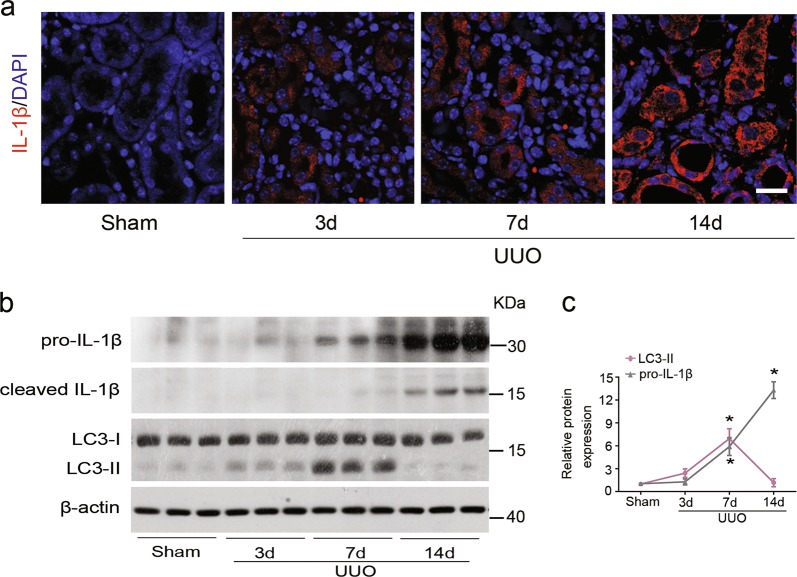
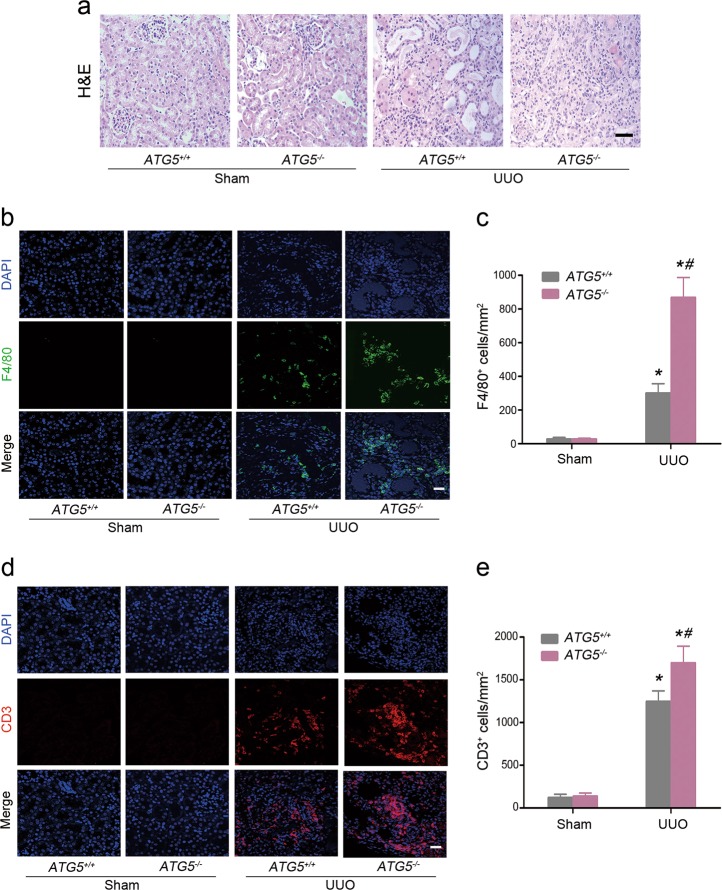
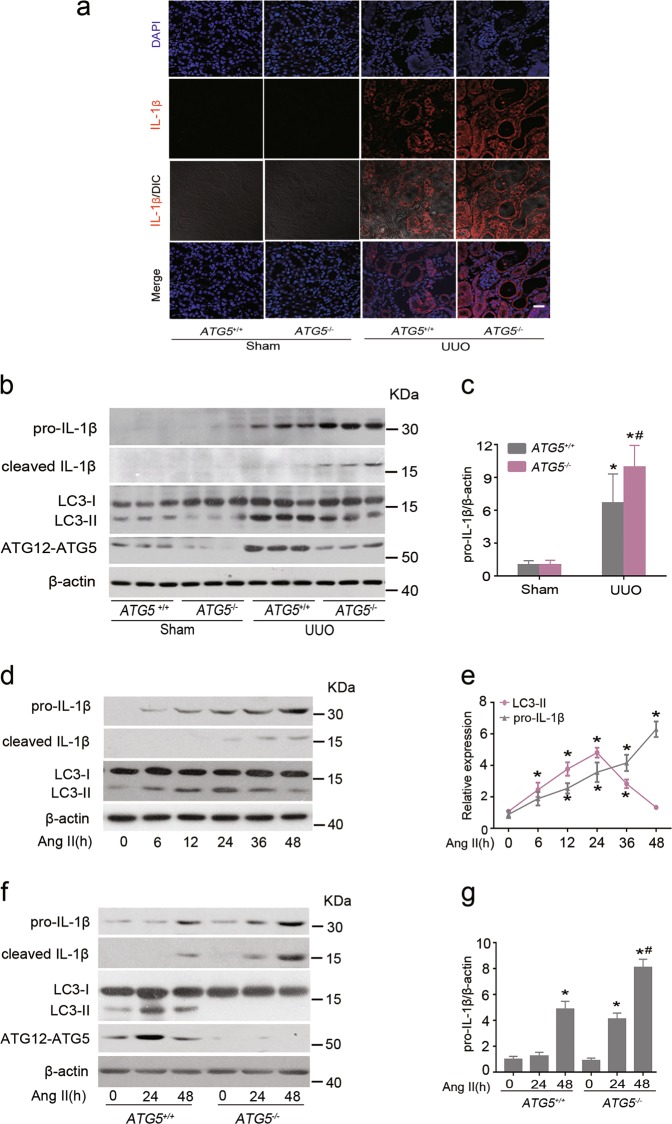
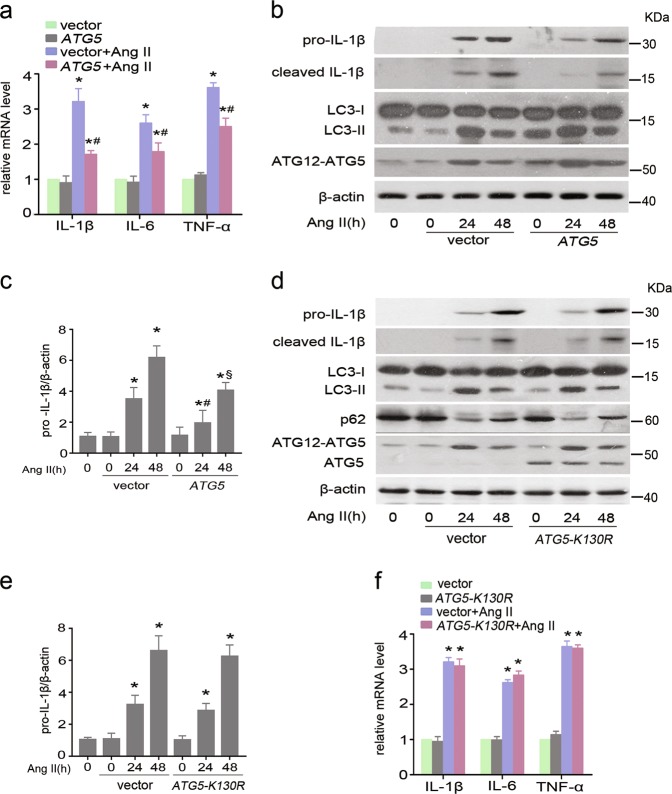
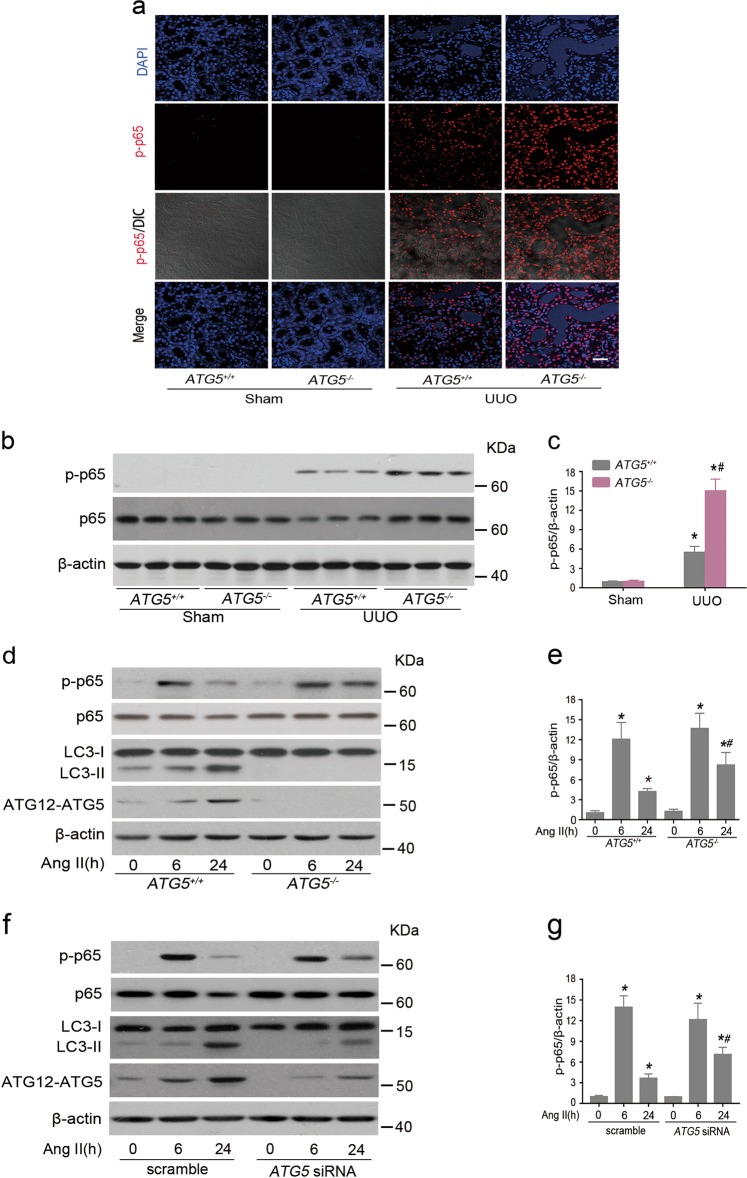
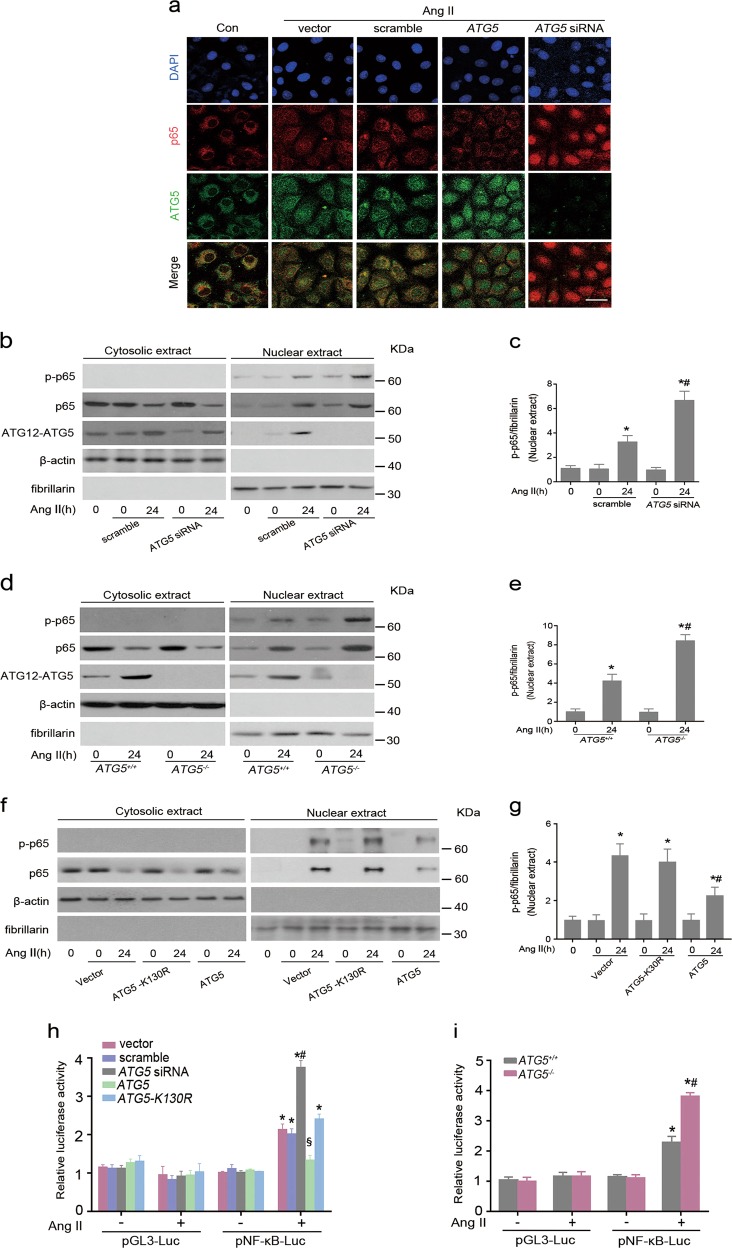
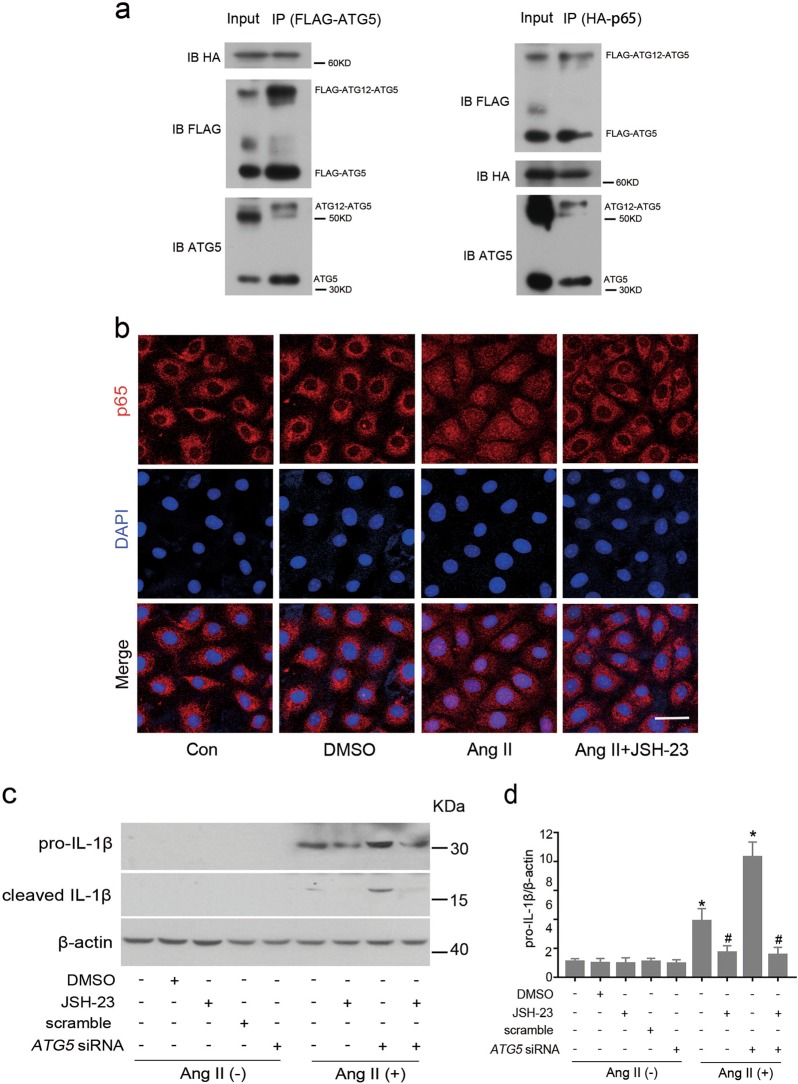
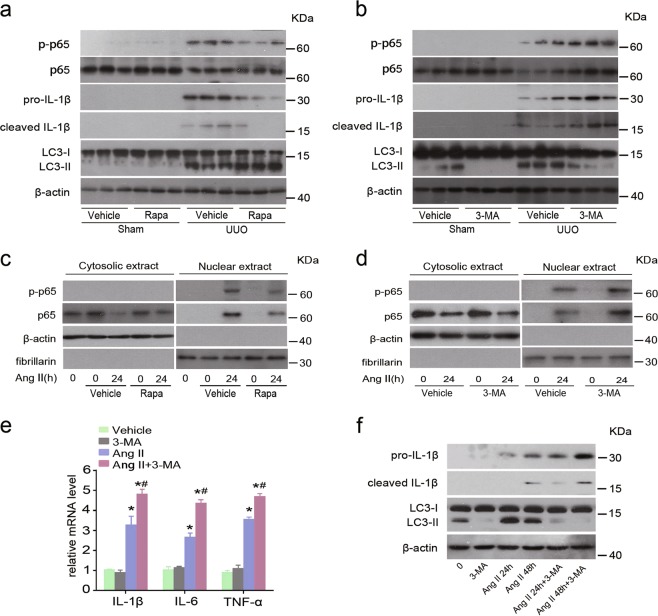
G2/M-arrested proximal tubular epithelial cells (TECs) after renal injury are linked to increased cytokines production. ATG5-mediated autophagy in proximal TECs has recently been shown to protect against G2/M cell cycle arrest and renal fibrosis. However, the impacts of autophagy in regulating inflammatorily response mounted by injured TECs remains largely unknown. In the present study, we investigated whether ATG5 acts as an innate immune suppressor in proximal TECs during kidney injury. Using the unilateral ureteric obstruction model in proximal tubule-specific autophagy-deficient mice, we demonstrated that ablation of epithelial ATG5 genes markedly impaired autophagy, resulting in enhanced nuclear factor κB (NF-κB) activation, macrophage and lymphocyte infiltration, and proinflammatory cytokines production in obstructed kidneys, as compared with wild-type mice. Following stimulation with angiotensin II (Ang II), siRNA silencing of ATG5 in cultured HK-2 cells or ATG5-deficient primary proximal TECs produced more cytokines, including IL-1β, IL-6, and TNF-α than did their control cells. Overexpressed ATG5, but not the autophagy-incompetent ATG5 mutant K130R in HK-2 cells, rendered resistant to Ang II-induced inflammatory response. Immunofluorescence assay indicated that ATG5 and p65 colocalized in the nucleus and cytoplasm, and their interaction was verified in immunoprecipitation assay from HEK-293T cell extracts. Genetic downregulation of endogenous ATG5 increased Ang II-induced phosphorylation and nuclear translocation of p65 and transcriptional activity of NF-κB, whereas the overexpressed ATG5, rather than ATG5 mutant K130R, hampered activation of NF-κB signaling, suggest an autophagy-dependent anti-inflammatory effect of ATG5. Further, pharmacological manipulation of autophagy yielded similar results both in vivo and in vitro. Additionally, JSH-23, a specific inhibitor of NF-κB nuclear translocation, rescued Ang II-driven IL-1β production in ATG5 siRNA-treated cells and decreased the proportion of cells in G2/M phase. In conclusion, ATG5-mediated autophagy in tubules targets NF-κB signaling to protect against renal inflammation.
Overview
The claims and statistics of this paper haven’t been checked yet.
Free: it reads the open-access text and checks the first 5 claims that cite a source we can check. Create a free account to check every claim.
Integrity signals
Registry
Cites
Statistics
Figures
Verification
Claims the paper makes
The claims and statistics of this paper haven’t been checked yet.
Free: it reads the open-access text and checks the first 5 claims that cite a source we can check. Create a free account to check every claim.
Claims other papers make about this one
Each is checked against this paper’s own text: does it say what the citing paper says it does?
The cited source says what the claim attributes to it.
In the citing paper
“The same research group subsequently demonstrated that ATG5-mediated autophagy suppressed NF-κB signalling, which limited tubular cell inflammation in response to the kidney injury induced by UUO or angiotensin II120.”
From Autophagy in kidney homeostasis and disease (2020) · cites this paper as [120]
Self-check
Percentages, sums and reported differences re-computed from the paper’s own numbers.
The self-check needs the paper’s full text.
Citations
Cites
A protein conjugation system essential for autophagy
Mizushima, N., Noda, T., Yoshimori, T., Tanaka, Y., Ishii, T., George, M. D., Klionsky, D. J., Ohsumi, M., & Ohsumi, Y. (1998) · Nature · doi:10.1038/26506 · Cited by 1,699
Epithelial cell cycle arrest in G2/M mediates kidney fibrosis after injury
Yang, L., Besschetnova, T. Y., Brooks, C. R., Shah, J. V., & Bonventre, J. V. (2010) · Nature Medicine · doi:10.1038/nm.2144 · Cited by 1,333
NF-κB Restricts Inflammasome Activation via Elimination of Damaged Mitochondria
Zhong, Z., Umemura, A., Sanchez-Lopez, E., Liang, S., Shalapour, S., Wong, J., He, F., Boassa, D., Perkins, G., Ali, S. R., et al. (2016) · Cell · doi:10.1016/j.cell.2015.12.057 · Cited by 1,197
Renal tubule injury: a driving force toward chronic kidney disease
Liu, B.-C., Tang, T.-T., Lv, L.-L., & Lan, H.-Y. (2018) · Kidney International · doi:10.1016/j.kint.2017.09.033 · Cited by 913
Jiang, P., & Mizushima, N. (2014) · Cell Research · doi:10.1038/cr.2013.161 · Cited by 775
Inflammatory processes in renal fibrosis
Meng, X.-M., Nikolic-Paterson, D. J., & Lan, H. Y. (2014) · Nature Reviews Nephrology · doi:10.1038/nrneph.2014.114 · Cited by 690
Autophagy, Inflammation, and Immunity: A Troika Governing Cancer and Its Treatment
Zhong, Z., Sanchez-Lopez, E., & Karin, M. (2016) · Cell · doi:10.1016/j.cell.2016.05.051 · Cited by 576
Sanz, A. B., Sanchez-Niño, M. D., Ramos, A. M., Moreno, J. A., Santamaria, B., Ruiz-Ortega, M., Egido, J., & Ortiz, A. (2010) · Journal of the American Society of Nephrology · doi:10.1681/asn.2010020218 · Cited by 567
Autophagy Protects the Proximal Tubule from Degeneration and Acute Ischemic Injury
Kimura, T., Takabatake, Y., Takahashi, A., Kaimori, J.-Y., Matsui, I., Namba, T., Kitamura, H., Niimura, F., Matsusaka, T., Soga, T., et al. (2011) · Journal of the American Society of Nephrology · doi:10.1681/asn.2010070705 · Cited by 461
Autophagy and cellular immune responses
Ma, Y., Galluzzi, L., Zitvogel, L., & Kroemer, G. (2013) · Immunity · doi:10.1016/j.immuni.2013.07.017 · Cited by 447
NF-κB and cell-cycle regulation: the cyclin connection
JOYCE, D., ALBANESE, C., STEER, J., FU, M., BOUZAHZAH, B., & PESTELL, R. (2001) · Cytokine & Growth Factor Reviews · doi:10.1016/s1359-6101(00)00018-6 · Cited by 393
NF-κB in inflammation and renal diseases
Zhang, H., & Sun, S.-C. (2015) · Cell & Bioscience · doi:10.1186/s13578-015-0056-4 · Cited by 383
Lv, W., Booz, G. W., Wang, Y., Fan, F., & Roman, R. J. (2018) · European Journal of Pharmacology · doi:10.1016/j.ejphar.2017.12.016 · Cited by 338
Self-citationDe Meyer, G. R. Y., Grootaert, M. O. J., Michiels, C. F., Kurdi, A., Schrijvers, D. M., & Martinet, W. (2015) · Circulation Research · doi:10.1161/circresaha.116.303804 · Cited by 287
Baldwin, A. S. (2012) · Immunological Reviews · doi:10.1111/j.1600-065x.2012.01095.x · Cited by 277
Cianfanelli, V., Fuoco, C., Lorente, M., Salazar, M., Quondamatteo, F., Gherardini, P. F., De Zio, D., Nazio, F., Antonioli, M., D’Orazio, M., et al. (2015) · Nature Cell Biology · doi:10.1038/ncb3072 · Cited by 261
Livingston, M. J., Ding, H.-F., Huang, S., Hill, J. A., Yin, X.-M., & Dong, Z. (2016) · Autophagy · doi:10.1080/15548627.2016.1166317 · Cited by 253
The complex interplay between autophagy and NF-κB signaling pathways in cancer cells.
Trocoli, A., & Djavaheri‐Mergny, M. (2011) · PubMed Central · Cited by 227
Autophagy and kidney inflammation
Kimura, T., Isaka, Y., & Yoshimori, T. (2017) · Autophagy · doi:10.1080/15548627.2017.1309485 · Cited by 224
Li, H., Peng, X., Wang, Y., Cao, S., Xiong, L., Fan, J., Wang, Y., Zhuang, S., Yu, X., & Mao, H. (2016) · Autophagy · doi:10.1080/15548627.2016.1190071 · Cited by 188
Self-citationTubular Epithelial NF-κB Activity Regulates Ischemic AKI
Markó, L., Vigolo, E., Hinze, C., Park, J.-K., Roël, G., Balogh, A., Choi, M., Wübken, A., Cording, J., Blasig, I. E., et al. (2016) · Journal of the American Society of Nephrology · doi:10.1681/asn.2015070748 · Cited by 178
Chang, C.-P., Su, Y.-C., Hu, C.-W., & Lei, H.-Y. (2013) · Cell Death & Differentiation · doi:10.1038/cdd.2012.146 · Cited by 175
Interaction between systemic inflammation and renal tubular epithelial cells
Cantaluppi, V., Quercia, A. D., Dellepiane, S., Ferrario, S., Camussi, G., & Biancone, L. (2014) · Nephrology Dialysis Transplantation · doi:10.1093/ndt/gfu046 · Cited by 154
Autophagy in kidney disease and aging: lessons from rodent models
Lenoir, O., Tharaux, P.-L., & Huber, T. B. (2016) · Kidney International · doi:10.1016/j.kint.2016.04.014 · Cited by 148
Immunologic manifestations of autophagy
Deretic, V., Kimura, T., Timmins, G., Moseley, P., Chauhan, S., & Mandell, M. (2015) · Journal of Clinical Investigation · doi:10.1172/jci73945 · Cited by 145
ATG5 is induced by DNA-damaging agents and promotes mitotic catastrophe independent of autophagy
Maskey, D., Yousefi, S., Schmid, I., Zlobec, I., Perren, A., Friis, R., & Simon, H.-U. (2013) · Nature Communications · doi:10.1038/ncomms3130 · Cited by 144
Autophagy in immunity: Implications in etiology of autoimmune/autoinflammatory diseases
Zhou, S., & Zhang, H. (2012) · Autophagy · doi:10.4161/auto.21212 · Cited by 140
Mechanisms and biological functions of autophagy in diseased and ageing kidneys
Fougeray, S., & Pallet, N. (2014) · Nature Reviews Nephrology · doi:10.1038/nrneph.2014.201 · Cited by 115
Kanayama, M., Inoue, M., Danzaki, K., Hammer, G., He, Y.-W., & Shinohara, M. L. (2015) · Nature Communications · doi:10.1038/ncomms6779 · Cited by 114
Zhang, Y., Guo, X., Yan, W., Chen, Y., Ke, M., Cheng, C., Zhu, X., Xue, W., Zhou, Q., Zheng, L., et al. (2017) · Nature Communications · doi:10.1038/s41467-017-02355-w · Cited by 108
Regulation of the G2–M cell cycle progression by the ERK5–NFκB signaling pathway
Cude, K. J., Wang, Y., Choi, H.-J., Hsuan, S., Zhang, H., Wang, C.-Y., & Xia, Z. (2007) · The Journal of Cell Biology · doi:10.1083/jcb.200609166 · Cited by 102
Self-citationHSP72 attenuates renal tubular cell apoptosis and interstitial fibrosis in obstructive nephropathy
Mao, H., Li, Z., Zhou, Y., Li, Z., Zhuang, S., An, X., Zhang, B., Chen, W., Nie, J., Wang, Z., et al. (2008) · American Journal of Physiology-Renal Physiology · doi:10.1152/ajprenal.00468.2007 · Cited by 100
Self-citationIadevaia, V., Huo, Y., Zhang, Z., Foster, L. J., & Proud, C. G. (2012) · Biochemical Society Transactions · doi:10.1042/bst20110682 · Cited by 92
Protein Kinase Cδ Suppresses Autophagy to Induce Kidney Cell Apoptosis in Cisplatin Nephrotoxicity
Zhang, D., Pan, J. M., Xiang, X., Liu, Y., Dong, G., Livingston, M. J., Chen, J.-K., Yin, X., & Dong, Z. (2016) · Journal of the American Society of Nephrology · doi:10.1681/asn.2016030337 · Cited by 89
The Effect of Autophagy on Inflammation Cytokines in Renal Ischemia/Reperfusion Injury
Ling, H., Chen, H., Miao, W., Meng, X., Yu, Y., & Xie, K. (2015) · Inflammation · doi:10.1007/s10753-015-0255-5 · Cited by 65
Yang, S., Qiang, L., Sample, A., Shah, P., & He, Y.-Y. (2017) · Journal of Biological Chemistry · doi:10.1074/jbc.m116.756536 · Cited by 60
Cianfanelli, V., Fuoco, C., Lorente, M., Salazar‐Roa, M., Quondamatteo, F., Gherardini, P. F., Zio, D. D., Nazio, F., Antonioli, M., D’Orazio, M., et al. (2015) · Nature Cell Biology · doi:10.1038/ncb3171 · Cited by 54
Endothelial NF-κB Blockade Abrogates ANCA-Induced GN
Choi, M., Schreiber, A., Eulenberg-Gustavus, C., Scheidereit, C., Kamps, J. A. A. M., & Kettritz, R. (2017) · Journal of the American Society of Nephrology · doi:10.1681/asn.2016060690 · Cited by 39
SKP2 attenuates NF-κB signaling by mediating IKKβ degradation through autophagy
Liu, K., Zhang, L., Zhao, Q., Zhao, Z., Zhi, F., Qin, Y., & Cui, J. (2018) · Journal of Molecular Cell Biology · doi:10.1093/jmcb/mjy012 · Cited by 37
Zhang, L.-X., Zhao, H.-J., Sun, D.-L., Gao, S.-L., Zhang, H., & Ding, X.-G. (2017) · Molecular Medicine Reports · doi:10.3892/mmr.2017.6768 · Cited by 30
Autophagy joins the game to regulate NF-κB signaling pathways
Djavaheri‐Mergny, M., & Codogno, P. (2007) · Cell Research · doi:10.1038/cr.2007.58 · Cited by 27
Zhou, Y., Cao, S., Li, H., Peng, X., Wang, Y., Fan, J., Wang, Y., Zhuang, S., Yu, X., & Mao, H. (2016) · American Journal Of Pathology · doi:10.1016/j.ajpath.2015.11.016 · Cited by 18
Self-citationHIV-1 Vpr protein activates the NF-κB pathway to promote G2/M cell cycle arrest
Liang, Z., Liu, R., Lin, Y., Liang, C., Tan, J., & Qiao, W. (2015) · Virologica Sinica · doi:10.1007/s12250-015-3654-8 · Cited by 17
Activation of NF-κB signaling in hepatocytes induces liver fibrosis
Ray, K. (2012) · Nature Reviews Gastroenterology & Hepatology · doi:10.1038/nrgastro.2012.61 · Cited by 8
Cited by
Autophagy in kidney homeostasis and disease
Tang, C., Livingston, M. J., Liu, Z., & Dong, Z. (2020) · Nature Reviews Nephrology · doi:10.1038/s41581-020-0309-2 · Cited by 496
Role of AMPK mediated pathways in autophagy and aging
Ge, Y., Zhou, M., Chen, C., Wu, X., & Wang, X. (2022) · Biochimie · doi:10.1016/j.biochi.2021.11.008 · Cited by 249
Choi, M. E. (2020) · Annual Review of Physiology · doi:10.1146/annurev-physiol-021119-034658 · Cited by 150
Inhibition of NF-κB signaling unveils novel strategies to overcome drug resistance in cancers
Li, Y., Zhao, B., Peng, J., Tang, H., Wang, S., Peng, S., Ye, F., Wang, J., Ouyang, K., Li, J., et al. (2024) · Drug Resistance Updates · doi:10.1016/j.drup.2023.101042 · Cited by 151
Cocco, S., Leone, A., Roca, M. S., Lombardi, R., Piezzo, M., Caputo, R., Ciardiello, C., Costantini, S., Bruzzese, F., Sisalli, M. J., et al. (2022) · Journal of Translational Medicine · doi:10.1186/s12967-022-03462-z · Cited by 138
Metadata
- Authors
- Peng, X., Wang, Y., Li, H., Fan, J., Shen, J., Yu, X., Zhou, Y., & Mao, H.
- Affiliations
- Sun Yat-sen University (CN)
- Corresponding author
- Zhou, Yi
- Mao, Haiping
- Venue
- Cell Death & Disease
- Published
- 2019-03-15
- Volume
- 10
- Issue
- 4
- Pages
- 253-253
- ISSN
- 2041-4889 (ISSN-L)
- PMC
- PMC6420665
- OpenAlex
- W2921730701
- Cited by
- 183
- References
- 44
- Citations by year
- 2026: 15 · 2025: 18 · 2024: 41 · 2023: 38 · 2022: 34 · 2021: 23 · 2020: 9 · 2019: 4
- FWCI
- 13.32
- Type
- journal article
- Language
- en
- Open access
- gold
- doi.org
- Licence
- cc-by
- creativecommons.org/licenses/by/4.0 (tdm)
- creativecommons.org/licenses/by/4.0 (vor)
- Locations
- Cell Death and Disease (publishedVersion, cc-by)
- Europe PMC (PubMed Central) (publishedVersion, cc-by)
- PubMed Central (publishedVersion, cc-by)
- PubMed (publishedVersion)
- DOAJ (DOAJ: Directory of Open Access Journals) (submittedVersion)
- Funders
- National Natural Science Foundation of China (81770685, 81270783, 81670630)
- Topics
- Life Sciences › Biochemistry, Genetics and Molecular Biology › Cell Biology › Autophagy in Disease and Therapy
- Health Sciences › Medicine › Nephrology › Acute Kidney Injury Research
- Life Sciences › Biochemistry, Genetics and Molecular Biology › Cancer Research › NF-κB Signaling Pathways
- Keywords
- ATG5, autophagy, NF-κB signaling, kidney injury, proximal tubular epithelial cells, renal inflammation, angiotensin II, G2/M cell cycle arrest, p65 nuclear translocation, inflammatory cytokines, unilateral ureteral obstruction, JSH-23, innate immune suppression
- MeSH terms
- Autophagy-Related Protein 5, Angiotensin II, Animals, Autophagy, Cells, Cultured, Disease Models, Animal, Fibrosis, Humans, Inflammation, Kidney, Kidney Tubules, Proximal, Male, Mice, Inbred C57BL, Ureteral Obstruction, Signal Transduction, Cytokines, NF-kappa B, Mice, Knockout, Mice, HEK293 Cells, G2 Phase Cell Cycle Checkpoints
About these checks
Registry, retraction, Cites and statistics results are computed, not judged, with one exception: a printed reference that no index lists is read once by a model before it counts as a citation error. Claims are extracted by a model and kept only when their quote appears verbatim in the text; each cited source is then checked, with a model’s help, for whether it says what the claim relies on. Those verdicts can be wrong — read the claim’s quote and the cited source before relying on one.
Statistics and arithmetic are recomputed, not judged.
Confidence bands are shown only for fields calibrated on our annotated test set. None is calibrated yet, so no band is shown.
What counts as a claim ›How we measure confidence ›How we check this ›
Are you an author, or do you see a problem with this page? Request a review
Data sources
Bibliographic data: Semantic Scholar, OpenAlex, Crossref.
Contains information from the Semantic Scholar Academic Graph Datasets, made available under the ODC Attribution License (ODC-BY 1.0).
Semantic Scholar’s data is described in: Kinney, R., et al. (2023). The Semantic Scholar Open Data Platform. arXiv:2301.10140.
