

The DOI matches its Crossref record; 229 of the 229 references it cites were found in a registry or an index.
Crosstalk between G-quadruplex and ROS
Open accessAbstract
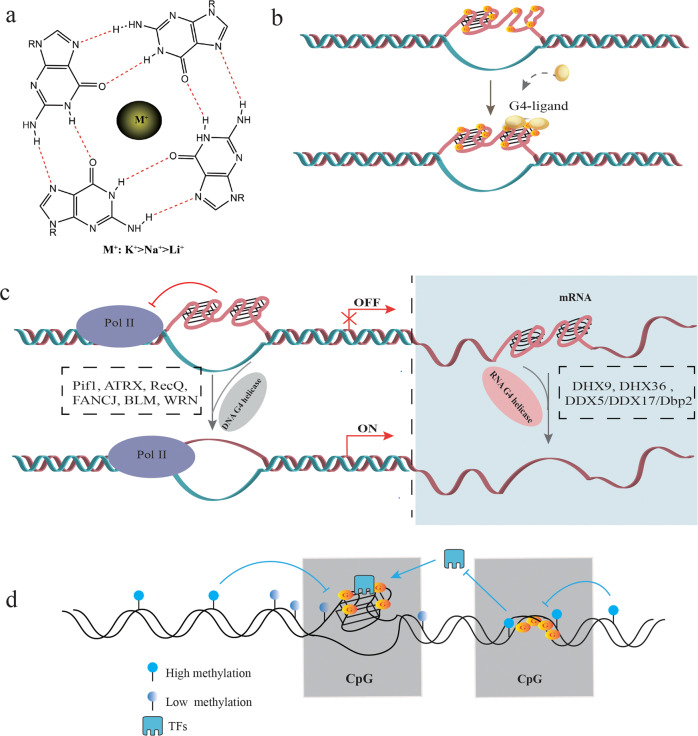
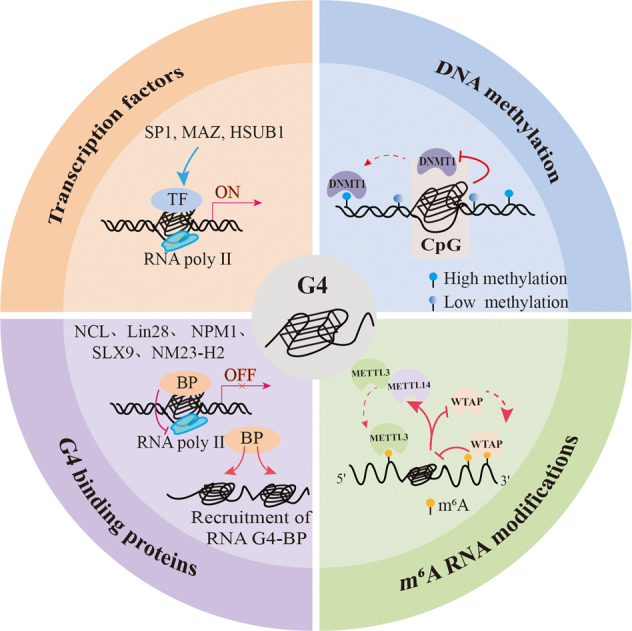
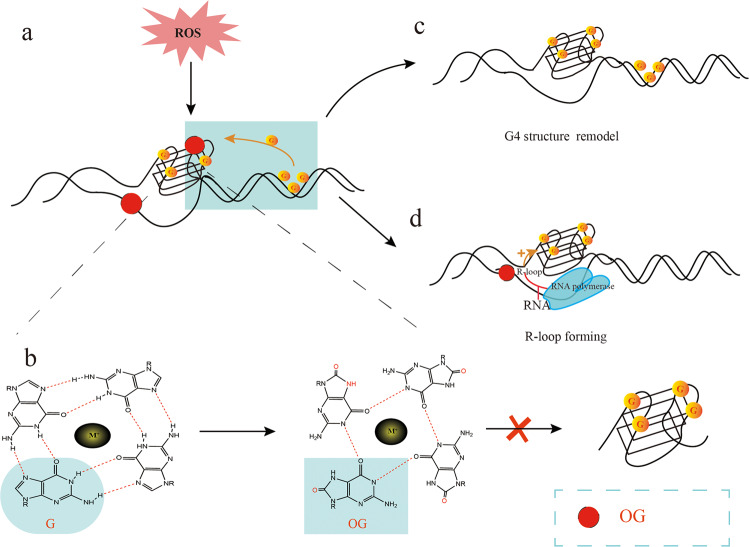
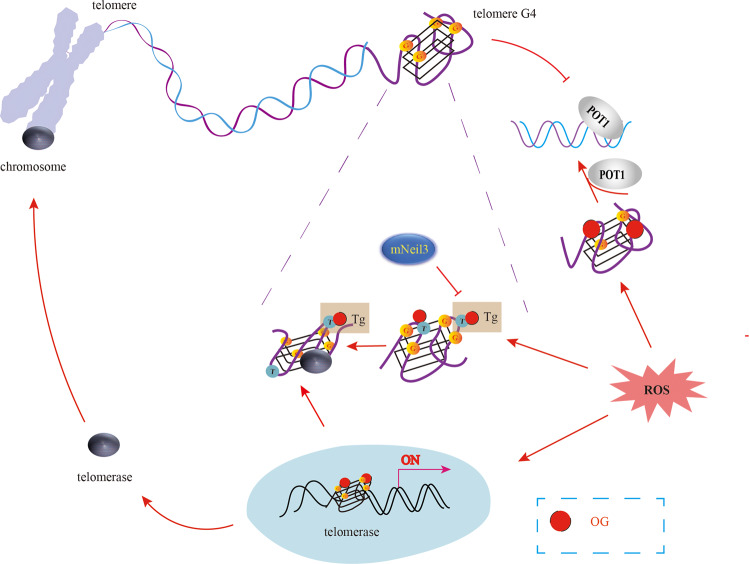
The excessive production of reactive oxygen species (ROS) can lead to single nucleic acid base damage, DNA strand breakage, inter- and intra-strand cross-linking of nucleic acids, and protein-DNA cross-linking involved in the pathogenesis of cancer, neurodegenerative diseases, and aging. G-quadruplex (G4) is a stacked nucleic acid structure that is ubiquitous across regulatory regions of multiple genes. Abnormal formation and destruction of G4s due to multiple factors, including cations, helicases, transcription factors (TFs), G4-binding proteins, and epigenetic modifications, affect gene replication, transcription, translation, and epigenetic regulation. Due to the lower redox potential of G-rich sequences and unique structural characteristics, G4s are highly susceptible to oxidative damage. Additionally, the formation, stability, and biological regulatory role of G4s are affected by ROS. G4s are involved in regulating gene transcription, translation, and telomere length maintenance, and are therefore key players in age-related degeneration. Furthermore, G4s also mediate the antioxidant process by forming stress granules and activating Nrf2, which is suggestive of their involvement in developing ROS-related diseases. In this review, we have summarized the crosstalk between ROS and G4s, and the possible regulatory mechanisms through which G4s play roles in aging and age-related diseases.
Overview
The claims and statistics of this paper haven’t been checked yet.
Run the check — free, no account needed. It reads the open-access text and checks the sources it cites.
Integrity signals
Registry
Cites
Statistics
Figures
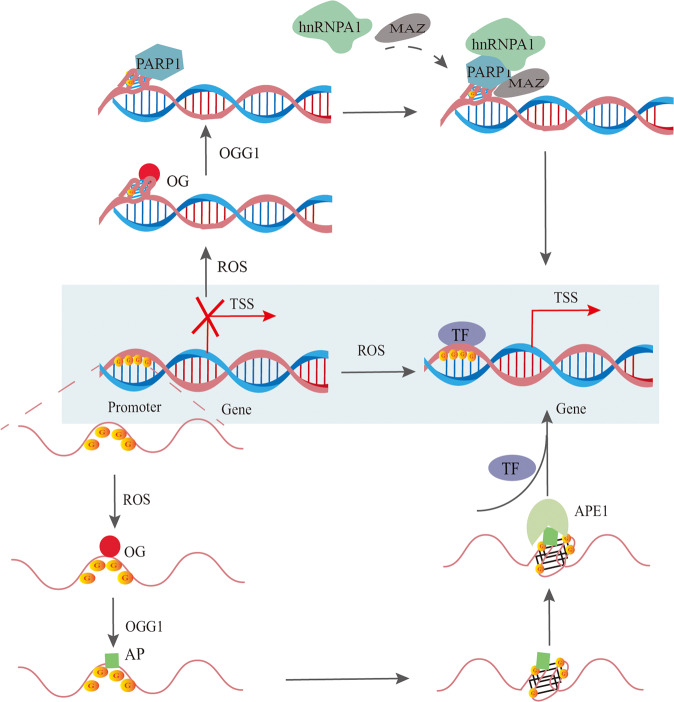
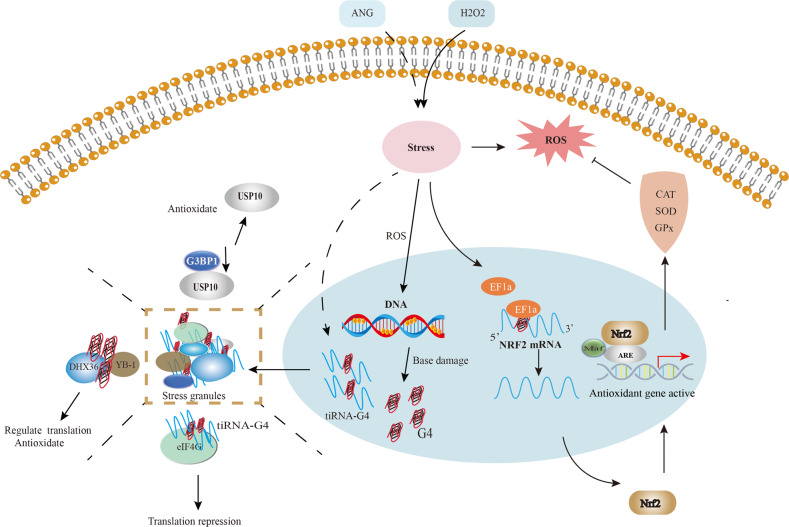
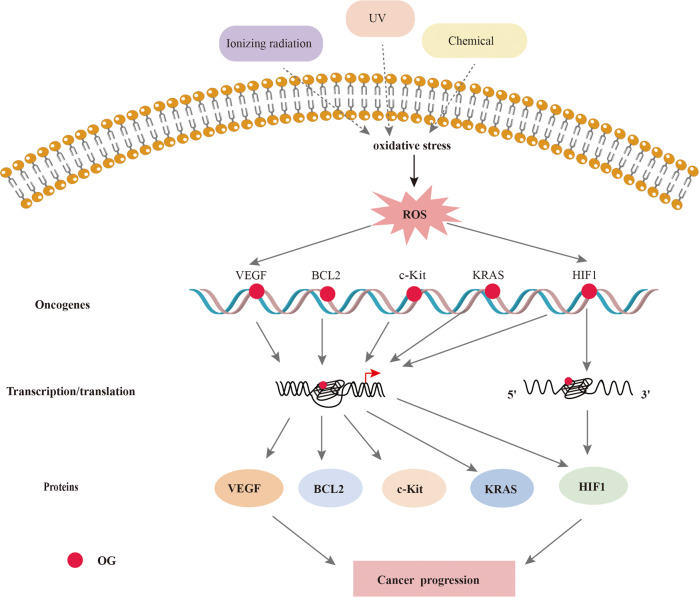
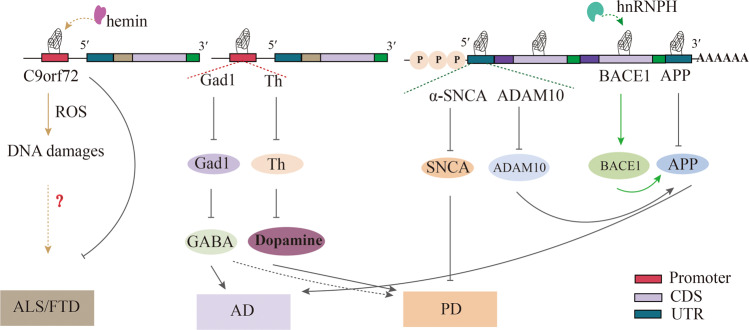
Verification
Claims the paper makes
The claims and statistics of this paper haven’t been checked yet.
Run the check — free, no account needed. It reads the open-access text and checks the sources it cites.
Claims other papers make about this one
Each is checked against this paper’s own text: does it say what the citing paper says it does?
The source backs part of the claim, not all of it — or backs it for a different population, condition or comparison.
In the citing paper
“Furthermore, G4s are highly susceptible to oxidative damage, as G-rich sequences have a low redox-potential and thus can act as ROS-sinks (84).”
From G-quadruplex-mediated genomic instability drives SNVs in cancer (2024) · cites this paper as [84]
Experimental — accuracy not yet measured
Self-check
Percentages, sums and reported differences re-computed from the paper’s own numbers.
The self-check needs the paper’s full text.
Citations
Cites
The DNA-damage response in human biology and disease
Jackson, S. P., & Bartek, J. (2009) · Nature · doi:10.1038/nature08467 · Cited by 6,092 · cited 1×
“A disproportionate level of oxidative stress and an aberrant DDR machinery can lead to accumulated damaged DNA and trigger apoptotic pathways [8], which is the pathological basis of aging and agingrelated diseases [9, 10].”
BackgroundFunctions of DNA methylation: islands, start sites, gene bodies and beyond
Jones, P. A. (2012) · Nature Reviews Genetics · doi:10.1038/nrg3230 · Cited by 6,061 · cited 1×
“The stability of G4 structure is also affected by DNA methylation, a key epigenetic modification that acts as a transcriptional repressor [58].”
BackgroundReactive oxygen species (ROS) as pleiotropic physiological signalling agents
Sies, H., & Jones, D. P. (2020) · Nature Reviews Molecular Cell Biology · doi:10.1038/s41580-020-0230-3 · Cited by 5,335 · cited 1×
“Low levels of ROS act as signaling molecules that regulate proliferation, angiogenesis, and metastasis [2].”
BackgroundPhotodynamic therapy of cancer: An update
Agostinis, P., Berg, K., Cengel, K. A., Foster, T. H., Girotti, A. W., Gollnick, S. O., Hahn, S. M., Hamblin, M. R., Juzeniene, A., Kessel, D., et al. (2011) · CA: A Cancer Journal for Clinicians · doi:10.3322/caac.20114 · Cited by 5,145 · cited 1×
“Photodynamic therapy (PDT) is a minimally invasive cancer treatment compared to surgery, chemotherapy, and radiotherapy [173].”
BackgroundTargeting Hypoxia-Inducible Factors for the Treatment of Anemia in Chronic Kidney Disease Patients
Locatelli, F., Fishbane, S. N., Block, G. A., & Macdougall, I. C. (2017) · American Journal of Nephrology · doi:10.1159/000455166 · Cited by 4,836
Oxidative stress shortens telomeres
von Zglinicki, T. (2002) · Trends in Biochemical Sciences · doi:10.1016/s0968-0004(02)02110-2 · Cited by 2,524
Oxidative Stress: A Key Modulator in Neurodegenerative Diseases
Singh, A., Kukreti, R., Saso, L., & Kukreti, S. (2019) · Molecules · doi:10.3390/molecules24081583 · Cited by 2,398 · cited 1×
“Oxidative stress is a regulatory element in aging and various neurological disorders [189], associated with excessive ROS production [190].”
BackgroundThe Nrf2 regulatory network provides an interface between redox and intermediary metabolism
Hayes, J. D., & Dinkova‐Kostova, A. T. (2014) · Trends in Biochemical Sciences · doi:10.1016/j.tibs.2014.02.002 · Cited by 2,210 · cited 1×
“It is translocated to the nucleus, wherein it binds to the AREs along with the Maf protein, and initiates the transcription of phase II detoxification enzymes and antioxidant genes, such as heme oxygenase-1 (HO1), CAT, SOD, GSTs, NADP (H) quinone oxidoreductase 1 (NQO1), etc [150, 151].”
BackgroundQuantitative visualization of DNA G-quadruplex structures in human cells
Biffi, G., Tannahill, D., McCafferty, J., & Balasubramanian, S. (2013) · Nature Chemistry · doi:10.1038/nchem.1548 · Cited by 2,173
ROS and the DNA damage response in cancer
Srinivas, U. S., Tan, B. W. Q., Vellayappan, B. A., & Jeyasekharan, A. D. (2019) · Redox Biology · doi:10.1016/j.redox.2018.101084 · Cited by 2,144 · cited 1×
“Secondly, the DDR is not activated at the telomeres, and the shelterin proteins TRF1 and TRF2 bind to ROSdamaged telomere DNA with low affinity [116, 117].”
Background
Research works printed but not linked: 5
- Neeley W, Essigmann J. Mechanisms of formation, genotoxicity, and mutation of guanine oxidation products. Chem Res Toxicol. 2006;19:491–505. · DOI · Paper page
- von Zglinicki T. Oxidative stress shortens telomeres. Trends Biochem Sci. 2002;27:339–44. · DOI · Paper page
- Frenkel KJP. therapeutics Carcinog-mediated Oxid formation Oxid DNA damage. 1992;53:127–66.
- Chen H, Long H, Cui X, Zhou J, Xu M, Yuan G. Exploring the formation and recognition of an important G-quadruplex in a HIF1alpha promoter and its transcriptional inhibition by a benzo[c]phenanthridine derivative. J Am Chem Soc. 2014;136:2583–91. · DOI
- Marie-Paule TF, Carolina C, Lionel G, Christian B, Patrizia A, Jean-Louis M, et al. Selective recognition of G-quadruplex telomeric DNA by a bis(quinacridine) macrocycle. JACS 2003;125:4732–40. · DOI
Cited by
Sorted by citations
Deiana, M., Castán, J. M. A., Josse, P., Kahsay, A. G., Sánchez, D. P., Morice, K., Gillet, N., Ravindranath, R., Patel, A. K., Sengupta, P., et al. (2023) · Nucleic Acids Research · doi:10.1093/nar/gkad365 · Cited by 67
“In addition, guanine has the lowest redox potential among the four DNA bases and runs of guanines render these sequences e v en more prone to oxidation ( 51 , 108 ) providing opportunities to maximize DNA damage by using G4-specific PSs.”
Epithelial–mesenchymal plasticity in kidney fibrosis
Hadpech, S., & Thongboonkerd, V. (2023) · genesis · doi:10.1002/dvg.23529 · Cited by 62
“ROS also acts as a secondary messenger in cellular signaling pathways (Ming et al., 2022; Wu et al., 2023).”
BackgroundG-quadruplexes and associated proteins in aging and Alzheimer’s disease
Kumar, M. J. V., Morales, R., & Tsvetkov, A. S. (2023) · Frontiers in Aging · doi:10.3389/fragi.2023.1164057 · Cited by 34
“The oxidative DNA damage is increased in genes that are rich in G-rich sequences and have the propensity to form G4-DNA motifs (Brosh and Bohr, 2007; Bielskute et al., 2021; Wu et al., 2023).”
BackgroundMultifunctional Cerium Oxide Nanozyme for Synergistic Dry Eye Disease Therapy
Zou, H., Hong, Y., Xu, B., Wang, M., Xie, H., Wang, Y., & Lin, Q. (2024) · ACS Applied Materials & Interfaces · doi:10.1021/acsami.4c07390 · Cited by 30
Luo, T., Yang, S., Zhao, T., Zhu, H., Chen, C., Shi, X., Chen, D., Wang, K., Jiang, K., Xu, D., et al. (2023) · Cell Death and Disease · doi:10.1038/s41419-023-05913-x · Cited by 32
Wang, Z., Zhou, J., Lin, L., & Hu, M.-H. (2023) · European Journal of Medicinal Chemistry · doi:10.1016/j.ejmech.2023.116046 · Cited by 23
Moazamian, A., Saez, F., Drevet, J. R., Aitken, R. J., & Gharagozloo, P. (2025) · Antioxidants · doi:10.3390/antiox14050570 · Cited by 26
“When 8-OHdG is converted to an AP site within potential G4 sequences, these structural changes can further modify local methylation dynamics [97].”
Atiakshin, D., Kostin, A. A., Volodkin, A. V., Nazarova, A. A., Шишкина, В. В., Esaulenko, D., Buchwalow, I., Tiemann, M., & Noda, M. (2023) · Pharmaceuticals · doi:10.3390/ph16060817 · Cited by 20
G-quadruplex-mediated genomic instability drives SNVs in cancer
Richl, T., Kuper, J., & Kisker, C. (2024) · Nucleic Acids Research · doi:10.1093/nar/gkae098 · Cited by 20
“Furthermore, G4s are highly susceptible to oxidative damage, as G-rich sequences have a low redox-potential and thus can act as ROS-sinks ( 84 ).”
BackgroundLong, Y., Shi, H., Ye, J., & Qi, X. (2025) · Antioxidants · doi:10.3390/antiox14010114 · Cited by 22
Zhang, X., Wang, J., & Hu, M.-H. (2024) · ACS Pharmacology & Translational Science · doi:10.1021/acsptsci.4c00234 · Cited by 19
Prasad, K., Sasi, S., Weerasinghe, J., Levchenko, I., & Bazaka, K. (2023) · Molecules · doi:10.3390/molecules28227481 · Cited by 19
“Hydroxyl radicals, on the other hand, cause direct damage to the DNA by oxidization of pyrimidine and purine bases leading to the formation of 8-hydroxy-2-deoxygunoise and other oxidative lesions, which then interfere with usual DNA replication and transcription [70].”
BackgroundCold plasma irradiation inhibits skin cancer via ferroptosis
Sun, T., Liu, C., Kong, L., Zha, J., & Ni, G. (2024) · Biomedical Physics & Engineering Express · doi:10.1088/2057-1976/ad8200 · Cited by 16
Metal nanozymes modulation of reactive oxygen species as promising strategies for cancer therapy
Bu, J.-W., Wang, Z., Liu, H., & Liu, S. (2024) · International Journal of Pharmaceutics · doi:10.1016/j.ijpharm.2024.124453 · Cited by 13
RNA–DNA Differences: Mechanisms, Oxidative Stress, Transcriptional Fidelity, and Health Implications
Štolc, V., Preto, O., Karhánek, M., Freund, F., Griko, Y. V., Loftus, D. J., & Ohayon, M. M. (2025) · Antioxidants · doi:10.3390/antiox14050544 · Cited by 12
Maurizio, I., Ruggiero, E., Zanin, I., Conflitti, M., Nicoletto, G., Provvedi, R., & Richter, S. N. (2025) · Nature Communications · doi:10.1038/s41467-025-62485-4 · Cited by 10
“ROS have been demonstrated to be responsible for the reduced thermal stability of G4s due to guanine oxidation and consequent disruption of the Hoogsteen hydrogen bonds 43,56 .”
Ye, H.-F., Zhang, H., Xiang, J., Shen, G., Yang, F., Wang, F., Wang, J., & Tang, Y.-L. (2023) · International Journal of Biological Macromolecules · doi:10.1016/j.ijbiomac.2023.127825 · Cited by 9
Comptdaer, T., Tardivel, M., Schirmer, C., Buée, L., & Galas, M. (2024) · Brain Pathology · doi:10.1111/bpa.13262 · Cited by 8
“This implies that robust prosurvival mechanisms are in place to prevent cell death during all this time [ 39, 42, 44].”
Causes and consequences of DNA double-stranded breaks in cardiovascular disease
Marian, A. J. (2024) · Molecular and Cellular Biochemistry · doi:10.1007/s11010-024-05131-9 · Cited by 8
“In addition, oxidized bases and the abasic sites could affect DNA secondary structures, such as the G quadruplexes, and induce transcription stress [45].”
Valipour, M., Sheibani, M., Dibaei, M., Khatir, Z. Z., Ayati, A., Motafeghi, F. S., & Irannejad, H. (2025) · Drug Development Research · doi:10.1002/ddr.70071 · Cited by 8
“Furthermore, G ‐ quadruplexes are connected to oxidative stress, which can lead to DNA damage and promote genomic instability, a contributing factor in the onset of cancer (Stein and Eckert 2021; Stein and Eckert 2021; S. Wu et al. 2023).”
Reactive oxygen species-scavenging nanoantioxidants in inflammation: Design and therapy
Yan, J., Sun, F., Wang, M., & Wang, X. (2025) · Acta Biomaterialia · doi:10.1016/j.actbio.2025.12.046 · Cited by 8
Mitochondrial dysfunction as the “mother” of all hallmarks of aging
Weissig, V. (2025) · Journal of Mitochondria Plastids and Endosymbiosis · doi:10.1080/28347056.2025.2560191 · Cited by 9
Wang, R., Wang, X.-D., & Hu, M.-H. (2026) · Journal of Medicinal Chemistry · doi:10.1021/acs.jmedchem.5c02600 · Cited by 7
Zhang, X., & Hu, M.-H. (2024) · Sensors and Actuators B Chemical · doi:10.1016/j.snb.2024.136952 · Cited by 7
Apetroaei, M.-M., Baliou, S., Ιωάννου, Π., Fragkiadaki, P., Ștefan, G., Nedea, M. I., Burcea-Dragomiroiu, G.-T.-A., Velescu, B. Ș., Docea, A. O., Udeanu, D. I., et al. (2025) · Current Issues in Molecular Biology · doi:10.3390/cimb47040273 · Cited by 6
“Proliferative signals are integrated with cell cycle checkpoints through the pRb-E2F pathway, which ensures correct cellular division and genomic stability [10].”
Yu, B., Zhang, W., Shao, Z., Chen, X., Cen, Y., Liu, Y., Chen, Y., Li, X., Liang, Z., Li, S., et al. (2025) · Chemical Science · doi:10.1039/d5sc01953b · Cited by 6
Stability of non-canonical nucleic acid structure as a potential modulator of cell fate
Takahashi, S., Tateishi‐Karimata, H., & Sugimoto, N. (2025) · Nucleic Acids Research · doi:10.1093/nar/gkaf1486 · Cited by 8
“ROS also promotes the transcription of proto-oncogenes, such as BCL2 , KRAS , and c-Kit [ 242 ], suggesting that ROS can induce various types of cancer progression.”
Ou, J., Chen, Q., Wang, Y., Zhang, J., Wang, X., Wang, Q., Feng, Y., & Meng, X. (2024) · Sensors and Actuators B Chemical · doi:10.1016/j.snb.2024.137025 · Cited by 6
Mechanisms underlining R-loop biology and implications for human disease
Liu, J., Li, F., Cao, Y., Lv, Y., Lei, K., Tu, Z., Gong, C., Wang, H., Liu, F., & Huang, K. (2025) · Frontiers in Cell and Developmental Biology · doi:10.3389/fcell.2025.1537731 · Cited by 7
“Reactive oxygen species (ROS) could also promote the production of R-loops through inducing the production of G4 structures in cells and could be further enhanced through G4 ligands (Wu et al., 2023).”
Wang, W., Li, S., Zhu, Y., Zhu, R., Du, X., Cui, X., Wang, H., & Zhou, C. (2024) · Foods · doi:10.3390/foods13030503 · Cited by 6
“The reactive oxygen species (ROS) produced during the metabolic process is one of the main causes of aging [15].”
BackgroundCasso-Chapa, B., González, N. A. V., Le, N., Palaskas, N. L., Nead, K. T., Eutsey, L. P., Samanthapudi, V. S. K., Osborn, A. M., Lee, J., Mejia, G. F., et al. (2025) · Arteriosclerosis Thrombosis and Vascular Biology · doi:10.1161/atvbaha.124.319870 · Cited by 5
Oka, Y., Quintes, F., Yoshikawa, Y., Fujiwara, M., Maeda, K., Weber, S., & Inoue, K. (2025) · Communications Chemistry · doi:10.1038/s42004-025-01596-x · Cited by 5
Discovery of Y502-2304, a potent c-Myc G-quadruplex stabilizer for the treatment of multiple myeloma
Gao, J., Qu, X., Li, M., Jia, P., Cheng, G., & Yin, J. (2025) · European Journal of Medicinal Chemistry · doi:10.1016/j.ejmech.2025.118209 · Cited by 5
Dong, Q., Turdu, G., Aisa, H. A., & Yili, A. (2024) · Toxicon · doi:10.1016/j.toxicon.2024.107641 · Cited by 5
G‐Quadruplexes in Gene Regulation and Cellular Function
Wen, Q., Guo, L., Bordbar, F., & Nie, Q. (2025) · Wiley Interdisciplinary Reviews - RNA · doi:10.1002/wrna.70019 · Cited by 6
Li, X., Fu, Y., Luo, Y., Wang, S., Zhao, M., & Chen, Y. (2025) · Redox Biology · doi:10.1016/j.redox.2025.103917 · Cited by 5
“It is also a unique feature for oncogenes, such as VEGF, BCL2, and SIRT1, to form G-quadruplex structures to enhance gene transcription through structural transformation or base excision repair pathways under oxidative stress conditions [17].”
Unravelling the noncanonical extracellular DNA structures in biofilm and NETosis
Demir, T. D., Ogawa, S., Ram-Mohan, N., & Yang, S. S. (2026) · Nucleic Acids Research · doi:10.1093/nar/gkaf1505 · Cited by 4
“The process of NETosis, driven by oxidative stress and chromatin decondensation, creates an environment that is conducive for the formation of structures like G4 and Z-DNA through the formation of 8-oxo-guanine (8-oxoG) [ 80 , 97 –99 ].”
Malfitano, A., Castellano, G., Croce, A., Napolitano, F., Portella, G., Beguinot, F., Formisano, P., & Fiory, F. (2025) · Mutation research. Reviews in mutation research · doi:10.1016/j.mrrev.2025.108548 · Cited by 3
A bichromophoric squaraine based NIR fluorescent probe for G-quadruplex in living cells
Rong, L., Cao, J., Dai, Y., Chen, W., & Fu, N.-Y. (2024) · Dyes and pigments · doi:10.1016/j.dyepig.2024.112159 · Cited by 2
Protective effect of Pyripyropene A on H 2 O 2 -induced DNA oxidative damage in L02 cells
Yang, L., Lin, Y., Xu, W., & Zhang, Y. (2025) · Toxicology Mechanisms and Methods · doi:10.1080/15376516.2025.2561734 · Cited by 2
“…mechanisms, excessive ROs induces pathophysiological damage through DNa/ RNa impairment, potentially causing genetic alterations or mutations (Wu et al. 2023). in our experimental model, hydrogen peroxide stimulation triggered a dramatic ROs surge, overwhelming endogenous antioxidant…”
Chromosomal Instability and Telomere Attrition in Systemic Sclerosis: A Historical Perspective
Artlett, C. M. (2025) · Genes · doi:10.3390/genes16121466 · Cited by 3
“The mechanism of telomere loss is primarily caused by chronic inflammation and oxidative stress, as the guanine-rich telomeres are highly susceptible to damage from ROS [194].”
Xia, H.-C., Shi, X.-Y., Hao, F.-Q., Jin, L.-M., Zhang, H.-S., Chen, R.-F., & Kong, Y. (2026) · Microchemical Journal · doi:10.1016/j.microc.2026.117601 · Cited by 3
Structural Insights into Spare-Tire DNA G-Quadruplex from the Human VEGF Promoter
Burkhart, I., McKenney, V. R., Wirmer, J., Grün, J. T., Heckel, A., & Schwalbe, H. (2025) · ACS Chemical Biology · doi:10.1021/acschembio.5c00226 · Cited by 3
Overcoming photodynamic therapy resistance via DNA repair inhibitors: Advanced review
Moloudi, K., Abrahamse, H., & George, B. P. A. (2025) · Photodiagnosis and Photodynamic Therapy · doi:10.1016/j.pdpdt.2025.104724 · Cited by 2
Telomere Dynamics in Cardiovascular Aging: From Molecular Mechanisms to Precision Medicine
Mohammadi, A., Jones, D. T., Mohammadi, S., Heidari‐Bateni, G., Frishman, W. H., & Aronow, W. S. (2025) · Cardiology in Review · doi:10.1097/crd.0000000000001018 · Cited by 2
Modulating G-quadruplex/hemin DNAzyme peroxidase-mimicking activity via mechanochemical coupling
Zhang, H., Gao, S., Guan, Z., Mao, Y., Wang, L., & Zheng, L. (2025) · Analytica Chimica Acta · doi:10.1016/j.aca.2025.345041 · Cited by 2
She, Z., Cai, H., Li, X., Jh, C., Chen, Y., Cai, J., & Wu, B. (2026) · Frontiers in Immunology · doi:10.3389/fimmu.2026.1754165 · Cited by 2
G-quadruplex DNA reprograms the photochemistry of CX-5461 toward radical-driven anticancer activity
Trojnar, J., Cottini, M. V., Dudek, M., Monnereau, C., Khrouz, L., Hsueh, K.-W., Liu, Y., Huang, P.-Y., Jamroškovič, J., & Deiana, M. (2026) · Nucleic Acids Research · doi:10.1093/nar/gkag777 · Cited by 2
“Beyond their regulatory roles, the exceptional guanine density of G4 motifs renders them intrinsically susceptible to oxidative modification, marking G4s as privileged substrates for spatially confined oxidative genome damage [ 7–9 ].”
Suga, N., Ikeda, Y., Yoshikawa, S., & Matsuda, S. (2023) · Exploration of Medicine · doi:10.37349/emed.2023.00180 · Cited by 2
Lamperti, M., Rigo, R., Sissi, C., & Nardo, L. (2024) · Photonics · doi:10.3390/photonics11111061 · Cited by 2
G-quadruplex in cancer energy metabolism: A potential therapeutic target
Han, Z., & Wen, L. (2025) · Biochimica et Biophysica Acta (BBA) - General Subjects · doi:10.1016/j.bbagen.2025.130810 · Cited by 2
The Pathogenic Role of the DNA Double-Stranded Breaks in Hereditary Cardiomyopathies
Marian, A. J. (2025) · Heart Failure Clinics · doi:10.1016/j.hfc.2025.08.006 · Cited by 1
Novel AS1411-gallium(III) phthalocyanine conjugates for targeted photodynamic therapy
Yildiz, E., Karakodak, N., Ekşin, E., Akkuş, N., Bağda, E., Altun, A., Bağda, E., Durmuş, M., & Erdem, A. (2025) · Journal of Molecular Structure · doi:10.1016/j.molstruc.2025.145139 · Cited by 1
Oxidized mtDNA Contributes to Pulmonary Inflammation and Fibrosis in Bleomycin‐Induced Lung Injury
Mao, Y., Tian, X., Ai, J., Zhou, X., Ni, Y., Wan, D., Luo, M., & Wei, X. (2026) · MedComm · doi:10.1002/mco2.70664 · Cited by 1
Alfaro-Gómez, M., Soria‐Meneses, P. J., Garde, J., Fernández-Santos, M. R., & Robledo, V. R. (2026) · Frontiers in Medicine · doi:10.3389/fmed.2026.1824845 · Cited by 1
Loh, D., Chuffa, L. G. D. A., Seiva, F. R. F., & Reiter, R. J. (2026) · Journal of Pineal Research · doi:10.1111/jpi.70156 · Cited by 1
“In parallel, recent advances show that phase separation modulates the folding and stability of redox‐sensitive, non‐canonical DNA structures, including G‐quadruplexes and i‐motifs, which in turn influence gene activation and repression [15–18].”
Teng, F.-Y., Zhang, B., Liu, Y.-X., Wu, Q., Xu, Y., Qin, G., & Li, H.-X. (2026) · International Immunopharmacology · doi:10.1016/j.intimp.2026.117229 · Cited by 1
In-gel staining methods of G4 DNA and RNA structures
Schult, P., & Paeschke, K. (2023) · Methods in enzymology on CD-ROM/Methods in enzymology · doi:10.1016/bs.mie.2023.12.002
Synonymous rpsH variants: the common denominator in Escherichia coli adapting to ionizing radiation
Stemwedel, K., Haase, N., Christ, S., Bogdanova, N. V., & Rudorf, S. (2024) · NAR Genomics and Bioinformatics · doi:10.1093/nargab/lqae110
“In addition, G-quadruplex structures are associated with modulating radiation protection in humans ( 39 ), and interact with ROS induced by radiation ( 58 ).”
BackgroundRBM15 in diseases: Molecular mechanisms and clinical opportunities from RNA m6A methylation
Li, F., Liu, J., Wang, N., Zhou, Z.-H., Huang, L., Ji, Q.-K., & Li, J.-Y. (2025) · Genes and Diseases · doi:10.1016/j.gendis.2025.101901 · Cited by 1
Charge reversal pH sensitive multifunctional G-quadruplex/metal ion probe
Gan, L., Wu, M., Luo, E., Luo, W., Luo, X., Cheng, Q., Wang, M., He, H., Zhang, Y., Hu, B., et al. (2025) · Dyes and Pigments · doi:10.1016/j.dyepig.2025.113328
Investigating Potential 5′ UTR G-Quadruplexes Within NRF2 mRNA
Esenkaya, H., & Bryant, J. (2026) · Current Issues in Molecular Biology · doi:10.3390/cimb48020171 · Cited by 1
“G4s in other mRNAs have been found to have many effects, including influence on translation through stability adjustment [43], accessibility for ribosome binding [44], and the efficiency of translation initiation [45].”
The Neurological Risks of Long-Term PPI Use: Dementia, Gut-Brain Axis, and Vitamin B12 Deficiency
Mumtaz, Khan, Z., Bano, A., & Ruqaiya (2026) · Current Behavioral Neuroscience Reports · doi:10.1007/s40473-026-00326-4
Do G4 ligands induce mitochondrial dysfunction without ROS induction
Zhang, X., Li, F., Zeng, S., Lian, D., Cheng, Q., Li, L., Gao, X., Wang, Q., Qin, Y., Du, J., et al. (2026) · iScience · doi:10.1016/j.isci.2026.116036
Devlin, J. W., O’Connor, P. R., Cheung, C. H., Leman, J. T., Oudega, M., Palermo, E. F., & Gilbert, R. J. (2026) · ACS Applied Polymer Materials · doi:10.1021/acsapm.6c00630
Nadeb, M., Aghaei, S. S., Komeili-Movahed, T., & Afkhami, H. (2026) · Oxidative Medicine and Cellular Longevity · doi:10.1155/omcl/5525367
“…indirect oxidative DNA damage mediated through ROS generation and lipid peroxidation products, including sphingolipids and fatty acids, with the DNA can lead to oxidative damage, strand breakage, and impediment to replication and transcription processes necessary for cancer cell proliferation [82].”
8-Oxo-2′-deoxyguanosine: From Oxidative Stress Marker to Epigenetic Regulator
Snyga, V. G., Savitskaya, V. Y., Gromova, E. S., Zvereva, M. I., Oretskaya, T. S., & Kubareva, Е. А. (2026) · Russian Journal of Bioorganic Chemistry · doi:10.1134/s1068162025604720
Wu, A., Bu, Y., Xiao, J., Yan, C., Lv, X., Cheng, Y., Wang, Y., Zhang, G., Zhang, L., & Zeng, X. (2026) · Coordination Chemistry Reviews · doi:10.1016/j.ccr.2026.218279 · Cited by 1
Feng, H., Zhong, F., Liu, J. H., Zhang, X., Sun, H., & Yao, L. (2026) · Genes & Diseases · doi:10.1016/j.gendis.2026.102362
Metadata
- Authors
- Wu, S., Jiang, L., Lei, L., Fu, C., Huang, J., Hu, Y., Dong, Y., Chen, J., & Zeng, Q.
- Affiliations
- Central South University (CN)
- Corresponding author
- Chen, Jing
- Zeng, Qinghai
- Venue
- Cell Death & Disease
- Published
- 2023-01-18
- Volume
- 14
- Issue
- 1
- Pages
- 37-37
- ISSN
- 2041-4889 (ISSN-L)
- PMC
- PMC9849334
- OpenAlex
- W4317234399
- Cited by
- 69
- References
- 229
- Citations by year
- 2026: 17 · 2025: 28 · 2024: 14 · 2023: 10
- FWCI
- 1.82
- Type
- journal article
- Language
- en
- Open access
- gold
- doi.org
- Locations
- Cell Death and Disease (publishedVersion, cc-by)
- PubMed Central (publishedVersion, cc-by)
- PubMed (publishedVersion)
- DOAJ (DOAJ: Directory of Open Access Journals) (submittedVersion, cc-by-sa)
- Funders
- National Natural Science Foundation of China (82103704, 82073420, 82073421, No. 82103704, 82003326, YX202007)
- Central South University (YX202007)
- Xiangya Hospital, Central South University
- Topics
- Life Sciences › Biochemistry, Genetics and Molecular Biology › Molecular Biology › DNA and Nucleic Acid Chemistry
- Life Sciences › Biochemistry, Genetics and Molecular Biology › Cell Biology › Telomeres, Telomerase, and Senescence
- Life Sciences › Biochemistry, Genetics and Molecular Biology › Clinical Biochemistry › Advanced Glycation End Products research
- Keywords
- G-quadruplex, reactive oxygen species, oxidative DNA damage, G-rich sequences, stress granules, Nrf2, aging, age-related diseases, transcriptional regulation, telomere maintenance, epigenetic regulation, redox potential
- MeSH terms
- DNA, Regulatory Sequences, Nucleic Acid, Reactive Oxygen Species, Epigenesis, Genetic, G-Quadruplexes
About these checks
Registry, retraction, Cites and statistics results are computed, not judged, with one exception: a printed reference that no index lists is read once by a model before it counts as a citation error. Claims are extracted by a model and kept only when their quote appears verbatim in the text; each cited source is then checked, with a model’s help, for whether it says what the claim relies on. Those verdicts can be wrong — read the claim’s quote and the cited source before relying on one.
Statistics and arithmetic are recomputed, not judged.
Confidence bands are shown only for fields calibrated on our annotated test set. None is calibrated yet, so no band is shown.
What counts as a claim ›How we measure confidence ›How we check this ›
Are you an author, or do you see a problem with this page? Request a review
