

The DOI matches its Crossref record; 229 of the 229 references it cites were found in a registry or an index.
Crosstalk between G-quadruplex and ROS
Open accessAbstract
The excessive production of reactive oxygen species (ROS) can lead to single nucleic acid base damage, DNA strand breakage, inter- and intra-strand cross-linking of nucleic acids, and protein-DNA cross-linking involved in the pathogenesis of cancer, neurodegenerative diseases, and aging. G-quadruplex (G4) is a stacked nucleic acid structure that is ubiquitous across regulatory regions of multiple genes. Abnormal formation and destruction of G4s due to multiple factors, including cations, helicases, transcription factors (TFs), G4-binding proteins, and epigenetic modifications, affect gene replication, transcription, translation, and epigenetic regulation. Due to the lower redox potential of G-rich sequences and unique structural characteristics, G4s are highly susceptible to oxidative damage. Additionally, the formation, stability, and biological regulatory role of G4s are affected by ROS. G4s are involved in regulating gene transcription, translation, and telomere length maintenance, and are therefore key players in age-related degeneration. Furthermore, G4s also mediate the antioxidant process by forming stress granules and activating Nrf2, which is suggestive of their involvement in developing ROS-related diseases. In this review, we have summarized the crosstalk between ROS and G4s, and the possible regulatory mechanisms through which G4s play roles in aging and age-related diseases.
Overview
The claims and statistics of this paper haven’t been checked yet.
Run the check — free, no account needed. It reads the open-access text and checks the sources it cites.
Integrity signals
Registry
Cites
Statistics
Figures
Verification
Claims the paper makes
The claims and statistics of this paper haven’t been checked yet.
Run the check — free, no account needed. It reads the open-access text and checks the sources it cites.
Claims other papers make about this one
Each is checked against this paper’s own text: does it say what the citing paper says it does?
The source backs part of the claim, not all of it — or backs it for a different population, condition or comparison.
In the citing paper
“Furthermore, G4s are highly susceptible to oxidative damage, as G-rich sequences have a low redox-potential and thus can act as ROS-sinks (84).”
From G-quadruplex-mediated genomic instability drives SNVs in cancer (2024) · cites this paper as [84]
Experimental — accuracy not yet measured
Self-check
Percentages, sums and reported differences re-computed from the paper’s own numbers.
The self-check needs the paper’s full text.
Citations
Cites
The DNA-damage response in human biology and disease
Jackson, S. P., & Bartek, J. (2009) · Nature · doi:10.1038/nature08467 · Cited by 6,092 · cited 1×
“A disproportionate level of oxidative stress and an aberrant DDR machinery can lead to accumulated damaged DNA and trigger apoptotic pathways [8], which is the pathological basis of aging and agingrelated diseases [9, 10].”
BackgroundFunctions of DNA methylation: islands, start sites, gene bodies and beyond
Jones, P. A. (2012) · Nature Reviews Genetics · doi:10.1038/nrg3230 · Cited by 6,061 · cited 1×
“The stability of G4 structure is also affected by DNA methylation, a key epigenetic modification that acts as a transcriptional repressor [58].”
BackgroundReactive oxygen species (ROS) as pleiotropic physiological signalling agents
Sies, H., & Jones, D. P. (2020) · Nature Reviews Molecular Cell Biology · doi:10.1038/s41580-020-0230-3 · Cited by 5,335 · cited 1×
“Low levels of ROS act as signaling molecules that regulate proliferation, angiogenesis, and metastasis [2].”
BackgroundPhotodynamic therapy of cancer: An update
Agostinis, P., Berg, K., Cengel, K. A., Foster, T. H., Girotti, A. W., Gollnick, S. O., Hahn, S. M., Hamblin, M. R., Juzeniene, A., Kessel, D., et al. (2011) · CA: A Cancer Journal for Clinicians · doi:10.3322/caac.20114 · Cited by 5,145 · cited 1×
“Photodynamic therapy (PDT) is a minimally invasive cancer treatment compared to surgery, chemotherapy, and radiotherapy [173].”
BackgroundTargeting Hypoxia-Inducible Factors for the Treatment of Anemia in Chronic Kidney Disease Patients
Locatelli, F., Fishbane, S. N., Block, G. A., & Macdougall, I. C. (2017) · American Journal of Nephrology · doi:10.1159/000455166 · Cited by 4,836
Oxidative stress shortens telomeres
von Zglinicki, T. (2002) · Trends in Biochemical Sciences · doi:10.1016/s0968-0004(02)02110-2 · Cited by 2,524
Oxidative Stress: A Key Modulator in Neurodegenerative Diseases
Singh, A., Kukreti, R., Saso, L., & Kukreti, S. (2019) · Molecules · doi:10.3390/molecules24081583 · Cited by 2,398 · cited 1×
“Oxidative stress is a regulatory element in aging and various neurological disorders [189], associated with excessive ROS production [190].”
BackgroundThe Nrf2 regulatory network provides an interface between redox and intermediary metabolism
Hayes, J. D., & Dinkova‐Kostova, A. T. (2014) · Trends in Biochemical Sciences · doi:10.1016/j.tibs.2014.02.002 · Cited by 2,210 · cited 1×
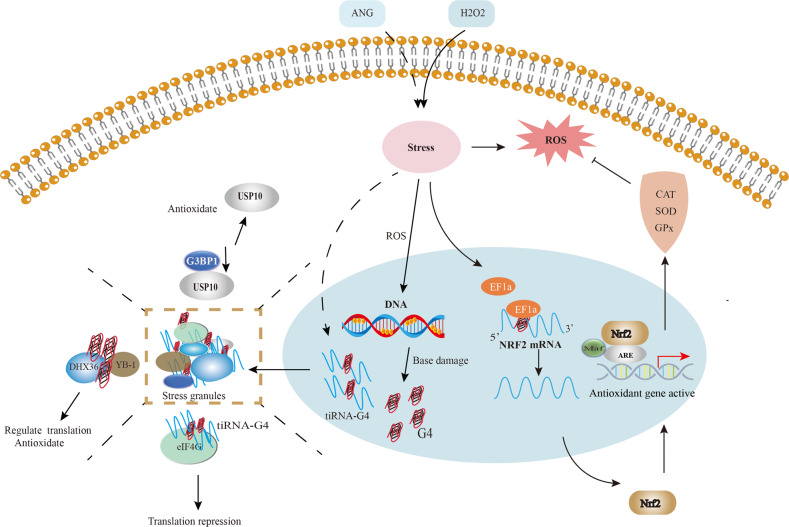
“It is translocated to the nucleus, wherein it binds to the AREs along with the Maf protein, and initiates the transcription of phase II detoxification enzymes and antioxidant genes, such as heme oxygenase-1 (HO1), CAT, SOD, GSTs, NADP (H) quinone oxidoreductase 1 (NQO1), etc [150, 151].”
BackgroundQuantitative visualization of DNA G-quadruplex structures in human cells
Biffi, G., Tannahill, D., McCafferty, J., & Balasubramanian, S. (2013) · Nature Chemistry · doi:10.1038/nchem.1548 · Cited by 2,173
ROS and the DNA damage response in cancer
Srinivas, U. S., Tan, B. W. Q., Vellayappan, B. A., & Jeyasekharan, A. D. (2019) · Redox Biology · doi:10.1016/j.redox.2018.101084 · Cited by 2,144 · cited 1×
“Secondly, the DDR is not activated at the telomeres, and the shelterin proteins TRF1 and TRF2 bind to ROSdamaged telomere DNA with low affinity [116, 117].”
BackgroundROS signalling in the biology of cancer
Moloney, J. N., & Cotter, T. G. (2017) · Seminars in Cell and Developmental Biology · doi:10.1016/j.semcdb.2017.05.023 · Cited by 2,030
How Shelterin Protects Mammalian Telomeres
Palm, W., & de Lange, T. (2008) · Annual Review of Genetics · doi:10.1146/annurev.genet.41.110306.130350 · Cited by 1,802 · cited 1×
“Secondly, the DDR is not activated at the telomeres, and the shelterin proteins TRF1 and TRF2 bind to ROSdamaged telomere DNA with low affinity [116, 117].”
BackgroundPrinciples and Properties of Stress Granules
Protter, D. S. W., & Parker, R. (2016) · Trends in Cell Biology · doi:10.1016/j.tcb.2016.05.004 · Cited by 1,738 · cited 3×
“It consists of mRNA in the translation initiation stage, RNA-binding proteins, and non-RNAbinding proteins, although the exact composition depends on the stress mode [24].”
BackgroundTargeting G-quadruplexes in gene promoters: a novel anticancer strategy?
Balasubramanian, S., Hurley, L. H., & Neidle, S. (2011) · Nature Reviews Drug Discovery · doi:10.1038/nrd3428 · Cited by 1,720
DNA methylation in cancer: too much, but also too little
Ehrlich, M. (2002) · Oncogene · doi:10.1038/sj.onc.1205651 · Cited by 1,565 · cited 1×
“Methylation of the CpG islands in promoter regions is the main epigenetic mechanism of gene silencing [74].”
BackgroundG-quadruplexes and their regulatory roles in biology
Rhodes, D., & Lipps, H. J. (2015) · Nucleic Acids Research · doi:10.1093/nar/gkv862 · Cited by 1,537 · cited 1×
“Furthermore, G4s are enriched in the telomeres, promoter regions, exons, introns, and 3′UTR regions [32, 33], all of which are involved in the regulation of DNA replication, transcription, and protection of telomere termini [34].”
BackgroundTelomeres and human disease: ageing, cancer and beyond
Blasco, M. A. (2005) · Nature Reviews Genetics · doi:10.1038/nrg1656 · Cited by 1,434 · cited 1×
“Furthermore, G4s are enriched in the telomeres, promoter regions, exons, introns, and 3′UTR regions [32, 33], all of which are involved in the regulation of DNA replication, transcription, and protection of telomere termini [34].”
BackgroundG-quadruplexes in promoters throughout the human genome
Huppert, J. L., & Balasubramanian, S. (2006) · Nucleic Acids Research · doi:10.1093/nar/gkl1057 · Cited by 1,392 · cited 2×
“DNA methylation mainly occurs on CpG dinucleotides enriched in G4-forming DNA sequences [14].”
BackgroundKrokan, H. E., & Bjoras, M. (2013) · Cold Spring Harbor Perspectives in Biology · doi:10.1101/cshperspect.a012583 · Cited by 1,322
Talks, K. L., Turley, H., Gatter, K. C., Maxwell, P. H., Pugh, C. W., Ratcliffe, P. J., & Harris, A. L. (2000) · The American Journal of Pathology · doi:10.1016/s0002-9440(10)64554-3 · Cited by 1,312
Oxidative stress and cancer: Have we moved forward?
Halliwell, B. (2007) · Biochemical Journal · doi:10.1042/bj20061131 · Cited by 1,302
The regulation and functions of DNA and RNA G-quadruplexes
Varshney, D., Spiegel, J., Zyner, K. G., Tannahill, D., & Balasubramanian, S. (2020) · Nature Reviews Molecular Cell Biology · doi:10.1038/s41580-020-0236-x · Cited by 1,292
High-throughput sequencing of DNA G-quadruplex structures in the human genome
Chambers, V. S., Marsico, G., Boutell, J. M., Antonio, M. D., Smith, G. P., & Balasubramanian, S. (2015) · Nature Biotechnology · doi:10.1038/nbt.3295 · Cited by 1,261
Ambrus, A., Chen, D., Dai, J., Bialis, T., Jones, R. A., & Yang, D. (2006) · Nucleic Acids Research · doi:10.1093/nar/gkl348 · Cited by 1,103 · cited 1×
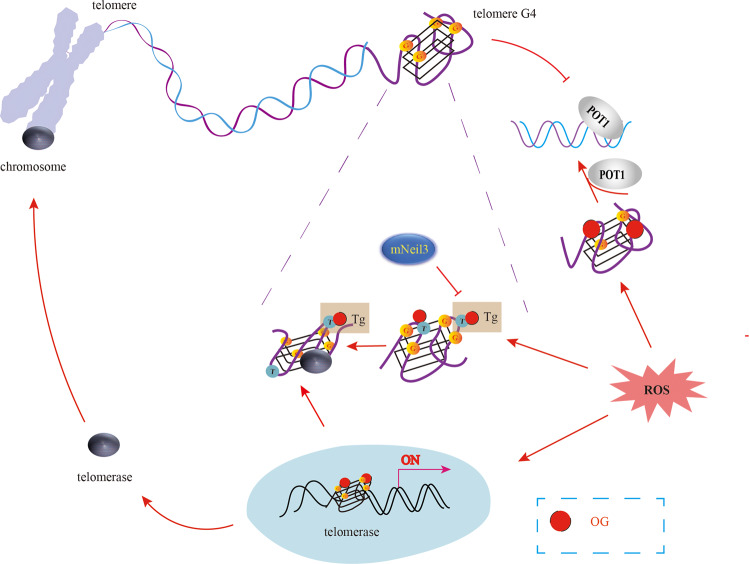
“A new study found that G4 is beneficial to ROS-induced telomere lengthening [119] (Fig.”
BackgroundEndogenous DNA damage in humans: a review of quantitative data
Bont, R. D. (2004) · Mutagenesis · doi:10.1093/mutage/geh025 · Cited by 1,099
The Nrf2 cell defence pathway: Keap1-dependent and -independent mechanisms of regulation
Bryan, H. K., Olayanju, A., Goldring, C. E., & Park, B. K. (2012) · Biochemical Pharmacology · doi:10.1016/j.bcp.2012.11.016 · Cited by 1,047
Telomeres: protecting chromosomes against genome instability
O’Sullivan, R. J., & Karlseder, J. (2010) · Nature Reviews Molecular Cell Biology · doi:10.1038/nrm2848 · Cited by 1,043 · cited 1×
“Telomeres, the terminal parts of chromosomes, are special structural regions that play an important role in the structure and stability of linear chromosomes [107].”
BackgroundAngiogenin-Induced tRNA Fragments Inhibit Translation Initiation
Ivanov, P. V., Emara, M. M., Villén, J., Gygi, S. P., & Anderson, P. (2011) · Molecular Cell · doi:10.1016/j.molcel.2011.06.022 · Cited by 986 · cited 1×
“One study showed that tRNA-derived RNA fragments (tiRNA) are formed along with G4s during stress-induced angiogenin(ANG), promoting SGs assembly and inhibiting translation [142].”
BackgroundC9orf72 nucleotide repeat structures initiate molecular cascades of disease
Haeusler, A. R., Donnelly, C. J., Periz, G., Simko, E. A. J., Shaw, P. G., Kim, M.-S., Maragakis, N. J., Troncoso, J. C., Pandey, A., Sattler, R., et al. (2014) · Nature · doi:10.1038/nature13124 · Cited by 978
QGRS Mapper: a web-based server for predicting G-quadruplexes in nucleotide sequences
Kikin, O., D'Antonio, L., & Bagga, P. (2006) · Nucleic Acids Res. · doi:10.1093/nar/gkl253 · Cited by 974 · cited 1×
“Computational tools can help predict PQSs to gain further insights into the distribution of G4s in target genes [25, 36, 37].”
BackgroundG-quadruplex structures mark human regulatory chromatin
Hänsel-Hertsch, R., Beraldi, D., Lensing, S. V., Marsico, G., Zyner, K., Parry, A., Di Antonio, M., Pike, J., Kimura, H., Narita, M., et al. (2016) · Nature Genetics · doi:10.1038/ng.3662 · Cited by 964 · cited 2×
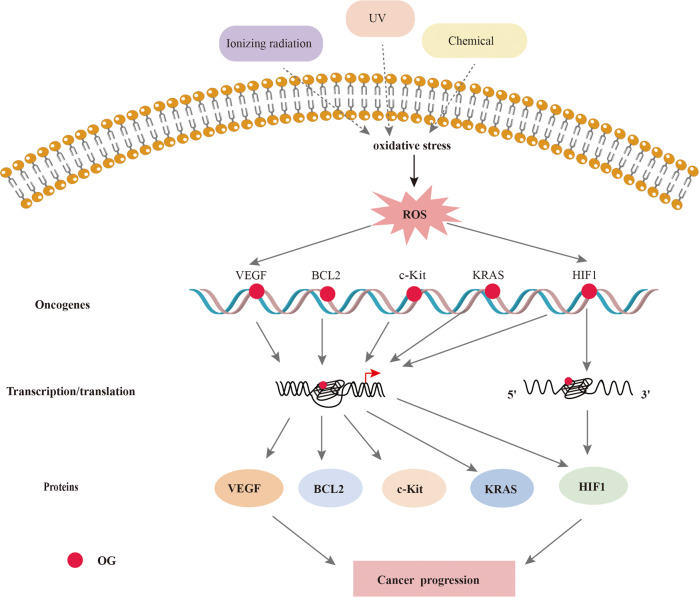
“Recent studies have shown that G4s upstream of the promoter regions of protooncogenes can regulate their transcription [32, 164], and c-Myc, cKit, KRAS, Bcl-2, VEGF, and PDGF are some of the proto-oncogenes harboring G4 structures in their promoters [17, 132, 165–167].”
BackgroundFunctional 5′ UTR mRNA structures in eukaryotic translation regulation and how to find them
Leppek, K., Das, R., & Barna, M. (2018) · Nature Reviews Molecular Cell Biology · doi:10.1038/nrm.2017.103 · Cited by 949 · cited 1×
“For instance, the G4 structure in the 5′UTR plays a regulatory role in translation [154].”
BackgroundStress granules as crucibles of ALS pathogenesis
Li, Y. R., King, O. D., Shorter, J., & Gitler, A. D. (2013) · The Journal of Cell Biology · doi:10.1083/jcb.201302044 · Cited by 948
An RNA G-quadruplex in the 5′ UTR of the NRAS proto-oncogene modulates translation
Kumari, S., Bugaut, A., Huppert, J. L., & Balasubramanian, S. (2007) · Nature Chemical Biology · doi:10.1038/nchembio864 · Cited by 822 · cited 9×
“A recent study showed that poly-G4-TMPyP4 complexes generate high levels of singlet oxygen at cancer lesions in response to UV irradiation and promote apoptosis of tumor cells [176].”
BackgroundInfluentialAn Important Role of Nrf2-ARE Pathway in the Cellular Defense Mechanism
Lee, J., & Johnson, J. A. (2004) · BMB Reports · doi:10.5483/bmbrep.2004.37.2.139 · Cited by 746 · cited 1×
“It is translocated to the nucleus, wherein it binds to the AREs along with the Maf protein, and initiates the transcription of phase II detoxification enzymes and antioxidant genes, such as heme oxygenase-1 (HO1), CAT, SOD, GSTs, NADP (H) quinone oxidoreductase 1 (NQO1), etc [150, 151].”
BackgroundSmall-molecule–induced DNA damage identifies alternative DNA structures in human genes
Rodriguez, R., Miller, K. M., Forment, J. V., Bradshaw, C. R., Nikan, M., Britton, S., Oelschlaegel, T., Xhemalce, B., Balasubramanian, S., & Jackson, S. P. (2012) · Nature Chemical Biology · doi:10.1038/nchembio.780 · Cited by 741
A sodium-potassium switch in the formation of four-stranded G4-DNA
Sen, D., & Gilbert, W. (1990) · Nature · doi:10.1038/344410a0 · Cited by 730 · cited 1×
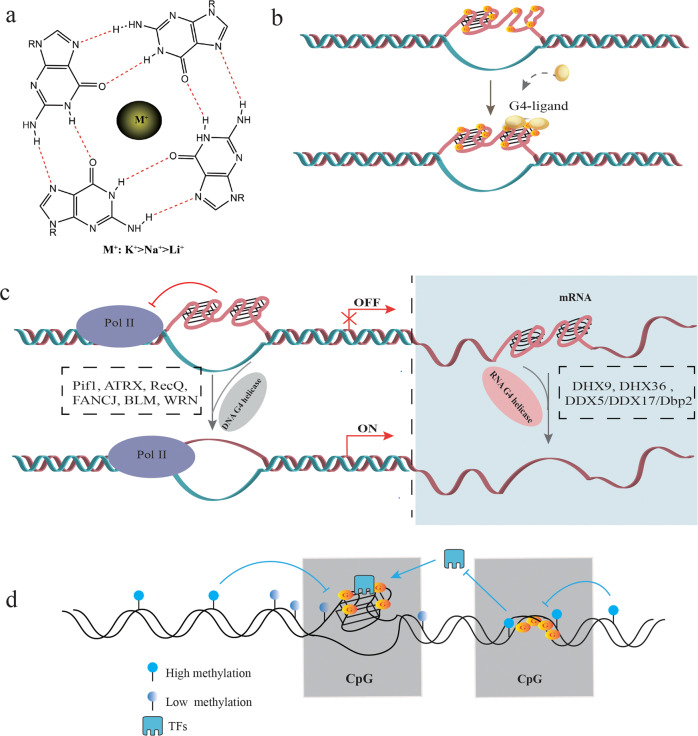
“Factors affecting G4 formation and stability Due to the unique negative charge channels, the G4 structure interacts with cations, including K, Na, and Li through electrostatic forces [41] (Fig.”
BackgroundOxidative stress in brain aging, neurodegenerative and vascular diseases: An overview
Mariani, E., Polidori, M. C., Cherubini, A., & Mecocci, P. (2005) · Journal of Chromatography B · doi:10.1016/j.jchromb.2005.04.023 · Cited by 691 · cited 1×
“Oxidative stress is a regulatory element in aging and various neurological disorders [189], associated with excessive ROS production [190].”
BackgroundStress granules and cell signaling: more than just a passing phase?
Kedersha, N., Ivanov, P. V., & Anderson, P. (2013) · Trends in Biochemical Sciences · doi:10.1016/j.tibs.2013.07.004 · Cited by 655
Burger, A. M., Dai, F., Schultes, C. M., Reszka, A. P., Moore, M. J., Double, J. A., & Neidle, S. (2005) · Cancer Research · doi:10.1158/0008-5472.can-04-2910 · Cited by 609
CX-5461 is a DNA G-quadruplex stabilizer with selective lethality in BRCA1/2 deficient tumours
Xu, H., Antonio, M. D., McKinney, S. E., Mathew, V., Ho, B., O’Neil, N. J., Santos, N. D., Silvester, J., Wei, V., Garcia, J., et al. (2017) · Nature Communications · doi:10.1038/ncomms14432 · Cited by 601
Altered Ribostasis: RNA-Protein Granules in Degenerative Disorders
Ramaswami, M., Taylor, J. P., & Parker, R. (2013) · Cell · doi:10.1016/j.cell.2013.07.038 · Cited by 596
Sanz, L. A., Hartono, S. R., Lim, Y. W., Steyaert, S., Rajpurkar, A. R., Ginno, P. A., Xu, X., & Chedin, F. L. (2016) · Molecular Cell · doi:10.1016/j.molcel.2016.05.032 · Cited by 560 · cited 3×
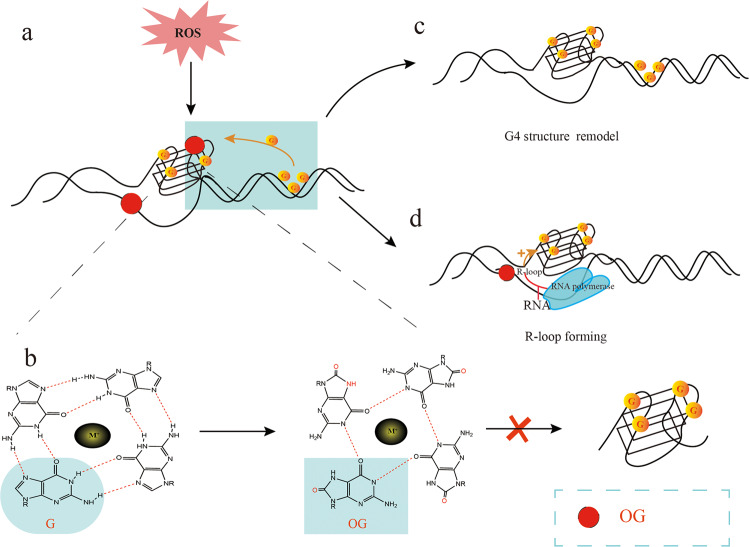
“ROS can affect the formation or dissociation of G4 motifs by reducing their thermal stability, altering the original G4 structural pattern, and influencing other chromatin structures at transcriptionally active sites such as R-loops and D-loops.”
BackgroundNeidle, S. (2009) · FEBS Journal · doi:10.1111/j.1742-4658.2009.07463.x · Cited by 557
Telomere Length in Epidemiology: A Biomarker of Aging, Age-Related Disease, Both, or Neither?
Sanders, J. L., & Newman, A. B. (2013) · Epidemiologic Reviews · doi:10.1093/epirev/mxs008 · Cited by 556
Role of telomeres and telomerase in cancer
Shay, J. W., & Wright, W. E. (2011) · Seminars in Cancer Biology · doi:10.1016/j.semcancer.2011.10.001 · Cited by 523
Mechanisms of formation, genotoxicity, and mutation of guanine oxidation products
Neeley, W. L., & Essigmann, J. M. (2006) · Chemical Research in Toxicology · doi:10.1021/tx0600043 · Cited by 510 · cited 1×
“ROS can reduce the thermal stability of G4 motifs by oxidizing guanine into OG, a common biomarker of oxidative stress [91, 92].”
BackgroundFour-stranded nucleic acids: structure, function and targeting of G-quadruplexes
Huppert, J. L. (2008) · Chemical Society Reviews · doi:10.1039/b702491f · Cited by 505 · cited 2×
“G-quadruplex (G4) is a four-stranded nucleic acid structure formed by guanine-rich DNA and RNA sequences with Hoogsteen hydrogen bonding [11, 12].”
BackgroundMendoza, Ó., Bourdoncle, A., Boulé, J.-B., Brosh, R. M., & Mergny, J. (2016) · Nucleic Acids Research · doi:10.1093/nar/gkw079 · Cited by 452 · cited 2×
“The unfolding and folding of G4s during replication or transcription are mainly catalyzed by helicases [54, 55] including DNA G4 helicases such as Pif1, ATRX, RecQ, FANCJ, BLM and WRN [54], and RNA G4 helicases such as DHX9, DHX36, and the DDX5/ DDX17/Dbp2 subfamily [56] (Fig.”
BackgroundWhole genome experimental maps of DNA G-quadruplexes in multiple species
Marsico, G., Chambers, V. S., Sahakyan, A. B., McCauley, P., Boutell, J. M., Antonio, M. D., & Balasubramanian, S. (2019) · Nucleic Acids Research · doi:10.1093/nar/gkz179 · Cited by 435 · cited 1×
“G4-sequencing has further revealed that G4s are highly enriched in the promoters and TSSs of human and mouse genes [35].”
BackgroundSite‐specific DNA damage at GGG sequence by oxidative stress may accelerate telomere shortening
Oikawa, S., & Kawanishi, S. (1999) · FEBS Letters · doi:10.1016/s0014-5793(99)00748-6 · Cited by 435 · cited 1×
“Telomeres are particularly susceptible to oxidative damage due to the presence of their G-rich sequence [114].”
BackgroundCircular dichroism and guanine quadruplexes
Vorlı́čková, M., Kejnovská, I., Sági, J., Renčiuk, D., Bednářová, K., Motlová, J., & Kypr, J. (2012) · Methods · doi:10.1016/j.ymeth.2012.03.011 · Cited by 432
Stress granules, P-bodies and cancer
Anderson, P., Kedersha, N., & Ivanov, P. V. (2014) · Biochimica et Biophysica Acta (BBA) - Gene Regulatory Mechanisms · doi:10.1016/j.bbagrm.2014.11.009 · Cited by 408
Carcinogen-mediated oxidant formation and oxidative DNA damage
Frenkel, K. (1992) · Pharmacology & Therapeutics · doi:10.1016/0163-7258(92)90047-4 · Cited by 377
Oxidative DNA damage is epigenetic by regulating gene transcription via base excision repair
Fleming, A. M., Ding, Y., & Burrows, C. J. (2017) · Proceedings of the National Academy of Sciences · doi:10.1073/pnas.1619809114 · Cited by 364 · cited 4×
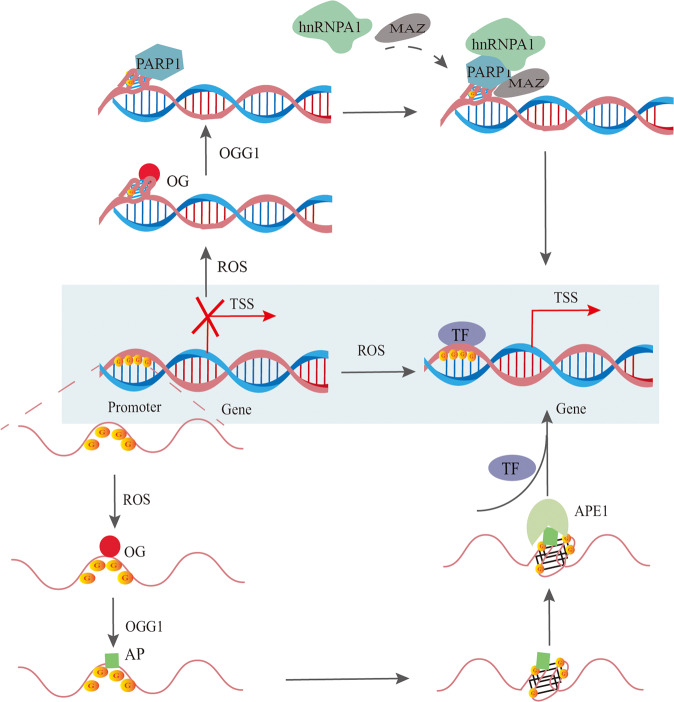
“In addition, oxidative damage in a promoter G4 can also upregulate gene expression by guiding the DNA repair process to the regulatory region depending on the position of the PQS in the promoter [126].”
BackgroundMethodInfluentialIvanov, P. V., O’Day, E. M., Emara, M. M., Wagner, G., Lieberman, J., & Anderson, P. (2014) · Proceedings of the National Academy of Sciences · doi:10.1073/pnas.1407361111 · Cited by 359 · cited 1×
“Knocking down YB-1 expression in tumor cells inhibited G3BP1 translation, which prevented the formation of SGs and sensitized the cells to oxidative stress, thereby inhibiting their proliferation and invasion [140, 141].”
BackgroundSensitivity of transcription factors to DNA methylation
Héberlé, É., & Bardet, A. F. (2019) · Essays in Biochemistry · doi:10.1042/ebc20190033 · Cited by 347 · cited 1×
“The presence of methylated cytosines in the CpG-rich gene promoters blocks the binding of TFs, leading to gene silencing [75].”
BackgroundTelomeres and Telomere Length: A General Overview
Srinivas, N., Rachakonda, P. S., & Kumar, R. (2020) · Cancers · doi:10.3390/cancers12030558 · Cited by 336
Identification and Characterization of Nucleolin as a c-myc G-quadruplex-binding Protein
González, V., Guo, K., Hurley, L. H., & Sun, D. (2009) · Journal of Biological Chemistry · doi:10.1074/jbc.m109.018028 · Cited by 333 · cited 1×
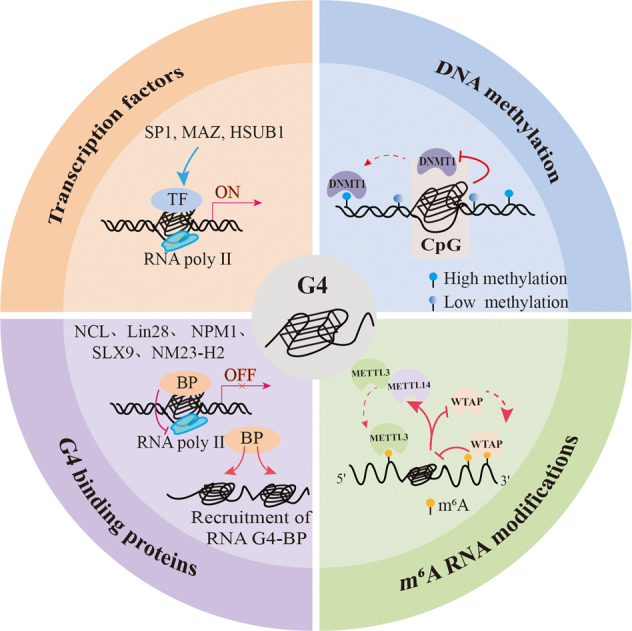
“For example, nucleoside (NCL) repress c-Myc and LTR transcription by binding to G4 forming in the gene promoter region and stabilizing its structure [69, 70].”
BackgroundShort Overview of ROS as Cell Function Regulators and Their Implications in Therapy Concepts
Milković, L., Gašparović, A. Č., Cindrić, M., Mouthuy, P., & Žarković, N. (2019) · Cells · doi:10.3390/cells8080793 · Cited by 330
Does oxidative stress shorten telomeres in vivo ? A review
Reichert, S., & Stier, A. (2017) · Biology Letters · doi:10.1098/rsbl.2017.0463 · Cited by 324
Associations between diet, lifestyle factors, and telomere length in women
Cassidy, A., Vivo, I. D., Liu, Y., Han, J., Prescott, J., Hunter, D. J., & Rimm, E. B. (2010) · American Journal of Clinical Nutrition · doi:10.3945/ajcn.2009.28947 · Cited by 312 · cited 1×
“The length of telomeres is controlled by genetic as well as environmental factors, including lifestyle factors, physiological stress, inflammation, oxidative stress, and carcinogens [111, 112], of which oxidative stress is the most potent endogenous driver of telomere shortening [111, 113].”
BackgroundYB-1 regulates stress granule formation and tumor progression by translationally activating G3BP1
Somasekharan, S. P., El-Naggar, A. M., Leprivier, G., Cheng, H., Hajee, S., Grünewald, T. G. P., Zhang, F., Ng, T., Delattre, O., Evdokimova, V. E., et al. (2015) · The Journal of Cell Biology · doi:10.1083/jcb.201411047 · Cited by 287 · cited 14×
“YB-1 is a translation-regulating protein that can promote the formation of SGs [140].”
BackgroundInfluentialPhysiology and pathophysiology of potassium homeostasis
Palmer, B. F., & Clegg, D. J. (2016) · AJP Advances in Physiology Education · doi:10.1152/advan.00121.2016 · Cited by 286 · cited 1×
“K has the strongest stabilizing effect on G4s, and high intracellular levels of K are conducive to forming G4s [42].”
BackgroundG-quadruplexes are transcription factor binding hubs in human chromatin
Spiegel, J., Cuesta, S. M., Adhikari, S., Hänsel‐Hertsch, R., Tannahill, D., & Balasubramanian, S. (2021) · Genome biology · doi:10.1186/s13059-021-02324-z · Cited by 279 · cited 2×
“The G4 structure forming in the human genome is strongly associated with CpG hypomethylation [61, 62] (Fig.”
BackgroundDNA G-quadruplex structures mold the DNA methylome
Mao, S.-Q., Ghanbarian, A. T., Spiegel, J., Cuesta, S. M., Beraldi, D., Antonio, M. D., Marsico, G., Hänsel‐Hertsch, R., Tannahill, D., & Balasubramanian, S. (2018) · Nature Structural & Molecular Biology · doi:10.1038/s41594-018-0131-8 · Cited by 274 · cited 1×
“In addition, G4 binding inhibits the activity of DNMT1, and DNMT1 binding sites enriched in G4 structures are strongly hypomethylated in human leukemia cells, suggesting that DNMT1 may be sequestered at G4 sites to inhibit the methylation of proximal CpG island promoters [81].”
BackgroundTelomere damage induced by the G-quadruplex ligand RHPS4 has an antitumor effect
Salvati, E., Leonetti, C., Rizzo, A., Scarsella, M., Mottolese, M., Galati, R., Sperduti, I., Stevens, M. F. G., D’Incalci, M., Blasco, M., et al. (2007) · Journal of Clinical Investigation · doi:10.1172/jci32461 · Cited by 266
YB-1 regulates tiRNA-induced Stress Granule formation but not translational repression
Lyons, S. M., Achorn, C. A., Kedersha, N., Anderson, P., & Ivanov, P. V. (2016) · Nucleic Acids Research · doi:10.1093/nar/gkw418 · Cited by 255
Visualization of RNA-Quadruplexes in Live Cells
Laguerre, A., Hukezalie, K. R., Winckler, P., Katranji, F., Chanteloup, G., Pirrotta, M., Perrier‐Cornet, J., Wong, J. M. Y., & Monchaud, D. (2015) · Journal of the American Chemical Society · doi:10.1021/jacs.5b03413 · Cited by 249
Stress Granules Inhibit Apoptosis by Reducing Reactive Oxygen Species Production
Takahashi, M., Higuchi, M., Matsuki, H., Yoshita, M., Ohsawa, T., Oie, M., & Fujii, M. (2012) · Molecular and Cellular Biology · doi:10.1128/mcb.00763-12 · Cited by 238
A non-canonical DNA structure is a binding motif for the transcription factor SP1 in vitro
Raiber, E., Kranaster, R., Lam, E. Y. N., Nikan, M., & Balasubramanian, S. (2011) · Nucleic Acids Research · doi:10.1093/nar/gkr882 · Cited by 233 · cited 1×
“One study using an SP1-chip showed that 87% of the SP1 binding sites overlapped with G4-forming sequences [64].”
BackgroundBouchez, C. L., & Devin, A. (2019) · Cells · doi:10.3390/cells8040287 · Cited by 228
Oxidative stress and antioxidant strategies in dermatology
Baek, J.-O., & Lee, M. (2015) · Redox Report · doi:10.1179/1351000215y.0000000015 · Cited by 226 · cited 1×
“A disproportionate level of oxidative stress and an aberrant DDR machinery can lead to accumulated damaged DNA and trigger apoptotic pathways [8], which is the pathological basis of aging and agingrelated diseases [9, 10].”
BackgroundA guide to computational methods for G-quadruplex prediction
Lombardi, E. P., & Londoño‐Vallejo, A. (2019) · Nucleic Acids Research · doi:10.1093/nar/gkz1097 · Cited by 221
Miller, M. C., Buscaglia, R., Chaires, J. B., Lane, A. N., & Trent, J. O. (2010) · Journal of the American Chemical Society · doi:10.1021/ja105259m · Cited by 212
G-Quadruplexes in RNA Biology: Recent Advances and Future Directions
Dumas, L., Herviou, P., Dassi, E., Cammas, A., & Millevoi, S. (2020) · Trends in Biochemical Sciences · doi:10.1016/j.tibs.2020.11.001 · Cited by 210 · cited 1×
“In addition to DNA G4s, RNA G4s are also involved in several biological processes, such as telomere homeostasis, mRNA localization, 3-terminal processing, alternative splicing, and translation regulation [153].”
BackgroundQin, Y. W., Rezler, E. M., Gokhale, V. M., Sun, D., & Hurley, L. H. (2007) · Nucleic Acids Research · doi:10.1093/nar/gkm538 · Cited by 204
G4Hunter web application: a web server for G-quadruplex prediction
Brázda, V., Kolomazník, J., Lýsek, J., Bartas, M., Fojta, M., Šťastný, J., & Mergny, J. (2019) · Bioinform. · doi:10.1093/bioinformatics/btz087 · Cited by 202
Photodynamic Therapy and Immunity: An Update
Falk‐Mahapatra, R., & Gollnick, S. O. (2020) · Photochemistry and Photobiology · doi:10.1111/php.13253 · Cited by 201 · cited 1×
“They are activated by light or laser irradiation at a specific wavelength, producing ROS that triggers tumor cell death via apoptosis or necrosis [175].”
BackgroundThe role of m6A modification in physiology and disease
Yang, C., Hu, Y., Zhou, B., Bao, Y., Li, Z., Gong, C., Yang, H., Wang, S., & Xiao, Y. (2020) · Cell Death & Disease · doi:10.1038/s41419-020-03143-z · Cited by 200
Self-citationGros, J., Rosu, F., Amrane, S., Cian, A. D., Gabelica, V., Lacroix, L., & Mergny, J. (2007) · Nucleic Acids Research · doi:10.1093/nar/gkm111 · Cited by 193 · cited 2×
“The guanines are frequently oxidized in aged cells and stabilize the G4 structure, making these non-canonical structures an attractive therapeutic target for neurodegenerative disorders [94].”
BackgroundGuo, K., Gokhale, V. M., Hurley, L. H., & Sun, D. (2008) · Nucleic Acids Research · doi:10.1093/nar/gkn380 · Cited by 191 · cited 1×
“In an in vitro study, ROS increased the transcriptional activity of VEGF via its promoter G4, which was blocked in the presence of a G4 ligand [168].”
BackgroundSun, D., Liu, W., Guo, K., Rusche, J. J., Ebbinghaus, S., Gokhale, V. M., & Hurley, L. H. (2008) · Molecular Cancer Therapeutics · doi:10.1158/1535-7163.mct-07-2119 · Cited by 188
Teng, Y., Yadav, T., Duan, M.-H., Tan, J. J., Xiang, Y., Gao, B., Xu, J., Liang, Z., Liu, Y., Nakajima, S., et al. (2018) · Nature Communications · doi:10.1038/s41467-018-06586-3 · Cited by 184 · cited 1×
“Previous reports have demonstrated that ROS induces R-loop formation and facilitate recruitment of R-loop sensors such as RAD52 to the damaged sites [100].”
BackgroundG-quadruplex unwinding helicases and their function in vivo
Sauer, M., & Paeschke, K. (2017) · Biochemical Society Transactions · doi:10.1042/bst20170097 · Cited by 179 · cited 1×
“The unfolding and folding of G4s during replication or transcription are mainly catalyzed by helicases [54, 55] including DNA G4 helicases such as Pif1, ATRX, RecQ, FANCJ, BLM and WRN [54], and RNA G4 helicases such as DHX9, DHX36, and the DDX5/ DDX17/Dbp2 subfamily [56] (Fig.”
BackgroundSelective Recognition of G-Quadruplex Telomeric DNA by a Bis(quinacridine) Macrocycle
Teulade‐Fichou, M., Carrasco, C., Guittat, L., Bailly, C., Alberti, P., Mergny, J., David, A., Lehn, J., & Wilson, W. D. (2003) · Journal of the American Chemical Society · doi:10.1021/ja021299j · Cited by 174
Thakur, R. K., Kumar, P., Halder, K., Verma, A., Kar, A., Parent, J., Basundra, R., Kumar, A., & Chowdhury, S. (2008) · Nucleic Acids Research · doi:10.1093/nar/gkn919 · Cited by 174 · cited 1×
“Furthermore, overexpression of NM23-H2 in the human cancer cell lines HeLa S3 and A549 enhanced c-Myc promoter activity [71].”
BackgroundChemical and structural studies provide a mechanistic basis for recognition of the MYC G-quadruplex
Calabrese, D. R., Chen, X., Leon, E. C., Gaikwad, S. M., Phyo, Z., Hewitt, W. M., Alden, S., Hilimire, T. A., He, F., Michalowski, A. M., et al. (2018) · Nature Communications · doi:10.1038/s41467-018-06315-w · Cited by 172
TIA1 oxidation inhibits stress granule assembly and sensitizes cells to stress-induced apoptosis
Arimoto‐Matsuzaki, K., Saito, H., & Takekawa, M. (2016) · Nature Communications · doi:10.1038/ncomms10252 · Cited by 157
Hydrogen peroxide induces stress granule formation independent of eIF2α phosphorylation
Emara, M. M., Fujimura, K., Sciaranghella, D., Ivanova, V., Ivanov, P. V., & Anderson, P. (2012) · Biochemical and Biophysical Research Communications · doi:10.1016/j.bbrc.2012.06.033 · Cited by 155
Interplay of Guanine Oxidation and G-Quadruplex Folding in Gene Promoters
Fleming, A. M., & Burrows, C. J. (2020) · Journal of the American Chemical Society · doi:10.1021/jacs.9b11050 · Cited by 152 · cited 2×
“A recent study demonstrated that guanine oxidation to OG is 3-fold higher in the PQS of gene promoters [126], and some of these regions have the propensity to form G4s [90].”
BackgroundThe Interplay between G-quadruplex and Transcription
Kim, N. (2017) · Current Medicinal Chemistry · doi:10.2174/0929867325666171229132619 · Cited by 150
8-Oxo-7,8-dihydroguanine, friend and foe: Epigenetic-like regulator versus initiator of mutagenesis
Fleming, A. M., & Burrows, C. J. (2017) · DNA repair · doi:10.1016/j.dnarep.2017.06.009 · Cited by 149
Tosoni, E., Frasson, I., Scalabrin, M., Perrone, R., Butovskaya, E., Nadai, M., Palù, G., Fabris, D., & Richter, S. N. (2015) · Nucleic Acids Research · doi:10.1093/nar/gkv897 · Cited by 149 · cited 1×
“For example, nucleoside (NCL) repress c-Myc and LTR transcription by binding to G4 forming in the gene promoter region and stabilizing its structure [69, 70].”
BackgroundFleming, A., Zhou, J., Wallace, S., & Burrows, C. (2015) · ACS Central Science · doi:10.1021/acscentsci.5b00202 · Cited by 143
Cogoi, S., Ferino, A., Miglietta, G., Pedersen, E. B., & Xodo, L. E. (2017) · Nucleic Acids Research · doi:10.1093/nar/gkx1142 · Cited by 143 · cited 2×
“The same team also found that H2O2 recruits poly [ADP-ribose] polymerase 1 (PARP-1) to KRAS promoter region, wherein it binds to local G4 structures, undergoes auto PARylation and activates KRAS transcription by recruiting MAZ and hnRNPA1 [132, 133] (Fig.”
BackgroundCogoi, S., Paramasivam, M., Membrino, A., Yokoyama, K., & Xodo, L. (2010) · Journal of Biological Chemistry · doi:10.1074/jbc.m110.101923 · Cited by 137 · cited 1×
“Similarly, other zinc-finger TFs, including MAZ and HSUB1, also promote gene transcription through G4s [66, 67].”
BackgroundStructures of Zinc Finger Domains from Transcription Factor Sp1
Narayan, V. A., Kriwacki, R. W., & Caradonna, J. P. (1997) · Journal of Biological Chemistry · doi:10.1074/jbc.272.12.7801 · Cited by 137
Zhou, J., Liu, M., Fleming, A. M., Burrows, C. J., & Wallace, S. S. (2013) · Journal of Biological Chemistry · doi:10.1074/jbc.m113.479055 · Cited by 135 · cited 1×
“reported that while mNEIL3 can excise Tg from G4 DNA, none of the glycosylases (NEIL1, NEIL2, mNEIL3, NTH1, and OGG1) can repair OG residues in quadruplex DNA [124].”
BackgroundAtrx deficiency induces telomere dysfunction, endocrine defects, and reduced life span
Watson, L. A., Solomon, L. A., Li, J. R., Jiang, Y. Y., Edwards, M., Shin‐ya, K., Beier, F., & Bérubé, N. G. (2013) · Journal of Clinical Investigation · doi:10.1172/jci65634 · Cited by 133 · cited 1×
“Treatment of ATRX-null neuro-progenitor cells with G4 ligand increased DNA damage [57].”
BackgroundG-quadruplexes in human promoters: A challenge for therapeutic applications
Rigo, R., Palumbo, M., & Sissi, C. (2016) · Biochimica et Biophysica Acta (BBA) - General Subjects · doi:10.1016/j.bbagen.2016.12.024 · Cited by 119 · cited 1×
“Bioinformatics analyses have shown that G4s are also enriched in the CpG islands in genomic DNA[77, 78].”
BackgroundFrenkel, K., Goldstein, M. S., & Teebor, G. W. (1981) · Biochemistry · doi:10.1021/bi00529a035 · Cited by 117
Tang, Y.-C., Hsiao, J., Jiang, S.-S., Chang, J., Chu, P., Liu, K., Fang, H.-L., Lin, L.-M., Chen, H.-H., Huang, Y., et al. (2021) · Theranostics · doi:10.7150/thno.53417 · Cited by 117
G‐Quadruplex Recognition by Quinacridines: a SAR, NMR, and Biological Study
Hounsou, C., Guittat, L., Monchaud, D., Jourdan, M., Saettel, N., Mergny, J., & Teulade‐Fichou, M. (2007) · ChemMedChem · doi:10.1002/cmdc.200600286 · Cited by 115
Hu, M.-H., Wu, T.-Y., Huang, Q., & Jin, G. (2019) · Nucleic Acids Research · doi:10.1093/nar/gkz835 · Cited by 115
Sorafenib, a multikinase inhibitor, induces formation of stress granules in hepatocarcinoma cells
Adjibade, P., St-Sauveur, V. G., Huberdeau, M. Q., Fournier, M., Savard, A., Coudert, L., Khandjian, É. W., & Mazrouï, R. (2015) · Oncotarget · doi:10.18632/oncotarget.5980 · Cited by 114 · cited 1×
“Thus, developing targeted drugs stabilizing SGs have been a new promising direction in cancer therapeutics [147].”
BackgroundStefan, L., Denat, F., & Monchaud, D. (2011) · Journal of the American Chemical Society · doi:10.1021/ja208145d · Cited by 111 · cited 1×
“In the presence of hemin, telomeres can fold into G4 structures with catalytic oxidation properties in vivo [192].”
BackgroundA guide to computational methods for G-quadruplex prediction
Lombardi, E. P., & Londoño‐Vallejo, A. (2020) · Nucleic Acids Research · doi:10.1093/nar/gkaa033 · Cited by 106
eIF4G has intrinsic G-quadruplex binding activity that is required for tiRNA function
Lyons, S. M., Kharel, P., Akiyama, Y., Ojha, S., Dave, D., Цветков, В. Б., Merrick, W. C., Ivanov, P. V., & Anderson, P. (2020) · Nucleic Acids Research · doi:10.1093/nar/gkaa336 · Cited by 105 · cited 1×
“The HEAT1 region of the eIF4G protein is the main binding region of the G4-tiRNA complex [143].”
BackgroundByrd, A. K., Zybailov, B. L., Maddukuri, L., Gao, J., Marecki, J. C., Jaiswal, M., Bell, M. R., Griffin, W. C., Reed, M. R., Chib, S., et al. (2016) · Journal of Biological Chemistry · doi:10.1074/jbc.m116.718478 · Cited by 99 · cited 2×
“For example, Cells treated with a mild dose of H2O2 show a significant increase in cytosolic G4s, which co-localize SH-related marker proteins [23].”
BackgroundGuanine quadruplex DNA structure restricts methylation of CpGdinucleotidesgenome-wide
Halder, R., Halder, K., Sharma, P., Garg, G., Sengupta, S., & Chowdhury, S. (2010) · Molecular BioSystems · doi:10.1039/c0mb00009d · Cited by 98
G-Quadruplex Binding Ligands: from Naturally Occurring to Rationally Designed Molecules
Le, T. V. T., Han, S., Chae, J., & Park, H. (2012) · Current Pharmaceutical Design · doi:10.2174/138161212799958431 · Cited by 98
Potential Roles for G-Quadruplexes in Mitochondria
Falabella, M., Fernandez, R. J., Johnson, F. B., & Kaufman, B. A. (2018) · Current Medicinal Chemistry · doi:10.2174/0929867325666180228165527 · Cited by 98 · cited 1×
“G-quadruplex (G4) is a four-stranded nucleic acid structure formed by guanine-rich DNA and RNA sequences with Hoogsteen hydrogen bonding [11, 12].”
BackgroundSzalai, V. A., Singer, M. J., & Thorp, H. H. (2002) · Journal of the American Chemical Society · doi:10.1021/ja0119651 · Cited by 94
Impact of Oxidative Lesions on the Human Telomeric G-Quadruplex
Bielskutė, S., Plavec, J., & Podbevšek, P. (2019) · Journal of the American Chemical Society · doi:10.1021/jacs.8b12748 · Cited by 92
Superoxide radicals have a protective role during H 2 O 2 stress
Thorpe, G. W., Reodica, M., Davies, M. J., Heeren, G., Jarolim, S., Pillay, B. A., Breitenbach, M., Higgins, V. J., & Dawes, I. W. (2013) · Molecular Biology of the Cell · doi:10.1091/mbc.e13-01-0052 · Cited by 91
Солдатенков, В. А., Vetcher, A. A., Duka, T., & Ladame, S. (2008) · ACS Chemical Biology · doi:10.1021/cb700234f · Cited by 90
Oxidative Stress: Role and Response of Short Guanine Tracts at Genomic Locations
Singh, A., Kukreti, R., Saso, L., & Kukreti, S. (2019) · International Journal of Molecular Sciences · doi:10.3390/ijms20174258 · Cited by 89
G-quadruplexes Sequester Free Heme in Living Cells
Gray, L. T., Lombardi, E. P., Verga, D., Guetta, C., Nicolas, A., Teulade-Fichou, M.-P., Londoño‐Vallejo, A., & Maizels, N. (2019) · Cell chemical biology · doi:10.1016/j.chembiol.2019.10.003 · Cited by 88
8‐Oxoguanine in a quadruplex of the human telomere DNA sequence
Vorlíčková, M., Tomaško, M., Sagi, A. J., Bednářová, K., & Sági, J. (2011) · FEBS Journal · doi:10.1111/j.1742-4658.2011.08396.x · Cited by 86
Structural Insight into the interaction of Flavonoids with Human Telomeric Sequence
Tawani, A., & Kumar, A. (2015) · Scientific Reports · doi:10.1038/srep17574 · Cited by 85
Small-molecule G-quadruplex stabilizers reveal a novel pathway of autophagy regulation in neurons
Moruno-Manchon, J. F., Lejault, P., Wang, Y., McCauley, B. S., Honarpisheh, P., Morales‐Scheihing, D., Singh, S. S., Dang, W., Kim, N., Urayama, A., et al. (2020) · eLife · doi:10.7554/elife.52283 · Cited by 84 · cited 2×
“Overexpressing Pif1 in neurons rescued phenotypes associated with PDS treatment and increased autophagy [39].”
BackgroundTargeting G-quadruplex nucleic acids with heterocyclic alkaloids and their derivatives
Xiong, Y., Huang, Z., & Tan, J. (2014) · European Journal of Medicinal Chemistry · doi:10.1016/j.ejmech.2014.11.021 · Cited by 82
An anionic phthalocyanine decreases NRAS expression by breaking down its RNA G-quadruplex
Kawauchi, K., Sugimoto, W., Yasui, T., Murata, K., Itoh, K., Takagi, K., Tsuruoka, T., Akamatsu, K., Tateishi‐Karimata, H., Sugimoto, N., et al. (2018) · Nature Communications · doi:10.1038/s41467-018-04771-y · Cited by 81 · cited 3×
“G4 ligand Target G4 Gene Cell type Porphyrin derivatives TMPyP4 [105, 177, 182, 231] DNA KRAS MCF-7 human breast cancer cells、HeLa cells TMPipEOPP [179] DNA human colon carcinoma cells (HCT-8) ZnP1 [180] DNA TMPyP4-C14 [106] RNA KRAS, NRAS pancreatic cancer cells Phthalocyanine derivatives ZnAPC [181] RNA NRAS MCF-7 h…”
BackgroundTawani, A., Mishra, S. K., & Kumar, A. (2017) · Scientific Reports · doi:10.1038/s41598-017-03906-3 · Cited by 79
Human MYC G-quadruplex: From discovery to a cancer therapeutic target
Wang, W., Hu, S., Gu, Y., Yan, Y., Stovall, D. B., Li, D., & Sui, G. (2020) · Biochimica et Biophysica Acta (BBA) - Reviews on Cancer · doi:10.1016/j.bbcan.2020.188410 · Cited by 79 · cited 12×
“Furthermore, G4s also mediate the antioxidant process by forming stress granules and activating Nrf2, which is suggestive of their involvement in developing ROS-related diseases.”
BackgroundInfluentialClark, D. W., Phang, T. L., Edwards, M. G., Geraci, M. W., & Gillespie, M. N. (2012) · Free Radical Biology and Medicine · doi:10.1016/j.freeradbiomed.2012.04.024 · Cited by 79
Kumar, P., Yadav, V. K., Baral, A., Kumar, P., Saha, D., & Chowdhury, S. (2011) · Nucleic Acids Research · doi:10.1093/nar/gkr536 · Cited by 79 · cited 1×
“Computational predictions indicated that TFs are strongly enriched in the G4 motifs of promoters across genomes of multiple species, and dozens of these TFs appear to be conserved [60, 63].”
BackgroundDirectly lighting up RNA G-quadruplexes from test tubes to living human cells
Xu, S., Li, Q., Xiang, J., Yang, Q., Sun, H., Guan, A., Wang, L., Liu, Y., Yu, L., Shi, Y., et al. (2015) · Nucleic Acids Research · doi:10.1093/nar/gkv1040 · Cited by 78
Molecular mechanisms by which oxidative DNA damage promotes telomerase activity
Lee, H.-T., Bose, A., Lee, C.-Y., Opresko, P. L., & Myong, S. (2017) · Nucleic Acids Research · doi:10.1093/nar/gkx789 · Cited by 76 · cited 2×
“Oxidative DNA damage can increase telomerase activity by destabilizing DNA G4 structures [120].”
BackgroundSeifermann, M., & Epe, B. (2016) · Free Radical Biology and Medicine · doi:10.1016/j.freeradbiomed.2016.11.018 · Cited by 75 · cited 1×
“For example, OG formation in the G4s of the PCNA promoter increased gene expression [127, 128].”
BackgroundBányász, Á., Martínez‐Fernández, L., Balty, C., Perron, M., Douki, T., Improta, R., & Markovitsi, D. (2017) · Journal of the American Chemical Society · doi:10.1021/jacs.7b05931 · Cited by 73 · cited 1×
“Recent studies show that G4s can directly produce guanine radicals induced by UV irradiation, leading to DNA damage [103, 104].”
BackgroundSpecific G-quadruplex ligands modulate the alternative splicing of Bcl-X
Weldon, C., Dacanay, J., Gokhale, V. M., Boddupally, P. V. L., Behm‐Ansmant, I., Burley, G. A., Branlant, C., Hurley, L. H., Dominguez, C., & Eperon, I. C. (2017) · Nucleic Acids Research · doi:10.1093/nar/gkx1122 · Cited by 73
Human NEIL3 Gene Expression Regulated by Epigenetic-Like Oxidative DNA Modification
Fleming, A. M., Zhu, J., Manage, S. A. H., & Burrows, C. J. (2019) · Journal of the American Chemical Society · doi:10.1021/jacs.9b01847 · Cited by 72 · cited 1×
“Activation of NEIL3 expression through this proposed mechanism allows cells to respond to mutagenic DNA damage induced by oxidative or inflammatory stress [131].”
BackgroundG-Quadruplex loops regulate PARP-1 enzymatic activation
Edwards, A. D., Marecki, J. C., Byrd, A. K., Gao, J., & Raney, K. D. (2020) · Nucleic Acids Research · doi:10.1093/nar/gkaa1172 · Cited by 72 · cited 1×
“In fact, the G4 forming sequence in the promoter of the proto-oncogene c-kit stimulates the enzymatic activity of PARP-1, which is dependent on the loop features and oxidative damage [134].”
BackgroundSaha, D., Singh, A., Hussain, T., Srivastava, V. K., Sengupta, S., Kar, A., Dhapola, P., Dhople, V. M., Ummanni, R., & Chowdhury, S. (2017) · Journal of Biological Chemistry · doi:10.1074/jbc.m117.792077 · Cited by 71 · cited 2×
“It binds to the G4 within the hTERT promoter and recruits epigenetic modifiers such as REST, co-REST, and LSD1 to form an epigenetic repressor complex, thereby inhibiting hTERT gene transcription [73].”
BackgroundChen, H., Long, H., Cui, X., Zhou, J., Xu, M., & Yuan, G. (2014) · Journal of the American Chemical Society · doi:10.1021/ja412128w · Cited by 70 · cited 1×
“G4 structures are present in the HIF1α promoter and the 5′UTR [170, 171] and inhibit HIF1α transcription by blocking AP2 binding [172].”
BackgroundLee, S. C., Zhang, J. Y., Strom, J. G., Yang, D., Dinh, T. N., Kappeler, K. V., & Chen, Q. M. (2016) · Molecular and Cellular Biology · doi:10.1128/mcb.00122-16 · Cited by 69 · cited 1×
“The 5′UTR of Nrf2 mRNA can form G4, which interacts with EF1a and promotes de novo Nrf2 protein translation under H2O2 stress [155].”
BackgroundFleming, A. M., Zhu, J., Ding, Y., Visser, J. A., Zhu, J., & Burrows, C. J. (2018) · Biochemistry · doi:10.1021/acs.biochem.7b01172 · Cited by 68
Yan, J., Chen, S.-B., Liu, H., Ye, W.-J., Ou, T., Tan, J., Li, D., Gu, L., & Huang, Z. (2014) · Chemical Communications · doi:10.1039/c4cc01472c · Cited by 65
Direct visualization of nucleolar G-quadruplexes in live cells by using a fluorescent light-up probe
Zhang, S., Sun, H., Chen, H., Li, Q., Guan, A., Wang, L., Shi, Y., Xu, S., Liu, M., & Tang, Y. (2018) · Biochimica et Biophysica Acta (BBA) - General Subjects · doi:10.1016/j.bbagen.2018.01.022 · Cited by 63
Le, V., Nagesh, N., & Lewis, E. A. S. (2013) · PLoS ONE · doi:10.1371/journal.pone.0072462 · Cited by 62 · cited 2×
“TMPyP4-C14 [106] RNA KRAS, NRAS pancreatic cancer cells”
BackgroundAn Improved Model for the hTERT Promoter Quadruplex
Chaires, J. B., Trent, J. O., Gray, R. D., Dean, W. L., Buscaglia, R., Thomas, S. D., & Miller, D. M. (2014) · PLoS ONE · doi:10.1371/journal.pone.0115580 · Cited by 60
Ferino, A., Nicoletto, G., D’Este, F., Zorzet, S., Lago, S., Richter, S. N., Tikhomirov, A. S., Shchekotikhin, A. E., & Xodo, L. E. (2020) · Journal of Medicinal Chemistry · doi:10.1021/acs.jmedchem.9b01577 · Cited by 60 · cited 10×
“A recent study showed that poly-G4-TMPyP4 complexes generate high levels of singlet oxygen at cancer lesions in response to UV irradiation and promote apoptosis of tumor cells [176].”
BackgroundInfluentialConstitutive translation of human α-synuclein is mediated by the 5′-untranslated region
Koukouraki, P., & Doxakis, E. (2016) · Open Biology · doi:10.1098/rsob.160022 · Cited by 58
Recognition of G-quadruplex RNA by a crucial RNA methyltransferase component, METTL14
Yoshida, A., Oyoshi, T., Suda, A., Futaki, S., & Imanishi, M. (2021) · Nucleic Acids Research · doi:10.1093/nar/gkab1211 · Cited by 57 · cited 1×
“However, G4-forming regions in many DRACH sequences can directly recruit METTL3/METTL14 to specific methylation sites in their vicinity [87].”
BackgroundGrigg, J. C., Shumayrikh, N., & Sen, D. (2014) · PLoS ONE · doi:10.1371/journal.pone.0106449 · Cited by 57
Evidence for G-quadruplex in the promoter of vegfr-2 and its targeting to inhibit tumor angiogenesis
Salvati, E., Zizza, P., Rizzo, A., Iachettini, S., Cingolani, C., D’Angelo, C., Porru, M., Randazzo, A., Pagano, B., Novellino, E., et al. (2013) · Nucleic Acids Research · doi:10.1093/nar/gkt1289 · Cited by 57
DNA G‐quadruplexes show strong interaction with DNA methyltransferases in vitro
Cree, S. L., Fredericks, R., Miller, A. L., Pearce, F. G., Filichev, V. V., Fee, C. J., & Kennedy, M. A. (2016) · FEBS Letters · doi:10.1002/1873-3468.12331 · Cited by 57
Fleming, A. M., Nguyen, N. L. B., & Burrows, C. J. (2019) · ACS Central Science · doi:10.1021/acscentsci.8b00963 · Cited by 57
Ghosh, A., Rossi, M. L., Aulds, J., Croteau, D. L., & Bohr, V. A. (2009) · Journal of Biological Chemistry · doi:10.1074/jbc.m109.027532 · Cited by 56 · cited 3×
“ROS can affect the formation or dissociation of G4 motifs by reducing their thermal stability, altering the original G4 structural pattern, and influencing other chromatin structures at transcriptionally active sites such as R-loops and D-loops.”
BackgroundDai, J., Liu, Z.-Q., Wang, X., Lin, J., Yao, P.-F., Huang, S., Ou, T., Tan, J., Li, D., Gu, L., et al. (2015) · Journal of Medicinal Chemistry · doi:10.1021/acs.jmedchem.5b00139 · Cited by 56
Tan, J. J., Wang, X., Phoon, L. Y., Yang, H., & Lan, L. (2020) · FEBS Letters · doi:10.1002/1873-3468.13738 · Cited by 56 · cited 4×
“ROS can affect the formation or dissociation of G4 motifs by reducing their thermal stability, altering the original G4 structural pattern, and influencing other chromatin structures at transcriptionally active sites such as R-loops and D-loops.”
BackgroundInfluentialNaguib, S. A., Backstrom, J. R., Gil, M., Calkins, D. J., & Rex, T. S. (2021) · Redox Biology · doi:10.1016/j.redox.2021.101883 · Cited by 56
RNA G-quadruplex regulates microRNA-26a biogenesis and function
Liu, G., Du, W., Xu, H., Sun, Q., Tang, D., Zou, S., Zhang, Y., Ma, M., Zhang, G., Du, X., et al. (2020) · Journal of Hepatology · doi:10.1016/j.jhep.2020.02.032 · Cited by 55 · cited 2×
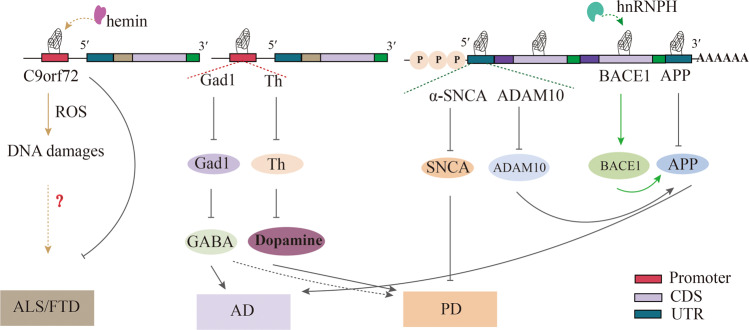
“DHX36 is an RNA helicase that binds to and unwinds pri-miR-26a RNA G4 structure and thus regulates miR-26a biogenesis and function in hepatic lipid metabolism and insulin sensitivity [44].”
BackgroundMethodFleming, A. M., Zhu, J., Ding, Y., & Burrows, C. J. (2019) · Nucleic Acids Research · doi:10.1093/nar/gkz207 · Cited by 55 · cited 1×
“Established G4s occur naturally in a similar location relative to the TSS for possible oxidation-induced gene activation [129].”
BackgroundThe Effect of Nrf2 Pathway Activation on Human Pancreatic Islet Cells
Masuda, Y., Vaziri, N. D., Li, S., Le, A., Hajighasemi‐Ossareh, M., Robles, L. Y., Foster, C. E., Stamos, M. J., Al-Abodullah, I., Ricordi, C., et al. (2015) · PLoS ONE · doi:10.1371/journal.pone.0131012 · Cited by 54 · cited 1×
“G4 and Nrf2 Low to moderate levels of oxidative stress activate antioxidant and detoxification genes that contain the antioxidant response element (ARE) in their promoters, which is the binding site of the Nrf2 transcription factor [148, 149].”
BackgroundUnusual −1 Ribosomal Frameshift Caused by Stable RNA G-Quadruplex in Open Reading Frame
Endoh, T., & Sugimoto, N. (2013) · Analytical Chemistry · doi:10.1021/ac402497x · Cited by 54
Redstone, S. C. J., Fleming, A. M., & Burrows, C. J. (2019) · Chemical Research in Toxicology · doi:10.1021/acs.chemrestox.8b00332 · Cited by 54 · cited 4×
“G4-sequencing has further revealed that G4s are highly enriched in the promoters and TSSs of human and mouse genes [35].”
BackgroundInfluentialG-quadruplex Stabilization Fuels the ALT Pathway in ALT-positive Osteosarcoma Cells
Amato, R., Valenzuela, M., Berardinelli, F., Salvati, E., Maresca, C., Leone, S., Antoccia, A., & Sgura, A. (2020) · Genes · doi:10.3390/genes11030304 · Cited by 53
Oxidative lesions modulate G-quadruplex stability and structure in the human BCL2 promoter
Bielskutė, S., Plavec, J., & Podbevšek, P. (2021) · Nucleic Acids Research · doi:10.1093/nar/gkab057 · Cited by 52 · cited 1×
“Another study showed that OG could enhance the stability of the G4 structure located in the promoter region of the BCL2, which suggests a potential novel regulatory role of oxidative stress in general, and specifically in BCL2 gene transcription [97].”
BackgroundEspejo, M. A. J., & Line, S. R. P. (2019) · FEBS Journal · doi:10.1111/febs.15065 · Cited by 51 · cited 1×
“Computational analyses have shown that hypermethylated CpG tends to be associated with low G4 stability [59].”
BackgroundGuanine Radicals Induced in DNA by Low-Energy Photoionization
Balanikas, E., Bányász, Á., Douki, T., Baldacchino, G., & Markovitsi, D. (2020) · Accounts of Chemical Research · doi:10.1021/acs.accounts.0c00245 · Cited by 51
G-quadruplex binder pyridostatin as an effective multi-target ZIKV inhibitor
Zou, M., Li, J., Zhang, M.-J., Li, J., Huang, J.-T., You, P.-D., Liu, S., & Zhou, C. (2021) · International Journal of Biological Macromolecules · doi:10.1016/j.ijbiomac.2021.08.121 · Cited by 51
Self-citationShan, C., Yan, J., Wang, Y., Che, T., Huang, Z.-L., Chen, A.-C., Yao, P.-F., Tan, J.-H., Li, D., Gu, L., et al. (2017) · Journal of Medicinal Chemistry · doi:10.1021/acs.jmedchem.6b01218 · Cited by 50
DNA damage processing at telomeres: The ends justify the means
Fouquerel, E., Parikh, D., & Opresko, P. L. (2016) · DNA repair · doi:10.1016/j.dnarep.2016.05.022 · Cited by 50
Kazemier, H. G., Paeschke, K., & Lansdorp, P. M. (2017) · Nucleic Acids Research · doi:10.1093/nar/gkx245 · Cited by 50
Liu, S., Bu, L., Zhang, Y., Yan, J., Li, L., Li, G., Song, Z., & Huang, J. (2021) · Analytical Chemistry · doi:10.1021/acs.analchem.1c00301 · Cited by 50
Self-citationGao, J., Zybailov, B. L., Byrd, A. K., Griffin, W. C., Chib, S., Mackintosh, S. G., Tackett, A. J., & Raney, K. D. (2015) · Chemical Communications · doi:10.1039/c5cc00742a · Cited by 47 · cited 1×
“Similarly, other zinc-finger TFs, including MAZ and HSUB1, also promote gene transcription through G4s [66, 67].”
BackgroundHoriuchi, K., Kawamura, T., & Hamakubo, T. (2021) · Journal of Biological Chemistry · doi:10.1016/j.jbc.2021.101248 · Cited by 46
Fleming, A. M., & Burrows, C. J. (2020) · Chemical Communications · doi:10.1039/d0cc04138f · Cited by 43 · cited 1×
“H2O2 decomposes in the presence of Fe into CO3 and HO, of which the former is a highly potent oxidizer [89].”
BackgroundFu, J., Zheng, H., Wang, H., Yang, B., Zhao, R., Lu, C., Liu, Z., Hou, Y., Xu, Y., Zhang, Q., et al. (2015) · Oxidative Medicine and Cellular Longevity · doi:10.1155/2015/639191 · Cited by 43
Epigenetic Modulation of Chromatin States and Gene Expression by G-Quadruplex Structures
Reina, C., & Cavalieri, V. (2020) · International Journal of Molecular Sciences · doi:10.3390/ijms21114172 · Cited by 43
Caterino, M., D’Aria, F., Kustov, A. V., Belykh, D. V., Khudyaeva, I. S., Starseva, O. M., Березин, Д. Б., Игоревна, П. Я., Усачева, Т. Р., Amato, J., et al. (2019) · International Journal of Biological Macromolecules · doi:10.1016/j.ijbiomac.2019.12.152 · Cited by 42 · cited 10×
“A recent study showed that poly-G4-TMPyP4 complexes generate high levels of singlet oxygen at cancer lesions in response to UV irradiation and promote apoptosis of tumor cells [176].”
BackgroundInfluentialUp-Regulating Relaxin Expression by G-Quadruplex Interactive Ligand to Achieve Antifibrotic Action
Gu, H., Lin, S., Xu, M., Yu, H., Du, X., Zhang, Y., Yuan, G., & Gao, W. D. (2012) · Endocrinology · doi:10.1210/en.2012-1114 · Cited by 41
Gunaratnam, M., Green, C. J., Moreira, J. B., Moorhouse, A. D., Kèlland, L. R., Moses, J. E., & Neidle, S. (2009) · Biochemical Pharmacology · doi:10.1016/j.bcp.2009.03.018 · Cited by 40
G-Quadruplex Modulation of SP1 Functional Binding Sites at the KIT Proximal Promoter
Ros, S. D., Nicoletto, G., Rigo, R., Ceschi, S., Zorzan, E., Dacasto, M., Giantin, M., & Sissi, C. (2020) · International Journal of Molecular Sciences · doi:10.3390/ijms22010329 · Cited by 40
Yoshida, W., Saikyo, H., Nakabayashi, K., Yoshioka, H., Bay, D. H., Iida, K., Kawai, T., Hata, K., Ikebukuro, K., Nagasawa, K., et al. (2018) · Scientific Reports · doi:10.1038/s41598-018-21514-7 · Cited by 39
Targeting eIF4A-Dependent Translation of KRAS Signaling Molecules
Singh, K., Lin, J., Lecomte, N., Mohan, P., Gokce, A., Sanghvi, V. R., Jiang, M., Grbovic-Huezo, O., Burčul, A., Stark, S. G., et al. (2021) · Cancer Research · doi:10.1158/0008-5472.can-20-2929 · Cited by 39 · cited 12×
“Furthermore, G4s also mediate the antioxidant process by forming stress granules and activating Nrf2, which is suggestive of their involvement in developing ROS-related diseases.”
BackgroundInfluentialCui, X., Lin, S., & Yuan, G. (2012) · International Journal of Biological Macromolecules · doi:10.1016/j.ijbiomac.2012.02.029 · Cited by 37
Stabilization of G-quadruplex DNA and inhibition of Bcl-2 expression by a pyridostatin analog
Feng, Y., Yang, D., Chen, H., Cheng, W., Wang, L., Sun, H., & Tang, Y. (2016) · Bioorganic & Medicinal Chemistry Letters · doi:10.1016/j.bmcl.2016.02.065 · Cited by 37
Nagesh, N., Sharma, V. K., Kumar, A. G., & Lewis, E. A. S. (2009) · Journal of Nucleic Acids · doi:10.4061/2010/146418 · Cited by 36
Structural analysis and cellular visualization of APP RNA G-quadruplex
Lyu, K., Chen, S.-B., Chan, C., Tan, J., & Kwok, C. K. (2019) · Chemical Science · doi:10.1039/c9sc02768h · Cited by 36
RHPS4 G-Quadruplex Ligand Induces Anti-Proliferative Effects in Brain Tumor Cells
Lagah, S., Tan, I., Radhakrishnan, P., Hirst, R. A., Ward, J. H., O’Callaghan, C., Smith, S. J., Stevens, M. F. G., Grundy, R. G., & Rahman, R. (2014) · PLoS ONE · doi:10.1371/journal.pone.0086187 · Cited by 35
Guillon, J., Cohen, A., Boudot, C., Valle, A., Milano, V., Das, R. N., Guédin, A., Moreau, S., Ronga, L., Savrimoutou, S., et al. (2020) · Journal of Enzyme Inhibition and Medicinal Chemistry · doi:10.1080/14756366.2019.1706502 · Cited by 35
Regulation of autophagy by DNA G-quadruplexes
Lejault, P., Moruno-Manchon, J. F., Vemu, S. M., Honarpisheh, P., Zhu, L., Kim, N., Urayama, A., Monchaud, D., McCullough, L. D., & Tsvetkov, A. S. (2020) · Autophagy · doi:10.1080/15548627.2020.1769991 · Cited by 33
Wen, L., & Xie, M. (2016) · Spectrochimica Acta Part A Molecular and Biomolecular Spectroscopy · doi:10.1016/j.saa.2016.08.013 · Cited by 33
Espejo, M. A. J., Fleming, A. M., & Burrows, C. J. (2020) · ACS Chemical Biology · doi:10.1021/acschembio.0c00260 · Cited by 33
Action and function of helicases on RNA G-quadruplexes
Caterino, M., & Paeschke, K. (2021) · Methods · doi:10.1016/j.ymeth.2021.09.003 · Cited by 32 · cited 1×
“The unfolding and folding of G4s during replication or transcription are mainly catalyzed by helicases [54, 55] including DNA G4 helicases such as Pif1, ATRX, RecQ, FANCJ, BLM and WRN [54], and RNA G4 helicases such as DHX9, DHX36, and the DDX5/ DDX17/Dbp2 subfamily [56] (Fig.”
BackgroundRocca, R., Moraca, F., Costa, G., Alcaro, S., Distinto, S., Maccioni, E., Ortuso, F., Artese, A., & Parrotta, L. (2014) · Molecules · doi:10.3390/molecules20010206 · Cited by 31
Zhao, N., Ding, B., Zhang, Y., Klockow, J., Lau, K., Chin, F. T., Cheng, Z., & Liu, H. (2020) · Journal of Controlled Release · doi:10.1016/j.jconrel.2020.05.031 · Cited by 30
Aptamer Selection Based on G4-Forming Promoter Region
Yoshida, W., Saito, T., Yokoyama, T., Ferri, S. R., & Ikebukuro, K. (2013) · PLoS ONE · doi:10.1371/journal.pone.0065497 · Cited by 30 · cited 5×
“In fact, its constituent structure involves multiple TFs and other binding proteins such as eIF protein family (eIF2, eIF4G), T-cell intracellular antigen1 (TIA1), Y-box binding protein 1 (YB-1), USP10 and G3BP1 [135–138].”
BackgroundInfluentialDinçer, Y., Akkaya, Ç., Mutlu, T., Yavuzer, S., Erkol, G., Bozluolçay, M., & Güven, M. (2019) · Neuroscience Letters · doi:10.1016/j.neulet.2019.134362 · Cited by 30 · cited 1×
“A disproportionate level of oxidative stress and an aberrant DDR machinery can lead to accumulated damaged DNA and trigger apoptotic pathways [8], which is the pathological basis of aging and agingrelated diseases [9, 10].”
BackgroundLight-induced oxidation of the telomeric G4 DNA in complex with Zn(II) tetracarboxymethyl porphyrin
Beniaminov, A. D., Новиков, Р. А., Mamaeva, O. K., Mitkevich, V. A., Smirnov, I. P., Livshits, M. A., Shchyolkina, A. K., & Kaluzhny, D. N. (2016) · Nucleic Acids Research · doi:10.1093/nar/gkw947 · Cited by 28 · cited 1×
“ZnP1 is a cationic porphyrin derivative that binds to the DNA groove [180].”
BackgroundMontoya, J. J., Turnidge, M. A., Wai, D., Patel, A. R., Lee, D. W., Gokhale, V. M., Hurley, L. H., Arceci, R. J., Wetmore, C., & Azorsa, D. O. (2019) · BMC Cancer · doi:10.1186/s12885-019-6464-9 · Cited by 28
Srinivasan, S., Velu, R., DeRosa, M. C., & Murari, B. M. (2019) · Analytical and Bioanalytical Chemistry · doi:10.1007/s00216-018-1484-x · Cited by 28
G-quadruplex ligands mediate downregulation of DUX4 expression
Ciszewski, L., Lu‐Nguyen, N., Slater, A., Brennan, A., Williams, H. E. L., Dickson, G., Searle, M. S., & Popplewell, L. J. (2020) · Nucleic Acids Research · doi:10.1093/nar/gkaa146 · Cited by 28
Sullivan, H.-J., Chen, B., & Wu, C. F. (2020) · Journal of Chemical Information and Modeling · doi:10.1021/acs.jcim.0c00632 · Cited by 28
Farhath, M. M., Thompson, M. G., Ray, S., Sewell, A. L., Balci, H., & Basu, S. (2015) · Biochemistry · doi:10.1021/acs.biochem.5b00209 · Cited by 27
Lu, L., Wang, M., Mao, Z., Kang, T., Chen, X., Lu, J., Leung, C., & Ma, D. (2016) · Scientific Reports · doi:10.1038/srep22458 · Cited by 27
Research works printed but not linked: 5
- Neeley W, Essigmann J. Mechanisms of formation, genotoxicity, and mutation of guanine oxidation products. Chem Res Toxicol. 2006;19:491–505. · DOI · Paper page
- von Zglinicki T. Oxidative stress shortens telomeres. Trends Biochem Sci. 2002;27:339–44. · DOI · Paper page
- Frenkel KJP. therapeutics Carcinog-mediated Oxid formation Oxid DNA damage. 1992;53:127–66.
- Chen H, Long H, Cui X, Zhou J, Xu M, Yuan G. Exploring the formation and recognition of an important G-quadruplex in a HIF1alpha promoter and its transcriptional inhibition by a benzo[c]phenanthridine derivative. J Am Chem Soc. 2014;136:2583–91. · DOI
- Marie-Paule TF, Carolina C, Lionel G, Christian B, Patrizia A, Jean-Louis M, et al. Selective recognition of G-quadruplex telomeric DNA by a bis(quinacridine) macrocycle. JACS 2003;125:4732–40. · DOI
Cited by
Sorted by citations
Deiana, M., Castán, J. M. A., Josse, P., Kahsay, A. G., Sánchez, D. P., Morice, K., Gillet, N., Ravindranath, R., Patel, A. K., Sengupta, P., et al. (2023) · Nucleic Acids Research · doi:10.1093/nar/gkad365 · Cited by 67
“In addition, guanine has the lowest redox potential among the four DNA bases and runs of guanines render these sequences e v en more prone to oxidation ( 51 , 108 ) providing opportunities to maximize DNA damage by using G4-specific PSs.”
Epithelial–mesenchymal plasticity in kidney fibrosis
Hadpech, S., & Thongboonkerd, V. (2023) · genesis · doi:10.1002/dvg.23529 · Cited by 62
“ROS also acts as a secondary messenger in cellular signaling pathways (Ming et al., 2022; Wu et al., 2023).”
BackgroundG-quadruplexes and associated proteins in aging and Alzheimer’s disease
Kumar, M. J. V., Morales, R., & Tsvetkov, A. S. (2023) · Frontiers in Aging · doi:10.3389/fragi.2023.1164057 · Cited by 34
“The oxidative DNA damage is increased in genes that are rich in G-rich sequences and have the propensity to form G4-DNA motifs (Brosh and Bohr, 2007; Bielskute et al., 2021; Wu et al., 2023).”
BackgroundMultifunctional Cerium Oxide Nanozyme for Synergistic Dry Eye Disease Therapy
Zou, H., Hong, Y., Xu, B., Wang, M., Xie, H., Wang, Y., & Lin, Q. (2024) · ACS Applied Materials & Interfaces · doi:10.1021/acsami.4c07390 · Cited by 30
Luo, T., Yang, S., Zhao, T., Zhu, H., Chen, C., Shi, X., Chen, D., Wang, K., Jiang, K., Xu, D., et al. (2023) · Cell Death and Disease · doi:10.1038/s41419-023-05913-x · Cited by 32
Metadata
- Authors
- Wu, S., Jiang, L., Lei, L., Fu, C., Huang, J., Hu, Y., Dong, Y., Chen, J., & Zeng, Q.
- Affiliations
- Central South University (CN)
- Corresponding author
- Chen, Jing
- Zeng, Qinghai
- Venue
- Cell Death & Disease
- Published
- 2023-01-18
- Volume
- 14
- Issue
- 1
- Pages
- 37-37
- ISSN
- 2041-4889 (ISSN-L)
- PMC
- PMC9849334
- OpenAlex
- W4317234399
- Cited by
- 69
- References
- 229
- Citations by year
- 2026: 17 · 2025: 28 · 2024: 14 · 2023: 10
- FWCI
- 1.82
- Type
- journal article
- Language
- en
- Open access
- gold
- doi.org
- Locations
- Cell Death and Disease (publishedVersion, cc-by)
- PubMed Central (publishedVersion, cc-by)
- PubMed (publishedVersion)
- DOAJ (DOAJ: Directory of Open Access Journals) (submittedVersion, cc-by-sa)
- Funders
- National Natural Science Foundation of China (82103704, 82073420, 82073421, No. 82103704, 82003326, YX202007)
- Central South University (YX202007)
- Xiangya Hospital, Central South University
- Topics
- Life Sciences › Biochemistry, Genetics and Molecular Biology › Molecular Biology › DNA and Nucleic Acid Chemistry
- Life Sciences › Biochemistry, Genetics and Molecular Biology › Cell Biology › Telomeres, Telomerase, and Senescence
- Life Sciences › Biochemistry, Genetics and Molecular Biology › Clinical Biochemistry › Advanced Glycation End Products research
- Keywords
- G-quadruplex, reactive oxygen species, oxidative DNA damage, G-rich sequences, stress granules, Nrf2, aging, age-related diseases, transcriptional regulation, telomere maintenance, epigenetic regulation, redox potential
- MeSH terms
- DNA, Regulatory Sequences, Nucleic Acid, Reactive Oxygen Species, Epigenesis, Genetic, G-Quadruplexes
About these checks
Registry, retraction, Cites and statistics results are computed, not judged, with one exception: a printed reference that no index lists is read once by a model before it counts as a citation error. Claims are extracted by a model and kept only when their quote appears verbatim in the text; each cited source is then checked, with a model’s help, for whether it says what the claim relies on. Those verdicts can be wrong — read the claim’s quote and the cited source before relying on one.
Statistics and arithmetic are recomputed, not judged.
Confidence bands are shown only for fields calibrated on our annotated test set. None is calibrated yet, so no band is shown.
What counts as a claim ›How we measure confidence ›How we check this ›
Are you an author, or do you see a problem with this page? Request a review
