

Cas9-directed immune tolerance in humans—a model to evaluate regulatory T cells in gene therapy?
Open accessThe DOI matches its Crossref record; 111 of the 111 references it cites were found in a registry or an index.
Abstract
The dichotomic nature of the adaptive immune response governs the outcome of clinical gene therapy. On the one hand, neutralizing antibodies and cytotoxic T cells can have a dramatic impact on the efficacy and safety of human gene therapies. On the other hand, regulatory T cells (Treg) can promote tolerance toward transgenes thereby enabling long-term benefits of in vivo gene therapy after a single administration. Pre-existing antibodies and T cell immunity has been a major obstacle for in vivo gene therapies with viral vectors. As CRISPR-Cas9 gene editing advances toward the clinics, the technology’s inherent immunogenicity must be addressed in order to guide clinical treatment decisions. This review summarizes the recent evidence on Cas9-specific immunity in humans—including early results from clinical trials—and discusses the risks for in vivo gene therapies. Finally, we focus on solutions and highlight the potential role of Cas9-specific Treg cells to promote immune tolerance. As a “beneficial alliance” beyond Cas9-immunity, antigen-specific Treg cells may serve as a living and targeted immunosuppressant to increase safety and efficacy of gene therapy.
Overview
The claims and statistics of this paper haven’t been checked yet.
Free: it reads the open-access text and checks the first 5 claims that cite a source we can check. Create a free account to check every claim.
Integrity signals
Registry
Cites
Statistics
Figures
Verification
Claims the paper makes
The claims and statistics of this paper haven’t been checked yet.
Free: it reads the open-access text and checks the first 5 claims that cite a source we can check. Create a free account to check every claim.
Claims other papers make about this one
Each is checked against this paper’s own text: does it say what the citing paper says it does?
The cited source says what the claim attributes to it.
In the citing paper
“Additionally, Treg expression of CTLA4 is known to disrupt T effector cell function.”
From Modulating immune responses to AAV by expanded polyclonal T-regs and capsid specific chimeric antigen receptor T-regulatory cells (2021) · cites this paper as [44]
Self-check
Percentages, sums and reported differences re-computed from the paper’s own numbers.
The self-check needs the paper’s full text.
Citations
Cites
A Programmable Dual-RNA–Guided DNA Endonuclease in Adaptive Bacterial Immunity
Jinek, M., Chylinski, K., Fonfara, I., Hauer, M., Doudna, J. A., & Charpentier, E. (2012) · Science · doi:10.1126/science.1225829 · Cited by 17,116
Multiplex Genome Engineering Using CRISPR/Cas Systems
Cong, L., Ran, F. A., Cox, D., Lin, S., Barretto, R., Habib, N., Hsu, P. D., Wu, X., Jiang, W., Marraffini, L. A., et al. (2013) · Science · doi:10.1126/science.1231143 · Cited by 15,339
RNA-Guided Human Genome Engineering via Cas9
Mali, P., Yang, L., Esvelt, K. M., Aach, J., Guell, M., DiCarlo, J. E., Norville, J. E., & Church, G. M. (2013) · Science · doi:10.1126/science.1232033 · Cited by 9,210
The new frontier of genome engineering with CRISPR-Cas9
Doudna, J. A., & Charpentier, E. (2014) · Science · doi:10.1126/science.1258096 · Cited by 7,062 · cited 2×
“The discovery of CRISPR-Cas9 has significantly amplified the general excitement about gene therapies [19, 100].”
BackgroundSearch-and-replace genome editing without double-strand breaks or donor DNA
Anzalone, A. V., Randolph, P. B., Davis, J. R., Sousa, A. A., Koblan, L. W., Levy, J. M., Chen, P. J., Wilson, C., Newby, G. A., Raguram, A., et al. (2019) · Nature · doi:10.1038/s41586-019-1711-4 · Cited by 4,767
Programmable base editing of A•T to G•C in genomic DNA without DNA cleavage
Gaudelli, N. M., Komor, A. C., Rees, H. A., Packer, M. S., Badran, A. H., Bryson, D. I., & Liu, D. R. (2017) · Nature · doi:10.1038/nature24644 · Cited by 4,184
Vignali, D. A. A., Collison, L. W., & Workman, C. J. (2008) · Nature Reviews Immunology · doi:10.1038/nri2343 · Cited by 3,463
Gasiunas, G., Barrangou, R., Horvath, P., & Siksnys, V. (2012) · Proceedings of the National Academy of Sciences · doi:10.1073/pnas.1208507109 · Cited by 2,769
Evolutionary classification of CRISPR–Cas systems: a burst of class 2 and derived variants
Makarova, K. S., Wolf, Y. I., Iranzo, J., Shmakov, S. A., Alkhnbashi, O. S., Brouns, S. J. J., Charpentier, E., Cheng, D., Haft, D. H., Horvath, P., et al. (2020) · Nature Reviews Microbiology · doi:10.1038/s41579-019-0299-x · Cited by 2,445
Manno, C. S., Pierce, G. F., Arruda, V. R., Glader, B., Ragni, M., Rasko, J. J. E., Ozelo, M. C., Hoots, K., Blatt, P., Konkle, B., et al. (2006) · Nature Medicine · doi:10.1038/nm1358 · Cited by 2,163
Cited by
Past, present, and future of CRISPR genome editing technologies
Pacesa, M., Pelea, O., & Jinek, M. (2024) · Cell · doi:10.1016/j.cell.2024.01.042 · Cited by 609
“87 Pre-existing anti-Cas9 antibodies and reactive T cells have been identified in humans, 88,89 and Cas9 immunity has been associated with compromised therapeutic outcomes in canine and non-human primate disease models.”
BackgroundTherapeutic in vivo delivery of gene editing agents
Raguram, A., Banskota, S., & Liu, D. R. (2022) · Cell · doi:10.1016/j.cell.2022.03.045 · Cited by 522
CAR-T Regulatory (CAR-Treg) Cells: Engineering and Applications
Arjomandnejad, M., Kopec, A. L., & Keeler, A. M. (2022) · Biomedicines · doi:10.3390/biomedicines10020287 · Cited by 171
“To avoid systemic suppression, engineering Tregs with a Cas9-specific TCR or CAR is one of the possible strategies to overcome Cas9-mediated immune responses [177,178].”
BackgroundImmunogenicity of CRISPR therapeutics—Critical considerations for clinical translation
Ewaisha, R., & Anderson, K. S. (2023) · Frontiers in Bioengineering and Biotechnology · doi:10.3389/fbioe.2023.1138596 · Cited by 165
RNA‐based medicine: from molecular mechanisms to therapy
Sparmann, A., & Vogel, J. (2023) · The EMBO Journal · doi:10.15252/embj.2023114760 · Cited by 159
TCR-T Immunotherapy: The Challenges and Solutions
Liu, Y., Yan, X., Zhang, F., Zhang, X., Tang, F., Han, Z., & Li, Y. (2022) · Frontiers in Oncology · doi:10.3389/fonc.2021.794183 · Cited by 117
“These drawbacks may be overcome by, for example, modifying T cells to release cytokines that can counteract immunosuppressive factors in the TME and combining TME inhibitors (22).”
BackgroundLing, S., Zhang, X., Dai, Y., Jiang, Z., Zhou, X., Lu, S., Qian, X., Liu, J., Selfjord, N., Şatır, T. M., et al. (2025) · Nature Nanotechnology · doi:10.1038/s41565-024-01851-7 · Cited by 109
“14,15).”
Dubey, A. K., Gupta, V. K., Kujawska, M., Orive, G., Kim, N., Li, C.-Z., Mishra, Y. K., & Kaushik, A. K. (2022) · Journal of nanostructure in chemistry · doi:10.1007/s40097-022-00472-7 · Cited by 93
Rational engineering of minimally immunogenic nucleases for gene therapy
Raghavan, R. S., Friedrich, M., King, C., Vo, C.-D.-T., Strebinger, D., Lash, B., Kilian, M., Platten, M., Macrae, R. K., Song, Y., et al. (2025) · Nature Communications · doi:10.1038/s41467-024-55522-1 · Cited by 63
“It has been reported that 80% of healthy individuals have both humoral immunity, mediated by antibodies, and cellular immunity, mediated by T-cells, against proteins derived from Staphylococcus aureus and Streptococcus pyogenes 2,17 .”
Current strategies employed in the manipulation of gene expression for clinical purposes
Tsai, H., Pietrobon, V., Peng, M., Wang, S., Zhao, L., Marincola, F. M., & Cai, Q. (2022) · Journal of Translational Medicine · doi:10.1186/s12967-022-03747-3 · Cited by 53
“However, in all these reports Cas9-directed immune responses were not directly evaluated [56] and the available safety data derived from patients that had a compromised immune system.”
BackgroundHemophilia Gene Therapy: The End of the Beginning?
Wolf, D. D., Singh, K., Chuah, M., & VandenDriessche, T. (2023) · Human Gene Therapy · doi:10.1089/hum.2023.112 · Cited by 50
Recent Advances in Gene Therapy for Hemophilia: Projecting the Perspectives
Chernyi, N., Gavrilova, D., Saruhanyan, M., Oloruntimehin, E. S., Karabelsky, A. V., Bezsonov, E. E., & Malogolovkin, A. S. (2024) · Biomolecules · doi:10.3390/biom14070854 · Cited by 49
Arjomandnejad, M., Sylvia, K., Blackwood, M., Nixon, T., Tang, Q., Muhuri, M., Gruntman, A. M., Gao, G., Flotte, T. R., & Keeler, A. M. (2021) · Molecular Therapy - Methods & Clinical Development · doi:10.1016/j.omtm.2021.10.010 · Cited by 44
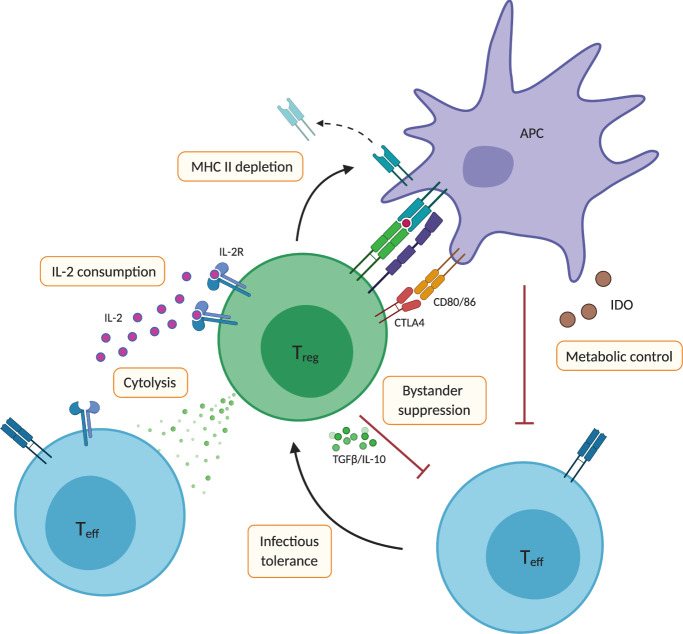
“Additionally, Treg expression of CTLA4 is known to disrupt T effector cell function.(44) Also, a majority of AAV-CAR Tregs were expressing latency-associated peptide (LAP), with few expressing LAP and glycoprotein A repetitions predominant (GARP), suggesting AAV-CAR Tregs potentially produce immunosuppressive cytokine…”
BackgroundZhang, Y., Li, H. Z., Nishiyama, T., McAnally, J., Sanchez‐Ortiz, E., Huang, J. H., Mammen, P. P. A., Bassel‐Duby, R., & Olson, E. N. (2022) · Molecular Therapy — Nucleic Acids · doi:10.1016/j.omtn.2022.07.024 · Cited by 34
“Potential solutions to reduce Cas9-specific immune responses include (1) screening Cas orthologs from other bacterial systems with less human exposure; (2) designing a tunable CRISPR-Cas system to turn off Cas nuclease expression after completion of gene editing; (3) extending immunosuppressant supplementation to alle…”
Base editors: development and applications in biomedicine
Liang, Y., Chen, F., Wang, K., & Lai, L. (2023) · Frontiers of Medicine · doi:10.1007/s11684-023-1013-y · Cited by 36
CRISPR/Cas9 gene editing: a novel strategy for fighting drug resistance in respiratory disorders
Hussen, B. M., Najmadden, Z. B., Abdullah, S. R., Rasul, M. F., Mustafa, S. A., Ghafouri‐Fard, S., & Taheri, M. N. (2024) · Cell Communication and Signaling · doi:10.1186/s12964-024-01713-8 · Cited by 32
“Further, concurrent immunosuppressive treatments may be used to reduce immunological reactions against Cas9 [171].”
BackgroundSzapacs, M., Jian, W., Spellman, D. S., Cunliffe, J., Verburg, E., Kaur, S., Kellie, J. F., Li, W., Mehl, J. T., Qian, M. G., et al. (2023) · Bioanalysis · doi:10.4155/bio-2023-0167 · Cited by 29
Potential Use of CRISPR/Cas13 Machinery in Understanding Virus–Host Interaction
Bayoumi, M. M., & Munir, M. (2021) · Frontiers in Microbiology · doi:10.3389/fmicb.2021.743580 · Cited by 30
“Therefore, proteins with reduced immunogenicity would be helpful to empower the use of Cas13-mediated genome editing (Wignakumar and Fairchild, 2019; Wagner et al., 2021).”
BackgroundIn vivo liver targeted genome editing as therapeutic approach: progresses and challenges
Simoni, C., Barbon, E., Muro, A. F., & Cantore, A. (2024) · Frontiers in Genome Editing · doi:10.3389/fgeed.2024.1458037 · Cited by 24
AAV-based CRISPR-Cas9 genome editing: Challenges and engineering opportunities
Kabadi, A. M., Mejía‐Guerra, M. K., Graef, J. D., Khan, S. Z., Walton, E. M., Wang, X., Gersbach, C. A., & Potter, R. A. (2023) · Current Opinion in Biomedical Engineering · doi:10.1016/j.cobme.2023.100517 · Cited by 29
Protection is not always a good thing: The immune system’s impact on gene therapy
de Freitas, M. V., Frâncio, L., Haleva, L., & Matte, Ú. D. S. (2022) · Genetics and Molecular Biology · doi:10.1590/1678-4685-gmb-2022-0046 · Cited by 21
Advances in Therapeutic Applications of CRISPR Genome Editing for Spinal Pain Management
Kang, C. Y., Been, K. W., Kang, M. R., Choi, M. S., Kang, R. H., Hur, J. W., & Hur, J. K. (2025) · Neurospine · doi:10.14245/ns.2550462.231 · Cited by 17
“The activated T cells with the expression of CD137 or CD154 on the cell surface were also identified by interferon-γ enzyme-linked immu-nospot (ELISpot) assays 87,98 and intracellular cytokine staining.”
Treating genetic blood disorders in the era of CRISPR-mediated genome editing
Almotiri, A., Abogosh, A., Abdelfattah, A., Alowaisy, D., & Rodrigues, N. P. (2025) · Molecular Therapy · doi:10.1016/j.ymthe.2025.01.031 · Cited by 16
Applications of CRISPR technology in cellular immunotherapy
Zhou, X., Renauer, P. A., Zhou, L., Fang, S., & Chen, S. (2023) · Immunological Reviews · doi:10.1111/imr.13241 · Cited by 15
“137 It was reported that Cas9 is immunogenic and that both cellular and humoral immunity pre-exist in the majority of healthy humans.”
BackgroundDipalo, L. L., Mikkelsen, J. G., Gijsbers, R., & Carlon, M. S. (2025) · Human Gene Therapy · doi:10.1089/hum.2024.258 · Cited by 12
“247,254 It can be hypothesized that retroviral vectors, which promote stable, long-term transgene expression, may trigger such a response more robustly than CDVs, which only transiently deliver the Cas9-sgRNA RNP.”
Shining light on CRISPR/Cas9 therapeutics for inherited retinal diseases
Geiger, A., Kennedy, J. G., Staker, L. G., Wensel, T. G., Casson, R. J., & Thomas, P. Q. (2025) · Progress in Retinal and Eye Research · doi:10.1016/j.preteyeres.2025.101376 · Cited by 11
Gene Editing Applications as Future Cardiovascular Therapies
Tadokoro, T., Olson, E. N., & Liu, N. (2025) · Annual Review of Genetics · doi:10.1146/annurev-genet-011725-094039 · Cited by 11
“To address these challenges, researchers have deployed various strategies, including immunosuppressive administration, adaptation of Cas9-specific regulatory T cells, and immunosilencing of Cas9 (37, 38, 149, 150).”
Therapeutic advances in hemophilia: from molecular innovation to patient-centered global care
Dushimova, Z., Pashimov, M., Kaibullayeva, J. A., Danyarova, L., Kultanova, E., Abdilova, G., & Mustapayeva, N. (2025) · Frontiers in Medicine · doi:10.3389/fmed.2025.1618464 · Cited by 15
Precise Gene Knock‐In Tools with Minimized Risk of DSBs: A Trend for Gene Manipulation
Liu, Y. H., Kong, J., Liu, G., Li, Z., & Xiao, Y. (2024) · Advanced Science · doi:10.1002/advs.202401797 · Cited by 13
Potential role for oral tolerance in gene therapy
Butterfield, J. S. S., Li, X., Arisa, S., Kwon, K., Daniell, H., & Herzog, R. W. (2023) · Cellular Immunology · doi:10.1016/j.cellimm.2023.104742 · Cited by 9
Zhang, H., Li, Y., Li, J., Li, X., & Li, T. (2025) · Pharmaceutics · doi:10.3390/pharmaceutics17111405 · Cited by 9
“Pre-existing antibodies against AAV serotypes or SpCas9 may neutralize vectors/editors [114], and pre-existing T-cell responses against SpCas9 or immune reactions in non-human primate eyes raise concerns about edited cell clearance [94,115].”
CRISPR-Based Gene Editing Techniques in Pediatric Neurologic Disorders
Chrzanowski, S. M., & Batra, R. (2022) · Pediatric Neurology · doi:10.1016/j.pediatrneurol.2024.01.021 · Cited by 7
Current regulatory requirements for assessment of immunogenicity for gene therapy medicinal products
Mann, C. J., Giblin, J., Braun, M., Schmid, F., Sørensen, M. R., Caferra, P., Hudák, A., Letoha, T., Coderch, N., Hickling, T. P., et al. (2025) · Cell Reports Medicine · doi:10.1016/j.xcrm.2025.102422 · Cited by 7
“56 Use of new technologies to predict immune responses to GTMPs is urgently required.”
Guo, W., Tang, H., Yi, Z., Zhang, T., Yuan, P., Wang, C., Ren, S., 常希文, Ren, J., Tang, W., et al. (2026) · Cell · doi:10.1016/j.cell.2026.05.030 · Cited by 7
Kaul, T., Sony, S. K., Bharti, J., Motelb, K. F. A., Verma, R., Thangaraj, A., Kaul, R., Nehra, M., & Eswaran, M. (2022) · Springer eBooks · doi:10.1007/978-981-19-1445-4_9 · Cited by 9
Non-coding RNAs in gene therapy: mechanisms, delivery strategies, and clinical translation
Abuhaliema, A., Gharaibeh, L., Jaradat, E., Hammad, M., & Alshaer, W. (2026) · Pharmacia · doi:10.3897/pharmacia.73.e173259 · Cited by 4
“Antibodies can inhibit gene therapy, and memory T cells can identify and eliminate transduced cells (Wagner et al. 2021).”
Construction of Lymphoma Organoids and Applications in Tumor Microenvironment Research
Zhu, M., Li, T., Han, S., Zhao, D., Chen, X., Wong, V., Wang, H., & Liu, Y. (2025) · European Journal Of Haematology · doi:10.1111/ejh.14448 · Cited by 4
Devaux, C. A., Pontarotti, P., Nehari, S., & Raoult, D. (2022) · Frontiers in Immunology · doi:10.3389/fimmu.2022.989707 · Cited by 4
“Because CRISPR comes from bacteria that live on or infect humans, an important fraction of the human population has built up immunity to the Cas9 from bacteria over time (59).”
BackgroundVasconcelos‐Fontes, L., Vieira, R. C., He, M., Ferreira‐Reis, R., Jurberg, A. D., Mendes‐da‐Cruz, D. A., Andersson, J., Cotta-de-Almeida, V., & Westerberg, L. S. (2024) · European Journal of Immunology · doi:10.1002/eji.202350450 · Cited by 4
“In vitro differentiation of Treg cells is used for the adoptive transfer of Treg cells in clinical gene therapy [60–62].”
MethodWu, J., Jang, H., Kwak, H., Son, M., Jiang, W., Hwang, H., Jo, D. H., Kim, D., Kim, S., & Kim, J. H. (2025) · Genome biology · doi:10.1186/s13059-025-03774-5 · Cited by 3
Gene modification: Exploring the potential in treating kidney diseases
Ekperikpe, U. S., Zhao, S., & Daehn, I. S. (2026) · Pharmacological Research · doi:10.1016/j.phrs.2026.108104 · Cited by 5
Dowling, J. J. (2022) · Gene Therapy · doi:10.1038/s41434-022-00323-8 · Cited by 3
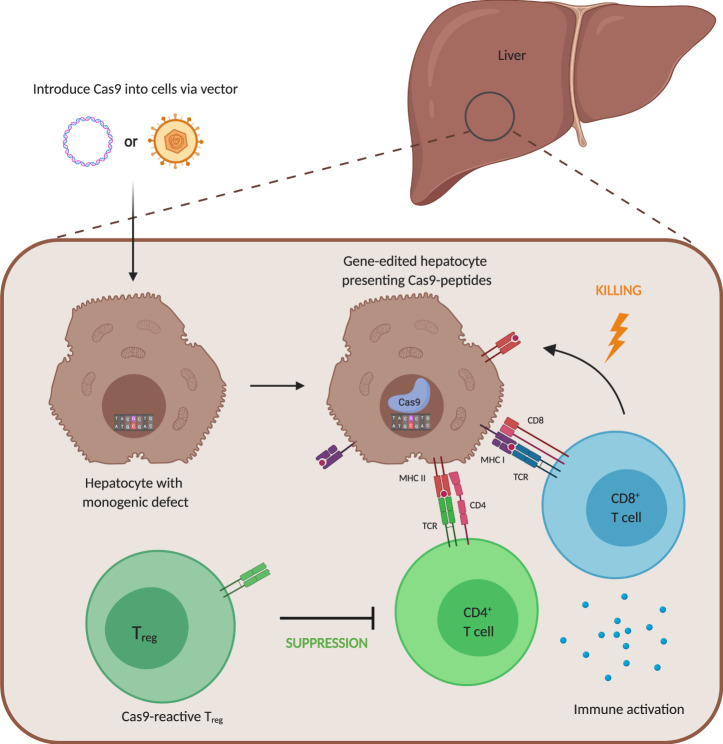
“Lastly, an attractive approach is to consider creating immune tolerance to Cas9, such as through the generation and/or transfer of Cas9specific Treg cells [24].”
BackgroundZarrinrad, G., Burkhardt, L.-M., Beltran-Mestres, C., Romero‐Suárez, S., Wagner, D. L., Schlickeiser, S., Stein, M., Wendering, D. J., de la Cebosa, I. J. C. D., Ehlen, L., et al. (2026) · Molecular Therapy Advances · doi:10.1016/j.omta.2026.201735 · Cited by 2
“53 Of note, Treg suppress by a myriad of additional mechanisms, 52 but there is currently no standardized assay to evaluate all modes of action.”
Self-citationHigh-fidelity genome and prime editing enabled by the AI-designed openCRISPR-1
Hwang, H.-Y., Yi, H., Gwon, Y., Jeon, E. J., & Kim, D. (2026) · Genome Medicine · doi:10.1186/s13073-026-01682-2 · Cited by 2
“Immune recognition of Cas9 as a foreign antigen can trigger T-cell-mediated cytotoxicity or antibody-driven clearance, thereby compromising in vivo editing efficiency due to rapid protein elimination [33–35].”
Zhou, W., Lan, B., Liu, Q., & Li, Z. A. (2023) · Science of Advanced Materials · doi:10.1166/sam.2023.4522 · Cited by 2
Gene Editing in Hematopoietic Stem Cells
Liao, J., & Wu, Y. (2023) · Advances in experimental medicine and biology · doi:10.1007/978-981-99-7471-9_11 · Cited by 4
HLA molecules: Another challenge for CAR T cell therapy
Salih, I., Fakhkhari, M., Berrougui, H., Khalil, A., Benabdellah, K., Atilla, E., & Sadki, K. (2025) · Current Research in Translational Medicine · doi:10.1016/j.retram.2025.103547 · Cited by 3
Computation empowers CRISPR discovery and technology
Shang, S., Cai, X. S., & Qi, L. S. (2022) · Nature Computational Science · doi:10.1038/s43588-022-00321-1 · Cited by 3
Mukherjee, K., & Bhattacharyya, S. N. (2026) · Frontiers in Immunology · doi:10.3389/fimmu.2026.1708031 · Cited by 1
“They can also serve as delivery vehicles for therapeutic genes, leveraging their ability to migrate to speci fi c tissues and suppress immune responses, thereby enhancing the long-term bene fi ts of gene therapy (121, 123).”
Khare, G., Duong, A., Hanotaux, J., Shorr, R., Nampoothiri, R. V., Maganti, H. B., & Allan, D. (2026) · Cytotherapy · doi:10.1016/j.jcyt.2026.102898 · Cited by 1
The evolution of AI-integrated genome editing and its challenges
Wong, M. T. J., Zulkifli, N. D., Ravichandran, T., Vasodavan, K., Bin-Alshaibah, O., Himel, G. M. S., Achuthan, A., Anthonysamy, M. A., & Das, K. T. (2026) · Mammalian Genome · doi:10.1007/s00335-026-10248-x · Cited by 1
“As CRISPR-Cas9 advances toward clinical applications, this inherent immunogenicity must be addressed to guide safe clinical treatment decisions (Wagner et al. 2021 ).”
Immune Responses to Adeno-Associated Virus-Mediated CRISPR Therapy
Keeler, A. M. (2021) · Human Gene Therapy · doi:10.1089/hum.2021.29193.amk · Cited by 1
“32 A substantial proportion of Cas9-specific Tregs were discovered in human donors after Cas9 stimulation, 3 and these could potentially be expanded or a Cas9-specific CAR Tregs could additionally be generated to be used to suppress immune responses to Cas9.”
Adeno-Associated Virus-Mediated CRISPR-Cas13 Knockdown of Papain-like Protease from SARS-CoV-2 Virus
Yang, Y., Kessler, M. G. C., Marchán-Rivadeneira, M. R., Zhou, Y., & Han, Y. (2024) · J — Multidisciplinary Scientific Journal · doi:10.3390/j7030023 · Cited by 1
Spotlight on gene therapy in Germany
Mussolino, C., & Harrison, P. T. (2021) · Gene Therapy · doi:10.1038/s41434-021-00277-3 · Cited by 1
“However, the tremendous steps forward also highlight concerns due to the potential immunogenicity of the genome editing components [11] and their potential unwanted activity at off-target sites.”
BackgroundWei, T., Hu, H., Jiang, X., Li, Y., Han, W., Yang, Y., Xiao, X., Mao, M., & Wang, Z. (2025) · bioRxiv (Cold Spring Harbor Laboratory) · doi:10.1101/2025.06.10.658795 · Cited by 1
Lipid Nanoparticle-Mediated Delivery of CRISPR-Cas9 for Therapeutic Gene Correction
Walther, J. (2023) · Utrecht University Repository (Utrecht University) · doi:10.33540/2032
Pharmacogenomics and CRISPR-based therapies
Fatima, M., Tariq, I., Tariq, A., Talib, S., Fatima, M., Shehzadi, M., & Aqib, A. I. (2025) · Progress in brain research · doi:10.1016/bs.pbr.2025.08.009
Advances in viral and nonviral delivery systems for therapeutic gene editing
Jiang, W., Jeong, H. C., & Kim, J. H. (2025) · Taiwan Journal of Ophthalmology · doi:10.4103/tjo.tjo-d-25-00068
Developing AAV Gene Therapy Tools for Neurodevelopmental Epileptic Encephalopathies
Duba-Kiss, R. (2025) · TSpace (University of Toronto)
Gene therapy development for retinal diseases
Reichel, F. F., Bellingrath, J.-S., Király, P., & FISCHER, M. D. (2026) · Handbook of clinical neurology · doi:10.1016/b978-0-443-22212-2.00016-1
Porenta, D., Benne, N., Sijts, A. J. A. M., Broere, F., & Mastrobattista, E. (2026) · The CRISPR Journal · doi:10.1177/25731599261456887
Engineering Biology Beyond Single Genes: Advances and Challenges in Multiplex Genome Editing
Wang, L., Liu, Y., & Han, H. (2026) · Animal Research and One Health · doi:10.1002/aro2.70094
Saadatpour, F. (2026) · Elsevier eBooks · doi:10.1016/b978-0-443-40467-2.00008-7
CRISPR/Cas based genome editing for liver diseases: Promise and challenge
Guan, J., Yang, M., Yang, X., He, Q., Wang, B., & Zhan, C. (2026) · Acta Pharmaceutica Sinica B · doi:10.1016/j.apsb.2026.09.027
Facicilia, G., Sartika, C. R., Hadisaputri, Y. E., & Rostinawati, T. (2026) · Cells · doi:10.3390/cells15212029
Metadata
- Authors
- Wagner, D. L., Peter, L., & Schmueck-Henneresse, M.
- Affiliations
- Berlin Institute of Health at Charité - Universitätsmedizin Berlin (DE)
- Venue
- Gene Therapy
- Published
- 2021-02-11
- Volume
- 28
- Issue
- 9
- Pages
- 549-559
- ISSN
- 0969-7128 (ISSN-L)
- 1476-5462
- PMC
- PMC8455332
- OpenAlex
- W3128665302
- Cited by
- 63
- References
- 110
- Citations by year
- 2026: 12 · 2025: 17 · 2024: 8 · 2023: 11 · 2022: 11 · 2021: 4
- FWCI
- 0.89
- Type
- journal article
- Language
- en
- Open access
- hybrid
- doi.org
- Licence
- cc-by
- creativecommons.org/licenses/by/4.0 (tdm)
- creativecommons.org/licenses/by/4.0 (vor)
- Locations
- Gene Therapy (publishedVersion, cc-by)
- Europe PMC (PubMed Central) (publishedVersion, other-oa)
- PubMed Central (publishedVersion, cc-by)
- PubMed (publishedVersion)
- Informationszentrum Lebenswissenschaften (ZB MED) (submittedVersion, cc-by)
- Refubium (Universitätsbibliothek der Freien Universität Berlin) (submittedVersion, cc-by)
- Universitätsbibliothek der FU Berlin Hochschulschriftenstelle u. Dokumentenserver (cc-by)
- Funders
- European Commission (825392, HORIZON2020)
- Bundesministerium für Bildung und Forschung
- Berlin Institute of Health
- Einstein Centrum für Regenerartive Therapien, Charité-Universitätsmedizin Berlin
- Topics
- Life Sciences › Biochemistry, Genetics and Molecular Biology › Molecular Biology › CRISPR and Genetic Engineering
- Life Sciences › Biochemistry, Genetics and Molecular Biology › Genetics › Virus-based gene therapy research
- Life Sciences › Immunology and Microbiology › Immunology › Immunotherapy and Immune Responses
- Keywords
- regulatory T cells, CRISPR/Cas9 genome editing, immune tolerance, in vivo gene therapy, viral vector gene therapy, neutralizing antibodies, cytotoxic T lymphocytes, immunogenicity, clinical trials, immunosuppression
- MeSH terms
- Gene Editing, Humans, Immune Tolerance, Genetic Therapy, T-Lymphocytes, Regulatory, CRISPR-Cas Systems
About these checks
Registry, retraction, Cites and statistics results are computed, not judged, with one exception: a printed reference that no index lists is read once by a model before it counts as a citation error. Claims are extracted by a model and kept only when their quote appears verbatim in the text; each cited source is then checked, with a model’s help, for whether it says what the claim relies on. Those verdicts can be wrong — read the claim’s quote and the cited source before relying on one.
Statistics and arithmetic are recomputed, not judged.
Confidence bands are shown only for fields calibrated on our annotated test set. None is calibrated yet, so no band is shown.
What counts as a claim ›How we measure confidence ›How we check this ›
Are you an author, or do you see a problem with this page? Request a review
Data sources
Bibliographic data: Semantic Scholar, OpenAlex, Crossref.
Contains information from the Semantic Scholar Academic Graph Datasets, made available under the ODC Attribution License (ODC-BY 1.0).
Semantic Scholar’s data is described in: Kinney, R., et al. (2023). The Semantic Scholar Open Data Platform. arXiv:2301.10140.
