

Cas9-directed immune tolerance in humans—a model to evaluate regulatory T cells in gene therapy?
Open accessThe DOI matches its Crossref record; 111 of the 111 references it cites were found in a registry or an index.
Abstract
The dichotomic nature of the adaptive immune response governs the outcome of clinical gene therapy. On the one hand, neutralizing antibodies and cytotoxic T cells can have a dramatic impact on the efficacy and safety of human gene therapies. On the other hand, regulatory T cells (Treg) can promote tolerance toward transgenes thereby enabling long-term benefits of in vivo gene therapy after a single administration. Pre-existing antibodies and T cell immunity has been a major obstacle for in vivo gene therapies with viral vectors. As CRISPR-Cas9 gene editing advances toward the clinics, the technology’s inherent immunogenicity must be addressed in order to guide clinical treatment decisions. This review summarizes the recent evidence on Cas9-specific immunity in humans—including early results from clinical trials—and discusses the risks for in vivo gene therapies. Finally, we focus on solutions and highlight the potential role of Cas9-specific Treg cells to promote immune tolerance. As a “beneficial alliance” beyond Cas9-immunity, antigen-specific Treg cells may serve as a living and targeted immunosuppressant to increase safety and efficacy of gene therapy.
Overview
The claims and statistics of this paper haven’t been checked yet.
Free: it reads the open-access text and checks the first 5 claims that cite a source we can check. Create a free account to check every claim.
Integrity signals
Registry
Cites
Statistics
Figures
Verification
Claims the paper makes
The claims and statistics of this paper haven’t been checked yet.
Free: it reads the open-access text and checks the first 5 claims that cite a source we can check. Create a free account to check every claim.
Claims other papers make about this one
Each is checked against this paper’s own text: does it say what the citing paper says it does?
The cited source says what the claim attributes to it.
In the citing paper
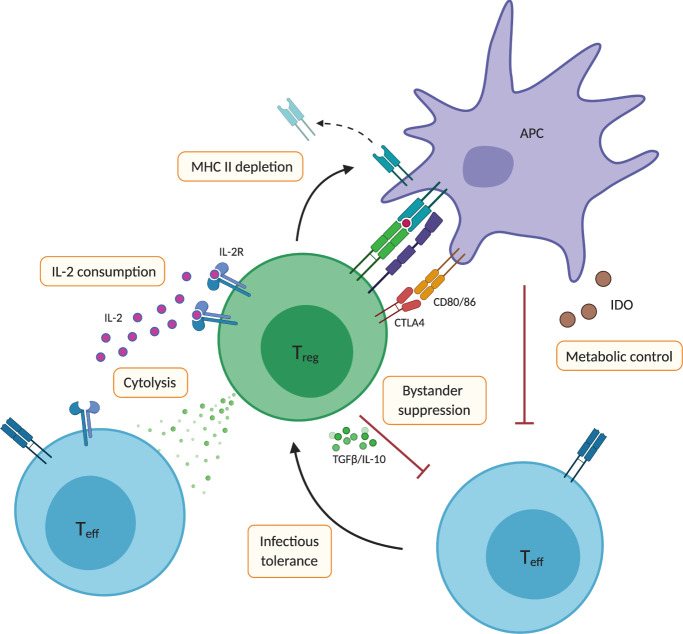
“Additionally, Treg expression of CTLA4 is known to disrupt T effector cell function.”
From Modulating immune responses to AAV by expanded polyclonal T-regs and capsid specific chimeric antigen receptor T-regulatory cells (2021) · cites this paper as [44]
Self-check
Percentages, sums and reported differences re-computed from the paper’s own numbers.
The self-check needs the paper’s full text.
Citations
Cites
A Programmable Dual-RNA–Guided DNA Endonuclease in Adaptive Bacterial Immunity
Jinek, M., Chylinski, K., Fonfara, I., Hauer, M., Doudna, J. A., & Charpentier, E. (2012) · Science · doi:10.1126/science.1225829 · Cited by 17,116
Multiplex Genome Engineering Using CRISPR/Cas Systems
Cong, L., Ran, F. A., Cox, D., Lin, S., Barretto, R., Habib, N., Hsu, P. D., Wu, X., Jiang, W., Marraffini, L. A., et al. (2013) · Science · doi:10.1126/science.1231143 · Cited by 15,339
RNA-Guided Human Genome Engineering via Cas9
Mali, P., Yang, L., Esvelt, K. M., Aach, J., Guell, M., DiCarlo, J. E., Norville, J. E., & Church, G. M. (2013) · Science · doi:10.1126/science.1232033 · Cited by 9,210
The new frontier of genome engineering with CRISPR-Cas9
Doudna, J. A., & Charpentier, E. (2014) · Science · doi:10.1126/science.1258096 · Cited by 7,062 · cited 2×
“The discovery of CRISPR-Cas9 has significantly amplified the general excitement about gene therapies [19, 100].”
BackgroundSearch-and-replace genome editing without double-strand breaks or donor DNA
Anzalone, A. V., Randolph, P. B., Davis, J. R., Sousa, A. A., Koblan, L. W., Levy, J. M., Chen, P. J., Wilson, C., Newby, G. A., Raguram, A., et al. (2019) · Nature · doi:10.1038/s41586-019-1711-4 · Cited by 4,767
Programmable base editing of A•T to G•C in genomic DNA without DNA cleavage
Gaudelli, N. M., Komor, A. C., Rees, H. A., Packer, M. S., Badran, A. H., Bryson, D. I., & Liu, D. R. (2017) · Nature · doi:10.1038/nature24644 · Cited by 4,184
Vignali, D. A. A., Collison, L. W., & Workman, C. J. (2008) · Nature Reviews Immunology · doi:10.1038/nri2343 · Cited by 3,463
Gasiunas, G., Barrangou, R., Horvath, P., & Siksnys, V. (2012) · Proceedings of the National Academy of Sciences · doi:10.1073/pnas.1208507109 · Cited by 2,769
Evolutionary classification of CRISPR–Cas systems: a burst of class 2 and derived variants
Makarova, K. S., Wolf, Y. I., Iranzo, J., Shmakov, S. A., Alkhnbashi, O. S., Brouns, S. J. J., Charpentier, E., Cheng, D., Haft, D. H., Horvath, P., et al. (2020) · Nature Reviews Microbiology · doi:10.1038/s41579-019-0299-x · Cited by 2,445
Manno, C. S., Pierce, G. F., Arruda, V. R., Glader, B., Ragni, M., Rasko, J. J. E., Ozelo, M. C., Hoots, K., Blatt, P., Konkle, B., et al. (2006) · Nature Medicine · doi:10.1038/nm1358 · Cited by 2,163
Safety and Efficacy of Gene Transfer for Leber's Congenital Amaurosis
Maguire, A. M., Simonelli, F., Pierce, E. A., Pugh, E. N., Mingozzi, F., Bennicelli, J., Banfi, S., Marshall, K. A., Testa, F., Surace, E. M., et al. (2008) · New England Journal of Medicine · doi:10.1056/nejmoa0802315 · Cited by 2,145
Effect of gene therapy on visual function in Leber’s congenital amaurosis
Bainbridge, J. W. B., Smith, A. J., Barker, S. S., Robbie, S., Henderson, R., Balaggan, K., Viswanathan, A., Holder, G. E., Stockman, A., Tyler, N., et al. (2008) · New England Journal of Medicine · doi:10.1056/nejmoa0802268 · Cited by 1,924
Kim, S., Kim, D., Cho, S. W., Kim, J., & Kim, J.-S. (2014) · Genome Research · doi:10.1101/gr.171322.113 · Cited by 1,856
Cross-presentation by dendritic cells
Joffre, O. P., Segura, E., Savina, A., & Amigorena, S. (2012) · Nature Reviews Immunology · doi:10.1038/nri3254 · Cited by 1,637
CRISPR-engineered T cells in patients with refractory cancer
Stadtmauer, E. A., Fraietta, J. A., Davis, M. M., Cohen, A. D., Weber, K. L., Lancaster, E., Mangan, P. A., Kulikovskaya, I., Gupta, M., Chen, F., et al. (2020) · Science · doi:10.1126/science.aba7365 · Cited by 1,478
Therapeutic genome editing: prospects and challenges
Cox, D. B. T., Platt, R. J., & Zhang, F. (2015) · Nature Medicine · doi:10.1038/nm.3793 · Cited by 1,336
Gene therapy clinical trials worldwide to 2012 – an update
Ginn, S. L., Alexander, I. E., Edelstein, M. L., Abedi, M. R., & Wixon, J. (2013) · The Journal of Gene Medicine · doi:10.1002/jgm.2698 · Cited by 1,159
The promise and challenge of therapeutic genome editing
Doudna, J. A. (2020) · Nature · doi:10.1038/s41586-020-1978-5 · Cited by 1,126
Identification of preexisting adaptive immunity to Cas9 proteins in humans
Charlesworth, C. T., Deshpande, P. S., Dever, D. P., Camarena, J., Lemgart, V. T., Cromer, M. K., Vakulskas, C. A., Collingwood, M. A., Zhang, L., Bode, N. M., et al. (2019) · Nature Medicine · doi:10.1038/s41591-018-0326-x · Cited by 1,093
Chemically modified guide RNAs enhance CRISPR-Cas genome editing in human primary cells
Hendel, A., Bak, R. O., Clark, J. T., Kennedy, A. B., Ryan, D. E., Roy, S., Steinfeld, I., Lunstad, B. D., Kaiser, R. J., Wilkens, A. B., et al. (2015) · Nature Biotechnology · doi:10.1038/nbt.3290 · Cited by 1,090
Synthesis of clathrate cerium superhydride CeH9 at 80-100 GPa with atomic hydrogen sublattice
Salke, N. P., Davari Esfahani, M. M., Zhang, Y., Kruglov, I. A., Zhou, J., Wang, Y., Greenberg, E., Prakapenka, V. B., Liu, J., Oganov, A. R., et al. (2019) · Nature Communications · doi:10.1038/s41467-019-12326-y · Cited by 1,004
Immune responses to AAV vectors: overcoming barriers to successful gene therapy
Mingozzi, F., & High, K. A. (2013) · Blood · doi:10.1182/blood-2013-01-306647 · Cited by 955
Gene therapy clinical trials worldwide to 2017: An update
Ginn, S. L., Amaya, A. K., Alexander, I. E., Edelstein, M., & Abedi, M. R. (2018) · The Journal of Gene Medicine · doi:10.1002/jgm.3015 · Cited by 903
Regulation of MHC Class II Expression by Interferon-γ Mediated by the Transactivator Gene CIITA
Steimle, V., Siegrist, C.-A., Mottet, A., Lisowska-Grospierre, B., & Mach, B. (1994) · Science · doi:10.1126/science.8016643 · Cited by 898
Finn, J. D., Smith, A. R., Patel, M. C., Shaw, L., Youniss, M. R., van Heteren, J., Dirstine, T., Ciullo, C., Lescarbeau, R., Seitzer, J., et al. (2018) · Cell Reports · doi:10.1016/j.celrep.2018.02.014 · Cited by 878
Maguire, A. M., High, K. A., Auricchio, A., Wright, J. F., Pierce, E. A., Testa, F., Mingozzi, F., Bennicelli, J. L., Ying, G.-S., Rossi, S., et al. (2009) · The Lancet · doi:10.1016/s0140-6736(09)61836-5 · Cited by 865
Vakulskas, C. A., Dever, D. P., Rettig, G. R., Turk, R., Jacobi, A. M., Collingwood, M. A., Bode, N. M., McNeill, M. S., Yan, S., Camarena, J., et al. (2018) · Nature Medicine · doi:10.1038/s41591-018-0137-0 · Cited by 782
Limmer, A., Ohl, J., Kurts, C., Ljunggren, H.-G., Reiss, Y., Groettrup, M., Momburg, F., Arnold, B., & Knolle, P. A. (2000) · Nature Medicine · doi:10.1038/82161 · Cited by 758
Cd8(+) T-Cell Responses to Adeno-Associated Virus Capsid in Humans
Mingozzi, F., Maus, M. V., Hui, D. J., Sabatino, D. E., Murphy, S. L., Rasko, J. E. J., Ragni, M. V., Manno, C. S., Sommer, J., Jiang, H., et al. (2007) · Nature Medicine · doi:10.1038/nm1549 · Cited by 748
Development of a gene-editing approach to restore vision loss in Leber congenital amaurosis type 10
Maeder, M. L., Stefanidakis, M., Wilson, C. J., Baral, R., Barrera, L. A., Bounoutas, G. S., Bumcrot, D., Chao, H., Ciulla, D. M., DaSilva, J. A., et al. (2019) · Nature Medicine · doi:10.1038/s41591-018-0327-9 · Cited by 707
Peters, P. J., Neefjes, J. J., Oorschot, V., Ploegh, H. L., & Geuze, H. J. (1991) · Nature · doi:10.1038/349669a0 · Cited by 657
Dystrophin Immunity in Duchenne's Muscular Dystrophy
Mendell, J. R., Campbell, K., Rodino-Klapac, L., Sahenk, Z., Shilling, C., Lewis, S., Bowles, D., Gray, S., Li, C., Galloway, G., et al. (2010) · New England Journal of Medicine · doi:10.1056/nejmoa1000228 · Cited by 655
AAV Vector Immunogenicity in Humans: A Long Journey to Successful Gene Transfer
Costa Verdera, H., Kuranda, K., & Mingozzi, F. (2020) · Molecular Therapy · doi:10.1016/j.ymthe.2019.12.010 · Cited by 641
A Multifunctional AAV-CRISPR-Cas9 and Its Host Response
Chew, W. L., Tabebordbar, M., Cheng, J. K. W., Mali, P., Wu, E. Y., Ng, A. H. M., Zhu, K., Wagers, A. J., & Church, G. M. (2016) · Nature Methods · doi:10.1038/nmeth.3993 · Cited by 617
Gene editing restores dystrophin expression in a canine model of Duchenne muscular dystrophy
Amoasii, L., Hildyard, J. C. W., Li, H., Sanchez-Ortiz, E., Mireault, A., Caballero, D., Harron, R., Stathopoulou, T.-R., Massey, C., Shelton, J. M., et al. (2018) · Science · doi:10.1126/science.aau1549 · Cited by 546
Lu, Y., Xue, J., Deng, T., Zhou, X., Yu, K., Deng, L., Huang, M., Yi, X., Liang, M., Wang, Y., et al. (2020) · Nature Medicine · doi:10.1038/s41591-020-0840-5 · Cited by 539
CRISPR-Based Therapeutic Genome Editing: Strategies and In Vivo Delivery by AAV Vectors
Wang, D., Zhang, F., & Gao, G. (2020) · Cell · doi:10.1016/j.cell.2020.03.023 · Cited by 527
c-MAF-dependent regulatory T cells mediate immunological tolerance to a gut pathobiont
Xu, M., Pokrovskii, M., Ding, Y., Yi, R., Au, C., Harrison, O. J., Galan, C., Belkaid, Y., Bonneau, R., & Littman, D. R. (2018) · Nature · doi:10.1038/nature25500 · Cited by 498
Entering the Modern Era of Gene Therapy
Anguela, X. M., & High, K. A. (2019) · Annual Review of Medicine · doi:10.1146/annurev-med-012017-043332 · Cited by 471
Induction of Immune Tolerance to Coagulation Factor IX Antigen by In Vivo Hepatic Gene Transfer
Mingozzi, F., Liu, Y.-L., Dobrzynski, E., Kaufhold, A., Liu, J. H., Wang, Y., Arruda, V. R., High, K. A., & Herzog, R. W. (2003) · Journal of Clinical Investigation · doi:10.1172/jci16887 · Cited by 466 · cited 2×
“High antigen expression in the liver has been shown to exhaust Teff and induce Treg cells directed against vectors and transgenes [11, 88].”
BackgroundSawitzki, B., Harden, P. N., Reinke, P., Moreau, A., Hutchinson, J. A., Game, D. S., Tang, Q., Guinan, E. C., Battaglia, M., Burlingham, W. J., et al. (2020) · The Lancet · doi:10.1016/s0140-6736(20)30167-7 · Cited by 458
Deyaert, E., Wauters, L., Guaitoli, G., Konijnenberg, A., Leemans, M., Terheyden, S., Petrovic, A., Gallardo, R., Nederveen-Schippers, L. M., Athanasopoulos, P. S., et al. (2017) · Nature Communications · doi:10.1038/s41467-017-01103-4 · Cited by 457
CRISPR-Edited Stem Cells in a Patient with HIV and Acute Lymphocytic Leukemia
Xu, L., Wang, J., Liu, Y., Xie, L., Su, B., Mou, D., Wang, L., Liu, T., Wang, X., Zhang, B., et al. (2019) · New England Journal of Medicine · doi:10.1056/nejmoa1817426 · Cited by 454
CasX enzymes comprise a distinct family of RNA-guided genome editors
Liu, J.-J., Orlova, N., Oakes, B. L., Ma, E., Spinner, H. B., Baney, K. L. M., Chuck, J., Tan, D., Knott, G. J., Harrington, L. B., et al. (2019) · Nature · doi:10.1038/s41586-019-0908-x · Cited by 446
High prevalence of Streptococcus pyogenes Cas9-reactive T cells within the adult human population
Wagner, D. L., Amini, L., Wendering, D. J., Burkhardt, L.-M., Akyüz, L., Reinke, P., Volk, H.-D., & Schmueck-Henneresse, M. (2019) · Nature Medicine · doi:10.1038/s41591-018-0204-6 · Cited by 399
Self-citationUse of overlapping peptide mixtures as antigens for cytokine flow cytometry
Maecker, H. T., Dunn, H. S., Suni, M. A., Khatamzas, E., Pitcher, C. J., Bunde, T., Persaud, N., Trigona, W., Fu, T.-M., Sinclair, E., et al. (2001) · Journal of Immunological Methods · doi:10.1016/s0022-1759(01)00416-1 · Cited by 356
Staahl, B. T., Benekareddy, M., Coulon-Bainier, C., Banfal, A. A., Floor, S. N., Sabo, J. K., Urnes, C., Munares, G. A., Ghosh, A., & Doudna, J. A. (2017) · Nature Biotechnology · doi:10.1038/nbt.3806 · Cited by 355
Raper, S. E., Yudkoff, M., Chirmule, N., Gao, G.-P., Nunes, F., Haskal, Z. J., Furth, E. E., Propert, K. J., Robinson, M. B., Magosin, S., et al. (2002) · Human Gene Therapy · doi:10.1089/10430340152712719 · Cited by 354
Mangeot, P. E., Risson, V., Fusil, F., Marnef, A., Laurent, E., Blin, J., Mournetas, V., Massouridès, E., Sohier, T. J. M., Corbin, A., et al. (2019) · Nature Communications · doi:10.1038/s41467-018-07845-z · Cited by 346
Wang, D., Mou, H., Li, S., Li, Y., Hough, S., Tran, K., Li, J., Yin, H., Anderson, D. G., Sontheimer, E. J., et al. (2015) · Human Gene Therapy · doi:10.1089/hum.2015.087 · Cited by 345
Zhu, J., Huang, X., & Yang, Y. (2009) · Journal of Clinical Investigation · doi:10.1172/jci37607 · Cited by 330
Savage, P. A., Klawon, D. E. J., & Miller, C. H. (2020) · Annual Review of Immunology · doi:10.1146/annurev-immunol-100219-020937 · Cited by 321
Regulatory T Cell Specificity Directs Tolerance versus Allergy against Aeroantigens in Humans
Bacher, P., Heinrich, F., Stervbo, U., Nienen, M., Vahldieck, M., Iwert, C., Vogt, K., Kollet, J., Babel, N., Sawitzki, B., et al. (2016) · Cell · doi:10.1016/j.cell.2016.09.050 · Cited by 319
Regulatory T cells in the treatment of disease
Sharabi, A., Tsokos, M. G., Ding, Y., Malek, T. R., Klatzmann, D., & Tsokos, G. C. (2018) · Nature Reviews Drug Discovery · doi:10.1038/nrd.2018.148 · Cited by 297
Delivery Aspects of CRISPR/Cas for in Vivo Genome Editing
Wilbie, D., Walther, J., & Mastrobattista, E. (2019) · Accounts of Chemical Research · doi:10.1021/acs.accounts.9b00106 · Cited by 294
Therapeutic base editing of human hematopoietic stem cells
Zeng, J., Wu, Y., Ren, C., Bonanno, J., Shen, A. H., Shea, D., Gehrke, J. M., Clement, K., Luk, K., Yao, Q., et al. (2020) · Nature Medicine · doi:10.1038/s41591-020-0790-y · Cited by 283
Tsang, J. Y.-S., Tanriver, Y., Jiang, S., Xue, S.-A., Ratnasothy, K., Chen, D., Stauss, H. J., Bucy, R. P., Lombardi, G., & Lechler, R. (2008) · Journal of Clinical Investigation · doi:10.1172/jci33185 · Cited by 271
Meliani, A., Boisgerault, F., Hardet, R., Marmier, S., Collaud, F., Ronzitti, G., Leborgne, C., Costa Verdera, H., Simon Sola, M., Charles, S., et al. (2018) · Nature Communications · doi:10.1038/s41467-018-06621-3 · Cited by 265
Akkaya, B., Oya, Y., Akkaya, M., Al Souz, J., Holstein, A. H., Kamenyeva, O., Kabat, J., Matsumura, R., Dorward, D. W., Glass, D. D., et al. (2019) · Nature Immunology · doi:10.1038/s41590-018-0280-2 · Cited by 263
Clearance of adenovirus-infected hepatocytes by MHC class I-restricted CD4+ CTLs in vivo
Yang, Y., & Wilson, J. M. (1995) · The Journal of Immunology · doi:10.4049/jimmunol.155.5.2564 · Cited by 262 · cited 2×
“Traditionally, elimination of transgene-expressing cells is attributed to CD8 T cells [2, 47], but a subpopulation of CD4 T cells are also able to execute cytotoxic functions [48, 49].”
BackgroundPutnam, A. L., Safinia, N., Medvec, A., Laszkowska, M., Wray, M., Mintz, M. A., Trotta, E., Szot, G. L., Liu, W., Lares, A., et al. (2013) · American Journal of Transplantation · doi:10.1111/ajt.12433 · Cited by 261
Streptococcus thermophilus CRISPR-cas9 systems enable specific editing of the human genome
Müller, M., Lee, C. M., Gasiunas, G., Davis, T. H., Cradick, T. J., Siksnys, V., Bao, G., Cathomen, T., & Mussolino, C. (2016) · Molecular Therapy · doi:10.1038/mt.2015.218 · Cited by 254
The Neisseria meningitidis CRISPR-Cas9 System Enables Specific Genome Editing in Mammalian Cells
Lee, C. M., Cradick, T. J., & Bao, G. (2016) · Molecular Therapy · doi:10.1038/mt.2016.8 · Cited by 246
Prevalence of Pre-existing Antibodies to CRISPR-Associated Nuclease Cas9 in the USA Population
Simhadri, V. L., McGill, J., McMahon, S., Wang, J., Jiang, H., & Sauna, Z. E. (2018) · Molecular Therapy - Methods & Clinical Development · doi:10.1016/j.omtm.2018.06.006 · Cited by 241
High-dose AAV gene therapy deaths
(2020) · Nature Biotechnology · doi:10.1038/s41587-020-0642-9 · Cited by 234
AAV-CRISPR Gene Editing Is Negated by Pre-existing Immunity to Cas9
Li, A., Tanner, M. R., Lee, C. M., Hurley, A. E., De Giorgi, M., Jarrett, K. E., Davis, T. H., Doerfler, A. M., Bao, G., Beeton, C., et al. (2020) · Molecular Therapy · doi:10.1016/j.ymthe.2020.04.017 · Cited by 230
A New Class of Medicines through DNA Editing
Porteus, M. H. (2019) · New England Journal of Medicine · doi:10.1056/nejmra1800729 · Cited by 229
Kleijmeer, M. J., Morkowski, S., Griffith, J. M., Rudensky, A. Y., & Geuze, H. J. (1997) · The Journal of Cell Biology · doi:10.1083/jcb.139.3.639 · Cited by 223
Mingozzi, F., & High, K. A. (2017) · Annual Review of Virology · doi:10.1146/annurev-virology-101416-041936 · Cited by 206
Engineered materials for in vivo delivery of genome-editing machinery
Tong, S., Moyo, B., Lee, C. M., Leong, K., & Bao, G. (2019) · Nature Reviews Materials · doi:10.1038/s41578-019-0145-9 · Cited by 205
Multifunctional CRISPR-Cas9 with Engineered Immunosilenced Human T Cell Epitopes
Ferdosi, S. R., Ewaisha, R., Moghadam, F., Krishna, S., Park, J. G., Ebrahimkhani, M. R., Kiani, S., & Anderson, K. S. (2019) · Nature Communications · doi:10.1038/s41467-019-09693-x · Cited by 204
Ahmadzadeh, M., Pasetto, A., Jia, L., Deniger, D. C., Stevanović, S., Robbins, P. F., & Rosenberg, S. A. (2019) · Science Immunology · doi:10.1126/sciimmunol.aao4310 · Cited by 201 · cited 1×
“Similarly, this has been shown for both aeroantigens in allergy and neoantigens in cancer tissue [9, 91].”
BackgroundExpression of class I and class II major histocompatibility complex antigens on human hepatocytes
Franco, A., Barnaba, V., Natali, P., Balsano, C., Musca, A., & Balsano, F. (1988) · Hepatology · doi:10.1002/hep.1840080302 · Cited by 184
Roemhild, A., Otto, N. M., Moll, G., Abou-El-Enein, M., Kaiser, D., Bold, G., Schachtner, T., Choi, M., Oellinger, R., Landwehr-Kenzel, S., et al. (2020) · BMJ · doi:10.1136/bmj.m3734 · Cited by 175
Self-citationMueller, C., Chulay, J. D., Trapnell, B. C., Humphries, M., Carey, B., Sandhaus, R. A., McElvaney, N. G., Messina, L., Tang, Q., Rouhani, F. N., et al. (2013) · Journal of Clinical Investigation · doi:10.1172/jci70314 · Cited by 169
Lüth, S., Huber, S., Schramm, C., Buch, T., Zander, S., Stadelmann, C., Brück, W., Wraith, D. C., Herkel, J., & Lohse, A. W. (2008) · Journal of Clinical Investigation · doi:10.1172/jci32132 · Cited by 161 · cited 10×
“Alternatively, gene editing and transfer of Cas9specific TCRs into (induced) Tregs could be envisioned [94–96].”
BackgroundInfluentialThe promise and challenge of therapeutic genome editing
Doudna, & Já (2020) · 四川生理科学杂志 · Cited by 153
Englund, P., Lindroos, E., Nennesmo, I., Klareskog, L., & Lundberg, I. E. (2001) · American Journal Of Pathology · doi:10.1016/s0002-9440(10)62513-8 · Cited by 151
Immunity to CRISPR Cas9 and Cas12a therapeutics
Chew, W. L. (2018) · WIREs Systems Biology and Medicine · doi:10.1002/wsbm.1408 · Cited by 147
A Potent Branched-Tail Lipid Nanoparticle Enables Multiplexed mRNA Delivery and Gene Editing In Vivo
Hajj, K. A., Melamed, J. R., Chaudhary, N., Lamson, N. G., Ball, R. L., Yerneni, S. S., & Whitehead, K. A. (2020) · Nano Letters · doi:10.1021/acs.nanolett.0c00596 · Cited by 146 · cited 1×
“component delivery with self-inactivating vectors [73–75] or nanoparticles [36, 76] could thereby significantly reduce the”
BackgroundHuman Antigen-Specific Regulatory T Cells Generated by T Cell Receptor Gene Transfer
Brusko, T. M., Koya, R. C., Zhu, S., Lee, M. R., Putnam, A. L., McClymont, S. A., Nishimura, M. I., Han, S., Chang, L.-J., Atkinson, M. A., et al. (2010) · PLoS ONE · doi:10.1371/journal.pone.0011726 · Cited by 140 · cited 1×
“A large body of evidence suggests that antigen-specific Treg cells are more potent than polyclonal products in transplantation and autoimmunity, as well as in gene therapy [18, 94, 97, 98].”
BackgroundHonaker, Y., Hubbard, N., Xiang, Y., Fisher, L., Hagin, D., Sommer, K., Song, Y., Yang, S. J., Lopez, C., Tappen, T., et al. (2020) · Science Translational Medicine · doi:10.1126/scitranslmed.aay6422 · Cited by 132
A Self-Deleting AAV-CRISPR System for In Vivo Genome Editing
Li, A., Lee, C. M., Hurley, A. E., Jarrett, K. E., De Giorgi, M., Lu, W., Balderrama, K. S., Doerfler, A. M., Deshmukh, H., Ray, A., et al. (2019) · Molecular Therapy - Methods & Clinical Development · doi:10.1016/j.omtm.2018.11.009 · Cited by 128
Moreno, A. M., Palmer, N., Alemán, F., Chen, G., Pla, A., Jiang, N., Leong Chew, W., Law, M., & Mali, P. (2019) · Nature Biomedical Engineering · doi:10.1038/s41551-019-0431-2 · Cited by 125
In vitro–transcribed guide RNAs trigger an innate immune response via the RIG-I pathway
Wienert, B., Shin, J., Zelin, E., Pestal, K., & Corn, J. E. (2018) · PLOS Biology · doi:10.1371/journal.pbio.2005840 · Cited by 119
Hepatic Gene Transfer as a Means of Tolerance Induction to Transgene Products
LoDuca, P., Hoffman, B., & Herzog, R. (2009) · Current Gene Therapy · doi:10.2174/156652309787909490 · Cited by 114
All-in-one adeno-associated virus delivery and genome editing by Neisseria meningitidis Cas9 in vivo
Ibraheim, R., Song, C.-Q., Mir, A., Amrani, N., Xue, W., & Sontheimer, E. J. (2018) · Genome Biology · doi:10.1186/s13059-018-1515-0 · Cited by 113
Perez, B. A., Shutterly, A., Chan, Y. K., Byrne, B. J., & Corti, M. (2020) · Brain Sciences · doi:10.3390/brainsci10020119 · Cited by 112
Humbert, O., Radtke, S., Samuelson, C., Carrillo, R. R., Perez, A. M., Reddy, S. S., Lux, C., Pattabhi, S., Schefter, L. E., Negre, O., et al. (2019) · Science Translational Medicine · doi:10.1126/scitranslmed.aaw3768 · Cited by 111
Evading the immune response upon in vivo gene therapy with viral vectors.
Sack, B. K., & Herzog, R. W. (2009) · PubMed · Cited by 107
Hit and go CAS9 delivered through a lentiviral based self-limiting circuit
Petris, G., Casini, A., Montagna, C., Lorenzin, F., Prandi, D., Romanel, A., Zasso, J., Conti, L., Demichelis, F., & Cereseto, A. (2017) · Nature Communications · doi:10.1038/ncomms15334 · Cited by 98
Jarrett, K. E., Lee, C., De Giorgi, M., Hurley, A., Gillard, B. K., Doerfler, A. M., Li, A., Pownall, H. J., Bao, G., & Lagor, W. R. (2018) · Arteriosclerosis, Thrombosis, and Vascular Biology · doi:10.1161/atvbaha.118.311221 · Cited by 81
Landwehr-Kenzel, S., Issa, F., Luu, S.-H., Schmück, M., Lei, H., Zobel, A., Thiel, A., Babel, N., Wood, K., Volk, H., et al. (2014) · American Journal of Transplantation · doi:10.1111/ajt.12629 · Cited by 74
Oral Tolerance Induction in Hemophilia B Dogs Fed with Transplastomic Lettuce
Herzog, R. W., Nichols, T. C., Su, J., Zhang, B., Sherman, A., Merricks, E. P., Raymer, R., Perrin, G. Q., Häger, M., Wiinberg, B., et al. (2017) · Molecular Therapy · doi:10.1016/j.ymthe.2016.11.009 · Cited by 65
Amini, L., Wagner, D. L., Rössler, U., Zarrinrad, G., Wagner, L. F., Vollmer, T., Wendering, D. J., Kornak, U., Volk, H., Reinke, P., et al. (2020) · Molecular Therapy · doi:10.1016/j.ymthe.2020.09.011 · Cited by 64 · cited 1×
“Ex vivo gene editing of cellular products with transient delivery methods (plasmid DNA, mRNA, protein) is expected to be safe in most cases as Cas9 is rapidly degraded and diluted in highly proliferating cells [60].”
BackgroundSelf-citationEx Vivo Expanded Autologous Polyclonal Regulatory T Cells Suppress Inhibitor Formation in Hemophilia
Sarkar, D., Biswas, M., Liao, G., Seay, H. R., Perrin, G. Q., Markusic, D. M., Hoffman, B. E., Brusko, T. M., Terhorst, C., & Herzog, R. W. (2014) · Molecular Therapy - Methods & Clinical Development · doi:10.1038/mtm.2014.30 · Cited by 62 · cited 2×
“It has been shown previously that polyclonal ex vivo expanded Treg cells can prevent adaptive T cell responses to gene therapy [17].”
BackgroundWang, X., Su, J., Sherman, A., Rogers, G. L., Liao, G., Hoffman, B. E., Leong, K. W., Terhorst, C., Daniell, H., & Herzog, R. W. (2015) · Blood · doi:10.1182/blood-2014-08-597070 · Cited by 58
Samelson-Jones, B. J., Finn, J. D., Favaro, P., Wright, J. F., & Arruda, V. R. (2020) · Molecular Therapy - Methods & Clinical Development · doi:10.1016/j.omtm.2020.05.001 · Cited by 50
Gernoux, G., Gruntman, A. M., Blackwood, M., Zieger, M., Flotte, T. R., & Mueller, C. (2020) · Molecular Therapy · doi:10.1016/j.ymthe.2020.01.004 · Cited by 44
Effective depletion of pre-existing anti-AAV antibodies requires broad immune targeting
Velazquez, V. M., Meadows, A. S., Pineda, R. J., Camboni, M., McCarty, D. M., & Fu, H. (2017) · Molecular Therapy - Methods & Clinical Development · doi:10.1016/j.omtm.2017.01.003 · Cited by 43
Danby, R., Zhang, W., Medd, P. G., Littlewood, T. J., Peniket, A., Rocha, V., & Roberts, D. J. (2015) · Bone Marrow Transplantation · doi:10.1038/bmt.2015.215 · Cited by 42
Gene therapy with regulatory T cells: A beneficial alliance
Biswas, M., Kumar, S. R. P., Terhorst, C., & Herzog, R. W. (2018) · Frontiers in Immunology · doi:10.3389/fimmu.2018.00554 · Cited by 41
Therapeutic Base Editing of Human Hematopoietic Stem Cells
Zeng, J., Wu, Y., Ren, C., Bonanno, J., Shen, A. H., Shea, D. N., Gehrke, J. M., Manis, J. P., Joung, J. K., & Bauer, D. E. (2019) · Blood · doi:10.1182/blood-2019-129173 · Cited by 32
Kelkar, A., Zhu, Y., Groth, T., Stolfa, G., Stablewski, A. B., Singhi, N., Nemeth, M. J., & Neelamegham, S. (2019) · Molecular Therapy · doi:10.1016/j.ymthe.2019.09.006 · Cited by 29
SpCas9-expression by tumor cells can cause T cell-dependent tumor rejection in immunocompetent mice
Ajina, R., Zamalin, D., Zuo, A., Moussa, M., Catálfamo, M., Jablonski, S. A., & Weiner, L. M. (2019) · OncoImmunology · doi:10.1080/2162402x.2019.1577127 · Cited by 24
Bartolo, L., Li Chung Tong, S., Chappert, P., Urbain, D., Collaud, F., Colella, P., Richard, I., Ronzitti, G., Demengeot, J., Gross, D. A., et al. (2019) · JCI Insight · doi:10.1172/jci.insight.127008 · Cited by 23 · cited 11×
“Alternatively, gene editing and transfer of Cas9specific TCRs into (induced) Tregs could be envisioned [94–96].”
BackgroundInfluentialCross-Reactive Donor-Specific CD8+ Tregs Efficiently Prevent Transplant Rejection
Picarda, É., Bézie, S., Usero, L., Ossart, J., Besnard, M., Halim, H., Echasserieau, K., Usal, C., Rossjohn, J., Bernardeau, K., et al. (2019) · Cell Reports · doi:10.1016/j.celrep.2019.11.106 · Cited by 23
Smith, B. M., Lyle, M. J., Chen, A. C., & Miao, C. H. (2019) · Journal of Thrombosis and Haemostasis · doi:10.1111/jth.14659 · Cited by 21
Hammoud, B., Schmueck‐Henneresse, M., Fischer, A. M., Fuehrer, H., Park, S., Akyuez, L., Schefold, J. C., Raftery, M. J., Schönrich, G., Kaufmann, A. M., et al. (2013) · Journal of Immunotherapy · doi:10.1097/cji.0b013e31827b87cc · Cited by 18
Self-citationWagner, D. L., Amini, L., Wendering, D. J., et al. (2018) · bioRxiv (Cold Spring Harbor Laboratory) · doi:10.1101/295139 · Cited by 9 · cited 1×
“peripheral blood in humans [105], this allows for the eva-”
BackgroundSelf-citationCapital Report: A Gene Therapy Death
Silberner, J. (2000) · The Hastings Center Report · doi:10.2307/3528305 · Cited by 8
Cited by
Past, present, and future of CRISPR genome editing technologies
Pacesa, M., Pelea, O., & Jinek, M. (2024) · Cell · doi:10.1016/j.cell.2024.01.042 · Cited by 609
“87 Pre-existing anti-Cas9 antibodies and reactive T cells have been identified in humans, 88,89 and Cas9 immunity has been associated with compromised therapeutic outcomes in canine and non-human primate disease models.”
BackgroundTherapeutic in vivo delivery of gene editing agents
Raguram, A., Banskota, S., & Liu, D. R. (2022) · Cell · doi:10.1016/j.cell.2022.03.045 · Cited by 522
CAR-T Regulatory (CAR-Treg) Cells: Engineering and Applications
Arjomandnejad, M., Kopec, A. L., & Keeler, A. M. (2022) · Biomedicines · doi:10.3390/biomedicines10020287 · Cited by 171
“To avoid systemic suppression, engineering Tregs with a Cas9-specific TCR or CAR is one of the possible strategies to overcome Cas9-mediated immune responses [177,178].”
BackgroundImmunogenicity of CRISPR therapeutics—Critical considerations for clinical translation
Ewaisha, R., & Anderson, K. S. (2023) · Frontiers in Bioengineering and Biotechnology · doi:10.3389/fbioe.2023.1138596 · Cited by 165
RNA‐based medicine: from molecular mechanisms to therapy
Sparmann, A., & Vogel, J. (2023) · The EMBO Journal · doi:10.15252/embj.2023114760 · Cited by 159
Metadata
- Authors
- Wagner, D. L., Peter, L., & Schmueck-Henneresse, M.
- Affiliations
- Berlin Institute of Health at Charité - Universitätsmedizin Berlin (DE)
- Venue
- Gene Therapy
- Published
- 2021-02-11
- Volume
- 28
- Issue
- 9
- Pages
- 549-559
- ISSN
- 0969-7128 (ISSN-L)
- 1476-5462
- PMC
- PMC8455332
- OpenAlex
- W3128665302
- Cited by
- 63
- References
- 110
- Citations by year
- 2026: 12 · 2025: 17 · 2024: 8 · 2023: 11 · 2022: 11 · 2021: 4
- FWCI
- 0.89
- Type
- journal article
- Language
- en
- Open access
- hybrid
- doi.org
- Licence
- cc-by
- creativecommons.org/licenses/by/4.0 (tdm)
- creativecommons.org/licenses/by/4.0 (vor)
- Locations
- Gene Therapy (publishedVersion, cc-by)
- Europe PMC (PubMed Central) (publishedVersion, other-oa)
- PubMed Central (publishedVersion, cc-by)
- PubMed (publishedVersion)
- Informationszentrum Lebenswissenschaften (ZB MED) (submittedVersion, cc-by)
- Refubium (Universitätsbibliothek der Freien Universität Berlin) (submittedVersion, cc-by)
- Universitätsbibliothek der FU Berlin Hochschulschriftenstelle u. Dokumentenserver (cc-by)
- Funders
- European Commission (825392, HORIZON2020)
- Bundesministerium für Bildung und Forschung
- Berlin Institute of Health
- Einstein Centrum für Regenerartive Therapien, Charité-Universitätsmedizin Berlin
- Topics
- Life Sciences › Biochemistry, Genetics and Molecular Biology › Molecular Biology › CRISPR and Genetic Engineering
- Life Sciences › Biochemistry, Genetics and Molecular Biology › Genetics › Virus-based gene therapy research
- Life Sciences › Immunology and Microbiology › Immunology › Immunotherapy and Immune Responses
- Keywords
- regulatory T cells, CRISPR/Cas9 genome editing, immune tolerance, in vivo gene therapy, viral vector gene therapy, neutralizing antibodies, cytotoxic T lymphocytes, immunogenicity, clinical trials, immunosuppression
- MeSH terms
- Gene Editing, Humans, Immune Tolerance, Genetic Therapy, T-Lymphocytes, Regulatory, CRISPR-Cas Systems
About these checks
Registry, retraction, Cites and statistics results are computed, not judged, with one exception: a printed reference that no index lists is read once by a model before it counts as a citation error. Claims are extracted by a model and kept only when their quote appears verbatim in the text; each cited source is then checked, with a model’s help, for whether it says what the claim relies on. Those verdicts can be wrong — read the claim’s quote and the cited source before relying on one.
Statistics and arithmetic are recomputed, not judged.
Confidence bands are shown only for fields calibrated on our annotated test set. None is calibrated yet, so no band is shown.
What counts as a claim ›How we measure confidence ›How we check this ›
Are you an author, or do you see a problem with this page? Request a review
Data sources
Bibliographic data: Semantic Scholar, OpenAlex, Crossref.
Contains information from the Semantic Scholar Academic Graph Datasets, made available under the ODC Attribution License (ODC-BY 1.0).
Semantic Scholar’s data is described in: Kinney, R., et al. (2023). The Semantic Scholar Open Data Platform. arXiv:2301.10140.
